Orange risotto

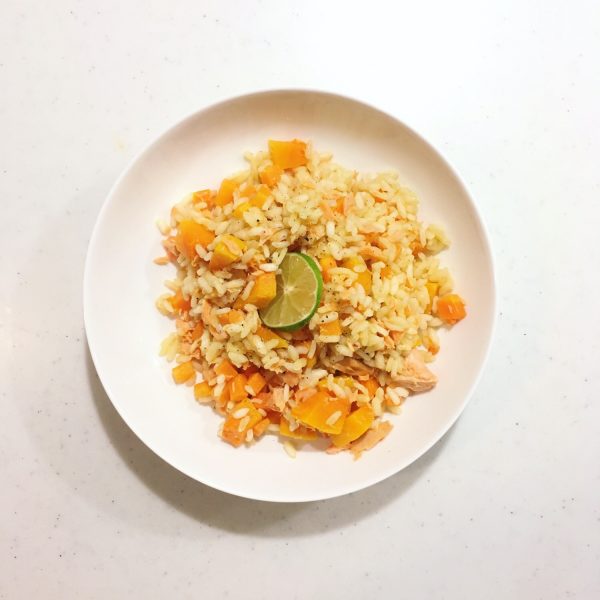
Sometimes the weather feels like eating something warm and with vibrant colors… this weather is just now! Rainy, getting chilly and tired… a bright orange risotto was just what I needed!!!

Carrots for the crunch, butternut for the soft, salmon for the salt and kabosu for the fresh and acid taste. That’s as simple as this! I cut the vegetables in rather small pieces to obtain a good mix and balance of texture in the mouth. I used olive oil as a base and a little of pepper. Nothing else. No broth, no salt. And just the time to have a call meeting and it’s ready to eat.

Have a great Friday!

Swordfish

When the season for swordfish starts I am always pleased to start eating some, in particular because it often arrives after several typhoons and fish options have been more than scarce in Isumi. After the long months of bonito, it is time for a change. And if I love sanma, which also marks the beginning of the autumn, I rarely cook some because of the smell. But swordfish is perfect for me. I like the consistency of the meat even better than that of snapper and sea bass, and it has not shape at all (I gave trouble eating fishes that have fish shapes in the plate… maybe another reason why I don’t eat sanma much!).

So, the swordfish (メカジキ mekajiki) season is starting and I found some beautiful pieces of Kesennuma swordfish. Kesennuma is a fishing port up north in Miyagi famous for tunas and swordfishes, and that was badly hut in 2011. They kind of made a brand of it, and the swordfish is actually really delicious.

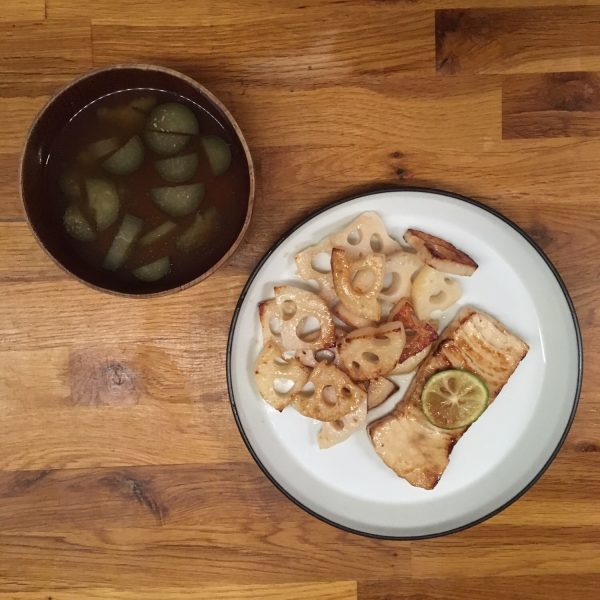
I like to grill or pan grill my pieces of swordfish, with or with marinating it. Now sudachi, the small green citrus fruits ate in season, and swordfish marinated with the juice of 2 and some soya sauce and then grilled was a great and simple recipe!!!

How do you cook your swordfish???

The very last of the summer

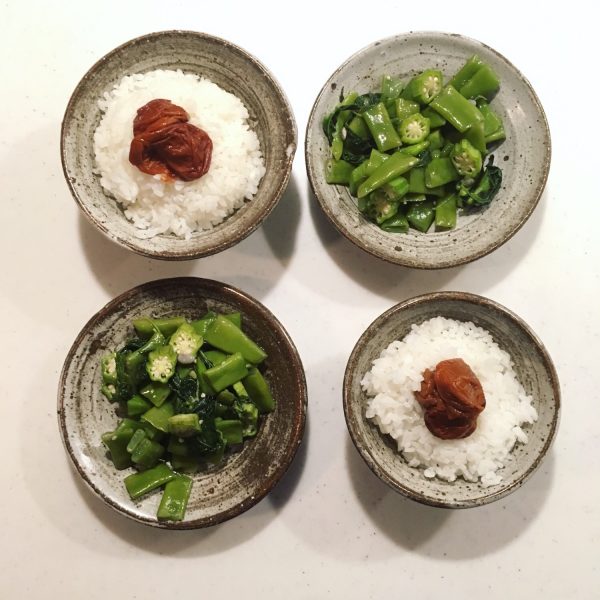
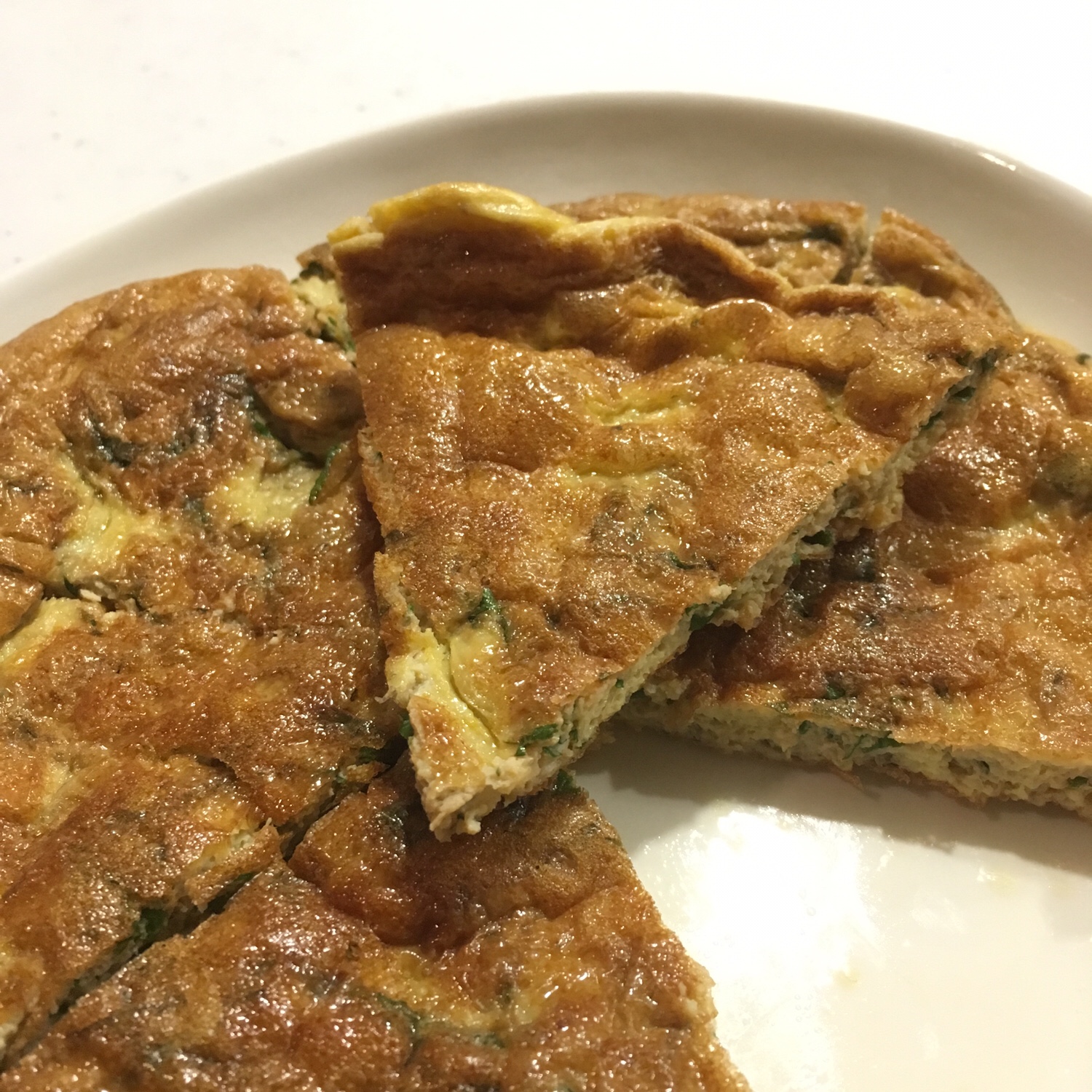
After a day of rain this week the weather as turned from end summer to early autumn. The cicadas voice is getting harder to hear and the wind gets chilly in the evening. Even though I am slowly shifting to autumn vegetables, tomatoes and eggplants have my favors to hold the summer a little bit longer, and when I saw these broad beans I couldn’t help taking them and prepare a meal that would still feels like summer. I chose for that a Japanese classic preparation boiling them in a dashi of konbu, just enough so that when they were cooked the liquid was alsmost gone (katsuobushi, or a mix of both is also perfect) and added okra sliced and jute mallow. I finished with light colored shoyu. Served it with rice and umeboshi and an omelette with finely chopped green shiso.

The Indian summer can start now!

Mushrooms already…

Though it’s still hot in Tokyo, evenings are getting chillier and mushrooms are proliferating on the market shelves… impossible to resist to the temptation and difficult anyway to shop something else as the summer vegetables are finished and there is little transition between the summer vegetables and the autumn ones. It’s either okra and tomatoes or mushrooms and pumpkins or other orange squashes. So mushrooms are a way to slowly enter the new season.

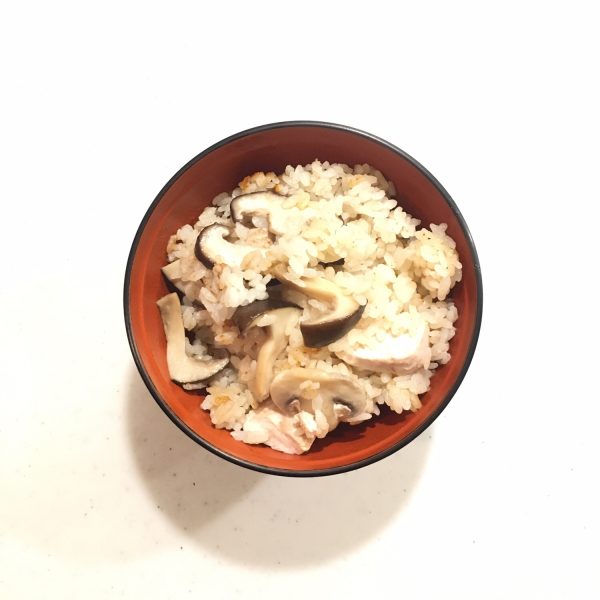
I love the classic chicken and mushroom takikomi gohan and always tale the opportunity to cook some when I miss Japanese food. It is so simple. And it is good hot or cold, so it makes the perfect content for a lunch box.

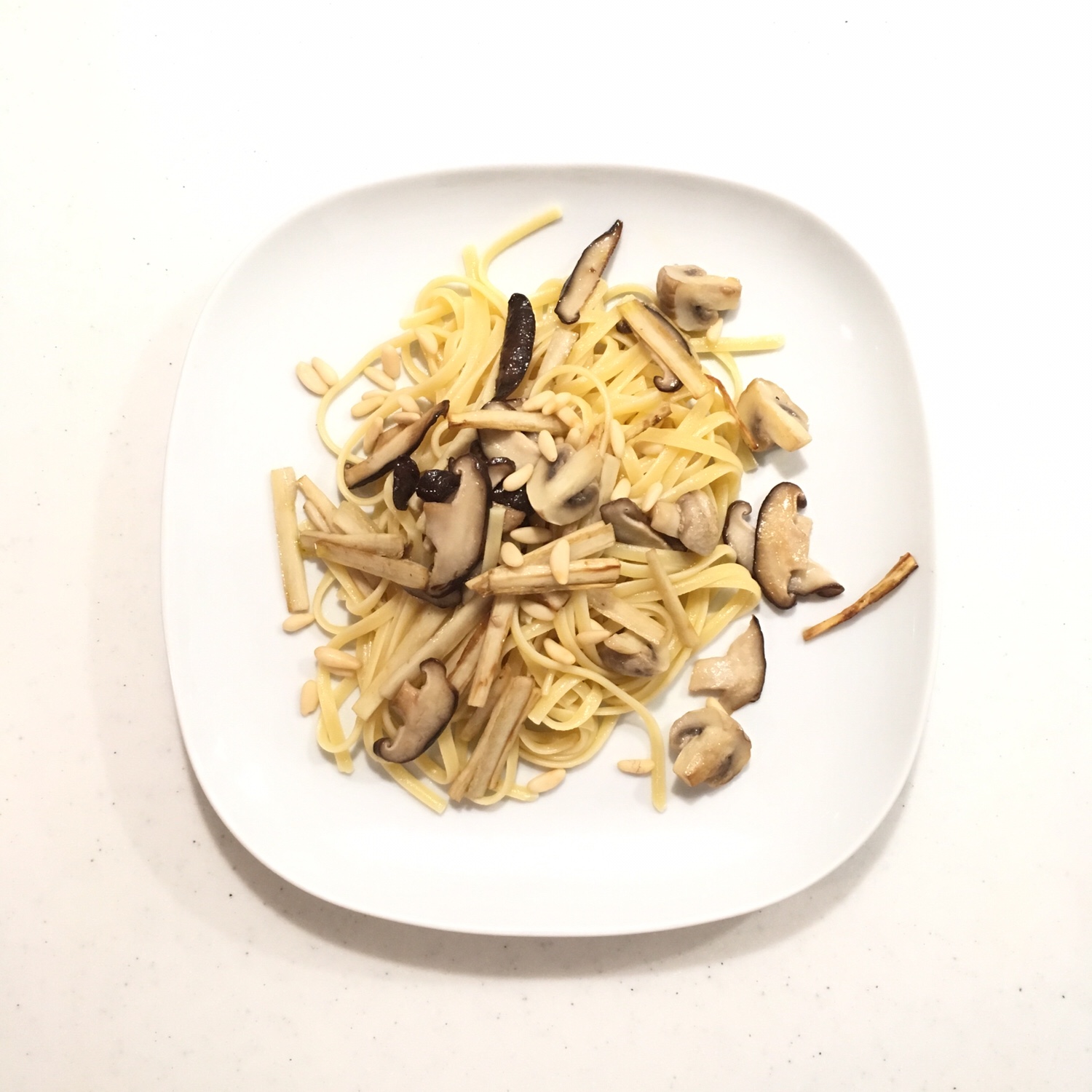
But mushrooms are also delicious with pasta! And to try the delicious pine nuts from Pisa I decidedly to make a JapanesexItalian recipe with linguine. And because mushroom only may be boring, I added burdock for it has a little bit the taste of artichokes and makes a rather nice replacement (though it doesn’t have the tenderness). So here is my new recipe!

Linguine for the early autumn (for 2 people as main)

– 120g of dry linguine

– 4 shiitake

– 4 white mushrooms

– 1/2 burdock

– 1 handful of pine nuts

– olive oil

Wash and cut the mushrooms. I like to cut the different types in different shape for a nice texture and taste experience. Peel and cut in small sticks the burdock. In a heated pan with olive oil cook all the vegetables. Add the pine nuts. Boil the pasta as you like them, drain and add in the pan, add a little olive, salt and pepper if you like and stir well before serving. Enjoy!

Food in Tuscany

There is so much to say about it…

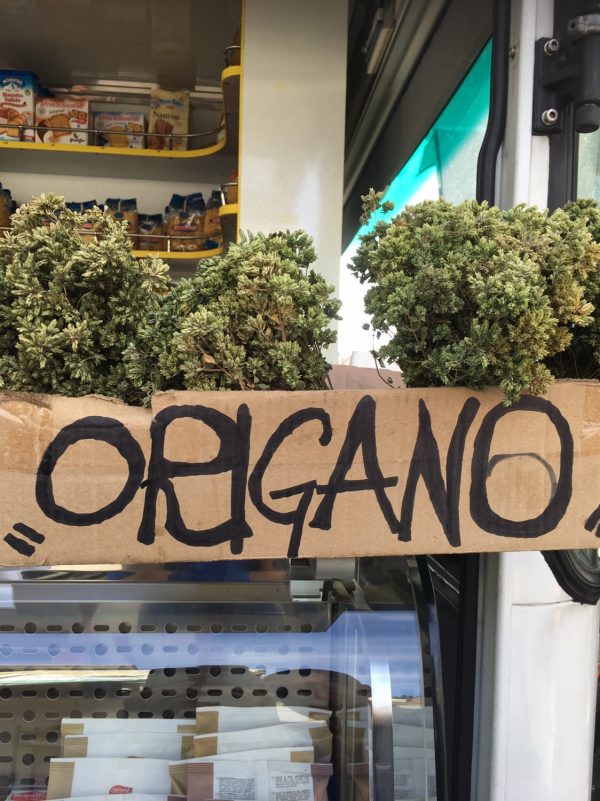
Food in Italy is always simple, fresh and great… I love to go shopping on the markets (there are markets pretty much everywhere) and find some local delish, I love to cook the simple fresh vegetables in season. My favorite Italian vegetables are zucchini, with the flower even better), fennel, artichokes, celery, radicchio, ceps and tomatoes. I love also the fresh pasta, the million varieties of cheeses and the prosciutto and the speck… but Italy is also great for herbs and dry fruits: pine nuts, hazelnuts, pistachios depending on the region. Pisa province is a region where pine nuts are produced and I couldn’t help but try them and bring some back to Japan! Recipes using them coming soon!
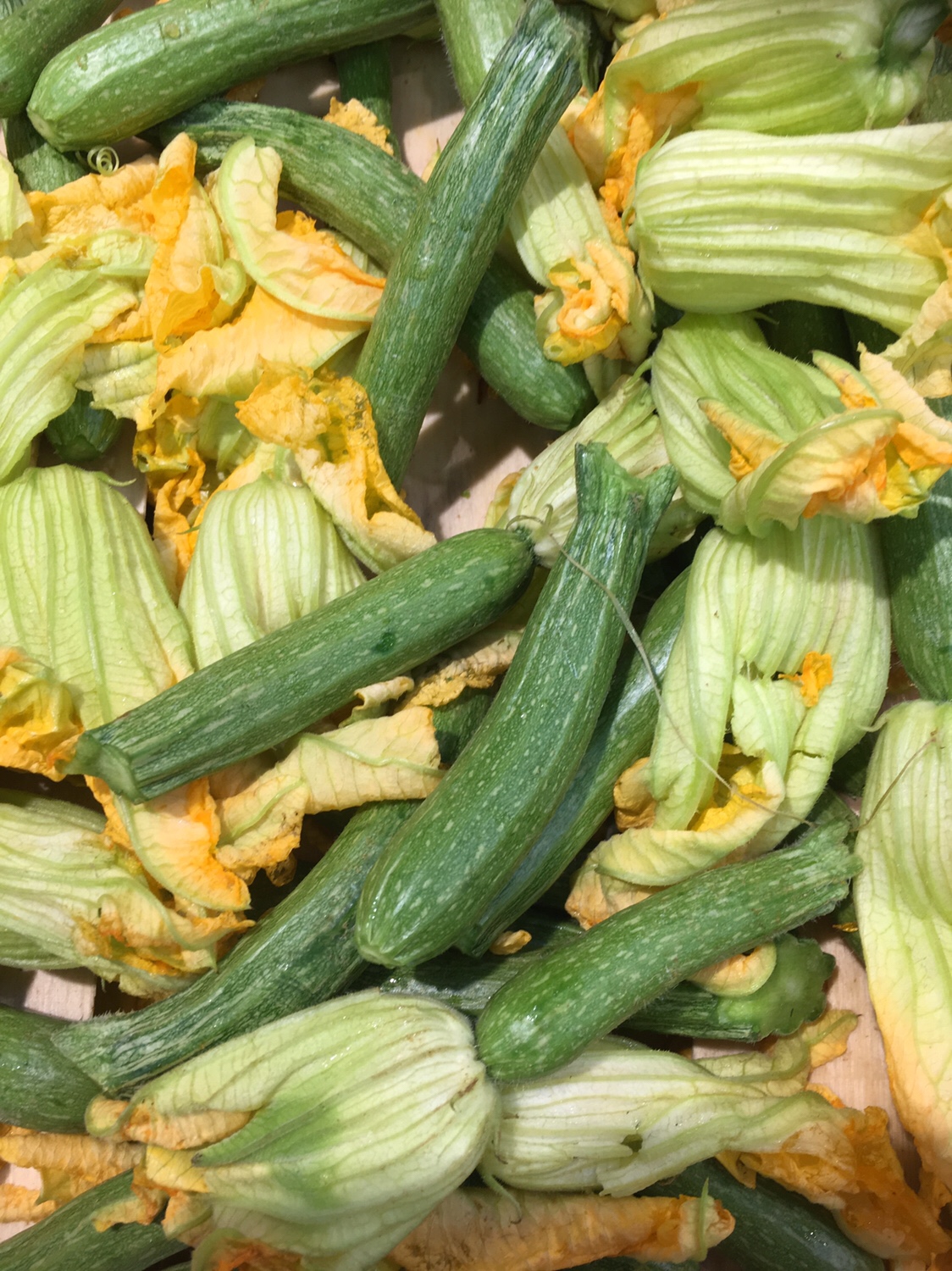
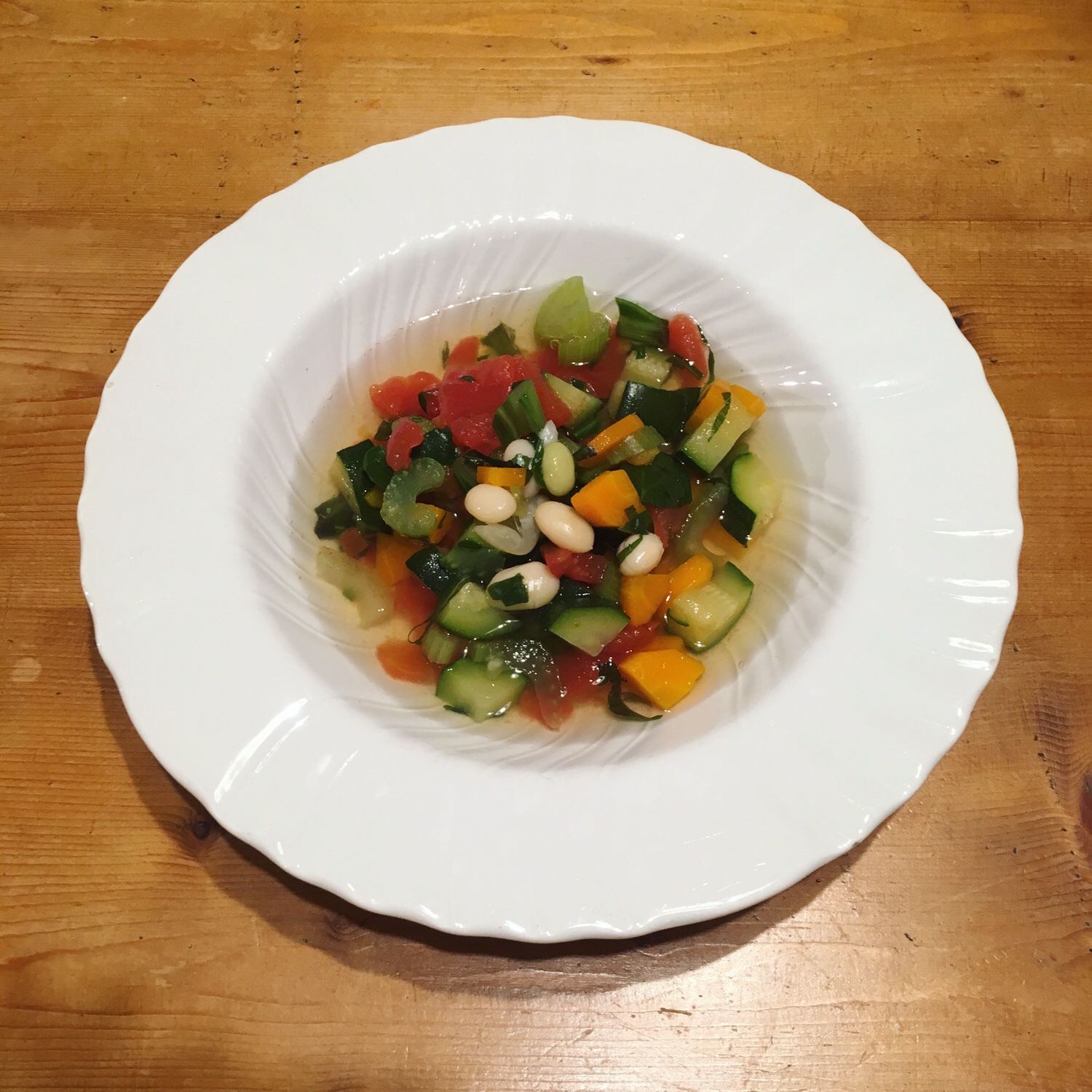
While in Italy I cooked a few different and very simple meals. I am a big fan of pesto soup and minestrone, so as soon as I can I usually cook one. In particular when the fresh beans are in season. It is really simple: celery, tomato, zucchini, fresh beans is the base, then add whatever: spinach, chard, carrot, onion… cook in salted water, serve with olive oil and grated Parmigiano. Enjoy warm or cold.
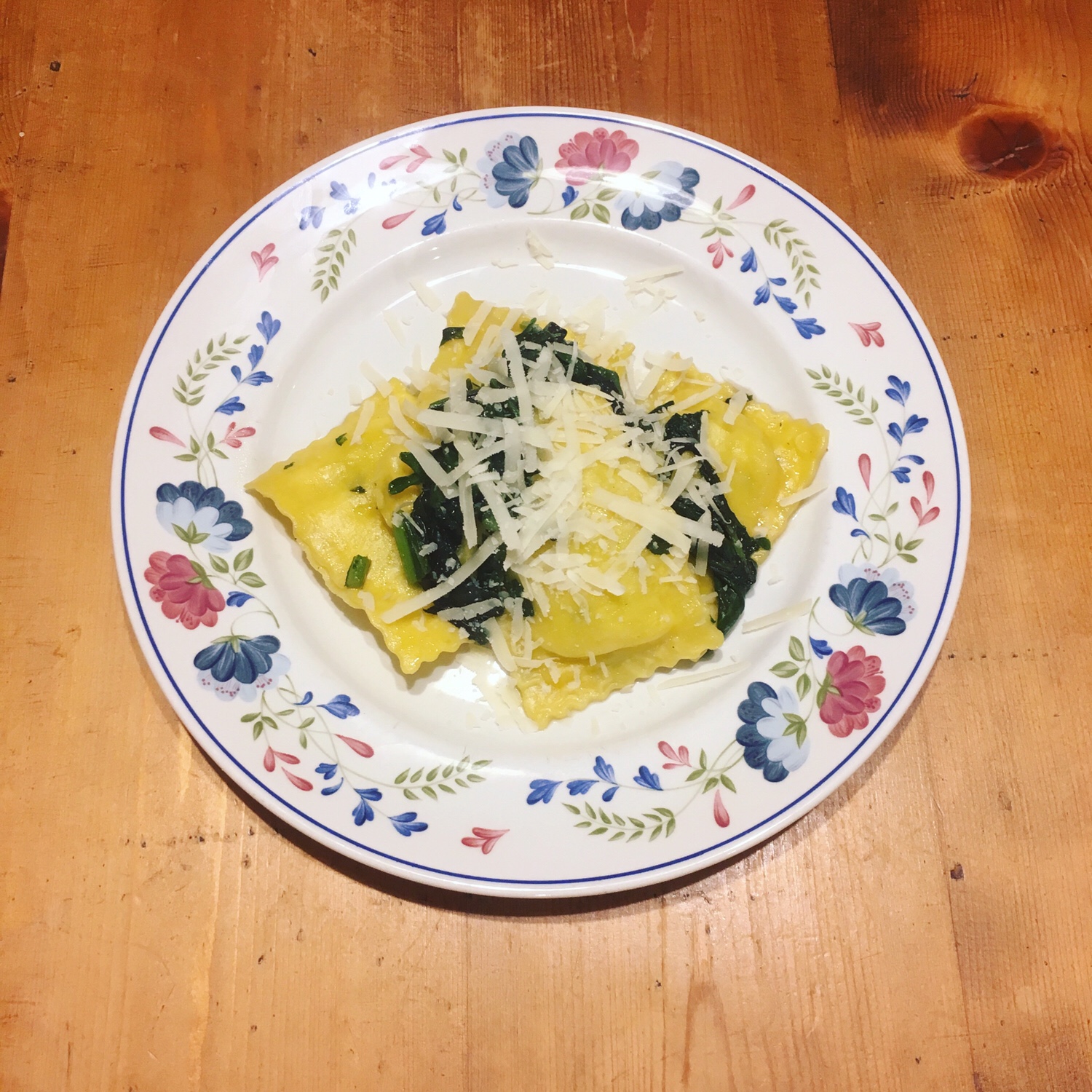
Fresh pasta are always good at least so much better than anything you can find elsewhere that there is no need to make tour own!! And stuffed pasta are always my favorite. Ricotta-spinach ravioli is on the top of the list, served with either a tomato sauce or chards and basil simply blanched and then cooked in olive oil with the ravioli. An other quick and delicious recipe!
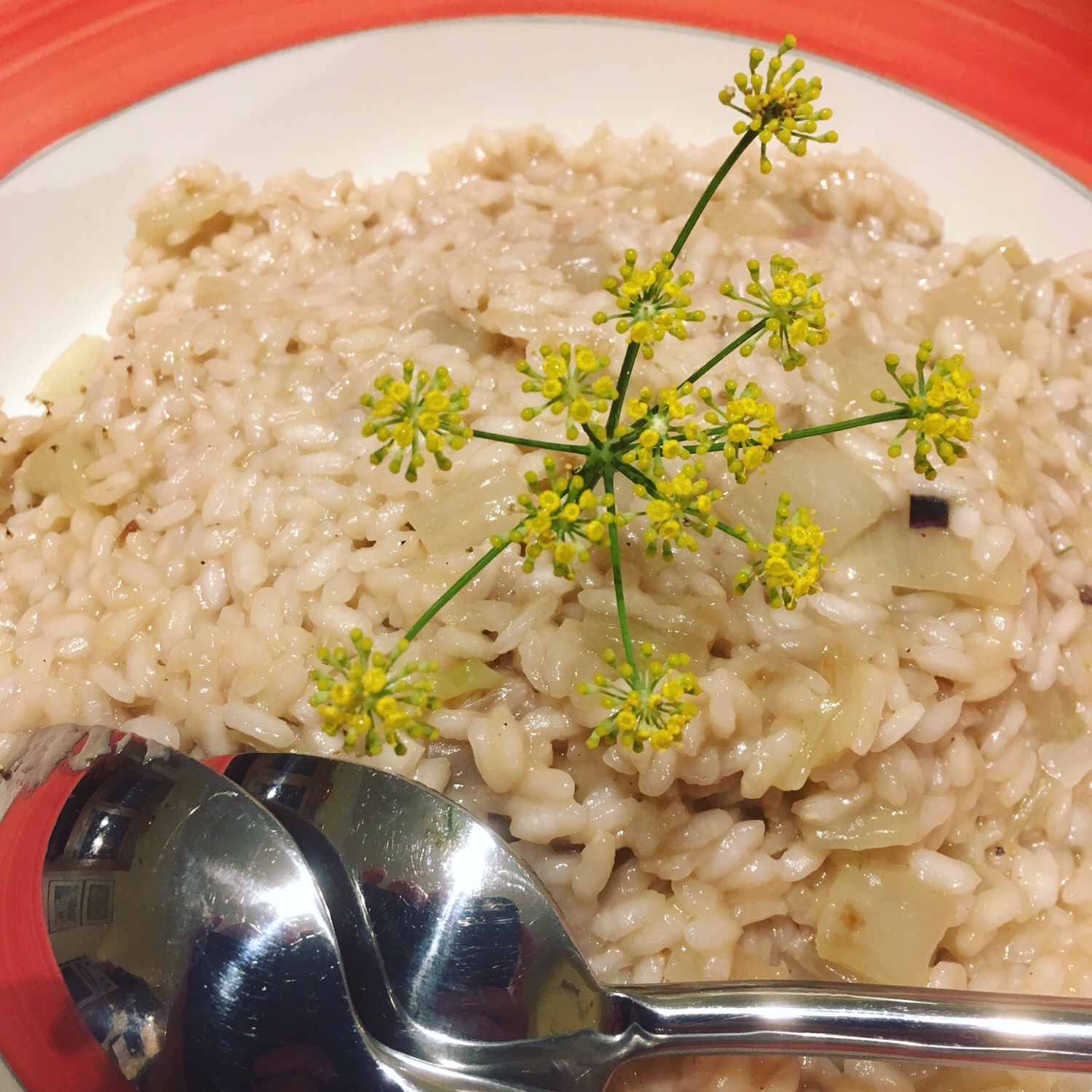
When I have more time I like to prepare risotto with fresh and seasonal vegetables. Fennels that can hardly be found in Japan make a fresh risotto served with fennel flowers picked during a stroll in the garden. An onion to start with, plenty of olive oil, the perfect risotto rice, a large fennel, vegetable broth, and here is a beautiful risotto after 30 minutes!
Here it is for my selection of simple recipes for a little dinner fix in Italy!
Poached peaches

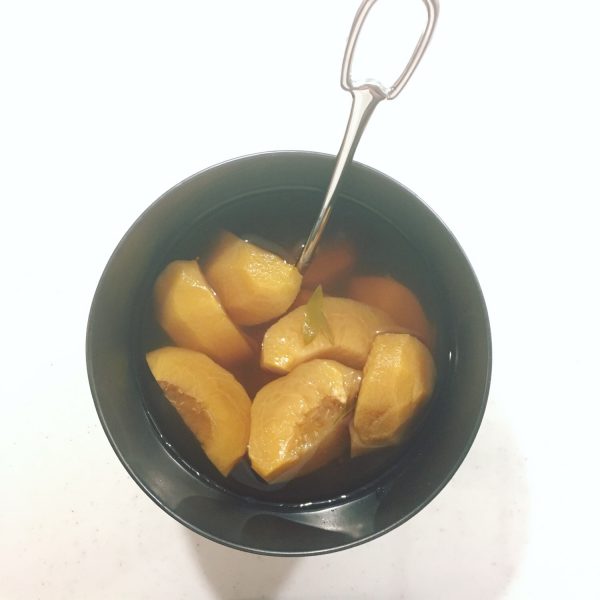
I was planning plenty of posts these days to compensate for the fewer coming in the end of the month due to traveling… but in the end I didn’t manage to get as many as I wanted to… I’m still cooking steadily and trying new combinations but it’s been hot these days and I’ve had little appetite, searching for simple things… so when we had friends over for dinner the other night and I was thinking of desserts… poached peaches immediately were a winner! I love them because they are so simple to make, so delicious and light. I usually prepare them with a verbena syrup but this time I chose to add no sugar to it, so just infused verbena leaves in the water to poach the peaches. A really simple recipe I have from my mother.

Poached peaches in verbena

– peaches (count 1/2 to one peach per person), not to ripen not to hard so that you can remove the stem

– water

– a handful of verbena leaves dry or fresh

Peel and half or quater the peaches. Bring a large pan (where you can put all your peaches) to a boil. Add the verbena leaves and the peaches. Cook until peaches are soft. Keep at room temperature or refrigerated before serving. Yes! That’s it!!!!

Wax gourd – 冬瓜

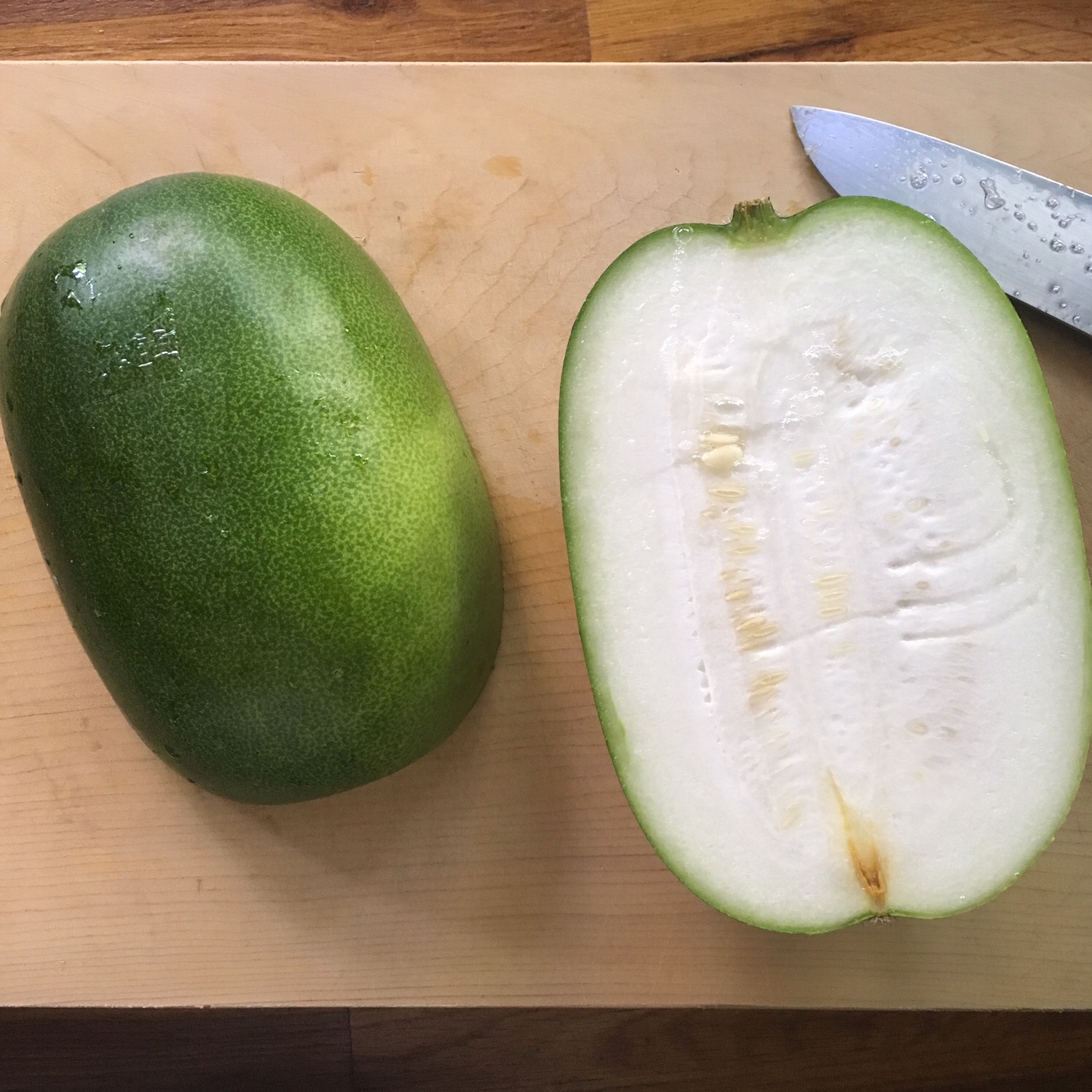
A few years ago (or in an other life… when I was managing time differently) I used to go to 茶懐石 chakaiseki cooking classes once a month. I learned a lot there, about classic Japanese cooking techniques, about Japanese sweets and about some ingredients I was never cooking. Wax gourd is one of them. It is a very delicious vegetable but when you don’t know what to do with it… you just don’t buy it… until this class of July where I was in charge of cooking some, to be served with somen (thin noodles eaten in the summer) and red snapper. And I lived that dish so much that I remember preparing it for friends coming over for dinner.

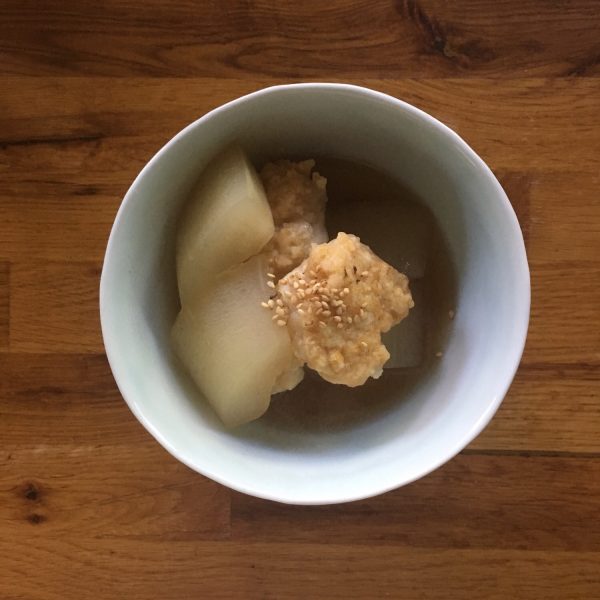
The season for wax gourd has come again and I bought some. I was fancying preparing the same recipe but the heat and our busy schedule changed the plans and I decided to invent a new recipe using the same base. No somen (too heavy for the very hot days) and instead of red snapper (no big one found) I decided to prepare Isumin pork meat balls. Still served with a great dashi. It was super delicious. Here is the detailed recipe.

Wax gourd and meat balls (for 2 people)

– 1/2 wax gourd or 冬瓜

– 100g of pork ground meat

– 40g of potato starch or katagiriko

– 1/2L of katsuobushi dashi

– 2tbs of soya sauce

– 2tbs of sake

– cooking oil

Cut and peel the wax gourd and cook in the dashi with the soya sauce and the sake until a toothpick enters smoothly.

Heat the oil in a frypan. In a bowl mix the meat and the potato starch. Form small balls and fry them until golden.

In bowls serve the wax gourd, the meat balls, then add some of the wax gourd cooking liquid. Top with a few sesame seeds. Enjoy!

Figs are back!!

This year I have the impression that everything is earlier than usual.

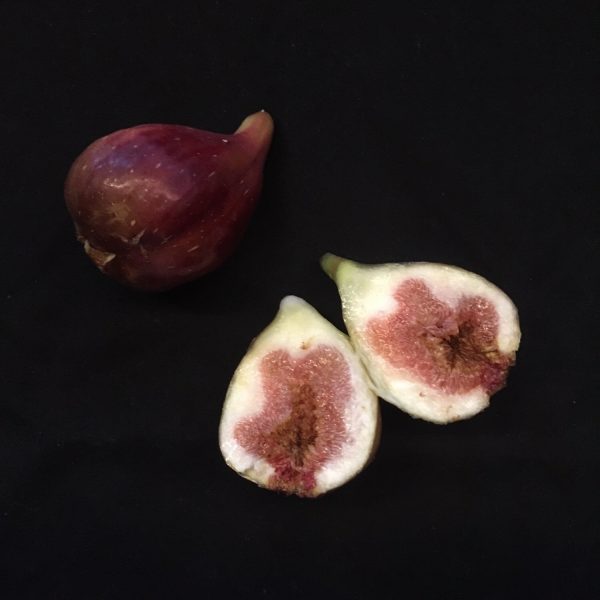
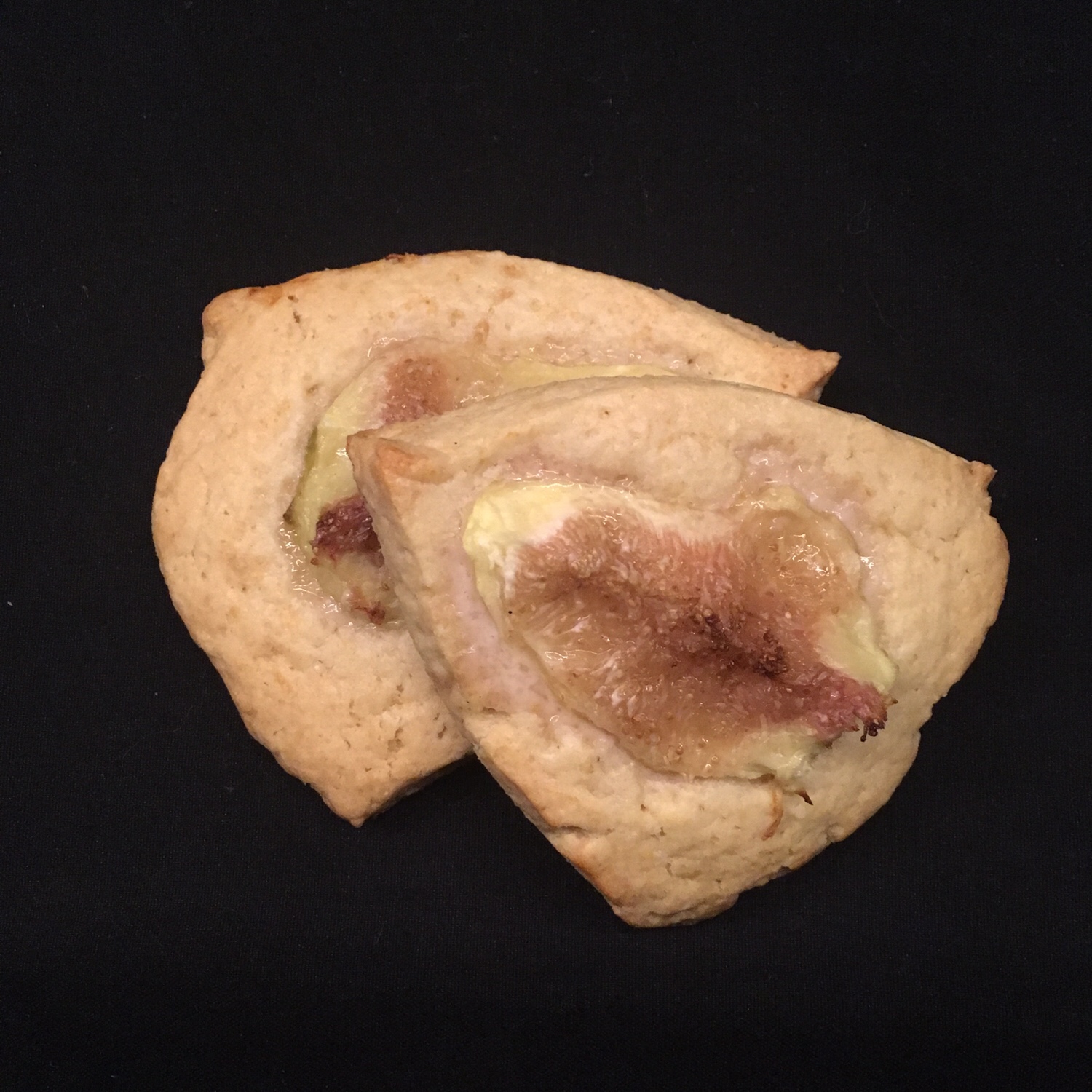
Blueberries are almost finished and figs are already ripening and are quite delicious. Farmers are getting ready to harvest rice in Chiba. Even Sarusuberi trees are blossoming almost 1month earlier than usual… So with the figs ready I was thinking of rich almond powder and fig tarts… but them I changed my mind because I wanted something less buttery and less sweet for breakfast, and without eggs. I then opted for a new recipe of scones with fresh figs.

In the regular scone dough I added half of a big fig to the mixture and almond powder. Then I topped each scone with a quarter of fig before baking. The result was a delicious breakfast. Nourishing and full of summer flavors, but not as rich as a fig tart. It’s too hot for such rich food now!

I’m looking for new ideas of recipes with fig, so any idea is welcome!!!

Goya chanpuru

In Okinawa cuisine they use a lot of pork meat and of goya, a bitter melon. Goya in Okinawa is delicious, but goya is a vegetable I never buy in Tokyo, because the ones you find in supermarkets are usually horribly bitter and hard (I did try a few times a long time ago…). There are a few tricks to remove the bitterness but normally you shouldn’t even need it… When someone give me one from their garden they are usually very delicious and not bitter at all, then I am more than happy to cook it. And one of the most classic recipe is goya chapuru ゴヤチャンプル. A traditional recipe from Okinawa with goya, tofu, pork meat and eggs. Sometimes moyashi (sprouted soya beans) are added… the pork meat is usually thin slices of pork belly or ribs, or in cheap version Spam. And it is seasoned with sesame oil usually but not always.

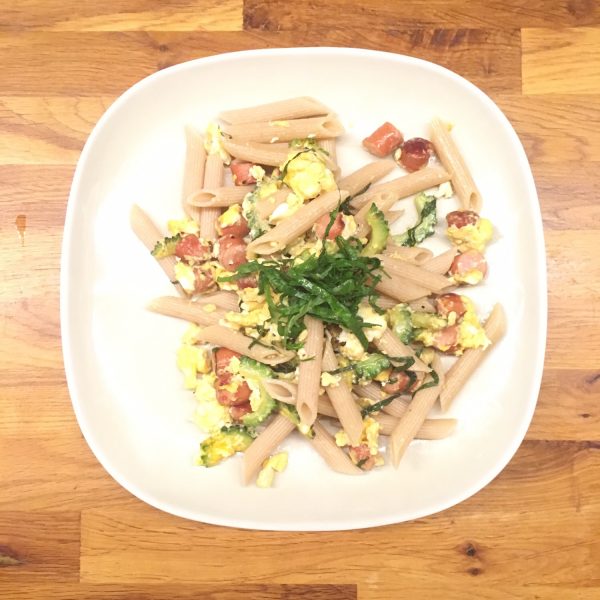
Since I received a beautiful goya And it’s been a really long time I haven’t I was really happy to cook it. With the heat and beautiful weather an Okinawa style preparation was perfectly adequate. Except that I didn’t have tofu and wanted some carbs to make the meal nourishing. I opted for a version of whole wheat penne with a goya, sausage and eggs preparation very similar to goya chanpuru. I used olive oil though rather than sesame oil. I simply cut the sausages in bites, grilled them in a frypan slightly greased, then added the goya, halved and sliced (and the seeds removed) and once they have soften with the heat I had 4 eggs beaten and stir regularly. I served it on top of the boiled penne and added olive oil, salt and pepper to finish.

Proudly powered by WordPress | Theme: Baskerville 2 by Anders Noren.

Up ↑

Verified by MonsterInsights