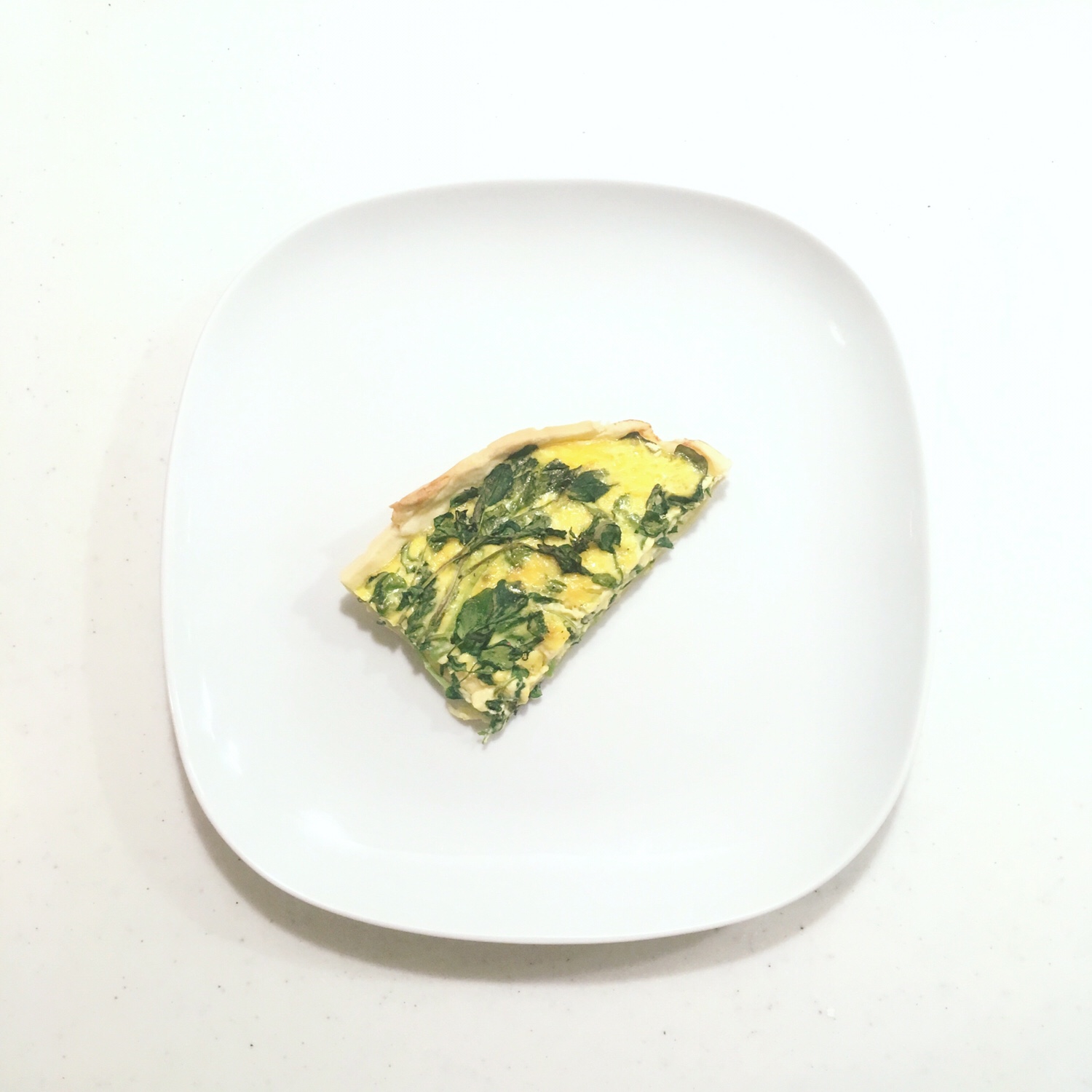
Cresson quiche

To conclude this series of watercress recipe I would like to present you a simple quiche recipe where I have added some watercress to the egg base. For the pie crust I used an olive oil base because I was short on time and I find that kneading with olive oil is much faster than with butter that is just out of the fridge. For the rest it is just a regular quiche, the watercress brings some nice flavor and a nice texture to the creamy egg base.

Enjoy your Friday!

Watercress quiche

For the pie crust:

– 120g of flour of your choice

– olive oil or butter

– a bit of water

For the filling:

– a bundle of watercress

– ham (optional)

– 4 eggs

– 150ml of milk or cream

– salt and pepper

Start with the pie crust. In a bowl mix all the ingredients and knead until the dough is smooth. If you have doubt about the amount of butter/oil and water, add little by little until the right consistency is reached. Roll and set in a pie dish.

For the filling, wash the watercress and remove the hardest parts. In a bowl mix the eggs and the milk, add the watercress and the ham cut in bites, salt and pepper to taste. Pour in the pie crust. Cook in the oven for 30min at 200. If the pie is thick, cooking time may be longer.
Cresson pasta

To continue my frenzy with watercress…

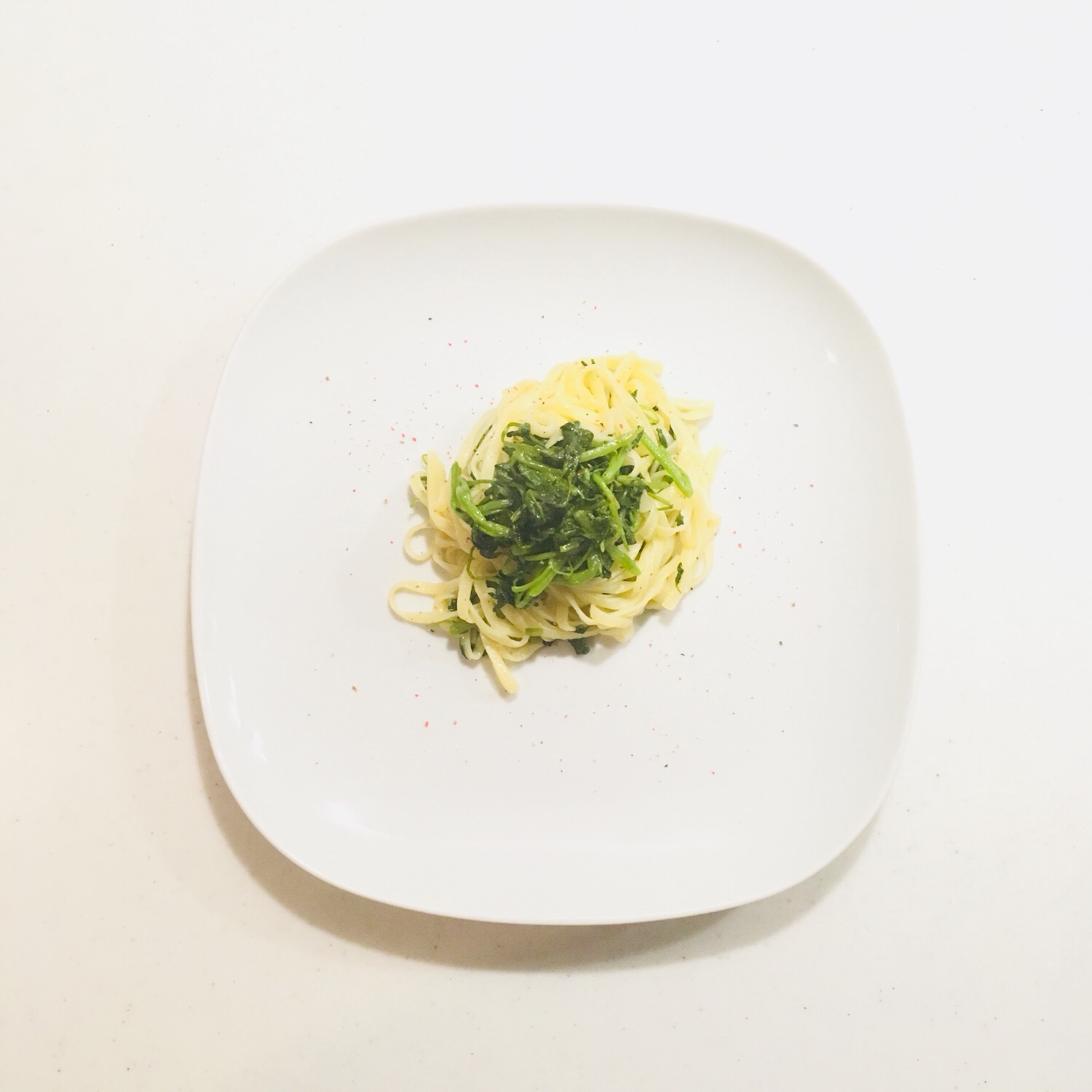
This week is the beginning of the new term, I’m back to teaching which I enjoy really and very excited with the students new research projects. Work is quite busy, but I really stocked a lot of watercress last weekend and I use it little by little. It is very easy and rapid to prepare, much faster than spinach I find, so perfect for late dinners and rapid cooking. This time I want to share my recipe to prepare the sauce for some simple fresh linguine.

Linguine with watercress

– a bundle of watercress

– olive oil

– pepper

– long pasta of your choice, I used fresh linguine

– Parmigiano (optional)

I simply washed and cut a bundle of watercress, then while still wet I through then in a pan and cook under cover at medium heat. Once soft I add olive oil and stop cooking. Then I boil the pasta, drain them and add them to the pan with the watercress, cook for 2min at high heat while stirring. Add pepper and serve. For those who like, add grated Parmigiano.

Cresson soup

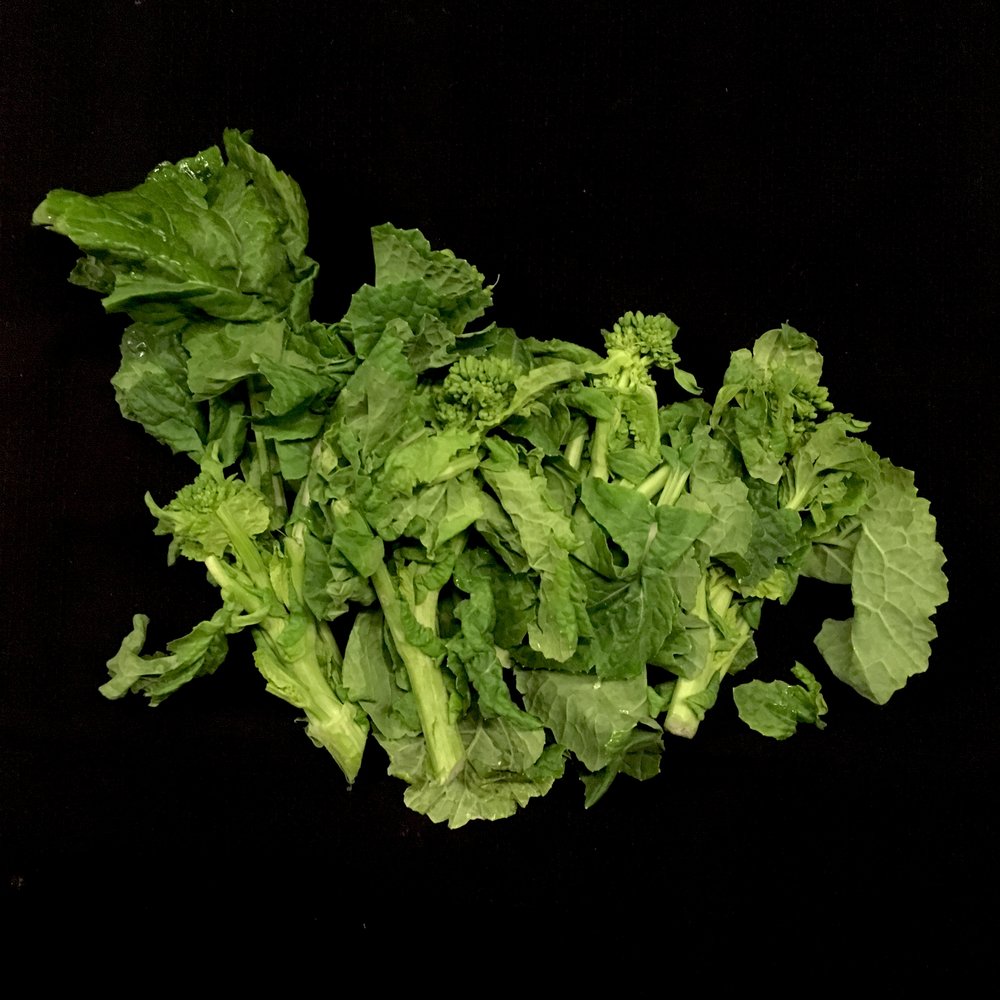
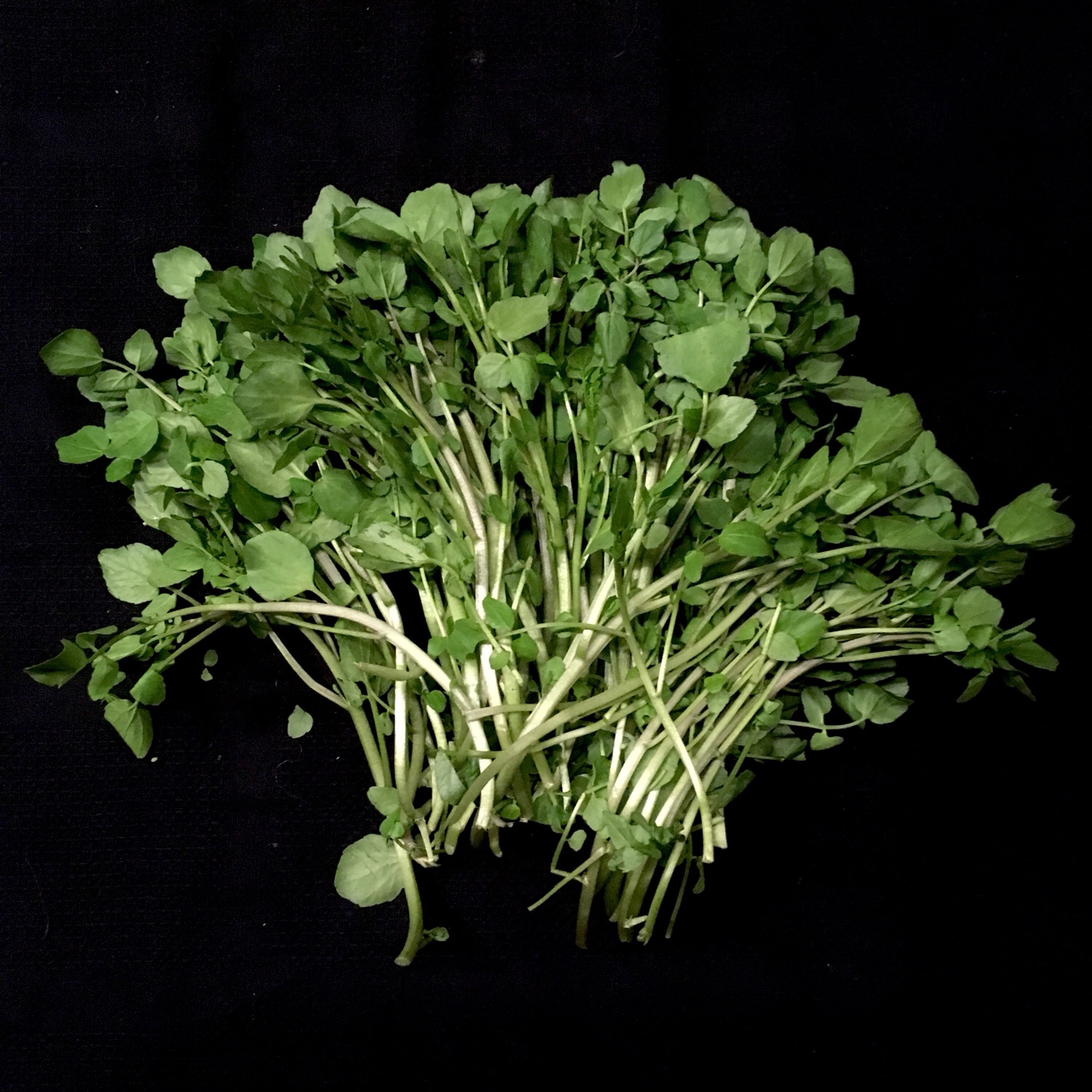
Cresson, or watercress is this little green that is harvested in spring or in autumn, and is delicious in many various preparations. It is for some unclear reasons not so easy to find watercress easily at the market so when I find some I just buy plenty and use it in many various recipes. You’ll find in the next days the recipes I have tries this time. Some classic one and some more exploratory. I hope you’ll enjoy them and it will convince you to try this little plant in your next recipe!!

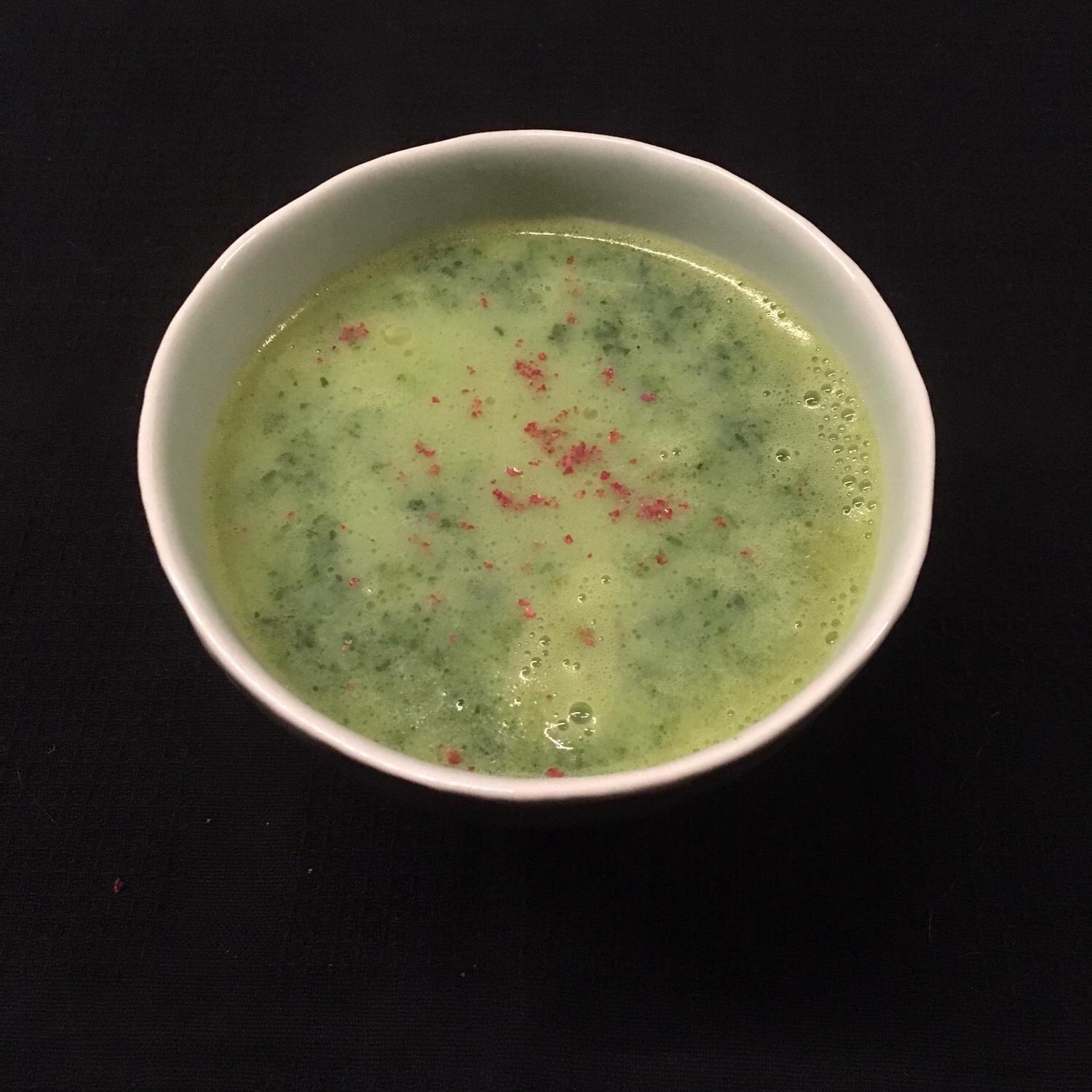
To start with, a simple watercress soup, light and green, with only 3 ingredients: watercress, milk and water. I added a bit of pink pepper for the picture. No salt, nothing added, I found it was tasteful enough. Of course you can add salt of spices, but the simple preparation reveals the real nature of the watercress.

Watercress soup

– a bundle of watercress

– 1/2L of water

– 1/3L of milk at room temperature

Wash the watercress and remove the bottom hard part if any. Boil in the water until soft. Blend, add the milk, serve. That’s it.

Mironton

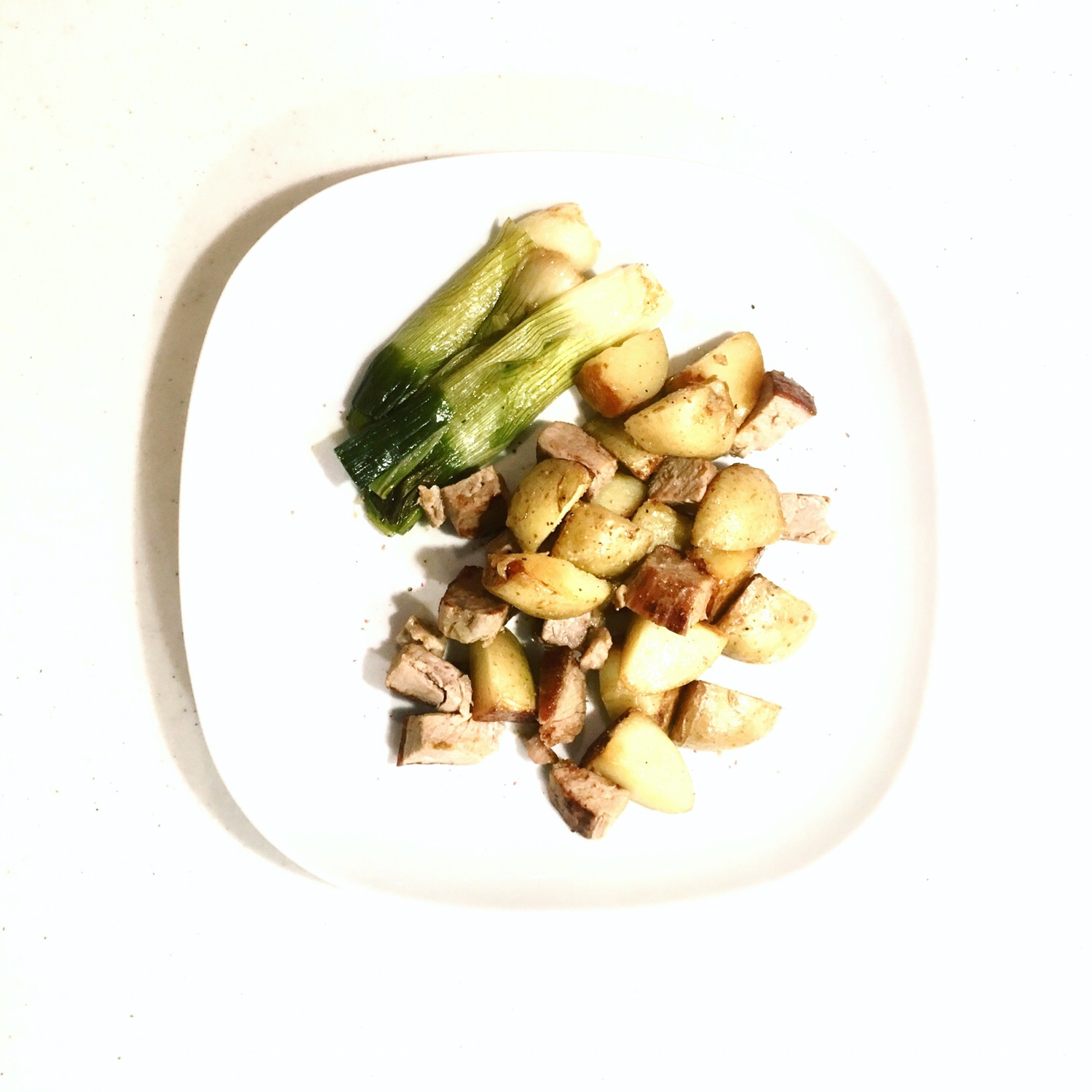
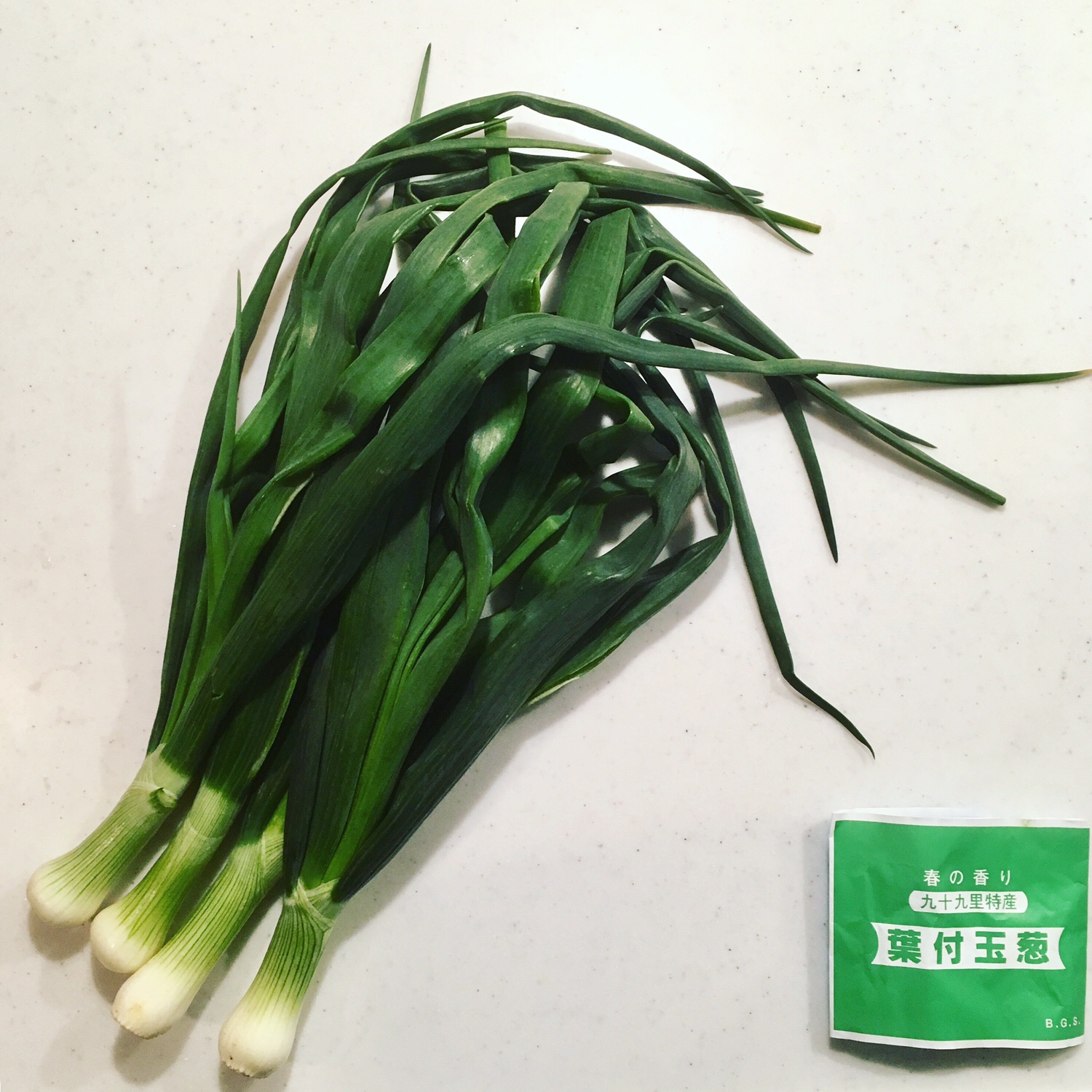
As I was explaining in a previous post, my grand mother was really good at cooking leftover and that of meat in particular. I have kept the tradition and I cook once in a while some mironton. But I make often some variations from the original recipe. This time I didn’t use regular onion, but green onions with leaves. They are from Kujukuri, the northern part of Chiba by the ocean, and they are very soft and very sweet. I’ve used some already in some quiche and miso recipe, and I was really happy with the result. Using them in mironton kind of came naturally then. I simply used a bit of olive oil and vegetal oil mixed together. About 5 new potatoes, and a piece of pork filet diced. I cook everything in a pan at medium heat first then high heat, and add the green onions with leaves just halved. Stir once in a while until potatoes are done and onions are soft. That’s it.

Spring angelica

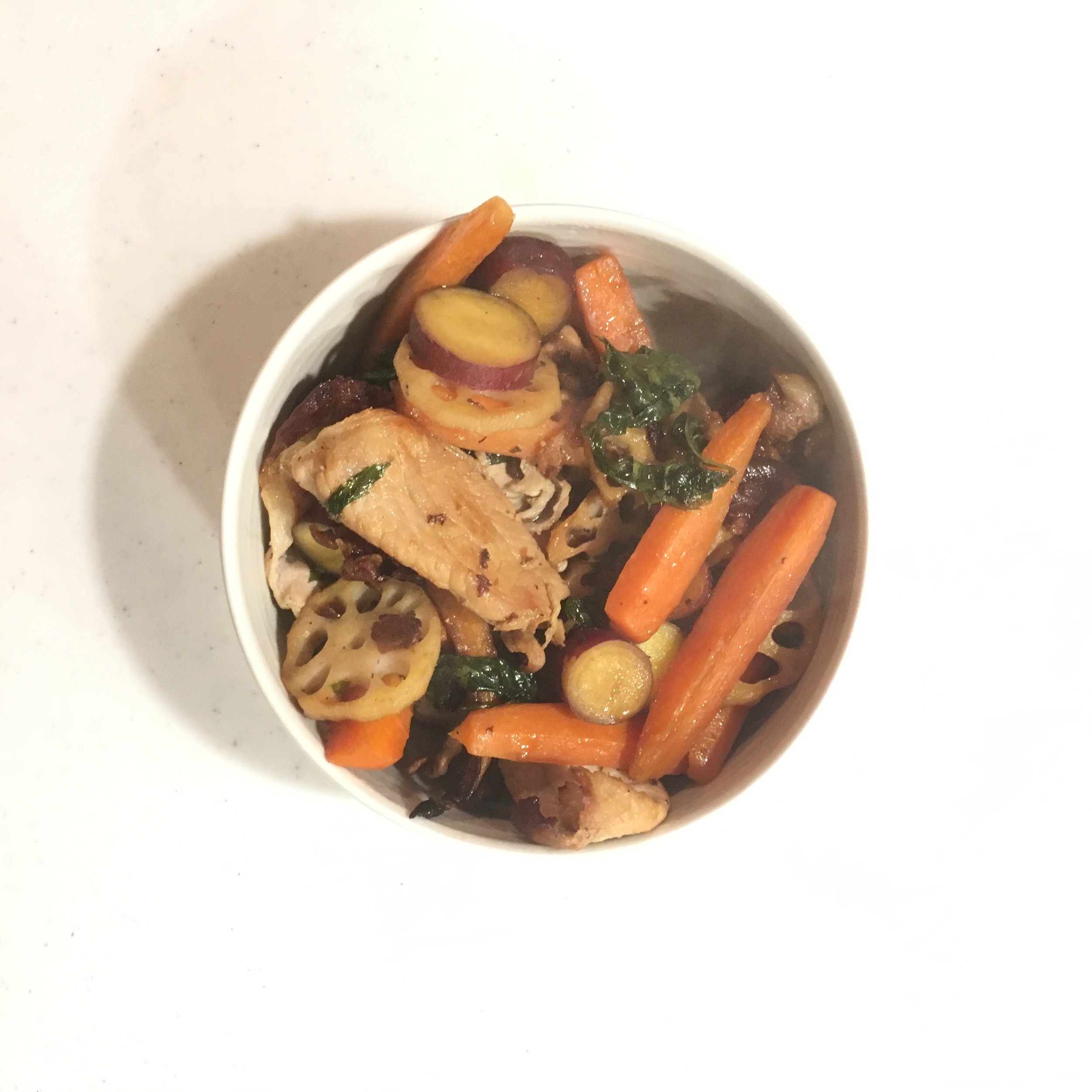
Oh! These green leaves I love so much and that are so popular in Hachijojima are back at the farmers market!!! Spring is coming and this is one of the great things with it: the massive return of the greens!!! Ashitaba (or angelica) is a great ingredient, easy to cook and that suits very well basic Japanese recipes. This time I prepared some vegetables sautéed with slices of pork and then added ashitaba at the end of the cooking. I also deglazed the whole in a bit of water and soya sauce. A great combination for a scrumptious dinner!

Have a great end of the week! 

Canola flowers – 菜の花

In a flash we went from cabbages and sweet potatoes to fukinoto and canola flowers. It’s almost spring already, and the vegetables at the farmers market let you know that! Of course it’s only the beginning, and it is nice and interesting to mix winter and early spring ingredients. Canola flowers are versatile and I am very found of them. They start at the same time plum trees start to bloom and they both are markers of our wedding anniversary. Indeed, we got married under beautiful plum trees in full bloom at Gojoten jinja on a cold and perfectly sunny day of February 2007. And for the celebration lunch Kikuya’s chef prepared among the many dishes some canola flowers that we discovered at that time.

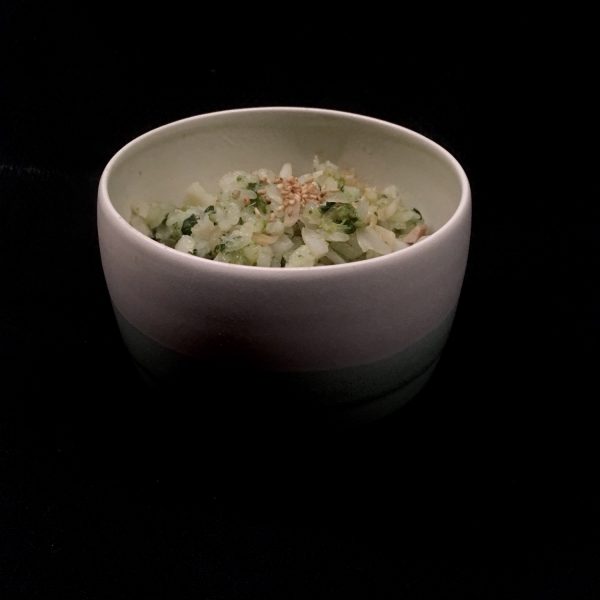
I cook canola flowers, or rather I like to call them the Japanese way: na no hana, quite often when the season comes. They are a good alternative to broccoli and more local. I have tried a lot of different combinations and developed many recipes with na no hana, and I still continue. This time with some beautiful cod fish from Hokkaido I prepared a kind of rice bowl. Simple, healthy, tasty and colorful. Try it please!

Na no hana and cod rice (for 2 people)

– 1 cup of Japanese rice (as always Koshihikari from chiba for me)

– 200g or a small bundle of na no hana

– 200g of fresh cod

– 2cups of katsuobushi dashi

– sesame oil, sesame seeds, salt

First start to cook the rice. While it cooks prepare the rest of the ingredients. In a fry pan start grilling the cod on the skin side at medium heat. In a pan prepare the dashi then add the washed na no hana. Boil them until soft. Drain once cooked and chop. Once the rice and the fish are cooked, in a fry pan add some sesame oil, the rice, the fish in crumbles without the skin, and the na no hana. Stir well and cook at high heat for 3-4 minutes. Add salt and sesame seeds and serve. Enjoy!

Fresh pasta

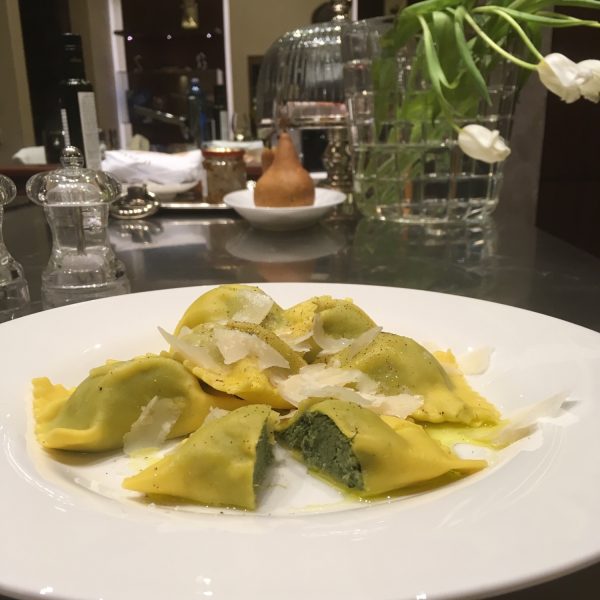
You know how much we love fresh pasta and more than any stuffed pasta. While in Florence this time I didn’t have much free time to cook, traveling here and there (Pisa, Paris…) for work so we tried a few places where to buy some fresh pasta and so far in central Florence the best we’ve had were the spinach and ricotta ravioli from mercato centrale’s Raimondo Mendolia stand. You can eat there or buy the ravioli raw and cook them yourself at home. That’s what we always do. Because We have tried a few ravioli in different restaurants, they are always good, but what I love with bringing them back home is that I simply boil them and serve them with olive oil, salt and pepper and grated Parmigiano for me nothing else. The reason why we love these ravioli more than any it’s because they are large with a lot of filling. And, the filling has plenty of spinach which taste is really remarkable. Contrarily to many stuffed ravioli which stuffing is to dense and heavy (use of too much potato or starch or flour), this one is light. So if you’re in Florence and looked for stuffed pasta, head to mercato centrale!!!

Soup or so

After the snow last week, the snow again this week. The weather in Tokyo was gloomy all of Thursday and Friday and I wanted some simple warm food. One thing I really love in winter is Japanese cabbages. They are perfect steamed with olive oil, thyme and salt, raw with miso, but not only. With carrots, sweet potatoes (or potatoes) they make a perfect rich soup. Soups are an alternative for one plate in winter. And since A. was complaining about the little animal protein we had recently I just added chicken to the basic vegetables soup. Here is my super simple recipe, and very very healthy.

Cabbage soup (for 2 people) 

– 1/2 cabbage

– 2 carrots

– 1 leek

– 1 sweet potato  

– mizuna

– alfalfa  

– 1 chicken breast (optional)

I just wash and chop the vegetables, and put them in a large pan full of water. I cook at high heat until it boils, then lower the heat to low. Chop the chicken breast, add it. Cook for 15min. In the mean time wash some mizuna and cut in 4cm long.

Serve with not too much bouillon, top with the mizuna, and top again with alfalfa. Add a bit of salt, pepper and turmeric if you like. 


Leftover Italian cooking

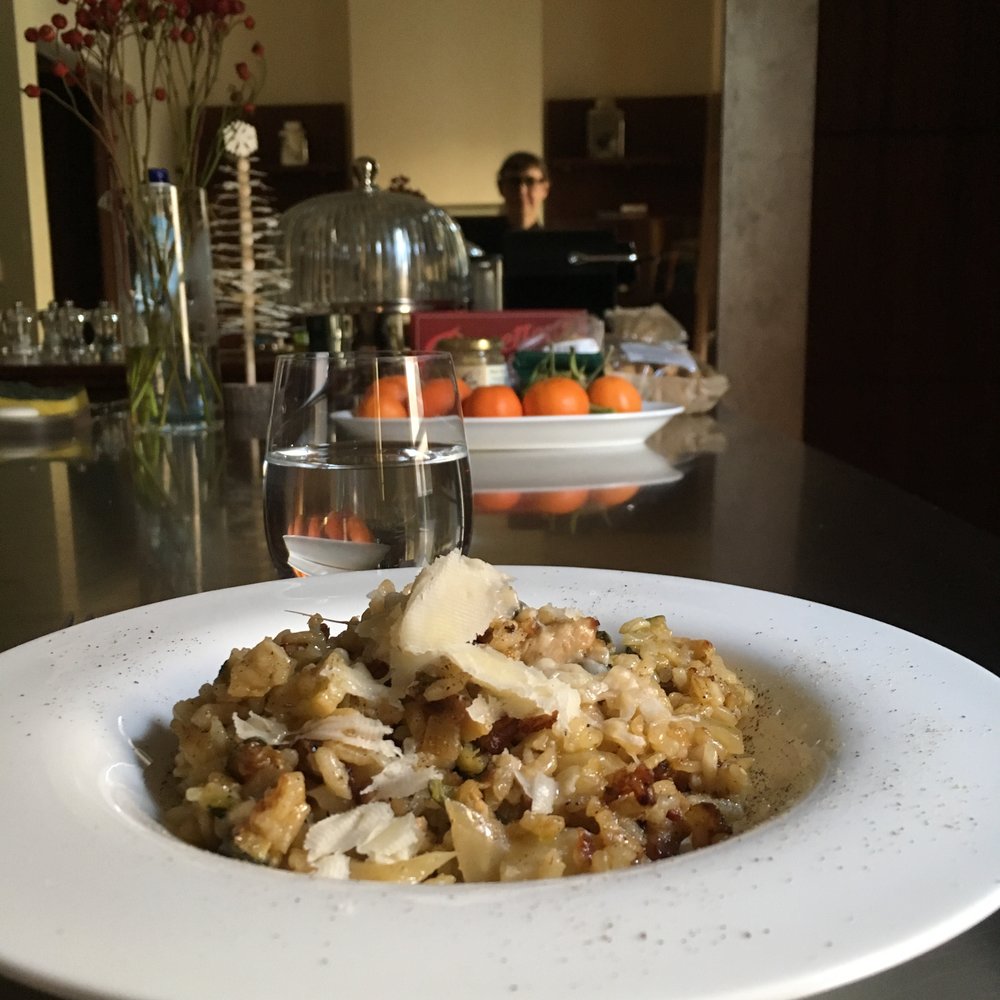
Since we’ve arrived in Florence, everyday I’ve been cooking something different for dinner: simple vegetables and salad, pasta, risotto, cereals… I’ve tried them all. And I’ve been using as much as possible things I don’t usually find in Japan, and that I love extremely: artichokes, fennels, lamb lettuce and a great variety of cheeses. And what I’ve been doing is make sure that each time I would have some leftover for my lunch the next day. Indeed, what’s better than working all morning, going for a walk at noon, coming back at two cold and starving, and having already the lunch half prepared? And what’s better than olive oil pan roasted pasta or risotto when them become all crispy and golden? For me leftovers are a real treat! And top them with some new sort of cheese everyday and it’s pure happiness, and pure energy for working the rest of the day!

Here are my two favorites from this week: leftover pasta with newly added artichokes, and fennel risotto with newly added plenty of tomme cheese. For the first one (top picture), simple pasta leftover is good. Then boil one or two artichokes remove the leaves and keep the hearts, slice or chop them. In a heated pan generously add olive oil, the pasta, the artichokes. Stir once in a while until the pasta are golden crispy. Top with a bit of parmigiano and eat right away!

The second one (bottom picture) is even simpler. I actually made some fennel risotto with some pork roast, so I just cooked it again in a pan with a lot of olive oil and didn’t stir until it got really crispy on the edges, then I served it with plenty of some tomme cheese I bought at the market, a much softer cheese than parmigiano but not less fragrant.

Proudly powered by WordPress | Theme: Baskerville 2 by Anders Noren.

Up ↑

Verified by MonsterInsights