My lovely neighbors

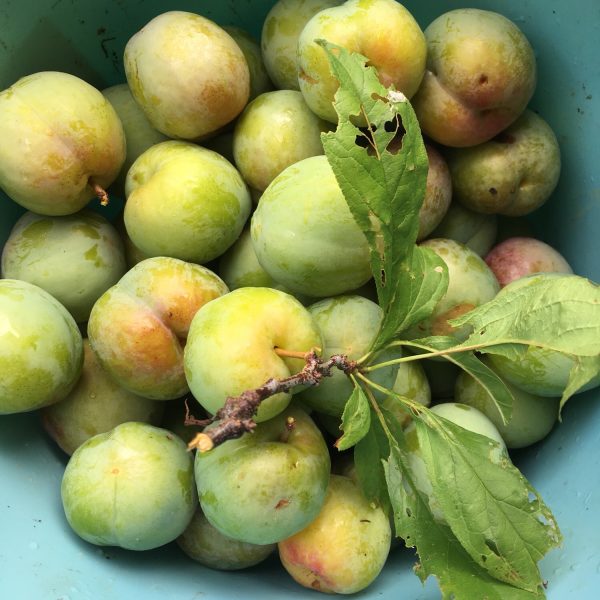
The fun part of living in the countryside and having a great garden that produces plenty of things independently is to exchange crops with neighbors, friends and colleagues and these past few days we’ve been exchanging a lot! It all started with plums… like last year I harvested about 20kg of plums and left the rest on the trees. I pickled 2kg, made syrup with an other 3 and gave away the rest, to our pottery teacher, to friends, to my secretary and other colleagues at the university. I also harvested fuki, Japanese plums or sumomo (スモモ) and strawberry tree fruits today and gave away plenty around too. When you give away crops, usually you receive other crops or the result of what you have given after a preparation. It’s a kind of barter. So we received plenty of fruits and vegetables. Plenty of potatoes… and my favorite neighbor knows how much I love them tiny, so she kept me the smallest ones just like my grandfather would do. She also gave me cucumbers, parsley and flowers to plant that were growing rogue in her garden.
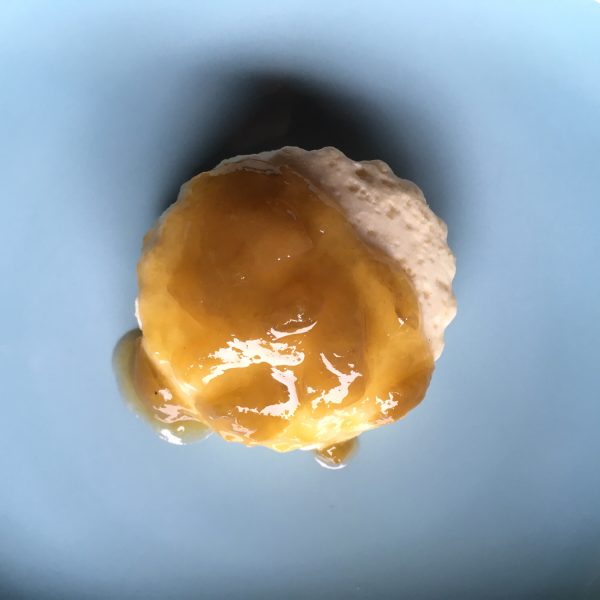
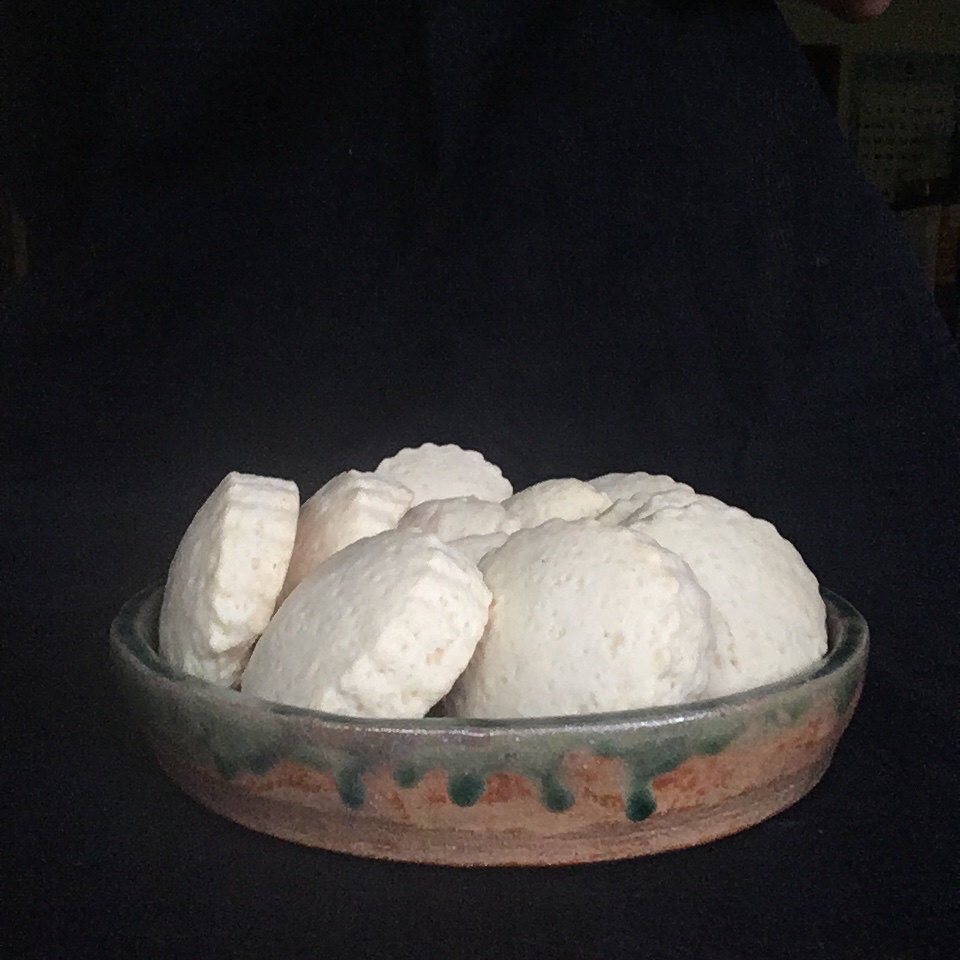
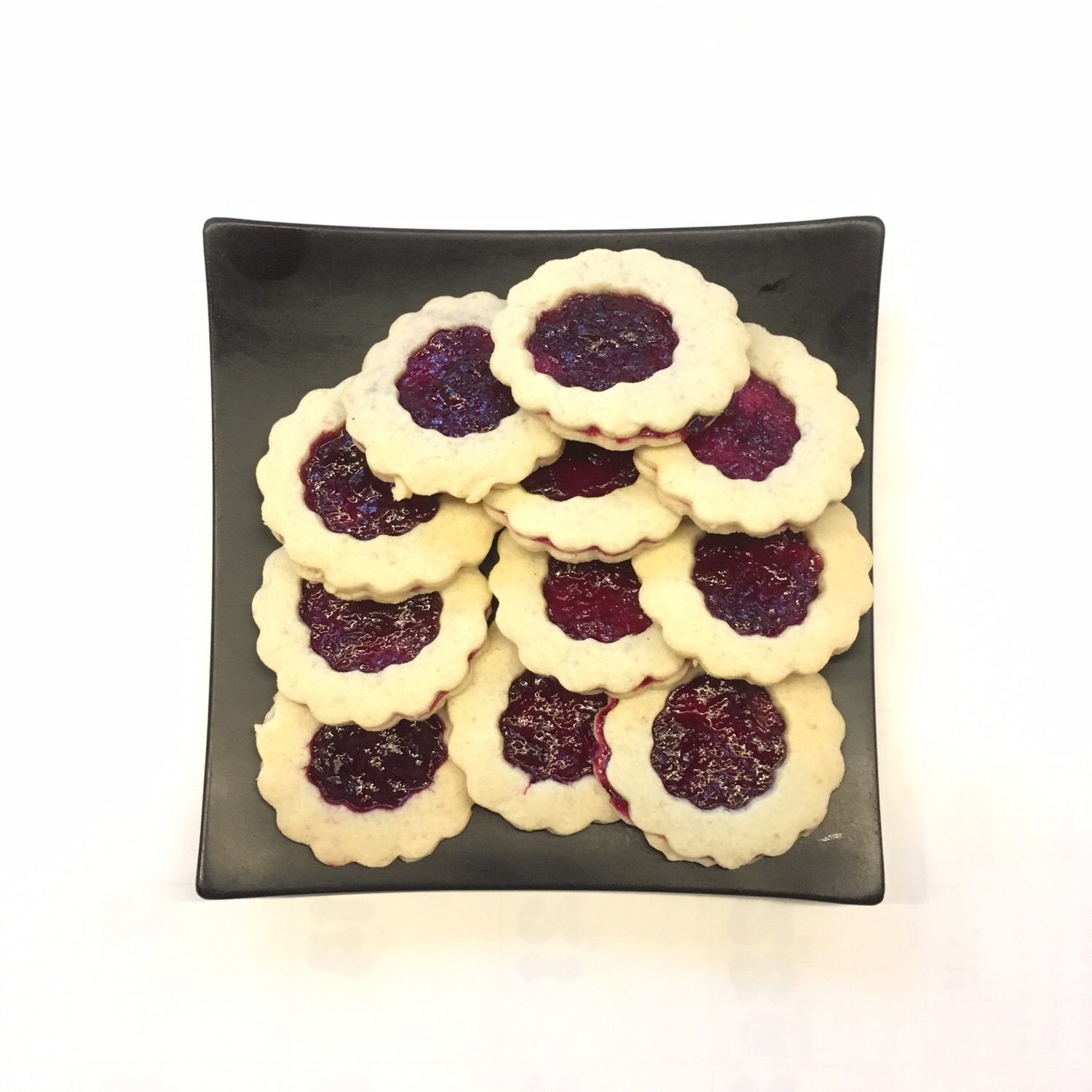
From some other neighbors we received jam and fresh fruits, which I used to make a version of the almond sable with jam in large version (picture) and in tiny bites. A real treat!!!
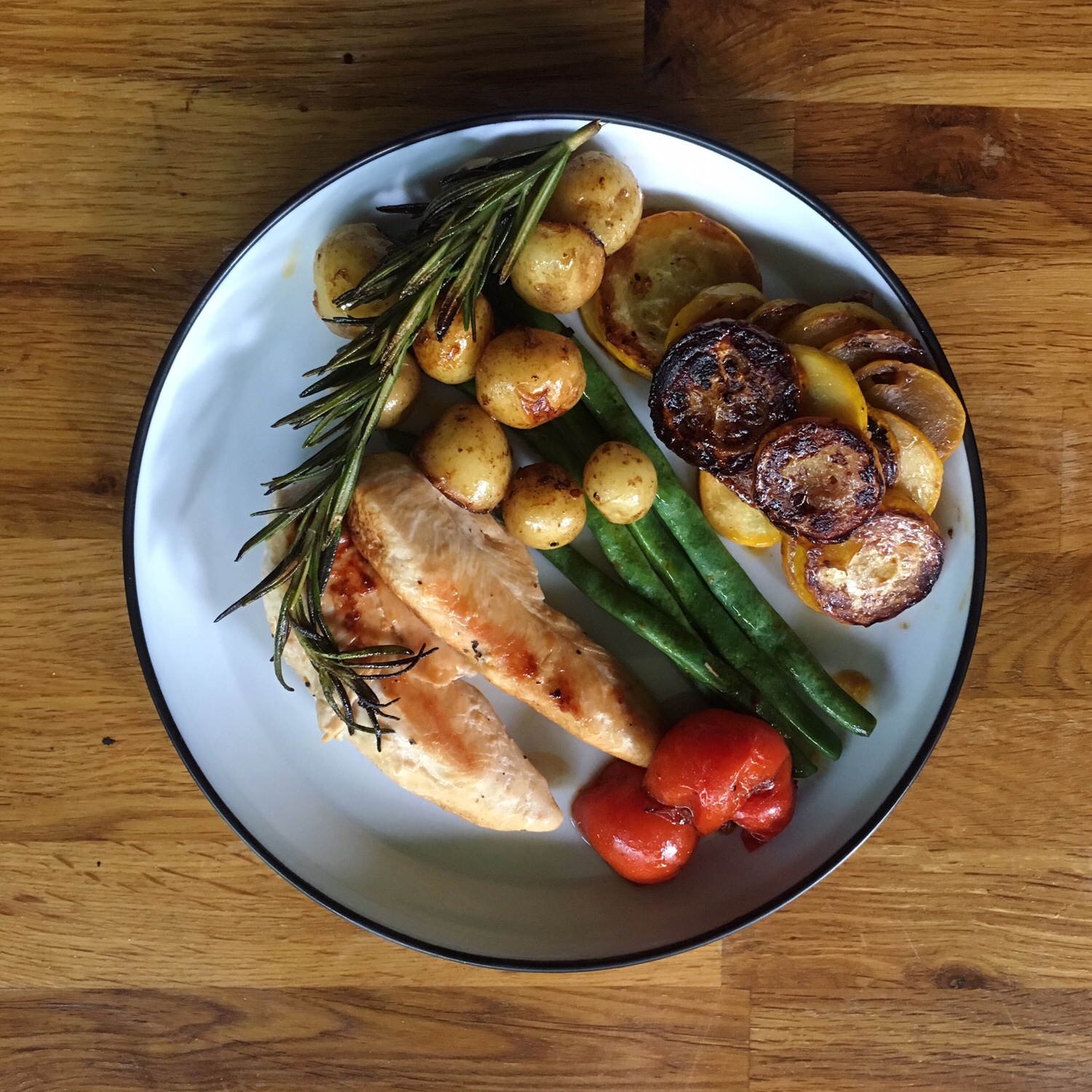
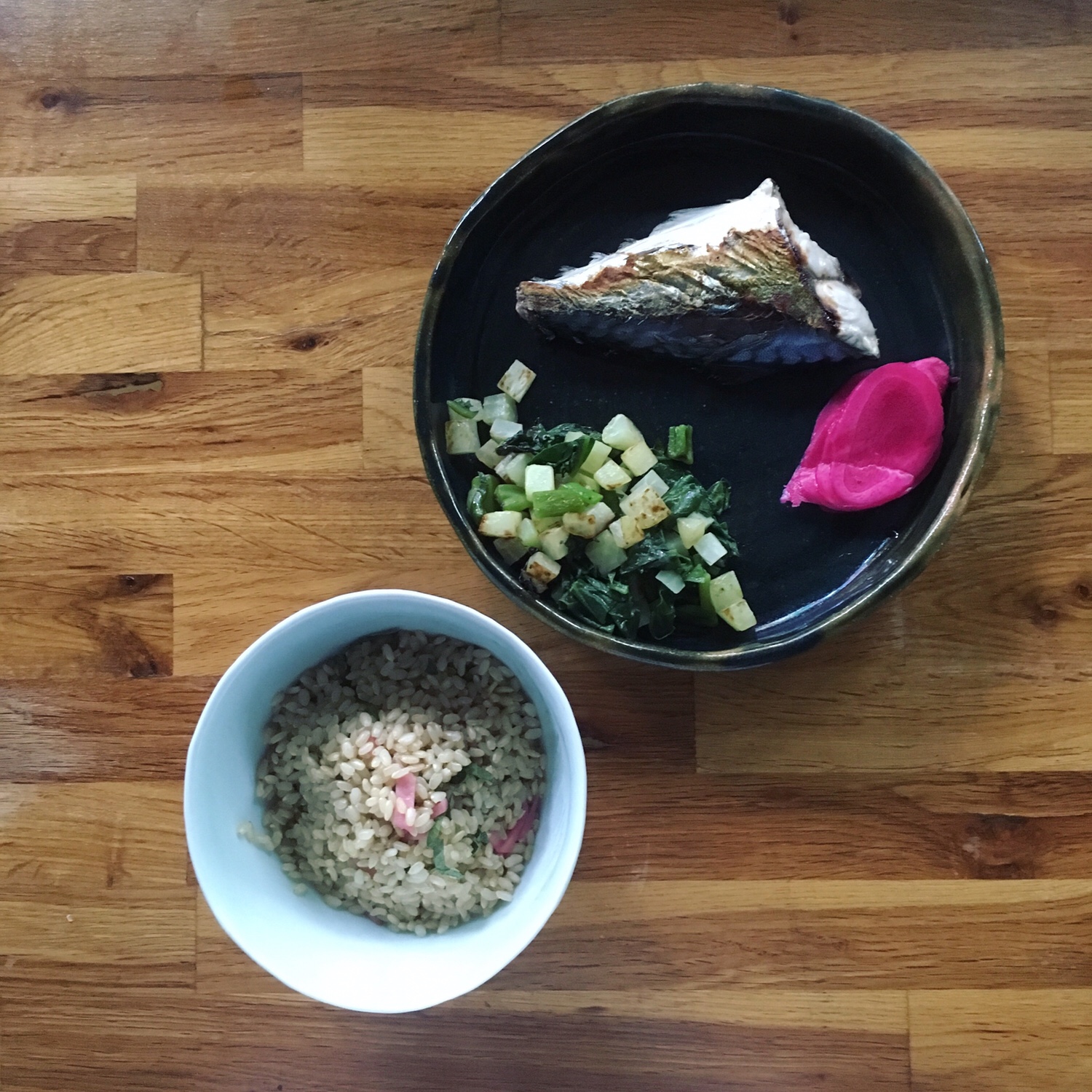
We also received big potatoes from another neighbor… I’m thinking of making gnocchi with these ones or just mash them, you’ll see soon enough. And finally we received pickled plums and pickled ginger from my colleagues. Super delicious with rice!!!
I really love this! It makes the effort to harvest more, give away around very fun and entertaining, without any expectations… but then sometimes you receive something unexpected, sometimes nothing but that’s fine also since it’s giving away… it just makes people happy!
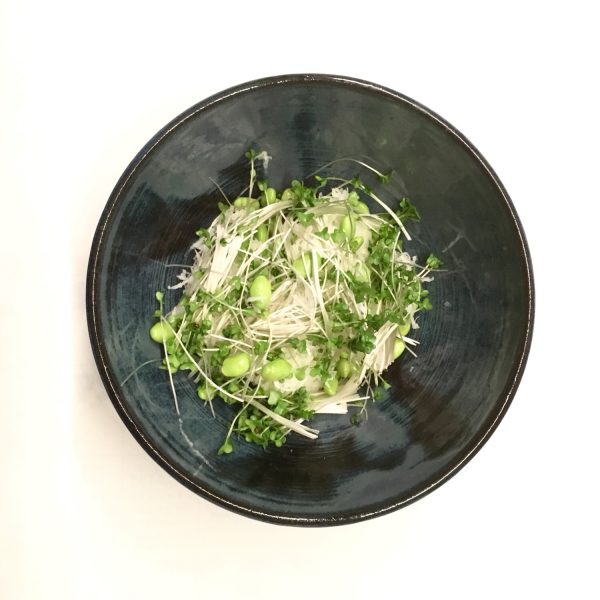
Kohlrabi and edamame salad

As I was telling you, kohlrabi is my new best cooking ingredient. Sautéed it is great with other vegetables, pasta… but kohlrabi is also delicious raw. Many recipes I saw on the internet inspired me while looking for ideas how to cook it. And if the weather is called one day it is warm and sunny the next, so a simple salad with raw kohlrabi is always a great option. When the kohlrabi is juicy and crunchy and very refreshing. As I said in my previous post, it is really nice with olive oil, so no headache about the dressing. To make the salad a little Japanese style I added boiled edamame (the season is just starting), some brocoli sprouts and a bit of sesame. For the kohlrabi I grated it with a mandolin and remove the extra juice by gently pressing it. Simple and super delicious…

The next thing I am wondering now is with which herbs and spices to try it… If you have any idea, please share with me! I’ll be happy to try.

Kohlrabi

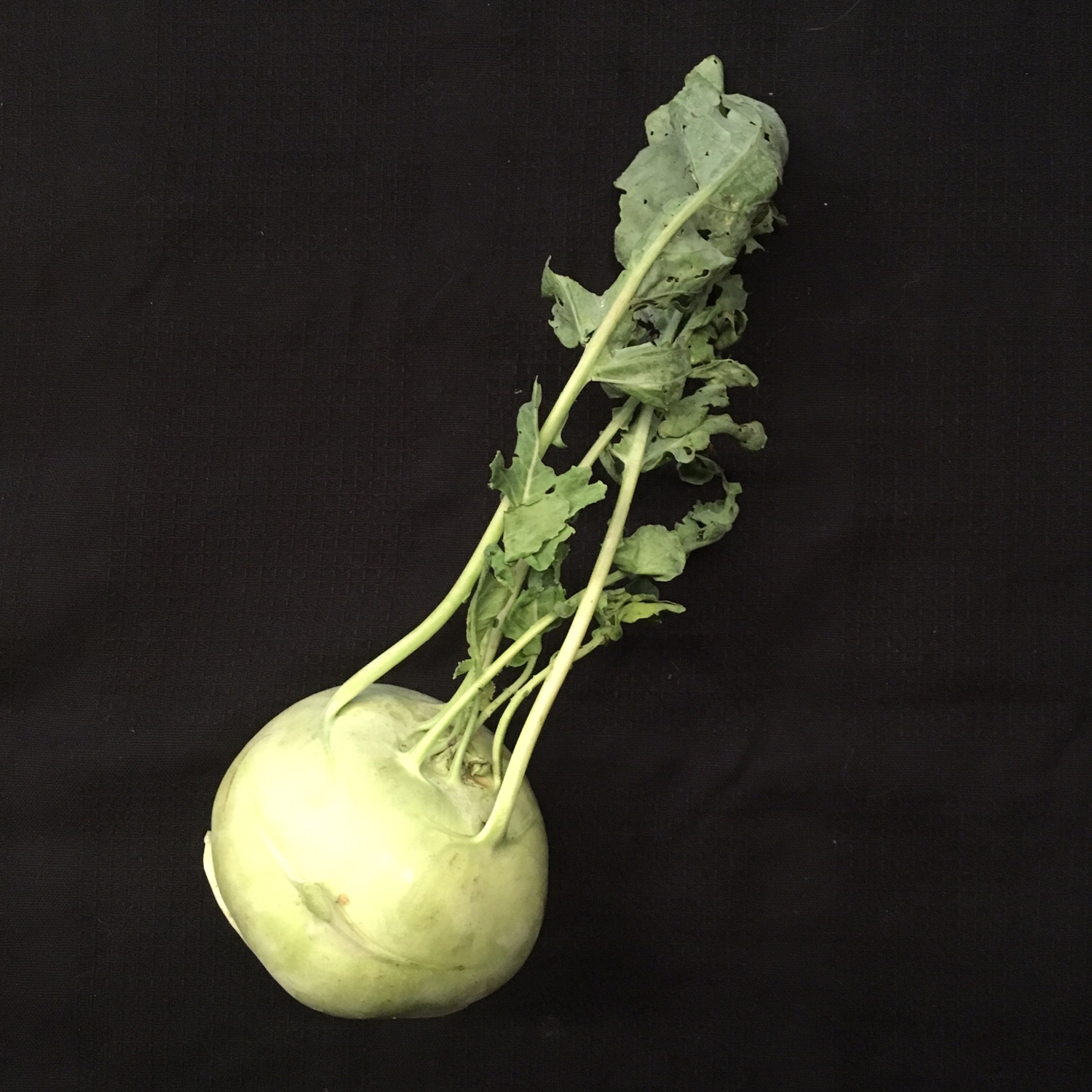
I didn’t remember seeing kohlrabi too often in Japan and I couldn’t remember having actually prepared some anytime in my life. I vaguely remember it was something we would eat in the 80’s when I was little and didn’t eat anything… So kohlrabi (chou rave as I remembered it) was just a name with no associated taste or memory. When I saw it at the local farmers market I found them so cute that I couldn’t resist buying this lonely pack of three kohlrabi. And I didn’t regret it at all!!! Quite the opposite!!

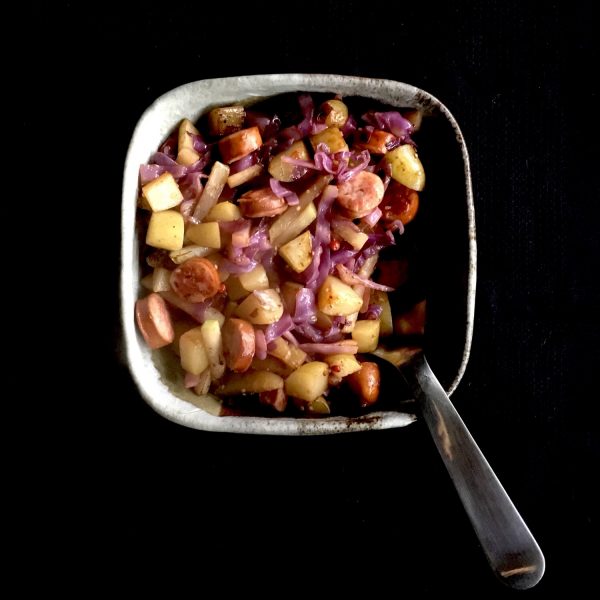
I browsed the net to get a few do’s and don’t, and my first recipe was a simple olive vegetables sautéed with a bit of sausage and potatoes and red cabbage. Really simple but a great way to cook kohlrabi quickly. It adds some crispness and a fresh cabbage taste but more subtle and sweeter than I expected. Really perfect with olive oil too, so I knew we would be good friends!

More recipes with kohlrabi coming soon!!!

Sansho

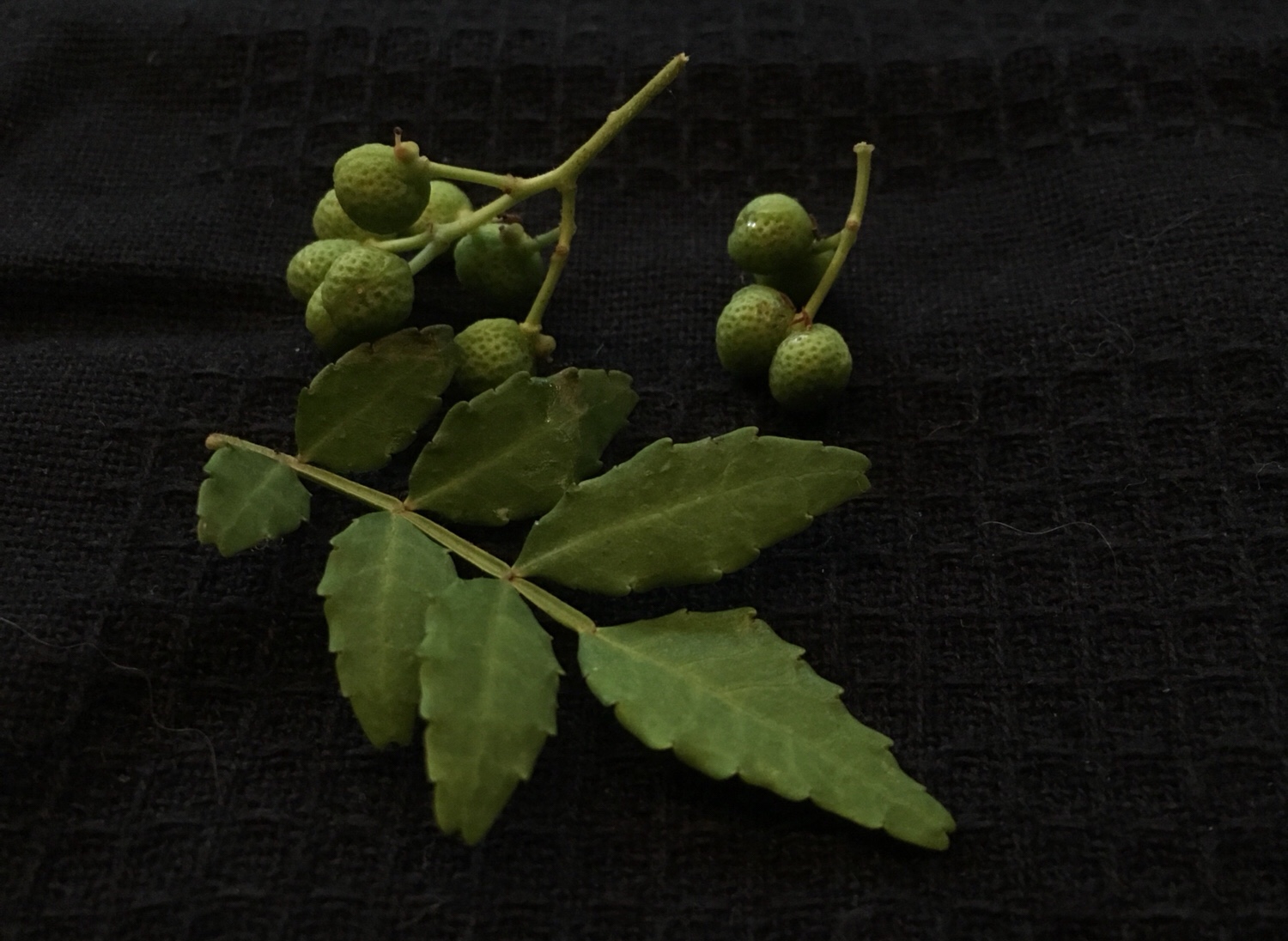
One of the first thing I planted in the garden 6 years ago was herbs: rosemary, mint, sage, parsley, basil and a sansho shrub. I wanted to be able to go down the garden when I was cooking and puck whatever herb I needed. The rosemary and mint did really well, and they are still there, growing and spreading! The basil and the parsley never survive the winter so I replant some every year. The sage survives the the mild winters but not the cold ones. The sansho? It grows at a pace I didn’t imagine! Actually after a while I realized there was already a sansho shrub in the garden but at a very inconvenient place so I took it and gave it to our neighbor. Sansho is great because you can use both the fruits and the leaves.

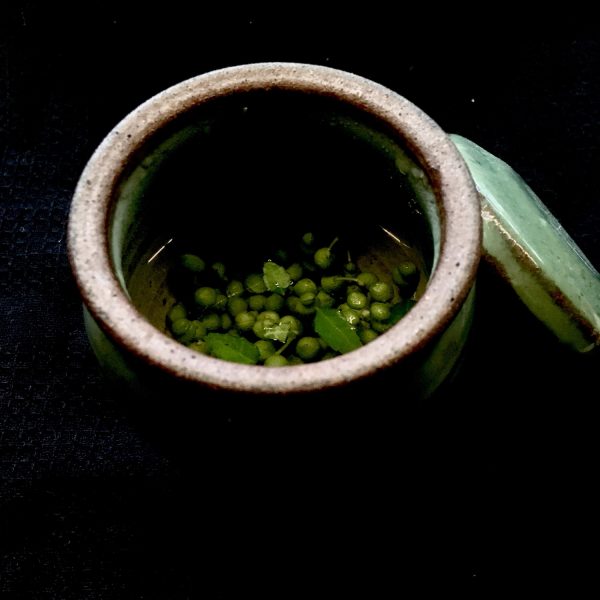
After trying a few recipes of simmered sansho with konbu… I decided to prepare them in a manner that will allow to keep them longer and eat them all year round. Indeed, the shrub is growing and the number of fruits too, but it is difficult eating more than four of five grains at the time because it is really very fragrant. I found a recipe of saumure for sansho so I have decided to try it. It was awfully simple to prepare but it needs to be kept 3 months before eating… so we’ll see in September…

More zucchini!!!

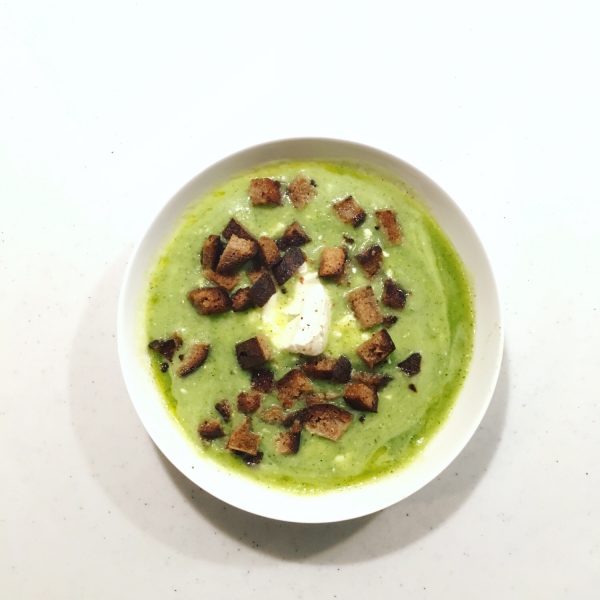
I could have totally go with an other zucchini week worth of new or modified recipes in the last 7 days… to add to the existing collection of zucchini recipes! I’ve been preparing most of our meals using zucchini because it’s just the season and now they grow plenty of zucchini in Isumi! So again last Saturday I got plenty… yellow, green, small and big… later there will so round ones… And with the typhoon coming and the sudden drop in temperatures, a warm soup was very welcome, so I prepared a … zucchini soup of course!!!

Zucchini naked soup

– 2 large zucchini

– olive oil

– salt and pepper

– optional: 2tbs of cream cheese

– optional: bread croutons

In a large pan filled with 1l of water boil the zucchini washed and cut in rough pieces. When tender blend and add olive oil, salt and pepper. That’s it!!! Serve warm and eat right away!

You can add the cream cheese directly in the plate. Stir a bit when it has melted. Add the bread croutons if you want a richer experience.

Summer teaser

Last weekend and today were really giving a taste of summer. Harvesting from the garden: locats, plums, herbs, sansho, eating in the garden at night, playing tennis and going swimming or bodyboarding right after in the chilly water of the ocean to cool down the body… and now a typhon is coming, it rains and it is cold. It was just a teaser for the coming summer… I didn’t harvest enough locats to make more than fruit salad. But I harvested again about 15kg of plums this weekend and it’s a great time to do some plum job: ume jam, umeboshi, ume syrup…

I like particularly ume jam because it can be eaten right away. All the other you have to wait between one week and one year… and ume jam is perfect with a batch of English scones!!!

The recipe is really simple. The same base as plum jelly except that you don’t use agar agar but instead I put the seeds of 2 apples in a tea bag and cook further, before pouring into boiled glass bins and closing.

A very classic dish twisted

This preparation has the taste of my childhood… it is something my mum cooks often and very close to the first one she cooked when A. first visited them. Mum would cook it with rice, but without too much time polenta is a faster option. And the fish… it could be tuna or bonito. In the south of France we had a lot of delicious red tuna when I was young so that would be prepared with tuna slices. In Isumi we have delicious bonito from the nearby fishing port of Katsuura, so I use local and seasonal bonito. But the idea is exactly the same. My mum classic recipe uses a lot of bell peppers, red with a lot of flesh, a bit of onion and tomato and plenty of olive oil. Everything is simmered together in a large pan or a wok. You can also add capers to the preparation to add a bit of sourness. This can be eaten warm or cold, and it can be prepared ahead, so it’s a very convenient meal when you are not sure about dinner time!!

In my recipe since I served it with polenta I gave it an Italian twist using rucola instead of onions. The result was a much lighter version of the original but as much tasty! I love to twist and change a bit classic recipes to adjust them to my mood or the available products.

Golden week

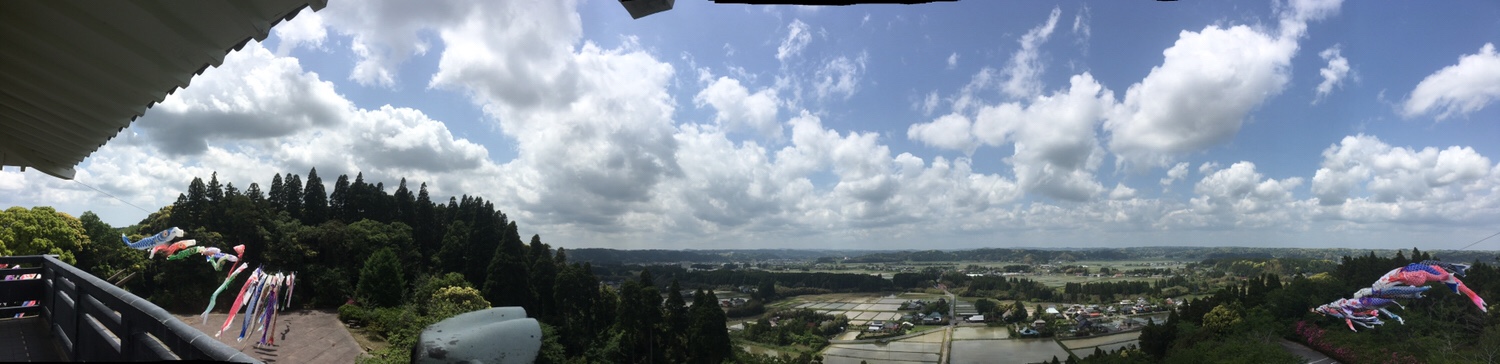
We have almost always spent our golden weeks in Soto Boso, even before we had a house there. Our first golden week, we spent it in Onjuku in a fishing minshuku, except that we weren’t fishing! Then for may be 4 or 5 years we came by scooter, touring from north to south, and also the central part of the peninsula. I very well remember the first time we went to Otaki castle, how when driving between the rice paddies, looking at the beautiful colors of the freshly planted rice, the blue sky, and the dark green of the trees I totally was under the spell of this Japanese countryside. And now it’s been probably 4 or 5 years we’ve been spending the golden week in Ohara with friends visiting us and staying with us. It’s a time to be outdoor and to cook quite a lot then.Manki castle

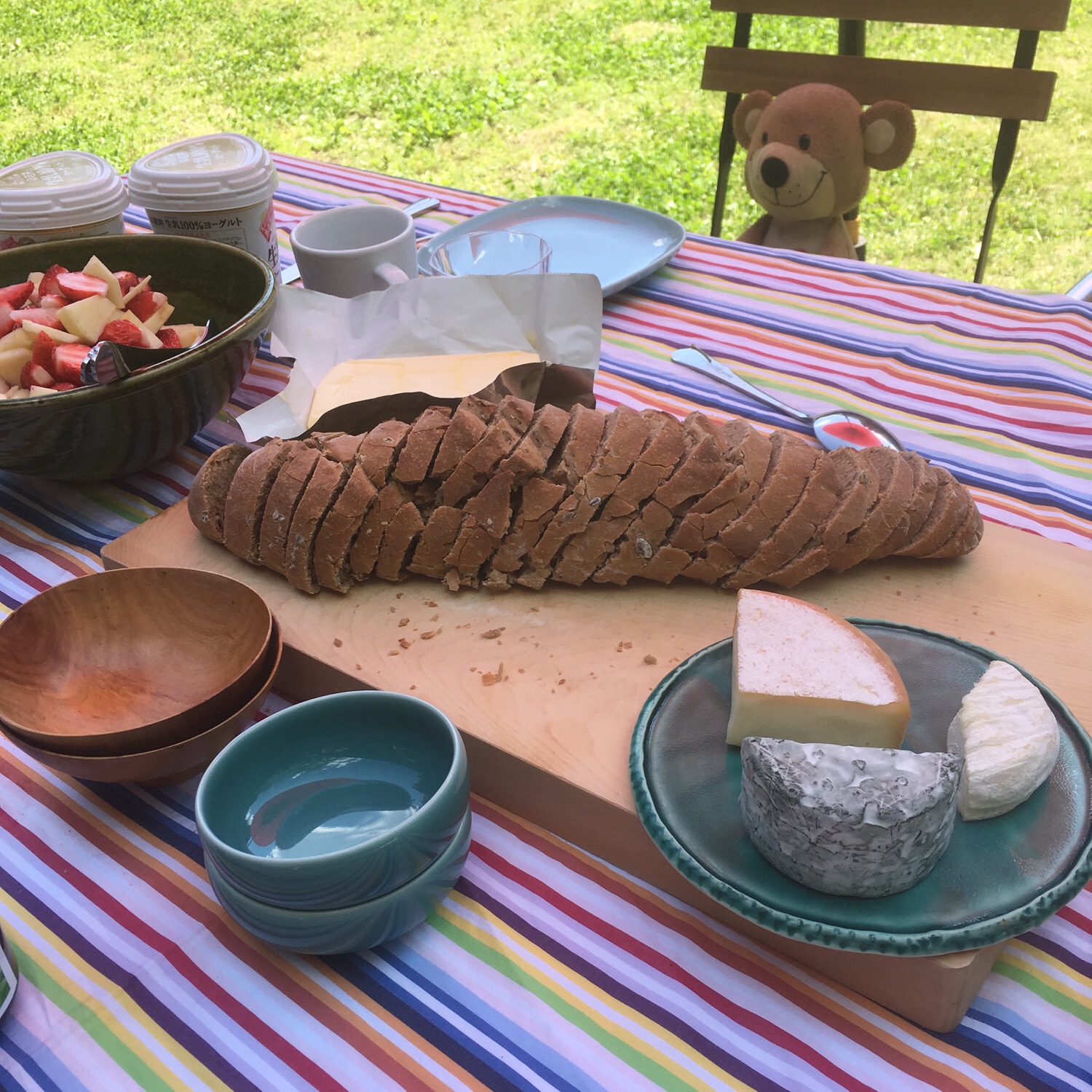
It’s the perfect time for starting the day with a great breakfast taken in the garden. I like to have all the best products from the region: eggs, strawberries, honey, jams, cheese, ham… and freshly baked bread.

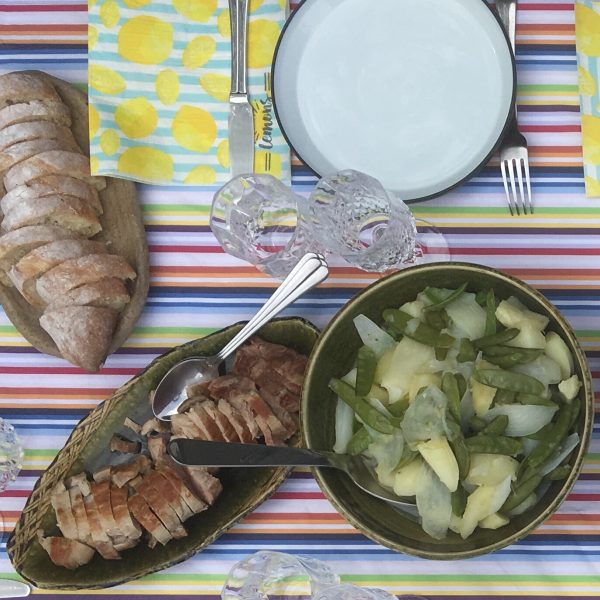
And similarly, for lunches I like to have a few things that can be eaten with no specific order, that please everyone and that are fresh snd local. And with all the snap peas and potatoes now, a big salad is perfect. I chose it because it can be made a bit ahead and kept at room temperature, allowing to be prepared when it is still quiet in the house, and enjoy time with friends.

Potatoes and snap peas salad

– 2 potatoes per person

– 1/2 new onion per person

– 1 handful of snap peas per person

– olive oil, salt, pepper and eventually mustard

Peel and cut be onions and the potatoes. In a large pan heated add olive oil then the onion, and the potatoes. Half cover with water and cook. Prepare the snap peas, add them 2 minutes before the potatoes are ready or before most of the water is gone. Add olive oil, mustard… and serve

Bamboo shoots – 筍

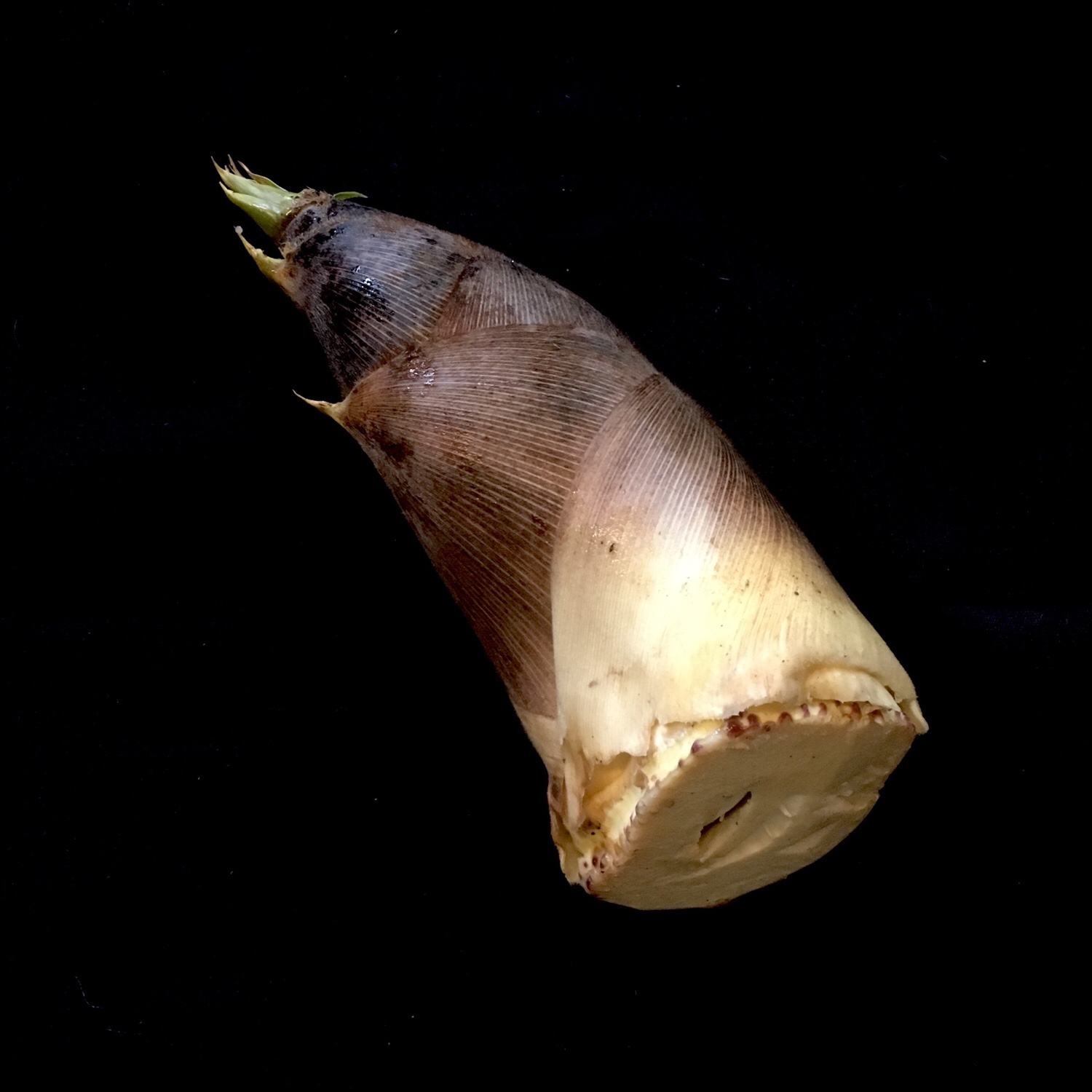
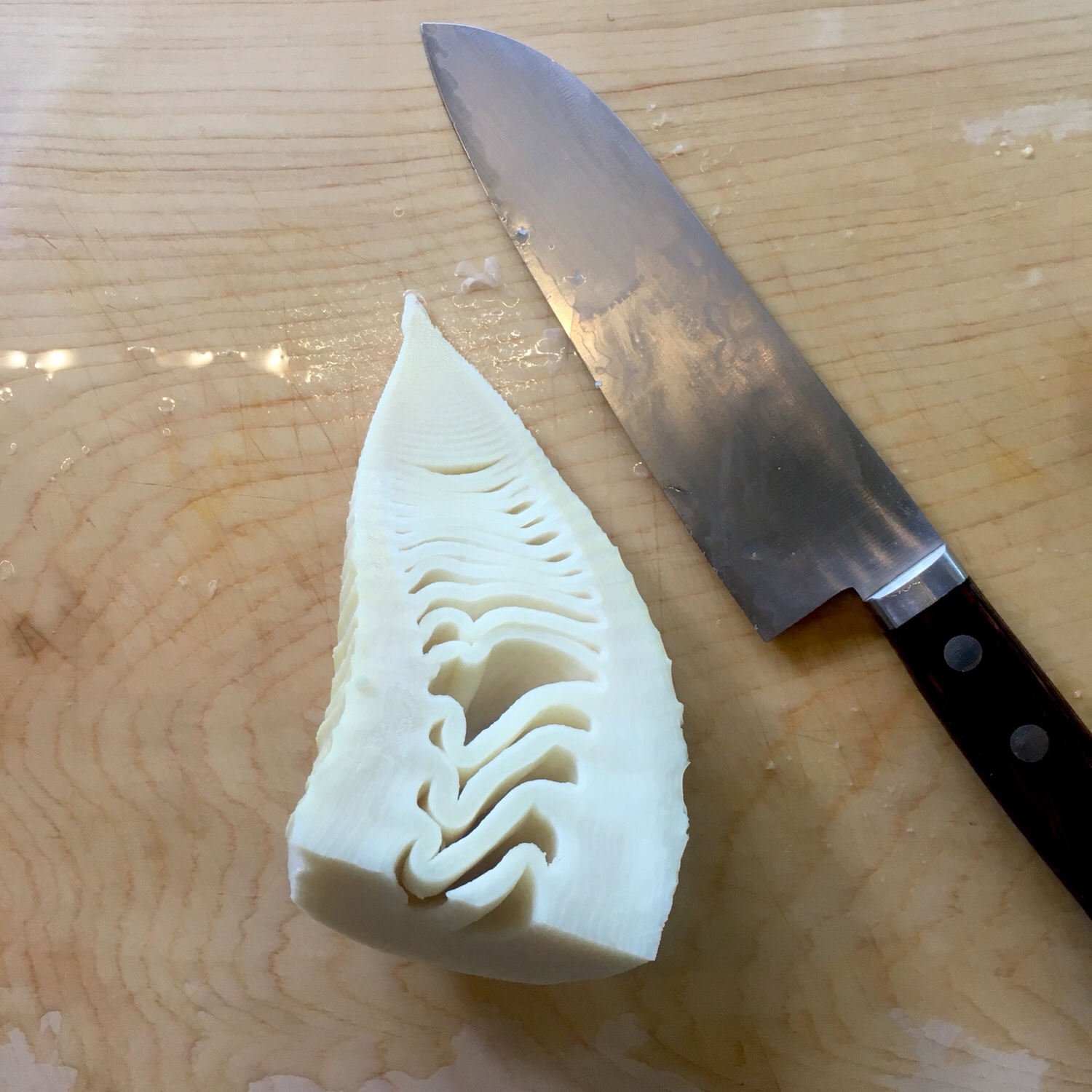
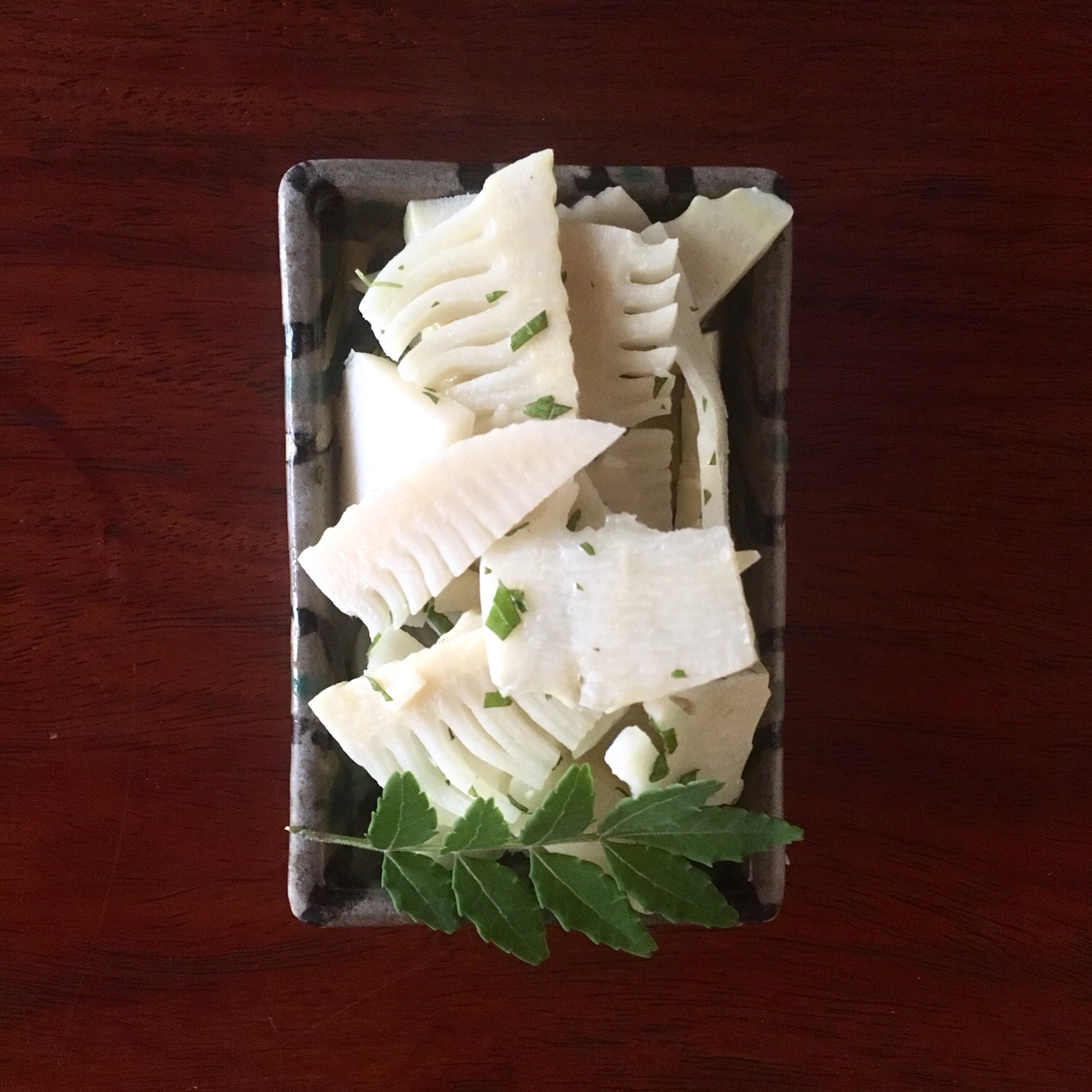
The season for bamboo shoots has started for sure and it goes together with the season for Japanese pepper or sansho 山椒 fresh leaves also called kinome. The sansho shrub in our garden is actually growing steadily after I thought it might be dying last summer and there are plenty of new leaves and soon plenty of fruits. Bamboo shoots and sansho leaves are a very classic mix in Japanese cuisine and it indeed matches very well. I already introduced the recipe two years ago after we tried an amazing version at the shojin cuisine restaurant Daigo. My recipe is not exactly the classic one since I use simply olive oil and kinome. Nothing else. It is really simple and very tasty. It makes a perfect starter. Bamboo shoots are always a little long to prepare because they need two cooking. The first boiling to make them tender and remove any bitterness, the second for the final preparation, but they are definitely worse trying. Remember that to remove the bitterness it is good to cook bamboo shoots in rice water (the first rinse of white rice) or in rice nuka, but honestly rice water is much simpler and cleaner!!! This time I used katsuobushi dashi for the second cooking. Then cut in thin slices and added chopped kinome with olive oil.

Proudly powered by WordPress | Theme: Baskerville 2 by Anders Noren.

Up ↑

Verified by MonsterInsights