Flat breads

My parents were supposed to come from France to Japan to visit us last week, but things had obviously to be postponed. But they insisted in still sending a parcel with some essential staples I cannot find in Japan with the quality I want. In particular, I love to cook with the chickpeas one of their relatives make, until I manage to produce my own… one day…

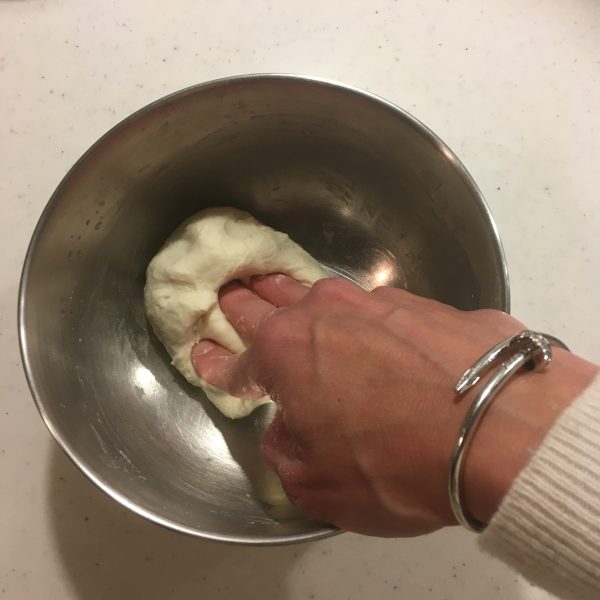
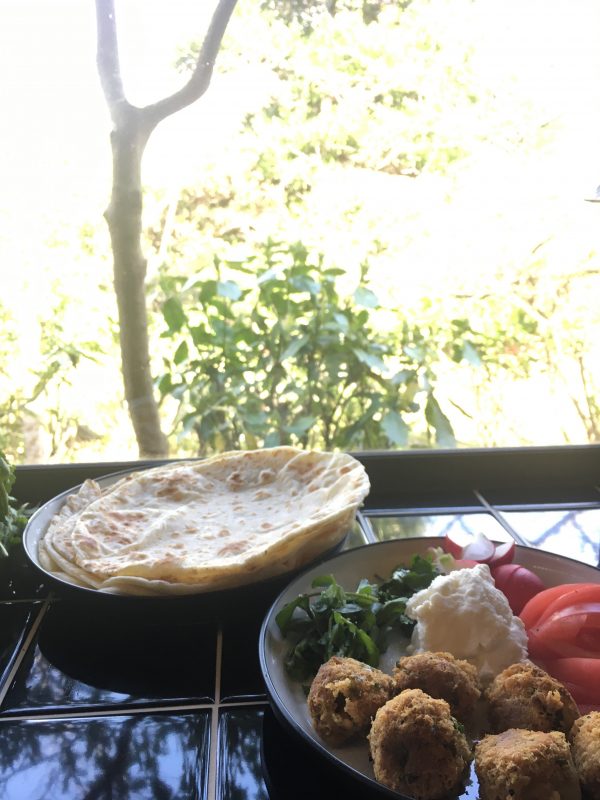
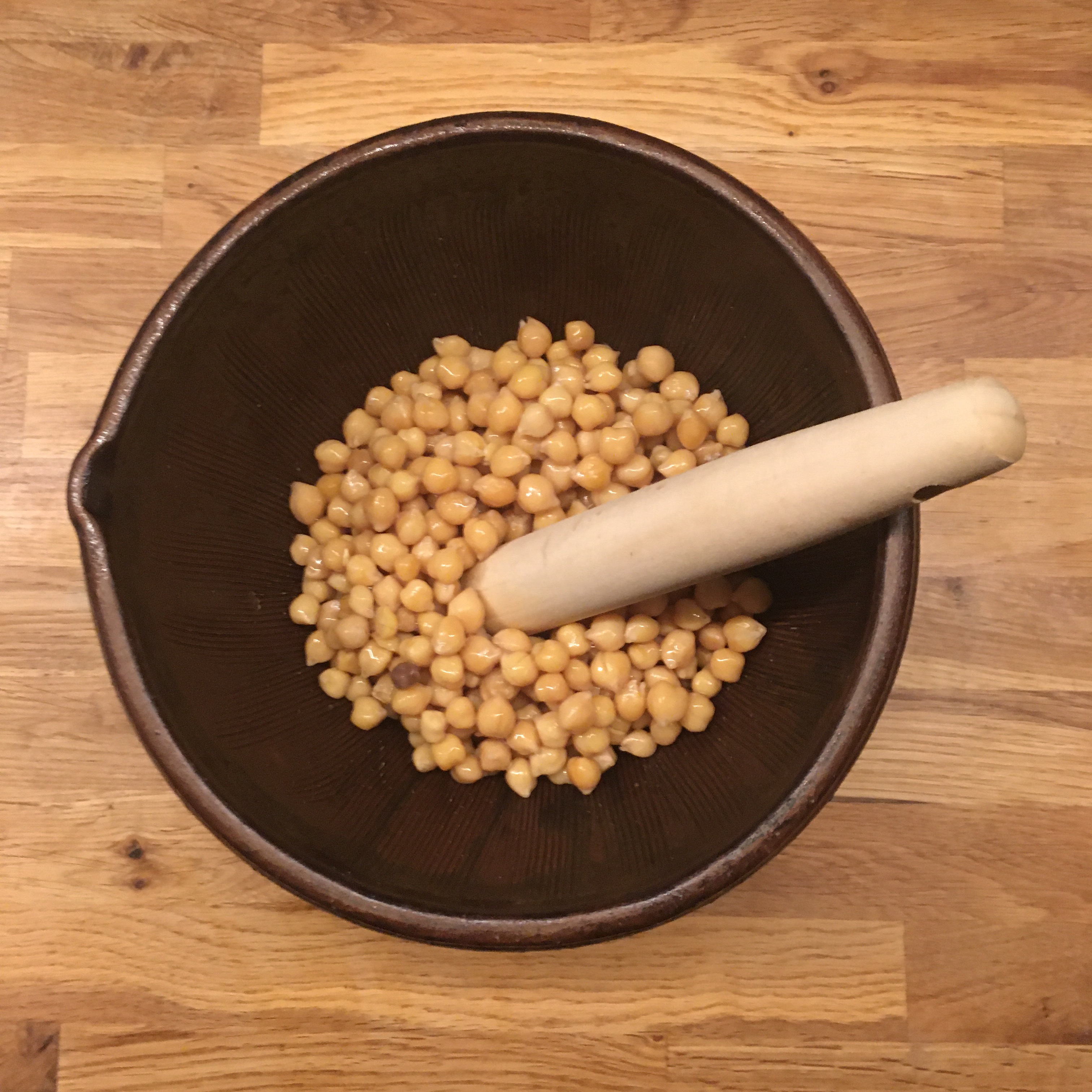
So I was very happy to have some in my parcel and start preparing them almost right away. Since they are dried natural chickpeas you need first to soak them into water for at least 24h before starting anything cooking or sprouting… So you can’t really improvised until you’ve done that… but while they soak you have all the time to consider options though… and this time I set my mind on falafels. I know A. loves them, and so do I!! Yet when I told A. we’ll have falafels, he asked if we’ll have also pita bread… I didn’t expect that and didn’t have time to prepare for a proper pita bread, but I recalled seeing recipes of flat breads that didn’t need yeast and raising and could be made in less than 30min. So I decided to make my first flat breads. I used the first tutorial I found that looked simple a quick and it was perfect and it takes only 5min to knead, 20min rest (time I ised to make the falafels) and 2min per flat bread to cook, in a pan, so you don’t even need to turn on your oven!!

For the falafels, I simply mashed the chickpeas, added some potato starch for the crispness, chopped fresh mint and parsley, cumin powdered, coriander powdered, a bit of chili pepper powdered and salt and pepper. And fried them in a small pan. I served all with some fresh vegetables, fresh cheese, and chopped coriander… simple and really delicious!!!

Have a good week!
Magic ingredients

While many places in the world now have braced for the virus impact, life in Japan has been pretty good and simple for what concerns me. I can totally live without attraction parks, without stadiums, and for a certain extent without concert halls, jazz bars etc… I barely go shopping as well… So, so far, except for a few days a week of remote work for A. things haven’t changed much for me. Of course, there has been a lot of fuss with foreign students supposed to come to the lab and local students to go abroad, but once I realized the situation was way to dynamic to make plans I just decided to take it easy and try to minimize the impact to the student and our activities, and because this is the spring break I have no teaching for the moment and fewer students in the lab. We’ll see how things turn out in April with the new term… Well, in the meantime many friends in many countries are now fully locked down, and that’s for them that I am making this post today. Among all products they could have at home or needed to pack I recommend flour. I bake a lot so I almost always have 5kg of flour at least at home if not 20 (I buy it on internet in 5kg bags). Flour and water are two ingredients that can make magic when you’re in short supply of everything else and work even better if you have a bit of time!

With these two sole ingredients you can make a dough for vegan pasta, dumpling skin, ravioli skin, biscuits, flat breads, batter for tempura, you can even make sourdough… once you have sourdough you can make bread… If you have a bit of baking powder, add it to water and flour and make pancakes… If it’s olive oil you can make a dough for a quiche or simple crackers… if it’s butter how about baking sablés and cookies… if you have both sourdough and olive oil a focaccia or a fougasse. With an egg even better pasta! Oh! If you have milk with the egg, crepes, add a bit of sugar and you have a clafoutis or a far… and I am sure I am missing quite a lot of things we can do with these simple ingredients… such as boiling potatoes and making gnocchi!

So wear your nicest apron and rush to the kitchen!!! I must admit that I’m a bit envious of those locked down now, as for us life is just business as usual… if I were stuck at home for a few days I would so much enjoy myself with all the things I don’t have time for!!!

The last kabocha

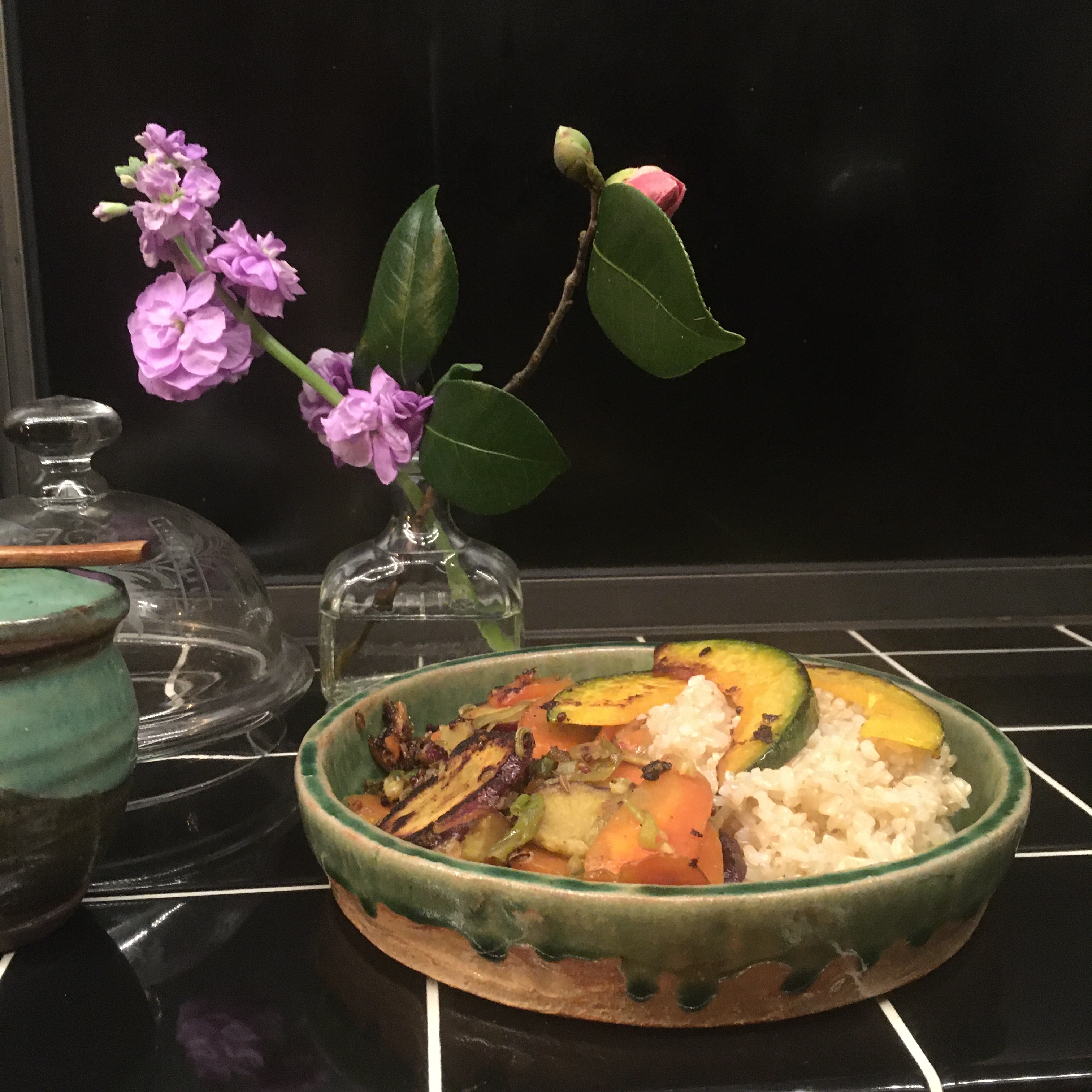
While spring is definitely in the air, and I am craving for spring greens which are not yet quite there (the one available come from the far away south of Japan), I was thinking that before entering that green season, eating a last kabocha would be great. Indeed since December I cooked cauliflowers, romanescos, broccolis, and many carrots and sweet potatoes and shiitake as well, but no kabocha. So before the season ends I decided to take that last opportunity to eat some. I use kabocha in many places: pot of vegetables, curry rice…

Grilled kabocha with curry-rice

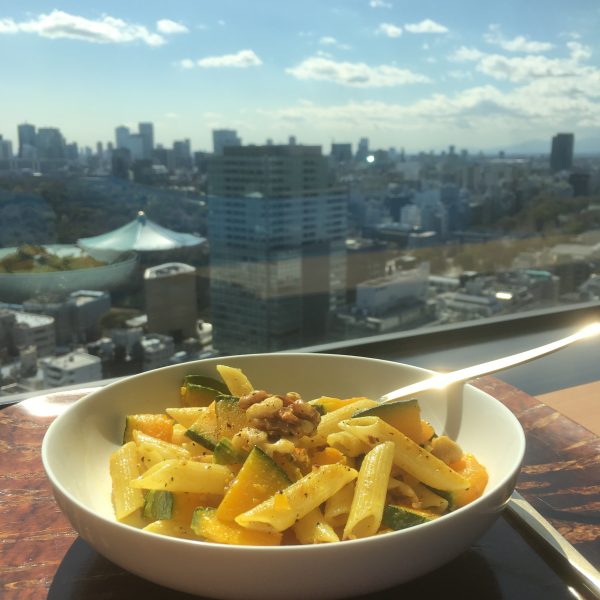
There are two things I really love, at least, and I wanted to prepare with kabocha. One was kabocha pasta, the other is sui gyoza with kabocha. But I made a variation of the recipe I proposed in December, a vegan version. And it was so delicious that I can’t wait to share this new ultra simple recipe!!!

Super easy kabocha pasta (1 serving)

– 60g of dry penne

– 100g of kabocha (a 3cm thick slice)

– a little handful of nuts (I use a mix of almonds, walnuts, hazelnuts, cashews, pecan) so it’s basically 2-3 of each

– a flavorful olive oil

– salt and pepper

Start boiling the pasta, in the meantime wash and cut the kabocha. 4min before the pasta are ready add the kabocha. When pasta are cooked drain well. In the pan used to boil the pasta start roasting the nuts and crush them roughly.

Add olive oil generously and put back the drained pasta and kabocha. Stir well to have an homogeneous mix and add salt and pepper. Serve immediately and eat. Delicious also prepared in advance and re-heat in the pan until the nuts and kabocha caramelize a bit…

That’s it!!!

Flexibility

I used to have a very strict routine. Partly strict by will, partly forced, but recently things have changed for many unrelated reasons. Some of these changes are temporary hopefully, some may not, hopefully as well!!!

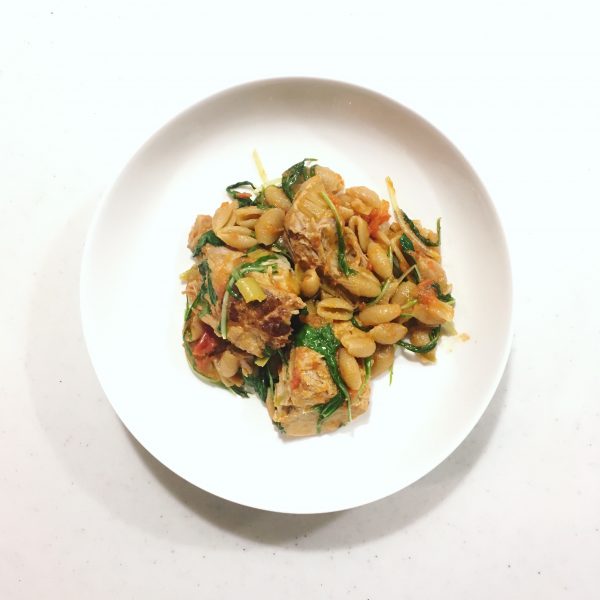
Among the things that have changed, first was my new working schedule. Unsurprisingly, I am good at making plans for myself and sticking to them, indeed when I commit to something I just do it (like posting a picture of my cooking every single day on IG, I’ve been doing it for almost 6 years now!). Leaving the lab at 17:30-18:00 is even more enjoyable now that days are getting a bit longer! And I love the break to cook before being back to my computer for 2-3 more hours of work, first because a break is good to clear your thinking and take the heat down, second because it’s the promise of a delicious meal ready as soon as A. is back from work. It is also easier to have friends coming over for dinner, which is something I like very much! Exactly as planned being back at home before 19:00 gives me the possibility to cook dishes that require longer cooking time, or time to rest. As an example this twice cooked pork filet, slowly simmered in its own juice and of tomatoes, leeks and later added mizuna (see recipe at the end of this post). The double cooking and slow simmering turns the meat into something totally tender and sweet… something from another time, like the daube my grandmother would cook… This new schedule could be seen as a routine but it is accompanied with many small flexible things that make it new everyday, like the undefined route from the station to our house, the stops on the way… I love all these tiny changes and the fact that there is no rush… taking the time to call my parents more often, just to say hello!…

Forced by The Virus, A. is experimenting telework a few days a week, and that is a big routine breaker to flexibly adjust to this new schedule!!! So to be sure he actually goes out of our apartment, we’ve been testing a few breakfast venues that are 10-20min walk from home, enjoying walking in the still not too busy city. So far No. 4 is the best option we’ve found as it opens early and offer delicious breakfast one-plate. But stay tuned…

There are many other things that The Virus affects, such as the temporary closing of our tennis court, the cancellation of my parents’ visit next week etc… I can’t pretend it doesn’t affect me, but spring is on itsway!!! So let’s enjoy it, and be not too stiff about changes of plans…

Twice cooked pork filet

– 1 pork filet

– 1 or 2 large and ripe tomatoes

– 1 leek

– 1tbsp of olive oil

– 3 hand full of mizuna

– short pasta (optional)

Cook in a pan under cover the pork filet at medium-high heat until golden and a bit crispy on the bottom. Then add the tomatoes chopped, and the leek chopped as well. Cook under cover at low heat for 60 to 90min. The liquid should almost vanish and you should be able by now to cut the pork filet with a wooden spoon. When it’s the case cut the filet in rough bites. Add the mizuna, cut in 5cm long pieces, cook and stir for 5min. If you want to add pasta, boil them, drain them and add to the mix. Stir well for 5minutes still cooking at low heat. Serve and enjoy!

Over excited…

not about the fuss about this damn virus, nor about my duty as exam supervisor at the university entrance exams… but there are many things going on around me that have gotten me very excited recently. First, spring is coming and with it the new greens are on their way for sure. Then, it is time to start preparing seeds for the kitchen garden. The potatoes are on their way, sprouting, and I have started to prepare the kitchen garden soil. Now, I need to see what I will grow this year, with the lessons learnt last year: fennel, beat, peas, chick peas…

After a long pause in my sewing activities I am back at it, and discovered mistakes I made in my last yukata so now fixing them to have it ready for the warm days. I am thinking of sewing a obi myself this time, but right now with the stupid virus, I still prefer not to see my 89yo teacher.

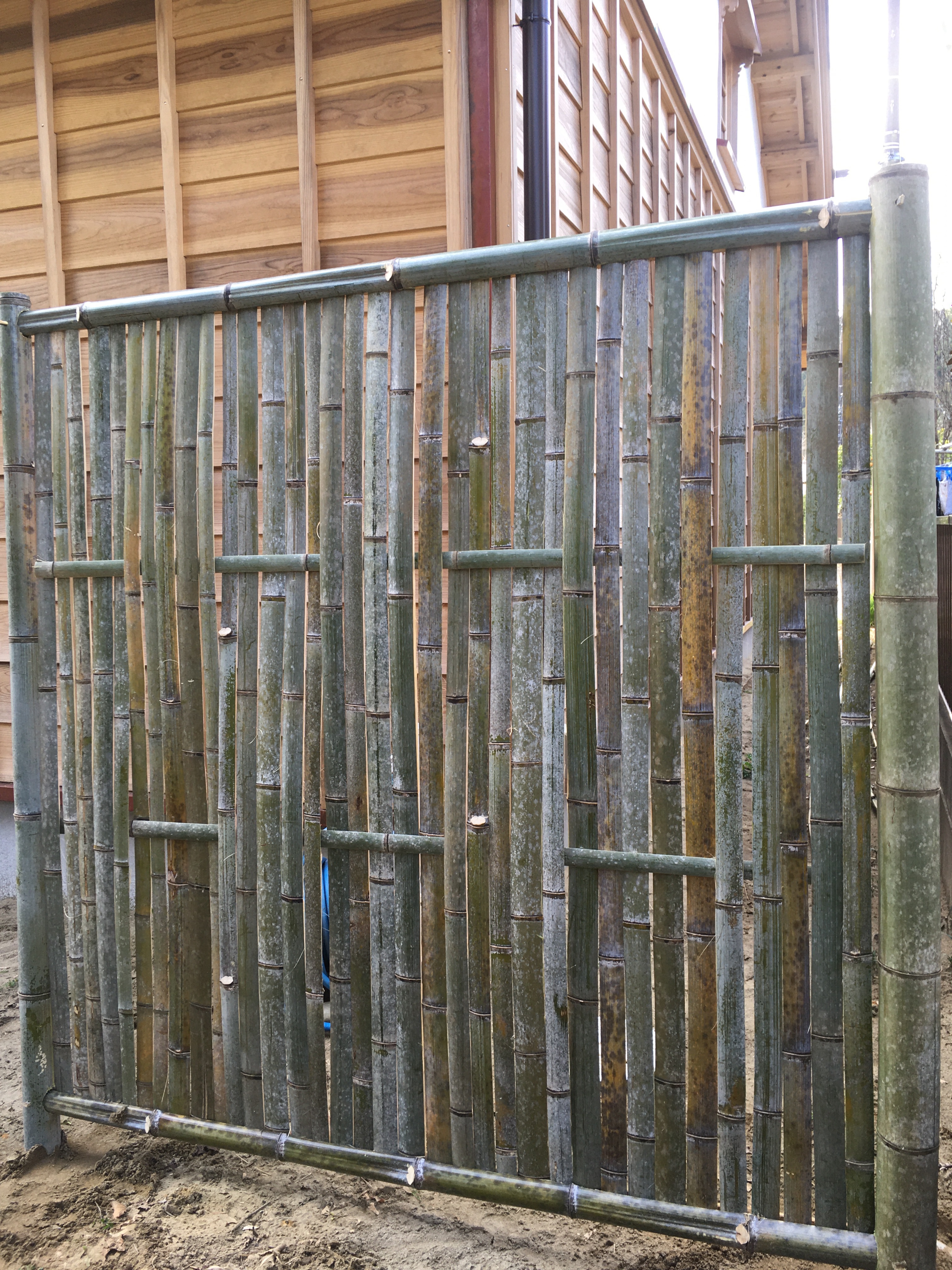
Last year we started to use bamboo we cut with our neighbors, and I really loved it. This year A. has decided to take it to the next level. Equipped with a bamboo cutter, we are now making our own slats and then the possibilities have expended. We have started with a simple fence…

OK! All this may not be too exciting for most people but for me it is! Spending the day outside cutting, sawing, arranging the slats… was really fun and I can’t wait to do the other fences!!!

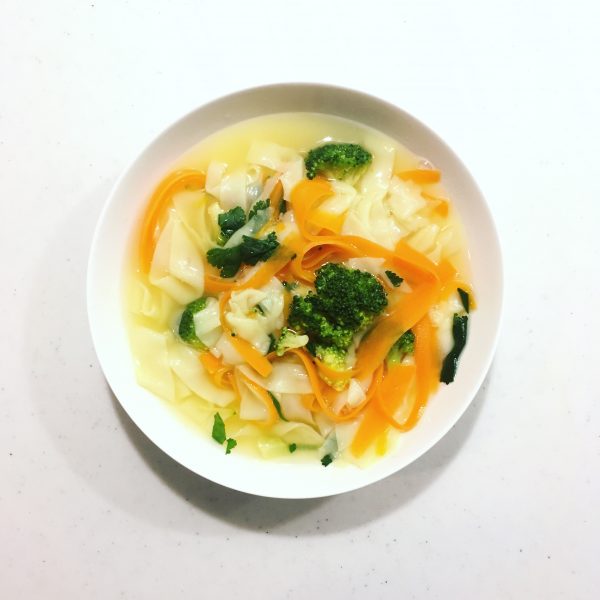
I got excited last night when after a few days if minimal cooking I finally decided to do something for our dinner: the spicy noodles soup I made for myself sometime ago and that A. hadn’t had a chance to try.

I replaced in the former recipe the coriander seeds by some fresh coriander as they start selling some at the farmers market and I made the noodles with 120g of flour for the two of us. And I had a bit of broccoli I wanted to use so I cut it in small bites. That was a big success and A. liked it as much as I did!

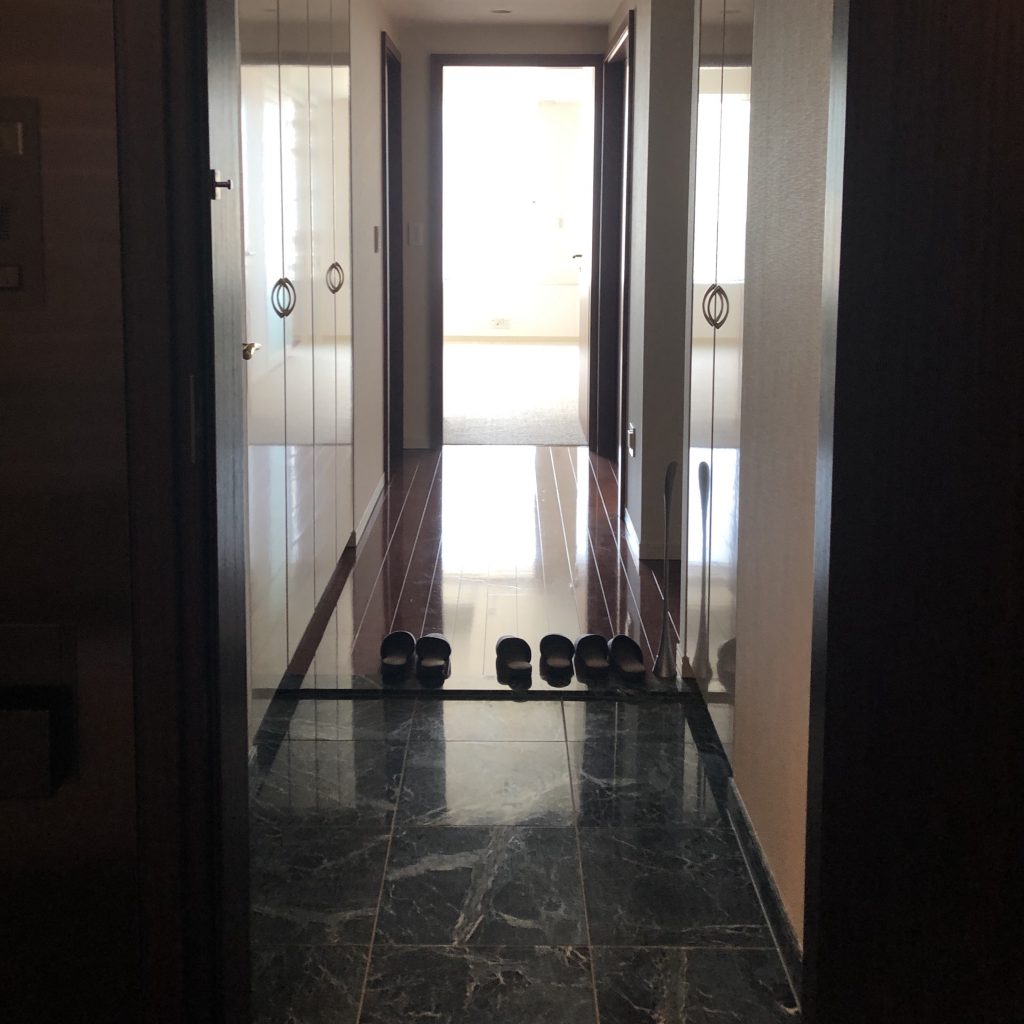
Oh… and there’s a final reason I am quite excited… it’s our forthcoming moving… more coming soon about that… but this is one of the thing on top of work that has kept me pretty busy!!! And now it’s getting real!

Miso, again…

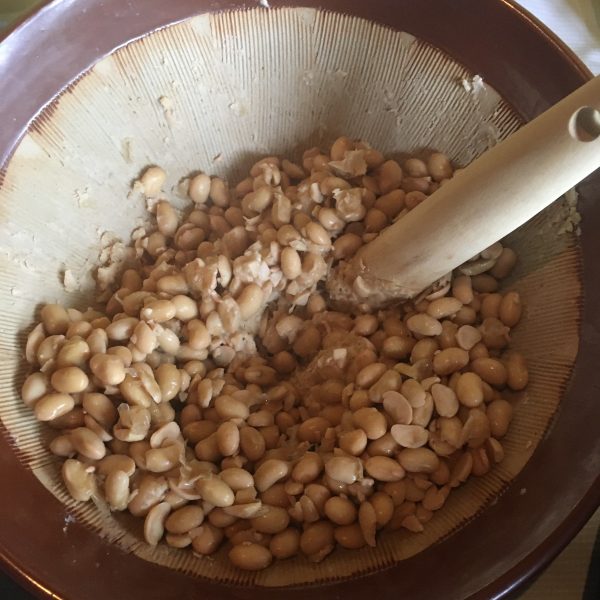
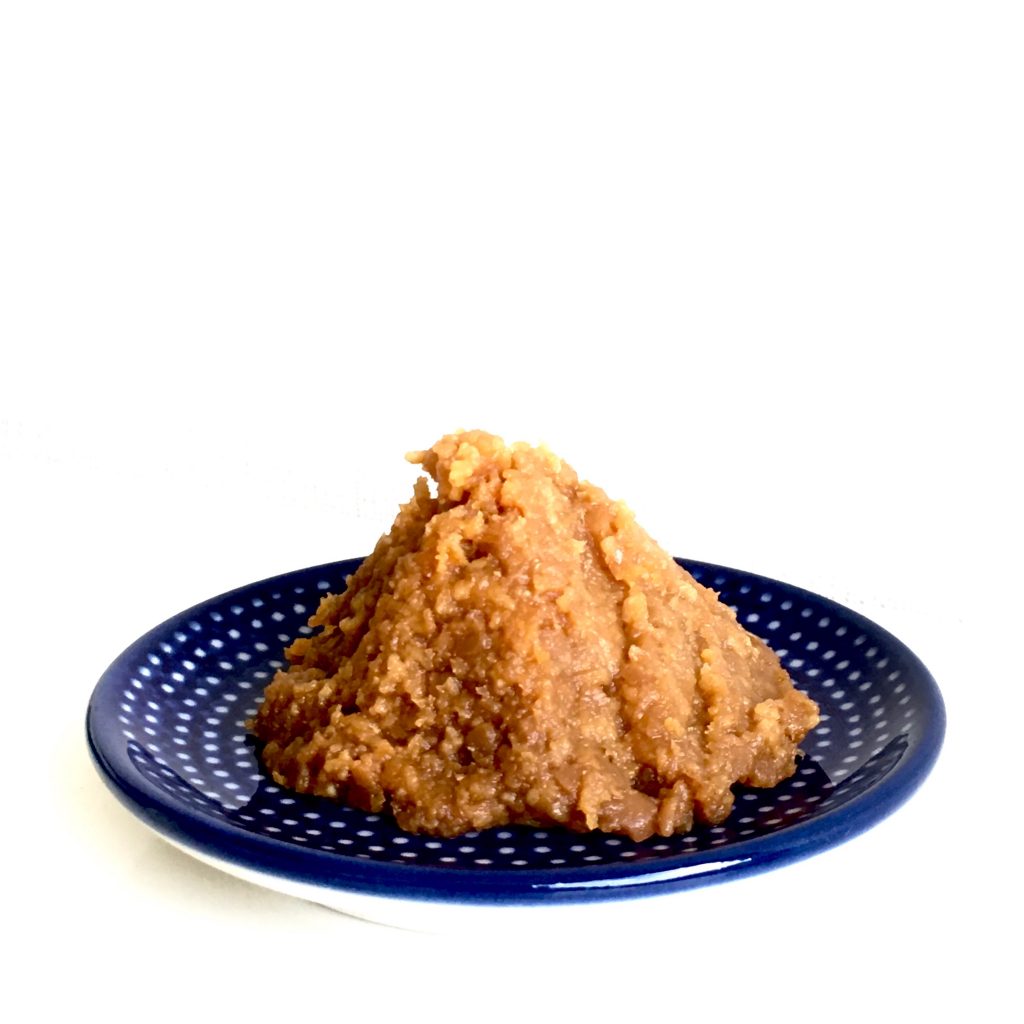
Making miso every winter is now a tradition. Our friend S. prepares everything for the event and we gather together for a couple of hours to chitchat and squeeze soya beans. Well, for non Japanese people or not used to Japanese cuisine, miso may be a rather intriguing ingredient and not so easy to use except in the traditional miso soup, and even then, using fresh miso in a soup may be a bit challenging when not used to. But the truth is that miso is quite versatile. We easily eat 2or 3kg of miso every year at home! You can see my past posts about miso here, but let me summarize some of the things you can do with miso again.

2019 miso

Miso can be used in soup, dips, to pickle vegetables and flowers, in marinade for fish, a spread on rice balls, to replace butter in pie crust, to replace cream in quiche flan, just to give a creamy texture to a sauce, and in many other places I am forgetting!

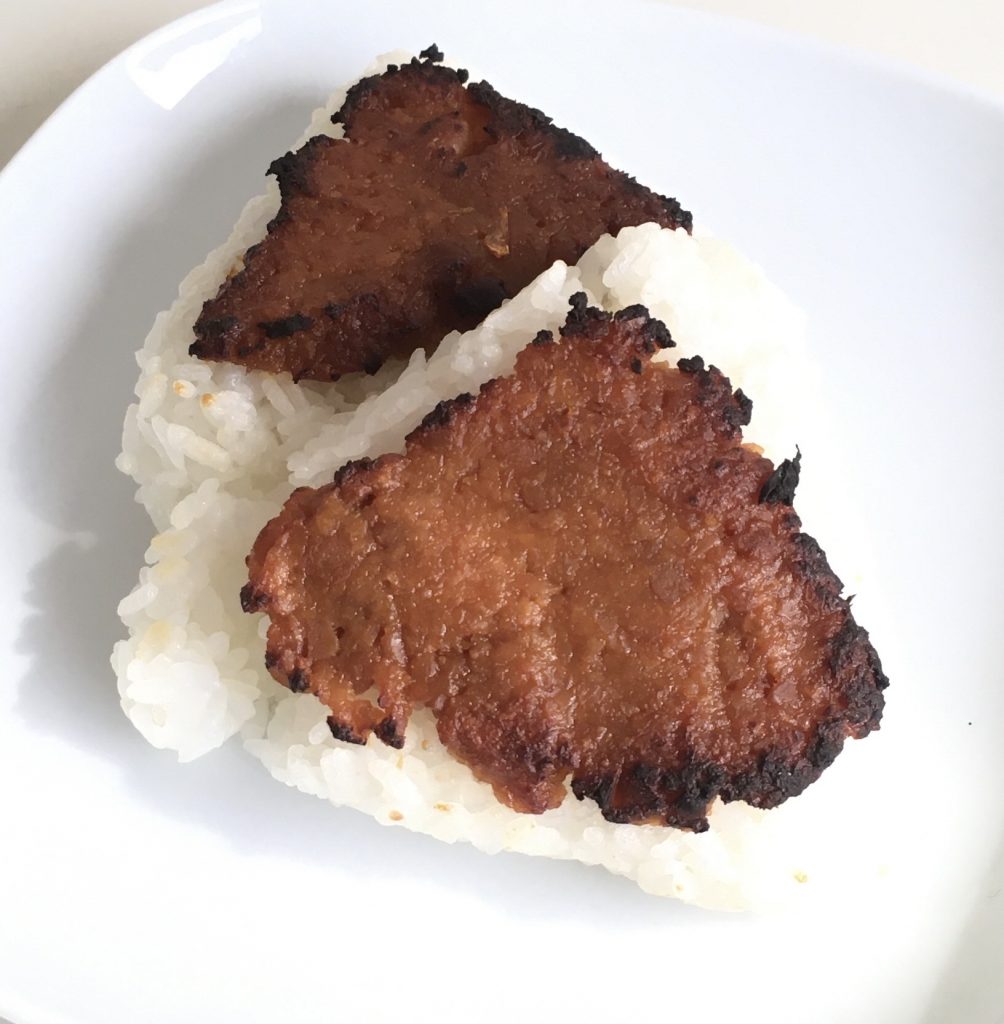
Today two super simple recipes with miso: in pie crust and in spread. Both are very straightforward. Let’s start with spread, a classic in Japanese cuisine: yakionigiri. You need just some plain white Japanese rice and a two tea spoon of miso per serving of rice. Cook the rice to obtain a sticky japanese classic rice. Prepare a sheet of cooking paper. Wash your hand under cold water and don’t dry them. Take half a serving of rice in your hand and form a ball (if your sensitive to heat let it cool down before doing that, you may burn your palms). Put the ball on the cooking paper. Gently flatten it by pressing with your palm. Spread one tea spoon of miso on top. Put under the grill until the miso starts darkening. Eat right away.

2 miso yakionigiri

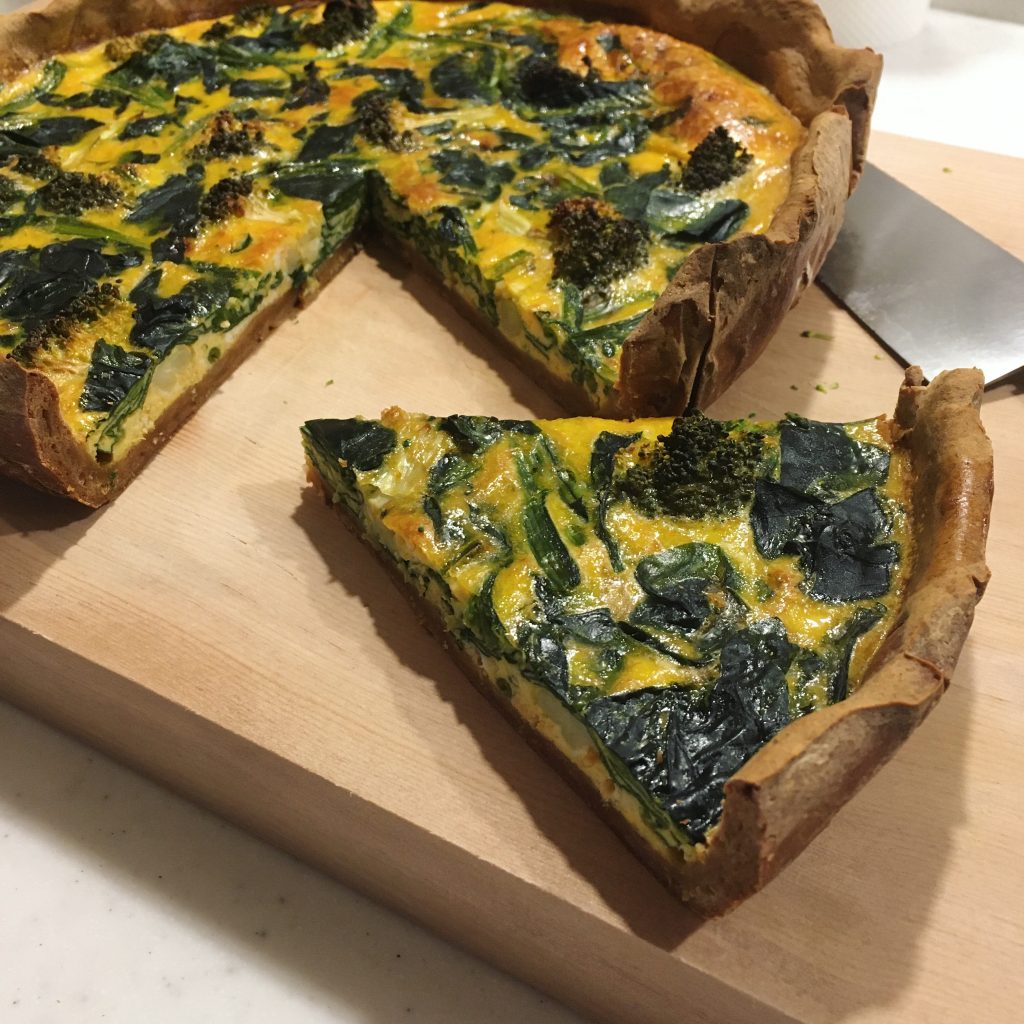
The second recipe is just to replace butter in a pie crust by miso. This changes of course the pie crust consistency to a more crispy on the edges and chewy on the bottom, with the characteristic flavor of miso. You can make quiche with it (vegetables such as spinach, broccoli, canola… are perfect), or tiny sesame crackers.., or be creative and use it for a chocolate tart!!!

Miso pie crust for a broccoli and spinach quiche

Cheese, cheese, cheese…

In these kind of gloomy days of grey skies and new Corona virus outbreak, even very recently with the pick of new cases in Japan that starts to impede our work activities: events I was invited to got canceled, events I have been working hard to organize are going to be canceled as well… a bit of slowness, time shared with the loved one and delicious cheese was more than welcome.

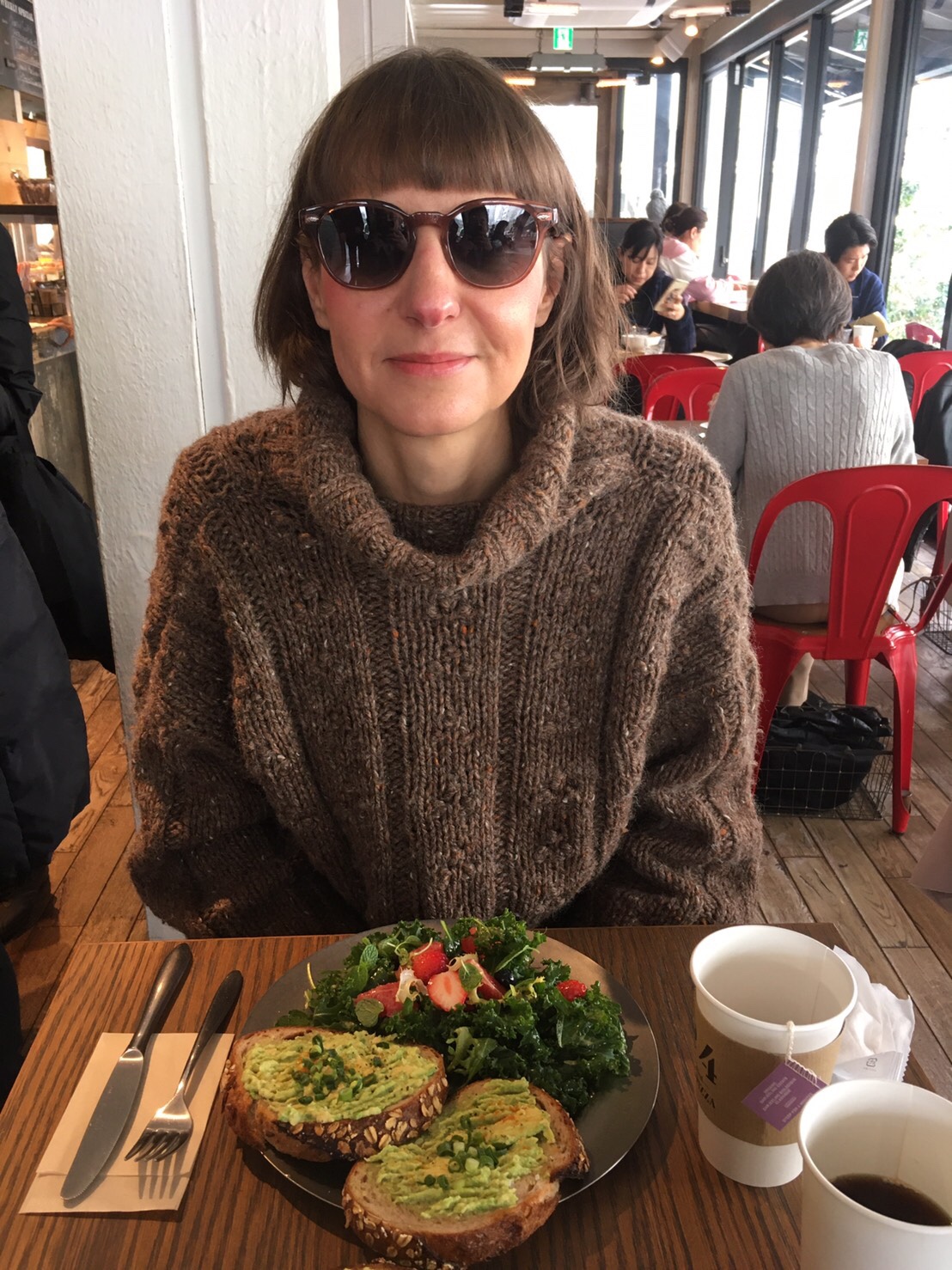
Saturday morning, after a few days separated for work, it was high time for having breakfast together again for real. So we headed to cafe No. 4 in Yonbancho for breakfast. Indeed after trying croissant at Factory the other day, and finding way too salty, we tried the avocado toasts from No. 4 and they were really delicious! The kale and fresh fruits salad that accompanied them was also great! A very good place to start the day and honestly there are not so many in Tokyo that open early enough.

Avocado toast for breakfast at No. 4

But that that’s not the point of today’s post to review early breakfast spots in Tokyo, though I should make one, one day…

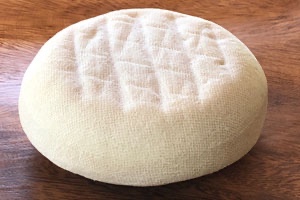
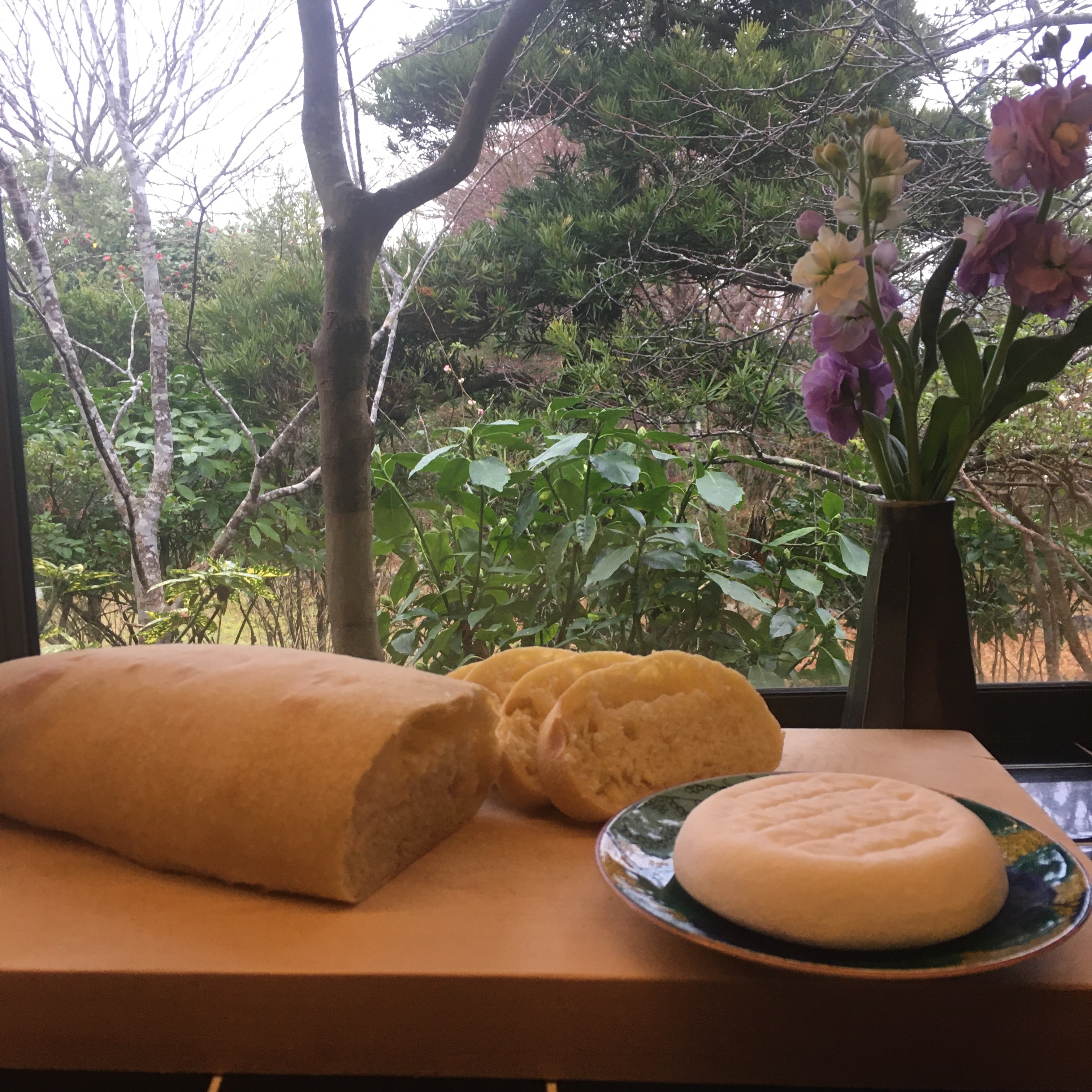
The point is this little gem we found on our way to the countryside later that morning. A few kilometers before arriving home A. wanted a coffee. So we stopped at the one opened on the way: Haru. A small place I knew was making galettes and crepes, but, I don’t go out to eat crepes and galettes, that’s what I cook when we’re in a rush and starving!!! That’s why we’ve never been before… what I didn’t know is that they are also making cheese!!! What a surprise! Indeed, the owner used to work at Takahide farm, a place I really love, and he had spin of, but still uses the milk from Takahide farm. He learned one year in Auvergne, France. He makes a few different types of cheeses, different from Takahide, great! A good reason to shop at both. I bought the “souple” cheese which is a semi-hard cheese that has a very soft taste. Loved it, with some freshly baked bread, or just like this… I didn’t try the blue cheese but knowing that he studied in Auvergne I am guessing it should be nice for blue cheese lovers (which is not really my case).

Homemade bread and cheese “souple”

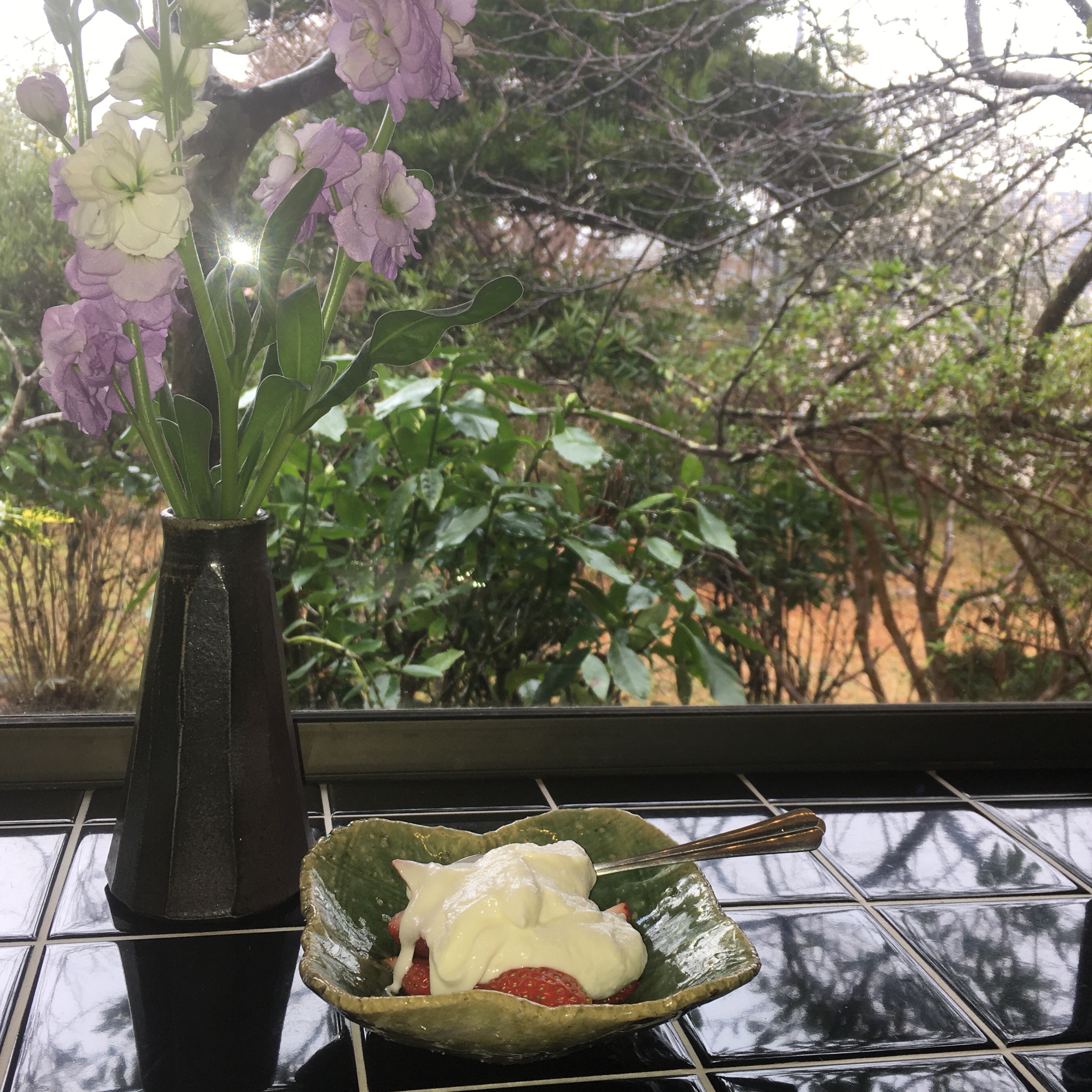
But the best of the best was their fromage blanc. They sell it in 350g pack which is a great size for making several servings, it reminded that in France we buy fromage blanc by 1kg!!! Haru fromage blanc is light and creamy, very mild in taste and melty in the mouth… scrumptious. And with the strawberry season starting in Chiba it’s the promise of many delicious breakfasts and desserts! And many visits at Haru! And when there you can try the Houji cha latte… really good too!!!

So you can bookmark the address as I did! I am sure there a few more remarkable cheese makers in the region, just need to find them… and by chance is surely the best!

Fromage blanc and strawberries

Top picture of the cheese is from Haru website.

Romanesco

As you may have discovered along my posts and even more on Instagram, I am a big fan of all cruciferous vegetables. I couldn’t name my favorite!!

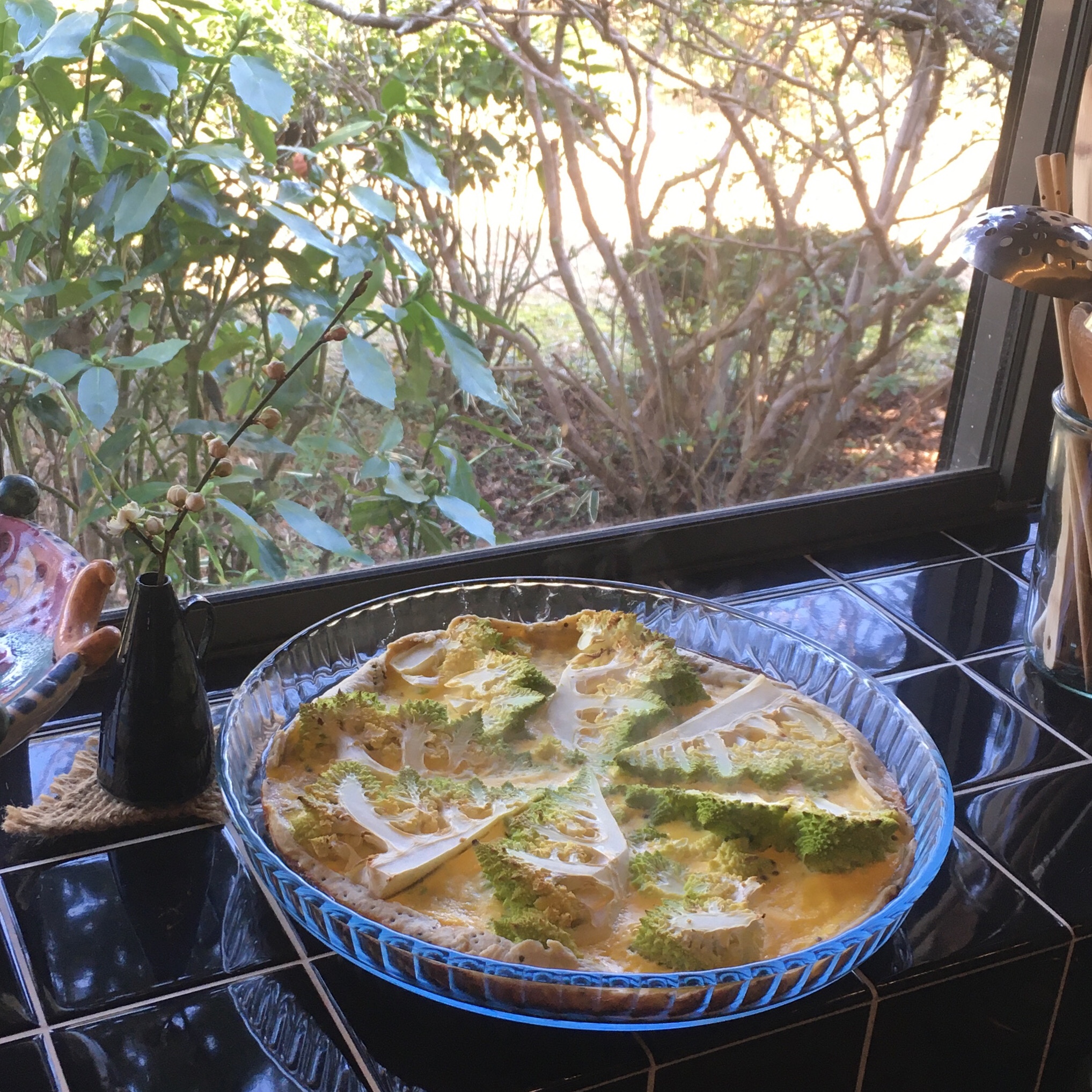
But when it comes to prepare romanesco cabbage I always feel sorry to crush the beautiful fractals. What’s the point of buying a romanesco to make a soup or a gratin out of it… a cauliflower would have been as good, even better as the color is nicer. So usually my romanesco end up boiled or steamed or slightly sautéed… but this week I was bored with this and wanted something that changes a bit. So I made a quiche with a special pie crust: very thin and crunchy, with garam masala and mustard seeds. The crunchiness was perfect with the softness of the baked romanesco just sliced and the egg flan. The slight spicy flavor of the crust was really nice and warming and we could still enjoyed the beautiful fractals.

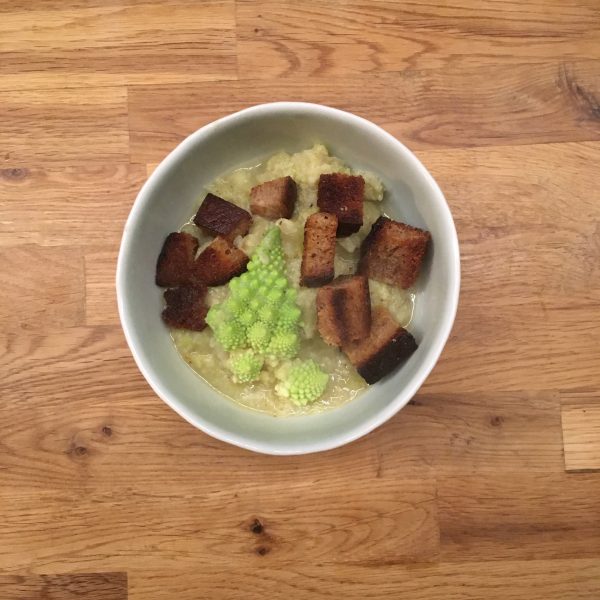
One other thing I cooked then with the remaining half, was a soup… I could resist. I boiled the romanesco (but kept 2 slices for decor that I simply blanched to soften). Then crushed it with a fork… sorry beautiful fractals… Made a roux with a bit of butter and flower, then a bit if milk and then continued on with the cooking water. Once I obtained a light creamy texture I added the boiled cabbage and stirred well. Made some croutons and served.

What is your favorite romanesco recipe???

Pan fried ravioli

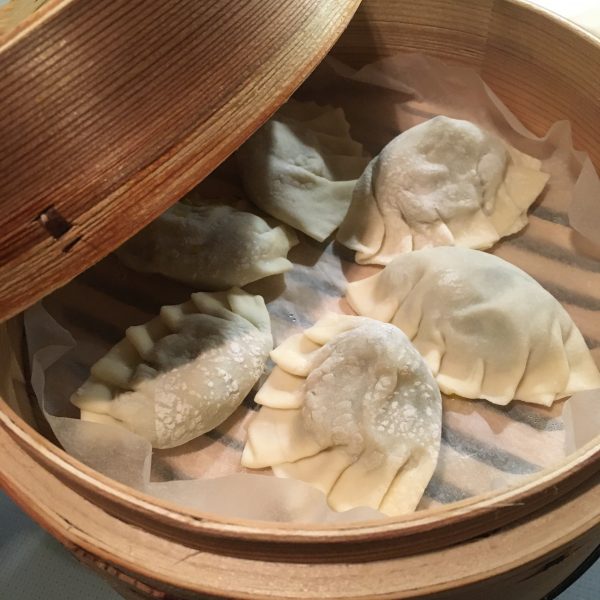
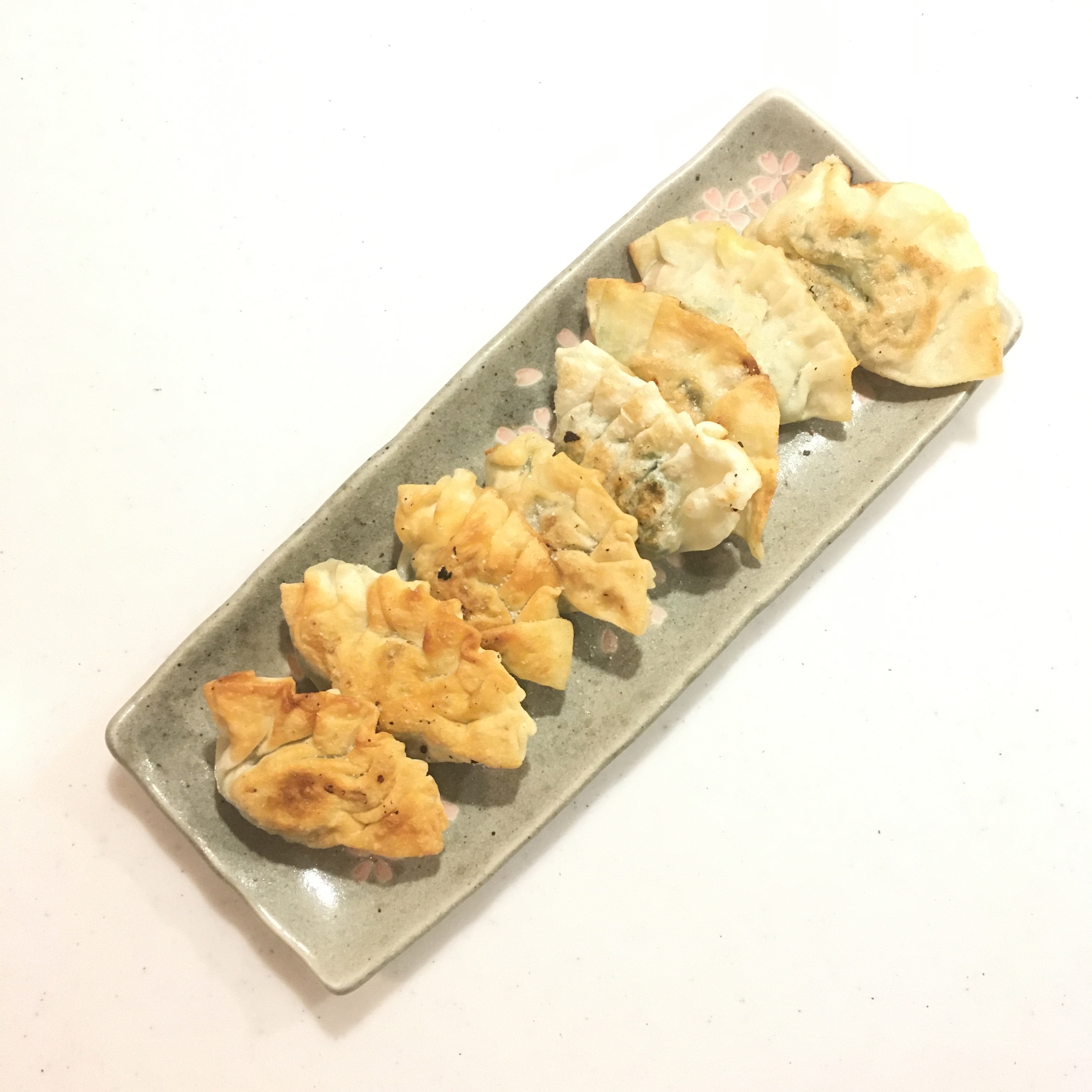
In an attempt to practice my gyoza dough making and rolling I decided to make some pan fried ravioli using a vegan dough recipe which is only water and flour, and therefore the recipe of gyoza skin, and filled with Japanese salted salmon, spinach and ricotta. So I found it hard to know how to call them… these are not strictly speaking ravioli, nor gyoza either… but a kind of mixture of both. Well what is important is that they were really delicious and it doesn’t take much time to make them and it was a good rehearsal for making gyoza soon. Indeed, ravioli are made from a flat sheet of pasta, but for gyoza they are rolled one by one, so I needed a bit of practice to remind myself how much dough is needed to roll one skin. All you need is just a nice top well dusted to roll them quickly. So here is my recipe…

Pan fried ravioli (for 16-20 pieces)

For the dough:

– 100g of flour

– water

– a pinch of salt

– more flour for dusting

In a bowl mix the flour and salt, add water bit by bit while kneading. Stop when the dough is soft and smooth. Leave to rest for an hour if you have time.

Filling:

Choose what pleases you, I used Japanese salted salmon, spinach and ricotta. I boiled and drained very well the spinach. Add the salmon, and a bit of ricotta. As the salmon is already quite salty, I used nothing but a bit of black pepper.

Ok, then! Now the fun can start!!!

You need a clean top or a wide wooden cutting board. Dust it generously. Pick a 1cm diameter ball of dough and roll it with a rolling pin to the thinness and diameter you like. I like thin, but not too thin as filling is then a pain. So I rolled to about 8cm diameter. Then filled and closed the ravioli. When I made enough pieces to fill a frypan I heated it, and greased it with olive oil. Then throw the ravioli. I cooked at medium heat until golden, flipping them regularly. That’s it!

Proudly powered by WordPress | Theme: Baskerville 2 by Anders Noren.

Up ↑

Verified by MonsterInsights