Simmered plums

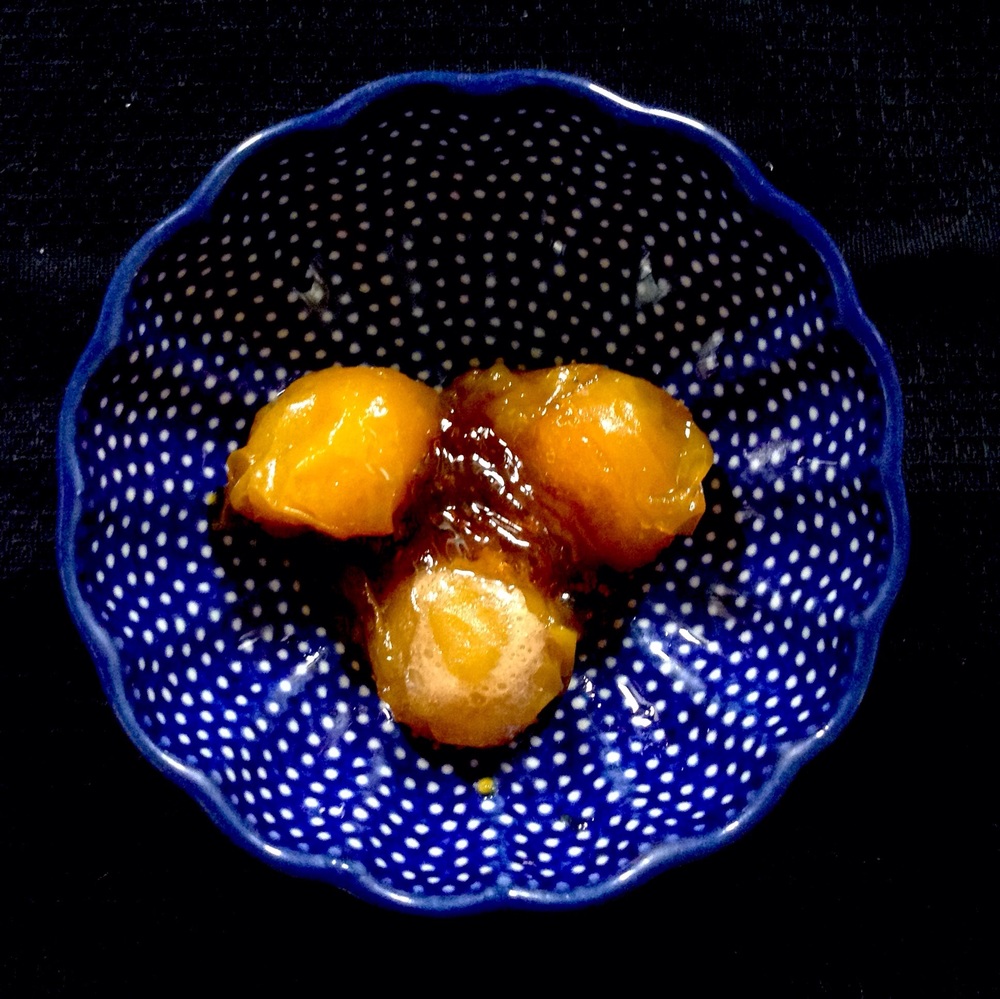
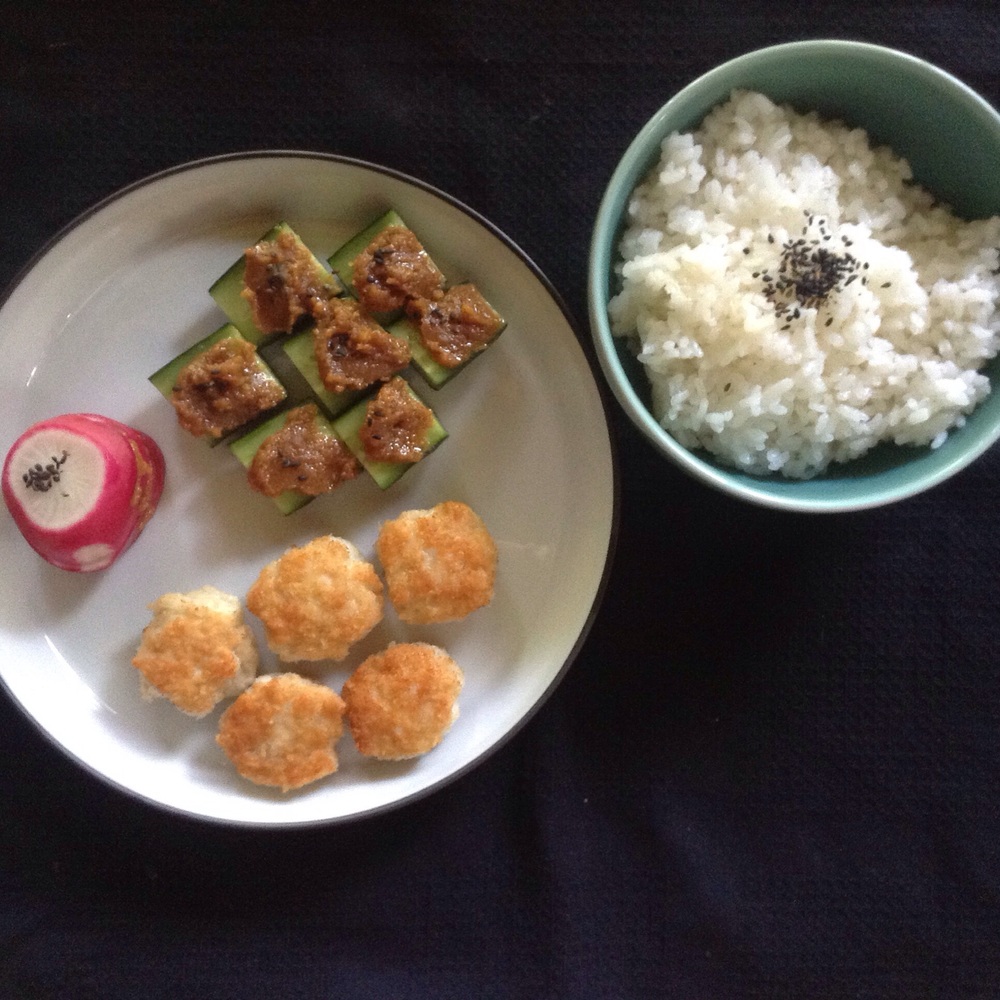
When I harvested the garden plums I had in mind to try one recipe of simmered plum from my Shojin cuisine book. So I kept 6 of the largest and greenest plums for that recipe. But busy with other things I didn’t prepare them right away and the plum have turned from green to a beautiful orange, and were ripening very quickly. So I decided to go for an other manner to cook them, simply preparing some kind of compote. I put the plums in ample water and boiled them at low heat for 2h under cover; then I drained most of the water and kept only 5 to 10mm in the pan, added 2tbs of brown sugar and simmered at low heat again for 30min without cover, or until almost all the syrup is gone. Instead I obtained a thick jelly (the brown paste in between the plum on the picture).

You can serve the plums warm, at room temperature or cold. 

Salmon soup

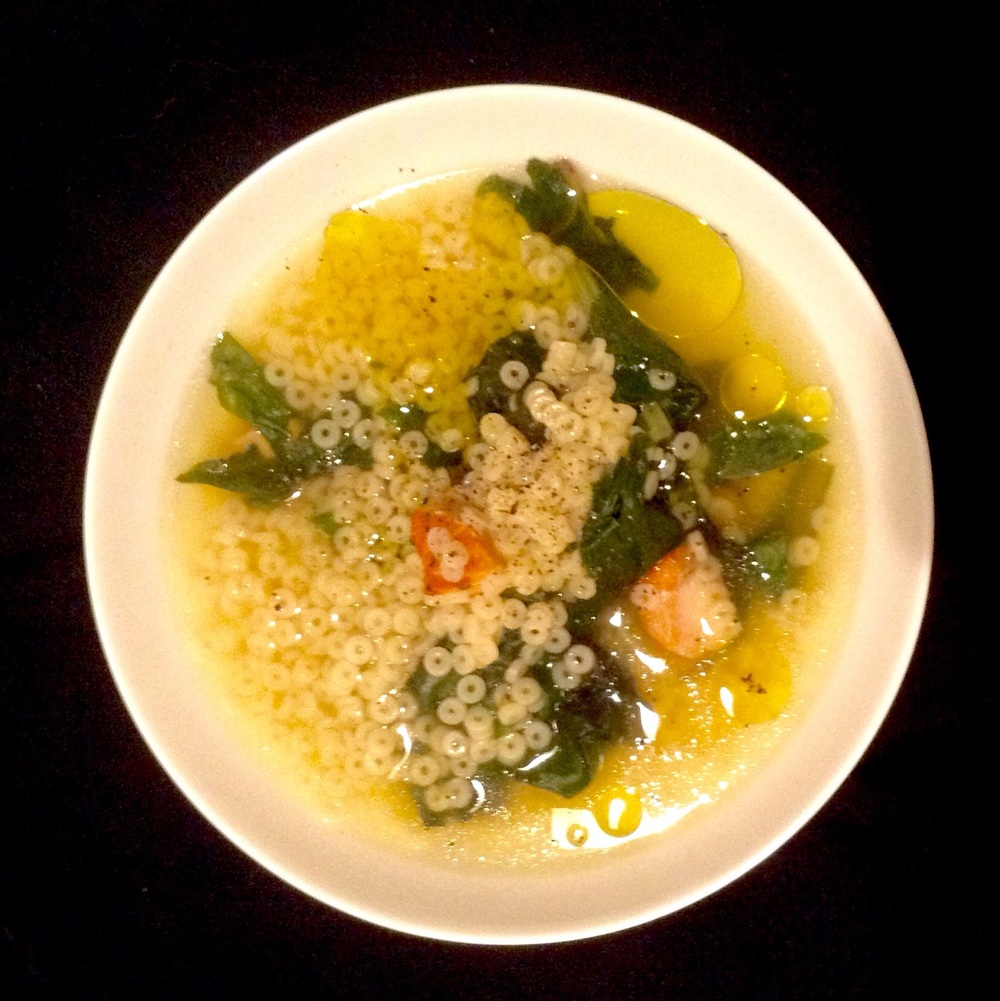
With the leftovers of the salmon filet and the Swiss chard I prepared a soup for our dinner tonight. Simply by boiling some little pasta (some Sicilian pasta for soup I had left from our trip to Italy last December) in salted water and adding the cooked fish and Swiss chard 3minutes before serving. Added olive oil and black pepper and served hot.

Nordic inspiration

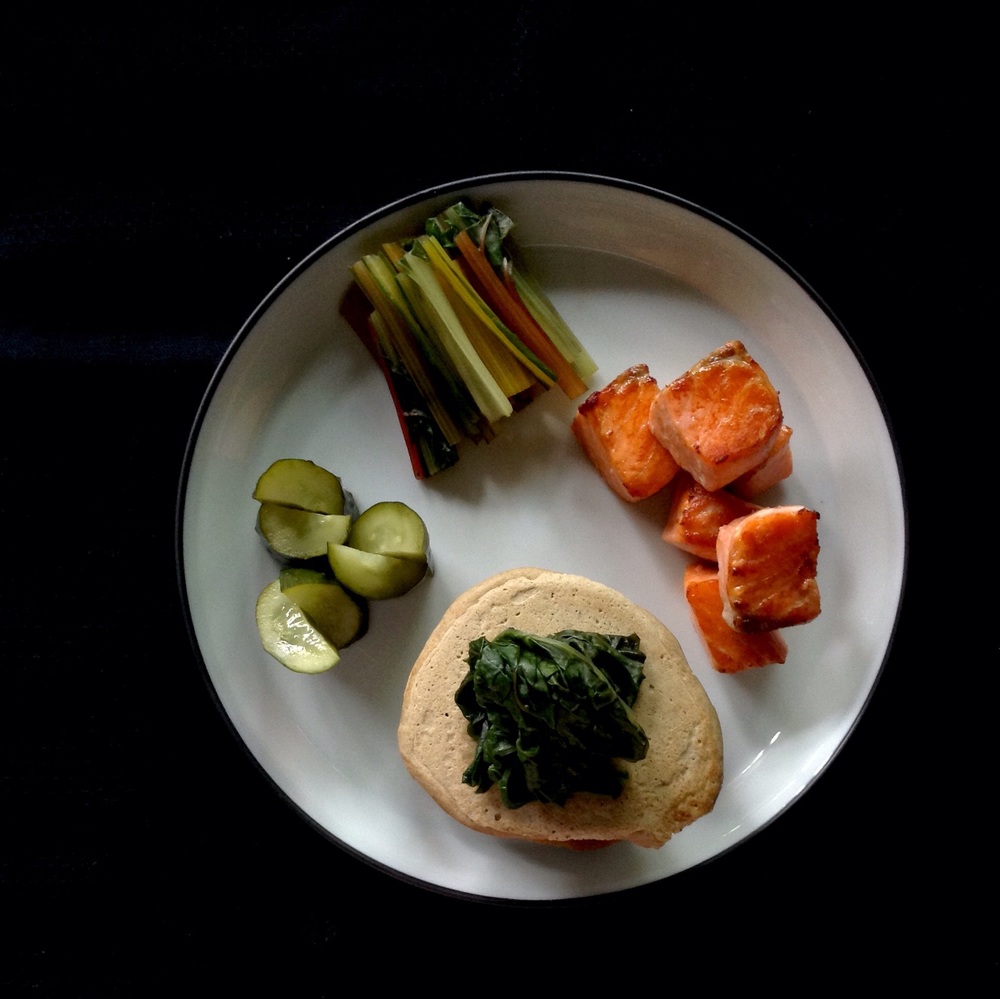
This winter I talked a little about the cooking books I got for Christmas and I tried several recipes from them. I also use them as source of inspiration. Recently I was attracted by the Nordic cookbook and in particular by salmon recipes. I wanted to prepared cured salmon. So finally I bought a nice salmon filet and was about to prepare it when A. told me that he rather have it right away than wait for 48h for the cured fish… Well.. I left the cured fish for an other time and opted for a butter grilled one. And just blanched the beautiful baby colorful Swiss chard I found at the farmers market and baked some 100% buckwheat pancakes. Added some pickled cucumbers and served all together. Simply delicious. For a Nordic experience I guess that cream and dill would have been on the plate too, but I didn’t have any!

Okara croquettes

While in search for new recipes and tastes to change my routine cooking  I’m testing cooking ideas, one at a time. Some very simple like these okara croquettes served simply with pickled vegetables (nukatsuke) and rice. The recipe for the croquettes is just so simple: I mix one egg with half a little bag of okara, add flavoring: this time I used shichimi (7 spices – 七味) and stir well. In a slightly greased pan I cook at low heat on both sides until golden.

Shojin cuisine inspiration

Since I got my Shojin cuisine book I only tried one recipe but many others are really simple and delicious. So I’ve decided to try (and slightly adapt) two other recipes. One is a classic, the otherone is rather new for me. But even the classic I gave it a little twist. I really love green beans salad, alone, with potatoes or with tomatoes. It’s a real simple dish perfect with thin little green beans or flat beans that my mother cooked very often in season. I used the recipe of miso green beans as a base and mixed it with my childhood memories. So I added small ripe tomatoes. So it’s just blanching the green beans, just a few minutes, they should remain vivid green and crisp, mixing with miso of you choice, adding the tomatoes in quarters (bottom left of the picture).

The second recipe is eggplant and edamame. The colors and mix of textures and tates really attracted me and I was very happy with the result. The recipe apparently used fava beans or broad beans but the season is over and the season for eamame just started so I replaced them. Also in the recipe the beans were sweetened with sugar, but I didn’t find it necesary, the edamame being already super sweet. So you need half little eggplant per person and a handfull of shelled edamame for two. Halve the eggplants, in a frypan greased with oil cook the eggplants, skin size first, the turn them. They must be soft but not overcooked. Keep to cool on kitchen paper skin up. Boil the edamame, when ready shell them and peel them. The thin skin over the beans must be removed for a smooth preparation, and is actually super easy to remove. Place the beans in a mortar and crush them but not too much. Cut the eggplnt in bites and top them with the edamame. 

Both recipes are perfect served at room temperature. 

Red cabbage salad Japanese style

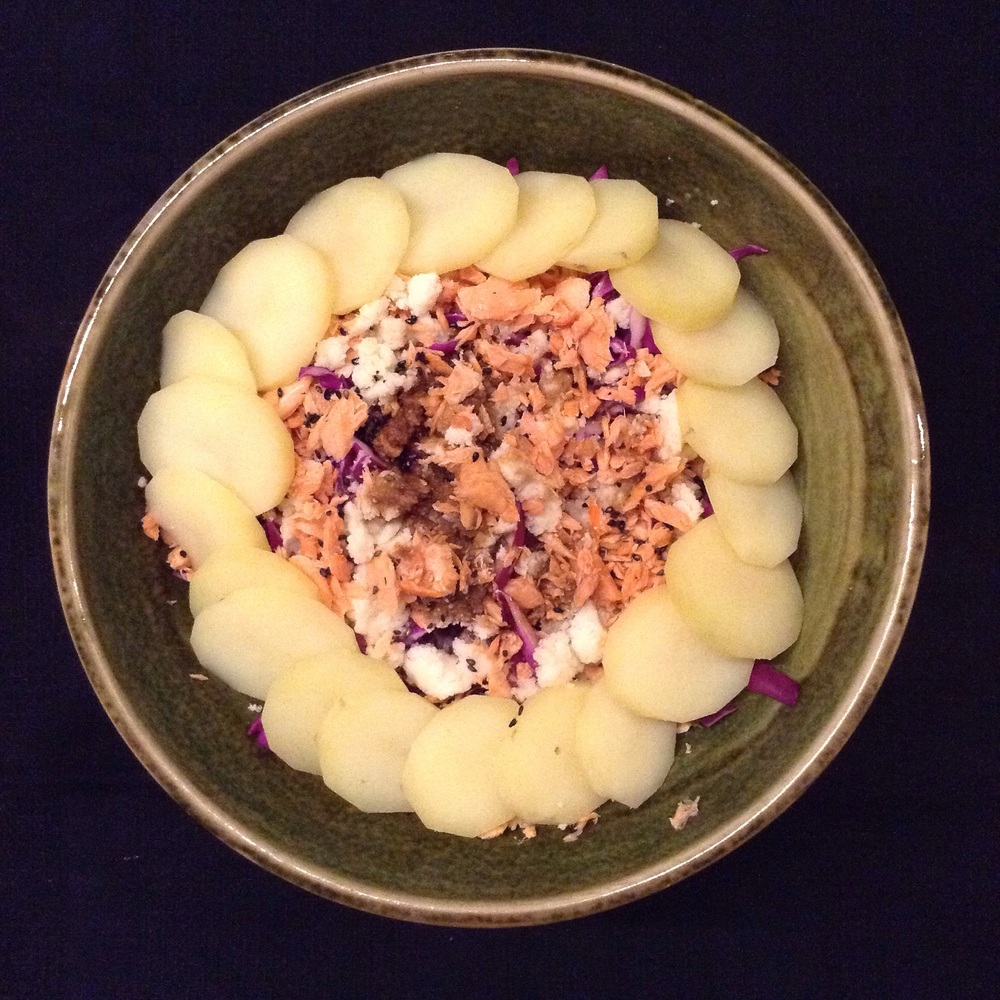
A red cabbage is a pretty big thing to eat for two and I’m trying to find new recipes that change from my usual ones. Recently I’m searching new ideas to change from my routine cooking, not that I don’t like what I cook but it’s became somehow too easy. Of course I don’t necessarily have the time for very complex recipes, but I am sure there other simple manners to prepare some ingredients that I use, and I’ve just forgotten about it or don’t know  about. There are many also that use products I don’t use/buy/make for example non seasonnal products, frozen food, canned food (except chickpeas), mayonnaise, deep fried, beef, shellfish, but still many remains. So I slowly trying new mixes and new arrangement and so far it’s working good. So here is one recipe for a Japanese version of a red cabbage salad: shaved red cabbage, boiled new potatoes, okara, and Japanese salted salmon. Dressing with a little of rice oil, soya sauce and black sesame.

Rainy season – 梅雨

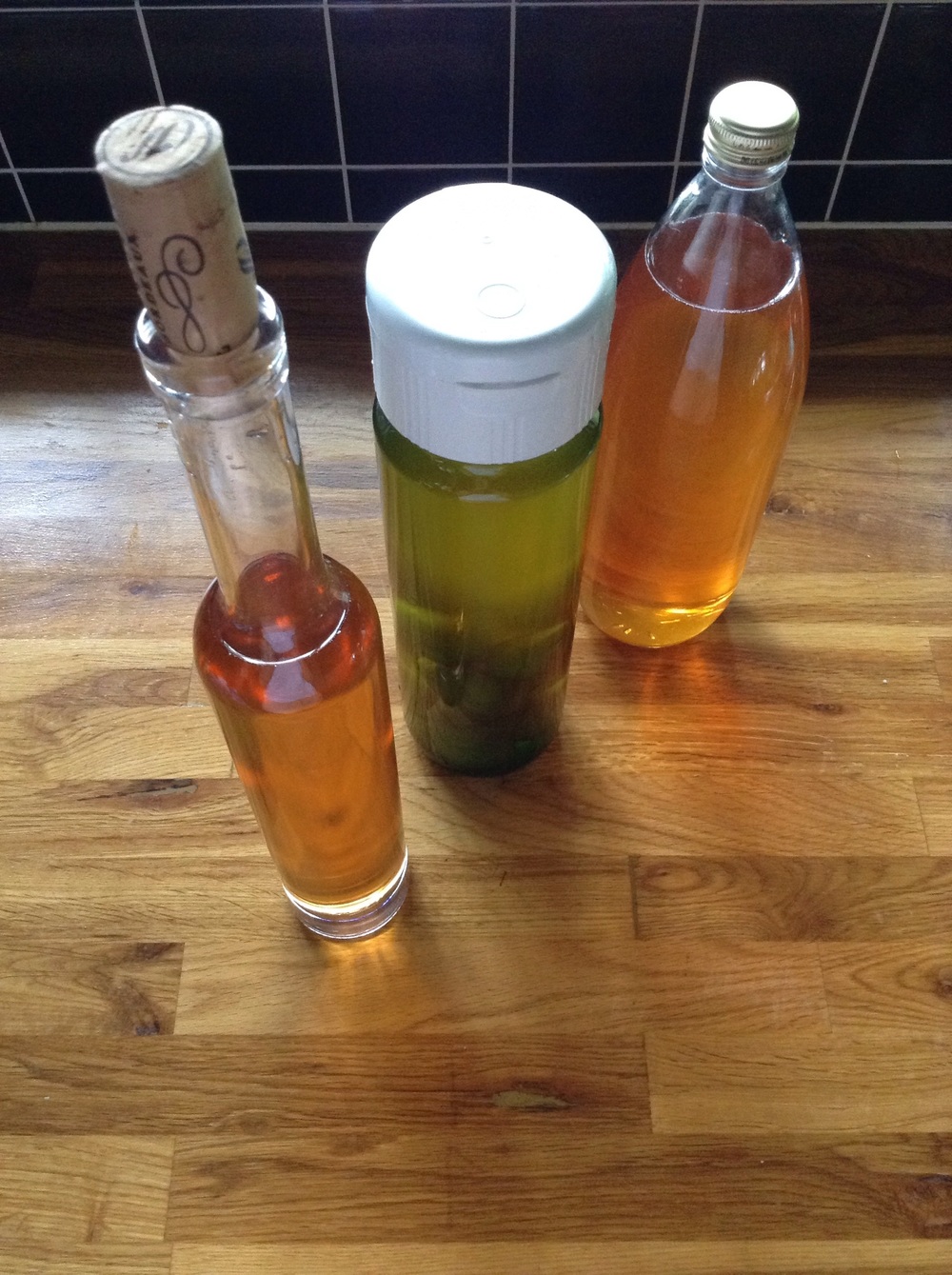
梅雨 literally the plum rain is the perfect word for the Japanese rainy season. In June it’s getting hot and humid and this is the season for harvesting plums. So everywhere it’s about ume-everything: umeshu, umeboshi, ume jam… We have several plum trees in the garden producing every year dozens of kilos of fruits. Unfortunately in the past we haven’t been there in June for the harvest season. Only last and this year we managed to be in Japan and harvest our plums. Last year with the help of Mrs I. I made some umeshu that I’ve just bottled, and is apparently delicious (I can only enjoy its beautiful smell since I don’t drink alcohol anymore). It was actually more simple to do than I expected only it takes a whole year to wait to start drinking it.

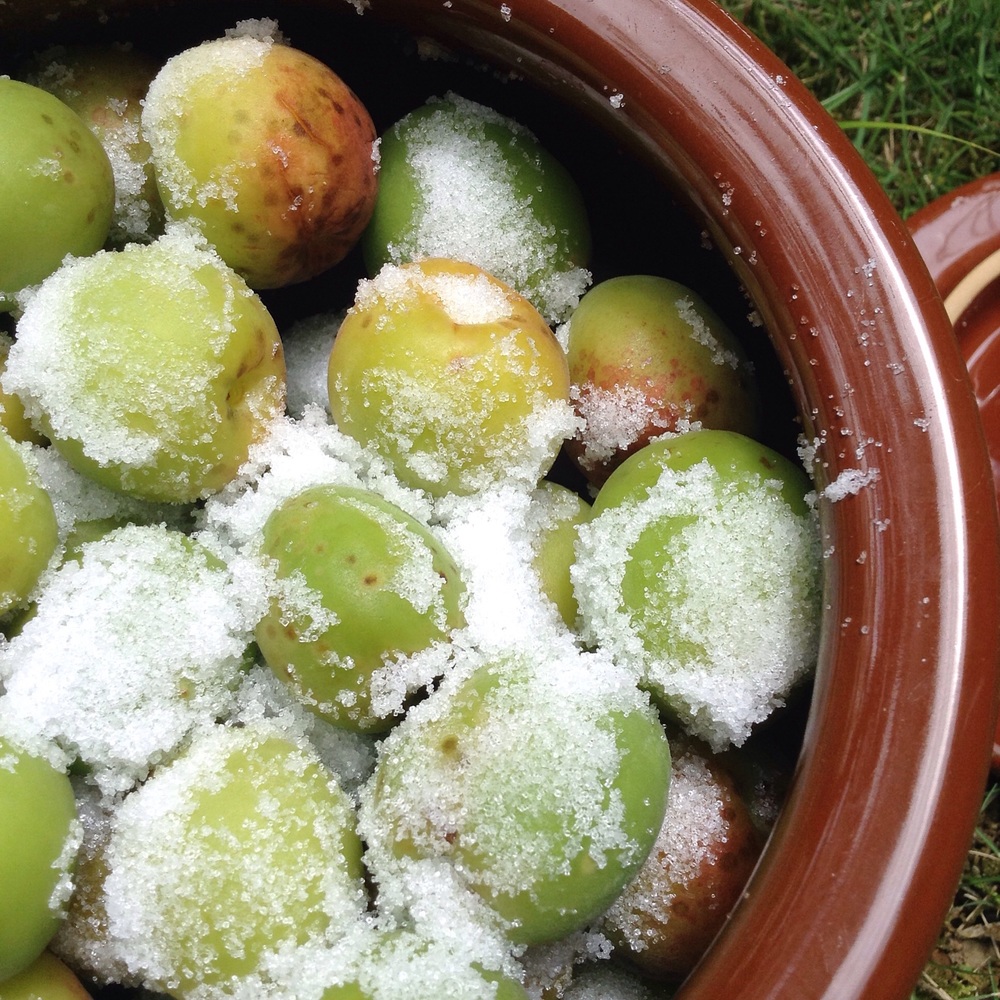
This year I decided to make umeboshi with our 85year old neighbor. She promised me this winter to teach me and since then I’ve looking forward to it. The day finally came! I harvested some of our plums Saturday, washed them and had then bath in a lot of water for a whole night and yesterday I prepared my first umeboshi. Here again it was much simpler than I expected. It’s only salt and plums. And time. Bonus before I can enjoy our umeboshi obasan gave me 25year old umeboshi. Something I’m looking forward to try too very soon!! I’ll keep you updated!

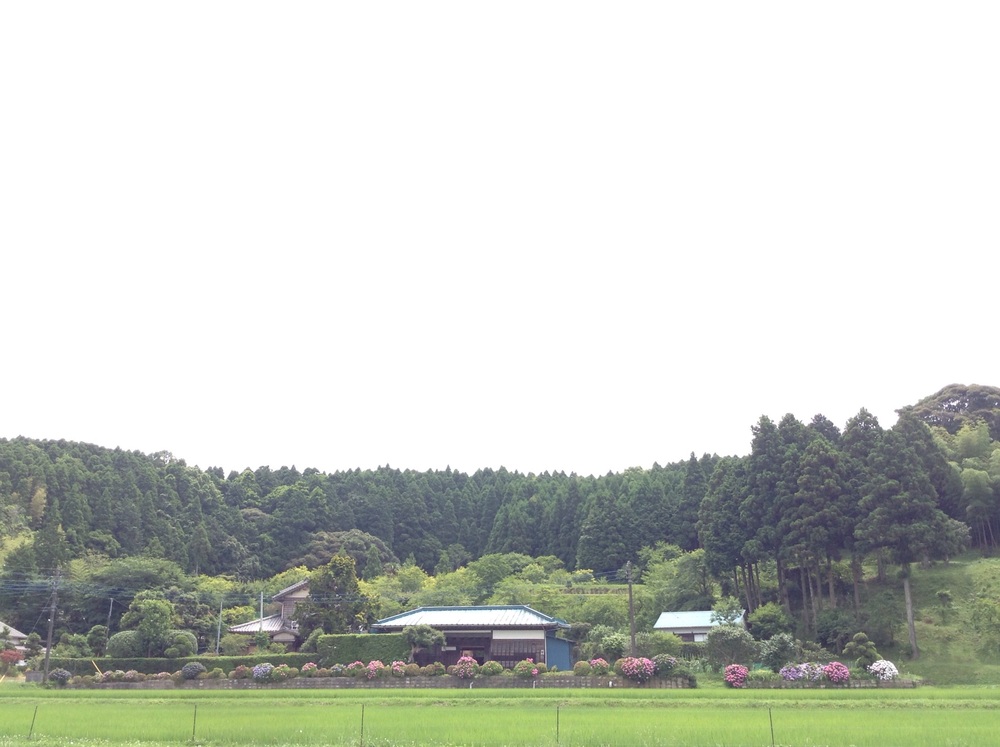
One more thing I love about this season too, this is also the season for vibrant greens and colorful hydrangeas blooming under grey skies, giving this special and beautiful rainy season light and colors to the country.

Saturday lunch

 Baguettes, farcis and pissaladiere in the oven
Baguettes, farcis and pissaladiere in the oven

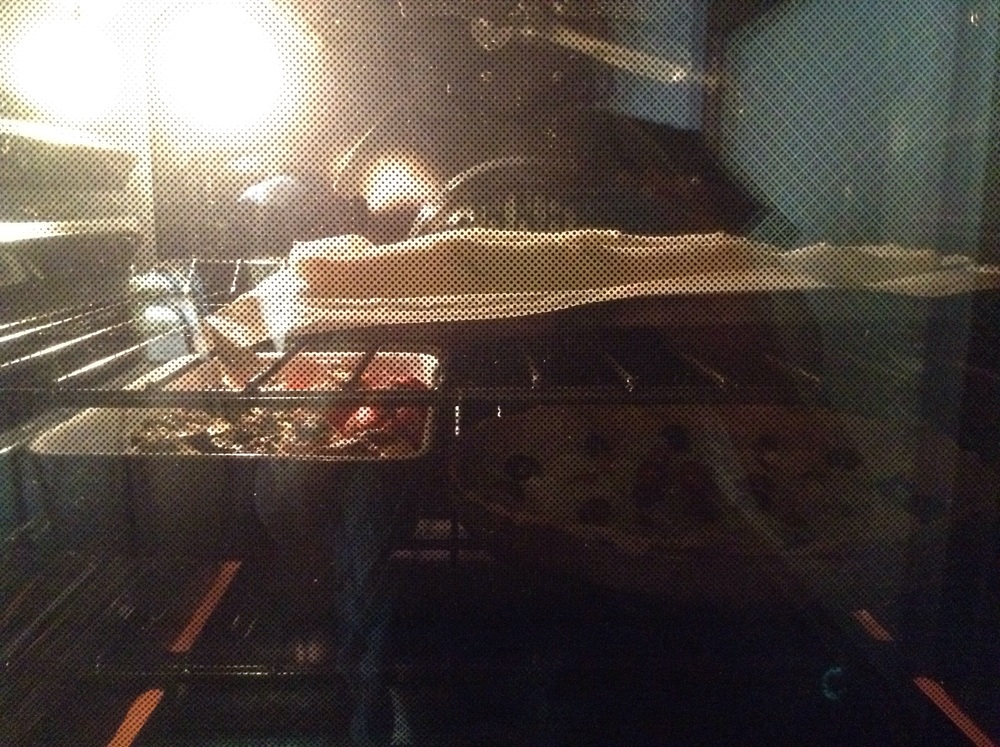
Tonight we had the I. For dinner. It was a dinner to thank them for all they are doing to help us with the house, and in particular with the cats and the kittens. I wanted to cook for them French familial food, things that they wouldn’t have in restaurants. And the market was perfectly in sync with what I had in mind. So I spent a large part of the afternoon cooking: baguettes of course, a pissaladiere, stuffed vegetables my grandmother’s way, capsicum and tume my mother’s way, and neroli sable to accompany some fresh fruits. So the lunch was rather simple: chicken balls, cucumber and radish with miso and rice.

Back to the basics

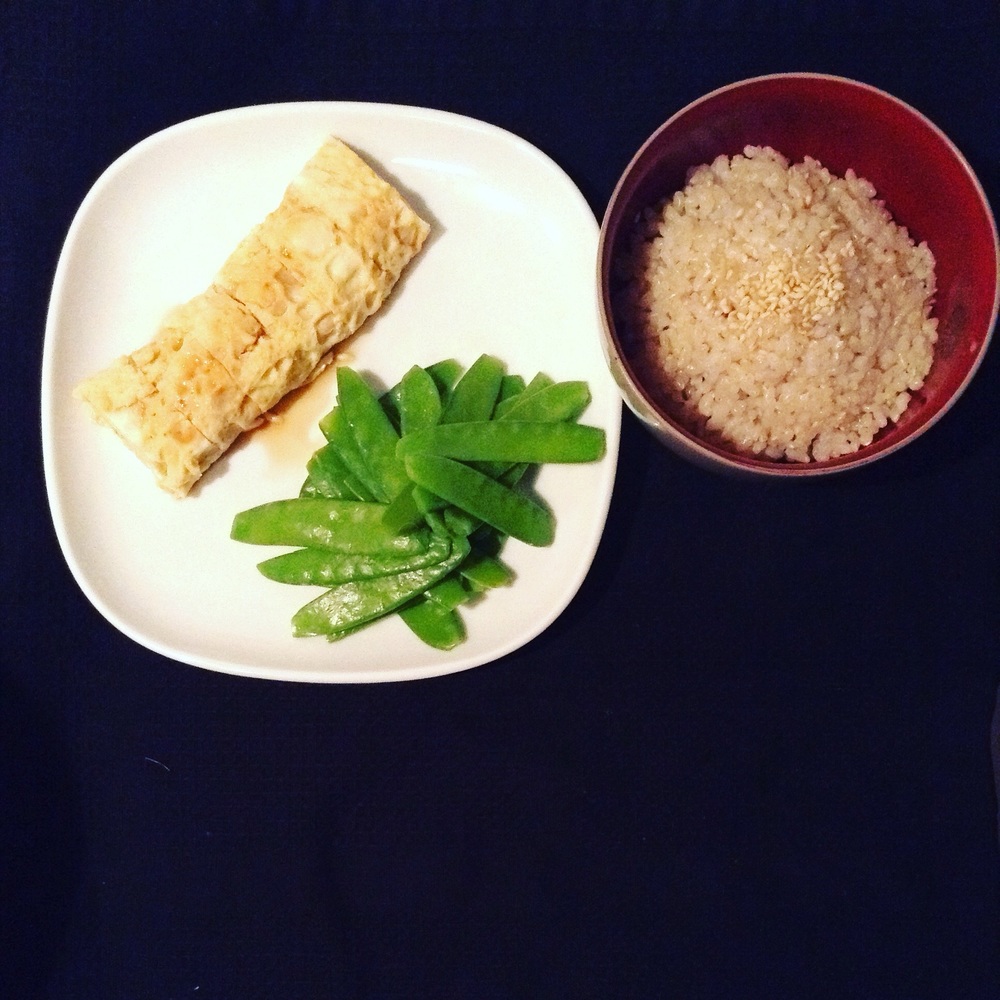
There is one thing I like but almost never cook because it takes to long to prepare for most of my evenings, and I don’t have the special gear required to make it look really good: it’s Japanese dashi-rolled omelette だし卵焼き(dashitamagoyaki). The preparation is really easy it’s just that to roll it correctly you need to cook one thin layer of eggs after the other and roll in between. So in the end this omelette takes 30min to cook and needs regular attention. But last night I was having a little more time than usual, A. being in a late meeting. You can find dashitamagoyaki in supermarket and most izakaya, and in bento but it’s too often sweet and the taste of the dashi that bring a delicate flavor is too often imperceptible because of the sweetness. My dashitamagoyaki only uses katsuobushi dashi and a little of soya sauce, I find that the dashi brings enough umami not to sweetnen additionally. So first thing is to prepare dashi with katsuobushi. Then in a bowl mix 1cup of dashi with 5 eggs, add a tbs ofsoya sauce, stir well. In a greased heated pan pour a thin layer of the egg mix, just like if you were making a crepe. Wait until the bottom is well cooked and almost golden. Then roll it tightly. Take it of the pan, grease a little and make an other “crepe”, add the one you just did before and roll the new one around the first one tightly. Repeat until all the egg mix has been used, or make 2 smaller ones. You can clearly guess that with a round pan the rolling is a pain, that’s why Japaneses have rectangular oan for that. Except that I don’t really have cooking goodies that have only one purpose so I keep using the round pan!!!

Proudly powered by WordPress | Theme: Baskerville 2 by Anders Noren.

Up ↑

Verified by MonsterInsights