Bagels!

Last weekend. I thought it was a real long time I haven’t cook bagel and it’s been a while I wanted to come some… then I checked out my recipe online and realized it was actually 3 years since I cooked any… so it was indeed a really long long time!!! I used the same recipe, and since I was preparing them for breakfast I used very simple toppings: plain, brown sugar, sesame seeds, and mixed seeds. Actually I used half of the ingredients of the recipe and since I didn’t have sourdough I used 7g of yeast; and made 7 bagels, so I guess the recipe makes more 14 than 10 bagels, unless you like giant bagels!!!

Again I was surprised how simple it is and it seems quite impossible not to succeed. I poached them on the evening and baked them in the morning because there’s nothing like eating freshly baked bread in the morning!

It was the perfect start for a Sunday before spending time in the garden cleaning and taking weeds.
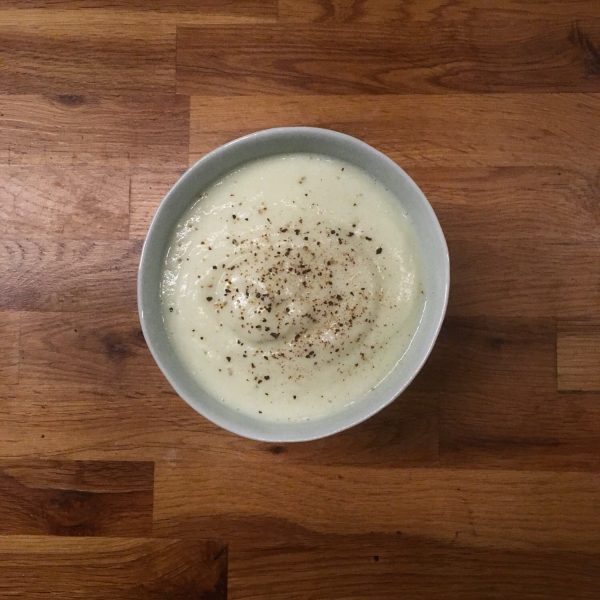
Cauliflower milkshake

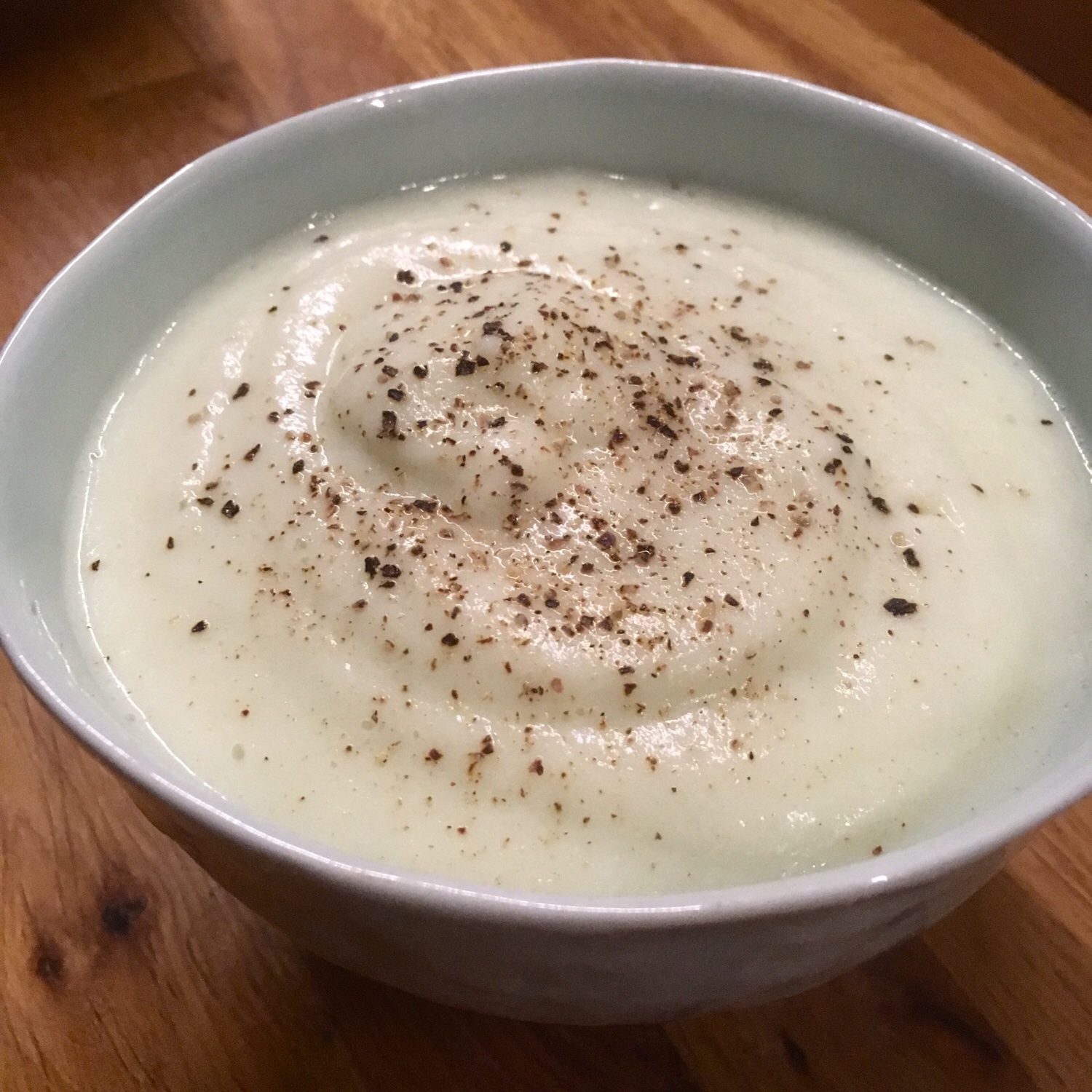
It’s funny how what was supposed to be a simple warming and comforting cauliflower soup turned into something much more than average. That’s what I live with cooking and that’s why I started this blog… to keep track of the magic and make it happen again!!! And it is not necessarily complicated, all is required is good products and a bit of inspiration… This milkshake started with a chilly evening, the craving for something light and warm, a beautiful cauliflower and a bottle of milk. Just after came the salt and pepper and that’s it!

After eating a lot of cauliflower-curry-crouton during the winter, I was looking for some different to do with my cauliflower (strangely they had plenty at the farmers market in the past week, they are big and firm, great for raw and cooked recipes). So I first started by steaming it. Then in the blender I crush it, they puréed it while still warm, and in the end I added some milk and a pinch of salt and blended at mid then high speed. I obtained a kind of mousse that was really like a milkshake, I decided to serve it like that without further delay to avoid the mousse to vanish, it was at the perfect temperature (the hot cauliflower with the cold milk) and I topped with freshly grounded black pepper.

Brown rice and curry double-tap

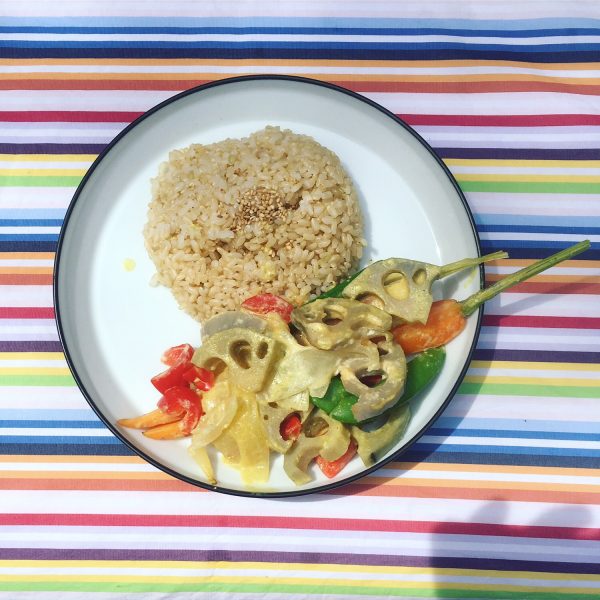
With all the fresh spring vegetables now available, in particular carrots, lotus roots, snap peas… and the weather changing quickly from sunny and warm to windy and chilly, a warm curry is always nice, accompanied with brown rice.

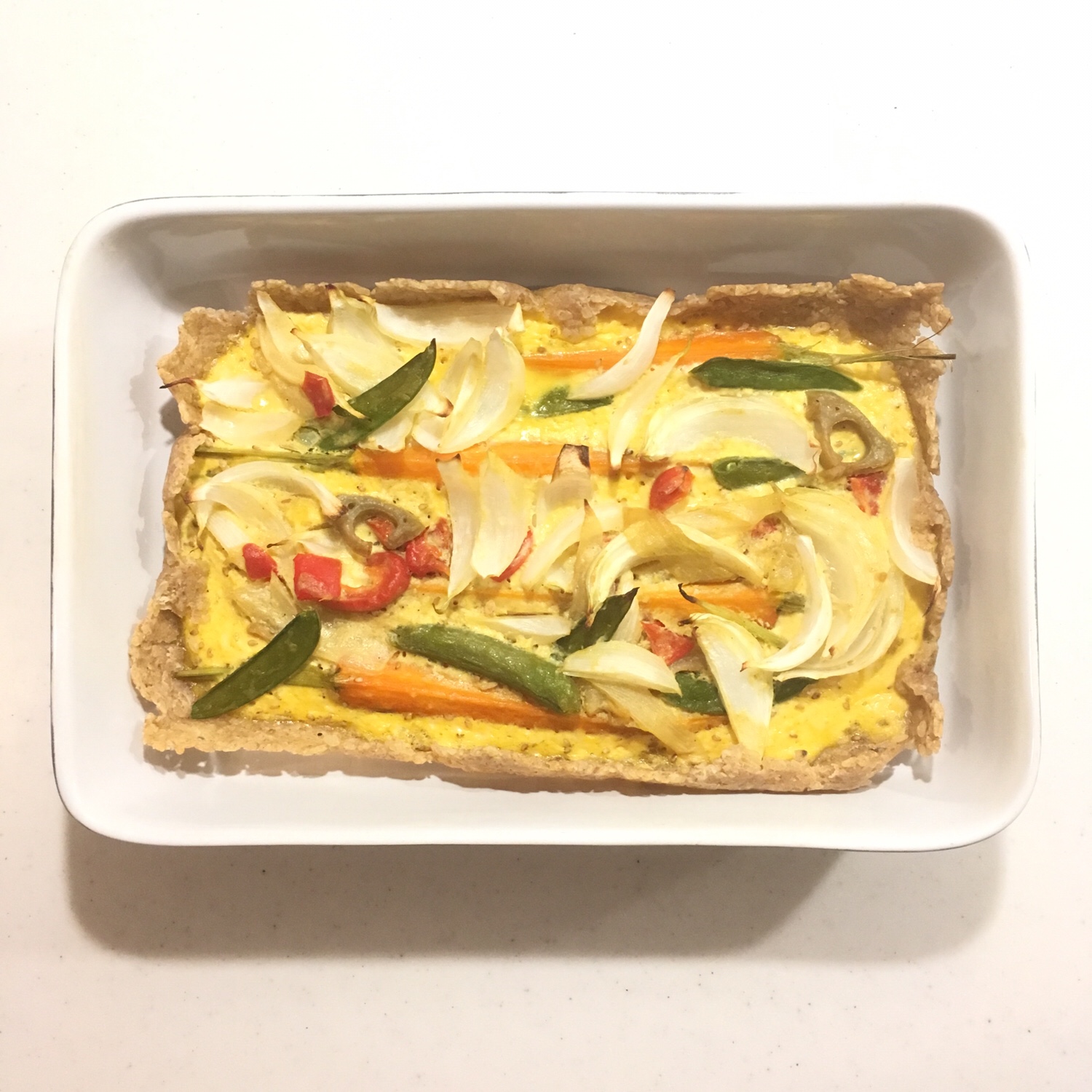
And with friends around I cook always much more than we can eat so I often have left over and brown rice makes a great base for a crunchy pie crust. So here are my recipes.

Spring coconut milk vegan curry:

– carrots

– lotus roots

– snap peas

– new onion

– red bell pepper

– coconut milk

– curry powder

– salt

– brown rice

Cook the brown rice in a rice cooker or in a pan at low heat under cover with twice more water than usual.

Was and peel the vegetables and cut them as pleases you. In a large fry pan or wok start by cooking the onion at low heat to soften them a bit, then add the lotus root, the carrots, the coconut milk and a tsp of curry powder, a pinch of salt. Cook at low heat for 10min. Add the red bell pepper and finally the snap peas. I like my vegetables crunchy so I try to avoid over cooking. Serve the rice and the curry together.

Brown rice quiche:

The base of this recipe is the left over from the previous, but you can start from the scratch.

– cooked brown rice

– flour

– vegetal oil

– sesame oil

– new onion, snap peas, and any other vegetables of your choice

– tofu

– eggs

For the pie crust, in a bowl mix the brown rice, flour and add a bit of water and vegetal oil and sesame oil to obtain a very granulated dough. Roll it on cooking paper to a thin layer the size of your pie dish, plus the sides.

Drain the tofu. Wash and cut the veggies (if using the leftover then it’s all set). Mix the tofu with the eggs, the vegetables and pour everything in the pie crust. Cook at 180deg for about 25 min. If you didn’t use the leftover you can still add coconut milk and curry to the tofu-egg batter.

Have a great week!!!

Golden week

We have almost always spent our golden weeks in Soto Boso, even before we had a house there. Our first golden week, we spent it in Onjuku in a fishing minshuku, except that we weren’t fishing! Then for may be 4 or 5 years we came by scooter, touring from north to south, and also the central part of the peninsula. I very well remember the first time we went to Otaki castle, how when driving between the rice paddies, looking at the beautiful colors of the freshly planted rice, the blue sky, and the dark green of the trees I totally was under the spell of this Japanese countryside. And now it’s been probably 4 or 5 years we’ve been spending the golden week in Ohara with friends visiting us and staying with us. It’s a time to be outdoor and to cook quite a lot then.Manki castle

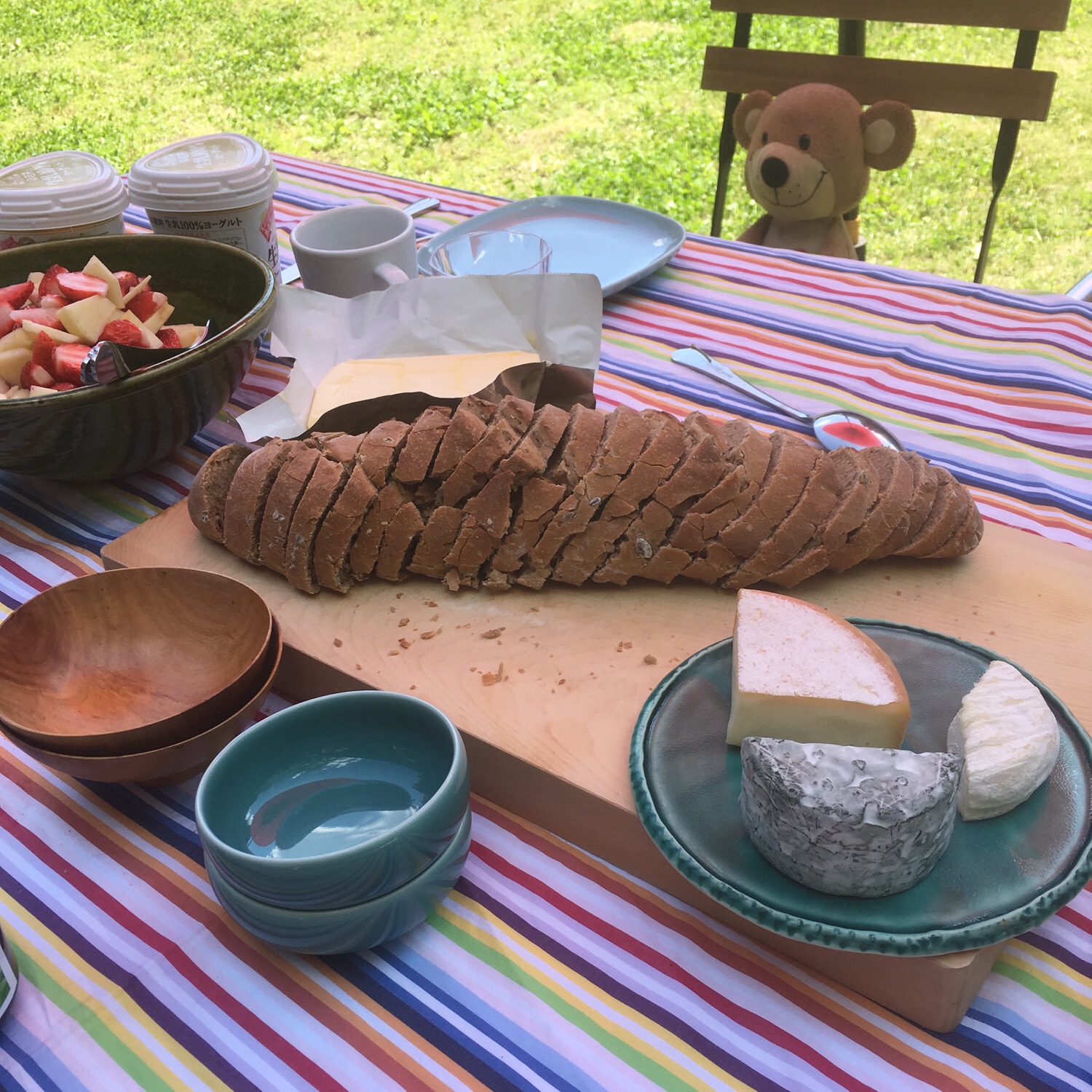
It’s the perfect time for starting the day with a great breakfast taken in the garden. I like to have all the best products from the region: eggs, strawberries, honey, jams, cheese, ham… and freshly baked bread.

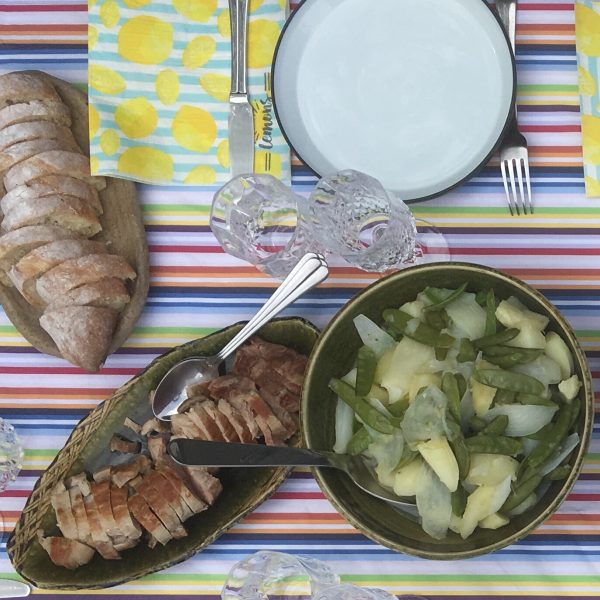
And similarly, for lunches I like to have a few things that can be eaten with no specific order, that please everyone and that are fresh snd local. And with all the snap peas and potatoes now, a big salad is perfect. I chose it because it can be made a bit ahead and kept at room temperature, allowing to be prepared when it is still quiet in the house, and enjoy time with friends.

Potatoes and snap peas salad

– 2 potatoes per person

– 1/2 new onion per person

– 1 handful of snap peas per person

– olive oil, salt, pepper and eventually mustard

Peel and cut be onions and the potatoes. In a large pan heated add olive oil then the onion, and the potatoes. Half cover with water and cook. Prepare the snap peas, add them 2 minutes before the potatoes are ready or before most of the water is gone. Add olive oil, mustard… and serve

More seaweed

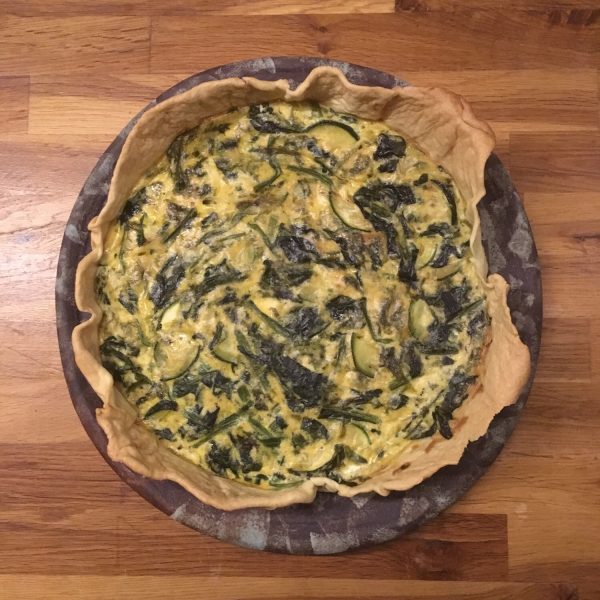
Wakame is one of the multitude of seaweed used in Japanese cuisine. The two other very much used are konbu and nori. They all come in different shapes and level of preparation. Konbu is probably most famous for making broth and nori for maki sushi, but there are a multitude of other way to use them in their different variations. Today I’ve used some nori in my quiche. Not exactly the nori for maki sushi though. Something a little less processed 素焼のり or “unglazed nori”. And I made a quiche with it, spinach and zucchini. Something simple and fresh. Here is my recipe.

Nori quiche

– flour, olive oil and water for the pie crust dough

– 1 block of tofu

– 3 eggs

– a bundle of fresh spinach

– 2 handful of unglazed nori (you can try with regular maki nori cut in bites)

– 1/2 zucchini

In a pan cook the washed spinach in their water, add the chopped zucchini and finish with the nori. Cook at medium heat until the mix is not too much moistened anymore. Prepare the dough and roll. In a pie dish set the dough. Add the eggs and the drained tofu to the mix vegetables. Pour in the dough. Cook at 180deg for 30min. Enjoy as a main or a side with some grilled fish for example.

New wakame

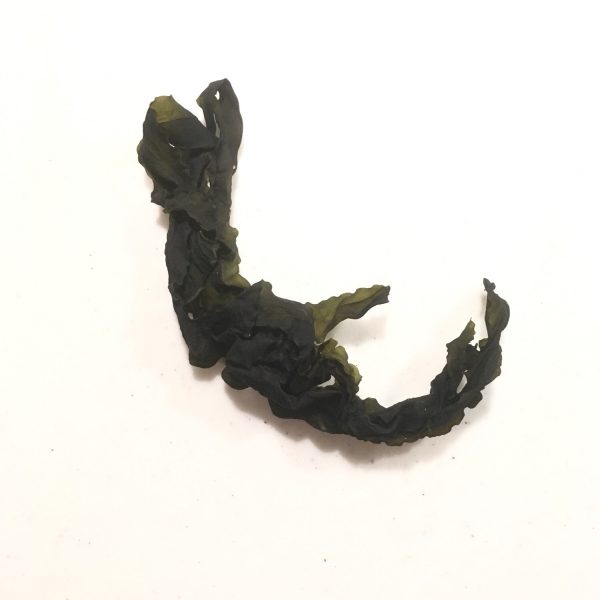
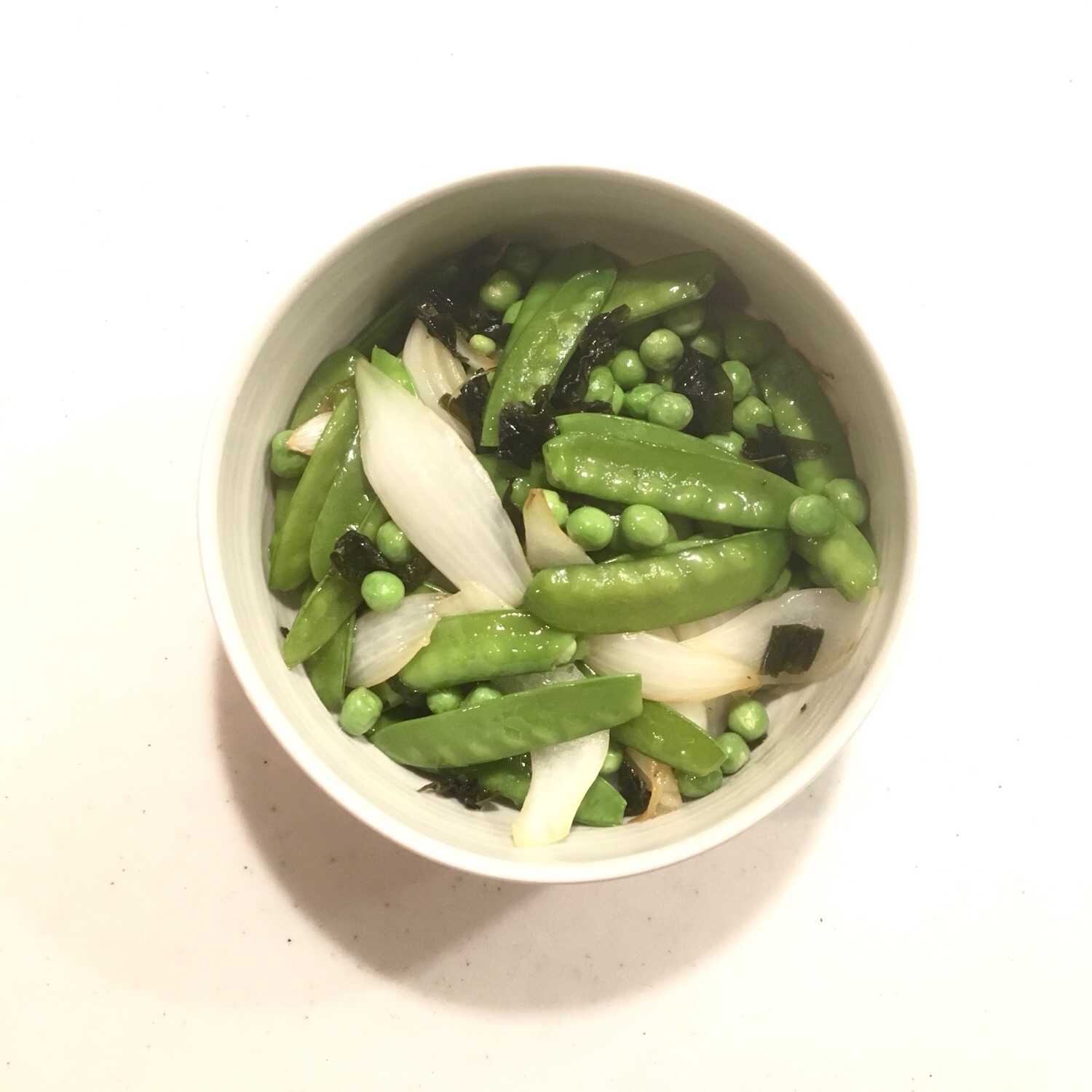
There’s a season for everything and now is the season of new wakame apparently. This dried seaweed that is most often used in miso soup and in salad can be used in a variety of recipes I assumed and so I tried something half French half Japanese for this recipe. It all started with the finding of wild (should I mention) splendid alfonsino (kin me dai 金目鯛) that really attracted me, and some green peas (I’m a big big fan of green peas), that could complement the snap peas and new onion I had already. For the fish I simply grilled it on the skin side in a pan without any thing added, and flipped it when almost done to obtain a crispy outside. For the vegetables, that’s where the new wakame goes, I simply blanched the peas for 2min then drained them and in a pan with a bit of olive oil I grilled the onion and the added the wakame cut with scissors in small bits, and finished with the peas. Wakame, new or not is a dried seaweed, it needs a bit of moisture to return to its normal condition. The oil and the moisture from the onion and the peas is the perfect amount to keep it a little crunchy, too much moisture makes it quite chewy I find. Stir a bit and serve. No need to add salt, it’s already salty from the wakame.

Oh! I forgot! It’s the beginning of golden week in Japan! So happy golden week!!!

Poached eggs and spring vegetables

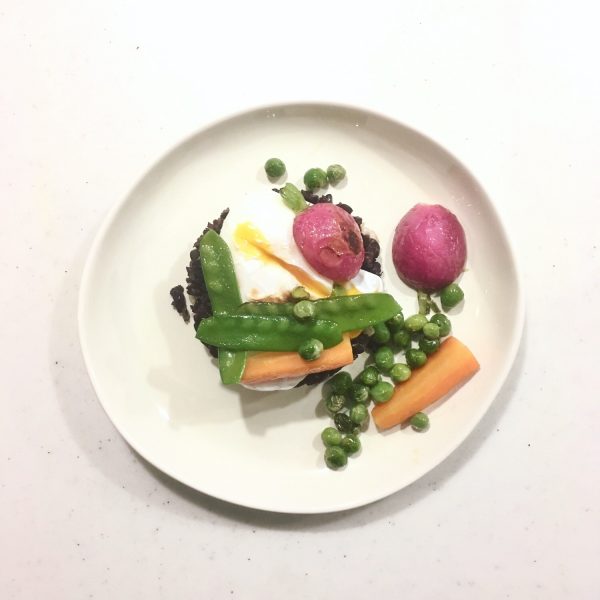
When I have guests at home for dinner I usually serve fish, and if I cannot find fish that pleases me, I would serve pork or chicken. I love eggs, and cook them often for breakfast or when we are just the two of us, but I often forget that eggs are amazing and that they can actually be quite impressive when perfectly cooked and dressed. The “Cuisine and vins de France” issue for Easter has reminded me that, and I remembered that back then in Paris I was serving our guests some delicious spinaches and sprouts salad with poached eggs. For our guests last night I decided to make poached eggs back on the menu! This time for a spring version. Eggs are great to eat with some carbs, the make a great combo, and when cooked perfectly creamy, with some dry ones: bread, pasta, potatoes, rice… I opted for a mix of Italian faro perlato and black Tuscan rice. And the vegetables, simple: radishes, carrots, snap peas and green peas sautéed in a bit of olive oil.

Poaching eggs is ultra simple and impossible to mess. Simply take the eggs out of the fridge a little ahead of cooking them. Boil some water, add a tablespoon of white vinegar in the water. Break the eggs in the water, one by one. Wait 3-4min and drain. Serve.

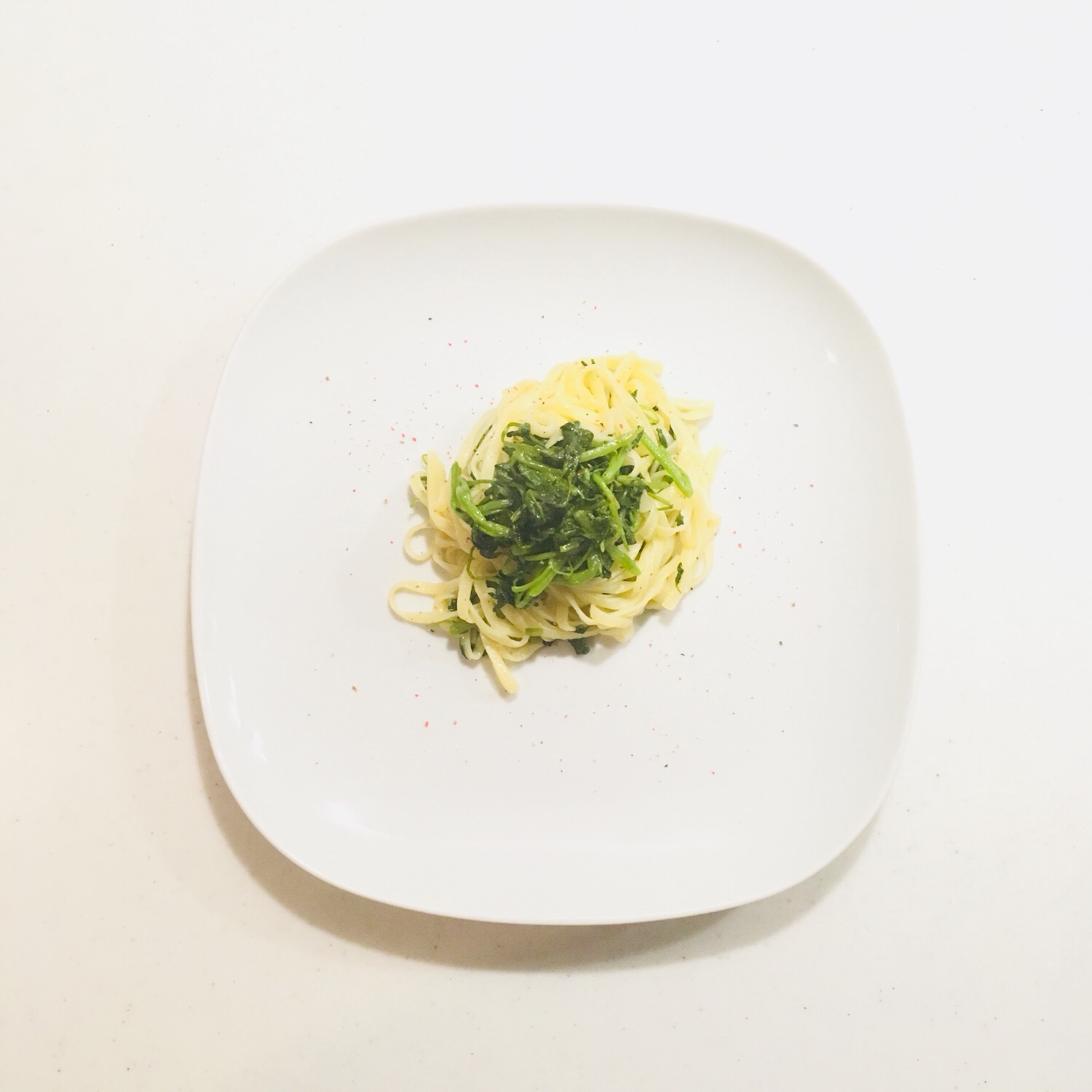
Cresson pasta

To continue my frenzy with watercress…

This week is the beginning of the new term, I’m back to teaching which I enjoy really and very excited with the students new research projects. Work is quite busy, but I really stocked a lot of watercress last weekend and I use it little by little. It is very easy and rapid to prepare, much faster than spinach I find, so perfect for late dinners and rapid cooking. This time I want to share my recipe to prepare the sauce for some simple fresh linguine.

Linguine with watercress

– a bundle of watercress

– olive oil

– pepper

– long pasta of your choice, I used fresh linguine

– Parmigiano (optional)

I simply washed and cut a bundle of watercress, then while still wet I through then in a pan and cook under cover at medium heat. Once soft I add olive oil and stop cooking. Then I boil the pasta, drain them and add them to the pan with the watercress, cook for 2min at high heat while stirring. Add pepper and serve. For those who like, add grated Parmigiano.

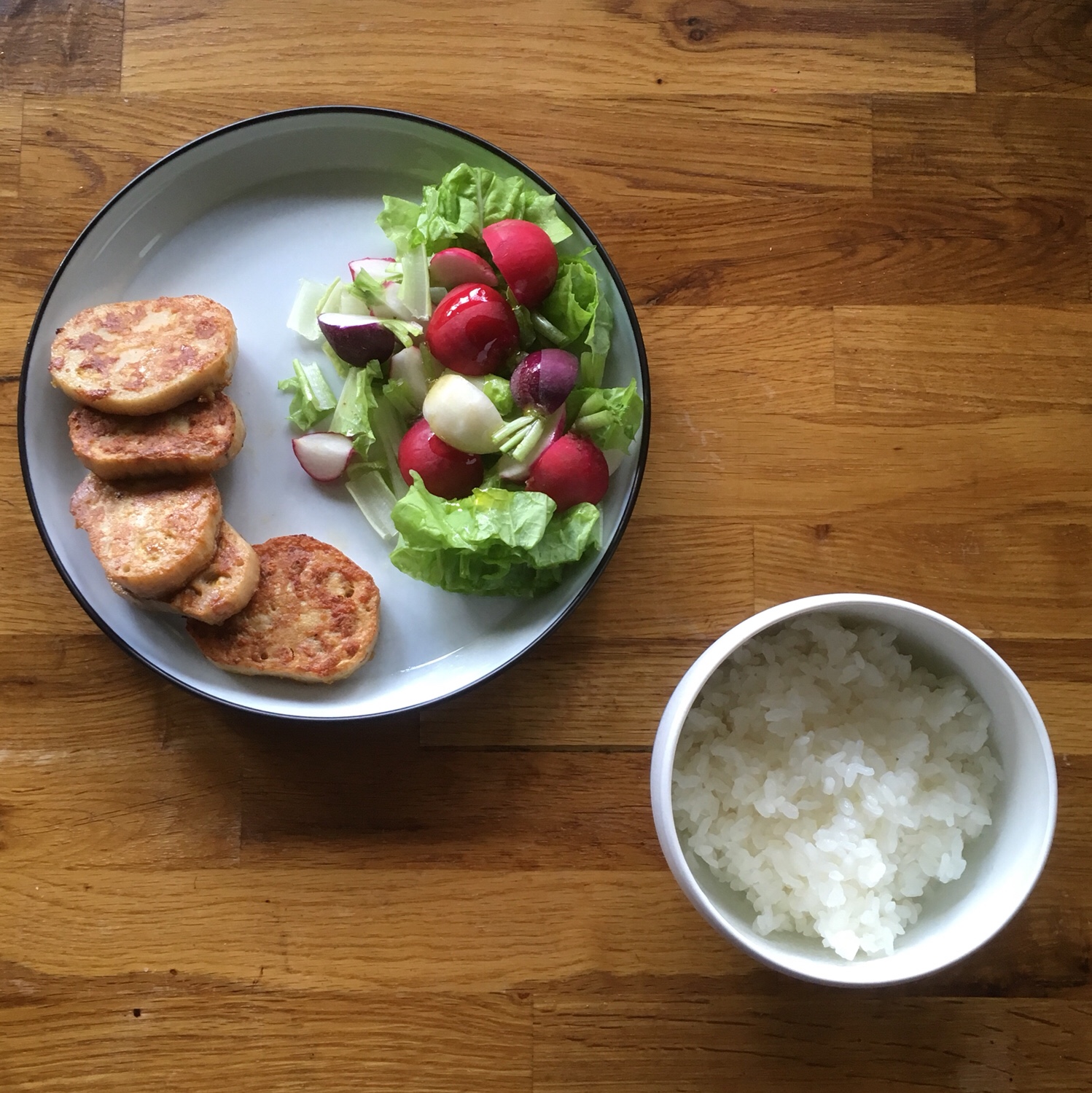
Stuffed lotus root

There is one thing that I don’t cook often but I love, is stuffed lotus root. It is not always easy ro find big, clean or still untouched lotus roots, but when I do, I definitely try to make some stuffed lotus root, changing recipes depending on the available ingredients and the mood of the moment. This weekend I found huge lotus roots that were untouched and perfectly cleaned. And I tried a filling made with chicken meat and curry spices. The result was a crispy melty spicy combo that I served with simple fresh salad and radishes and a bowl of plain rice.

Proudly powered by WordPress | Theme: Baskerville 2 by Anders Noren.

Up ↑

Verified by MonsterInsights