Wafu pasta

The way of preparing pasta is unlimited and using Japanese ingredients with pasta may be really strange at first but it is not at all so strange in the end, it’s actually rather good. They are called wafu pasta (和風パスタ) and are actually quite common in Japan, they are regular pasta (most often spaghetti) with a dressing that uses Japanese typical ingredients such as meitaiko, nori… At first I didn’t like this mix too much, probably because it is often served in old not so nice cafe places, but I slowly got used to the idea and actually now enjoy preparing some.

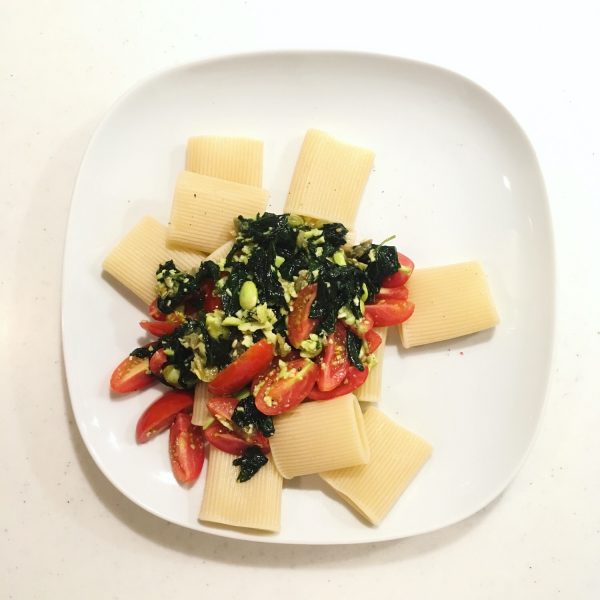
I prepared a summer wafu pasta recipe with crushed edamame, jute mallow and tomatoes with olive oil. It is so simple but so fresh and summer like that I’m thinking I will prepare more wafu pasta in the future!

In the mean a typhoon is coming to Tokyo, keep dry and safe and have a nice weekend!
Anchovies and grapefruit pasta

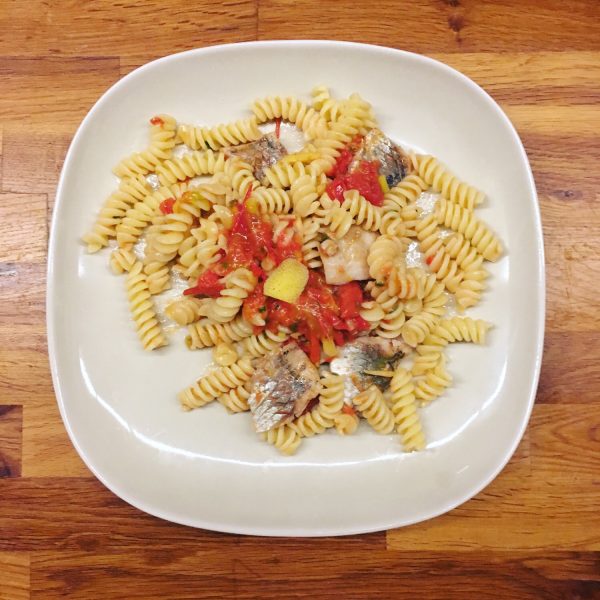
The weather in Kanto area has been quite amazing these past weeks. The summer is blasting with a real summer heat and sunny days or with just a few clouds are following each other without a drop of rain. Even the evening storms are not really coming… with such heat cooking is becoming more complicated because the kitchen quickly becomes very hot and one would usually prefer preparing raw food: salads and salads. But I don’t mind cooking in the heat if it is for preparing something new and good. So largely inspired by the classic Italian gremolata recipe I prepared a new recipe using fresh anchovies (I found anchovies prepared for sashimi!!!), grapefruit (I got from our neighbor garden) and fresh tomatoes, to serve with pasta. And it was fresh and nourishing, exactly what I wanted!

Anchovies and grapefruit pasta (2 people)

– 1/2 grapefruit (we use both juice and zest)

– 2 large ripen tomatoes

– a dozen of anchovies, fresh, boned etc…

– olive oil

– salt and pepper

– 125g of dry pasta of your choice

Boil water for the pasta and cook the pasta.

In a pan heated add olive and the tomatoes washed and diced (if the skin is thick, remove the skin by plunging the tomatoes in the boiling water for the pasta). Cook at high heat and stir once in a while. Once the juice has reduced add the juice of the grapefruit, the zest of 1/4 of the grapefruit and the anchovies, stir a little bit. Add salt and pepper. Add the drained pasta and stir well.

Serve and add a bit more zest for plating. Enjoy!

Sea day

I really like that in Japan there is a holiday for the sea day (and now one for the mountain too!!!). I think it is beautiful to celebrate things from the nature that concern everyone and that is not even nationalist. Sea day also marks the debut of the beach season, that lasts only a short month. Beach season meaning that this the time when there are lifeguards and protected swimming areas, and beaches get more crowded (though it has nothing to do with French crowded beaches in the riviera!!!). But for us it means that we avoid the beach between 8:30 and 16:30 and go early in the morning or at dusk when it is much less crowded. And it’s been good this year as it synchronizes with the high tides.

Sea day usually also marks the end of the rainy season but this year actually it was over much before and we’re having a heat stroke earlier than usual. This completely decreases my wish for cooking because all I long for is chilled melon, tropical fruits (they grow delicious passion fruits in Isumi!!!!)… and simple fruits clafoutis.

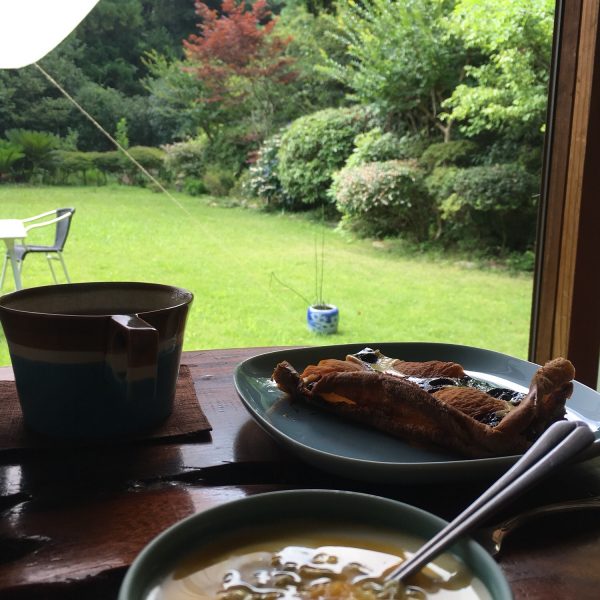
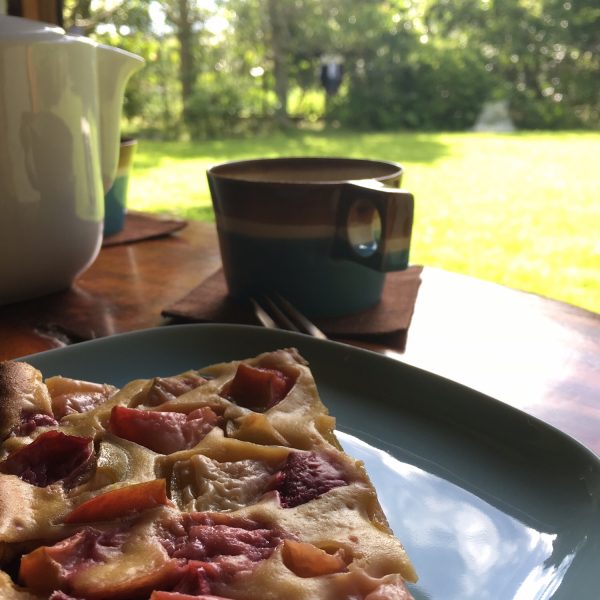
I found some beautifully ripen apricots from Nagano and plenty of blueberries from Isumi and made a simple clafoutis for our breakfasts that we can eat in looking at the garden or take with us to the beach after our morning swimming and bodyboarding, not that the waves are too good though…

What is your favorite recipe for the hot summer mornings?

Some new greens

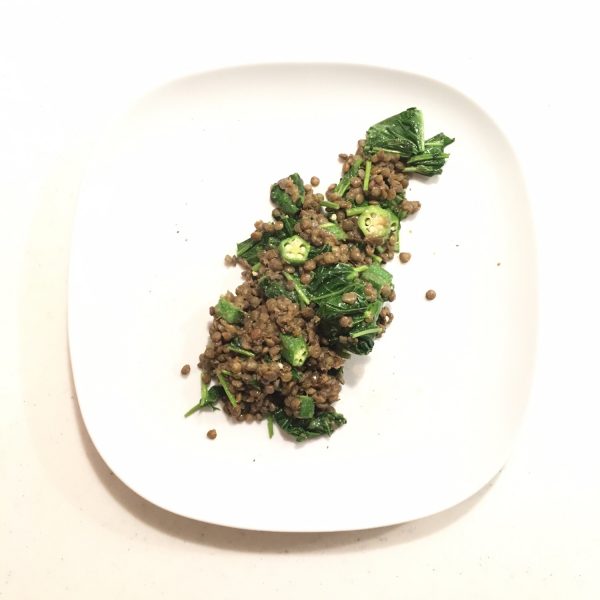
Every season brings a new kind of greens to the table, not just seasonal but also things I have never seen or cooked before. That’s what is fun with shopping at local farmers markets. Each one has some different products. When I shop in Ohara, I don’t find the same things than when I shop in Kuniyoshi, 10km inland or in Ohtaki, just a little further inland. There is always something I have never seen, or something rare in Ohara. For example cresson cannot be found easily in Ohara but inland yes!!! This time I’ve found a new type of green with beautiful thick and shiny green leaves and hollow stems. I used them like spinach somehow but it has a more grassy taste. And with the heat settling in Tokyo I prepared a simple dish with French green lentils, this new green blanched with okra, olive oil and curcuma.

Stay cool!

Jute mallow

モロヘイヤ (say moroheiya) or jute mallow is a summer green that us eaten often in Japan in miso soup and tempura. I’ve known it for long but was barely cooking it until last summer when we visited our friends in Tsunan and K. prepared some. This little green plant is like okra or yamaimo, it becomes a bit slimy when cut and even more when heated. I know that many people may be disgusted by the slimy aspect and texture but honestly for me, as soon as it is vegetal I don’t mind. And jute mallow is really nice in many other preparations. I use it with eggs in omelets or scrambled eggs, in stir fried vegetables to serve with rice, and in quiche which is today’s recipe.

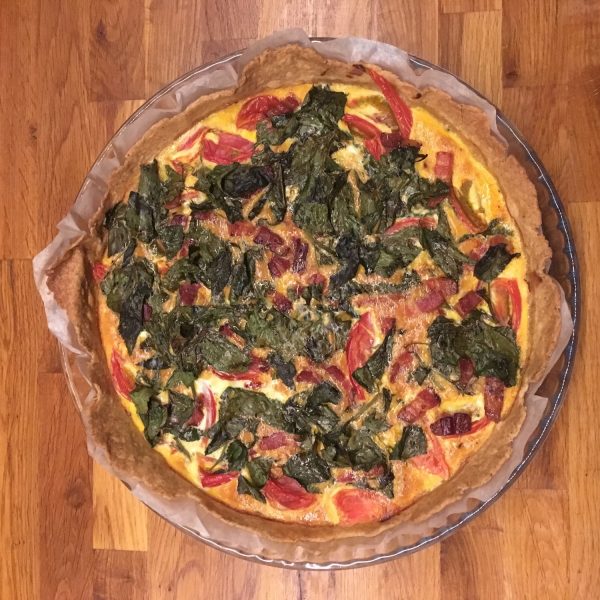
Jute mallow and mustard quiche

– flour, water, olive oil for the pie crust

– 2 handfuls of jute mallow

– 2 tomatoes

– a piece of smoked bacon (optional)

– 2 tbs of mustard

– 3 eggs and some milk for the egg base

Prepare and roll the dough in a thin layer to set in a large pie dish. Spread the mustard on the pie crust.

Wash the tomatoes and chop them. Wash the jute mallow and remove the thickest/hardest parts if any. Chop and grill the bacon.

Beat the eggs and the milk, add the bacon and vegetables. Stir and pour in the pie crust. Bake for 40min or until golden. Enjoy warm or cold!

Blueberry tart season!!

Every year I wait for this season, when there’s plenty of fruits at the farmers market and you can buy locally grown blueberries by 300g or 500g for a cheap price… something for those that don’t live in Japan seems probably unimaginable when you buy fruits by kilos… but out of this 300g or 500g not a single fruit is damaged or a little bit too ripe and starts to rot…

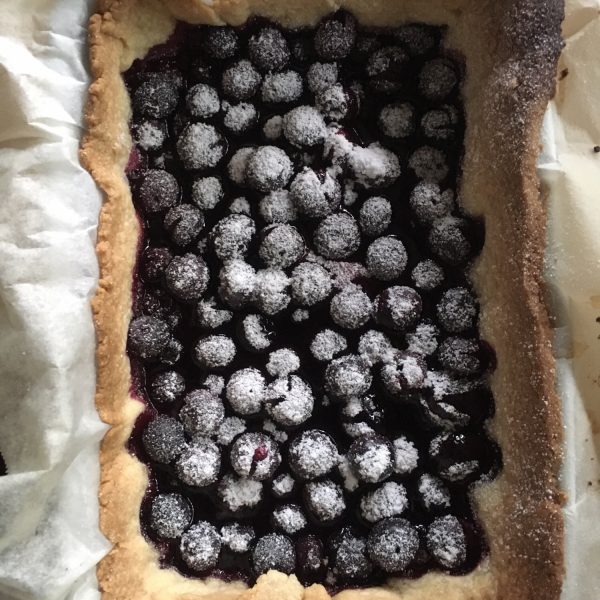
And with that many blueberries my favorite things to do are: tarts and crumbles; fruit salads; smoothies. But recently I don’t do smoothies anymore rather use the fruits the way they are… and tarts and crumbles are amazing. With blueberries I make a simple buttery pie crust, with not too much butter (I prefer adding a bit of water rather than too much butter), and very few sugar, than just wash a pour the fruits in, bake for 35minutes and enjoy while all juicy. This time I sprinkled a bit of ice sugar for the finish… that’s it. Perfect for tea time or breakfast as you wish…

How do you like your blueberries? The season here is just starting so I’ll be happy to test new recipes if you tell me!

Gaspacho!!!

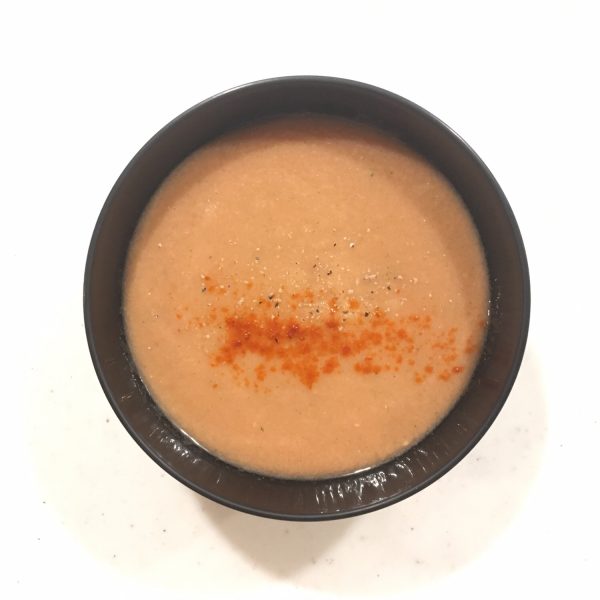
I used to prepare a lot of gaspacho in the past, using canned tomatoes… “in the past” was probably 15 or 20 years ago. Then I stopped buying canned tomatoes and never felt that the tomatoes in the supermarket were good enough for such a simple recipe that requires very good tomatoes… and then we started to buy tomatoes in Isumi, the giant very ripe ones, full of sun, flavor and sweetness, the perfect tomatoes for tomato sauce and gaspacho. So now I can make gaspacho again!!!

The recipe I make now is really ultra simple. Before I was using more ingredients in particular shallots, now I make it with only tomatoes and cucumbers, and add a bit of spices: paprika and chilly pepper, salt and olive oil. Here is my recipe for a cold and refreshing starter for the summer that you is best prepared a few hours or more before and kept refrigerated until serving.

Gaspacho (4 medium size servings)

– 3 large ripe tomatoes

– 1 small cucumber

– 2 tbs of olive oil

– 1 tsp of paprika

– 1/4 tsp of chilly powder

– salt and pepper

Boil some water and boil the tomato 30 to 60s to peel them. Peel and cut roughly the tomatoes. Wash and cut roughly the cucumber. In a blender mix all the vegetables until liquid. Add the spices, salt and pepper. Keep refrigerated. When serving add olive oil, stir and serve.

Enjoy the summer!!!

Japanese plum: sumomo

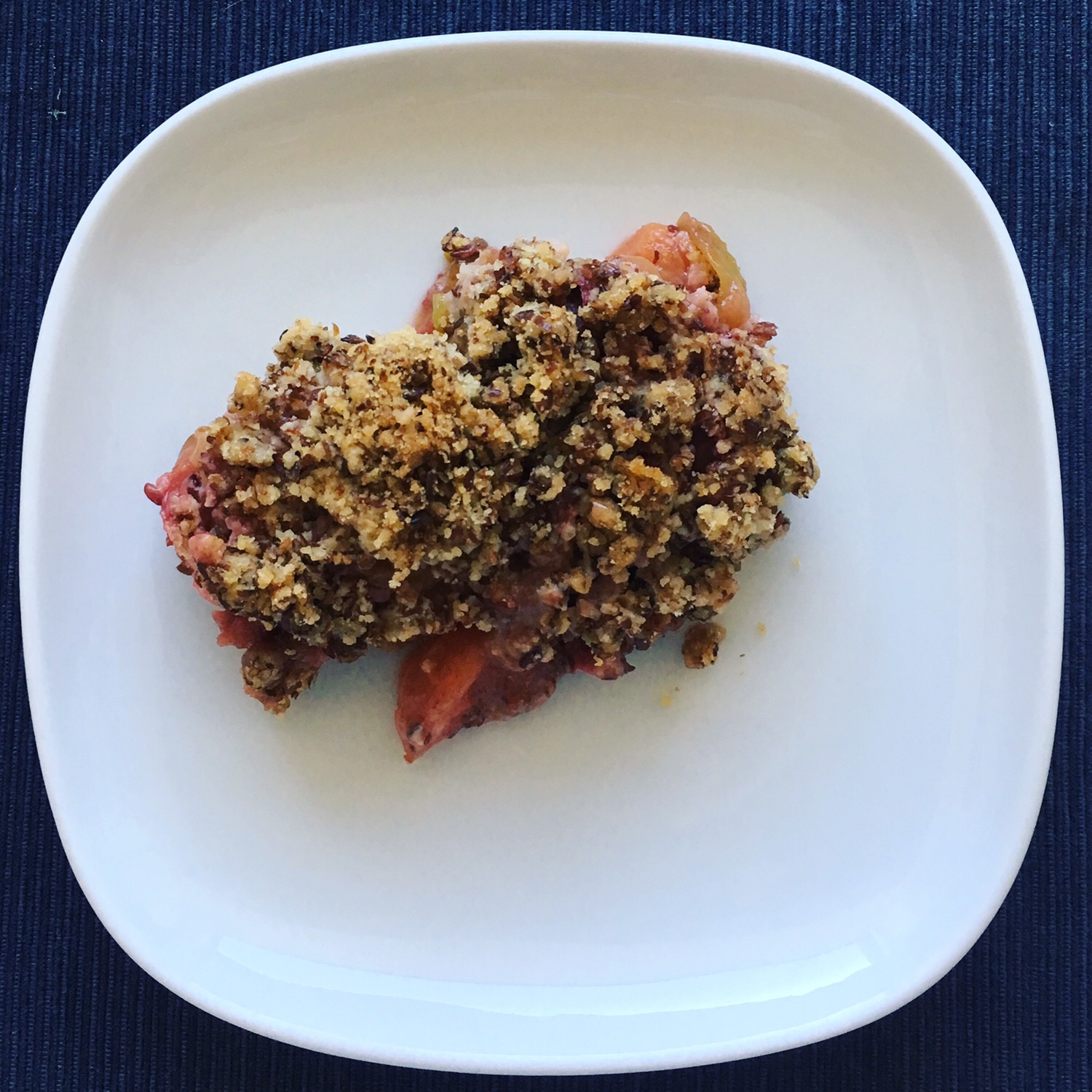
When one Japanese plum (sumomo – スモモ) tree in the garden suddenly decides to produce dozens or hundreds of fruits… so many that it becomes annoying… the only option is to give away many again to friends around (they’ll start to get annoyed too!!!)… but when it’s still too much the only option for me who is not very good at making jam and preserves is to make nice breakfast clafoutis, tarts and crumbles with plenty of fruits…

For clafoutis and tart, I use very simple basic recipes. Crumbles, I don’t bake often. Too buttery and rich for breakfast usually, so I tried a new version. I replaced the sugar by a mix of flax seeds and dates and added butter little by little until the texture starts being crumbly but rather dry. The result is an amazing crumble perfect for breakfast. Not too sweet, but just enough to compensate the acidity of the cooked fruits. A crunchy soft crumb not oily. Something to make again for sure!

How do you cook your extra fruits???

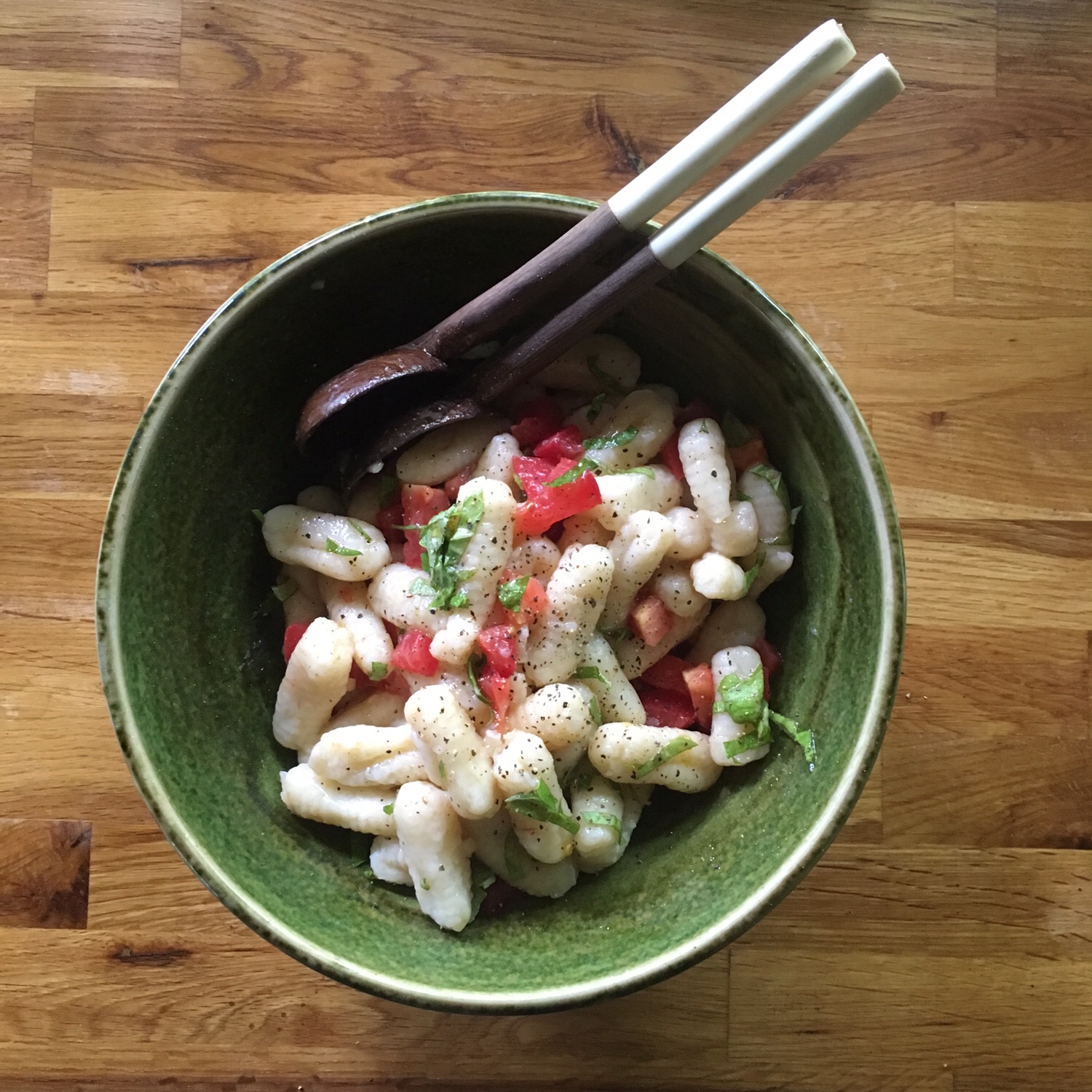
Potato gnocchi x olive oil

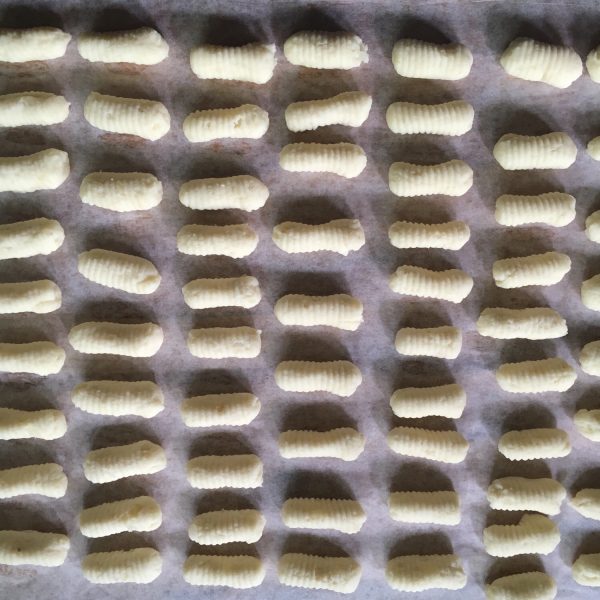
I’m a great great fan of potato gnocchi. I love them just boiled with olive oil, or with tomatoes and basil. I love them grilles in a pan with olive oil and salt. I love them in more complex dressings (all my gnocchi recipes here!)… I also enjoy preparing them a lot, the texture of the potatoes and the flour together is quite unique and enjoyable to knead.

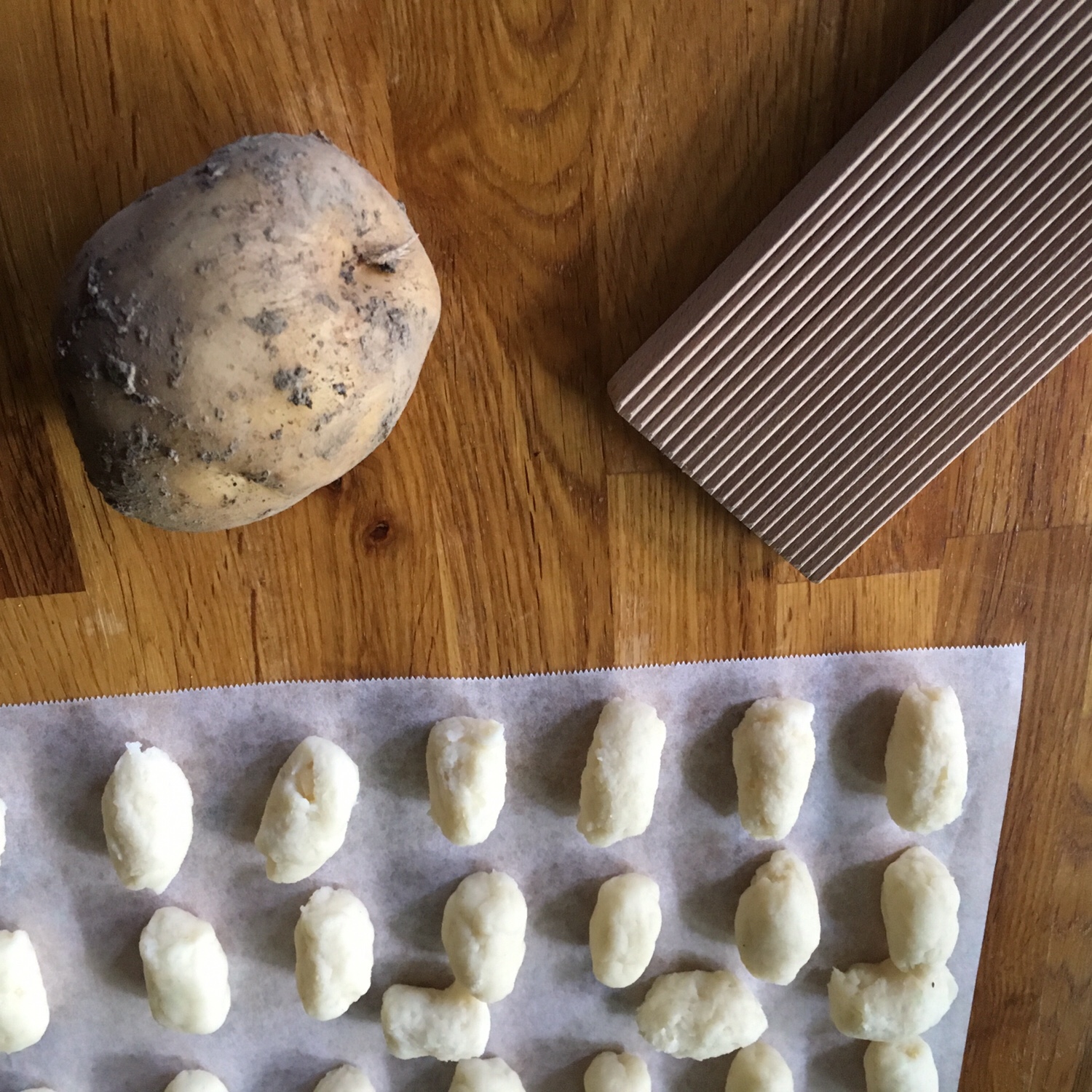
So when one our neighbor gave us a dozen of large potatoes, my first idea was to make gnocchi!

My first gnocchi recipe had egg in it, but once I tried without and discovered after discussing with an Italian friend that sone Italian recipes of gnocchi don’t have eggs in it.

So it’s really just potatoes and flour, and as little flour as possible makes the taste of the gnocchivery potato like which I kind of like.

I serve them most of the time simply with fresh tomatoes and basil from the garden. What I realized recently is that to be perfect, a tasteful olive oil, a bit of salt and pepper are mandatory. Last time I made gnocchi I only had some “regular” very mild virgin oil and it didn’t work well. The flavor of the olive oil was too bland, just an average olive oil, and it didn’t highlight the taste of the potato. For gnocchi you want an olive oil that has a good backbone, a strong olive taste without being bitter or too blazing either. That’s the key to enjoying gnocchi!

Parmigiano is optional…

Proudly powered by WordPress | Theme: Baskerville 2 by Anders Noren.

Up ↑

Verified by MonsterInsights