Cookies!

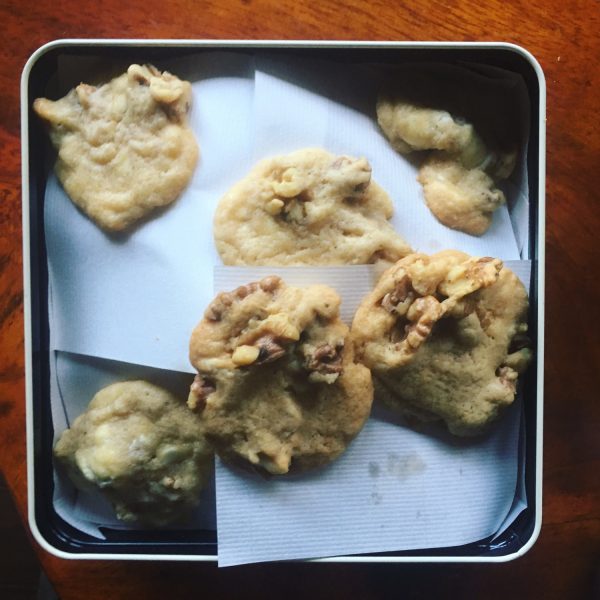
OK! I got it right now! The recipe of the sweet and soft cookies a la mode Laura Todd. My second trial was the right one! The official recipe is here, but shush! don’t tell A. I slightly changed it! I actually had to because the original recipe is for 375g of flour and 1 egg and I used half, but still put one egg…

Soft cookies (makes about 15 large cookies or 25-30 small ones)

– 180g of flour

– 120g of brown sugar

– 110g of butter

– 1 small egg

– 1tsp of baking powder

– a pinch of salt

– 1 vanilla bean

– 175g of white/milk/dark chocolate chips (large on is better)

– a handful of walnuts/shredded coconut/hazelnut or nothing…

I melt the butter, and mix it with the sugar and the vanilla, add the egg (actually you can change the order, or add the egg at the very end of the overall recipe, it doesn’t matter!!).

In another bowl, I mix the flour, the baking powder and the salt. If you plan to make only one kind of cookies add here the chocolate chips and the nuts. If you are planning on making different combinations then wait before adding the chocolate chips and the nuts.

Mix the flour mix in the sugar-butter-egg mix and stir well. If you haven’t added the chocolate chips and the nuts you can now split the dough and add them.

Preheat your oven at 140deg. On a greased sheet or cooking paper make small balls of dough (slightly smaller than a ping pong balls). Plan enough space between two as they will become 7-8cm cookies once in the oven. That would be the large cookies. If you want to make smaller ones just reduce the size of the balls by a third or a half.

Bake in the middle of the oven, to obtain an even top-down baking for 15min for the small ones, 18min for the larger ones. (That was one of my failures the first time I tried, they were too low, the bottom dried). Take them out of the oven before the edges start to golden. Let them cool down a bit before moving them.

They were just perfect!
Simple food: rice

Though when we were first traveling to Japan about 20 years ago, I would get tired of eating rice 3 times a day after one week, now I think I eat rice not enough and I am never tired of it, be it 3 times a day, every days!

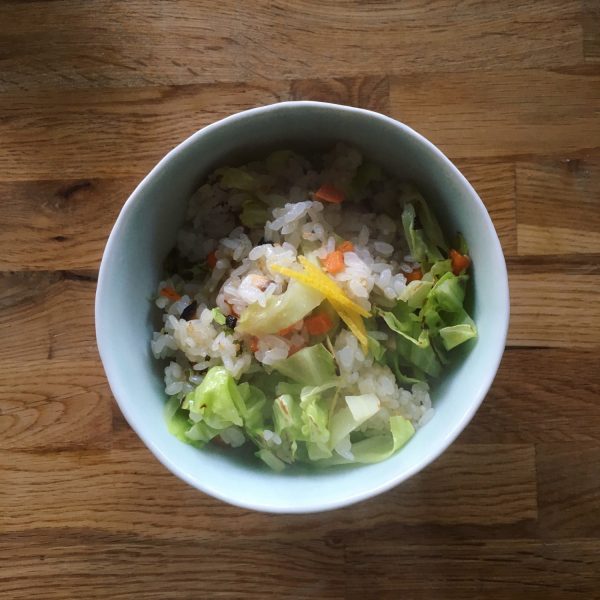
It can be plain white rice with just a pickled plum, konbu, miso or salmon, or more elaborated recipes. Everything is good for me as soon as the rice is good. My favorite rice is Koshihikari, as I’ve earlier said, be it from Tsunan or Isumi. But one thing I love to do is to cook more rice than needed so that the next meal can be prepared rapidly using this extra rice. Because if plain boiled rice is amazingly delicious, sautéed rice is also amazing. I love it prepared with sesame oil, and many different seasonal vegetables, it is as versatile as risotto. This time I cooked it with shiitake, carrots and cabbage, and added some sesame seeds and a few lemon peels from the last lemon of these season. A perfectly light combination for both lunch or dinner where the sesame and the lemon are well balanced and the vegetables textures play with crisp and melt…

How do you like your rice???

Fukinoto miso

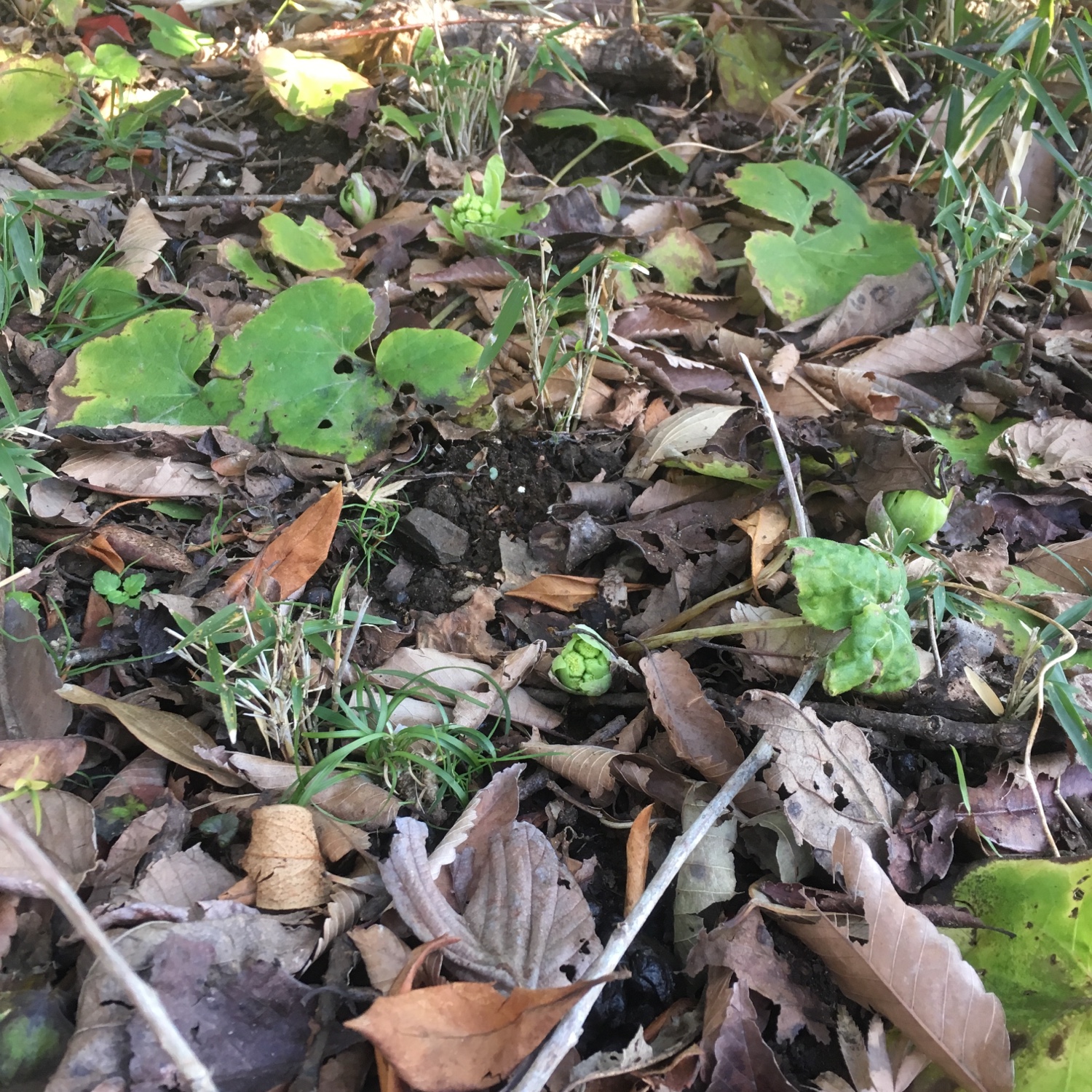
I harvested a few fukinoto very early in January, but now is the pick season in Isumi. We have quite a lot growing in the garden, so I just have to walk around where the fuki grow and search under the fallen leaves for the little yellow-green buds. Can you spot them in the below picture???

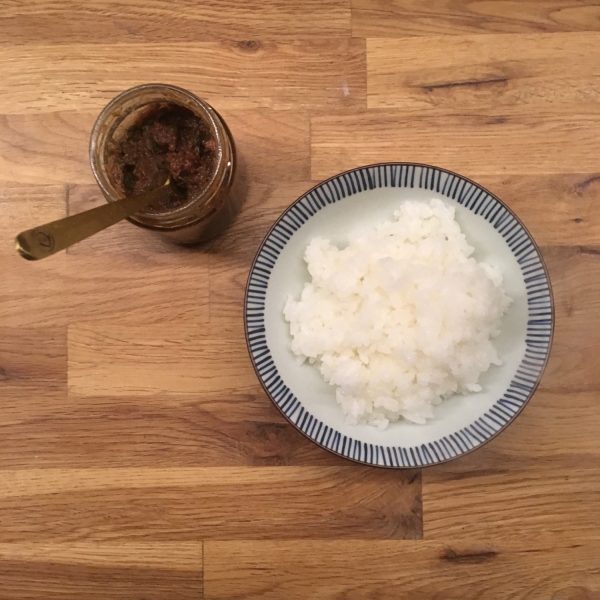
I usually prepare them in miso soup, but this year There were really many so I decided to prepare some fukinoto miso, a way to keep them for a week or two. Fukinoto miso is delicious with plain Japanese rice, tofu or with grilled pork.

Here is my recipe.

Fukinoto miso (makes a small bin)

– 50-70g of fresh fukinoto

– 6tbs of miso

– 1tsp of sugar

– 1tbs of oil

Wash gently the fukinoto to remove earth and fallen leaves pieces. Chop them in 5-10mm pieces.

In a heated pan with the oil, add the fukinoto and stir gently at medium heat. When all are shiny in oil add the miso and the sugar. Cook at medium low heat for 5min while stirring. Put in a sterilized jar and close with the lid. Eat when cold. Keep refrigerated for 1-2weeks.

Spring chrysanthemums – 春菊

When you can feel that winter is still here but you slowly get tired of the cold winds… the plum trees start blooming and the spring vegetables are arriving. I harvested already some time ago the first wild spring vegetables: fukinoto and canola will arrive soon, but today I want to talk about a winter vegetable which name says it all: Shungiku, that I like to translate literally by “spring chrysanthemum” (which made its entry in the glossary page) and I like to eat in the end of winter, is actually known more as “crown daisy”. Eaten in Japan in the winter until very early spring it has a very strong flavor, very characteristic of chrysanthemum hence probably the name, though it belongs to the daisy family. Usually used for nabe and rather thick and stiff, it is actually not easy to find smaller tender ones. The soft ones are much nicer and easier to prepare in more inventive recipes. And for some reasons, I find them more easily in the late season. I personally like to use them in replacement of spinach or as herbs.

I tried two different preparations that were both simple and in which the strong flavor was perfectly balanced by the other ingredients.

The first recipe is with lentils, turnip and shiitake; the second recipe is with red cabbage and penne. How do you like to cook your crown daisies???

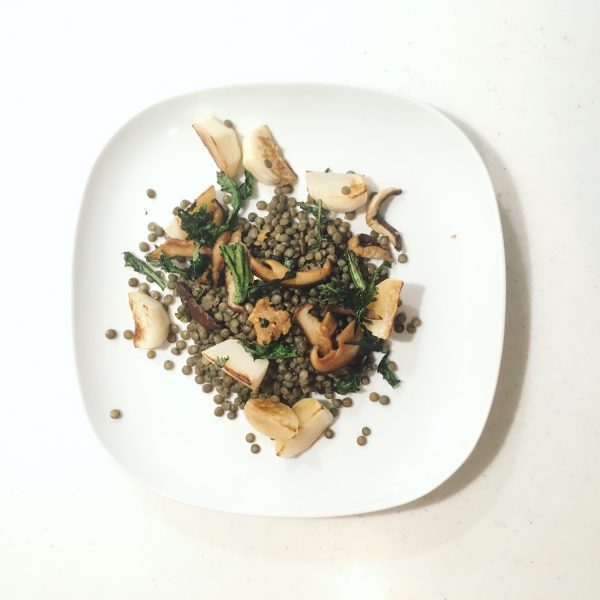
Lentil and crown daisies

– 120g of lentils (green or brown)

– 2 shiitake

– 3 turnips

– a handful of crown daisies

– 1tbs if miso

Boil the lentils. Wash the vegetables, slice the shiitake and cut the turnips in small bites, chop in 2cm long the crown daisies. In a greases frypan at medium to high heat, cook first the shiitake, then add the turnips, when almost golden add the crown daisies, stir well, add the miso and 1tbs of water, stir gently while cooking for 2min. Serve the lentil, add the vegetables. That’s it!

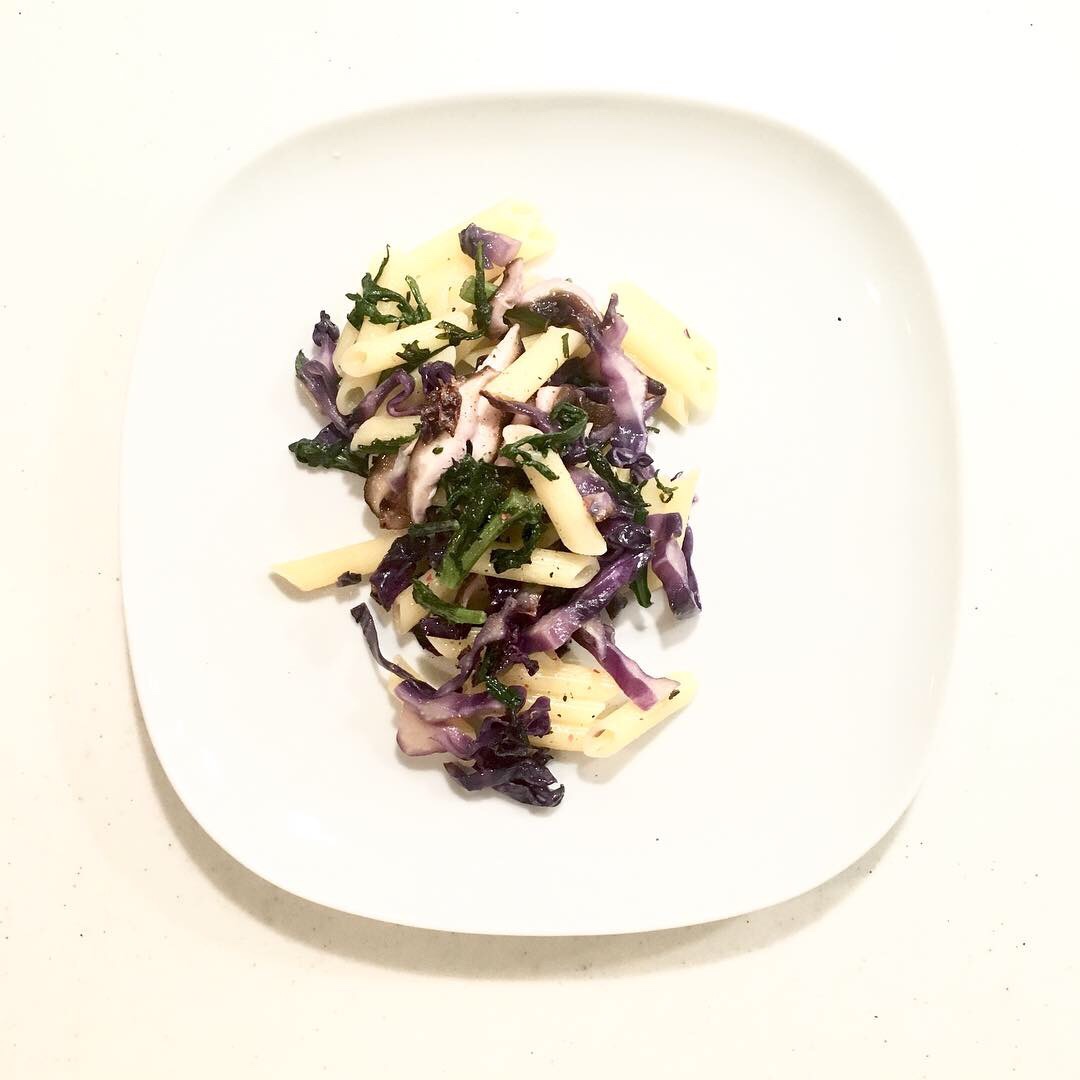
Red cabbage and crown daisies (2 servings)

– 1/2 red cabbage

– 2 handfuls of crown daisies

– 125g of penne

– olive oil, salt and pepper

Boil the penne. Wash the crown daisies. Chop the red cabbage. In a large frypan greased with olive olive oil start by cooking the red cabbage. The add the crown daisies, finally add the boiled pasta.

Stir well until the vegetables are soft. Add salt and pepper and serve… well that’s it!

Crepes or cookies

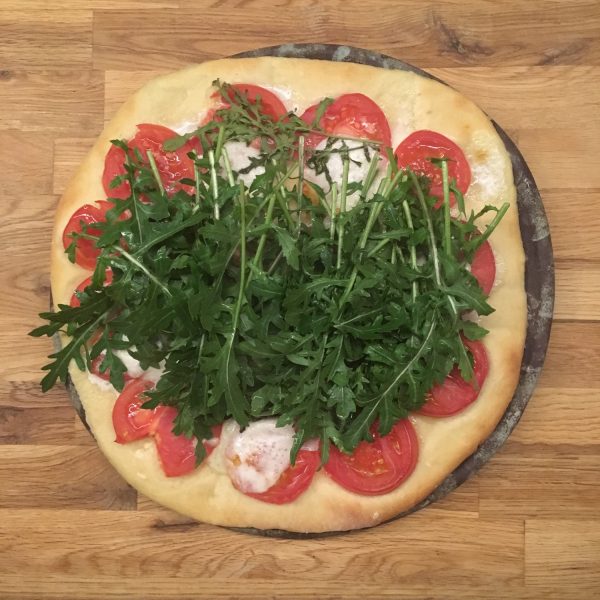
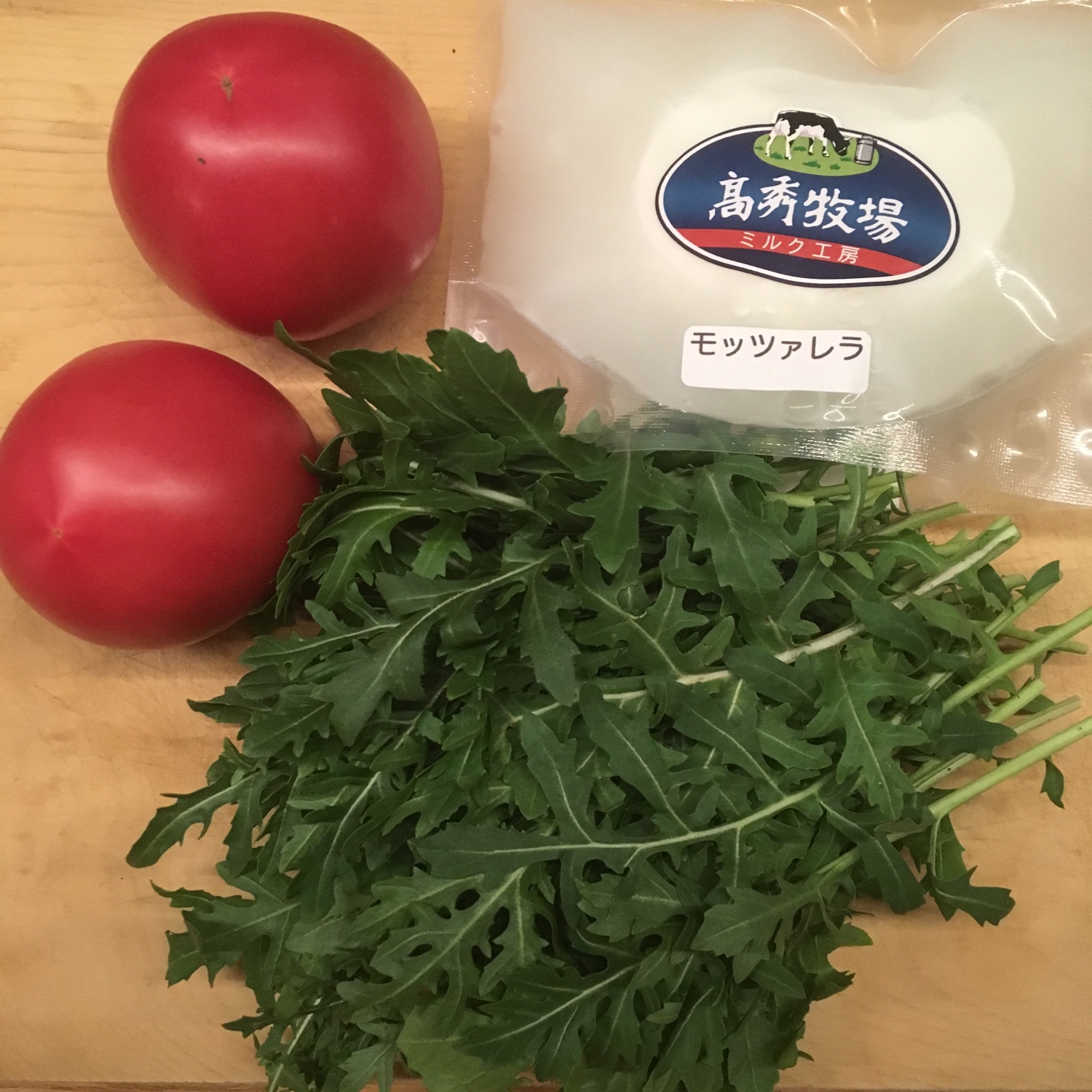
I wanted to talk about one or the other in my post today but I decided to do otherwise because my cookies recipe is great but the baking time wasn’t good (I slightly over baked them) so it needs another trial before being shared. And crepes… well… it was Chandeleur on Saturday and I thought about making crepes, but I didn’t have buckwheat flour anymore to make savory crepes so I made a few sweet crepes for tea time, but that’s not something special as I probably make crepes once a month or more. So today I wanted to talk cheese and pizza! Indeed, after all the beautiful sunny days I found some tomatoes at the farmers market. I assume they grew in a green house heated by the winter sun only. They were a beautiful red full of ripeness. I couldn’t resist… after all the winter vegetables, that would be different! They also had a little of rucola too, so instantly the idea of eating an homemade pizza came to my mind. And for that I needed some nice cheese, so we drove up to Takahide farm to buy some mozzarella.

We stayed to see the cows and the heifers, and we came back not only with mozzarella but with a new version of one of my favorite cheese there, in an aged version… simply delicious!!

Oh! For the pizza dough I use always the same recipe as here. It always works perfectly.

Lentil curry

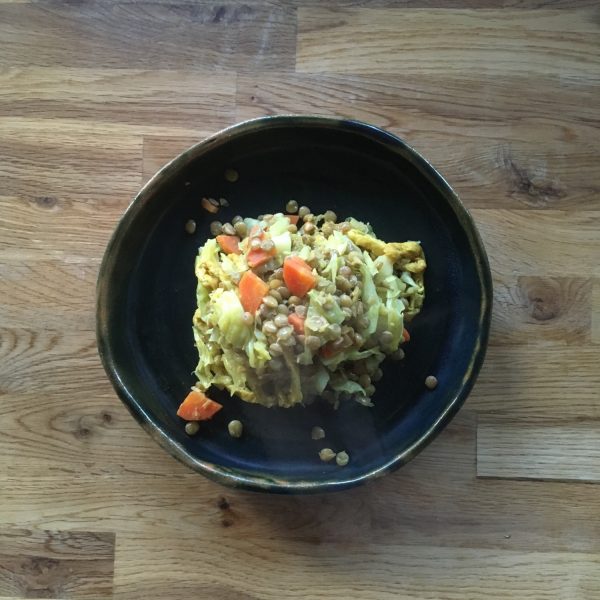
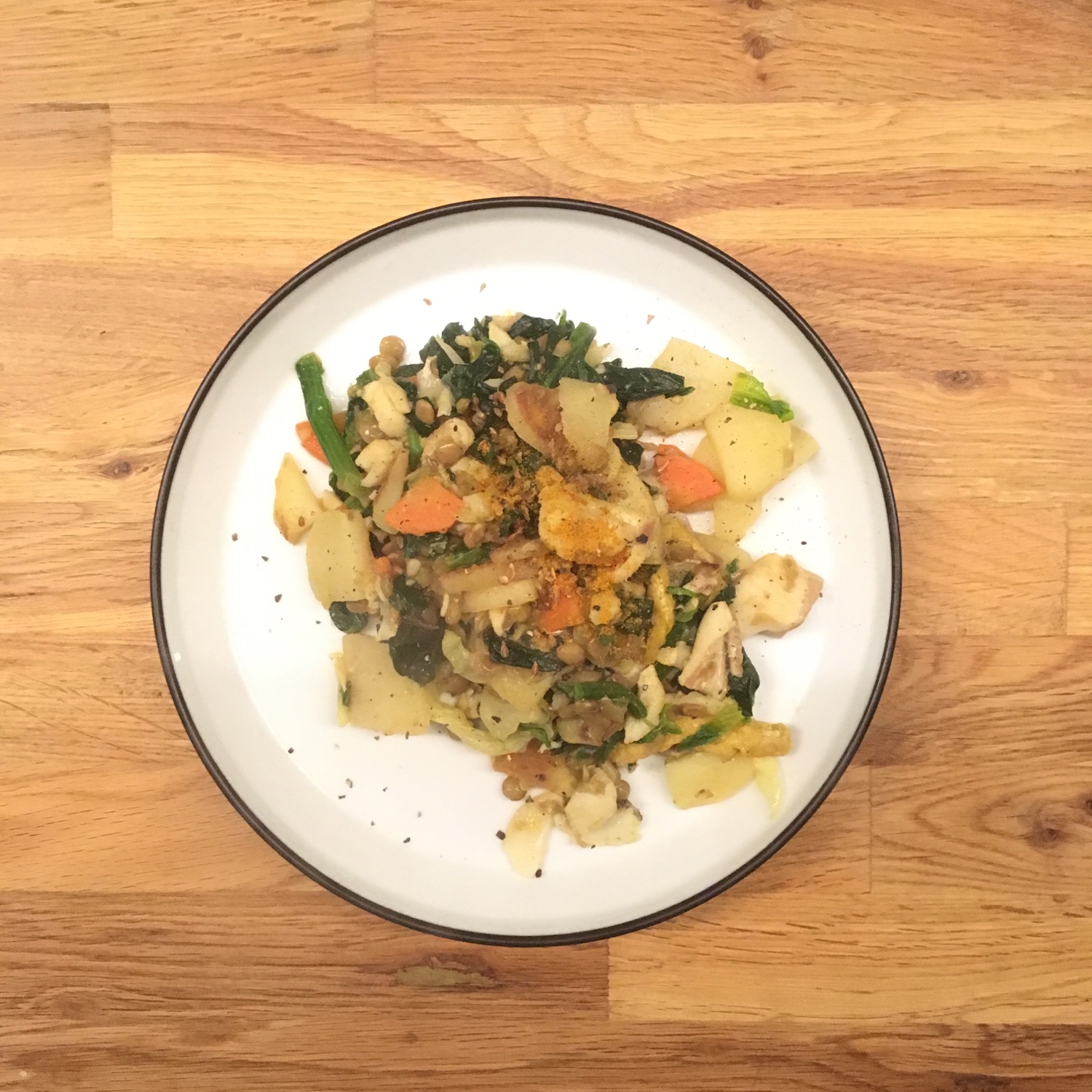
Well well well, it’s getting cold and gloomy today in Tokyo and rain and snow are on the forecast for tonight after weeks of dry and sunny weather… I guess that’s it… every year is basically the same… after the brilliant days of January cold, the gloomier days arrive, colder even… To warm the mind and the body, there is nothing nicer than a hot plate of slightly spicy curry with plenty of vegetables, and to make it a little fancier, replace the rice by lentils. So I made a big pot of it, and used the leftovers for another version with even more vegetables inside and a brighter note of anis seeds. Here are both recipes. Enjoy and keep warm!!!

Lentil curry (2 servings+leftovers for the next recipe )

– 150-200g of brown or green lentils

– 1/3 cabbage

– 2-3 carrots

– 1.5tsp of curry powder

– 3 pieces of thin aburage

Boil the lentils until just soft, but not too much. Drain them. Wash and chop the cabbage and the carrots. Chop the aburage. In a frypan greased slightly and heated start cooking the vegetables. Stir regularly. Add 2cup of water and cook at high heat. When half of the water has evaporated add the curry powder, stir well, and add the aburage. When the water is almost all gone add the lentils, a bit of salt and stir. Serve and eat immediately.

Spinach and potato curry (2 servings)

– leftovers of the above recipe

– 2 potatoes

– a small bundle of spinach

– 1tsp of curry powder

– 1tsp of anis seeds

– 2 pieces of fresh cod (optional)

Peel the potatoes and slice them. Wash and chop the spinach. Chop the cod in bite size and remove bones and skin if any.

In a grease wok or large pan star by cooking the potatoes. When they start to golden add the fish and the lentil curry leftovers. Stir well. Add 1/2 cup of water, the curry powder, the anis seeds, the spinach. Cook at medium to high heat until most of the water is gone. Serve and eat immediately.

A soup version is also possible by adding more water and stopping when the water level is just at the vegetables level.

When I fail… 🚮

Once in a while I make a cooking failure… recently it hasn’t happened much because I master better my kitchen and the products I cook, and I have gained in skills a lot. But when it happens it is always very sad… and last night was one of this saddening moment when you have to face that what you have made with patience and love should end in the trash and nowhere else…

As often of Sunday evening I wanted to bake a quiche. Something I master but it was without counting on one ingredient… I had spinach and kabocha and wanted to use both. I thought that with this cold outside, a warming chestnut flour pie crust would be perfect. So I reached for the bin in the fridge in which I store chestnut flour. I keep most of my flours in the fridge and more particularly this fragile flour that is sensitive to pest infestation and that I cannot find easily in Japan. I usually get my chestnut flour from my parents when they travel to Corsica, or to the country house in the Cevennes.

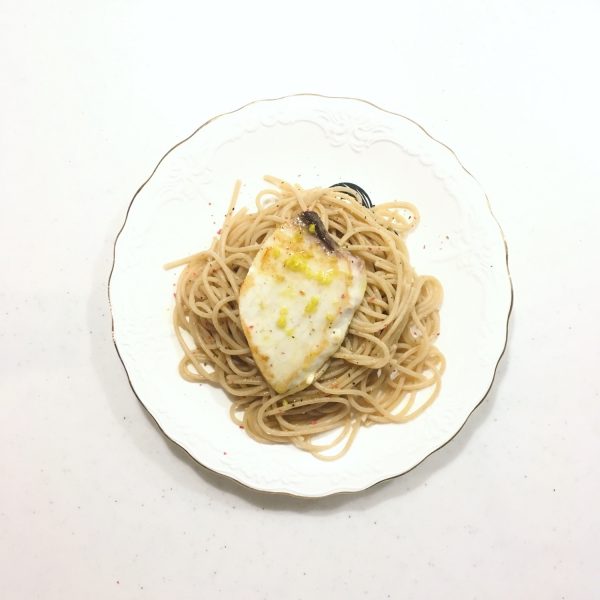
I was a bit startled by the smell when I opened the bin, but I was just thinking it’s been a while I haven’t smelled chestnut flour and it smells strong… while preparing the dough with olive oil and love things were doing good, the dough was smooth and easy to roll, perfect! I prepared the vegetables and put everything in the oven… and then only I really understood what I feared… the flour was rancid… I didn’t know it could happen but there was no doubt and a quick check on the internet confirmed my diagnosis. I waited until the whole quiche was baked to taste the pie crust. No doubt. The rancid flavor stay in the mouth long, almost disgusting. A. was also trying and same conclusion. Now what… would we die eating rancid baked chestnut flour? Probably not… would we get sick? Maybe… for sure taste wise it was bad. I first decided to save the vegetables and remove the pie crust but the task was tedious, and the result not conclusive. So I had to take this horrible decision to trash the whole thing. I was sad after. All these nice products, the effort to prepare it, and the expected pleasure of eating it once back to Tokyo… and instead we had a very quickly fixed dinner made of whole-wheat spaghetti with grilled swordfish and lemon zest and olive oil dressing. Hopefully there are still a few lemons in the garden and I harvested some before going and I had bought some nice local swordfish Saturday…

I simply grilled the fish in a frypan without any fat, then added the zest of 1/2 lemon topped with olive oil. Boiled the whole wheat spaghetti and served the whole together.

Eating local when expatriated

This question has been in my mind for a very long time anytime I use #localfood or #eatlocal: What does it mean to eat local when you are expatriated and you travel once or more a year to your home country? Does 100% of the ingredients have to be local? If not how much could be alien? To what extent? Behind that there is a question of identity and a question of personal choices.

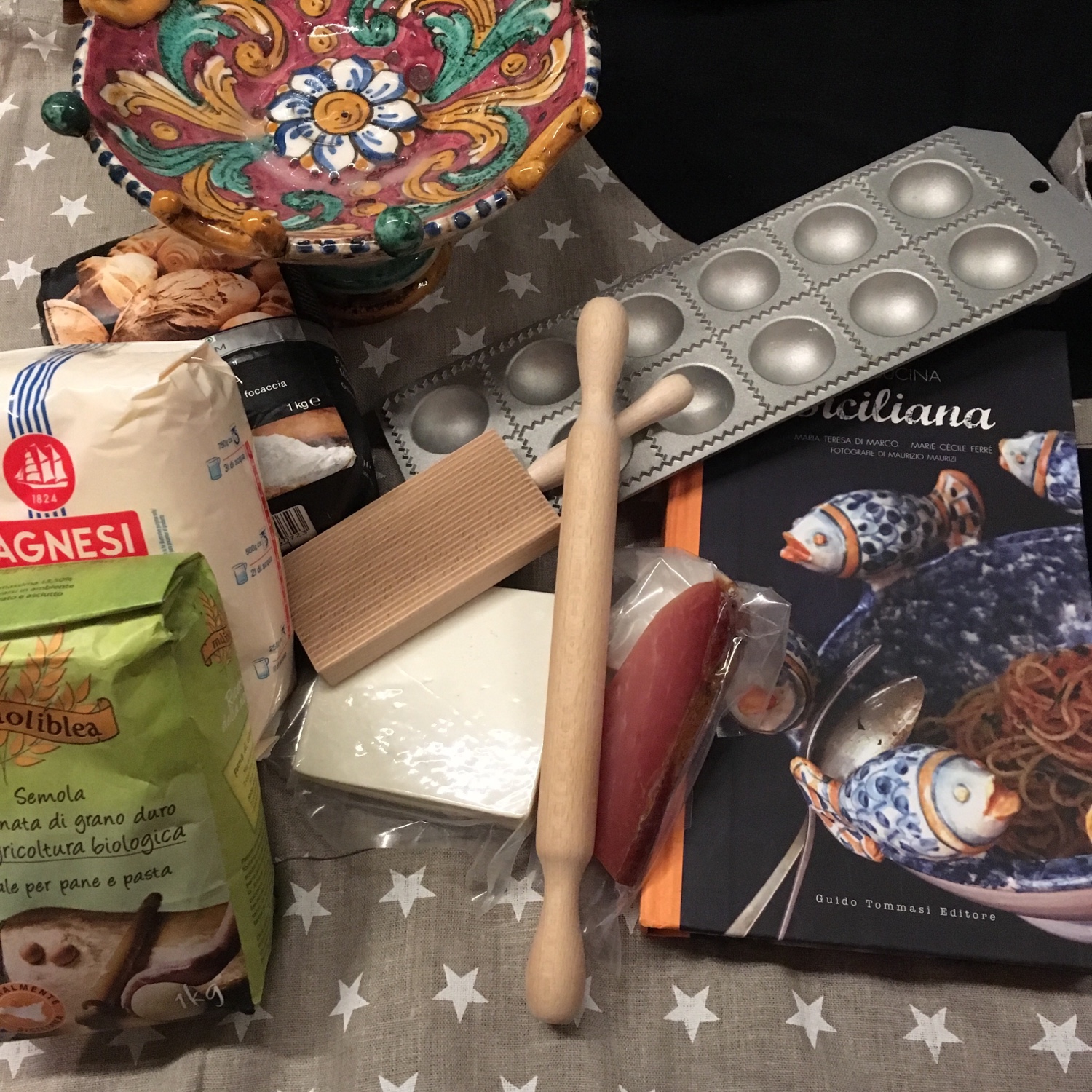
Traveling home means coming back with a suitcase full of the great local products, right? But these products are not local in the country I live in… they are barely sold here and when a surrogate is, it is usually a poorer quality version… what could beat mum’s olives or fresh ricotta salada from Sicily???…

After a long time carrying pretty much everything, in particular organic whatever… To be honest, I use to bring a real lot of food related things a few years ago. In particular when I started to bake breads and I wanted organic flours, and couldn’t find anything I liked in Japan because I was new to the area and didn’t know where to look at (I also think that baking has become trendy and it is easier now to find the basic products). Now I know that I can find good flours of different types of wheat in Japan, produced locally and organic and that is a great relief not to carry 10-20kg of flour in my suitcases anymore.

I have now switched to bringing back only a few things and in smaller amounts. Mainly products that my mum is making, for example: olive oil with the olives from the garden, bins of black olives in herbs saumure, dry herbs from the garden: thyme, verbena, laurel, juniper… homemade jam with fruits that do not exist in Japan… and a few very local staples bought around to store in the pantry: sea salt from Camargue, chickpea flour, green lentils, dry fruits and when in Italy riso for risotto, farro, polenta, dried porcini, finally there’s always a bit of space for a few fresh products: local cheeses for me and cured meat for A..

So what does it mean “eating local” in this international context???

I realize that as much as I cook Japanese food, I am also attached to my food roots, food from the south of France, food from Italy (I feel Italian food as a part of my roots somehow…) and I was discussing earlier in that post, the cooking that ressemble me best is “half”. So for all the fresh products I use the local circuit, for everything that as a good substitute I use the local products: Japanese flours are great! Mozzarella from Hokkaido is really nice… but Parmigiano sucks when it’s not from Italy!!!

However I try to avoid buying imported products, but rather only use what I can carry with me or sometimes receive as presents… that has been made easier with the fact that it’s been more than 5 years I stopped buying processed, canned or frozen food, and even more (thanks 3/11) that I carefully check the labels to check where products come from. It’s a systematic habit and it doesn’t take more time as labeling in Japan is quite simple and easy to identify and it feels so much better choosing consciously what I eat.

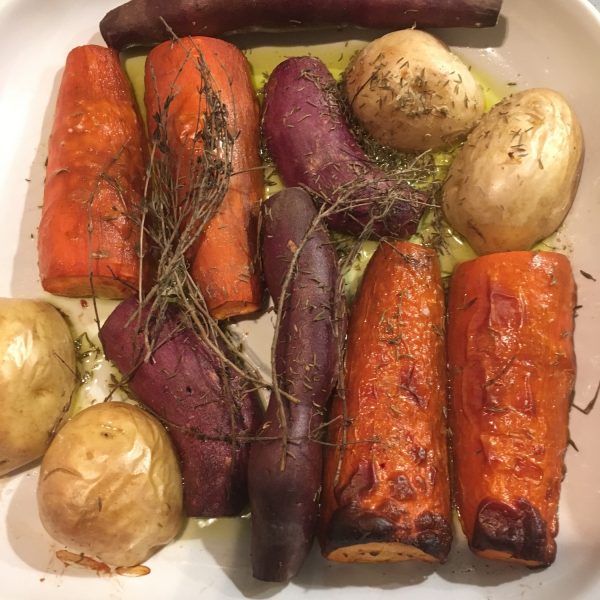
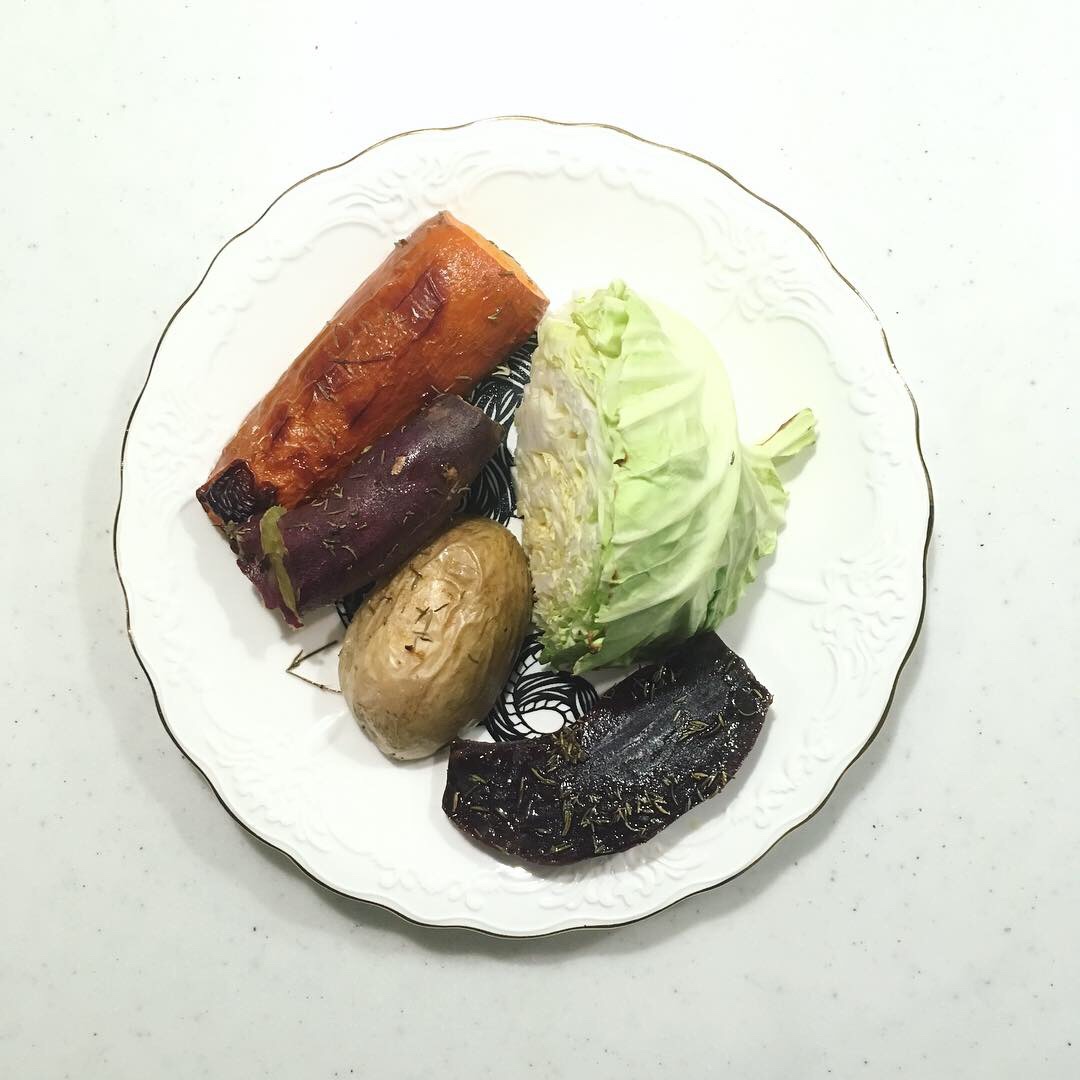
What can be better after a long day at work and a chilly evening than a dish of roasted vegetables from Isumi, with olive oil from my hometown and thyme from my parents garden?

n.b.: I still haven’t shifted for chocolate and black tea…

White miso for the winter

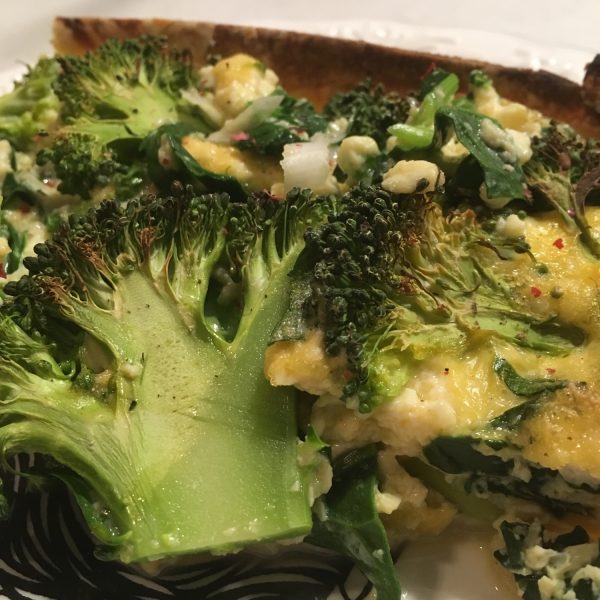
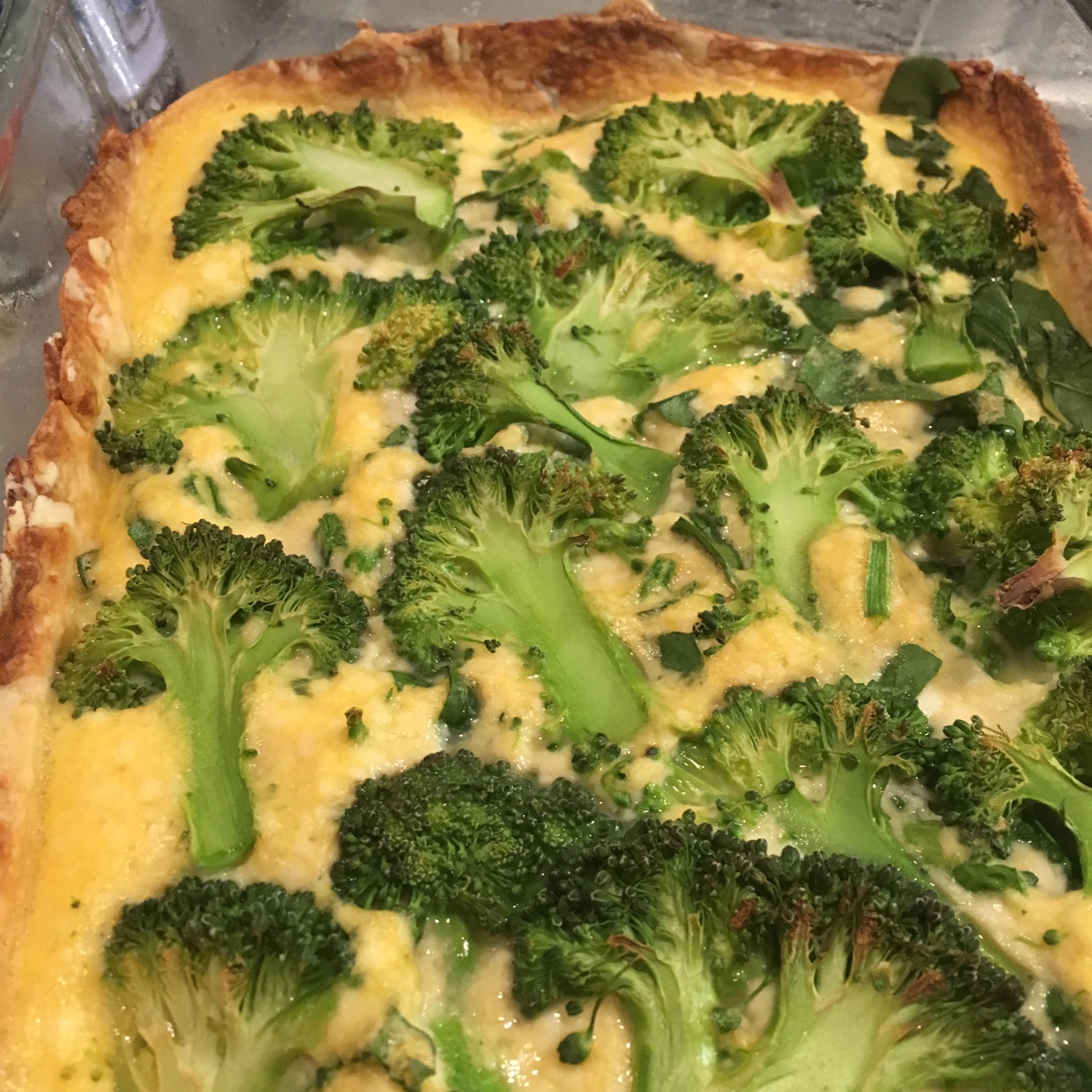
There exists miso for each season and if red miso is for the summer, white miso is the one for the winter. I learned that at my cha-kaiseki cuisine classes a few years ago. And in an attempt to make some vegan pie crust I was tempted to replace butter by the creamy white miso, with a little addition of vegetal oil. The color is unchanged since the miso has almost the color of butter. The kneading is very easy, the rolling too, though it is more like olive oil base pie crust, it breaks easily, but it is easy to repair too!! I was worried it would be salty but it wasn’t (opening to not only savory quiches, but sweet pies and tart too) and it bakes in a very crispy manner. So the vegan pie crust with miso was perfect. Something I will use again for sure as it is sometimes easier to find miso than butter in Japan and the taste of miso was very mild rather that of olive oil.

As for the filling I used leek, spinach and broccoli with tofu and eggs. I haven’t found something to replace the eggs in the quiche yet… If you have ideas, I’ll be happy to try…

Miso pie crust (for a 20cm, thin crust)

– 150g of flour

– 5tbs of white miso

– 1tbs of vegetal oil

– 1tbs of water

Mix all the ingredients together. Roll and bake or fill and bake… that’s it!!!

Proudly powered by WordPress | Theme: Baskerville 2 by Anders Noren.

Up ↑

Verified by MonsterInsights