Miso eggplants

This quite simple Japanese recipe is really delicious and I like it very much now, but for sometimes I hated it because the first time I tried to prepare it, it was a terrible failure. The first and only time I prepared something to eat that ended up in the trash because it was not edible. I surely made a mess of this delicious recipe! Probably a problem with the mastering of Japanese ingredients at the timeand the proportions! Indeed when we arrived in Japan, cooking was a quite interesting task and grocery shopping an even more startling! Almost every evening we would go to our local supermarket and starre at what at that time we found strange mushrooms, awkward fruits and unknown fishes. So after a few weeks I decided to buy a beginners Japanese cooking book and to try most of the recipes to get familiar with techniques and basic products. The book I picked was in English of course and was clearly written for foreigners, so it was really helpful! However most of the recipes in this book make use of mirin (together with sugar), a Japanese cooking ingredient that I find unify the taste and is not very interesting (a bit like glutamate in Chinese cuisine). So I will give you my version of miso eggplant, the one that is just perfect and doesn’t use mirin.

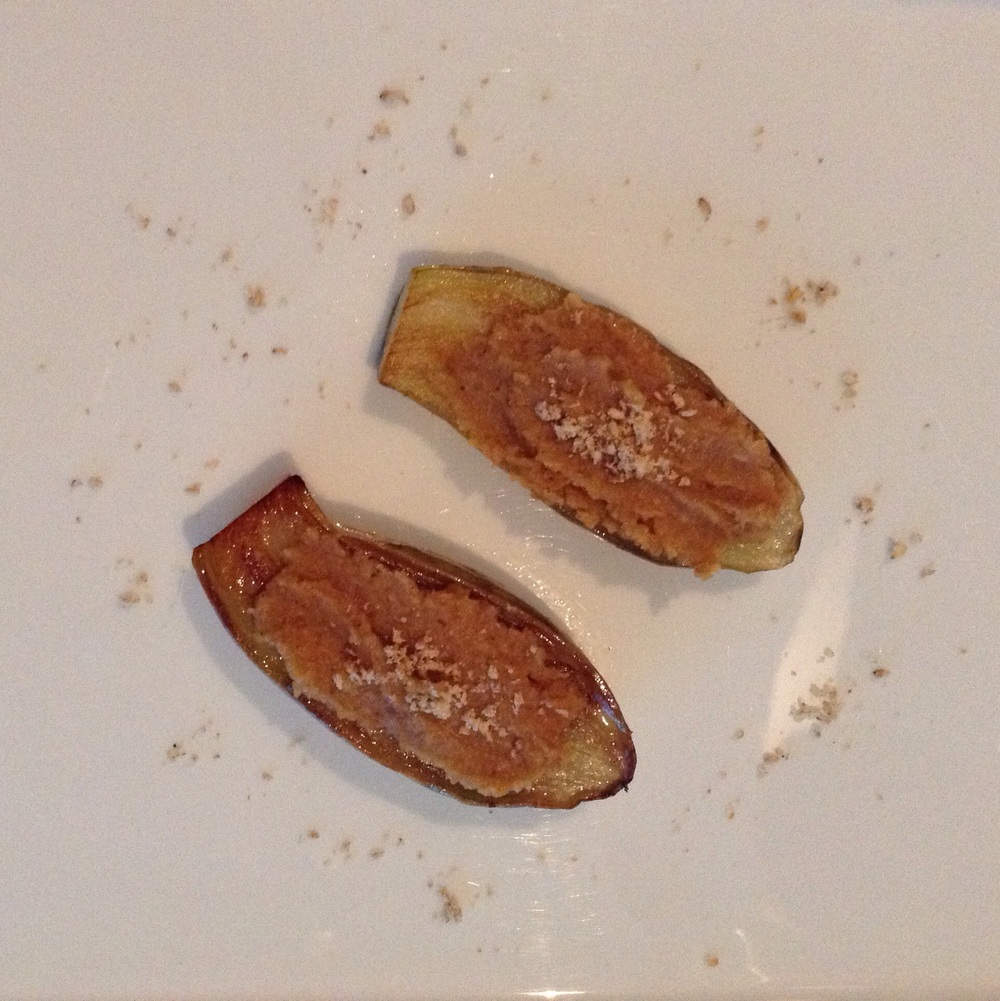
For two as a side dish I use 1 or 2 Japanese eggplants (they are quite small); a spoon of miso; a tea spoon of grounded sesame or “surigoma”; a little of vegetal oil. After removing the stems and cutting in halves the eggplants, fry them in a very very thin layer of oil. In the mean time, mix the miso the sesame and a very little of oil if necessary to obtain a paste. Once the eggplants are cooked, set them on a serving plate and delicately spread the paste to obtain a thin layer. Decorate with a little of sesame. You can also set the eggplants on a cooking shit, spread the miso, and grill them 3 min in the oven to obtain a roasted miso thin crust. 
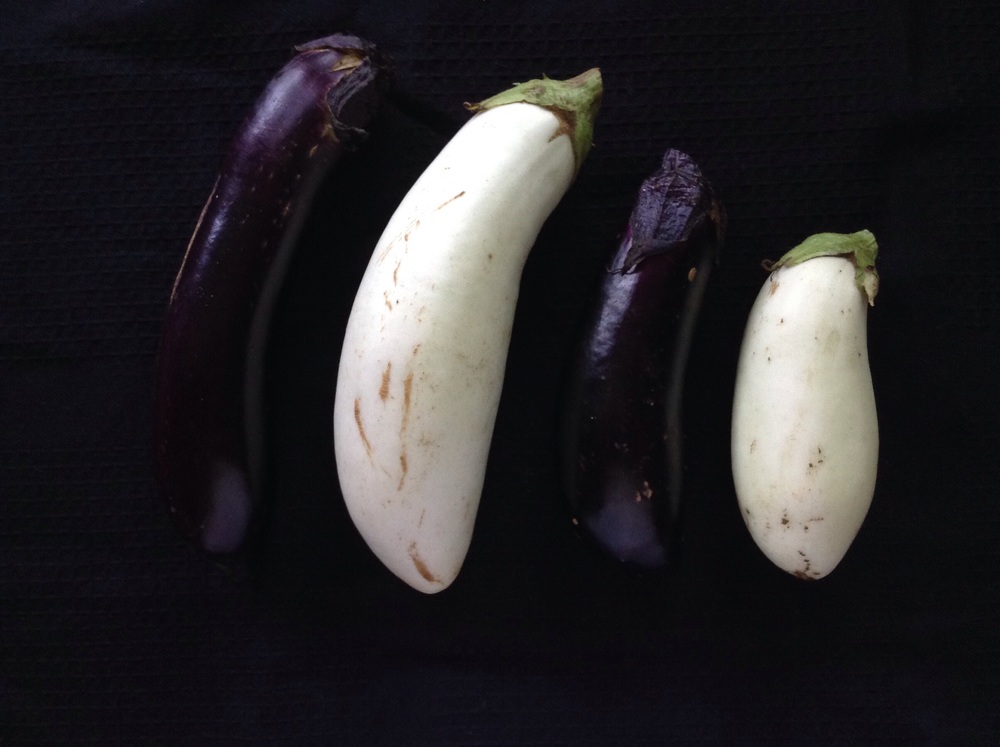
 White eggplants with miso
White eggplants with miso

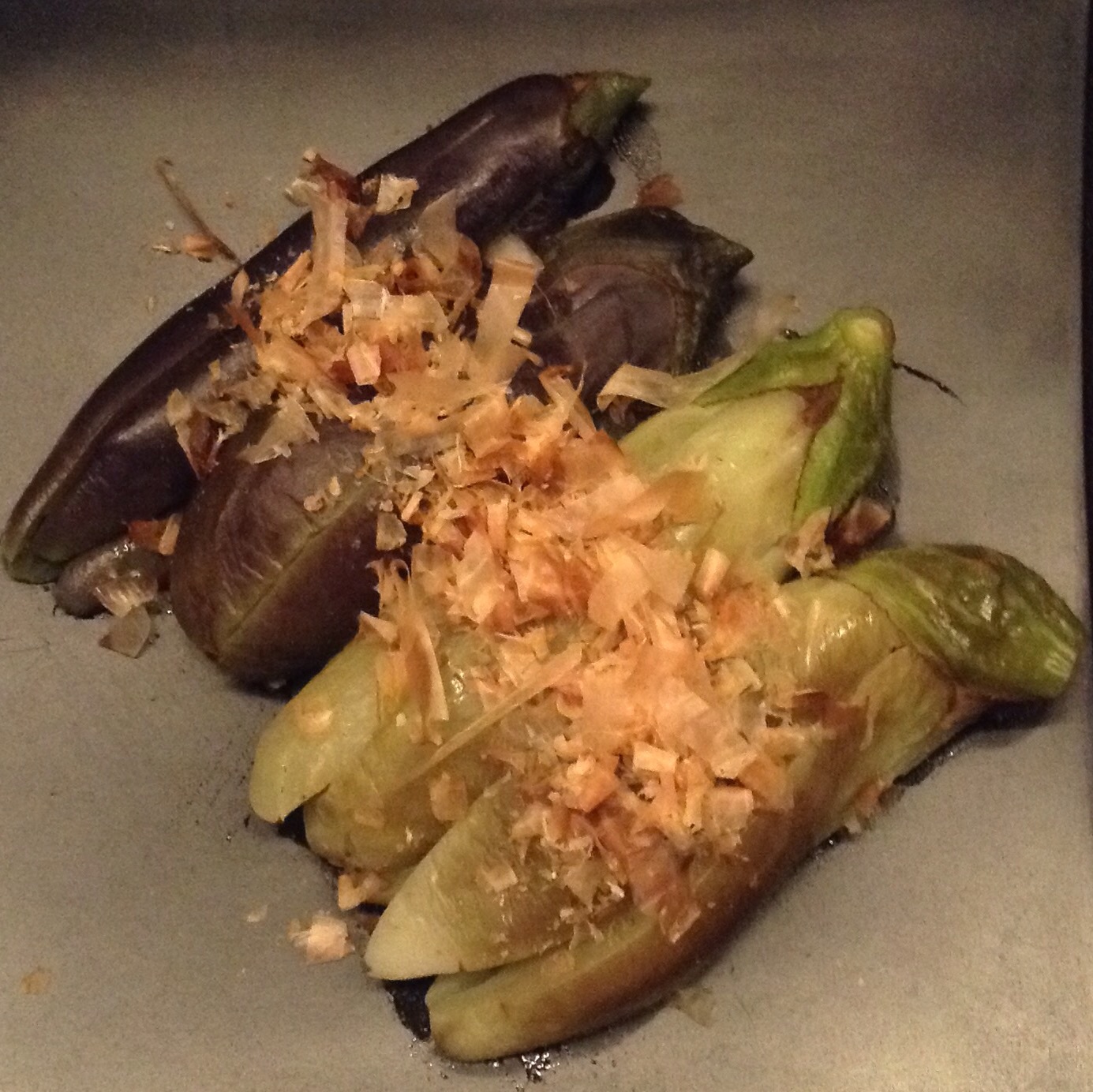
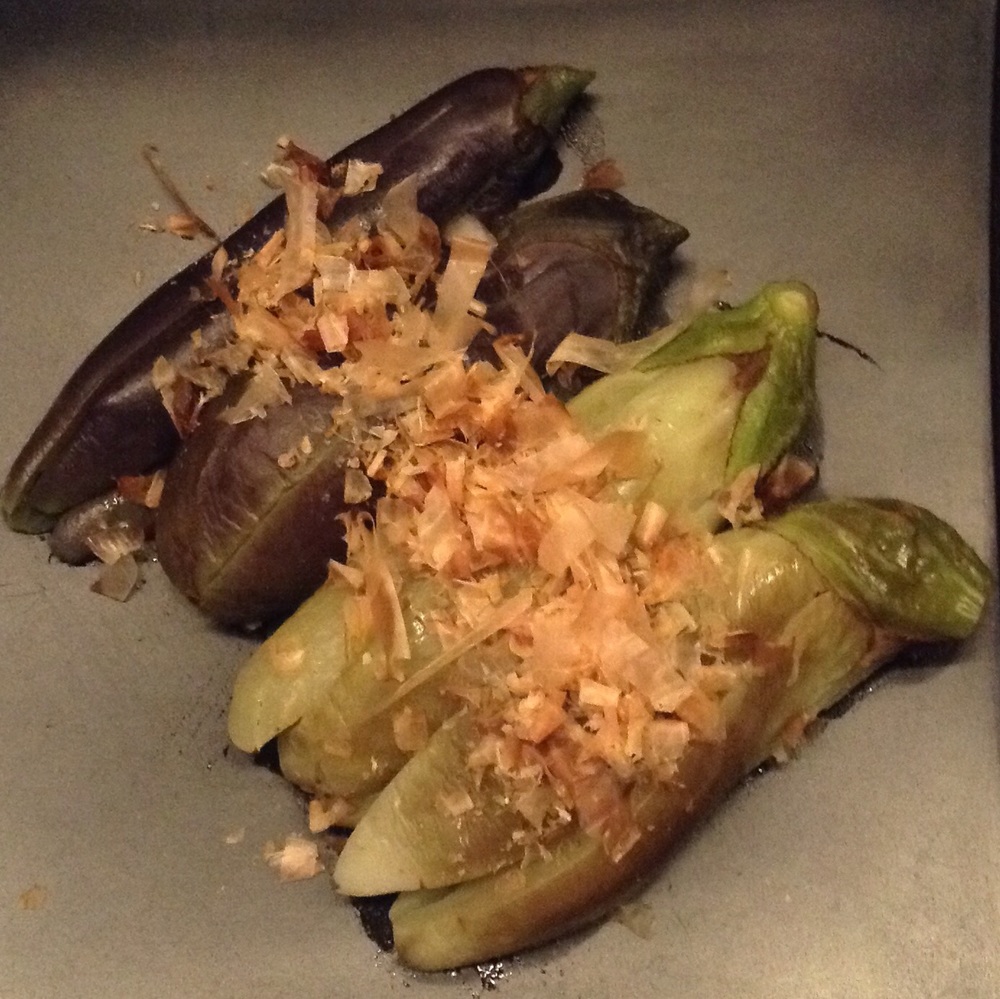
Eggplant and katsuo bushi

The first recipe of eggplant is a Japanese one. It is awfully simple, yet extremely delicious. It is simply boiled eggplant in katsuo bushi dashi (dried bonito consommé to make it short) served with a topping of katsuo bushi flakes (dried bonito flakes). For that I always use small eggplants, like tiny ones. I cut them in four but keep the four pieces attached by the stem. And boil them in katsuo bushi dashi for 10min. Then I drain them well, eventually using some cooking clothe or cooking paper. I serve them cold most of the time and just top them with some katsuo bushi flakes before serving, eventually add a few drops of soya sauce if you think it needs salt, but usually I don’t.

Eggplant week

Let’s reiterate a vegetable week! I could have chosen grean beans, but I realize I’ve already posted many recipes involving green beans, so I’ve opted for one other summer star: the eggplant. Funilly eggplants are as much used in Japanese cuisine than in Provence cuisine, though in Japan the eggplant species are slightly different, smaller or thin and long. 

They are also used in summer together with cucumber to make horses and oxes than the spirit of dead people ride to come back to the human world during the Obon period, which is either July 15th or August 15th depending whether one follows the new solar calendar or the old lunar calendar.

So, this week let’s celebrate eggplants!

梅酒 – umeshu

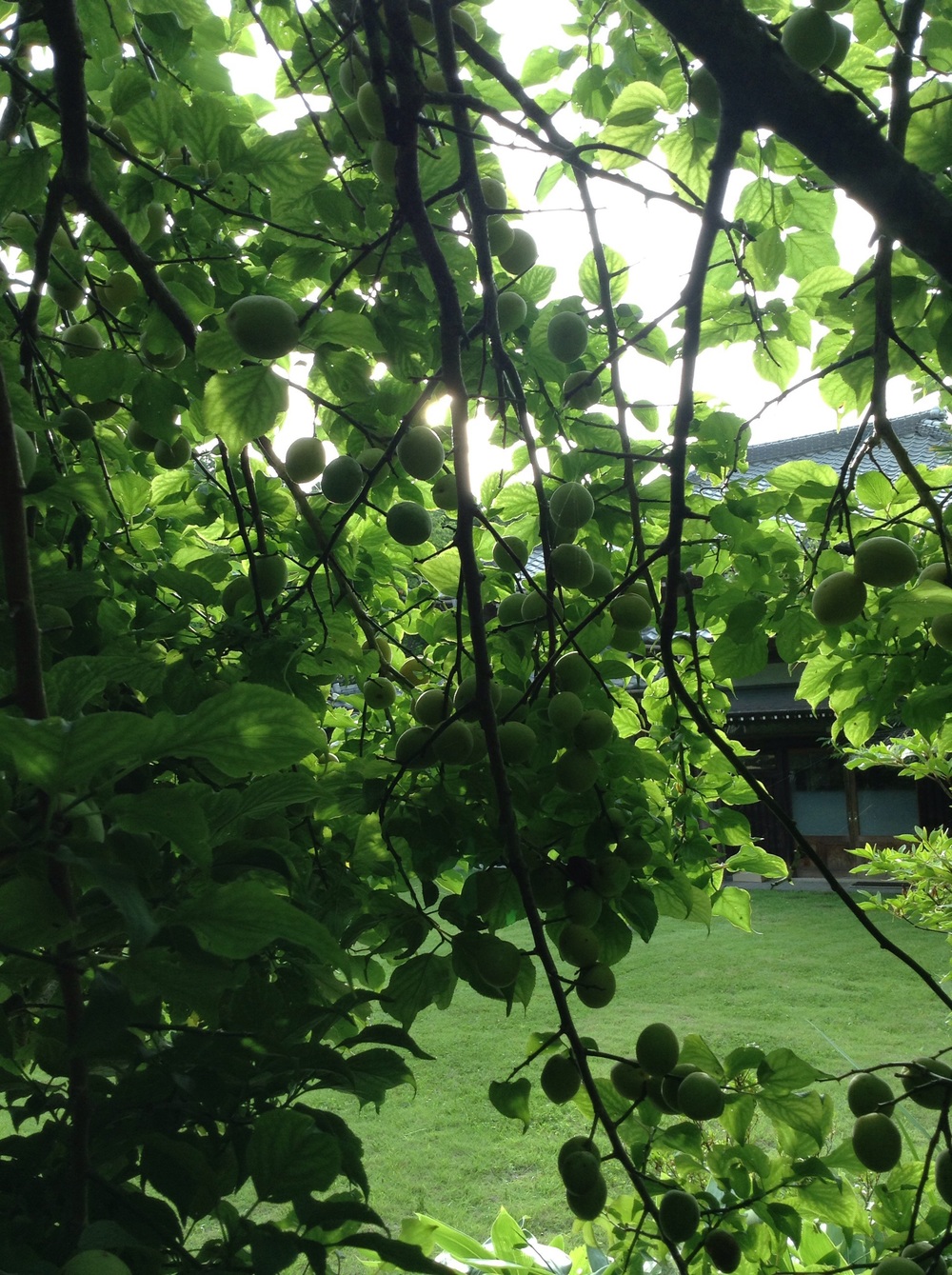
 One of the plum tree in the garden, covered with plum
One of the plum tree in the garden, covered with plum

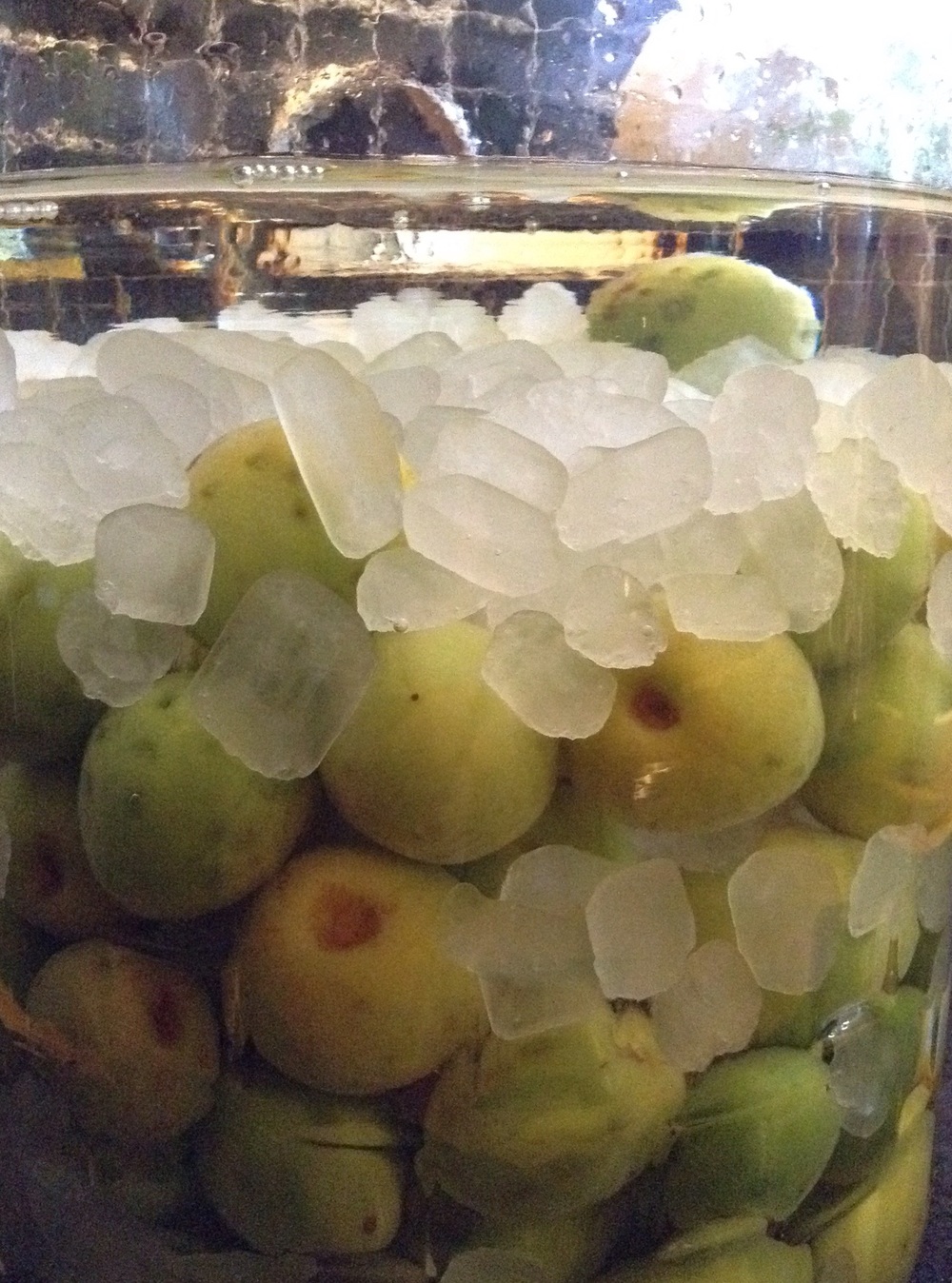
Prunellia’s post on her favorite Japanese drink is timely because it is just the season to harvest plums and to prepare umeshu. In our garden we have a lot of plum trees and each year they produce a lot of fruits. Last year for the first time the fruits were harvested and used to prepare umeshu. As Prunellia mentioned, Umeshu is prepared from still green plums and usually with shochu (a white traditional alcoholic drink made of rice, potato, sweet potato…). The recipe used here to prepare the Umeshu uses nihonshu, which is regular Japanese sake or rice wine and gives a milder taste to the preparation. I’ve got the recipe from a  lady living nearby. Actually last year she prepared the umeshu with our fruits, but this year I was very much tempted to prepare some myself, so she gave me her recipe and helped me out for my first time.

 Umeshu from 2014 harvested plum just ready! 
Umeshu from 2014 harvested plum just ready! 

The recipe is really simple, but be aware unlike a lot of alcoholic  preparations that are ready in 60 or 90 days (peach wine, verbena liquor… that I used to prepare according to my grand mother recipes), this one takes a whole year (you can try earlier but one year guaranties the best taste/color). 

You need Japanese hard plums, rock sugar, sake or shochu, and a large jar (usually plastic or glass) with a tight lid and a big mouth to fit the plums in. First wash the plum and remove the stems, then wash again and dry them properly. Weight the plums that can fit 3/4 of the jar, weight the half amount of rock sugar. Clean and dry perfectly the jar and then pick the plums with a fork a few times around and make layers of plum and rock sugar until the 3/4 has been reached. Cover with the sake or shochu up to 2-3cm higher than the level of fruits and sugar. Close the lid tightly, store in a cool and dark place for almost a year. Once in a while you can shake the jar to help the sugar melt.

Prunellia, I’m counting on you to come next spring or summer to try my homemade umeshu with the plums from the garden! 

 Wait about a year before tasting! 
Wait about a year before tasting! 

Japanese dinner at home

When we have visitors from Europe for dinner and it’s there first time in Japan I usually cook Japanese for them, but I cook what I call “soft Japaanese”. I don’t try to impress them with my skills in cha-kaiseki cuisine with elaborated tofu mixes, plain white rice and strongly miso tasting fish and Japanese sweets for example. I prefer to introduce them to flavors their palate can identify and distinguish if they don’t. And if they come on week day, since I don’t have the luxury to spend more than 2h for grocery shopping+cooking, I need to be very organized.

This time our guests have been in Tokyo for a few days already, and travelling the world before arriving there so I crafted a menu where they can enjoy Japanese food while still feeling the casual home made touch: 

somen with a chicken meat ball as a starter,
ginger grilled pork (buta shoga yaki) with white and whole rice,
miso soup with silky tofu and mitsuba.
for dessert, just fresh summer fruits in salad: Japanese grape, Japanese plums and Japanese green melon.

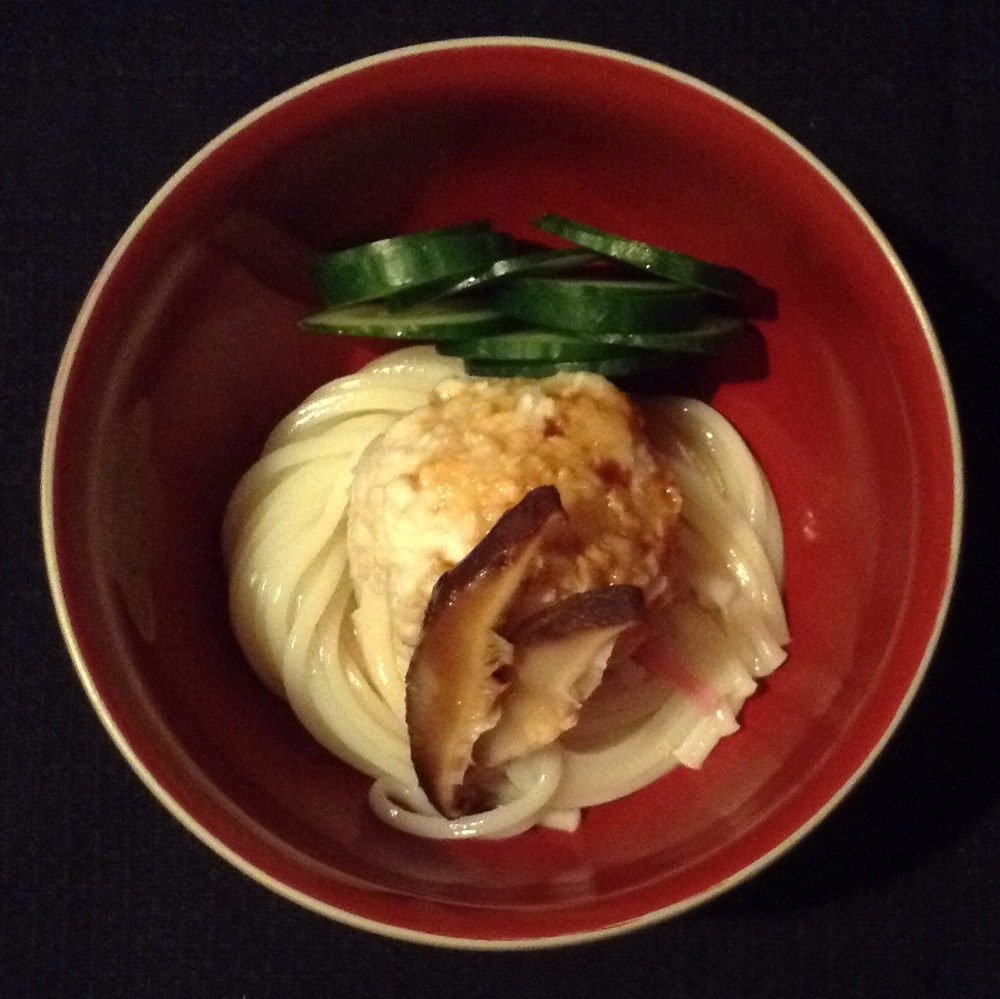
If the main dish and dessert are quite common, for the starter I composed a recipe from cha-kaiseki and adjusted it to the market. The original recipe is using snapper and togan, a kind of summer gourd; but I couldn’t find neither so I replaced the fish with chicken meat balls made out of grinded chicken breast and startch, boiled in konbu dashi, and the togan was replaced by thinly sliced cucumber. The whole thing seasoned with a few drops of soya sauce. And I added two slices of dried shiitake. Since it is almost summer I chosed somen and served the whole refregirated. Bonus: since It is refrigirated you can prepare the bowls and just take them out of the fridge to serve!

 The starter: somen with chicken meat ball and cucumber
The starter: somen with chicken meat ball and cucumber

Apple and loquat tart

In the very back of our garden we have a loquat tree. Most of the time it is impossible to eat any because the birds eat them much faster but this time I manage to save two! Loquats are a little lique apricots, but with a much milder taste and I really love to it them raw or prepare tart with them, just as apricot tart. Since two loquats is not going to be enough for a tart I decided to mix them with an apple and to make small tarts with just a brise dough with very little butter, oat bran, brown sugar and water, and add some apple sliced and half a loquat on top. This ultra simple recipe allows to fully enjoy each ingredient without any addition, the loquat brings a juicy note to the whole thing. The oat bran some granulosity to the dough without having to add an egg.

Tea time

OK we’re talking a lot about food, but what about drinks?

I’ve always been a heavy tea drinker may be because in my teenage years I wanted to be British for the pony rides in Hide Park and the tea-time at the Brown’s, the check pants and the Dc Martens boots for Carneby street, and the cabriolet as soon as the sun is out! I have had all of it, but my overall favorite drink is still definitely Earl Grey tea. My taste varies with years and seasons but it is always what I go back to. I had a post earlier about one of my favorite Earl Grey from Marks and Spencer, but I also like very much the Clipper organic Earl Grey, and the Mariage Freres Imperial Earl Grey. The Tazo Earl Grey is nice but never in a paper cup and it has to be lightly infused and is better with milk.

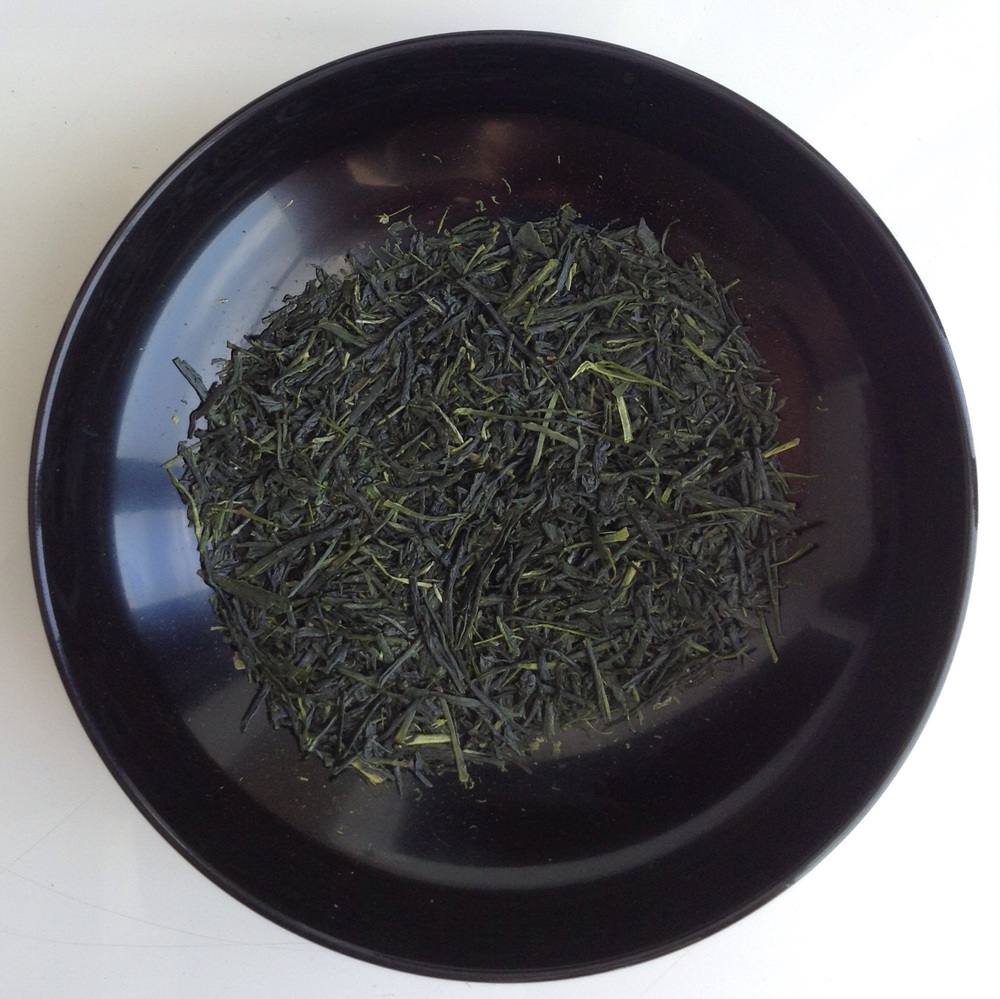
 Loose leaf new green tea-新茶 from Miyazaki prefecture
Loose leaf new green tea-新茶 from Miyazaki prefecture

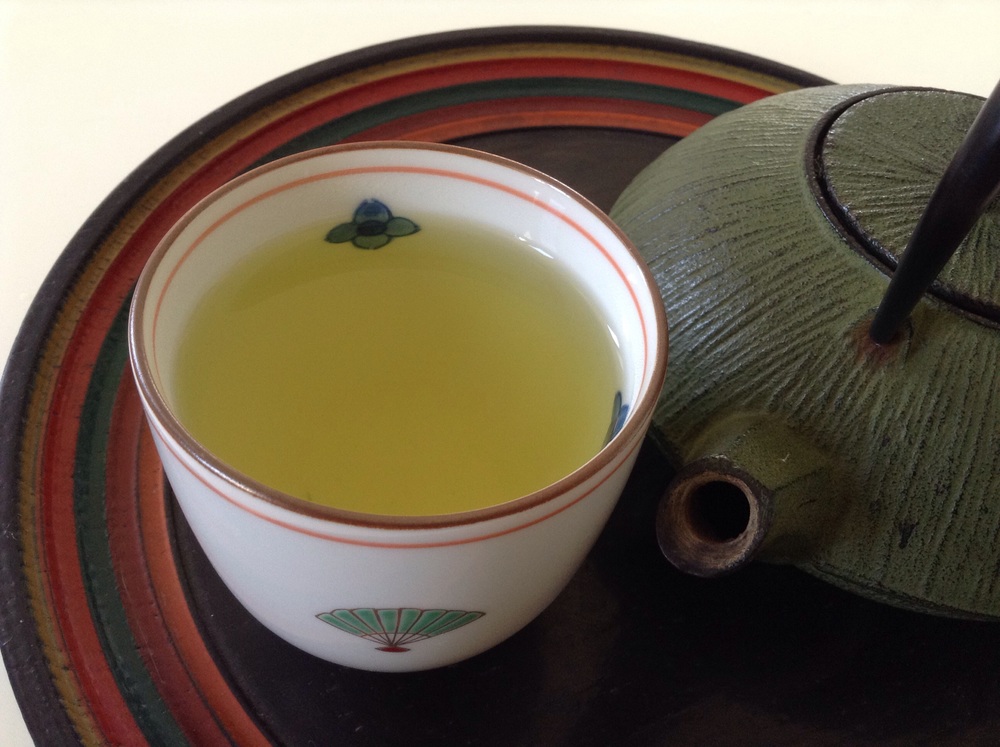
Of course being in Japan my taste for green tea as developped a lot and I am quite picky with it too.  If black tea works well for me all year round, I find green tea much better in warmer days. Because the water should only be around 60deg, and it has a fresh taste I find it less warming and comforting in winter. In Japan buying green tea is really simple. There’s already a lot of loose leaf tea in supermarkets, but tea shops offer a greater variety in quality. One delicious tea is “new tea” (新茶=shincha) the tea freshly collected, it’s much sweeter and soft than regular tea and can only be bought in spring and needs to be quickly used. There are many regions in Japan producing tea: Shizuoka, Uji, Miyazaki to cite only a few. Luckily we have friends with family everywhere in Japan and receive gifts from them often. This time it’s delicious shincha from Miyazaki that I enjoy every morning! But if you don’t have this chance I really love the tea from Mikuniya Zengoro which original shop is from Fukui prefecture.

What is your favorite tea? 


 Freshly prepared new green tea (tray from a flea market, the teapot from Kappabashi dori, the tea bowl a present from our Japanese teacher)
Freshly prepared new green tea (tray from a flea market, the teapot from Kappabashi dori, the tea bowl a present from our Japanese teacher)

Lyla restaurant

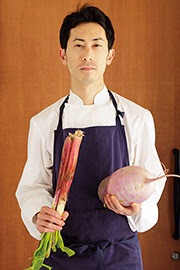
 Chef Narikiyo (picture from Figaro Madame Japon) 
Chef Narikiyo (picture from Figaro Madame Japon) 

Since Prunellia has written a post about the restaurant Abri in Paris, I couldn’t help writting a post about the restaurant Lyla in Tokyo, which was recommended to Prunellia and Aurore by the chef at Abri when they came to Japan last February. So we went there together to discover and really appreciate the refined, delicate cuisine prepared by chef Narikiyo. And since then went again to enjoy some more seasonal food. 

Each time the food was perfect, with special attention to each member of the party likes and dislikes and with a genuine style to prepare vegetables mixing French cuisine and Japanese kaiseki. The plating is also a delight, and desserts are as good as the rest. As a personal policy I don’t take picture of food in this kind of restaurants and prefer to remember the taste and colors, so you won’t see anything I have eaten there. I can only give you hints like bisk sable, greens with carrot leaves jus, lemon curd in kuzumochi…

Since I’m not a big eater I always picked the “carte blanche” menu which was just perfect in proportion, and allow you to enjoy everyhing from start to end.

Even though Lyla has received a lot of attention in the press, the chef is always there to say good bye and chat with you, and for the moment it is still possible to book a table on late notice which is really apppreciable. 

http://www.lylatokyo.com

Once the booking’s made the staff will call you back to verify your likes, dislikes, allergies, special diet etc…  because there is no menu, it’s all up to the chef.

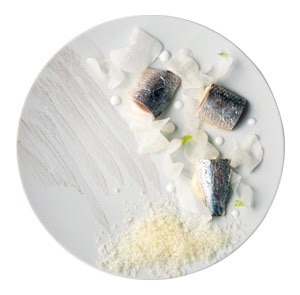
 Sardines, radish and comte cheese (picture from Asahi) 
Sardines, radish and comte cheese (picture from Asahi) 

Missing Japanese food

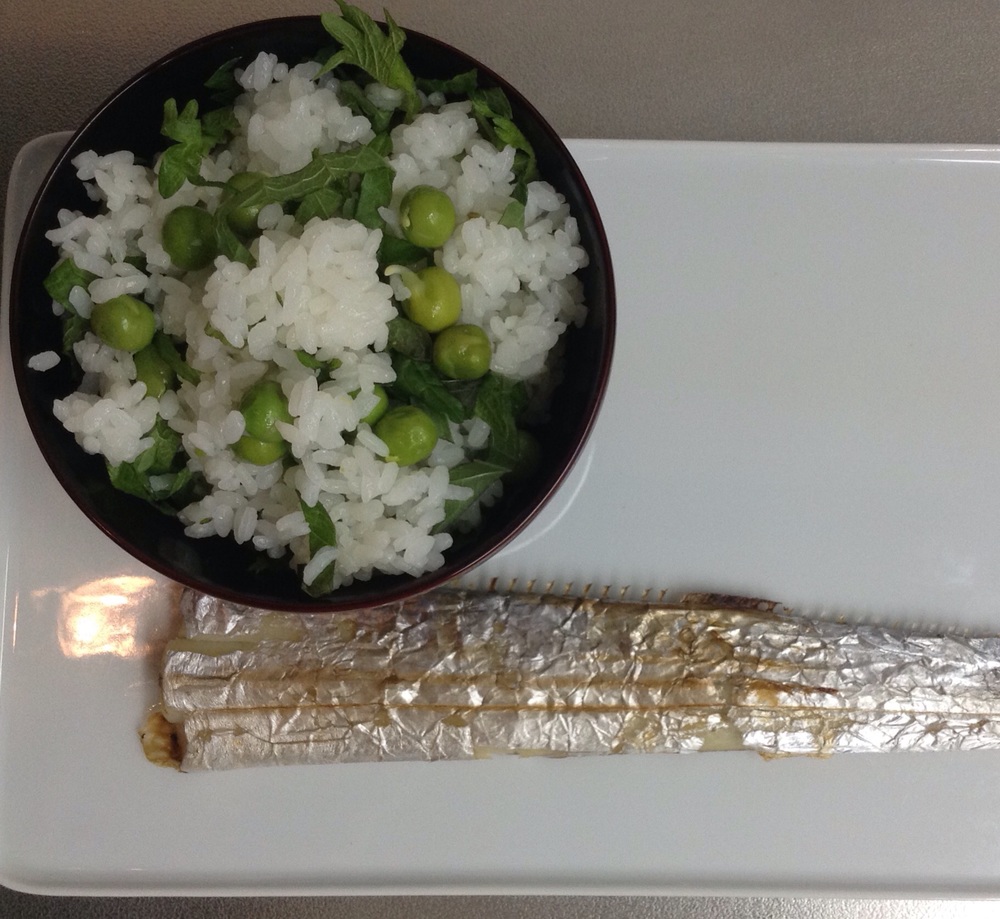
After a whole week in the US, I was cruelly missing Japanese rice and Japanese food. So I fixed this little dinner with rice, green peas and green shiso and shoyu-grilled Tachiuo fish (beltfish). Simple and perfect!

The rice is just steamed, in the last few minutes I add the fresh green peas, and just before serving I add chopped green shiso leaves. The fish is grilled in the oven with a bit of soya sauce and served immediately.

Proudly powered by WordPress | Theme: Baskerville 2 by Anders Noren.

Up ↑

Verified by MonsterInsights