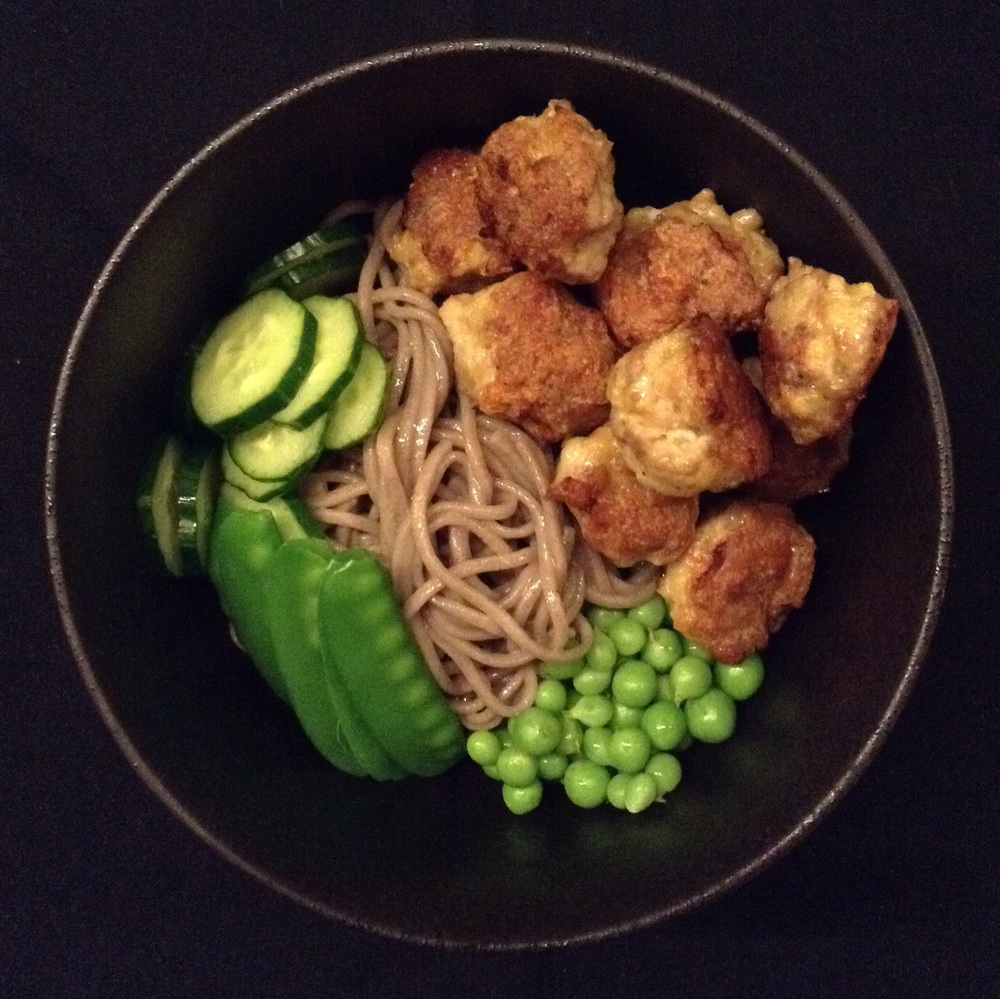
Cold buckwheat noodles salad

Soba is the Japanese word for buckwheat and by extension buckwheat noodles. You can find soba-ya: restaurants serving soba pretty much everywhere and there are several places accross the country famous for the production of soba that it makes them something really common. I wanted badly to mske my own noodles but on that day I realized I had no buckwheat flour, and couldn’t find some around. So I bought dried soba noodles, which are basically like dried pasta. And I prepared a cold buckwheat noodles salad with seasonal vegetables: snap peas, green peas and cucumber and served with some pork meat balls. 

I just boiled the noodles, quickly boiled the peas, sliced the cucumber. 

For the additional balls it can be made out of tofu or okara for a vegan dish. This time I promised some meaty dish to my husband, so I mixed some pork meat with and egg and bread crust, salt pepper and then cooked them in a frying pan under cover until golden.

For the overall seasoning I mixed a little of ponzu and sunflower oil.
Vegan donburi

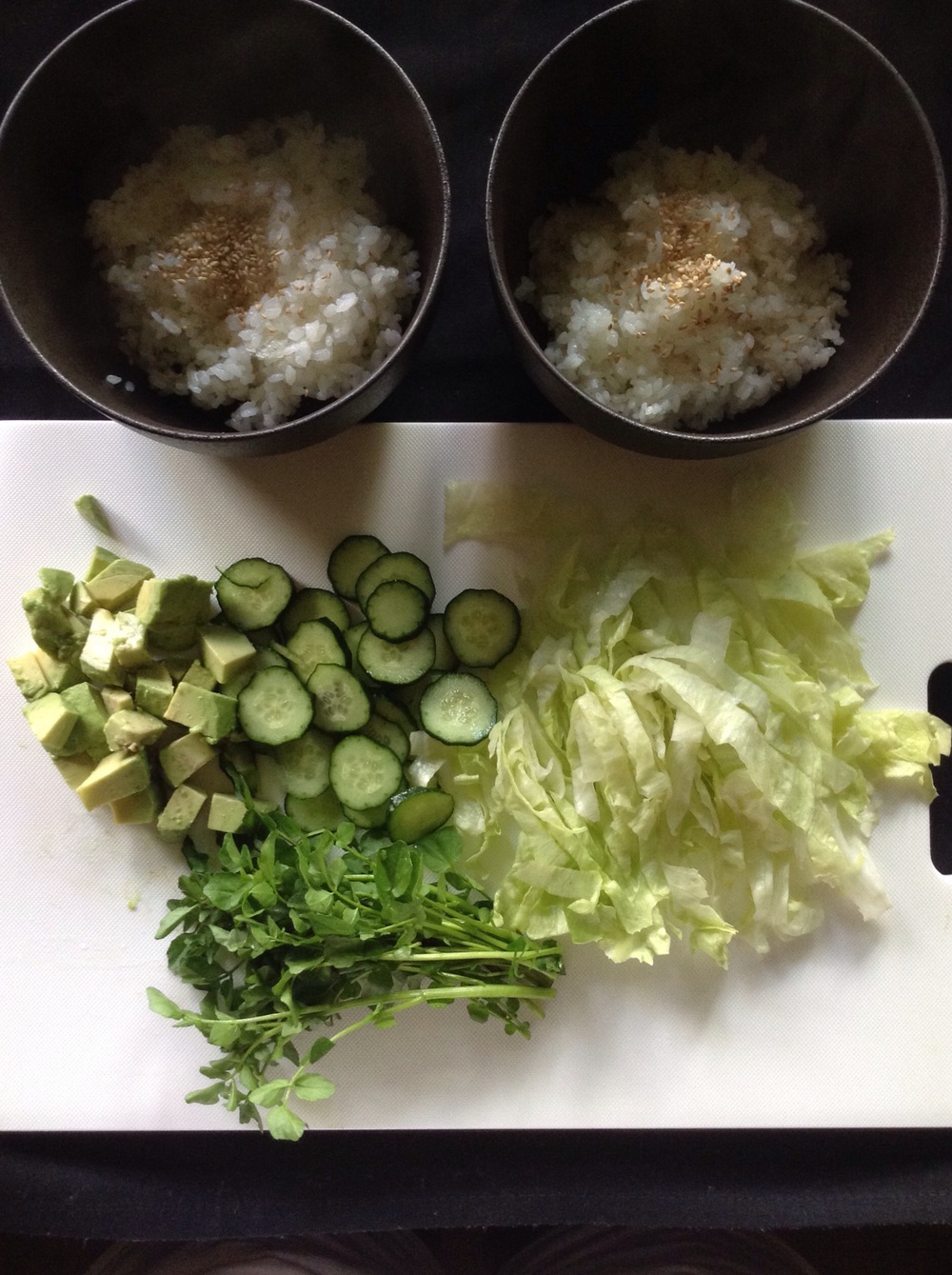
A donburi in Japan is basically a rice bowl topped with something, anything. I really like the concept and you’ve seen a few of my original recipes yet. With each time changing in what I top it with depending on the market and time available. 

This time it’s a 100% green topping with avocado, cucumber, cresson and lettuce. A bit of sesame oil and sesame seeds and lunch is ready in just the time to cook the rice! 

Yuzu and chocolate chips cake

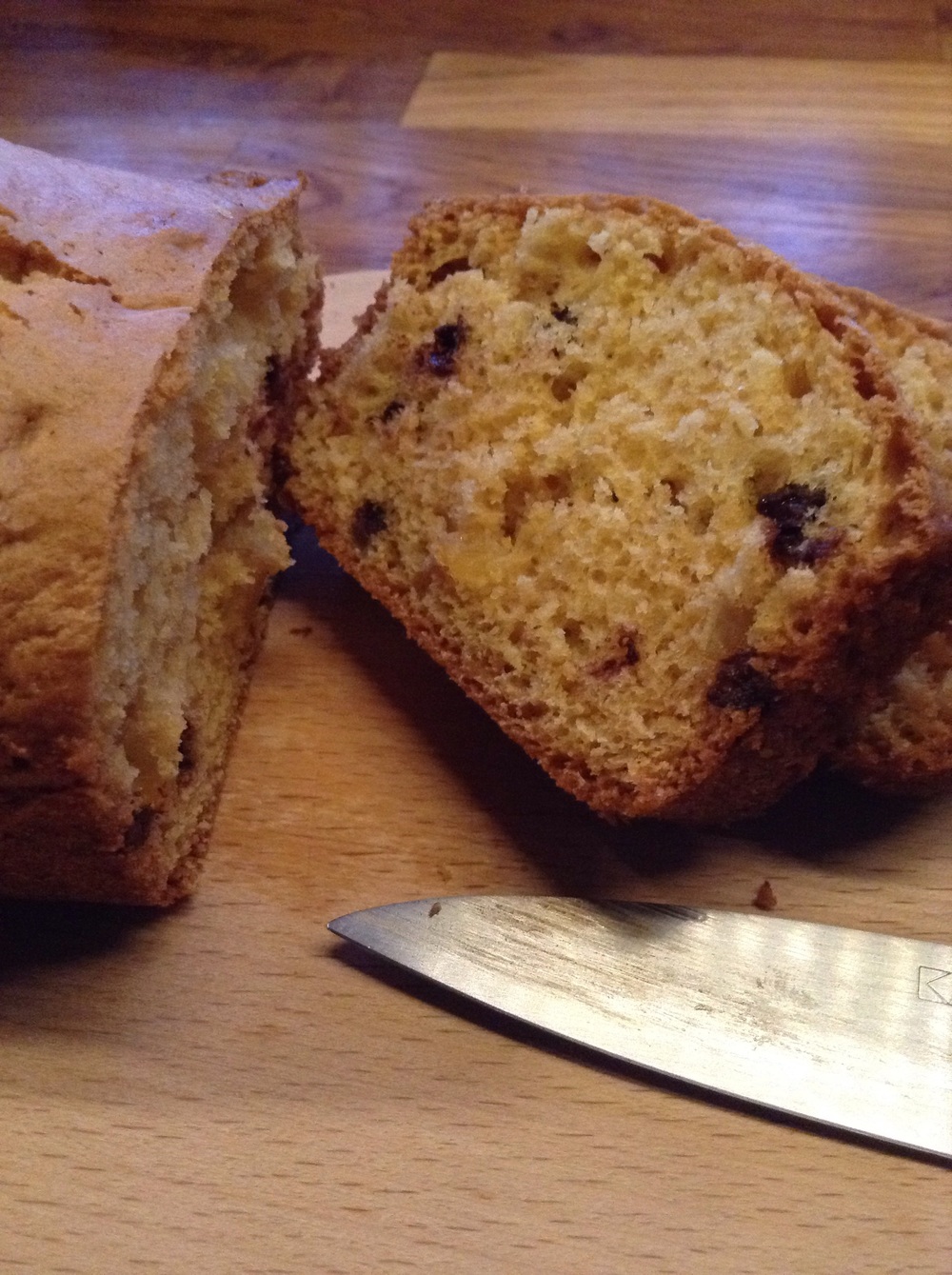
Yuzu is one of Japan most famous  Citrus fruit, but actually there exist several varieties of yuzu: green yuzu with a thin skin, orange yuzu with a thick skin, all used at different seasons and for different recipes. The peels of orange yuzu are particularly delicious and candied it’s one of my weak points! It’s not always easy to find some natural ones, recently at the local shop in Koganei and in Isumi they have some, so I couldn’t resist. And I made a chocolate chips and yuzu cake for breakfast using the basic recipe of the pound cake, replacing the sultanas by the chocolate chips and the candied yuzu peel. A perfect start for the week! Have a good week!

Grilled lotus roots

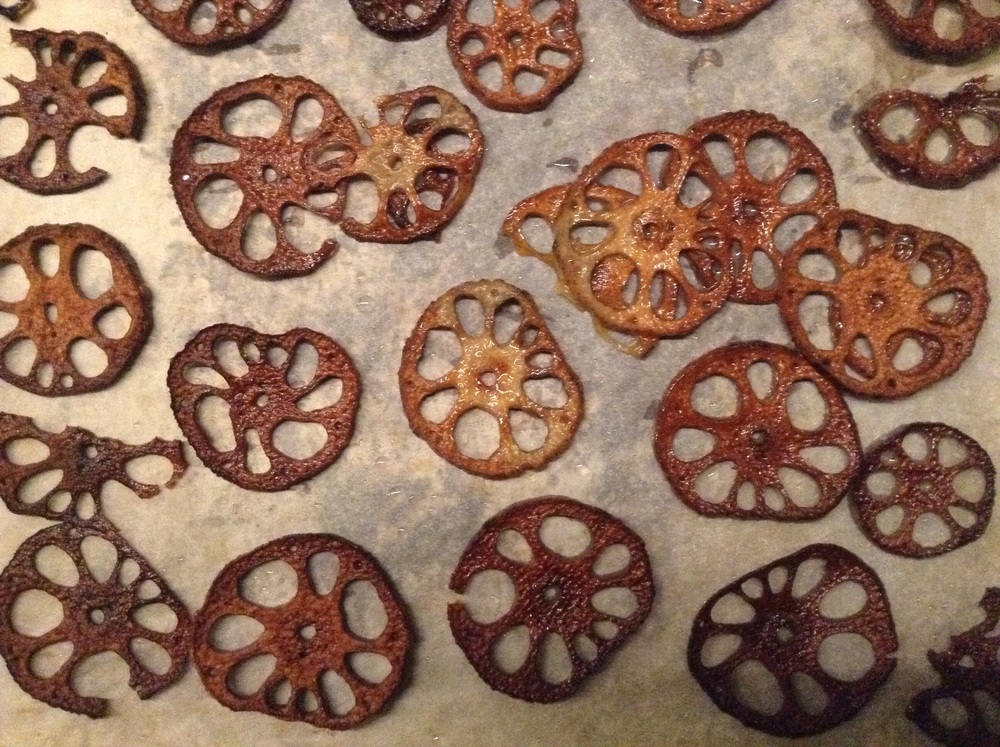
I love lotus roots. The taste is very subtle, the slightly crunchy but yet moisted consistency, the beautiful shape… I like to slightly fry some as a snack when we have guests, but I hate how frying, even in a very thin layer of oil makes the kitchen all dirty and greasy. Recently I came accross a recipe of oven bake potato fry and it give me the idea that it could work for lotus roots, and skip the cleaning part. It was actually perfect! As usual I dlice finely the lotus roots, slightly marinated them in a bit of vegetal oil, and then line the slice on an oven sheet. Grilled for 10 min at high temperature, et voila!!! Bonus: no cleaning, less fat and no need to turn the slices in the frypan!! So hands free to do something else.

Now for a few days I let Prunellia take over because I’m traveling to Boston for work until Sunday! See you on Monday!

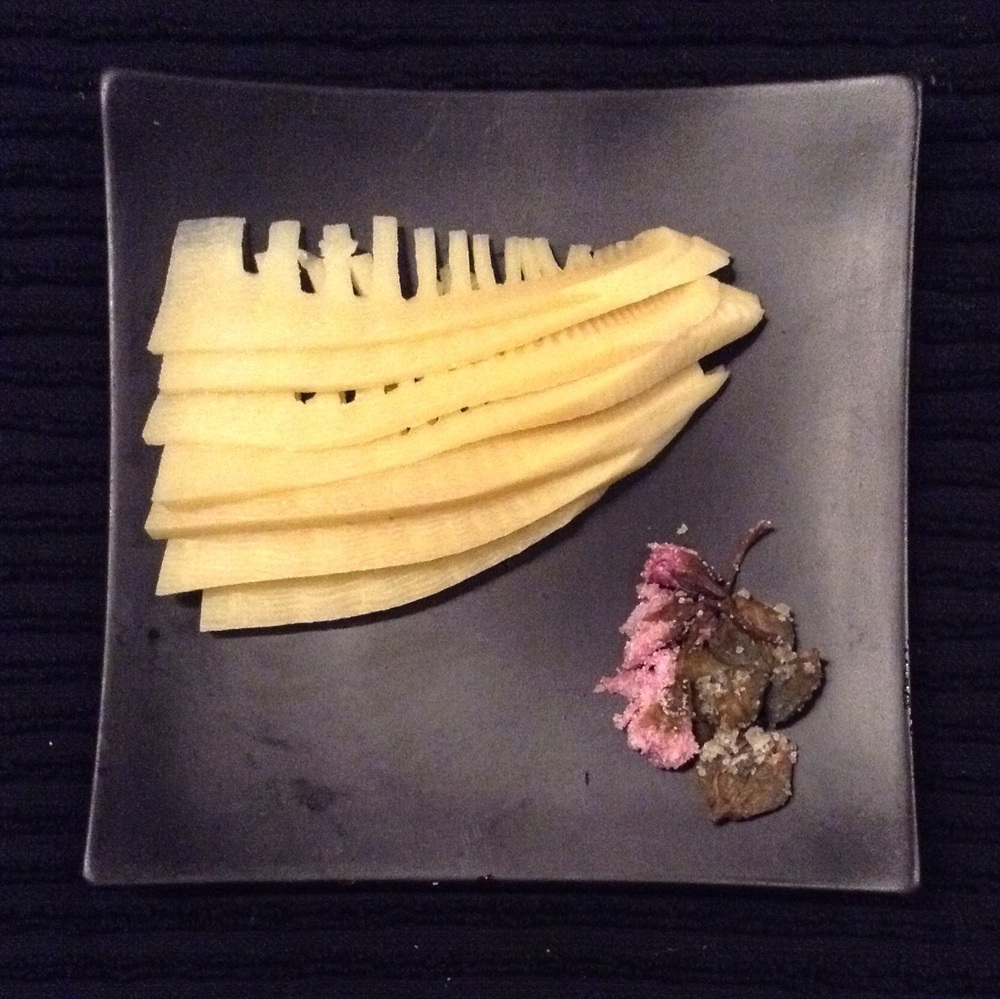
Bamboo shoot and caper salad

A few years ago while I was trying new recipes I was taking notes of any good finding for future use. Of course, after changing job and apartment, I stop making notes, and forgot about it. Recently, I was browsing trough this note book, and it reminded me receipe trials with bamboo shoots and when I came out with this funny mix: Bamboo shoot salad with smoked salmon, capers, and a yogurt sauce. 

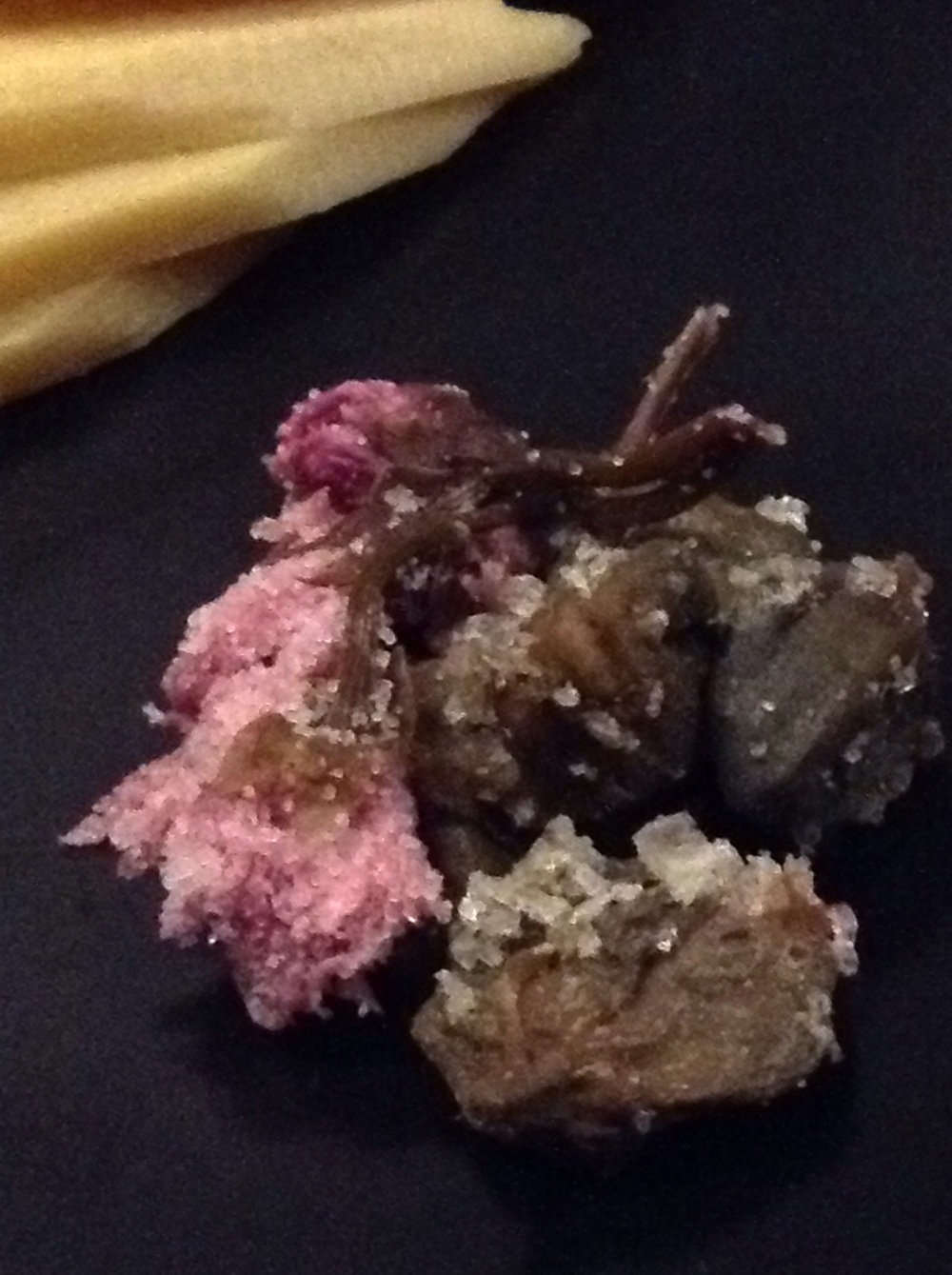
 Salty sakura flowers and capers
Salty sakura flowers and capers

Now is just the season for bamboo shoots, and I got a few in Ohara. So while preparing them I was wondering which variation I would opt for (with what is available in Ohara: forget about wild or organic smoked salmon, so forget about it!) and I found that just served with capers and salty sakura flowers that would be a perfect seasonal match. Indeed! Salty sakura flowers are a typical ingredient in spring and are used to decorate mochi, to season chazuke, or to make sakura tea. It’s just just fresh flowers preserved in salt. A bit like small roses preserved in sugar. With a very specific taste of sakura. It may be surprising at first, but it’s really delicious!

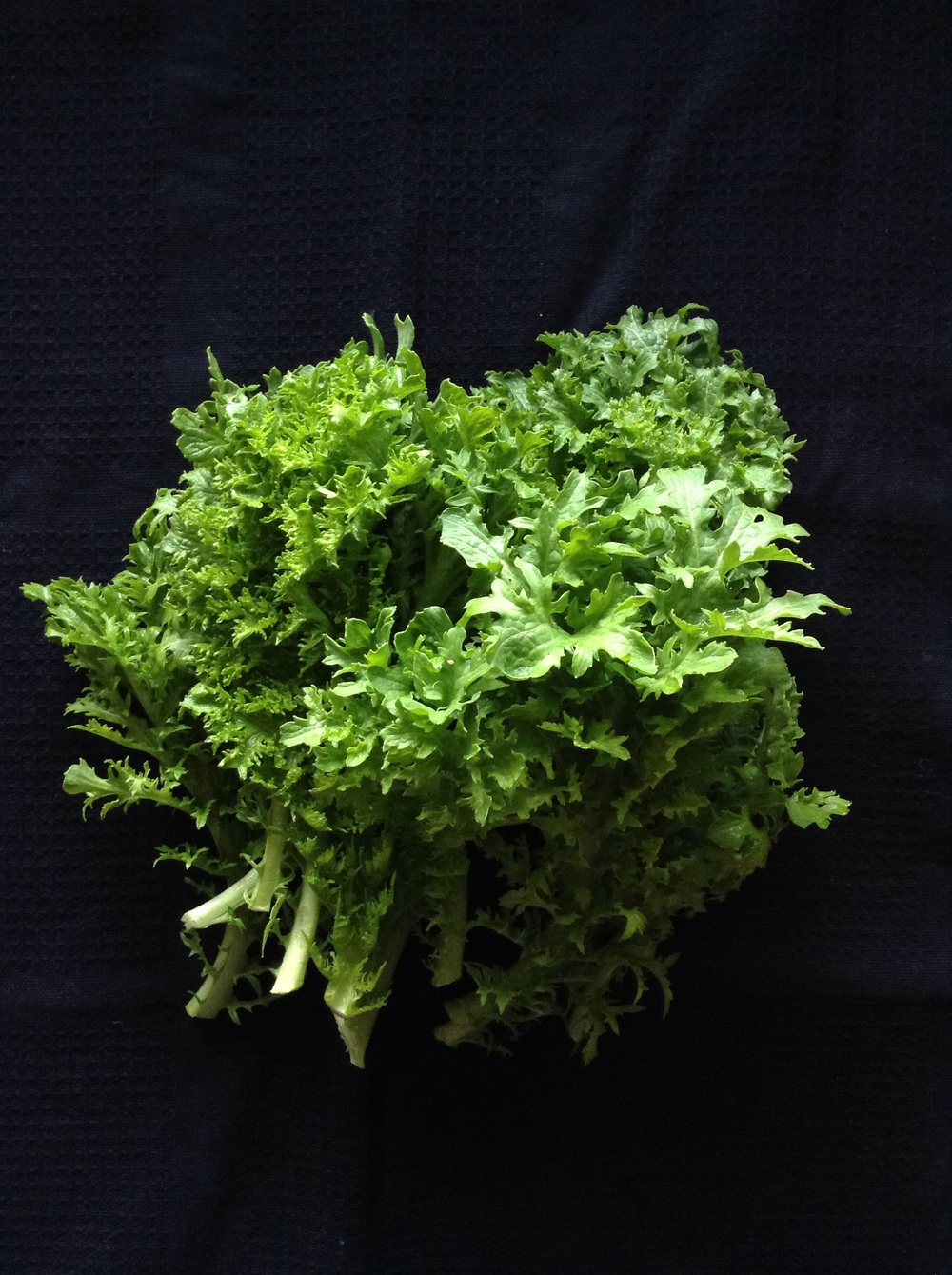
Wasabi leaves

Every one knows wasabi, this green paste very hot eaten usually with sushi. Actually wasabi is a plant and the green paste is obtained from the stem, peeled and grated. In spring, the leaves of wasabi can be eaten. It’s a delicate vibrant green leaf that is better slightly steamed or boiled and that accomodates very well rice and Japanese dishes. 

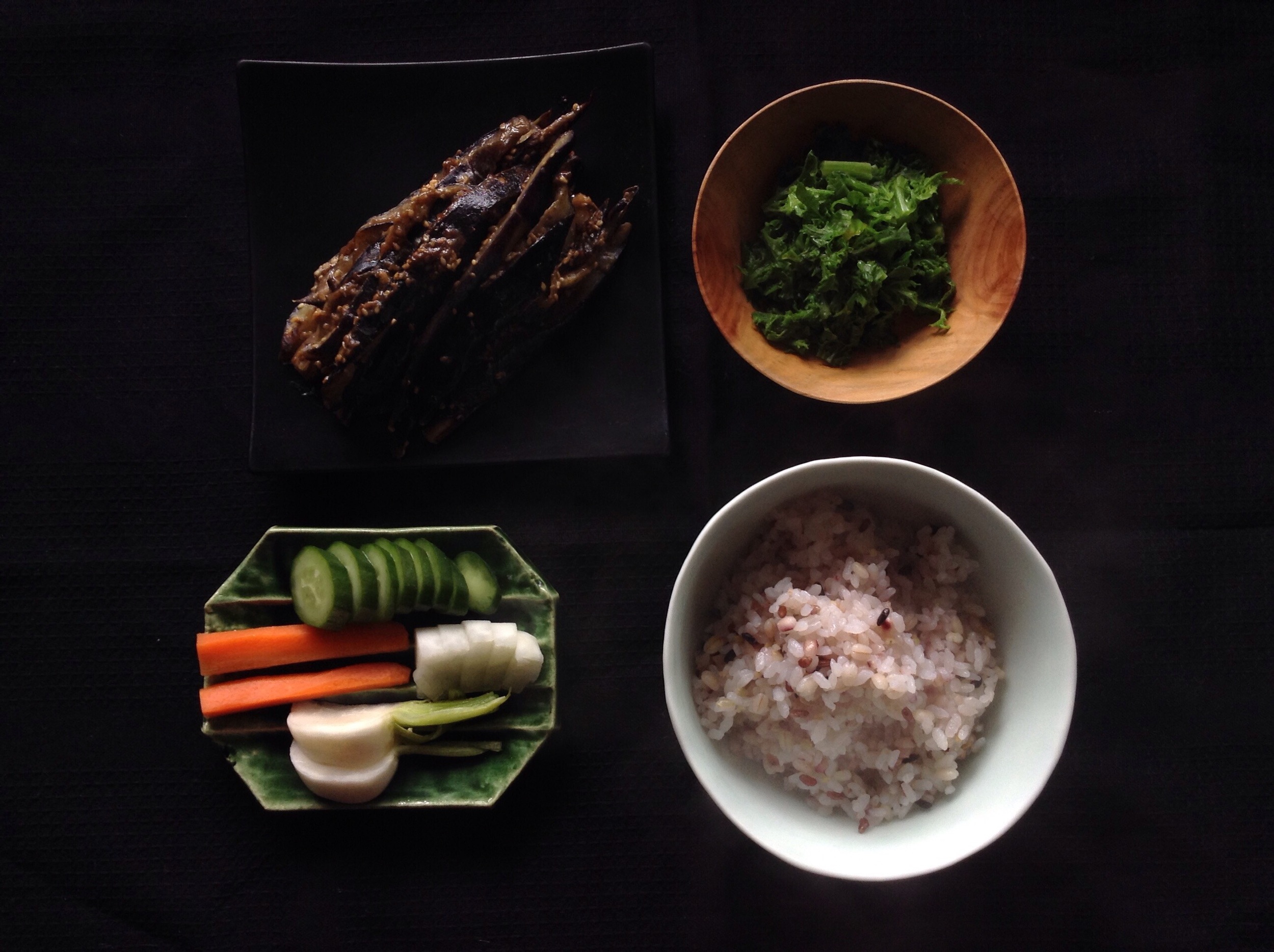
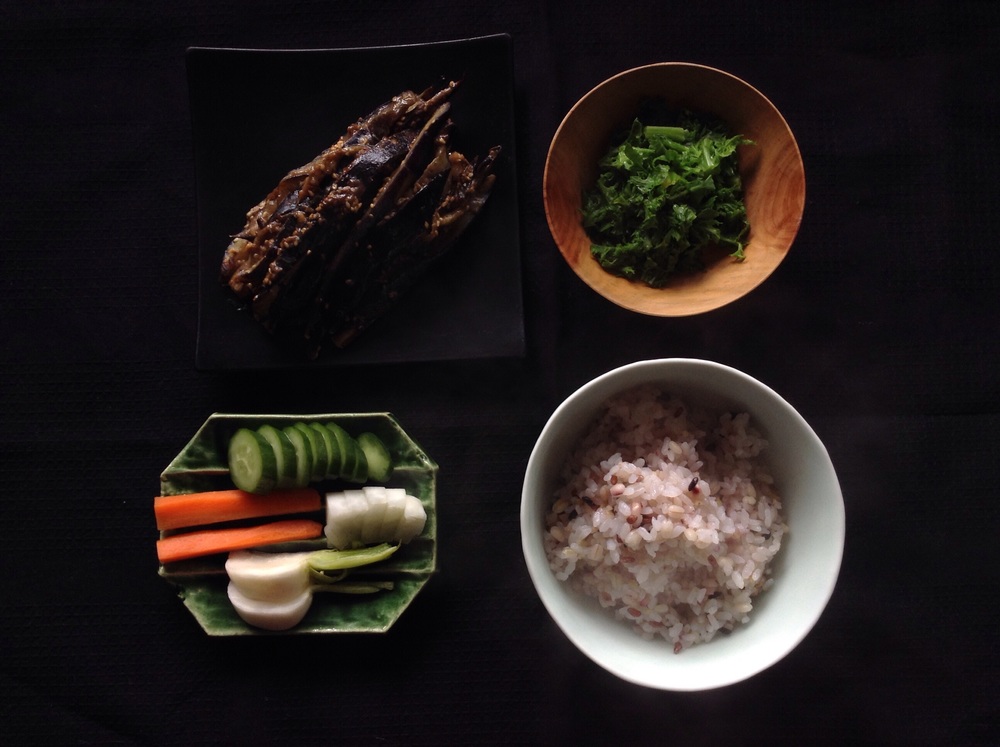
I cooked it in a vegan version of a Japanese meal, with miso and sesame eggplants, pickled vegetables, rice with cereals and the wasabi leaves just steamed  and served with ponzu.  

Saturday market

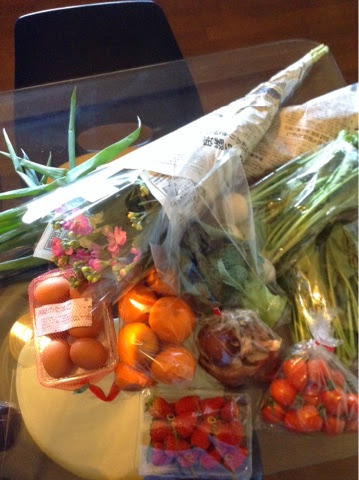
Every Saturday we spend in Ohara, the first thing we do is to go to the local JA cooperative to shop for vegetables, fruits, eggs… Every thing is locally grown in very little farms or by old folks, using no chemical, it’s super fresh, super tasty and super cheap. We’re lucky because Chiba prefecture is famous for growing a lot of things and our area is known for strawberries, nashi, tangerines in particular. There is also an amazing variety of tomatoes and cabbages. Nearby, they also produce eggs, pork and milk, and Ohara fishing port has great fresh fishes and spiny lobsters (and s fish market on Sunday once a month). It’s just fresh food heaven.

The seven herbs rice

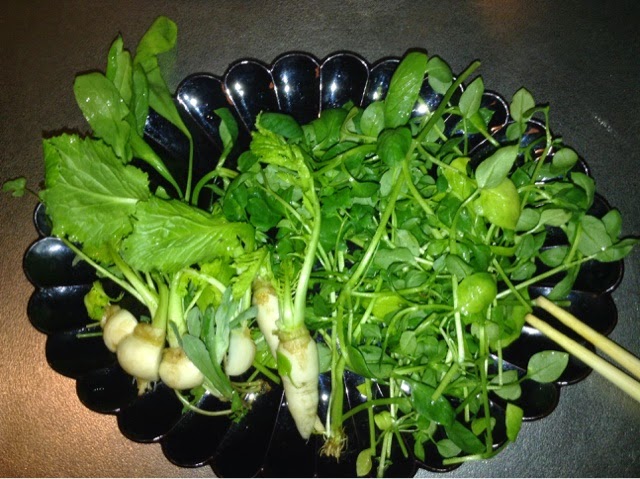
On January 7th, there is a tradition in Japan to eat a seven spring herbs rice porridge (七草がゆ). The seven herbs consist in fact in 5 sorts of greens an 2 sorts of little radishes. You don’t even have to worry gathering the proper seven products they are sold as a set pretty much everywhere.

I particularly love these seven spring herbs, and because it’s a one-year chance I usually cook the traditional rice porridge or a variation.

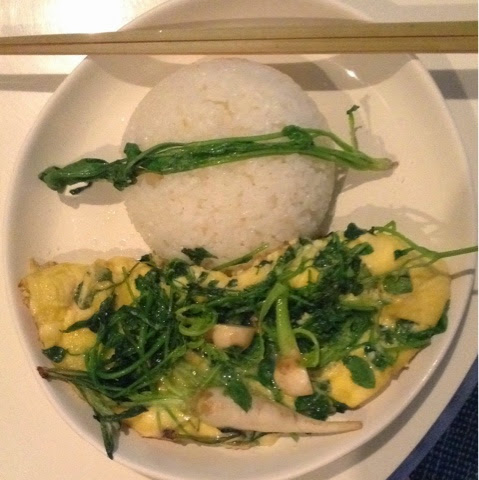
This year I went for a very simple rice-omelette with seven spring herbs.

I just steamed for 1min the seven herbs on top of a juicy omelette and served with Japanese rice. Instead of the sauce for the rice-omelette, I’ve just added a bit of salt. Et voila!

Proudly powered by WordPress | Theme: Baskerville 2 by Anders Noren.

Up ↑

Verified by MonsterInsights