Making miso again

The time of making miso has come again… and just like last year I went to our neighbors’s S. and W., and made miso with them.

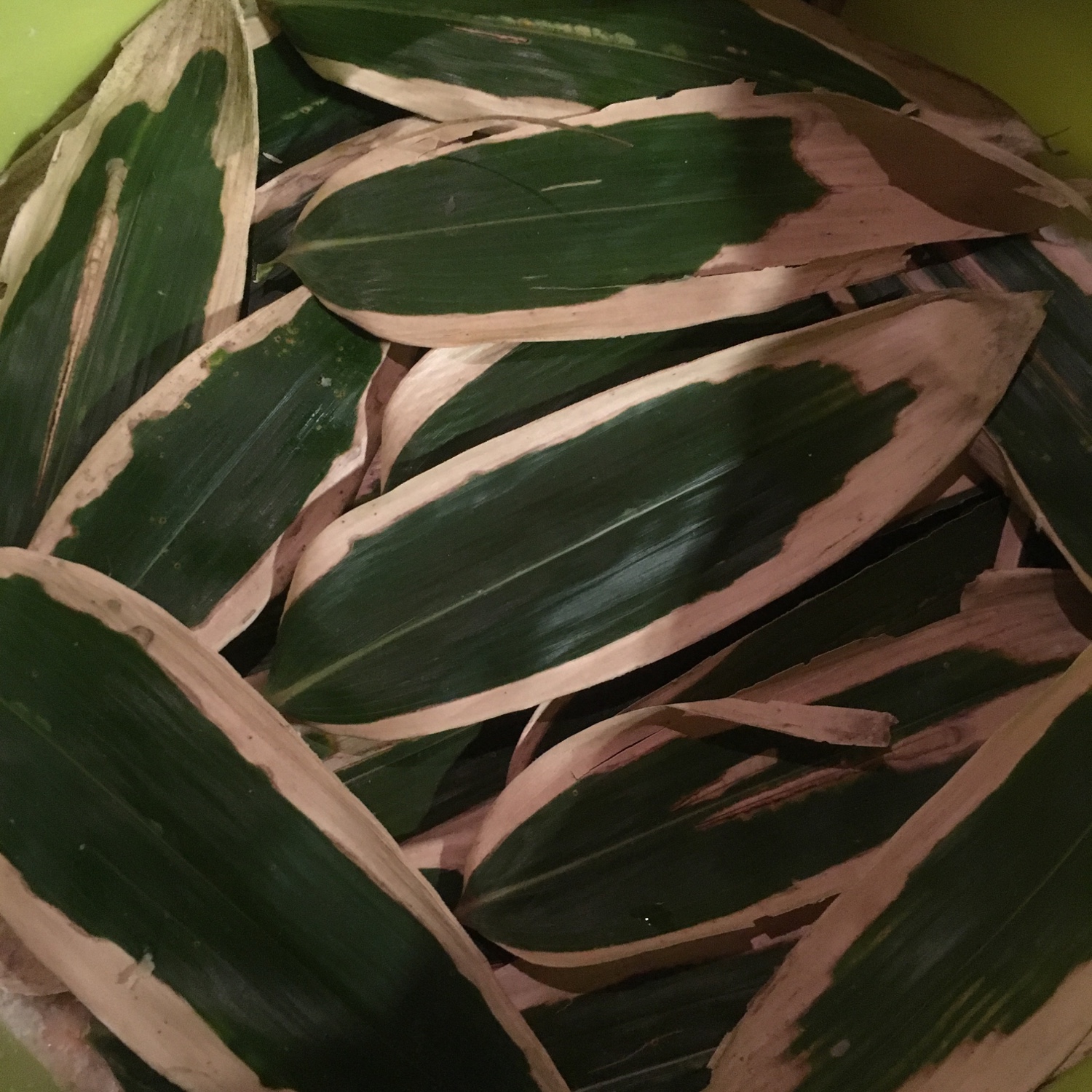
Below⬇︎it’s me equipped for this task with my gears: in the orange furoshiki, a large container with a loose lid that has been sterilized, a bowl and a pestle. On the other hand, freshly cut sasa bamboo to avoid the miso to rot on the top. Leaves only will be used after being sterilized. I was actually really surprised how it worked well last year! Only parts that were not covered got a bit of mold, the rest was perfectly clean!

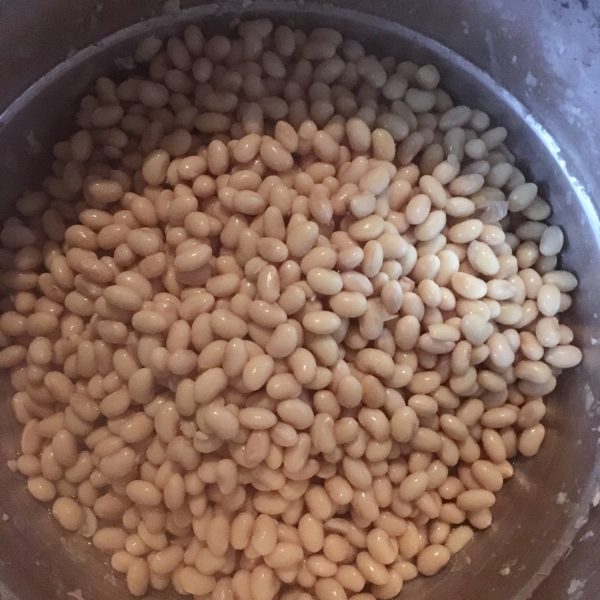
Now I am ready for a couple of hours In the warmth of the stove, chatting with S. and W., crushing boiled soya beans, mixing with koji and salt, making balls and crushing them in the container… but you know all that since I did it last year!

Now I am again waiting for 1year to try this new miso… but I also learned that 3years miso is very very delicious… can I wait 3years???

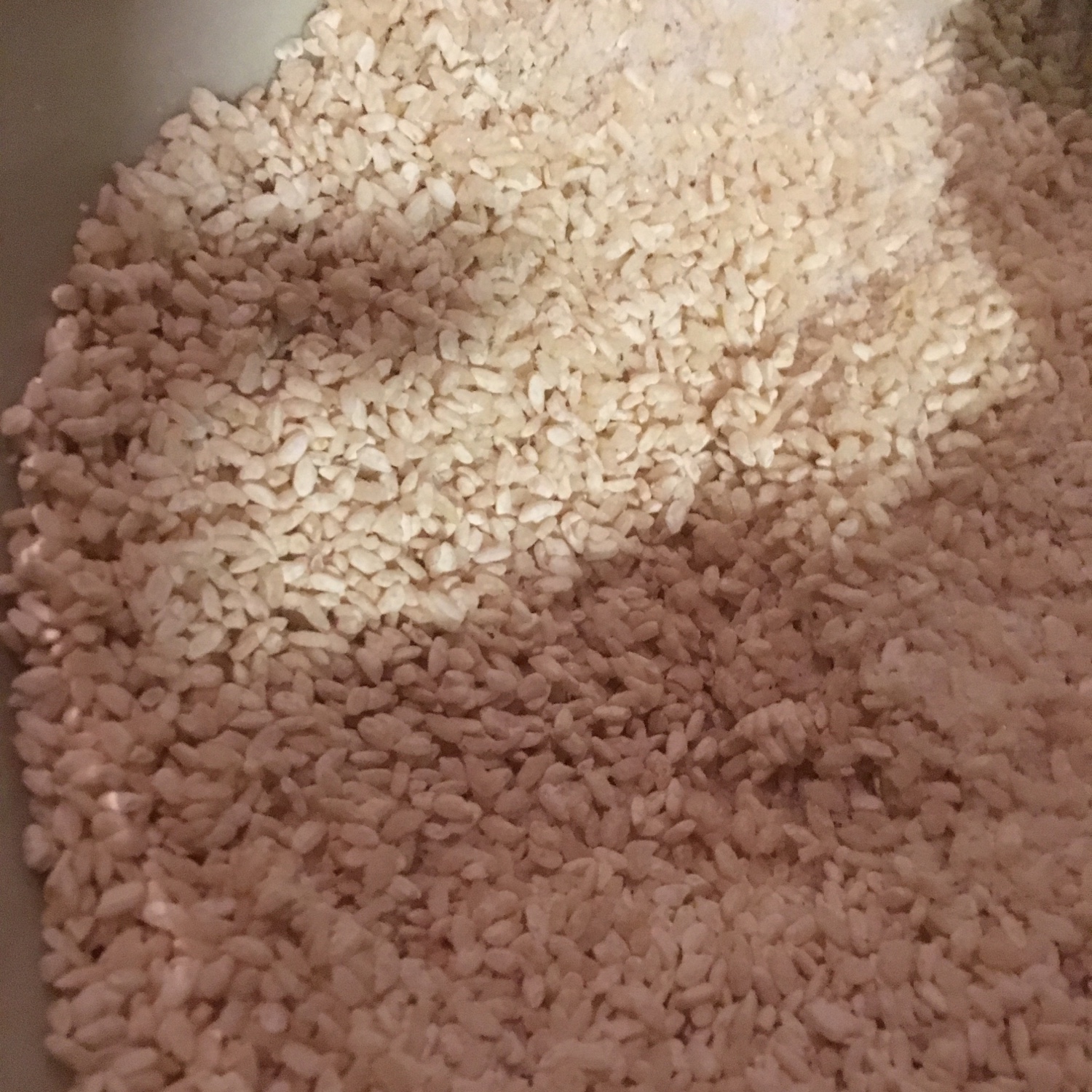
Koji
Miso in becoming, ready to wait one year or more under a large stone

Simple food: rice

Though when we were first traveling to Japan about 20 years ago, I would get tired of eating rice 3 times a day after one week, now I think I eat rice not enough and I am never tired of it, be it 3 times a day, every days!

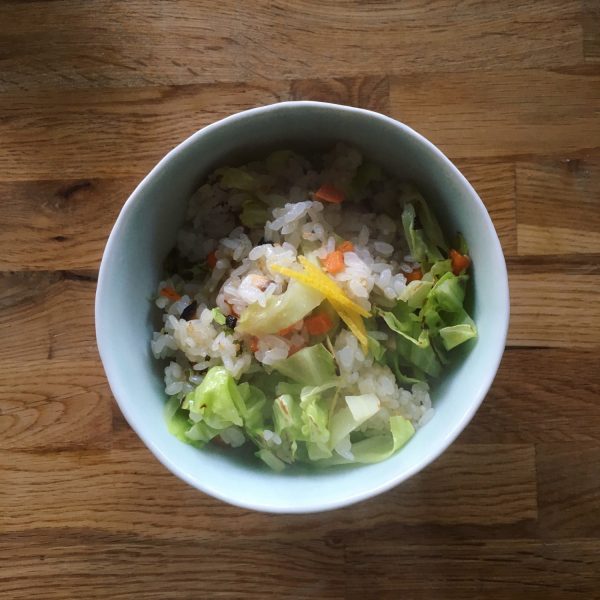
It can be plain white rice with just a pickled plum, konbu, miso or salmon, or more elaborated recipes. Everything is good for me as soon as the rice is good. My favorite rice is Koshihikari, as I’ve earlier said, be it from Tsunan or Isumi. But one thing I love to do is to cook more rice than needed so that the next meal can be prepared rapidly using this extra rice. Because if plain boiled rice is amazingly delicious, sautéed rice is also amazing. I love it prepared with sesame oil, and many different seasonal vegetables, it is as versatile as risotto. This time I cooked it with shiitake, carrots and cabbage, and added some sesame seeds and a few lemon peels from the last lemon of these season. A perfectly light combination for both lunch or dinner where the sesame and the lemon are well balanced and the vegetables textures play with crisp and melt…

How do you like your rice???

Fukinoto miso

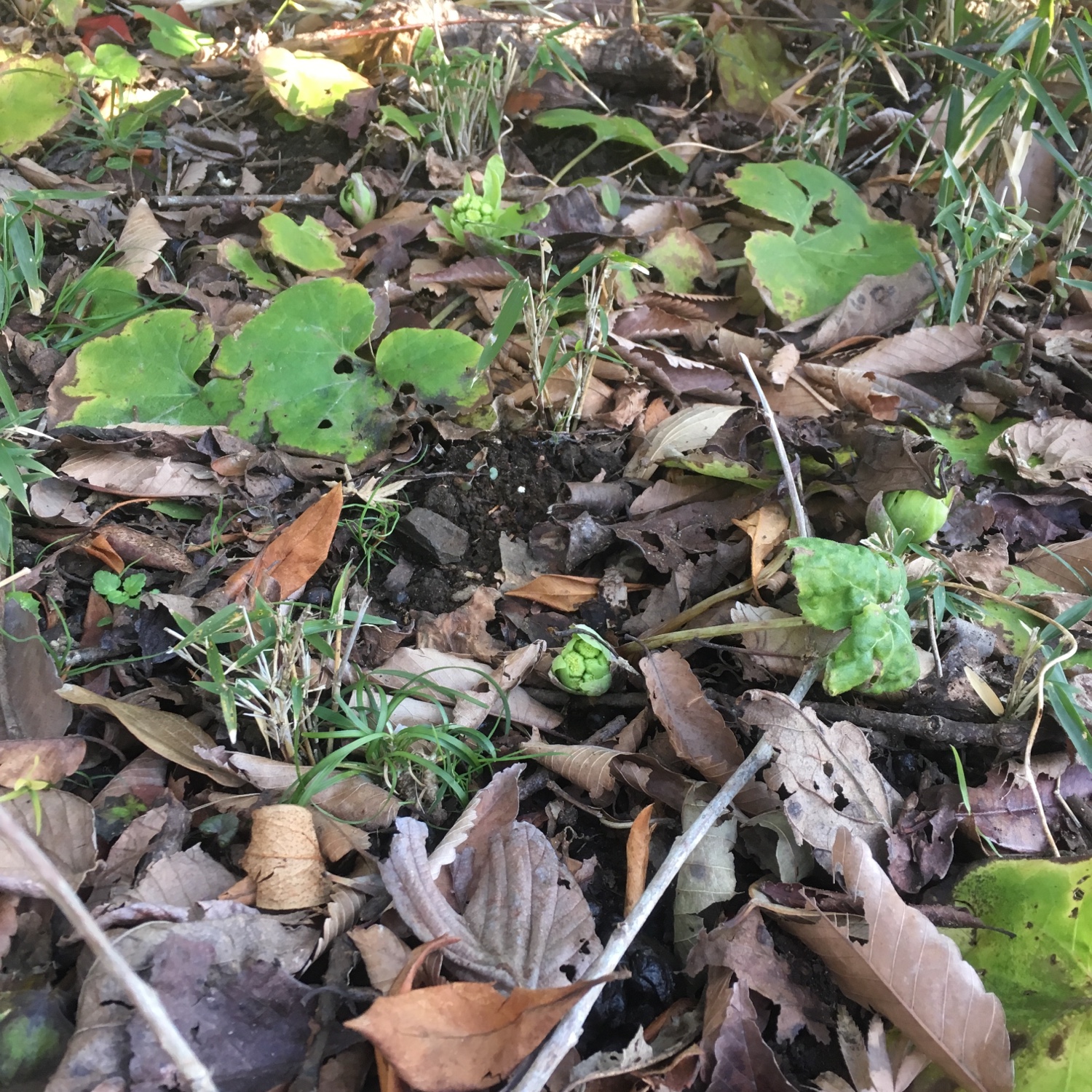
I harvested a few fukinoto very early in January, but now is the pick season in Isumi. We have quite a lot growing in the garden, so I just have to walk around where the fuki grow and search under the fallen leaves for the little yellow-green buds. Can you spot them in the below picture???

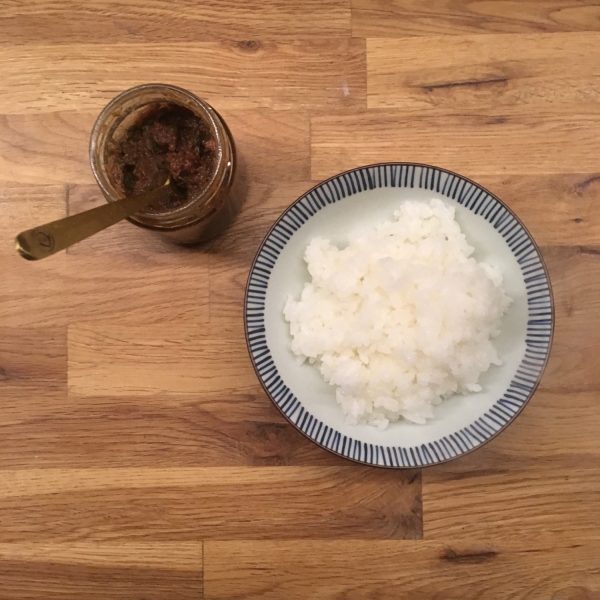
I usually prepare them in miso soup, but this year There were really many so I decided to prepare some fukinoto miso, a way to keep them for a week or two. Fukinoto miso is delicious with plain Japanese rice, tofu or with grilled pork.

Here is my recipe.

Fukinoto miso (makes a small bin)

– 50-70g of fresh fukinoto

– 6tbs of miso

– 1tsp of sugar

– 1tbs of oil

Wash gently the fukinoto to remove earth and fallen leaves pieces. Chop them in 5-10mm pieces.

In a heated pan with the oil, add the fukinoto and stir gently at medium heat. When all are shiny in oil add the miso and the sugar. Cook at medium low heat for 5min while stirring. Put in a sterilized jar and close with the lid. Eat when cold. Keep refrigerated for 1-2weeks.

Miso

Remember last March? I made miso with our friends… and I had to wait about a year before being able to try it… actually our friends came home the other day and we talked miso, and they said that their miso was ready and 9month were sufficient… so I couldn’t wait to open my bucket and check what was under the big stone and the bamboo leaves… I totally didn’t sneak peek in during the whole time, worried that could prevent it from fermenting correctly.

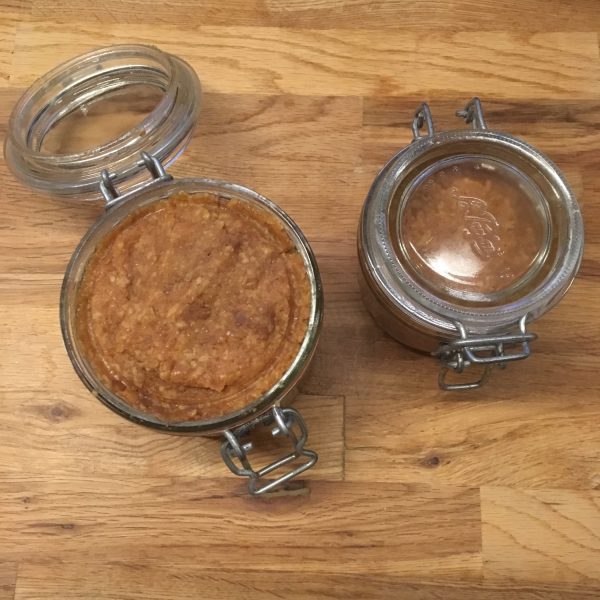
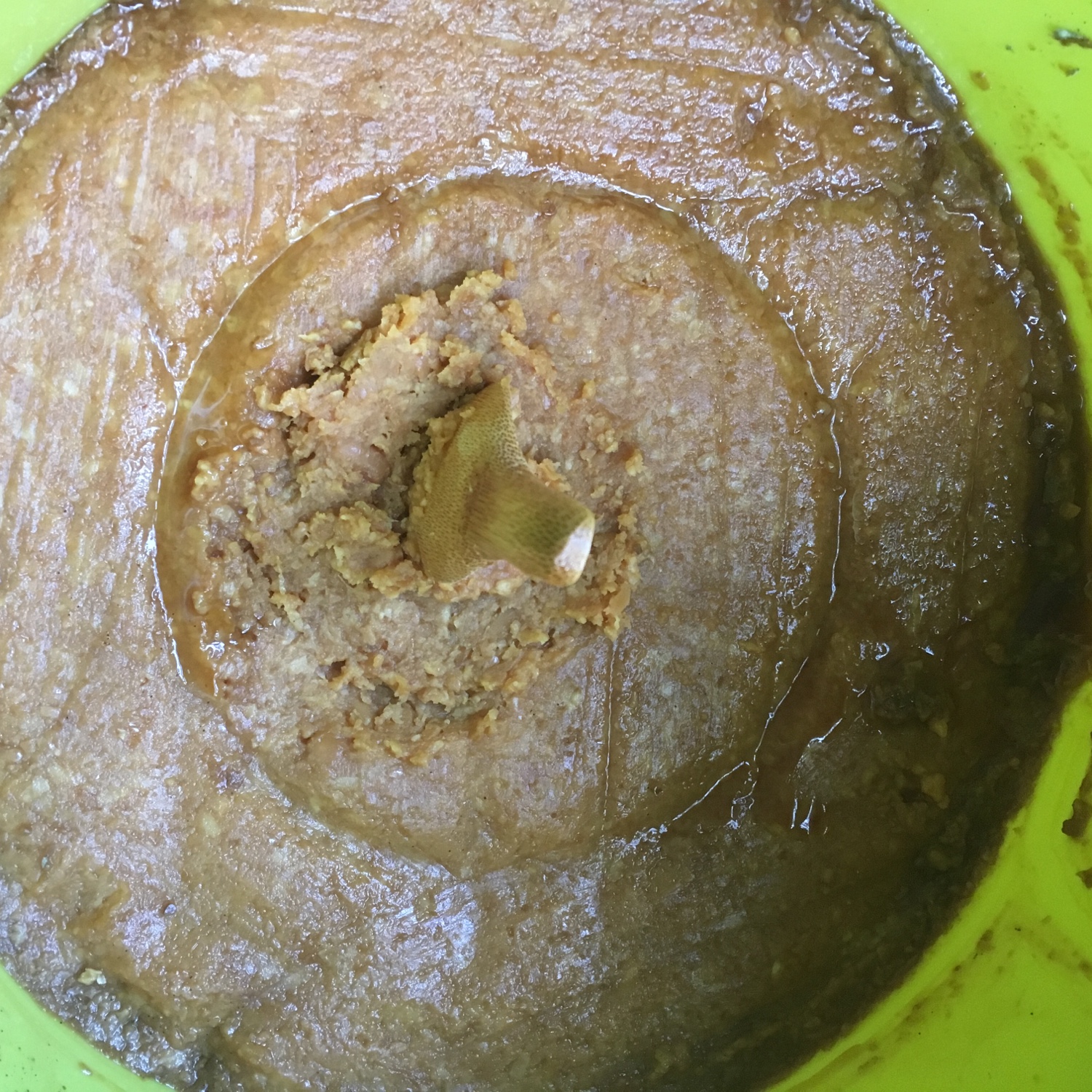
First there was a bit of beautiful blue mold on the edges of the bamboo leaves, but that is normal. Under the bamboo leaves there was a beautiful, clean and fresh miso waiting!!!

Just uncovered miso

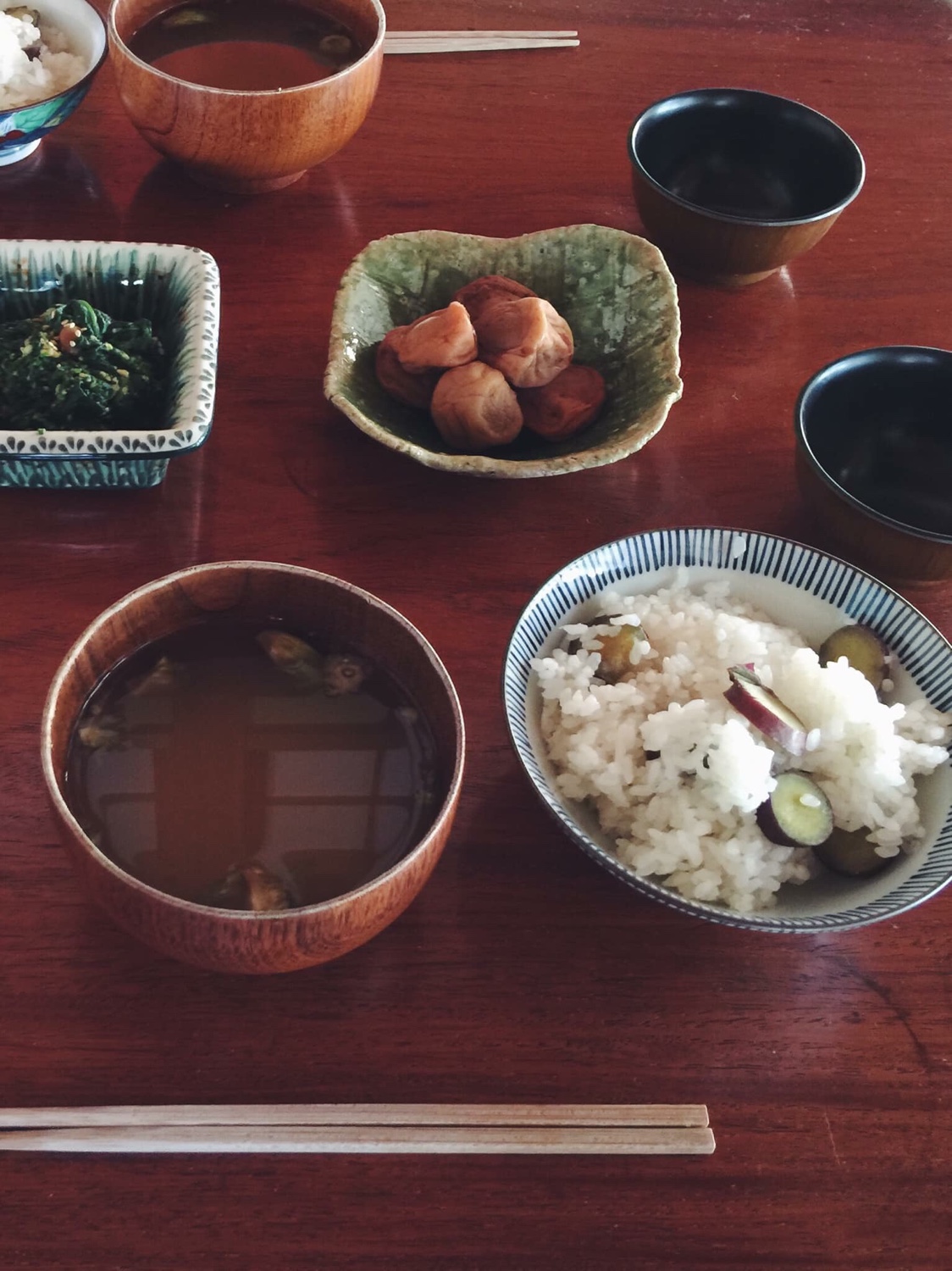
Without any delay I moved the miso from the plastic jar (I like better the old pottery for pickles… but mine was too small…) into bins and started using it right away. First of all with daikon and carrot sticks. It’s always the best way to test the real raw taste of miso. Then of course in miso soup, and with spinach and finally a simple recipe with chickpeas, spinach, and an egg. The miso I made is really nice. It has a texture where you can easily see the crushed beans and I love this texture for classic miso. Of course you don’t find this in white and red miso, which are much creamier. I found it a bit salty when I first tasted it, but now I don’t feel that anymore. I will definitely make miso again this year!!!

Miso soup and spinach with miso for our friends visiting. Picture from @Chinoshot

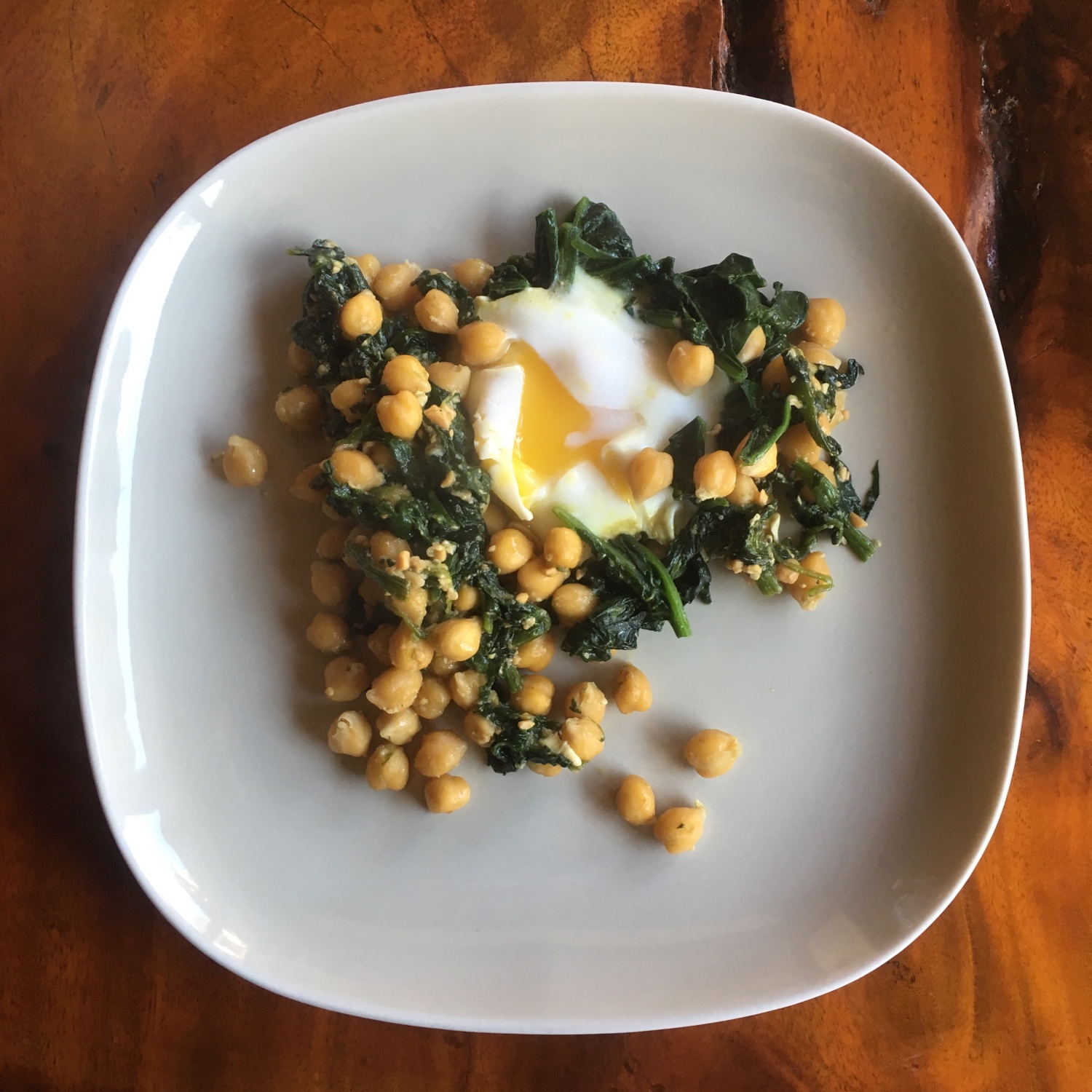
Chickpeas, spinach and miso

– 150g of boiled chickpeas

– 1 bundle of spinach

– 2tbs of miso

– 2 eggs (optional)

Wash and chop the spinach. Blanche them in very little water. Drain them. In a slightly olive oil greased pan put the chickpeas, the spinach and stir well, when the chickpeas are warm, in a small bowl dilute the miso in 2tbs of water and add to the pan and stir well. Cook a sunny side egg if you want. Serve the chickpeas and top (or not) with the egg. Enjoy and stay warm!!!

Ravioli with Japanese flavors

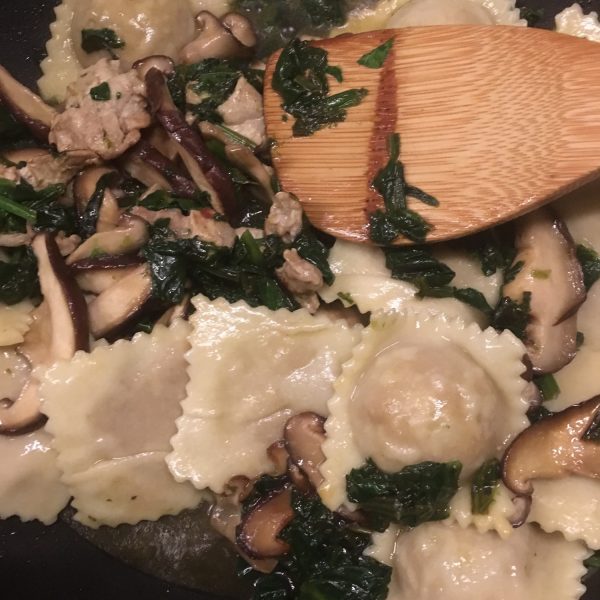
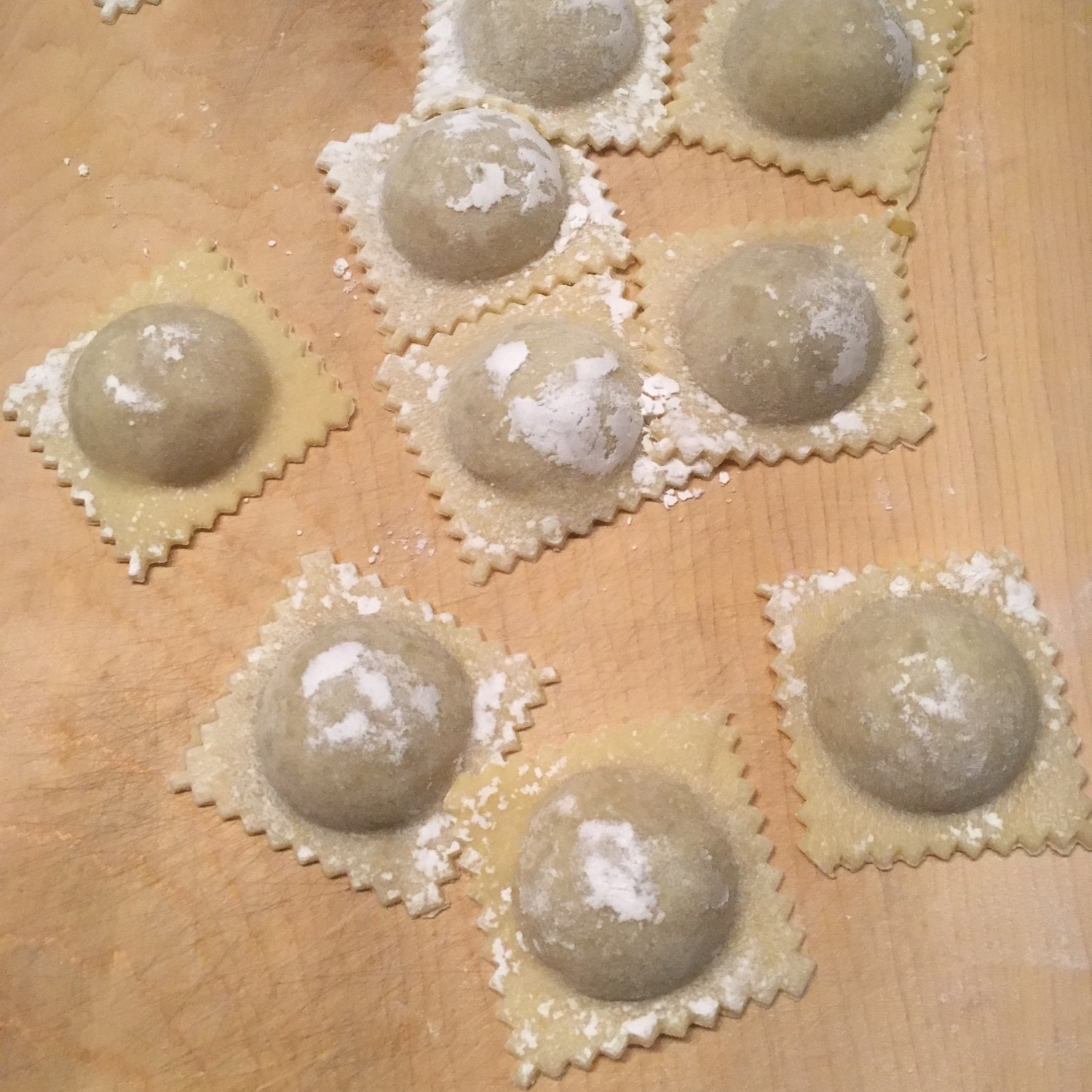
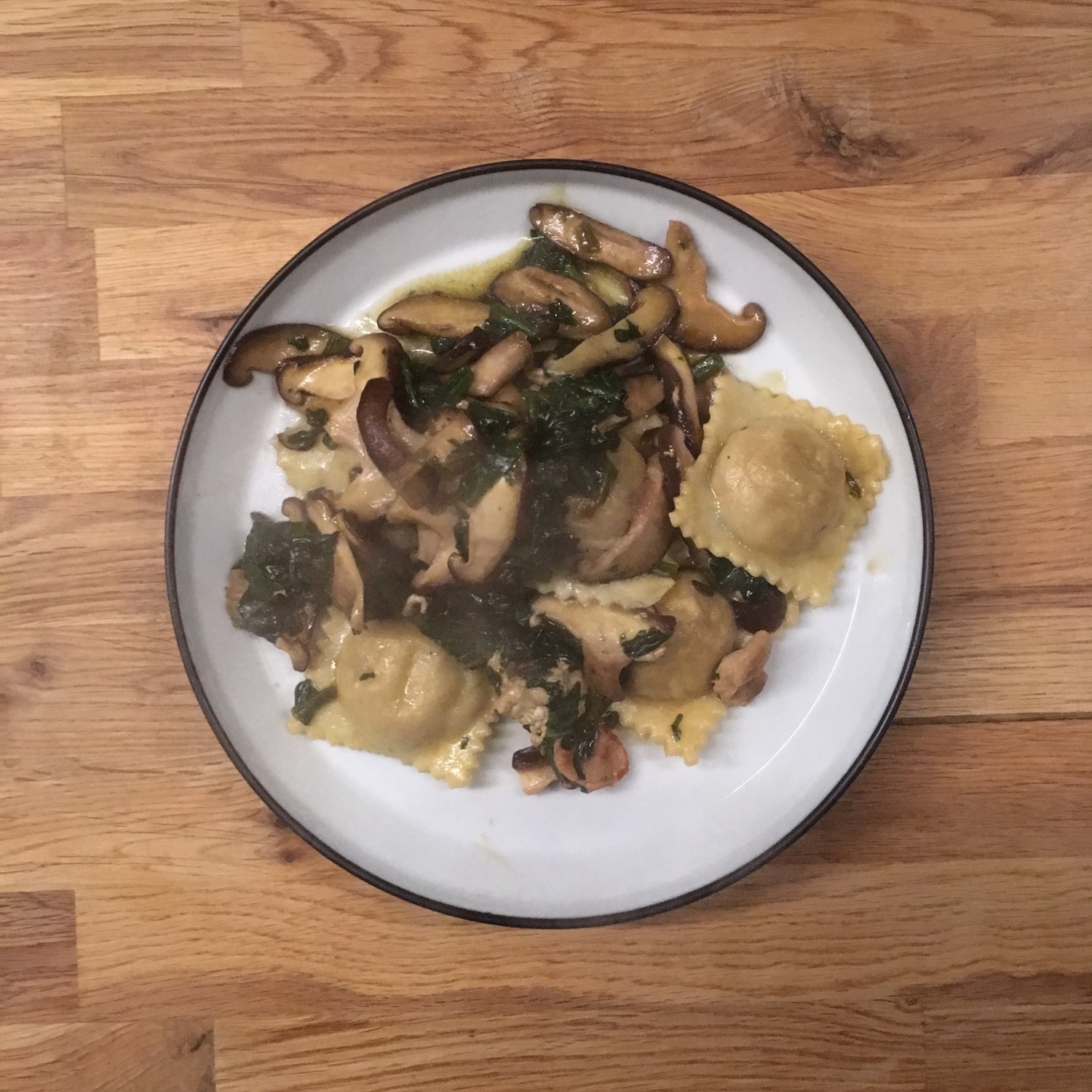
By now you must know that I love ravioli, that I love both making and eating them. With the end of year/new year holidays in Japan, most of the farmers market were off until today, so I had to buy some long lasting vegetables that would last 7-10 days and enough for having friends at home and unscheduled meals to cook, just in case… so I packed on shiitake, spinach, sweet potatoes, daikon, cabbages and carrots mainly. So when I wanted to make ravioli I was a bit falling short of options at first… but then I decided to use the ravioli recipe I learned in Florence last year: a base of potato and a sauce with mushrooms. I just twisted the recipe enough to make it Japanese style: filling of Japanese sweet potato and soya sauce, and the sauce with shiitake, spinach and a bit of grilled pork for those who like it. The result was really up to my expectations, even though I could have added a little more soya sauce. But each vegetable flavor and texture was remarkable and I and A. were both very happy with the result. So here is my recipe:

Sweet potato ravioli (2-4 servings depending on serving size, for it was 4)

For the pasta as usual:

– 100g of flour

– 1egg

– a bit of olive oil, a bit of salt

Mix all and knead until soft. Wrap and leave to rest for 30-90min.

For the filling:

– 2 medium sweet potatoes

– 2tbs of soya sauce

Boil them, when soft, drain, peel, and mash. Add a bit of water if too dry.

For the sauce:

– 1 bundle of spinach

– 4-6 large shiitake

– olive oil to your liking

– thin slices of pork if you like

Wash the vegetables, chop the spinach and slice the shiitake. In a heated pan with olive oil cook the vegetables, add the pork if you want. Add a bit of water if too dry. Keep.

Roll the dough and fill the ravioli. I used a 12-ravioli rack which has fairly large size ravioli (the dough quantities make for two racks: 24 ravioli). Mezze lune are also easy to make as in the recipe here. Fill them and boil them. Once they come to the surface take them out and add to the sauce. It doesn’t matter if a bit of cooking water comes too, on the contrary. Stir gently to cover the ravioli with the sauce and serve to eat right away.
Moyashi – soya sprouts

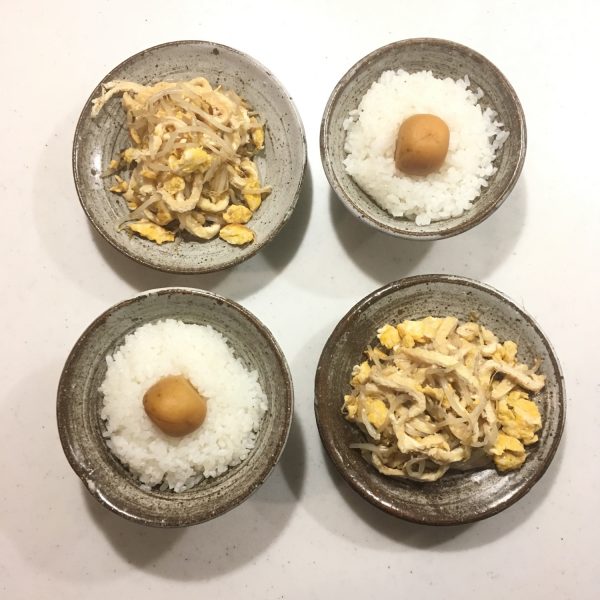
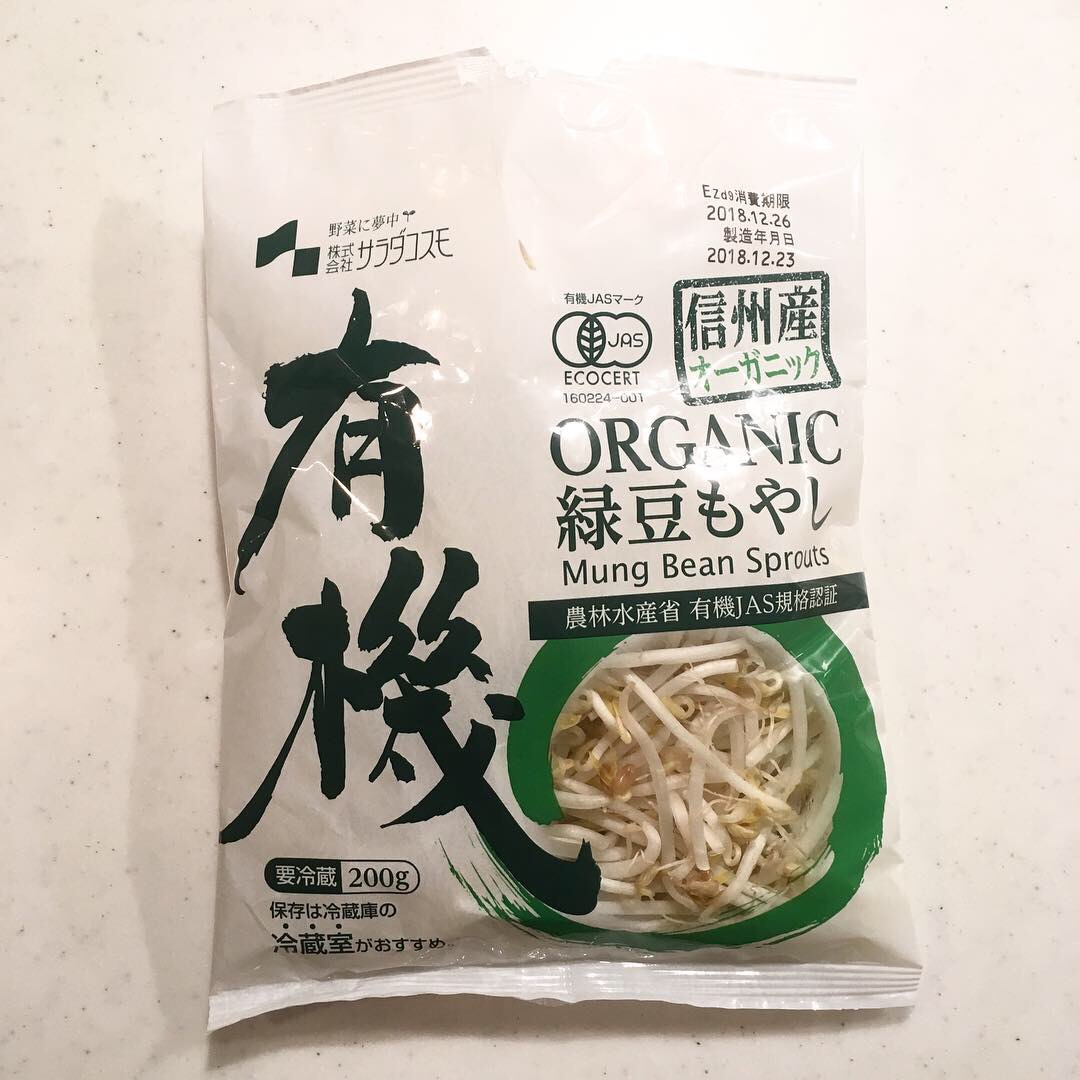
Soya sprouts (or moyashi) are one of these things I love but I hardly buy and cook because it’s hard to find some that are made properly. I remember reading about how they were made and stopped eating some. So last night when We went shopping after flying back from France, and I found organic moyashi at our local Seijo Ishi supermarket I couldn’t help buying them. Moyashi is a super food: easy to prepare, packed on protein and nutrients, and also it is very very cheap!!!! One of my favorite combination is moyashi and fried tofu. I love the mix of the crunchy and watery moyashi, with the soft oily tofu. This goes super well with simple rice or in chahan (fried rice). Here is one version of my recipe, it’s a vegetarian option that can be turned in a vegan one by removing the eggs or turned into a plain one if adding thinly cut chicken breast or pork slices.

Sautéed moyashi (for 3 small portions or 2 large portions)

– a bag of organic moyashi

– 2 slices of aburage

– 1tbs of sesame oil

– 1tsp of sesame seeds

– 2tbs of soya sauce (light colored recommended)

Optional: 2 eggs, 1 chicken breast or 5 thin slices of pork meat

Wash and drain the moyashi. In a pan greased with the sesame oil and heated add the moyashi. Cut the tofu in thin strips, add to the pan. Stir and cook at medium heat until l the moyashi is getting softer. Add the eggs or the meat if you want, and stir very well. Finish with the sesame seeds. Serve warm with rice.

Simmered kabocha

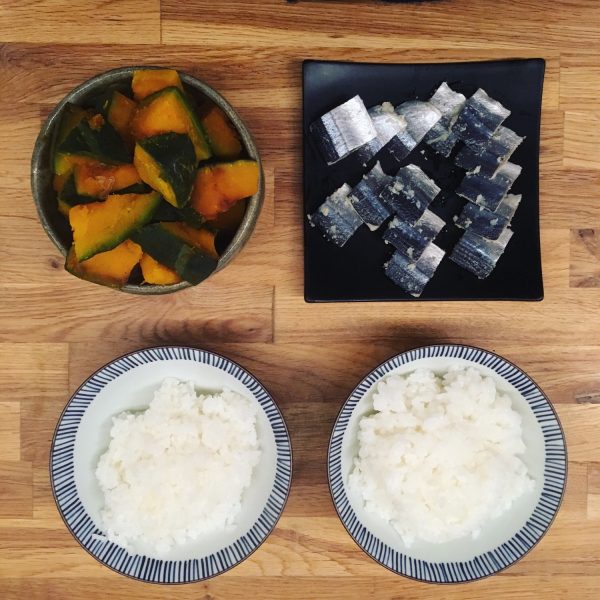
All a sudden it has become very cold and warm food, rich and tasty is more than necessary. During the autumn I have used a lot of butternut squash, leaving the little Japanese kabocha on the side for a while, knowing that they would be right there when needed in the winter, as the season for kabocha is much longer (though you may find it year round when grown in green houses). And now the time has come to use it. kabocha, like most squashes and pumpkin is versatile and easy to cook. The great part with kabocha is that it actually doesn’t need to be peeled and cooking time is rather short. One of my favorite traditional Japanese recipe is to prepare it with dashi and soya sauce. It can be eaten hot, cold or reused after in other recipes. It is very simple to make and often found in bento boxes. Here is my recipe for the simmered kabocha.

Simmered kabocha (4 servings)

– 1/2 kabocha

– 40g of katsuobushi in flakes

– 2tbs of soya sauce

Wash the skin of the kabocha, remove the seeds (you can keep them to grill them to make snacks… or plant them)

Cut the kabocha in large bites with the skin on (only remove parts of the skin that is brownish or hard, usually the part that was in contact with the ground).

Put the kabocha in a pan and cover with water. Add the katsuobushi flakes in a tea bag, and cook at low heat until the kabocha is just soft (test with a bamboo toothpick). Do not over cook, you’ll end up with purée. Remove all liquid and the bag of katsuobushi. Add the soya sauce. Eat right away, or when cold.

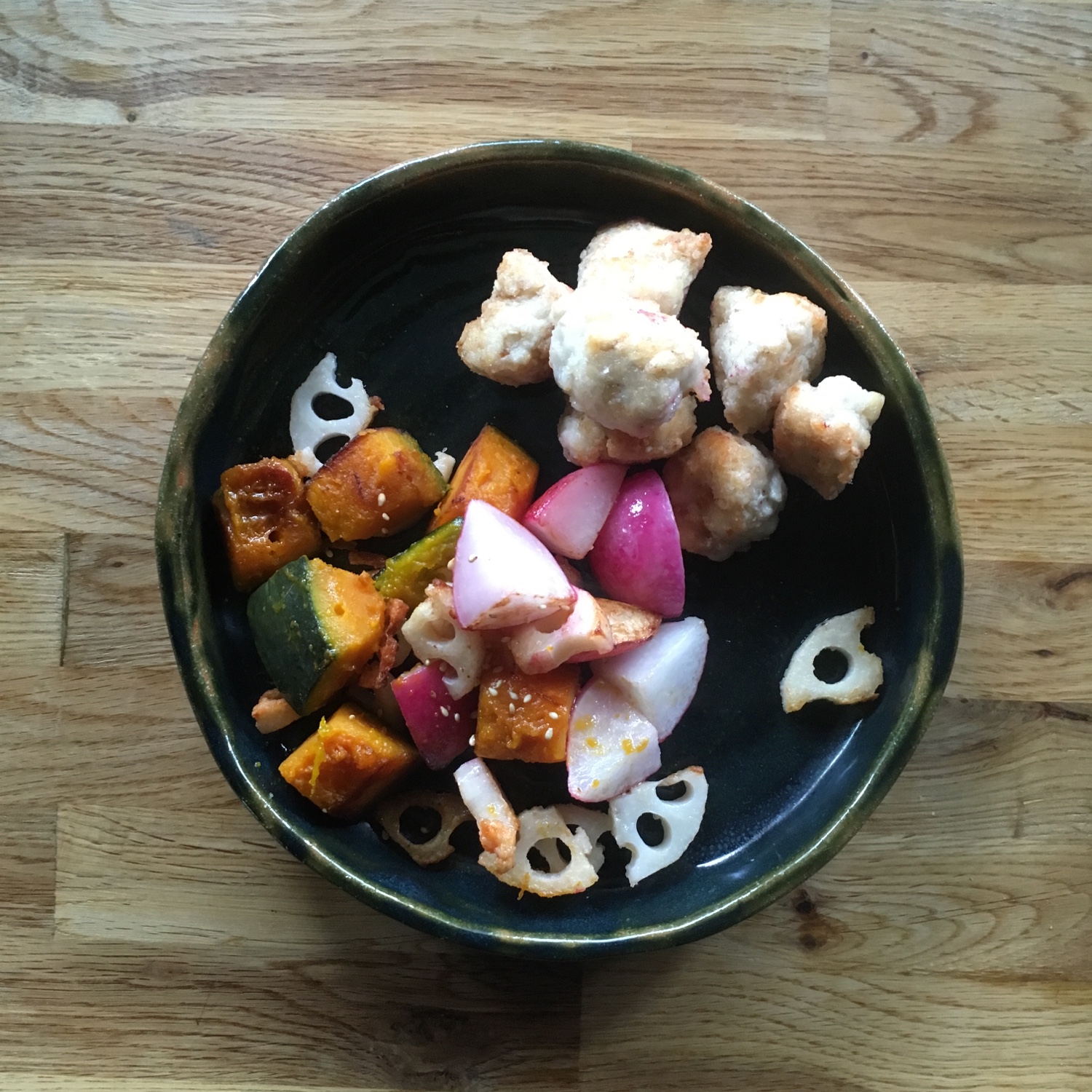
I used the leftovers in a sautéed vegetable dish. With a bit if oil, the kabocha becomes golden and even more delicious.

Shojin cuisine

As I was questioning myself about Buddhist cuisine in China regarding these Chinese beancurd noodles, I decided to do a bit of search and reopen my Shojin cuisine book. I was right, until the 18th century in China buddhist and taoist temples would only serve vegetables soup and tea to pilgrims, the same thing monks were eating. Only it started to be a more elaborated and widespread cuisine during the Qing dynasty (late 17th to 20th century). In japan shojin cuisine was of course imported from China together with Zen by Dogen during the Kamakura period in the 12th-13th century. All the basic about Shojin cuisine were actually written in the 典座教訓 (Tenzo Kyokun) itself inspired by Chinese writings. It has evolved regularly from the early 17th century during Edo period to become shat it is now. Next time I go to China I’ll try to eat in a temple and try local buddhist or taoist cuisine for sure!

But back to my kitchen I decided as I said to reopen my Shojin cuisine book from the Sanko-in past abbess. I always have a lot of pleasure opening a cookbook I haven’t opened for a while and this one is no exception. One thing I love with that book is that it actually tell not only how to cook but also how and how long you can keep the food you have prepared, something that I find extremely useful. Browsing the book, I found plenty of autumn recipes I wanted to try and luckily I had all the ingredients needed to proceed. I tried two recipes one of kabocha and one of burdock. Both extremely simple. And I was very happy with the result, being back in my kitchen and preparing delicious locally grown vegetables. Here are the two recipes, not the way they were in the book but the way I actually cooked.

Burdock:

– 1/2 burdock

– 3tbs of sake

– 3tbs of soya sauce

Wash and cut the burdock in 4cm long sticks. Cut each piece in the length in 4 to 10 depending on the diameter.

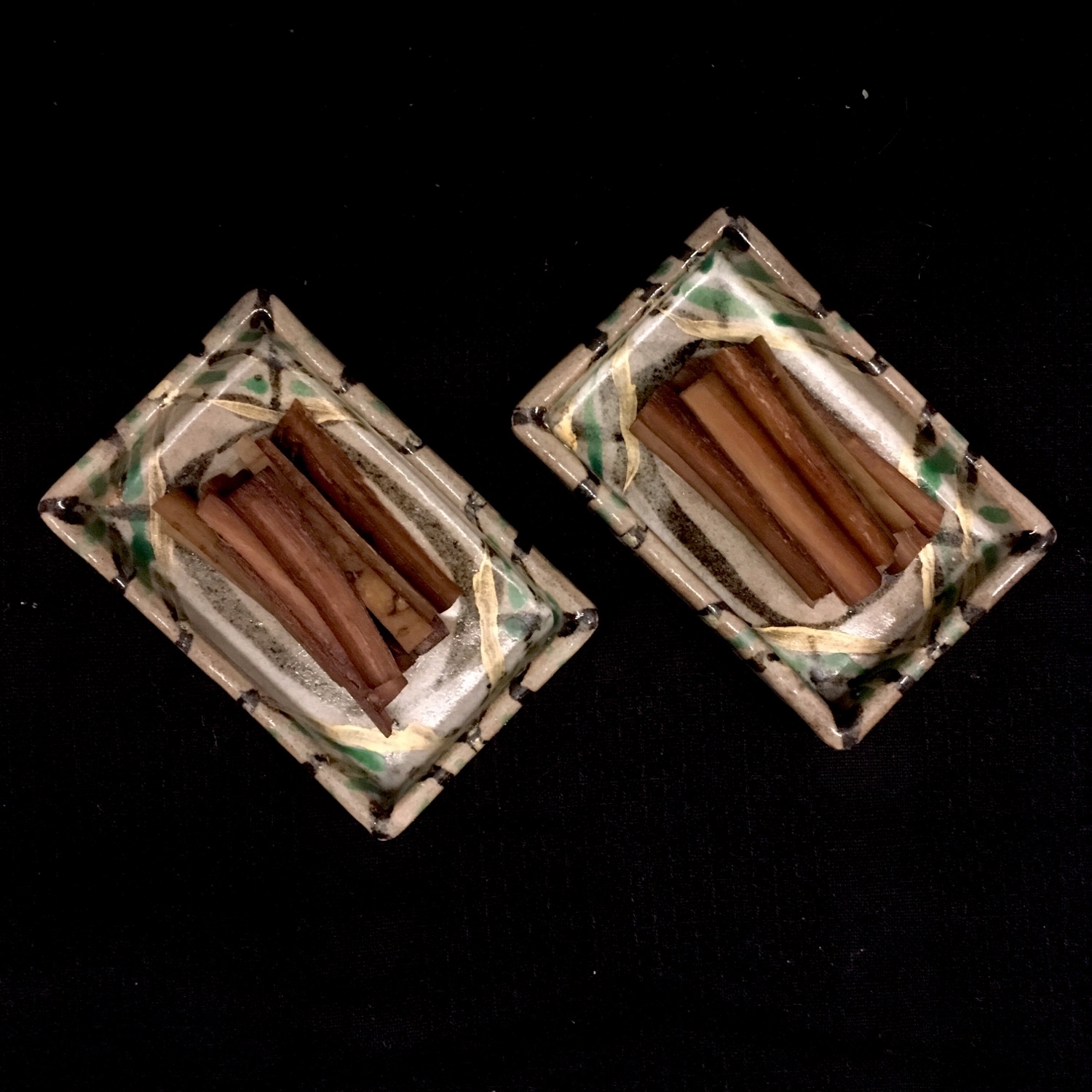
Place in a small pan with water and boil 10min. Drain and the in a little pan add the sake and soya sauce and simmer for 20min at low very heat under cover. Eat warm or cold. Keeps one month refrigerated according to the book but it was so good we ate everything at once!!!!

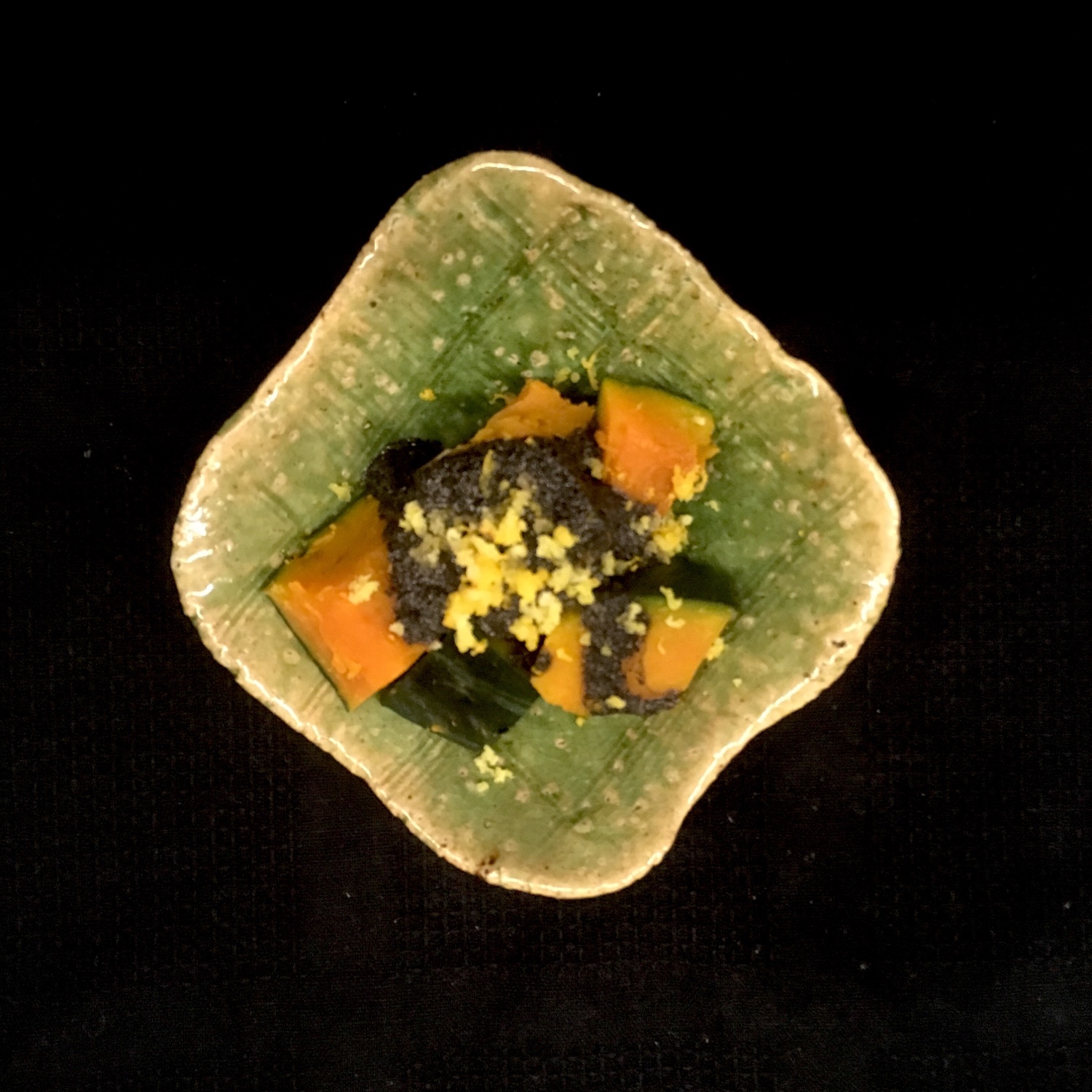
Kabocha with black sesame and yuzu:

– 1/4 of kabocha

– 4tbs of black sesame

– 1/2cup of sake

– 3tbs of brown sugar

– grated yuzu peel

– pinch of salt

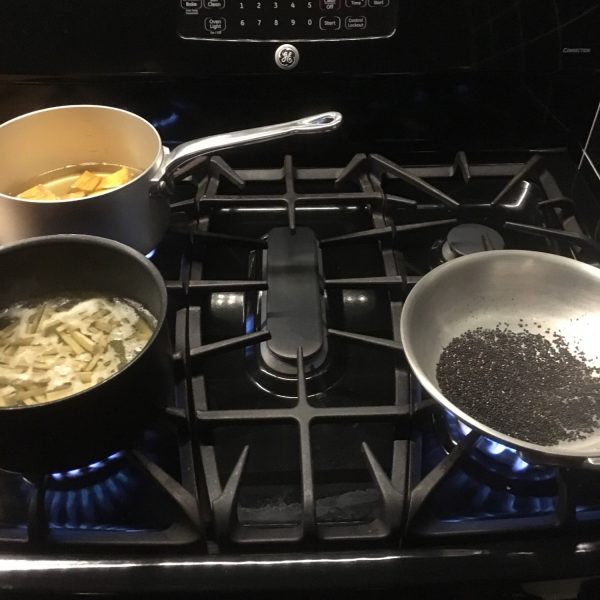
Cut the kabocha in bites keeping the skin of course. In a pan put the kabocha and cover with water. Add the sake, and sugar and bring to a boil, cook until kabocha is soft but not mushy. Grill the sesame in a pan and grind finely in a suri bowl. Add 2tbs of the cooking broth of the kabocha, add the salt. Remove the kabocha from the broth, set in a plate, add the sesame mix and finish with grated yuzu peel.

Japanese pepper – 山椒

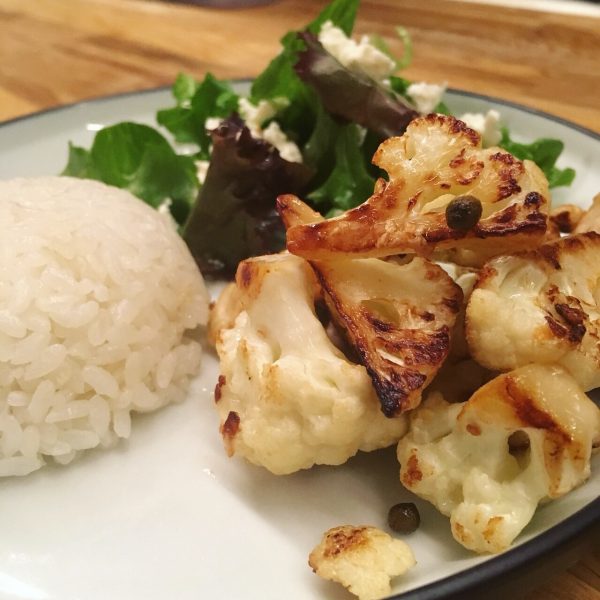
Back in June I was posting about the making of Japanese pepper in saumure after harvesting the delicious little seeds in the garden. Now that more than three months have past it is time to eat the little beads! One classic recipe would just to had a few to Japanese white rice, and this is delicious. But since I have quite a few I wanted to try something different and explore with which fall vegetables it would work well. Though cauliflower looks like a winter vegetable actually fall is the peak season, and the farmers market starts to have beautiful small ones. Sansho is a strongly flavored little seed so it has to go with something that is both typically flavored but without being overwhelming. I thought that roasted cauliflower would be great, together with chicken breast. So in a slightly greased pan I roasted chicken breast cut in bites and then added the cauliflower. When all golden I added a tea spoon drained of sansho, stirred a little and served with new rice and a little salad.

Very simple and a really nice match with a Japanese x Western combination.

Proudly powered by WordPress | Theme: Baskerville 2 by Anders Noren.

Up ↑

Verified by MonsterInsights