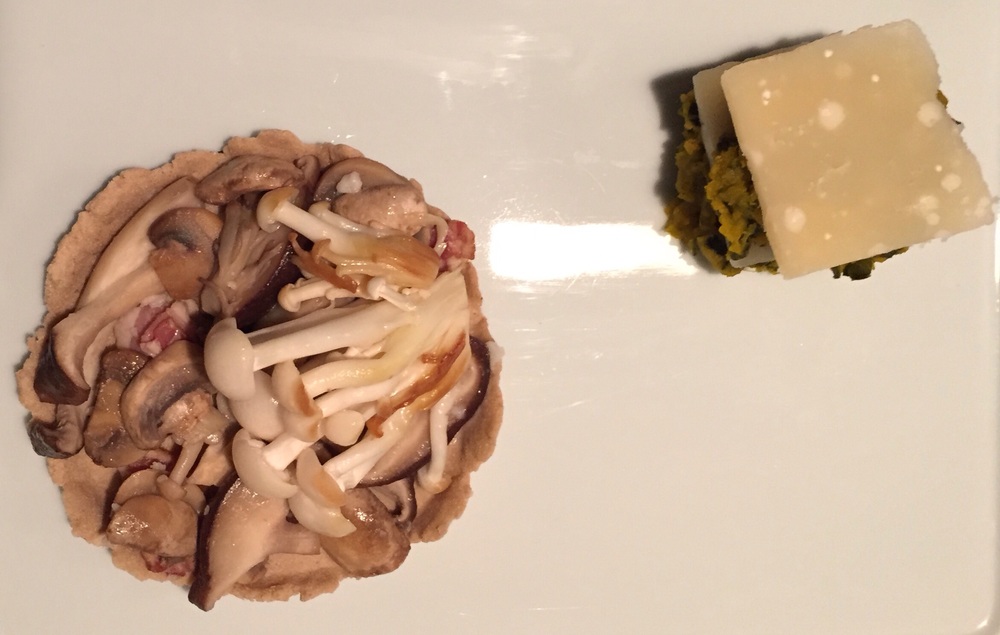
Variation of the mushrooms tart

For a slightly more elegant plating, the mushrooms tart is also nice in individual little shapes, with simply the dough and the veggies on top. And served with a little kabocha purée in a Parmegiano millefeuilles. 

The dough of the tart is again using a base of chesnut flour. For the kabocha purée I just washed and grilled under cover kabocha cut in pieces (with the skin), then mashed them with a fork. I then cut slices of vintage parmegiano and make layers of kabocha purée and parmegiano.
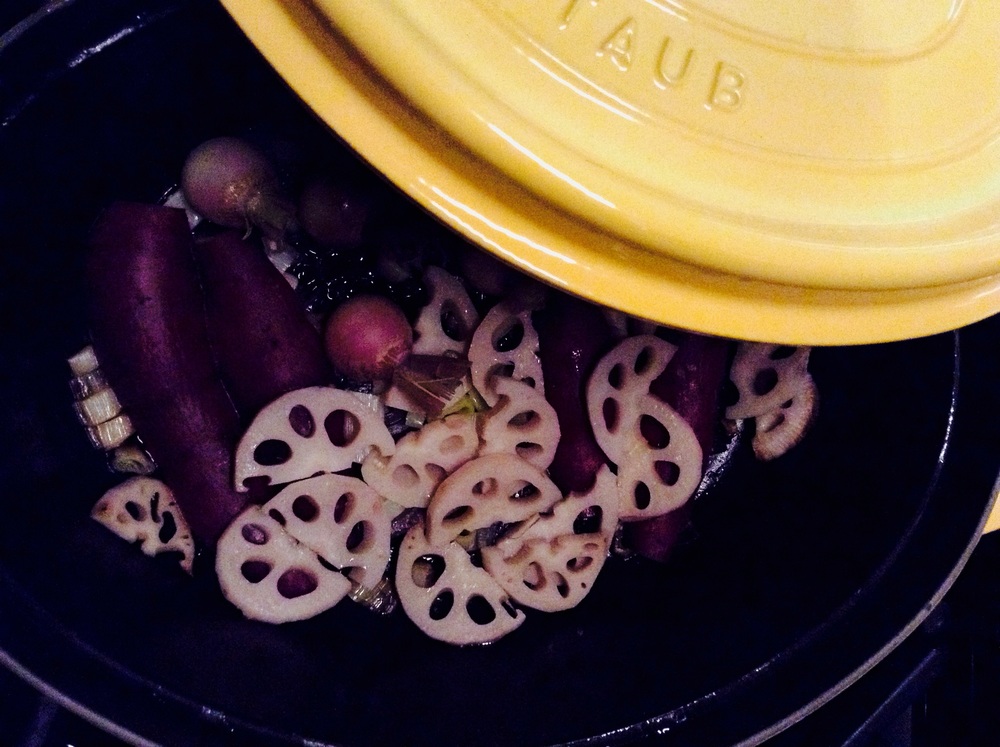
Pink veggies in cocotte

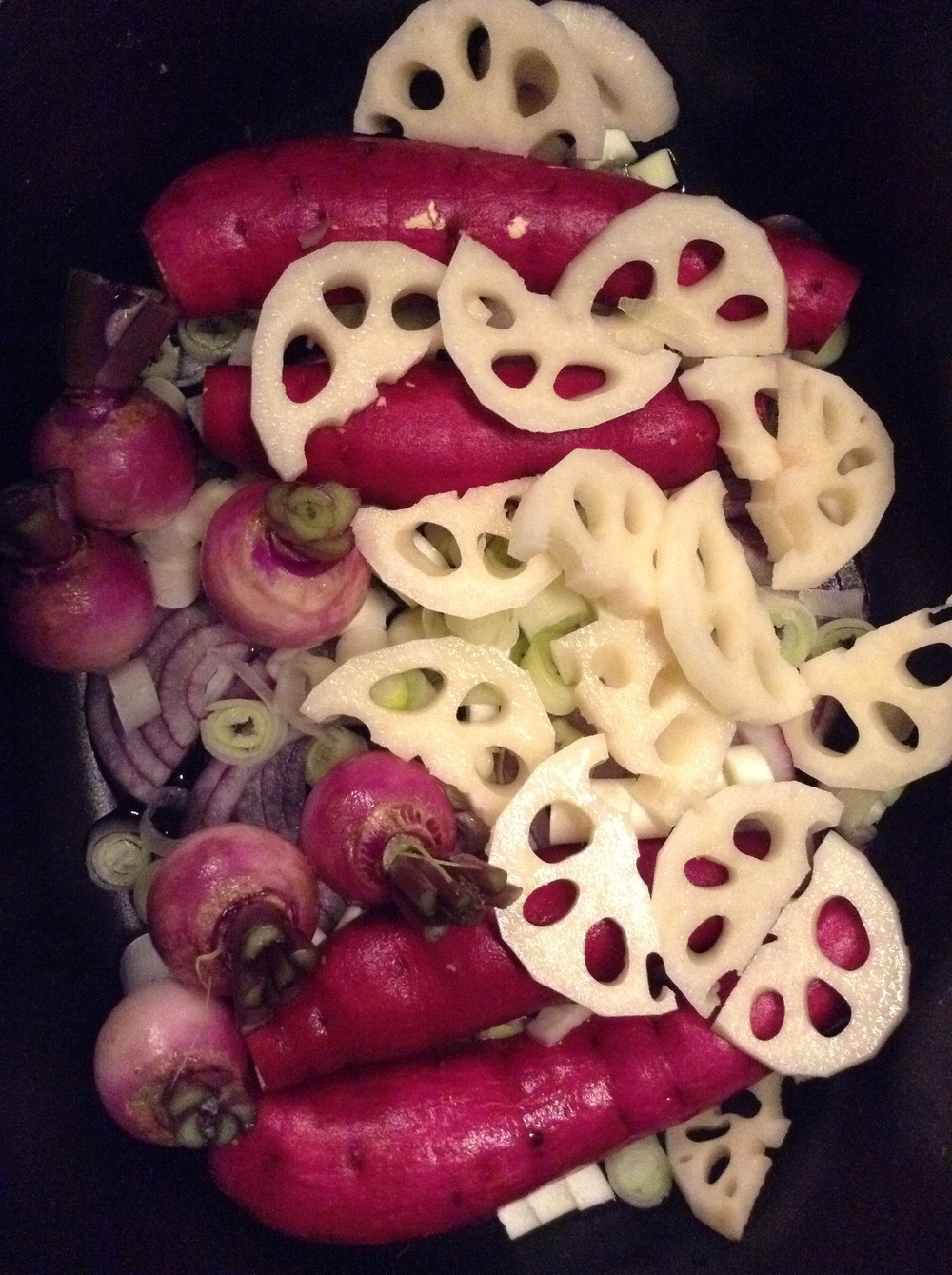
 The raw veggies ready to be cooked
The raw veggies ready to be cooked

With the autumn settling down and the rainy day, It was high time to get the cocotte back on the cooking range! At the market there was a lot of pink and white veggies: sweet potatoes, little pink turnips, lotus roots, red onions… So I just guessed they would make a perfect and beautiful combination for a light vegan meal.

I sliced the red onion to make a thin layer at the bottom with a bit of olive oil. Then added a layer of leek finely sliced, then I just washed and halved the sweet potatoes, washed the little turnips and just removed the leaves, finally peeled the lotus root and cut it  in large pieces. I cooked in the cocotte for 30 minutes at low heat and just served with a bit of salt. Super delicious!

 Once cooked and ready to be eaten! 
Once cooked and ready to be eaten! 

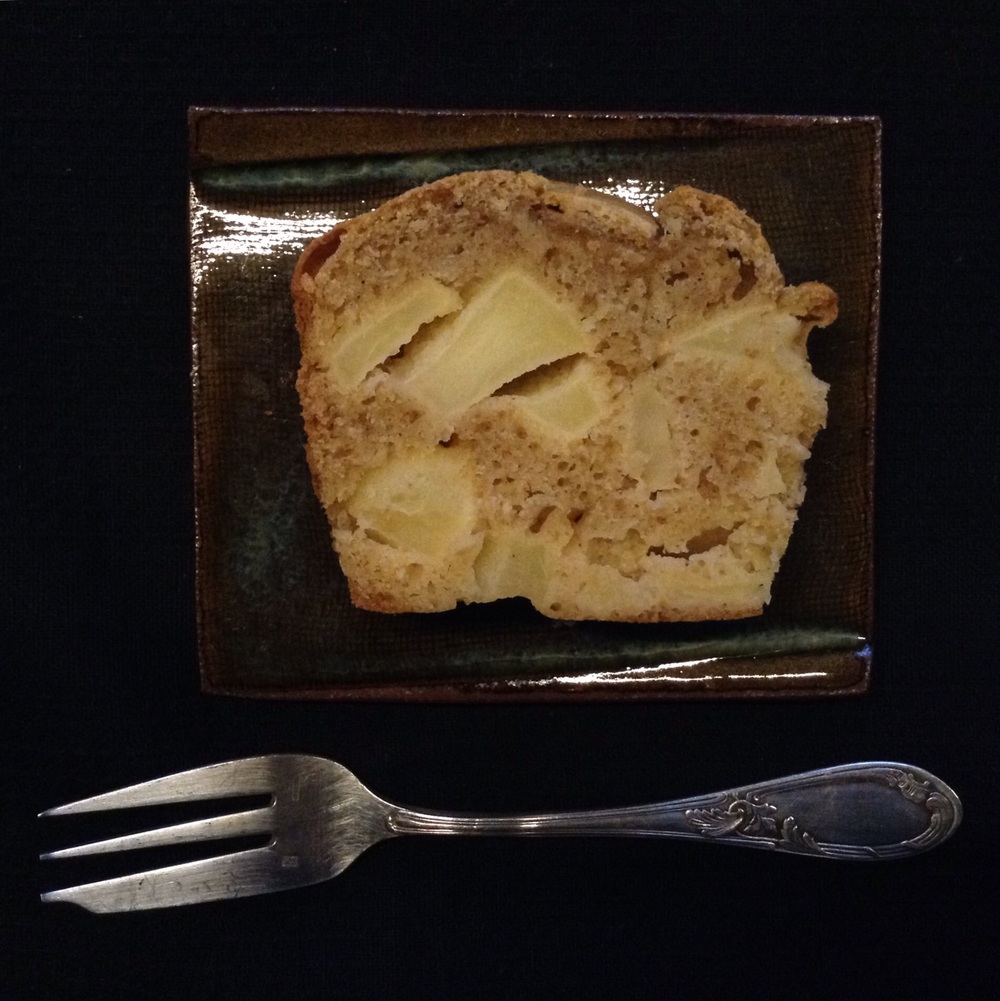
Chai and apple cake

Delicious for a rainy day like today, I made an apple and chai cake with big  apple from Aomori I bought at the coop market. For the chai I made a mix of cinnamon powder, cardamom seeds and fresh gratted ginger. The rest is just flour, baking powder, brown sugar and a bit of vegetal oil. All stired well and baked 30min at 170deg. Served with chai tea for breakfast or tea.

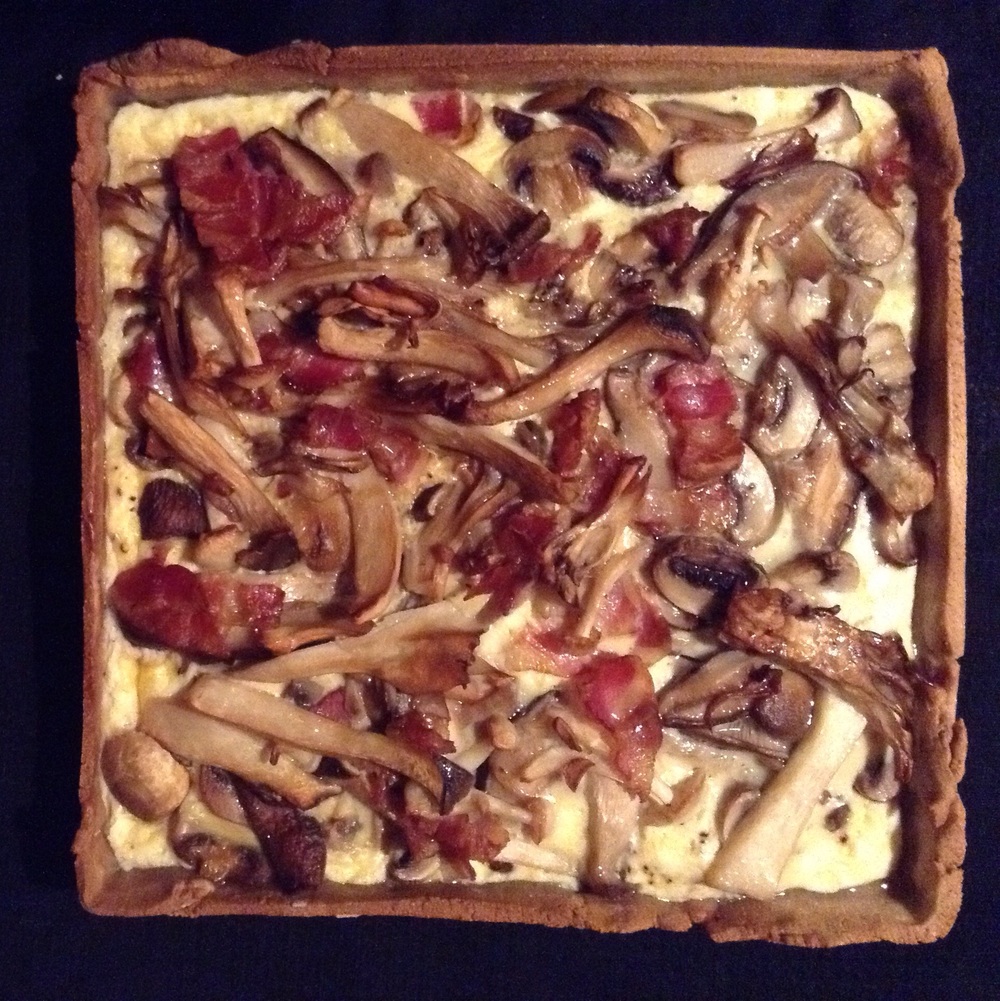
Mushroom and tofu tart

Again mushrooms on the menu and sure more to come! I simply love them all! This time a big combo of shiitake, white shimeji, maitake, mushrooms, eringi slightly sautéed, then mix with tofu and eggs and set in a chesnut flour dough. Topped with a bit of grilled bacon if you like. A delicious tart with sweetness and crispiness of the chestnut dough that perfectly contrasts with the filling! 

Ginkgo nuts – 銀杏

The ginkgo tree is a symbol of wisdom and it is particularly beautiful in late november when it turn a vibrant yellow. Its leaves have also a very pretty and typical shape, symbol  of Tokyo University.

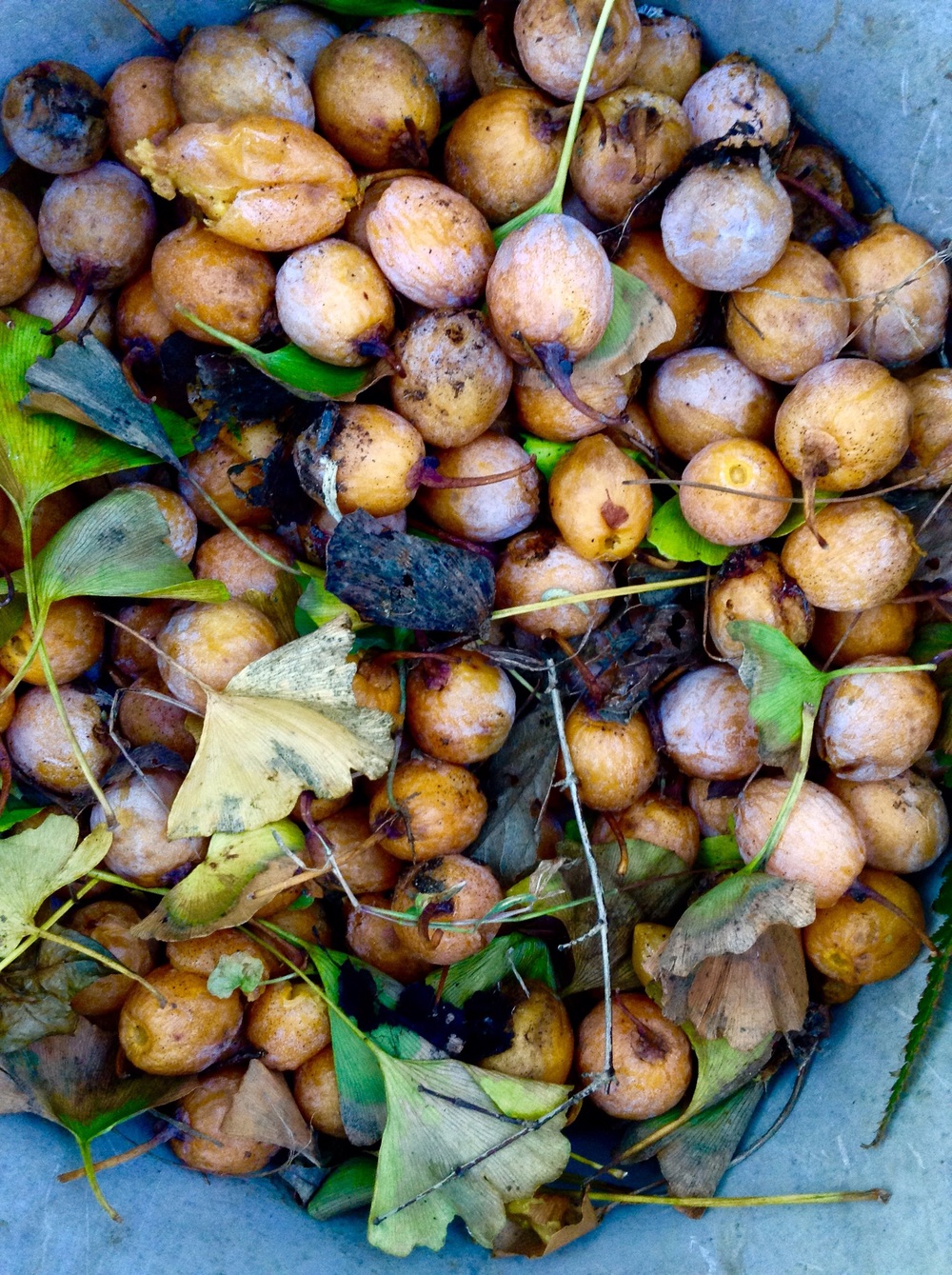
 Fresh ginkgo nuts, just harvested
Fresh ginkgo nuts, just harvested

But ginkgo are doomed because they bare the most ignominious fruit: the ginkgo nut. If you have ever tasted ginkgo nuts you probably can’t imagine where it comes from; if you have ever been close to a ginkgo tree in autumn you probably can’t imagine that the ginkgo nut is actually edible. The ginkgo nut is protected by a yellow-orange thick and watery skin that when broken generate an extremely nauseous smell. The nuts have the bad habit of falling on the ground and get smashed by pedestrians, cars… in town and to rot in the country, still smelling so bad that the tree is a real nuisance! Yet gingko nuts are delicious! 

The nuts are usually collected once they’ve fallen. Luckily the little typhoon that passed over Kanto last week, blown down all the nuts and I managed to collect them before they rot and stink. Always use gloves when collecteing the nuts!!!
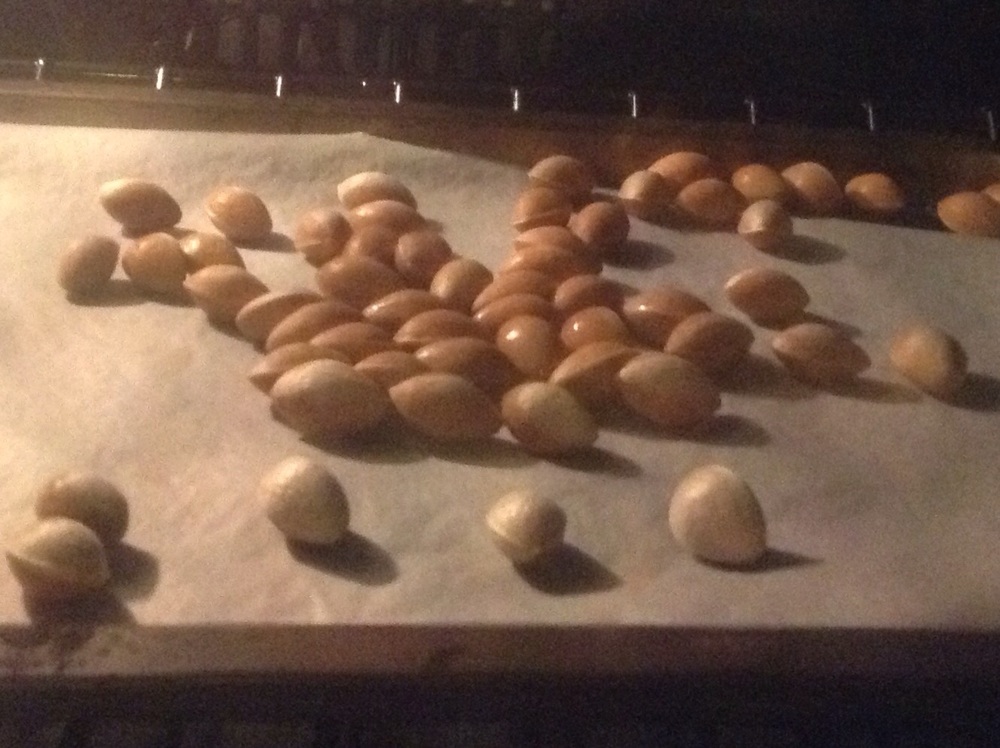
The next step is to remove the stinks. For that plunge the nuts in a bucket of water for a few hours. The soaked skin is easy to remove (again, use gloves). And brush and wash the nuts until none of the flesh is visible. Finally dry the nuts in the oven at low temperature for about 2h, while shaking them once in a while. This year I collected so many nuts that I gave away most of them to my neighbors because I didn’t have the time to peel and wash them all.

Now the nuts are ready for cooking and harvesting!

 Nuts drying in the oven
Nuts drying in the oven

Autumn is here!

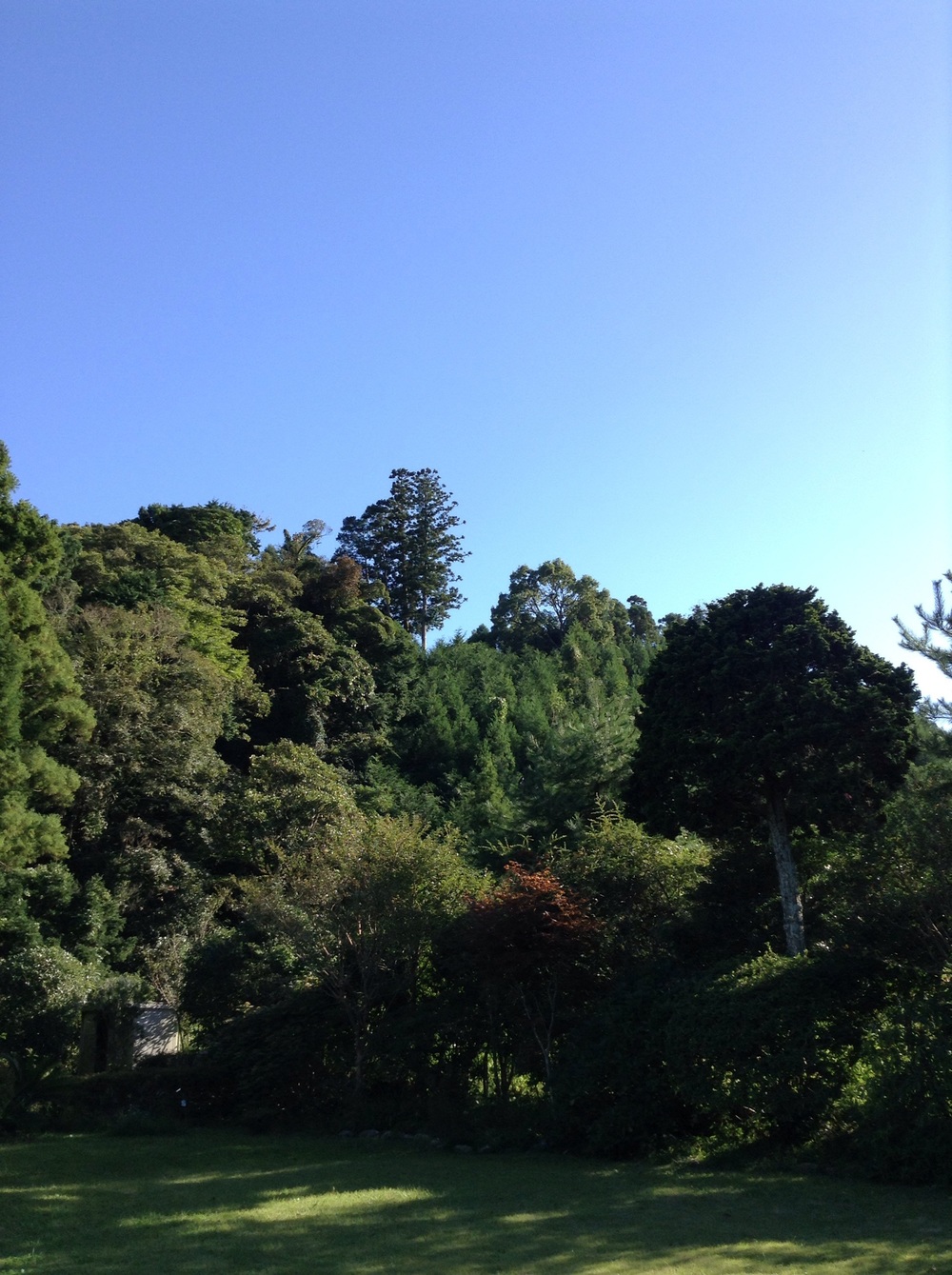
 Our garden in Ohara in early autumn  
Our garden in Ohara in early autumn  

Perfectly sunny days, chilly wind in the morning and in the evening, warm temperature during the day, beautiful colors and beautiful light,

Yes! Autumn is here and it’s beautiful in Japan! Before the leaves turn red there is yet so much to enjoy! While Europe is turning gloomy, rainy and cold, Japan is bright, quiet and perfectly warm. Probably the best season to visit the country.

And with autumn coming fruits and veggies are slightly changing, fish too. Sanma, green yuzu, matsutake, lotus roots, sweet potato, kabocha, kaki… are now  the most available seasonal ingredients and I love to cook them!

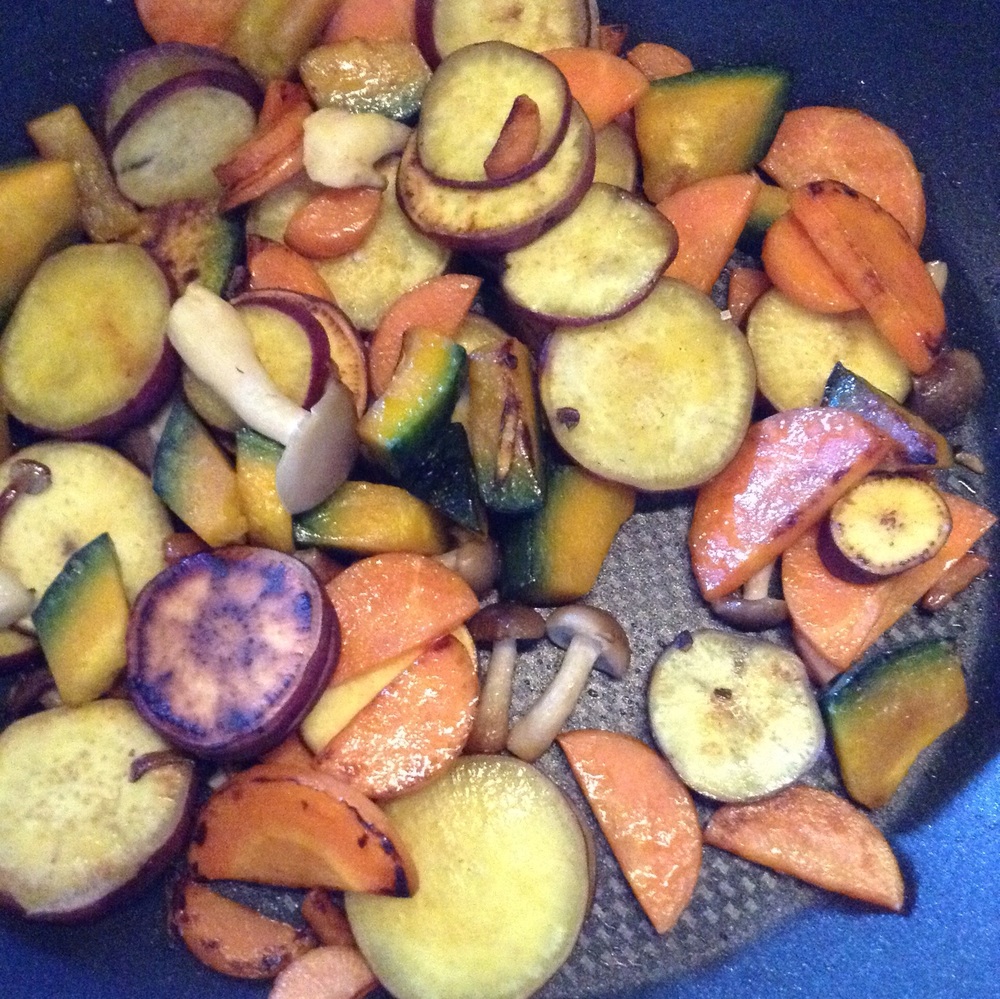
I love to prepare autumn veggies sautéed in a wok for lazy lunch or dinner. So simple, so colorful and so yummy. The one on the picture is just made out one sweet potato, one carrot, a quarter of kabocha, and a handful of shimeji, a bit of oil and salt. Served alone or to accompany something, all option are possible! 

Pompe à l’huile

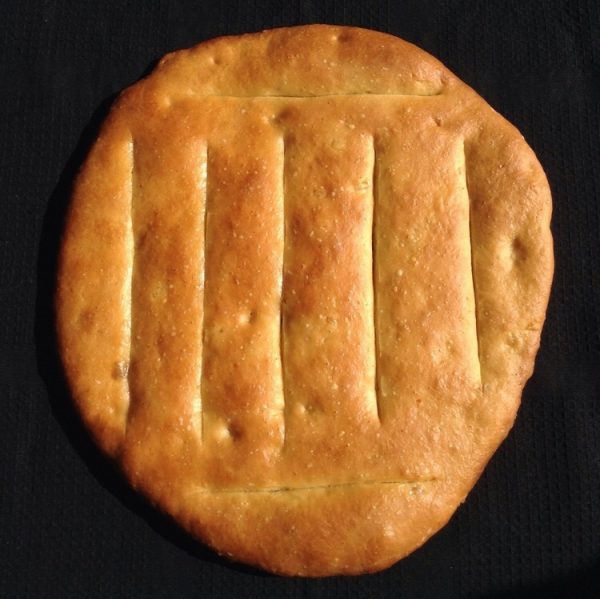
We are weeks before Christmas and this year again I plan to bake the traditional pompe à l’huile for everyone. So right now once in a while I bake one just to polish my recipe. And I think I got it right this time! The pompe à l’huile is a traditional Christmas dessert in Provence. It is often mistaken with Gibassier. Pretty much every family has a recipe or a preference. Pompe brioche, with orange, with neroli, with anise… In our family we like a thin rather dry one, with neroli and a bit of orange peels.

Since it is an olive oil base dough it is extremely easy to knead and with the neroli it smells extremely good. A real pleasure to prepare!

For a 30cm pompe à l’huile I used: 180g of flour (regular flour not the strong one), 6g of dry yeast, 3g of salt, 35g of brown caster sugar, 60g of water, 75g of olive oil, 1 table spoon of neroli, a few candied orange peels, or a zest of orange.

I mix all the ingredients and add the orange peels in the last few minutes of kneading. I knead until the dough is smooth and soft as usual. Then I wait for 2 to 4 hours depending on the room temperature before shaping it. I roll the dough in a circle, cut and if you want you can strech the dough so that the cuts open loose for 1 cm. Then wait for a few hours before baking at 180deg until it goldens. While still hot with a cooking brush apply a thin layer of olive oil.

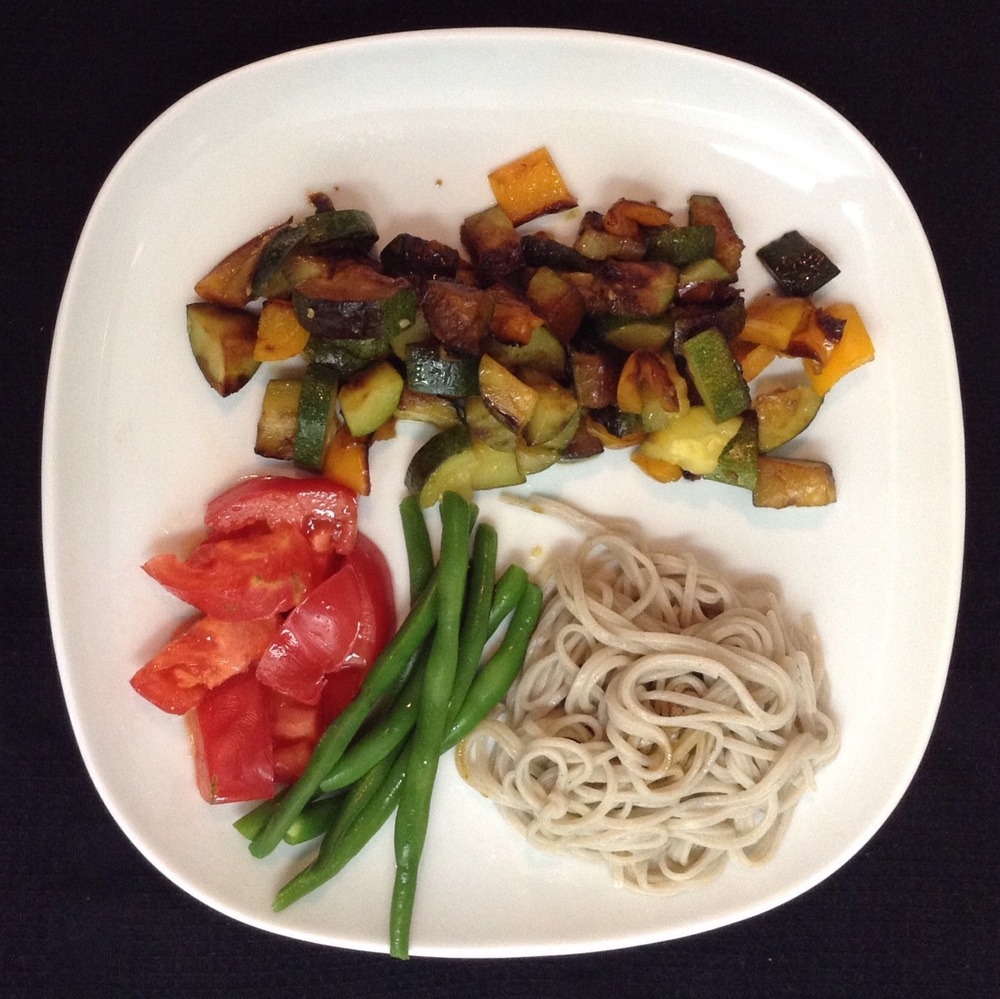
So what did I get for dinner this week?

Refraining myself from cooking and letting my husband take over I feared that my dinners would invariably be pasta-steak. Hum… Not really my cup of tea… But hopefully with a fridge full of delicious veggies I got plenty of nice things and he cheated once by taking me out. Probably the most elaborated dinner was this soba one-plate with sautéed zucchini and sweet pepper, green beans and tomato, just seasonned with soy sauce. Thanks darling for this week! 

Lime and ginger cake

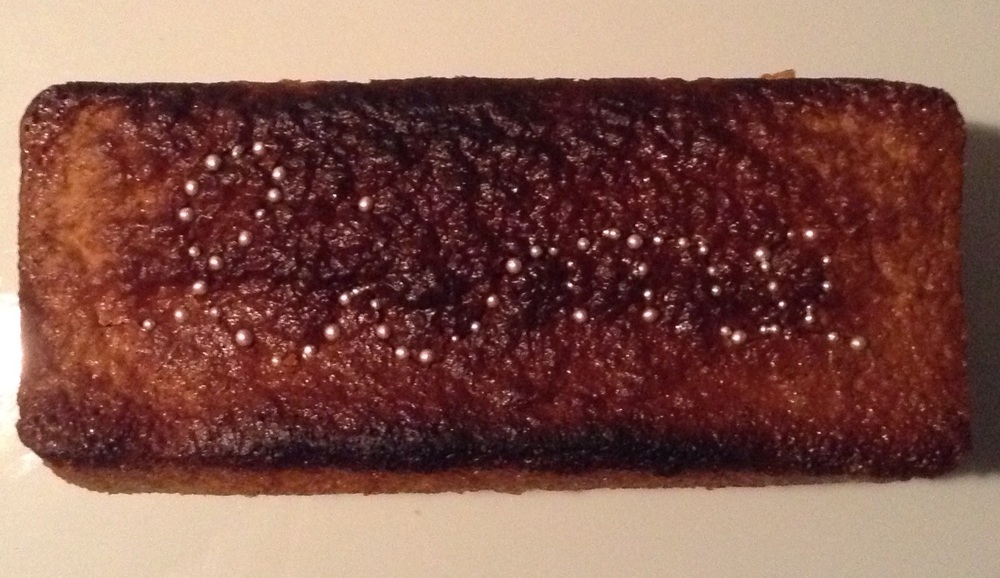
No better excuse than a typhoon to induldge with a cup tea and a piece of cake. The other day I bought beautiful limes in Ohara, so I decided to use them and make a lime cake, then I found a little piece of ginger in the fridge and found that it’d be the perfect combination. Et voila! How the lime and ginger cake recipe was written and executed.

I mixed half flour and half corn starch, baking powder, brown caster sugar, a bit of oil, eggs, stired well. Added the zest of one large lime, and the juice too. Added the gratted ginger (a little piece is enough). Stirred well again. Greased a cake pan, put the dough in, baked in the oven at 150~180deg until golden. Ate with a nice cup of Earl Grey. And kept the rest for breakfast!!!

Proudly powered by WordPress | Theme: Baskerville 2 by Anders Noren.

Up ↑

Verified by MonsterInsights