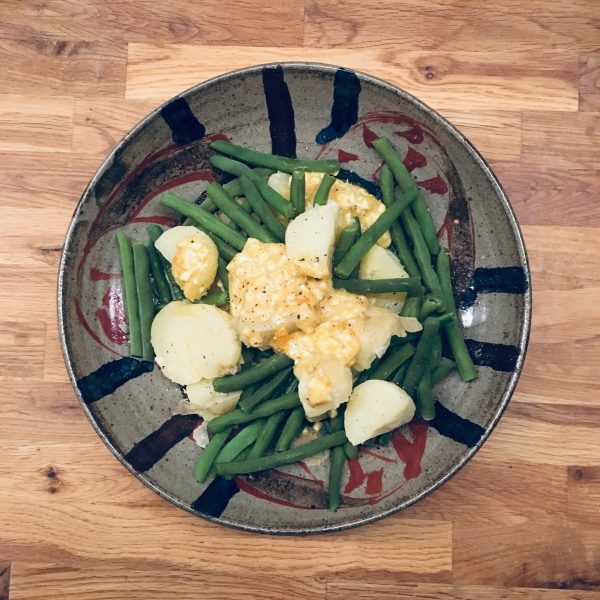
If there is one combination I love it’s potatoes and greens: green peas, green beans, broad beans… usually I would prepare them with new onions blanched and olive oil. Today I decided to try for new sauce, a lazy mayonnaise. Mayonnaise requires that you emulsion the oil, the egg yolk and the mustard together. It requires a lot of beating, and a lot of oil. A lighter and lazier option actually exists, and plus you use a whole egg so no wondering what to do with the remaining white. Here is my recipe. I hope you’ll enjoy it.
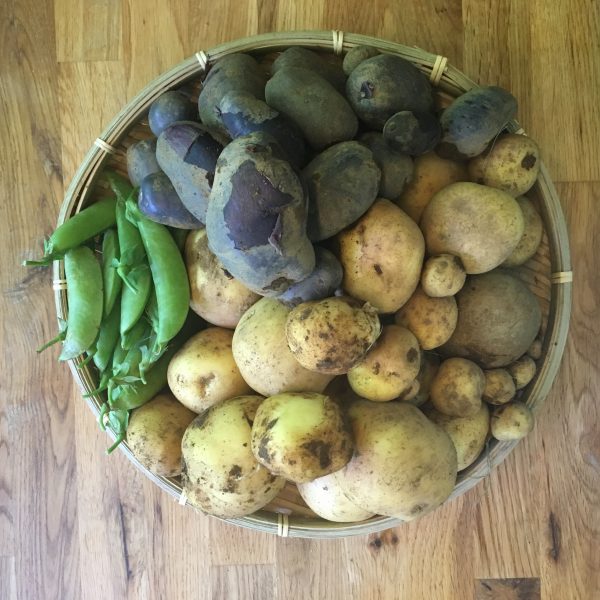
Oh! We’ve also eaten up all the potatoes I’ve harvested last week. I’ll harvest some more tomorrow if the weather is not as bad as today… so there’s gonna be potatoes recipe coming again very likely…
Potatoes, green beans and lazy mayonnaise
– 3 new potatoes (billiard ball size) per person if a main dish, less if a side
– a handful of green beans
– 1 egg
– 2tsp of mustard
– olive oil
– pepper
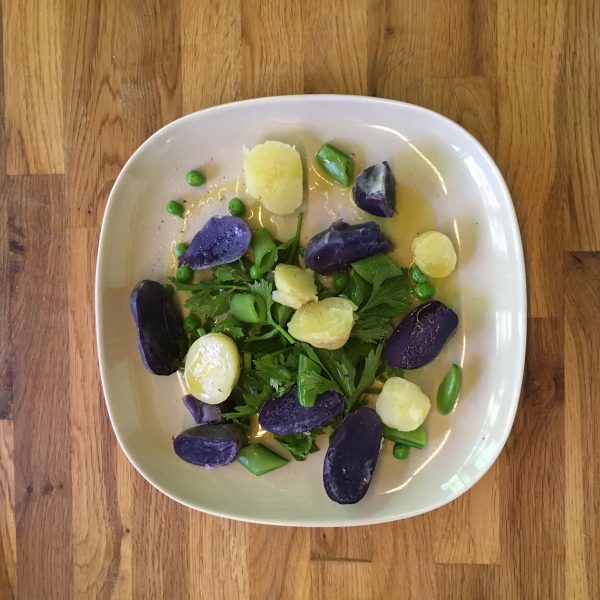
Wash the vegetables. Boil the potatoes until just soft. Boil the egg for 6min. Blanche the green beans. Peel the egg.
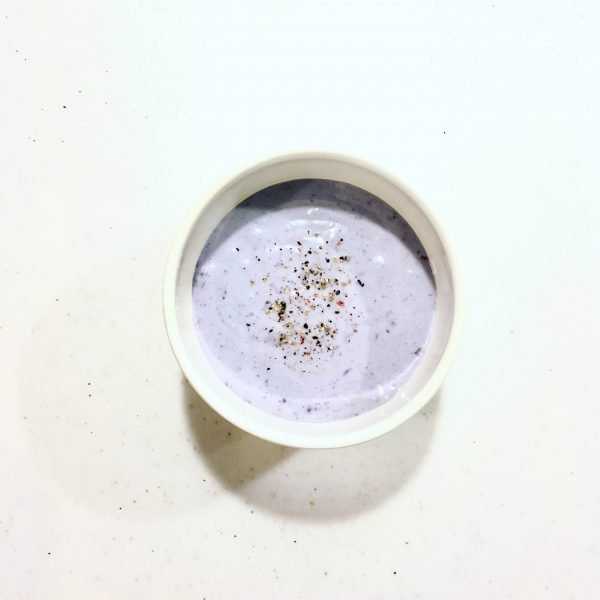
In a bowl, crush the egg, the mustard and the oil until the mixture is creamy. It’s ok if the white is roughly crushed. Dressing is ready!
Cut the potatoes in four, cut the bean in two if they are long. Add the dressing, stir well and it’s all ready. It warm, at room temperature or refrigerated.
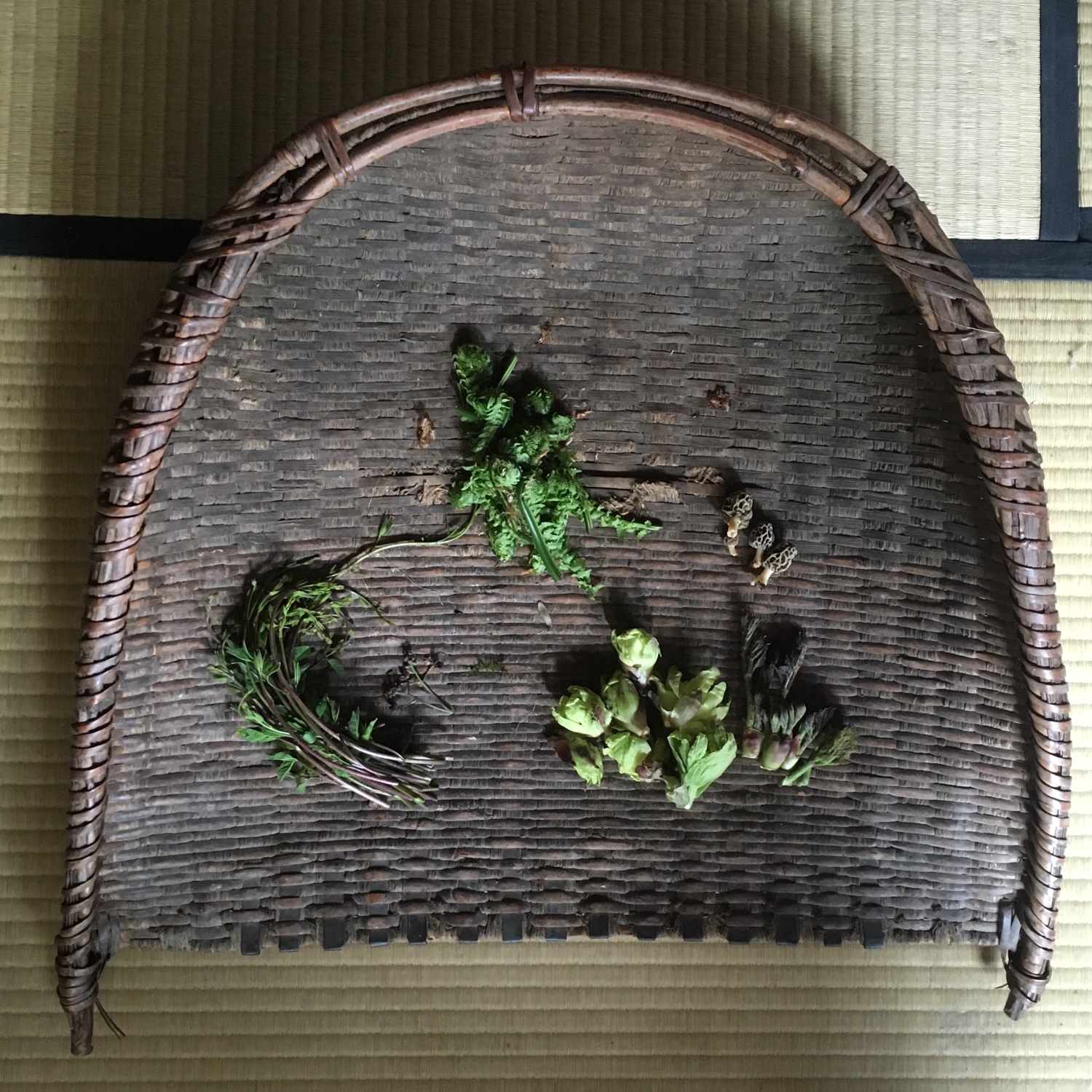
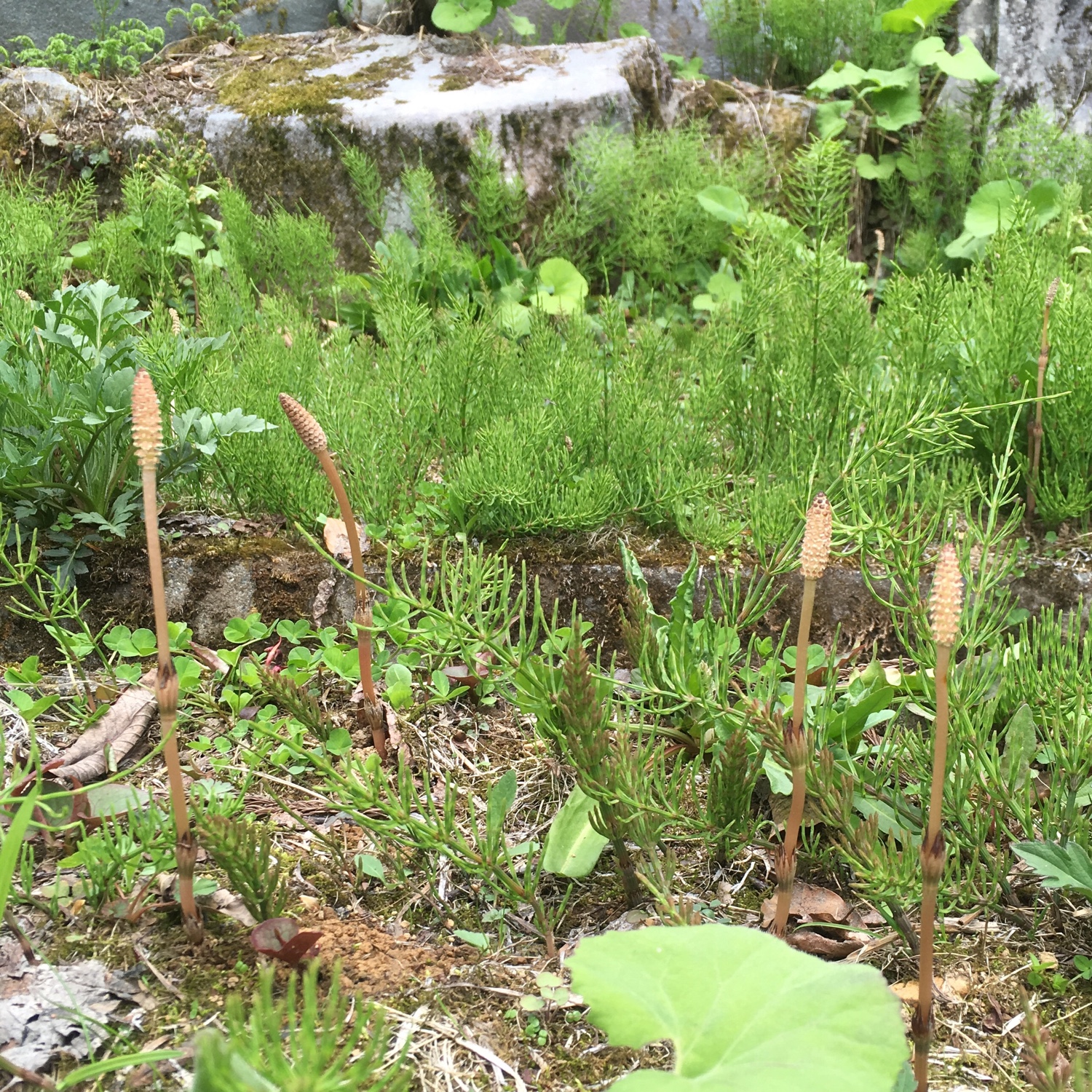 This little white flower can be easily found everywhere. Always take those that have no pollen. For preparation see
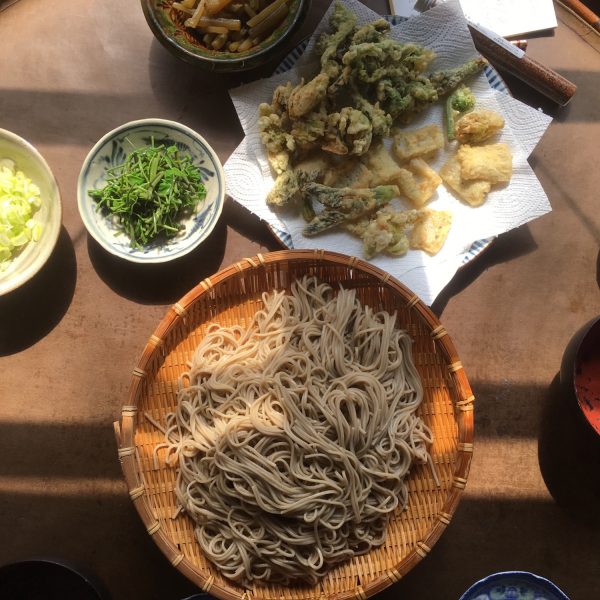
 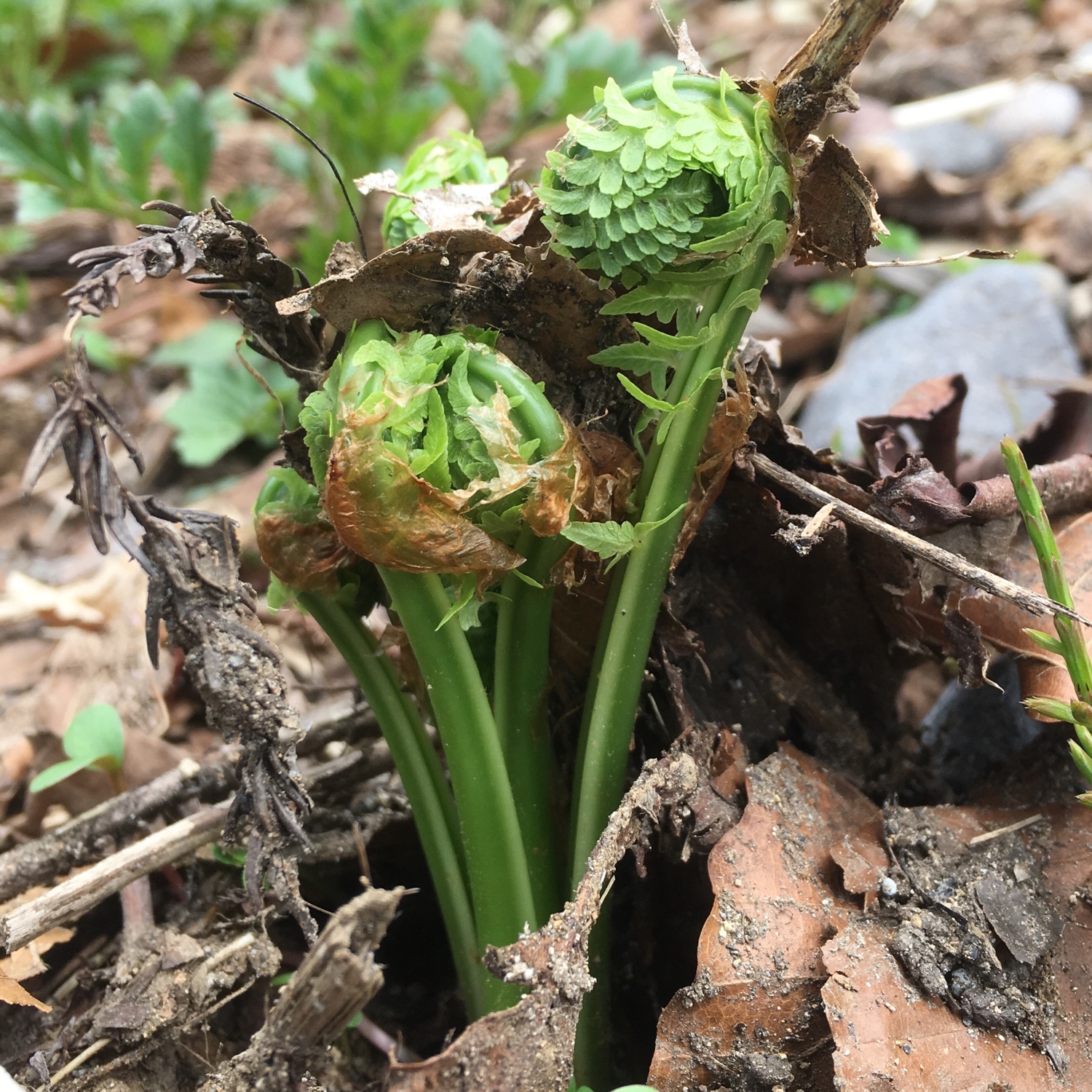 They are easy to spot, easy to pick and super easy to cook. I find them as easy to prepare than wild asparagus: in omelets, with pasta… they are really the simplest of the sansai and the more accessible in terms of flavor and texture.
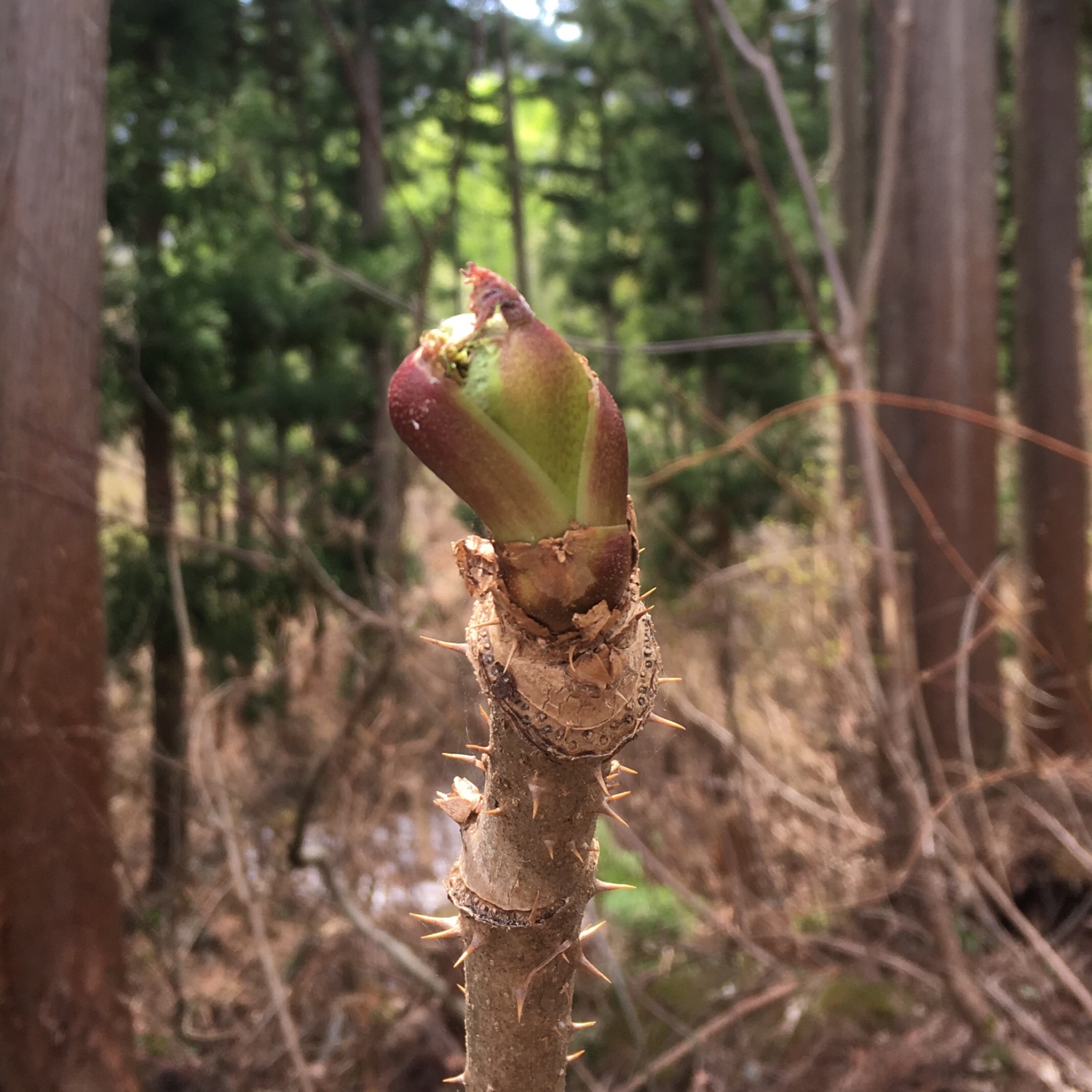 They grow at the head of wood sticks. The one in the picture is a little young and they need to have a few leaves out. These ones are really delicious in tempura and require little handling.
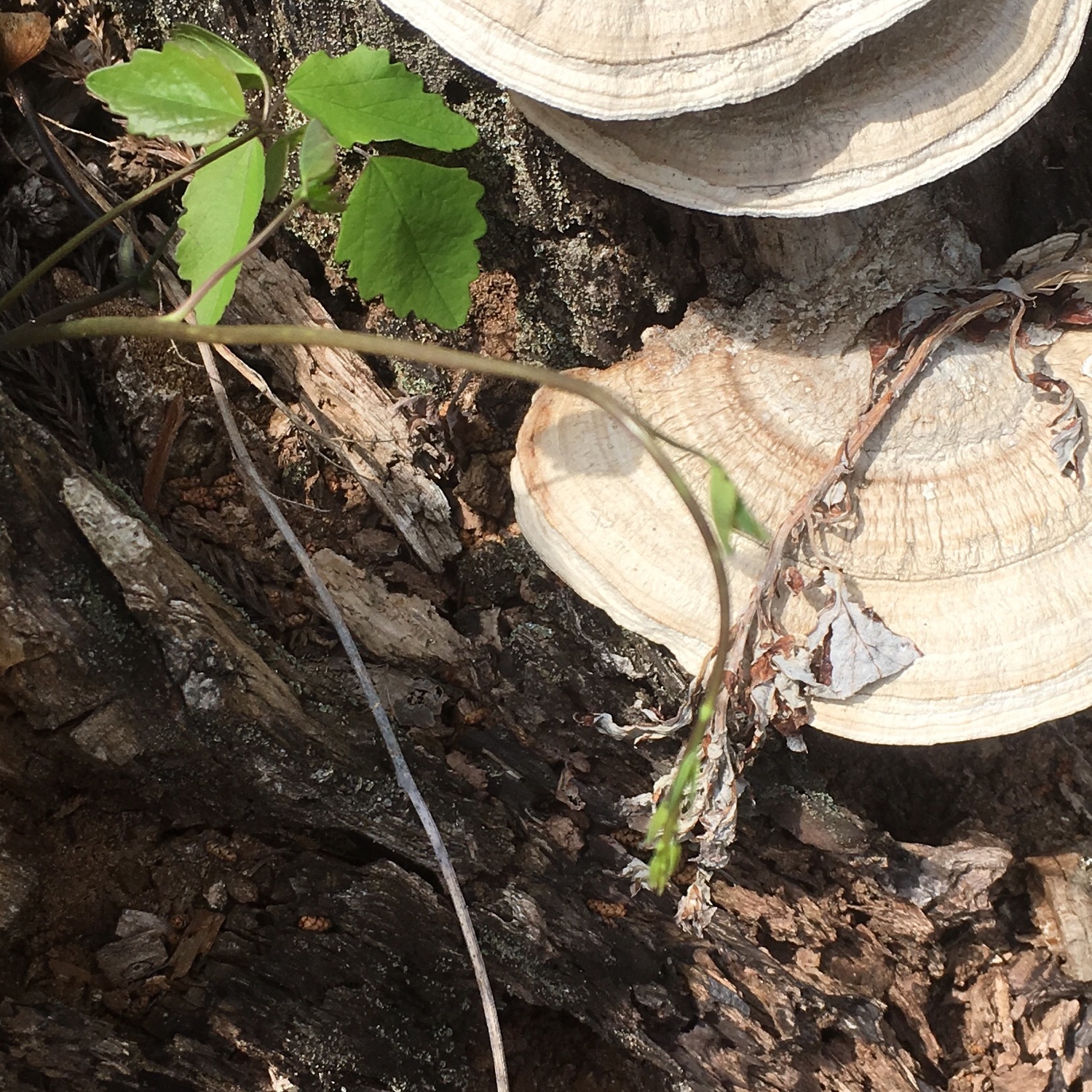 This little green sprout that grows in the midst of other trees sprouting is the hardest to find, but once you’ve spotted a tree, easily recognized by its leaves, it is easy to find the sprouts. Washed and eaten raw, or cook, it is fresh and crunchy.
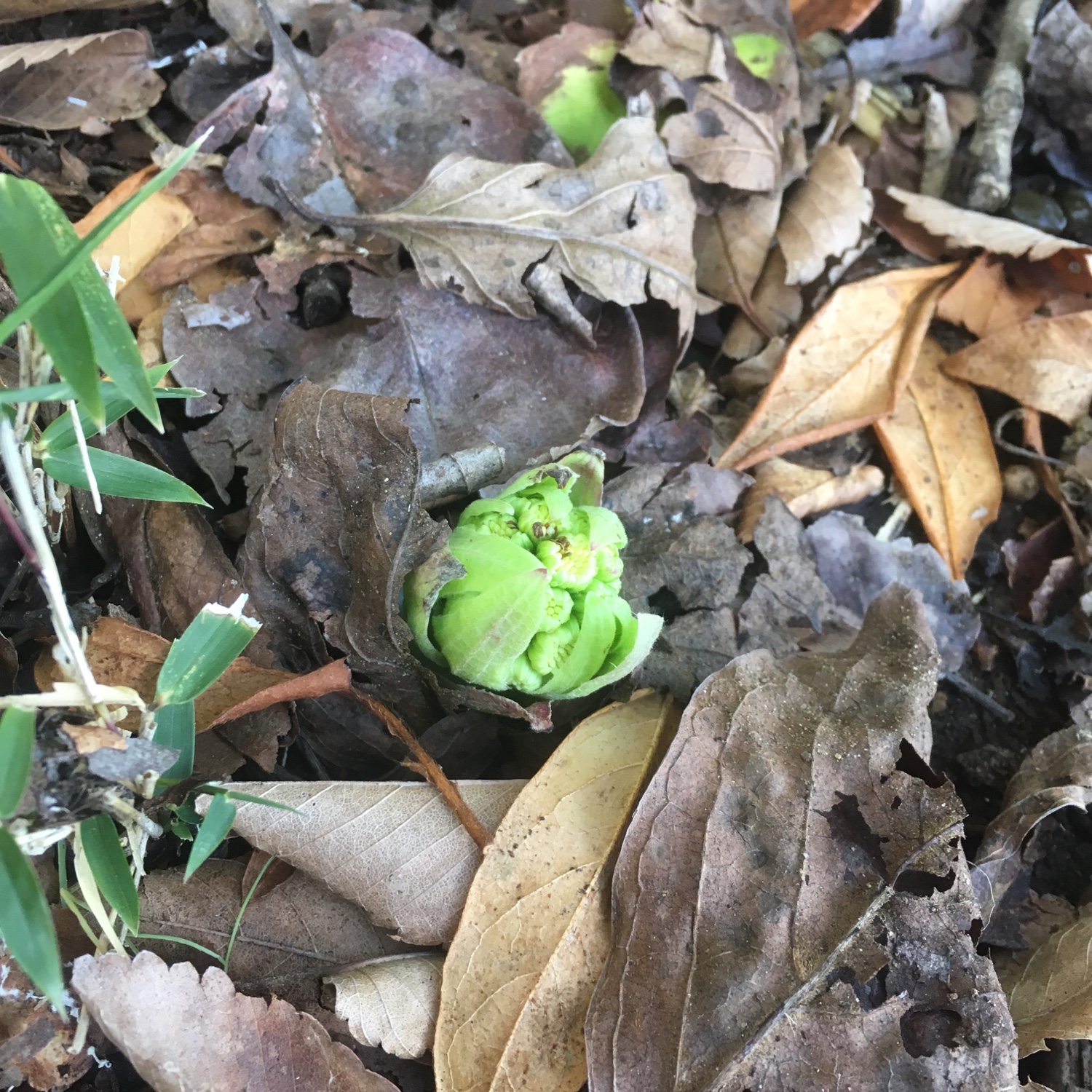 In the mountain fukinoto grow right after a patch of snow has melted. So spot a patch of snow, and look at the edges. They are best when just sprouting. They can be as big as a ping pong ball. There taste is very strong and specific. Probably the most difficult to accommodate and cook of all. See