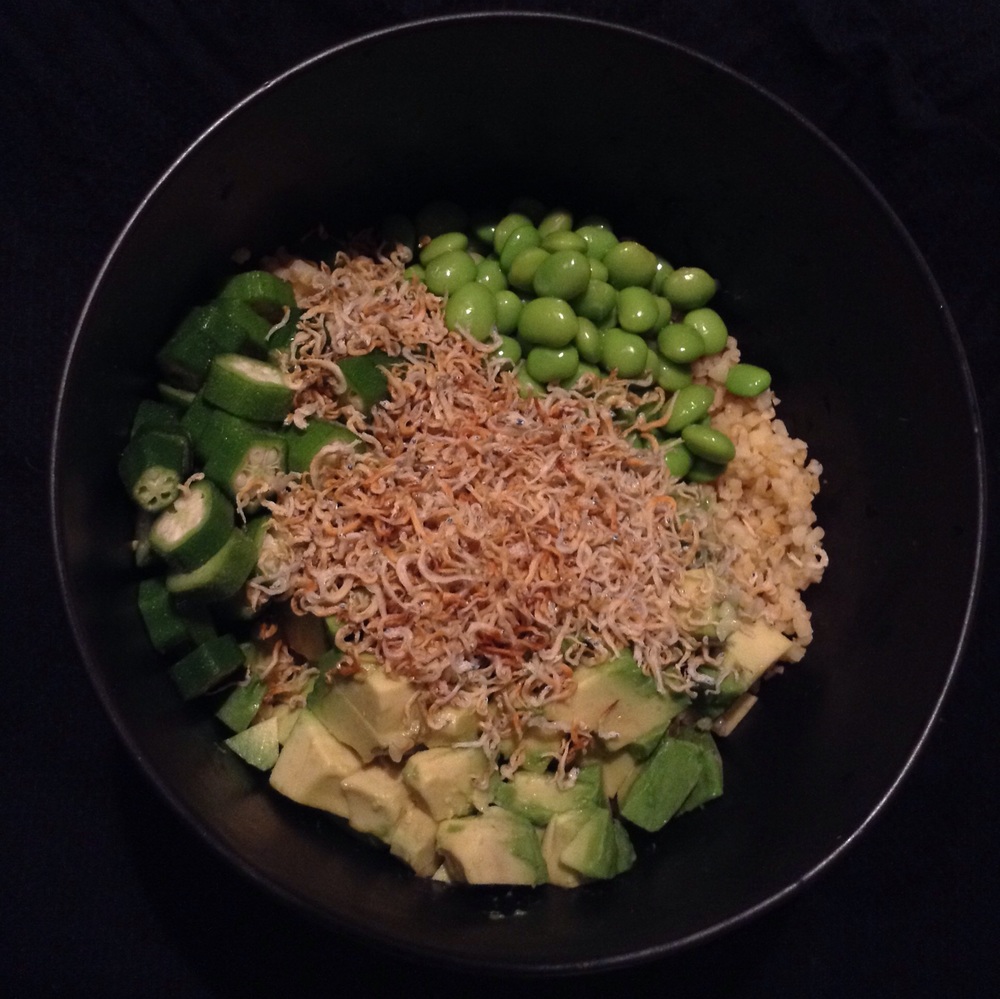
In my search of the perfect summer salad I’m making a lot of trials, never twice the same. Of course as I was writing in my earlier post all have in common a cereal or carb base: bulgur, rice, pasta, couscous… Tons of fresh vegetables: mainly tomatoes, ocra, cucumbers, a very light or non existing dressing. My salad today ressemble more a donburi for two, with Japanese style accomodation. I boiled some fresh edamame, added some sliced ocra and a perfectly rippen avocado, and a finish with grilled chirimen (very tiny half dried and a bit salty fishes). A perfect combination of softness and crispiness, of sweetness and saltiness. A really delicious mix and a great variation from regular rice donburi.
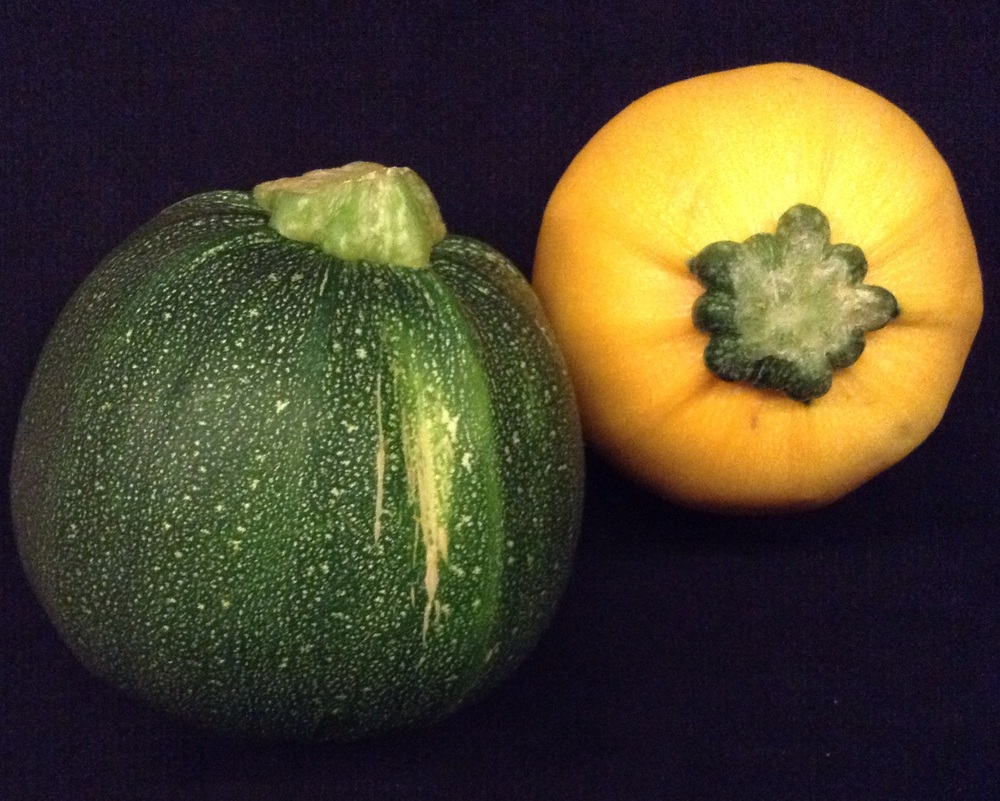
Summer is here and so is the zucchini season. In the first few years we were living in Tokyo I found that it was not easy to find nice zucchini in Tokyo but then I realized that if in supermarket you have pretty much always the same little zucchini in local farmers market and in the country it’s much easier to find some delicious ones. It started with our friend living in Niigata prefecture and growing their own delicious zucchini, then in Ohara, and now in Koganei. The day before yesterday at Koganei local farmers market (Friday evening at Higashi Koganei station, but I am not sure if it’s every Friday because I usually leave work after the shops have closed) I found beautiful round zucchini yellow and green. The season is short, so we’re eating zucchini almost every day now! (Too bad they don’t sell small zucchini with the flowers, but rather large zucchini) And when it’s not zucchini it’s green beans, since it’s the right season now in Tokyo and around too.
There are plenty of ways to prepare zucchini and one can never get tired of them. They are nice with rosemary, thyme, basil, mint, curry, roasted, fried, sautéed, stuffed or just steamed. So this week let me introduce a few of my favorite recipes new and classic using zucchini. I hope you like them as much as I do, and if you don’t try s few of my recipes, you may start to like them!
OK we’re talking a lot about food, but what about drinks?
I’ve always been a heavy tea drinker may be because in my teenage years I wanted to be British for the pony rides in Hide Park and the tea-time at the Brown’s, the check pants and the Dc Martens boots for Carneby street, and the cabriolet as soon as the sun is out! I have had all of it, but my overall favorite drink is still definitely Earl Grey tea. My taste varies with years and seasons but it is always what I go back to. I had a post earlier about one of my favorite Earl Grey from Marks and Spencer, but I also like very much the Clipper organic Earl Grey, and the Mariage Freres Imperial Earl Grey. The Tazo Earl Grey is nice but never in a paper cup and it has to be lightly infused and is better with milk.
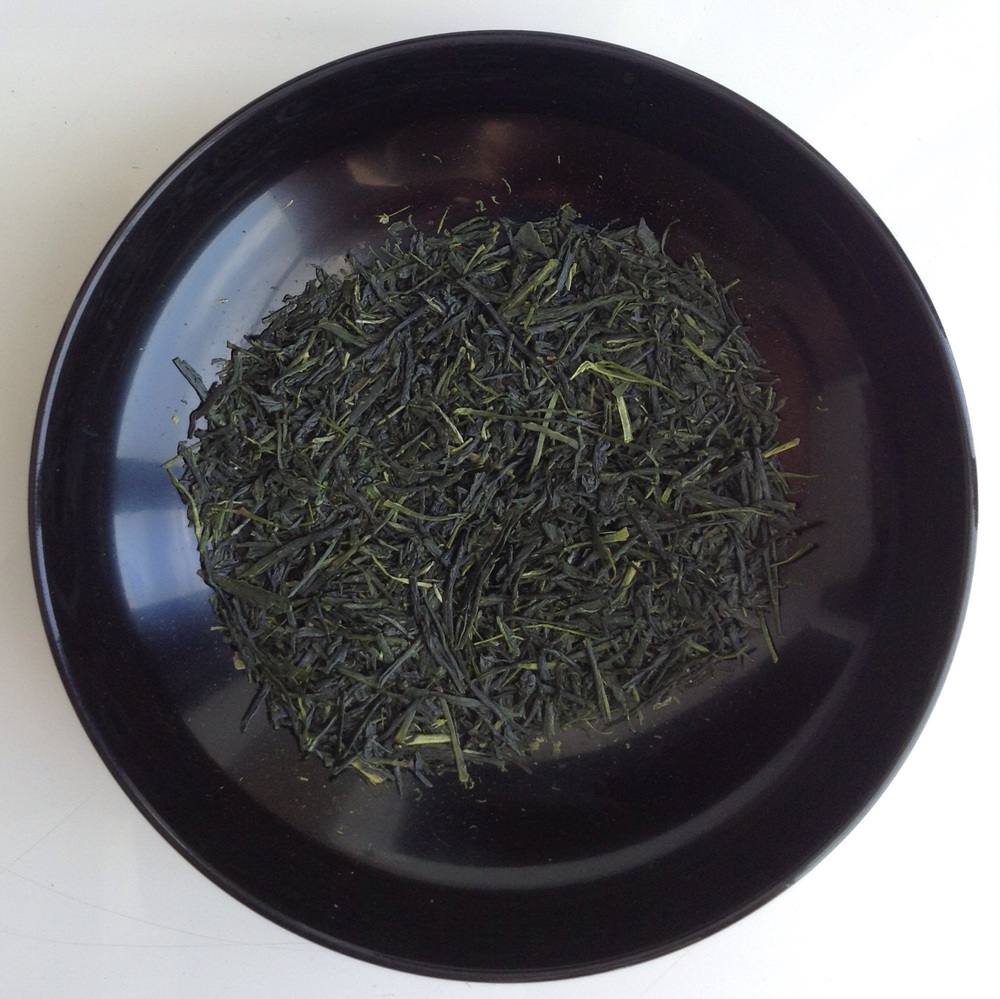
Loose leaf new green tea-新茶 from Miyazaki prefecture
Of course being in Japan my taste for green tea as developped a lot and I am quite picky with it too. If black tea works well for me all year round, I find green tea much better in warmer days. Because the water should only be around 60deg, and it has a fresh taste I find it less warming and comforting in winter. In Japan buying green tea is really simple. There’s already a lot of loose leaf tea in supermarkets, but tea shops offer a greater variety in quality. One delicious tea is “new tea” (新茶=shincha) the tea freshly collected, it’s much sweeter and soft than regular tea and can only be bought in spring and needs to be quickly used. There are many regions in Japan producing tea: Shizuoka, Uji, Miyazaki to cite only a few. Luckily we have friends with family everywhere in Japan and receive gifts from them often. This time it’s delicious shincha from Miyazaki that I enjoy every morning! But if you don’t have this chance I really love the tea from Mikuniya Zengoro which original shop is from Fukui prefecture.
What is your favorite tea?
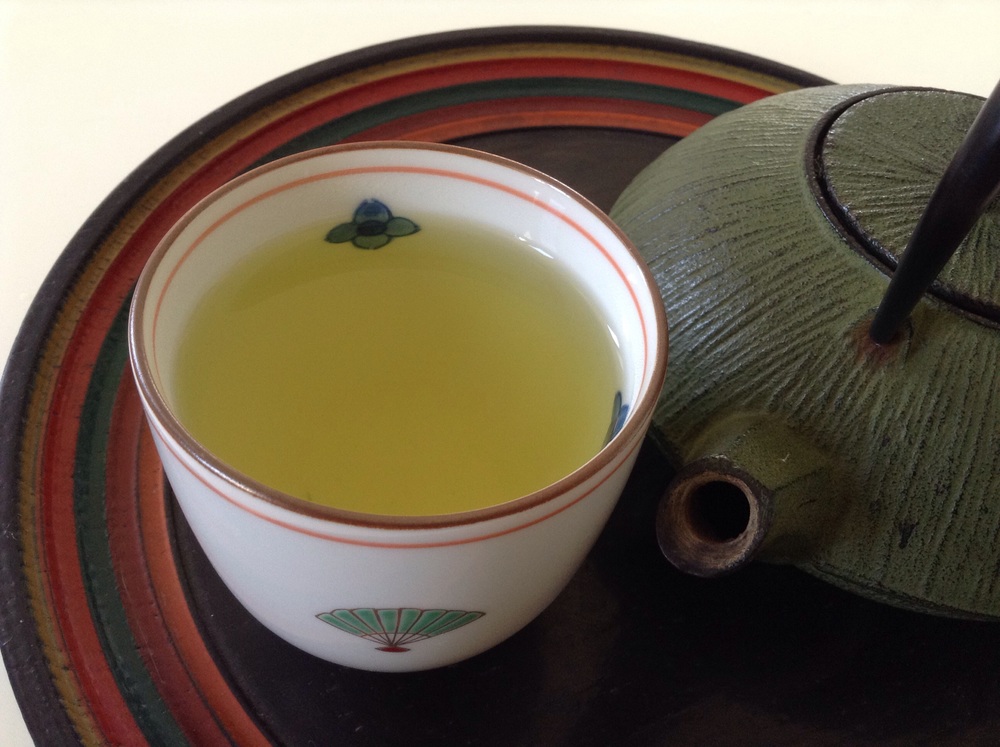
Freshly prepared new green tea (tray from a flea market, the teapot from Kappabashi dori, the tea bowl a present from our Japanese teacher)
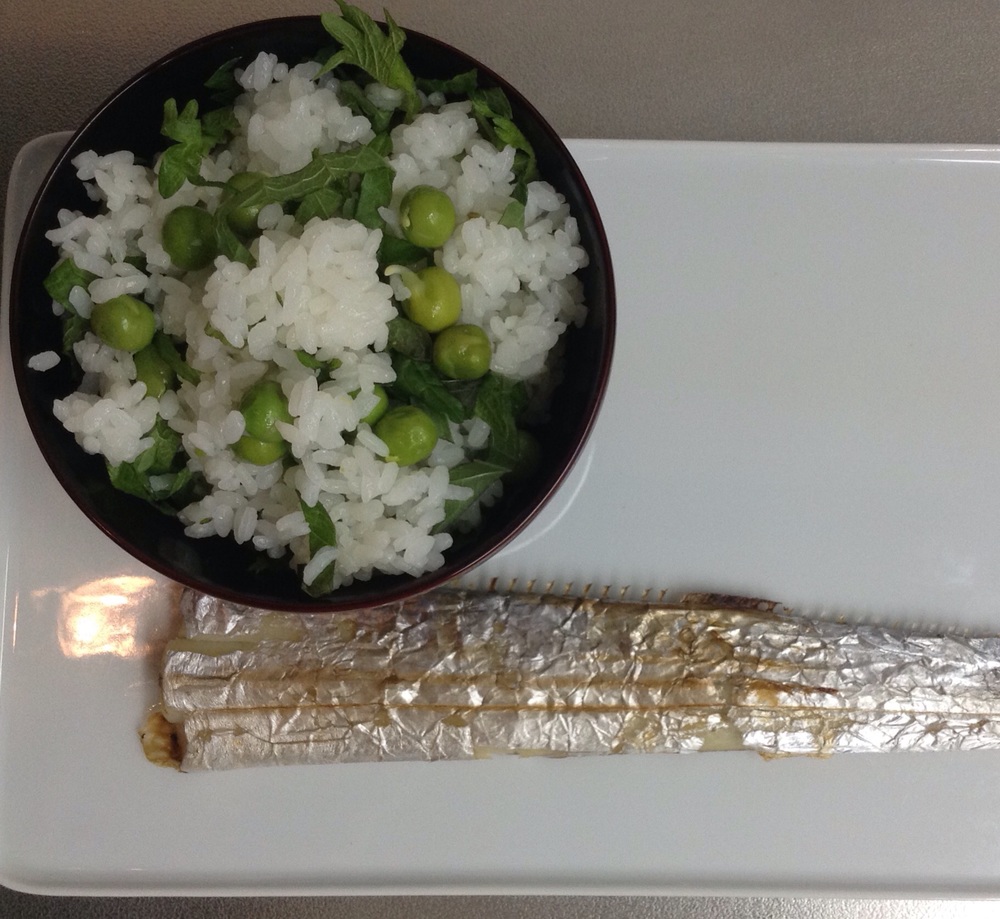
After a whole week in the US, I was cruelly missing Japanese rice and Japanese food. So I fixed this little dinner with rice, green peas and green shiso and shoyu-grilled Tachiuo fish (beltfish). Simple and perfect!
The rice is just steamed, in the last few minutes I add the fresh green peas, and just before serving I add chopped green shiso leaves. The fish is grilled in the oven with a bit of soya sauce and served immediately.
The other day I was introducing some locally produced cheese by Komagata cheese factory in Ohara, the problem is that it’s not easy to find and so far I’ve seen it only at one of the local product retailer Na no hana. So that’s quite limiting.
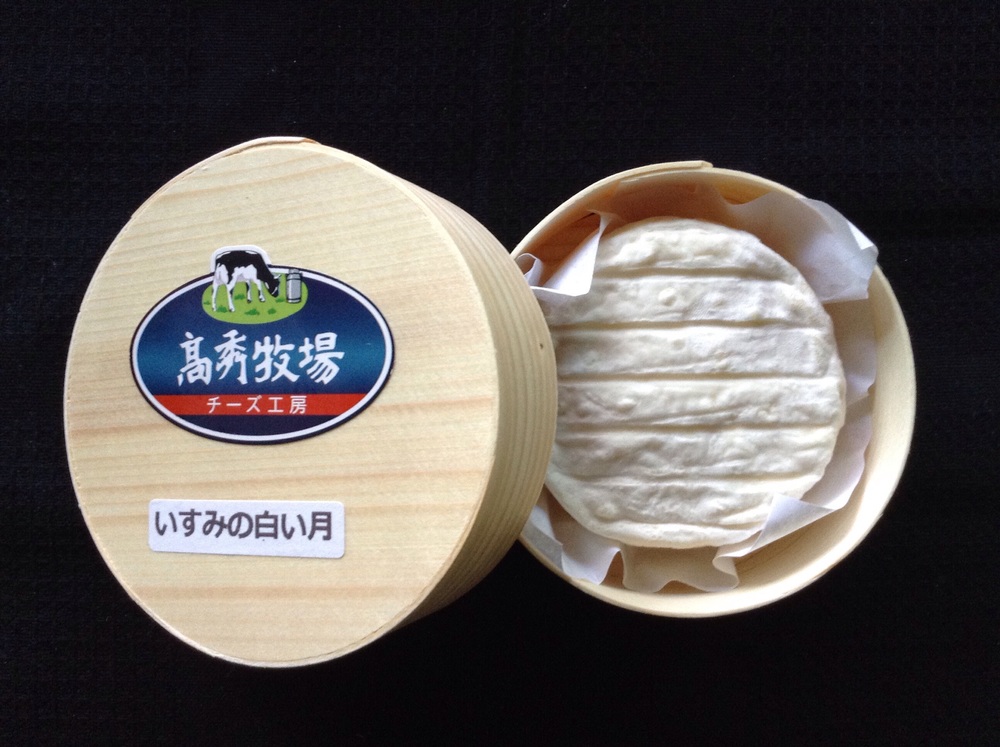
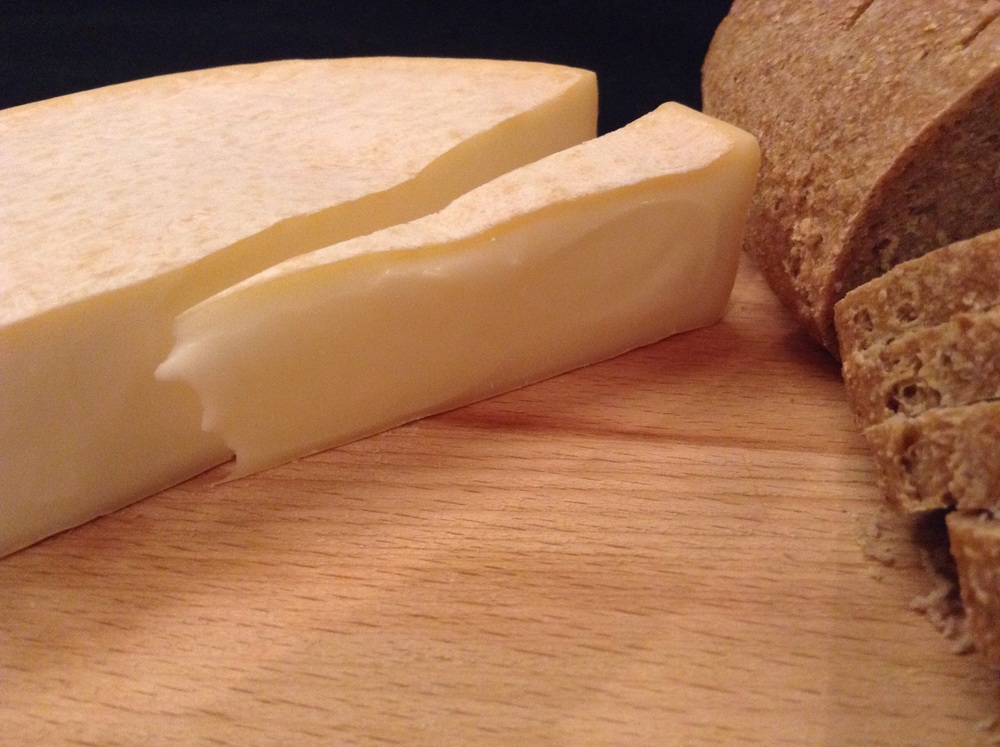
Sunday morning we went to Ohara market on the harbour. I thought it would be fish-only market but in fact it is a quite big (for Japanese standards) farmers market, selling also fresh vegetables and many other things than fishes. That’s where I found the stand for Takahide cheese factory. A farm higher inland in Isumi, near Kuniyoshi. Their cheeses look a lot like the ones from Komagata, with a little variation. I picked the Isumi white moon (いすみの白い月) and did not regret that choice. It is perfect!!!
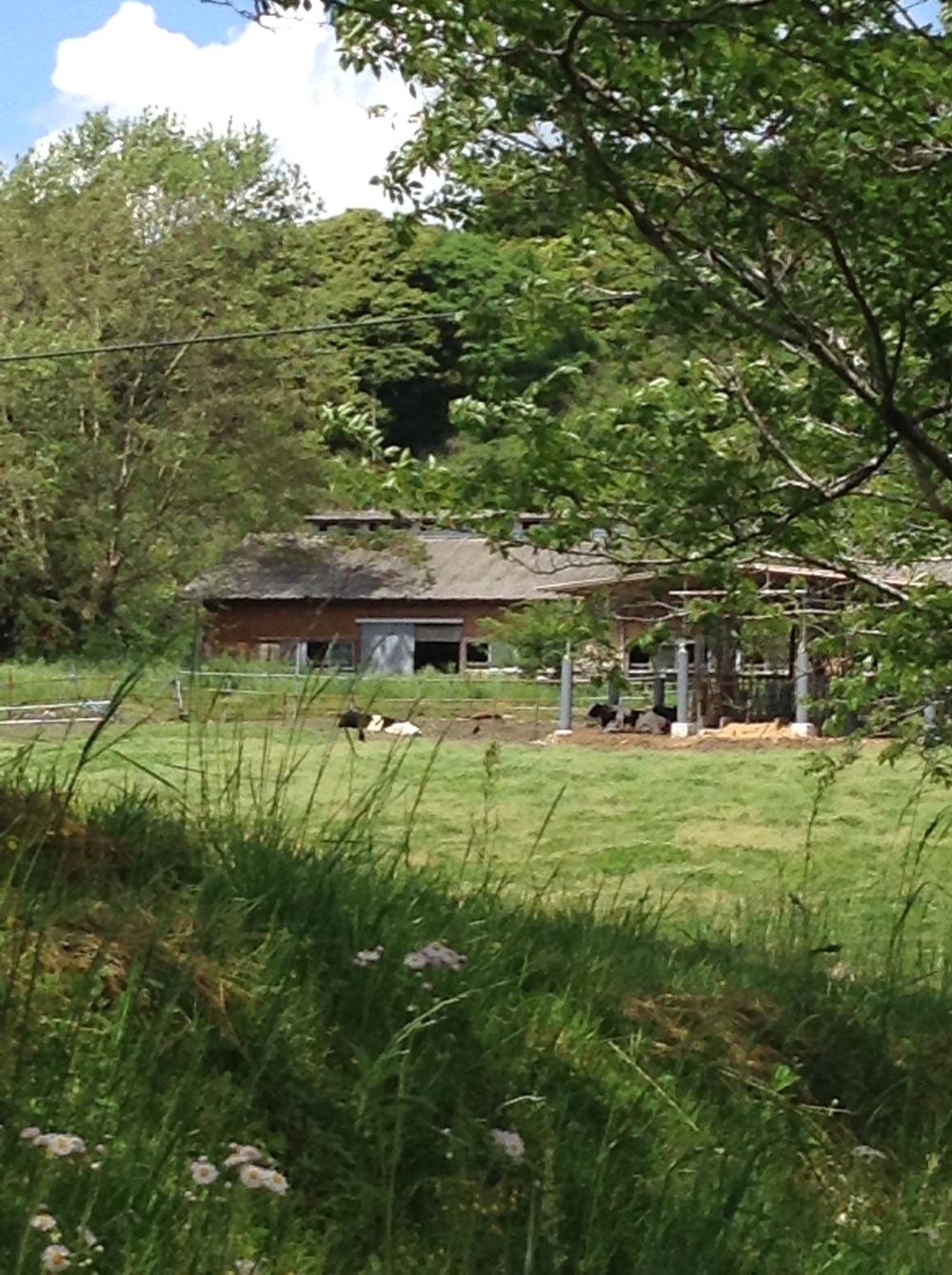
Takahide farm
Very much pleased with that choice, we decided to go and check out the farm directly. It’s a short drive from our house and a nice one among rice paddies and traditional farms. The Takahide farm is up a hill in a kind of group of dairy farms. There is a little shop where they sell directly, but the stock is not big and I recommend giving them a call before if you are looking for something specific because it seems they don’t hold stock very long and depending on the time not every thing is ready yet. They also sell fresh milk and seems to organize some events.
Where it is interesting for you, if you live in Japan and looking for delicious cheeses is that you don’t necessarily have to go to a big department stores or an import stores to buy some cheese from France or Italy anymore! Takahide cheese factory has an online shop where they sell their cheeses and fromage blanc!!! It’s not cheap but it’s really worth the try and it’s local at least.
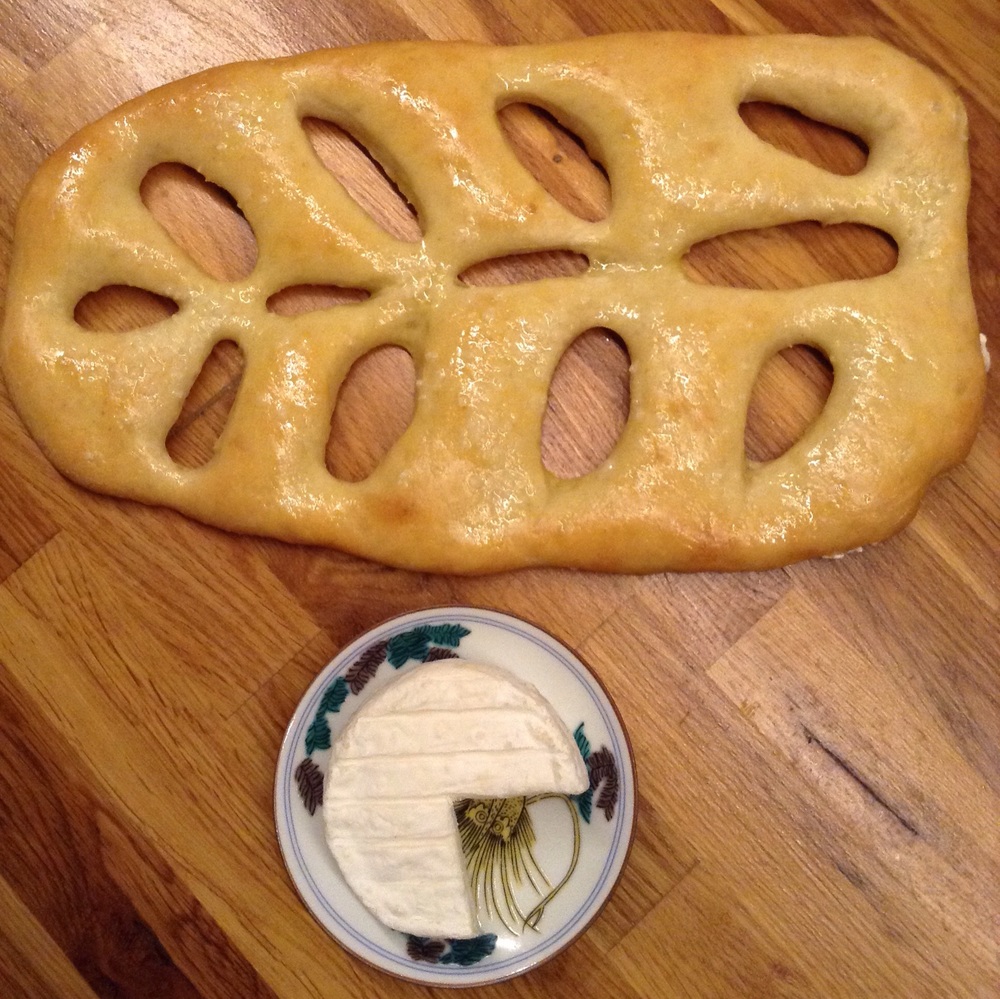
Since cheese cannot be dissociated from bread for me, at least the cheese that you eat, right not the one to top pastas etc… I prepared a plain fougasse with just a little of salt to eat with the Isumi no shiroi tsuki cheese, a very good match. And I tried their reblochon style cheese: Makiba no taiyo まきばの太陽 with a whole wheat bread. It’s just insanely good!
Isumi no shiroi tsuki and fougasse (Plate from Kutani yaki)Makiba no taiyo with whole wheat bread
Information:
Takahide farm in Isumi 高秀チーズ工房: http://www.takahide-cheese.com
Ohara farmers market 大原朝市: every first and third Sunday morning of the month, plus some extra days during holidays, on Ohara harbour.
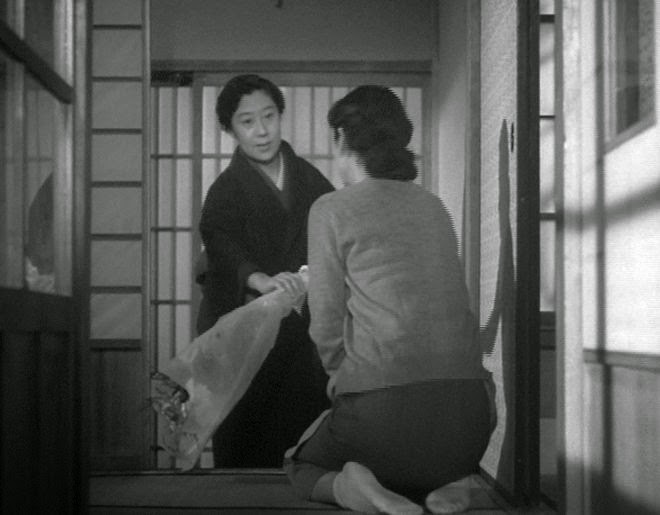
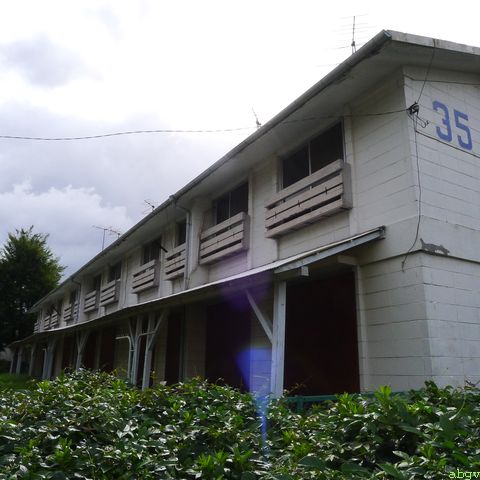
Yesterday was Showa day. Showa was the governing emperor from 1926 to 1989. Of course it covers WWII events, but what is really interesting for me is the postwar development of culture and style during and after the American occupation, after Japan’s been defeated. This period has been marked by a lot of movies, a radical modern style, the development of large housing complexes in the suburbs: danchi. This is very well depicted in a few movies I love: elegant beast (1962) by Yuzo Kawashima, Tokyo drifter (1966) by Seijun Suzuki, Good morning (1959) and Tokyo twilight by Yasujiro Ozu. It is also permisible from the works of Kenzaburo Oe. For a real taste of it, it is possible to visit a reconstructed danchi unit in Matsudo museum in Chiba prefecture and a few of this kind of units are still standing. After a trend for demolishig them (the beautiful Asagaya housing complex…) there is a trend now to refurbish these units and use them as community housing where young people and old people would share space and benefit from the proximity of each other, hipster housing…
Asagaya housing complex in 2011 when we visited it, before it was demolished
And just yesterday I found this amazing photo book that covers a lot of Showa style. The pictures are really nice and gives a good idea about what it was. More than just covering architecture it really covers style and a bit of fashion and habits.
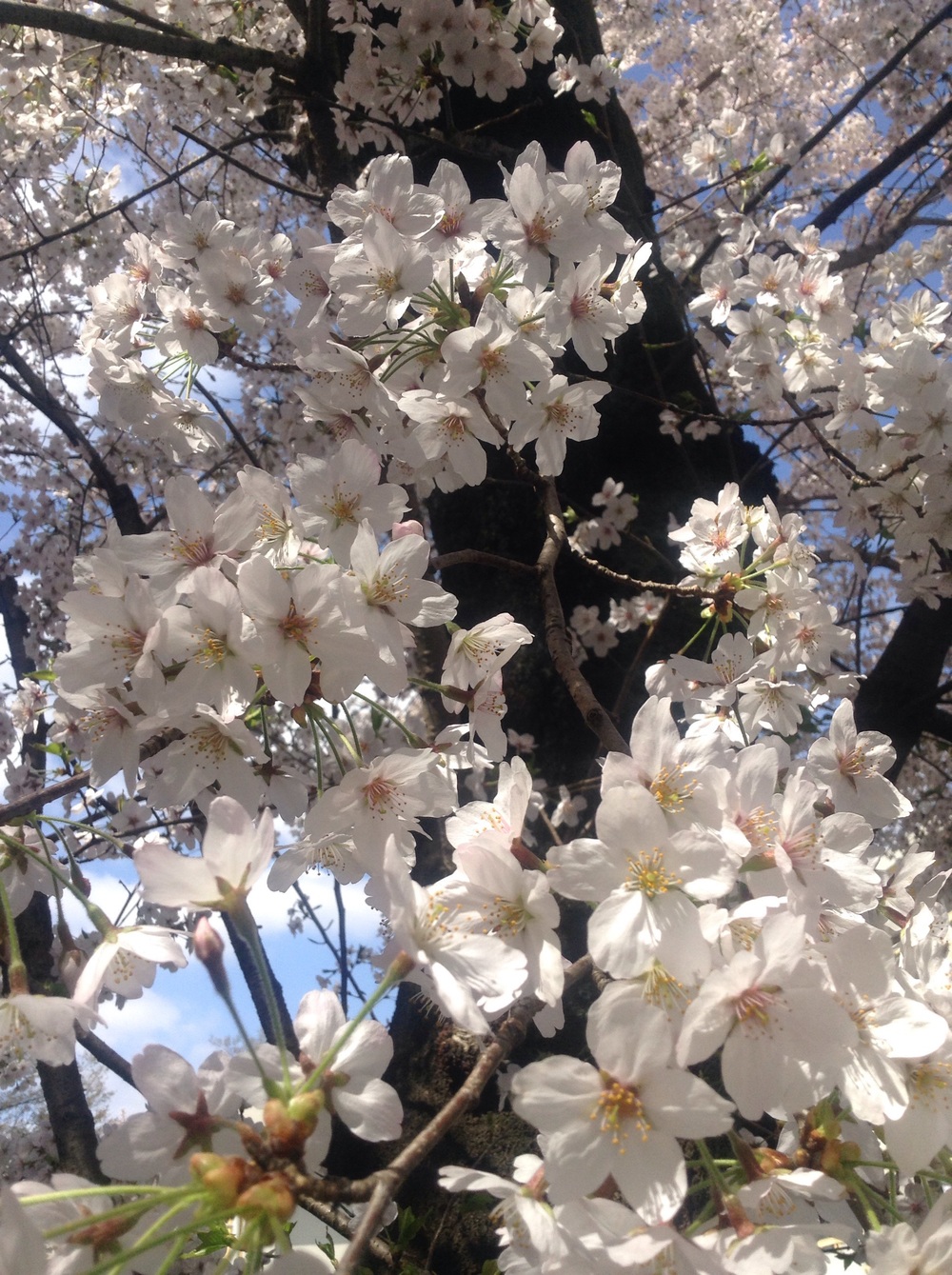
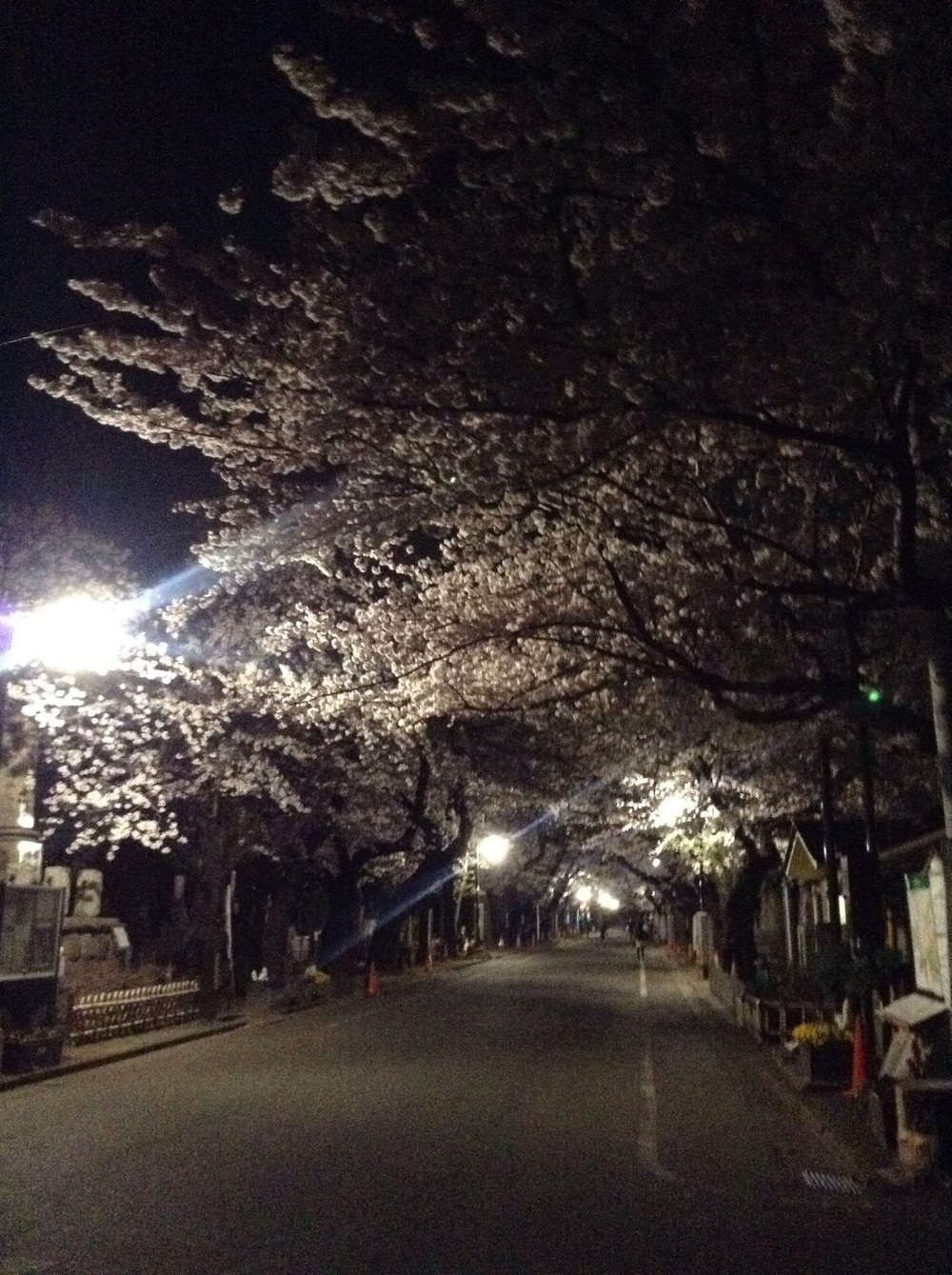
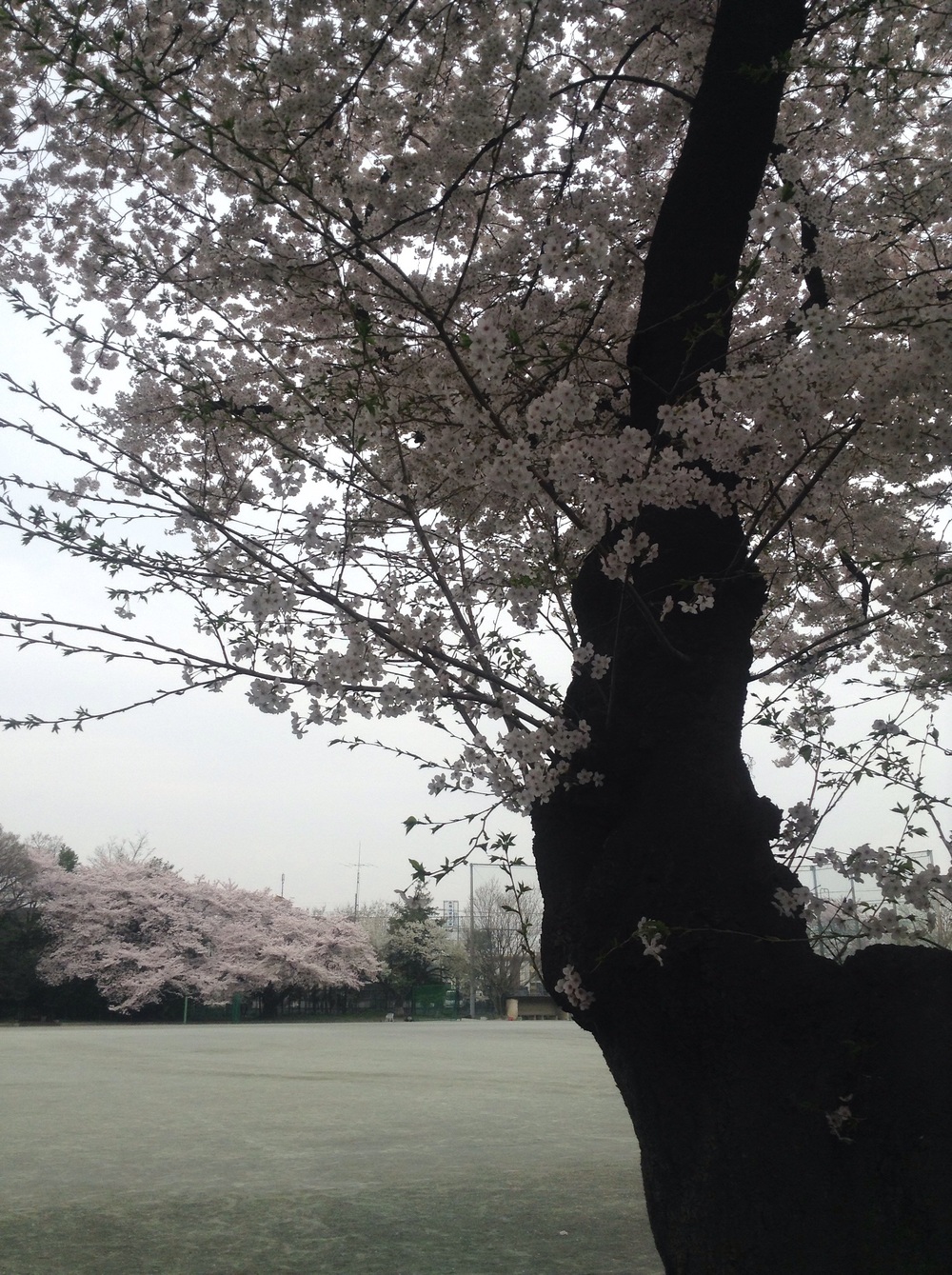
Here we are, this is the 2015´s week for hanami in Tokyo. Yes, it usually don’t last much then a week because at some point it rains and the delicate flowers fade. Right now the cherry trees are in full bloom, every place is crowded and Japanese people heads are spinning with flowers, sake, and spring. There is something extremely beautiful and poetic in the air, these trees, these flowers, that moment that will be very short, it is certainly a good reflection on the shortness of life and the natural cycles. But this has turned out as being such a business, of blue plastic sheets, potato chips and cheap alcohol, and people are taking this opportunity to get massively drunk, that I found celebrating hanami almost disgusting now. Hopefully there are still a few placed where you can enjoy the calmness and beauty of spring, without getting lost in crowds of drunkards. So avoid Ueno park, Yasukuni shrine, Naka-meguro… Instead, stroll in Yanaka cemetery, in Tokyo University botanical garden, or on some universities campus (Todai, ICU, TIT, TUAT…), or walk around the imperial palace at night. But please, do it in style!
Empty alley in Yanaka cemetery at nightTUAT koganei campus
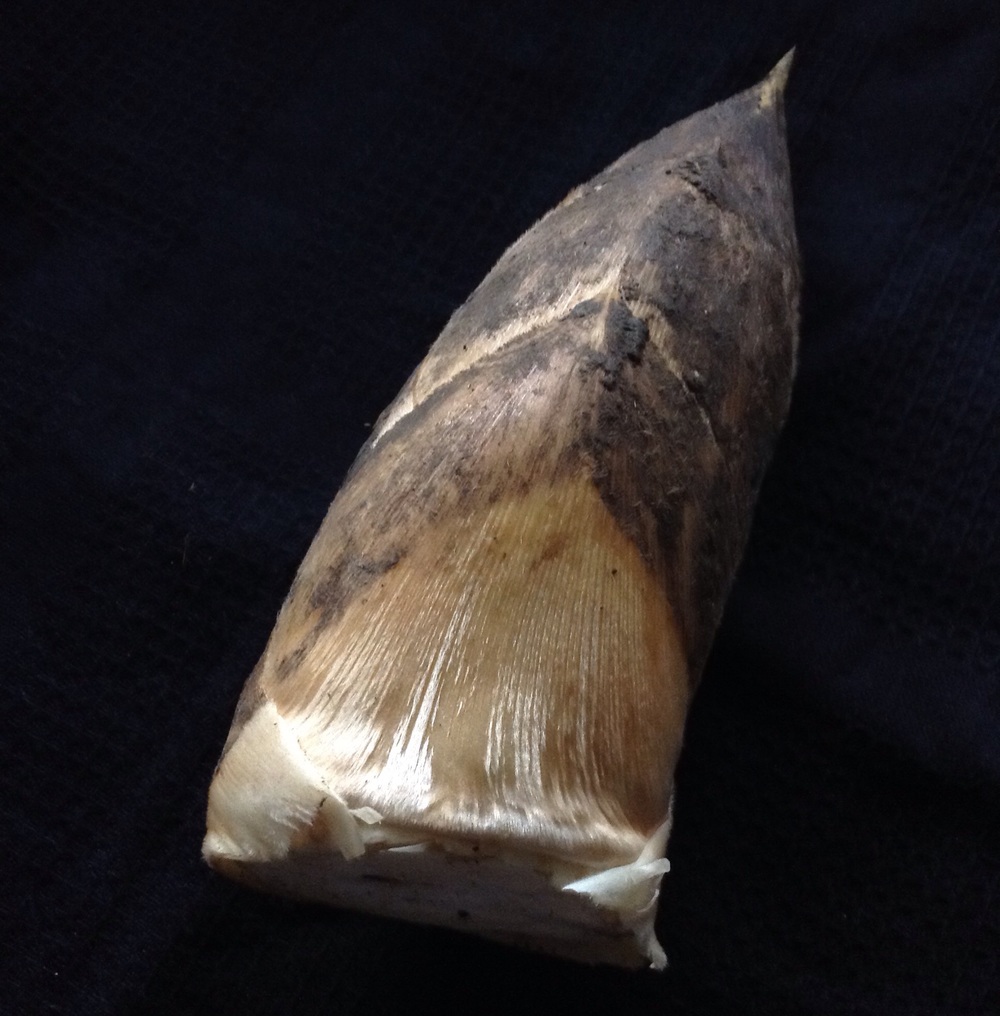
As I was telling you earlier, spring means a lot of fresh wild vegetables. After the fukinoto the bamboo shoot is probably the next to be found in Isumi area. In particular, the area close to Ohtaki is particularly great for delicious takenoko (bamboo shoot in Japanese). It’s also a great fun to go and pick them. This variety of bamboo shoot is the large one (8 to 15cm diameter), there exists a small one (1 to 3cm) that arrives later and that is even much more fun to pick.
Freshly cut bamboo shoot
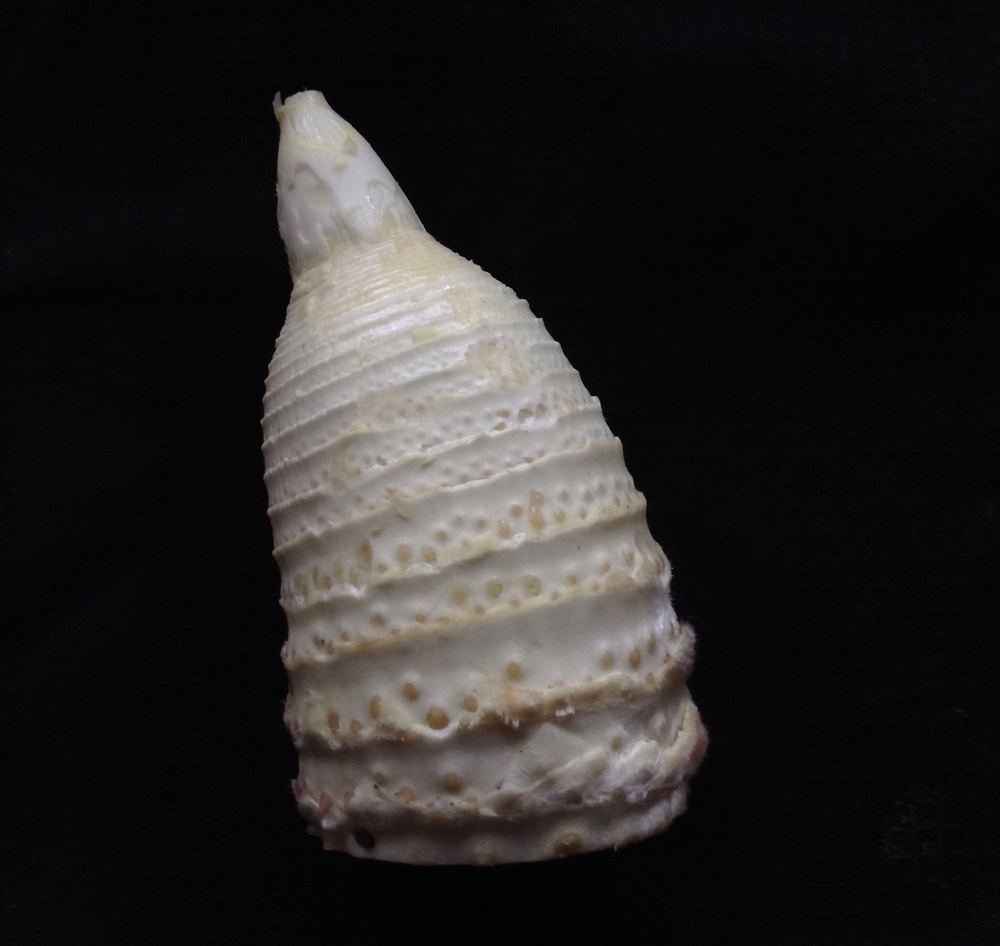
Preparing fresh bamboo shoot is really easy, though a bit time consuming. First of all you need to peel the hard and hairy skin. It peels like a artichoke, so it’s really easy.
Peeled bamboo shoot
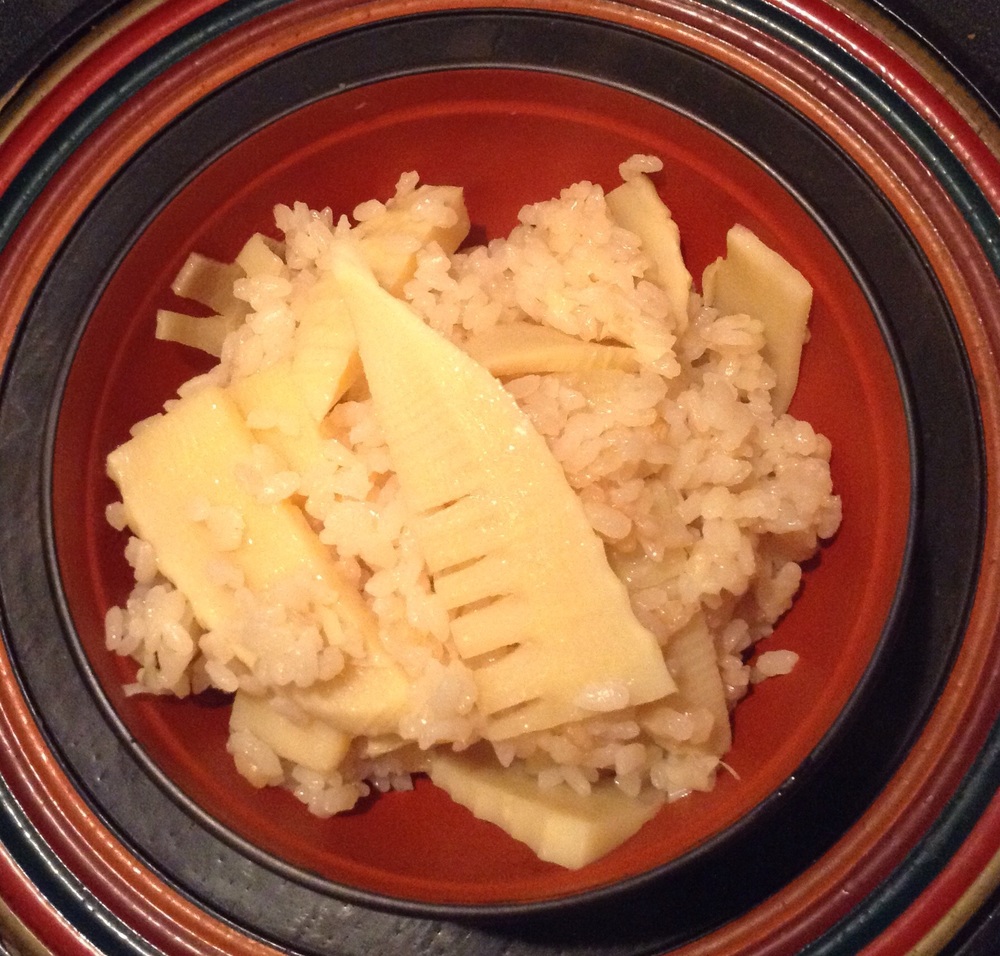
Then you need to boil it in something that would remove the bitterness of the wild shoot. In supermarket they often sells nuka (what is used for the pickles) and I was using that until I learn from an old lady at the local farmers cooperative that the first wash of rice was perfectly efficient. Since then I’ve usjng that, and believe me it’s much easier to clean than nuka. You need to boil for 30 to 60min, until soft (you can pick a toothpick easily in). Once cold you can cut and then boil in dashi for 15min. I used katsuo dashi. You can eat now, or add to rice for a “takenoko gohan”. For this I start cooking the rice as usual, then at mid cookjng time I add the bamboo shoot sliced vertically and a little of soya sauce. Delicious to accompany red snapper or bonito.
Takenoko gohan
Ideally you would serve takenokoto with leaves of “ki no me” the leaves of the mountain pepper tree (sansho), mine in the garden is not yet ready…
Finding delicious natural cheese, not industrial in Japan is not easy task. By pure chance, our country house in Ohara is very close to a cheese factory. Yes yes! a cheese factory in Japan! and not in Hokkaido! But, sadly it is impossible to just go there and buy cheese… At least all my trials didn’t success. But, at last, I have found a place where to get some: Na no hana local products shop!!! They have a selection of cheeses from Komagata and so far what I’ve tried was really good. On the picture only the fresh one, because they have a selection of wilder things that are impossible to capture with a camera! Each was a perfect match to my cereal favorite homemade bread! A French girl, even in Japan is still French!!! And if you love cheese there is still means to find some (took me 10 years though!).
And you, what are your plan to find delicious locally made cheese??