Cruising in the kitchen

Not that I have been more busy than usual, nor that I have less inspiration these days… but I’ve been cruising in the kitchen… probably because of the season sudden change and this in between moment when you don’t want to shit to the new seasonal staples too quick, but yet you have explored enough with the past season ones… eggplants, okras and cucumbers are slowly making way to pumpkins, carrots and lotus roots.

And by cruising I mean Saturday ravioli, Sunday quiche, Monday chocolate cream, Wednesday steam buns etc… etc… hopefully Sunday was rainy, so after a nice bodyboarding session in a rough ocean I spent the afternoon browsing some of my very old cookbooks that were left in Paris 20years ago, and that I just received with our cargo…

The Reboul, a must for Provencal cooking, the first edition dating back to the 19th century, that I have been using to check basic recipes when my grandmother or mother were not available… I read it with a new eye and learned many many things!

Les recettes faciles, also plenty of basic ressources that help a lot for remembering how to make a good roux, or a creamy sauce… it’s nice to go back to the basics again once in a while.

Les recettes de la table franc-comtoise is probably the most alien to me. It was a gift from A. grand mother who was from Franche-Comte, a place in France I have never stepped foot, and where cooking is based on cream… but there are some great recipes and inspirations to gather from there too and the food A. grand mother would prepare for us!

In the meantime, Japanese seasonal cooking has never been more attractive to me and I have been thinking about how to level up… while I don’t feel like going to in-person cooking class yet, I still think about Shojin cuisine…

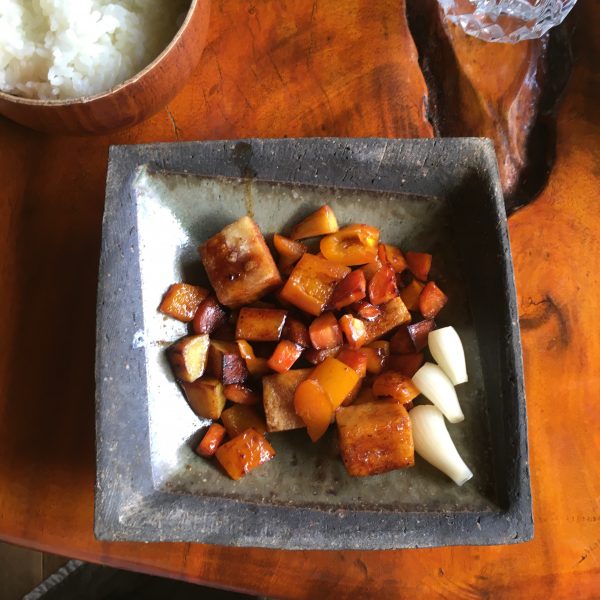
I tested new ways of using Koyadofu, I mean new may not be the right word, but at least without any cookbook nor guidelines and made this soya sauce based stew of vegetables and koyadofu that was just a hit! The recipe yet needs a bit of polishing before I can share it with you.

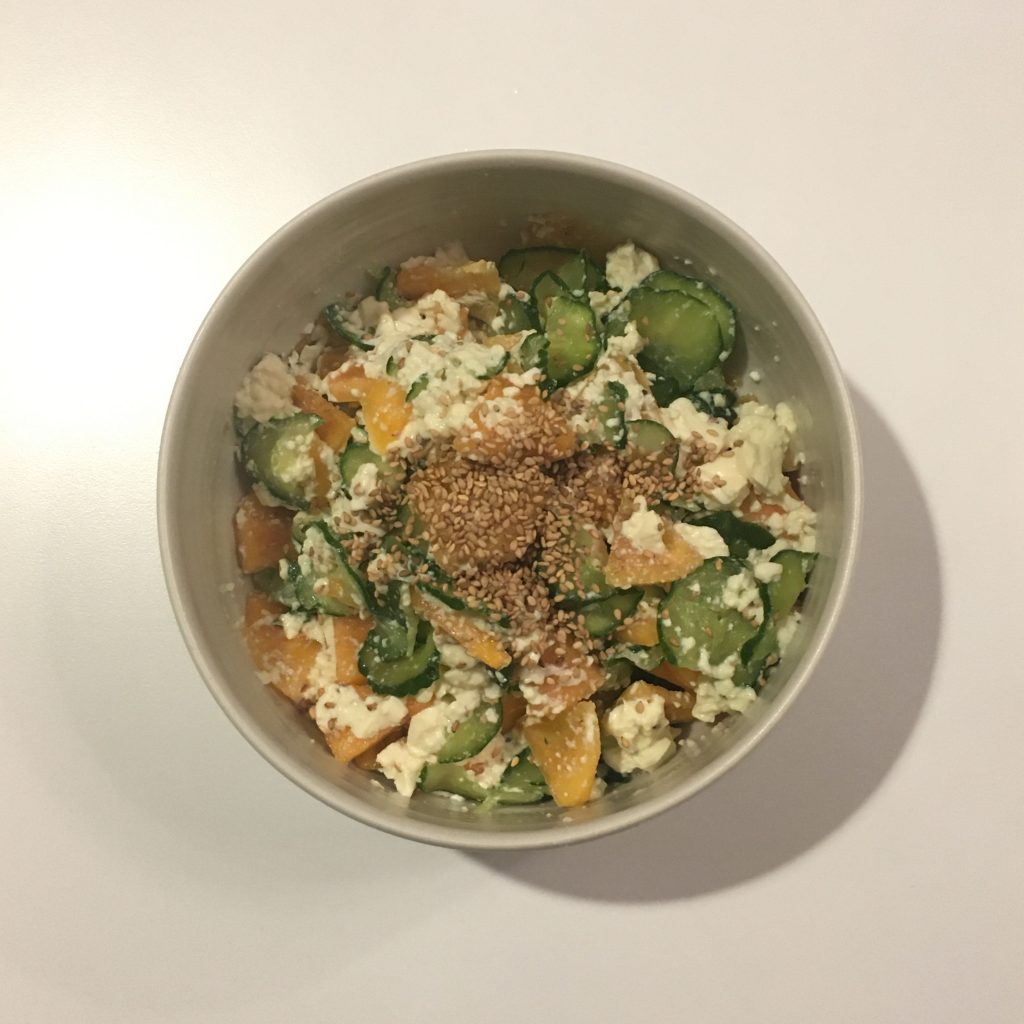
The other big hit this week was my classic persimmon and cucumber tofuae. A. often complains about all these persimmons we have in our garden… and doesn’t seem too happy when I serve one for dessert, but with the less ripe ones when I make this simple dish I learned at my Chakaiseki classes, he surprisingly always asks for more!!!
I’m hopping to be able to share a few new recipes in the coming days/weeks and in the meantime I’ll continue to cruise in the kitchen with all the classic recipes and the new ones that’ll pop in my head!

See you soon!
Autumn ravioli

Last Friday a strong windy typhoon passed nearby, and we had a few things to fix in the garden Saturday when we went on our usual inspection. The wind chopped a palm tree in two, many dried branches felt and a bit of cleaning was more than necessary. While doing so, A. found a few chestnuts fallen from our tree that animals haven’t had time to touch yet. A few meaning exactly 5.

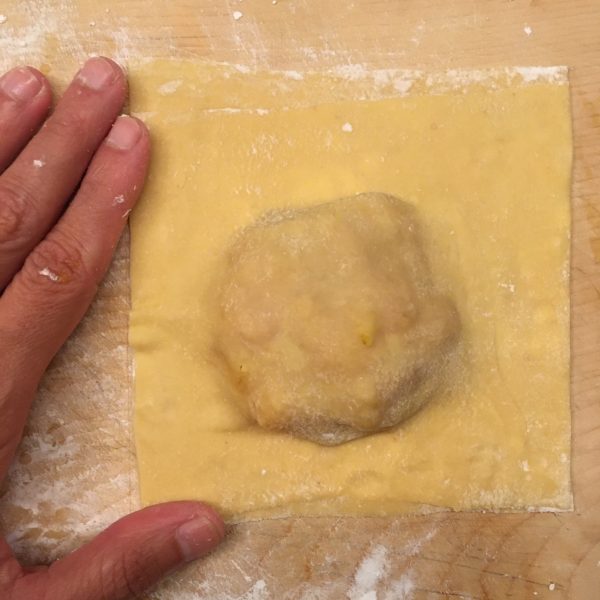
But that was perfect. With the butternut squash I had and the dried porcini I just bought at an Italian grocery store newly found in Tokyo, dinner was all decided. It would be ravioli. And that came to a more satisfying recipe for A. when I told him I could use some local sausages too. We were so hungry and happy with ravioli for dinner that I didn’t even take 1min to take a picture!!! The only I had taken was the ravioli before cooking them.

So here is my recipe, simple as usual and very very tasty! I opted for super jumbo ravioli to enjoy the filling, but you can make smaller ones too.

Autumn ravioli (2 servings)

  • Same as usual for the pasta: 100g of flour, 1 egg, water
  • 5 chestnuts
  • 200g of raw pumpkin, butternut squash…
  • Dry of fresh porcini (10 pieces dry, 2 mushrooms fresh)
  • optional: fresh sausage (I use local sausage)
  • Olive oil
  • Salt and pepper

Start by boiling the chestnuts. While they gently do, prepare the dough for the pasta, and let it rest while you prepare the rest. Which is to peel and chop the butternut and boil it with very little water or best steam it, until soft. Return the dry porcini in tepid water, or if you use fresh ones, wash and slice them. By then the chestnuts should be ready, and after cooling down a bit peel them. If you use sausage, remove the skin if the sausage. Then in a pan mix together he butternut, the chestnuts chopped, the sausage, salt and pepper, cook at low heat while stirring, mashing to obtain a rather puréed filling.

Roll your dough, and make the ravioli.

Boil enough water for the ravioli (if you used dried porcini add the water used to returning them in there too). In the meantime in a large pan sautéed in olive oil the porcini, add salt and pepper. Boil the ravioli and add to the pan. Stir gently and serve in the plates for immediate enjoyment!!!! Et voila!!!

Myoga!!!

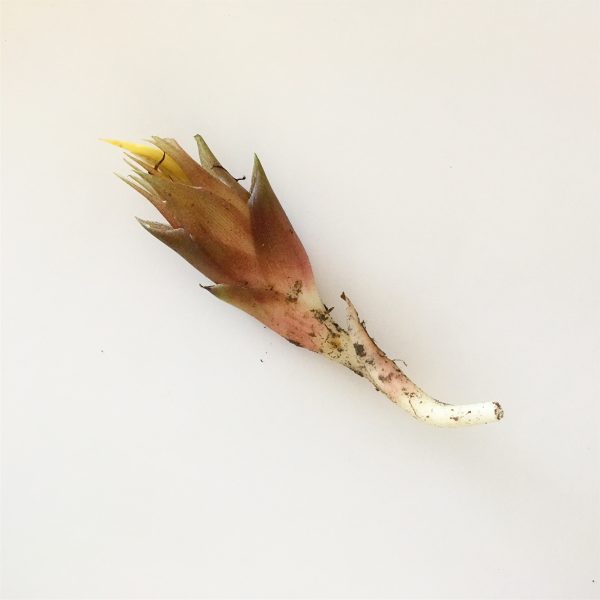
This little wild flower bud is really too delicious and its distinctive flavor quite unique. As you know, from all previous posts, I love it!!!

We are lucky to have some growing wildly in the garden, and it’s quite easy to find some when going for a walk in the woods. Apparently there are two seasons for it, one in spring and one right now in the early fall. Our garden has more of the latter and for me myoga is a fall flavor!

There are many many ways of preparing it and eating it (again, check my previous posts on the topic!). Raw or pickled would be the most common and my favorite. Raw particularly. It is so simple and it goes well with so many things!

Today two super simple recipes with myoga, one is a classic, the second is more one of my classic.

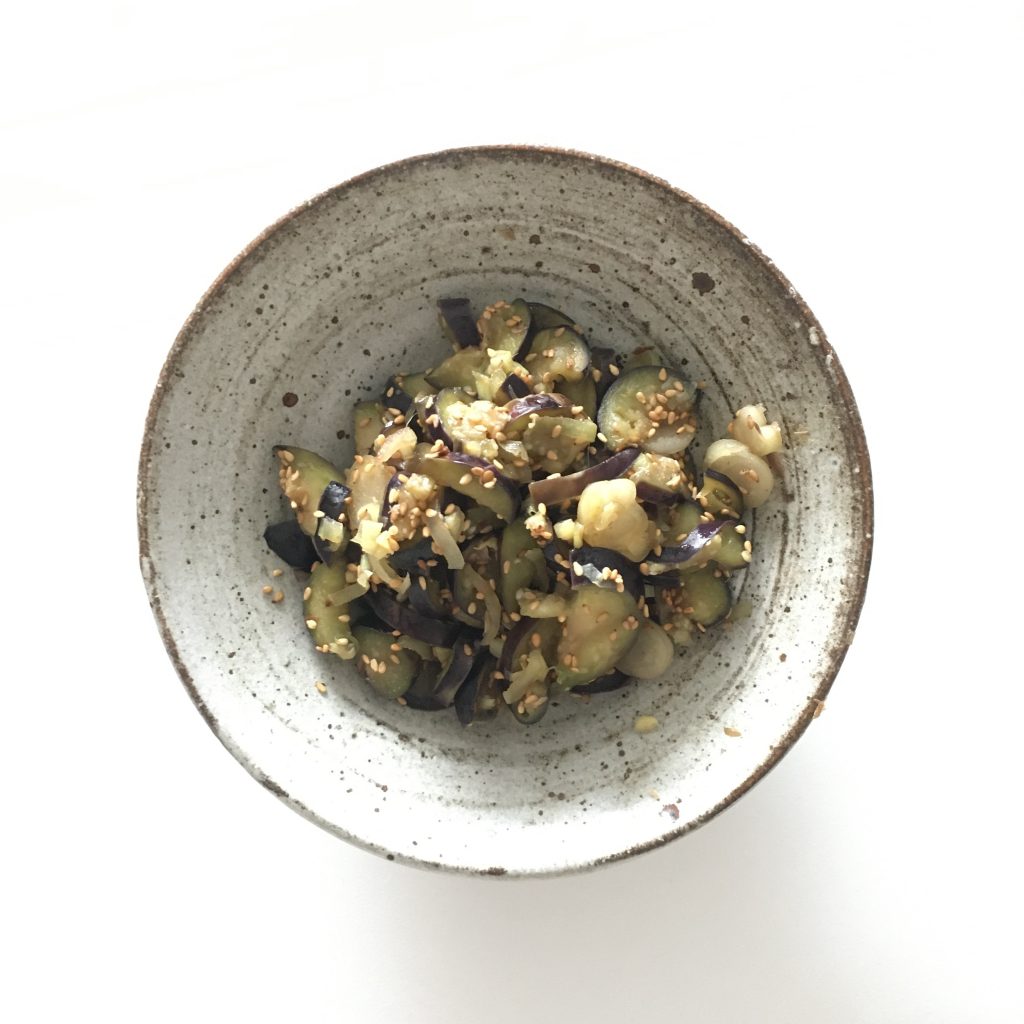
Eggplant with myoga

  • 2 myoga
  • 2 eggplants
  • 1/3 tsp of salt
  • 1tsp of sesame seeds or a handful of katsuobushi

Normally for this you could do it with raw eggplants like I suggested here. But to male it faster, instead of waiting for the salt to slightly pickle the eggplants, I cook them.

Wash and cut the eggplants in their length, then in 4-5mm slices. In a tiny pan start cooking the eggplants, add the salt and stir often. I do not add water nor oil. When the eggplants have softened add the myoga washed and thinly sliced. Stir well. Add the sesame or the katsuobushi. Stir again. Serve and eat now or chilled.

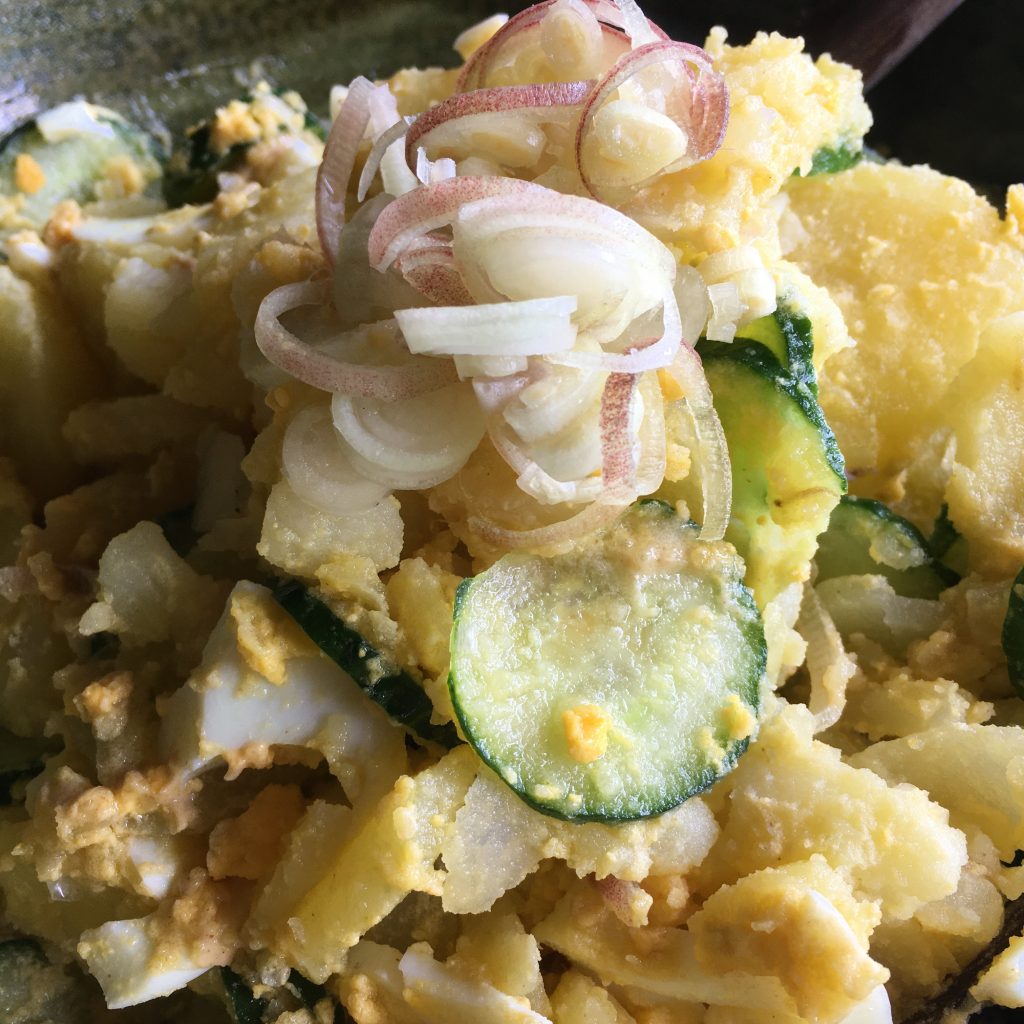
Myoga potato salad

  • 2-3 myoga
  • 1 Japanese cucumber
  • 8 small potatoes
  • 2 eggs
  • 1tsp of mustard
  • 2tbs of olive oil
  • pepper

Boil the potatoes with the skin and the eggs. When done let them cool down. Wash the myoga and cucumber. Slice them thinly. Peel the potatoes and the eggs.

In a bowl, cut roughly the potatoes and the eggs, add the cucumber and myoga, the mustard and oil. Stir well and serve.

That’s really as simple as that!

Happy birthday Lois!

A year ago after many years of hesitation, I finally decided to prepare my first sourdough: Lois. Since then we’ve been living and working together to make breads, pizze, brioches, buns and the like, for the best and a few times the worst, but I must say that I am very happy with it.

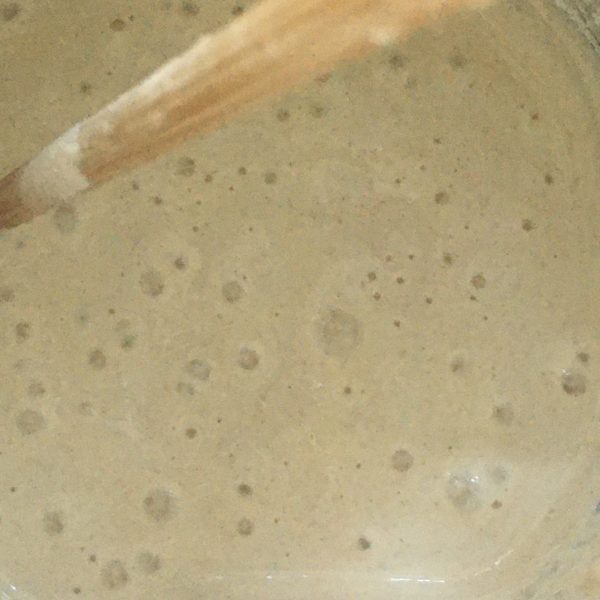
Lois is a sourdough that behaves well. Seeing so many pictures on IG and www of sourdough overflowing really got me worried, as I hate the kitchen to be a mess, to throw away food, and waste time and energy cleaning a catastrophe that could have been avoided. Kept in a large enough bin has always prevented it from happening and that’s good news! I think also Lois may not be a very very active sourdough, even in a large bin only a few times I could see it grow quite dramatically, otherwise, it looks much more like some kind of pale mousse.

But when it comes to working, it is a steady and stable worker, regardless of the temperatures and the seasons, and I can’t stand the taste of yeast now. The richness of the sourdough flavor is really unique and it evolves with time, making the kitchen smell good as soon as the bread is out of the oven!

So you understand now, I will continue to cherish Lois.

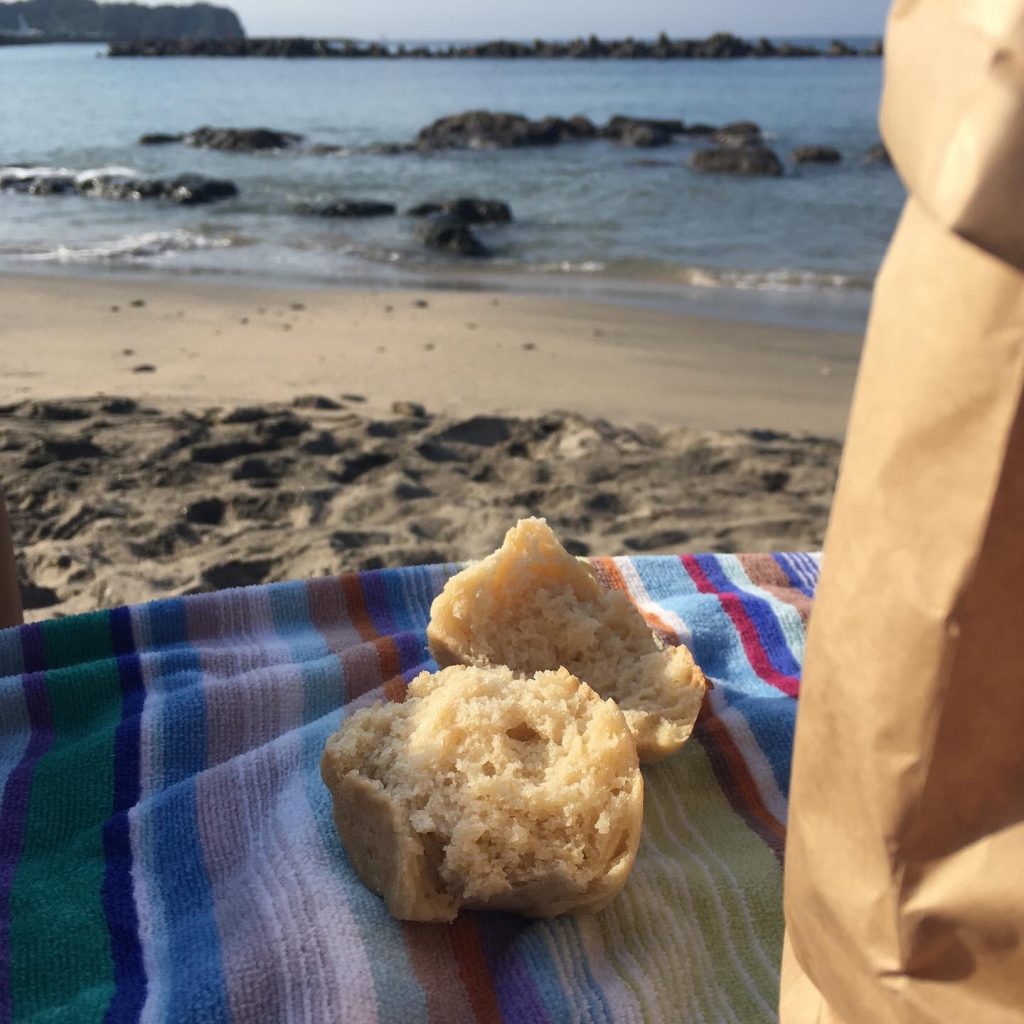
Sourdough milk brioche on the beach

Chestnut rice – 栗ご飯

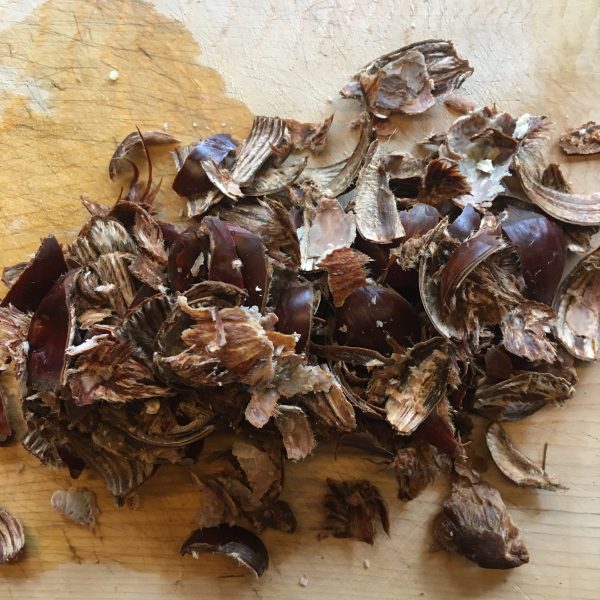
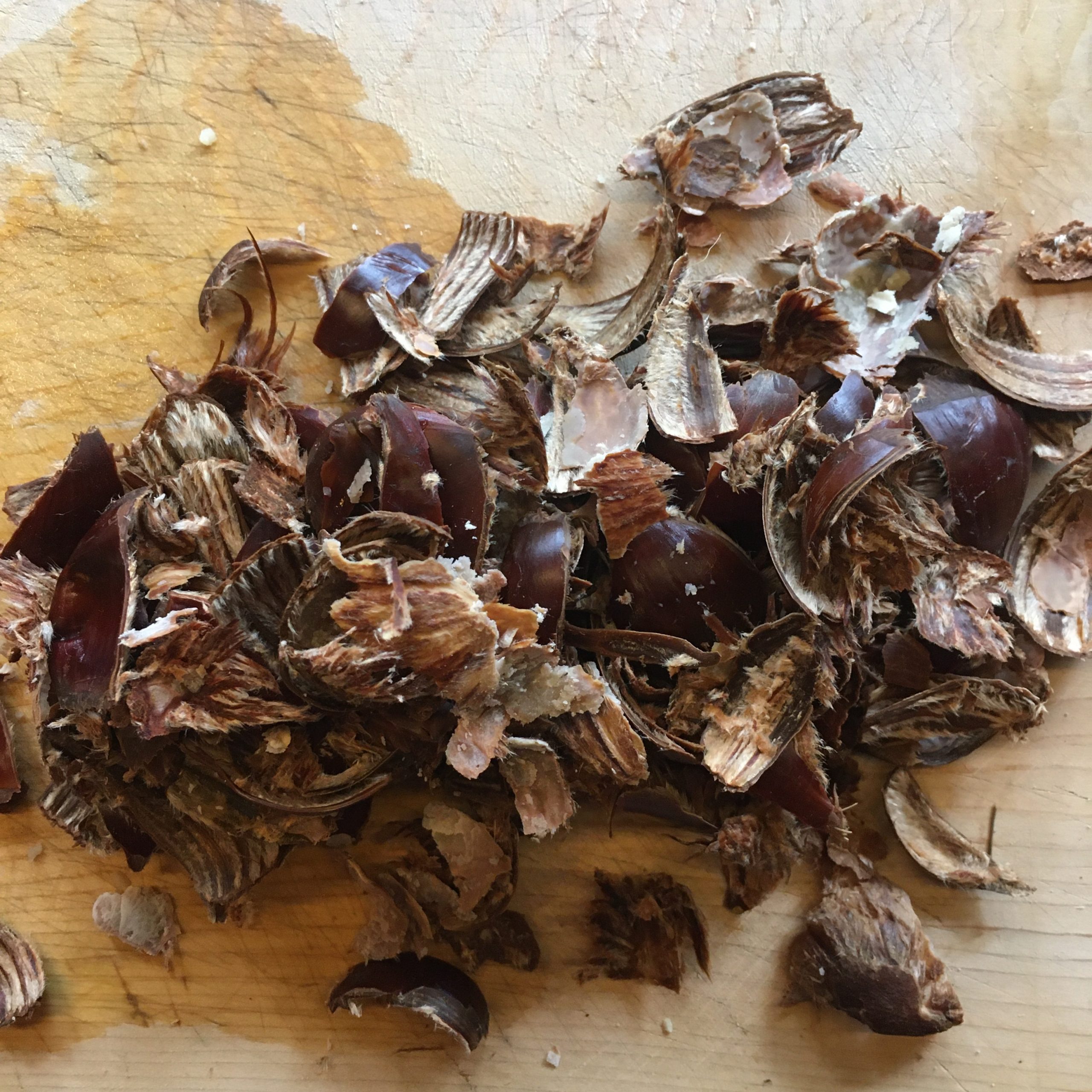
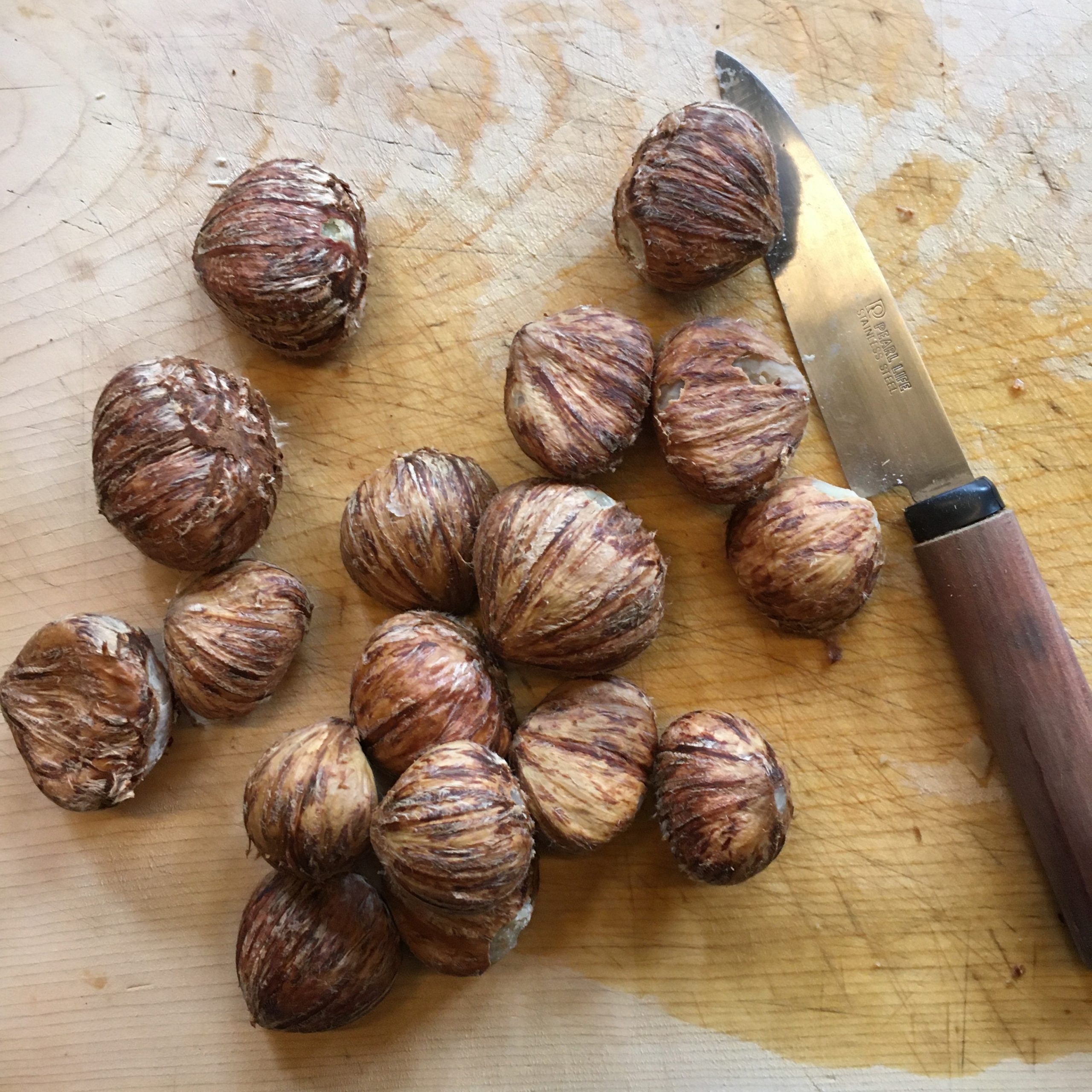
When autumn arrives, sweet chestnuts 甘栗 – amaguri are a must eat. We have a chestnut tree in our garden which usually produces just enough chestnuts for us and the rest of the animals: racoons, kions… A. doesn’t like chestnuts too much so it is usually the right number. Except this year, I wasn’t quick enough in harvesting them, and the other animals didn’t have the slightest pity for us, and left us nothing but empty spiky shells. I had two options: forget about chestnuts this year and be more greedy next year, or wait a bit and buy a bag of local chestnuts whenever I would find one. Bags of chestnut are usually much bigger than what I need, but still eating a few chestnuts, and in particular a bowl of chestnut rice was too tempting. Chestnut rice like many of the traditional Japanese rices, is just too delicious, and the perfect food to enjoy the transition between summer and autumn. This time of the year when days are still hot but shortening quickly, the sky has this special blue color, soft and bright at the same time, and evenings are getting chillier. The cicadas are becoming silent or distant and leave sound space for more delicate voices.

So, it wasn’t long beforeI found local chestnuts and start working with them. Though I had a few ideas of recipes in mind, I opted for the classic chestnut rice 栗ご飯 – kurigohan. It is a bit tedious to make, but not more than anything else with chestnuts, and it is super very delicious, packed with energy. So let me share with you my recipe.

Kurigohan (3-4 servings)

  • 2 cups of rice (I use new rice)
  • 10 raw sweet chestnuts
  • 2tbs of soya sauce

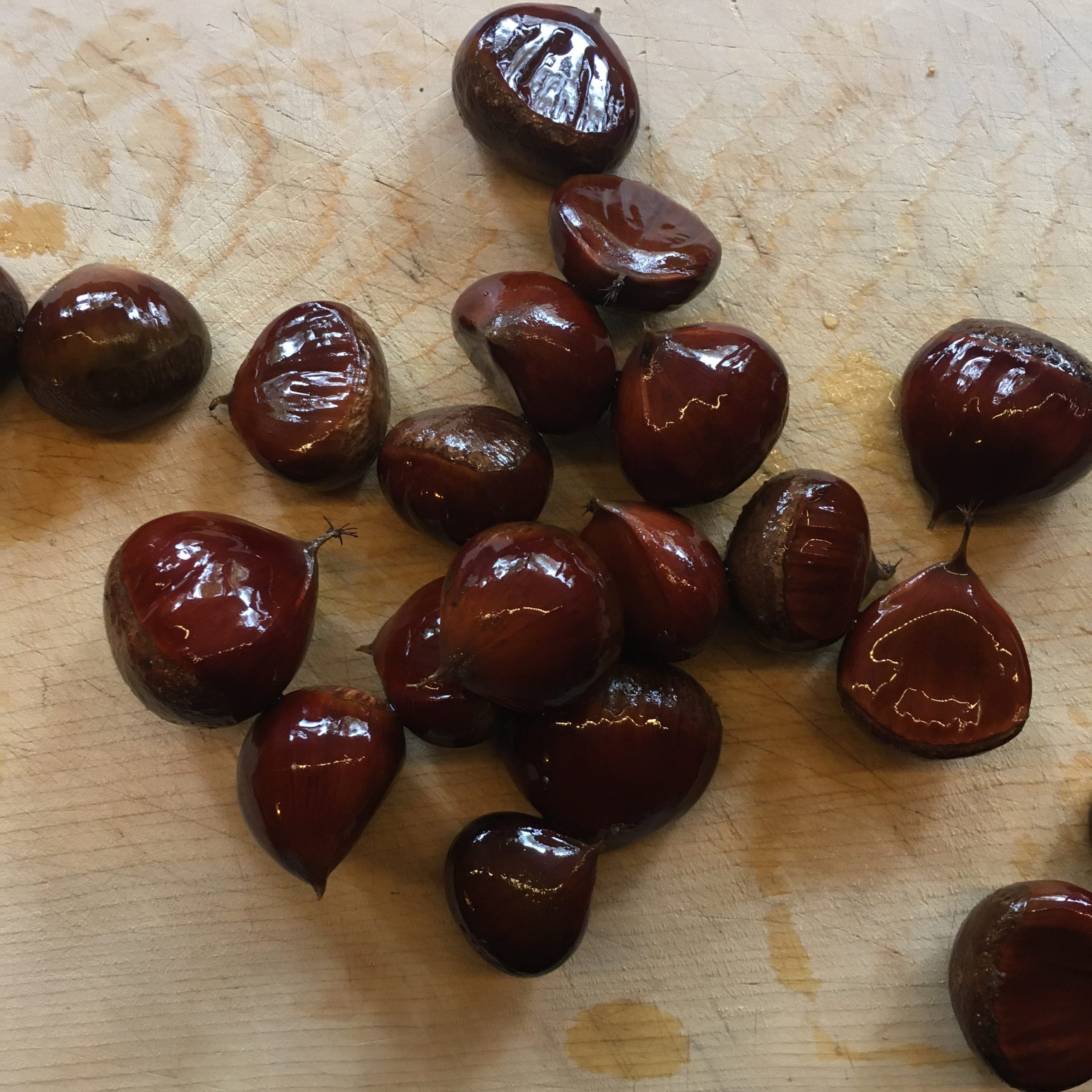
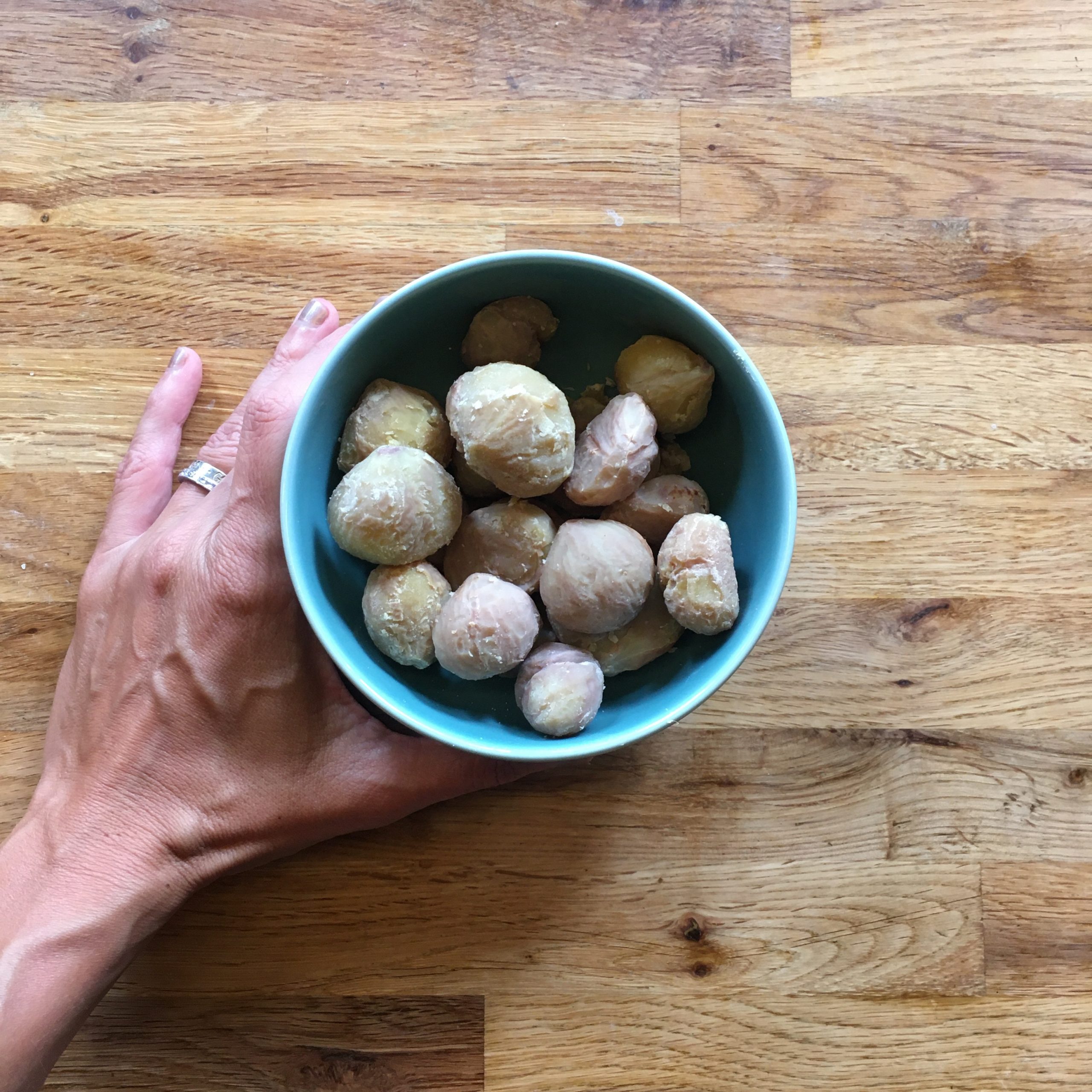
Start by preparing the chestnuts. In a pan put the chestnuts, cover generously with water and bring to a boil. Add a bit of salt if you have some. Bring to a boil and let cook at low heat for 50min. Let cool down. Then peel the chestnuts. You can do this step up to two days before actually.

Once you have peeled the chestnuts, it’s time to prepare the rice, and it’s really simple. Use a rice cooker or a regular pan, or a cast iron cocotte… wash the two cups of rice, set the amount of water you would for cooking it normally. Add the chestnuts, it is good to have some whole and some crumbled. Add the soya sauce, and cook just as usual. Enjoy while hot, and it is even better re-heated the next day!

Aibika – 花オクラ🌸

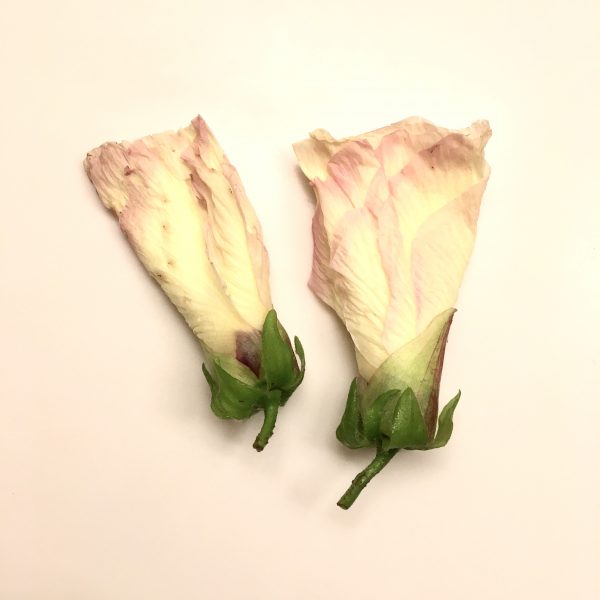
Do you know this flower named aibika or hana okra 花オクラ?

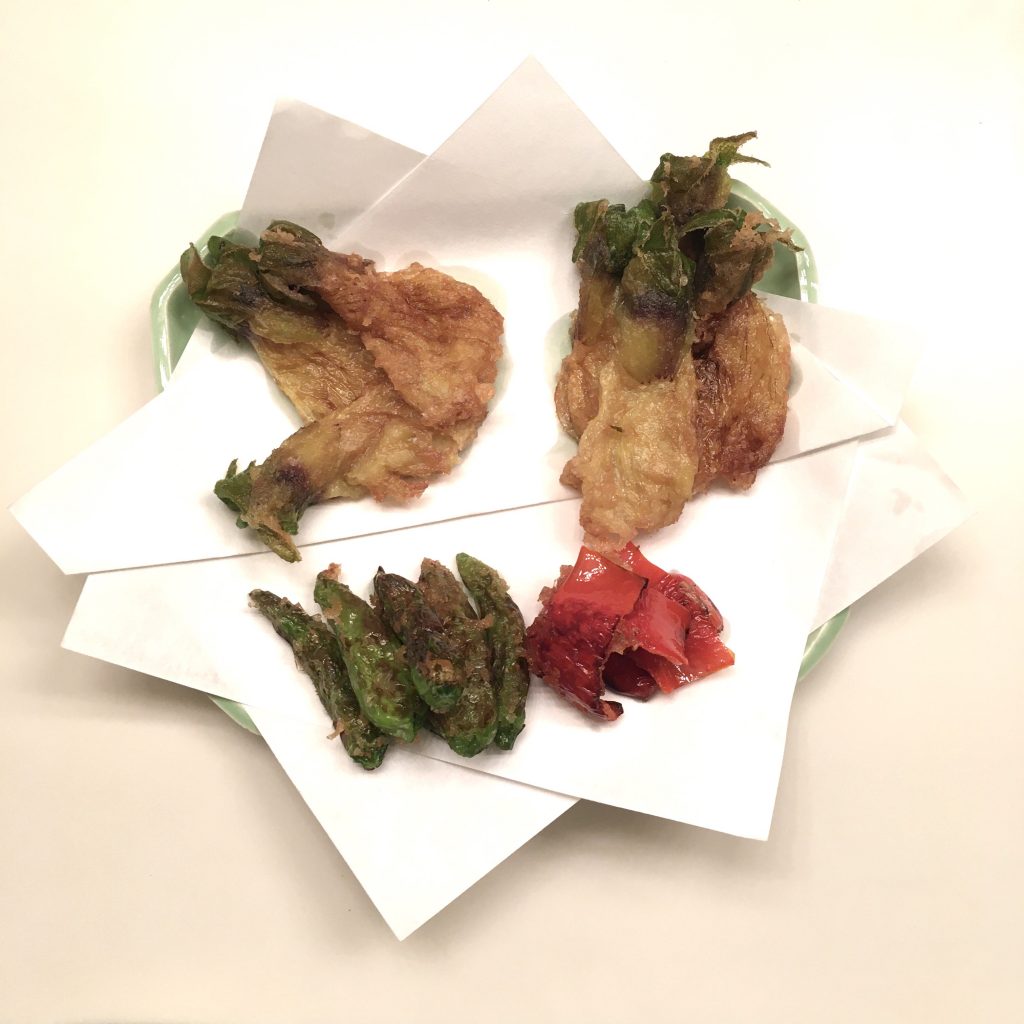
I didn’t until yesterday, when I found it at our local vegetables shop. First time ever I saw it, it’s grown locally, so I bought it. No idea how to prepare it nor how it would taste., but my IG feed was full of zucchini flowers earlier this summer, and more recently of pumpkin flowers, that the idea of having a chance to eat some flowers too was really too tempting!

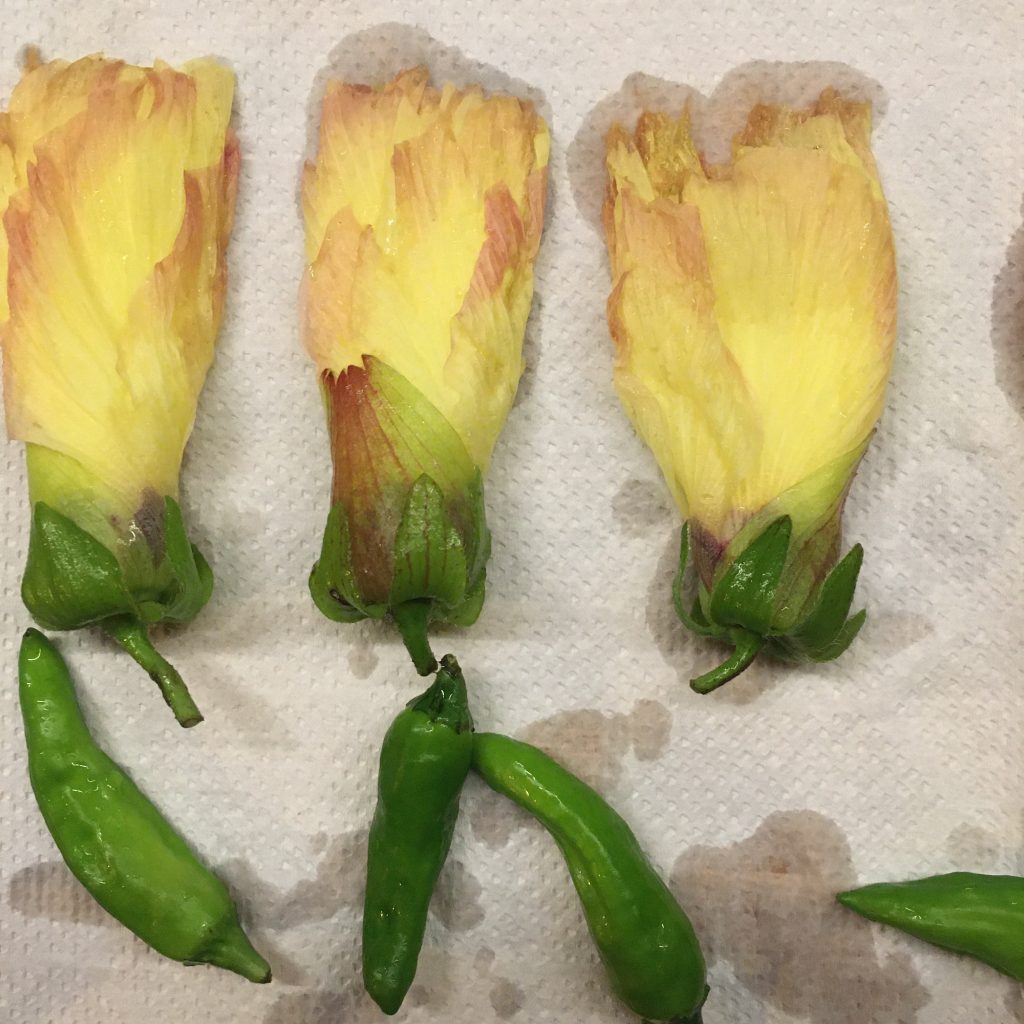
A quick reading of the most popular recipes on the Japanese cookpad website didn’t not tempt me, so I decided to go for something I barely do, but believe would be great, and a substitute for my mother’s zucchini flowers fritters: super light tempura. And it worked really fine. So if you see this pale yellow flowers at a farmer’s market (I doubt you can find them at a supermarket…) just get them.

I guess the name of hana okra or flower okra in direct translation, comes from the fact that they are, like okra, a bit slimy. So if you don’t like slimy food pass on that one.

Aibiki tempura

  • A few flowers of aibiki, and some other vegetables if you want. I did shishito and red bell pepper
  • 3tbs of flour
  • 1cup of water
  • 1/2 tsp of vinegar
  • A pinch of salt
  • Cooking oil

Wash and pat dry the vegetables.

In a frypan heat a bit of oil (I don’t deep fry, but if you do heat your oil). In a bowl, mix the flour, the water and the vinegar. Stir well. Dip in the vegetables and put in the pan right away. Cook a few minutes before flipping. Serve with a pinch of salt and eat immediately. That’s it!

Prawns… long time no see

I am not necessarily a big fan of prawns, for three main reasons: (1) because they usually are grown and from far away places, (2) because when they are local they are often sold alive, like the blue prawns from Okinawa, (3) because they come as whole (understand with the head), and I must say, that fishes or others that come as whole, I am OK cooking them, but they disgust me when they are cooked. For example, fresh snapper, or sanma (which are in season now) I don’t cook them anymore because I can’t eat them after.

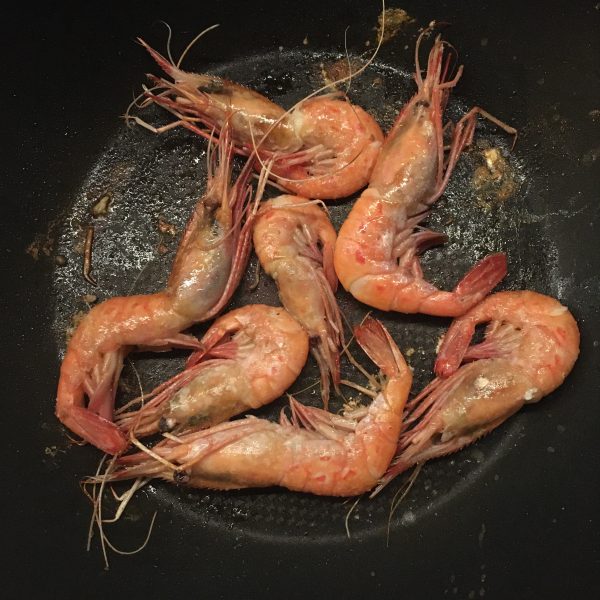
Anyway… the other day when shopping in Ohara there was fresh prawns, and rare enough to mention, they were coming from Choshi, a fishing port 60km north of Ohara. So I thought I would give them a try, after so long…

When the time for cooking came… hum… things got a bit complicated. As expected, looking at the whole prawns started to disgust me (really, these eyes!!!), so I tossed them in the wok, grilled them and called A. to remove the shell etc… because if I did it I wouldn’t eat them, then I chopped them, and things were ok again, or almost. I gave a good scrub to the wok before using it again for the rest of the preparation … you know eyes juice…

I am not vegetarian though we eat little animal meat, but honestly if I had to fish to eat fish and hunt to eat meat I would. The day there will be no more fish mongers and butcher to prepare the filets, I’ll turn vegetarian. I think it is one of my major weaknesses in the kitchen, my impossibility to prepare some ingredients. But I’ll live with it, be assured!!!!

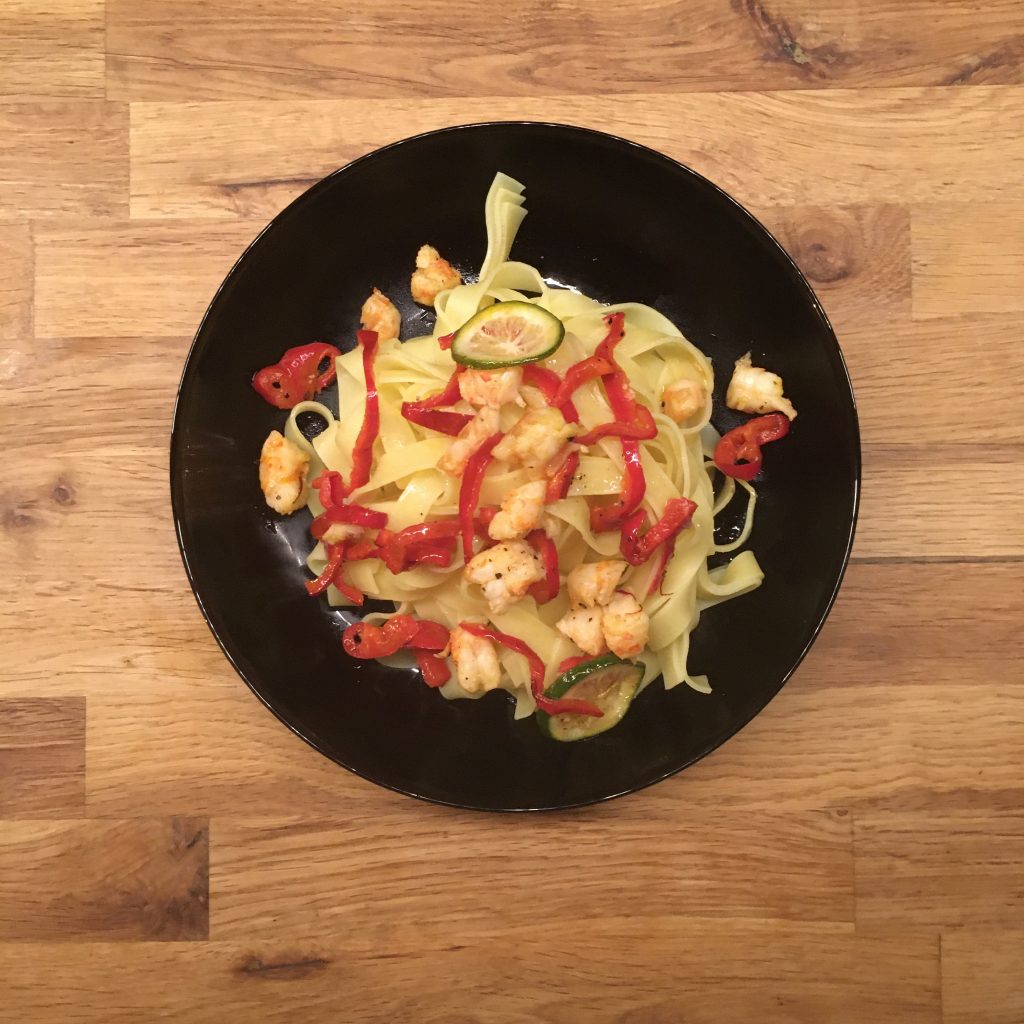
Back to our prawns… I hadn’t cook some for so long that I wasn’t sure which recipe would be good, and after a little of thinking I come up with a simple pasta recipe with saffron, red bell pepper, lime, pasta and prawns if course. I was simple, fragrant and delicious. Here is my recipe.

Saffron prawns pasta

  • 2 portion of pasta
  • 1 red bell pepper
  • 8 prawns
  • 1/2 lime
  • A few saffron pistils
  • Olive oil, salt and pepper

Boil your pasta and reserve.

In a pan grill the prawns, shell them and chop them in 1cm long pieces. In the pan heat some olive oil. Wash the red bell pepper and chop very thinly, add to the pan, add the prawns, the saffron, salt and pepper and a bit of water, just a but. Cook a few minutes while stirring, add the pasta, stir well and serve!

Oh no! The pantry is empty!!!

Welcome September!!! Honestly, I don’t remember there was a month of August this year… and September starts in quite a gloomy mood… bye bye summer vegetables and welcome autumn!!! With the first butternut squash in and no more korinki… rain and chilly wind.

But while when I open my fridge it is, somehow, always easy to think about something to cook… my pantry recently has been rather empty. I was so much waiting for the new rice to arrive, and for my favorite flour too, that I completely forgot that we were running out of everything: no more pasta, no more regular flour, very little olive oil… 🤭

Our bread are now whole wheat bread as this is the only flour I have left. And so our our pancakes and crepes! Not that I dislike it, but A. sometimes prefers a mix of flours.

And last night when it was time to cook dinner, after another long day of work, you know, when you are starving and you want something quickly ready so that you can sit back and have a nice break… the very last thing I had was a pack of dried soba… I was dreaming of pasta, but soba would be a good alternative, well the only alternative! Because there is no meal if there is no carb in our house!

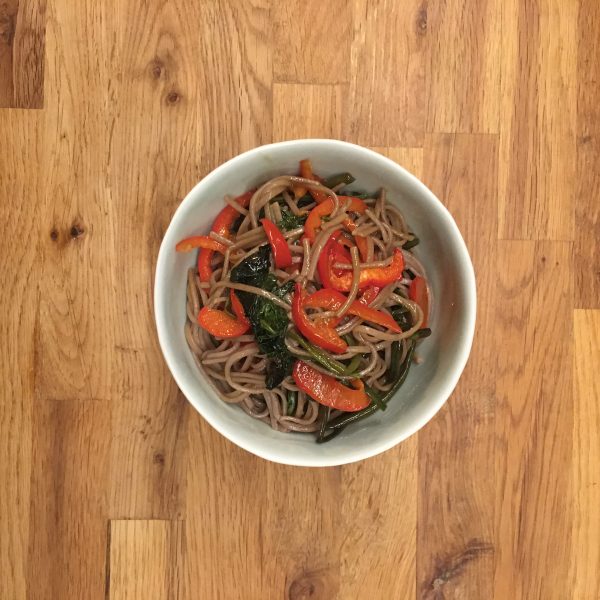
The plating was made in a rush and the picture taking in a rush too, but the recipe ended up being perfectly balanced and taking advantage of the end of summer vegetables that are bell peppers and the nalta jute. So let me share my recipe with you, in case you are in a rush and have soba noodles nearby.

End of summer sautéed soba (2 servings)

  • 2 portions of soba noodles (dry, fresh, semi dry…)
  • 1 bell pepper (color of your choice)
  • 2 big handful of nalta jute
  • 1tsp of olive oil
  • 2tbs of soya sauce

Boil the soba as indicated. Rinse well after they are cooked and keep in water.

While the soba are boiling, wash and chop very thinly the bell pepper. In a large heated pan, add the oil, the bell pepper and cook at medium heat until it soften. Wash the nalta jute and add to the pan. Continue cooking at medium heat until soft too. Drain the soba and add to the pan. Stir well. Add the soya sauce and stop heating. stir again well and serve immediately.

If you manage well you should have your meal ready in 15min!

Milk bread

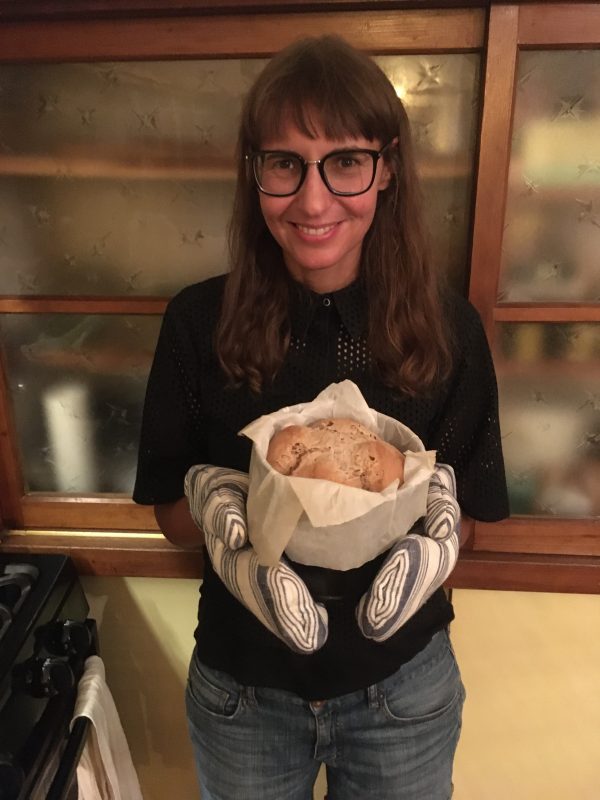
I use to make a lot of fancy breads for breakfast, brioches, viennois bread, milk breads, sugar breads… but since I started using my sourdough Lois, almost a year ago, and was learning how it works, I focused on breads with less ingredients. Yet, milk breads for breakfast are really delicious. And since we now have milk in the fridge 4 days a week or so, I really wanted to make milk breads with milk and sourdough. Originally I planned to do a white flour milk bread but I soon realized that I had no more white flour and all I had was whole wheat flour, so it would be whole wheat milk breads. And rather than making several small breads that dry out rapidly I opted for a giant version that I baked in my panettone mold.

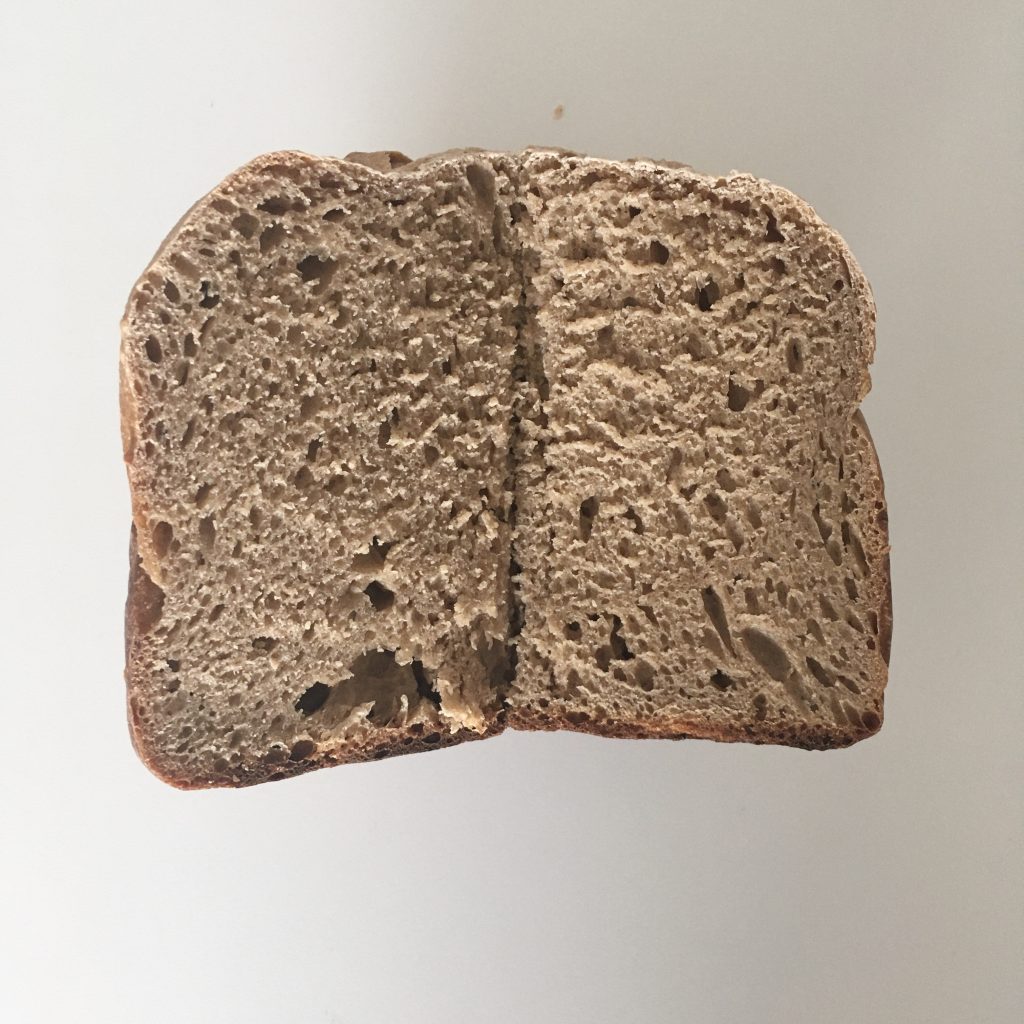
The result was a very soft and mildly sweet bread with a beautiful crumb. so let me share my recipe.

Whole wheat flour mills bread

  • 350g of whole wheat flour
  • 200ml of milk
  • 100g of sourdough
  • 40g of brown sugar
  • 8g of salt
  • Eventually a bit of water

Note that the above quantities are indications. They may need adjustment depending on the type of flour, the humidity in the air, and your liking.

In a bowl put all the ingredients but the water and knead. If the dough is too dry add a bit of water, or milk. Knead until the dough is smooth.

Let rest at room temperature for 4h or until the dough is significantly more voluminous.

I used a panettone mold lined with cooking paper to shape the bread. Made two cuts on top and waited 1h before baking at 200degrees for 40min (I used a bamboos stick to test if the core was well done). Adjust the baking time to the size and shape of your breads.

That’s it!

Proudly powered by WordPress | Theme: Baskerville 2 by Anders Noren.

Up ↑

Verified by MonsterInsights