Another quiche…

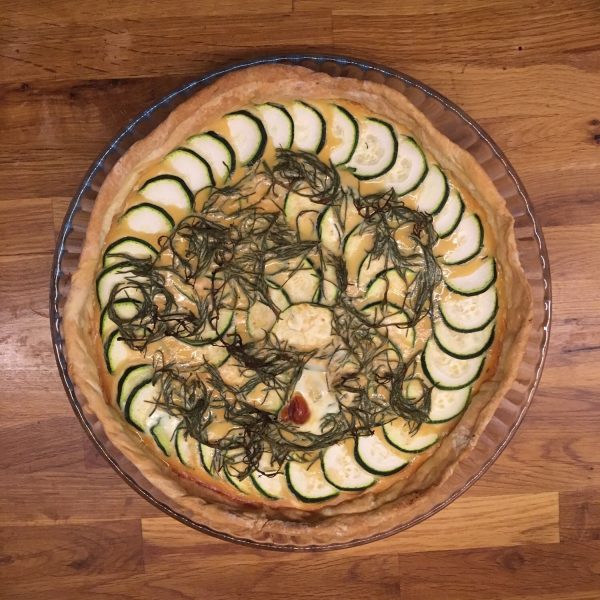
There’s nothing like a good quiche for dinner! I was missing not preparing some for a while, so I had to fix that. With the summer vegetables starting I bought plenty of zucchini at the farmers market because we love them and ones need to enjoy them when they are in season (the season in Japan is rather short and starts early). Zucchini are perfect for summer style quiche. I prepared them with okahijiki (salsola), this little plant I discovered last year. And I used miso in the egg mix to add a bit of texture and flavor. The result was a great one. Oh… and for the dough I went with a bit different recipe, something close to pasta dough, thin and crispy… Indeed while I was kneading the flour with an egg I realized it was the same start as making pasta dough (it crossed my mind to do lasagna for a second then…) but I finally added olive oil little by little to obtain a smooth dough but slightly oily compared to pasta. Something I’ll do again for sure!

Salsola and zucchini quiche

For the filling:

– 1 or 2 zucchini

– a handful of salsola

– 2tbs of miso

– 2 eggs

– some milk (or soya milk)

For the dough:

– 100g of flour

– 1egg

– olive oil

Mix the flour and the egg, add olive oil little by little and knead well. The dough must be smooth, shiny and feel a little greasy but not perspire oil!

Roll the dough into a thin circle and set on the pie dish (I used a low and large one).

Wash the vegetables, slice the zucchini and set them in the dough. In a bowl bit the eggs with the miso and the milk, add the salsola. Pour onto the zucchini.

Bake at 180deg for 30min or until golden.

I served it with some yogurt with herbs in.

Attention: miso is usually very salty so do not add salt in any of the mixes.
Cherries

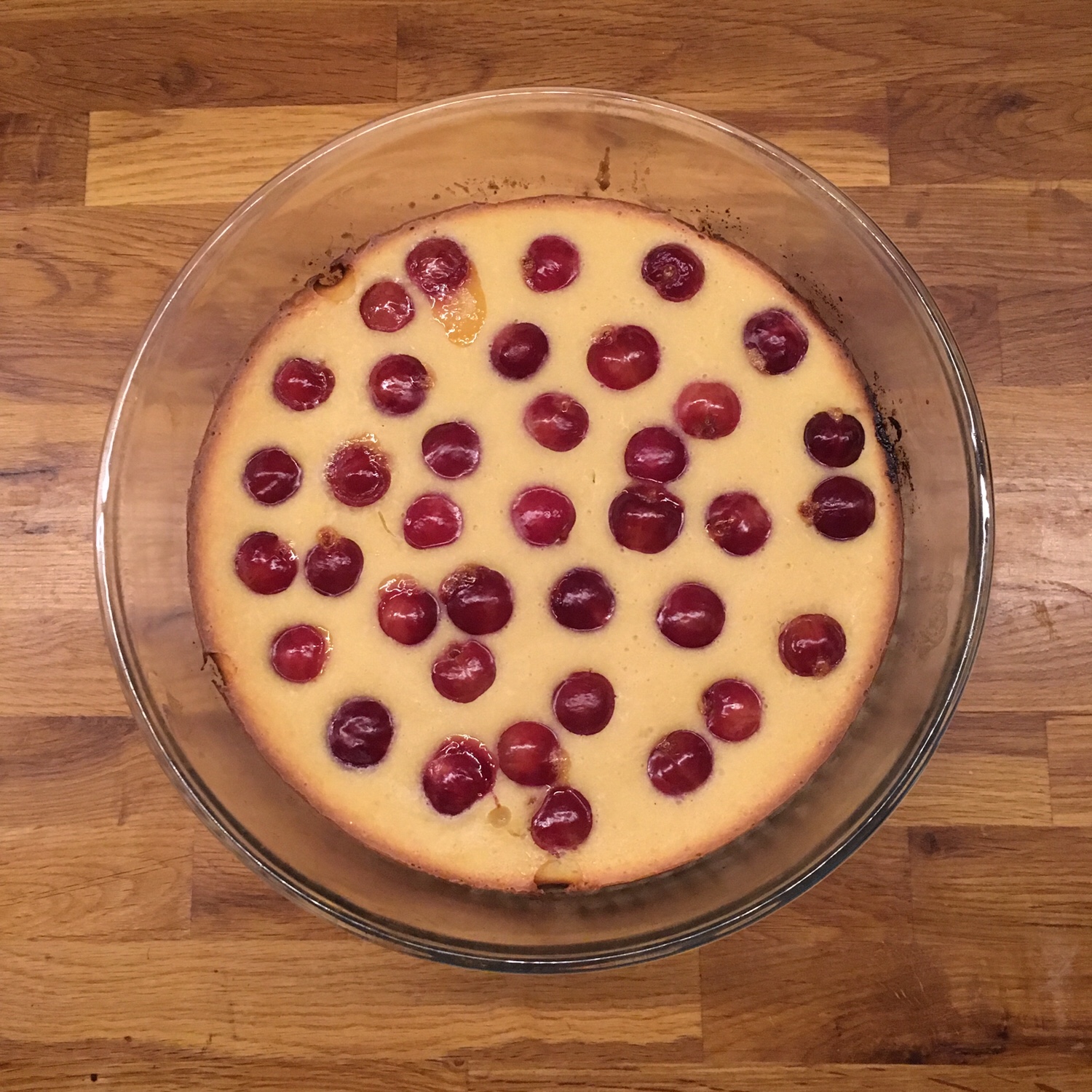
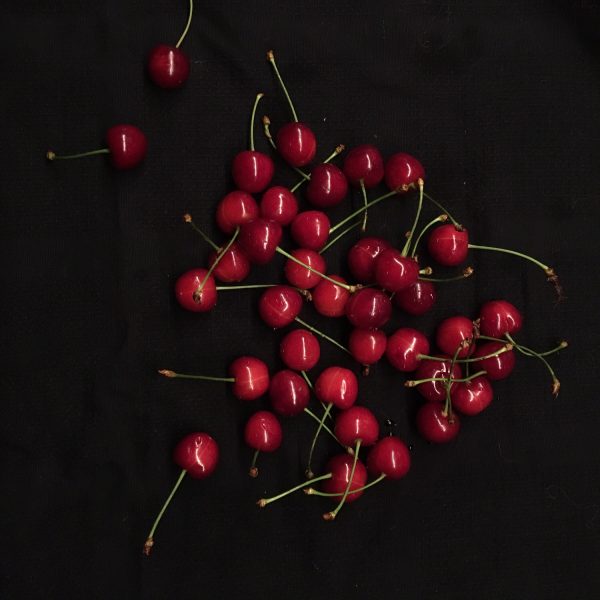
When I was a child, every year for mother day, which in France is at the end of May, we would go to my grandparents country house in Le Castelet to have a family lunch. From those lunches I remember catching tadpoles in the small stream that was running down the garden and picking cherries in the giant cherry trees near that stream. The trees were so old and big that we could spend the whole day in the trees picking and eating cherries, there would still be so many left. For me, cherries are great eaten from the tree, big, ripe and juicy Burlat or from the market stand. I love to keep one seed in my mouth for hours and work it like the sea would work a pebble. Since we’ve been in Japan it’s been quite hard to find cherries, and cherries by kilos like you see them in the south of France or in Italy… the only cherries you can find are from the US, or the local ones are from Yamagata and are sold by the handful, not more. They have different varieties of cherries from dark burgundy to almost white, large or small. I still love them large and almost black! I don’t buy cherry often but when I do I usually prepare them in clafoutis, and when I don’t have enough for one clafoutis I mix them with other seasonal fruits.

I find that clafoutis are the perfect option for breakfast on a rush as they combine both fruits, carbs and protein, and they are easy to eat when not yet really awake when we wake up early. They are also easy to eat on the go because there easy to wrap. Perfect for breakfast on the beach after a morning swim or a bodyboarding session.

I wish you a great week and love to hear how you like your cherries!

Corn

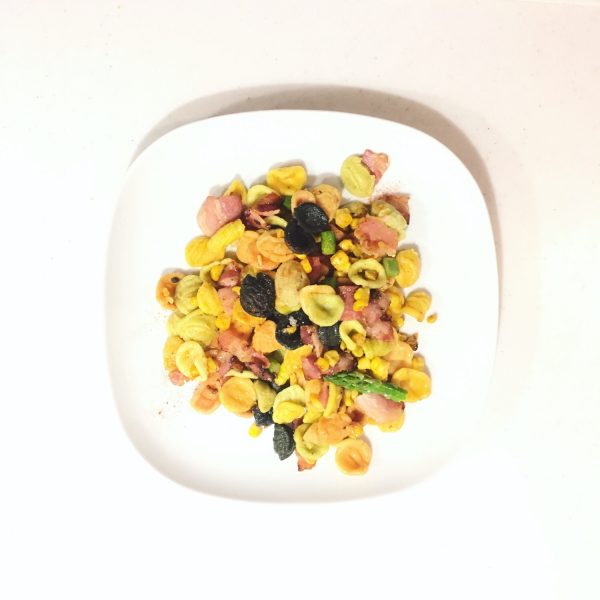
Despite a very busy week at work, I wanted to try preparing some nice food, simple but nice… and because we haven’t been to the country, I still had to adjust to what I could find in Tokyo’s supermarkets. One thing I found that was nice was fresh corn… something I don’t cook to often because I totally lack of imagination when it comes to cooking corn. Luckily I was browsing a cooking magazine in the train and found a nice recipe of a creamy corn soup (one of the classic use of corn), with rolled asparagus in bacon. I had corn, I had asparagus, I had bacon, I didn’t want to prepare a creamy soup… but the combination inspired me for a new recipe of pasta.

Orecchiette with corn and asparagus (for 2 people, main dish)

– 120g of orecchiette

– 1 fresh corn

– 4 slices of bacon

– 2~4 green asparagus

– olive oil

– paprika powder

– chili powder

– salt and pepper

I boiled one corn and then I shuck it. In a pan I simply grilled some bacon cut in pieces, added the corn and when the bacon was golden added some chopped asparagus, a tsp of paprika, a bit of chili powder, salt and pepper.
Then I boiled the pasta, drained them, added them to the sauce and stirred well, adding a bit of olive oil, and served to eat right away!

Rainy season?

Just back from Australia to Tokyo, and I find that the rainy season is getting near. The air is already quite humid and temperatures are mildly warm or hot. Soon it will be time to harvest the plums in the garden, even hopping it is not too late already… It’s been 3 weeks we haven’t go to the country house… I can easily imagine how green and lush the garden is and the hydrangeas will be all ready to bloom soon.

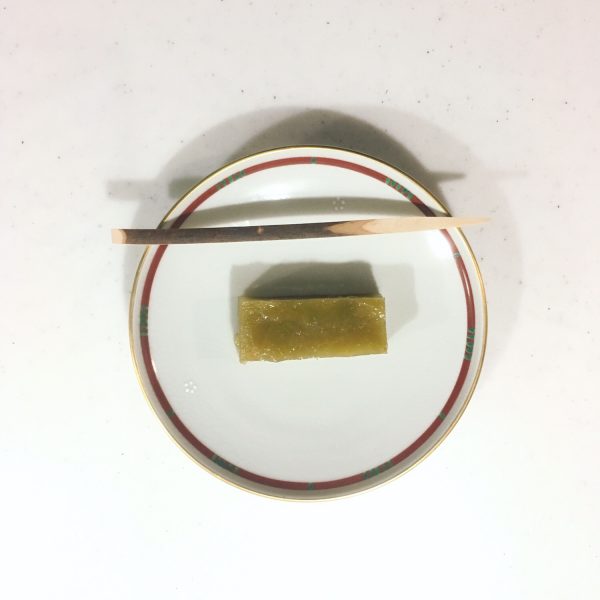
One thing I like to prepare with plums, other than ume-shu, ume-syrup and umeboshi is plum jam and plum jelly, something that you can enjoy right away and doesn’t have to sit for weeks or months. I am not very good at making jams and preserves but I keep trying. Jelly or yokan (ようかん) is much easier for me… but it uses only a little bit of fruits compared to all we have…

Japanese plum jelly – ume yokan

I used about twenty green large plums, sugar to your liking, agar-agar, and about 2/3L of water.

First wash and remove the stems of the plums, boil the water and add the plums, cook under cover at low heat until the plums are soft and the skin and flesh detach easily. Then add the sugar and the agar-agar (quantity will depend on how hard you like the jelly and how much liquid remains in your pan. Cook at medium heat for 5-10min and then pour in a dish. Wait until it cools down to refrigerate. After 2-3h you can serve, by cutting blocks out of the jelly. That’s it!

Australia

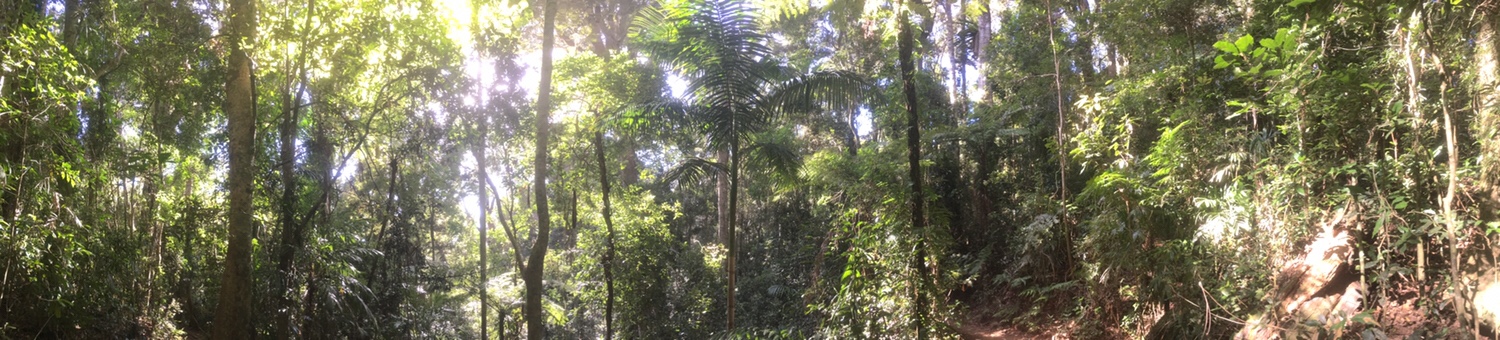
Writing while I’m waiting to board a plane to go back home, I’m trying to reflect on this week spent in Western Australia. For the second time only in Australia I’ve found the Brisbane experience a very good one. I had the memory of a rude and rough Sidney, but it was also a long time ago… The nature and the ocean are still wild and beautiful as I reminded them from our trip in New South Wales. This time we didn’t go in any sanctuary to see and pat the animals, though I was dying to pat koalas again, they are so cute… instead we just went to see wild life in the wild, pademelons, roosters, possums, big bats, dolphins and whales along with short hikes here and there around Brisbane. To visit the city and go to work, we used quite a lot the citycycle system to avoid too much walk for my still hacking but not broken toe. It allowed to move quickly from one neighborhood to another. One thing that strikes me usually is the diversity of foreign countries but here it was quite the contrary. A lot of white people and more over blonde, a kind of Japan but whitish!!!

On the food side, not a lot of new experiences except for the already mentioned lemon myrtle that was a great discovery. A lot of local and fresh products though: delicious cheeses, fresh fruits and tropical fruits, local avocados and as it was autumn: pumpkin, sweet potatoes… One great discovery was the sunflower sprouts we bought at one of the organic store, really sweet and delicious. Very little cooking but enough to have fun and play in another kitchen.

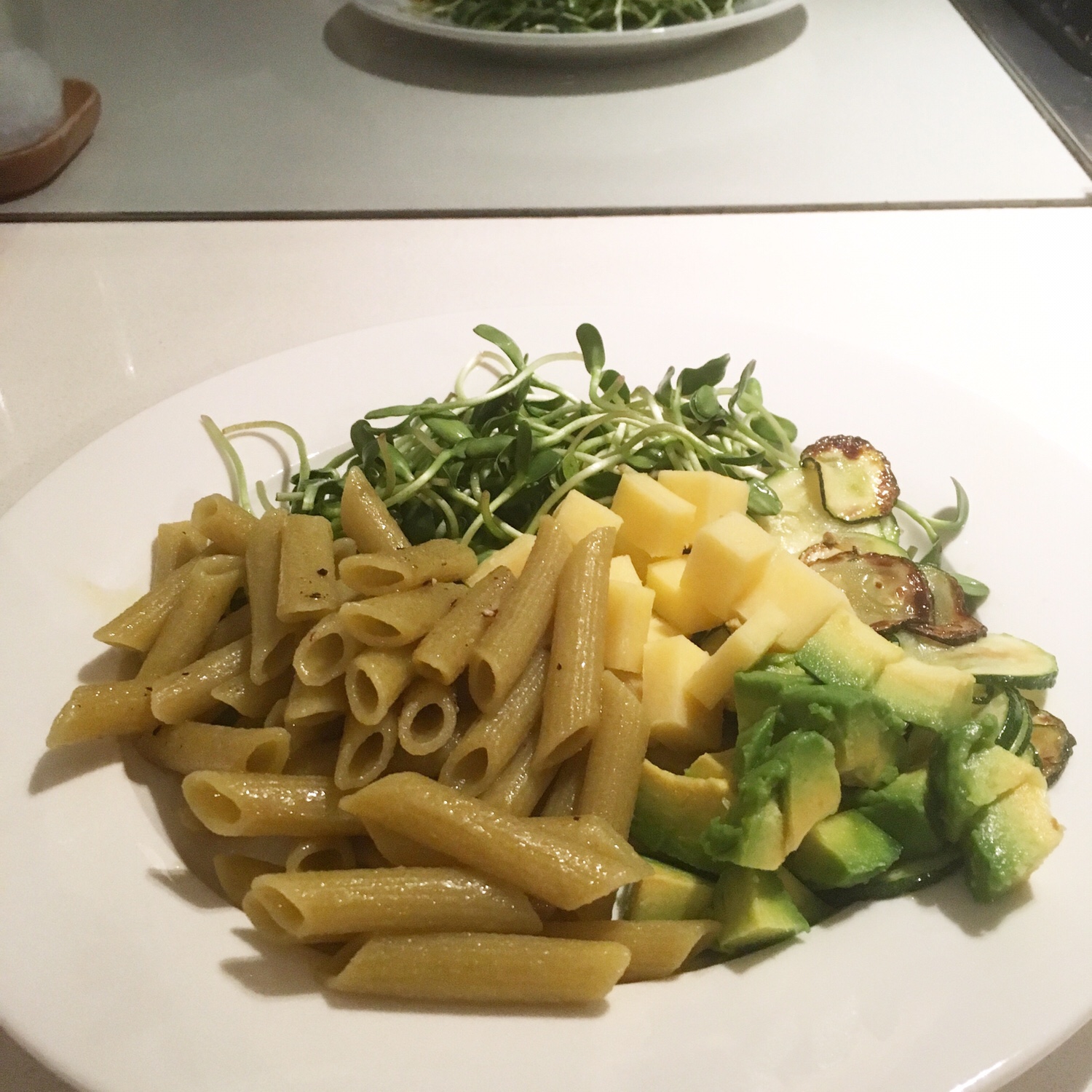
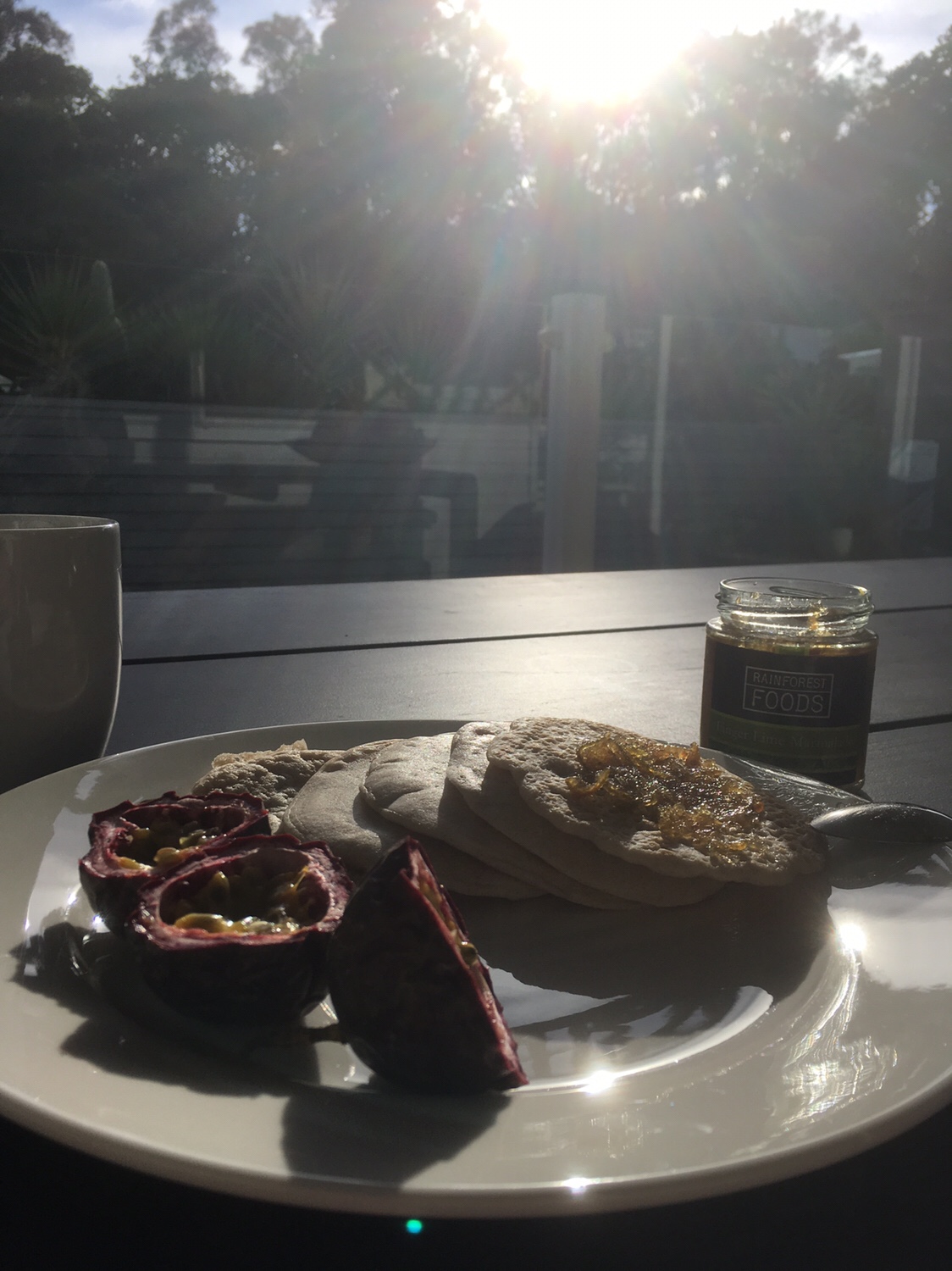
Cooking consisted in lentil pasta with olive roasted zucchini, avocado and sunflower sprouts for dinner and coconut and buckwheat pancakes. Nothing really breath-taking but fresh and a nice change to restaurant food.

Detour @Brisbane

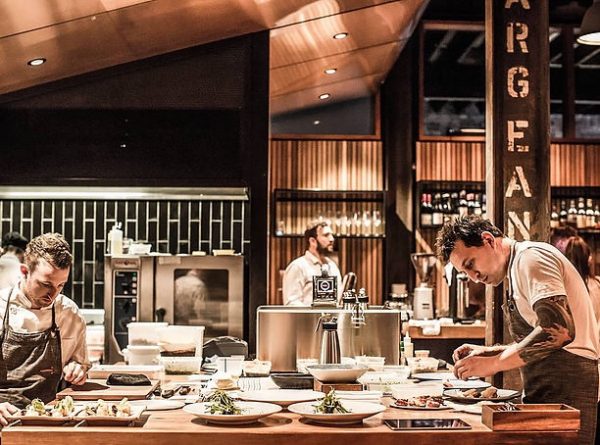
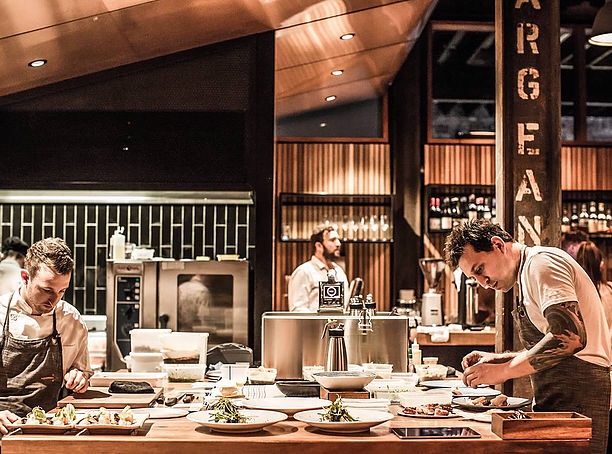
So, we’ve been in Brisbane for a couple of days now and we’ve tried a few places to dine out but it is not too easy to find nice restaurants in at a reasonable distance from the city center that serves local products… hopefully our friend C. found one very very nice place where we had a great dinner in a nice casual environment. The place is called Detour and is in the neighborhood of Woolloongabba, a short Uber ride from the center.

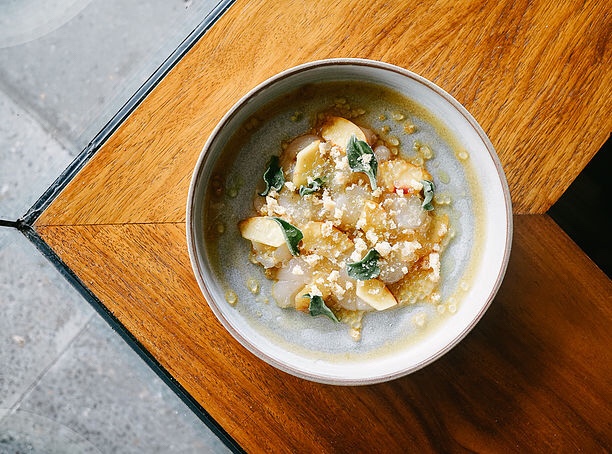
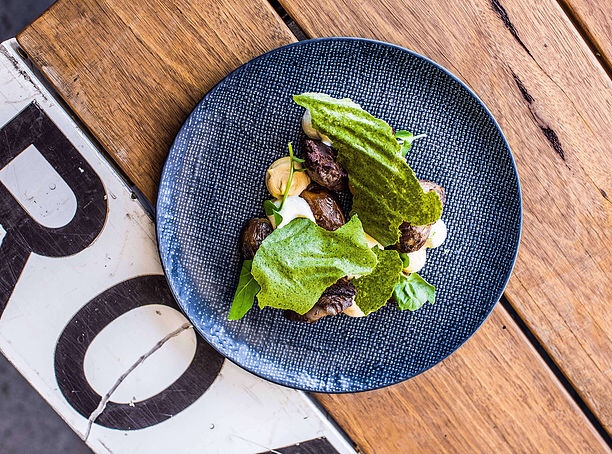
The menu features an omnivore and an herbivore section. The guys tried the crocodile dumplings, D. and I just stick to vegan/vegetarian dishes that were all excellent. The carrots had a real something different that made them amazing. The desserts, using a bit more molecular cooking were also great. I discovered lemon myrtle, a very Queensland thing, that is just something I would love to eat more and try to cook!!!

Pictures are from the restaurant website.

Detour:

6/11 Logan Rd
Woolloongabba 4102, Brisbane, Australia
07 3217 4880
enquiries@detourrestaurant.com.au

Bagels!

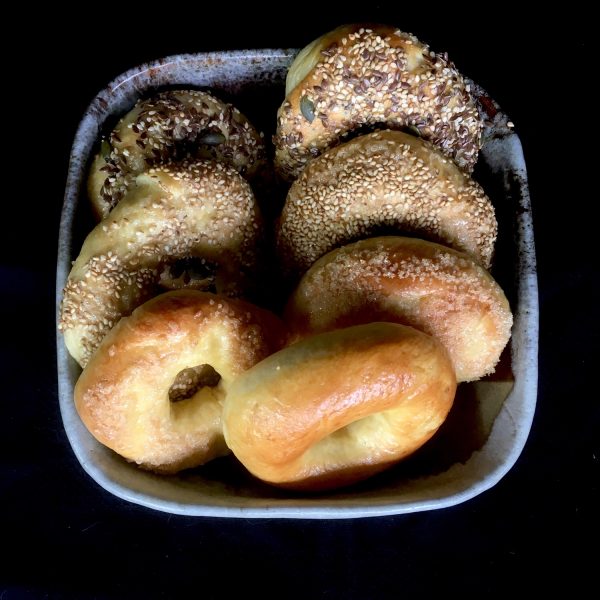
Last weekend. I thought it was a real long time I haven’t cook bagel and it’s been a while I wanted to come some… then I checked out my recipe online and realized it was actually 3 years since I cooked any… so it was indeed a really long long time!!! I used the same recipe, and since I was preparing them for breakfast I used very simple toppings: plain, brown sugar, sesame seeds, and mixed seeds. Actually I used half of the ingredients of the recipe and since I didn’t have sourdough I used 7g of yeast; and made 7 bagels, so I guess the recipe makes more 14 than 10 bagels, unless you like giant bagels!!!

Again I was surprised how simple it is and it seems quite impossible not to succeed. I poached them on the evening and baked them in the morning because there’s nothing like eating freshly baked bread in the morning!

It was the perfect start for a Sunday before spending time in the garden cleaning and taking weeds.

A very classic dish twisted

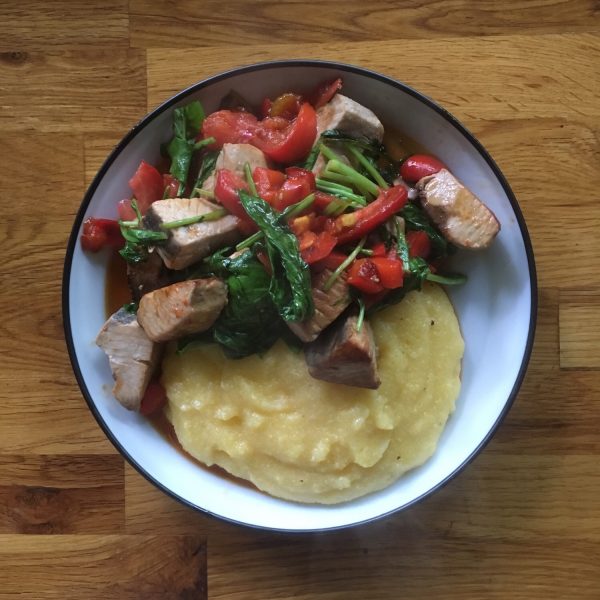
This preparation has the taste of my childhood… it is something my mum cooks often and very close to the first one she cooked when A. first visited them. Mum would cook it with rice, but without too much time polenta is a faster option. And the fish… it could be tuna or bonito. In the south of France we had a lot of delicious red tuna when I was young so that would be prepared with tuna slices. In Isumi we have delicious bonito from the nearby fishing port of Katsuura, so I use local and seasonal bonito. But the idea is exactly the same. My mum classic recipe uses a lot of bell peppers, red with a lot of flesh, a bit of onion and tomato and plenty of olive oil. Everything is simmered together in a large pan or a wok. You can also add capers to the preparation to add a bit of sourness. This can be eaten warm or cold, and it can be prepared ahead, so it’s a very convenient meal when you are not sure about dinner time!!

In my recipe since I served it with polenta I gave it an Italian twist using rucola instead of onions. The result was a much lighter version of the original but as much tasty! I love to twist and change a bit classic recipes to adjust them to my mood or the available products.

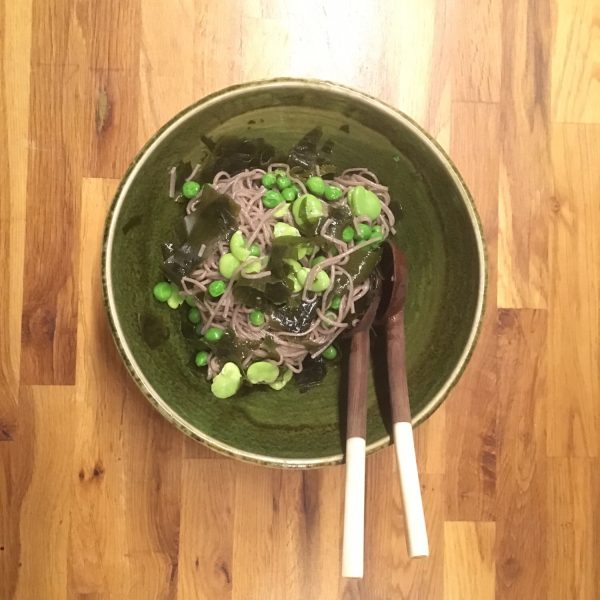
Fava beans and wakame

I’m a great great fam of greens such as asparagus, green peas, green beans, snap peas eda mame and fava beans. I could eat them all the time! Unfortunately the season for each is rather short but luckily they follow each other and overlap a bit so from March to August there are always some nice greens to eat!!!

Now is the season for fava beans and green peas and I cook them quite often. A classic Japanese preparation of fava beans in Shojin cuisine is with wakame, and I really like the association of the melting soft bean with the more slimy and crunchy seaweed. In the books normal recipe the fava beans and the wakame are simmered with soya sauce and sake. I chose a lighter version in taste and I prepared them as a sauce for soba noodles and added also some green peas. It’s almost a classic for me since I often cook something similar at that season! Here is my recipe:

Fava bean and wakame soba

– a handful of fava beans

– a handful of green peas

– a bit of wakame (I used new wakame)

– soba noodles

– olive oil and salt (or soya sauce)

Shell the peas and the beans. Peel the beans (I realized recently that it is no need to blanch the beans to peel them, raw they are easy to peel too). Boil water in a small pan to blanch them. Add the wakame cut in small pieces and then drain and reserve. In a large pan boil water for the soba. Cook as instructed. Then rinse in fresh water and drain very well. In a bowl put the soba, pour some olive oil, add salt or soya sauce, then the vegetables. Stir gently and serve.

Proudly powered by WordPress | Theme: Baskerville 2 by Anders Noren.

Up ↑

Verified by MonsterInsights