Tofu

I am a big fan of tofu… most of you may say that tofu is an insipid, watery, white thing, but it is actually much more than that. I was convinced very quickly when we went to a tofu restaurant near Nezu (we used to live in Nezu) the very first months we lived in Tokyo. There was tofu in every single dish of the kaiseki course menu and it was amazing to discover all you can do with tofu. After that of course we’ve been to many other tofu restaurants, and for the scenery (though they serve not so much tofu actually) Ukai, at the foot of the Tokyo tower is without mistake a great pick. And regarding the preparation of tofu I learned a lot thanks to my cha-kaiseki classes. On thing that is always important is to drain hard tofu (momen tofu – 木綿豆腐) well. But what I realized recently is that a very well drained tofu, when heated in a pan for a short time ressembles ricotta in texture, without the milky taste. Perfect for A. who doesn’t like the taste of cheese and for me who live cheese. We have a compromise!

That’s how I’ve stared using very well drained tofu in many preparation where I may have used cheese. So, how does that work?
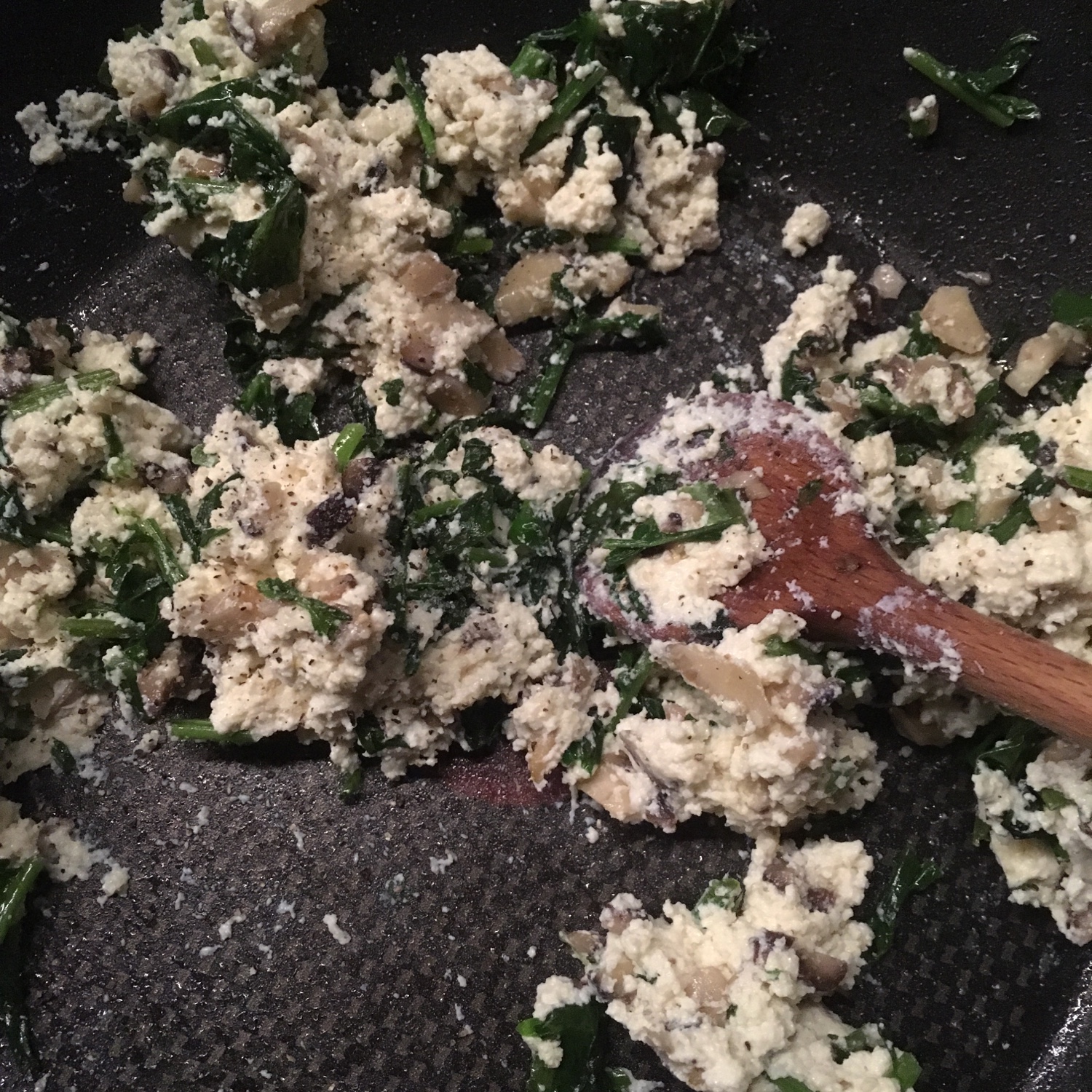
Drained tofu, rucola, shiitake for ravioli filling

You need to cutting boards, and a clean cloth. First start draining the tofu by pressing it between the two boards. Slightly incline the bottom one towards the sink, put the second on on top with a non breakable weight… anything you can find in the kitchen… I use miso packs or flour packs. Leave for an hour or so. Gravity will do the work.

Then put the tofu in the clean cloth and gently knead while squeezing to take the water of. Don’t be scared of squeezing hard. Once done you should obtain a rather dry to creamy texture. That’s it! Now you can use it in traditional Japanese recipes such as tofu balls with vegetables (I’ll post a recipe about that when the edamame season will arrive), or as I do, in replacement of ricotta, in quiches, in ravioli, or in pasta sauce, in salad…
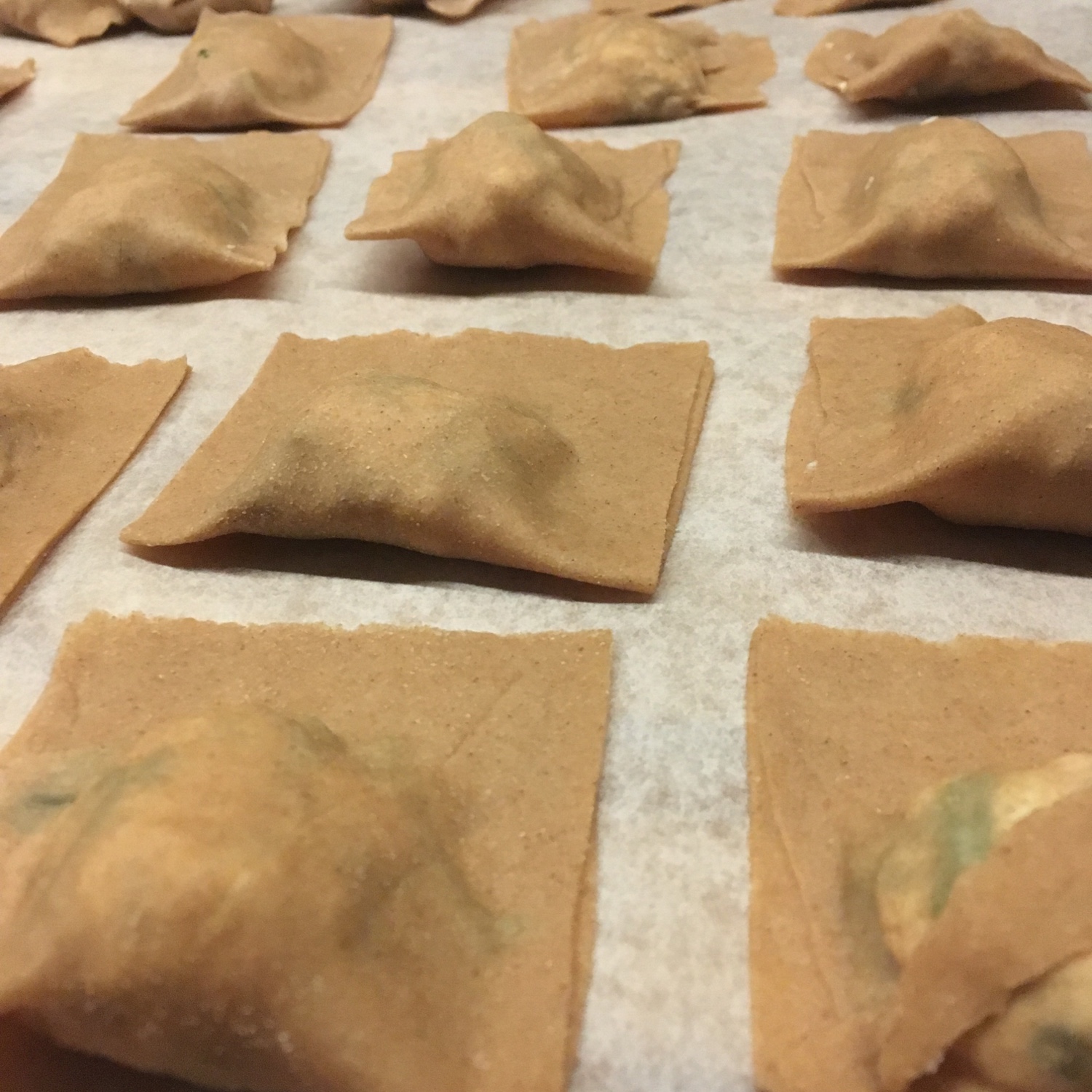
Filled ravioli

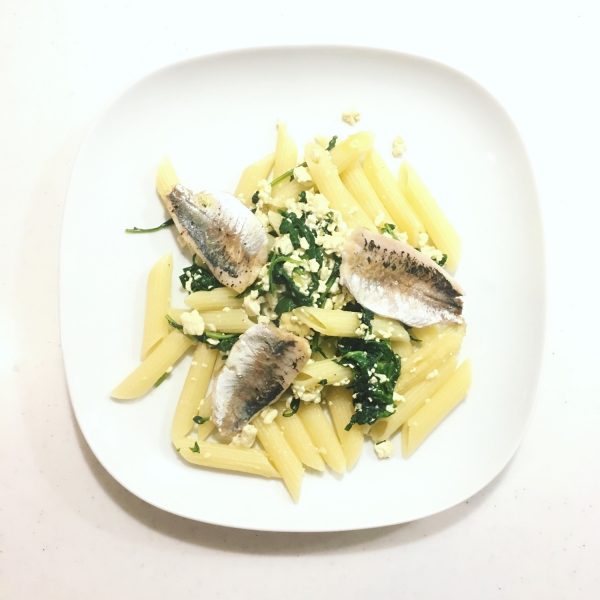
Last night I used the same drained tofu for a simple pasta recipe. I had fresh and tender radish tops, and beautiful fresh anchovies and prepared penne. After draining the tofu and washing the greens I cooked them in a pan at low heat. I boiled the pasta and drained. Add to the greens and tofu, add salt, pepper and olive oil. In a small pan I grill the anchovies, add a few drops of olive oil. Served in the plates and enjoyed. That’s it, simple right?

The only issue is that draining tofu is a bit tedious, and takes time, so if you don’t have much cooking time, I recommend starting draining in the morning, by using a tea pot and a tea filter and leave in the fridge, by night it should be almost perfect.
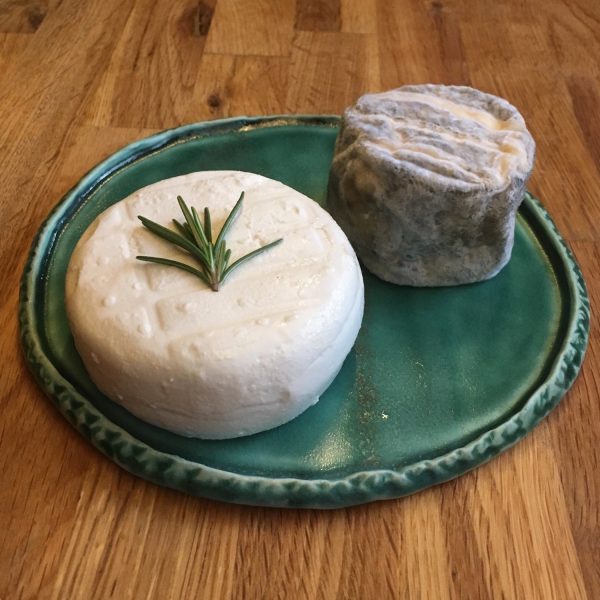
Cheeses from Chiba

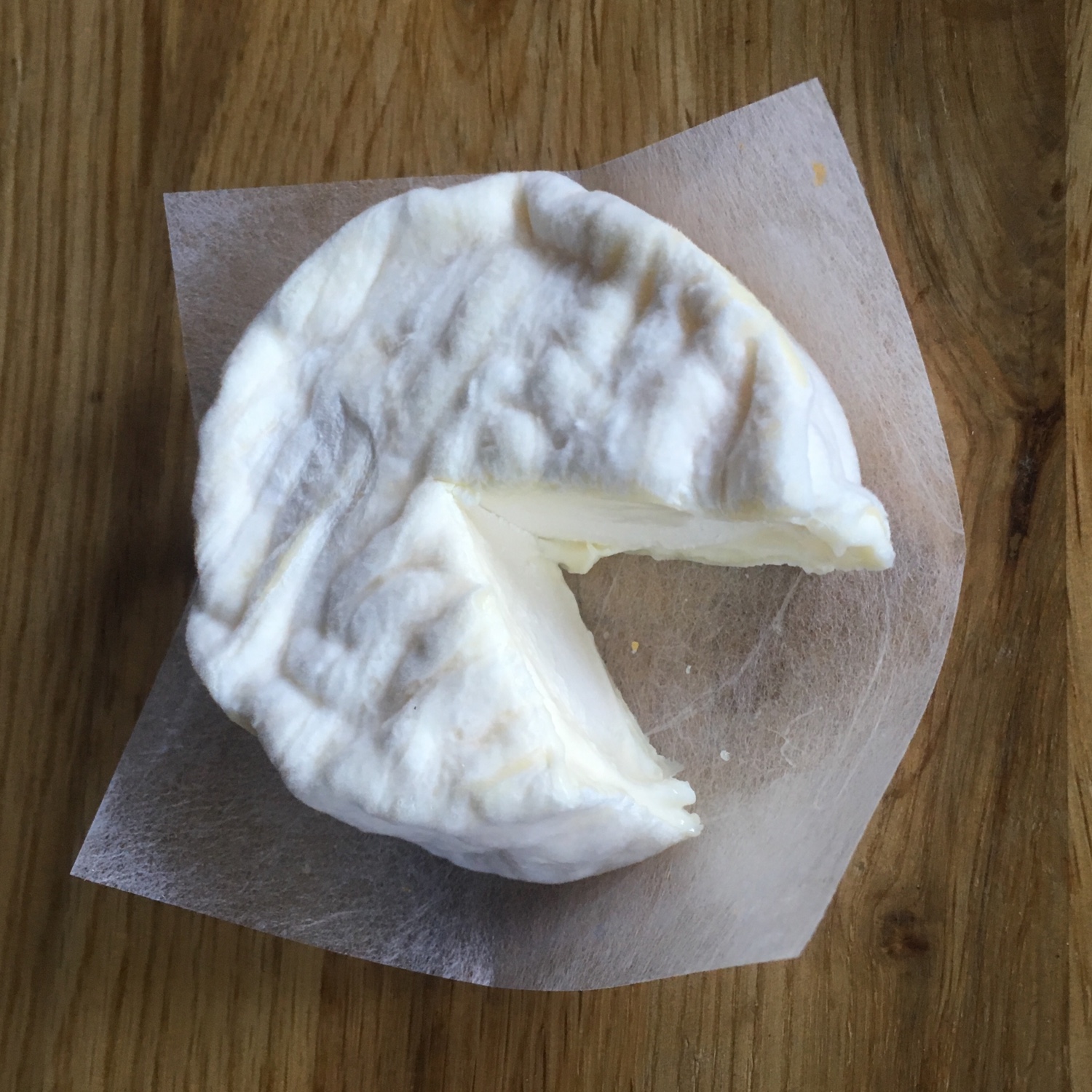
When we first settled in Isumi, and I found a cheese factory right down our valley I was really happy! Soon after that At Ohara harbor market I found Takahide farm and another Yojuemon cheese factory. This was more than enough in a country that doesn’t have a strong milk and cheese culture and I was fully satisfied. To be honest the closest cheese factory: Komagata, was good enough when I knew only that one, but as soon as I found Takahide, I stopped buying cheese there, as Takahide cheeses are so much better. Takahide has three delicious original cheeses: a reblochon style, a small creamy one that recently comes in different maturity (the more matured one on the picture below is just perfect) and a blue cheese, that is so perfectly made that even I who don’t really like blue cheese I love! The plus with Takahide is that they have also mozzarella and fromage blanc, and for those who like ice creams, and what for me is really important, they have their own milk farm. So when going to the cheese shop you can see the cows and how well treated they are. Takahide cheeses won several international awards and have attracted a lot of media attention a few years ago and the shop, which use to be a small counter inside the cheese factory is now a little cafe space where you can drink a delicious coffee and eat a pizza made with fresh mozzarella while looking at the cows.

Yojuemon makes ricotta mainly, or at least that’s what I always buy from them. And it’s a really good one. I usually buy at Ohara harbor market on Sunday morning.

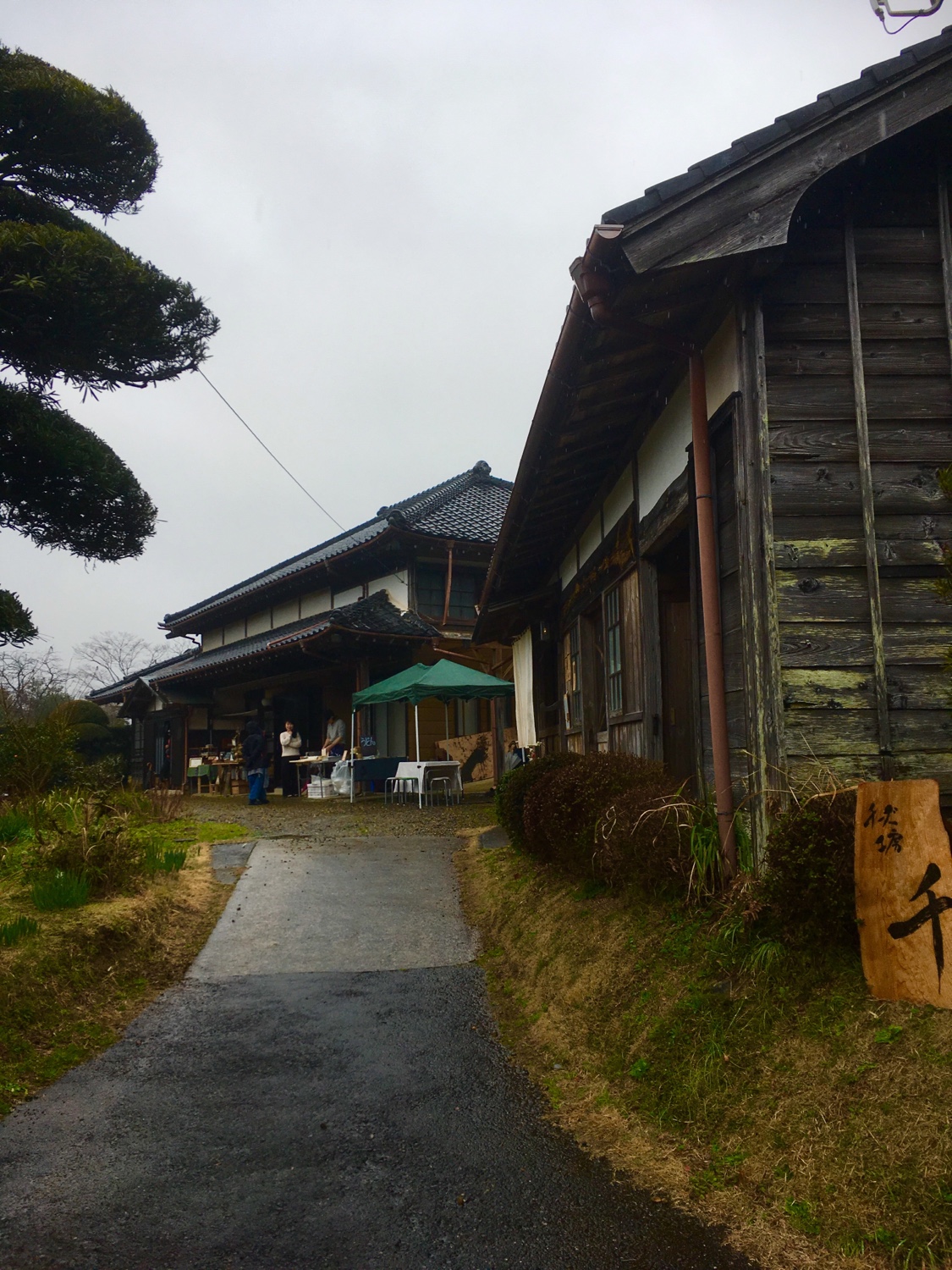
But the whole point of this post is not to review what I already more or less said before… it’s to introduce a new cheese factory. This one is not in Isumi, but in Otaki, on the way to Yorokeikoku. It is called Sen . I discovered it thanks to some people I follow on IG. Sen is open only the first Sunday of the month, but luckily we had no plan but to go to Katsuura to see the Hina matsuri last Sunday, and with the terrible rain we thought that a drive in the country to see plum trees blossoming and early sakura would be great. So we headed up to Sen. The place is really cute, old houses, polish garden on top of a hill. Picturesque.

We were warmly welcome, and the cheese shop offer several varieties of cheese, even raclette cheese!!! I bought one small cheese but when the owner realized we were French we start chatting (in French) about her stay in France to study French cheeses, and the cheese she makes, and she offered me one of her award winning hash cheese. We also took a tour of the old buildings.

Once back home I prepared breads: fougasse with walnuts, and campagne bread and couldn’t wait to try them. Well to be honest, you don’t need bread. They were delicious just like that. It is very interesting because they are very different than Takahide cheeses, with probably stronger milk and cheeses flavors (probably due from her training in France!). The maturity also was great, with a creamy side below the crust. It was a great discovery!!

Now I have one favorite cheese farm and one favorite cheese factory!!!!

Braided brioche

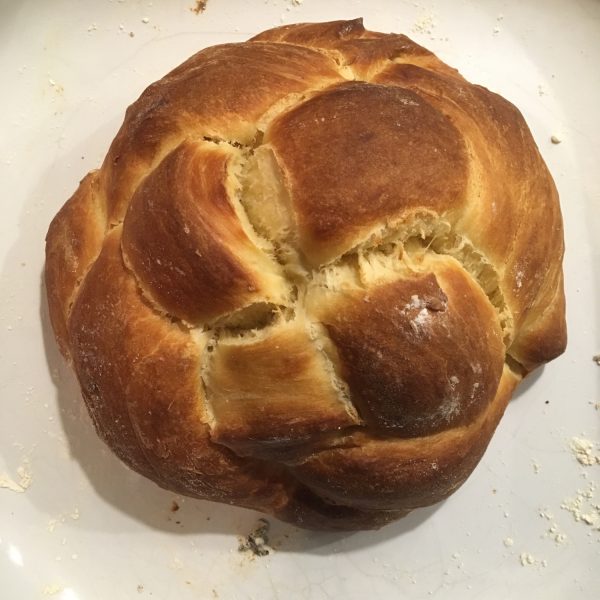
When looking at Instagram and at breakfast tables, I was often seeing beautiful braided breads and brioches and was always intrigued by their realization. Not the braid itself, but how to obtain a dough that wouldn’t be too sticky to actually make a braid. I didn’t do much search. My recently acquired cookbook again helped me solving that problem. The Challah Dough from bread in 5 is really a nice alternative between bread and very rich brioche dough and I’ve come to use it often. And that’s how I learned how to make braided breads. It is actually extremely simple, much more than I imagined!

The book recipe can be found on that page but I slightly modified it to fit my pantry and taste. So here is mine:

Braided brioche bread (for one 400g bread)

– 250g of flour + for dusting

– 1 egg

– 1/2 cup of tepid water (add slowly as a little less may be required)

– 5g of yeast

– 5g of salt

– 2tbs of brown sugar

– 25g of melted salted butter

In a bowl, mix all the ingredients. The order has strictly no importance. For some reason (habit for sure) I almost always start with the flour, though the book recommends to finish with the flour… I tried both and the result is basically the same. To mix things altogether I use my hands or Japanese cooking chopsticks if I am on a rush or multitasking and want to keep my hands clean. I then leave the dough to prove and wait until it has almost doubled in volume.

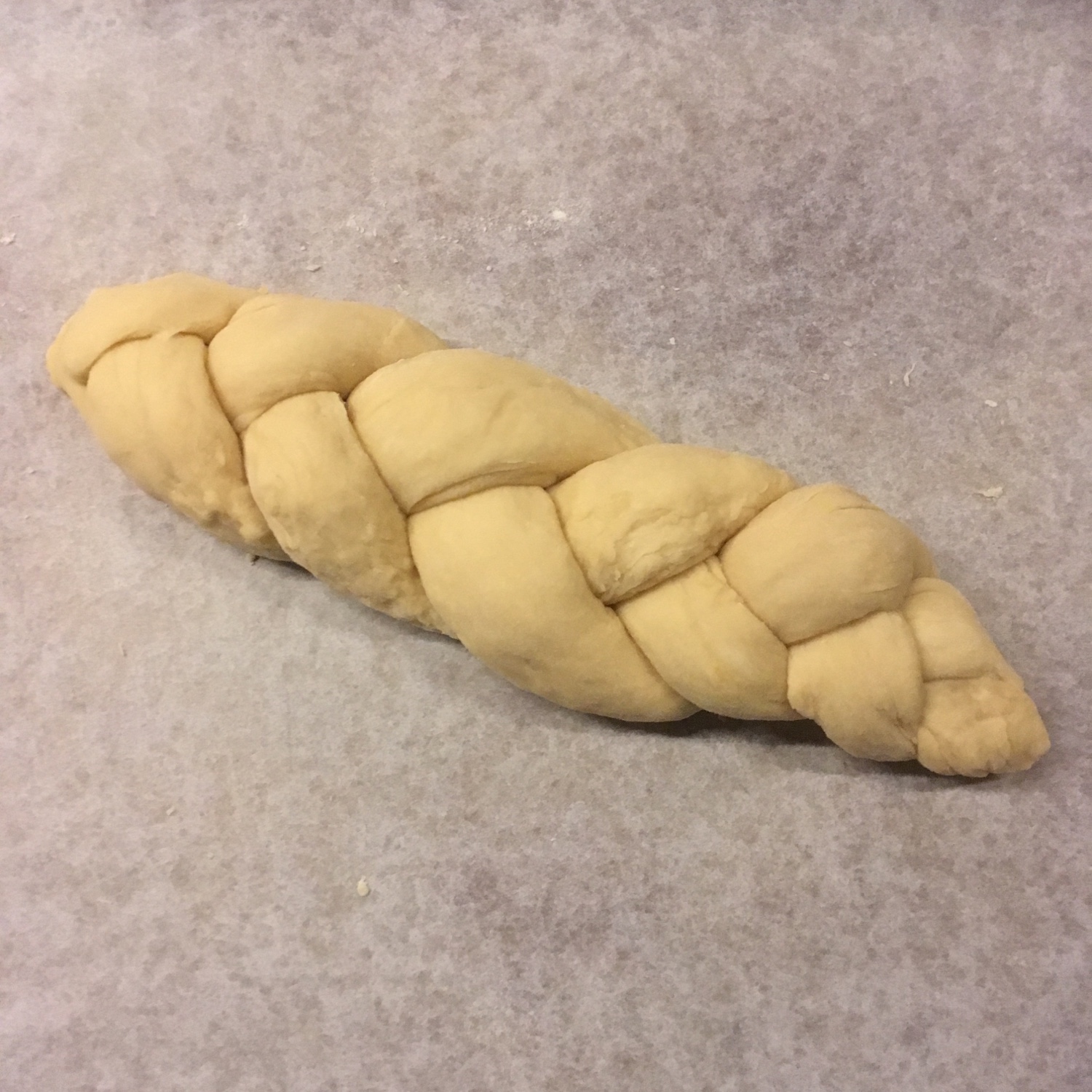
Once the dough has risen, using flour to dust I move it to a sheet of cooking paper. Then flatten it and cut in 3 for long braided bread, or 4 for the round ones. I roll them into 20-40cm sticks to make the strands, and start braiding. The 3 strands, braiding is obvious, and don’t need a picture. The 4 strands in circle, it is a little more tricky but not much actually, it’s just that you have to twist and turn 90deg, go up the first strand and under the second. The braids don’t have to be too tight, as the dough will rise again.

Leave for the second rise about 45-60minutes and then bake at 180deg for 20-25minutes, or until golden. Don’t over bake, it will make the brioche too dry, in particular if, like me, you like to eat it warm, and plan to warm it up in the oven before eating if you don’t eat right after baking. Oh… and I don’t use egg wash and they always come out perfectly golden.

Vegan bagels

I love bagels a lot, but for some obscure reason I almost never make and bake any, hence my last posta about bagels is almost a year old…

So when I saw a recipe in my bread in 5 book, I just wanted to try it. What’s different from the previous one? Basically that it starts like regular bread, in which a little of oil is added to the dough, so it is vegan, the rest is pretty much the same. I kept my way of shaping them rather than the one in the book and same for cooking them. Bread in 5 boiling time was too short for my bagels, I kept with my previous cooking time.

The result was really bluffing. A little less sweet and buttery than with my old recipe, but with the same base I can also make focaccia and fougasse, because I used olive oil. So it makes the preparation very versatile. Of course the boiling and baking of bagels is a little extra effort, but so much worth it… with Isumi smoked ham and the new cheese factory (I’ll talk about this later) cheese I tested this weekend… perfect!

Vegan bagels (makes 6)

– 250g of flour

– 125g of tepid water

– 5g of yeast

– 7g of salt

– 15g of olive oil

Mix all the ingredients, and leave for the first rise for 2-3h at room temperature. When almost double in volume make a ball and cut in 6 pieces. Make 6 balls. Plant your finger in the middle and roll around your finger like a hula hoop until the hole is about 3cm. Leave to rest for another 30-60min. Prepare a pot of boiling water. Roll around your finger before plunging them in the boiling water. Don’t boil more than two or three at the same time. It’s better they don’t touch each other. Cook 90sec on each side and drain. Then roll them in what you want: sesame or any seeds, sugar, spices… bake for 15min at 200deg.

I don’t use egg batter but you can…

Enjoy!

Yacon

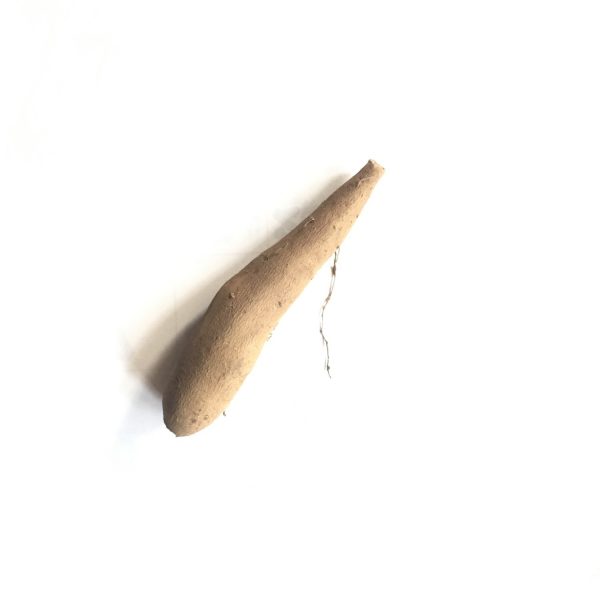
In a couple of days this fruit/vegetables I didn’t know about is everywhere around me… it all first started when I stopped at Tsukuba station to buy something for lunch at the station store selling local products. I wanted their super delicious 100% carrot juice but they didn’t have it anymore… so I had to improvise and chose a yogurt made of Ibaraki milk and seasoned with yakon. I really like the soft, sweet and subtle flavor. I then discovered that apparently, though yakon is originally from South America, it grows very well in Ibaraki apparently since the 1980’s. But not only, just the next day I found yakon at our local farmers market in Isumi. Enough to convince me to try cooking them. To be honest I have not been very extravagant with this new fruit/vegetable and I mainly used it with other vegetables, in soup or sautéed, as a replacement of potatoes. I did a bit of reading and found that it can actually be used raw or cooked, for sweet or savory recipes… too much at once for me. I first need to get used to the taste before I can accommodate it in complex and fancy recipes. In particular because yakon doesn’t have a strong flavor. Yet the texture is very interesting and it’s French name “poire de terre” suits it very well for the fresh and crispy texture it keeps even cooked.

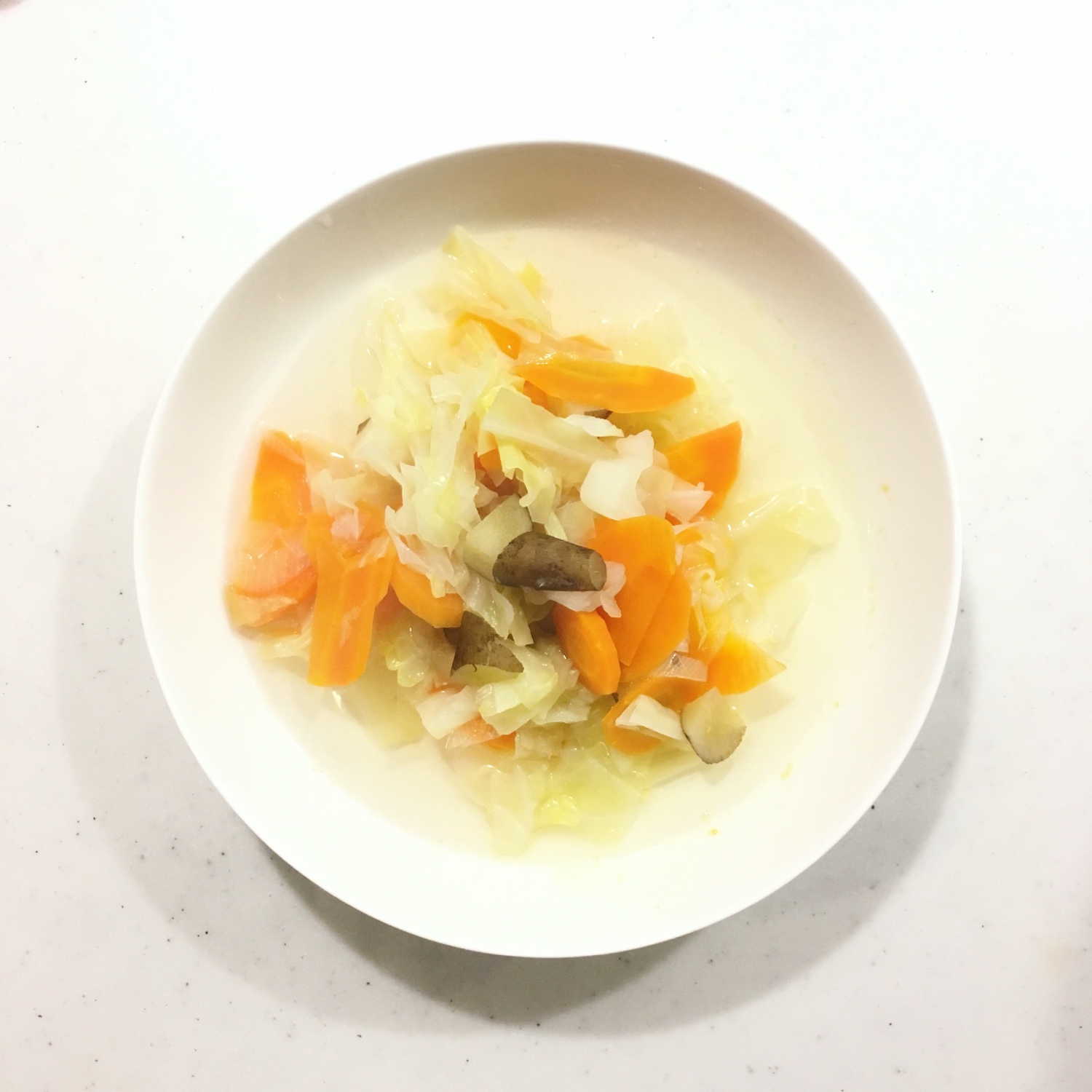
My first trial was on a simple vegetables soup, with carrots and leeks. I didn’t bother peeling them, just washing thoroughly. As I said, it keeps it crispy texture which was great, even better than potatoes that become too creamy and soft sometimes. This took me then to another trial…

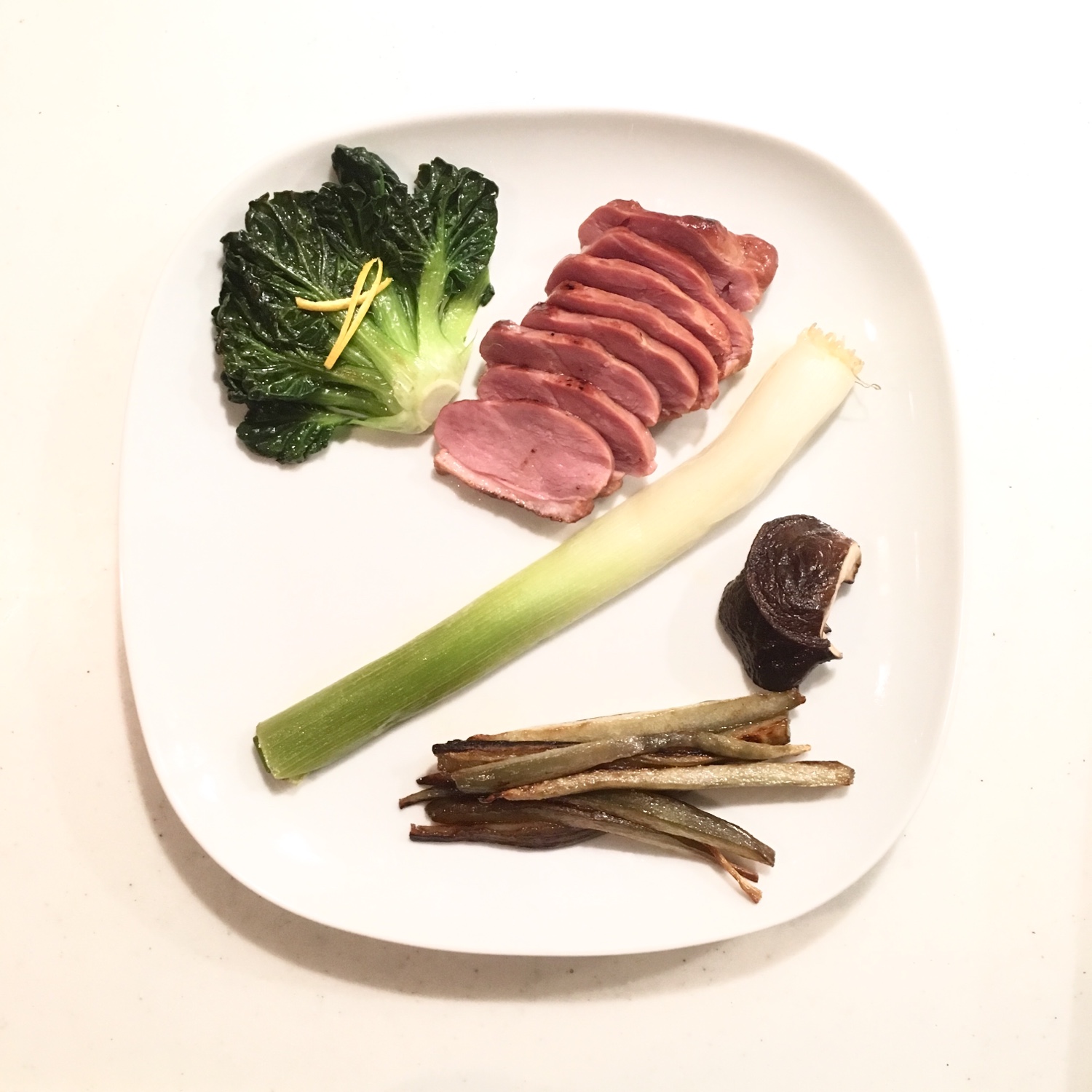
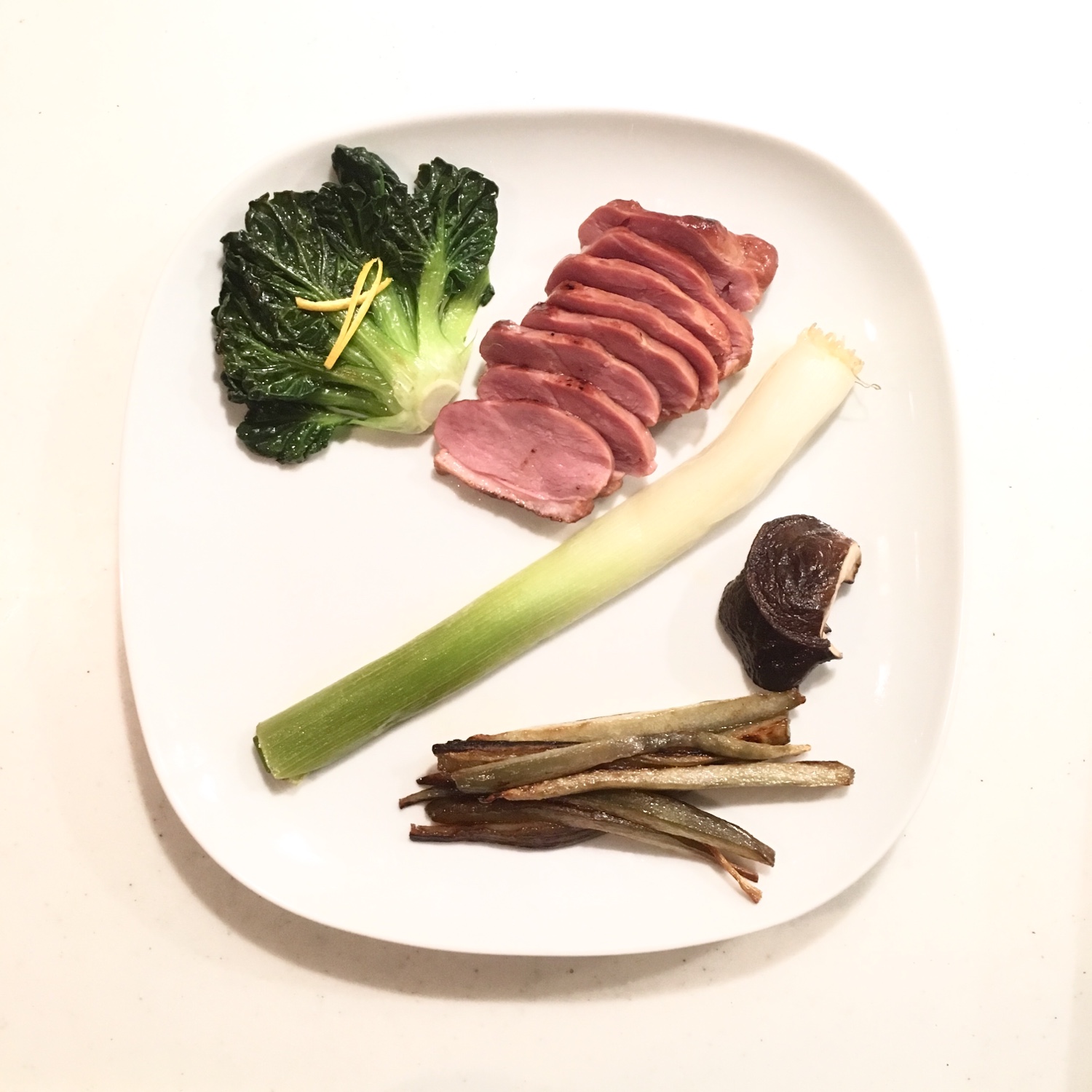
For the second recipe, you’ve already saw the picture in the last post, as yacon was part of the plate I prepared with the tatsoi, and the duck. I simply peel and cut in sticks, and panfry in a bit of oil them until golden like French fries. Again, it was great. Really crispy both from the frying and the texture of the yacon. Loved it!! what I learned in preparing them is that they oxyde very quickly and turn brownish. So better cook them quick after peeling and cutting.

Now I need to find some again and continue exploring how to use it!

New green on the table: tatsoi

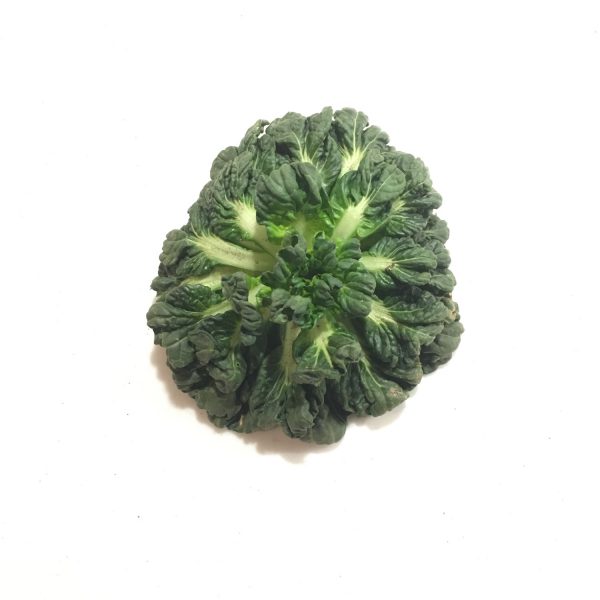
The family of edible greens I know is growing every week when we go to the farmers market. Somehow they always manage to have something that tickles me and I want to try. This week was all about tatsoi. Sorry for being such so badly cultivated when it comes to greens… I have so much to learn! So there was some tatsoi タアサイat the market and I could not resist it’s beautiful round shape, the greens of the leaves that ressemble spinach or rather chards, and a texture that is also close to bok choi.

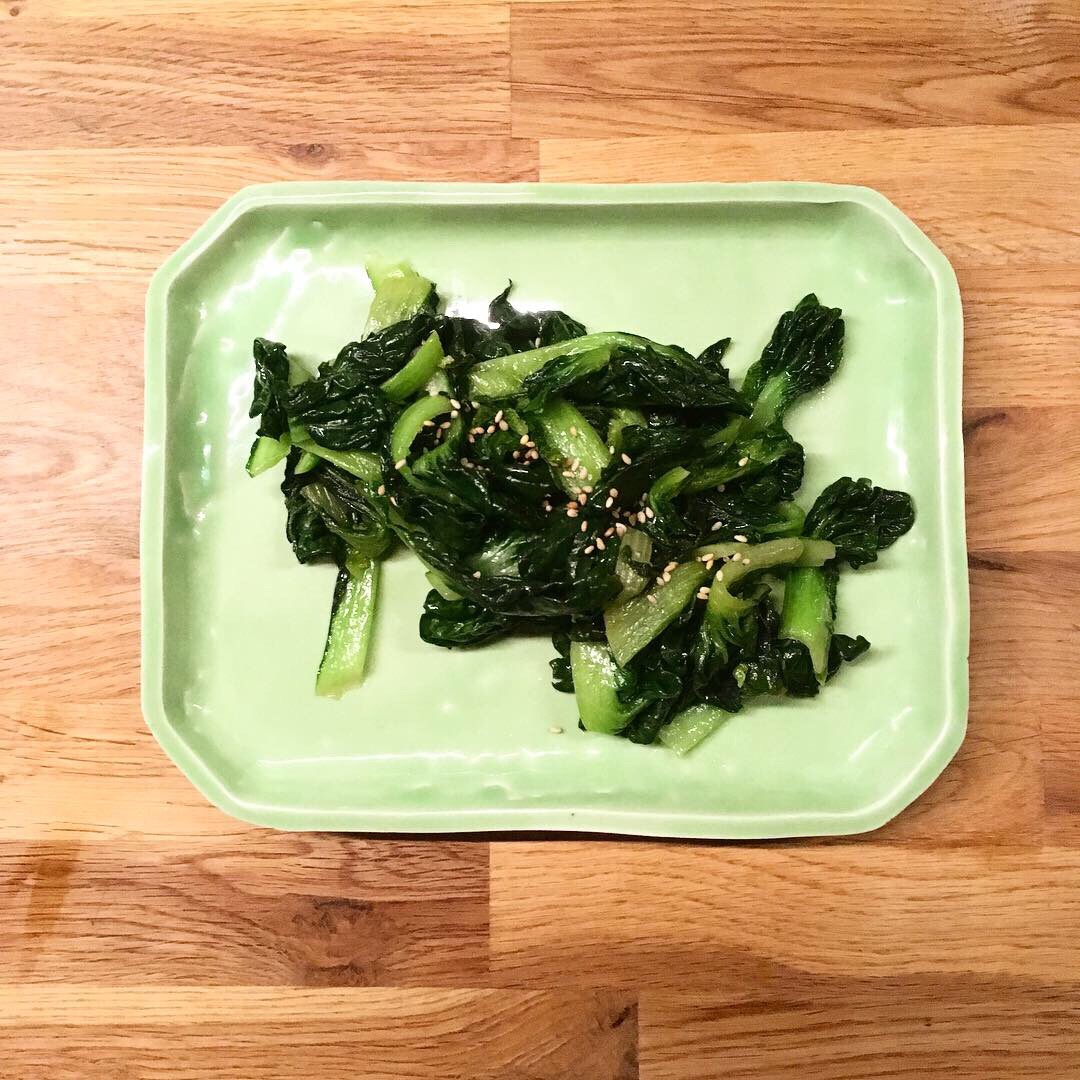
I firt prepared one in a very simple manner: I washed it thoroughly to remove the sand and soil, and simply cook it at low it with a few drops of sesame oil. Added some sesame seeds to serve. That was awfully simple and perfect to enjoy the flavor and texture of this green new to us.

The second time I cook one, it was a tiny one, so rather than using oil, I just blanched it, and served it with natsumikan zest. This can work with orange, yuzu or lemon too. The zest and the tatsoi were working very very well!

I actually served it in a more complex plate as can be seen on the bottom picture, as a request of A. to accompany his bottle of Duhart-Milon 2011, with smoked duck, braised leek, sautéed shiitake and sautéed yakon. Oh! Do you know yakon??? I also recently discovered it… I’ll talk about it next time. In the meantime enjoy your greens, be adventurous with your local products, and have a good rest of the week!

Italy meets Japan again

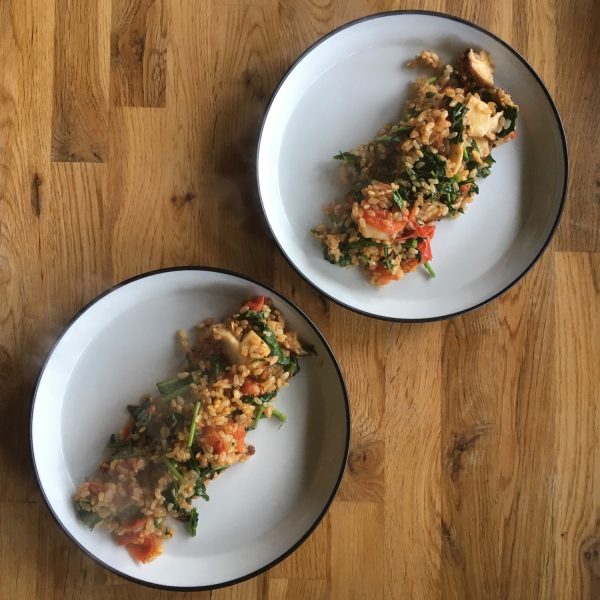
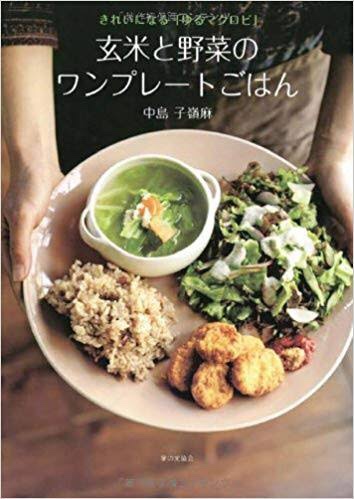
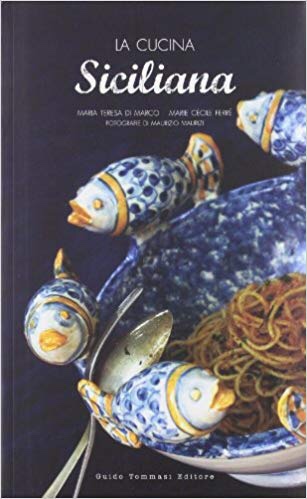
Saturday I spent some time browsing cookbooks, looking at their beautiful pictures and slowly moving from the winter mood to the spring mood. I was focusing on two very different books: a Japanese macrobiotic cookbook from Brownsfield owner elder daughter Shinema Nakajima, and a Sicilian cookbook by bloggers Maria Teresa di Marco and Marie Cecile Ferre. The first one reminded me its been too long since we last ate brown rice, the second one made me crave for tomatoes, fresh anchovies, fennels and artichokes. But from the mix of both came this very simple recipe of a macrobiotic risotto made from Japanese brown rice and fresh local vegetables. Here is my recipe.

Italian x Japanese risotto (2servings)

– 70g of brown rice

– 3 shiitake

– a handful of fresh rucola

– 3-5 small tomatoes, ripe

– olive oil, salt and pepper

First of all cook the brown rice in the Japanese way. Use left over if you have some.

In a large pan heat some olive oil, wash and slice the shiitake and cook them at low heat in the oil. That will make the base of the risotto stock. Add the rice and stir well, add a 2tbs of water. Then wash and chop the rucola and the tomatoes, add and stir well. Cook for a few minutes while stirring. Add salt and pepper. I served it with daikon pickled with yuzu, that was perfect!!

Memories

No cooking or recipe talk today… just talking about me and us. About what February 24th means…

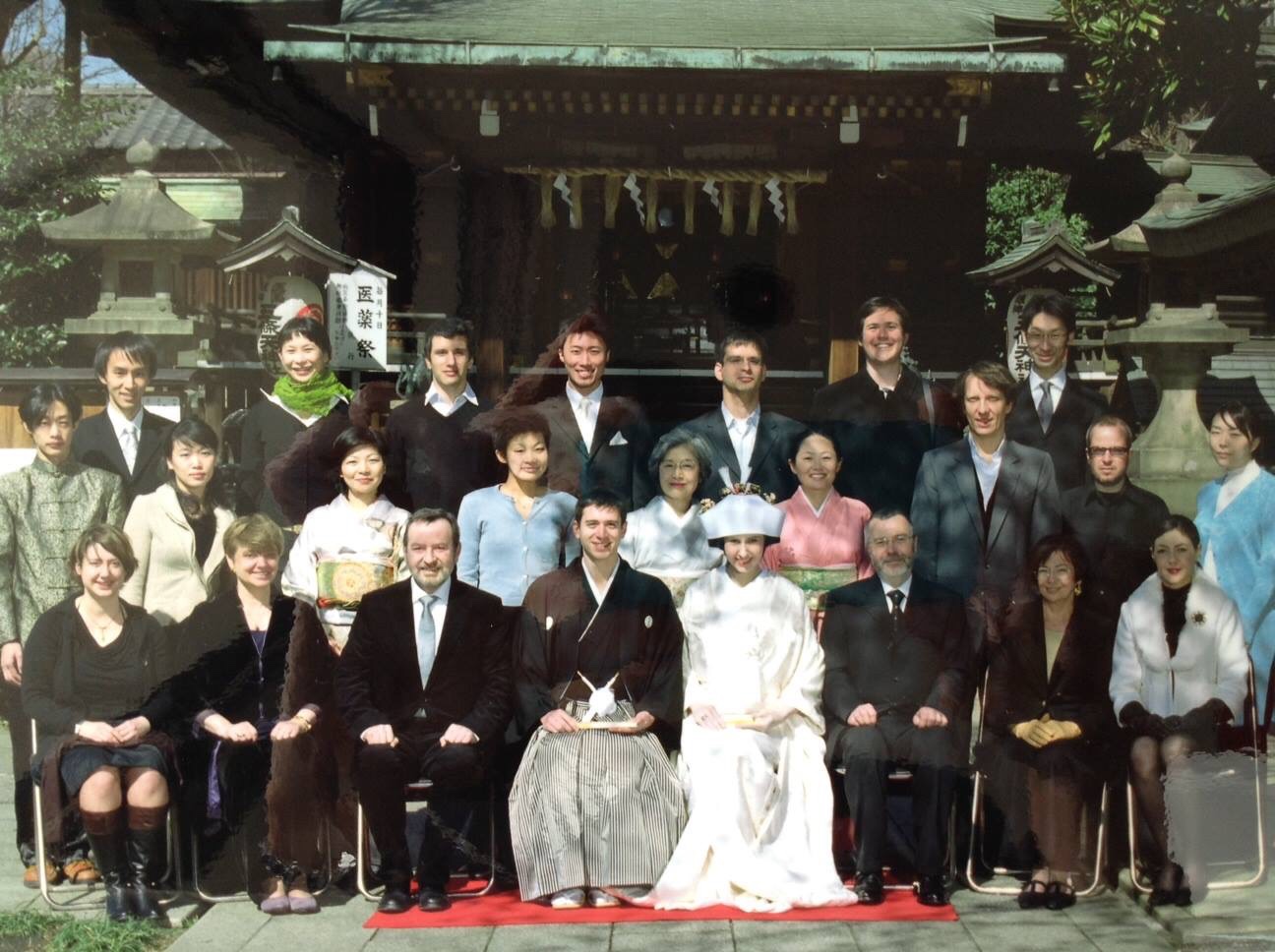
12 years ago today A. and I got married… it took us years to find where and how we would do it, but suddenly, one day, in Tokyo, we found the place and everything was settled in less than two months. Planning for years is not really our style… The whole idea was to have fun and share that with friends and family here in Tokyo. This day ended in a flash, everything was so quick that every year I wish I could do it again… wear that beautiful off white kimono, walk to the shrine, share sake with A., enjoy the plum blossoms, and then take every one to a very unique kaiseki restaurant, and finish with champagne and plenty of friends, a shamisen performance from A.’s group and a memorable lion dance by our friend K.. I also perfectly remember not having time to eat and scavenging our room and ending up eating a whole box of macarons M. offered us!!! I am so grateful so many people came from all over the world to share that moment, and many more, with us… and thanks to those that were with us by thought.

I wish you a lovely Sunday!!!

🖤🖤🖤🖤🖤

Making miso again

The time of making miso has come again… and just like last year I went to our neighbors’s S. and W., and made miso with them.

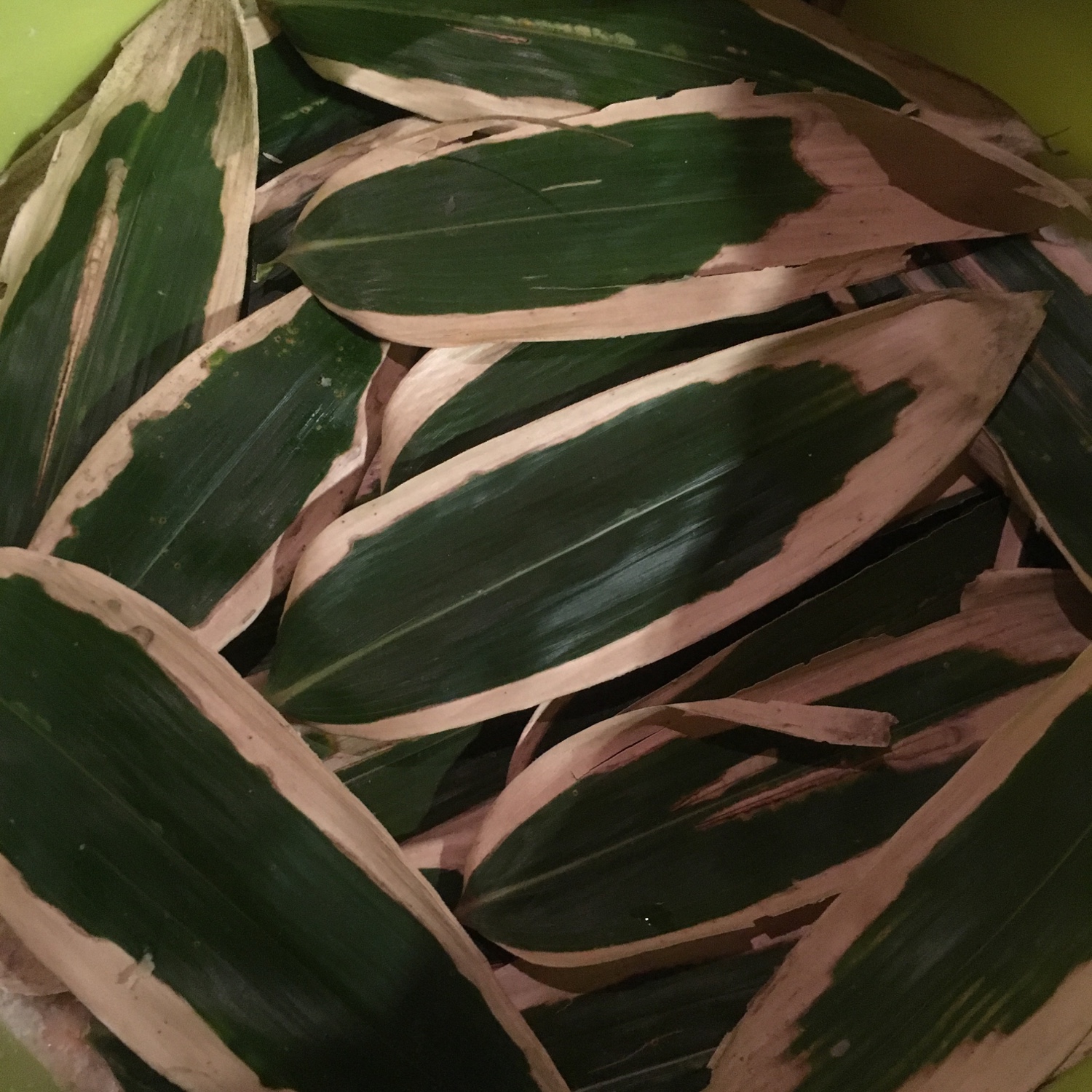
Below⬇︎it’s me equipped for this task with my gears: in the orange furoshiki, a large container with a loose lid that has been sterilized, a bowl and a pestle. On the other hand, freshly cut sasa bamboo to avoid the miso to rot on the top. Leaves only will be used after being sterilized. I was actually really surprised how it worked well last year! Only parts that were not covered got a bit of mold, the rest was perfectly clean!

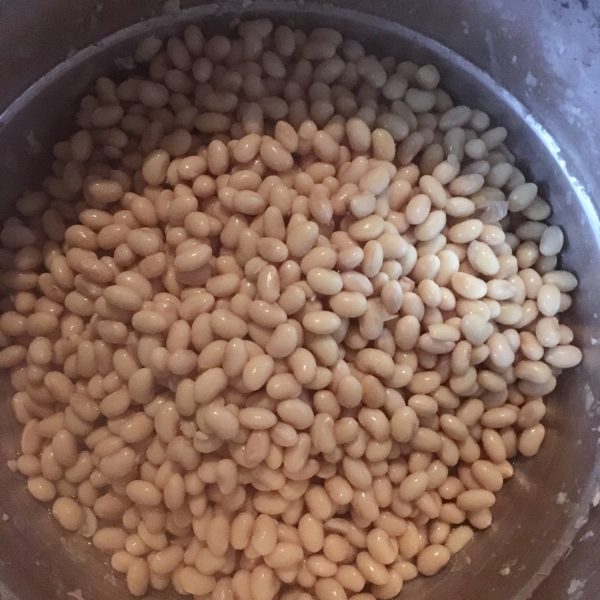
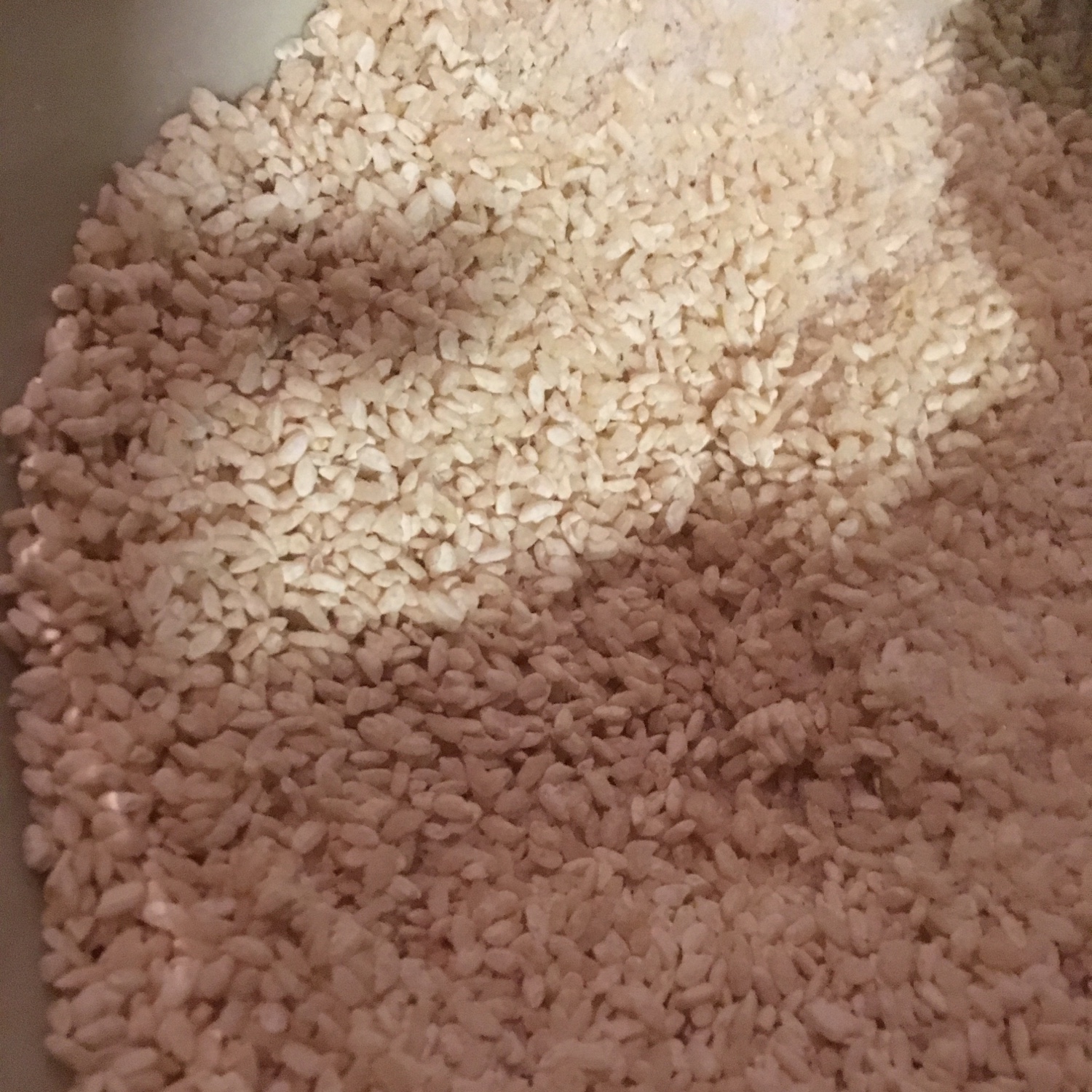
Now I am ready for a couple of hours In the warmth of the stove, chatting with S. and W., crushing boiled soya beans, mixing with koji and salt, making balls and crushing them in the container… but you know all that since I did it last year!

Now I am again waiting for 1year to try this new miso… but I also learned that 3years miso is very very delicious… can I wait 3years???

Koji
Miso in becoming, ready to wait one year or more under a large stone

Proudly powered by WordPress | Theme: Baskerville 2 by Anders Noren.

Up ↑

Verified by MonsterInsights