Ashitaba gnocchi

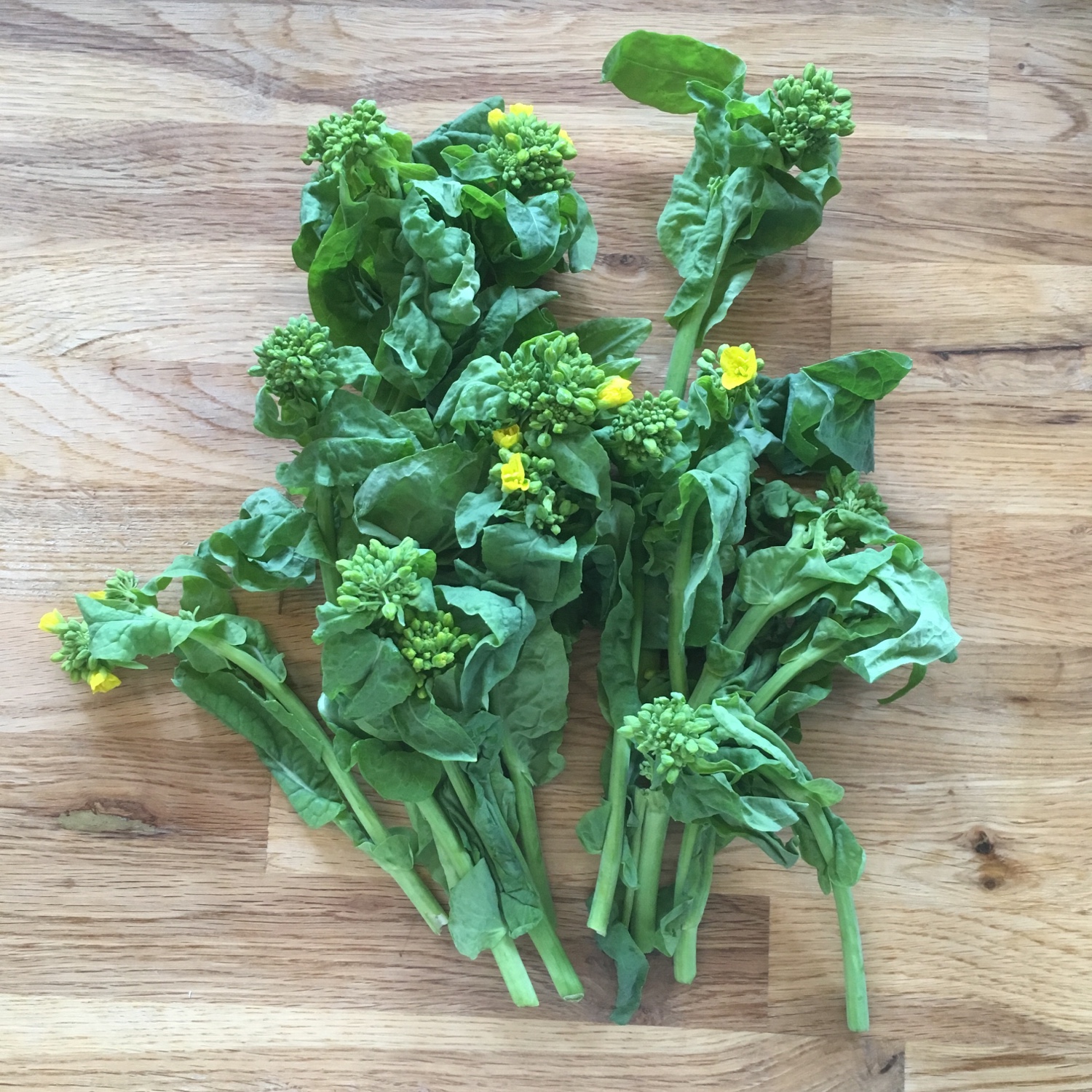
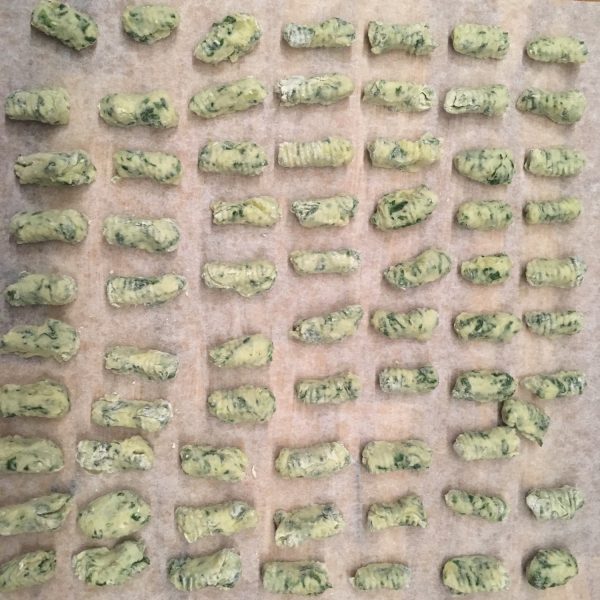
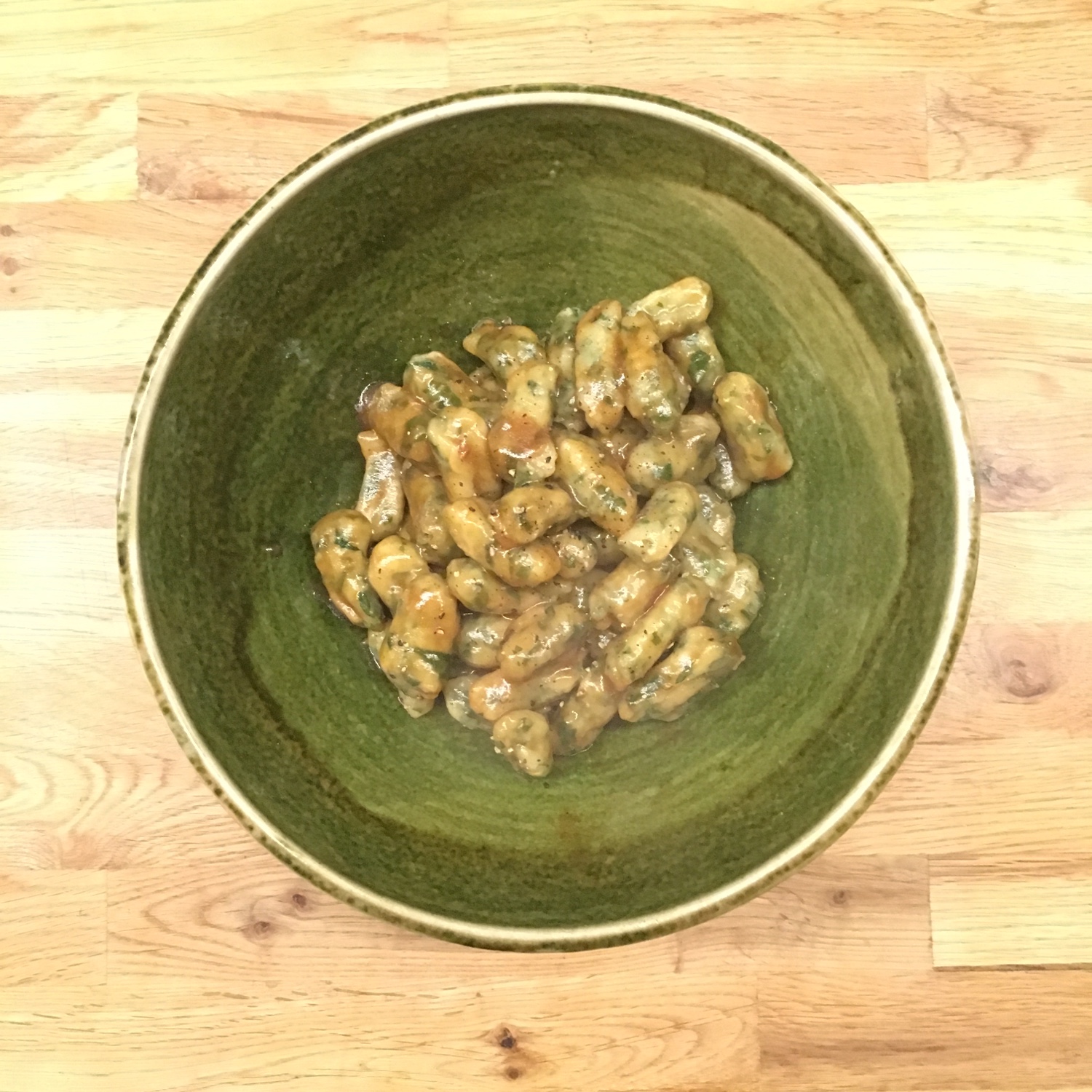
This is far from being the first time I post about ashitaba (明日葉), or if you prefer angelica. I love this herb and the magic combination with potatoes and pork. I know I should be trying new combinations, but you have a solid recipe, it’s great to do it again and again with small variations. This new gnocchi recipe is even simpler than the previous one I posted a couple of years ago and as delicious! I served with pork filet cooked in olive oil and use the cooking juice as dressing for the gnocchi, with just salt and pepper. Of course olive oil is enough!

Ashitaba gnocchi (4 servings as side)

– 3 large potatoes

– a bouquet of ashitaba

– flour

– salt, pepper, olive oil for the dressing

As usual boil the potatoes with the skin. When the potatoes are tender, let them cool down a bit, peel them and mash them with a fork. Blanche the ashitaba and drain them very very well (as soon as they are cool enough squeeze them in your hands), then chop them finely with a knife or scissors. Add to the potatoes. The mixture should be creamy. Add flour and knead until the mix is dry enough to shape the gnocchi. As always the less flour the better, hence the need to avoid excessive moisture. When dry enough shape your gnocchi. I usually line them on a piece of cooking paper. Boil them until they float when you want to eat them. Dress with olive oil, salt and pepper or like me this time with pork filet juice.
Sakura risotto

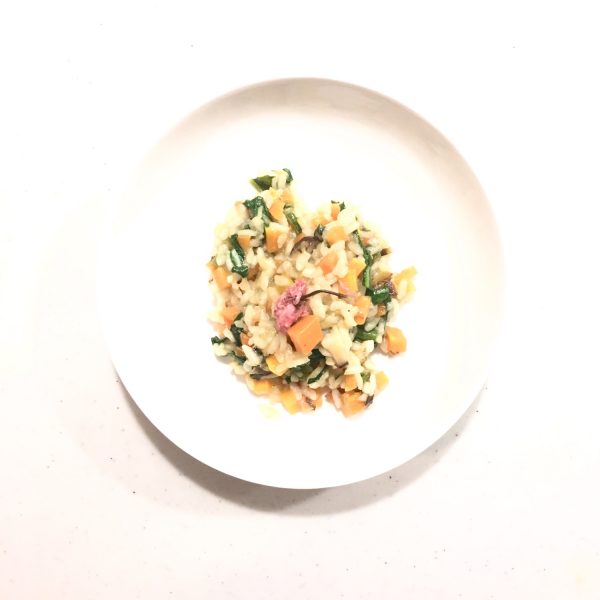
As I was writing last time, it’s just the peak season for sakura viewing. And therefore I thought of using sakura flowers in some recipes again. The classic would be sakura rice or sakura rice balls, but since my parents are staying with us and my dad was crying for a risotto, in remembrance of the first risotto: porcini risotto, I cooked when I was still in high school… So to please him a risotto I cooked, with carrots, a few shiitake and leeks for the base, some turnip tops for the green, and a sakura broth as seen below. Given how quick the plates were wiped, I guess everyone liked it!!! So here is my recipe (below the picture)

Sakura risotto (4 servings)

– 1 cup of rice, either Japanese or Italian

– 2 or 4 new carrots depending on size, mine were big so I used 2

– 2 small leeks

– 2 shiitake

– 12 sakura flowers in dry salt

– olive oil (not too fruity)

– 10 pink pepper seeds

– a bit of ground pepper

Start with the base: wash and cut the leeks and the shiitake in small pieces. In a heated pan add some olive oil and the vegetables and stir once in a while until slightly golden.

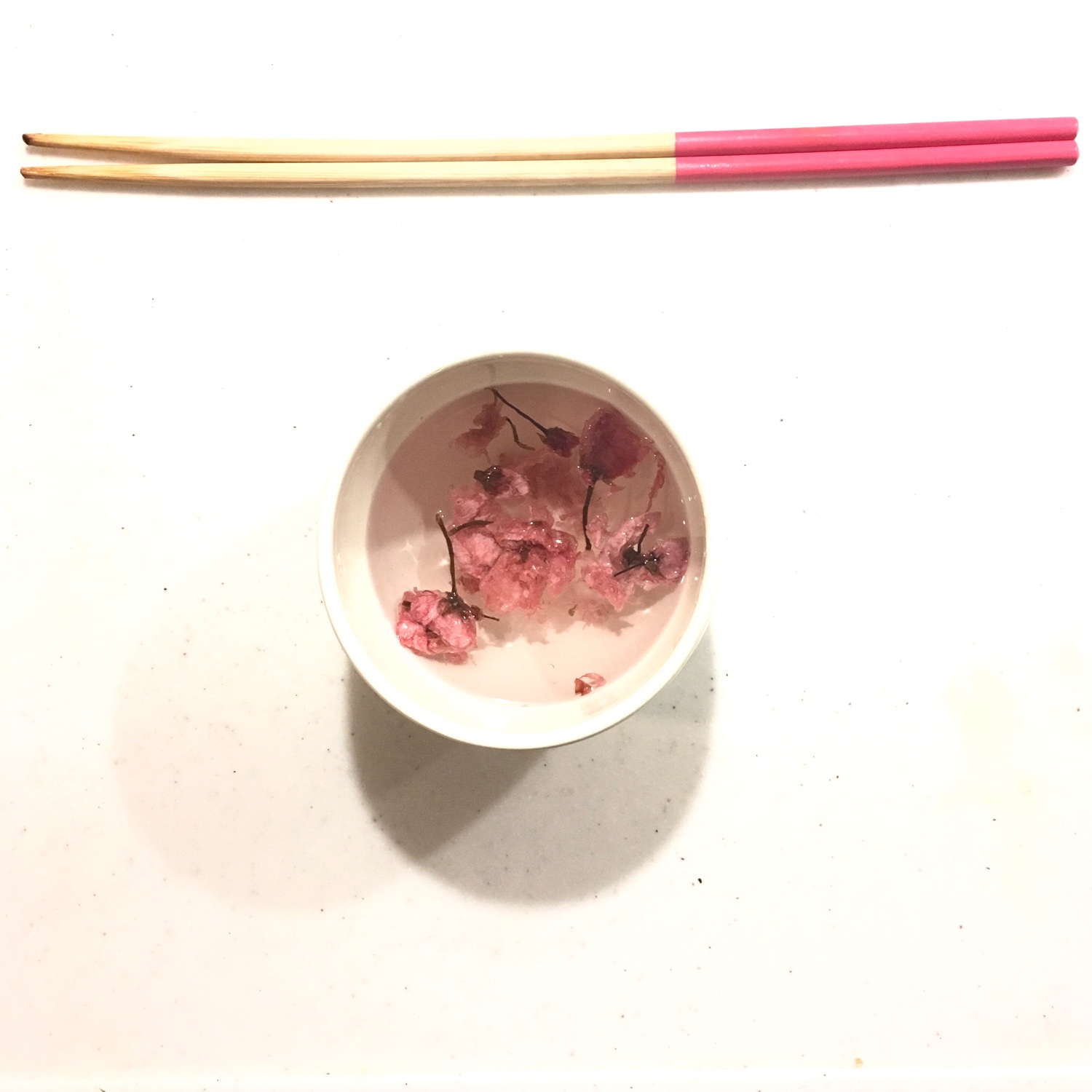
In a cup put the sakura flowers in salt and fill the cup with water to make the broth.

Wash and dice the carrots, add to the vegetables in the pan, and add the rice, roast for some time. Add the sakura broth and cook at low heat until the water is almost gone. Add then 3-4 cups of water, the pink pepper, some ground pepper, 8 of the sakura flowers. Cook at low heat. When the water is almost gone add the turnip tops cut in 2cm long pieces. Cook and stir until all the water is gone, but the whole thing is still moist. Serve immediately and use the remaining flowers to dress the plates.

Spring!

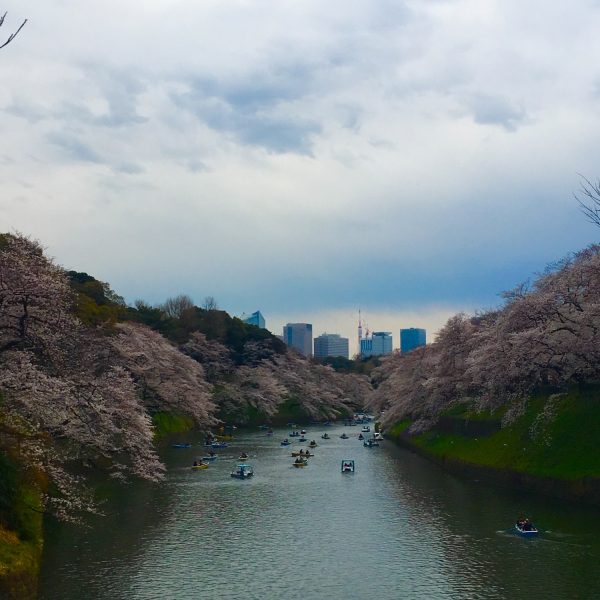
I surprise myself with this title actually! Yes all the young leaves start to sprout and the cherry trees are blossoming, but the blossom are lasting for a rather long time just because the sunny weather keeps going on but it is actually freezing cold these days! The city has turned pink and green and with my parents visiting I couldn’t help going for a walk with them to the nearby park to see the cherry blossoms. It turns out that the closest park to our place is Chidorigafuchi 千鳥ヶ淵, one of the most famous spot to see cherry blossoms and stroll under a pink tunnel of flowers. Blossoms are going to last a few more days in Tokyo so enjoy them!

Cooking wise, things have been a little more quiet since they arrived with some of their favorite classics: buta shoga yaki, gyoza… and mum who can’t help wanting to cook for dinner while I’m at work!!!

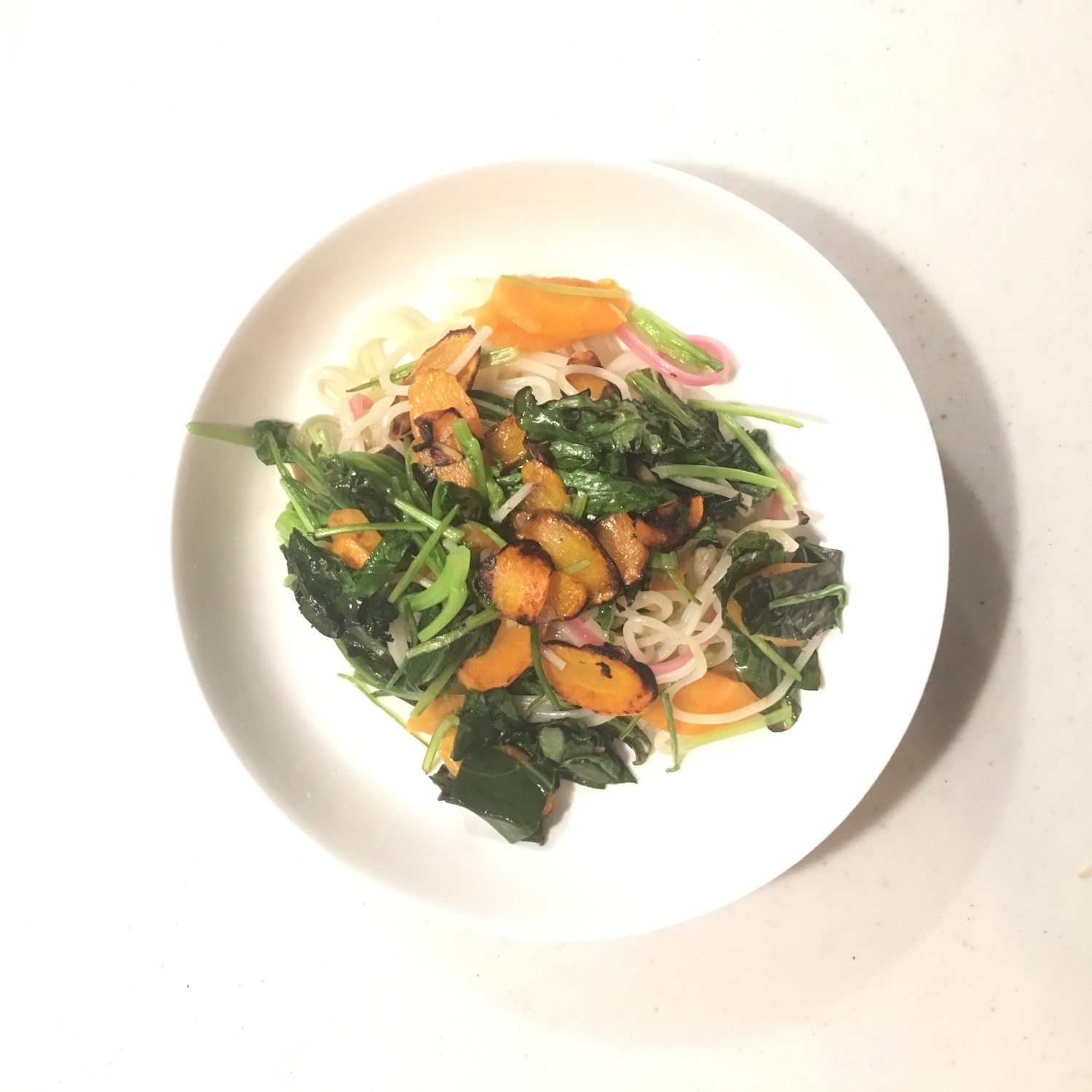
But I wanted to go back to that recipe of somen 素麺 with vegetables I prepared because it was so simple and delicious that it is worth sharing. Somen are thin wheat noodles eaten often in the summer in Japan, but I see no reason why not to eat them in other preparations all year round. They are something just in between spaghettini and vermicelli. In the summer they are eaten with cold broth deep and cucumber etc.. but I prepare them in many different ways. This time for the beginning of spring I decided to prepare them with sautéed carrots and spinach and plenty of fresh coriander, dressed with a bit of white soya sauce. Oh!? Can you guess what is the pink thing in the plate?

Burdock – 牛蒡

There are a few vegetables that are hard to find in Japan and I really love: fennels, artichokes, salsify…

When I first ate burdock (gobo ゴボウ 牛蒡) I was quite surprised with the very peculiar taste, and I realized it was a good alternative for both salsify and artichoke at the same time. This long root looks a lot like salsify, with a lot more fiber and this plus the flavor make them close to artichokes in a sense. I love to cook them, though strangely enough I don’t very often… One of my favorite recipe is in soup, but many recipes are more accessible such as in risotto, or these two very simple recipes today: a mixed sautéed vegetables one and a vegetables soup. Both are ultra simple.

Burdock sautéed

– 1/2 burdock

– 3 shiitake

– 1 turnip top

– olive oil

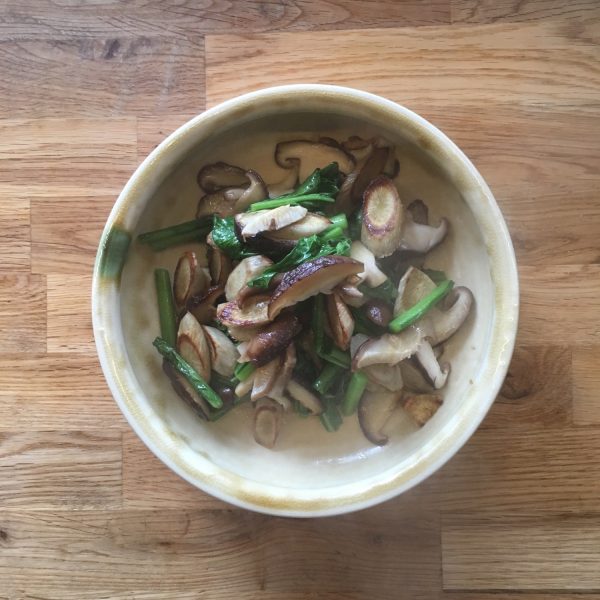
Wash and peel the burdock, cut in 5cm long and keep in a mix of water and vinegar. Wash and chop the shiitake and the turnip top. Heat the oil in a pan. Add the burdock and cook at high to medium heat until slightly golden. Then add the shiitake and a few minutes later the turnip top. Stir until the turnip top are soft.

Burdock and vegetables soup

– 1/2 burdock

– 1 carrot

– 1/4 cabbage

– 1/2 cup of short pasta (optional). I used stelline.

– a bit of olive oil

Heat a pan of water. Wash, peel and slice the burdock, add immediately to the water. Cut the carrot (I don’t peel my organic carrots), add also. Chop the cabbage and add it, finish with the pasta. When they are cooked serve and enjoy!

BD chocolate cake

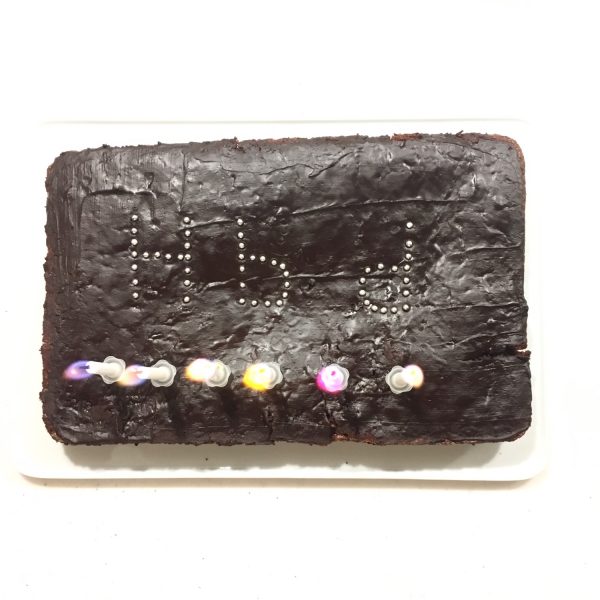
It is really not something that I cook often… maybe it’s been 5 or 10 years since I last baked a proper chocolate cake… Usually for A.’s birthday I bake a strawberry tart but as I already baked one two weeks ago, I decided to surprise him with very very rich brownies. So for the first time in a while I went through the recipe without actually reducing the amount of sugar or butter. I chose a recipe that was using cocoa powder as it is easier to find organic cocoa powder rather than delicious chocolate to cook here in Japan. The result was a nice piece of brownies, but you know what, I thought they would be even richer (may be the baking powder was too powerful, or it could be my oven that bakes too quick and I slightly overcooked it, or using cocoa powder rather than creamy melted chocolate…)… I topped them with a sugar and cocoa frosting. A. was really happy with the surprise cake, and it was even better the following day.

So the recipe went that way:

Chocolate brownies

– 2 eggs

– 1/2 cup of flour

– 1/2 cup of melted butter

– 1 cup of sugar

– 1/3 cup of cocoa powder

– 1/4 tsp of baking powder

– 1/4 tsp of salt

– vanilla

Melt the butter in a large pan. Off the heat, add the sugar, the eggs, the vanilla. Stir and add the cocoa, the flour, salt and baking powder. Pour in a greased rectangular pie dish or squared pan.

Bake at 170 for 25min.

For the frosting I used cocoa powder, confectioner’s sugar (ice sugar) and a bit of water, to obtain a kind of cream. I spread on the cake while it is still hot, it helps a lot, and let cool down before removing from the pan.

Enjoy!

Spring is here!

After the fukinoto and the canola which both announce the arrival of spring and the cold unstable weather that usually accompany the plum blossom end, the next step is the real arrival of spring in late March or early April with the famous cherry blossoms of course, Mole’s quince and the jonquils putting beautiful colors in the garden but also the bamboo shoots (takenoko 筍)and the other wild vegetables: fern (kogomi こごみ), horsetail (tsukushi つくし), angelica tree buds (tara no me タラの芽)…

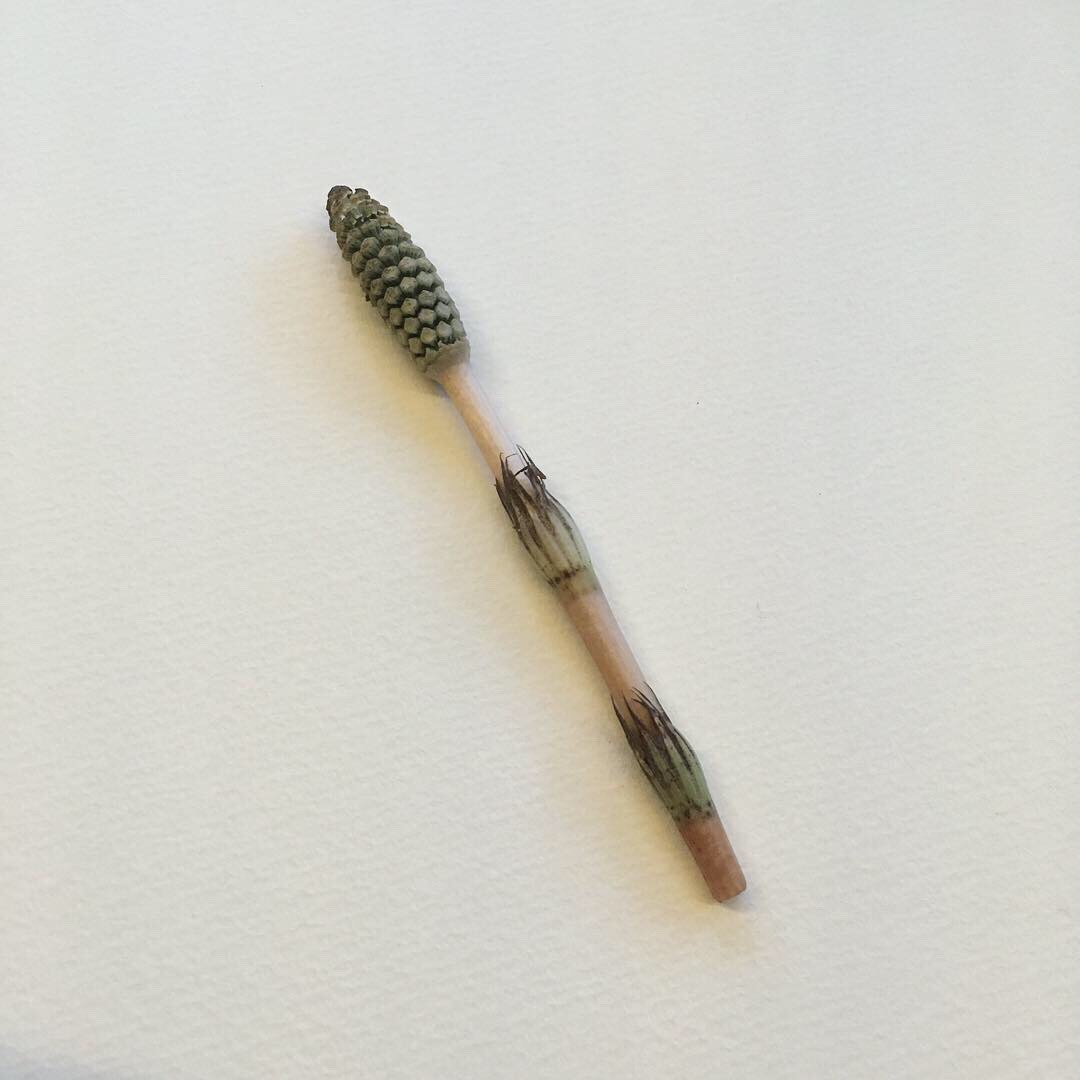
We don’t have kogomi and tara no me in our garden, or not that I know of yet (I discover new things each year!), I found a few tsukushi in the past but never enough or at the right time to harvest them. This year I found really plenty, enough to consider cooking some. Tsukushi are a bit of a delicate plant and their pollen is not very good so it’s better to harvest them early. The one on the picture below is for example a bit too old, this can be seen by the dark color of the head: the pollen is already about to go out! The pollen of tsukushi is blue to black, and looks like mold!!! I have never seen tsukushi in supermarkets, I assume they are too delicate for transport and shelf time. Their flavor is very subtle so I like simple preparations: quickly sautéed, or simply blanched in dashi. To prepare them, simply wash them and remove the corollas parts using your thumb by simply rolling the stem with the corolla on top of your nail. Then cook them in a pan with a bit of butter or as said above blanched them in a regular dashi. Serve them right away with rice, scrambled eggs… nothing too strong.

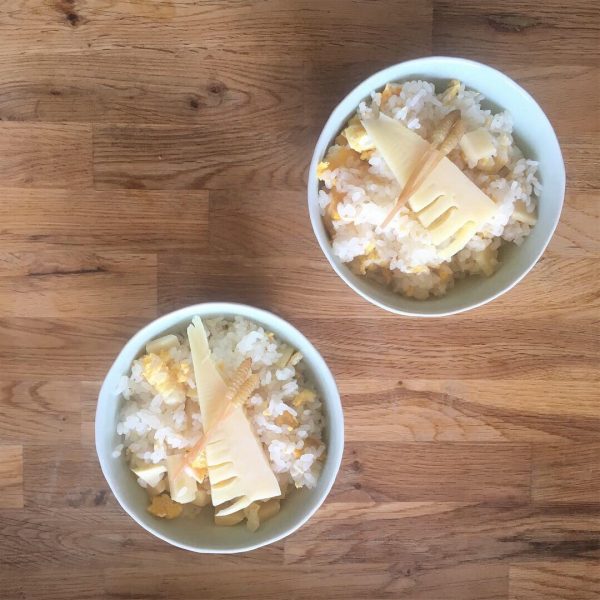
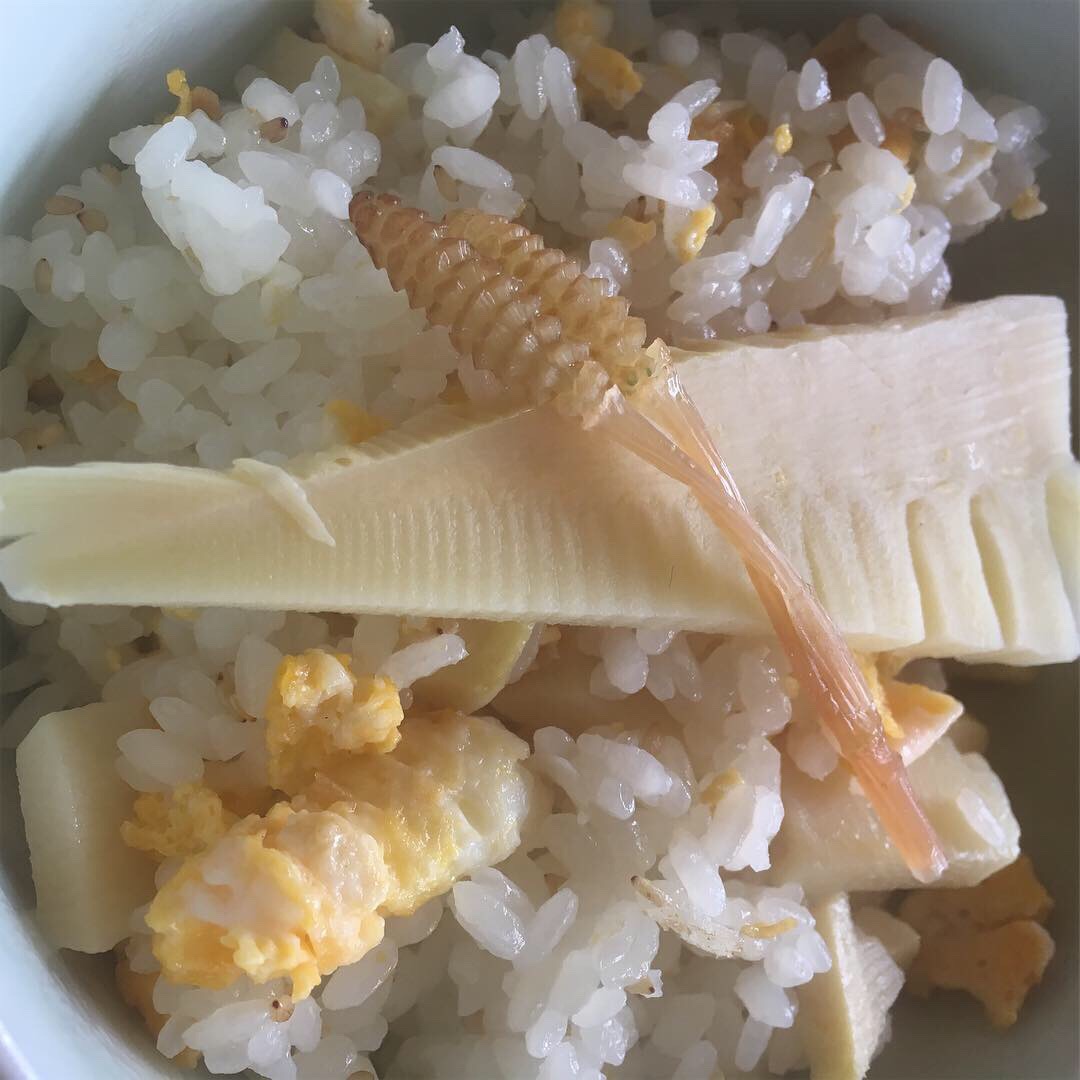
I my case I made a simple fried takenoko rice with sesame oil, scrambled eggs season with a few drops of soya sauce. That’s it!

Melbourne

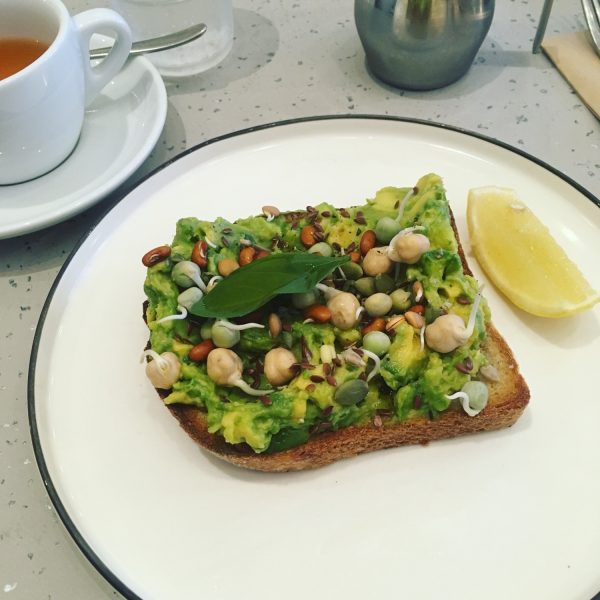
Well well well the title of this post is very ambitious and may be misleading. I am not going to give an extensive review of the city nor of it’s eateries and markets… I was there for three days for work and it was my first time in Melbourne and I didn’t touch a pan or a knife, nor a raw ingredient the whole time. I actually didn’t even enter a supermarket or any shopping place! I was staying downtown where our friends and colleagues live, and they showed me a bit around every morning and every evening. The one thing that I truly enjoyed is that there are plenty of options to go out for breakfast even quite early and D. took me to a few very nice places. The top of the top was Vacation, I liked the fresh and open atmosphere and where I had an amazing avocado toast made with Australian avocados. Topped with sprouted garbanzo beans and green peas it was really divine!! Of course D. also took me to Lune for the best croissants in town (it was also recommended to me on IG by @baker.kobo) and I had there an indeed delicious croissant. Going out for breakfast in a new city, when people move around is really a good way to feel the vibe and discover a bit of their habits. I found that a lot of people grab breakfast on their way or stand in to eat, there are of course some seat in places. But everywhere it is usually quick. Lune in particular reminded me of that cafe in Milano I loved to go to have a croissant and a fresh squeezed orange juice. Breakfast eateries in Melbourne offer a large panel of options with healthy bowls and fresh fruits or bacon sausage and eggs, and plenty of fresh smoothies. There’s a lot of vegetarian and vegan options too. And with strong ties to the UK they have kept the tea culture, so every place has delicious tea to offer.

Dinner wise they took me to different neighborhoods and food was great. There is one thing though I realize when we were in Brisbane last May, Australian restaurants for dinner are utterly noisy. They always have very very loud music and huge space with people shouting rather than conversing as you can’t hear each other because of the music. It makes the whole atmosphere rather exhausting after a day at work.

D. and C. also took me to see some possums living in the city near Flagstaff. They were absolutely too cute!!!

So basically I haven’t seen much of the city in these three days, and that wasn’t the point of my visit, but I know I will be coming again and this first contact was a good one! I am hoping to stay longer next time for more exploration of the fresh local food and a kitchen takeover if I don’t have my own kitchen!!!

Canola

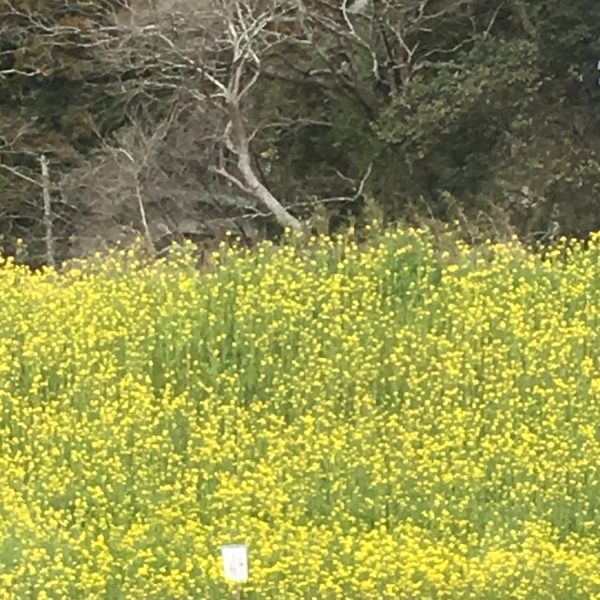
Every year one of the first vegetable that shows the arrival of warmer days and real spring (meaning up and downs in temperatures and unstable weather) is canola.

Not only canola is delicious, it is also beautiful in the nature, with its tall vibrant green leaves and yellow flowers. Isumi and Otaki are quite famous for its sight as they grow along the Isumi line train tracks and make very picturesque pictures for which a lot of people come. Not to say when the cherry trees start blooming, the pink trees bring some more pictural scenes and views, and gather even more people!

I enjoy very much when we ride in the country side at that time, but as you know, I love cooking canola too a lot.

This time, I used it for a very quick recipe, with soba and scrambled eggs. I simply blanched the canola washed and cut with a handful of katsuobushi. I boiled the soba, prepare the eggs, served all in a bowl, added olive oil and soya sauce, that’s it!!!

I’m now flying to Australia for a few days… bye-bye!

Lemon curd

When I find beautiful, naturally grown local lemons I want to make many different things with them. The first lemons I harvested in our garden on are newly planted lemon tree were a little small. But when I can find large and juicy, one thing I love is lemon curd, and lemon tarts. Using up all the juice and the zest, lemon curd is quite easy to make. When it comes to British recipes I like to use the BBC website as they always have good recipes for the British basics. I started with this recipe and slightly changed it to adjust to my habit of not using half of an ingredient, in particular an egg, and because I didn’t to make meringues to top the tarts.

So here is my recipe of lemon curd. I love how the lemon flavor is not overly compensated by the sweetness and the perfect creamy texture it has.

Lemon curd (makes about 500g, good for 2 medium size tarts)

– 4 lemons, untreated, nor waxed or whatsoever

– 100g of salted butter

– 3 eggs

– 200g of brown natural cane sugar

Take the zests and juice of the lemon. Put in a pan with the sugar and butter and heat until the butter is melted. Remove from the fire and add the eggs. Stir well and put back on a very low fire and stir regularly. Keep cooking and steering once in a while for 15-20min, until very creamy. That’s it.

You can now use directly in your tarts, in cakes or put in glass jars and use as jam…

If you to make a tart, prepare a sablé dough, bake it and then add the lemon curd. Keep refrigerated.

Lemon curd keeps a few days if not jarred. But in both cases in the fridge.

Proudly powered by WordPress | Theme: Baskerville 2 by Anders Noren.

Up ↑

Verified by MonsterInsights