Easter lunch

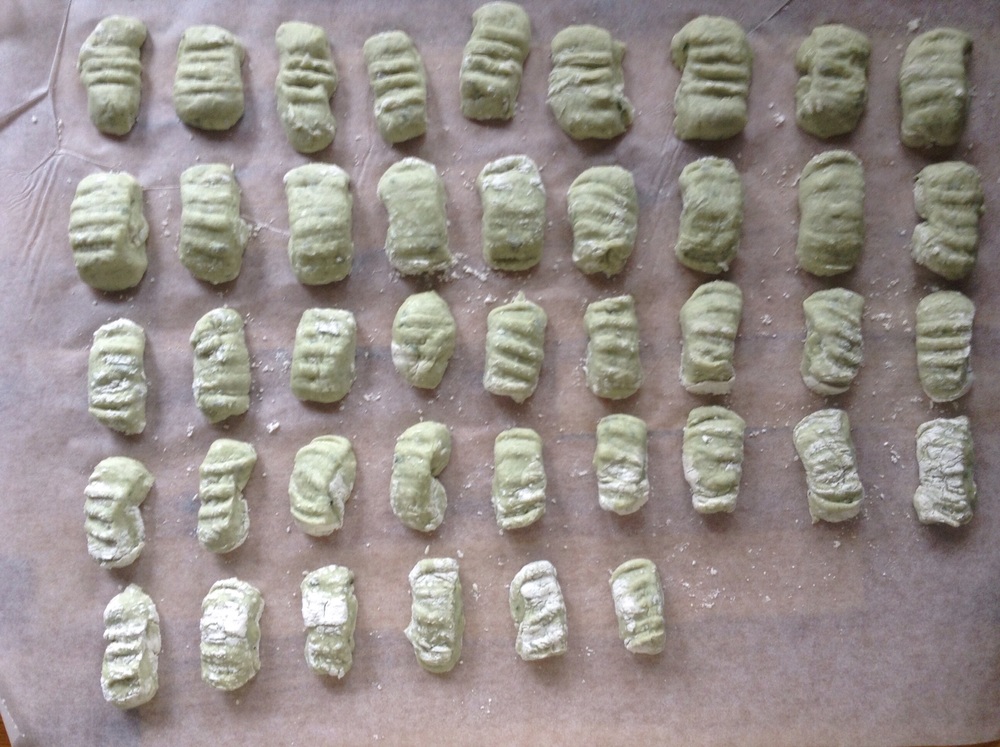
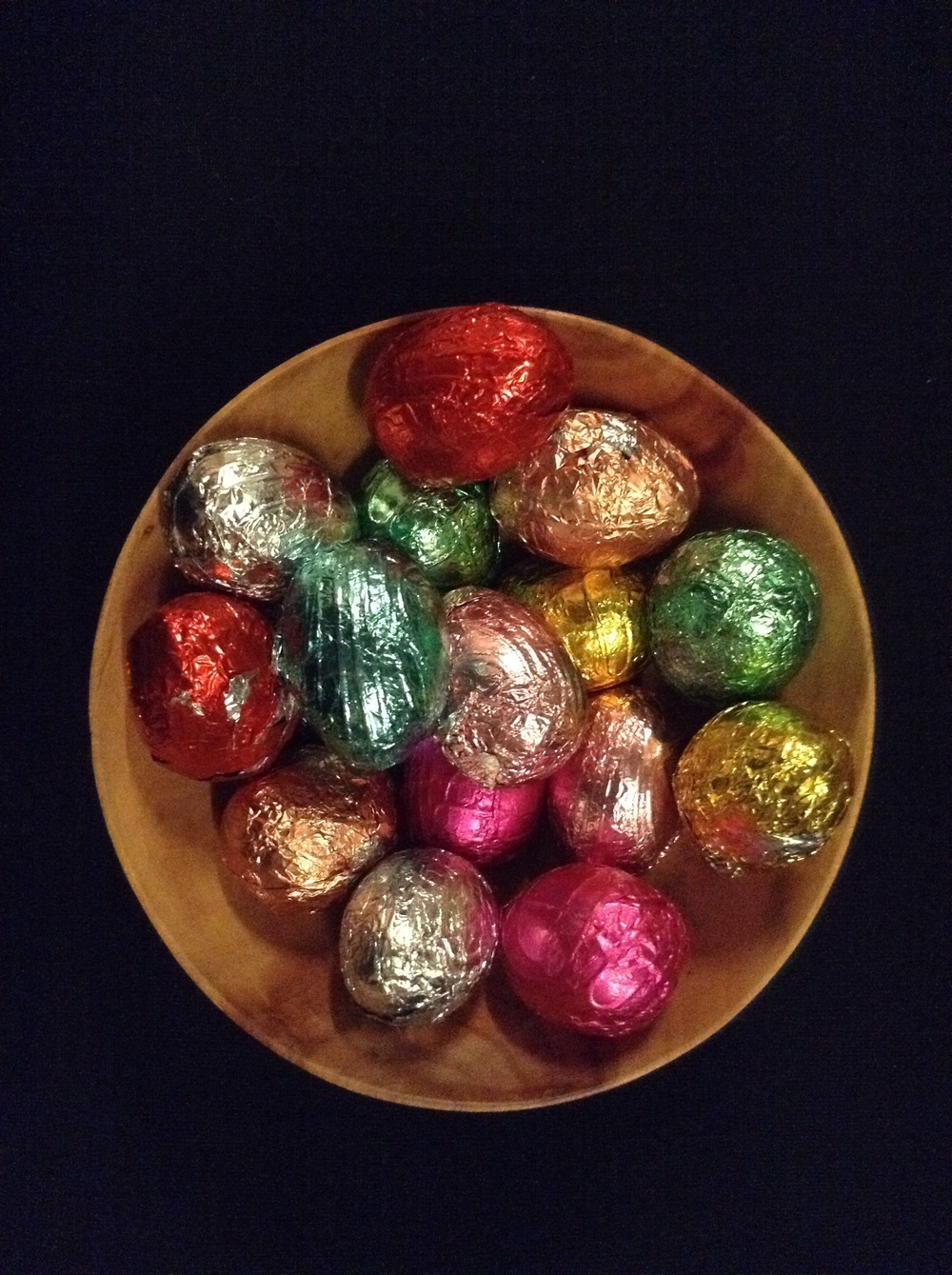
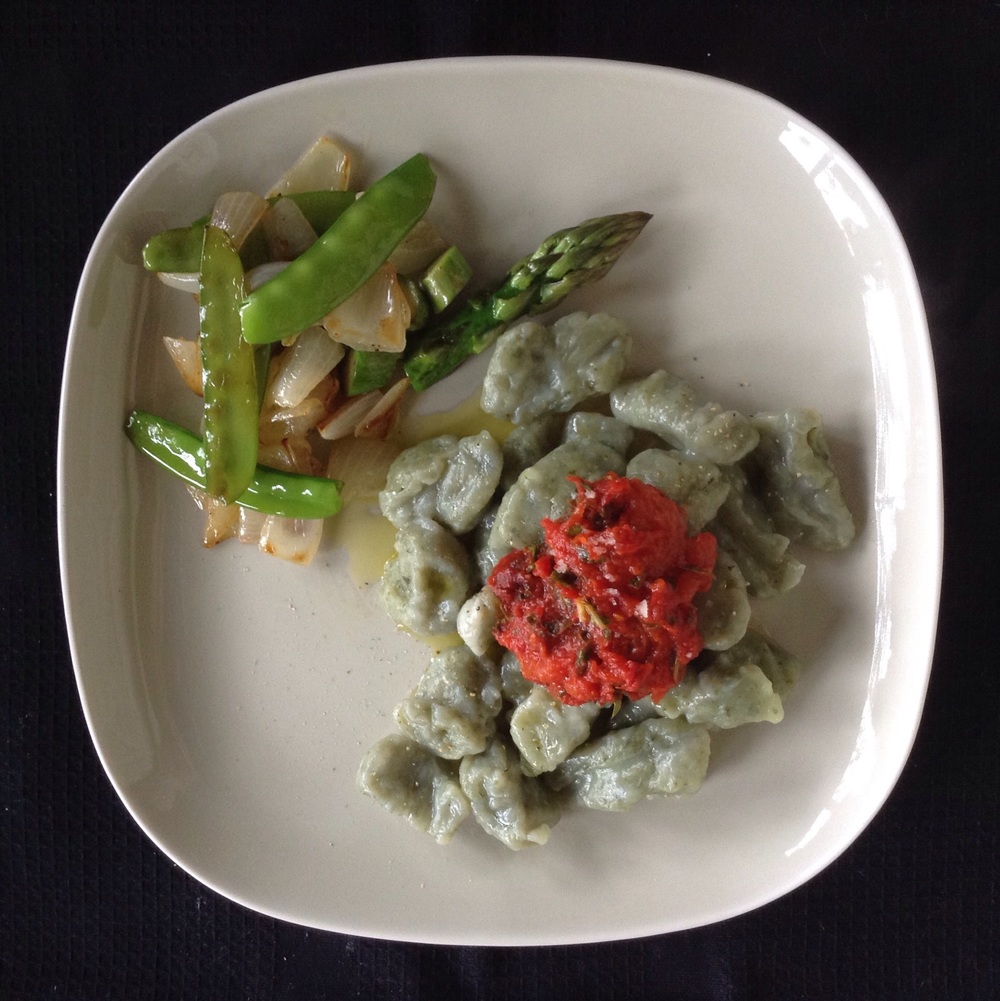
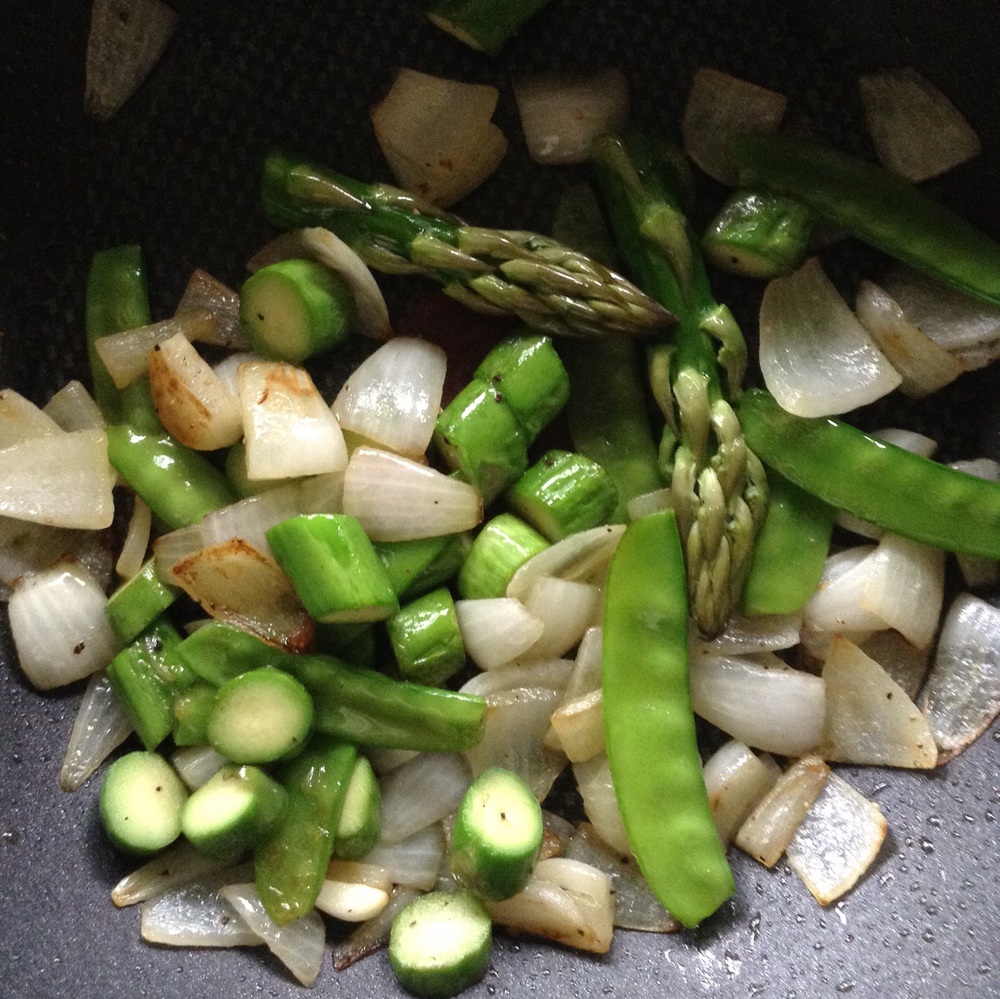
We don’t celebrate Easter much since we live in Japan, but we always receive treats from France to remind us that Easter has come.  Besides the chocolates that are not available in Japan because Easter is not a traditional event, Easter means also “spring”, often sakura blossom, colorful plates and colorful table decorations. But this year it is a very cold and rainy Easter, a lot of the new vegetables are not yet available and I only found a limited choice of greens at the local farmers cooperative. Basically snap peas and asparagus. And of course the delicious ashitaba. So my Easter lunch menu was rather simple. Some sauteed new vegetables and ashitaba gnocchi. I told you I make gnocchi of everything and I will show you some more recipes with ashitaba. Truly ashitaba suits very well dishes with potatoes, so I assumed that it would work well for gnocchi, and it did. It is supper simple, just adding blended ashitaba leaf to the potatoes, and prepare the gnocchi as usual. I served them with a fruity olive oil and a little of ashitaba-tomato sauce. For the legumes sauteed I roughly cut one new onion, added some snap peas and finally some asparagus in a bit of olive oil in a wok. For the chocolate eggs, we received more than enough from France, I decided to do nothing special! What did you cook for your Easter lunch?
Chocolate and walnuts breads

A great day starts with a great breakfast. For this morning I prepared chocolate and walnuts little breads, just out from the oven. And a fresh smoothie with pineapple, cantaloupe melon and strawberries. How about you? How do you start your day? 

 Have a nice week end!!
Have a nice week end!!

Hanami in Tokyo

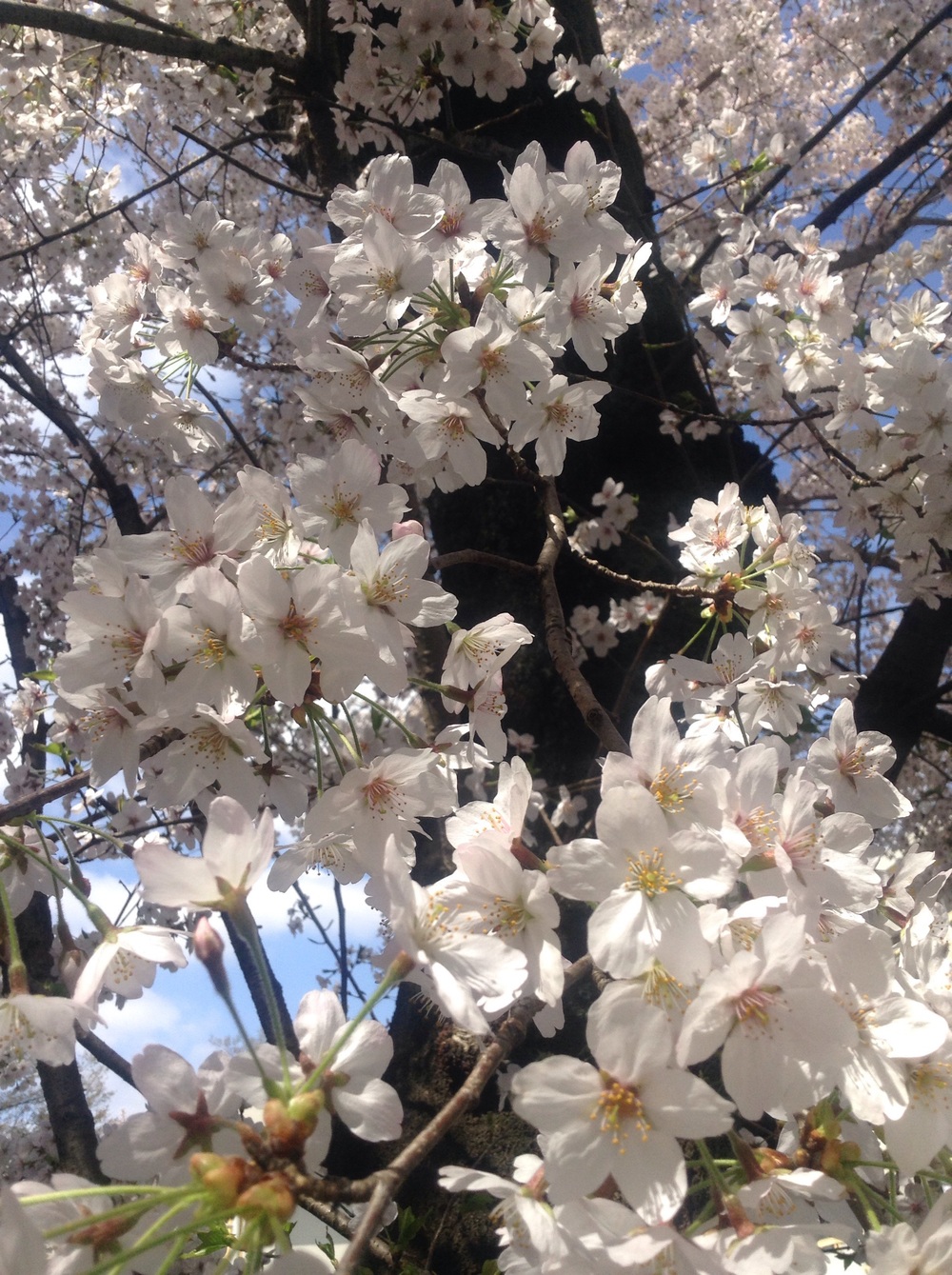
Here we are, this is the 2015´s week for hanami in Tokyo. Yes, it usually don’t last much then a week because at some point it rains and the delicate flowers fade. Right now the cherry trees are in full bloom, every place is crowded and Japanese people heads are spinning with flowers, sake, and spring. There is something extremely beautiful and poetic in the air, these trees, these flowers, that moment that will be very short, it is certainly a good reflection on the shortness of life and the natural cycles.
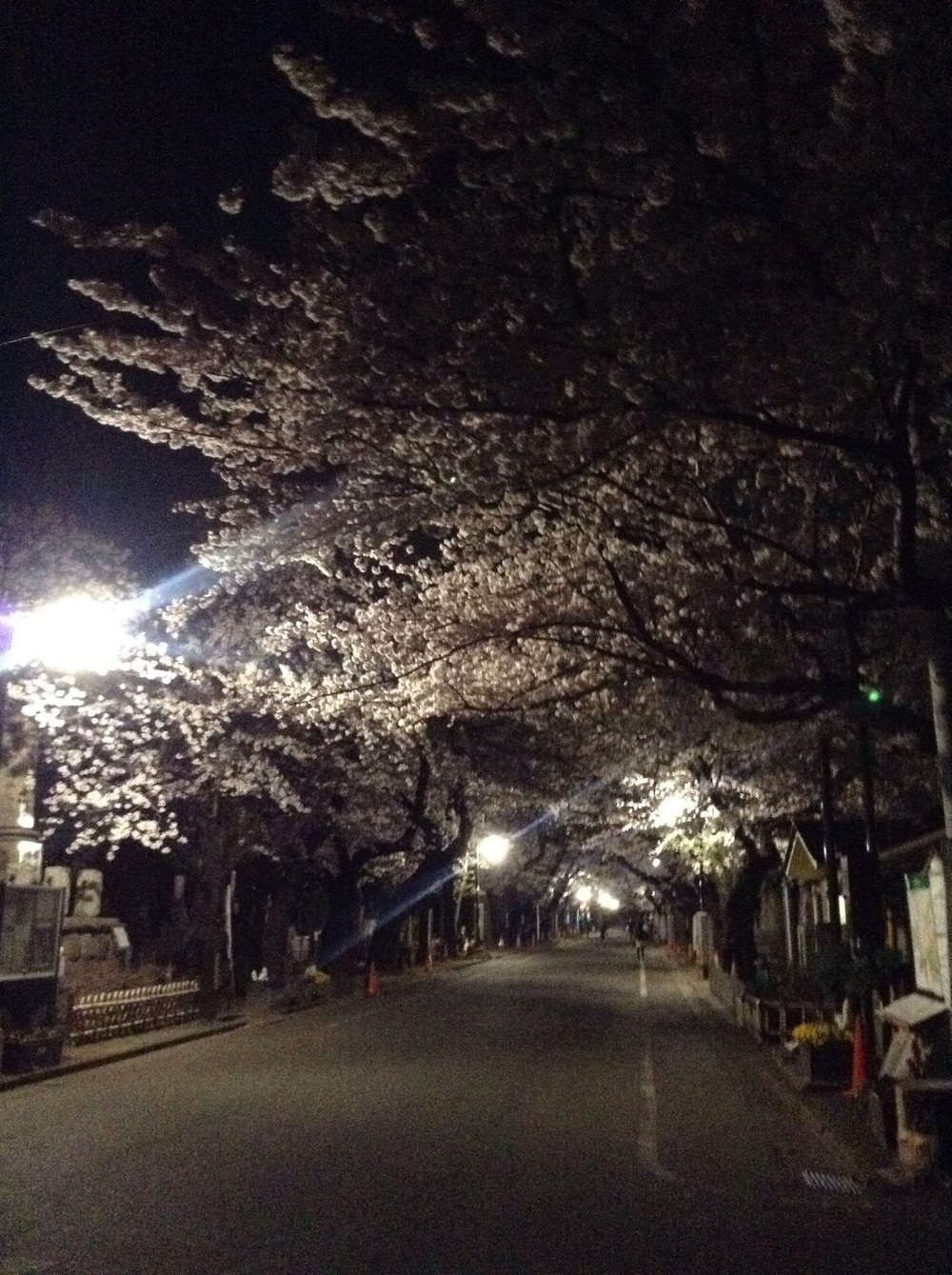
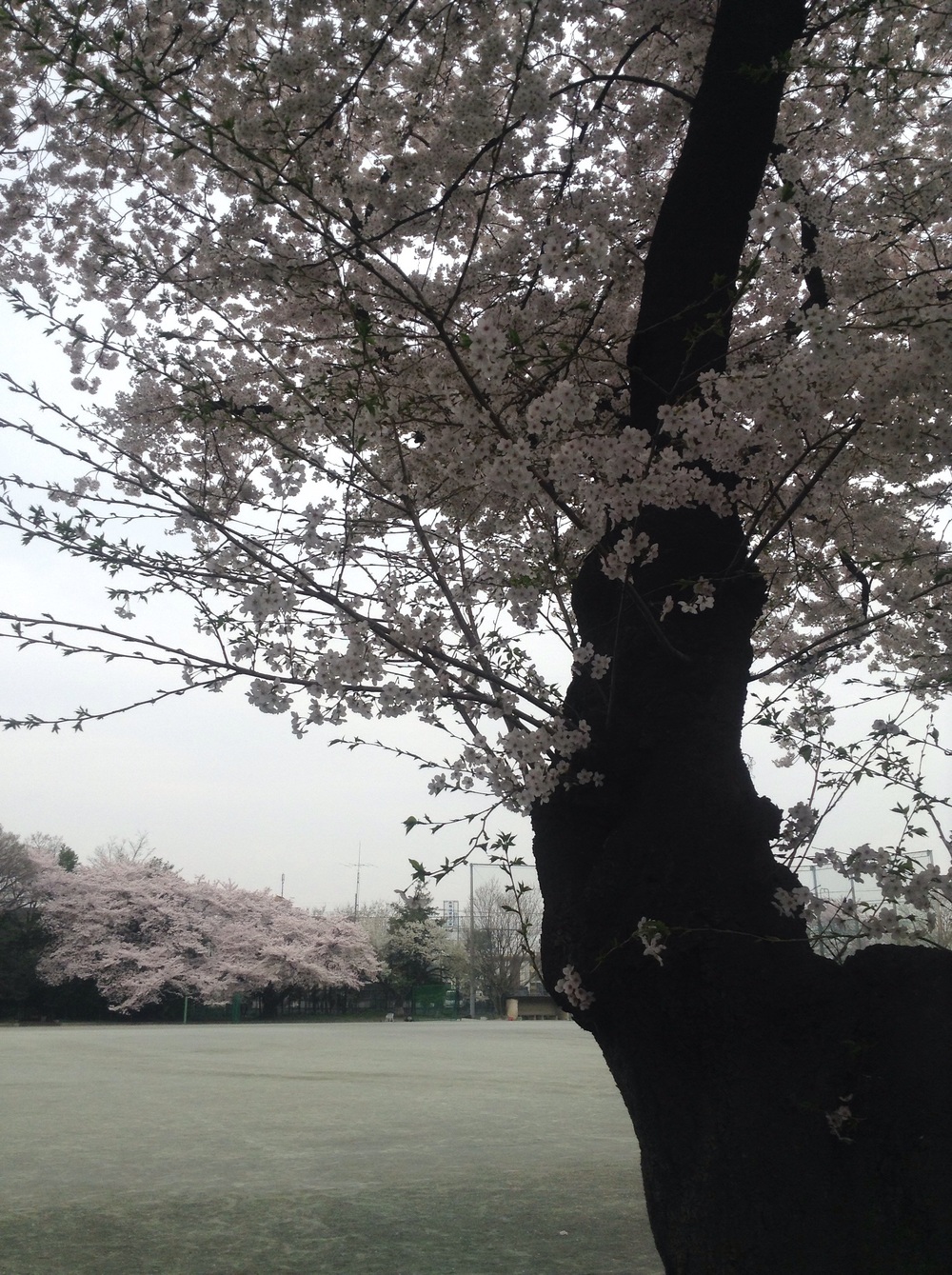
But this has turned out as being such a business, of blue plastic sheets, potato chips and cheap alcohol, and people are taking this opportunity to get massively drunk, that I found celebrating hanami almost disgusting now. Hopefully there are still a few placed where you can enjoy the calmness and beauty of spring, without getting lost in crowds of drunkards. So avoid Ueno park, Yasukuni shrine, Naka-meguro… Instead, stroll in Yanaka cemetery, in Tokyo University botanical garden, or on some universities campus (Todai, ICU, TIT, TUAT…), or walk around the imperial palace at night. But please, do it in style!

 Empty alley in Yanaka cemetery at night
Empty alley in Yanaka cemetery at night
 TUAT koganei campus
TUAT koganei campus

Vegan pasta sauce

When in a hurry, pasta are quite handy to fix a dinner. But pasta without sauce… So This time I made a rapid topping with one new onion, half paprika and a piece of thick fried tofu (aburage). All cut in small pieces, cooked brieftly in olive oil and seasoned with oregano and laurel, salt and pepper. Delicious with pasta, but also gnocchi and risotto.

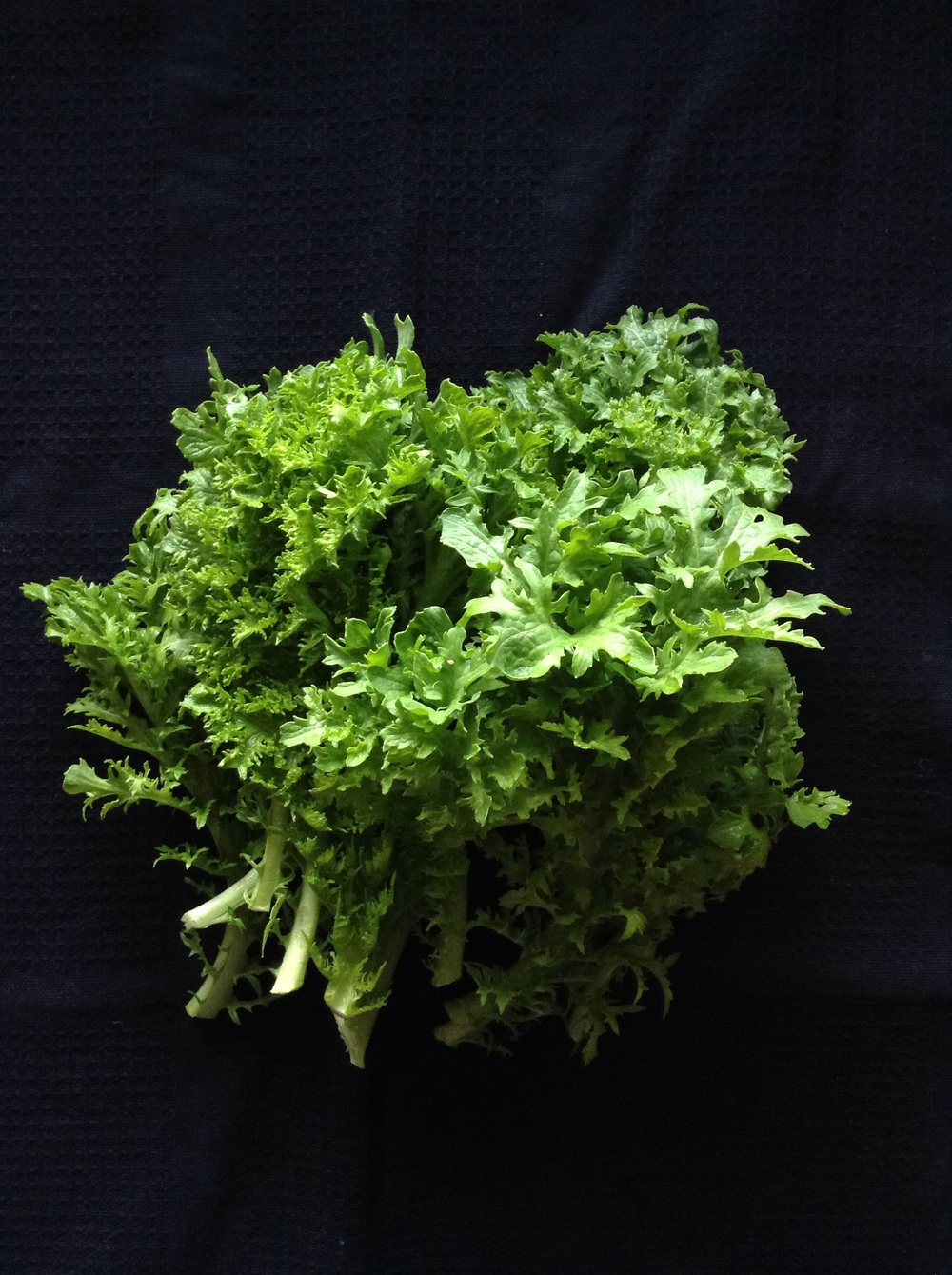
Wasabi leaves

Every one knows wasabi, this green paste very hot eaten usually with sushi. Actually wasabi is a plant and the green paste is obtained from the stem, peeled and grated. In spring, the leaves of wasabi can be eaten. It’s a delicate vibrant green leaf that is better slightly steamed or boiled and that accomodates very well rice and Japanese dishes. 

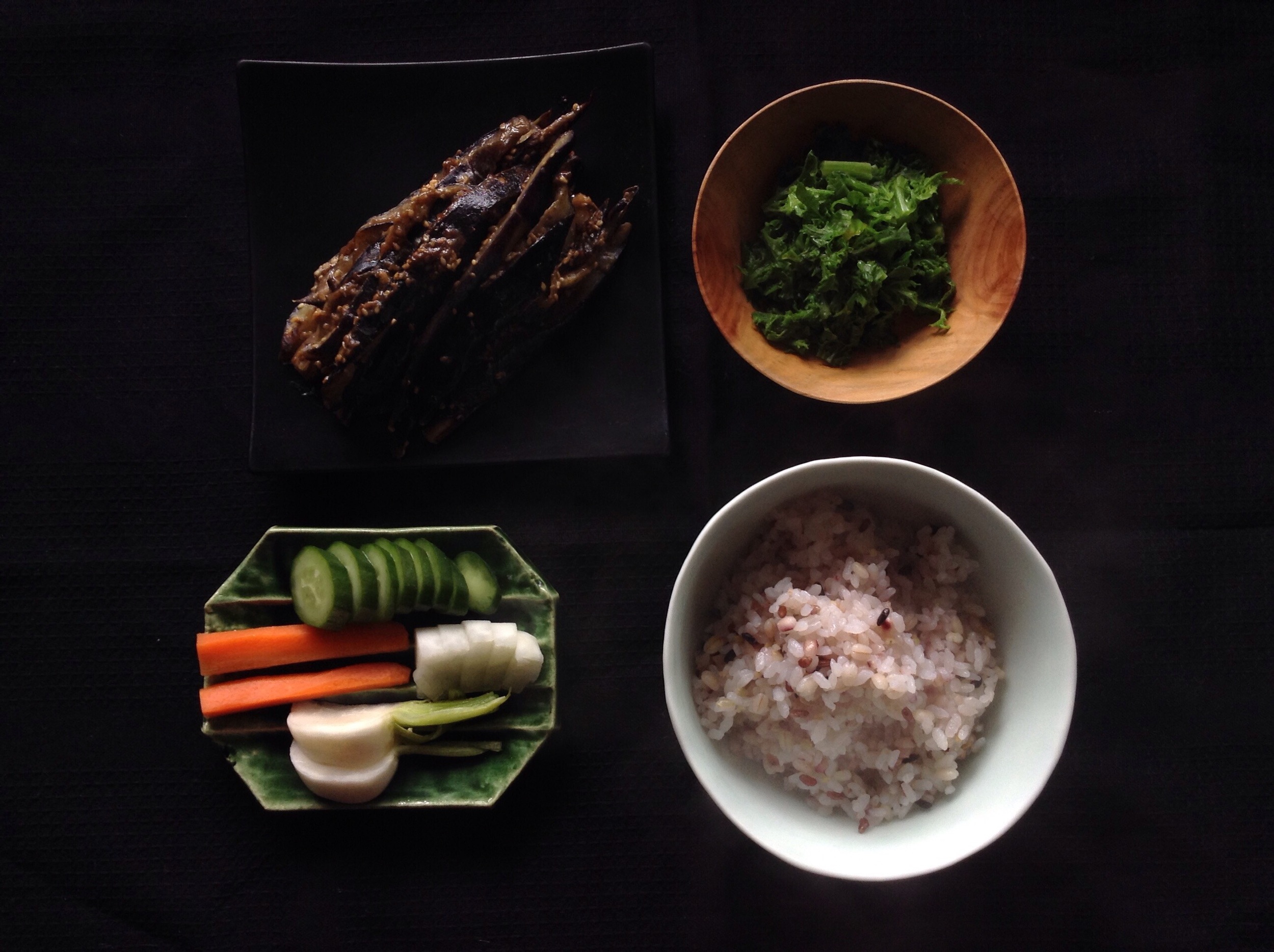
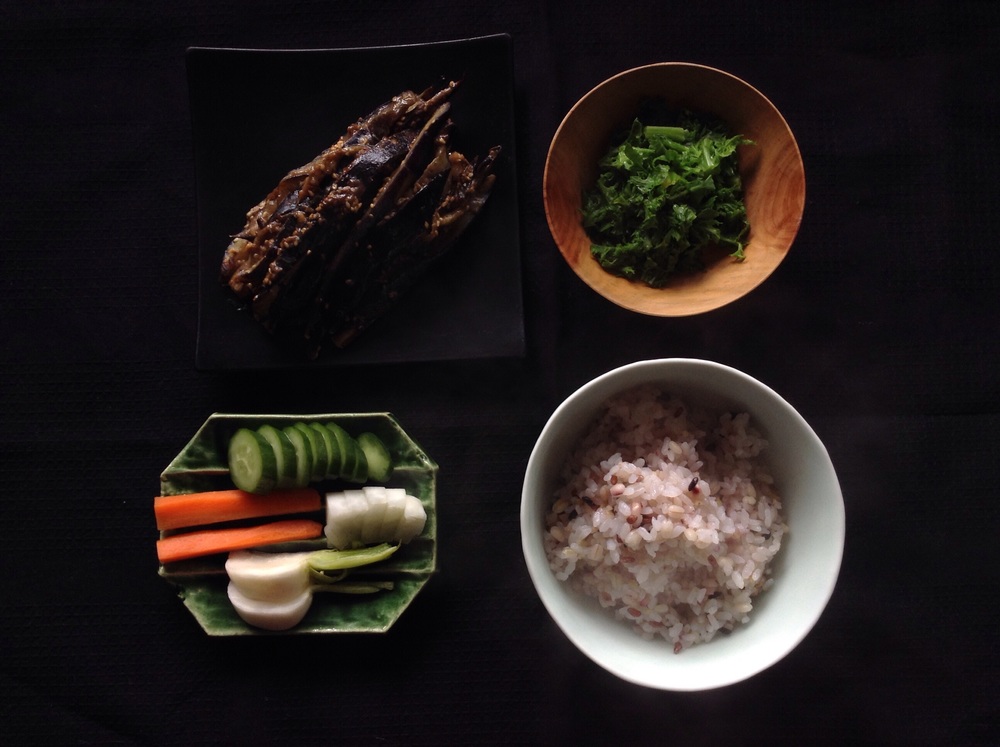
I cooked it in a vegan version of a Japanese meal, with miso and sesame eggplants, pickled vegetables, rice with cereals and the wasabi leaves just steamed  and served with ponzu.  

Angelica ashitaba – 明日葉

A few years ago we went to visit Hachijojima, an island down south of Tokyo in the Pacific that belongs to Tokyo actually. Besides being a lovely place, famous for their handwoven beautiful fabric used to make kimonos, their is one typical product from there: angelica, or ashitaba (明日葉). 

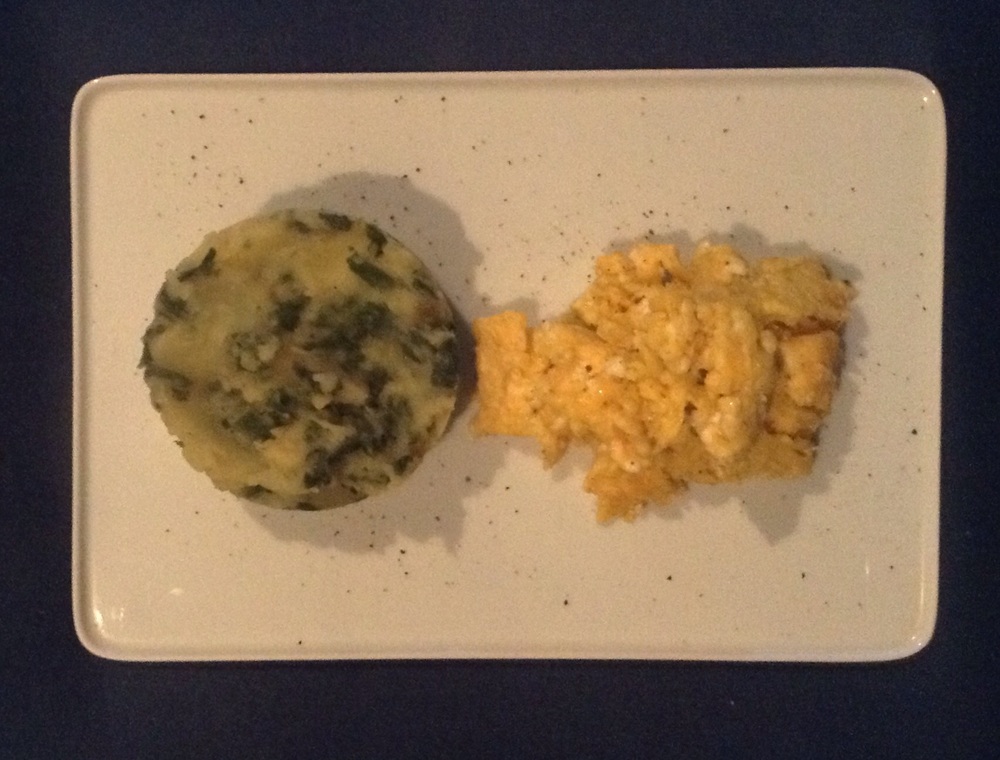
Ashitaba is a green leaf that doesn’t smell much but once cooked as a very typical taste. Something that once you have tried you want to eat again! In France it is use to make sweets (the green slighly discusting sticks Of candied fruit on gateau des rois for example). While we were in Hachijojima we had ashitaba tempura, ashitaba sherbet and a few other variations. Completly enfatuated with this taste I bought a cooking book of ashitaba there, which presents a great variety of recipes, from rice with ashitaba to green smoothies, so not just typically Japanese recipes. They grow some ashitaba in Chiba prefecture, so when spring comes I easily can buy some in Ohara. In Tokyo, department stores and Yoshiike definitely have some. I tried a few recipes from the book at home to get used to processing ashitaba and came out with a few simple recipes on my own now. My super favorite is ashitaba-mashed potatoes. It makes a perfect combination, and it is really a great match with scrambled eggs, grilled pork…

 Ashitaba mashed  potatoes and scrambled eggs
Ashitaba mashed  potatoes and scrambled eggs

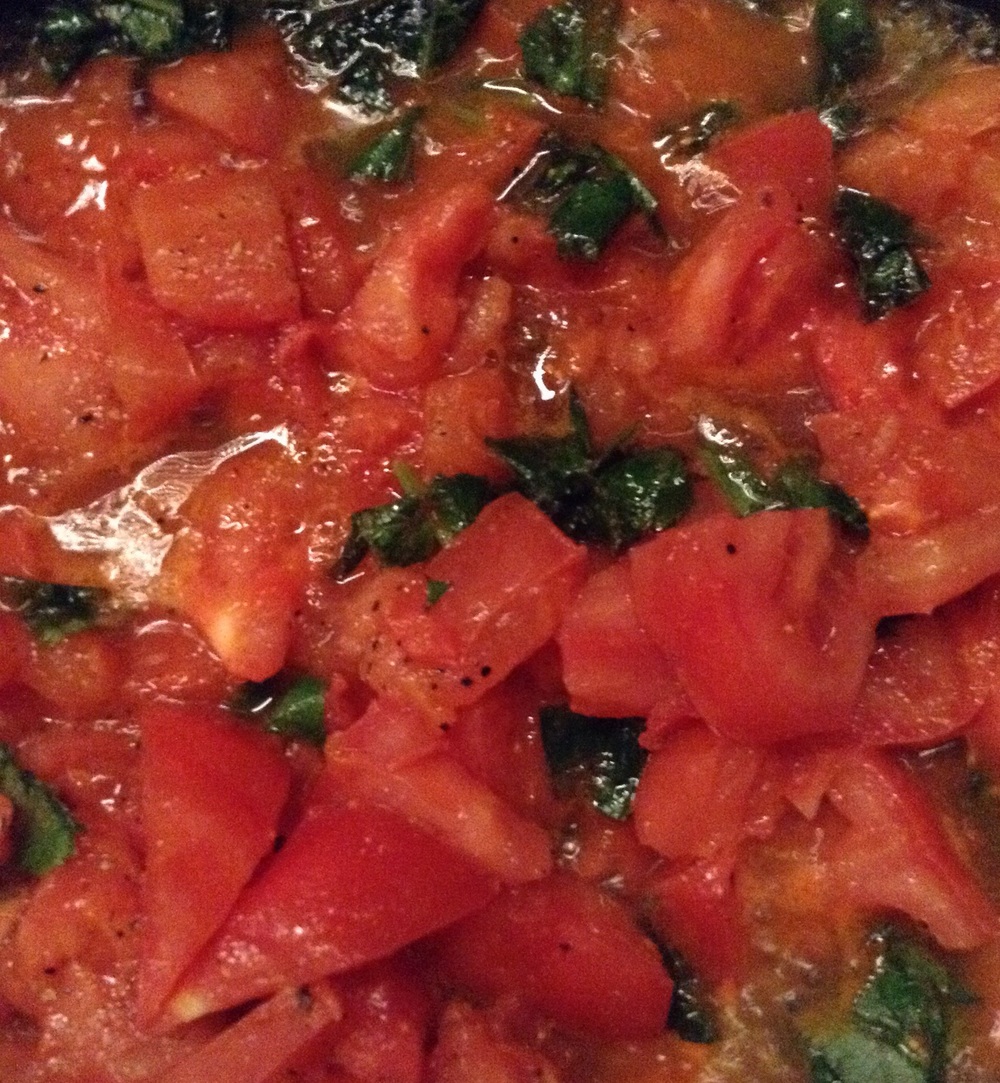
An other nice combiniation is to use ashitaba as a substitute for basil. With tomatoes and olive oil, perfect to top with some pasta. 

 Ashitaba tomato sauce
Ashitaba tomato sauce

I’m still trying new recipes while the season of ashitaba goes on, so you may from it again!

Good morning! Homemade croissants! (But I don’t get it right yet…)

Making croissants takes much more time than making bread, because every hour during 5 hours there is a manipulation to do. Not a difficult one, but you need to make yourself available. Last Saturday was the perfect day for it: grey, cold, gloomy, and making you wish that Sunday will be a better day and start with a good breakfast. So, I decided to challenge myself with making croissants. using my usual book, I followed the steps. 

And made a few croissants for breakfast.  The taste was perfect. Really the right balance of butter, sweetness and beautiful golgen crispy outer shell. But the  dough didn’t grow enough (probably because the kitchen is too cold), so they remained tiny and a little compact. The cooking time also was not right. It took almost twice the time. 

So, there much room for improvement, even if liked them very much. Sunday was sunny and warm, and the breakfast delicious.

If you have a good croissant recipe or hints I’m happy to learn!!!

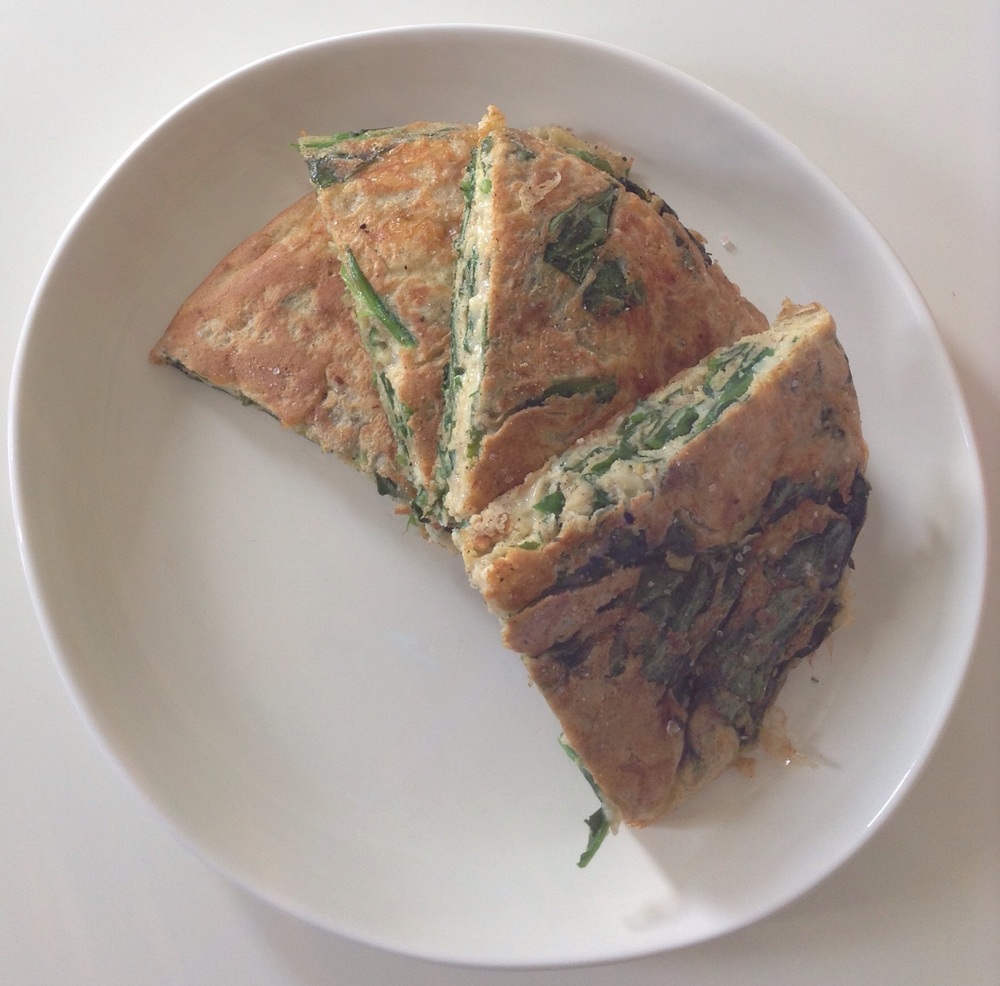
Buckwheat spinash cheese thick galette

A quick recipe for a power lunch: buckwheat flour, 2 eggs, some cheese, a few spinach. Mixed altogether and cooked as a thick galette. Prepared in 1 min, cooked in 7 min, perfectly delicious and full of energy for busy afternoon.  

Bamboo shoot rice- 竹の子ごはん

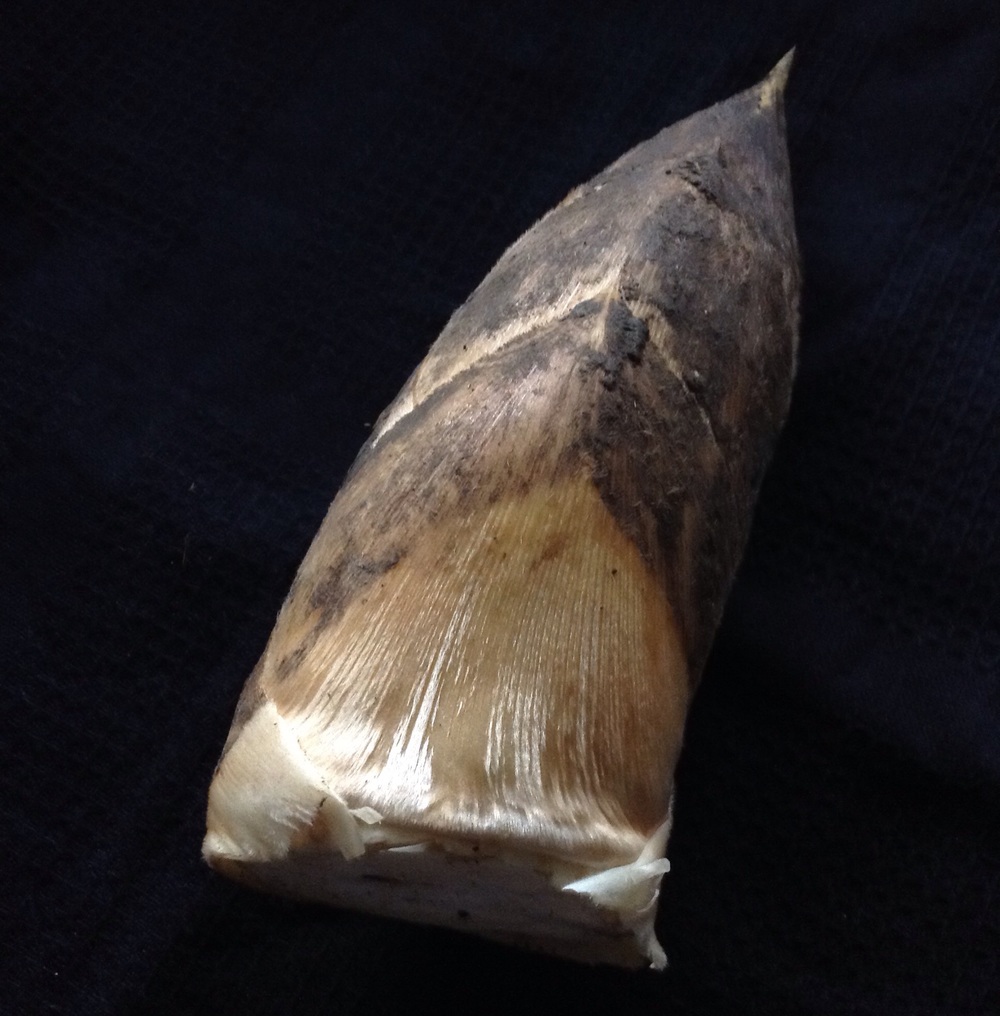
As I was telling you earlier, spring means a lot of fresh wild vegetables. After the fukinoto the bamboo shoot is probably the next to be found in Isumi area. In particular, the area close to Ohtaki is particularly great for delicious takenoko (bamboo shoot in Japanese). It’s also a great fun to go and pick them. This variety of bamboo shoot is the large one (8 to 15cm diameter), there exists a small one (1 to 3cm) that arrives later and that is even much more fun to pick.

 Freshly cut bamboo shoot  
Freshly cut bamboo shoot  

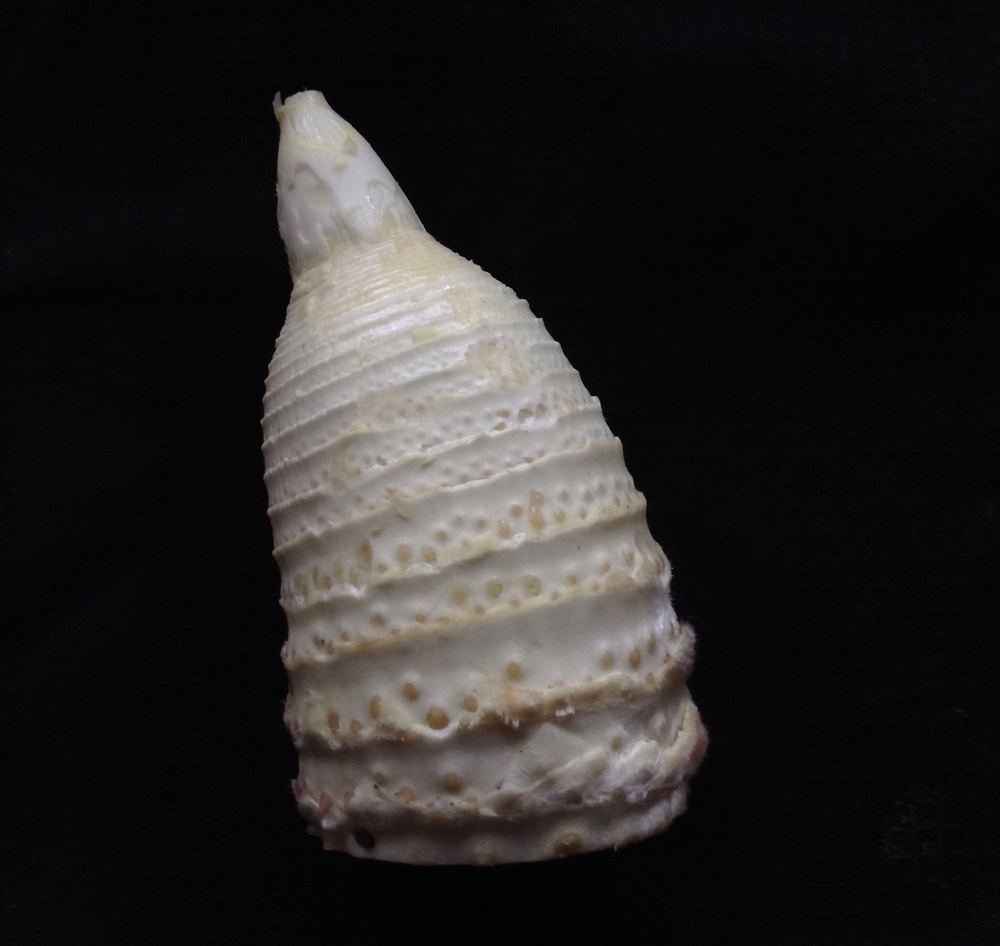
Preparing fresh bamboo shoot is really easy, though a bit time consuming. First of all you need to peel the hard and hairy skin. It peels like a artichoke, so it’s really easy.

 Peeled bamboo shoot  
Peeled bamboo shoot  

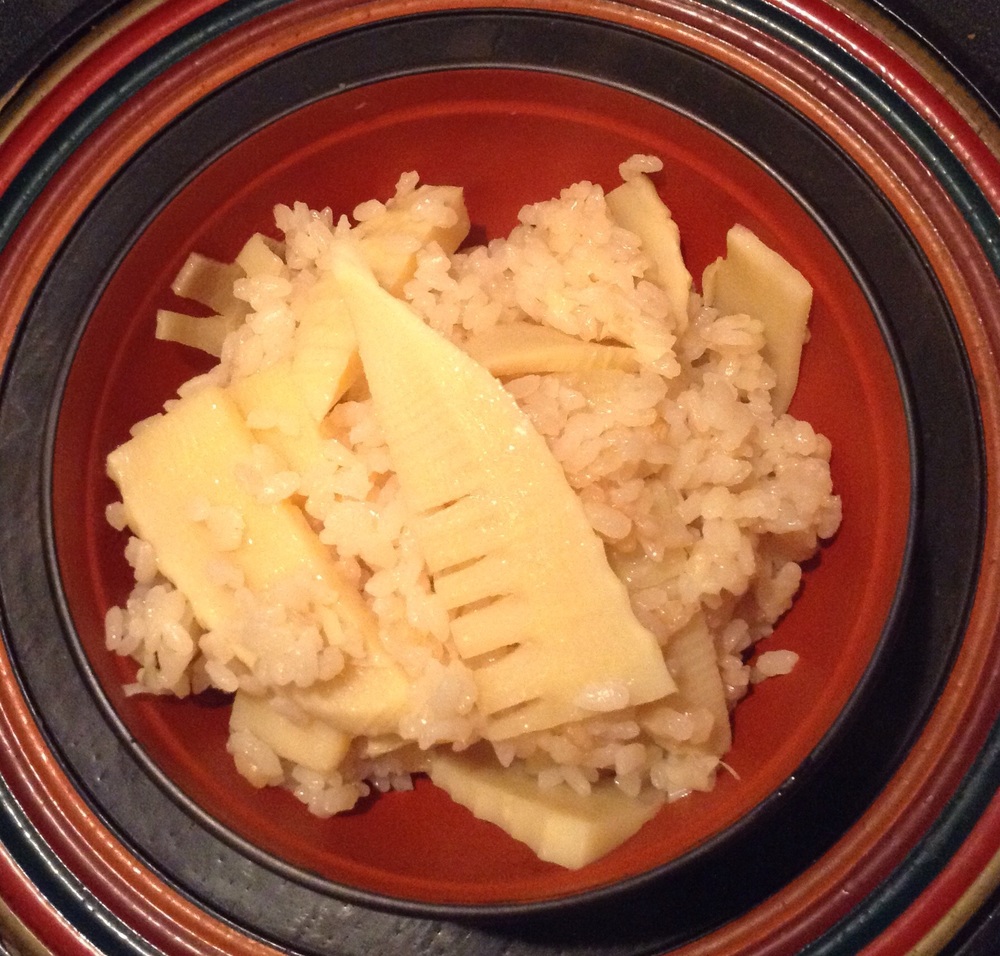
Then you need to boil it in something that would remove the bitterness of the wild shoot. In supermarket they often sells nuka (what is used for the pickles) and I was using that until I learn from an old lady at the local farmers cooperative that the first wash of rice was perfectly efficient. Since then I’ve usjng that, and believe me it’s much easier to clean than nuka. You need to boil for 30 to 60min, until soft (you can pick a toothpick easily in).  Once cold you can cut and then boil in dashi for 15min. I used katsuo dashi. You can eat now, or add to rice for a “takenoko gohan”. For this I start cooking the rice as usual, then at mid cookjng time I add the bamboo shoot sliced vertically and a little of soya sauce. Delicious to accompany red snapper or bonito.

 Takenoko gohan
Takenoko gohan

Ideally you would serve takenokoto with leaves of “ki no me” the leaves of the mountain pepper tree (sansho), mine in the garden is not yet ready… 

Proudly powered by WordPress | Theme: Baskerville 2 by Anders Noren.

Up ↑

Verified by MonsterInsights