Fukinoto miso

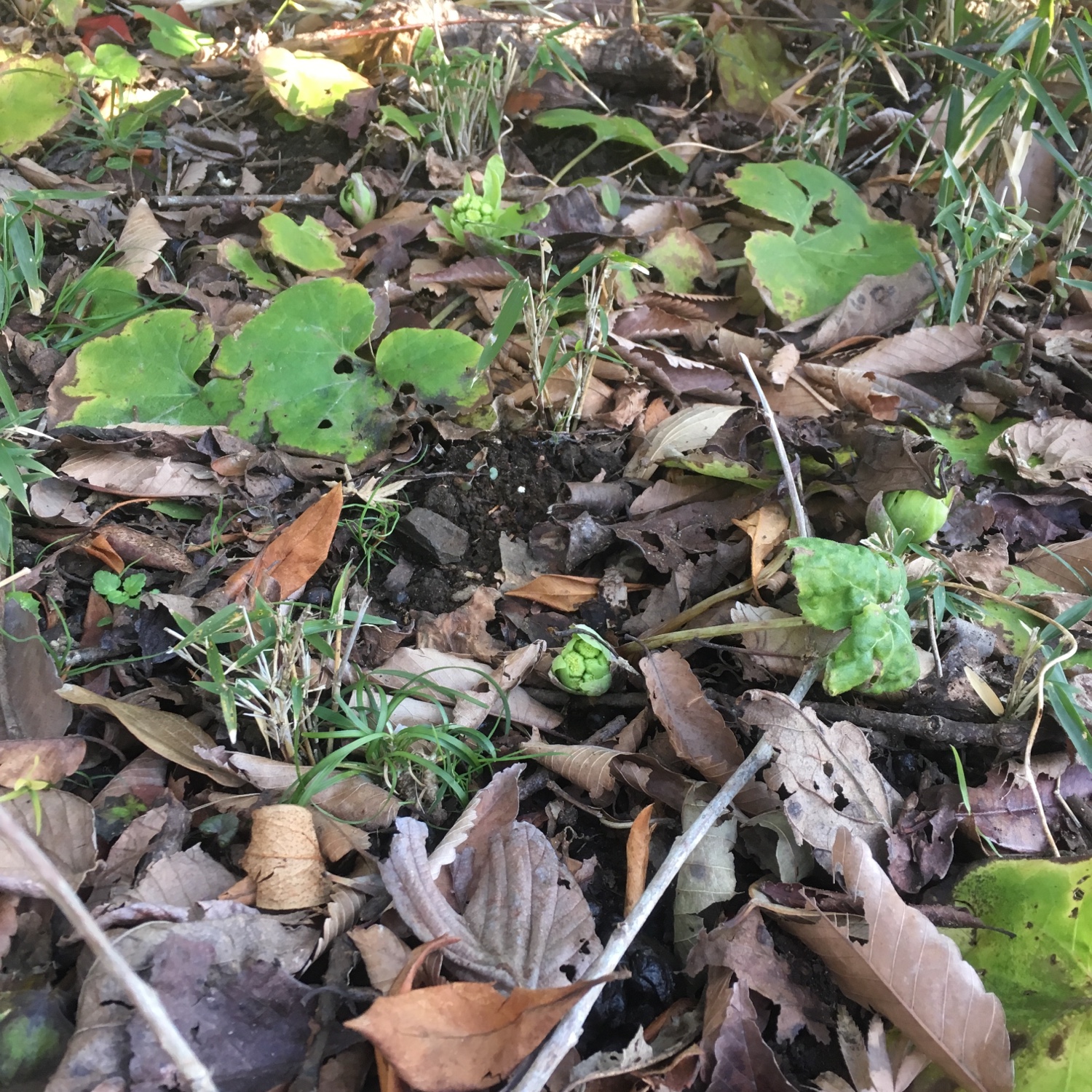
I harvested a few fukinoto very early in January, but now is the pick season in Isumi. We have quite a lot growing in the garden, so I just have to walk around where the fuki grow and search under the fallen leaves for the little yellow-green buds. Can you spot them in the below picture???

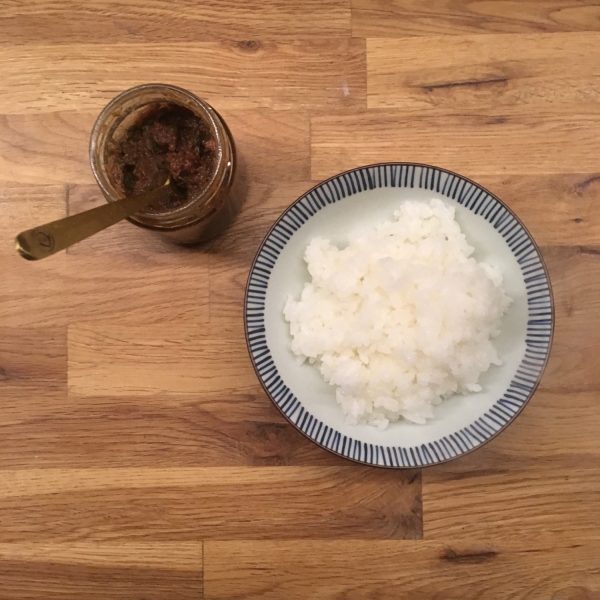
I usually prepare them in miso soup, but this year There were really many so I decided to prepare some fukinoto miso, a way to keep them for a week or two. Fukinoto miso is delicious with plain Japanese rice, tofu or with grilled pork.

Here is my recipe.

Fukinoto miso (makes a small bin)

– 50-70g of fresh fukinoto

– 6tbs of miso

– 1tsp of sugar

– 1tbs of oil

Wash gently the fukinoto to remove earth and fallen leaves pieces. Chop them in 5-10mm pieces.

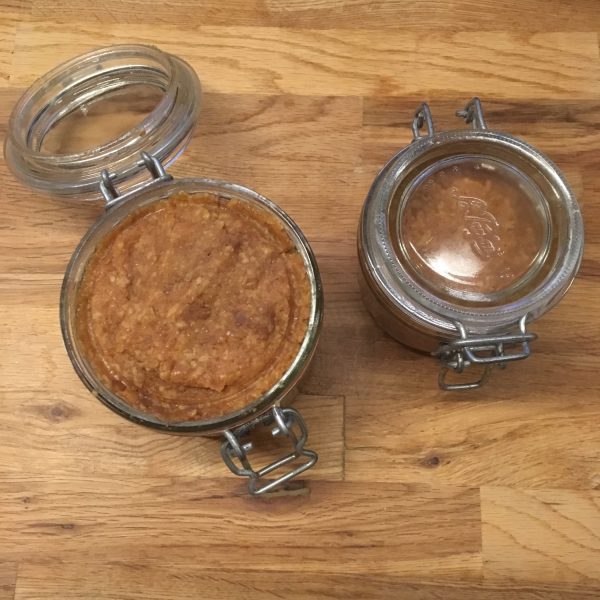
In a heated pan with the oil, add the fukinoto and stir gently at medium heat. When all are shiny in oil add the miso and the sugar. Cook at medium low heat for 5min while stirring. Put in a sterilized jar and close with the lid. Eat when cold. Keep refrigerated for 1-2weeks.

Spring chrysanthemums – 春菊

When you can feel that winter is still here but you slowly get tired of the cold winds… the plum trees start blooming and the spring vegetables are arriving. I harvested already some time ago the first wild spring vegetables: fukinoto and canola will arrive soon, but today I want to talk about a winter vegetable which name says it all: Shungiku, that I like to translate literally by “spring chrysanthemum” (which made its entry in the glossary page) and I like to eat in the end of winter, is actually known more as “crown daisy”. Eaten in Japan in the winter until very early spring it has a very strong flavor, very characteristic of chrysanthemum hence probably the name, though it belongs to the daisy family. Usually used for nabe and rather thick and stiff, it is actually not easy to find smaller tender ones. The soft ones are much nicer and easier to prepare in more inventive recipes. And for some reasons, I find them more easily in the late season. I personally like to use them in replacement of spinach or as herbs.

I tried two different preparations that were both simple and in which the strong flavor was perfectly balanced by the other ingredients.

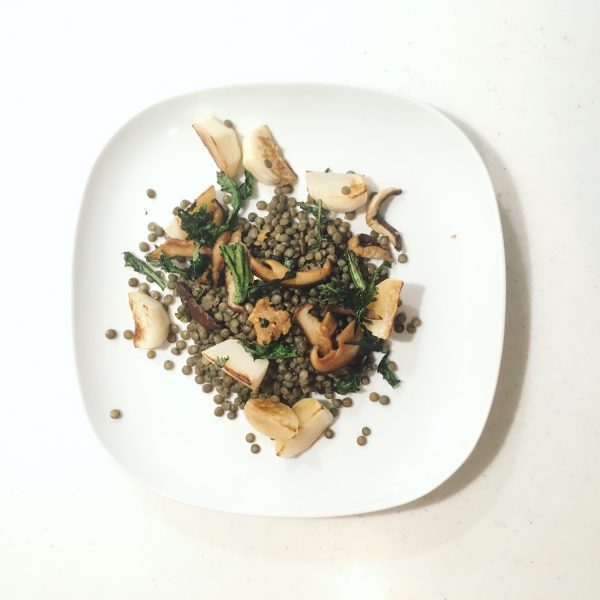
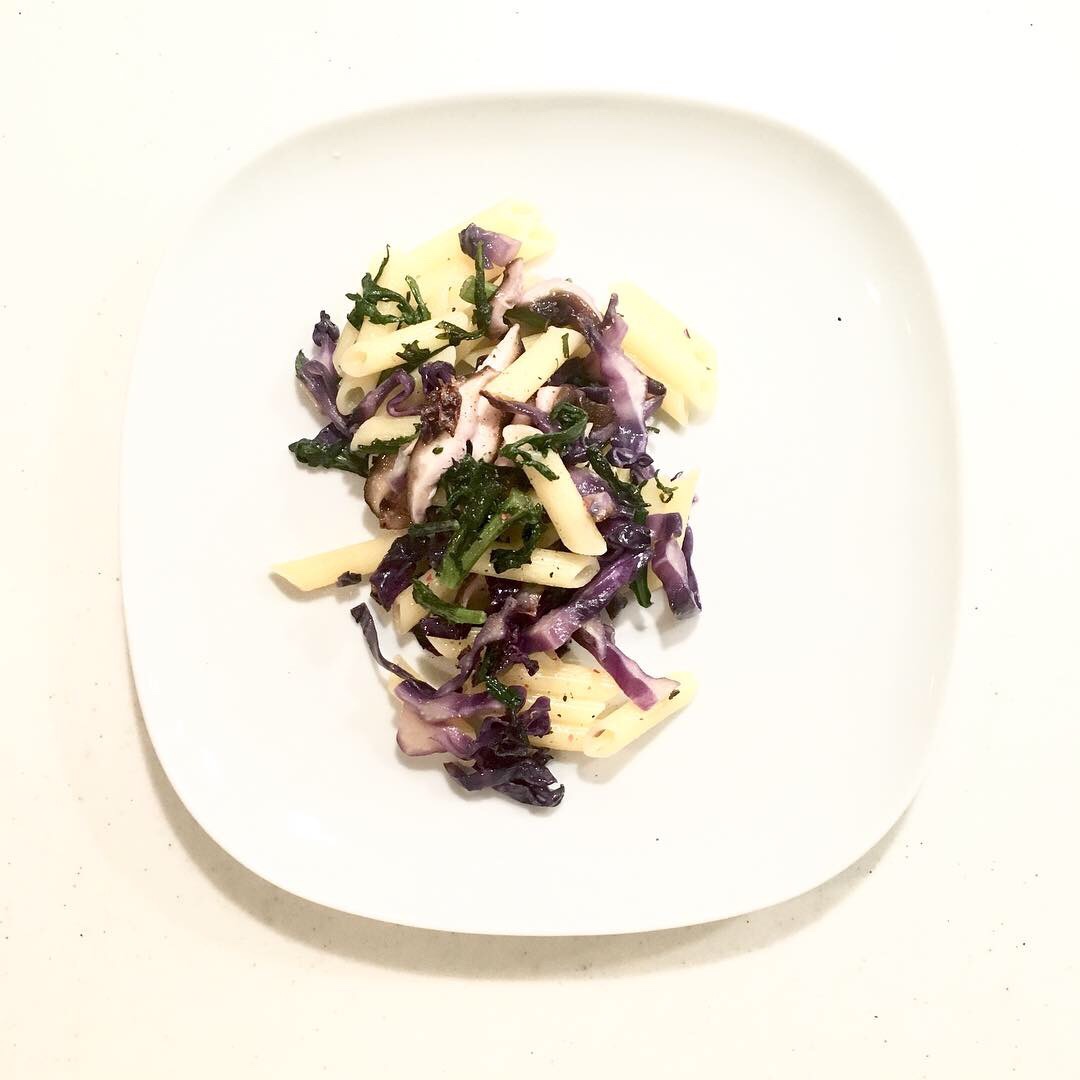
The first recipe is with lentils, turnip and shiitake; the second recipe is with red cabbage and penne. How do you like to cook your crown daisies???

Lentil and crown daisies

– 120g of lentils (green or brown)

– 2 shiitake

– 3 turnips

– a handful of crown daisies

– 1tbs if miso

Boil the lentils. Wash the vegetables, slice the shiitake and cut the turnips in small bites, chop in 2cm long the crown daisies. In a greases frypan at medium to high heat, cook first the shiitake, then add the turnips, when almost golden add the crown daisies, stir well, add the miso and 1tbs of water, stir gently while cooking for 2min. Serve the lentil, add the vegetables. That’s it!

Red cabbage and crown daisies (2 servings)

– 1/2 red cabbage

– 2 handfuls of crown daisies

– 125g of penne

– olive oil, salt and pepper

Boil the penne. Wash the crown daisies. Chop the red cabbage. In a large frypan greased with olive olive oil start by cooking the red cabbage. The add the crown daisies, finally add the boiled pasta.

Stir well until the vegetables are soft. Add salt and pepper and serve… well that’s it!

Lentil curry

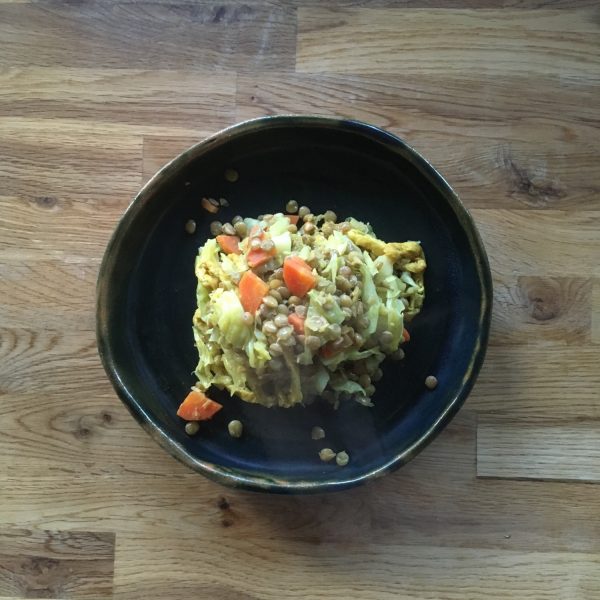
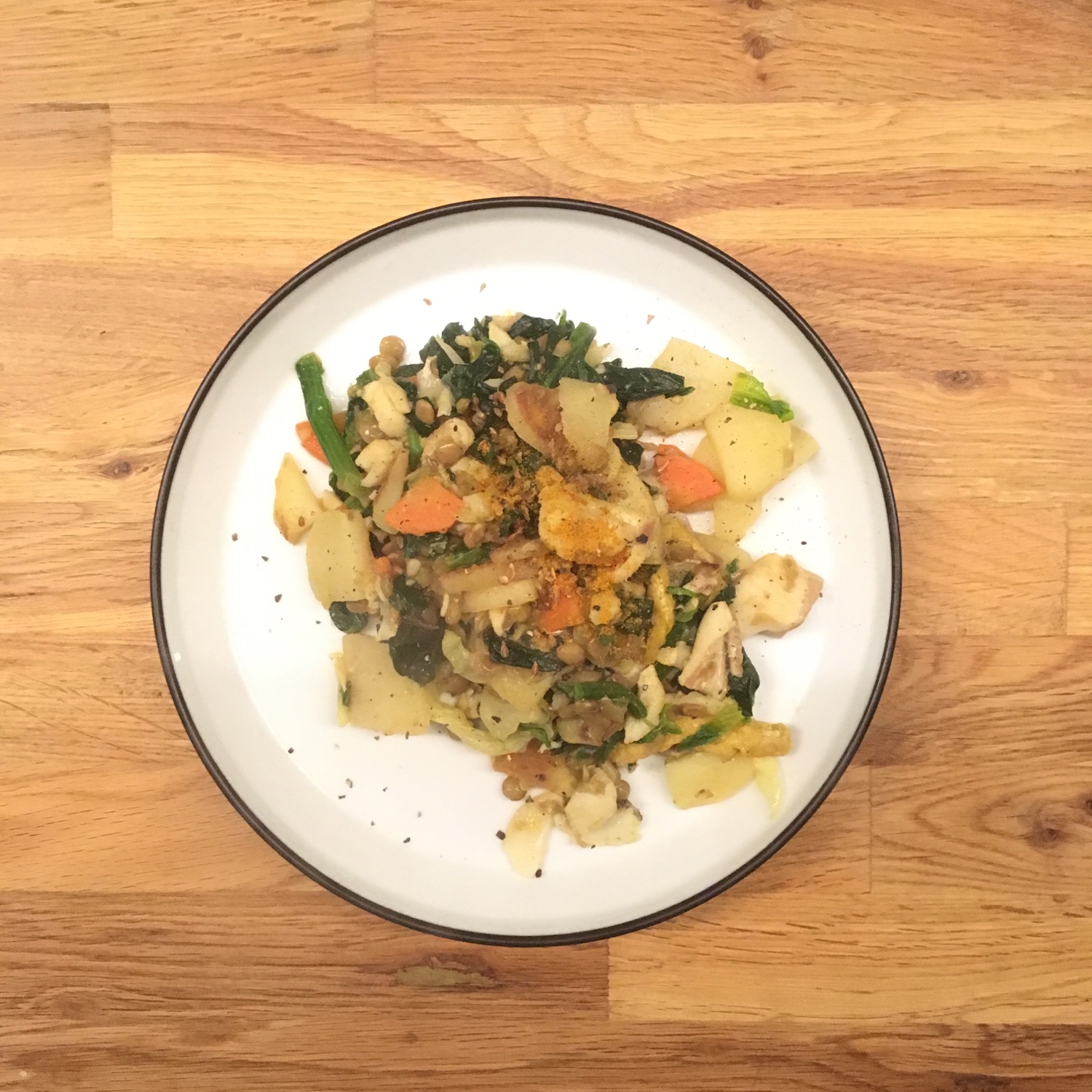
Well well well, it’s getting cold and gloomy today in Tokyo and rain and snow are on the forecast for tonight after weeks of dry and sunny weather… I guess that’s it… every year is basically the same… after the brilliant days of January cold, the gloomier days arrive, colder even… To warm the mind and the body, there is nothing nicer than a hot plate of slightly spicy curry with plenty of vegetables, and to make it a little fancier, replace the rice by lentils. So I made a big pot of it, and used the leftovers for another version with even more vegetables inside and a brighter note of anis seeds. Here are both recipes. Enjoy and keep warm!!!

Lentil curry (2 servings+leftovers for the next recipe )

– 150-200g of brown or green lentils

– 1/3 cabbage

– 2-3 carrots

– 1.5tsp of curry powder

– 3 pieces of thin aburage

Boil the lentils until just soft, but not too much. Drain them. Wash and chop the cabbage and the carrots. Chop the aburage. In a frypan greased slightly and heated start cooking the vegetables. Stir regularly. Add 2cup of water and cook at high heat. When half of the water has evaporated add the curry powder, stir well, and add the aburage. When the water is almost all gone add the lentils, a bit of salt and stir. Serve and eat immediately.

Spinach and potato curry (2 servings)

– leftovers of the above recipe

– 2 potatoes

– a small bundle of spinach

– 1tsp of curry powder

– 1tsp of anis seeds

– 2 pieces of fresh cod (optional)

Peel the potatoes and slice them. Wash and chop the spinach. Chop the cod in bite size and remove bones and skin if any.

In a grease wok or large pan star by cooking the potatoes. When they start to golden add the fish and the lentil curry leftovers. Stir well. Add 1/2 cup of water, the curry powder, the anis seeds, the spinach. Cook at medium to high heat until most of the water is gone. Serve and eat immediately.

A soup version is also possible by adding more water and stopping when the water level is just at the vegetables level.

Eating local when expatriated

This question has been in my mind for a very long time anytime I use #localfood or #eatlocal: What does it mean to eat local when you are expatriated and you travel once or more a year to your home country? Does 100% of the ingredients have to be local? If not how much could be alien? To what extent? Behind that there is a question of identity and a question of personal choices.

Traveling home means coming back with a suitcase full of the great local products, right? But these products are not local in the country I live in… they are barely sold here and when a surrogate is, it is usually a poorer quality version… what could beat mum’s olives or fresh ricotta salada from Sicily???…
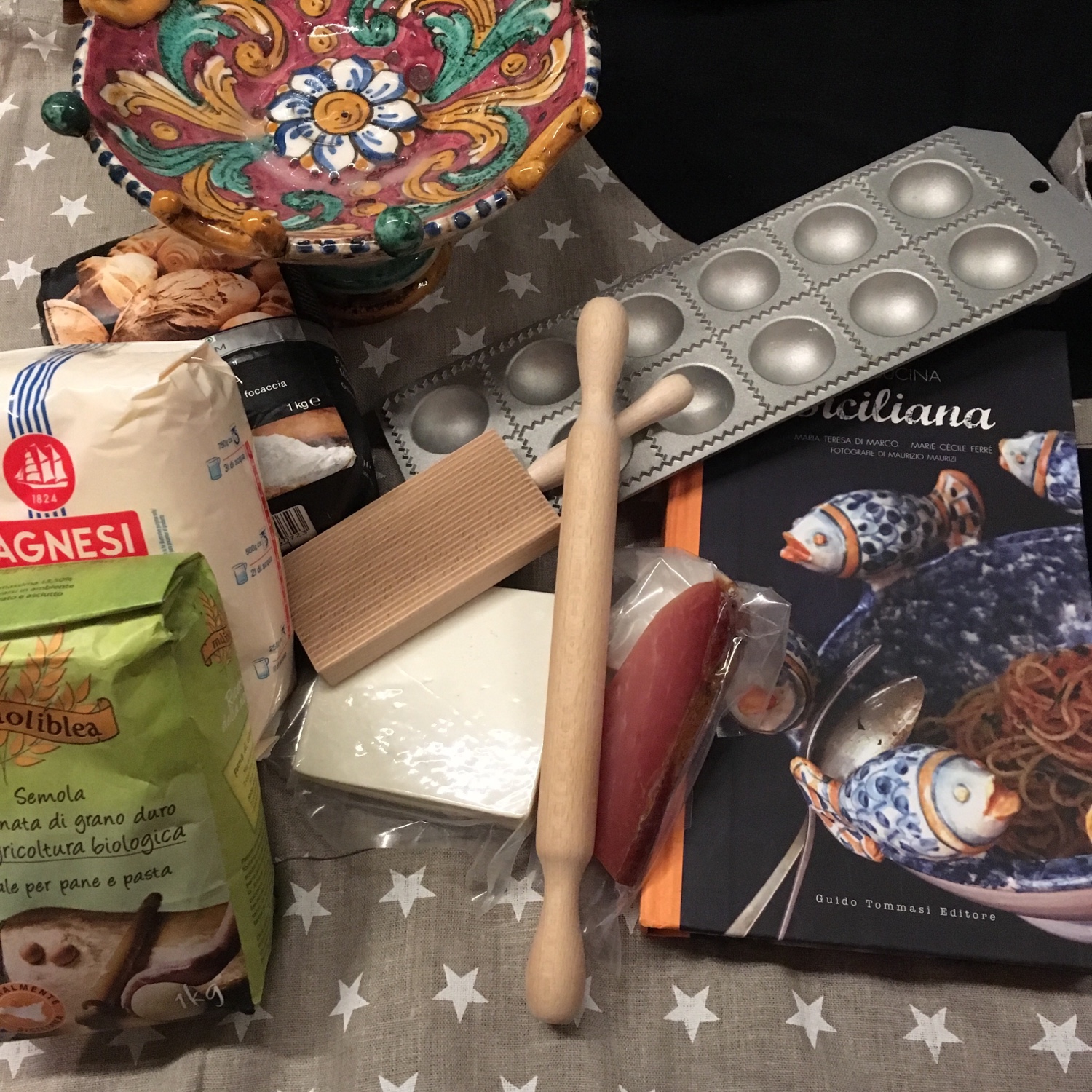
After a long time carrying pretty much everything, in particular organic whatever… To be honest, I use to bring a real lot of food related things a few years ago. In particular when I started to bake breads and I wanted organic flours, and couldn’t find anything I liked in Japan because I was new to the area and didn’t know where to look at (I also think that baking has become trendy and it is easier now to find the basic products). Now I know that I can find good flours of different types of wheat in Japan, produced locally and organic and that is a great relief not to carry 10-20kg of flour in my suitcases anymore.

I have now switched to bringing back only a few things and in smaller amounts. Mainly products that my mum is making, for example: olive oil with the olives from the garden, bins of black olives in herbs saumure, dry herbs from the garden: thyme, verbena, laurel, juniper… homemade jam with fruits that do not exist in Japan… and a few very local staples bought around to store in the pantry: sea salt from Camargue, chickpea flour, green lentils, dry fruits and when in Italy riso for risotto, farro, polenta, dried porcini, finally there’s always a bit of space for a few fresh products: local cheeses for me and cured meat for A..

So what does it mean “eating local” in this international context???

I realize that as much as I cook Japanese food, I am also attached to my food roots, food from the south of France, food from Italy (I feel Italian food as a part of my roots somehow…) and I was discussing earlier in that post, the cooking that ressemble me best is “half”. So for all the fresh products I use the local circuit, for everything that as a good substitute I use the local products: Japanese flours are great! Mozzarella from Hokkaido is really nice… but Parmigiano sucks when it’s not from Italy!!!

However I try to avoid buying imported products, but rather only use what I can carry with me or sometimes receive as presents… that has been made easier with the fact that it’s been more than 5 years I stopped buying processed, canned or frozen food, and even more (thanks 3/11) that I carefully check the labels to check where products come from. It’s a systematic habit and it doesn’t take more time as labeling in Japan is quite simple and easy to identify and it feels so much better choosing consciously what I eat.

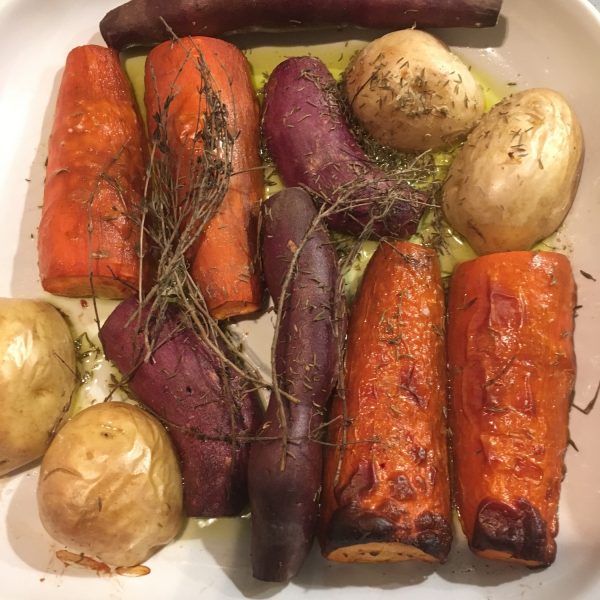
What can be better after a long day at work and a chilly evening than a dish of roasted vegetables from Isumi, with olive oil from my hometown and thyme from my parents garden?
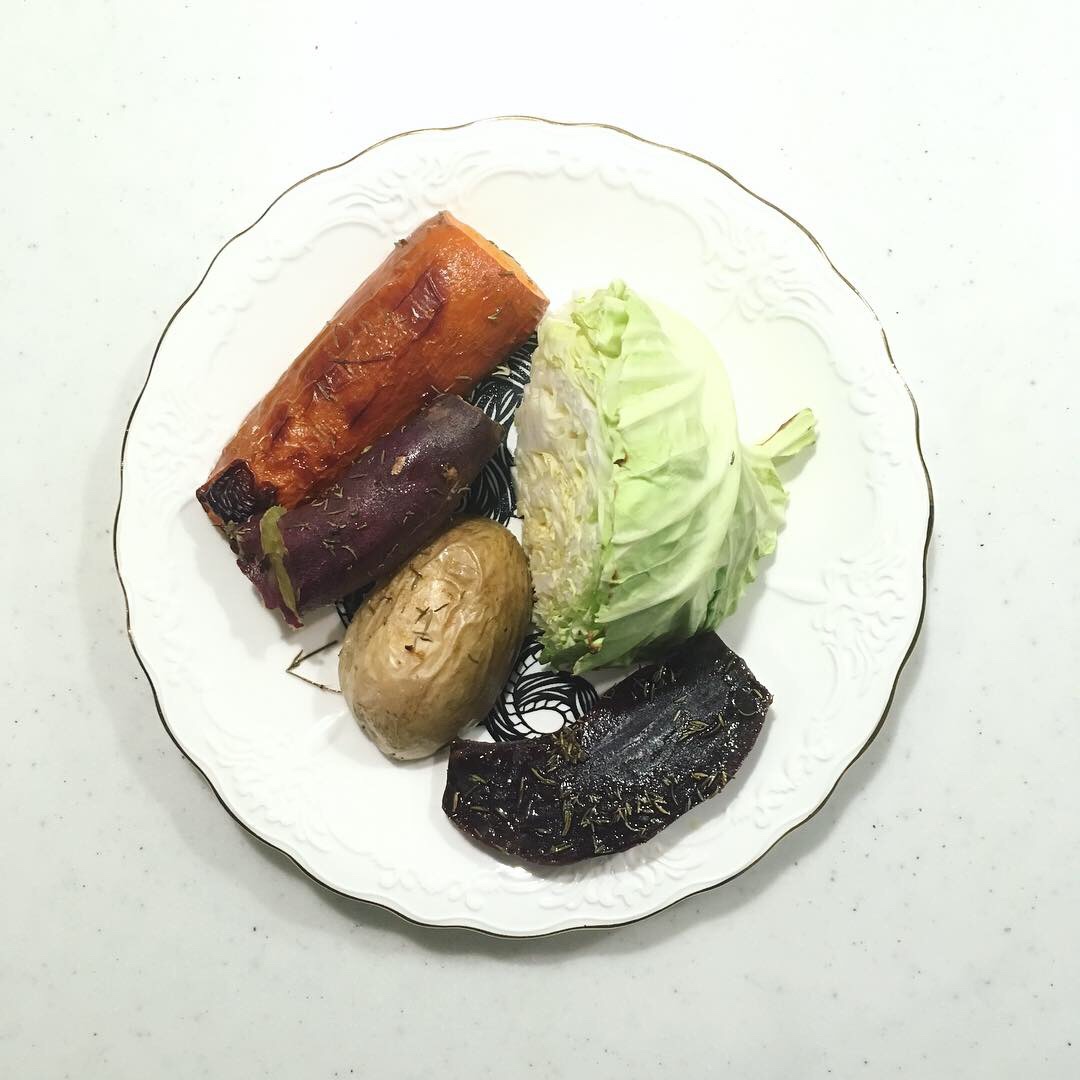
n.b.: I still haven’t shifted for chocolate and black tea…
Miso

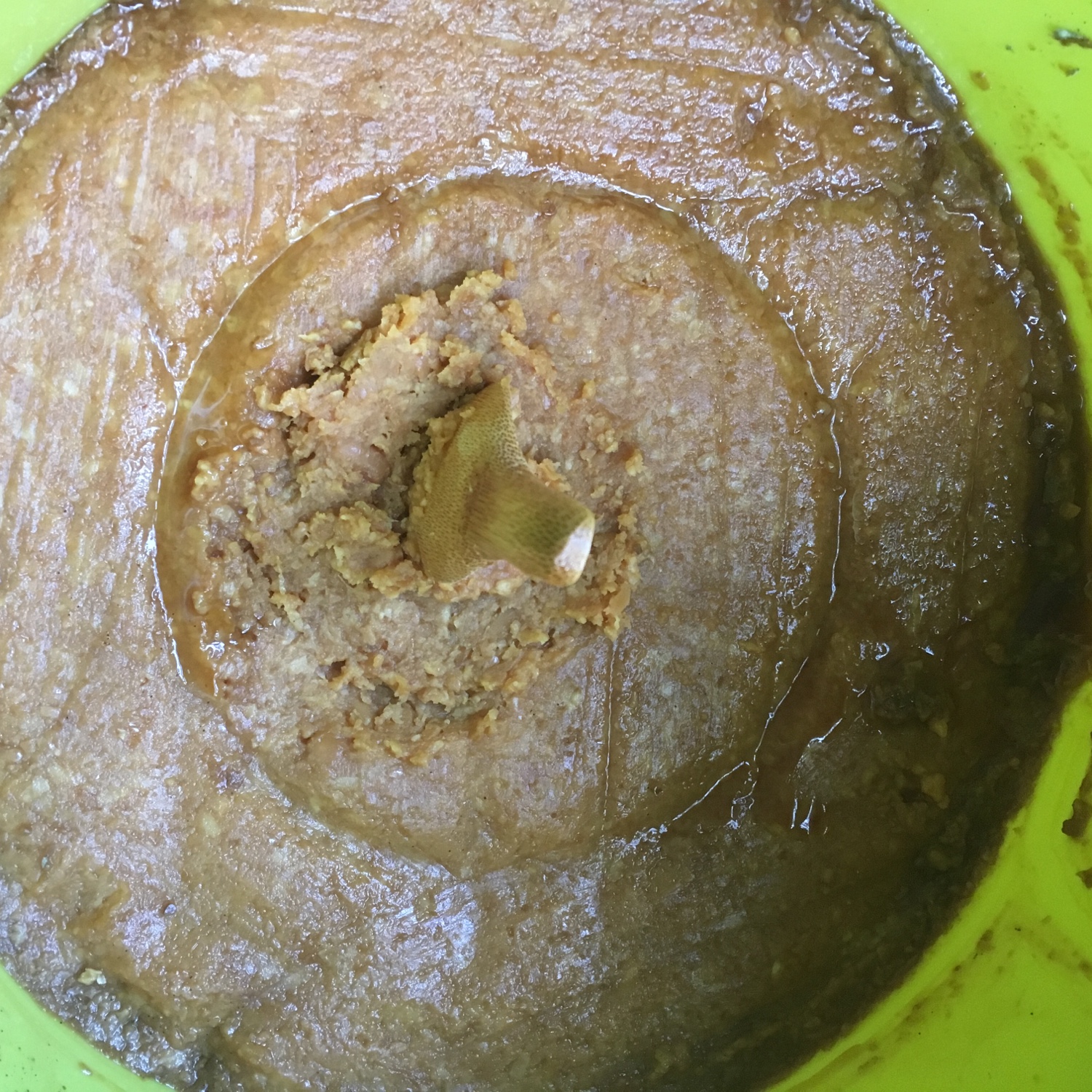
Remember last March? I made miso with our friends… and I had to wait about a year before being able to try it… actually our friends came home the other day and we talked miso, and they said that their miso was ready and 9month were sufficient… so I couldn’t wait to open my bucket and check what was under the big stone and the bamboo leaves… I totally didn’t sneak peek in during the whole time, worried that could prevent it from fermenting correctly.

First there was a bit of beautiful blue mold on the edges of the bamboo leaves, but that is normal. Under the bamboo leaves there was a beautiful, clean and fresh miso waiting!!!

Just uncovered miso

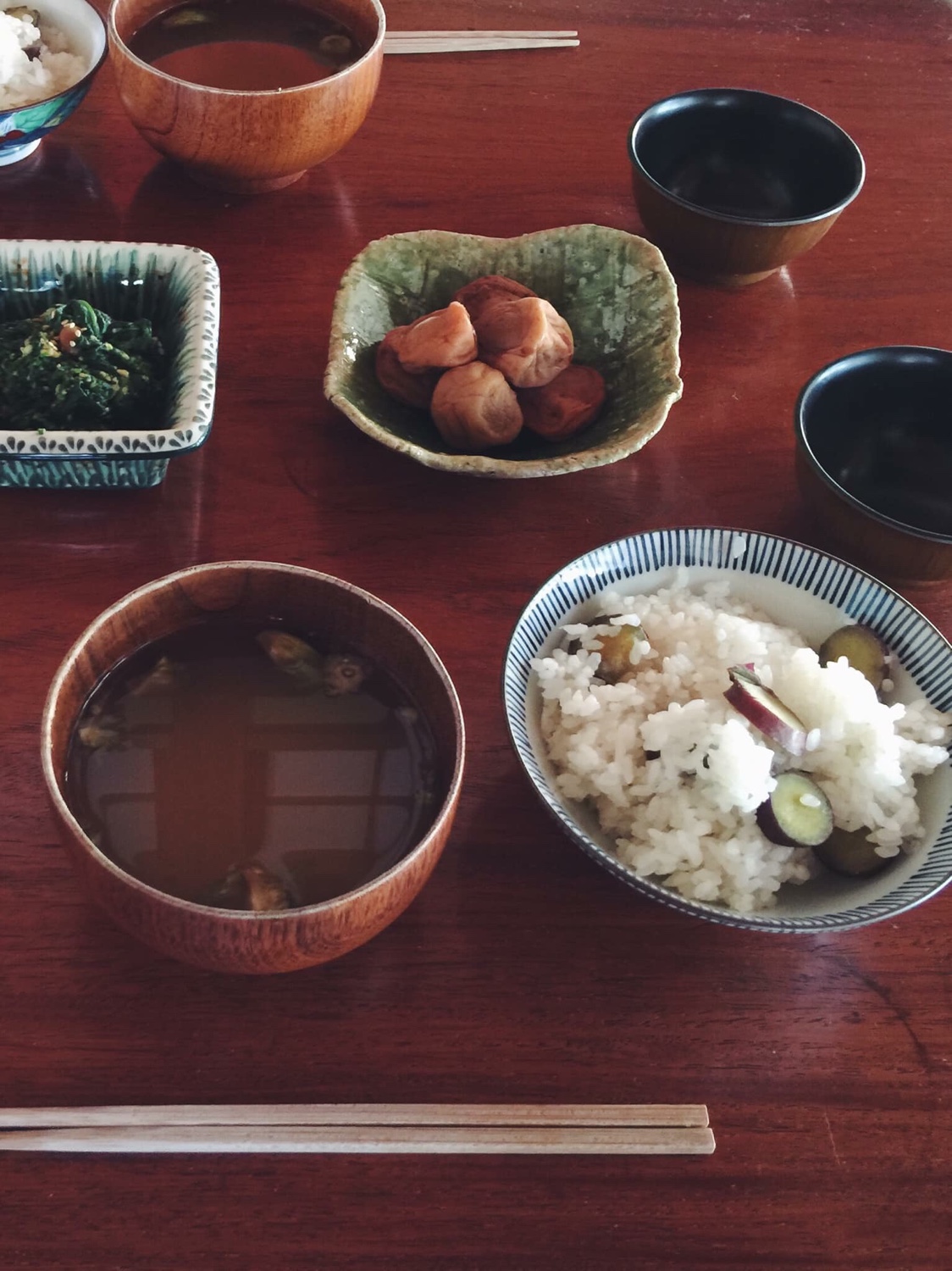
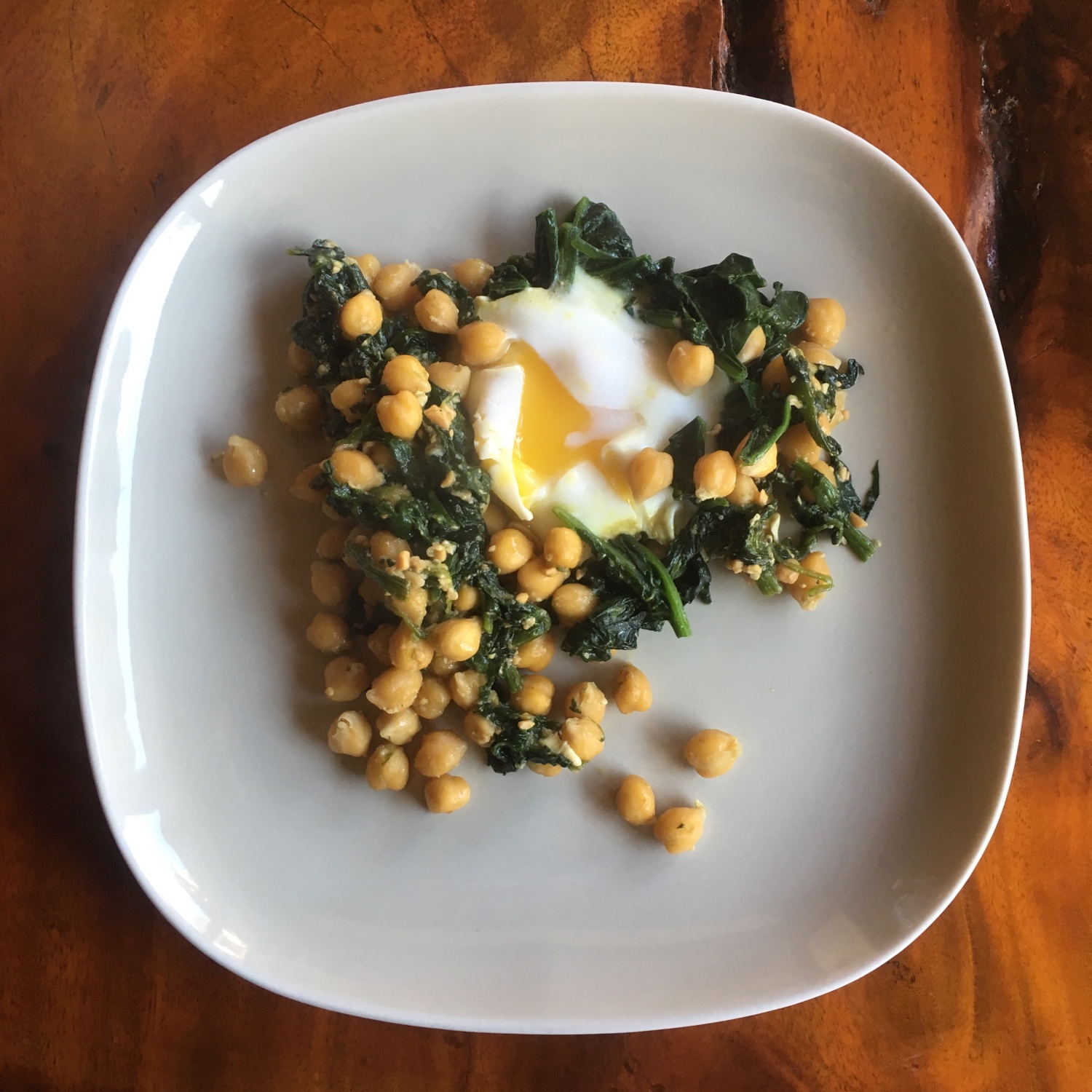
Without any delay I moved the miso from the plastic jar (I like better the old pottery for pickles… but mine was too small…) into bins and started using it right away. First of all with daikon and carrot sticks. It’s always the best way to test the real raw taste of miso. Then of course in miso soup, and with spinach and finally a simple recipe with chickpeas, spinach, and an egg. The miso I made is really nice. It has a texture where you can easily see the crushed beans and I love this texture for classic miso. Of course you don’t find this in white and red miso, which are much creamier. I found it a bit salty when I first tasted it, but now I don’t feel that anymore. I will definitely make miso again this year!!!

Miso soup and spinach with miso for our friends visiting. Picture from @Chinoshot

Chickpeas, spinach and miso

– 150g of boiled chickpeas

– 1 bundle of spinach

– 2tbs of miso

– 2 eggs (optional)

Wash and chop the spinach. Blanche them in very little water. Drain them. In a slightly olive oil greased pan put the chickpeas, the spinach and stir well, when the chickpeas are warm, in a small bowl dilute the miso in 2tbs of water and add to the pan and stir well. Cook a sunny side egg if you want. Serve the chickpeas and top (or not) with the egg. Enjoy and stay warm!!!

The small things

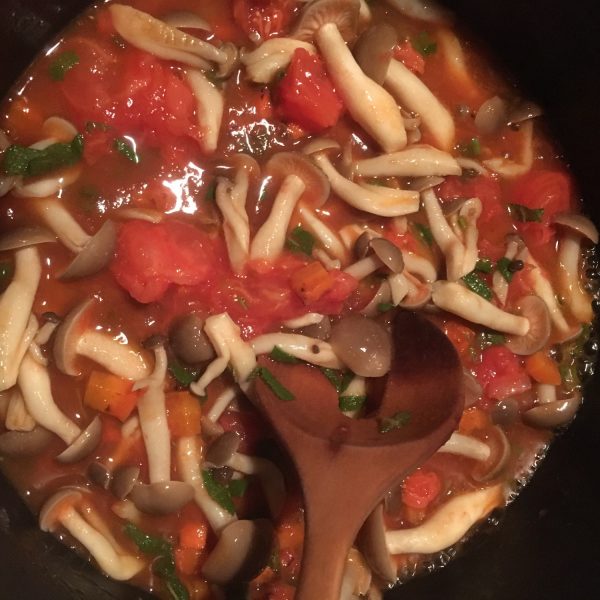
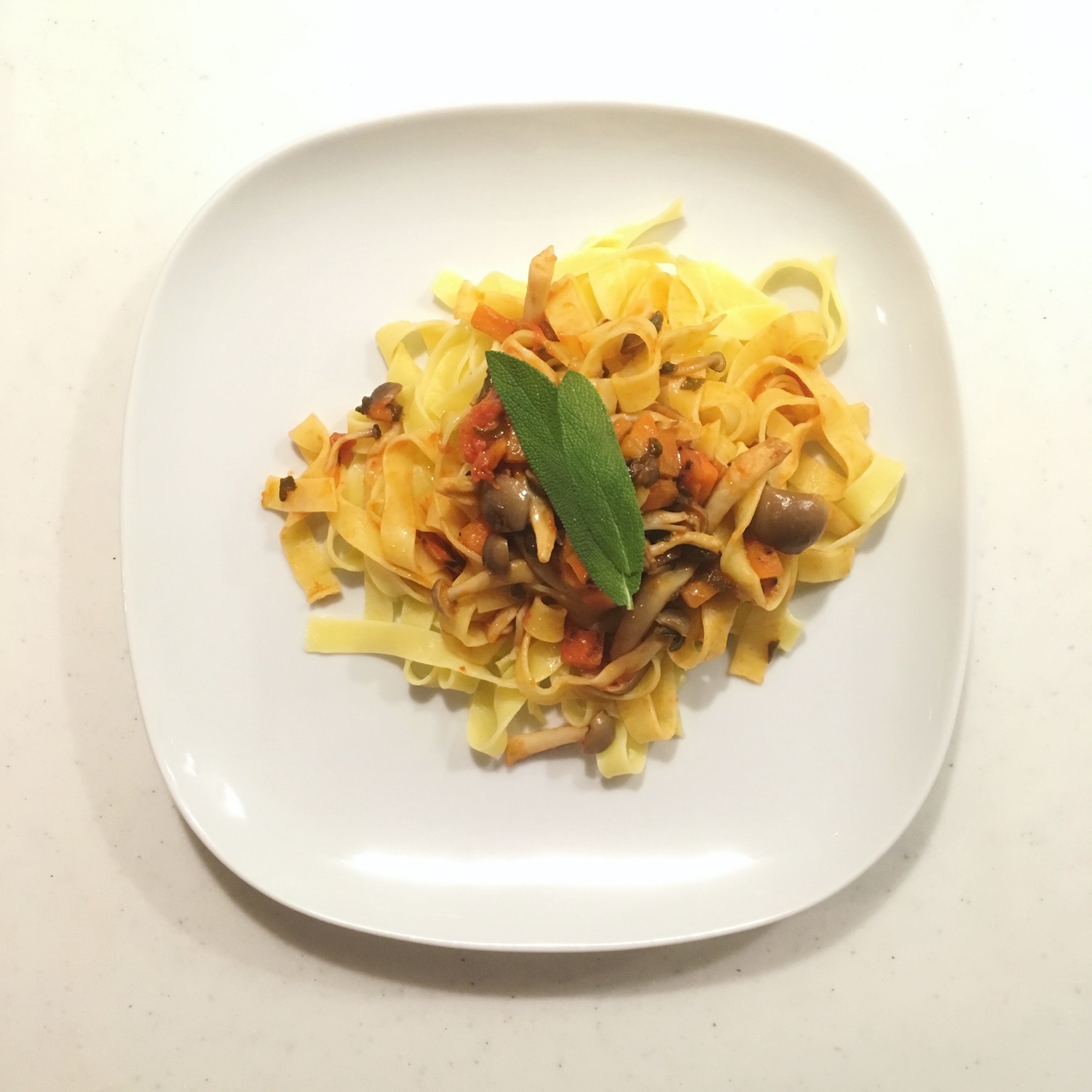
Tonight I’m back home at 21:30, that’s the earliest I got home in quite some time. Though it’s only Wednesday our fridge is almost empty already: obviously I didn’t shop enough this weekend in the countryside. Yet I have a last one of these late summer giant and very ripe tomatoes, so I decided to make some tagliatelle with a tomato base sauce, shimeji and sage. And because it is early and A. won’t be back until the usual 22:00 I can work a few details: adding a carrot cut in small dice to the sauce to add more flavor, peeling the tomato to only have the creamy and juicy parts, cooking at low heat for a longer time to get the sage to perfume the sauce more profoundly. All these small things that I have a tendency to skip and that actually are important to obtain a better result in the plate and for the palate…

The little cubes of carrots and the mushrooms and the sage goes very well together I find. But to eat them with pasta I also find that the carrots shouldn’t take the first place, and therefore should be cut in tiny cubes. The sage thinly cut add a nice touch, but is better when the vegetables are slowly cooked until they almost caramelized, and then are deglazed in the final stage with a fragrant olive oil. Regarding tomato, there is indeed nothing more annoying than cooking tomatoes and ending up with small rolls of skin half attached or floating in a tomato sauce in particular. And tonight peeling the tomato had the bitter taste of sadness because I got used to do it while I was cooking with my friend K. when we visited her and her husband in the Tsunan mountains in Niigata, and this morning we just learned that S. has past…

Shojin cuisine

As I was questioning myself about Buddhist cuisine in China regarding these Chinese beancurd noodles, I decided to do a bit of search and reopen my Shojin cuisine book. I was right, until the 18th century in China buddhist and taoist temples would only serve vegetables soup and tea to pilgrims, the same thing monks were eating. Only it started to be a more elaborated and widespread cuisine during the Qing dynasty (late 17th to 20th century). In japan shojin cuisine was of course imported from China together with Zen by Dogen during the Kamakura period in the 12th-13th century. All the basic about Shojin cuisine were actually written in the 典座教訓 (Tenzo Kyokun) itself inspired by Chinese writings. It has evolved regularly from the early 17th century during Edo period to become shat it is now. Next time I go to China I’ll try to eat in a temple and try local buddhist or taoist cuisine for sure!

But back to my kitchen I decided as I said to reopen my Shojin cuisine book from the Sanko-in past abbess. I always have a lot of pleasure opening a cookbook I haven’t opened for a while and this one is no exception. One thing I love with that book is that it actually tell not only how to cook but also how and how long you can keep the food you have prepared, something that I find extremely useful. Browsing the book, I found plenty of autumn recipes I wanted to try and luckily I had all the ingredients needed to proceed. I tried two recipes one of kabocha and one of burdock. Both extremely simple. And I was very happy with the result, being back in my kitchen and preparing delicious locally grown vegetables. Here are the two recipes, not the way they were in the book but the way I actually cooked.

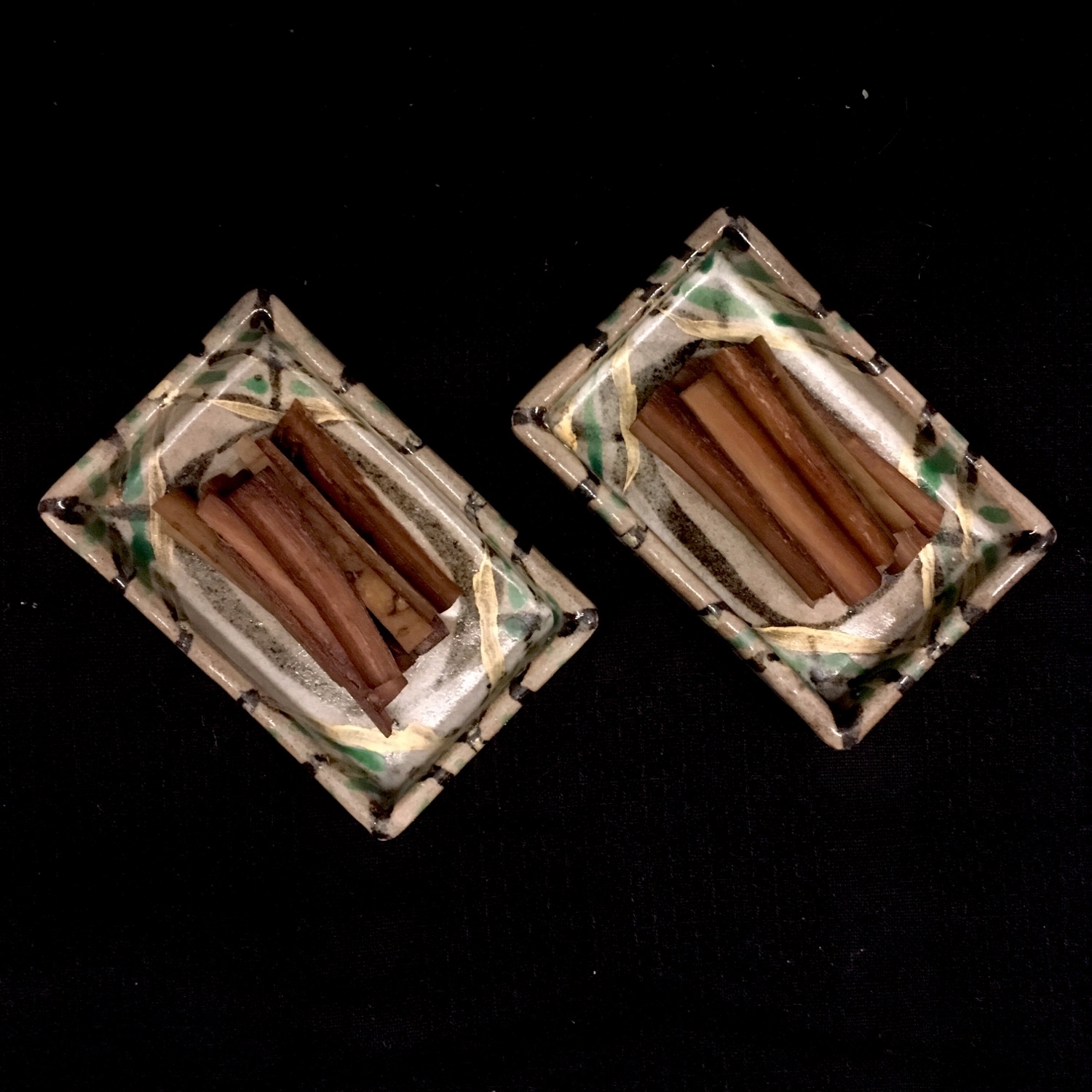
Burdock:

– 1/2 burdock

– 3tbs of sake

– 3tbs of soya sauce

Wash and cut the burdock in 4cm long sticks. Cut each piece in the length in 4 to 10 depending on the diameter.

Place in a small pan with water and boil 10min. Drain and the in a little pan add the sake and soya sauce and simmer for 20min at low very heat under cover. Eat warm or cold. Keeps one month refrigerated according to the book but it was so good we ate everything at once!!!!

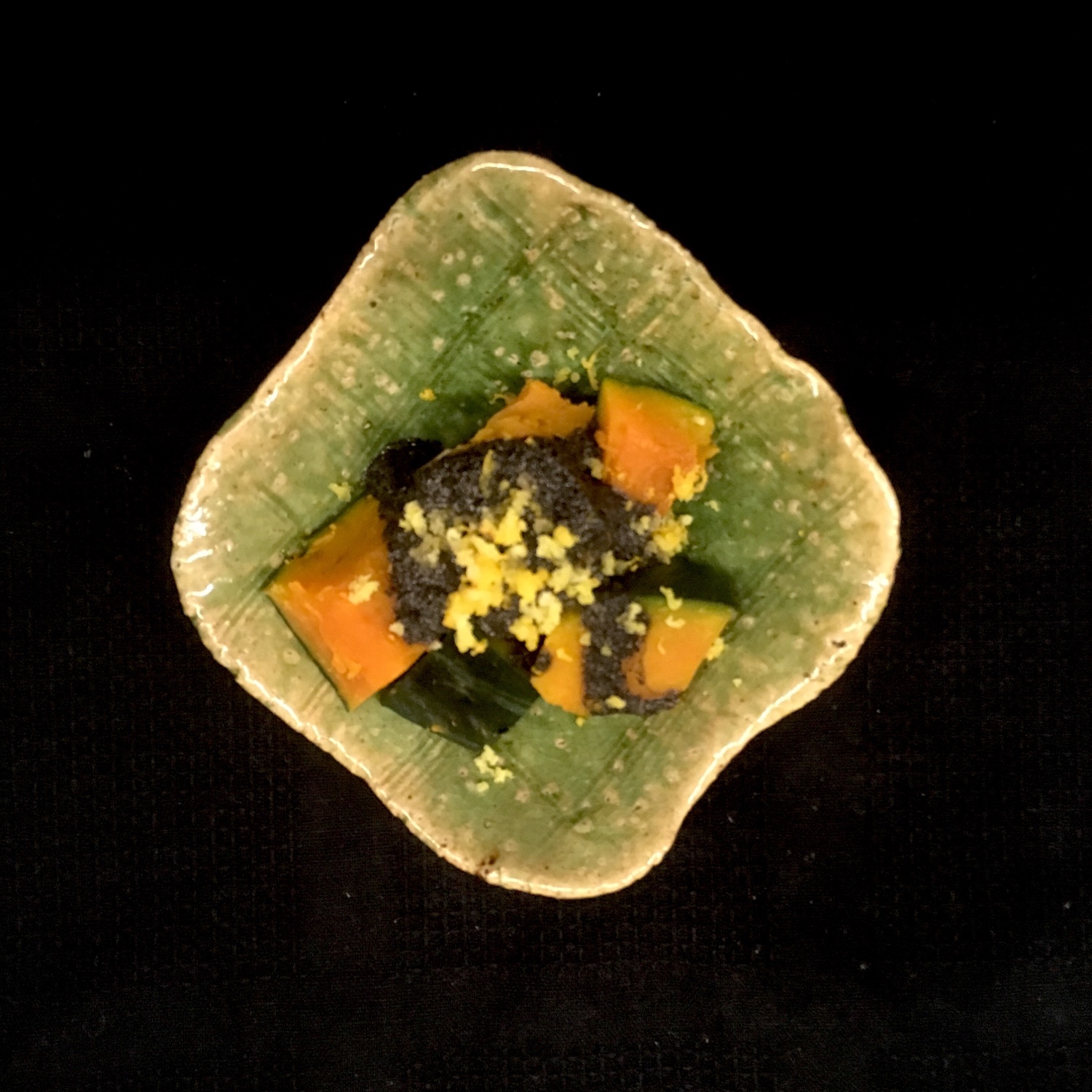
Kabocha with black sesame and yuzu:

– 1/4 of kabocha

– 4tbs of black sesame

– 1/2cup of sake

– 3tbs of brown sugar

– grated yuzu peel

– pinch of salt

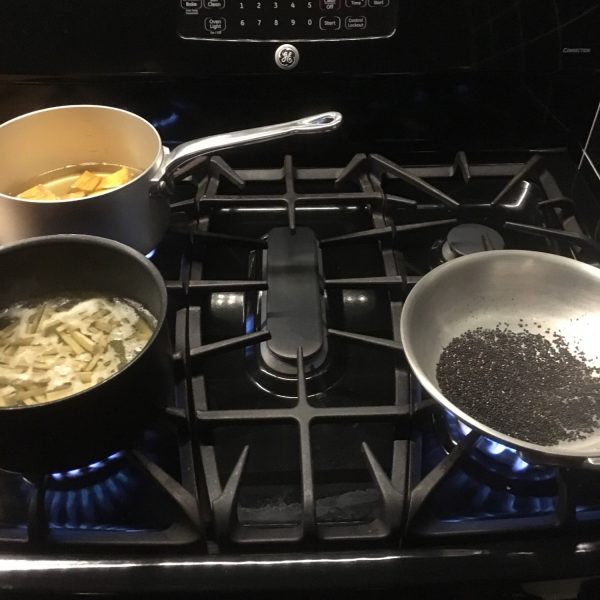
Cut the kabocha in bites keeping the skin of course. In a pan put the kabocha and cover with water. Add the sake, and sugar and bring to a boil, cook until kabocha is soft but not mushy. Grill the sesame in a pan and grind finely in a suri bowl. Add 2tbs of the cooking broth of the kabocha, add the salt. Remove the kabocha from the broth, set in a plate, add the sesame mix and finish with grated yuzu peel.

Butternut squash week day 6

And here is the final recipe for this week of butternut squash!

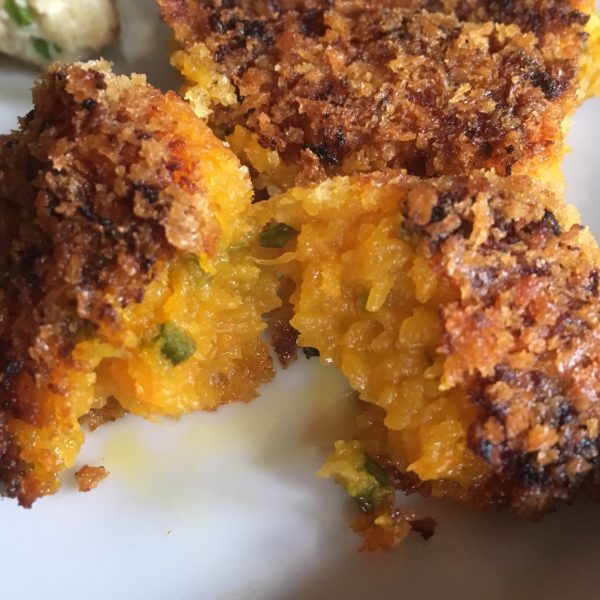
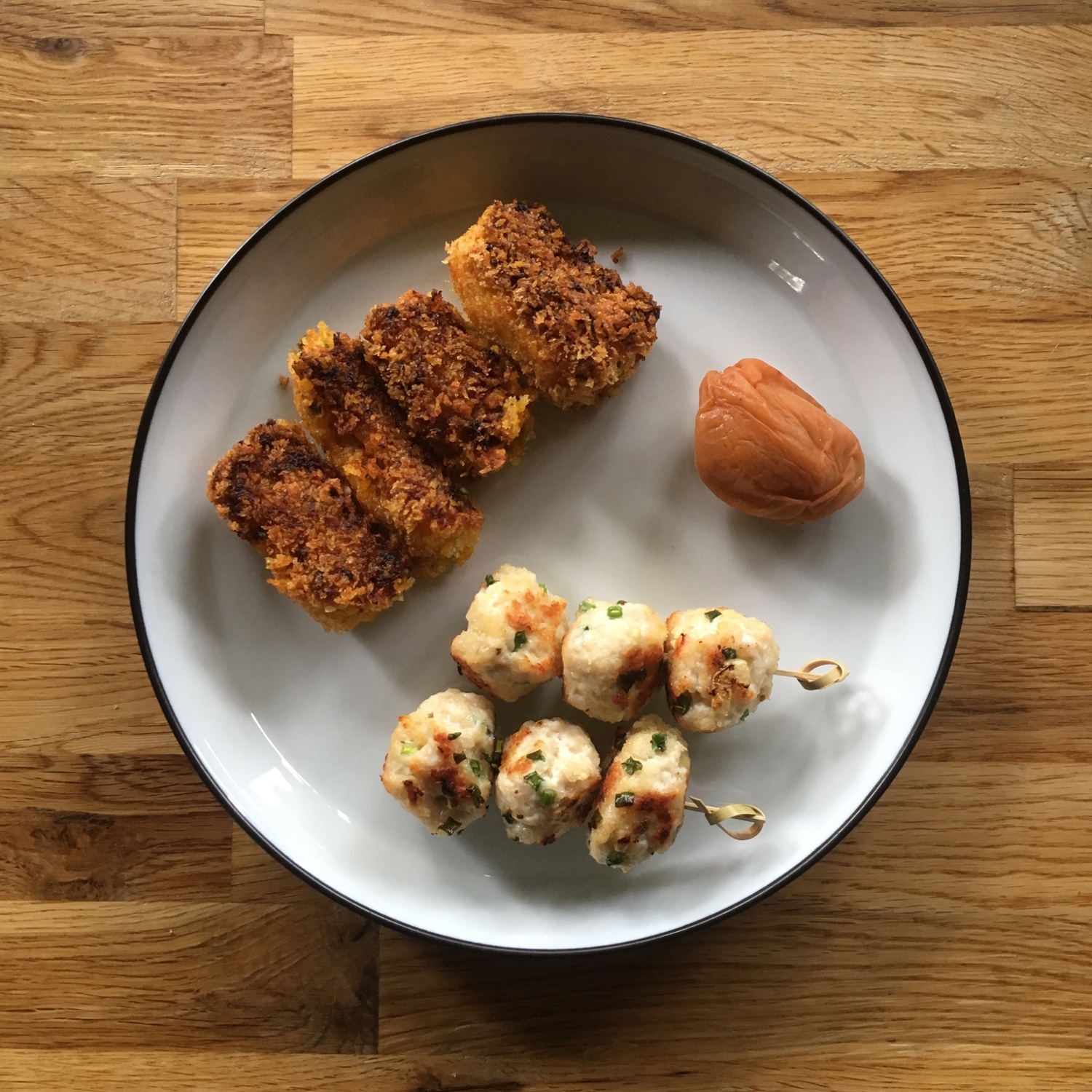
I have opted for a last Japanese style item after the gyoza and the ae. A Japanese classic: croquettes or コロッケ kolokke. Because it should involve deep fry I don’t do much of it, and mine are actually pan fried. I like the contrast between the creamy melting purée inside and the crispy outside of the panko. I served them with ginger and shallots chicken mini meat balls on skewers and a large pickled plum I made last July.

Butternut squash croquettes

For the filling I actually used the same as the gyoza (to be honest, the leftover)

– 100-150g of butternut squash boiled and puréed

– green shallot 小ねぎ

– fresh ginger grated or diced

– panko

– oil for frying

I mix the boiled and puréed butternut squash with the ginger and the green shallot to obtain a thick rather dry homogeneous mixture. In a plate I put the panko and with a spoon I take some purée, make a cylinder, roll in the panko. The number of croquettes you can make and panko you need will depend on the size of the pieces of purée and the moisture in the purée. Heat a fry pan with a few mm of oil in it or a deep fryer. Then put the pieces in one by one. Cook until golden every where. Turn gently if pan frying. Serve and enjoy while hot!

Butternut squash week day 5

Ok… the weekend is here and I’m still cooking butternut squash!!!

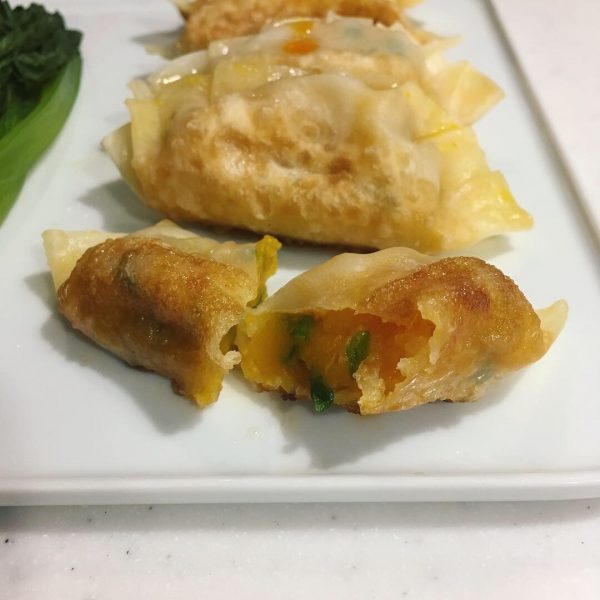
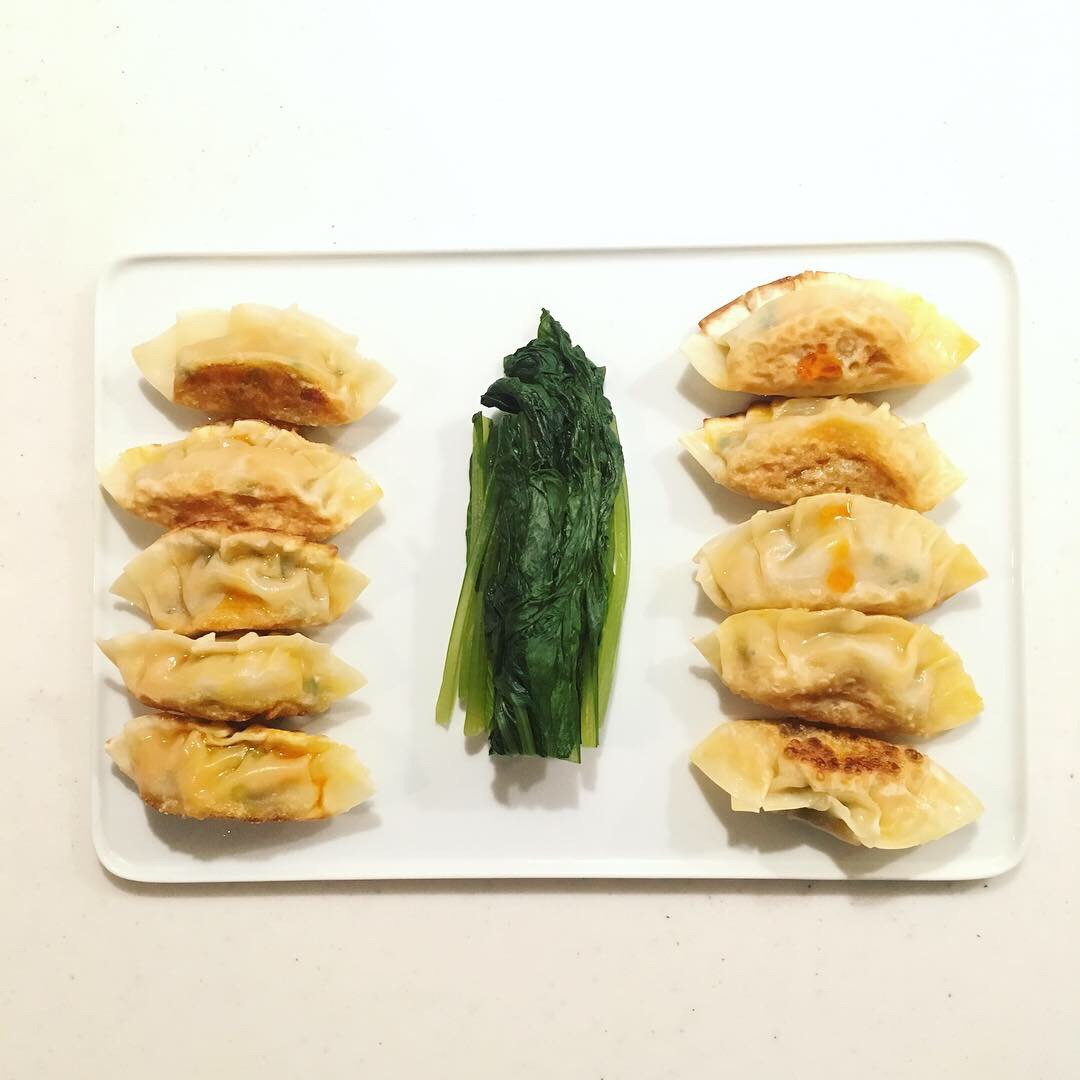
Using it again today in a recipe that is the pure product of my imagination: vegan gyoza. I don’t know why The other day, on my way to the station I had this vision of simple gyoza, filled with a butternut and green shallots and served hot with soya sauce and ra-yu (you know the slightly vinegared and spicy oil that you mix with soya sauce when eating gyoza). So on my way back from work I stopped to buy the shallots, the ra-yu, and gyoza dough because it was already 21:00 I didn’t have boiled my butternut squash yet and making the dough meant eating too late. Making the dough is very simple, just water and flour, but you need to wait 30 to 60min before making small balls and rolling them. So it was out of the question. Luckily it is rather easy to find fresh prepared gyoza “skin” in Japan that has only the basic ingredients. All good supermarkets have some. Here is my recipe below the picture.

Butternut squash gyoza for 20 pieces

– 100g of butternut squash pealed and boiled

– a pack of gyoza skin

– shallots greens 小ねぎ

– soya sauce and ra-yu

– optional: fresh ginger grated

If your butternut squash is not yet pealed and boiled like it was the case for me, start with that. You don’t want to have a filling that is too hot because it makes the forming of the gyoza more difficult: the skin breaks more easily, in particular when hand made.

Drain the butter well and purée it. Wash and chop the shallots green, grat the ginger if you want to use some. Add to the butternut squash purée and stir well. Take a round gyoza skin in the left hand, deep your right index in water and moist the outskirt of the skin. With a spoon set a bit of filling in the middle. Fold in two and start making small pleats to close the gyoza (see the movie below). Then once they are all ready, in a heated pan with a bit of oil and water cook at medium to high heat and flip once until golden on both sides. Serve with greens (I served simple boiled komatsuna) and the soya sauce and ra-yu.

http://gentianeetantoine.com/igk/wp-content/uploads/2018/10/img_7761.mov

Proudly powered by WordPress | Theme: Baskerville 2 by Anders Noren.

Up ↑

Verified by MonsterInsights