Planned leftovers…

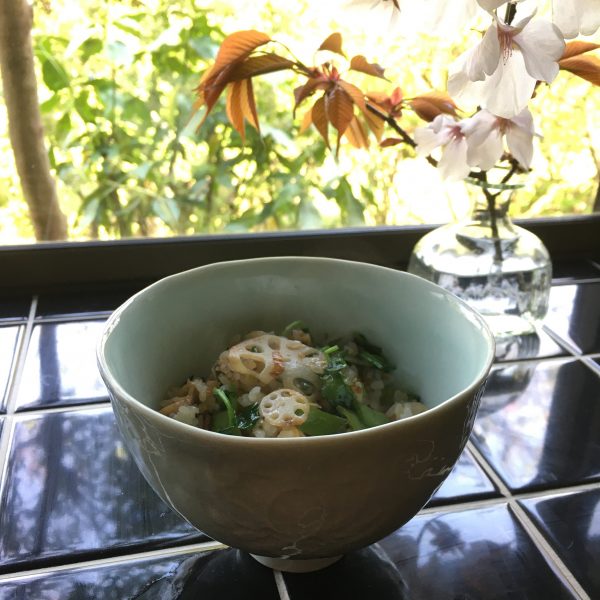
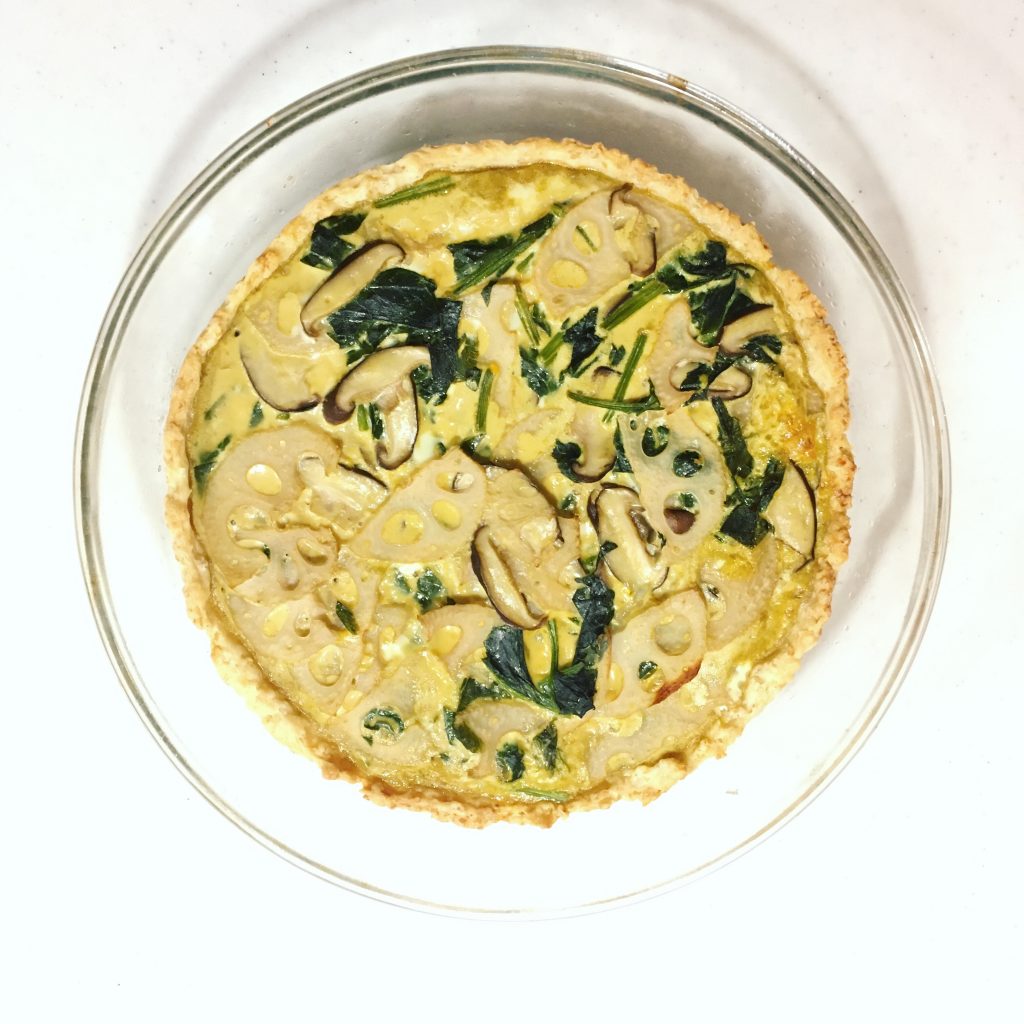
While in Japan we are far from being locked down like many in the west, the spike in covid-19 cases in Tokyo has pushed us to action. In the lab I’ve been preparing for weeks for telework and remote access to our equipment, and also consignment out of some devices to our teams to limit the impact of a possible lockdown on our activities, the university finally decided on Monday evening to close down all research activities on campus starting the next day, and that meant telework for all students. I decided that should also apply to me and my secretaries, so since Tuesday, it’s been telework everyday! I must say that taking the train to commute didn’t make me happy, and when I could I would cycle, but going to the uni. By bicycle is not an option. So, at home I stay. A. is basically following the same regimen, so we’re two at home for breakfast, lunch, teatime and dinner! Luckily I had prepared a bit (actually I was more thinking of a city lockdown last weekend than just telework!!!) and I had packed a little more than usual on fresh vegetables at the local farmers last weekend, so we were not in need for any food. Actually, given that eating out is not recommended, and having friends over either, planning food quantities becomes a lit easier! But the logistics of it requires a bit more planning than usual, as I make lunches for two while working and A. and I didn’t have time to synchronize our agendas, our window time for lunch was quite small. When I’m alone I just eat what and when I want/can. It’s easy, it’s only me. So to avoid wasting time waiting for each other to eat, overcooking or undercooking food, rushing lunch, I decided to do something I rarely do: generate leftovers. Actually it’s not only time efficient, but probably energy efficient as well, but it requires planning ahead… and requires a bit of creativity as you use ingredients you’ve eaten the previous meal and that is no longer “freshly” cooked… I don’t talk about leftovers of a fully prepared dish (that would be totally boring to eat twice the exact same thing…) but rather leftovers of an ingredient that otherwise would take 30-120min to cook. Generally carbs: pasta, rice, brown rice (which takes the most time to cook), sometimes meat, or broth… and to cook things that can keep warm, and require little attendance once in the pan or the oven. Today I’ll share two recipes made with brown rice and rice. They are really simple and quick and provide a perfectly balanced meal. The first one is a quiche with a brown rice crust and Japanese flavors, the second is a vegan sautéed rice or chahan (top picture). I hope you’ll enjoy them.

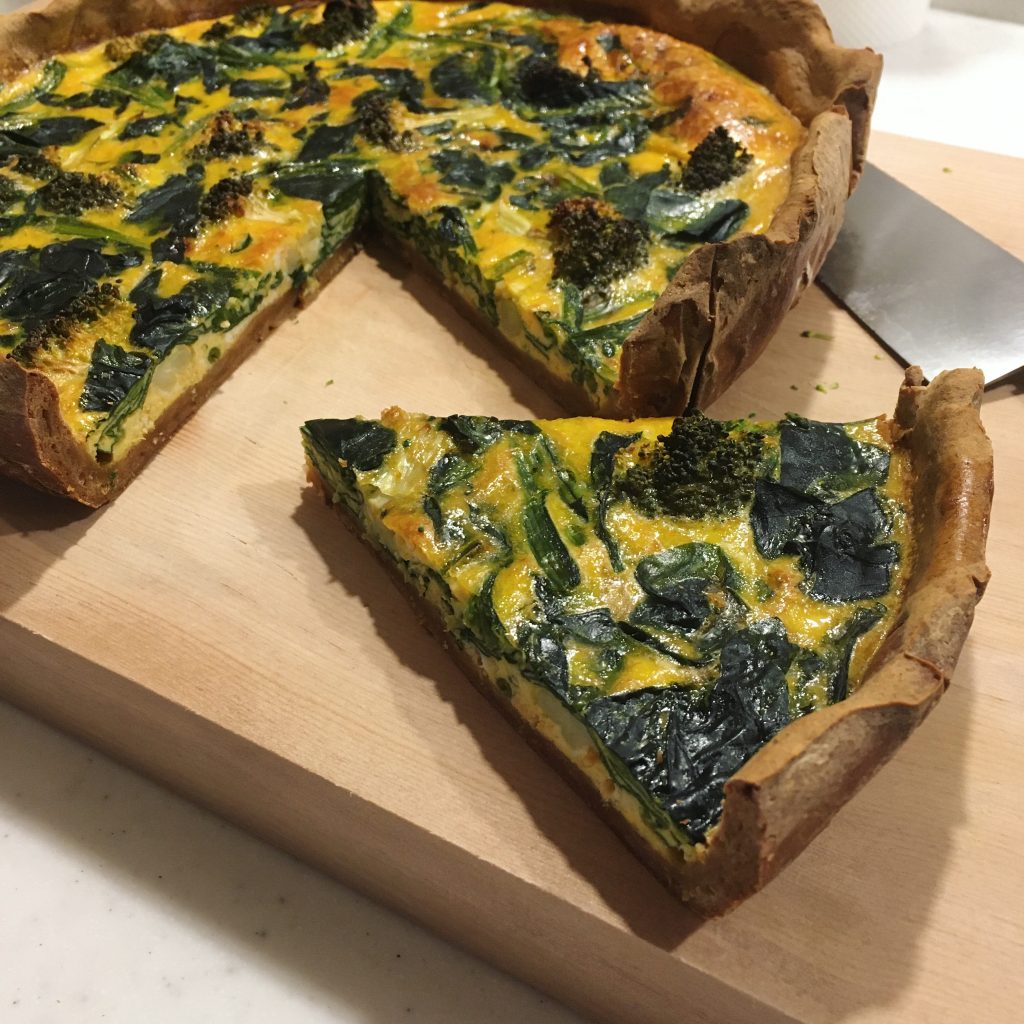
Brown rice crust Japanese quiche: (makes a Φ28cm quiche)

For the pie crust:

– 1/2 to 1 cup of cooked brown rice

– 1/2 cup of flour

– 50g of butter

– a bit of water

– a pinch of salt

For the filling:

– a few shiitake

– a piece of lotus root

– a few spinach

– 1/2 cup of dashi

– 3 eggs

Make the pie crust by mixing all ingredients. Roll with a pin or with the hand to the size of the pie dish you have with a 2cm high edge. Bake in the oven for 10min at 200deg.

In the meantime, wash the vegetables, peel the lotus root. Cut the vegetables and cook them a bit to soften them. In a bowl, mix the dashi and the eggs, add the vegetables. Pour in the pie crust and back in the oven at 180deg for 30 to 40min. Better eaten warm for maximum crust crunchiness.
Rice sautéed (2 servings)

– 1 cup of leftover rice, white or brown

– 1 little leek

– a little piece of lotus root

– some greens: radish tops, spinach, cresson (I used the latter)

– a piece of thin aburage (leftover as well)

– a handful of snap peas

– a tsp of sesame seeds

– 2tsp of sesame oil

Wash, peel if necessary the vegetables. Cut them in thin or tiny pieces. In a pan, heat the sesame oil, add the leek. Then the lotus root, the greens, the snap peas. The aburage. Stir gently. When all warm add the sesame seeds, stir again gently. Add a little of salt if you need. Enjoy warm.

Have a good Sunday!!!
Over excited…

not about the fuss about this damn virus, nor about my duty as exam supervisor at the university entrance exams… but there are many things going on around me that have gotten me very excited recently. First, spring is coming and with it the new greens are on their way for sure. Then, it is time to start preparing seeds for the kitchen garden. The potatoes are on their way, sprouting, and I have started to prepare the kitchen garden soil. Now, I need to see what I will grow this year, with the lessons learnt last year: fennel, beat, peas, chick peas…

After a long pause in my sewing activities I am back at it, and discovered mistakes I made in my last yukata so now fixing them to have it ready for the warm days. I am thinking of sewing a obi myself this time, but right now with the stupid virus, I still prefer not to see my 89yo teacher.

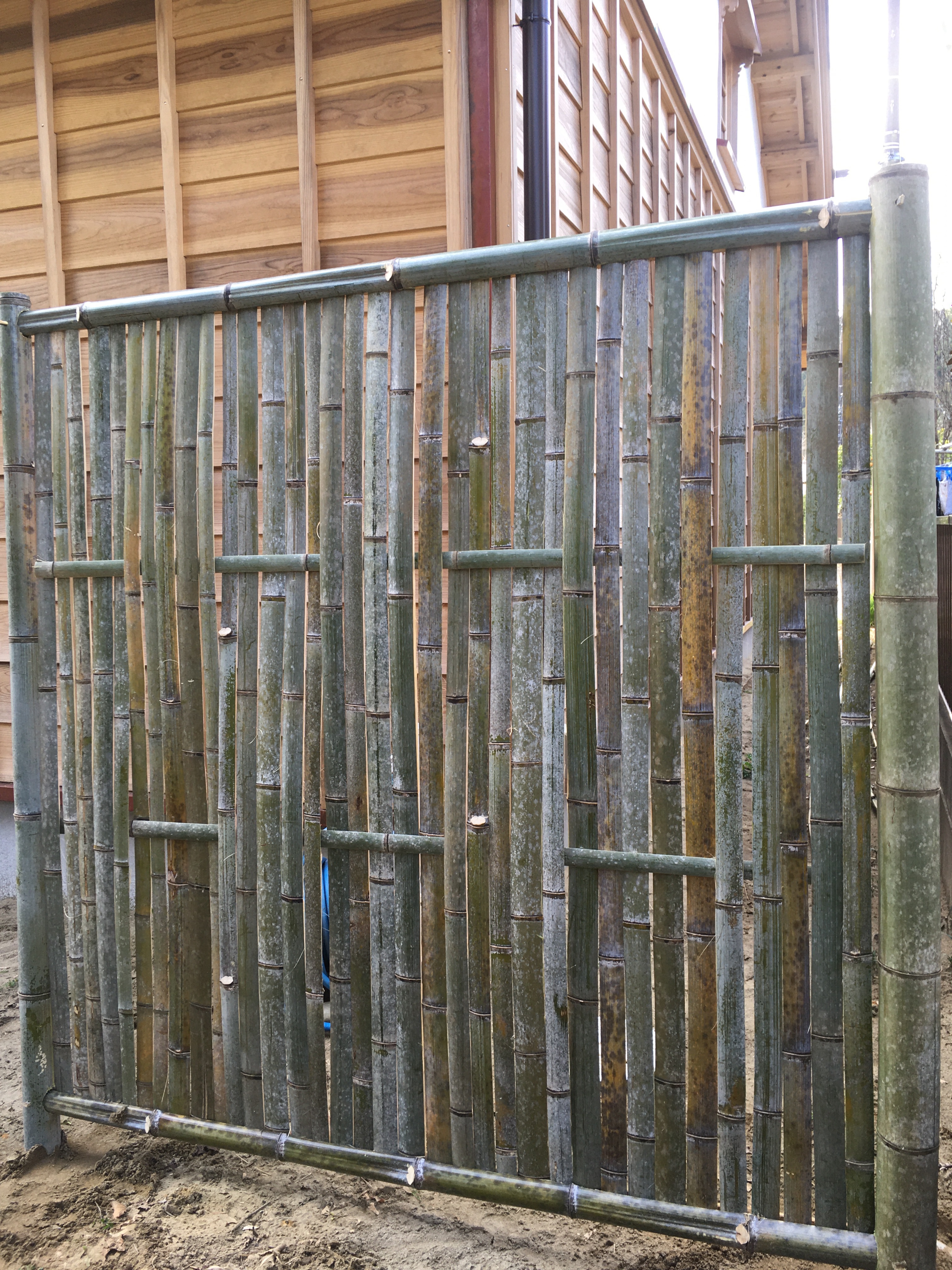
Last year we started to use bamboo we cut with our neighbors, and I really loved it. This year A. has decided to take it to the next level. Equipped with a bamboo cutter, we are now making our own slats and then the possibilities have expended. We have started with a simple fence…

OK! All this may not be too exciting for most people but for me it is! Spending the day outside cutting, sawing, arranging the slats… was really fun and I can’t wait to do the other fences!!!

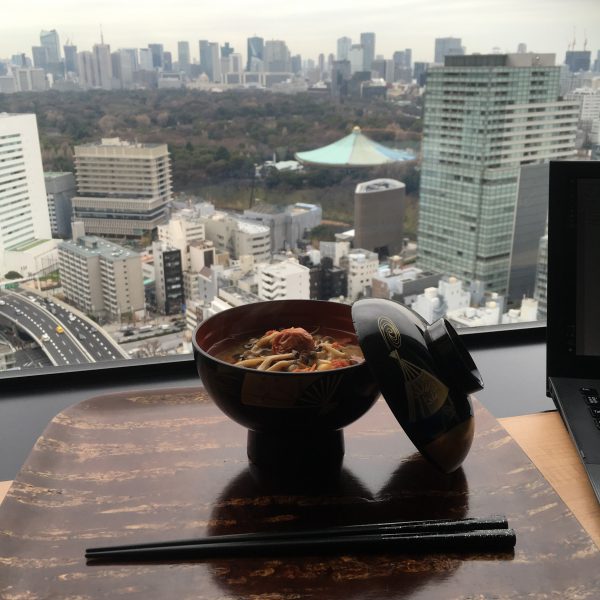
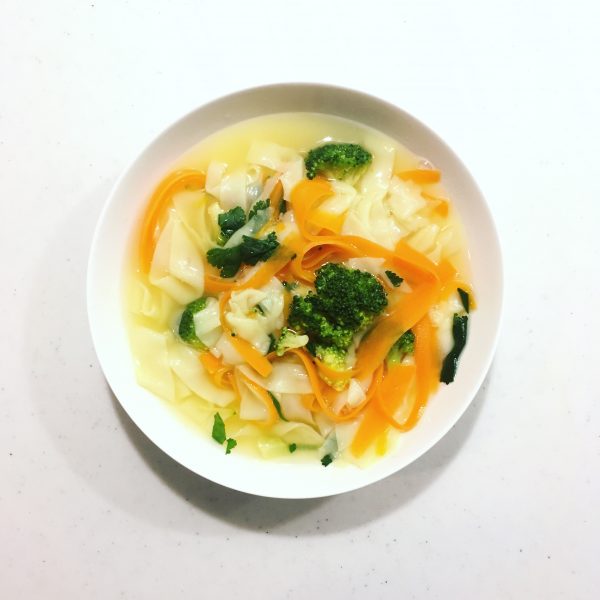
I got excited last night when after a few days if minimal cooking I finally decided to do something for our dinner: the spicy noodles soup I made for myself sometime ago and that A. hadn’t had a chance to try.

I replaced in the former recipe the coriander seeds by some fresh coriander as they start selling some at the farmers market and I made the noodles with 120g of flour for the two of us. And I had a bit of broccoli I wanted to use so I cut it in small bites. That was a big success and A. liked it as much as I did!

Oh… and there’s a final reason I am quite excited… it’s our forthcoming moving… more coming soon about that… but this is one of the thing on top of work that has kept me pretty busy!!! And now it’s getting real!

Miso, again…

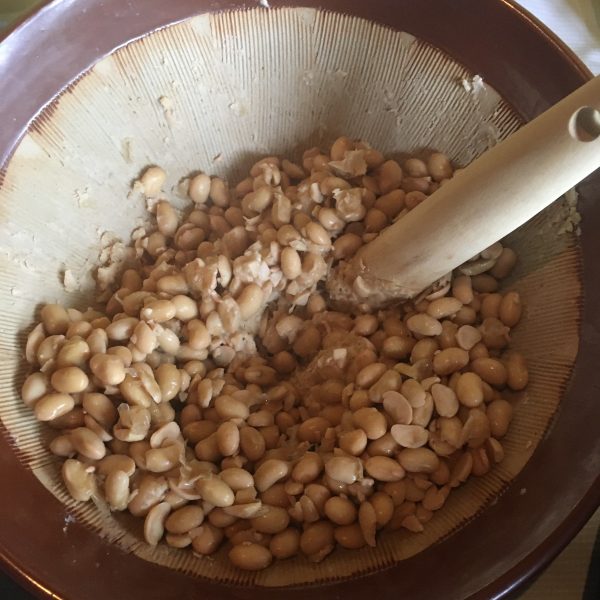
Making miso every winter is now a tradition. Our friend S. prepares everything for the event and we gather together for a couple of hours to chitchat and squeeze soya beans. Well, for non Japanese people or not used to Japanese cuisine, miso may be a rather intriguing ingredient and not so easy to use except in the traditional miso soup, and even then, using fresh miso in a soup may be a bit challenging when not used to. But the truth is that miso is quite versatile. We easily eat 2or 3kg of miso every year at home! You can see my past posts about miso here, but let me summarize some of the things you can do with miso again.

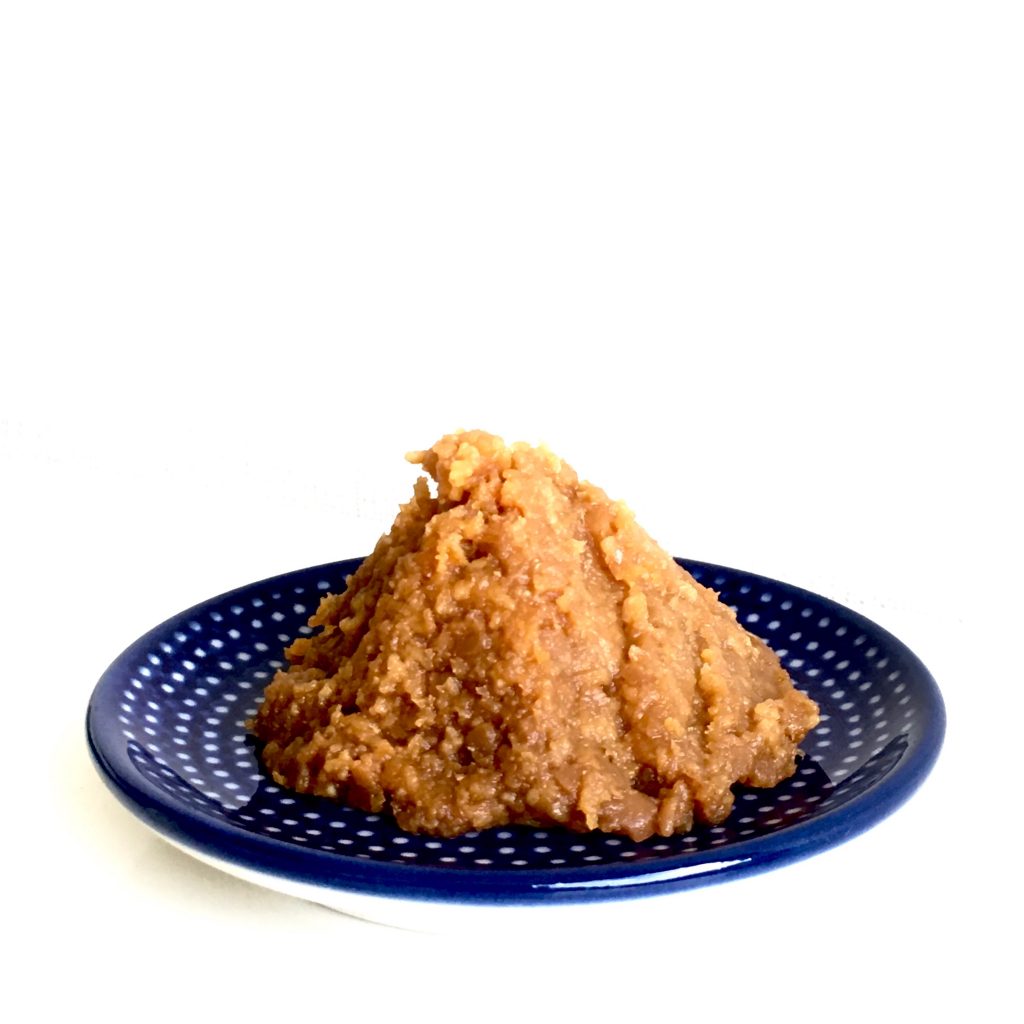
2019 miso

Miso can be used in soup, dips, to pickle vegetables and flowers, in marinade for fish, a spread on rice balls, to replace butter in pie crust, to replace cream in quiche flan, just to give a creamy texture to a sauce, and in many other places I am forgetting!

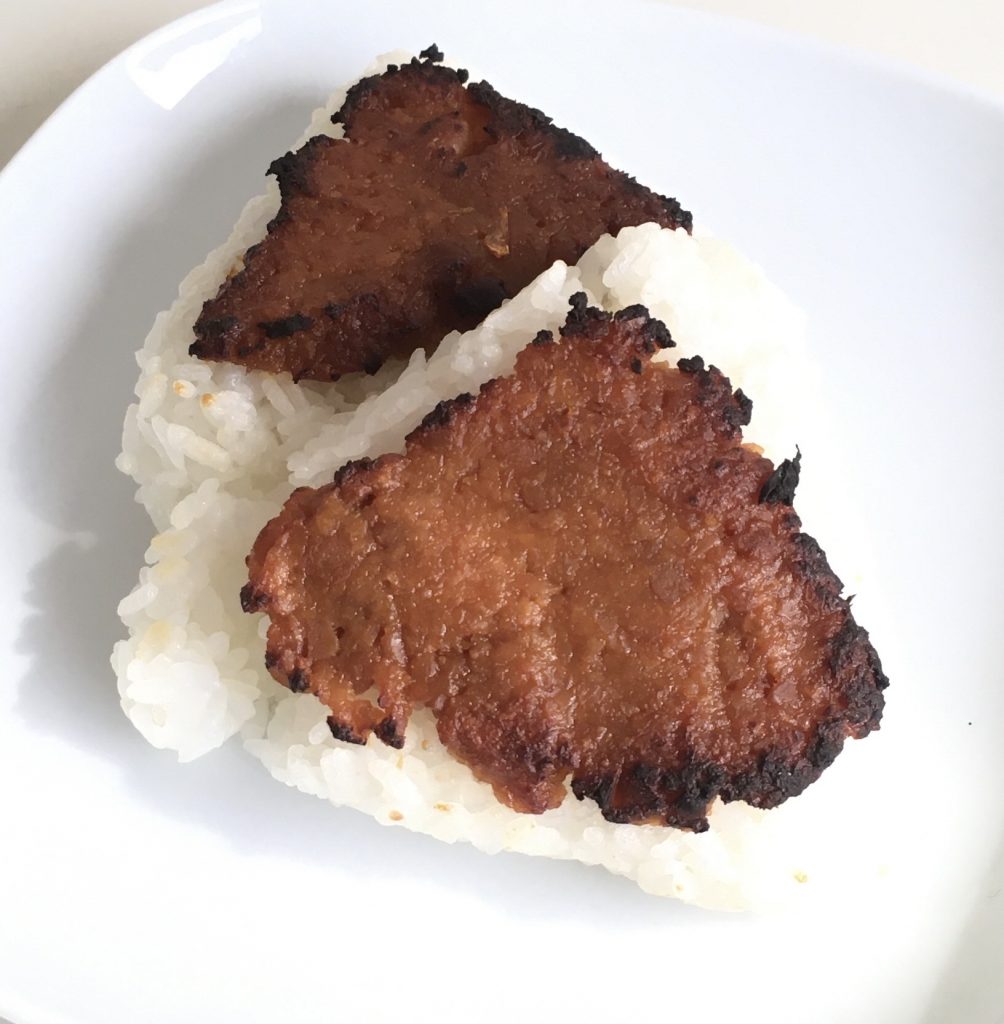
Today two super simple recipes with miso: in pie crust and in spread. Both are very straightforward. Let’s start with spread, a classic in Japanese cuisine: yakionigiri. You need just some plain white Japanese rice and a two tea spoon of miso per serving of rice. Cook the rice to obtain a sticky japanese classic rice. Prepare a sheet of cooking paper. Wash your hand under cold water and don’t dry them. Take half a serving of rice in your hand and form a ball (if your sensitive to heat let it cool down before doing that, you may burn your palms). Put the ball on the cooking paper. Gently flatten it by pressing with your palm. Spread one tea spoon of miso on top. Put under the grill until the miso starts darkening. Eat right away.

2 miso yakionigiri

The second recipe is just to replace butter in a pie crust by miso. This changes of course the pie crust consistency to a more crispy on the edges and chewy on the bottom, with the characteristic flavor of miso. You can make quiche with it (vegetables such as spinach, broccoli, canola… are perfect), or tiny sesame crackers.., or be creative and use it for a chocolate tart!!!

Miso pie crust for a broccoli and spinach quiche

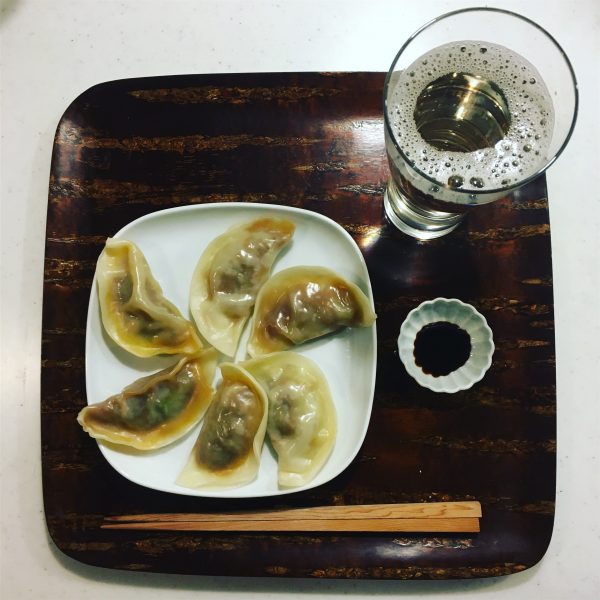
Steamed gyoza – 水餃子

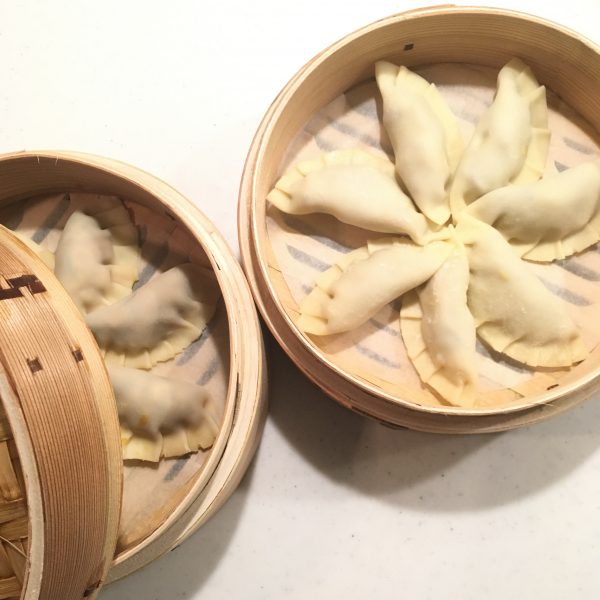
As I was saying in my previous post, I’m a big fan of dumplings of all kind. But recently I have a crush for sui gyoza-水餃子 which are simply steamed gyoza. And because I want to make some more often, last time we went to Kappabashi (to buy bowls for my sister xmas present) A. offered me a set of bamboo steamers: two levels, that would allow preparing dinner for two in one batch. And I have been longing to test them. It’s been three weeks now that I have been on my new schedule but as A. was traveling last week, I waited for him to come back. So finally I did make steamed gyoza, and tested my new bamboo steamer. Well, it’s super easy to use and works very well, and it gives a slightly fancier look to the table to serve the gyoza directly in. It also keeps them warm. I am not a fan of cooking goodies at all and have very very few (a blender, a pasta machine, a mandoline, and two bamboo steamers) but I must admit that those steamers are not just goodies, they are actually perfect. Not only the are made just of bamboo, but they adjust easily on a pan and work like charms. Well, of course if you make steamed food only once in a while and steam in small quantities you don’t need one and a foldable stainless steamer is surely enough, but I am planning to make a lot more often sui gyoza with all the seasonal vegetables, so it is worth the investment and the space it takes. So back to sui gyoza, I opted for sweet potato for some, and shiitake/carrot for the others. A great winter vegetables option. Here is my recipe for 20 pieces.

Vegetables sui gyoza

– 20 pieces of gyoza skin ( making your own is so much better, I’ll share this next time!)

– 1/2 sweet potato

– 4 carrots

– 1 large shiitake

– soya sauce

Steam and purée the sweet potato. Add a bit of soya sauce. Keep.

Boil the carrots and puree. Dice thinly the shiitake and add to the puree.

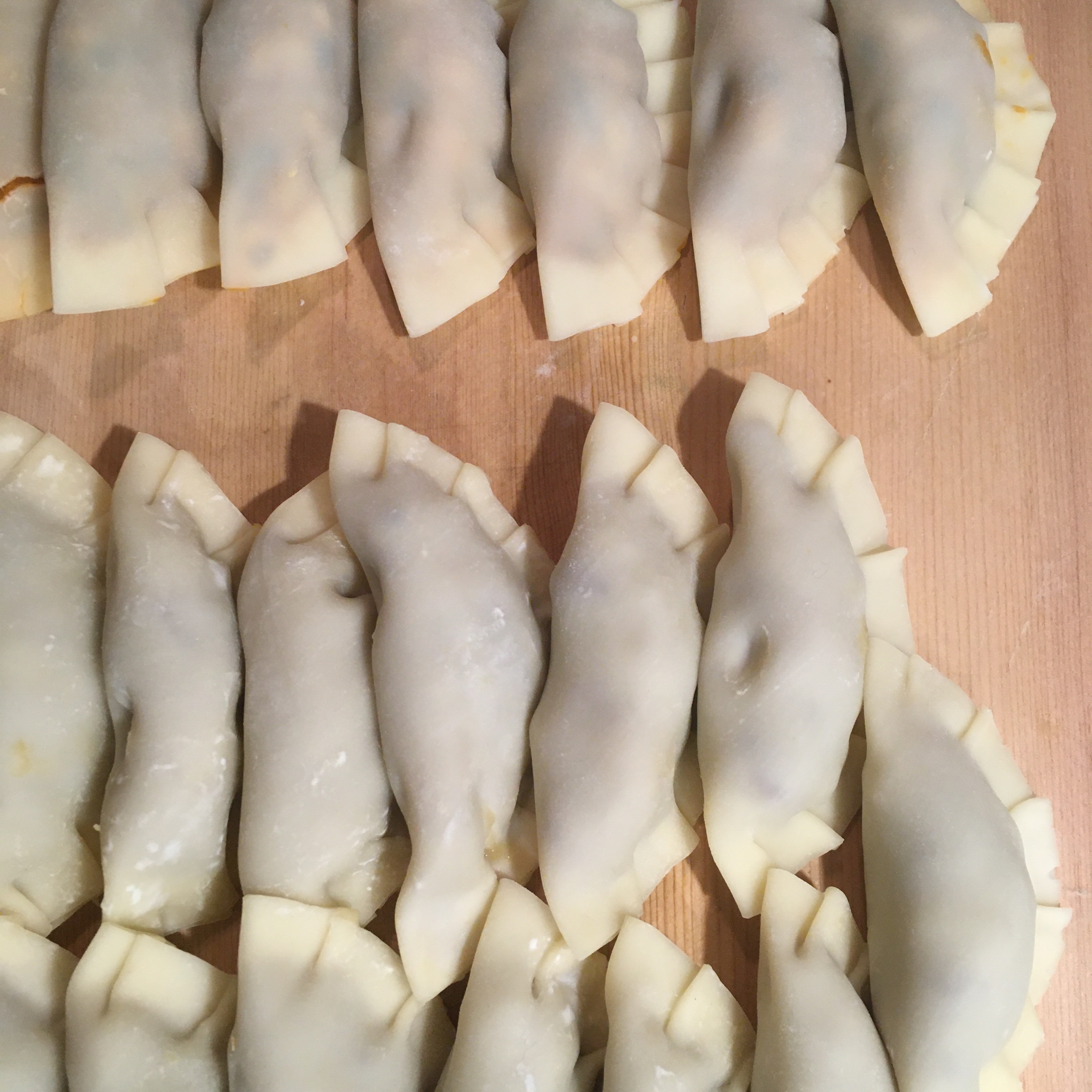
Fill each skin with a tea spoon of filling and close tightly.

Cut kitchen paper to the steamer inner diameter and set in the bottom of each layer. Steam for 10-15 min or until the skin is translucent. Serve.

Ochazuke – お茶漬け

Those who are familiar with Yasujiro Ozu’s movies must know “The flavor of green tea over rice” or “お茶漬けの味”, while being a cinematographic beauty and a brilliant socio-cultural representation of the the Japanese society transition of the time, it also introduces to a large audience ochazuke. Literally, as in the movie, it’s a dish that consists of pouring green tea over rice. A warm and comforting dish. While for westerners this might sounds odd, this dish, well prepared is actually delicious. It is also very simple if you have the right ingredients: rice, a hot tasty liquid, some topping eventually.

Ochazuke as you can imagine, is not supposed to be eaten with freshly cooked rice, while it is ok to do so, it is rather a recipe to use rice leftovers that have cooled down. So what I usually do is cook more rice than I need once to guarantee leftovers and then keep them for the next meal. Of course I mean Japanese rice cooked the Japanese way!!! You can use white rice or brown rice, it is equally delicious.

Then you need a hot liquid. As the name may be misleading, the liquid can be, but does not limit to green tea. Of course a nice and tasty green tea will work very well, yet my favorite recipe is with a flavor-rich dashi. A dashi made from konbu and katsuo, or from shiitake for a vegan version. The liquid must be hot enough to warm the rice if you use leftovers as it might be just at room temperature.

Finally you need a topping. Something that brings in a new texture and a new flavor. The topping is in rather low quantity, about one~two table spoon for one bowl. And as the rice and the liquid have quite a fine and light flavor you can use a topping that contrasts vividly such as umeboshi, salty salmon, mitsuba or create new combinations. Well, to be honest umeboshi is one of my favorite, and it can be used with some other toppings as well.

Why is that that I suddenly I talk so much of ochazuke when in the past 15 years I barely made one and only have them in restaurants? I think its just a matter of interesting circumstances: (1) Finding a nice dashi made from natural ingredients (dashi bars and tasting are becoming more trendy but not all dashi are made from simple natural ingredients) (2) Having leftover rice (when I was sick I would cook rice for 2 or 3 meals to have always something ready in case I would be hungry) (3) Wanting to eat a warm meal (with the temperature changing rapidly and the days becoming chilly one needs a warm, light and comforting meal…)

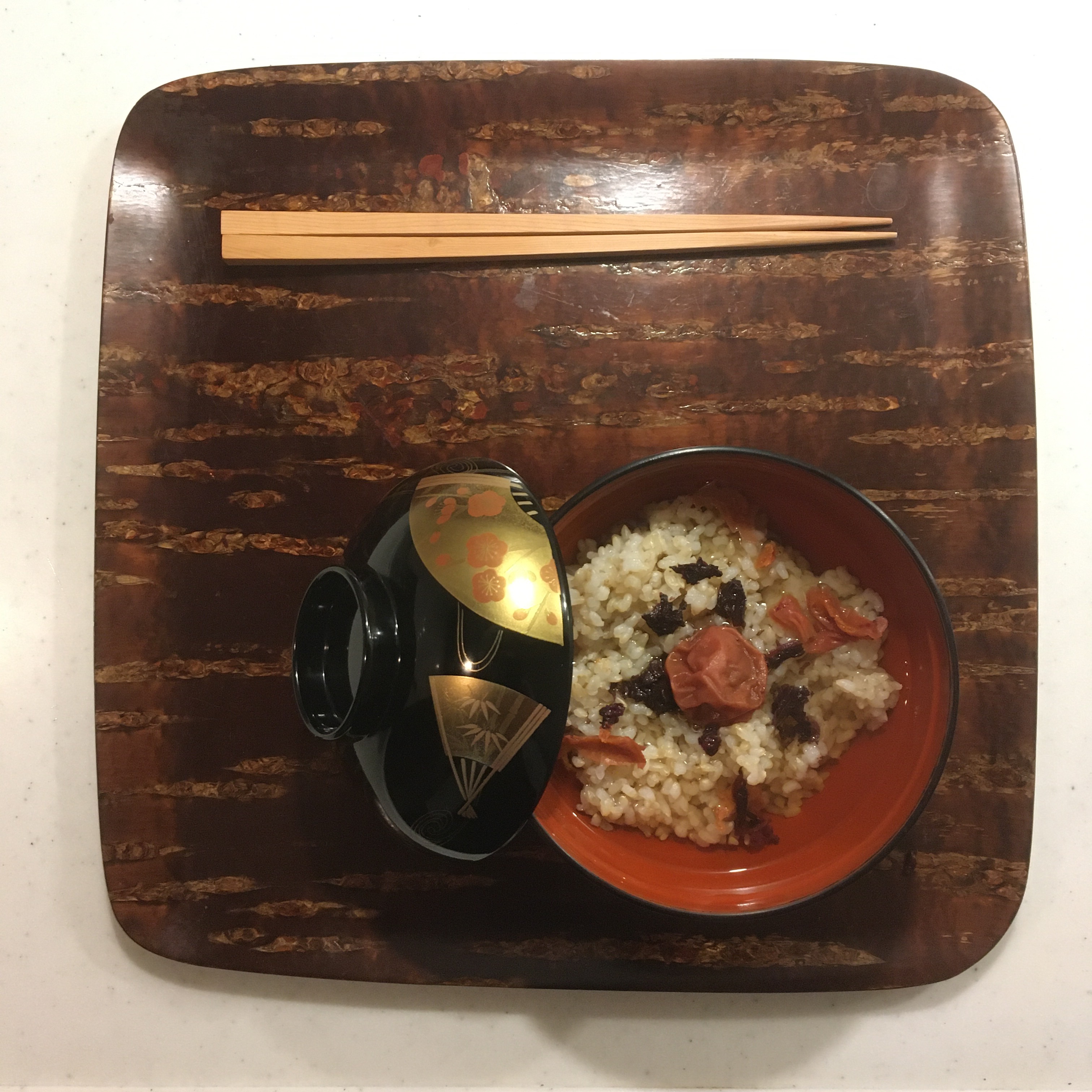
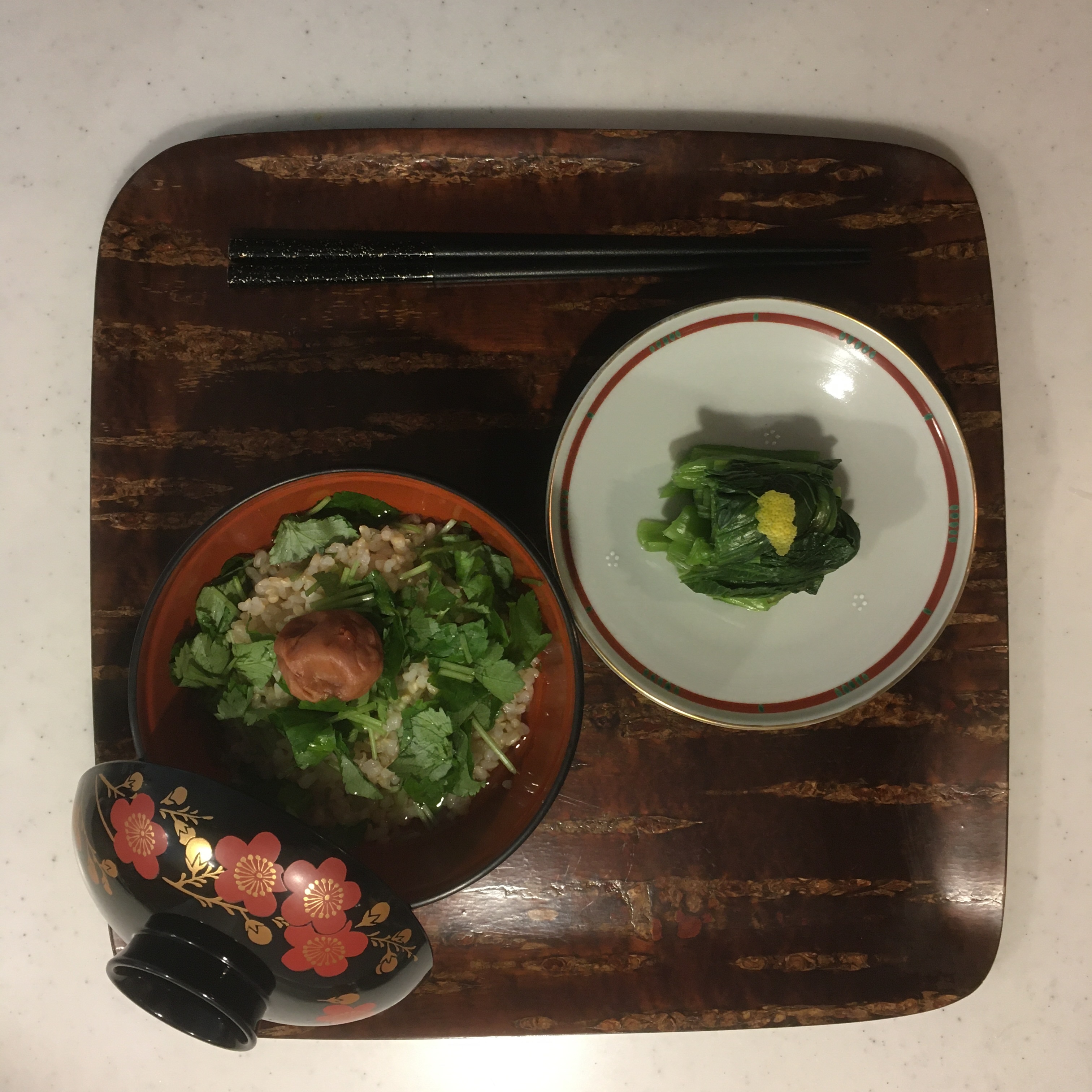
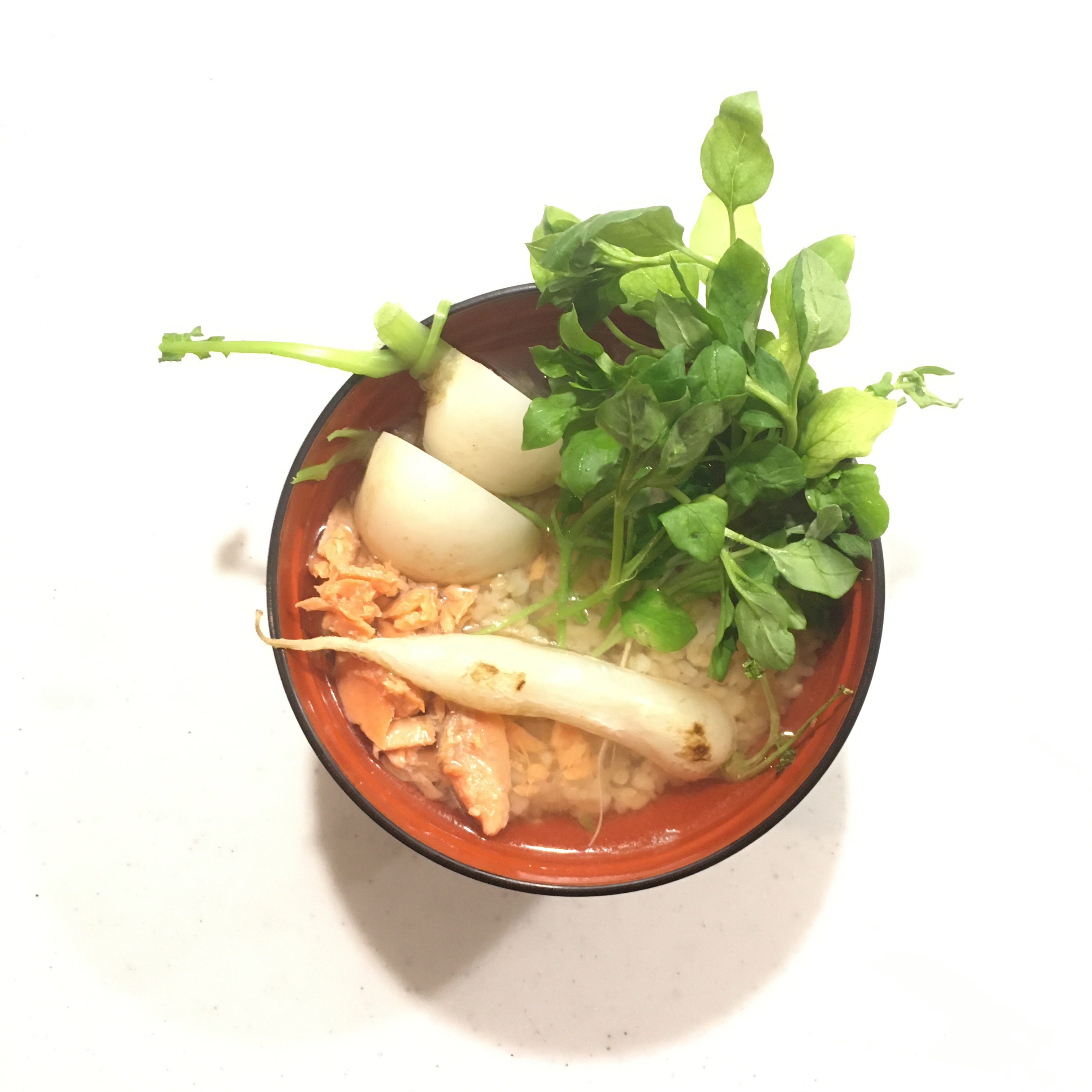
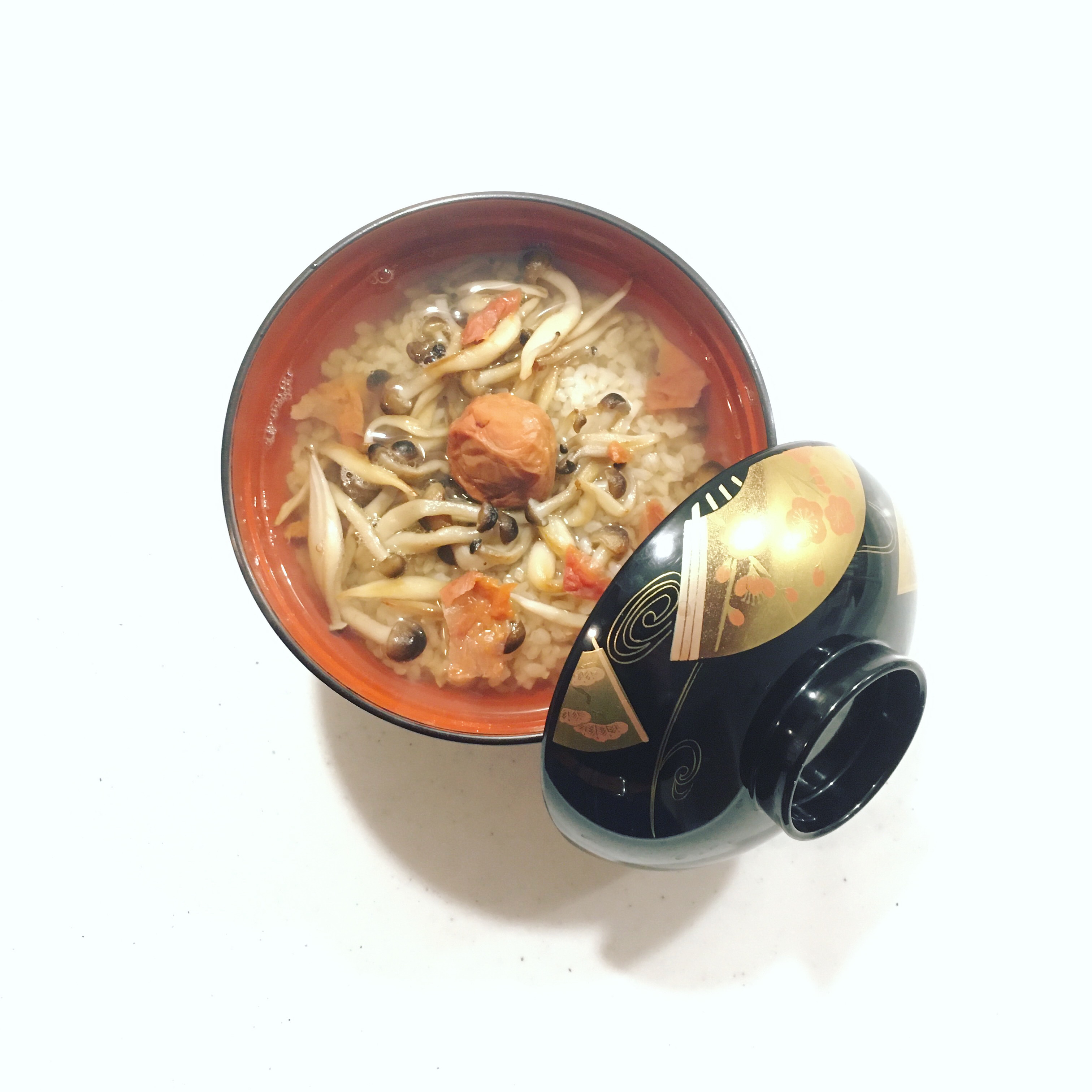
Here are the ochazuke I made in the past couple of weeks, top to bottom: umeboshi and pickled red chiso, umeboshi and mitsuba, 7 herbs and salmon, umeboshi grilled mushrooms and salmon.

For all the principle is the same: serve the rice in a large bowl such that it uses not more than half of it. Top with the topping of your choice. I blanched the round turnips in the 7 herbs version and slightly grilled in olive oil the long ones. Same for the mushrooms, I grilled them before. Prepare the dashi of your choice and pour while hot gently to cover the rice. Eat right away!

Cooking with A.

When I was supposed to rest, I still cooked a bit for myself. One has to eat anyway. But during the weekend, A. wanted to help a bit with the cooking. So his main responsibility was to make apples or pears compote, one thing I invariably love, sick or not. He varied all the possible cuts: thin slices, big chunks, very tiny cuts… and all were so much better than when I was making it for myself. But then on Sunday evening, I was a little bit tired and I asked him to help me prepare some steamed gyoza. For a reason that probably no one can understand, since Sunday noon I was craving for Chinese dumpling or any other steamed dumplings. And the easiest to prepare when you’re living in Tokyo are definitely steamed gyoza – 水餃子.

Of course I wasn’t interested in any of the meat filling, I was interested in the vegan version, the one where there is on the inside some mashed vegetables. And that was perfect because I had a piece of kabocha and a few sweet potatoes that our neighbor gave me. So A. helped me making these delicious dumplings. I roughly prepared the vegetables, then he steamed them, mashed them with a few drops of soya sauce and I only had to do very simple task of filling and closing the gyoza.

Steaming user is actually very simple, if you have a bamboo steamer or if you have a steel steamer like I do just late sheet of cooking paper at the bottom of the steamer put the dumplings in top of it and cover steam for about like 5 to 10 minutes until the dough is translucent and moisten. Eat right away with soya sauce. That’s how simple it is! Thank you A. for your constant support, for helping me cooking this delicious dish and let us watch a few episodes of a stupid series!

PS: For those worried about my health condition, apparently I should survive is pneumonia. ;)

I’m just a utterly bored to have to do so little and with so much to catch up with… Being sick sucks, recovery is too slow!!

Gyoza

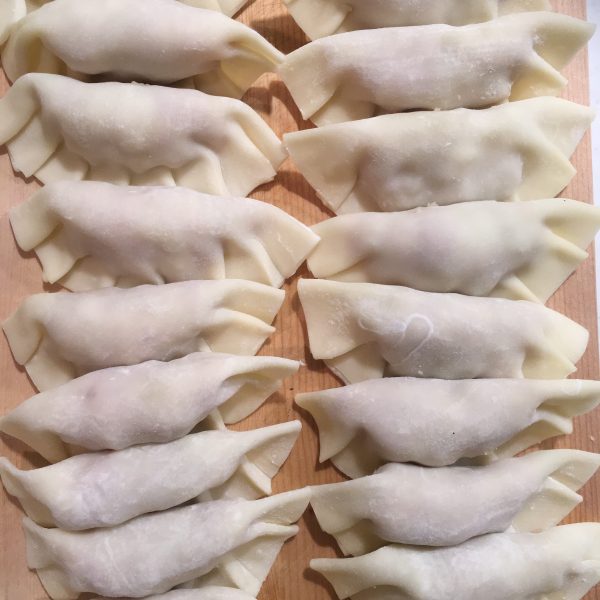
I cannot hide that I have a thing for stuffed food, for pies and for dumplings… whether they are Italian ravioli, Japanese gyoza, French ravioles, Russian pilmini, Chinese shumai and other little stuffed breads… I simply love them, how the filling is steamed in the little poach and when opened all the captured flavors develop in the mouth. And I enjoy a lot making them with my own prepared filling. You already know how much I love making ravioli, well I also love making gyoza and I want to try other recipes from Asia and eastern Europe. From the scratch, or when I am a little too busy I use gyoza “skin” 皮 that only contains flour and water. Luckily in Japan it is easy to find some (be careful though that most gyoza skin sold in supermarket contains a lot many ingredients to be good, so, as usual look at the label, if there are more than 4 ingredients, pass).

To celebrate the beginning of the cold weather I invented a new filling recipe with seasonal vegetables and that was a very nice try, to reproduce soon.

Here is my recipe!

Early winter gyoza (makes 30 pieces)

– 30 gyoza skins

– 100g of ground pork meat

– 2 sweet potatoes (mine are 15cm long, 3cm wide)

– 2 leeks

Boil the sweet potatoes with the skin. Once very soft, peel them and crush them in a bowl, add the meat. Chop the leeks and add to filling mixture. Stir well. Now it’s time to prepare the gyoza. In a skin set 1tsp of filling and close it. Repeat until all is gone.

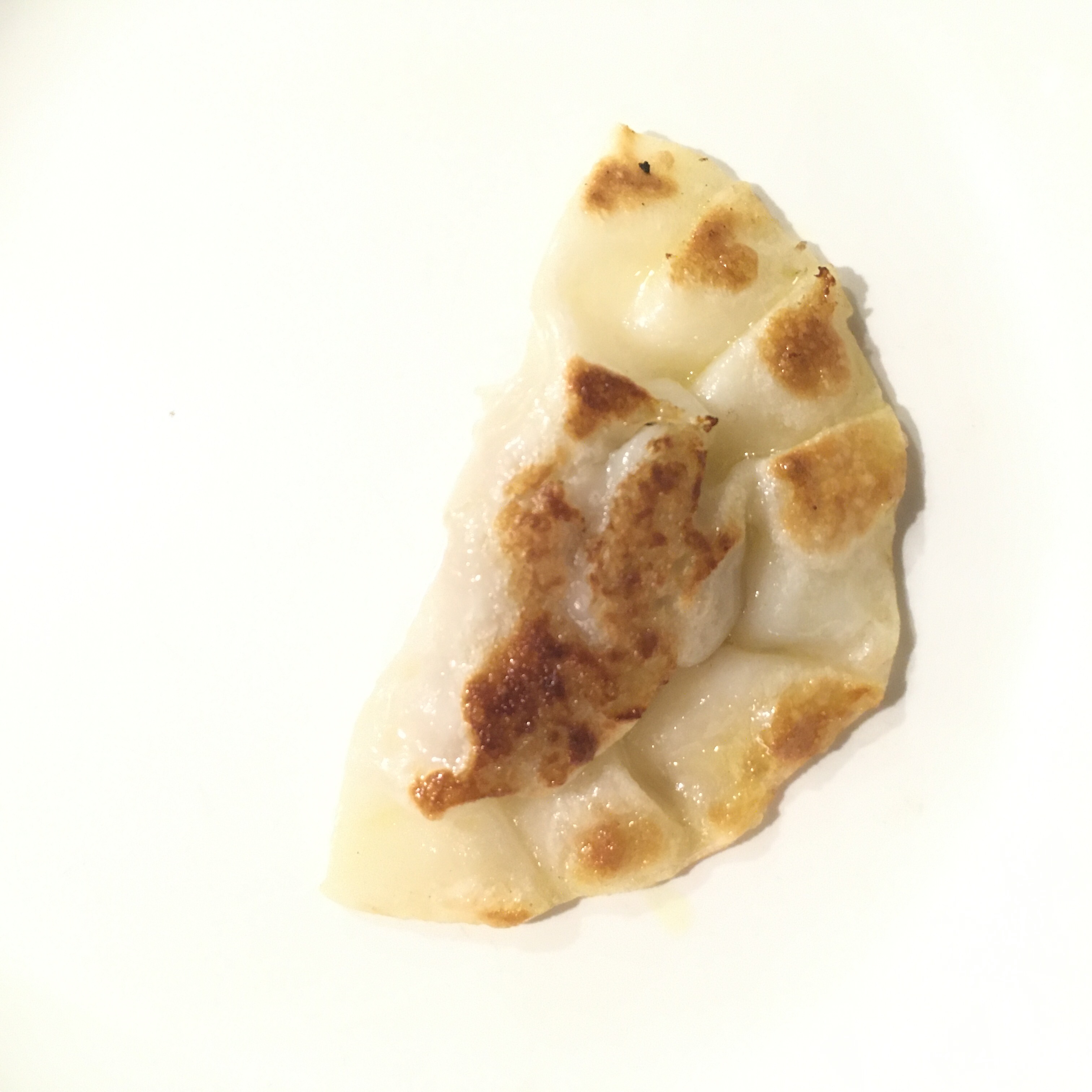
To cook the gyoza, grease a fry pan (I used olive oil) and put the gyoza in, add 1cm of water. Cook under cover for some time until the water is gone, flip the gyoza and when they are golden flip again. Serve hot with soya sauce in which a bit of white vinegar has been added. Enjoy!!!

Stuffed bread

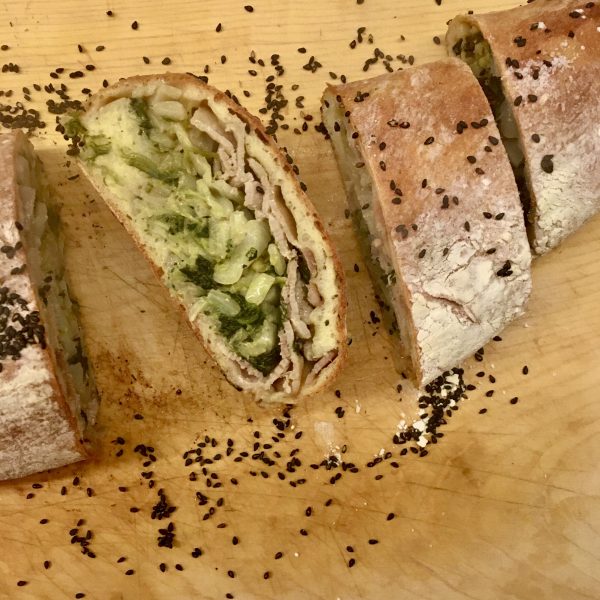
This all started with a picture that I saw on my IG feed one morning from Jul’s kitchen. I’ve been following her for quite some time now. Her recipes always make me want to be in Tuscany and when two years ago (whoa… It seems like ages ago!!!) we actually were thinking about moving to Florence and went there repeatedly I asked her recommendations about places to shop delicious things in Florence and they were gold. Well, just to say that her blog makes me dream of Tuscany… so… back to that picture I saw very likely on my way to work, last winter I guess… it was a savory stuffed pastry… it looked wonderful and I thought about doing some for a long time, but every strictly new recipe requires to mature in my head and to find the proper timing of ingredients and preparation. It’s only the other day that the winter vegetables started to be back in particular the cabbages, the spinaches and that I bought some pork ribs.

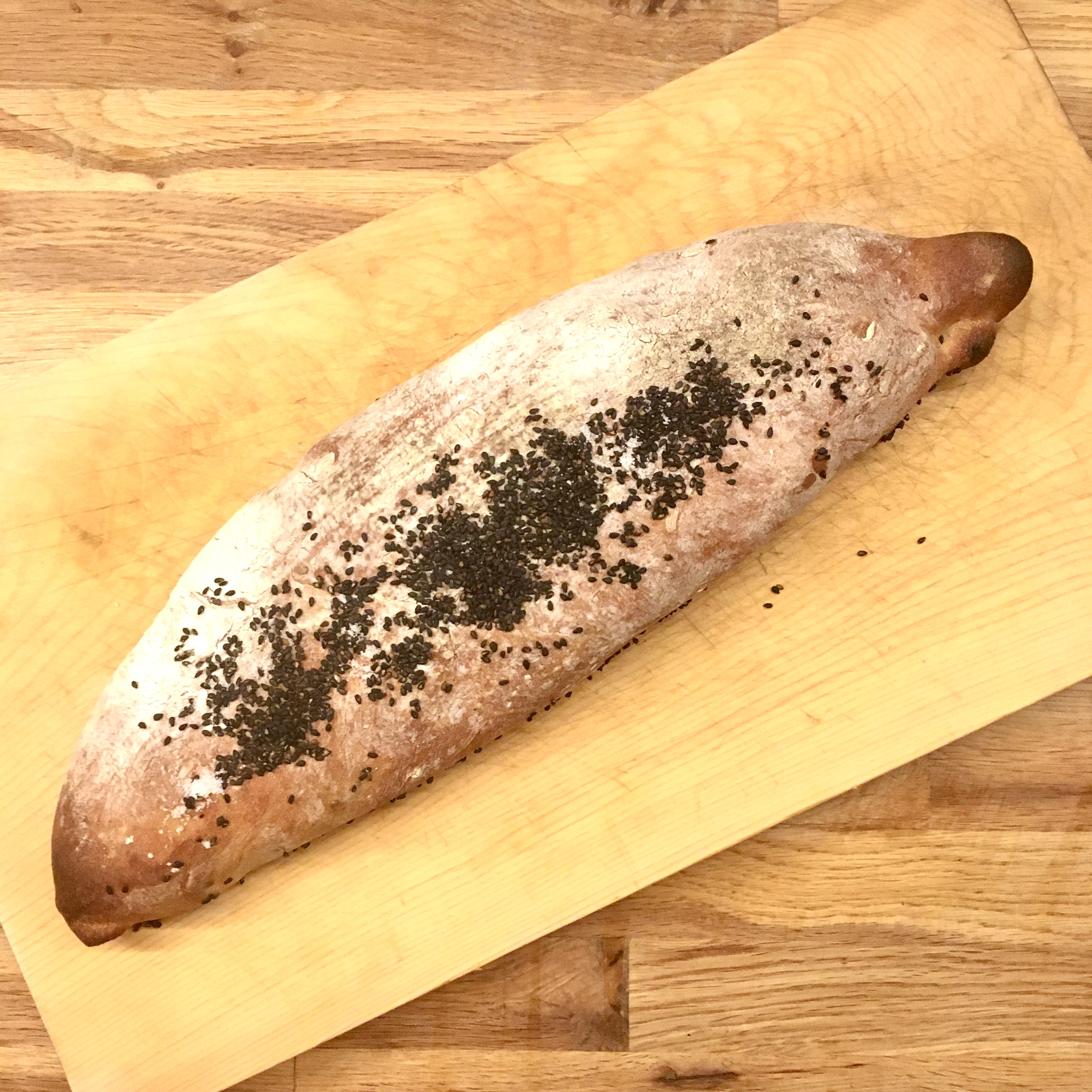
All was finally there to make the stuffed bread. But instead of a pastry dough or a brioche I decided to go with some straight white flour bread dough. The result was a very very delicious and warm meal, perfect for a rainy evening like today. Here is my recipe.

Stuffed bread (2 generous portions)

– 150g of flour

– 10g of salt

– 5 g of yeast

– water

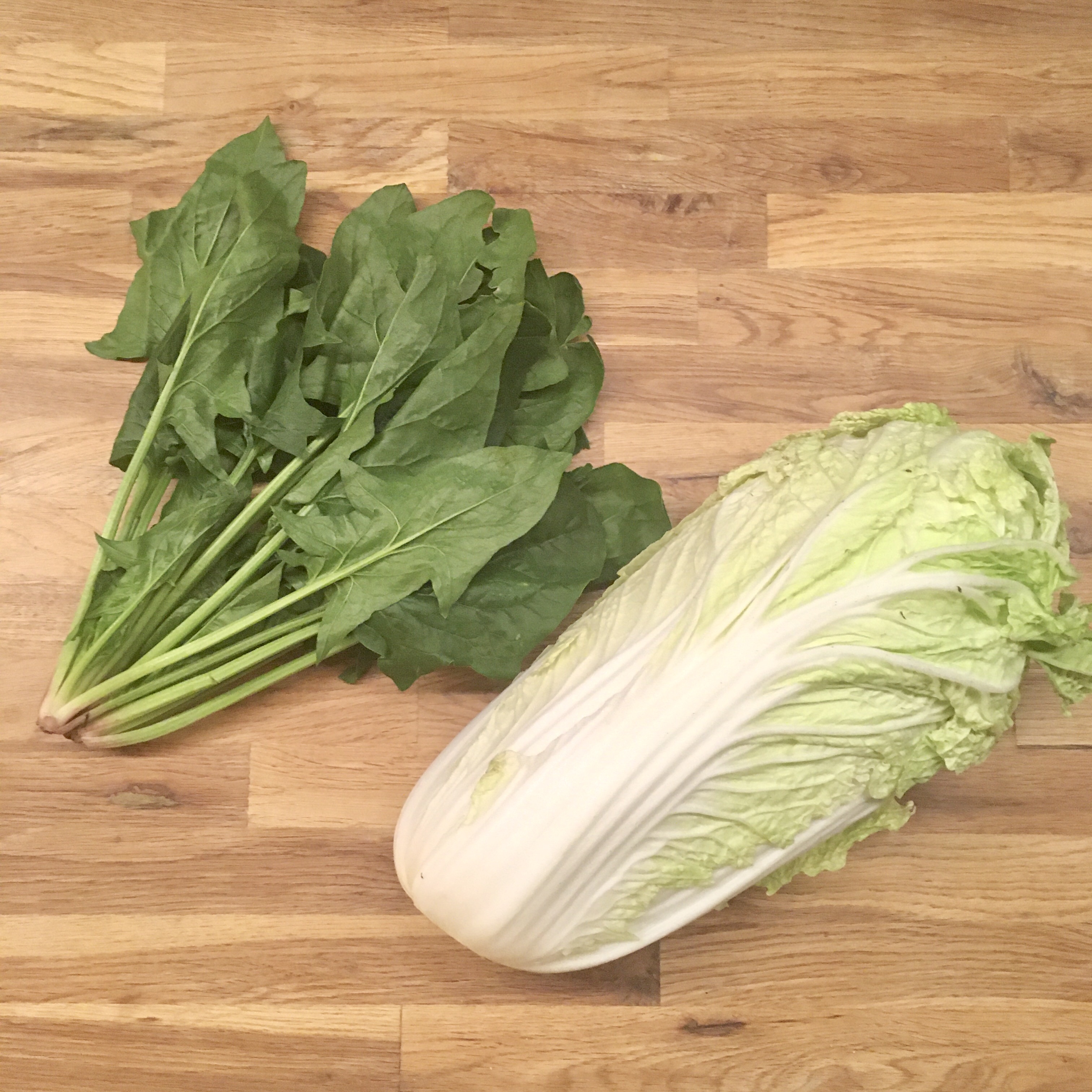
– 1/2 small Chinese cabbage or 1/4 large

– a bundle of spinach

– 150 of pork ribs thinly sliced (豚バラ)

– pepper

– sesame seeds

Prepare the bread dough 1 or 2h before hand: mix the flour, the salt, the yeast, add water little by little and knead until the dough is soft and smooth. Leave to rest in a warm place under a moist cloth for 1 or 2 hours.

In the meantime, in a frypan cook the meat until golden. Wash and pat dry the vegetables.

Roll the dough with a pin, set the meat in the middle, top with the vegetables. Add some pepper. Fold the dough and close it. Flip the bread to have it upside down. Top with sesame seeds. Leave for proving about 30min and then bake at 230deg for 18min. Serve hot!

Yuzu!!!

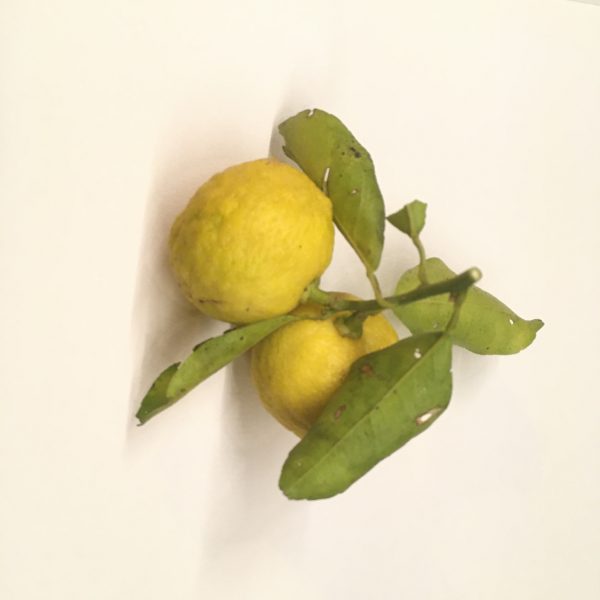
Japan has hundreds of different citrus fruits, strangely few oranges but surely many types of tangerines, lemons, natsumikan, kinkan, kabosu, sudachi, shikwasa… and of course yuzu. Yuzu 柚子 is used either non ripe in September and becomes ripe in the end of October or the beginning of November. It is used a lot in Japanese cuisine, in particular for its skin and its juice, which are both very fragrant and typical.

In our garden we have two tall and big natsumikan trees that took me some time to understand how to eat them, a fairly nice tangerine tree as well. Last year we decided to plant a yuzu tree and a lemon tree to expand our citrus fruit collection with trees that would produce fruits I love to cook. The lemon tree gave some lemons last winter, but it’s only this year that we harvested many yuzus.

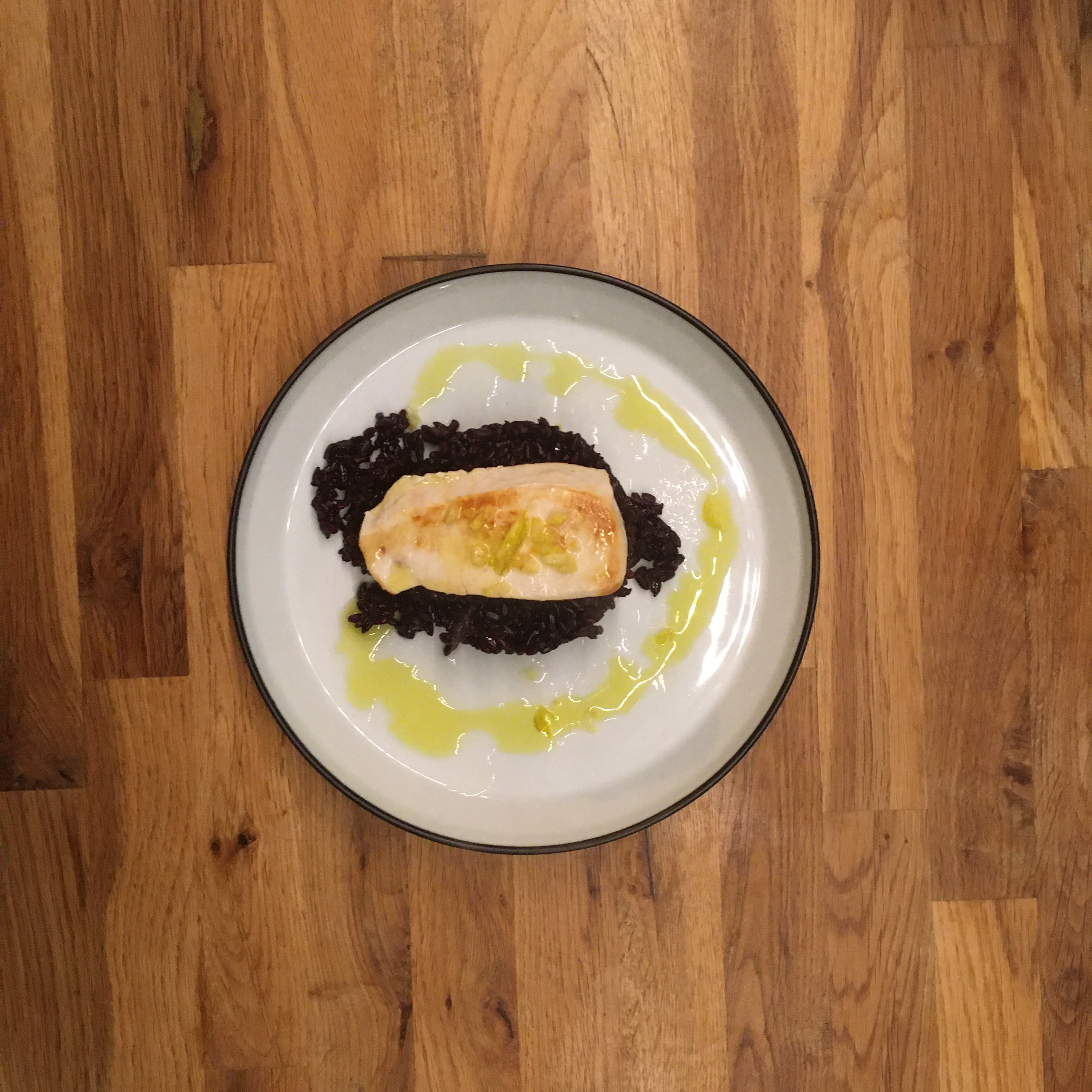
I personally like to use the fresh yuzu from my garden squeezed in hot water with honey. And I really like to use the juice and the skin in savory recipes. There many options but to really enjoy the flavor simple preparations are the best. This time its some black Tuscan rice riso nero venere simply steamed, served with a grilled piece of swordfish, the whole topped with olive oil and yuzu peel chopped very thinly. A bit of salt and that’s it!!!!

How do you like to prepare your yuzu???

Proudly powered by WordPress | Theme: Baskerville 2 by Anders Noren.

Up ↑

Verified by MonsterInsights