Feels like a Sunday

Yesterday was holiday, and when Monday is holiday I get lost in the days of the week we are, so I have the impression there was two Sundays this week! Not bad! 

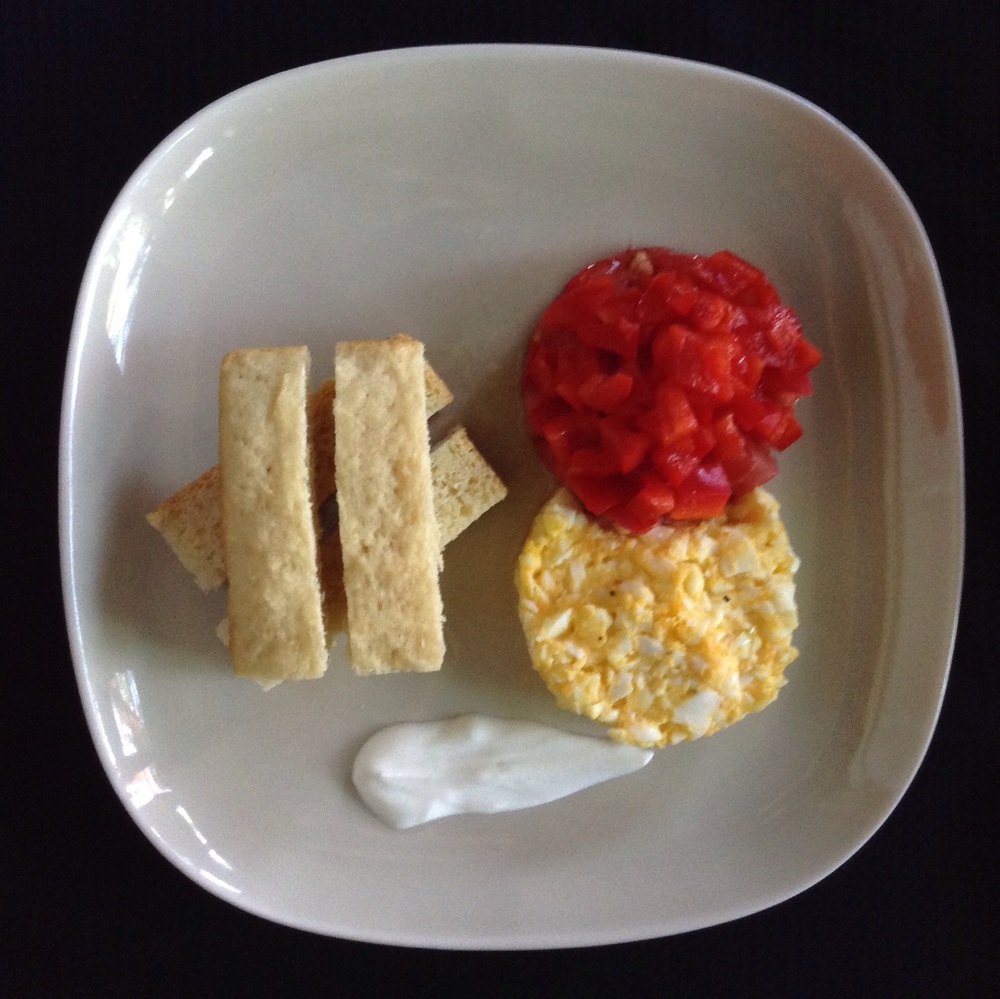
Spending one more day in the country, swimming in the ocean in the morning and fixing things in the house at the hottest hours didn’t give me to much time for cooking. So I fixed a rapid one-plate lunch with raw tomatoes and sweet peppers, boiled eggs, soft bread that I made for breakfast and that leftover, for the dressing drip-yogurt (I’ll explain in a later post), salt and pepper. It made a super delicious “open sandwich”.

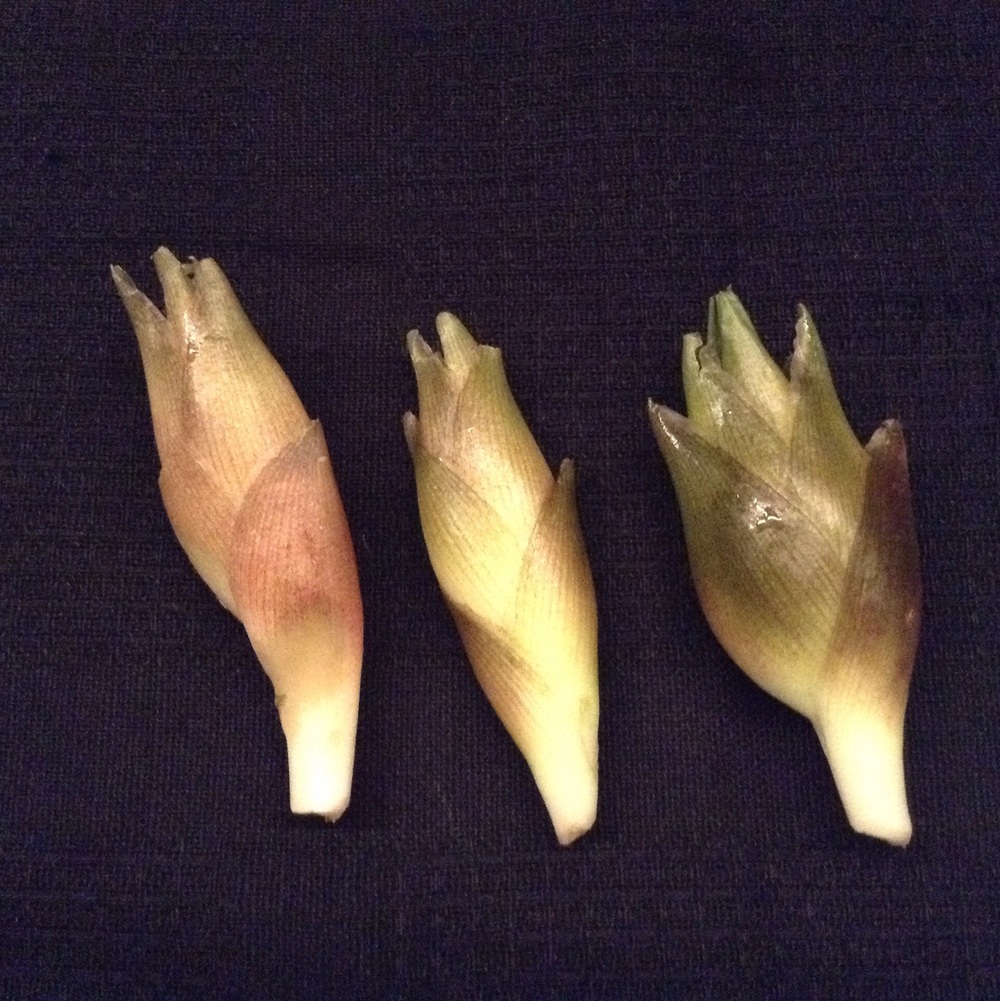
Myoga – 茗荷

Myoga, also named Japanese ginger is a little plant that is often used in Japanese cuisine. It looks a bit like shallots, but with a fresh and strong taste. The most classic use is in miso soup, with a simple dashi base, miso and finely cut myoga. Other option will be with silky fresh tofu and soya sauce. At home we love the taste of myoga and I often use it. One recipe I came with is to top some simply steamed green beans. Just like for the miso soup I finely slice the myoga, steam the green beans, or better boil them in some dashi, and last season with soya sauce. A simple dish that goes perfectly with rice and other small Japanese dishes.

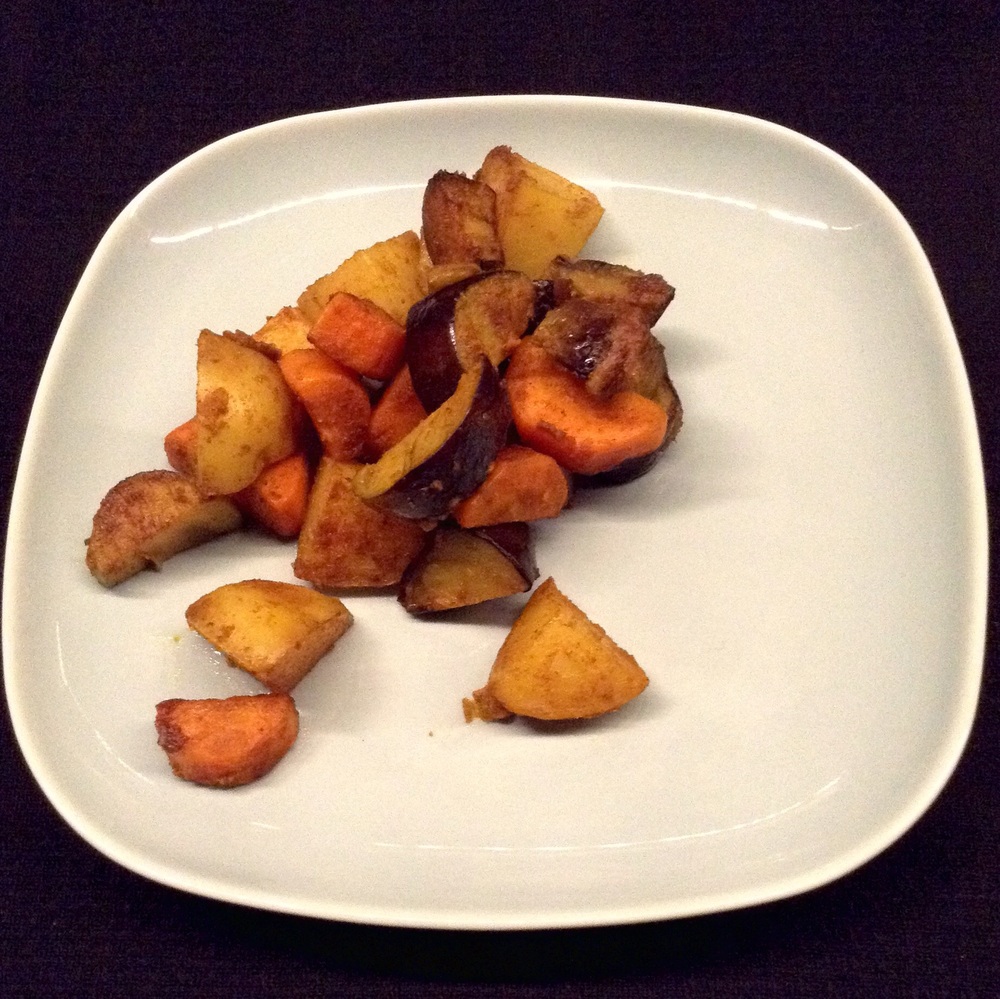
Curry and eggplant

For the last recipe of eggplant, I’ve decided to cook some eggplant with other vegetables and to add some curry. I find that eggplant accomodate very well in Indian curry so I decided to use curry but in a dry manner. So in a little of oil in a pan I put 2 little new potatoes, 1 carrot and 2 little eggplants cut in large bites. Once golden I add a spoon of curry powder and a glass of water and continue cooking at low heat until the water is gone, serve and eat! 

I hope you’ve enjoyed this eggplant week, and tomorrow is a new week ahead! 

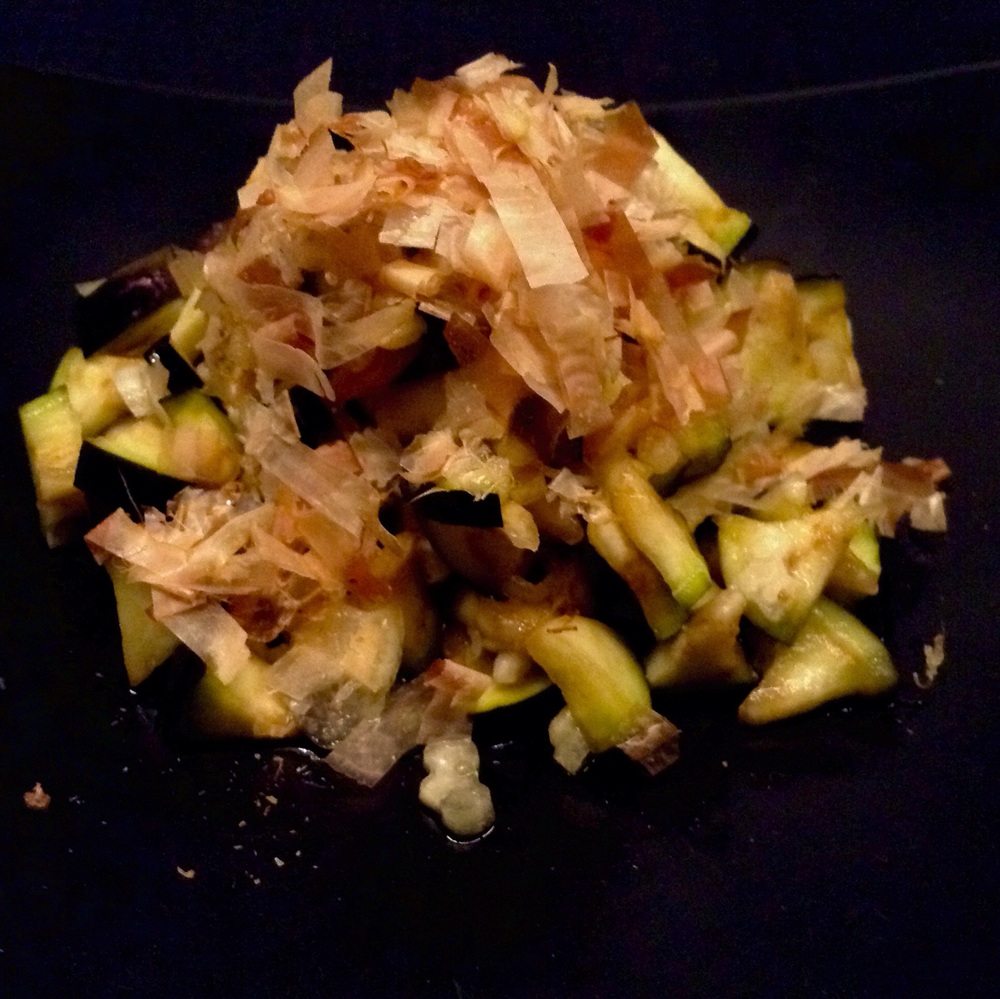
Raw eggplant salad

The first time I came across a recipe with raw eggplant I was quite suspicious, but then tried it and realized it was really good. So in this “eggplant week” I’ve decided to prepare a raw eggplant salad rather than offering you the more than classic stuffed eggplant, or mozzarella grilled eggplant…

For two as a side dish I used 1 Japanese eggplant, 1 sprout of myoga (wait a little there’s a post coming very soon about it), a little of katsuo bushi, soya sauce. You can add shiso leaves if you have some, I didn’t this time. I cut the eggplant in small bites and drain the water with salt (like you may do for cucumbers), then I slice the myoga finely, (and the shiso if any). Then mix the eggplant and the myoga (and shiso). Serve on a plate, add a bit of soya sauce top with the katsuo bushi and it’s ready to eat!

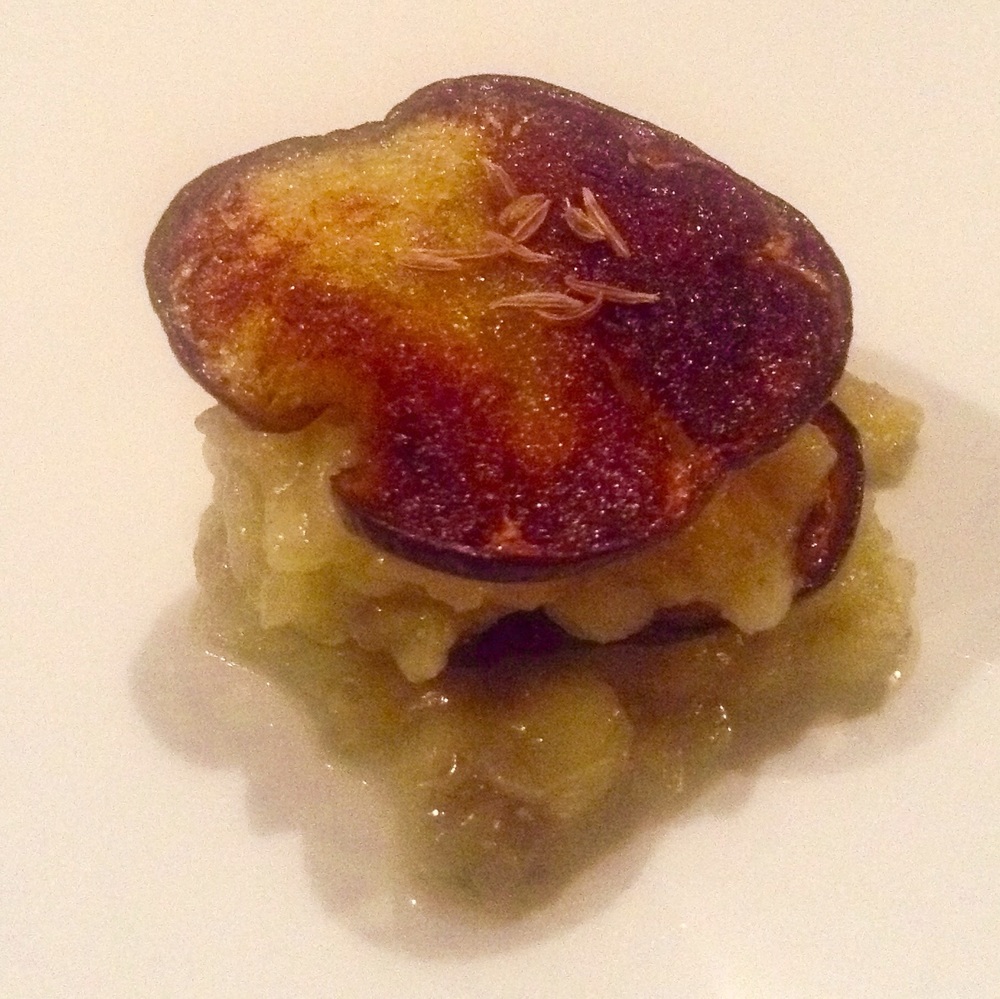
Eggplant millefeuilles

This recipe is an old recipe found in a magazine probably 20 years ago and that I love very much for it’s simplicity. Actually I do a little modification anytime I do it to adjust to my envy of the moment. 

The eggplant millefeuilles consists in thin slices of fried or sautéed eggplant filled in between with eggplant purée . The original recipe was also featuring a sweet pepper sauce, but except for the color I don’t think that taste wise it is necessary, I’d rather play with adding spices and herbs to the eggplant purée, this time a few cumin seeds. 

For this recipe I used 2 large eggplants. First I cut thin slices: the feuilles, and oven grilled them in a bit of olive oil. I peel the rest and steam them then mash them to obtain a purée, add a bit of olive oil and the herbs to season. Then I just mount layers of each up to the size I want it to be. 3 layers of each is for me a good balance.

Miso eggplants

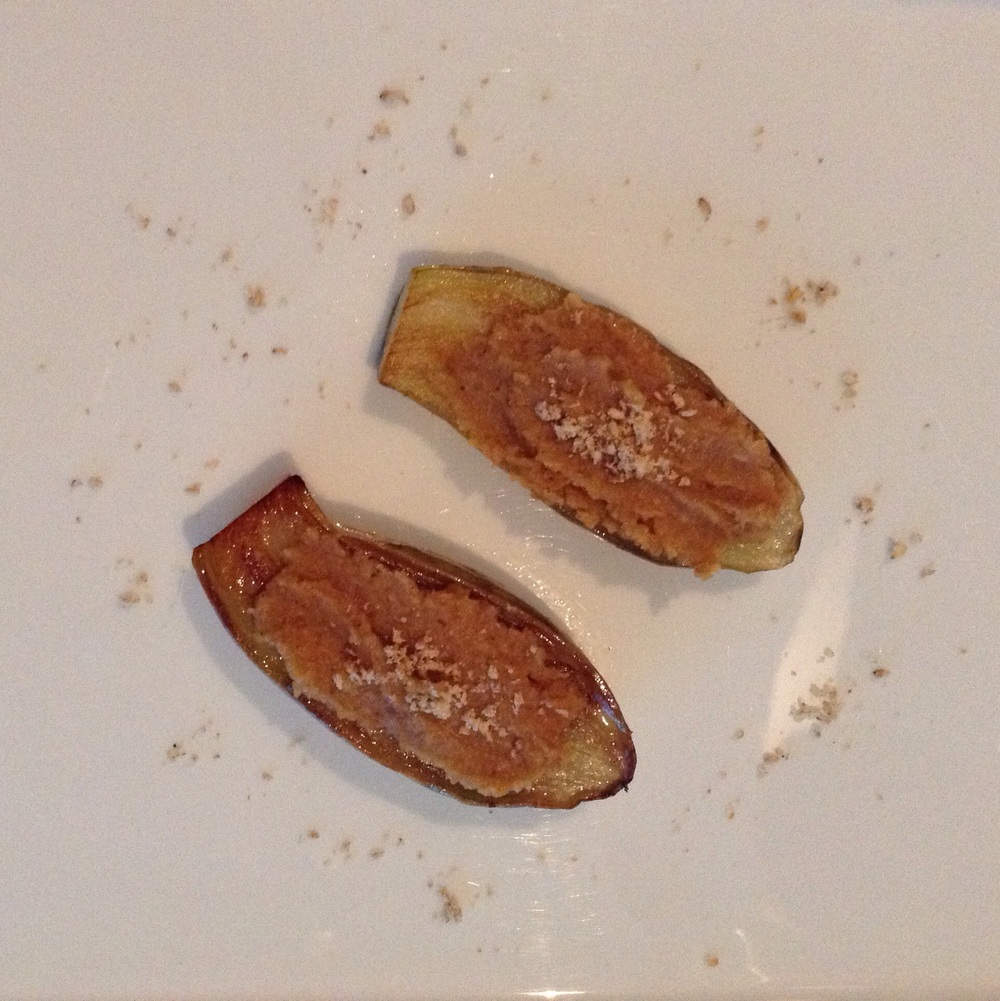
This quite simple Japanese recipe is really delicious and I like it very much now, but for sometimes I hated it because the first time I tried to prepare it, it was a terrible failure. The first and only time I prepared something to eat that ended up in the trash because it was not edible. I surely made a mess of this delicious recipe! Probably a problem with the mastering of Japanese ingredients at the timeand the proportions! Indeed when we arrived in Japan, cooking was a quite interesting task and grocery shopping an even more startling! Almost every evening we would go to our local supermarket and starre at what at that time we found strange mushrooms, awkward fruits and unknown fishes. So after a few weeks I decided to buy a beginners Japanese cooking book and to try most of the recipes to get familiar with techniques and basic products. The book I picked was in English of course and was clearly written for foreigners, so it was really helpful! However most of the recipes in this book make use of mirin (together with sugar), a Japanese cooking ingredient that I find unify the taste and is not very interesting (a bit like glutamate in Chinese cuisine). So I will give you my version of miso eggplant, the one that is just perfect and doesn’t use mirin.

For two as a side dish I use 1 or 2 Japanese eggplants (they are quite small); a spoon of miso; a tea spoon of grounded sesame or “surigoma”; a little of vegetal oil. After removing the stems and cutting in halves the eggplants, fry them in a very very thin layer of oil. In the mean time, mix the miso the sesame and a very little of oil if necessary to obtain a paste. Once the eggplants are cooked, set them on a serving plate and delicately spread the paste to obtain a thin layer. Decorate with a little of sesame. You can also set the eggplants on a cooking shit, spread the miso, and grill them 3 min in the oven to obtain a roasted miso thin crust. 

 White eggplants with miso
White eggplants with miso

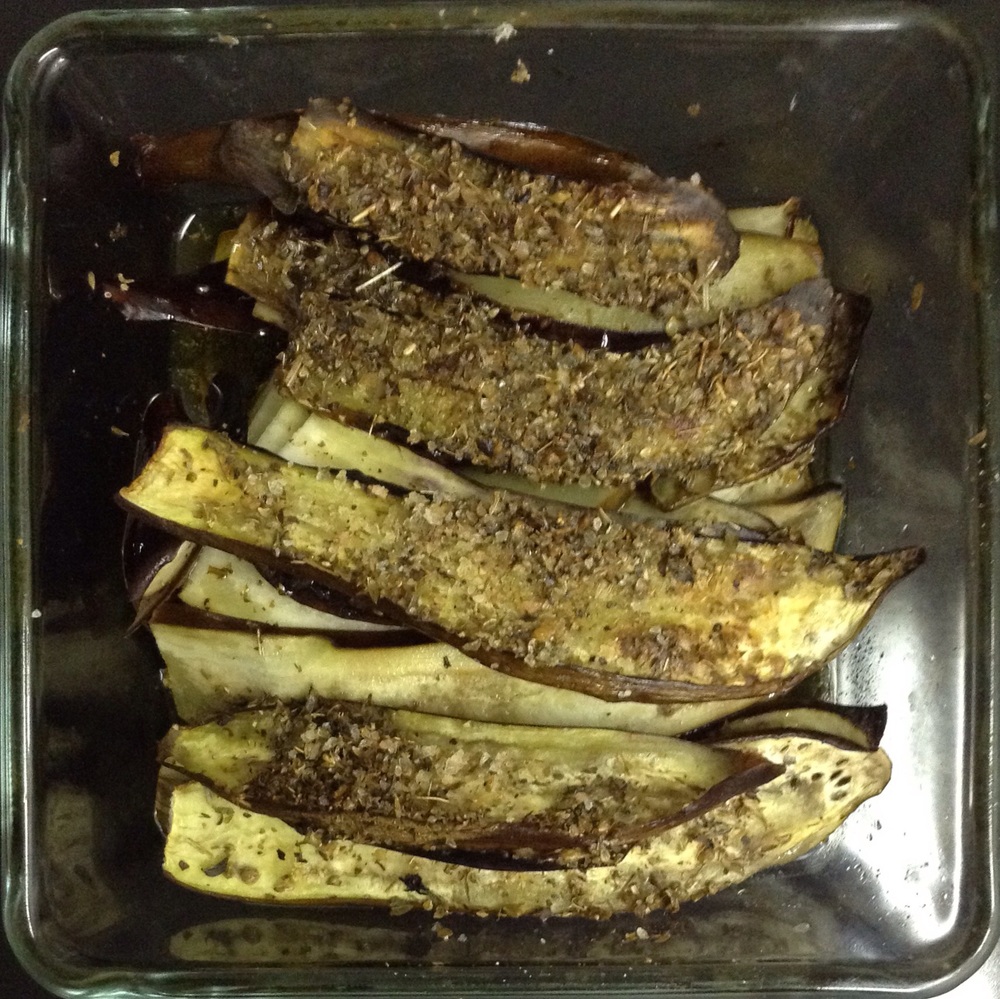
Oven grilled eggplants

The simplest way of cooking eggplants is by oven grilling them. It is so delicious and so handy to cook! For oven grilled eggplants I wash a few eggplants and then slice them with a mandoline or a large knife. In a pie dish I put a thin layer of olive oil, then I set the eggplant slices in a thick layer, top the whole with herbs such as oregano, thyme, rosemary… Then add olive oil again, set in the oven at 200-230deg for 30min. The more they stay in the oven the crispier the top and bottom gets and the more tender gets the middle.

If you like cheese, adding a layer of mozzarella sliced in between the eggplant layers and before the herbs is just too good! My husband doesn’t like cheese so I’m skeeping that… 🙁

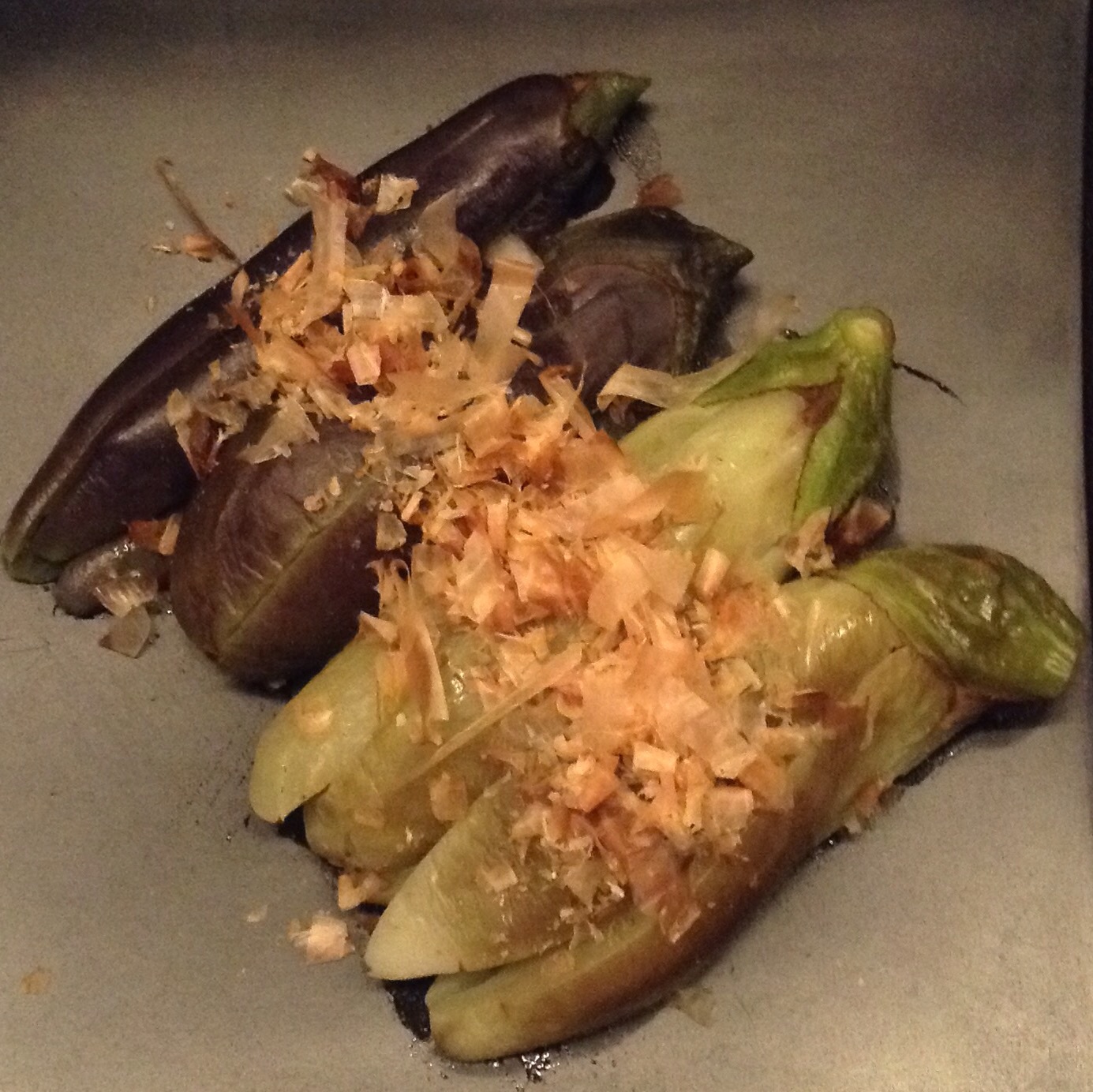
Eggplant and katsuo bushi

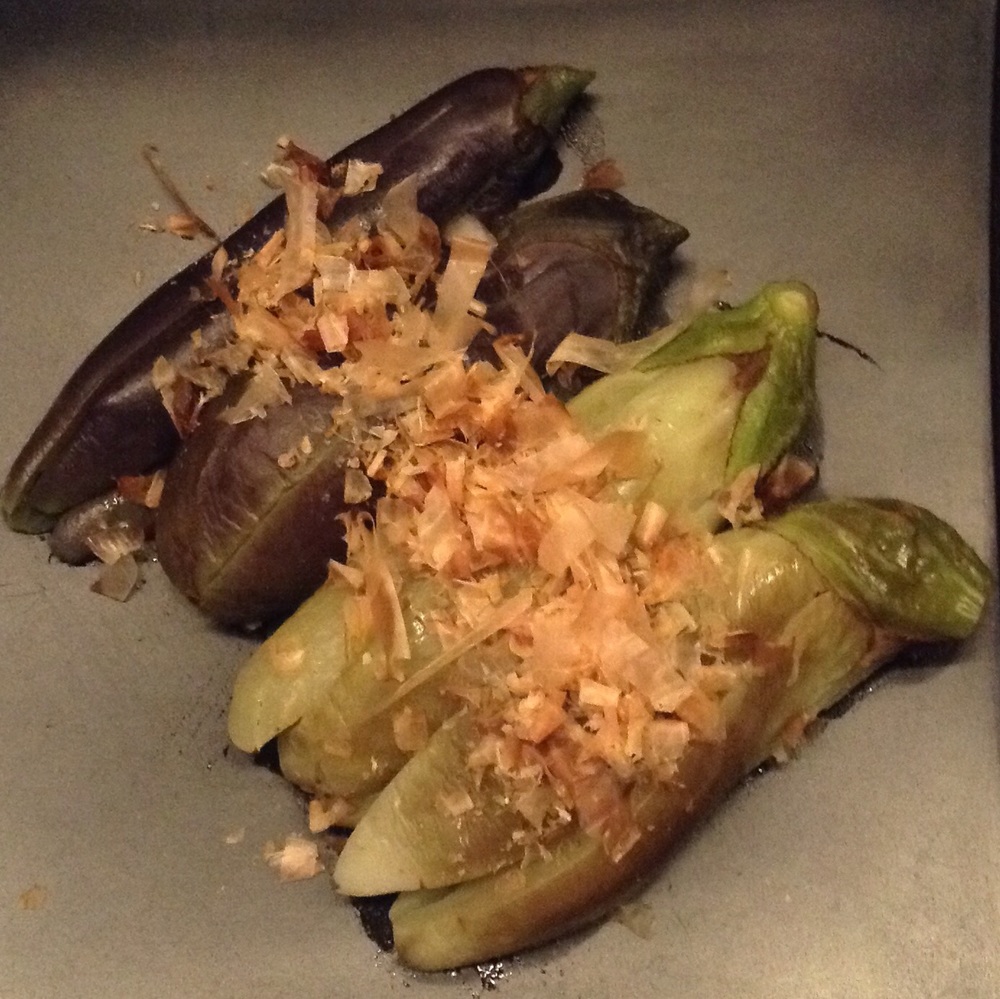
The first recipe of eggplant is a Japanese one. It is awfully simple, yet extremely delicious. It is simply boiled eggplant in katsuo bushi dashi (dried bonito consommé to make it short) served with a topping of katsuo bushi flakes (dried bonito flakes). For that I always use small eggplants, like tiny ones. I cut them in four but keep the four pieces attached by the stem. And boil them in katsuo bushi dashi for 10min. Then I drain them well, eventually using some cooking clothe or cooking paper. I serve them cold most of the time and just top them with some katsuo bushi flakes before serving, eventually add a few drops of soya sauce if you think it needs salt, but usually I don’t.

French baguette

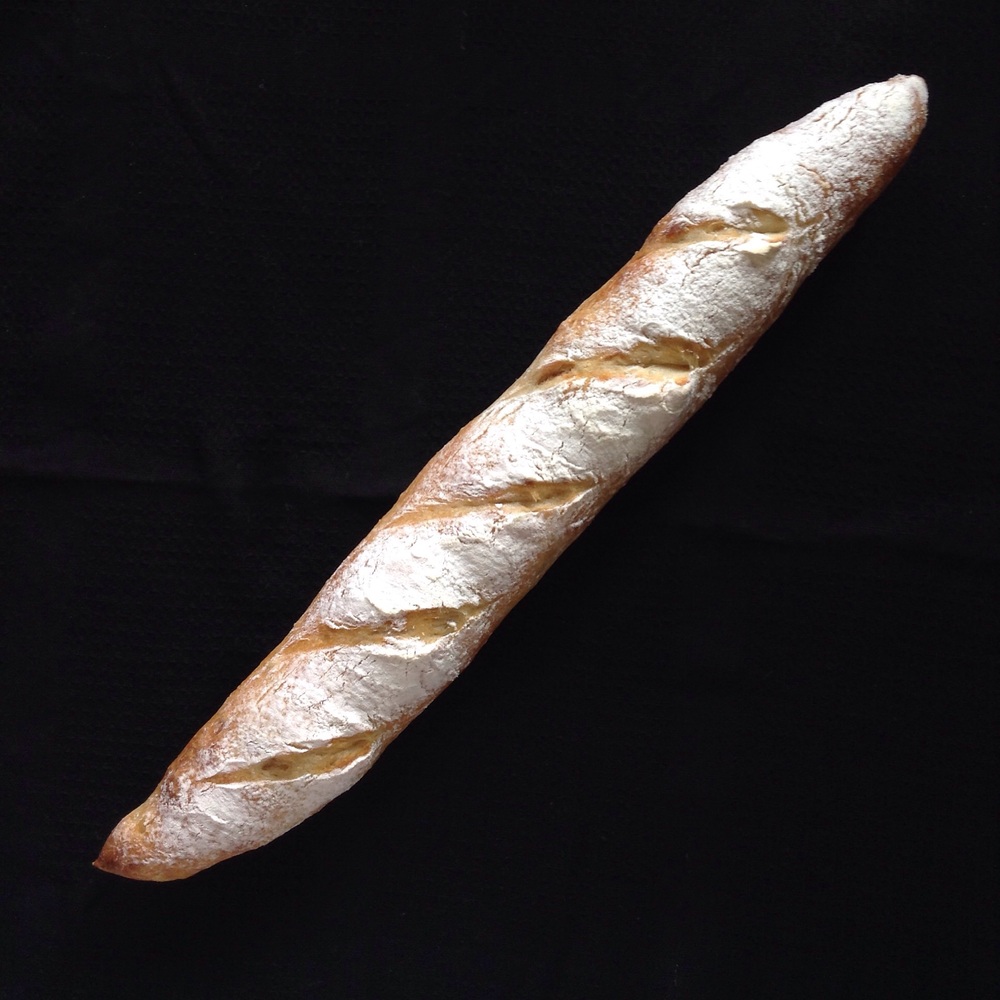
Well, there is no week-end in the country without a proper Sunday morning breakfast with freshly baked bread or equivalent and fresh fruits. This Sunday is not different, and for the breakfast I prepared French baguette. French baguette requires 1h of autolysis before you can start kneading, so it’s not often I have the time to prepare it, because usually I am to busy outside gardening. This week-end it’s a little bit different since we’re having some workers at home for the reform of our entrance hall I’m not gardening much. Preparing baguette is not more difficult than any other bread but as French there is something special about it, something sentimental when you eat it.

So to prepare one baguette I use 166g of flour; 107g of water; 4g of salt; 8g of dry sourdough; 3g of yeast.

First mix the flour with 2/3 of the water and wait for 1h for the autolysis. Then add all the rest of the ingredients, knead until soft and smooth, and let rest 1h30 for proving. Then lay the dough flat for 15min; finally shape the bread and wait an other 1h30; flour and incise before baking at 230 degrees for 20min. And here you have a freshly baked baguette!

Actually because I love freshly baked bread in the morning, I prepare the bread and replace the last 1h30 by a whole night in the fridge. In the morning just have to bake it. 
Proudly powered by WordPress | Theme: Baskerville 2 by Anders Noren.

Up ↑

Verified by MonsterInsights