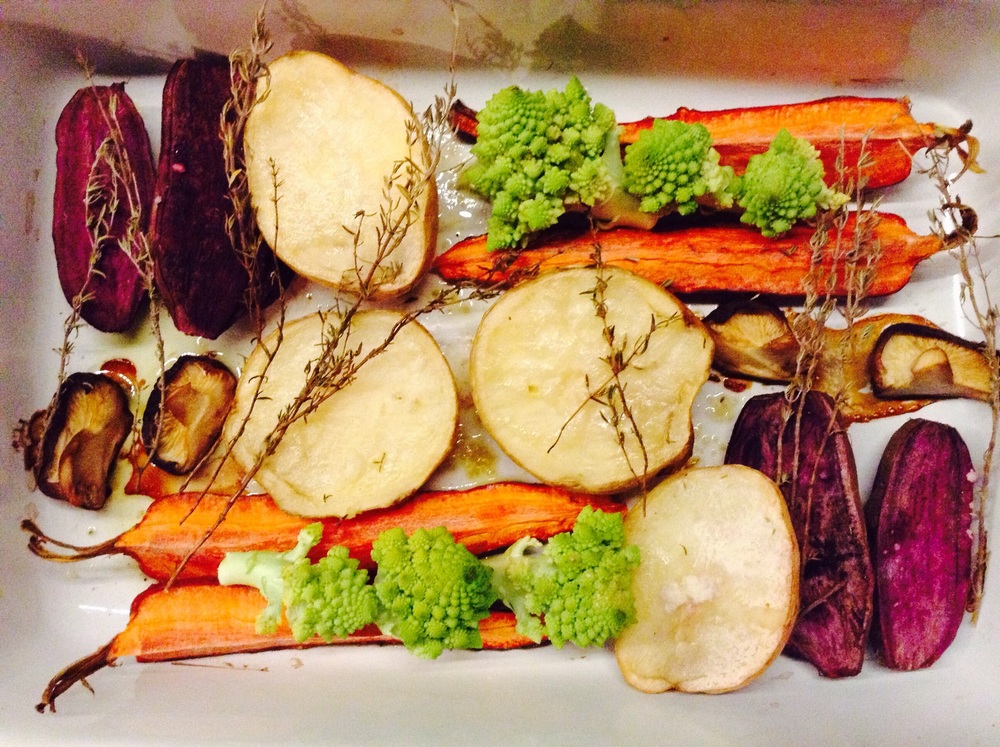
When the winter market decide for you what will be on the menu, it’s veggies, veggies, just veggies simply oven cooked with thyme and a very little of olive oil. From top left: purple sweet potatoe, potato, romanesco, red carrot, shiitake. Copy paste and get a dinner for two after baking for 1h at 170deg in the oven. Serve as it is or add a splash of olive oil and a bit of salt.
This recipe is one of our mother recipe and is a traditional Provencal recipe using the leftovers of salted cod . After the cod has been unsalted and washed, just boiled it, then add milk and stir until the milk has been all absorbed by the fish. Add pepper and olive oil, stir again. This mixture, called “brandade” is delicious on toasted bread, with boiled potatoes, as a spread or to stuff veggies. It’s good eaten either warm or cold. Here is a preparation of stuffed cherry tomatoes, perfect for a buffet or finger food.
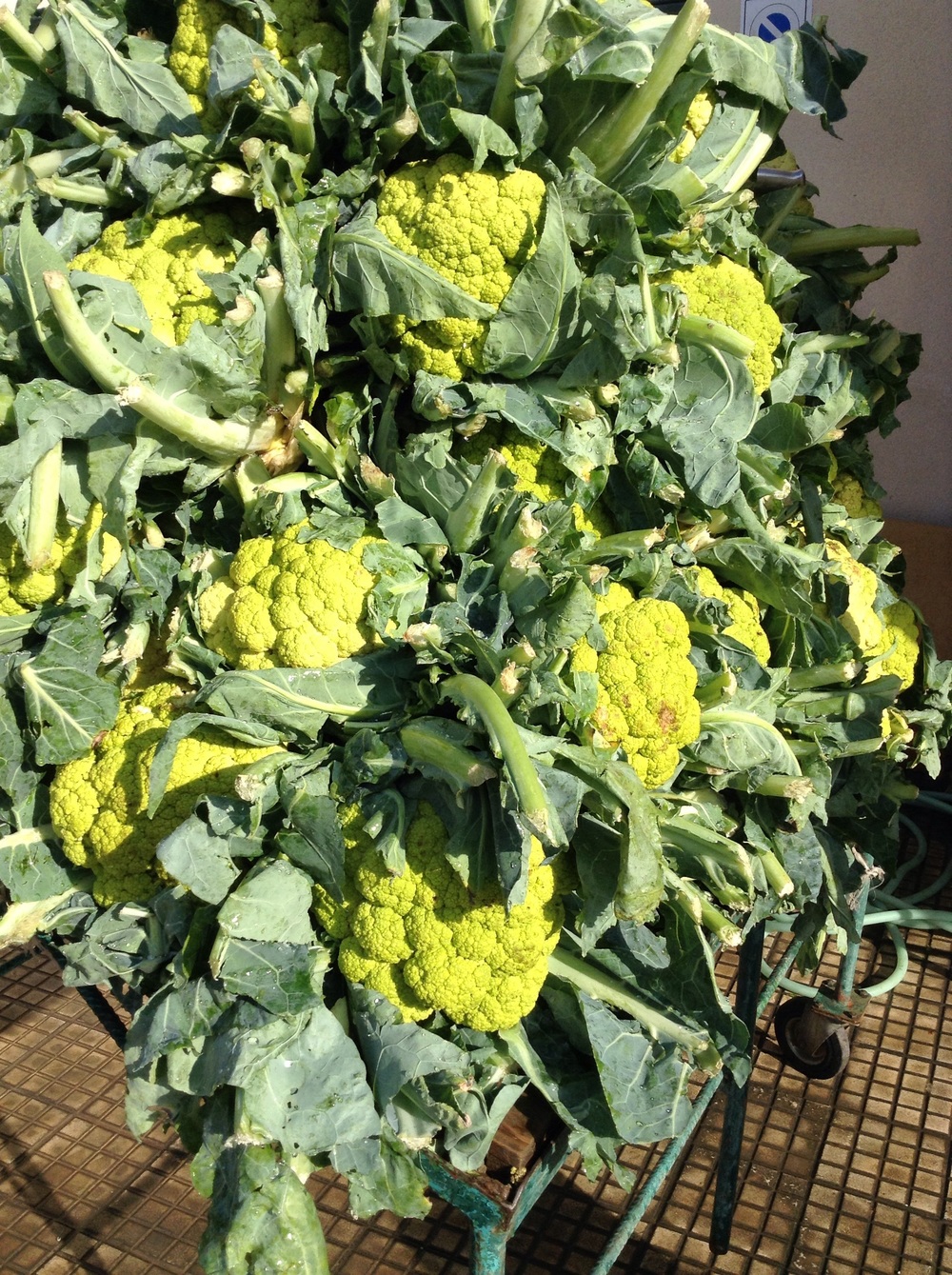
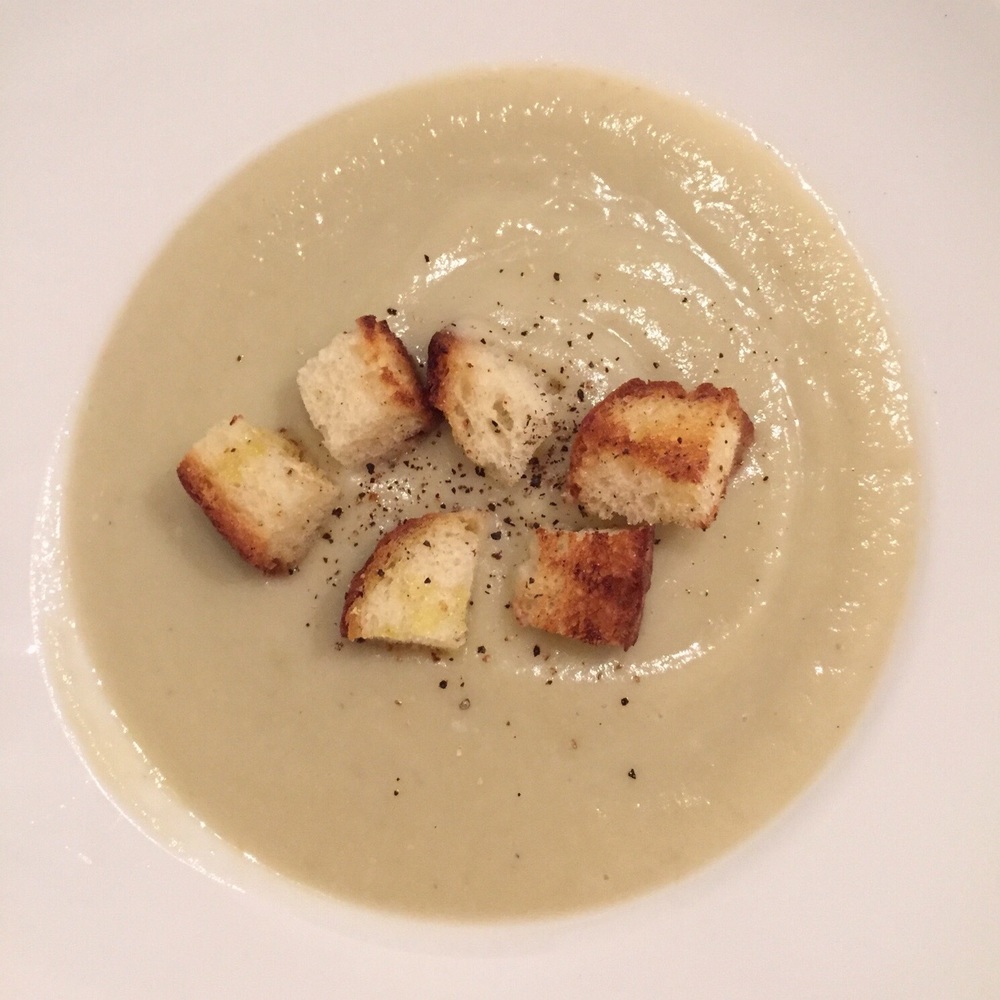
With all these beautiful green cauliflowers everywhere in town, sold at every shop, seen at every street corner, and in the fields, they seem to be one of Sicilian winter must eat! So it was impossible not to buy some and prepare something with. Our mother is really good with preparing soup and we prepared a cauliflower soup. The cauliflower is just boiled in little water, then blended with a little cream, salt and pepper. Served with some freshly made croutons: just old bread cut in chunks and slightly pan fried in oil. Thanks Mum for this homy-yummy soup.
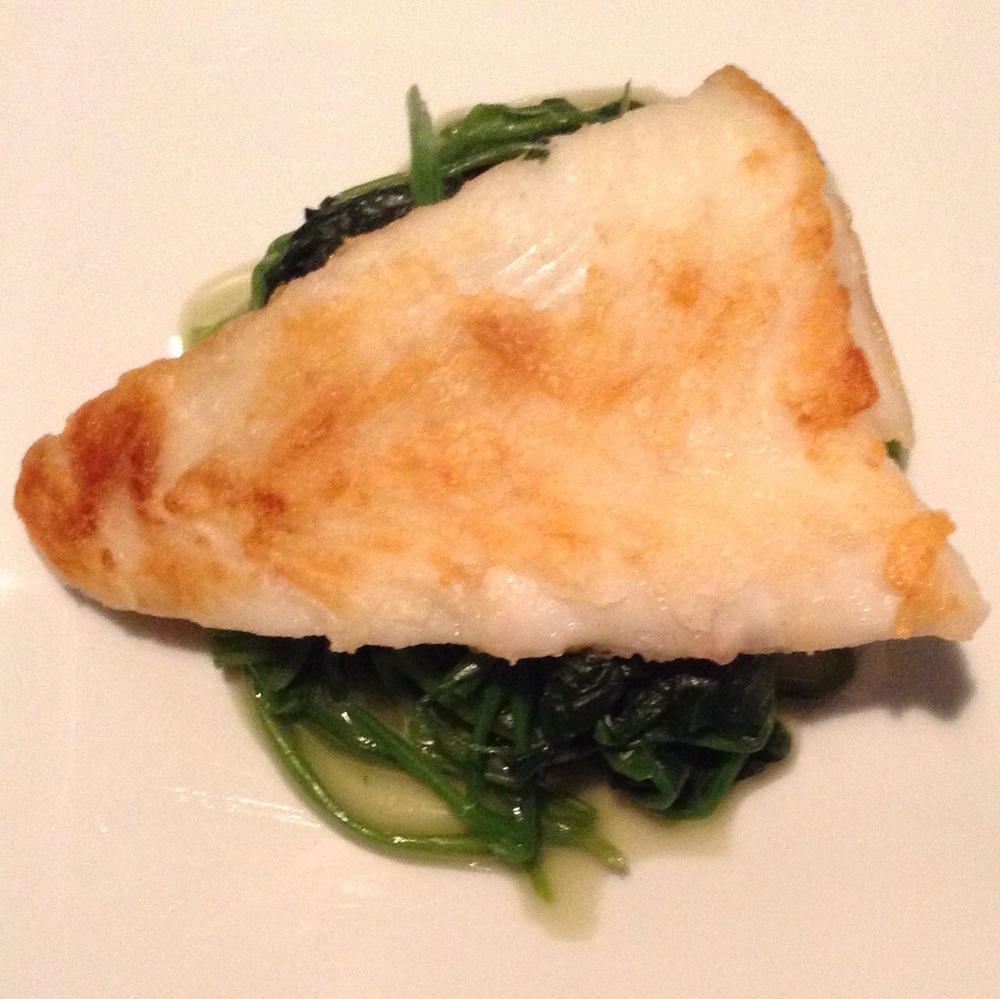
Most of our diet is made of simply delicious fresh organic products and mainly local. My recipes are usually trying to take the best of these ingredients while being everyday cooking recipes, so something that can be prepared in less than 15min and ready to eat in less than 30min. The other thing is that I almost never cook twice the very exact same thing. So when I found this beautiful flounder prepared for sashimi, and this big bag of little spinach I immediately thought of a slightly fried fish with just steamed and buttered spinach, for a simple and delicious dinner. I just cut the piece of fish in two, floured it and fried it in a little oil. To enjoy the taste and texture I decided to add nothing: no salt, no pepper, no yuzu, no nothing!
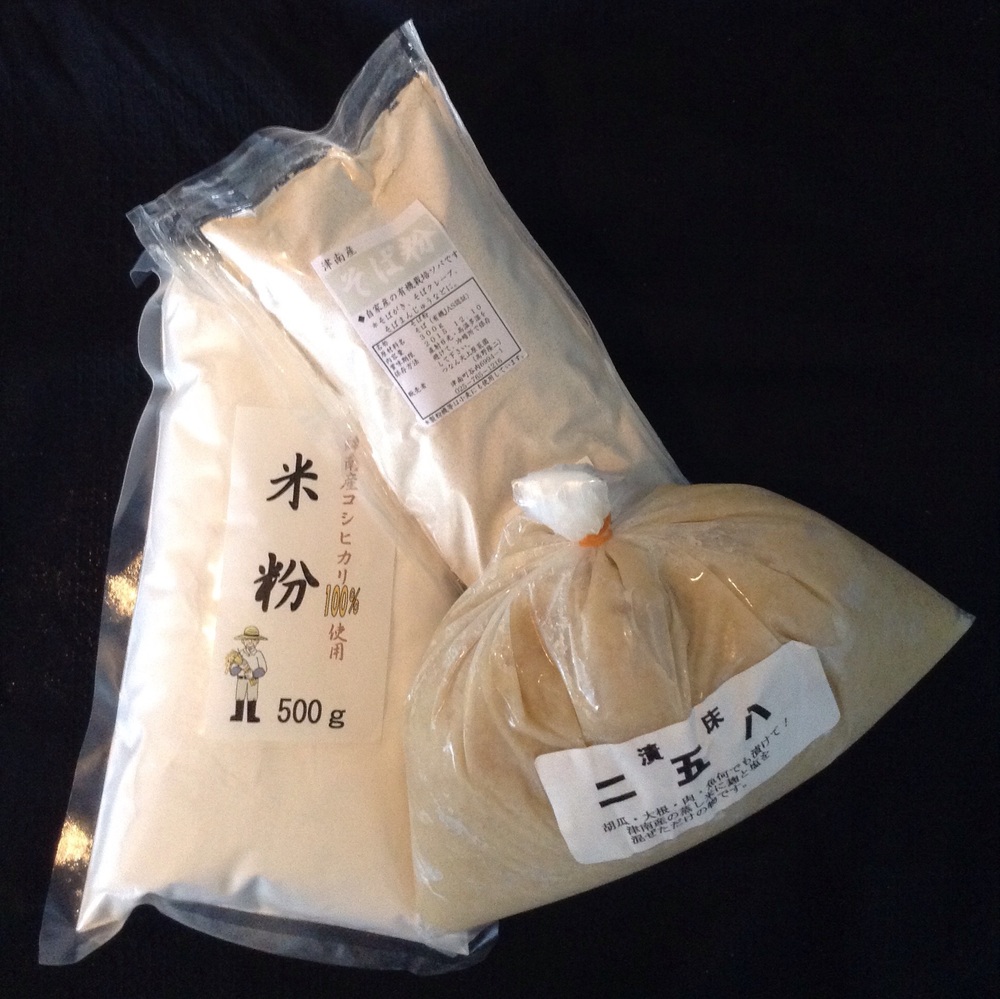
So, as I was mentioning before, I packed a lot of local products from Niigata prefecture and more particularly from Tsunan machi. The area is famous for its rice, a little of buckwheat and since they grow a lot of vegetables there is also delicious pickles, and to make them the 2-5-8, a preparation much easier to use then nuka, and that gives delicious salty pickles. I’ll tell you more about soon.
Rice flour, buckwheat flour and 2-5-8
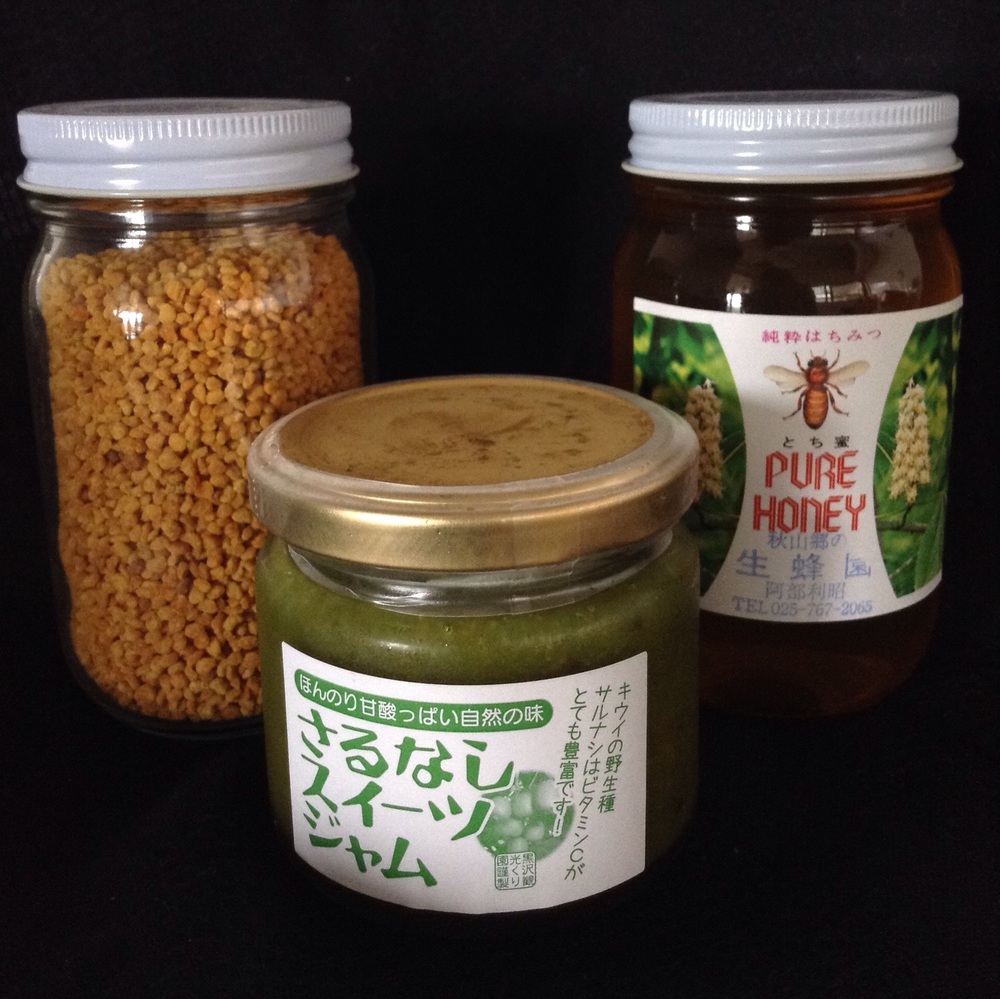
I also like very much the pollen and chestnut tree honey made in Akiyamago by a local producer. And while visiting some artwork we found some nice “sarunashi” (berry kiwi), a sort of wild tiny kiwi, with a taste close to rhubarb, homemade jam.
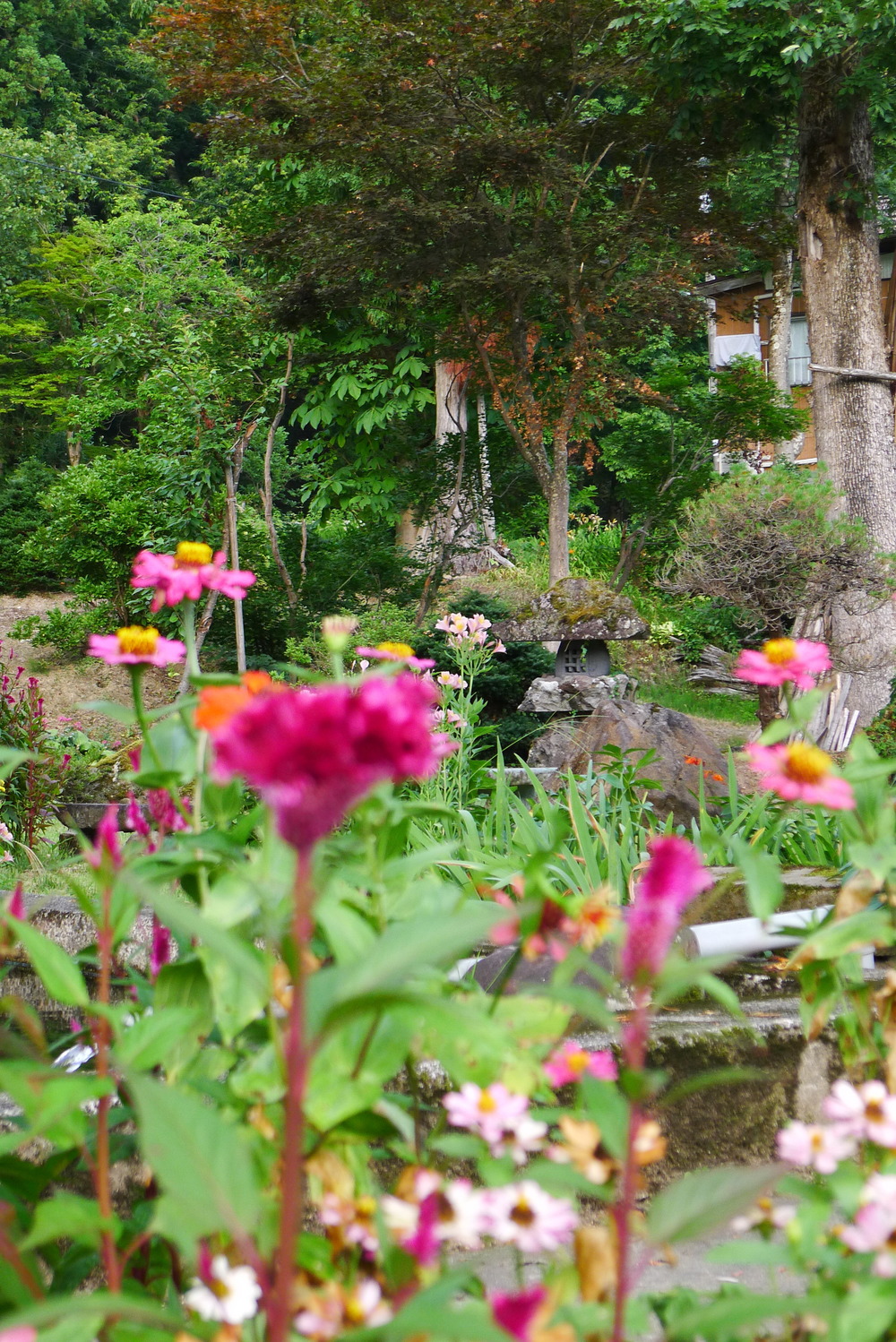
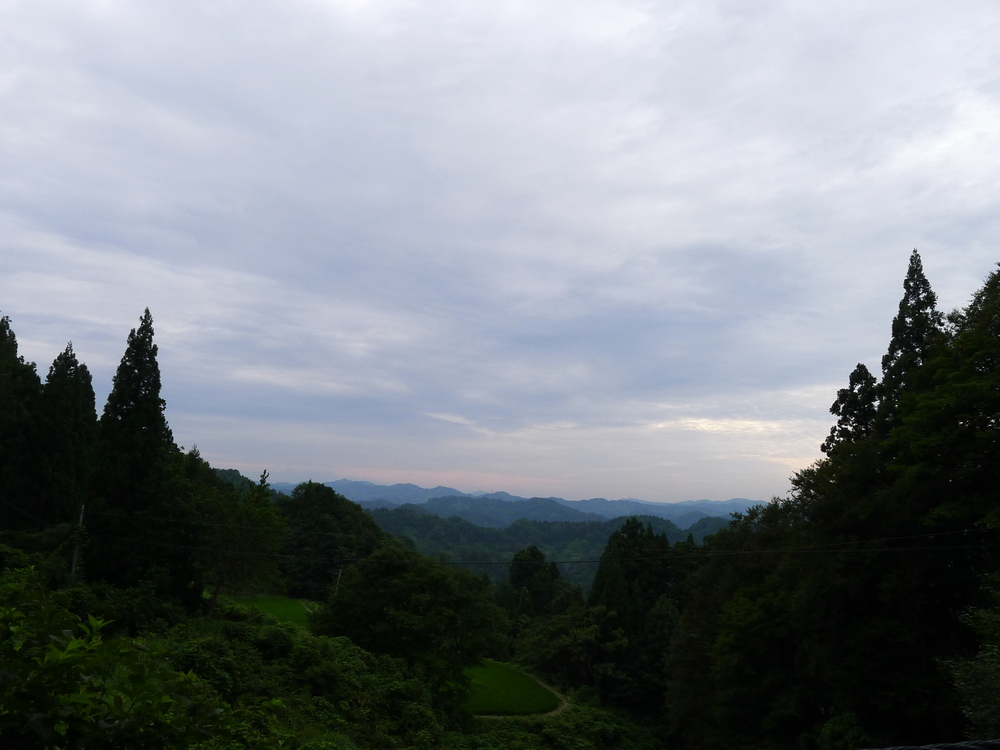
In the summer of 2006 while browsing the internet to find some nice contemporary art event and exhibition I found information about the Echigo-Tsumari art triennale (ETAT) and some special performances that would be held on the week end, so we jumped in a car and drove up there with no plan but our “triennale passport” and triennale catalog. We completely felt in love with the concept of the triennale, the with the beautiful mountains and rural area. We also met there some unique people: S. and K. that have become very good friends and that work in Tokyo and live up there most of the time n their beautiful house by the forest. Since 2006 we’ve made trips there more than a dozen times, we’ve been there at every season, went snowshoeing in deep snow, attended new year ceremony in the local shrine, went to pick wild vegetables and herbs in spring, young wild bamboo shoot in the beginning of summer, seen traditional bull fight, the red leaves in the mountains in autumn and we have never been disappointed. This area of Japan is truly beautiful with a strong personality.
After some time when we couldn’t go because of too mush work on week ends and because of our new house in the country that needed some maintenance, we finally went again, and it was again the triennale. And again it was a perfect stay. Our friends always welcome us in their beautiful old house (that is not completely innocent in the choice of our own house in the country), they feed us with delicious local products and a lot of fresh vegetables from their potager garden, I usally cook with K., and then we drove all over the countryside small roads to visit the art space and see artworks. And we’ve came back to Tokyo with tones of delicious products. I have my shopping list ready anytime we go there: natural honey and pollen from Akiyamago, 2-5-8 to prepare my own salted pickles at home, Koshikari rice, buckwheat flour from Tsunan… Plus our friends always treat us royally with tons of gifts from their own garden which vary depending on the season. Though very short (we stayed only 2 days) the perfect summer break!
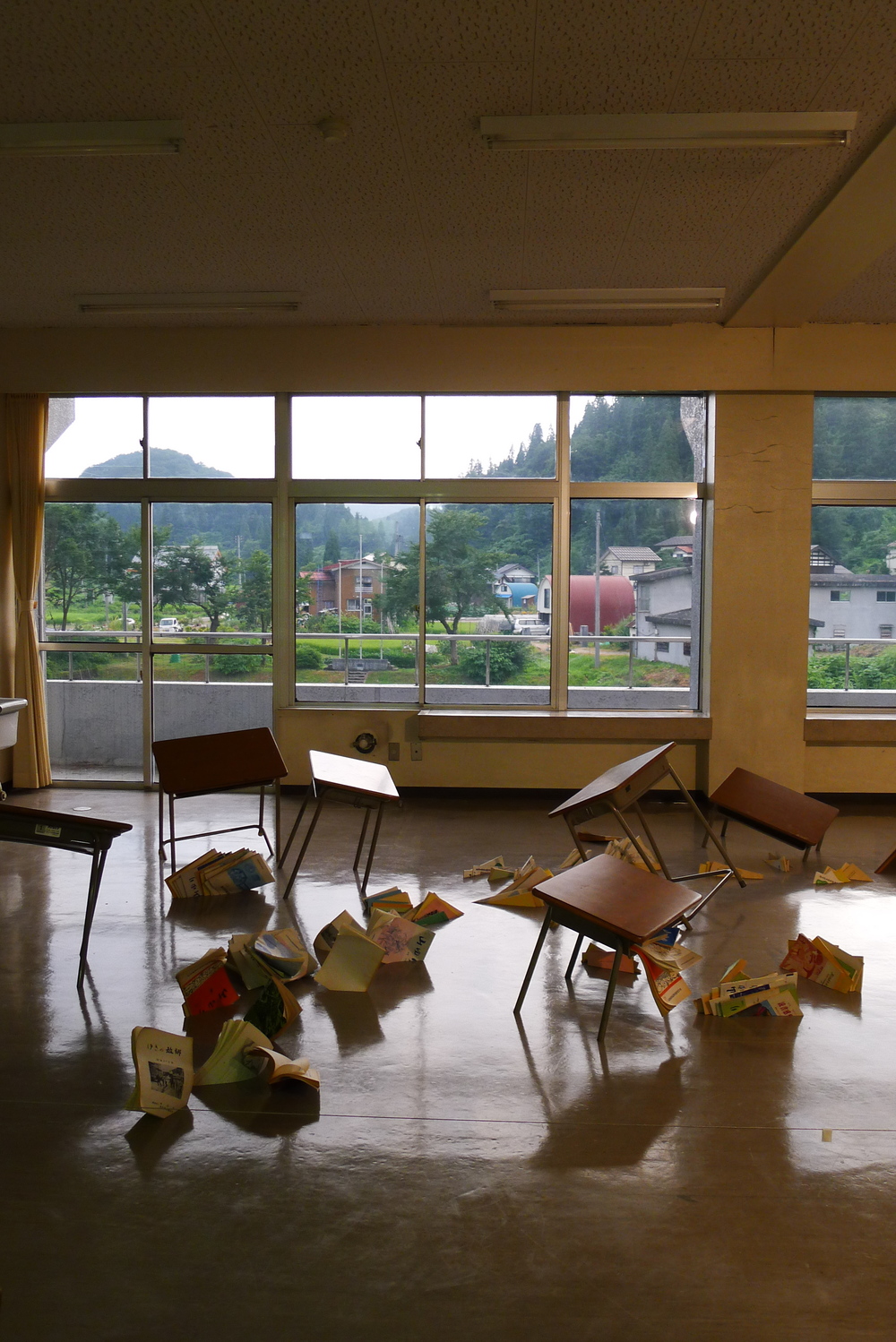
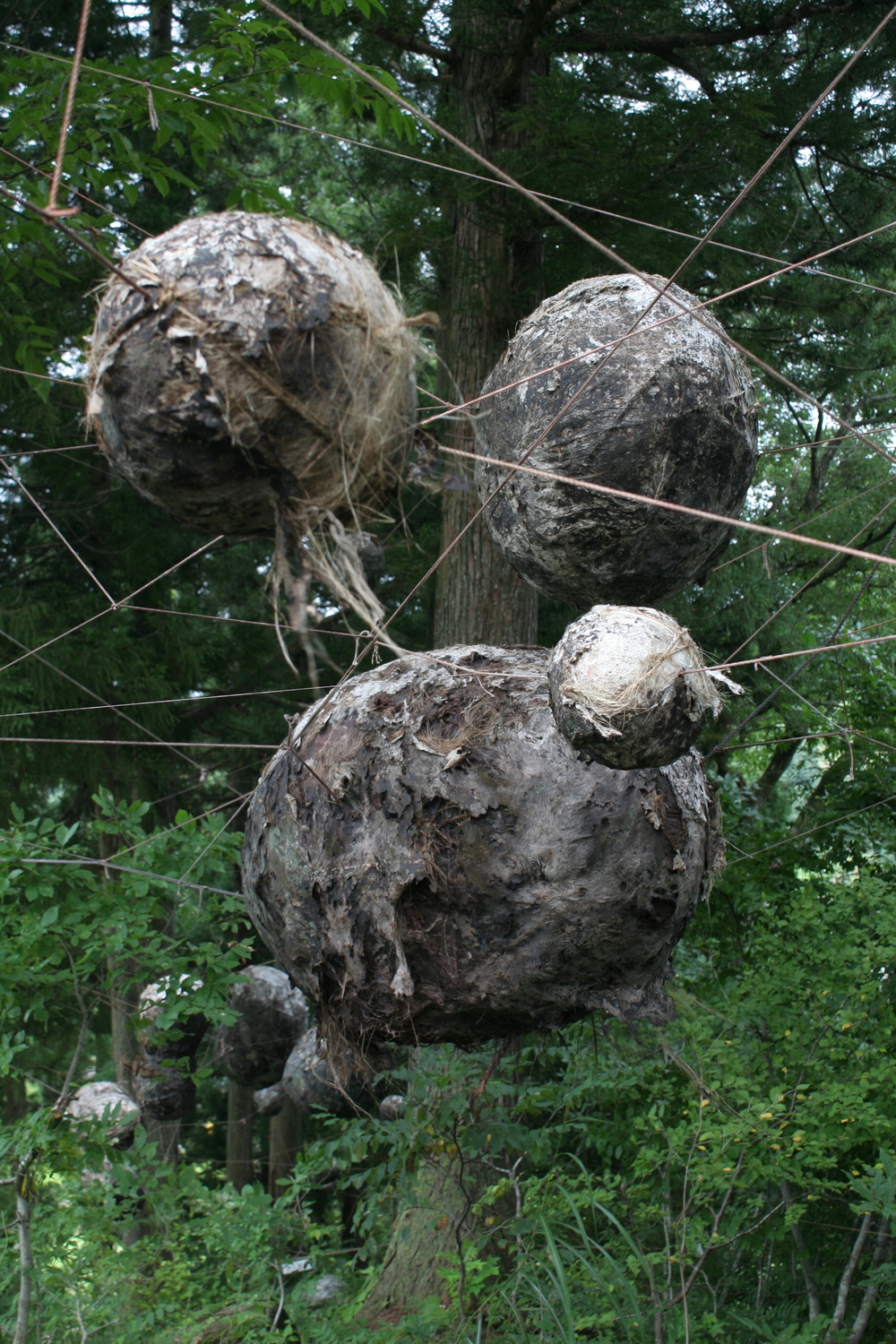
Installation from ETAT 2009
The concept of the triennale is quite simple, it is a contemporary art event that tries to boost this rural area that is depopulated and where there are many empty old houses, farms as well as unused schools because of the lack of kids. So a few houses and schools each time, and some outdoor spaces in the rice paddies, in the forest are also used for installation, exhibition, landscape art… Some of them also use traditional craft of the area, or local history. Since the very first edition in 2003 they’ve called for some famous artists such as Botansky, Turell, Kusama, Guo-Qiang… and mix with younger less known artists and art students. Of course the quality of the artwork is also very wide, but there is always very very nice discoveries. The art works span over an wide area, so driving is the most recommended, distances are not huge but roads are small and can be quite busy with beginners/paper drivers on week end so it takes time and it’s not a fun drive, week days are better for a more intense experience. There is also a number of performances: music, theater and experimental work almost every week worth checking.Since the triennale seems to be quite a success and drains a lot from of people from the city the event is slightly evolving and this time there were lot’s of temporary cafe in the main art spaces promoting local food (mainly for penniless urbanites so expect a lot of curry-rice). Local people are also selling local products, so it’s good to pack with an icebox in your trunk to bring back the country freshness to Tokyo!
This fruit is always considered as an awkward thing by foreigners in Japan because the nashi has the shape and size of an apple with the skin of a pear and the flesh of something like a pear but munch more crunchy and juicy, with a mild and fresh taste. So basically nothing to compare really neither to apple nor pear. Nashi is the utmost fruit of summer with watermelon. When eaten cool it is so fresh and juicy that it is the perfect snack for hot summer days. It is also a good match for busy breakfast because it is so easy to peel and prepare. Well, you’ve understood I simply love nashi! And I’m awfully lucky because Isumi is a great region for nashi, with a lot of nashi orchards and tons available at the farmers market and local farmers cooperative.
In the past I did some trials such as nashi tart, nashi compote… It was good, nashi supports well being cooked but the taste which is originally very mild due to the high quantity of water doesn’t reveal much in cooking as apple or pear do. So now my recommendation is to eat it just raw, accomodated with other summer fruits, or just alone. So perfectly simple and so delicious!
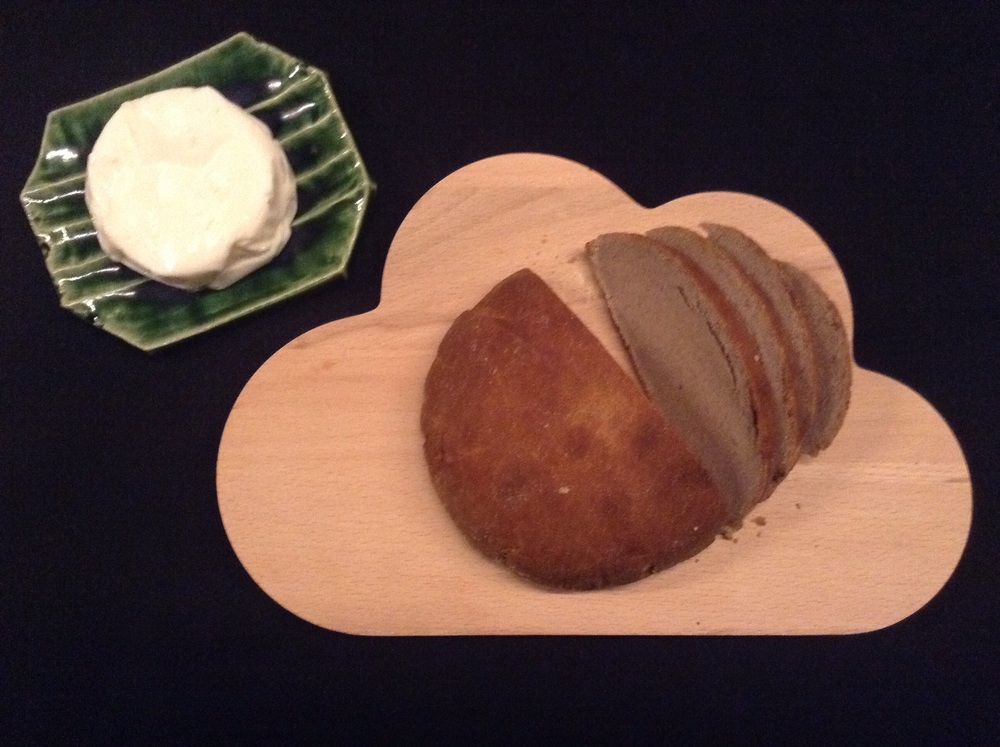
Since I’m still trying a few cheese from the Komagata factory, I wanted some bread to eat with. The problem with bread is that it takes at least 3h30 to have something ready to eat assuming that you have a room heated at about 23deg… Knowing that Japanese houses are not well isolated not even well heated, and that it is freezing cold recently, making bread is more about 5 or 6h… Not something you improvise. But this chesnut and soya flour bread, since it is gluten free and don’t need to rise can be ready in 90min!!!! (Recipe from my bakery bible) Wonderful! And not even quick it’s super delicious. It’s quite compact and sweet, with a good taste of chesnuts. Perfect for the cheese I was trying this time!!!
There is something really amazing in Japan, and I believe it is what we could call “trust” (or may be laziness!). For example in many places you can book without paying in advance (hotels, car rentals…), you can shop and pay later (it may not work everywhere though, and this also happens elsewhere)… Yet there’s something like Japan got stucked in the 50’s or the 60’s. And what I love most it’s when it comes to fresh vegetables and fruit shopping!
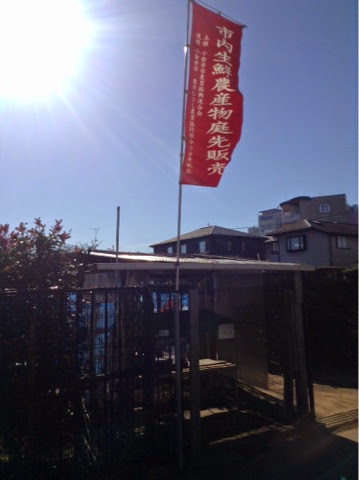
It is not unusual in the country to see stands by the road with freshly picked fruits and vegetables and no one there. It’s not that it is closed… There is a box someplace: you pick-up what pleases you and put the money in the box. The deal is simple: super fresh resources for a super price!
I have the chance to have such a system on my way to the lab, close to Higashi Koganei station in Tokyo. When there are crops on the shelf there is a red flag floating and you just have to help yourself. Depending on the season they have daikon, cabbage, cucumber, potatoes, etc… Usually for 100yen. It’s grown on the plot behind, and they use no chemical or whatsoever. It’s fresh, natural and local! You just have to be quick to catch something, first in first served!