Bacalau, salted cod, is something I have been eating for ever. It is part of the traditional aïoli from Provence and also from the French Caribbean islands the Antilles, acra and in féroce d’avocat, a delicious avocado base recipe. Seeing how much cod is a popular fish in Japan, and sun-dried fishes himono-干物, are also very popular, I wasn’t surprised that they also have bacalau. In Japan it is called sukimitara すきみ鱈, and though it is also salted cod, fishes used for that preparation are much smaller than in France, but it is all the same delicious. The best place usually to find some from Hokkaido is Yoshihike-吉池 in Ueno. I wonder how Japanese eat it as so far I have seen no recipe using some and a rapid browsing was rather common ways: grilled, meunière… nothing that had a Japanese flair, but I myself have a few recipes I like to prepare in addition to the above mentioned ones, these recipes are largely inspired by my mother’s cooking and re-crafted a bit. The only “issue” with salted cod is that except is some rare cases like in feroce where the cod is used as it, you need a few hours or more to remove the salt thus recipes cannot be improvised.
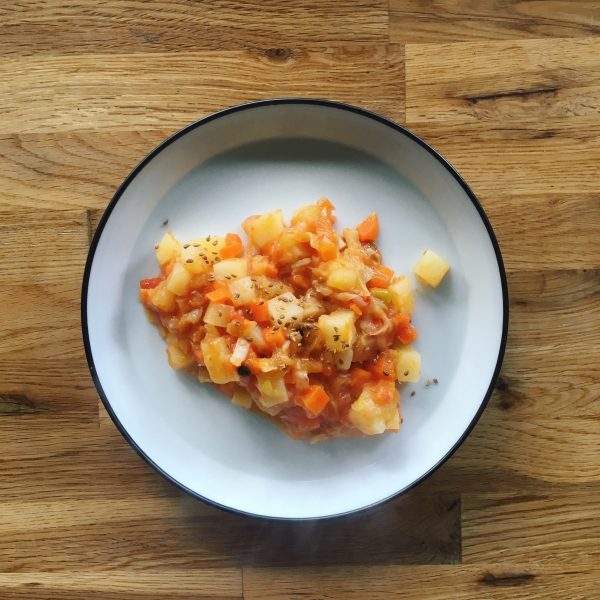
Today I made a simple potatoes ragout with fresh tomatoes, the last of the leeks from my neighbor’s garden, new carrots (or not), slightly desalinated cod and plenty of anis seeds. I peeled and cut all the vegetables, in a bit of olive I first reduce the leek, add the potatoes. Stir at high heat a bit, then add the tomato (a large one is enough for two), cover with water, add the cod chopped, some black pepper, and a table spoon full of anis seeds. I cook until the water has reduced and it’s ready to serve!
I love the balance of flavor and texture. The creamy vegetables, the chewy cod, and the crunchy seeds.
You can change the leeks for a new onion, all the same creamy and soft.
Have a good end of the week!
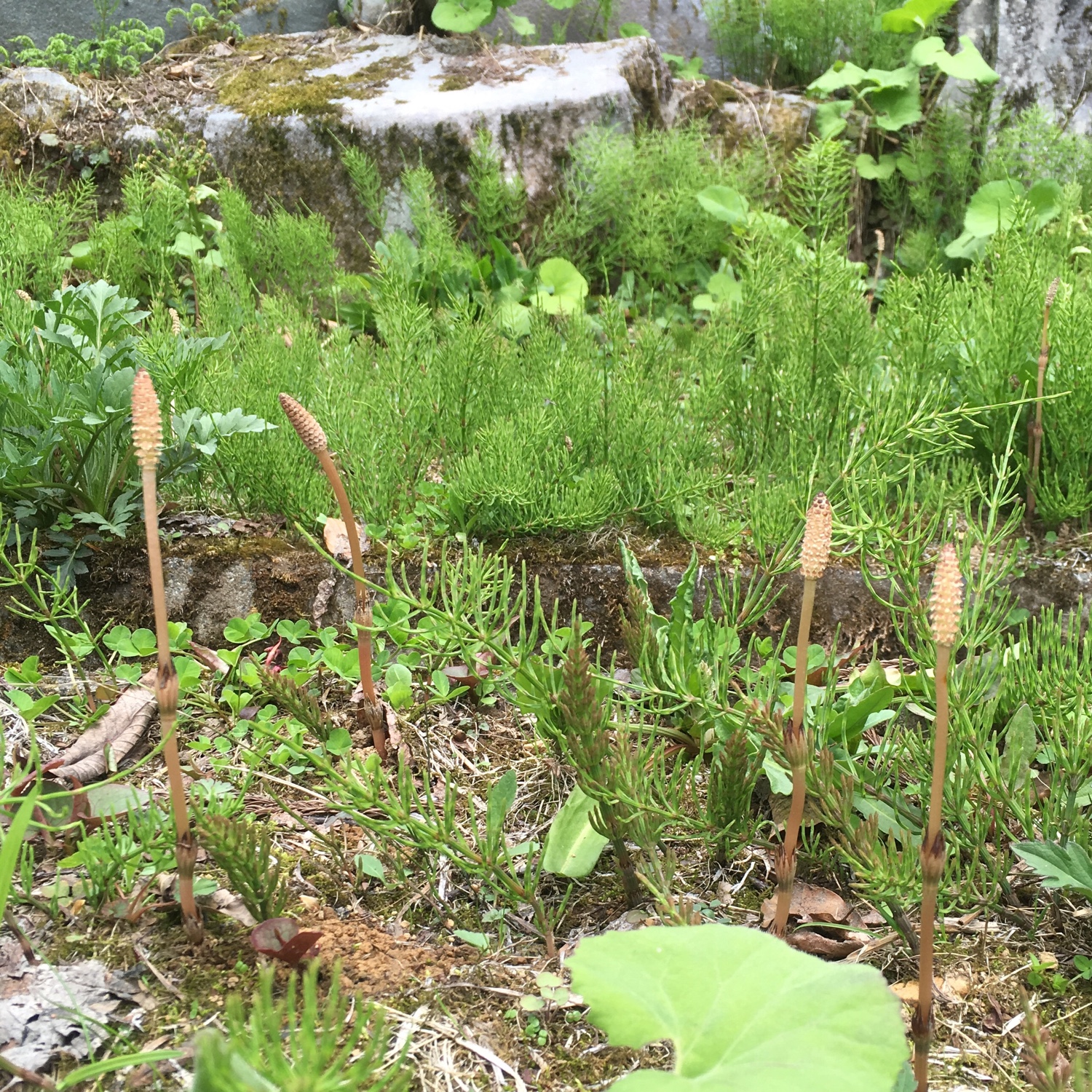 This little white flower can be easily found everywhere. Always take those that have no pollen. For preparation see
 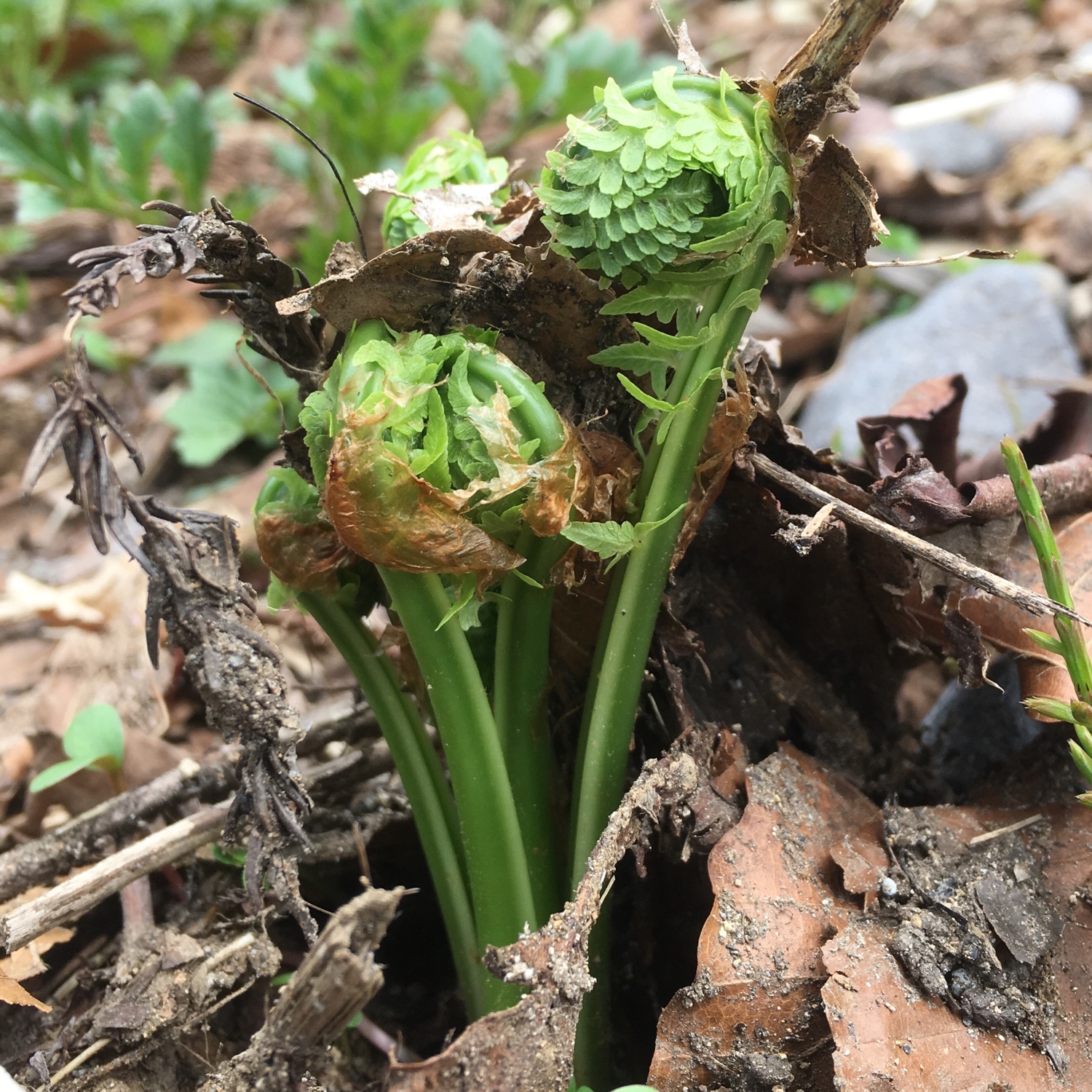 They are easy to spot, easy to pick and super easy to cook. I find them as easy to prepare than wild asparagus: in omelets, with pasta… they are really the simplest of the sansai and the more accessible in terms of flavor and texture.
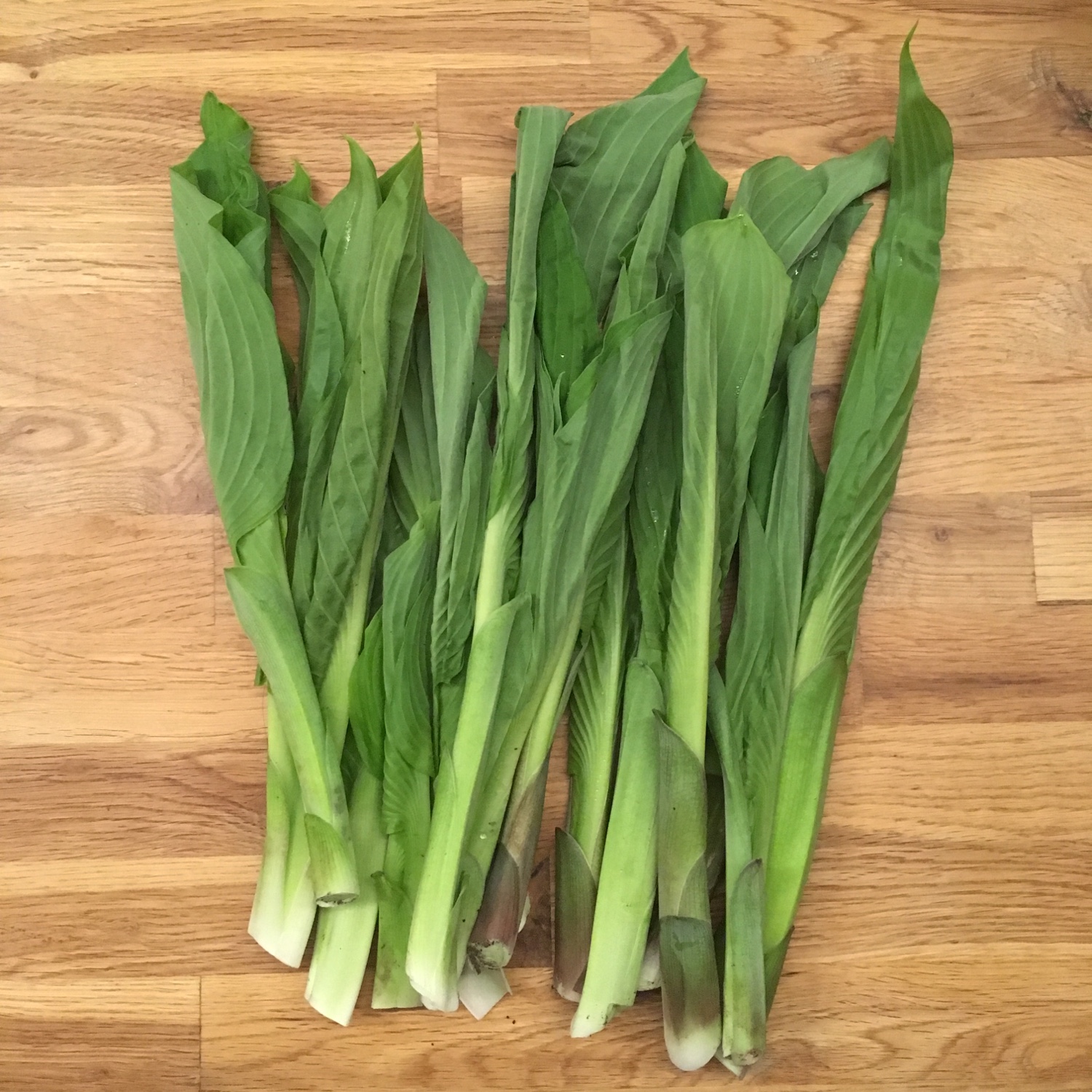
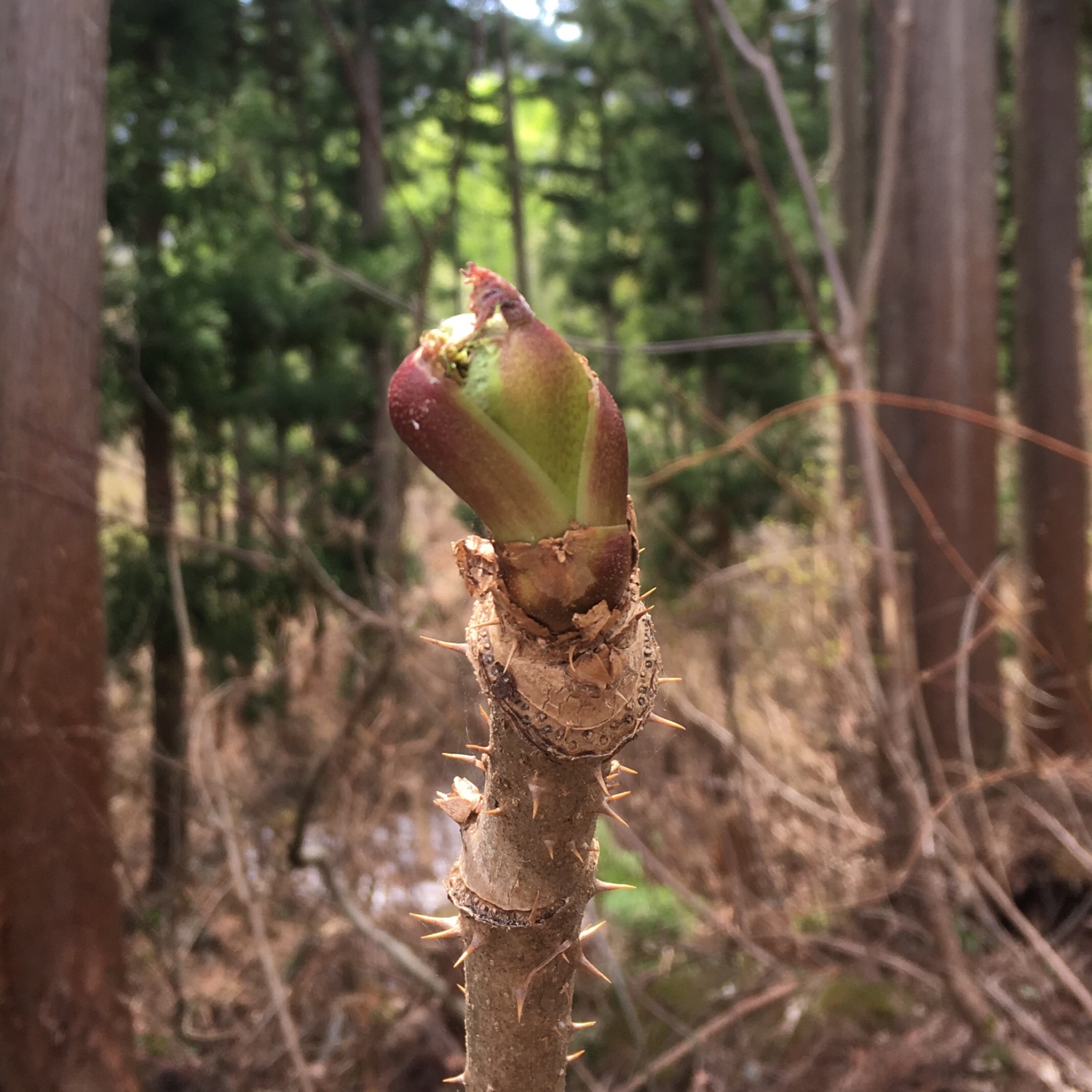 They grow at the head of wood sticks. The one in the picture is a little young and they need to have a few leaves out. These ones are really delicious in tempura and require little handling.
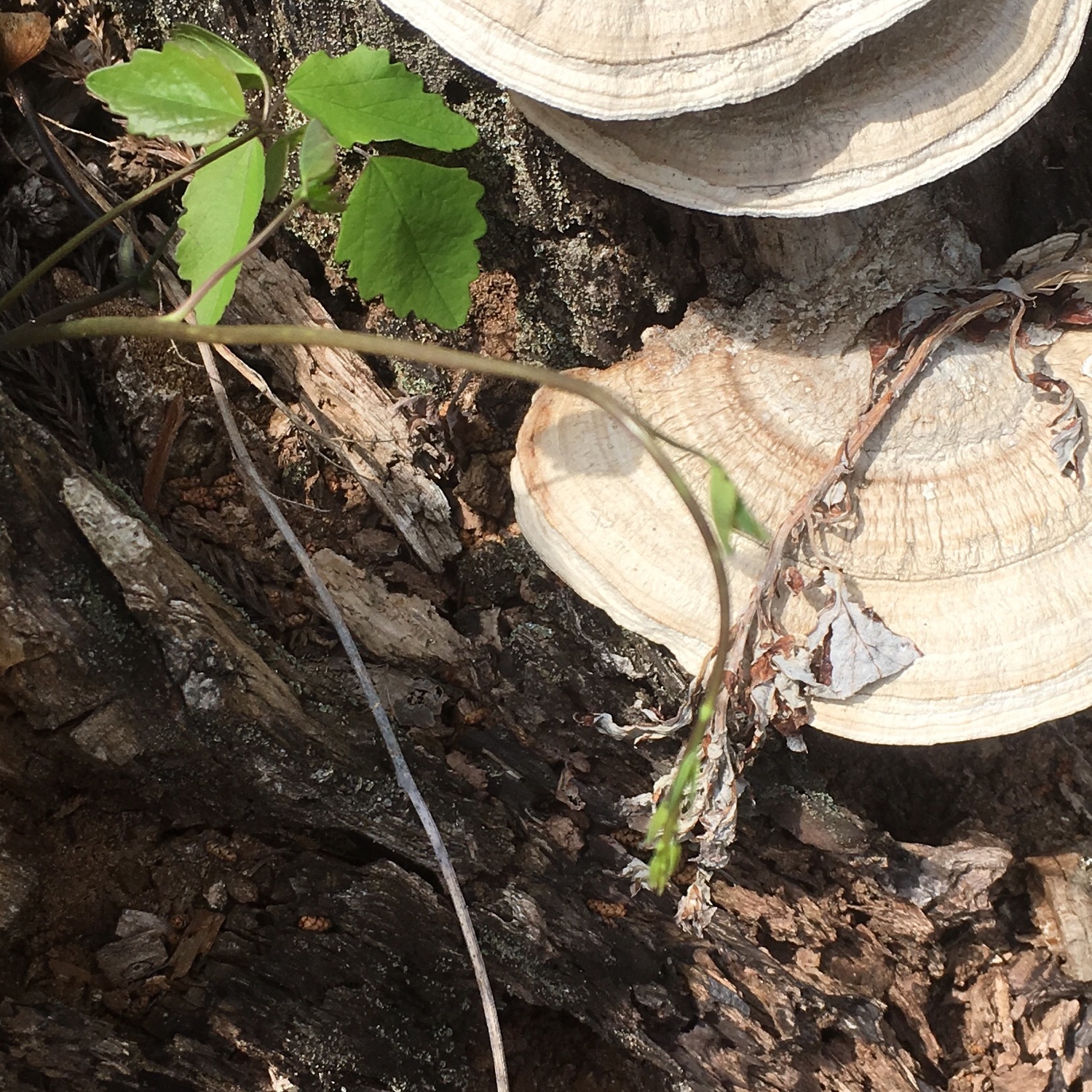 This little green sprout that grows in the midst of other trees sprouting is the hardest to find, but once you’ve spotted a tree, easily recognized by its leaves, it is easy to find the sprouts. Washed and eaten raw, or cook, it is fresh and crunchy.
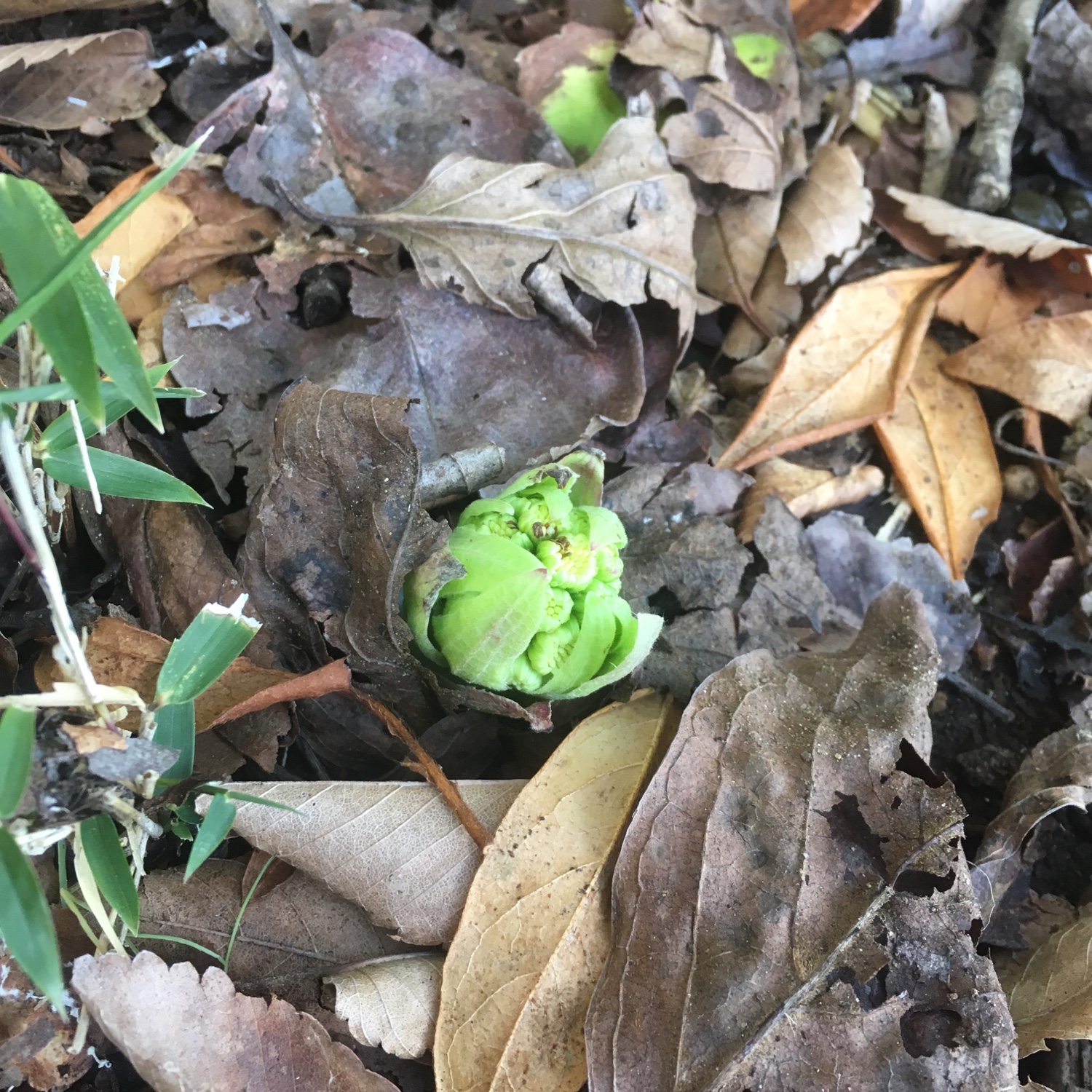 In the mountain fukinoto grow right after a patch of snow has melted. So spot a patch of snow, and look at the edges. They are best when just sprouting. They can be as big as a ping pong ball. There taste is very strong and specific. Probably the most difficult to accommodate and cook of all. See