Where is “home”?

It’s a bit of a weird week, with travel, changes, so I’m getting a bit lost!

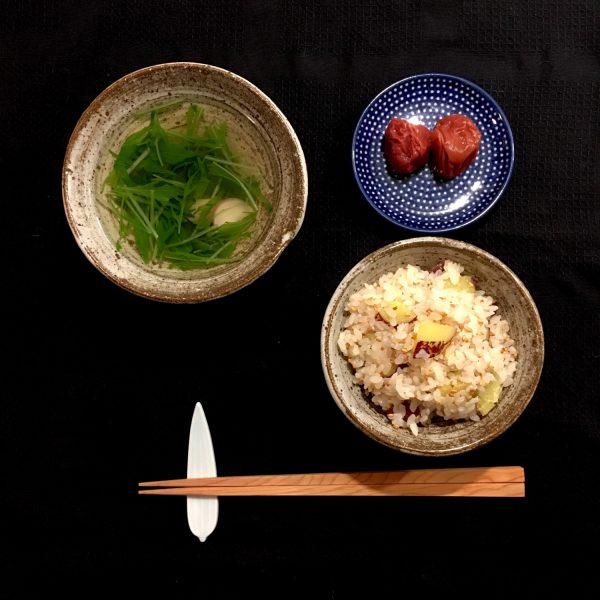
We went to Shanghai for two days, where A. was working, abd I took this opportunity as a writing retreat when I was not disturbed abd could focus on my work. It was very productive, the weather very helpful to forced me inside with almost constant pouring rain. Just 30min of swimming in the morning and a rapid tour of the food corner of the nearby department store where it was funny to see so many Japanese products as luxury ones! We came back to Tokyo last night, this morning we received the keys of our new apartment and we are moving tomorrow within Tokyo and Sunday to Ohara. I also have quite some work to do at the lab with the students preparing some key presentations for their graduation. But, nothing’s better than a home cooked meal to get plenty of good energy and I prepared some very simple Japanese things: multigrain mixed with rice, eggplant and miso, scrambled eggs, and jumbo umeboshi. A good reason to take a little break!
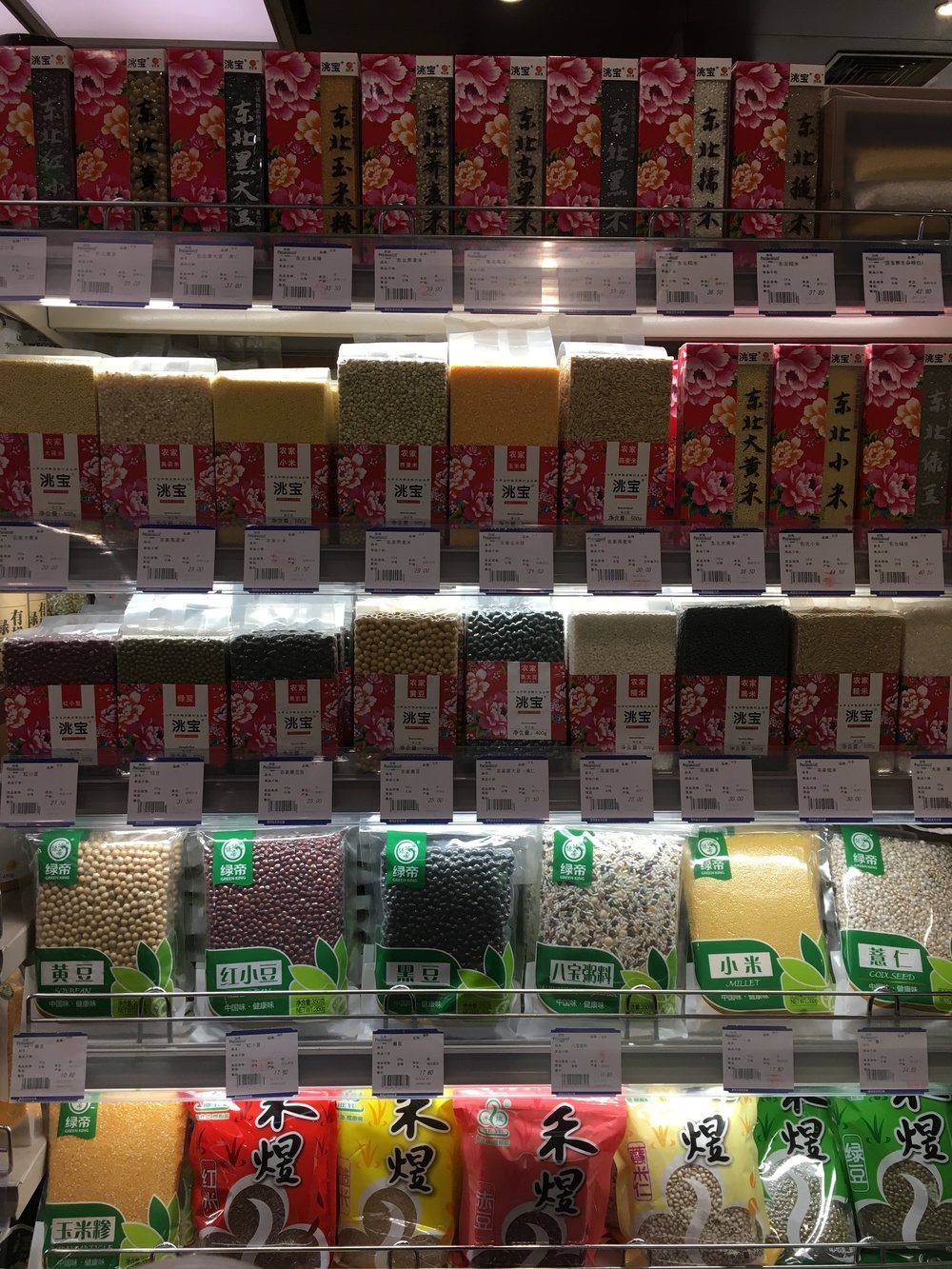
 staple food of grains and beans at Shanghai department store's food corner
staple food of grains and beans at Shanghai department store’s food corner

Harvest it – eat it!

It was a while since I haven’t seen my little neighbor so I decided to pay her a visit, and as such we usually exchange products from our respective gardens. I had nothing to offer, so I promised her plenty of gingko nuts in a few weeks, since our tree is literally covered with nuts. And in exchange she took me to her garden to show me her giant taro plants (mine are so tiny…) and then she gave me a huge shiso plant covered with buds and flowers, and we picked together some shishito. We also checked the damages of the typhoon, actually not much luckily and of course we chatted for an hour!

Once back home it was past time to prepare lunch but I wanted to try a recipe she recommended me with the shiso flowers: tempura. Of course I am not equipped for deep frying, so real tempura was out of the question, but still, I tried something. I prepared a light batter with just flour and water, I washed the shishito, a few shiso leaves and many of the flowers and buds. In a wok I heated some rice oil. I dipped the greens into the batter and then fry them on one side, than dipped it again and fry it on the other side. And with the flowers, I simply threw them in a bit of batter and cooked it like a crepe. No way without deep frying that it would stay in one puece otherwise. I also cooked some white rice, crumbled a piece of grilled salmon that was left over, and some more shiso flower buds. And I served all together, after sprinkling a bit of salt, in a kind of ten-don. 

Chilly!

Autumn weather is finally coming to Tokyo, which means some beautiful weather mainly and also some rain when there is a typhoon. The temperature is also changing a lot and tonight is quite chilly and rainy, so a warm dinner was naturally my only option. This is the season for delicious Hokkaido autumn salmon 秋鮭, when the fishes come back to their original rivers. They sell it in quite large filet pieces, so I usually use it for two or three different recipes. This time I decided to prepare it in a kind of soup, very likely inspired by my nordic cooking book but with common Japanese ingredients.

Autumn salmon soup 

 – a piece of fresh autumn salmon

– 1/2 sweet potato  

– a large handful of mulukhiyah  – salt and pepper. 

First grill the salmon, in the pan in which you want to make the soup, on both sides. Then remove the skin and cut in pieces and pit back in the pan. Actually rather than cutting I simply used a spoon and broke the salmon. Cut the sweet potato in dice and in a pan. Add salt and pepper. Start cooking while stirring. Add 1/2L pf water. Cook under cover until the sweet potato is soft. Add the washed and cut mulukhiyah. Cook a few more minutes. Serve while hot.

Brown rice

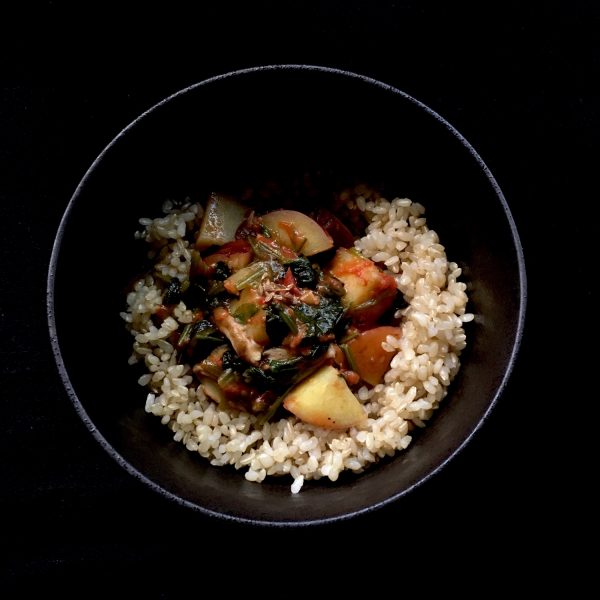
When we are in Isumi I like to go to Rice Terrace restaurant for a macrobiotic lunch outdoor, but I don’t like to go when it rains because the whole place is designed to enjoy being outside and there are usually too many families and it can become very noisy. Luckily we found an other macrobiotic cafe, opened not far away, by a young guy that use to work at Rice Terrace. His cafe is a small simple and usually quiet place and he makes a wonderful colorful soup curry that I love when it rains. What I love with Japanese macrobiotic cooking is the brown rice, the herbs and spices on top of the fresh seasonal ingredients (that I cook all the time). I try sometimes to cook macrobiotic at home: ie. replace the white rice or pasta… by brown rice, and add a few more spices and herbs. This time I made a leftover preparation with the vegetables that were left on the fridge: spinach, ripe tomato, sweet potato. I just added some anis seeds and cooked everything in a pan with a very little bit of oil. Added to the cooked brown rice, that’s it… my version of macrobiotic super simple meal!!!

Chestnut rice – 栗ご飯

We are lucky to have a chestnut tree in the garden, but for the past 5 years I never managed to harvest any chestnut because it was too late once they’ve fallen and bugs git them, they were falling to early with typhoons… This year I miraculously managed to harvest about half a dozen of beautiful ones. Nothing much, but enough to make a classic Japanese recipe: chestnut rice. It os a simple autumn delight and it is very easy to prepare. First boil the chestnut for about 30min to 45min. Then peel them completely. In a pan, or a rice cooker, wash the desired quantity of rice (I usually cook 1cup for 2), add 3 boiled and peeled chestnut per serving. You can keep them entire or break them in smaller pieces. Cook the rice as usual. Once cooked stir and add a bit of salt. That’s it!

Soba salad

I’ve been so busy at work running from one place to an other and with some tension when our robot was making its debut on stage, and with the moving that I barely cooked and even barely thought about writing a post to share with you a delicious recipe. .. for which I must apologize!

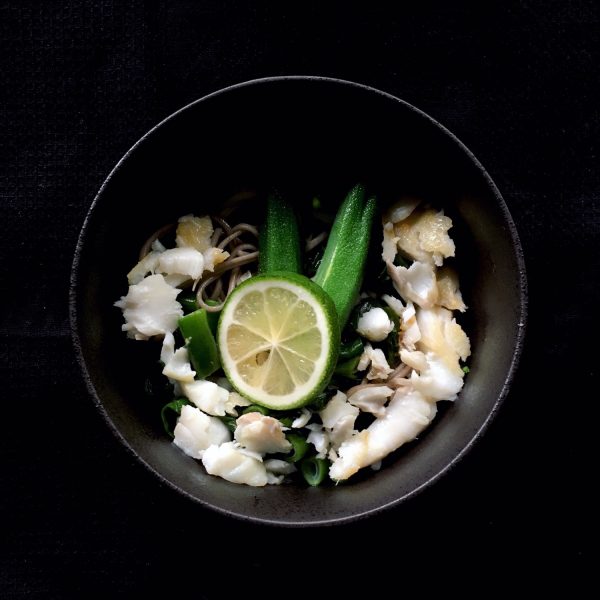
But as little as I cooked I still found some very nice combinations for a simple Japanese meal that can be prepared everywhere else than Japan since the ingredients are easy to find. What you need is a pack of dry soba noodles (I use only 100% buckwheat flour noodles, but it’s up to you), some green beans, a few fresh okras, some spinaches or mulukhiyah, a piece of fresh cod fish, soya sauce, 1 kabosu or 1 lime. That’s it! Blanche the spinach, the okra, the green beans and bath them in very cold water. Grill the cod in a slightly greased frypan. Boil the soba and bath them in cold water. Squeeze the kabosu or lime, add the same volume of soya sauce. In a bowl add the soba well drained, dry with a cooking cloth the vegetables, cut them and add to the soba. Top with the cod that should crumble. Finish with some dressing. Enjoy! 

Tofu cheese cake

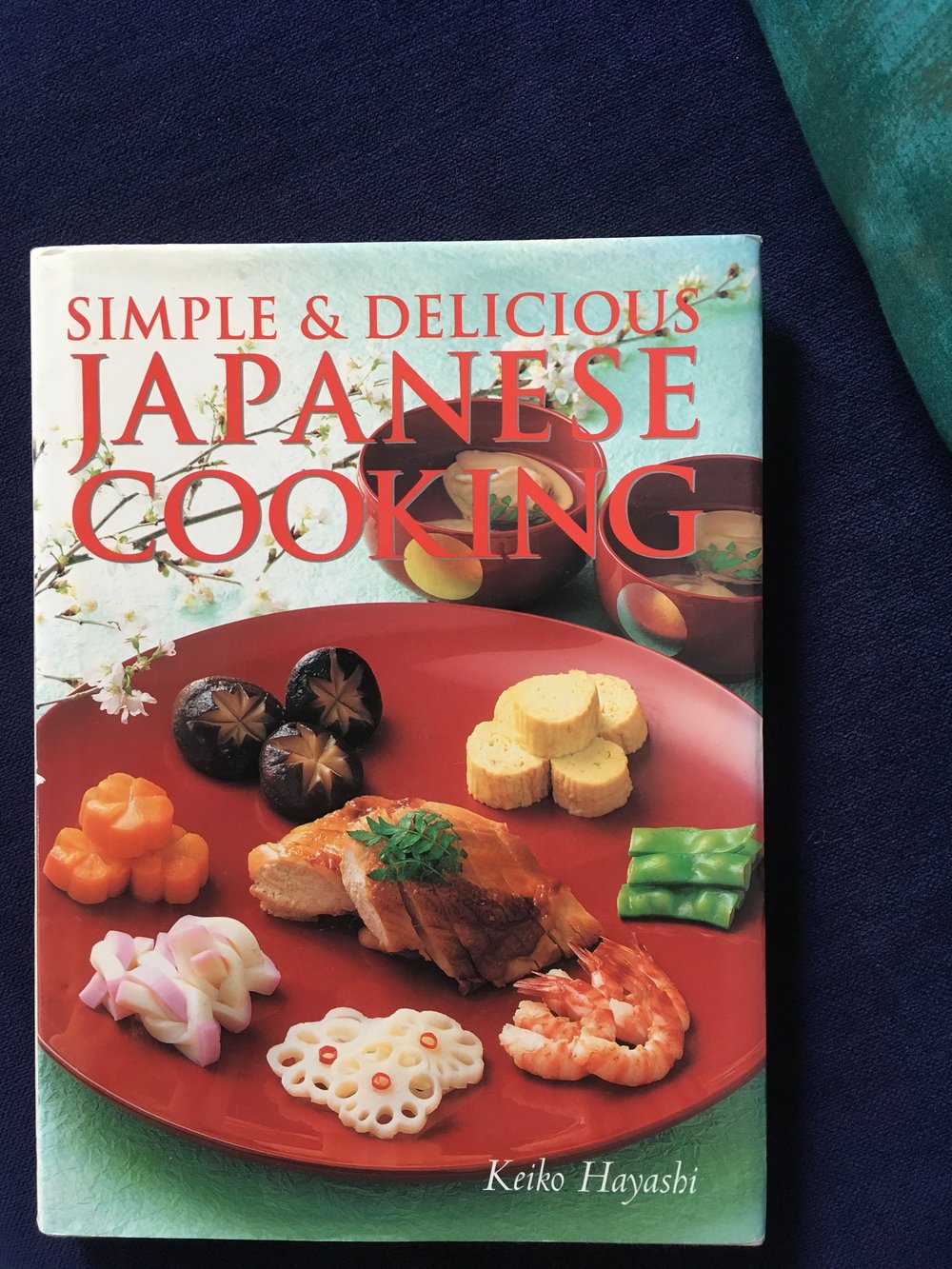
About 10 years ago, my parents came to spend some time with us and my mother absolutely wanted to cook some Japanese dessert. I didn’t have much Japanese cooking books that were not in Japanese, so the best I could offer was this book I already introduced some time ago

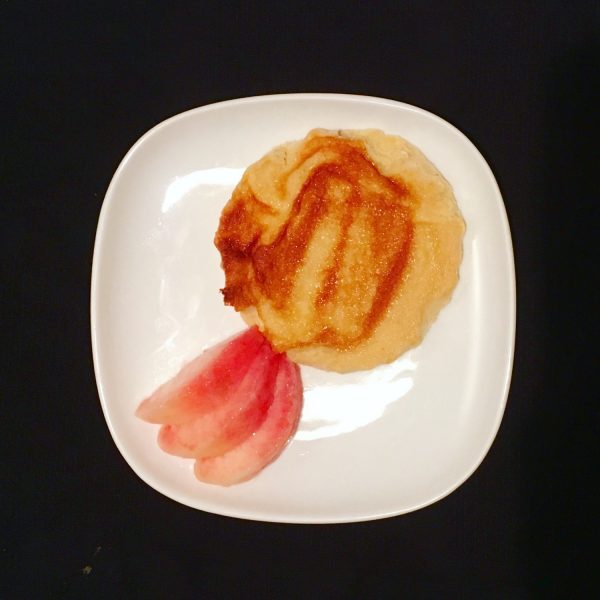
There are very few recipes of desserts but one that pleased everyone: tofu cheese cake. Of course we didn’t really follow the recipe, and add different flavoring. But the basic recipe was simple and the result never disappointing. Last night I was looking for a dessert recipe, and when I saw some tofu in the fridge, I remembered that recipe and decided to try it again. And this time was not different. A simple tasty and healthy dessert!!! 

Tofu cheese cake (for 4-6 people)

– one block of tofu drained, recipe said momendofu (hard), but I used kinudofu (silky tofu)

– 5tbs of flour or cornstarch

 – 3 eggs

– 6tbs of sugar

– flavoring: vanilla, lemon juice, lemon zest or macha or spices of your choice (I tried with cardamom) 

 Preheat the oven to 180deg. In a bowl, mix the tofu with the flour, the egg yolks, and 3tbs of sugar, the flavoring. In an other bowl beat the whites until stiff and the sugar and continue beating until silky. Add this mix to the previous one delicately.

Line a pie dish or an oven dish with cooking paper, and then pour the preparation in. Cook in the oven about 30min or until golden.

Lotus root sushi – 蓮根寿司

When we were in Fuefukigawa, our ryokan had a very nice library where we enjoyed spending some time. It’s very nice to go to someone else library because you can discover many things through others books. That’s how I discovered a little cook book with some inspiring recipes. And I tried one of the inspiration as soon as we got back home. It was a recipe of lotus root sushi. So basically vinegared rice and vinegared lotus roots, served with ginger and sesame.  It’s been many years I haven’t made sushi rice so I was happy to prepare some again. Since it was served with the vinegared lotus root I didn’t make it too sour, and I served it with some ginger-pork sautéed.

So here is the lotus-root sushi recipe. It is quite simple if you can find fresh lotus roots (which in Japan is obviously very easy) and it has a very Japanese flair. 

Lotus-root sushi: 

– 1 cup of Japanese rice (I always use Koshihikari but choose your favorite one) 

– 1 large lotus root, fresh

– a bulb of fresh ginger, not too big

– 2 or 3 myoga

– 3 tbs of golden sesame

– 3 tbs of white vinegar

– 1 tbs of natural sugar

– 1 tsp of salt

– 2 tbs of sake (optional) 

First wash the rice, and cover with 1cup of water, the sake and cook as usual. While the rice is cooking, peel and wash carefully the lotus root. Cut in very thin slices (I used the mandolin for that). Set in a bowl, add some water to almost cover, but don’t put too much. Add most of the sugar, the salt and 2tbs of white vinegar. Stir with the hands, and let rest. Stir once in a while. Peel and cut thinely the ginger and the myoga. In a frypan roast the sesame until it starts to smell. Once the rice is cooked and has cooled down a bit add the remaining 1tbs of vinegar and the remaining sugar, stir well. Add the ginger, the sesame to the rice, stir; add the lotus root drained. Add the myoga. That’s it!!!

Yamanashi!!

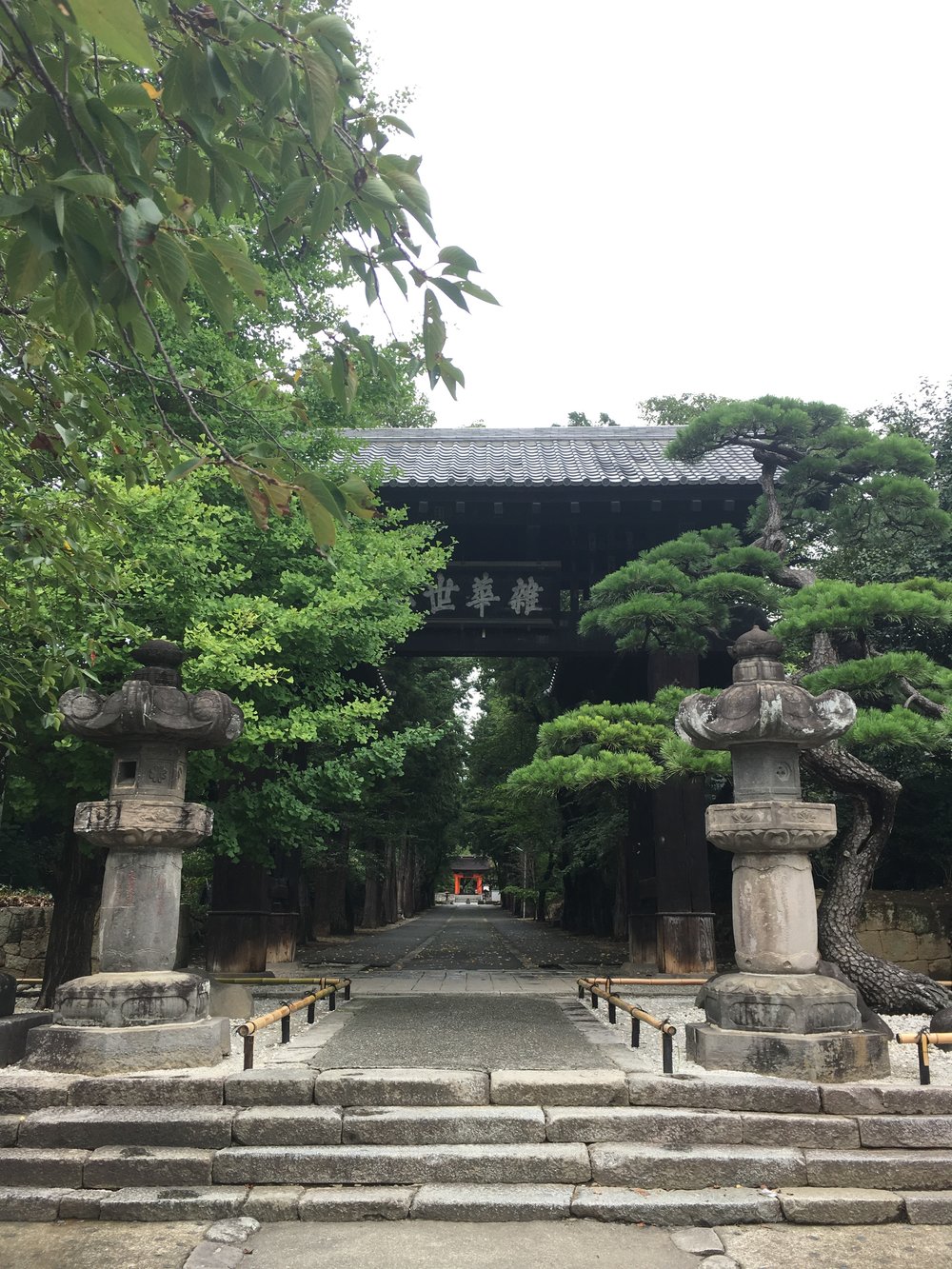
 entrance of Erinji
entrance of Erinji

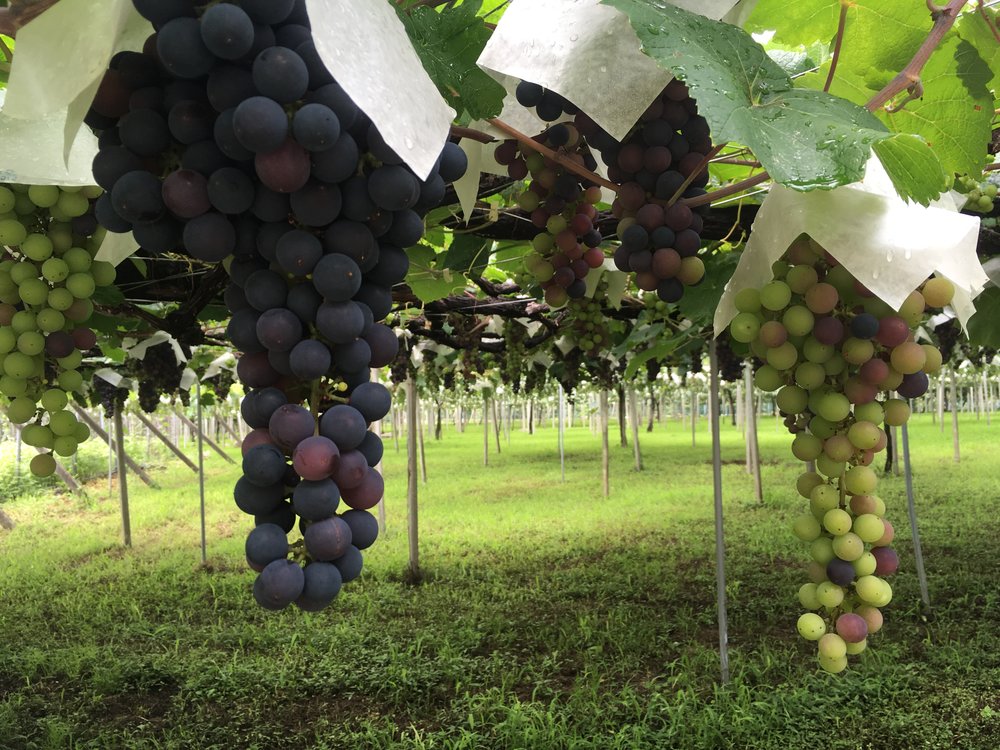
The last stop of our trip was in Yamanashi prefecture to visit wineries and fruits orchards. I had know idea what too expect and what we would actually see, and it was a great surprise! First the place we stayed at (Fuefukigawa onsen – 笛吹川温泉) was fantastic with a chef preparing delicious cha-kaiseki cuisine and adjusting easily with my very special food restrictions. We had plenty of local products at each dinner and breakfast there and it’s been a long time since I haven’t had proper cha-kaiseki. Probably since my last cha-kaiseki class too many years ago… so I was really happy! Then we went to visit on foot the surroundings and were enchanted by the mix of orchards and residential areas near Erinji, a remarkable temple with old beautiful pine trees. In the orchards one can find grapes of course, but also peaches, chestnuts, persimmons, apples… Most people may be chocked by the excess of care given to the fruits: each may have a little paper hat to protect it, and in may cases they are wrapped in a little paper bag. It results in fruits that are almost all perfect, protected from bugs, heavy rain, direct sun…

 protected grapes
protected grapes

Many places on the road sides sell fruits to eat directly on the spot or take away, it gives a very casual, not Japanese atmosphere that was very interesting!!!

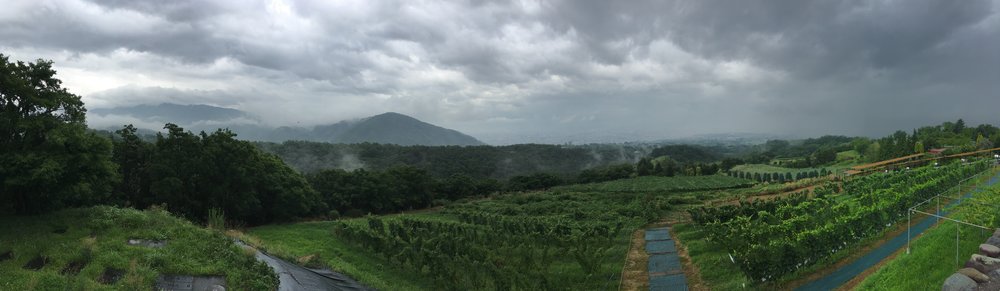
 panoramic view of the Suntory winery
panoramic view of the Suntory winery

Want to know more about what to see and where to stay? Leave a comment!!! 

Proudly powered by WordPress | Theme: Baskerville 2 by Anders Noren.

Up ↑

Verified by MonsterInsights