Madeleines

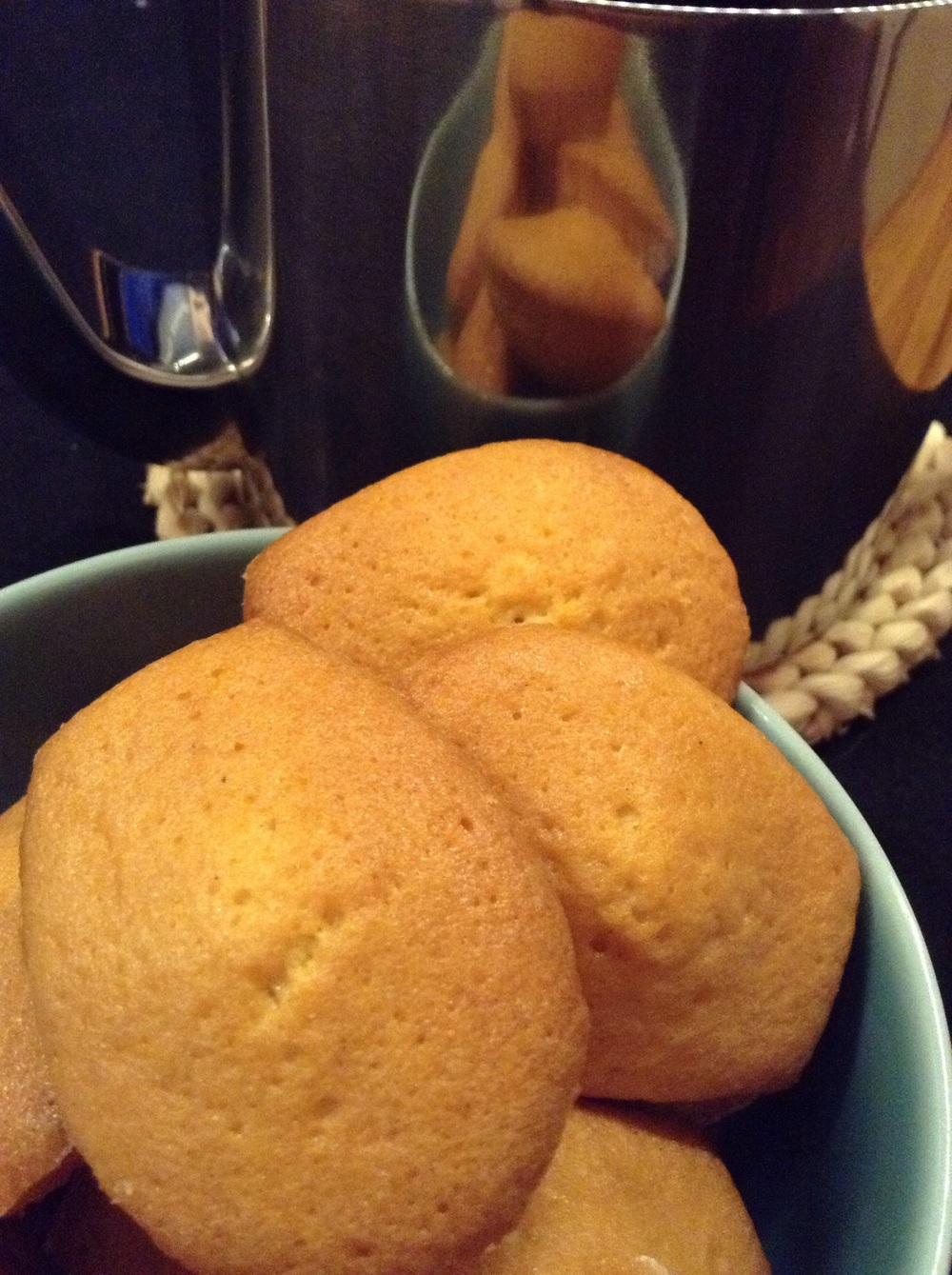
Since my last trial of madeleines this summer I didn’t had te time to get my molds and to try again, but now that days are really getting shorter and cooler the tea-time after gardening all afternoon requires a little complement and madeleines are perfect for that. So I went to buy some molds to Kappabashi street the other day and I just tried to make some madeleines again. I picked a different recipe than last time but I am not completely satisfied with the shape. They get a little bump, but not as big as I expeted. Taste-wise: perfect. Let me work a little on the recipe before sharing it. But if you have a good one let me know!!

More deal!!!

Remember, last week our little old neighbor gave us some of her special ginger and goya preparation. 

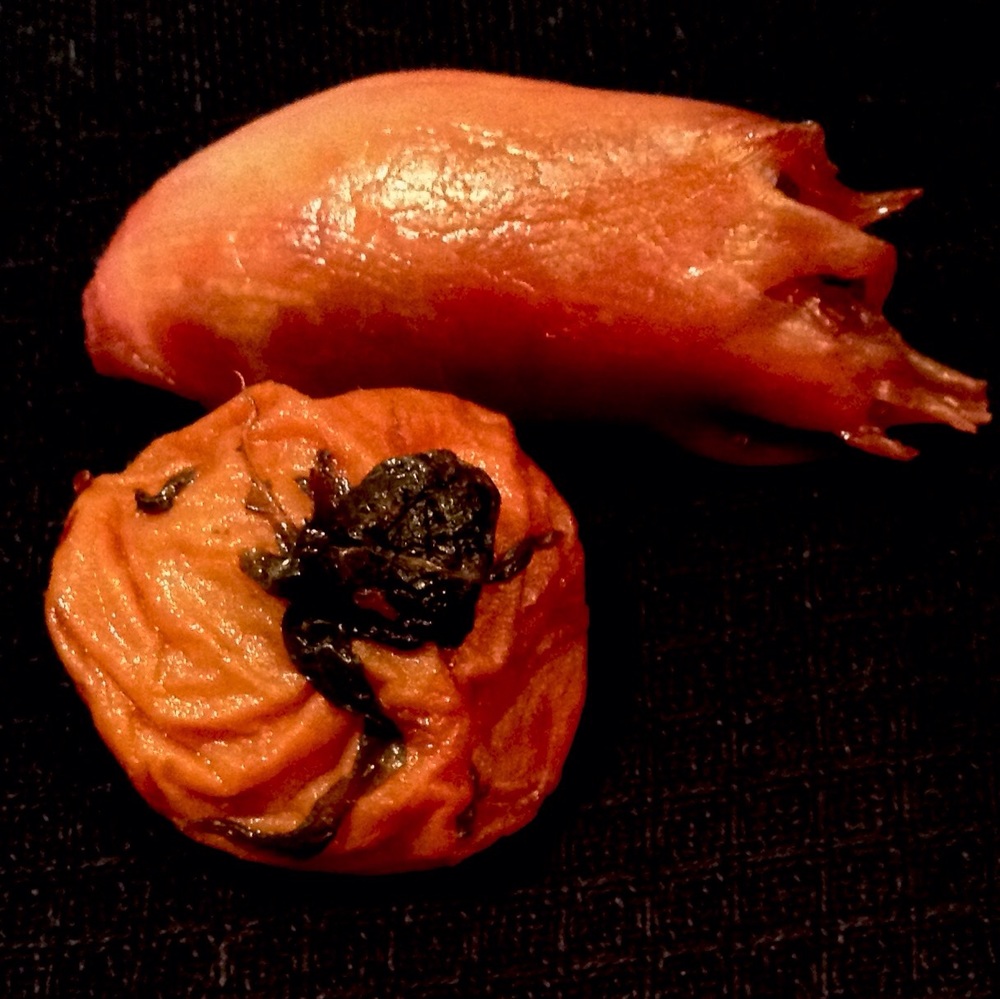
Since I harvested to many persimmons (and there are still plenty to come) and I don’t know what to do with all these, I gave her a few and then she came back with more of her special pickles and preparations. So this week I managed to deal with her to teach me how to prepare the goya and the ginger, so hopefully I’ll share with you that very soon. She also gave us umeboshi and pickled myoga. Super delicious with plain rice! And plum jam. I’m looking forward to June, the harvest season for plums! This time I want to try to make umeboshi too!!!

Thanks a lot Obasan!!!

By the way, if you live in Tokyo and want persimmons, let me know before the birds have them all!!

 Sour myoga and shiso pickled plum
Sour myoga and shiso pickled plum

Macrobiotic dry curry

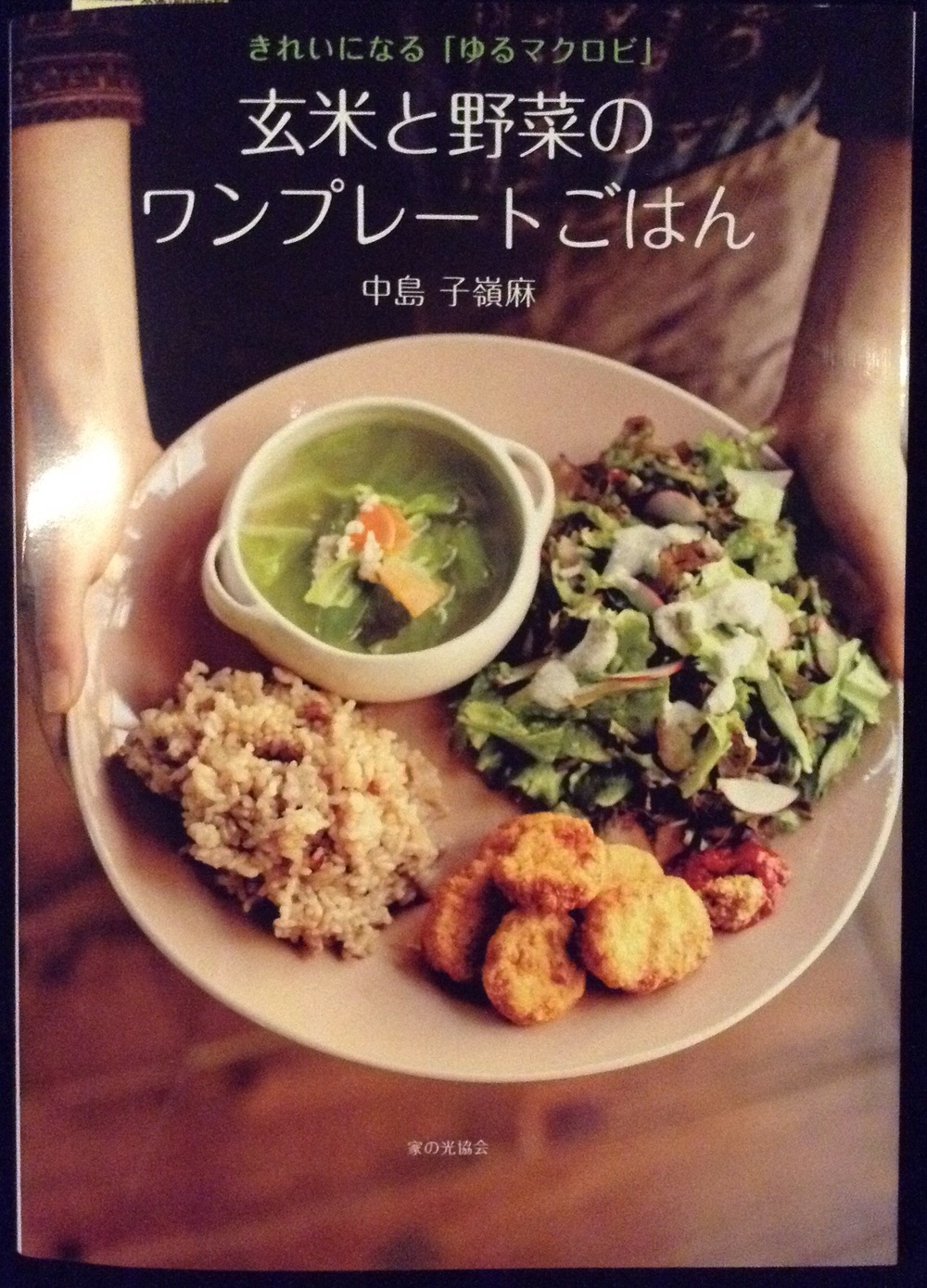
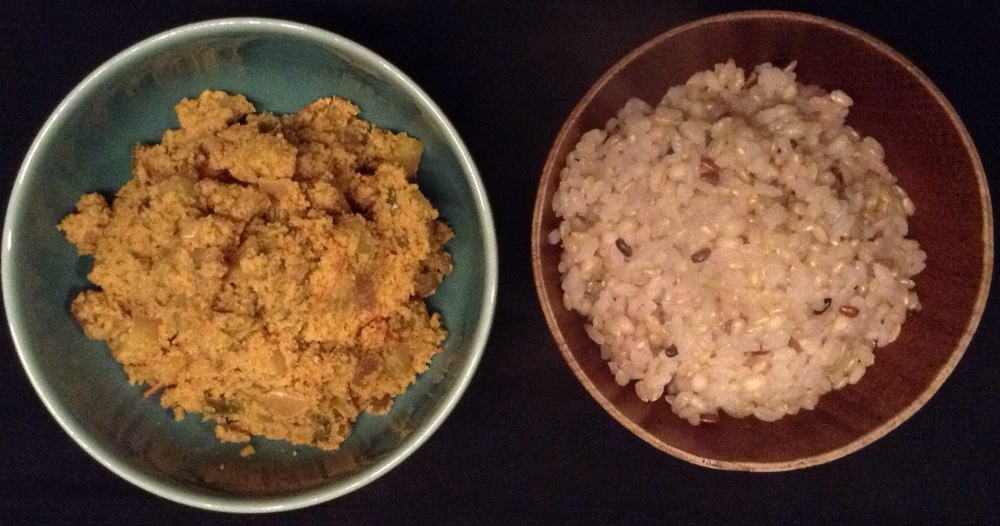
As I was mentioning earlier, we found close to our home in Ohara, a macrobiotic local kind of small community where they have a cafe and a tiny shop. We had lunch there and it was delicious, and after we went to check out the little shop and I found this book: “whole rice & veggies on plate meals”, which was written by people from the community, and which presents seasonal recipes all gegan and somehow macrobiotic, or what they call “soft macrobi”. Perfect for me who enjoy the vegan food but don’t becessarily adhere to macrobiotics: I hate imposed rules in particular when it comes to food. I have my own, I like them and I think they suit me well. Well, this book is a treasure trive of midern Japanese recipes and I really enjoy looking at all the recipes and in particular the ones using ingredients I seldom use or buy. Coincidently, some time ago, a friend traveling to Koya brang us back some Koyadofu, a kind if dry tofu that can be rehydrated and used in several preparations. So I jumped on the occasion to prepare the first recipe I found with Koyadofu: vegetables dry curry. Dry curry mesns that there is no thick sauce like in regular Japanese curry.

The recipe is awfully simple, I had most of the ingredients but not all, so I replaced them and interpreted my way. For 2 You need 2 blocks of Koyadofu, 1 green pepper, 1 potato, 1/2 onion (I used a red onion), 1 tomato, curry powder, carvi seeds, cinnamon powder, salt, pepper, 1 tbs of miso, 1 tbs of apricot jam (I used kaki jam), a bit of soya sauce and s bit of oil. First cut all the veggies in 5mm cubes, the tomato can be cut in large chuncks. Rehydrate the tofu in hot water, drain roughly. In a pan with oil, cook atlow  heat the veggies, but the tomato, add the carvi seeds and the curry powder, the cinnamon. In a mixer, mix the tofu, the jam, the miso, salt pepper, soya sauce. Add the mixture to the veggies, cook until almost dry. Serve with rice. I serve with a mixture I made of whole rice, black rice, red rice, barley and white rice. Super delicious, but not very picturesque I reckon!!!!
Sunny Japanese autumn – 秋晴れ

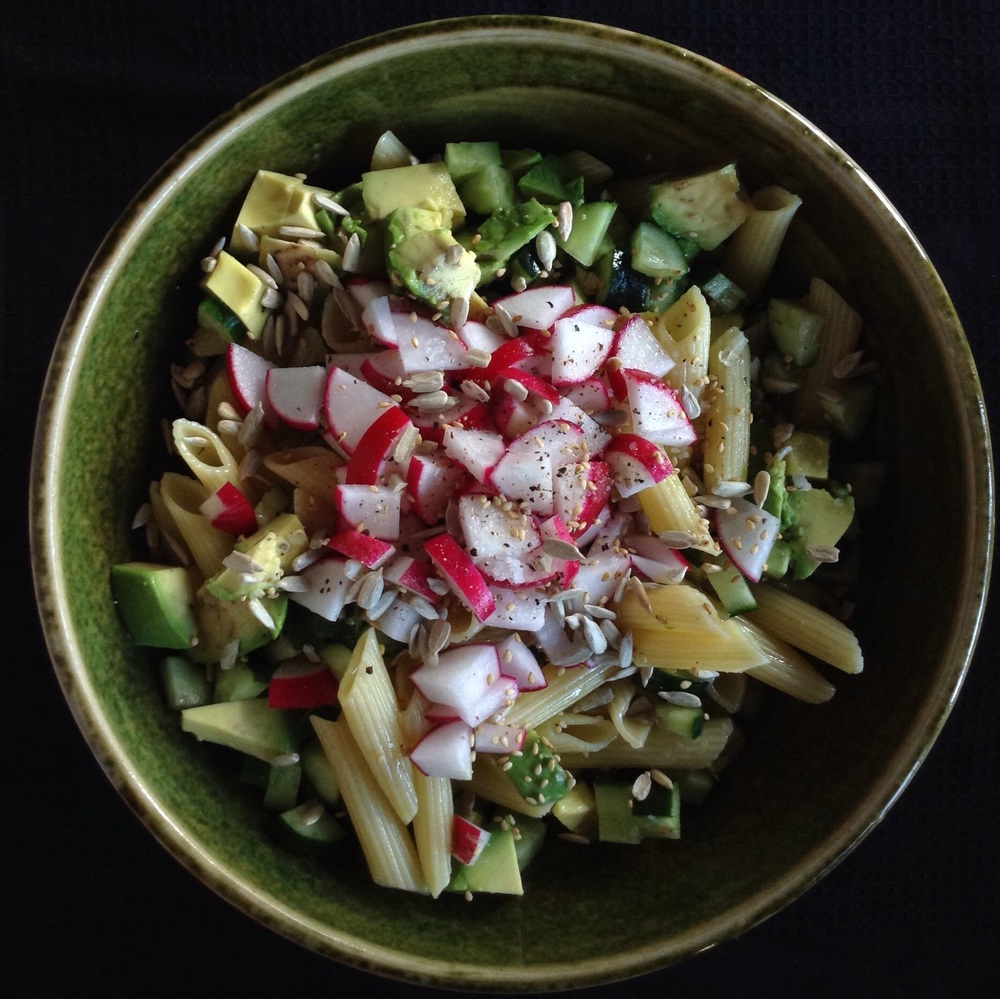
I love these autumn days when the skies are so blue and the light is so bright, these “akibare” days. This is an invitation to wake up early and be outside all day long . So I spend little time cooking during the day and we need some quick fix for lunch, yet full of energy to enjoy a few more other hours out gardening, hiking, playing tennis or whatever. Pasta provide a perfect base, and since temperature are still warm if not hot at this time of the day, acold salad is perfect: penne with avocado, radish, cucumber, sesame seeds and sunflower seeds, olive oil and ready!

Enjoy the autumn! It’s so beautiful outside! 

Another fig tart

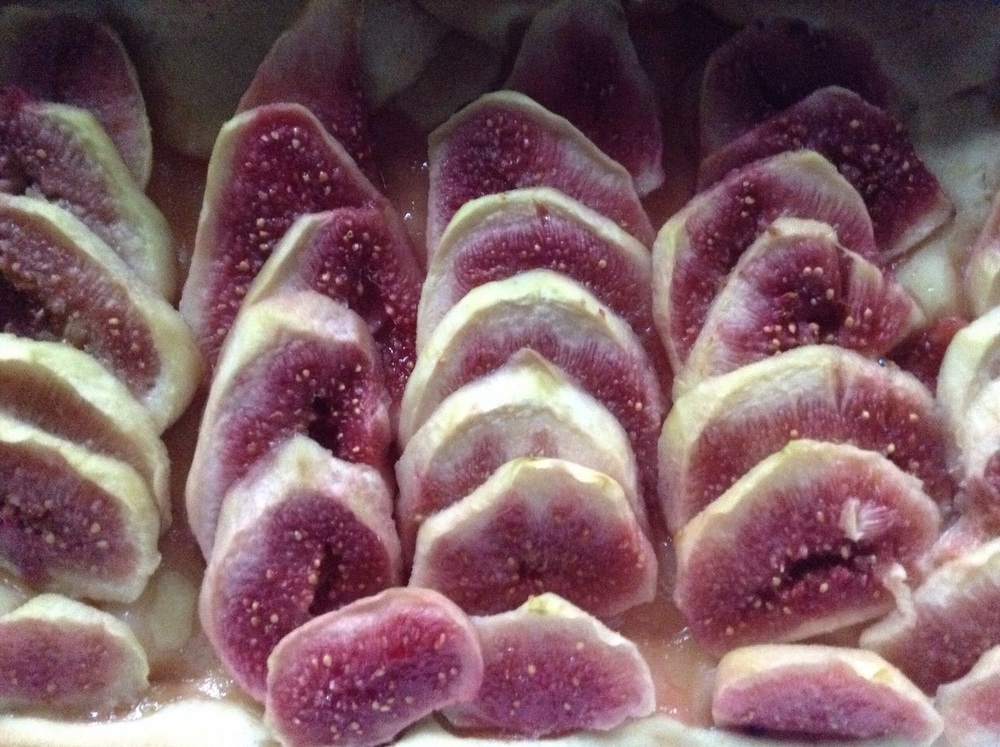
Last week I made this super simple apple tart and I realized that with a good thin dough any fruit could just be a perfect match, nothing else but fruit, so I decided to try with figs this time. Usually fig tarts implies almond powder, a mixture of taste and texture, but figs are actually delicious just plain. So I made a thin sable dough and cut figs in slices, bake for 20min and enjoy just like that what was probably the last fig tart of the season. Simplicity is sometimes what we need in cuisine.

Lotus root – 蓮根

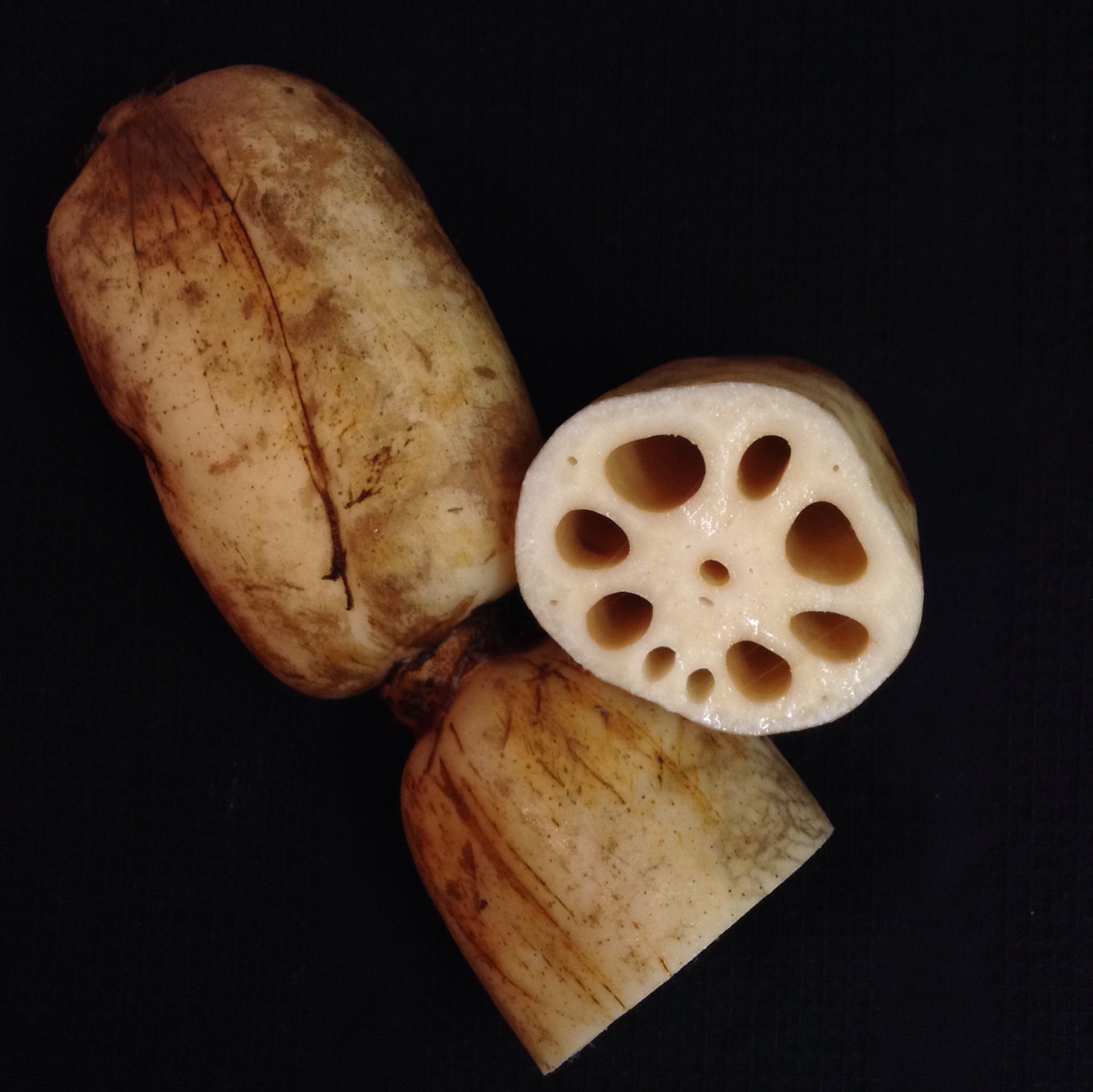
 Lotus root, raw
Lotus root, raw

As you may have noticed already I really love to cook lotus roots (renkon-蓮根) . They have a beautiful white color that goldens when cooked, a very crispy texture, a nice shape and a delicious taste. And practicaly they’re super easy to peel and cut, and don’t require a lot of cooking time. It’s quite simple to find some all year round but spring for tiny ones, and autumns for larger ones seems the best periods. They grow in many places in Japan so  local lotus roots are also easy to find, though the best I’ve ever had came from Kanazawa, which is famous for lotus roots.

Lotus roots accomodate very well with other veggies and I like to cook them with carrots, shishito, kabocha… I also love them in homemade chips. This week I’ve been working late pretty much every day, so fixing dinner in a short time was quite a must. So for this recipe I simpl cut and wash the peeled lotus root, stir fry in a bit of oil, added some shishito, and in the mean time cooked some rice with sweet potatoes. I served the rice, topped with the lotus roots and shishito, added some sesame seeds and a bit of salt. Dinner’s ready!

Mushroom spread

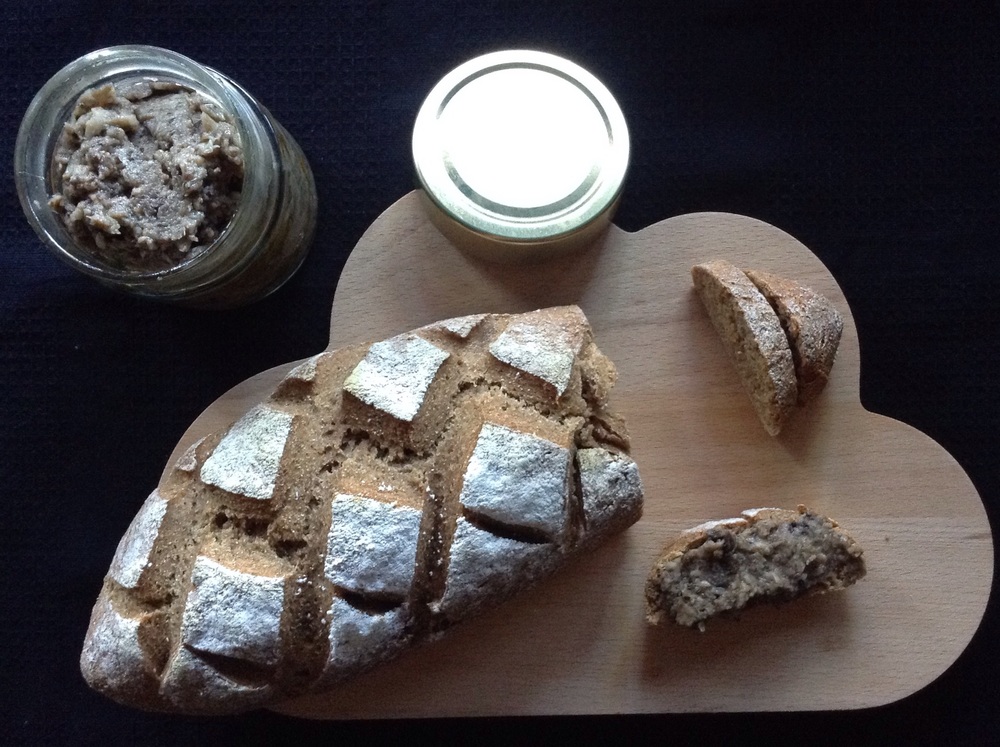
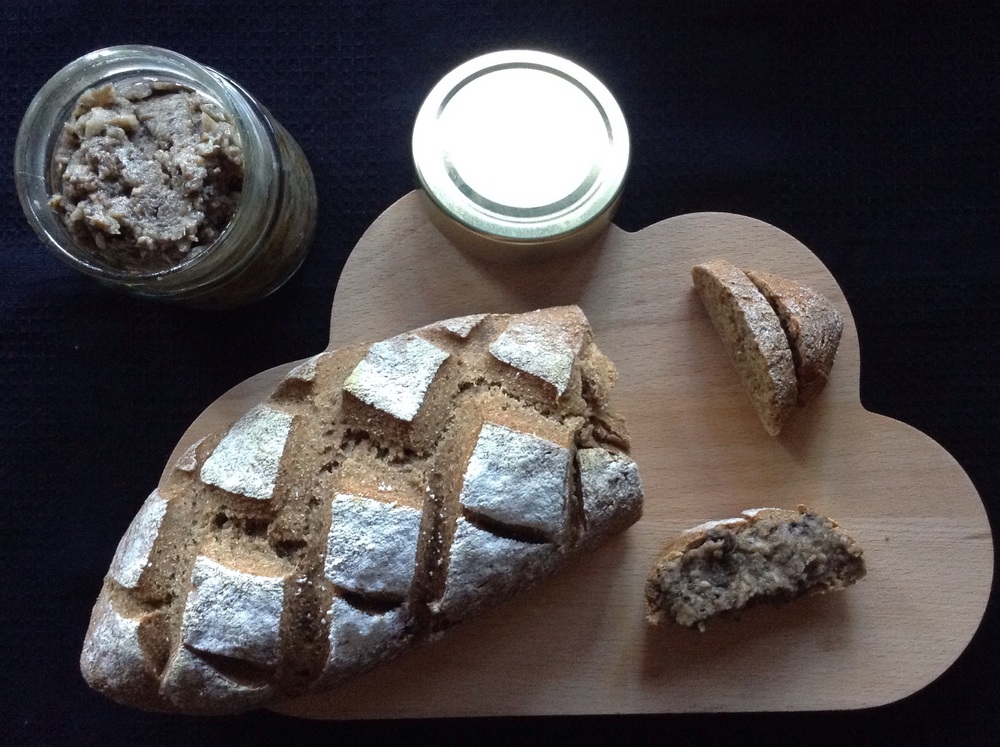
Once I’ve made a delicious bread, I like to eat with different things and I really love vegan spreads because it’s an easy way to prepare and keep veggies for a few days. I’ve had in mind making some mushroom spread for a long time now, but never did before. But the other day we went for lunch to a nice Japanese macrobiotic cafe and I bought a recipe book where there was a recipe for a spread. So largely inspired by this Japanese recipe, I changed it to suit better my bread. So it turns out being a mushrooms-olives-thyme spread. It’s simple and delicious.

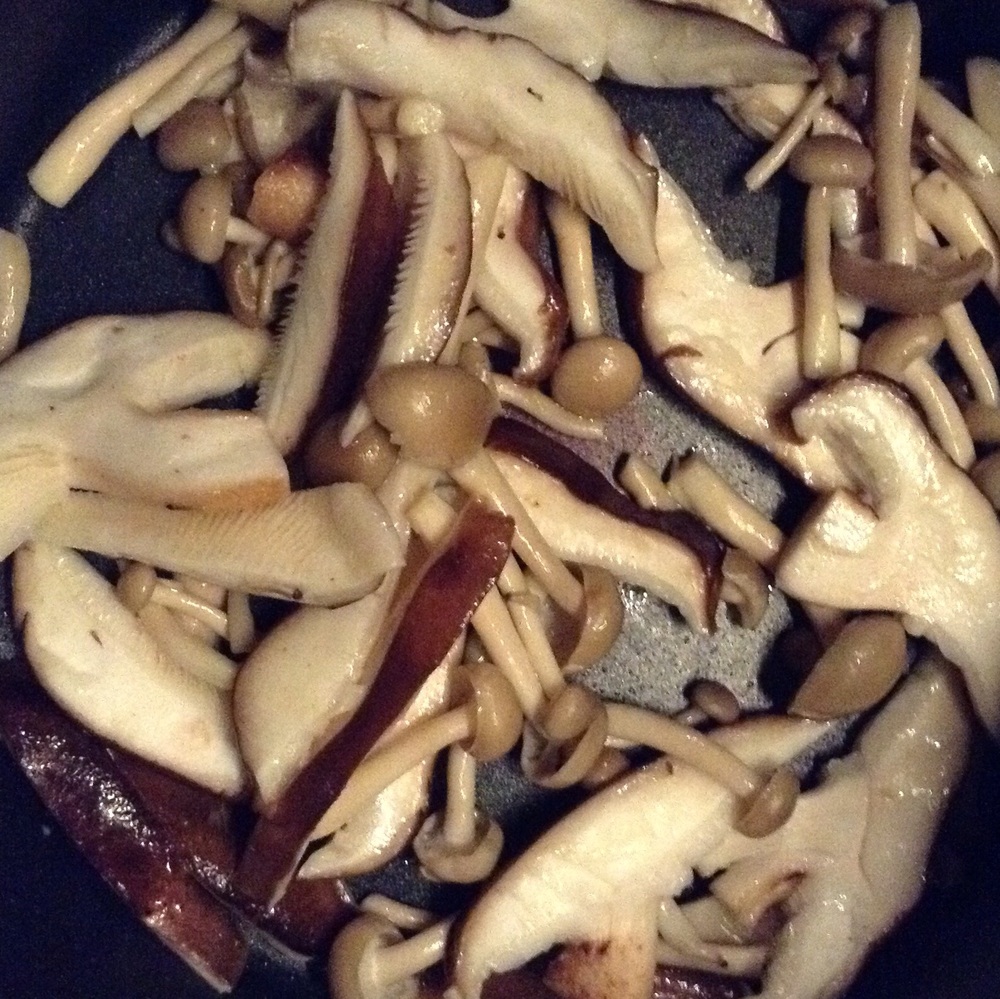
I roughly cut the 150g of mushrooms of all sorts: here fresh shiitake and shimeji, and cook them in a bit of oil. Then in a food processor I mixed the mushroom, pitted black olives (just a large table spoon), salt (adjust the amount depending on the olives), and thyme leaves (3branches, so probably the equivalent to one tea spoon). Add a little of olive oil if necessary, process to puree or chopped as you like. I put the paste in a bin for easy handling. Ready to serve and you can keep it a few days in the fridge. Perfect with my original bread for example!

My first original recipe for bread

It’s been some time now that I’m baking bread following thoroughly recipes from books, but this time I felt like I can change that and start thinking about my own mix and recipes without opening a book.  once you’ve learned the basic proportions and you know what kind of texture you need to achieve after kneading it’s not difficult at all.

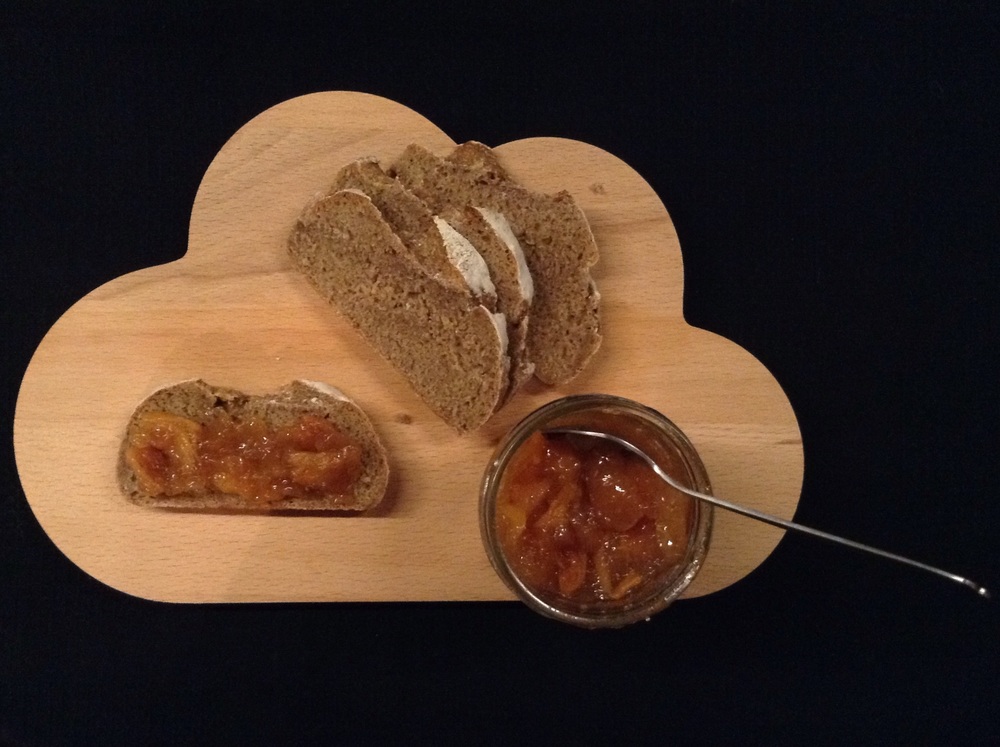
So my first original recipe is a warming whole wheat and rye bread. I used 160g of rye flour, 90g of whole wheat flour, 180g of water, 12g of sourdough, 5g of salt, 3g of yeast, knead until smooth and soft. After the dough has taken enough volume I shaped it, leave again a few hours, and finally baked it at 235deg for 10min, then at 220deg for 20min.

Persimmon jam

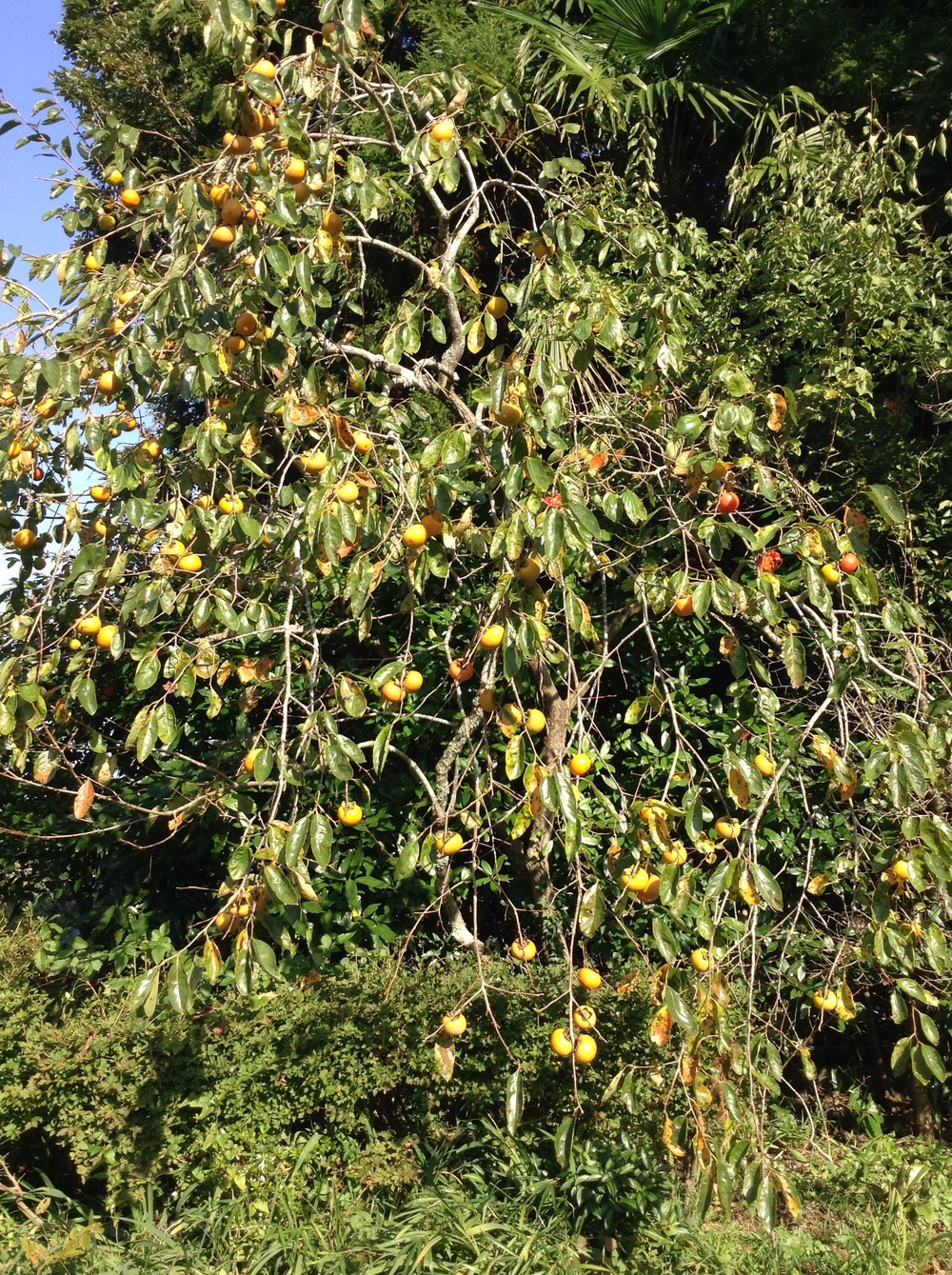
 One of our persimmon trees about 2 weeks ago
One of our persimmon trees about 2 weeks ago

In Japan, persimmons are quite popular and common. Everywhere in the country at that season you can see their trees with little or no foliage, just magnificent orange fruits against the blue sky. And this year there are so many fruits on each tree that it is really amazing! There exist a few varieties from the very sweet used in different recipes more often in salty versions, to the sour ones (shibui kaki – 渋いカキ) used dried: hoshi kaki (干しカキ). Since the season is just starting there’s going to be many opportunities to prepare persimmons.

In our garden we have three persimmon trees, two sweet and one quite old sour one. I don’t use the sour ones I leave them to the birds, because old ladies from area told me that Ohara is too warm to dry kaki properly without them rotten. But I use the sweet ones in several recipes. And this year because there are so many I’ve decided to make jam and jelly. I used only persimmon, brown caster sugar and a bit of agar agar. I peeled a dozen of persimmons, cut them in pieces, remove the seeds, add a bit of water, brown caster dugar and cooked at low heat for 1h. In the last few minutes I added a bit of agar agar because I had no natural pectin to really make it jelly like.

I then prepared the bins and and wait until cold to try on my original bread! I’m not very much used in making jam and preserves so I’m still learning, but the persimmon jam is nice, but as expected the taste is very subtle. I may have tried to add some flavor with vanilla beans may be. I made two variations: one pure jelly, and one with large chunks of fruit as on the picture. So if like me you have plenty of persimmons that could be a good manner to use them, if not I wouldn’t buy any to make jam with, unless you have a better recipe than mine, which I’ll be very happy to try because I’ve only harvested a 10th of our persimmons yet!

Proudly powered by WordPress | Theme: Baskerville 2 by Anders Noren.

Up ↑

Verified by MonsterInsights