Cresson pasta

To continue my frenzy with watercress…

This week is the beginning of the new term, I’m back to teaching which I enjoy really and very excited with the students new research projects. Work is quite busy, but I really stocked a lot of watercress last weekend and I use it little by little. It is very easy and rapid to prepare, much faster than spinach I find, so perfect for late dinners and rapid cooking. This time I want to share my recipe to prepare the sauce for some simple fresh linguine.

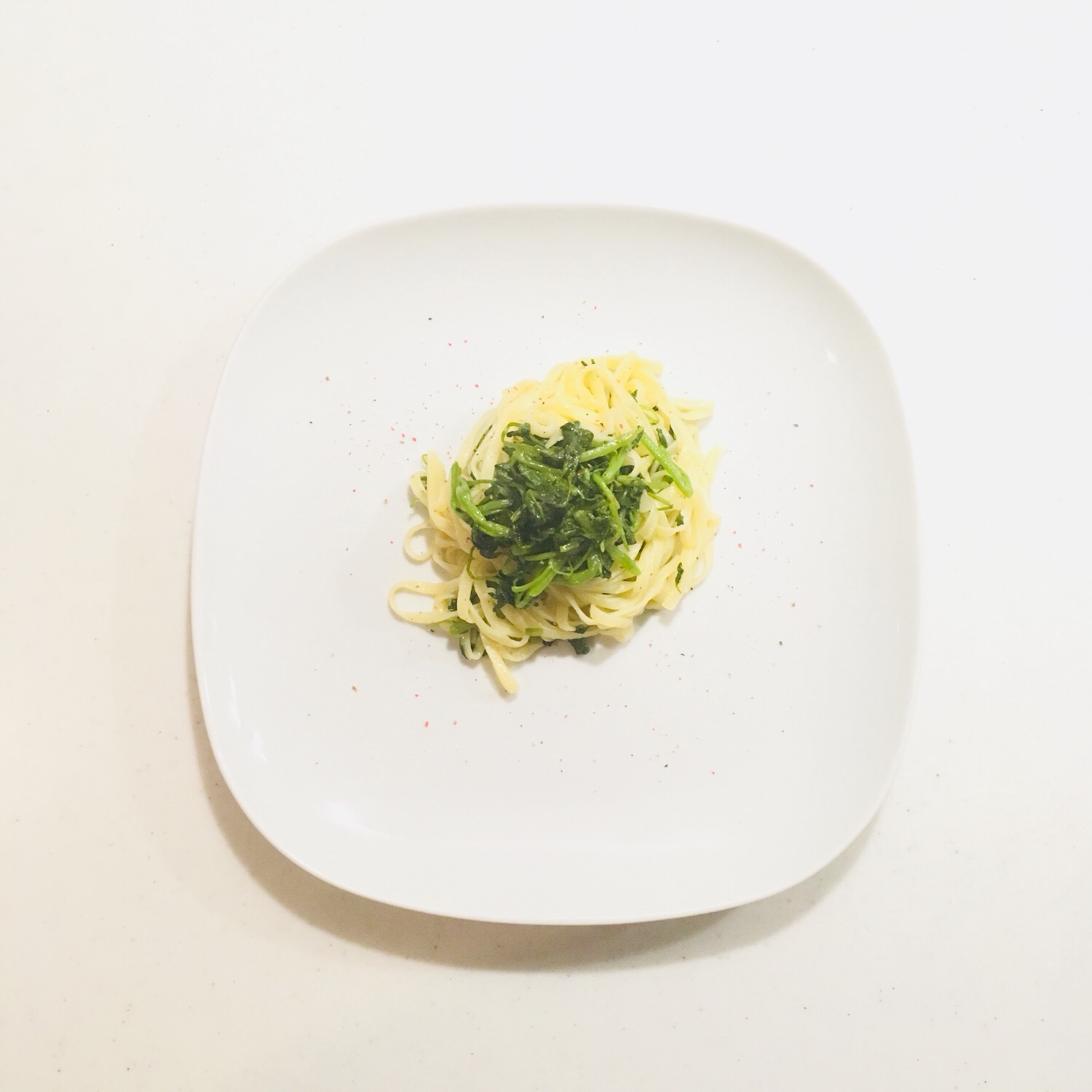
Linguine with watercress

– a bundle of watercress

– olive oil

– pepper

– long pasta of your choice, I used fresh linguine

– Parmigiano (optional)

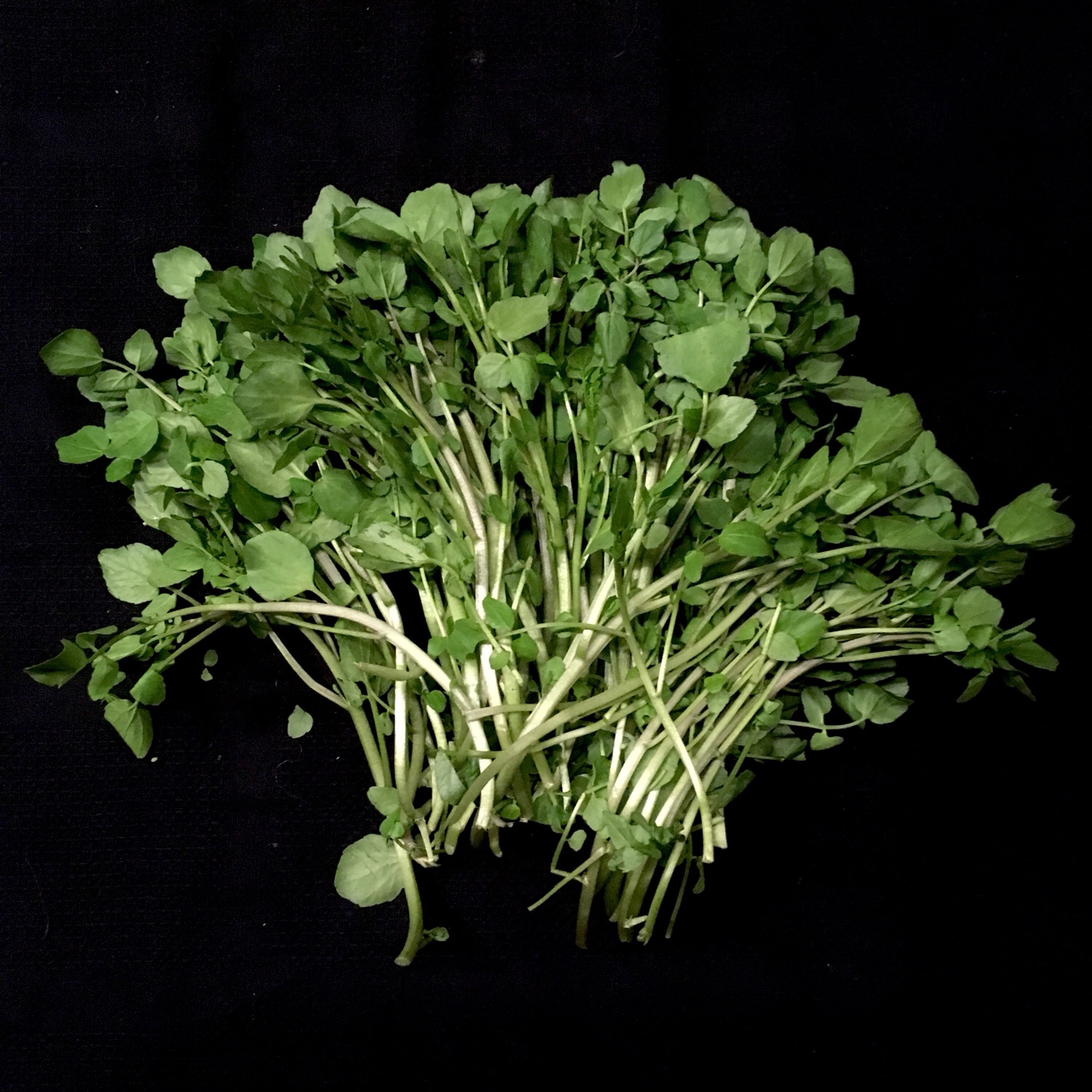
I simply washed and cut a bundle of watercress, then while still wet I through then in a pan and cook under cover at medium heat. Once soft I add olive oil and stop cooking. Then I boil the pasta, drain them and add them to the pan with the watercress, cook for 2min at high heat while stirring. Add pepper and serve. For those who like, add grated Parmigiano.

Cresson soup

Cresson, or watercress is this little green that is harvested in spring or in autumn, and is delicious in many various preparations. It is for some unclear reasons not so easy to find watercress easily at the market so when I find some I just buy plenty and use it in many various recipes. You’ll find in the next days the recipes I have tries this time. Some classic one and some more exploratory. I hope you’ll enjoy them and it will convince you to try this little plant in your next recipe!!

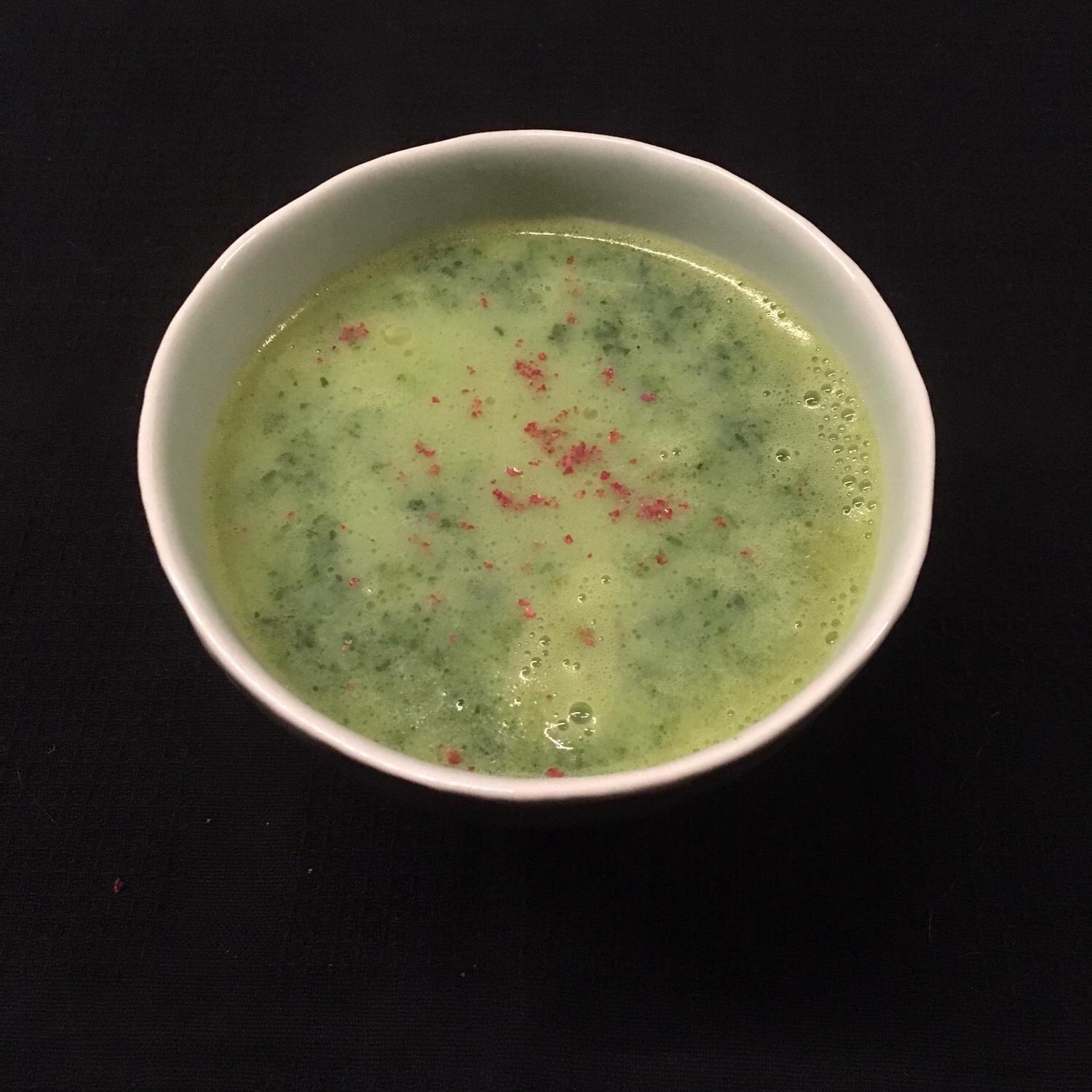
To start with, a simple watercress soup, light and green, with only 3 ingredients: watercress, milk and water. I added a bit of pink pepper for the picture. No salt, nothing added, I found it was tasteful enough. Of course you can add salt of spices, but the simple preparation reveals the real nature of the watercress.

Watercress soup

– a bundle of watercress

– 1/2L of water

– 1/3L of milk at room temperature

Wash the watercress and remove the bottom hard part if any. Boil in the water until soft. Blend, add the milk, serve. That’s it.

Spring savory delights

Nothing to do with the recipe I am presenting today, but the other night we went to check the newly opened Tokyo midtown Hibiya. A new building with many shops, a large Toho cinema and a terrace garden with a view on Hibiya park and the imperial palace. The place just opened so it was very crowded in apparence but the overall place was quiet and walking around was smooth and nice. Shops are for the most the same as elsewhere. Brand names, big and small, chains. Nothing really to impressive. The only thing that I found fun and interesting was the retro corner on the 3rd floor, with some craft, a barber, a book store and some sculptural clothes.

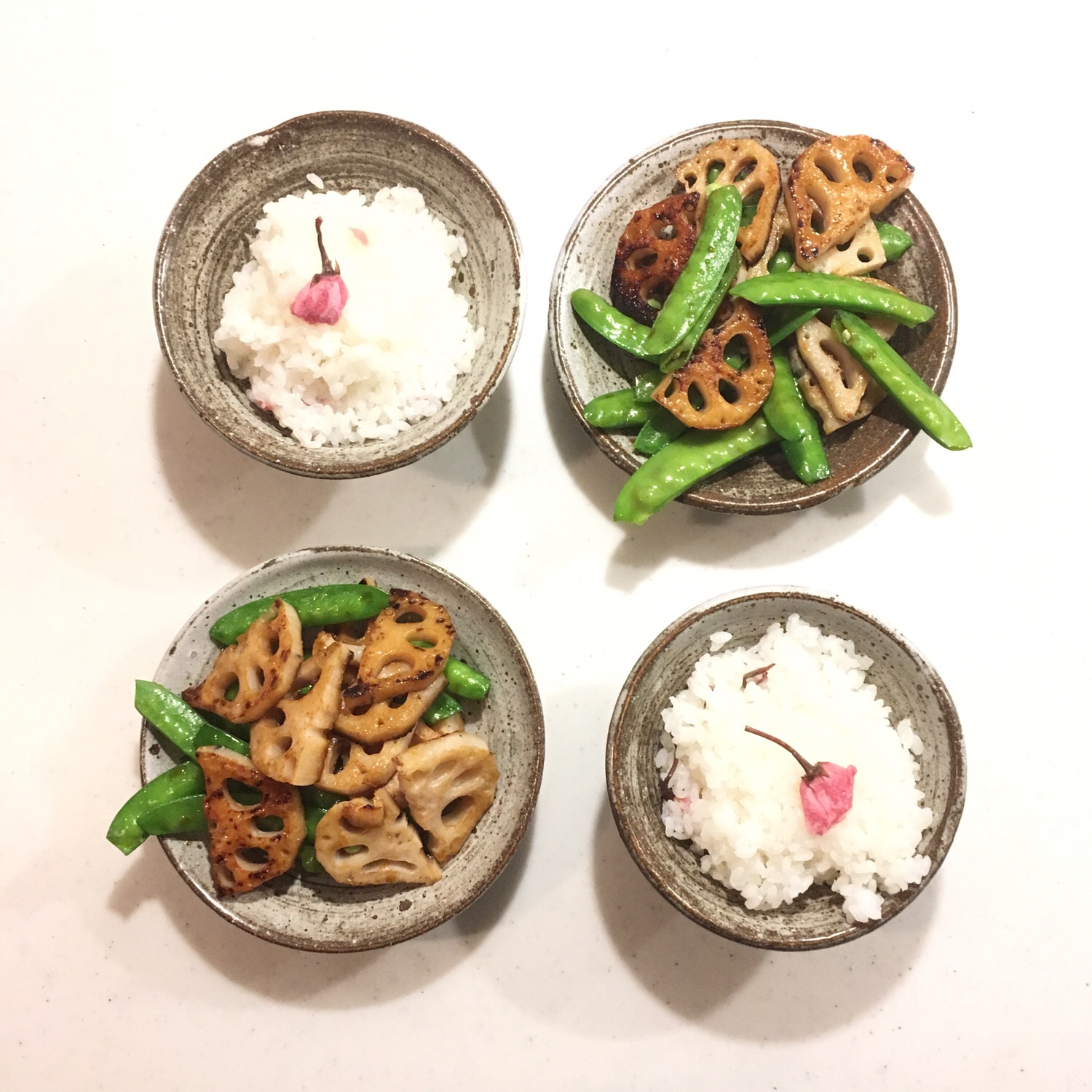
There is one trend tough that I find quite interesting. 15 years ago when we arrived in Tokyo there a few cinemas, mainly old, that little by little were closing down, until it was a real pain to find one. Recently many of the new shopping places downtown have a large dedicated cinema. Toho cinemas are really spreading and now it is really easy to find a screening in original version too. Yet movies release is still super delayed compared to other countries and we usually watch the “new” movies on the international itunes store before they are available in Japanese theaters!!! And what to eat with a good movie? Pasta or a good and simple Japanese vegan meal with rice and sautéed vegetables. To celebrate spring I really like snap peas, for the crunchy texture, the little tart and sweet taste, and the brillant green. And I also love the salted sakura flowers with rice in particular, but not only ( I made some sable last weekend and it was great!). And since I still have some lotus root (I bought a giant one!) I cooked the all thing to be served together. Sautéed in a little of oil for the lotus root, then add a little of water to steam the snap peas on top, finish with soys sauce. For the sakura, I wash the salt in water and add them to the cooked and hot rice. Serve all and eat happily while watching a movie!!

Stuffed lotus root

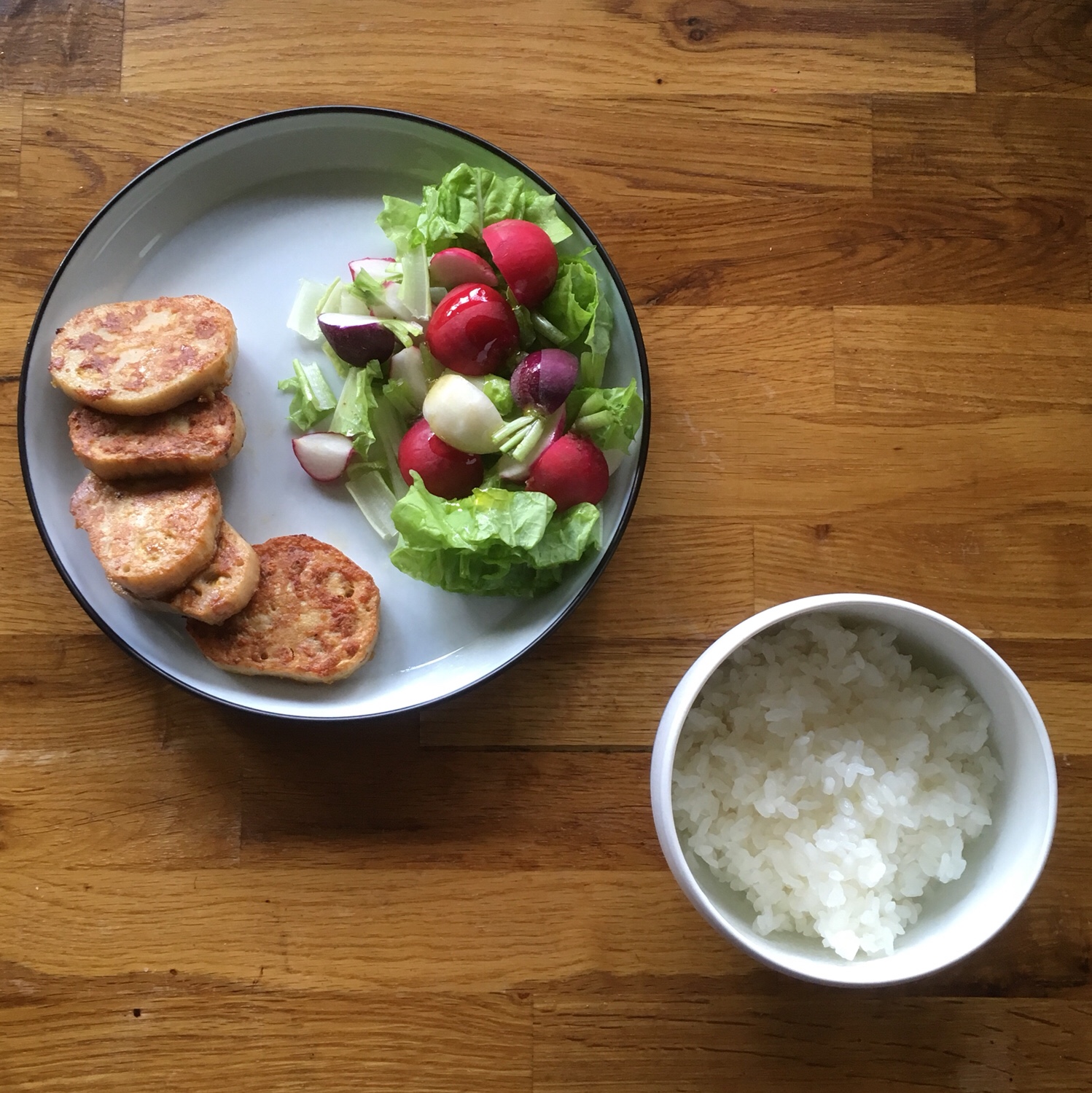
There is one thing that I don’t cook often but I love, is stuffed lotus root. It is not always easy ro find big, clean or still untouched lotus roots, but when I do, I definitely try to make some stuffed lotus root, changing recipes depending on the available ingredients and the mood of the moment. This weekend I found huge lotus roots that were untouched and perfectly cleaned. And I tried a filling made with chicken meat and curry spices. The result was a crispy melty spicy combo that I served with simple fresh salad and radishes and a bowl of plain rice.

Japanese spring

Here I am! Back to warm and blossoming Tokyo! What a difference from Canada! Not only it is warm and all the cherry trees are blossoming, people are out to enjoy the weather and the flowers, there is this very special euphoria in March in Japan. The season for graduation, for endings and soon new departures. And we are no exception to that. April is going to be busy, full of novelty and surprises.

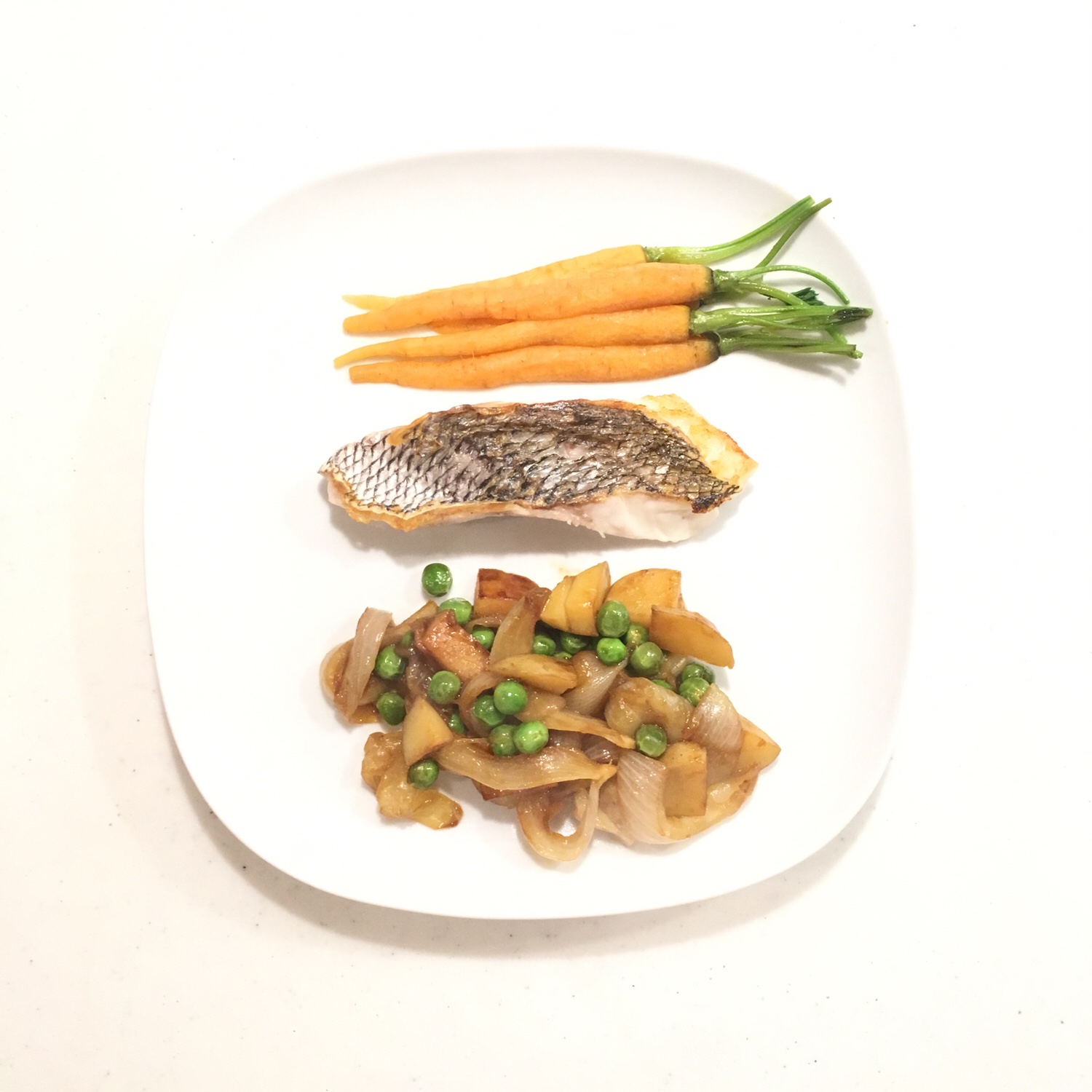
When I left Tokyo almost two weeks ago we were only having a few spring veggies: new potatoes mainly and a few greens from the south of Japan, by the time I’m back new carrots, onions, green peas, all the wild vegetables are displayed at the fresh food corner. Bamboos shoots also will be there soon! Since both A. and I are coming back from long separated trips and we are both suffering from jetlag from different time zones, the first things we did was to go grocery shopping to indulge ourselves with a nice dinner that will make us feel the season and prepare our mind and bodies to the Japanese time. It is quite rare I shop for food in Tokyo recently, but I have a few favorite places: Mitsukoshi Nihonbashi, Seijo ishi Tokyo Dome or Isetan Shinjuku. This time we stopped at Mitsukoshi and got some fresh new vegetables and a piece of fresh red sea-bream. It’s not always easy to find wild fish but at least I know each of these three places usually have some. And the dinner then was just simply decided with a classical preparation of sautéed vegetables slightly deglazed in soya sauce and pan grilled fish. And I am so happy to be back.

French toast

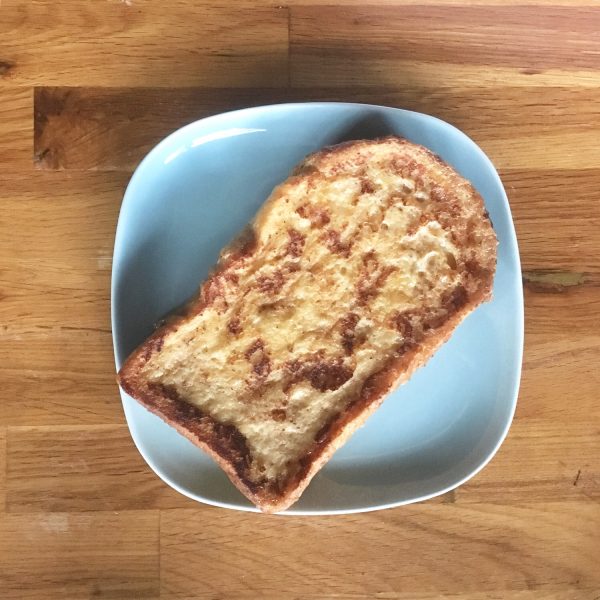
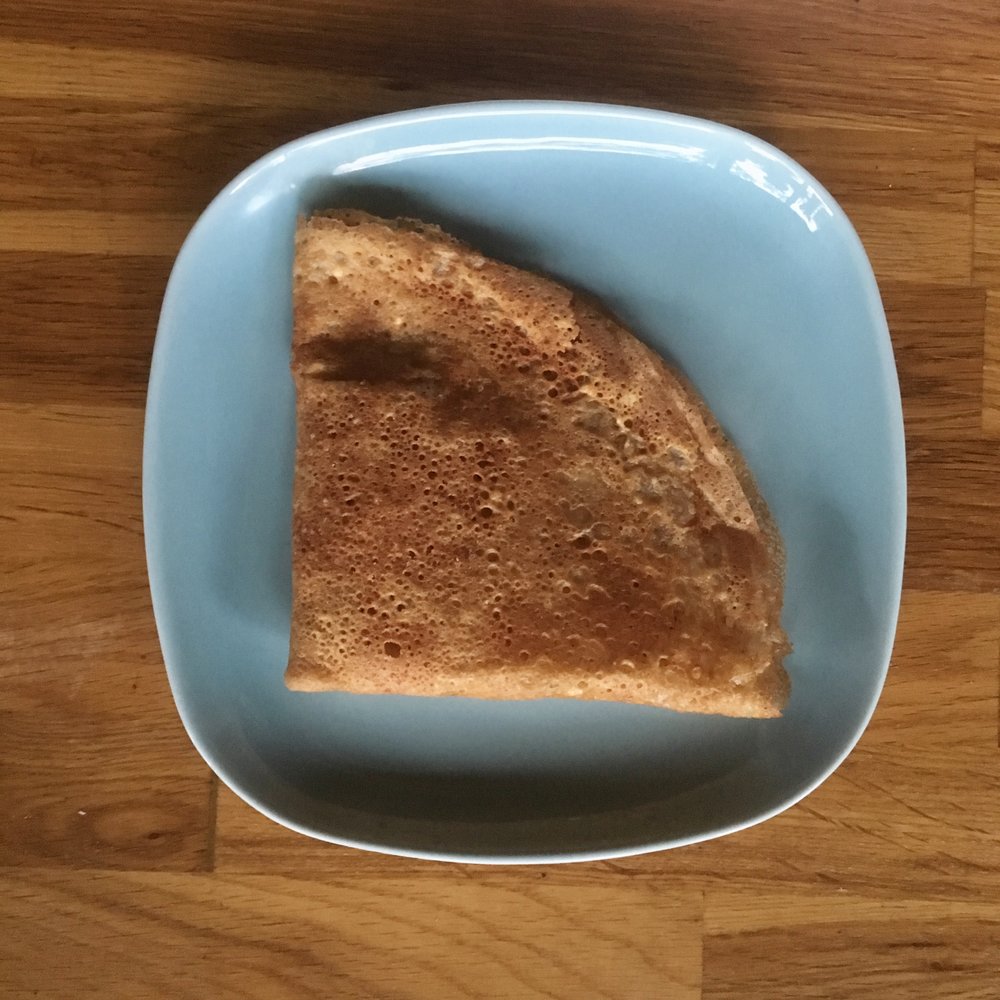
Could you imagine that! I have never eaten French toast!!! Not even once! And never made any either! So today I decided to try to make some with some bread leftover… Everyone knows how to make French toast, even me, I knew!!! It is ultimately easy and rapid: some milk (I used almond milk), an egg, a bit of brown sugar, spices (cinnamon and cardamom, my favorite). Bit the egg with the milk, the sugar and the spices. Soak the bread in it, the cook in butter greased frypan until golden… that’s it. And well I must admit that the taste of spices was good but really, French toast are not in my top list… I prefer to use leftover bread for croutons or give it to the birds… I probably won’t make any a second time… I think the idea of soaking old bread is actually quite not something I like, a main reason why I was never tempted by French toast before (neither English pudding). Now I can say I tried, and won’t again!!! But there’s always a good thing in tring recipes, it’s that it gives some new ideas or chances to test new combinations. And with the milk and egg batter left, I added a bit of flour, some more milk and obtained a spicy crepe mix. And I made a few crepes, served just with butter or sugar, and they were super delicious. The spices added a little teist that was simply perfect! That I will definitely do again!!!

Dirty hands

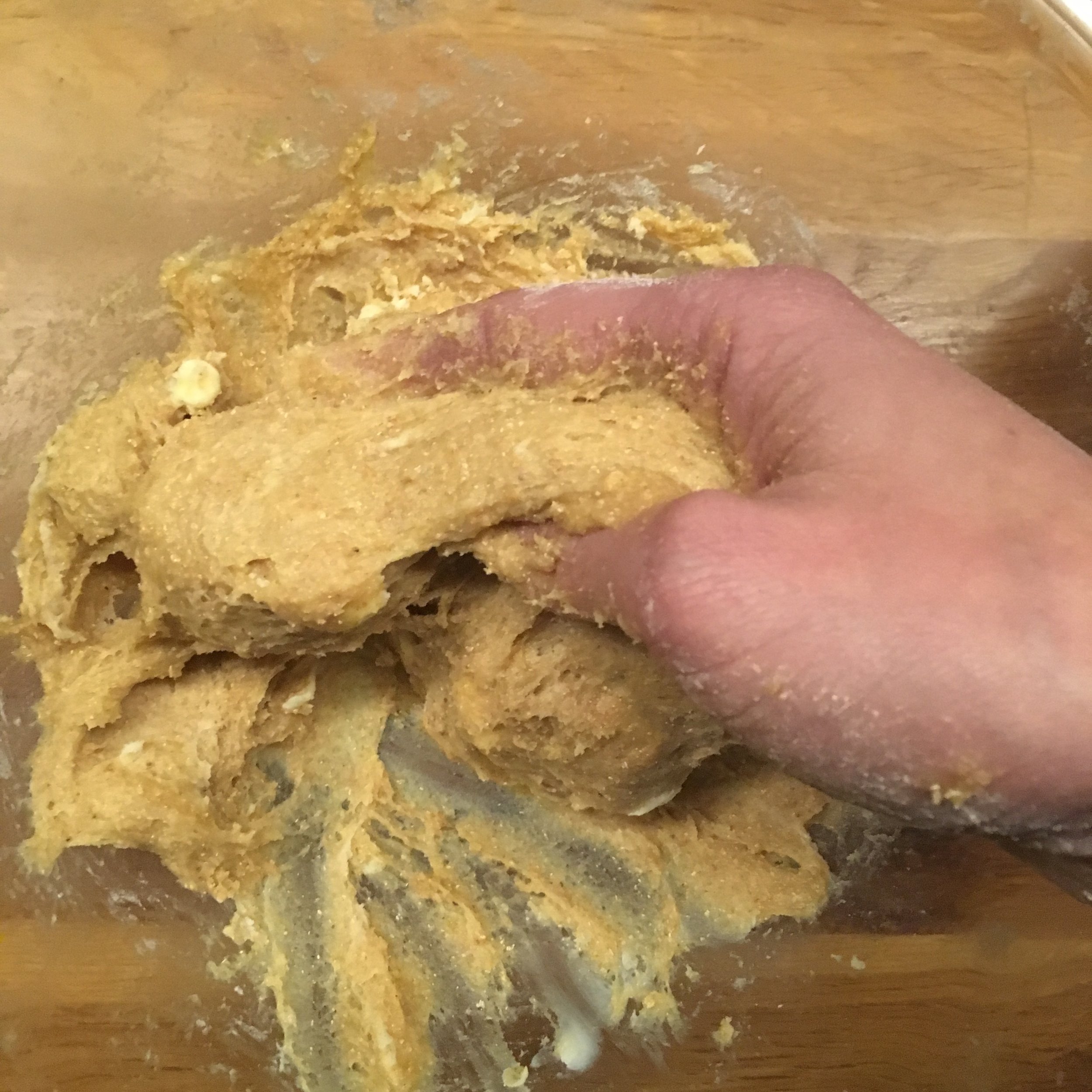
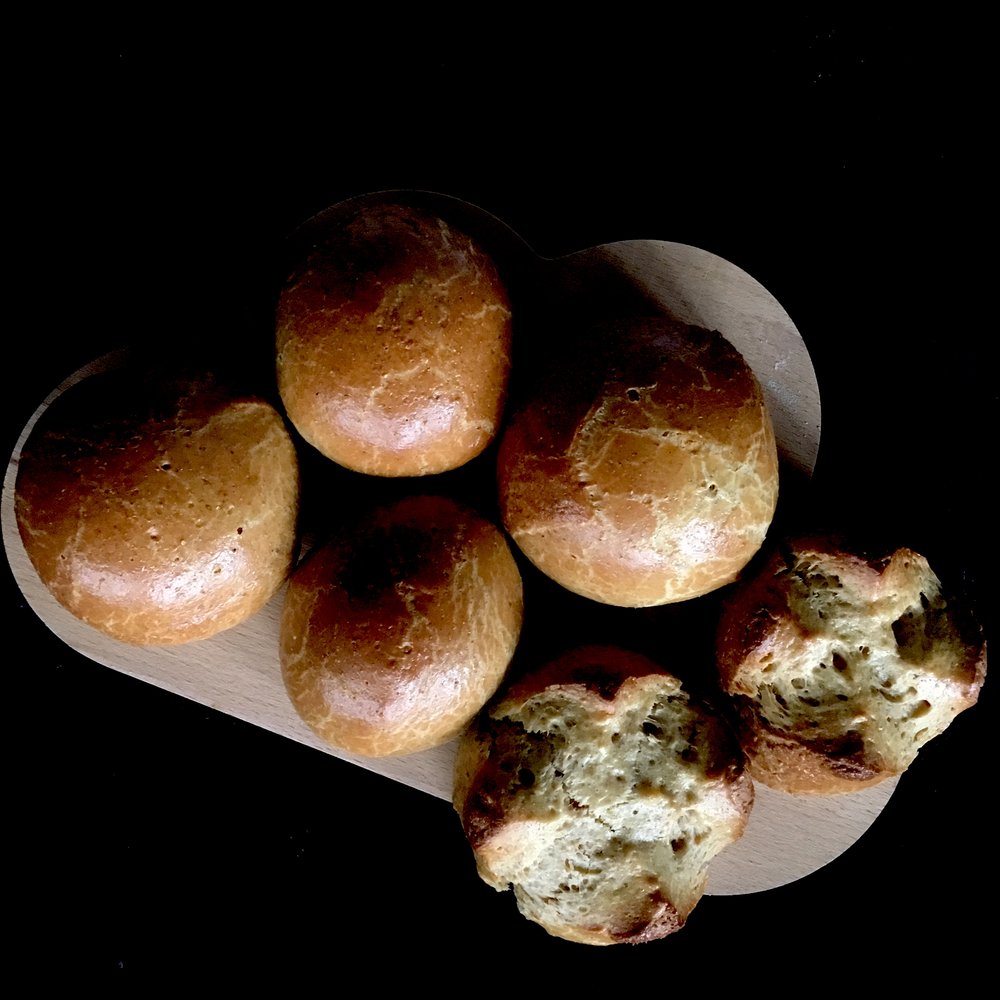
I love to put my hands in gooey mixtures quite a lot, and this weekend is what I did!! I first started bu making some brioches for our breakfast. The dough for brioche is always a hard kneading wirk because of the egg and butter the dough gets really really gooey and it takes a good 30-40min of string kneading to obtain the silky soft and smooth dough expected. I could use a robot you could tell me, but kneading is really part of the fun for me, if not most with eating together the final product. The result: 6 little brioches was really great, all warm out of the oven for breakfast. And when they we finished for tea time, I regretted not to have made more…

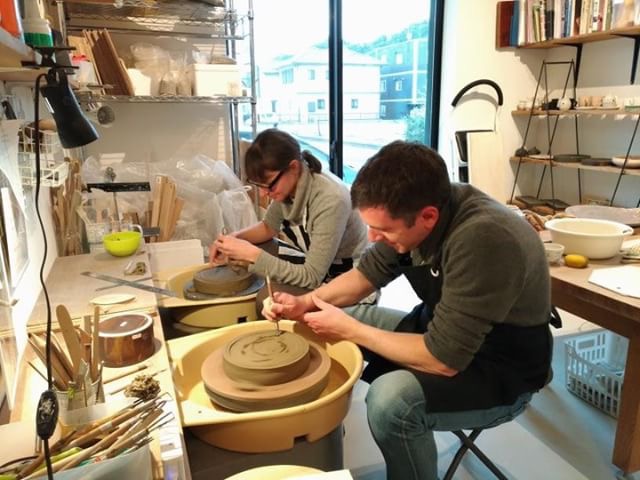
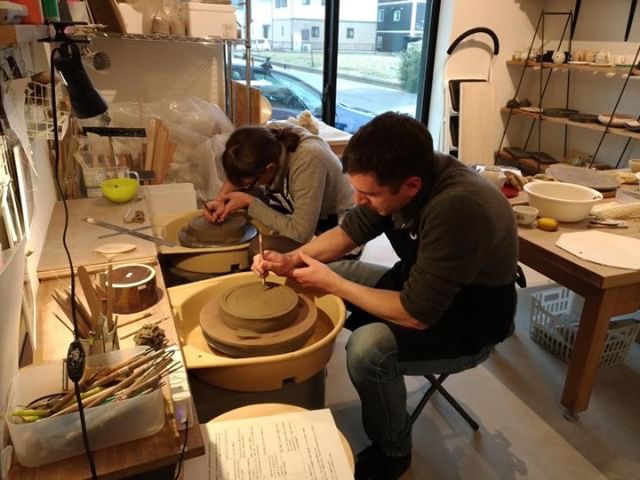
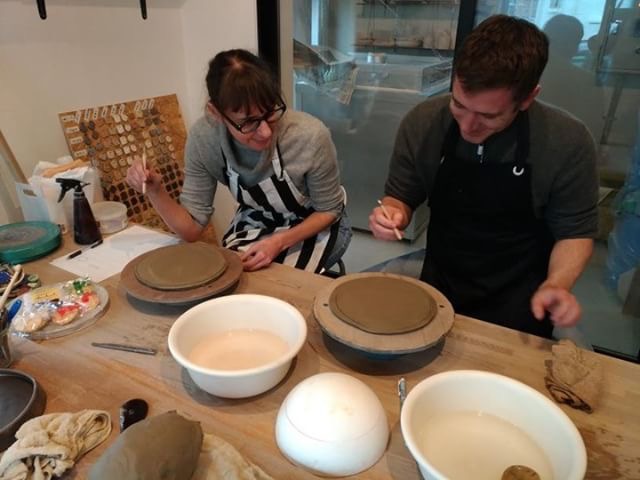
The other gooey mixture I worked with this weekend was clay for ceramics. After our experience of making pottery in Kurashiki, we wanted to do some more, and finally by chance the other day at some event in Isumi we found Ezonoco a potter which work I like very much and who is also having some classes at her workshop. So we finally went there and spent the afternoon with hands in the clay and shaping our creations. It was tough work but it was great to work side by side and tease each other and I can’t wait to see the results after they will be out of the oven in a few weeks and we can work on them again. I also thought about the so many things I want to make and that it may finally happen! It makes me really happy!

Romanesco


Every one knows this fractal cabbage that is as beautiful as delicious: the romanesco! It is now not too difficult to find it in Japan too, and they even grow some in Isumi. Since I want to keep it simple and to be able to admire its beautiful shapes that usually I use it simply steamed, or roasted. And sometimes in quiche (all the romanesco recipes are here). I find that the oven slow roast and the quiche overall suit very well this cabbage, and its flavor suits the flavor of buckwheat and shiitake very nicely, so I made a quiche half flour half buckwheat flour, and in the egg base I added plenty of turmeric and pepper and slices of fresh raw shiitake and raw romanesco. And it gave a very subtle combination that was very pleasing.

Have a great week! 

Plating

We say in French “les jours (les semaines, les annees…) se suivent mais ne se ressemblent pas”  (days (weeks, years…) follow each other but are never alike) and this is so very true these days for me! Not that I complain about it, but there is very little routine. One day it snows, the next is warm; one day I have intense discussions at work with many different experts, the next I spend in paperwork and administrative tasks; one day I spent writing and reading articles, the next listening to students presentations; one day I run errands and meetings in the city, the next I’m seated 12h in my office… and one day I’m in Tokyo, the next in Italy or in France… It’s a captivating work I do and I’m grateful for all it brings, even a short interview in a French peridocal! But honestly this is not making me better at plating, this is a constant observation. Regardless how my recipes are yummy-easy-healthy. The problem is that I seriously don’t know how to improve it. When I look at my IG feed I feel sorry but I use only my best shots… but when I look at my picture album, I see all these delicious tests I made that I will never dare sharing… For example this amazing plate I made with wild hijiki, grilled swordfish, tomato and caper sauce… deliciously half indeed but the pictures are so bad: lighting, plate, plating… all wrong… Or this broccoli and fukinoto bulgur dish (this one is borderline so I decided to share it… but honestly I hesitated a lot before showing it… but fukinoto are seasonal and the season is right now, and the mix with the broccoli was really great… so at some point I wanted to share it.. because there are so many ways to eat local and seasonal staples that change from the traditional ones. For example fukinoto is mainly eaten in tempura, in miso soup or pickled in miso… but in kind of risotto like this recipe it is also really great! You’ll find the recipe below. And if you have plating advices for daily life food, pleeeeaaaaase let me know!!

Bulgur risotto with fukinoto  (for 2 people)

– 100g of bulgur (I use fine one for it cooks slightly faster) 

– 8 fukinoto of medium size. If they are large 4 or 6 is enough

– a piece of broccoli

– water

– olive oil, salt and pepper  

In a pan grease with olive oil and heated pour the bulgur, start cooking at high heat while stirring for 2 min. Lower the heat, cover the bulgur with water and add about 50% more in volume than the bulgur. Wash the broccoli, the fukinoto. Cut them (if the fukinoto are small don’t cut them). When the water in the bulgur as decreased and is no longer visible add the broccoli and cover, 2min later add the fukinoto and cover for 3 more minutes. Add salt, pepper, olive oil and stir before serving.
Proudly powered by WordPress | Theme: Baskerville 2 by Anders Noren.

Up ↑

Verified by MonsterInsights