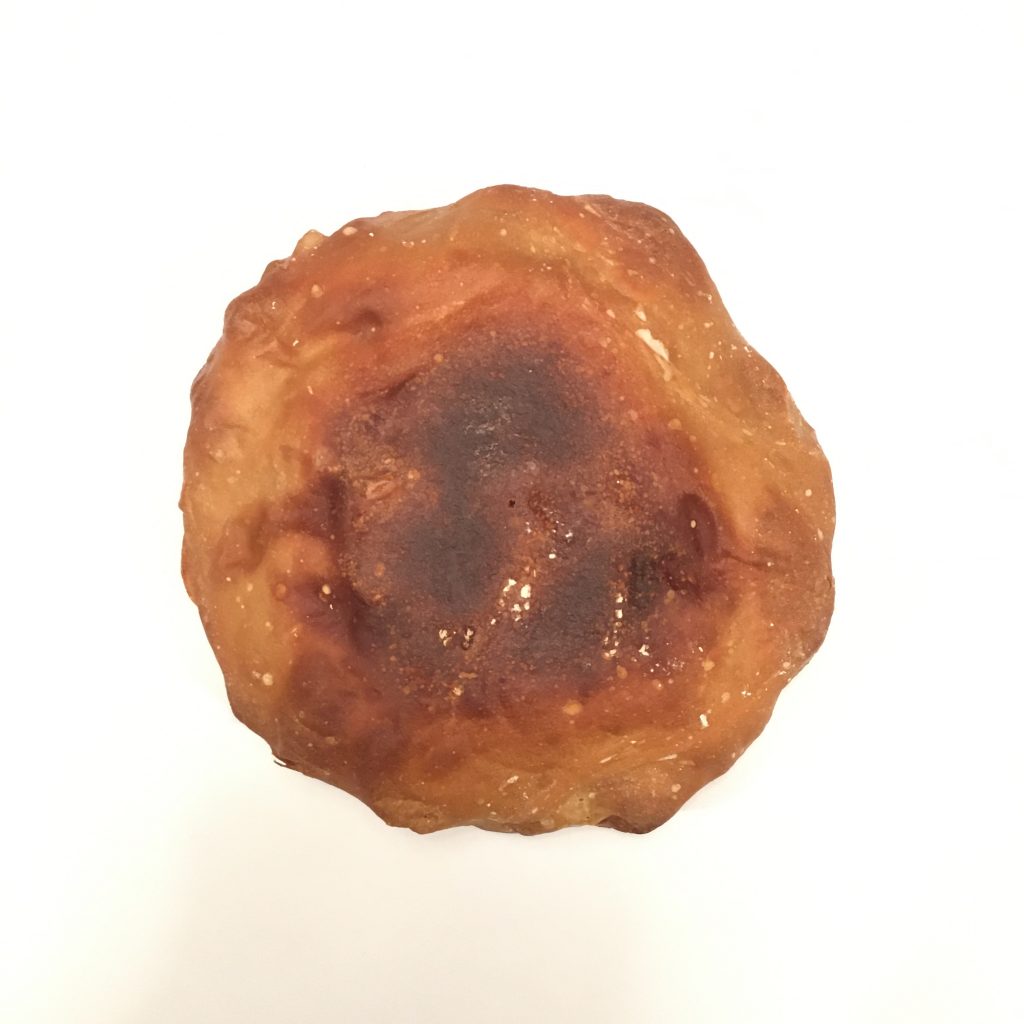
Bread in a pan…

Who would do that honestly???

I never thought I would… until we moved to our new apartment where the kitchen doesn’t have an oven yet and we are still not sure about the renovations we want to do and given the circumstances we prefer to wait a bit… I don’t see myself stopping telework, I’ve always loved it… and always hated train commute. Nor spending the whole week in the country, it would be too tempting to go surfing and work in the garden instead during the day… and I would start working at night…

So, no oven… I’ve tried to bake bigger breads on Sunday but they are so good that they barely last until Wednesday morning in the best of the best scenario… the rest of the week, I make pancakes… but I get board of plain pancakes, and nothing is better than bread (but croissants and pains au chocolat… but honestly they are just air and they feed us enough to not starve 2h later… and lunch is usually more 4 or 5h later…

Bread is the only option and I remember seeing recipe of breads in crockpot, in cocotte… so I was tempted to try. In Tokyo I have neither crockpot nor cocotte. I have a pan with a more less fitting cover… more less because my pan once felt and since then it is more an ovaloid than a perfect circle!!!!

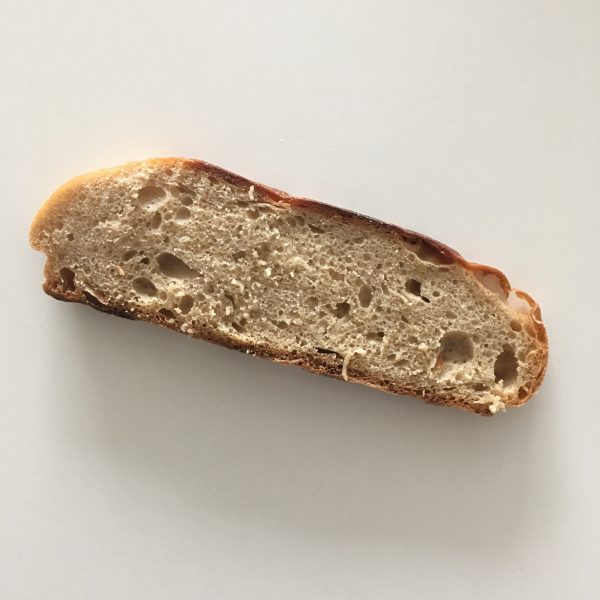
The bread making and kneading is just the same as usual. The rest time also for the first rise. For the second I read that it can be done while the pot is heating, and I tested the first time, but for me it didn’t work, so I just shaped my bread as a ball, laid it on kitchen paper in the pan and waited 1h. Then turn on the gaz rather high and covered and cooked until the bottom was golden. Then I flipped the bread and cooked on the other side. It avoids the thick crusty bottom and the risk of heart of bread not well cooked, and that’s what made my second pan bread perfect.

Cooking bread in a pot may not seems straightforward but it works very well… and I was surprised about it!!!
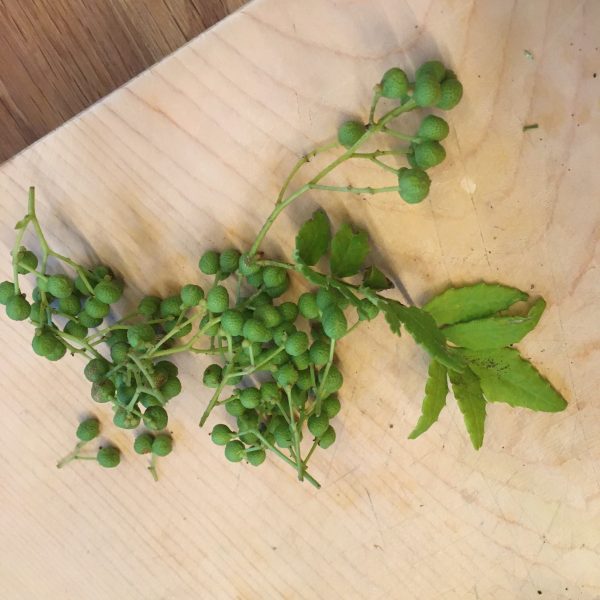
Sansho – 山椒

This shrub looks like nothing particular in the garden, yet it bears fragrant leaves and fruits. It is sansho -山椒 or Japanese pepper.

I planted the tree the very first spring we started our kitchen garden, and without failure it has produced the fragrant leaves we often eat during early spring with bamboo shoots, and later in June the little tiny fruits that are so recognizable in Japanese cuisine. The shrub grows steadily and the fruits are very fertile meaning you have sansho in the garden and don’t harvest the fruits, they will quickly sprout everywhere! So I devoutly harvest them for our own usage and to give away.

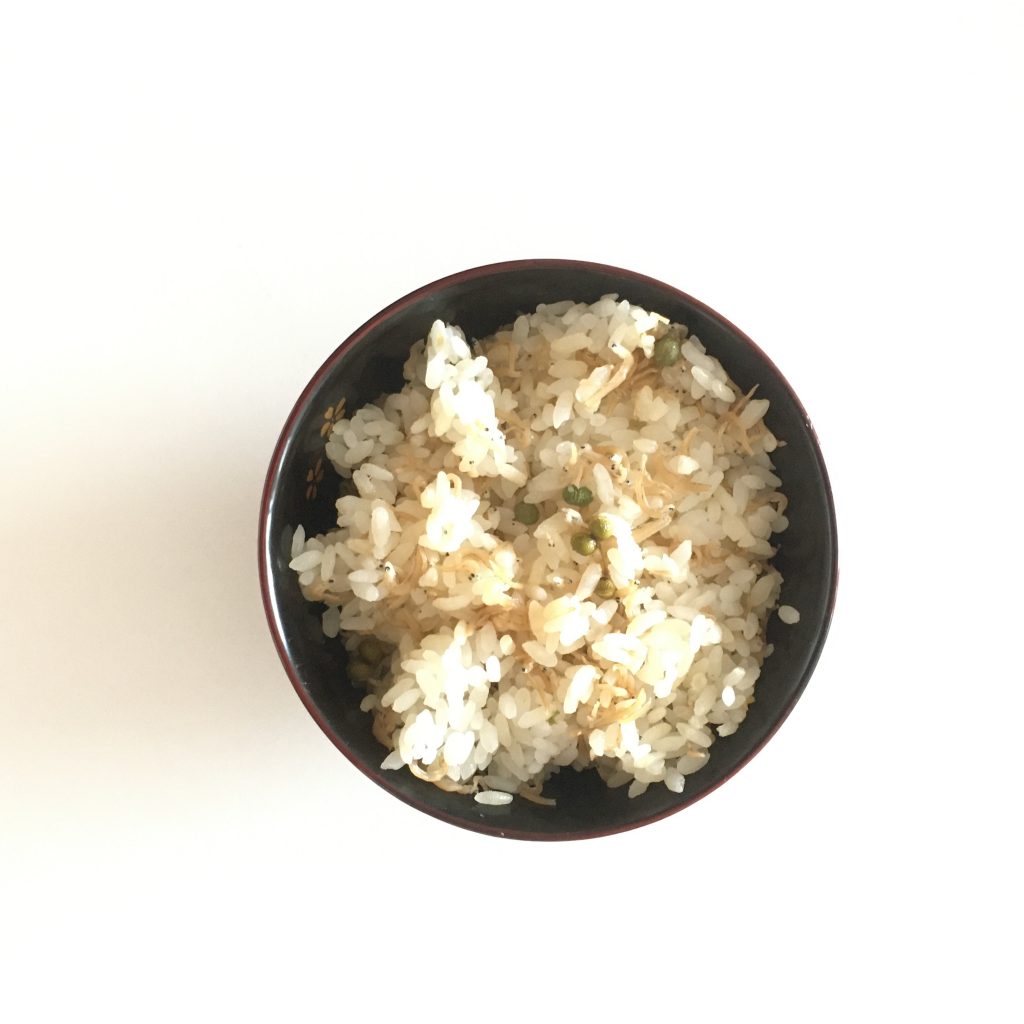
I particularly love one recipe of sansho that comes from shojin cuisine. It just blends the typical Japanese flavors or soya sauce, sake and konbu with sansho. It is very simple to prepare and can keep forever in the fridge. Which means you can harvest your sansho, prepare this recipe and eat sansho all year round until the next harvest. So here is the recipe. I love it with plain white Japanese rice and dry chirimen.

Sansho preserve

  • 1/2 cup of fresh sansho seeds
  • 1/4 cup of soya sauce
  • 1/4 cup of sake
  • 8 pieces of konbu of 1.5×1.5cm

Wash the sansho and remove the stems. Put all the ingredients in a small pan and cook at low heat under cover until the liquid is just enough to keep everything moist. Let cool down. Put in a clean jar and keep refrigerated. Use whenever you want. Isn’t that sinple!

Loquat – 枇杷

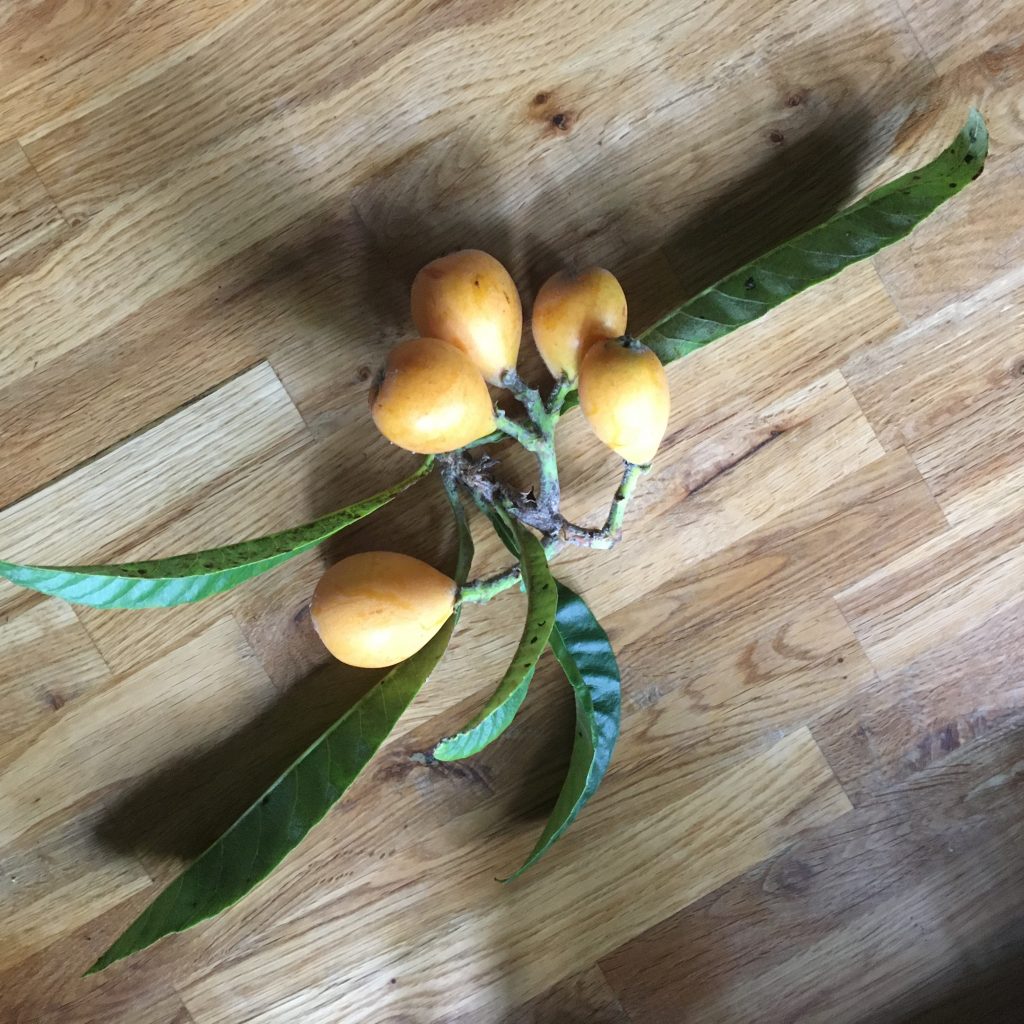
Among the many trees in our garden we have in the very back of it a loquat tree. Loquats-枇杷-biwa are quite common in Japan and have been there around for long enough such that a music instrument bears the same name but writes differently 琵琶.

The location of the tree in our garden was very unfortunate, it is near where we have a space designed to burn garden green trash, and it was in the shadows of the edge trees of our neighbors. While we have stopped burning garden trash and now compost them or dispose them, our neighbors also cut the edge trees last year, and our garden is now benefiting for a lot more sun light than it used to. This two factors combined, our loquat tree has produced numerous large sweet fruits this year, which compared from the tiny sour fruits it used to produce was a big surprise. I used to give the fruits to birds, now I decided to harvest quite a few.

Loquat are good eaten raw in fruit salad, with yogurt or fromage blanc. They are just a bit tedious to prepare. The peal comes of easily, so do the seeds, but there is this harder part between the flesh and the seeds that I don’t like and prefer to remove. So when it comes to preparing loquats, I like to prepare several at the same time. Having my hands all covered in juice… unfortunately they oxyde very quickly so you can’t prepare them to long ahead before eating. Not that it alters the taste, but the bright orange color turns quickly in a brownish, not very appealing.

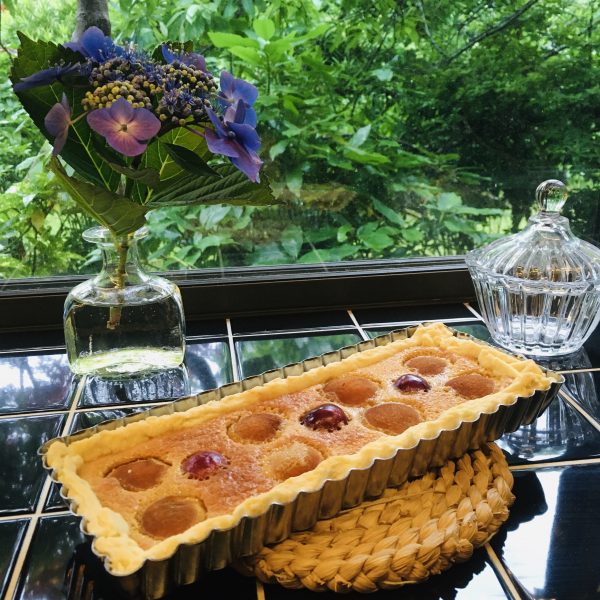
My all time favorite for eating biwa is definitely in a tart. Like you would do for apricots, with a sable pie crust and an almond powder and egg base. Not too sweet, as the fruit is very mild in taste, you don’t want to overwhelm it with sweetness. I used also no sugar in the pie crust. Just butter and flour, and a bit of water.

And since I had a few cherries left from the clafoutis I made, I added a few. Very good balance in flavor, juiciness, sweetness and sourness. After baking until golden, eat rapidly as the loquat oxydation continues even cooked…

Now is the season of loquat in most north hemisphere countries, so enjoy them as you can and have a good week!

Inspiration from mom’s recipe

I call my parents at total random times, depending on my schedule, but because of the time difference it often falls before their lunch time/our dinner time. Often it is when I am on the move. Walking between appointments, walking back home. But it also happen when I’m in the kitchen kneading bread or washing vegetables to prepare dinner… the latter often drives the conversation towards food. We share our new favorite recipes, what is in season here and there (more than often the same things except for those that are specific to each country…)

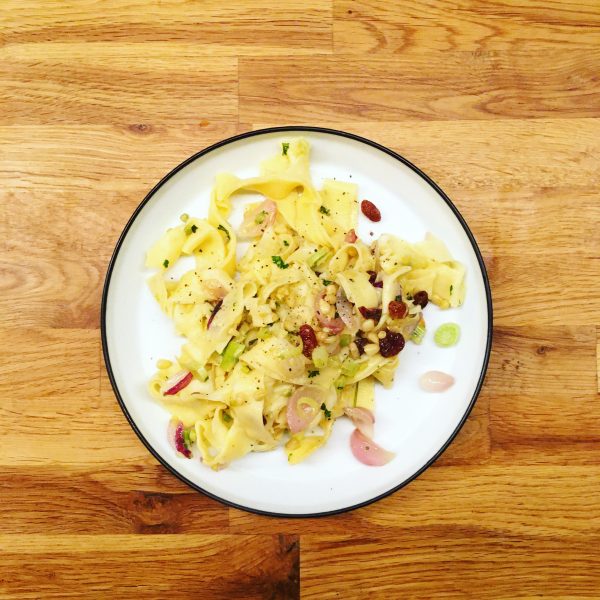
Last Sunday was mother day in France so I happened to call when I was thinking of preparing dinner, and my mother told me about her new favorite pasta recipe. Something very Sicilian to me, and with all ingredients I had in the fridge or in the garden… well all but the one that was key to her, which for me was optional: the sardines!!! I don’t mind skipping the proteins if the rest of the recipe seems worth. And it was… so here is my recipe largely inspired by the conversation with my mother. I didn’t know how it is called so I called it:

Pasta mom’s way

  • 100g of flour
  • 1 egg (for the pasta)
  • water (for the pasta)
  • 1 fennel fresh
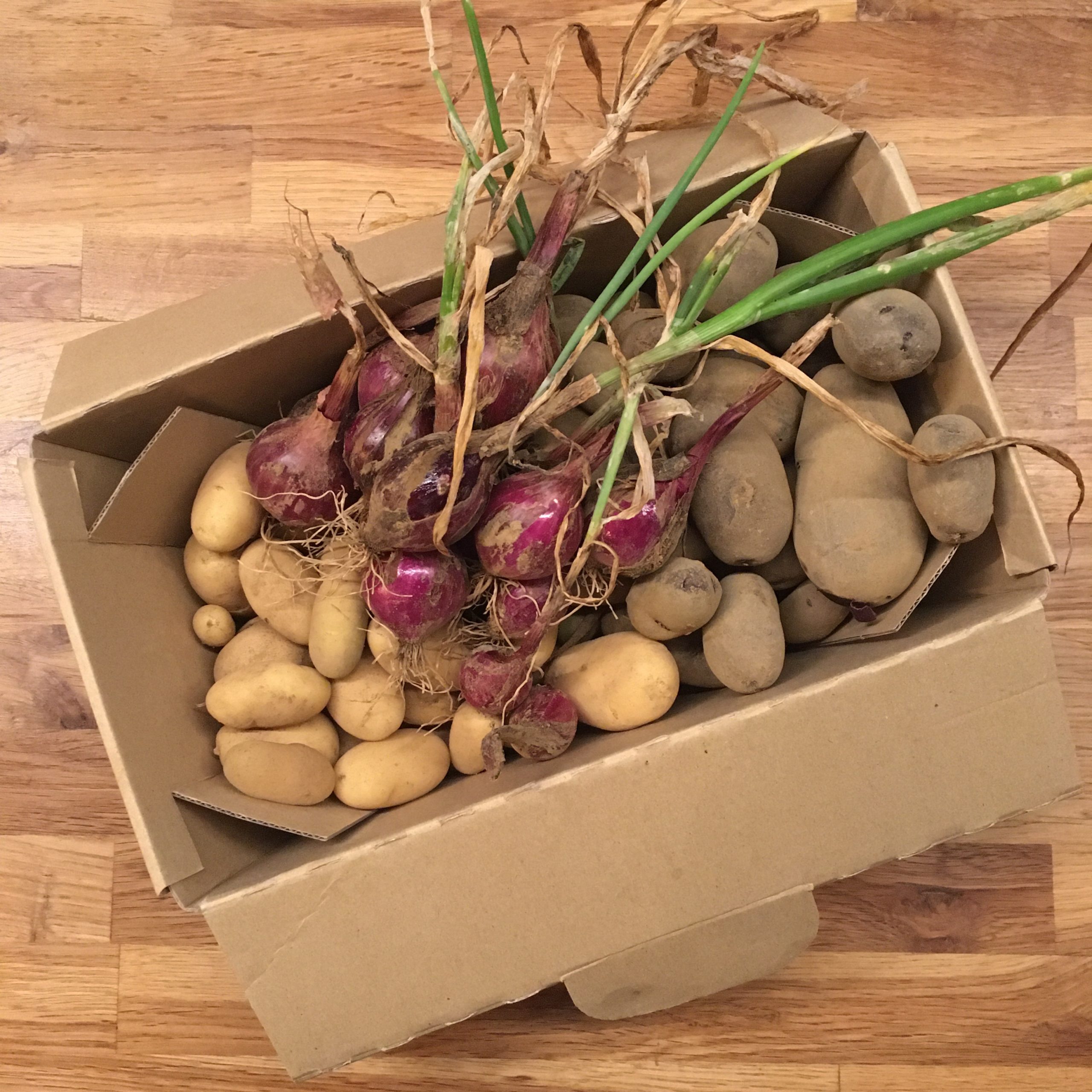
  • 4 little red onions as those on the picture above, can be one large…
  • 1 handful of pine nuts
  • 1 handful of raisins
  • olive oil
  • 2 branches of parsley

Prepare the dough for the pasta by mixing the ingredients. Leave to rest for the time to prepare the sauce.

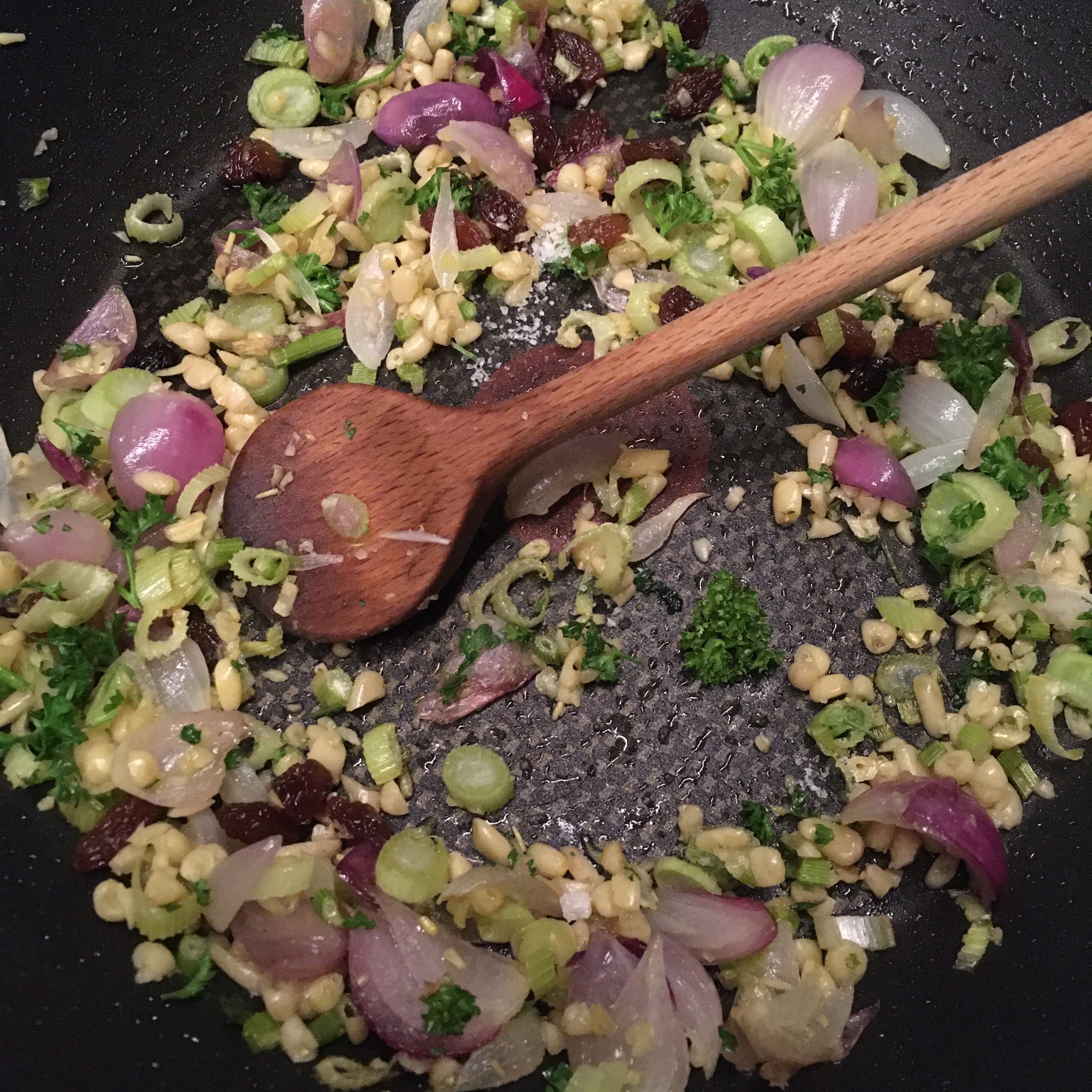
Peel the onion and wash the fennel. Chop the size you like. Toss in a pan grease with olive oil and cook at low heat until soft.

Crush roughly the pine nuts. Add to the pan. Add the raisin. Cook at low heat and stir sometimes. Chop the parsley, and add. In the meantime roll your pasta. I made tagliatelle but you can make what you like. Boil them. Drain and add to the sauce stir and add salt pepper and a bit more olive oil. Stir and serve to eat right away!

That’s it! Thanks mom for the tip!

June berry ジューンベリー

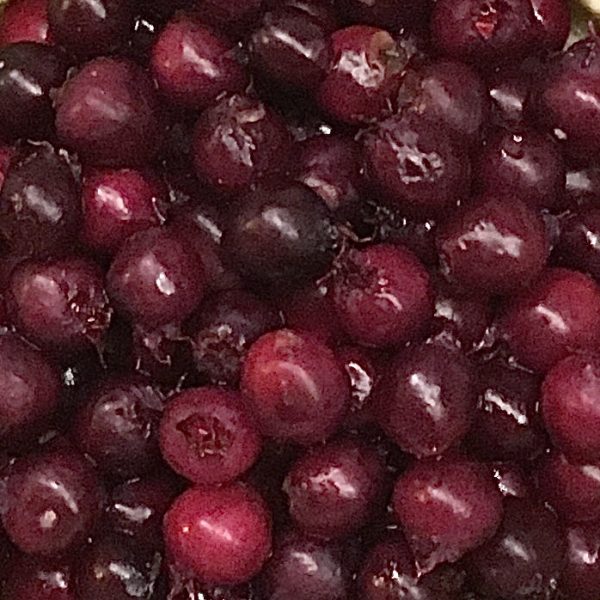
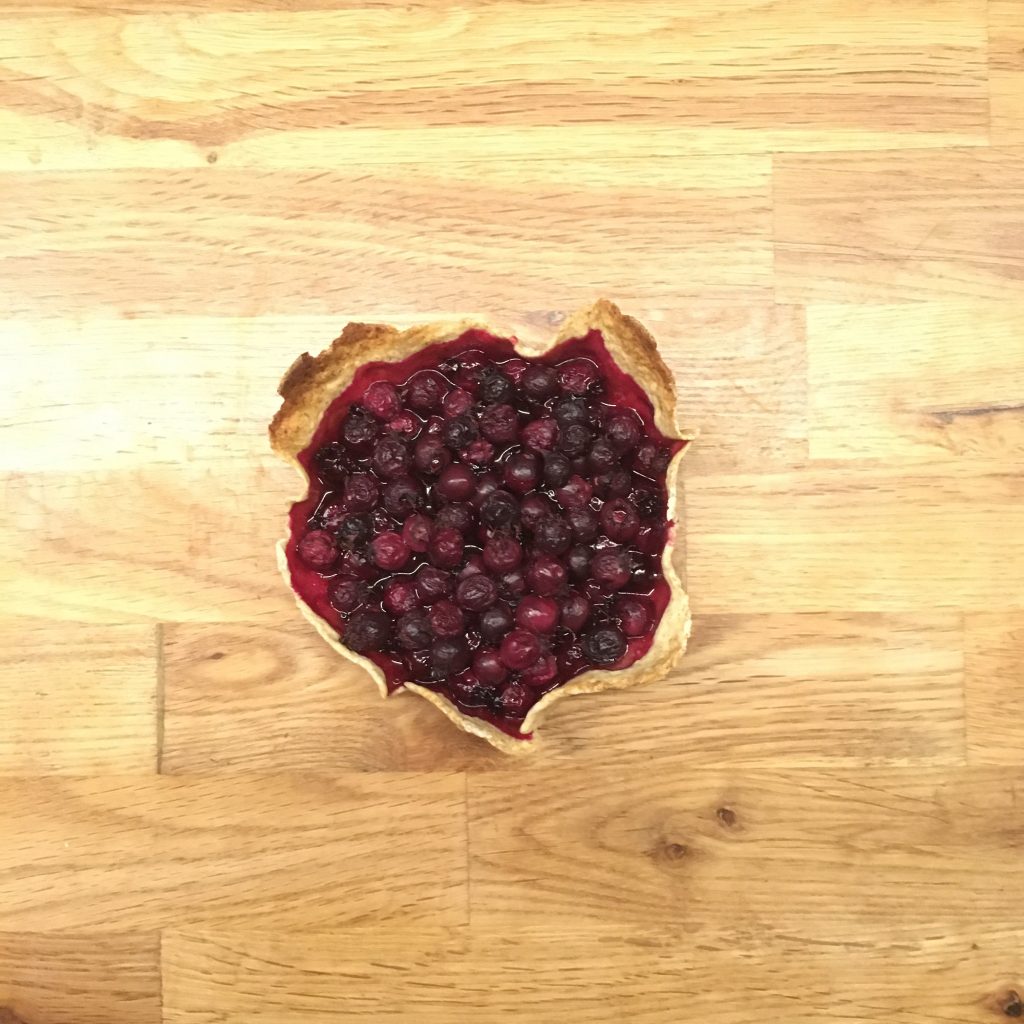
When I thought I had tried most berries that exist in Japan, our friends challenged me with a new sort!! The other day Y.-san arrived with a cup full of small dark red berries that looked a lot like dark red currant… so when he said in Japanese “we just harvested june berries, so here are some for you” I took a brain short cut and assumed that june berries in Japanese was the name for red currant. And since my oven was turned on to bake some bread and a quiche, I decided to make a tart with the berries. I prepared a thin crust with olive oil and rye flour, rolled it in a small pie dish, added a spoon of sugar (red currant would be sour…), and wash the berries and while admiring their dark red color, I was telling to myself how dark they are for red currant… well I baked until perfectly done and we ate the tart while still warm. You cannot imagine my surprise when we tasted it. Expecting the tart taste of the currants, slightly blurred by the heat and the sugar, I had in mouth a new flavor… sweet as the sweetest cherry but more floral and berry-like. It was the most delicate surprise!!!

So if you are as stupid as me and didn’t know about june berries, ジューンベリー, here is what a quick search told me about them. Apparently they seem to have been widely popular in the middle age in Europe, but they probably come to a disgrace, as I’ve never seen or heard about amelanchier (the proper name) until a few days ago. Too bad because not only the fruit is delicious, the flowers seem to be very pretty. They also seem to be rather popular in north America, and introduced to Japan for quite some time now. I’ve never seems them on market stalls of any kind, so I’m guessing that those who grow them keep them for themselves. And it is so delicious that I don’t blame them! Now I dream of an amelanchier for our garden! And if you know anything about the june berries I’ll be happy to hear more about them. What to do with them expect pies and jam… and thanks S. And Y.-san!!!

The garden doesn’t wait…

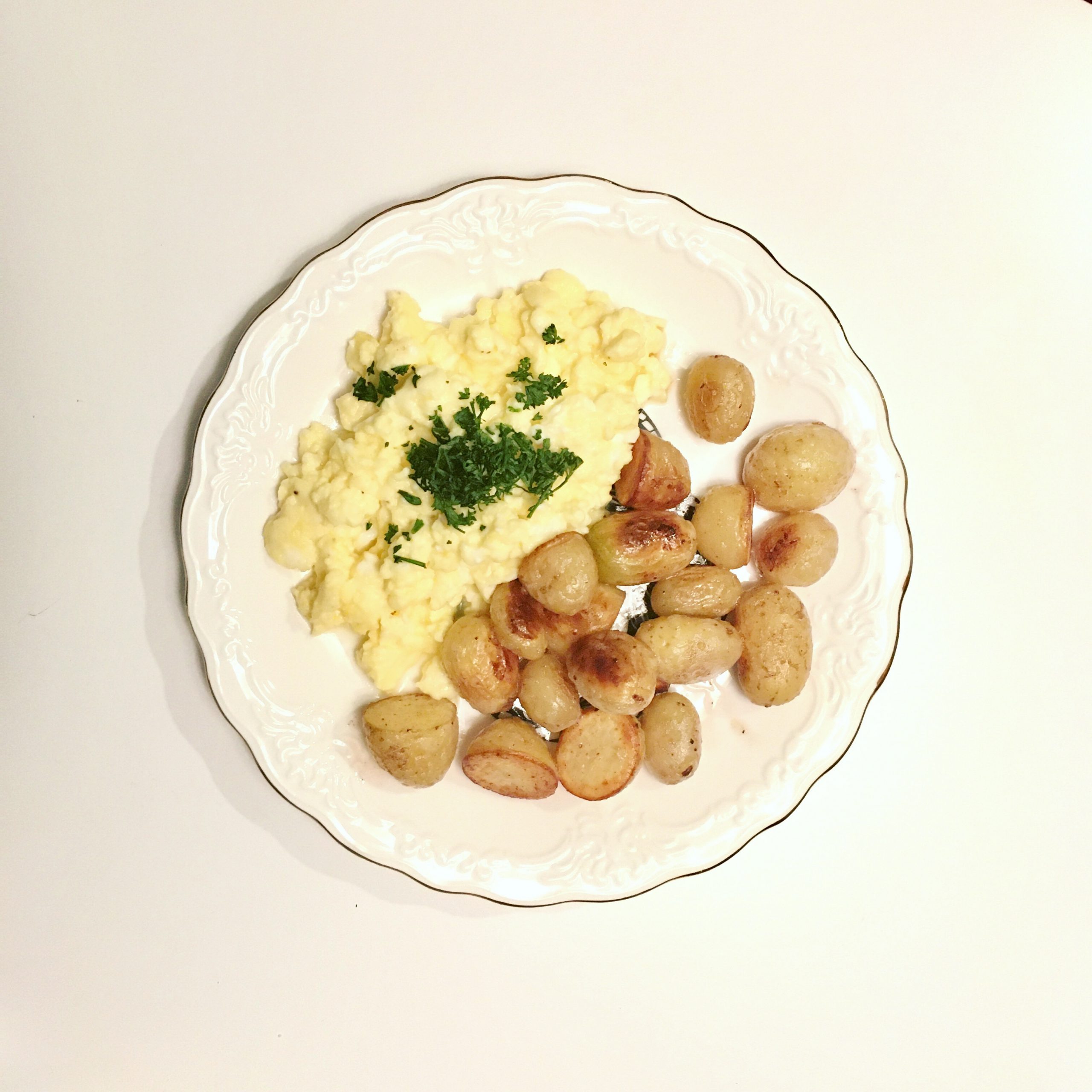
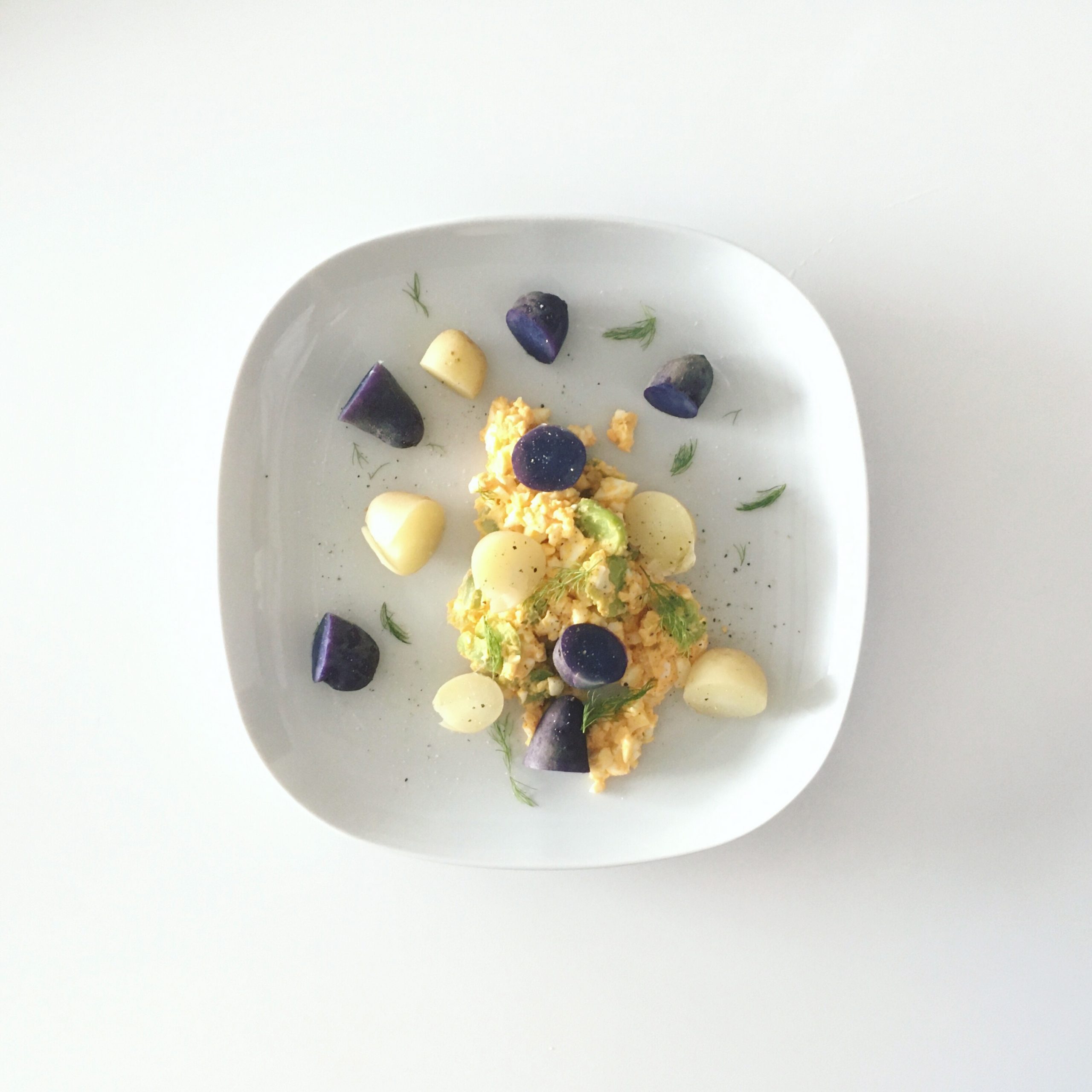
I know it, but sometimes nature reminds it violently to me… whether it’s a roof tile broken during a typhoon by a branch we neglected to cut, an overflow of the gutter because it was filled with fallen leaves… I learn my lessons. I also now monitor more closely the plants and trees, can predict and treat ahead of pests to avoid damages, so I’ve been busy… but when I discovered my potatoes were sick I was very disappointed. Last year they grew so easily… so last weekend I took action by making horsetail decoction to treat them and harvesting the most endangered ones. Which ended up beautifully in our plate with plenty of new potatoes to eat!!!

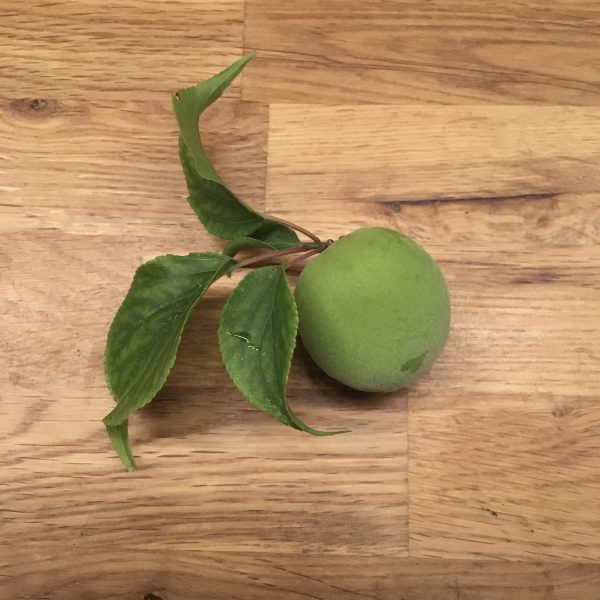
But today when I discovered that two large trees I like particularly have been attacked by pests I was devastated. Seeing them weakening and loosing all their leaves… I again took action immediately… but all nursing my plants and trees I had little time to harvest plums, so tonight, right before the sun went down, I decided to start. Only to realize that I will have to downsize my production of plum syrup, because in this last week the warm weather has turned the green plums into a pinkish orange, and they now will be more appropriate for umeboshi… the garden never waits for you. If you’re in time good for you, if you’re not, too bad… you need to move on, and wait another year…

Hopefully, I still harvested a few green plums to prepare some plum syrup ume shiroppu 梅シロップ. I have something with syrup usually in summer, but not only, I always have had. I have always loved them and I remember my dad bringing me a glass of grenadine syrup, very diluted, in the morning before going to high school… I’ve never been a morning person and for more than 20 years I never had breakfast except something to drink. The plum syrup is really nice because it can be drunken cold or hot, which makes it year round drink, very enjoyable in the winter after a body boarding session or on the tennis court. Indeed, because it is very simply made, not only it tasted great, it is also full of nutrients, highly diluted it makes a good recovery drink after effort. Add to that the salty plum juice umezu 梅酢 from making umeboshi and you have the perfect energy drink sweet and salty, 100% homemade and sweet and salty to your taste! For 500ml of recovery drink I use 2tbs of plum syrup and 1tbs of umezu then add water. When it’s really hot or effort really intense I use 2tbs of each.

Fava beans

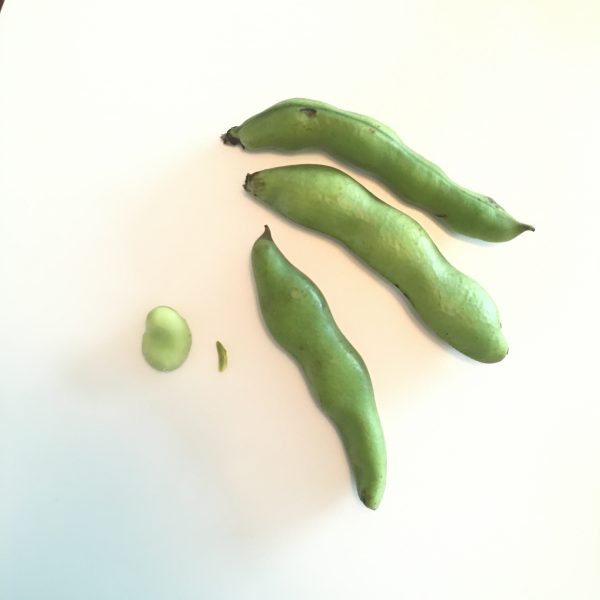
Now is the season and it’s always a feast for me!!! Well… it wasn’t always like that, it took me time to enjoy fava beans but now I love them and I was thinking of doing a fava beans week like I did in the past for many of my favorite ingredients: 5-7 days, 5-7 recipes, but by the time I got to actually seat and write a post I realize I published so many pictures of recipes with fava beans on IG that in the end it wasn’t making sense anymore. So once again the fava bean week has been postponed… I decided to go with a summary of my favorite recipes, may in one or two posts.

One thing that took me some time to understand was how delicious fava beans or sora-mame in Japanese そら豆 are when simply blanched and pealed. I use to eat them whole (don’t get me wrong not whole whole right! Just the beans inside the pod!!!)… but after preparing some Shojin cuisine recipes some years ago, I understood the difference between pealed and not pealed fava beans, and I would never not peal anymore.

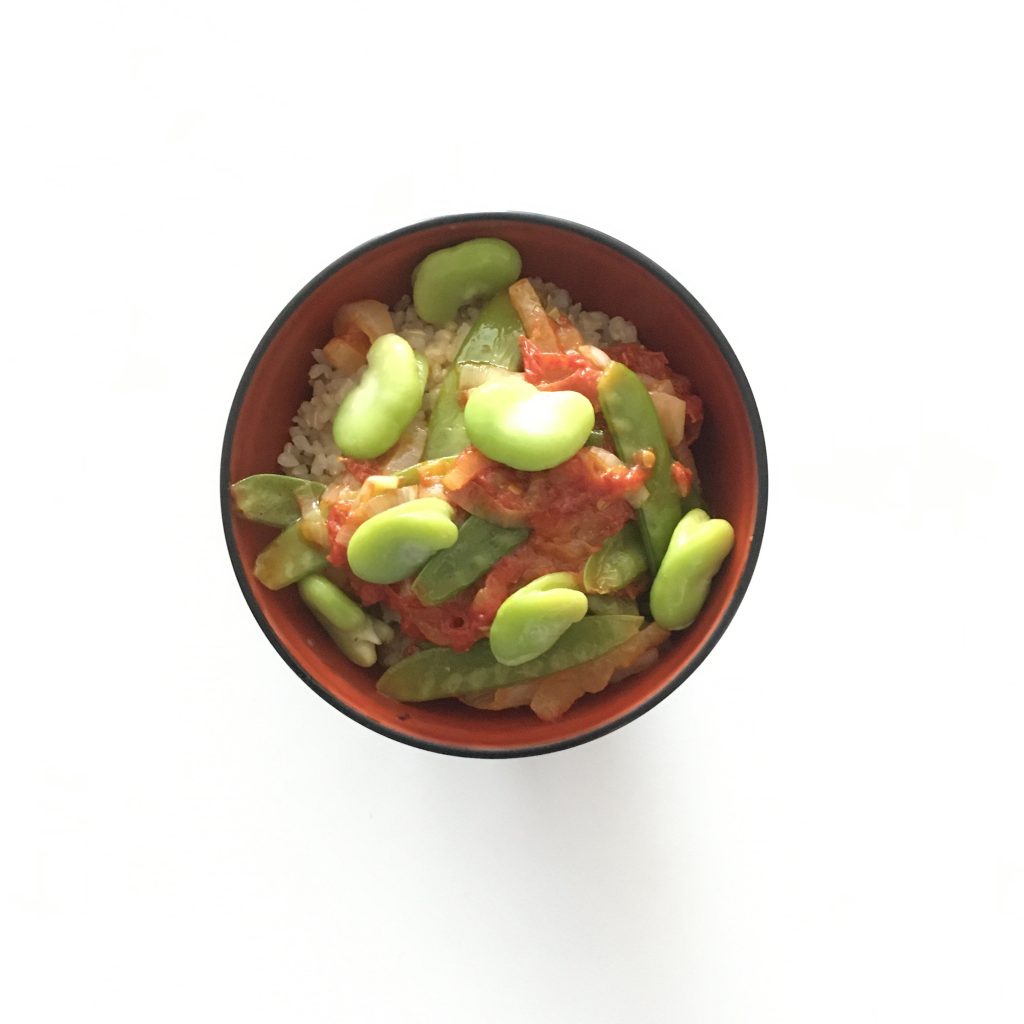
One of my favorite fava beans combination is with tomatoes. For some reason Isumi produces beautiful and delicious tomatoes. Very large and ripe ones, I love to cook them slowly with olive oil and reduced into a thick tomato sauce. They are sweet and tasty. Add a new onion to the preparation, soften by the long and slow cooking at low heat, and this is perfection!! If you have made tomato sauce last summer, my preparation is probably close to that, even thicker, so if you still cannot find proper tomatoes just use tomato sauce. I just then add blanched and pealed fava beans and use it for accommodating Japanese rice white and brown, or pasta, long and short or just a slice of made bread.

Tomato and fava beans topping brown rice

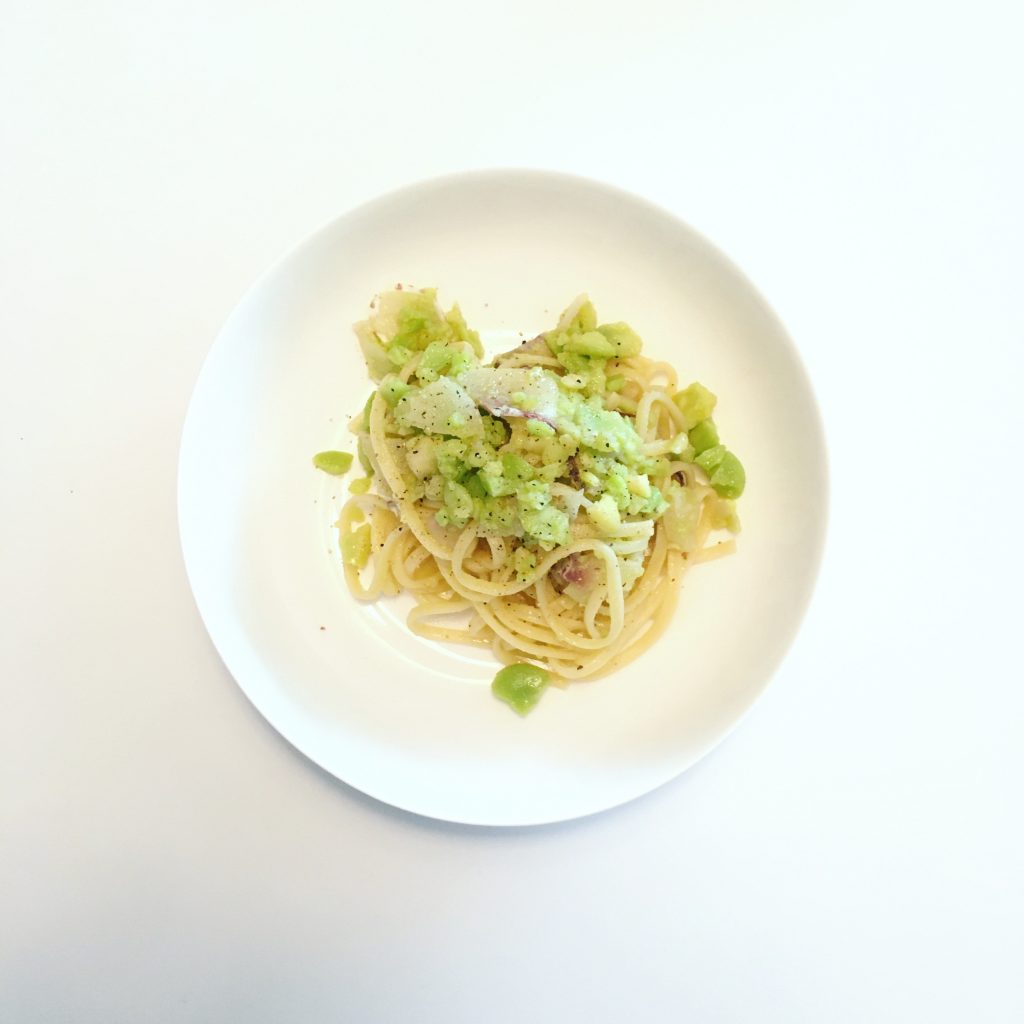
One other recipe is to use the fava beans as a base for pasta sauce. Instead of just blanching the fava beans I cook them a little longer so that they become creamy when pealed. Then mash them with olive oil, salt and pepper and add to pasta. Here I added a bit of smoked snapper.

Fava beans pasta sauce with smoked snapper

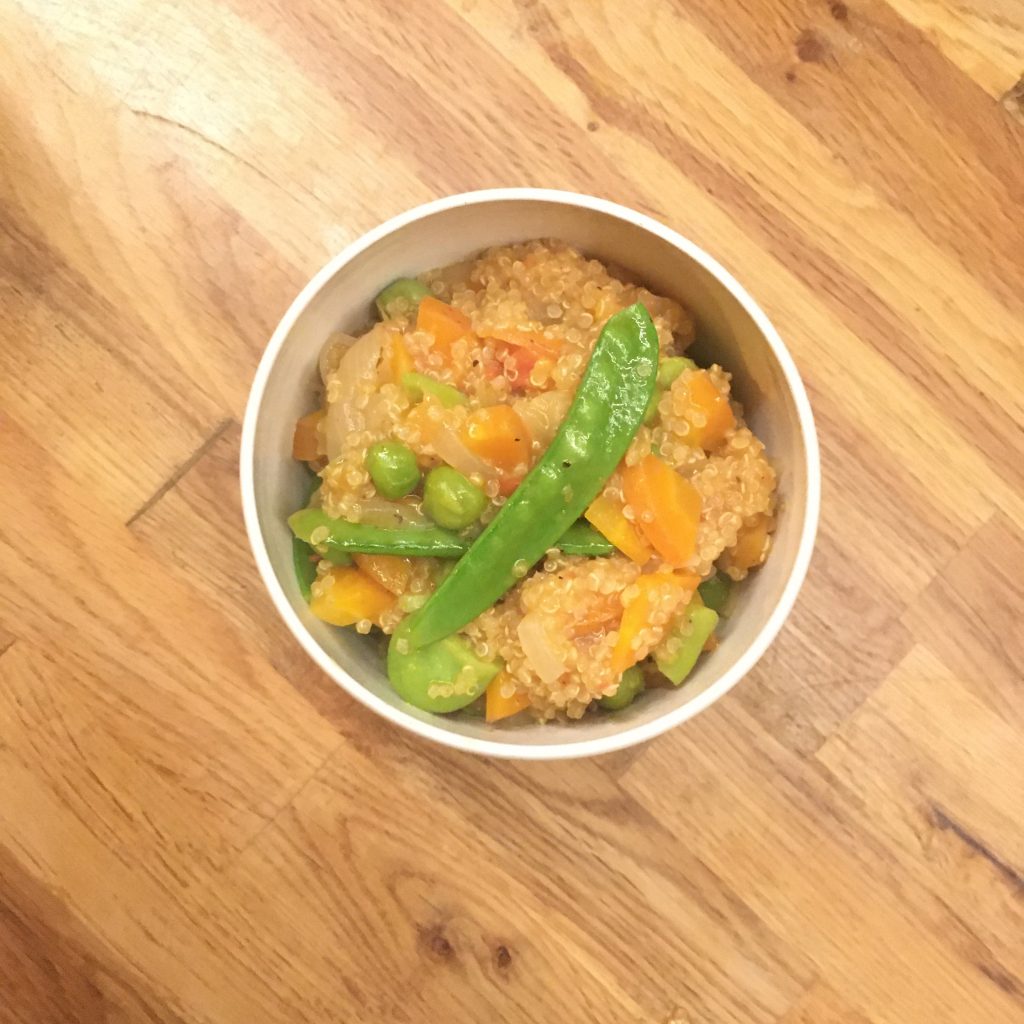
Finally, one of my favorite way of eating quinoa is to start as a soup, but let the liquid evaporate almost entirely and add plenty of vegetables from the start. I usually do this recipe in winter but spring is also good with all the spring vegetables, here a large tomato for the sweetness, a new carrot, and pealed fava beans and green peas. That’s it!

Have a good day!!!

Pastizzi tal pizzeli

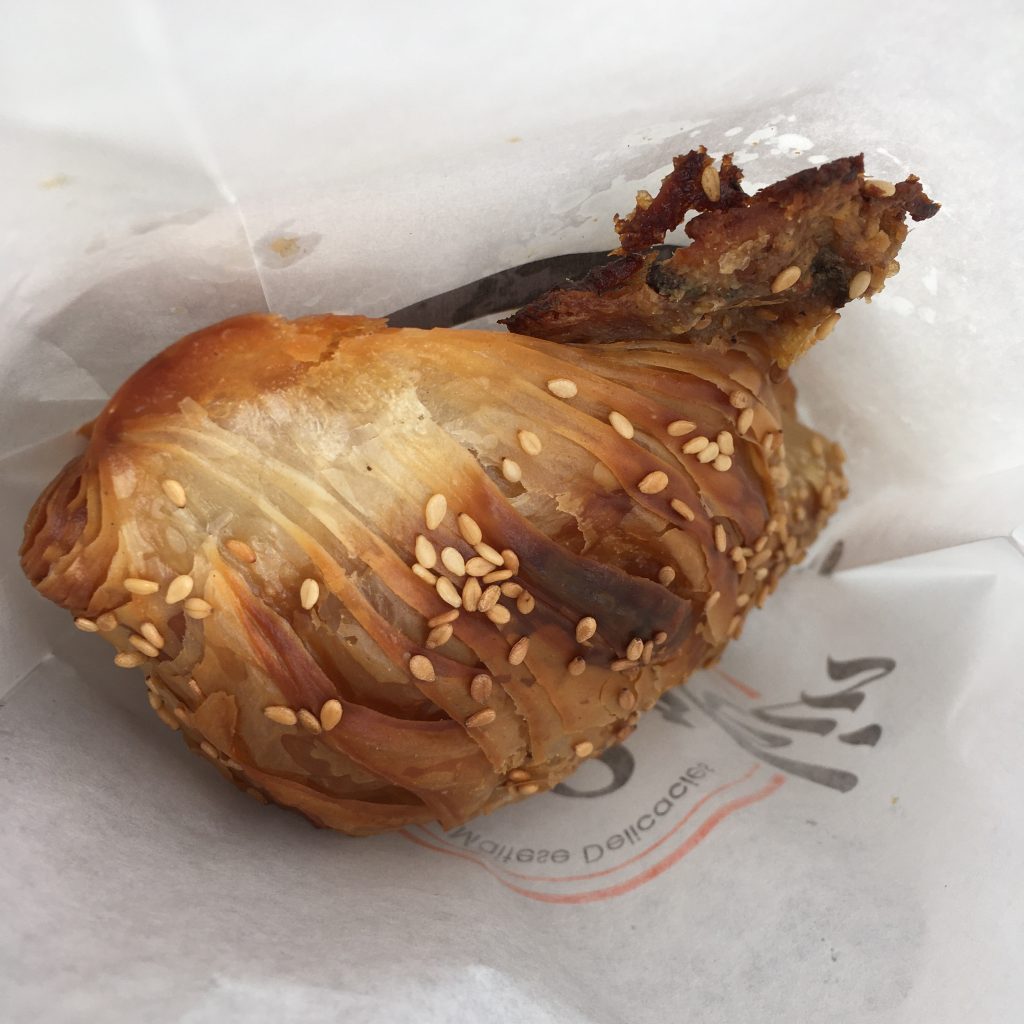
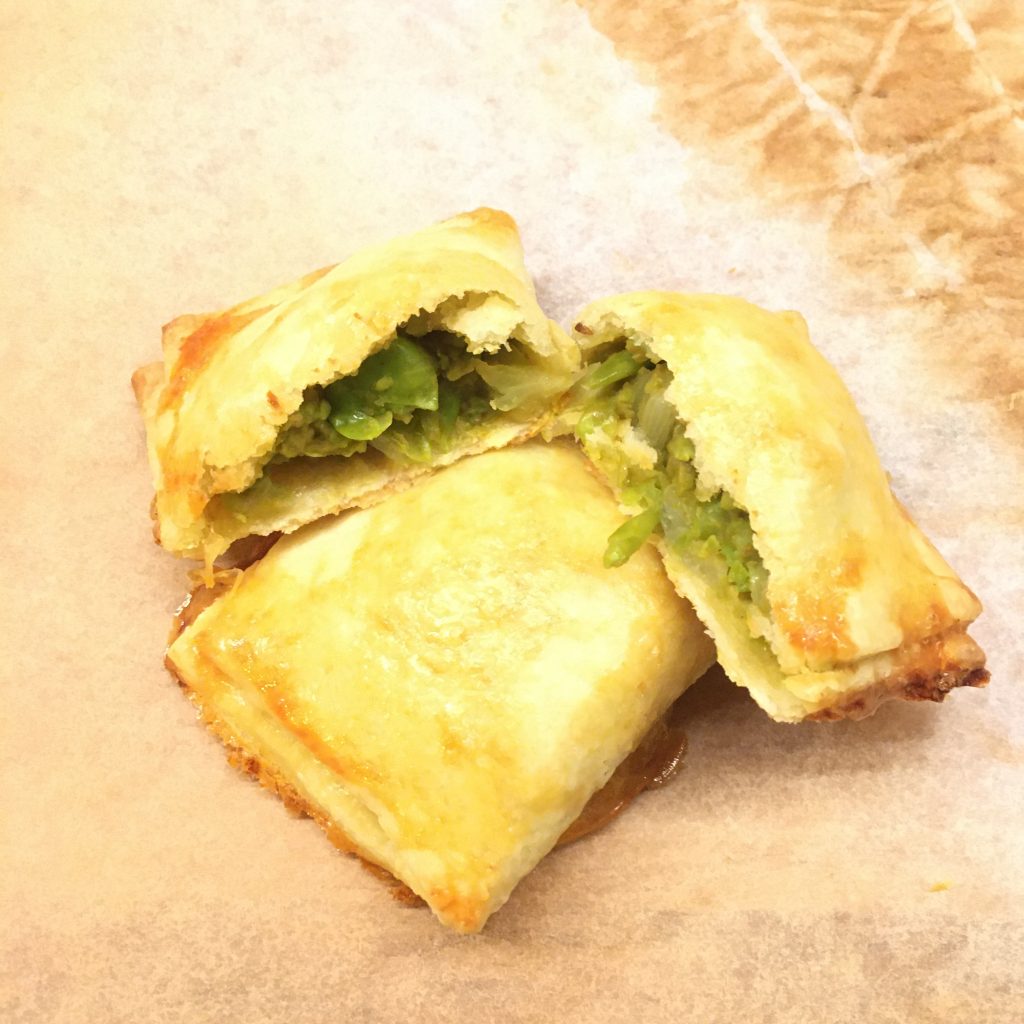
It is really interesting how much Maltese food has left a strong impression on me. I’ve already shared some of my favorite recipes from Malta, but one is still missing: that of pastizzi tal pizzeli, one of the three types of pastizzi, that with spicy peas. Why did it take me so long? Because I was waiting for the season of green peas to make them with fresh green peas. And now the season has come and I have gotten plenty of green peas so I tried making pastizzi. But for the genuine recipe you’ll have to wait longer, my attempt, though delicious, is a disgrace to the true Maltese pastizzi such that in the picture below.

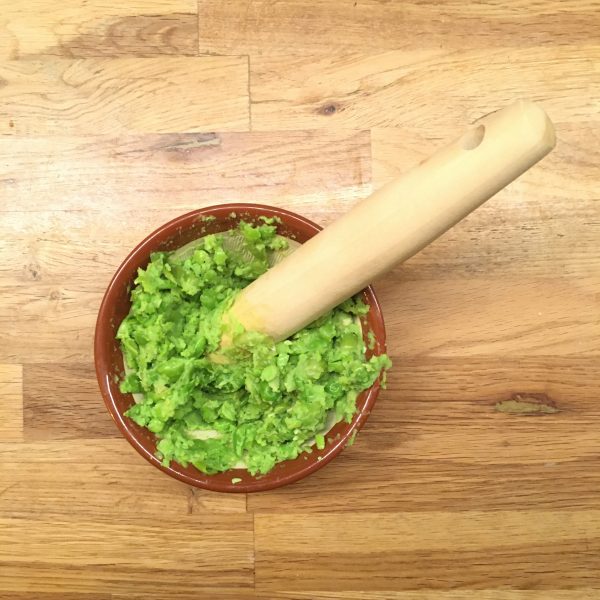
If you look on the internet you’ll find several different recipes for pastizzi, one of the main difference is those that use spilt peas, and those that use green peas, but they all have in common that they are prepared with puff pastry and the inly spice they use is curry, hence they are often called curried peas pastries, but in my memory the taste was more complex than that, or the Maltese curry is different than that we have here… hum… anyway, the challenge was to start with the puff pastry, not something I am confortable making (I need a serious training for that!), in particular when I remembered how thin and delicious it was in Malta, almost like filo (something I should also try to make!), so I decided to go with a rough puff to save some time, and spare me the disappointment of a poorly done puff pastry. As for the filling, I used half of a new onion, two handfuls of green peas, curry, a bit of clove (after all this is the Maltese spice by excellence), salt and pepper. I boiled the peas, I chopped the onion thinly and cook it in a pan with olive oil at low heat until just golden and soft. In a mortar I puréed the peas, add the spices and the onion. Stir well. Then roll and cut the dough in 8 squares of 12cm and filled them. I used an egg batter and baked at 200deg until golden. Well that was it. It was tasty, delicious but it was not a pastizzi!!!

I’ll try again! 😉

One week…

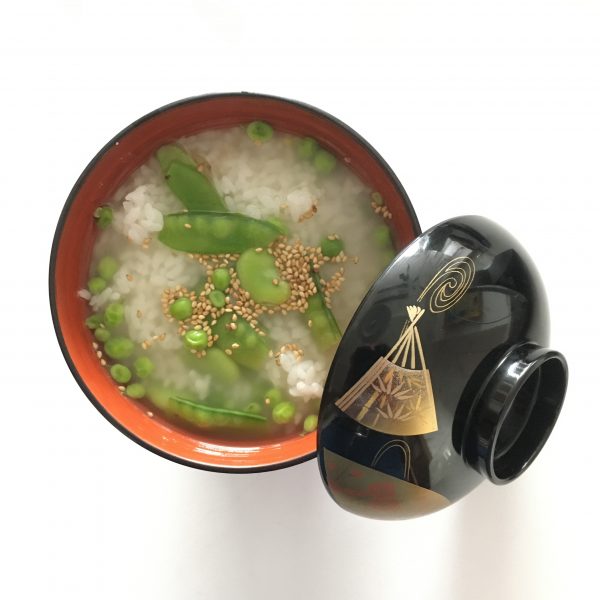
This week was just like another, but it felt looooong and painful, busy with work (I’ve started a new online robotics course that keeps me busy, among the many other things I work on)… It was also our first week of telework for the both of us together in our new apartment with schedules not necessarily matching very well to have lunch together or go for a walk together. And the first week of really warm weather, summer warm, and of air conditioning. I always have a hard time adjusting to it and I felt little appetite for a few days, rare enough, and even more rare no appetite at all for chocolate. Instead I craved simple food and simple ingredients and in these situations rice, more particularly ochazuke, has been one of my best answer. Since ochazuke with vegetables is seasonal, ochazuke in May is different than ochazuke in December and the recipes I have posted so far, even if the base dashi could be similar. For a spring ochazuke I used a plain dashi of katsuobushi, but ichiban dashi would work as well, and if your vegan or vegetarian you can opt for konbu dashi only or shiitake dashi, in which I cooked some green peas (there will be more green peas recipe coming soon!!!) and some snap peas. I added after serving a bit of sesame seeds.

This dish is perfect eaten not too warm, it provides energy while having greens and liquid with strictly no fat. And it is tasty without being overwhelming.

And in a flash the week was almost over, passing with me not sharing any new recipe as I have cooked a little less or rather very simple food… I promise to do better next week!!

Proudly powered by WordPress | Theme: Baskerville 2 by Anders Noren.

Up ↑

Verified by MonsterInsights