Cresson soup

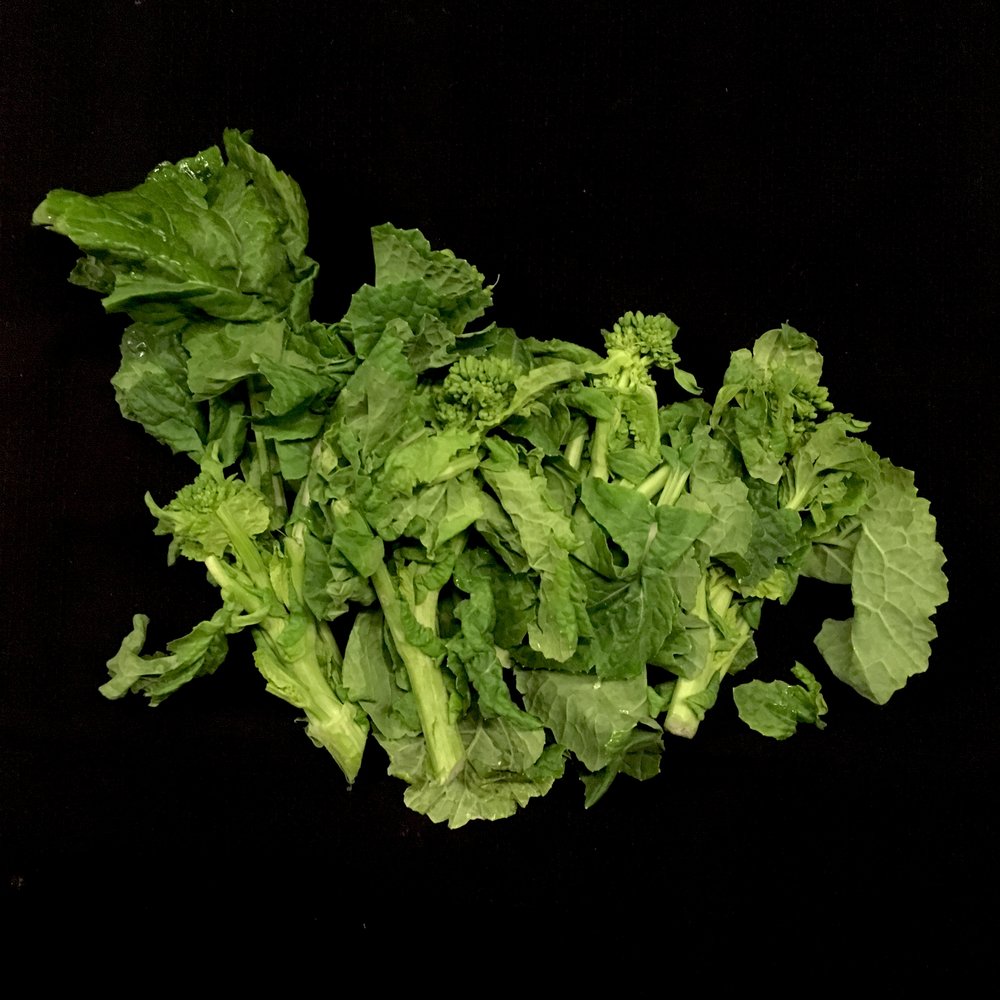
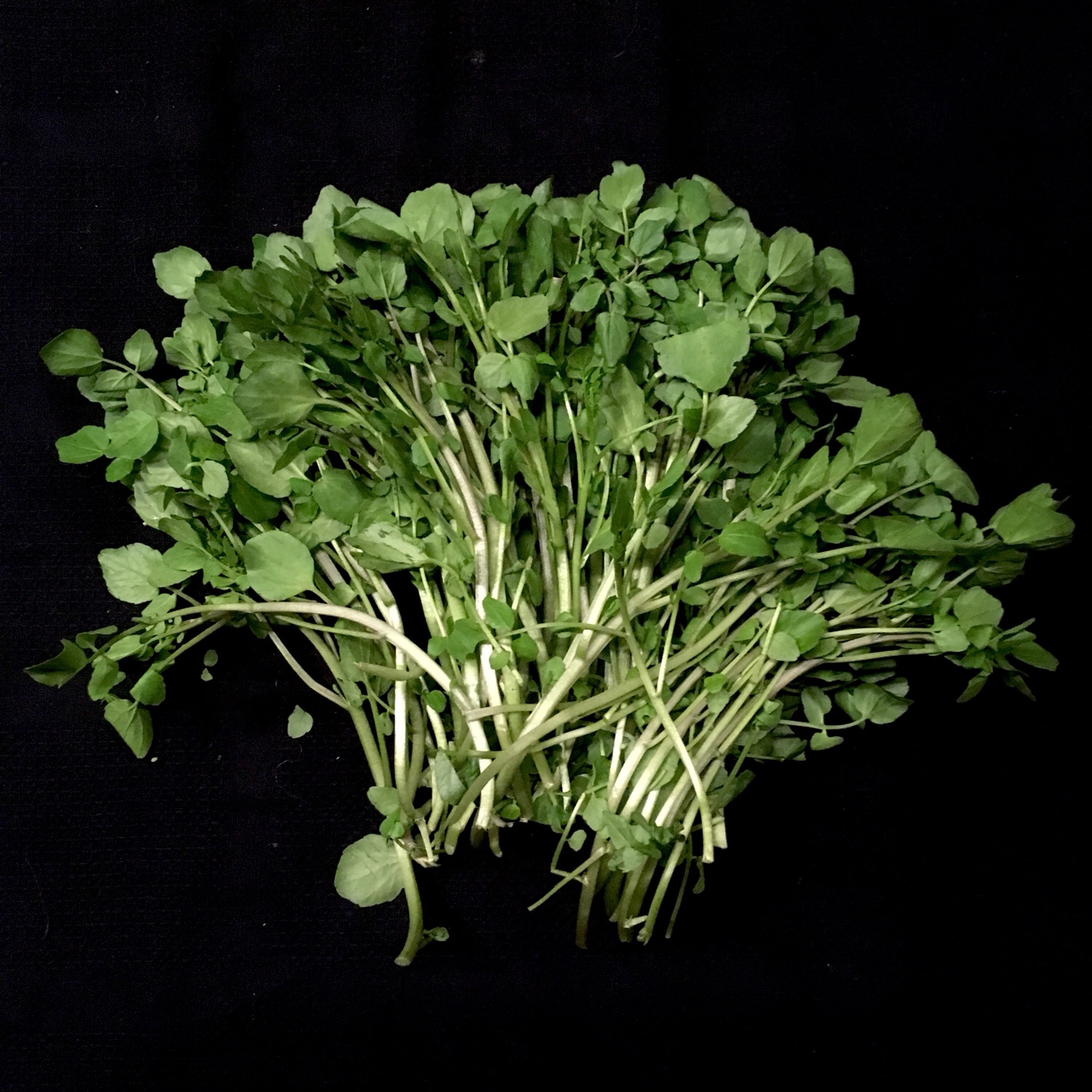
Cresson, or watercress is this little green that is harvested in spring or in autumn, and is delicious in many various preparations. It is for some unclear reasons not so easy to find watercress easily at the market so when I find some I just buy plenty and use it in many various recipes. You’ll find in the next days the recipes I have tries this time. Some classic one and some more exploratory. I hope you’ll enjoy them and it will convince you to try this little plant in your next recipe!!

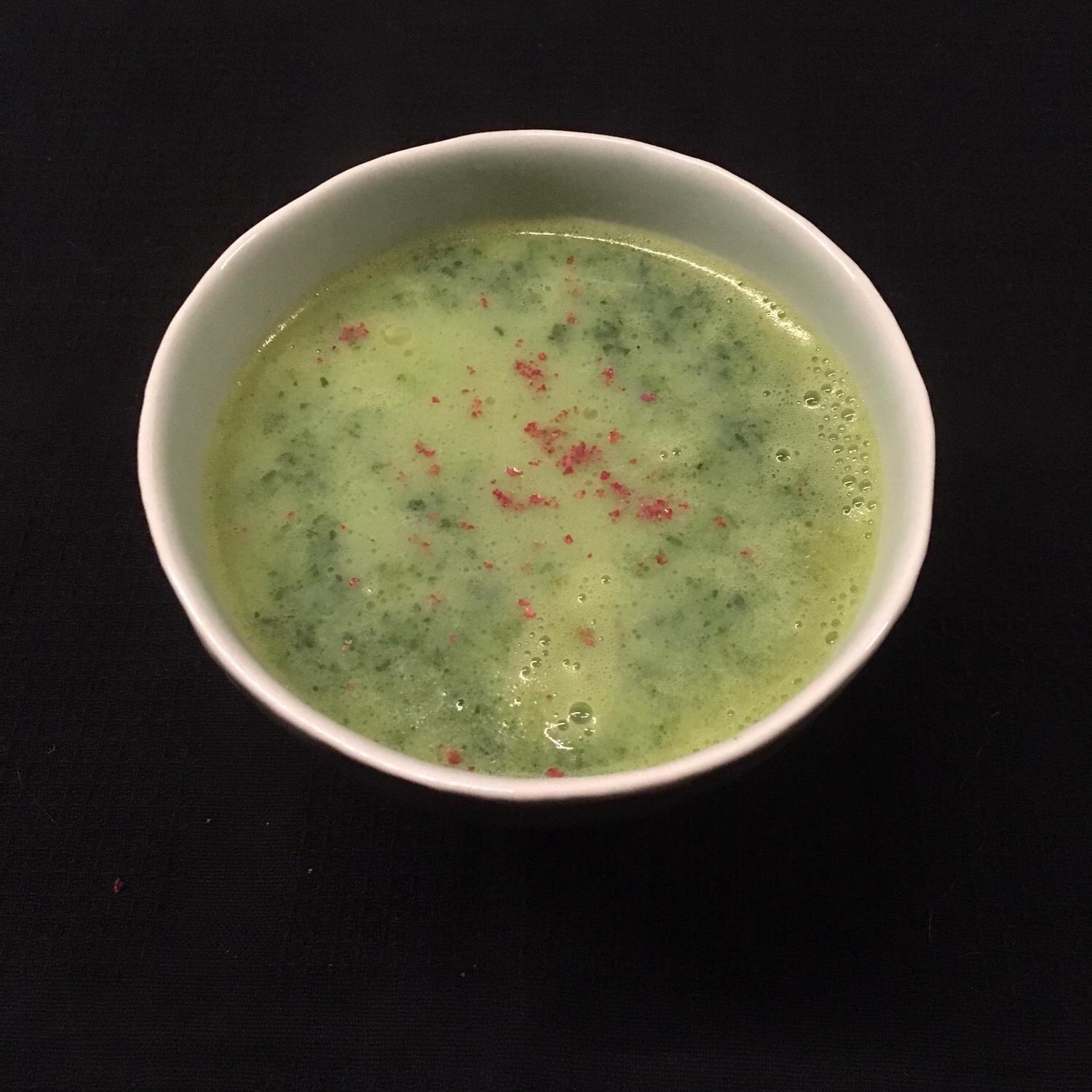
To start with, a simple watercress soup, light and green, with only 3 ingredients: watercress, milk and water. I added a bit of pink pepper for the picture. No salt, nothing added, I found it was tasteful enough. Of course you can add salt of spices, but the simple preparation reveals the real nature of the watercress.

Watercress soup

– a bundle of watercress

– 1/2L of water

– 1/3L of milk at room temperature

Wash the watercress and remove the bottom hard part if any. Boil in the water until soft. Blend, add the milk, serve. That’s it.
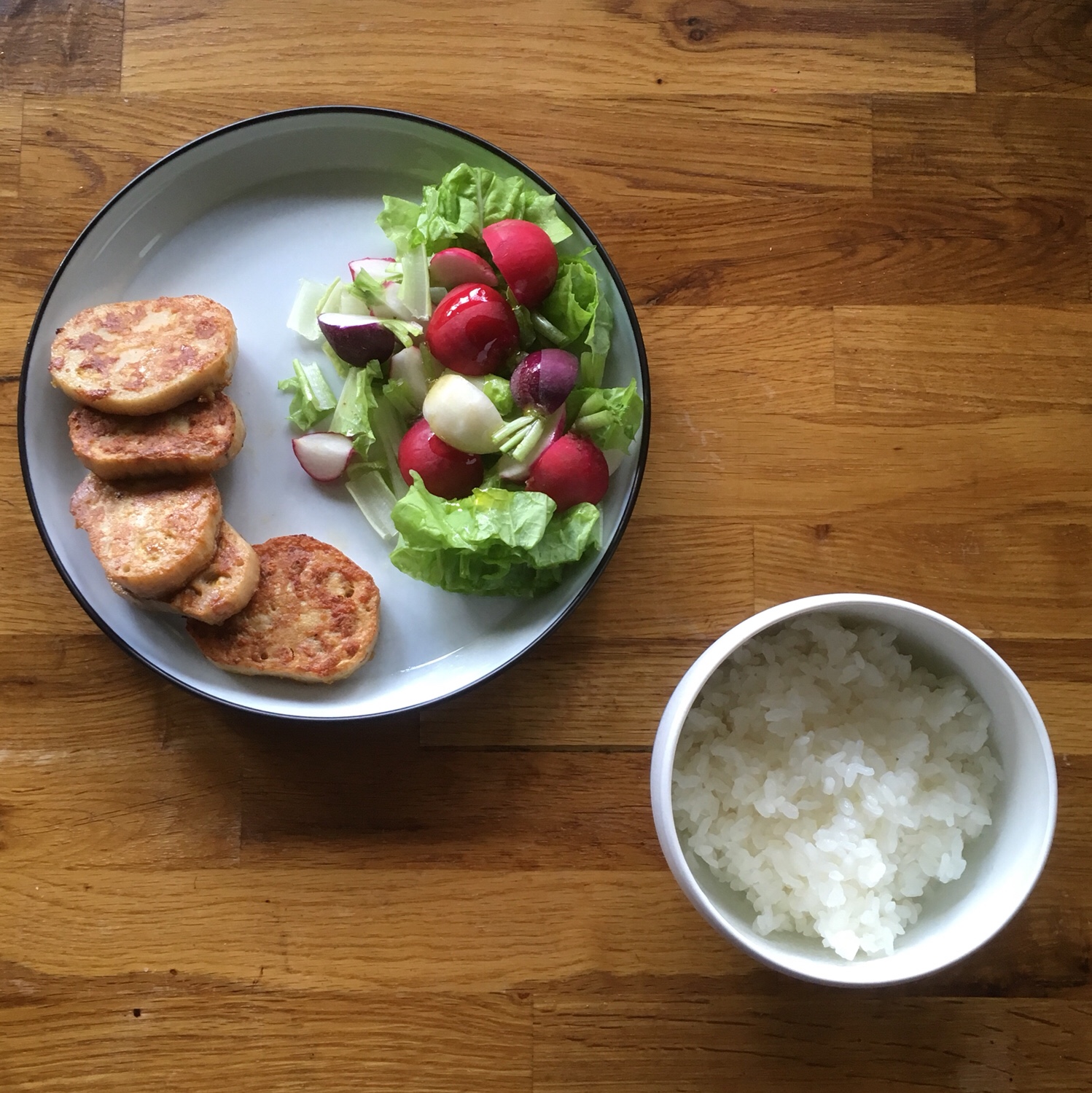
Stuffed lotus root

There is one thing that I don’t cook often but I love, is stuffed lotus root. It is not always easy ro find big, clean or still untouched lotus roots, but when I do, I definitely try to make some stuffed lotus root, changing recipes depending on the available ingredients and the mood of the moment. This weekend I found huge lotus roots that were untouched and perfectly cleaned. And I tried a filling made with chicken meat and curry spices. The result was a crispy melty spicy combo that I served with simple fresh salad and radishes and a bowl of plain rice.

Spring vegetables

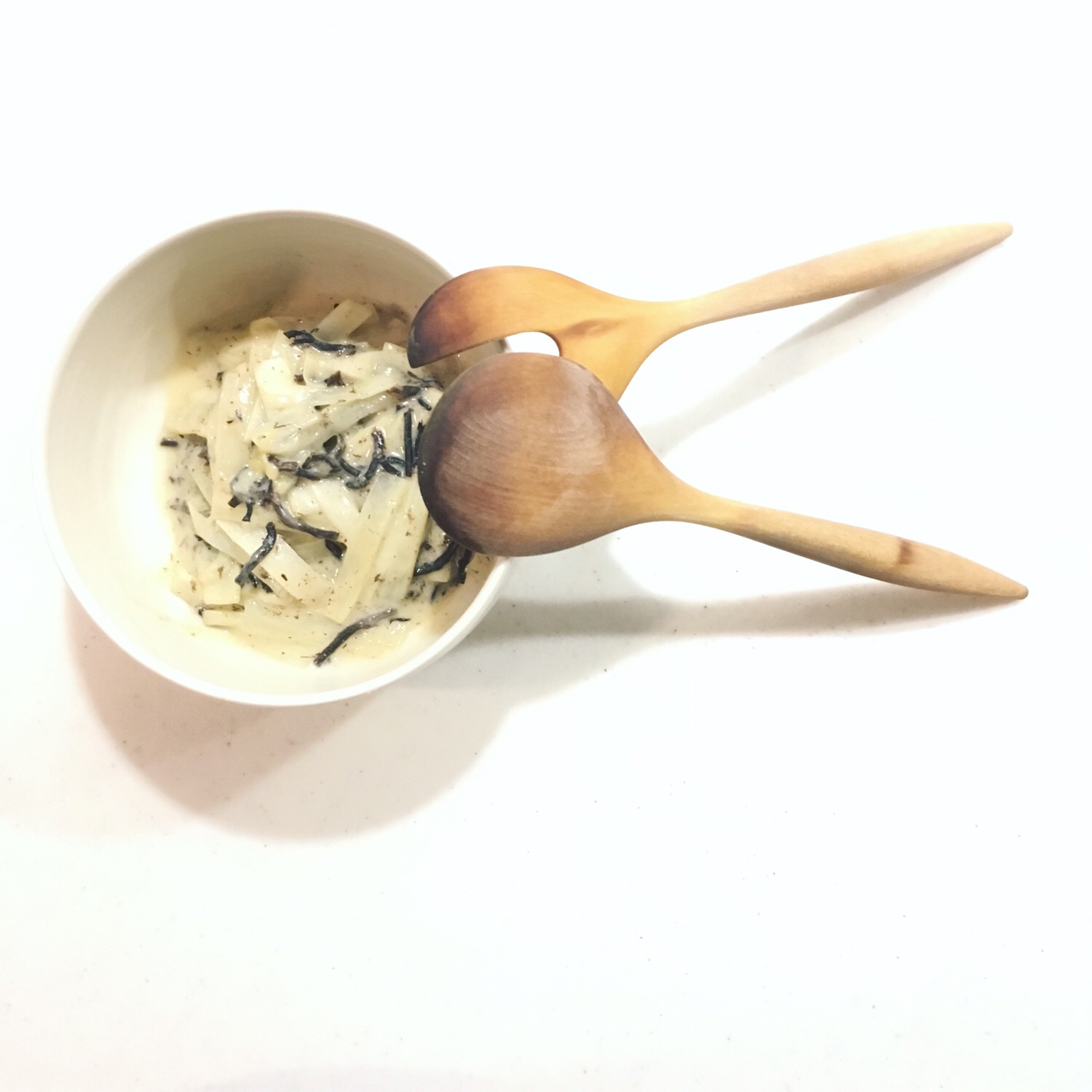
March/April is a busy time of the year, this is the end of the fiscal and academic year and the beginning of the new one. It is usually busy at work, with graduation ceremony, budget closing, preparation of the lectures, and new students arrival. It is also A.’s birthday and the time when cherry trees are blooming. The season also to say goodbye to winter and to mushrooms, cabbage, leek and sweet potatoes and welcome all the new spring vegetables. Last week we also had the visit of friends from Germany and Though I was busy I wanted to cook something Japanese and seasonal. Luckily I found some udo, and I remembered a nice recipe with white miso. And since I has some dried hijiki I added them to the preparation (wakame is also great, but I preferred hijiki for the black & white effect. It is a very simple recipe, delicious with very typical Japanese flavors.

Udo with white miso dressing

– 1 udo

– 20g of dried hijiki, or wakame (optional)

– 2tbs of white miso

– 1tbs of sake

– 1tsp of brown sugar

– 1tbs of white vinegar (for removing the bitterness of the udo)

Cut the udo in 4cm pieces. Peel them and slice them finely. If the udo is really large cutting them in half is better. In a large bowl put 500ml of water and the vinegar, add the udo and once in a while give a turn.

In a bowl of tepid water add the hijiki or the wakame to rehydrate them.

In a small pan add the white miso the sugar and the sake and cook at low medium heat while stirring until creamy liquid.

Drain the udo, the hijiki, put in a bowl and stir well, add the miso dressing, stir again and serve.

Mironton

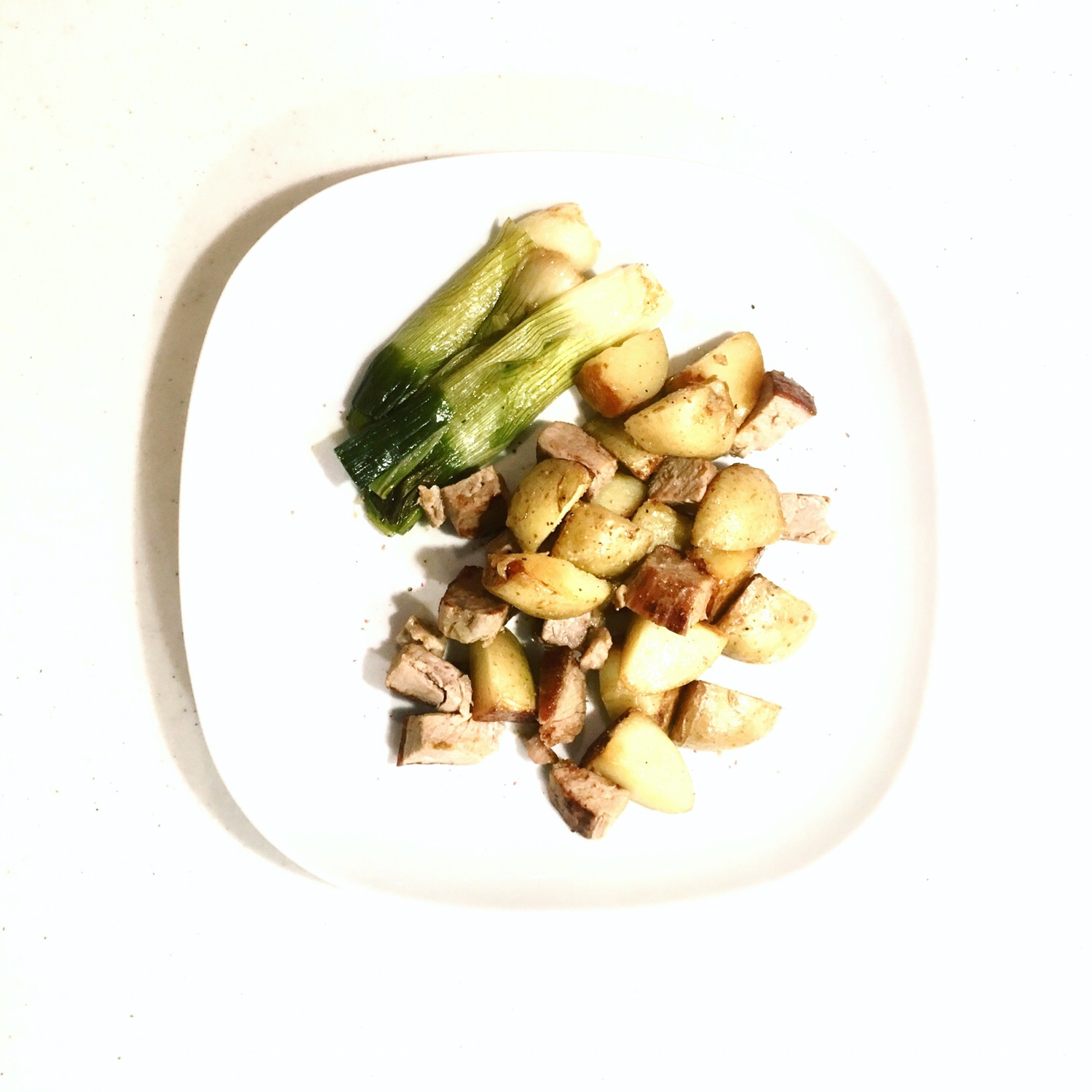
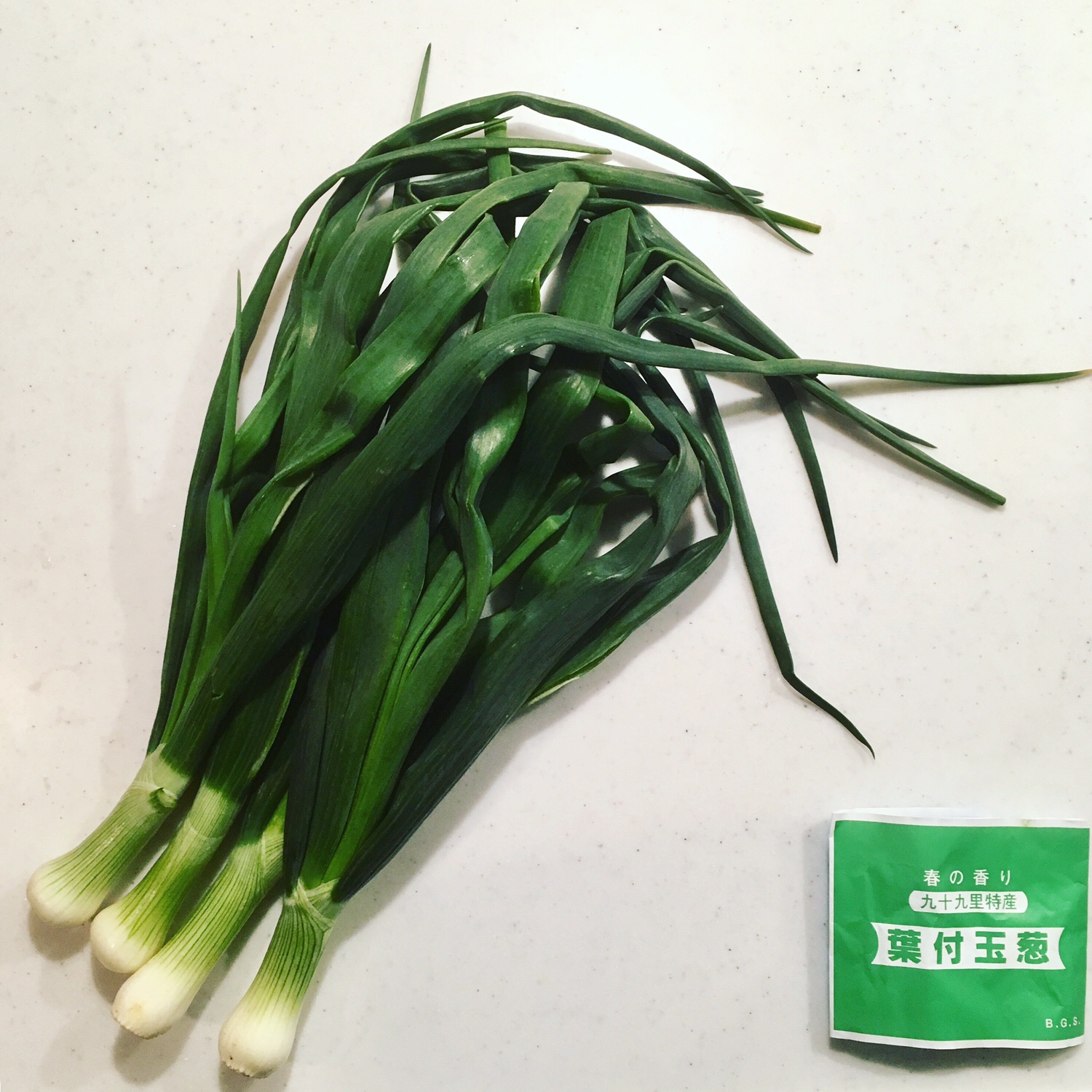
As I was explaining in a previous post, my grand mother was really good at cooking leftover and that of meat in particular. I have kept the tradition and I cook once in a while some mironton. But I make often some variations from the original recipe. This time I didn’t use regular onion, but green onions with leaves. They are from Kujukuri, the northern part of Chiba by the ocean, and they are very soft and very sweet. I’ve used some already in some quiche and miso recipe, and I was really happy with the result. Using them in mironton kind of came naturally then. I simply used a bit of olive oil and vegetal oil mixed together. About 5 new potatoes, and a piece of pork filet diced. I cook everything in a pan at medium heat first then high heat, and add the green onions with leaves just halved. Stir once in a while until potatoes are done and onions are soft. That’s it.

Japanese spring

Here I am! Back to warm and blossoming Tokyo! What a difference from Canada! Not only it is warm and all the cherry trees are blossoming, people are out to enjoy the weather and the flowers, there is this very special euphoria in March in Japan. The season for graduation, for endings and soon new departures. And we are no exception to that. April is going to be busy, full of novelty and surprises.

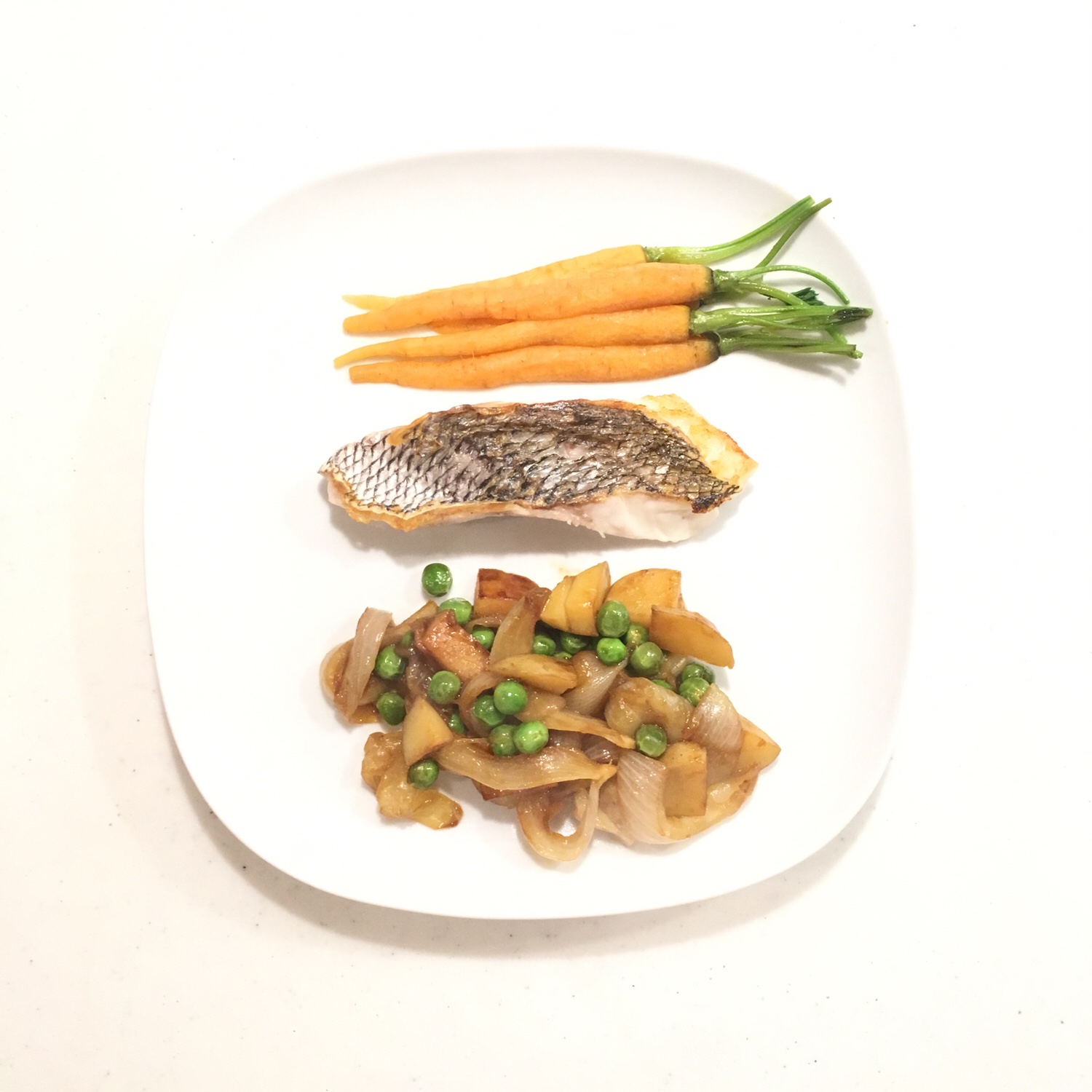
When I left Tokyo almost two weeks ago we were only having a few spring veggies: new potatoes mainly and a few greens from the south of Japan, by the time I’m back new carrots, onions, green peas, all the wild vegetables are displayed at the fresh food corner. Bamboos shoots also will be there soon! Since both A. and I are coming back from long separated trips and we are both suffering from jetlag from different time zones, the first things we did was to go grocery shopping to indulge ourselves with a nice dinner that will make us feel the season and prepare our mind and bodies to the Japanese time. It is quite rare I shop for food in Tokyo recently, but I have a few favorite places: Mitsukoshi Nihonbashi, Seijo ishi Tokyo Dome or Isetan Shinjuku. This time we stopped at Mitsukoshi and got some fresh new vegetables and a piece of fresh red sea-bream. It’s not always easy to find wild fish but at least I know each of these three places usually have some. And the dinner then was just simply decided with a classical preparation of sautéed vegetables slightly deglazed in soya sauce and pan grilled fish. And I am so happy to be back.

Rucola lasagna and farewell TPS

You may have realized that for quite a while Tokyo Paris sisters was a lot of Tokyo and nothing from Paris. Well indeed… it seems that after a few years it is now time to move on and for the sisters to split. So after waiting for more than 6 months I have decided that it is now time to end this joint work. Of course, I will still be cooking and posting personally on IG and I am thinking about restarting my original food diary, but it will be only me. I will keep you updated about the new link and place where you will find me, with a revamped website and new format. 

Thank you for following us. I hope you’ll be following me and continue enjoy French-Japan-Italian fresh and healthy cooking with me!

goob bye 

The last recipe is really simple but very very delicious, light and fresh, perfect for a spring day, unlike today.

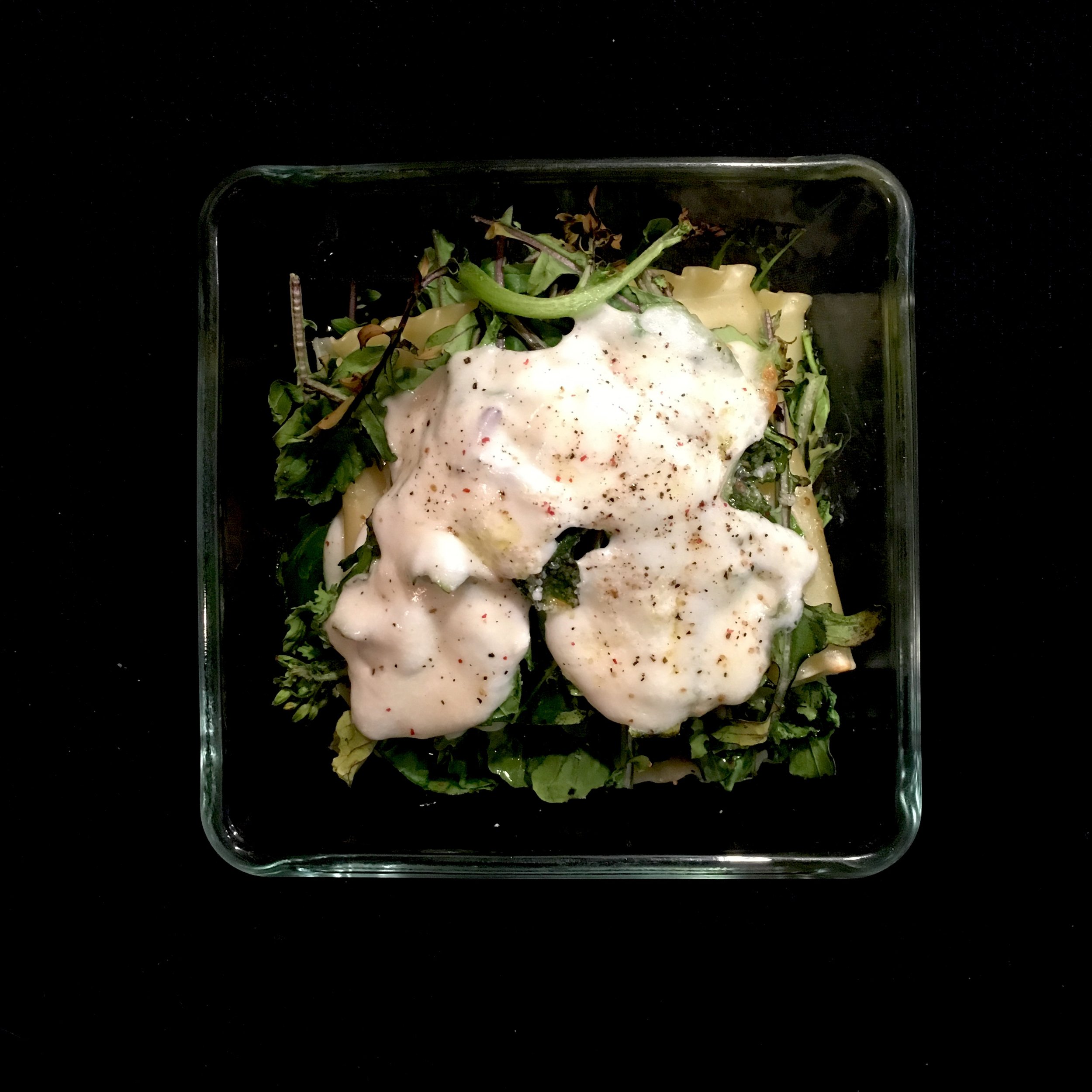
Rucola and mozzarella lasagna

Make some pasta, or use dry one that you need to boil first. Wash and chop some fresh rucola, slice a mozzarella. In an oven dish pour some olive oil, add a layer of pasta, a layer of rucola, a few slices of mozzarella, repeat 3 or 4 times, finish with olive oil, salt and pepper. Bake at 200deg for 15min. Enjoy! 

Spring angelica

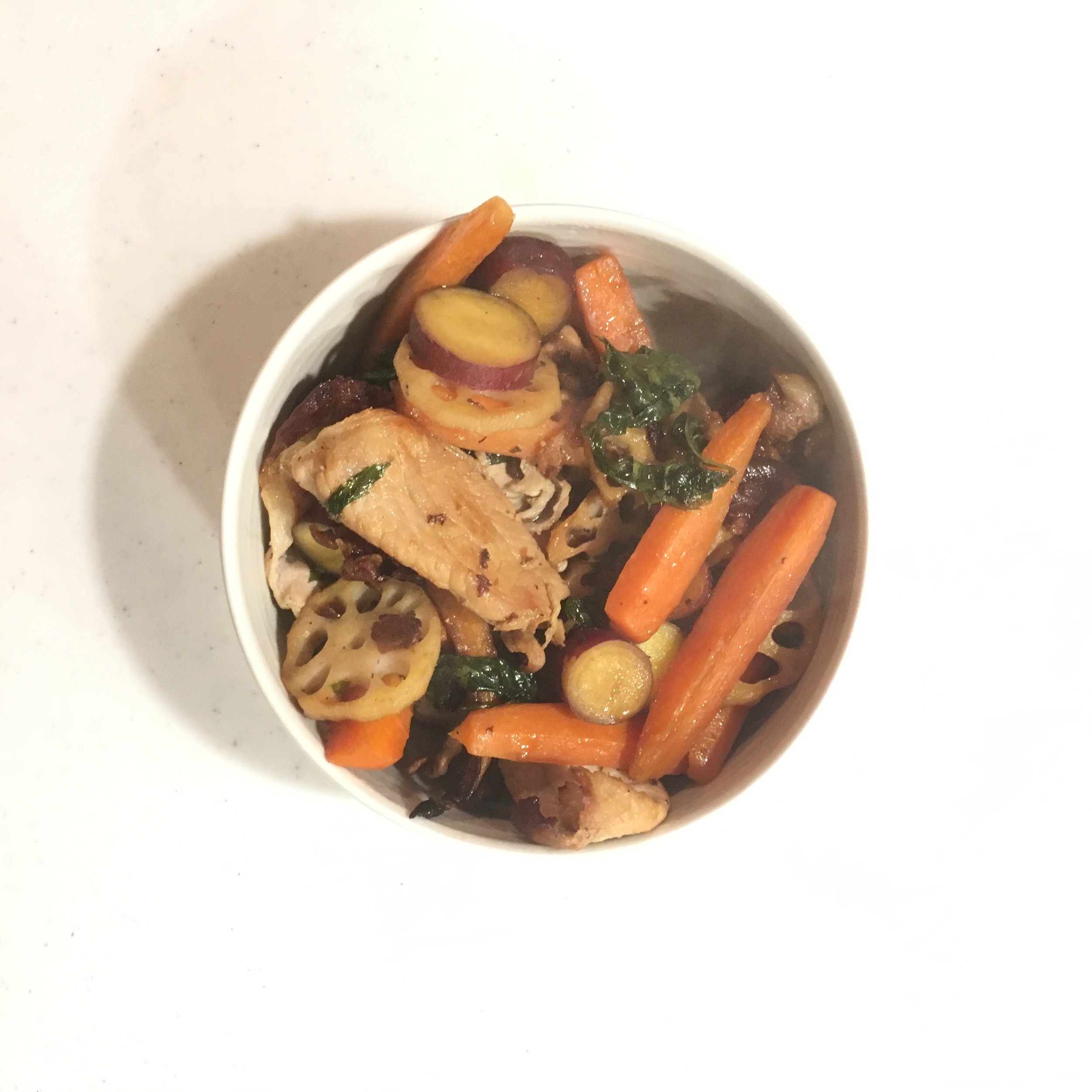
Oh! These green leaves I love so much and that are so popular in Hachijojima are back at the farmers market!!! Spring is coming and this is one of the great things with it: the massive return of the greens!!! Ashitaba (or angelica) is a great ingredient, easy to cook and that suits very well basic Japanese recipes. This time I prepared some vegetables sautéed with slices of pork and then added ashitaba at the end of the cooking. I also deglazed the whole in a bit of water and soya sauce. A great combination for a scrumptious dinner!

Have a great end of the week! 

Quiche…

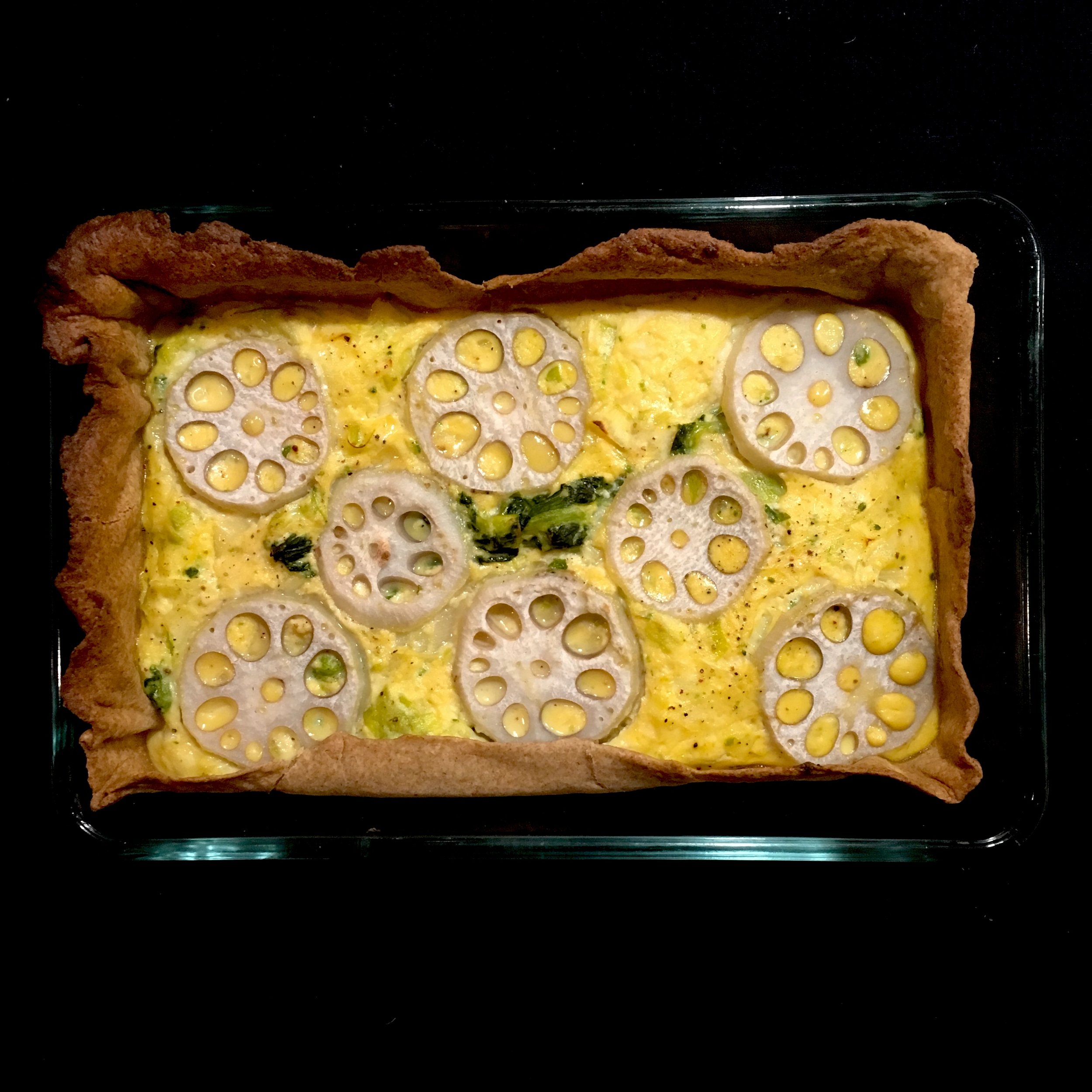
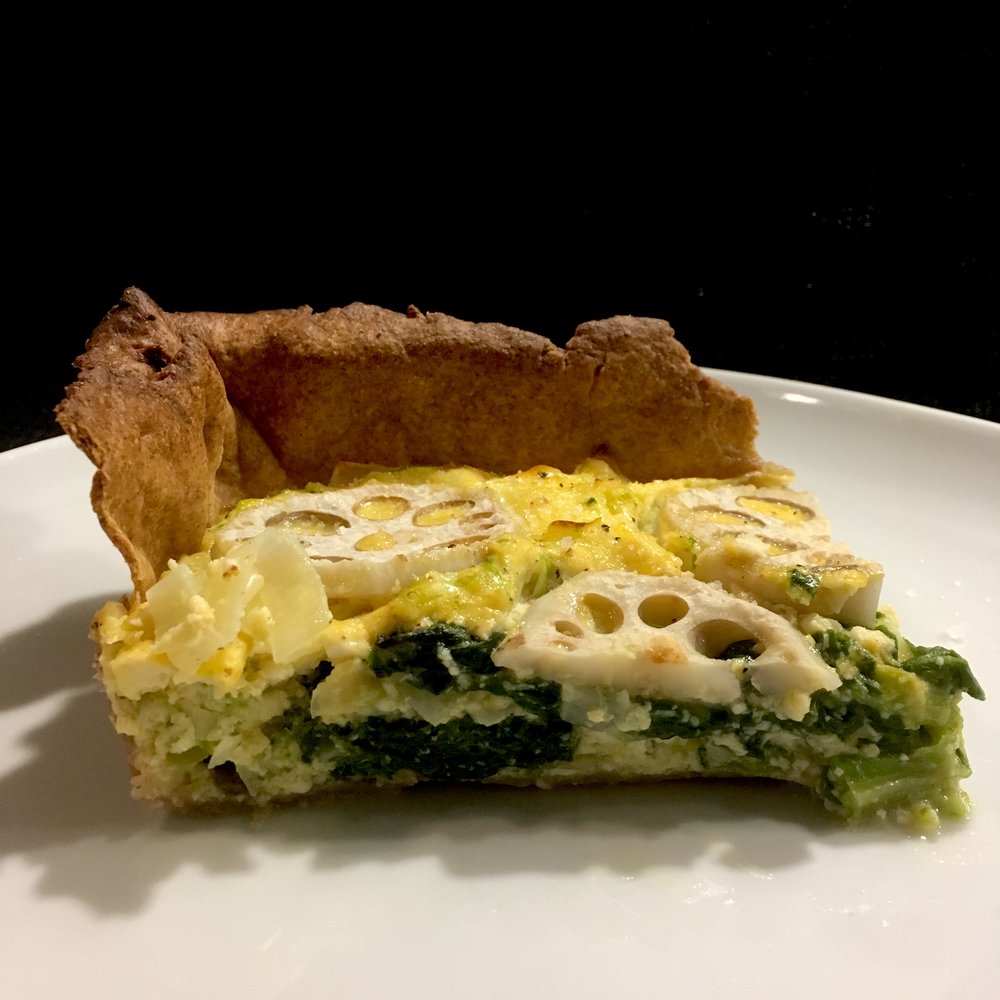
I could never emphasize enough how much quiches are delicious and always different. Just playing with the thickness of the pie crust and the filling changes everything, changing the filling and the ingredients of the dough make it also completely different. It’s a giant playground that adjusts for all seasons, and provides a perfect meal all at once. Contrarily to most may believe it is actually very simple to cook a quiche, and it can be done quite rapidly. The cooking time (compared to pasta, risotto…) is probably the most critical since it can take up to 40min. But This gives hands free to catch up with the news, do another chores, read a bit, or chat about the day with A.. And the result is always worth the wait!

This time I prepared a simple whole wheat dough with olive oil, rolled it very thin. For the filling, I steamed some leek and canola flowers (and drained well to avoid having a too wet mixture), added a few slices of lotus root, plenty of tofu in the egg base. That’s it!!!

Keep warm!  It’s cold and gloomy in Tokyo.

Canola flowers – 菜の花

In a flash we went from cabbages and sweet potatoes to fukinoto and canola flowers. It’s almost spring already, and the vegetables at the farmers market let you know that! Of course it’s only the beginning, and it is nice and interesting to mix winter and early spring ingredients. Canola flowers are versatile and I am very found of them. They start at the same time plum trees start to bloom and they both are markers of our wedding anniversary. Indeed, we got married under beautiful plum trees in full bloom at Gojoten jinja on a cold and perfectly sunny day of February 2007. And for the celebration lunch Kikuya’s chef prepared among the many dishes some canola flowers that we discovered at that time.

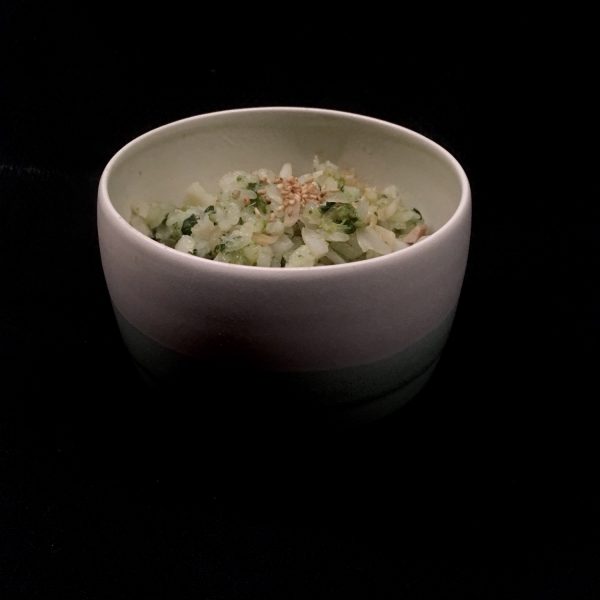
I cook canola flowers, or rather I like to call them the Japanese way: na no hana, quite often when the season comes. They are a good alternative to broccoli and more local. I have tried a lot of different combinations and developed many recipes with na no hana, and I still continue. This time with some beautiful cod fish from Hokkaido I prepared a kind of rice bowl. Simple, healthy, tasty and colorful. Try it please!

Na no hana and cod rice (for 2 people)

– 1 cup of Japanese rice (as always Koshihikari from chiba for me)

– 200g or a small bundle of na no hana

– 200g of fresh cod

– 2cups of katsuobushi dashi

– sesame oil, sesame seeds, salt

First start to cook the rice. While it cooks prepare the rest of the ingredients. In a fry pan start grilling the cod on the skin side at medium heat. In a pan prepare the dashi then add the washed na no hana. Boil them until soft. Drain once cooked and chop. Once the rice and the fish are cooked, in a fry pan add some sesame oil, the rice, the fish in crumbles without the skin, and the na no hana. Stir well and cook at high heat for 3-4 minutes. Add salt and sesame seeds and serve. Enjoy!

Proudly powered by WordPress | Theme: Baskerville 2 by Anders Noren.

Up ↑

Verified by MonsterInsights