Potatoes Japanese style

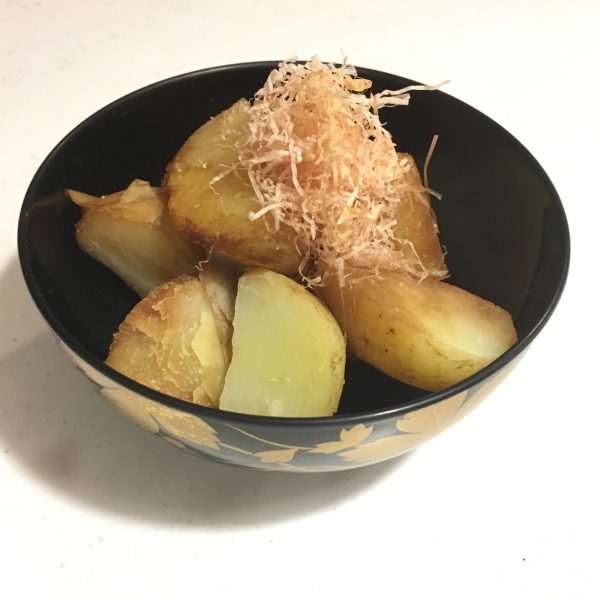
Day 2 for this week of freshly harvested potatoes. Today it’s a Japanese simple recipe that can be made everywhere, every time. Of course it is much tastier with new potatoes but it can work with old ones too. It has all the distinguishable flavors of Japanese cuisine: the cooked sake, the soya sauce, the sweetness, and the katsuobushi, well the umami as it’s called and as it’s all over cooking and gourmet magazines.

Simmered potatoes Japanese style

– a few (new) potatoes. Pick 3 midsize (billiard ball size) new potatoes per person for a main dish, 2 for a side.

– 3tbs of soya sauce

– 3tbs of sake

– 2tbs of brown sugar

– some katsuobushi, optimally ultra-thin cut (see below)

Wash the potatoes and cut them in four. In a pan, set the potatoes and cover with water. Start boiling under cover. When the potatoes are almost done, add the soya sauce, the sake and the brown sugar. Simmer a little and turn the pan so that all the sauce will pass over all the potatoes. Do not stir!! You may break the potatoes and end up with a purée!!

Cook at high heat will turning the pan once in a while. When the sauce is almost gone move in serving plates or a bowl. Top with ultra thin cut katsuobushi (itogiri katsuobushi – 糸切り鰹節). Eat right away or after it has cooled down. Enjoy!!!
Colorful potato salad

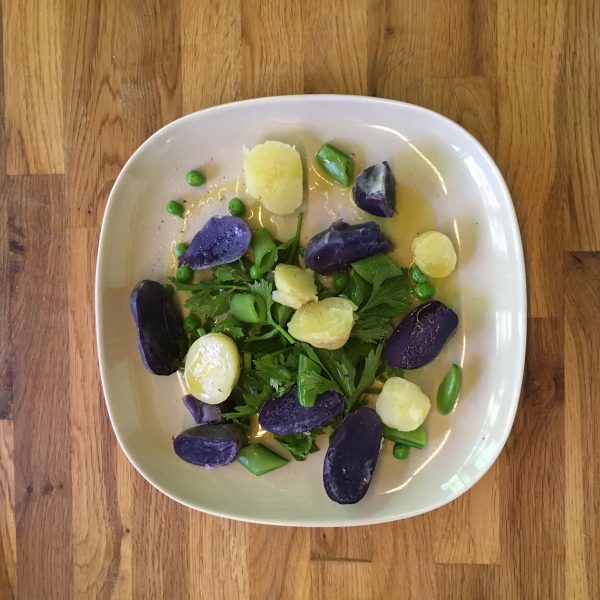
The first recipe for this potatoes week is very simple. I wanted a preparation that would let us enjoy the difference between the two types of potatoes we grew and would be a full lunch. Well… I simply decided on a self grown plate with only staples from our kitchen garden. Well the choice is still quite limited but here is what I had: salad, celery branches, snap peas, overgrown snap peas that turned into green peas, basil, mint, rosemary, fennel leaves, parsley. The beats are struggling after a bird and a bug attack, the passion fruit is just having flowers…

So celery and peas appeared as the best options. Olive oil, salt and pepper as the best dressing.

I simply washed and steamed (or boiled) 4 small purple ratte and 4 small potatoes, blanched the peas and, and wash and cut the celery, then dressed the plates, topped with olive oil, salt and pepper, and lunch was ready.

Steaming the potatoes allows for a simple tasting where the flavors and texture are untouched, but don’t over cook them. As soon as they are cooked plunge them in cold water.

Have a good week!!

Potatoes week

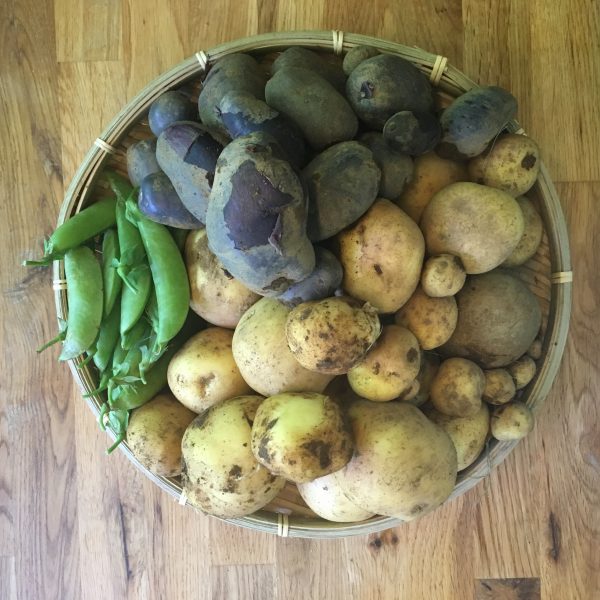
In March we planted potatoes in our new kitchen garden. We went for two species: some melty white potatoes and some purple ratte potatoes. It was our first time ever growing potatoes on our own, so I guess we made some mistakes: soil too rich and too compact, lack of leaves clearing… but I still harvested a few plants and we got a decent amount of potatoes. Enough for the two of us, to eat fresh and new (I am not good with preserving food for long). So I’ve decided this week will be a potato week! And I’ll share with you some of my favorite recipes. Stay tuned for the first recipe!!!

Plum plum plum…

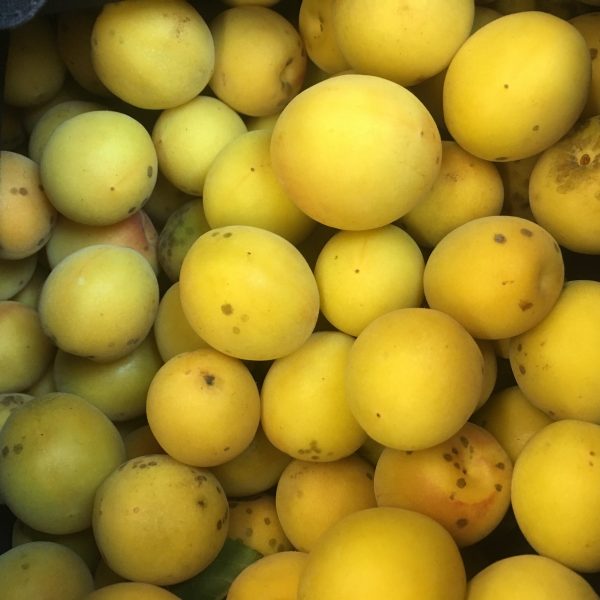
June is the time for the rainy season, and every day the weather reminds us that, but it is also the season for plum harvesting and plum pickling.

Even though I trimmed many of our plum trees this winter, the amount of fruits they produce it still enormous and it’s also time for giveaways. 1Kg here, 3Kg there… yet the harvesting is tedious and with one rainy day following the previous one, it doesn’t make things easy.

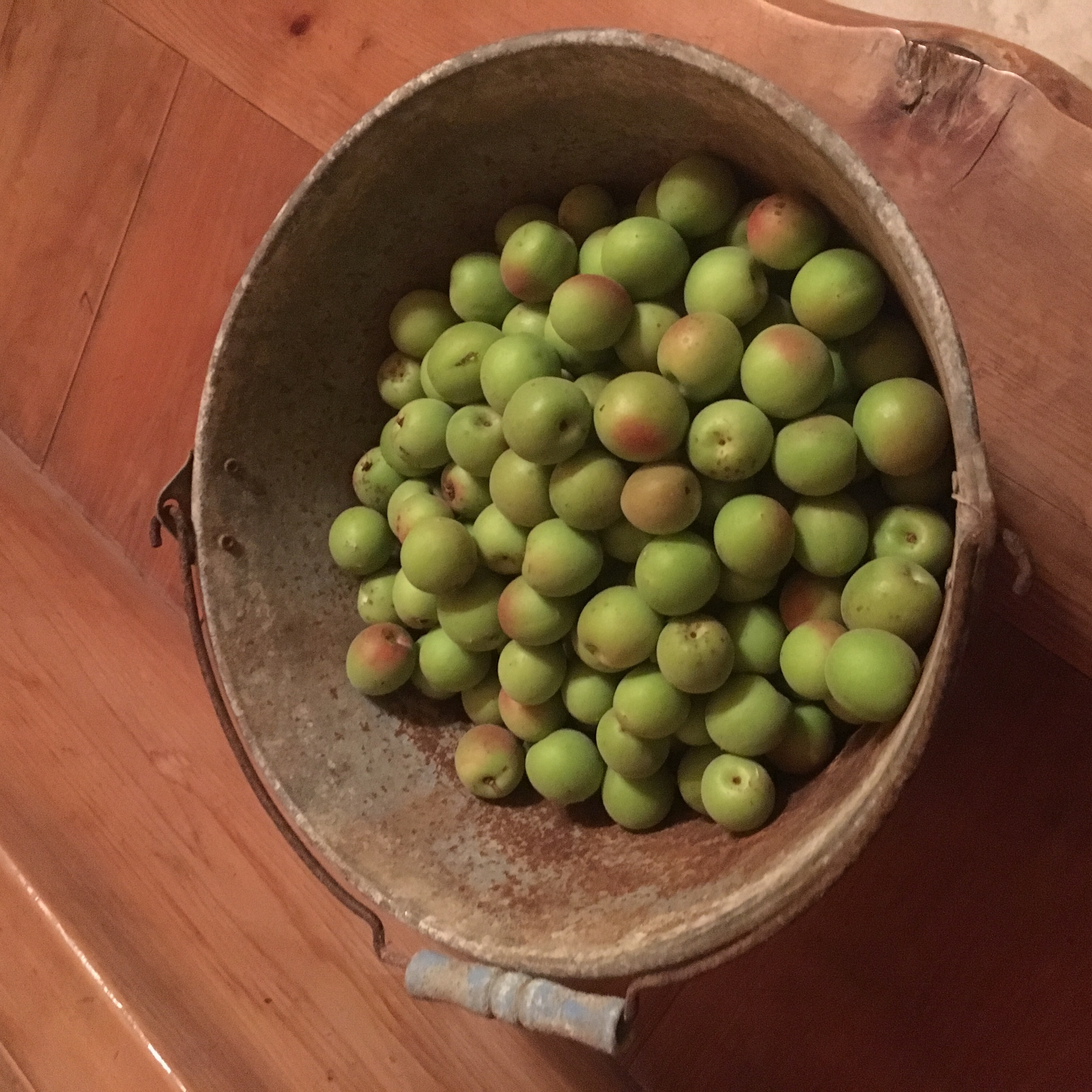
Once harvested I pickled quite a bit of our plums. I usually make plum wine and plum syrup with the green plums and umeboshi with the yellow ones (which is about 7 to 15 days after harvesting the green plums).

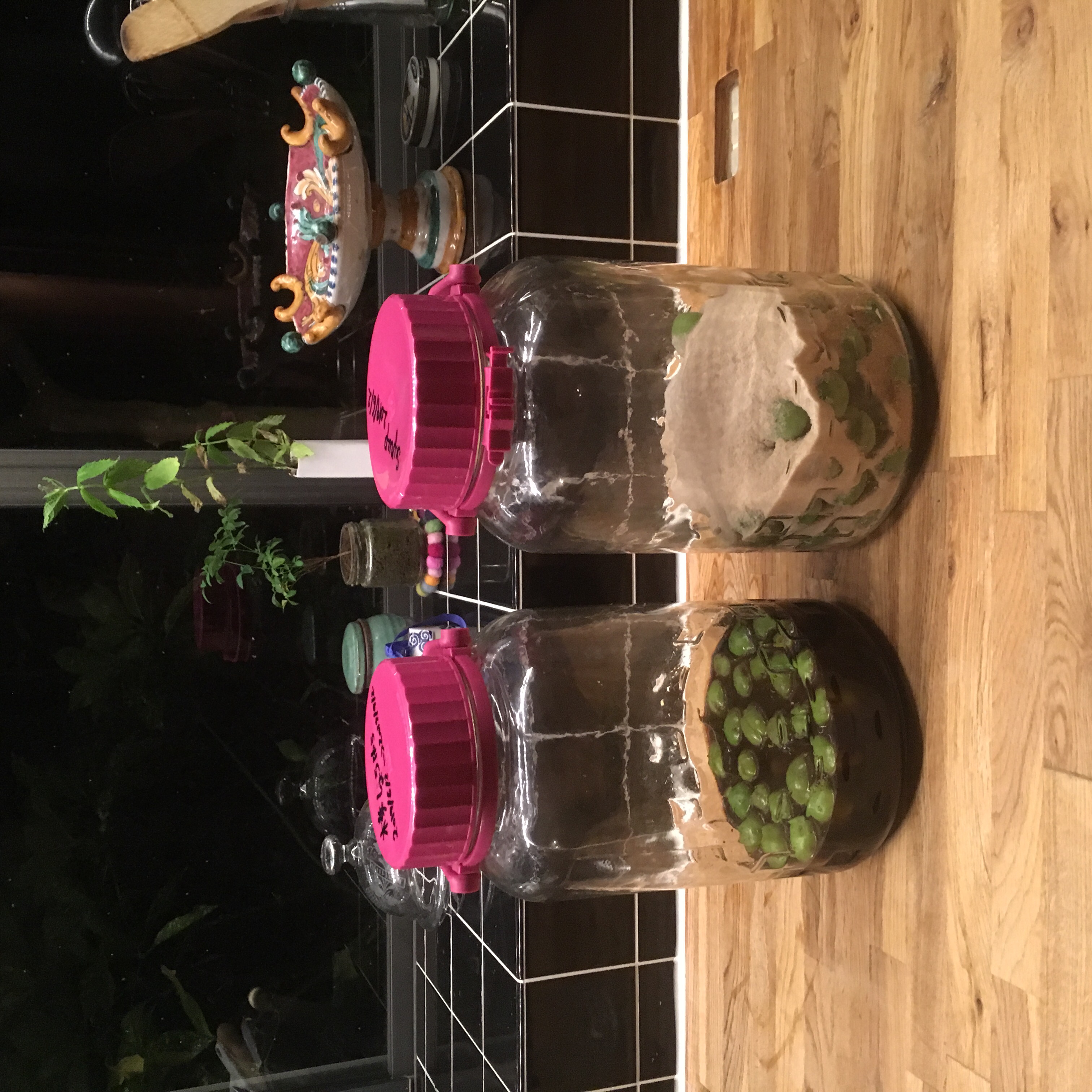
But because only our visitors drink umeshu and I still have plenty from last year, and we drink little syrup and again last year I made plenty, I decided to try new recipes. One new syrup recipe and one of savory plums in soya sauce. Because the preparation has to sit for three months I have no idea what it would taste like but just wanted to share that recipe because it looks really nice.

Soya sauce pickled plums

– 1kg of green Japanese plums

– 1/2L of soya sauce

– 4tbs of brown sugar

– 2 pieces of dry konbu (4x4cm)

– a handful of katsuobushi flakes.

Wash the plums and remove the stems. Dry them well. Pick them to make a few small holes in. In a clean and sterile bin, set the plums, add the sugar, the konbu pieces cut in four, the katsuobushi flakes. Cover with the soya sauce. Set to rest for 3 months. Turn the bin every week. We’ll see in the results together in 3 months!!

Have a good week!

Chocolate focaccia

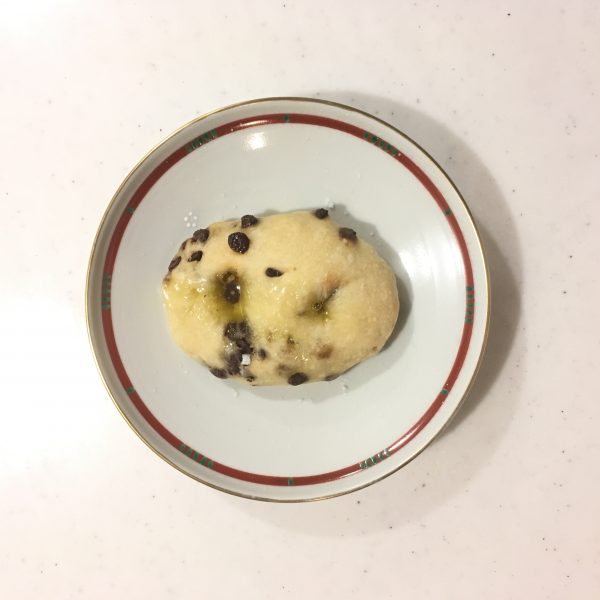
Yes! You read well… I told you I was back to back to baking… When I was a first year PhD student the first international conference I attended and presented at was a huge conference held in Barcelona. At that time A. had plenty of holidays and surely plenty of time to take them, so we were always traveling together. We spent one week in Barcelona and a couple of days in Sitges. And one culinary thing that stayed for ever in our mind was the dinner, or more the dessert, we had on lovely terrace nearby the museum of contemporary art. The museum was still fairly young and the surroundings all in development. Using the base of the traditional pan con tomate it was a pan con chocolate. You can imagine with bread and chocolate in the same dish we would go for it, and this has surpassed our expectations by its simplicity and its tastiness. It was simply the same as pan con tomate replacing literally the tomatoes by dark chocolate: a toasted slice of bread with melting dark chocolate topped with fragrant olive oil and salt sprinkled. Back home I remember cooking some once in a while and always enjoying it. So this time while I was making the dough for my rosemary focaccia, I decided to keep a bit of the dough to test a chocolate focaccia. And like I though it would be, it was delicious. I’m sure you’ll see some more soon, in particular the picture doesn’t give a fair idea of how delicious it was!!

Sugar bread

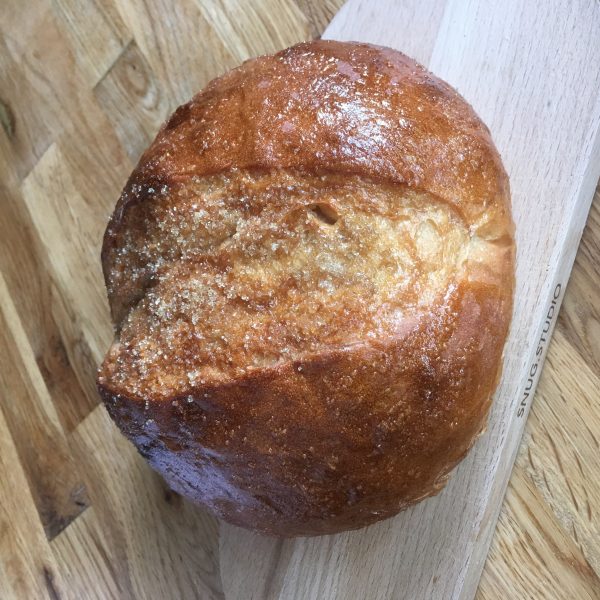
When I was a child we use to spend part of August in my parents country house on the Causse Mejean, France. It was a long drive to go there, we would often stop have breakfast or lunch on the way, have a swim in Gard, and then start the winding road that goes up and down and up and down and finally up. This road is the Corniche des Cevennes and is definitely a beautiful one I would recommend to everyone who likes driving. Once up in our house, the nearest shop is a mere 30min drive. By then their would be food trucks coming with bread, meat and some groceries. I remember the fouace that we would buy and then have for breakfast. It was a heavy kind of brioche but nit buttery, with a sticky crust. After I was 10, this bread wasn’t sell anymore, so it’s been some time I haven’t had any. You can then imagine my surprise the first time I cooked sugar bread from Kayser bread book. It was exactly that. I made sugar bread a few times, and each time it took me back there. So now I want to share this recipe with you. If you think about it, it a classic bread recipe in which you add a bit of sugar, and finish with a syrup to have the sticky soft crust.

Sugar bread (500g bread)

– 250g of white flour

– 160g of tepid water

– 5g of yeast

-5g of salt

– 40g of brown sugar

– 3tbs of sugar and a bit of water for the syrup

Mix all the ingredients together except those for the syrup. Knead until soft. Prove for 2h. Shape as you like. I made a ball but I could also have made a braid. Leave to rest for 1h. Then bake at 200deg for 30min.

Make the syrup by mixing the sugar and water in a bowl. Apply the syrup everywhere and let cool down before eating.

Enjoy your week!!

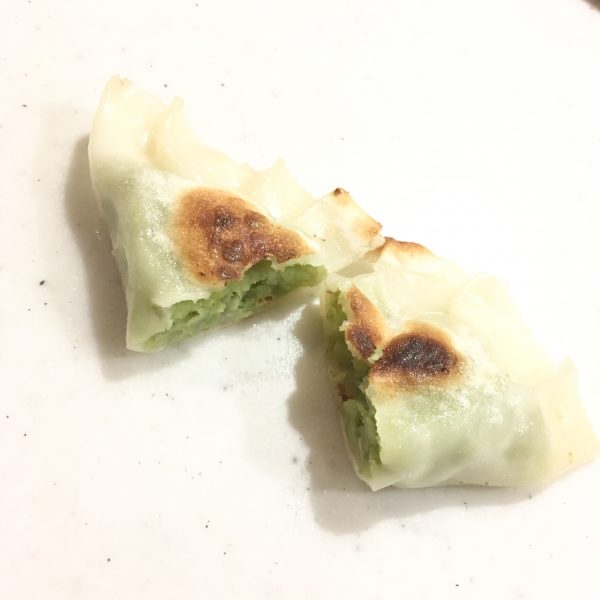
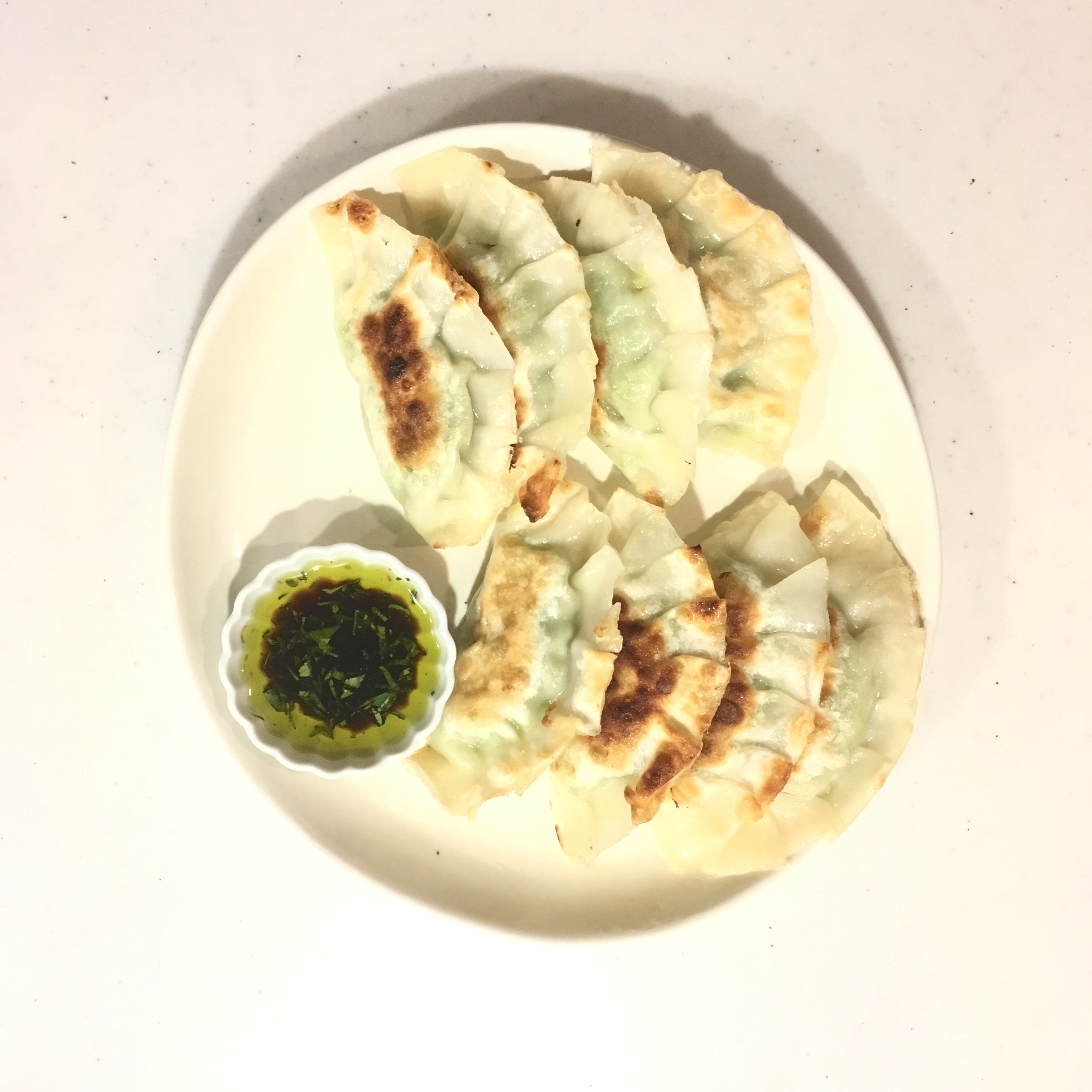
Fava beans gyoza

I could have started a “fava beans week” and write everyday a new recipe using them, whether Japanese, Italian or French… but I was alone these days, A. traveling again for work, and my work is kind of busy… a lot of things have suddenly started to move forward since February, after months if not years waiting for that… yet everything decided to move at the same time so my hands are more than full… but I cannot complain too much, can I? So the fave beans week ended up being nothing… sorry for that, but you can check my past recipes here and here.

But while work keeps me busy, it doesn’t prevent for my mind to wander and invent new recipes. And this recipe is something that I have thought about for quite a bit now. I first thought about ravioli, but guessed it would be too common, and reminding myself (1) how much we love gyoza; (2) how delicious the butternut gyoza I made were; (3) how easy it is to make, I could only try.

Let me share with you this delicious recipe!

Fava beans gyoza (makes about 16 pieces)

For the gyoza dough:

– 50g of bread flour

– 50g of pastry flour

– a pinch of salt

– 50cl of tepid water

For the filling:

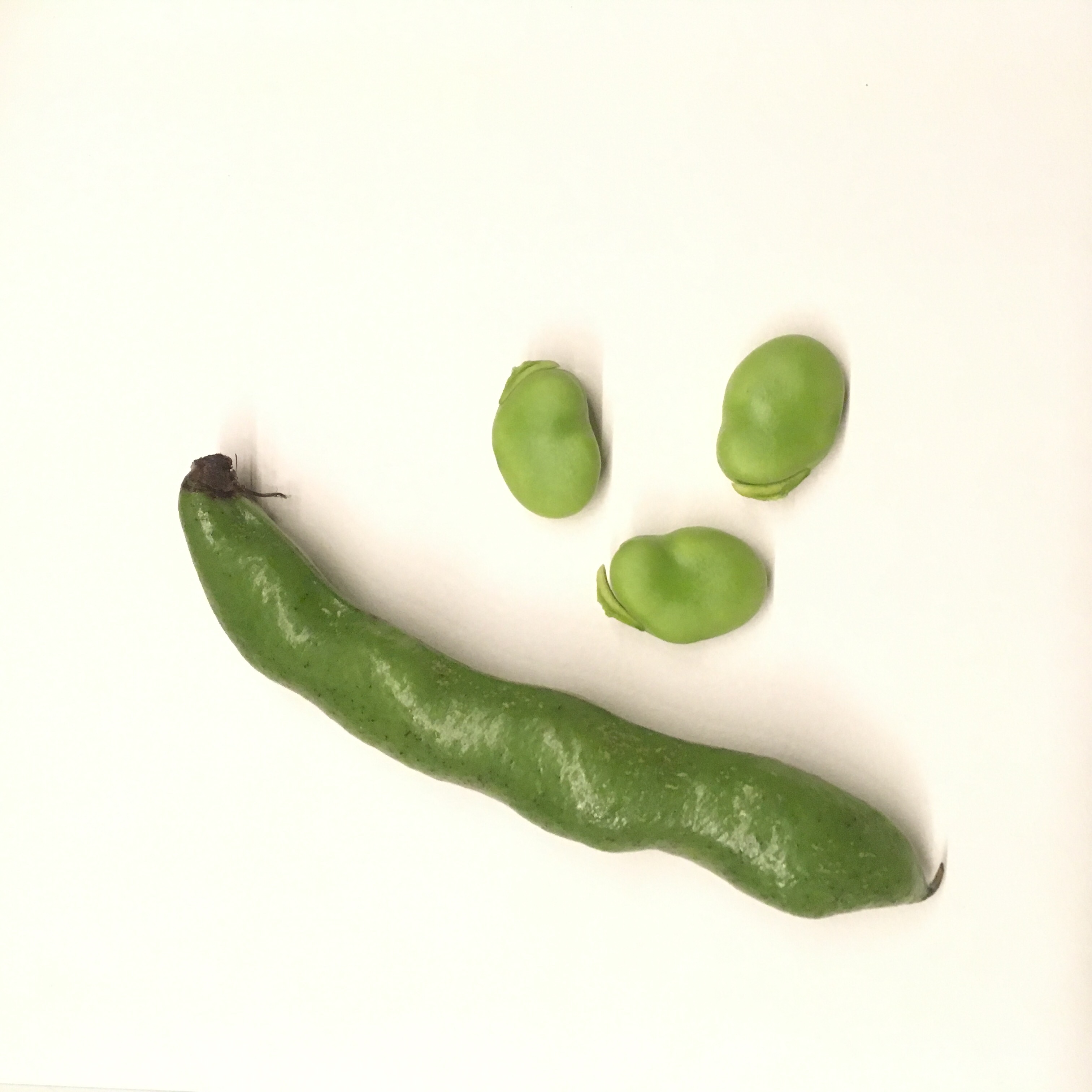
– 20 pods of large fava beans

– salt and pepper

For the dressing:

– 20 sansho leaves (kinome) or a small piece of fresh ginger

– 2tsp of soya sauce

– 3tsp of olive oil

Prepare the dough by mixing the ingredients. Make a ball and leave to rest for 30min.

In the meantime boil the fava beans and peel them. Crush them and add salt and pepper.

Chop finely the kinome leaves (or the ginger if you use ginger). In a small bowl mix with the soya sauce and the olive oil.

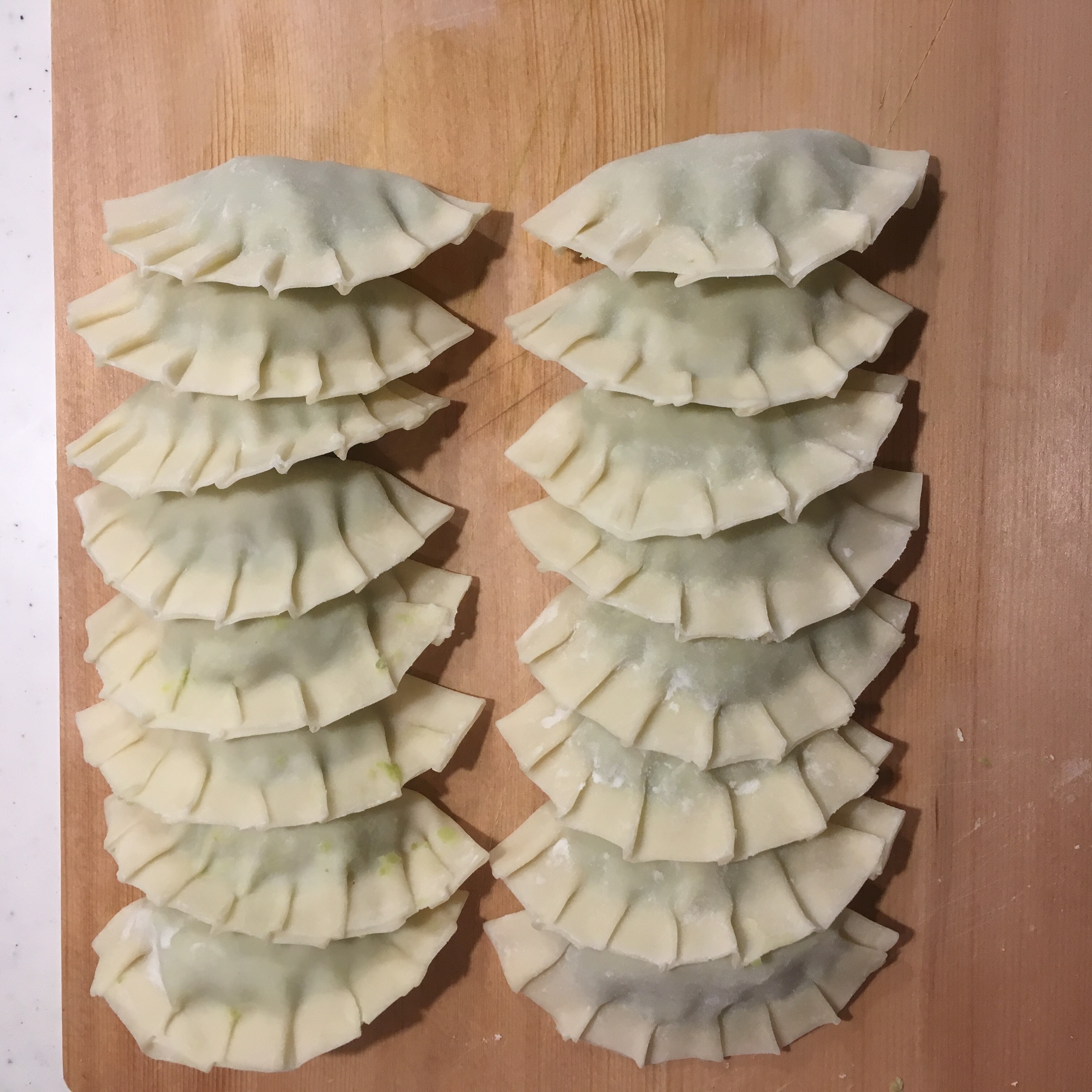
Now 30min should have passed. Make a stick with the dough and cut in 16 equal parts. Make 16 small balls, and roll them in a 1mm thick round of dough.

I each round set a tsp of the crushed fava beans and close the gyoza with a bit of water on each side of the dough.

In a large greased frypan, add about 5mm of water and cook at high heat the gyoza. When the water is gone reduce a bit the heat and then flip the gyoza.

Serve with the dressing in a side bowl to dip them in. Enjoy!!

Spring greens

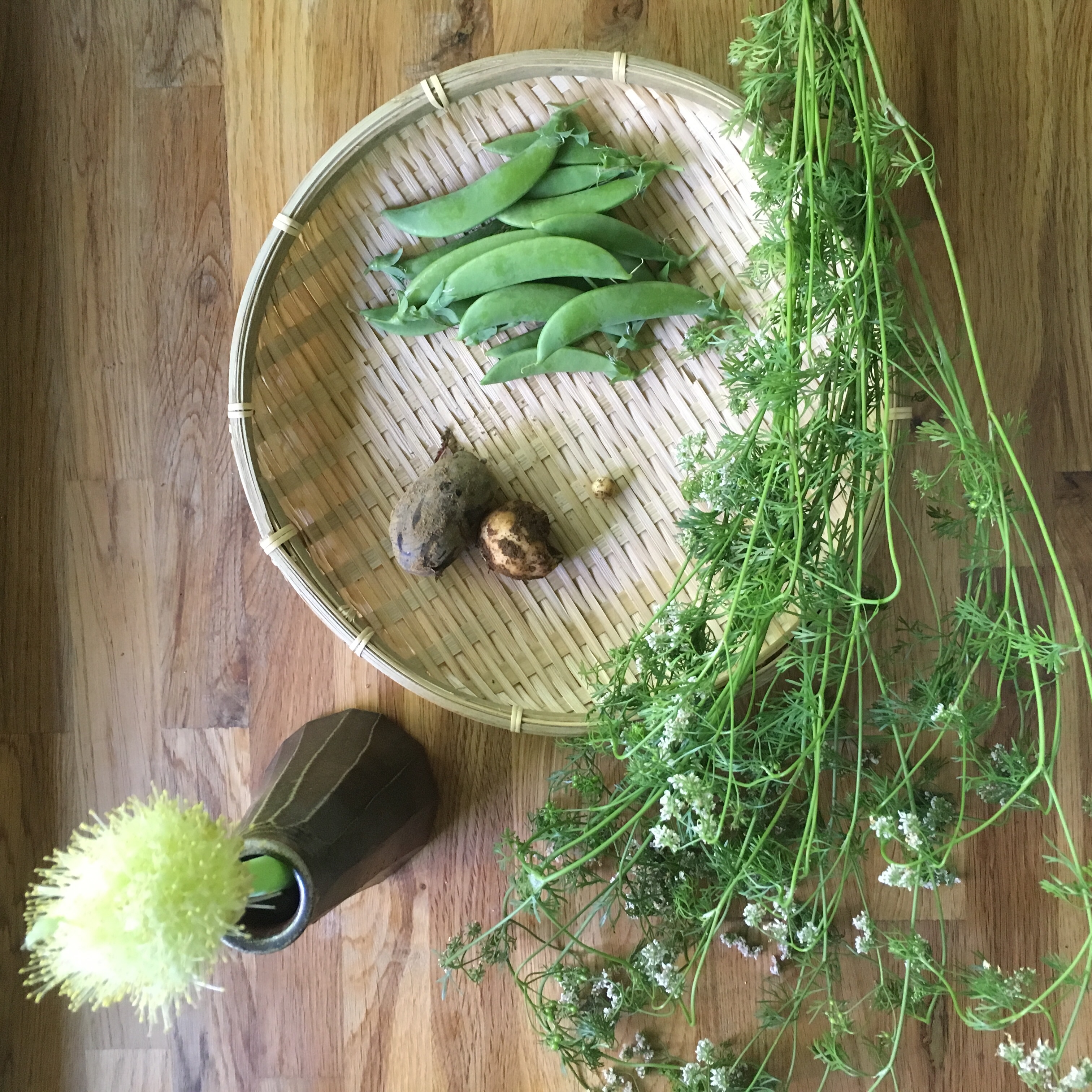
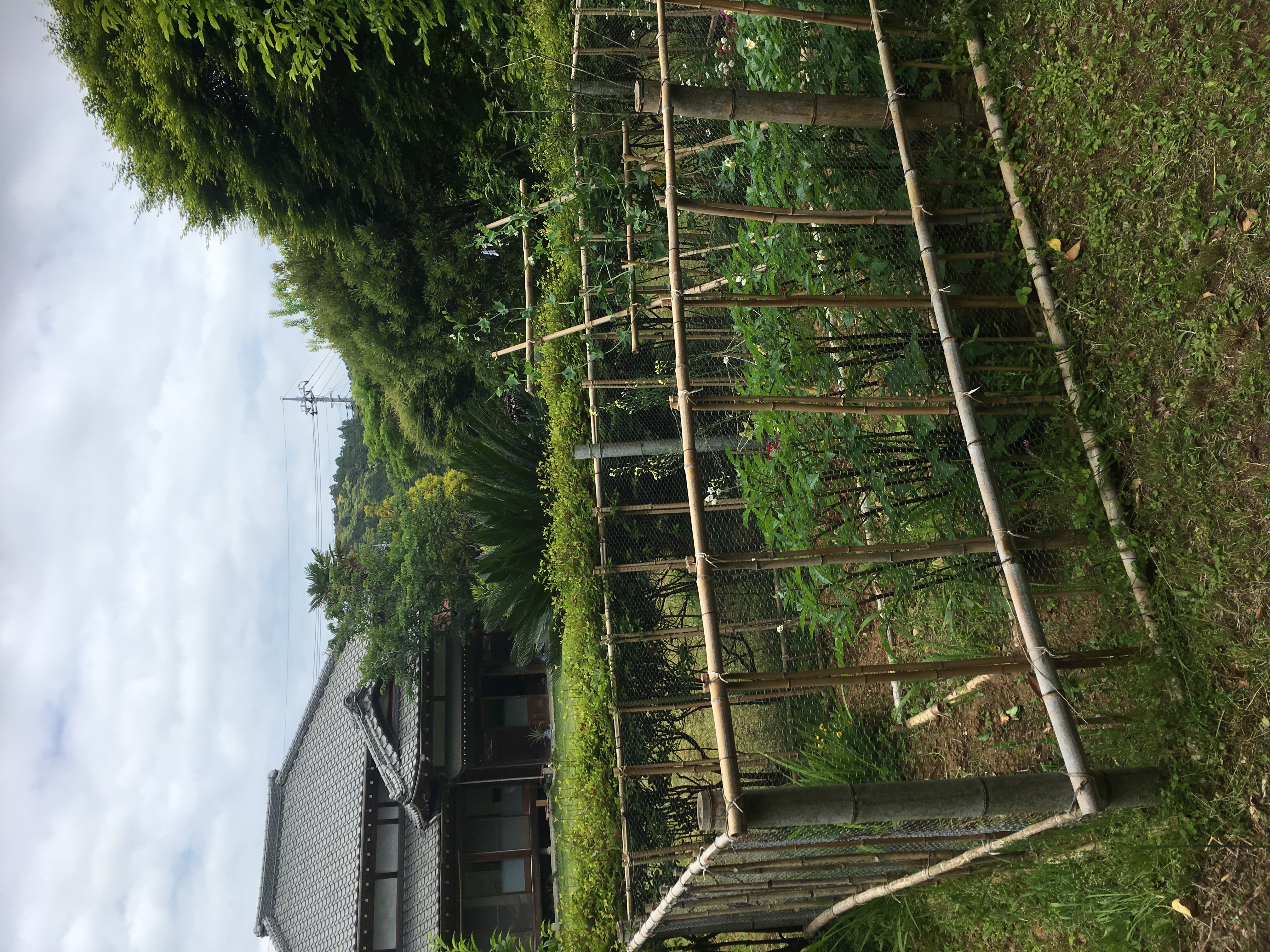
My kitchen garden seems to be doing ok! Every week I harvest something, and recently it’s been focused on snap peas and herbs. Two plants of peas actually have been producing a handful of snap peas every week, which is just the perfect amount for us so far, as I used them mixed with other vegetables. The mint and coriander are doing good and I’ve harvesting quite some too for daily use, same with some kind of salads my neighbor gave me (we exchange crops). I like the idea to just walk down in the garden and pick what is needed for preparing a meal. I’ve also checked that potatoes are coming, though I am worried the soil may be too rich… we’ll see… it’s not easy to be a beginner gardener and not to be able to check every day!!! I’ll learn from my mistakes and successes I guess and do better next year!

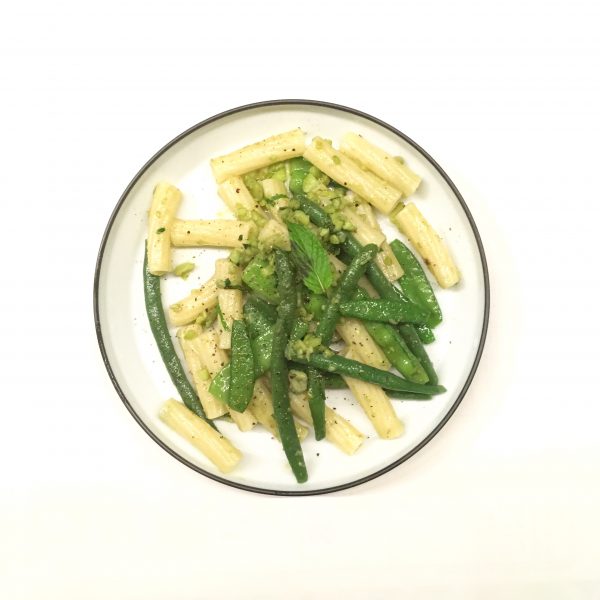
With all this greens, not only from my kitchen garden but also from the farmers market I was thinking of new recipes and inspired by Giula’s zucchini and saffron pasta recipe (that was super delicious) I prepared a fava beans and greens pasta sauce. The kind that is so delicious that you want more!!! Here’s my recipe.

Fava beans pasta (for two servings)

– 125g of dry penne or macaroni or some similar pasta

– a handful of fresh fave beans shelled

– a handful of fresh snap peas

– a handful of green beans

– a handful of shelled greens peas if you have some (I couldn’t wait and already had eaten up all mine!!)

– 5-10 leaves of fresh mint

– olive oil, salt and pepper

Boil the pasta. When al dente drain and keep.

In the meantime, blanche the fava beans and peel them. Blanche the green beans, the green beans and the snap peas. Puree the fava beans, add olive oil generously, salt and pepper. In a large pan at low heat, heat the fava beans purée and then add the pasta, and the other vegetables, stir well, add the mint washed and chopped. Serve and eat immediately!!

Have a great week!!

Bacalau – すきみ鱈

Bacalau, salted cod, is something I have been eating for ever. It is part of the traditional aïoli from Provence and also from the French Caribbean islands the Antilles, acra and in féroce d’avocat, a delicious avocado base recipe. Seeing how much cod is a popular fish in Japan, and sun-dried fishes himono-干物, are also very popular, I wasn’t surprised that they also have bacalau. In Japan it is called sukimitara すきみ鱈, and though it is also salted cod, fishes used for that preparation are much smaller than in France, but it is all the same delicious. The best place usually to find some from Hokkaido is Yoshihike-吉池 in Ueno. I wonder how Japanese eat it as so far I have seen no recipe using some and a rapid browsing was rather common ways: grilled, meunière… nothing that had a Japanese flair, but I myself have a few recipes I like to prepare in addition to the above mentioned ones, these recipes are largely inspired by my mother’s cooking and re-crafted a bit. The only “issue” with salted cod is that except is some rare cases like in feroce where the cod is used as it, you need a few hours or more to remove the salt thus recipes cannot be improvised.

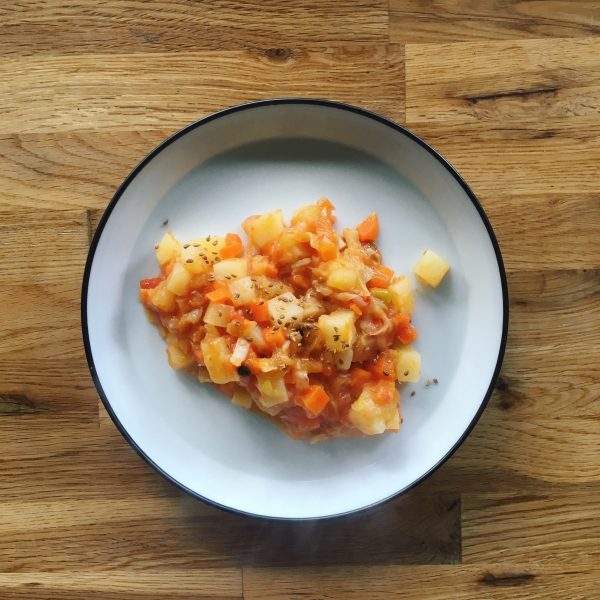
Today I made a simple potatoes ragout with fresh tomatoes, the last of the leeks from my neighbor’s garden, new carrots (or not), slightly desalinated cod and plenty of anis seeds. I peeled and cut all the vegetables, in a bit of olive I first reduce the leek, add the potatoes. Stir at high heat a bit, then add the tomato (a large one is enough for two), cover with water, add the cod chopped, some black pepper, and a table spoon full of anis seeds. I cook until the water has reduced and it’s ready to serve!

I love the balance of flavor and texture. The creamy vegetables, the chewy cod, and the crunchy seeds.

You can change the leeks for a new onion, all the same creamy and soft.

Have a good end of the week!

Proudly powered by WordPress | Theme: Baskerville 2 by Anders Noren.

Up ↑

Verified by MonsterInsights