Your kitchen is mine!

Kitchen take-over in Waterloo.

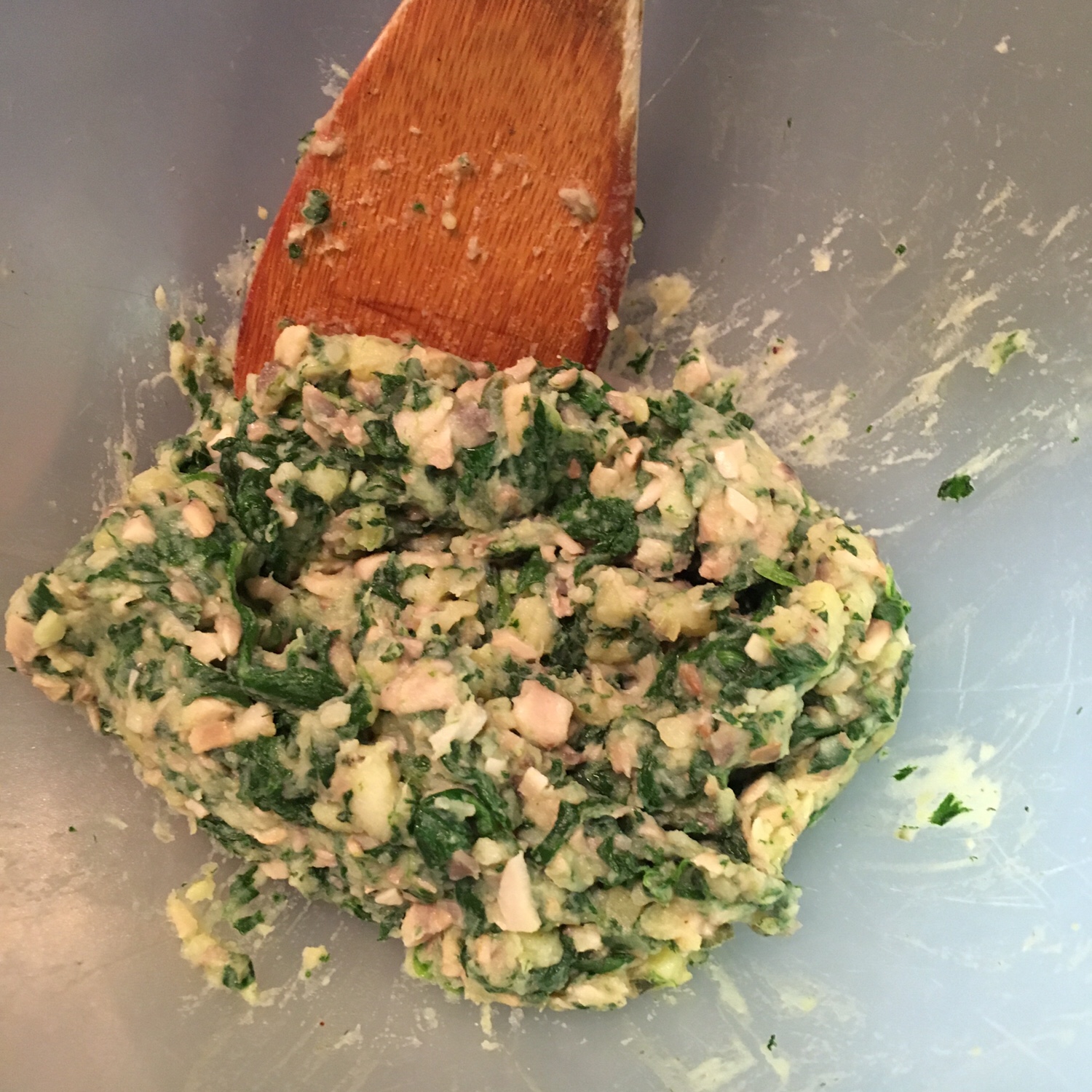
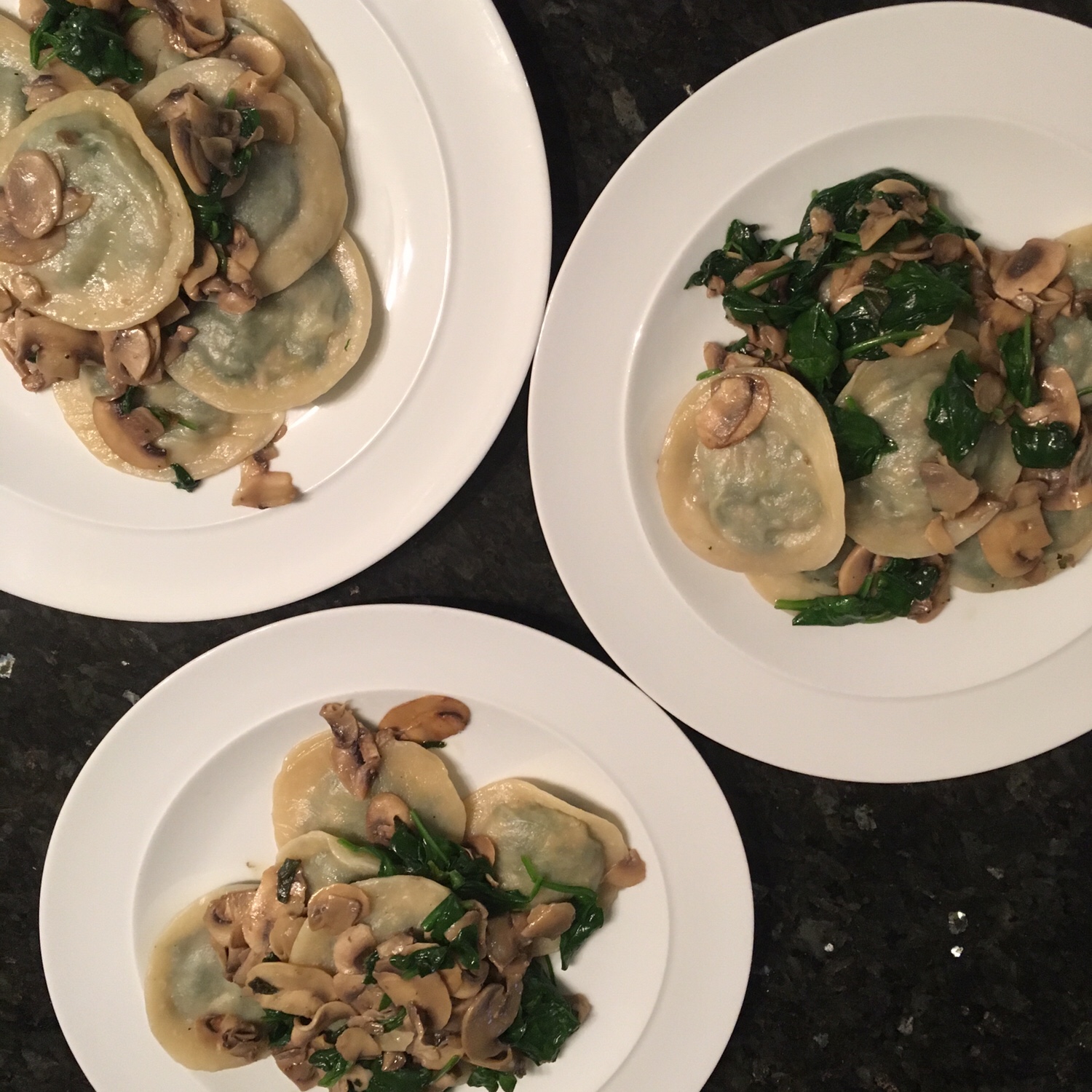
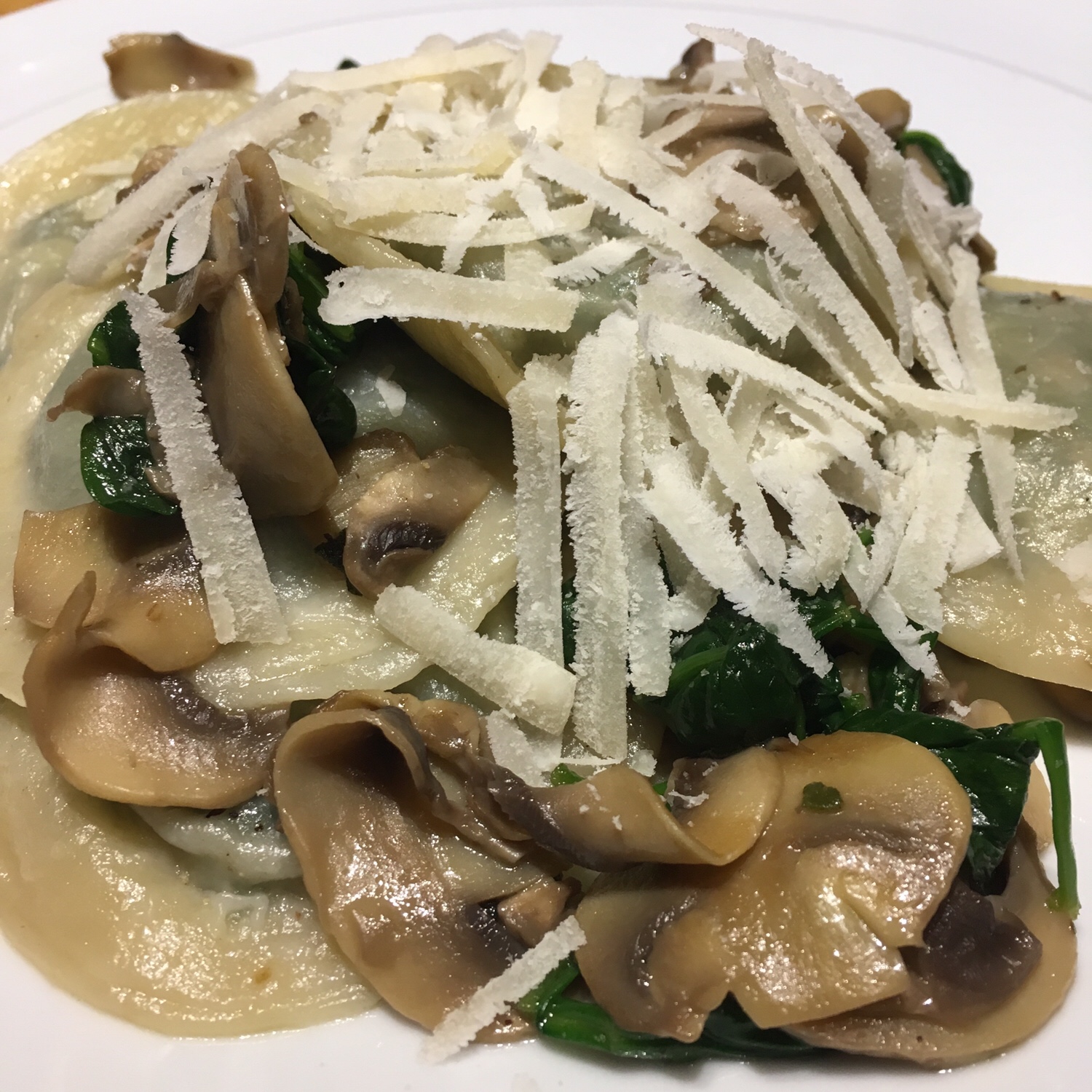
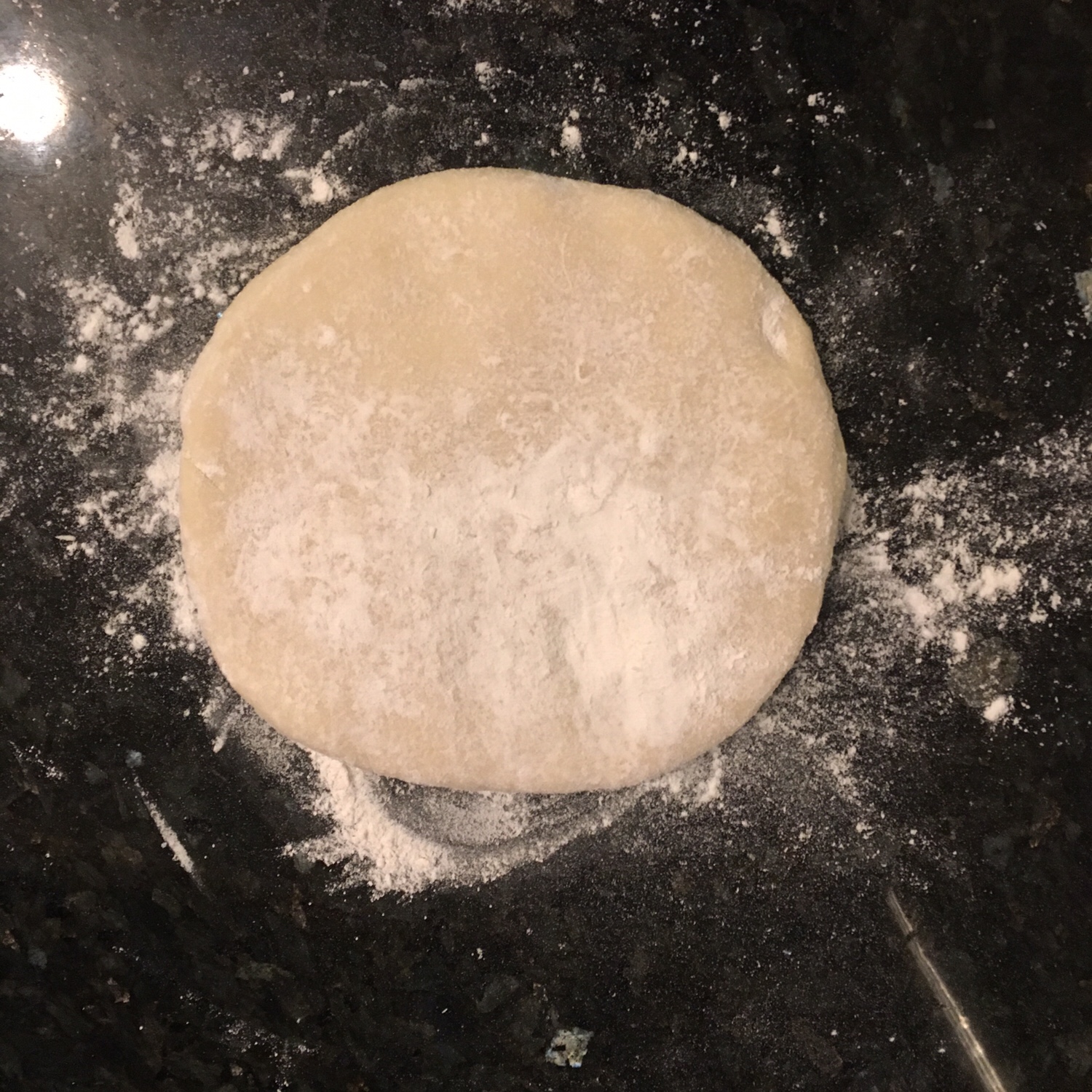
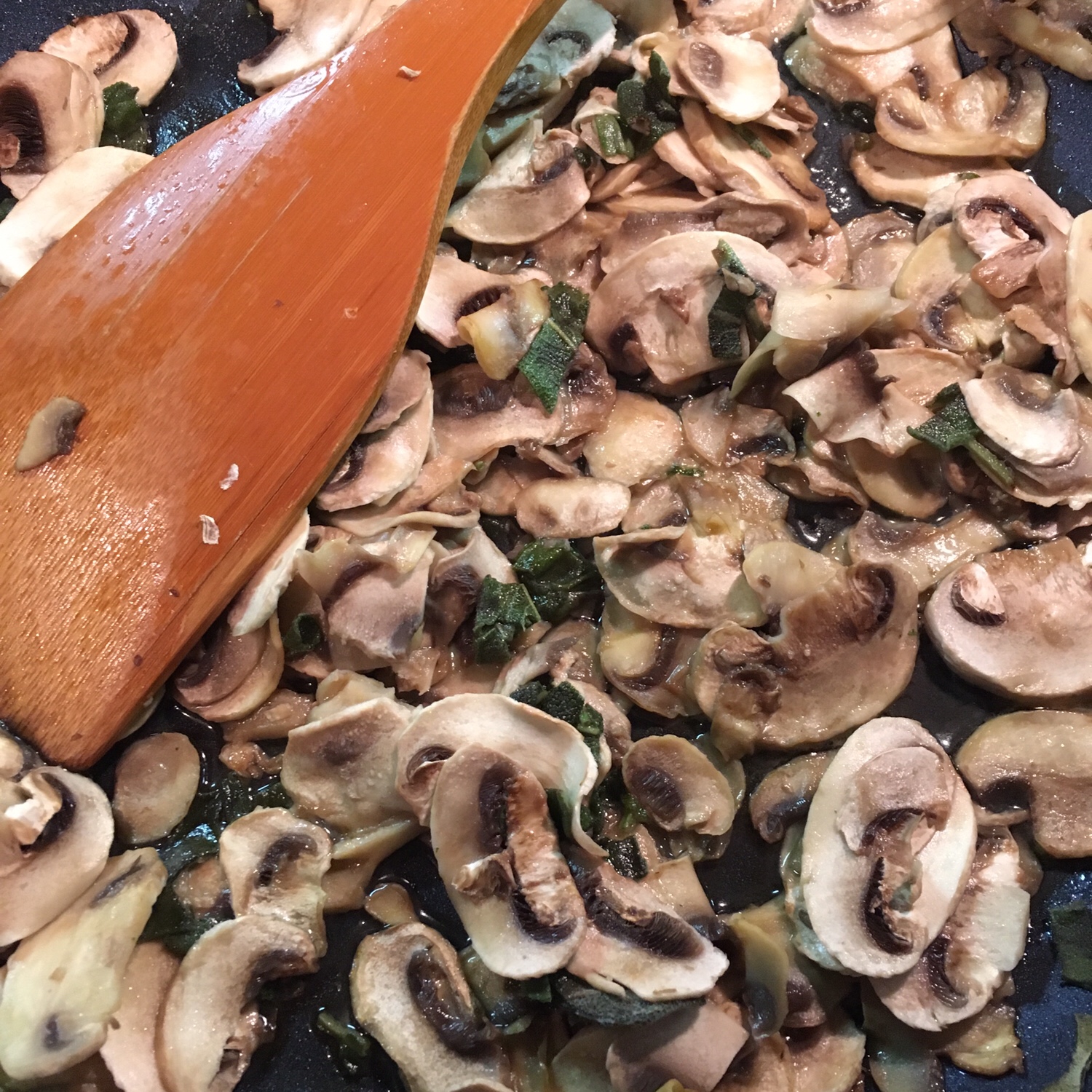
I’ve been in Canada for 10 days now and I really missed cooking, so when D. and C. offered me to take-over there kitchen I couldn’t resist and I had to say Yes!!!!! Please let me cook!!! So all set, on our way back from work D. and I stopped grocery shopping. Given the season (temperatures vary basically between -10 and 2) there is not a lot of local products available but we managed to find a few simple ingredients: spinach, mushrooms, potatoes, pears. The menu was all decided: I would cook vegan for D., some spinach and mushrooms ravioli. And for dessert she wanted spicy pears. So then I went to there place and while we were chatting I took their kitchen and prepared the promised menu. It was so nice and relaxing to be in a kitchen, to touch the food, the knives and to cook for dear friends. We after that sat for a nice dinner, my last one, tomorrow I’m flying back to Tokyo!
Toronto

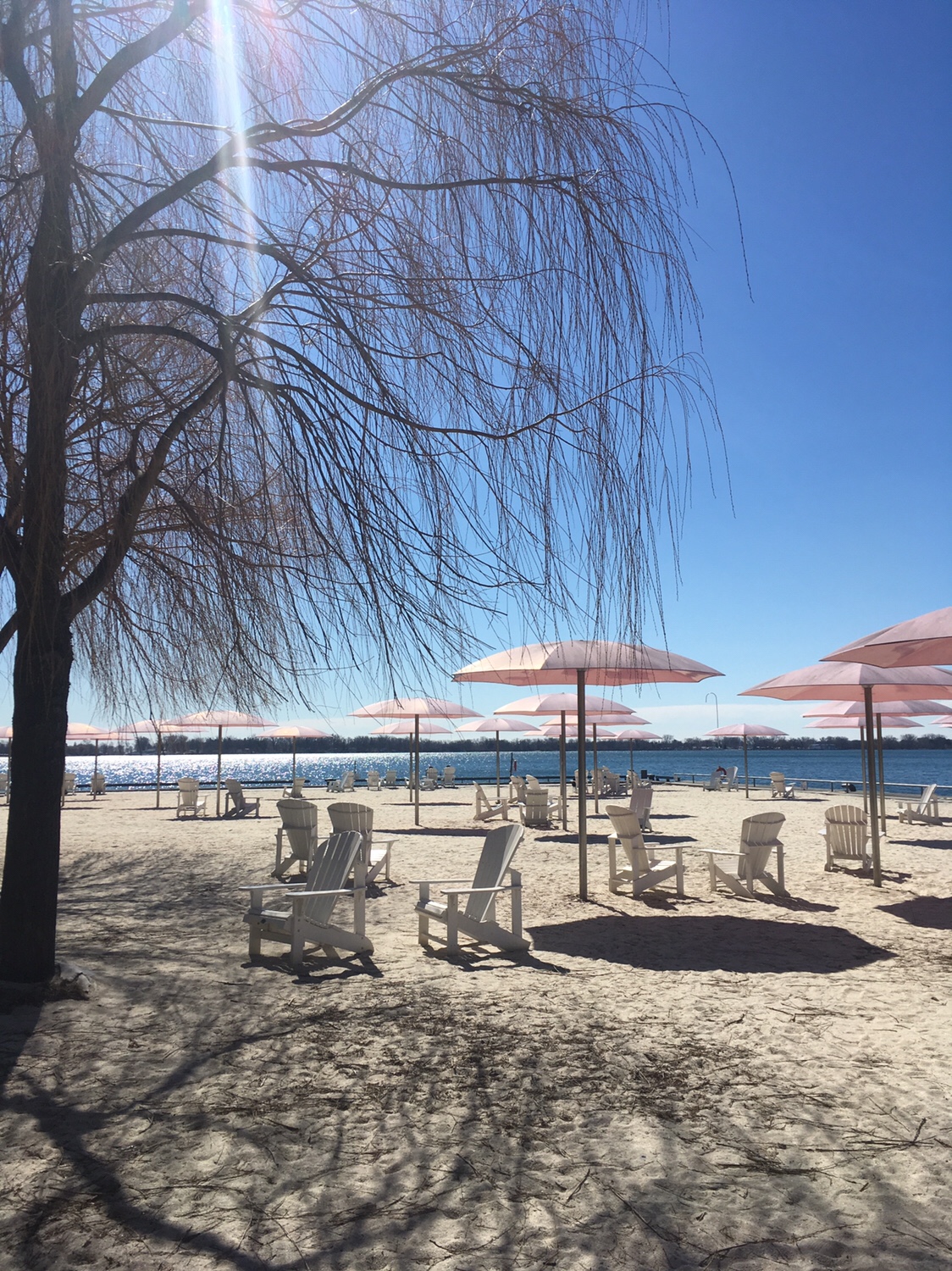
Until today I couldn’t really say “I’ve been in Toronto”. When I was a teenager I spent a few hours there on a trip to Niagara with my American family, I remembered the CN tower and around but that was all. So when D. and C. proposed to spend the weekend in Toronto while I was visiting Waterloo for work, I thought it was a great opportunity. A. could join for the weekend from Florence and we would enjoy what the city has to offer in the end of winter: good food, nice walks, theater shows…

We walked all over the city, from the Old Toronto to the East Bayfront, and the Distillery district, through China town to Kensington market and back to the Waterfront… stopping for a bite, a show, or design stores (on King street)…

Here are a few recommendations for enjoying you stay in Toronto.

– stay: I would recommend the Old Toronto where you can find all the big 5 stars hotels. It’s convenient to walk everywhere or so. We stayed at the Ritz-Carlton. Nothing exceptional about it but great efficient service.

– coffee/breakfast: Hot Black Coffee on Queens street is a nice tiny coffee shop open early in the morning. Nice Chai latte, and a wide selection of items for breakfast: muffins, toasts…

– lunch: El Catrin is a Mexican restaurant in the distillery district, their vegetarian tacos were amazing, inventive and refreshing.

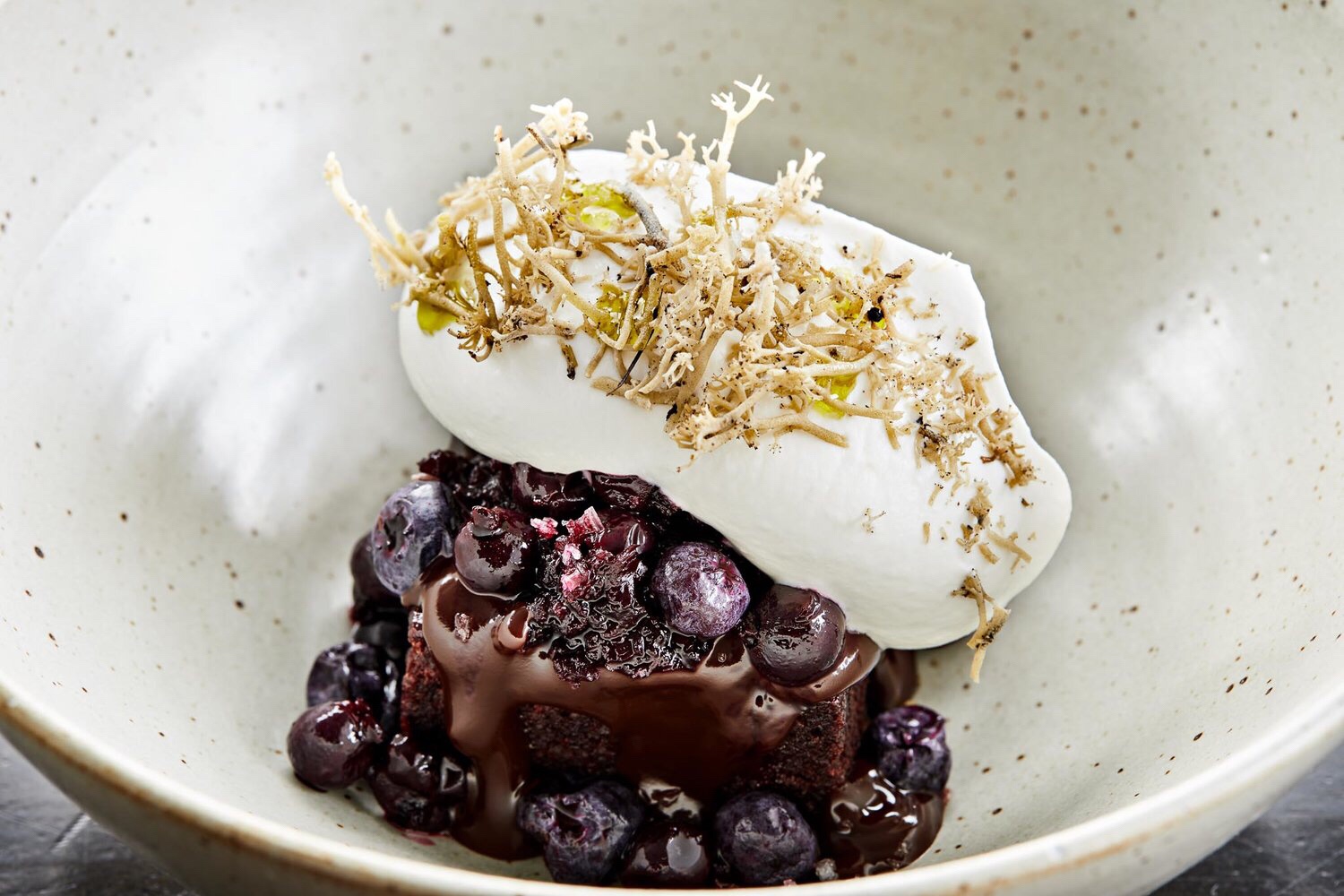
– dinner: Actinolite is THE place to eat. A restaurant with a chef that uses exclusively local and oc course seasonal products and makes an inventive, perfectly balanced menu, with the right textures and flavors, and the perfect size. Plating was also great. There is no Michelin guide of Toronto but if there was, it would surely be in with 2 stars at least.

Picture from Actinolite website

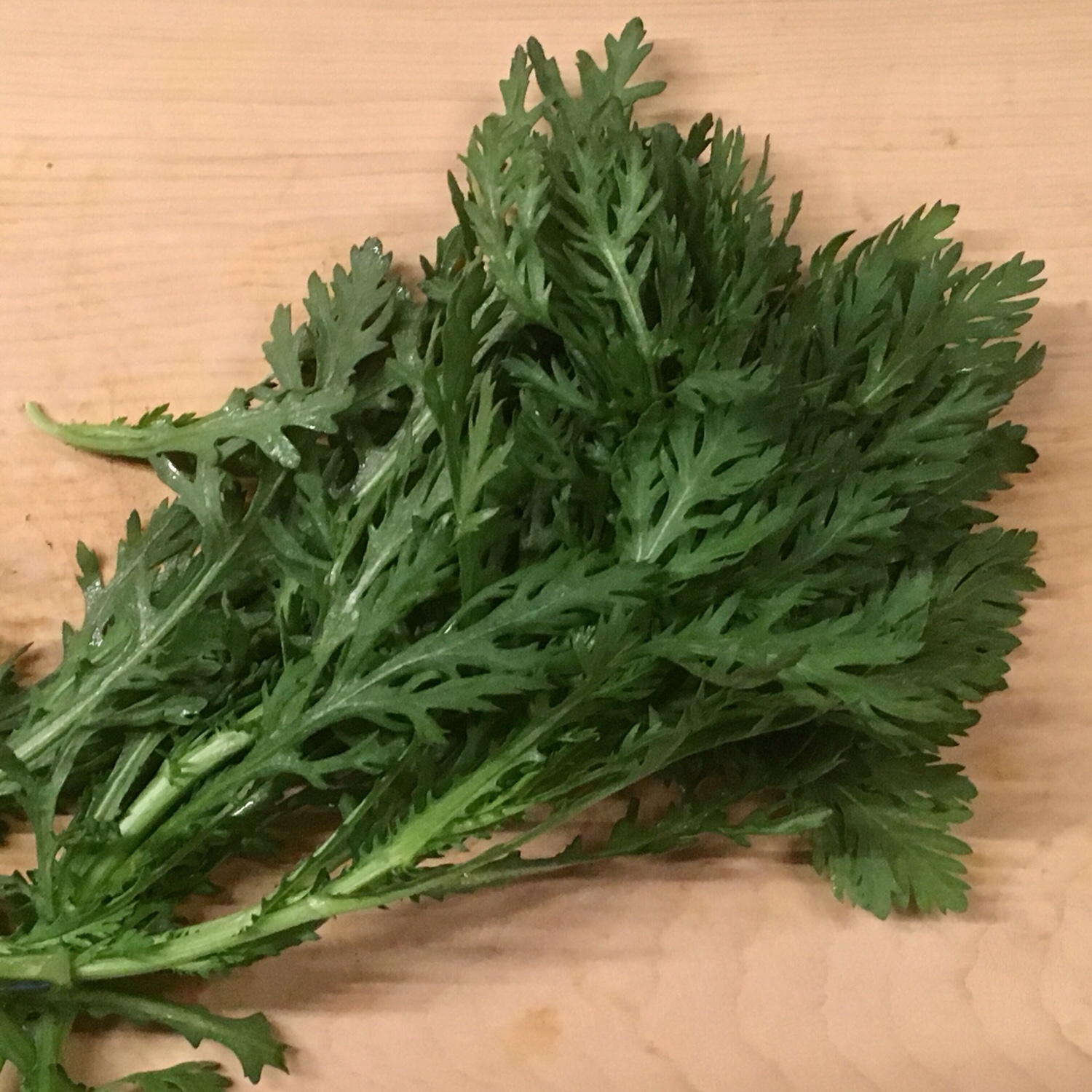
Haru kiku – 春菊

I’ve seen these beautiful green leaves for a while now but never cooked any before. Cooking is quite a big word for something that is perfect just washed and chopped like lettuce etc… In fact the trigger for trying was a recipe I found in browsing one of my macrobiotic cookbook and I totally loved the recipe at first, not because of the haru kiku but because of the hijiki. Some time ago I bought a little bag of dried hijiki made locally in Isumi. I made a few things with them but I find myself very limited, or I didn’t try enough, so this recipe was saving me. And it is just the season for haru kiku, so of course I found some right away at the local farmers market and I was more than happy to try them!

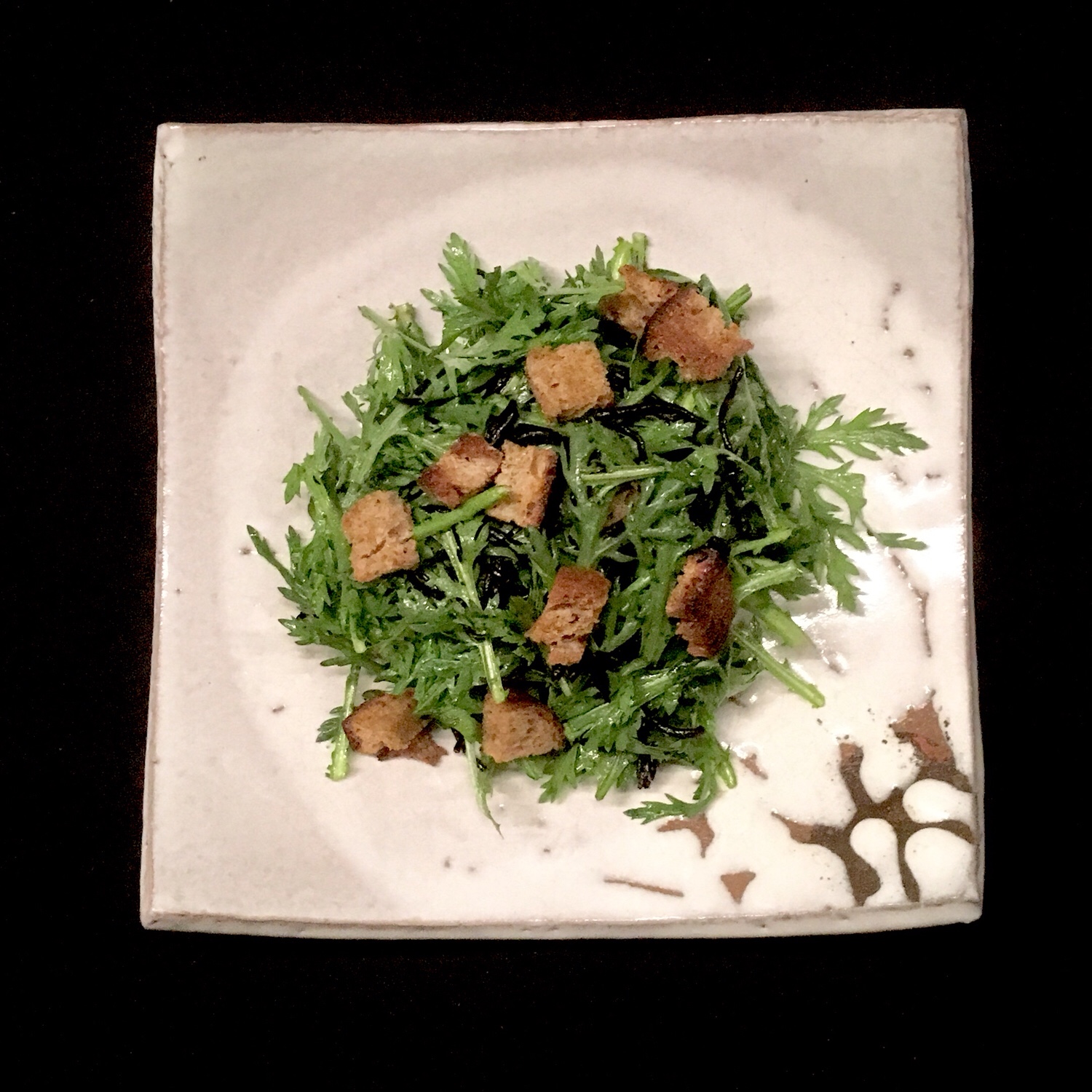
The original recipe is simply hijiki, haru kiku, olive oil and balsamic vinegar (a little weird for a macrobiotic recipe though…). My recipe goes like this:

Haru kiku and hijiki salad (for 2 as a side dish)

– a handful of haru kiku

– 20g of dried hijiki

– 2 slices of whole wheat or so bread

– 2 tbs of olive oil for frying the bread

– 1 tbs of olive oil for the dressing

– 1 tsp of white vinegar (I used rakkasu)

First rehydrate the hijiki in a bit of water. In the mean time dice the bread and fry it in the olive oil. Wash the haru kiku and cut the leaves from the stalk with the fingers, keep the leaves, trash the stalks. Then brake or cut the leaves in three. Drain the hijiki, add them to the haru kiku in a bowl, add the olive oil and vinegar and stir well, finally add the croutons and stir again. Enjoy as a side dish!

Making misô

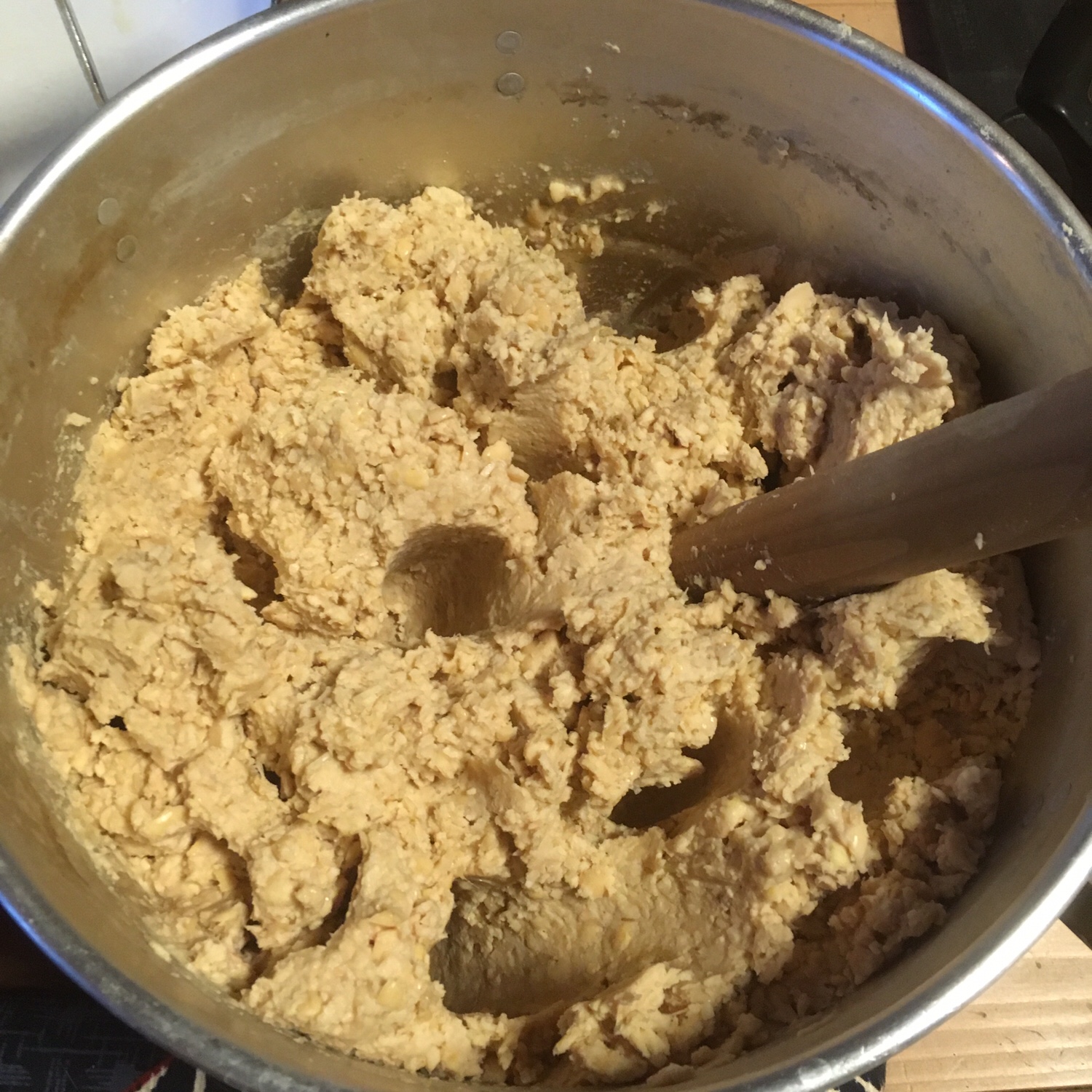
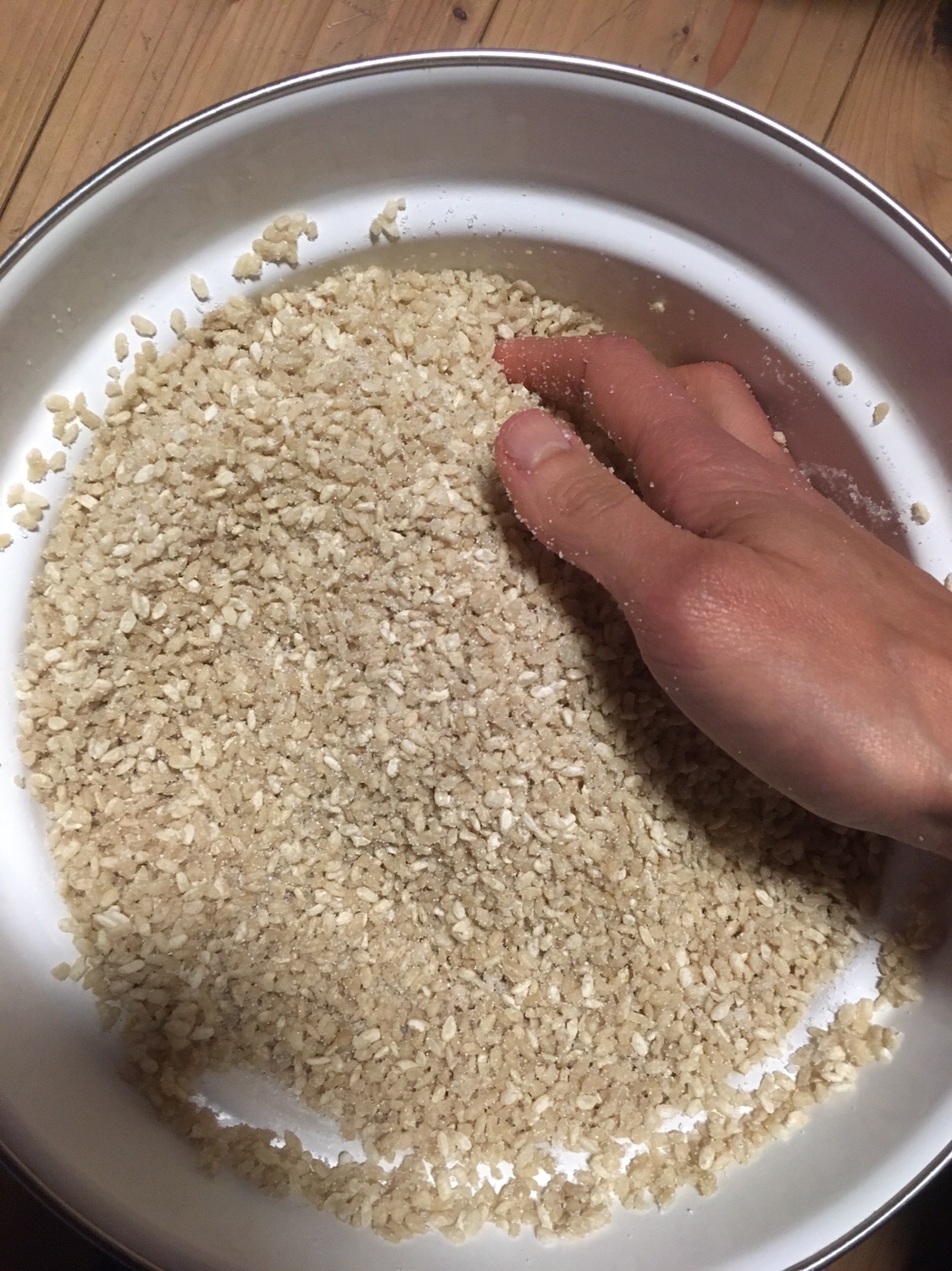
The other day when our neighbor S. asked me if I would be interested in making miso with her and her friend W. I immediately said “Yes!”. So last Sunday evening I went to their place and we made miso. Miso is basically boiled soya beans fermented with salt and rice kouji (a fermentation starter made from rice). So it is quite easy to make but requires a bit of time and effort.

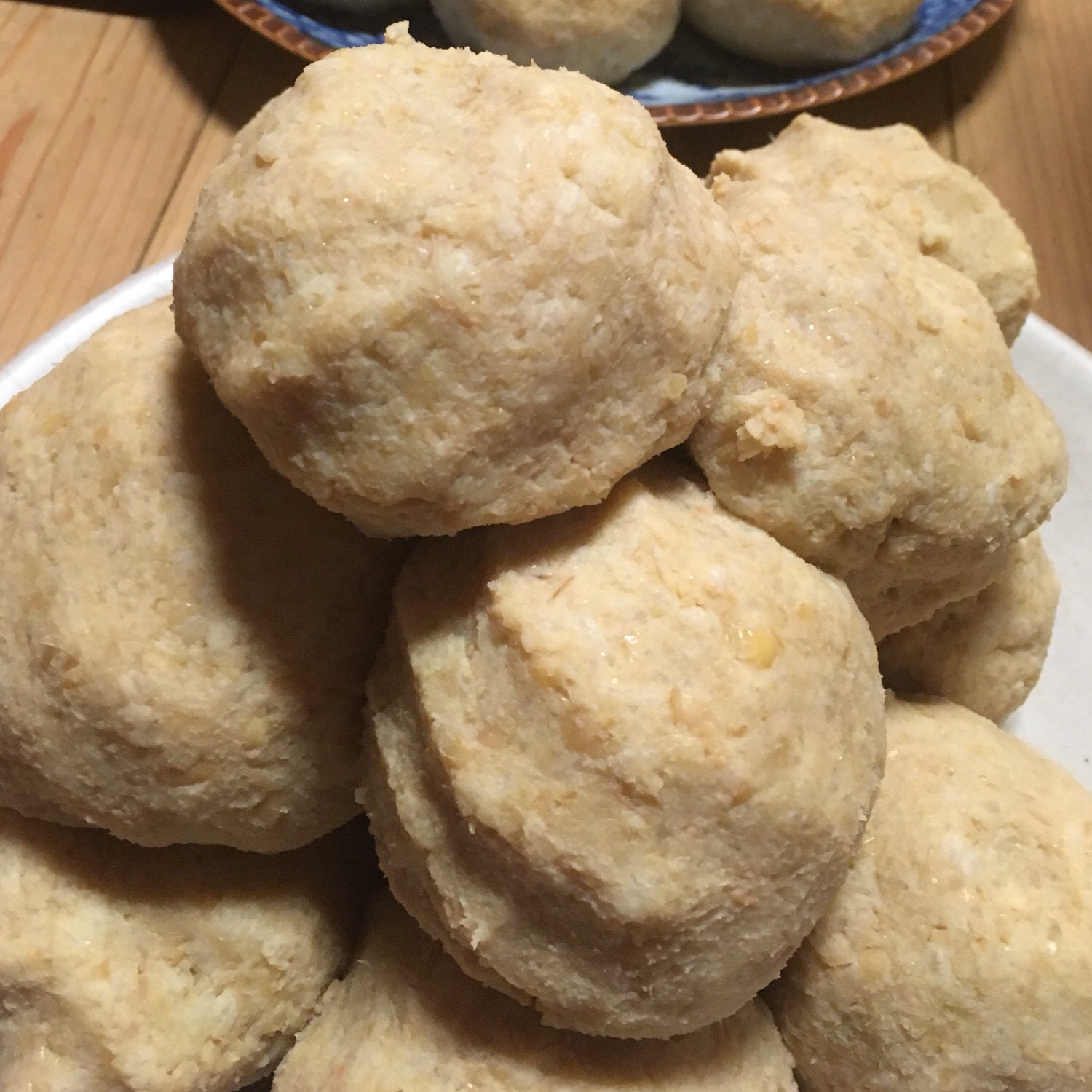
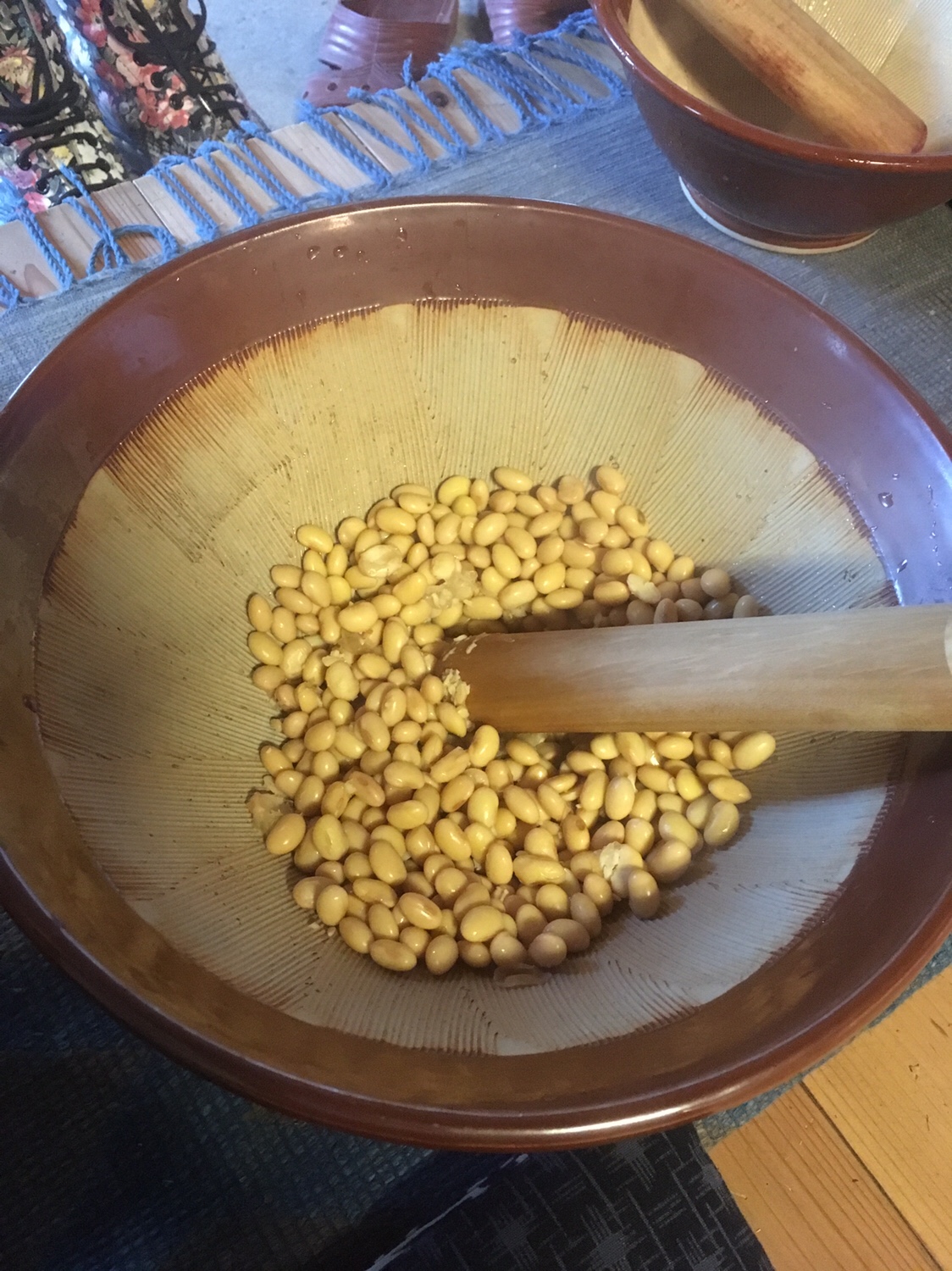
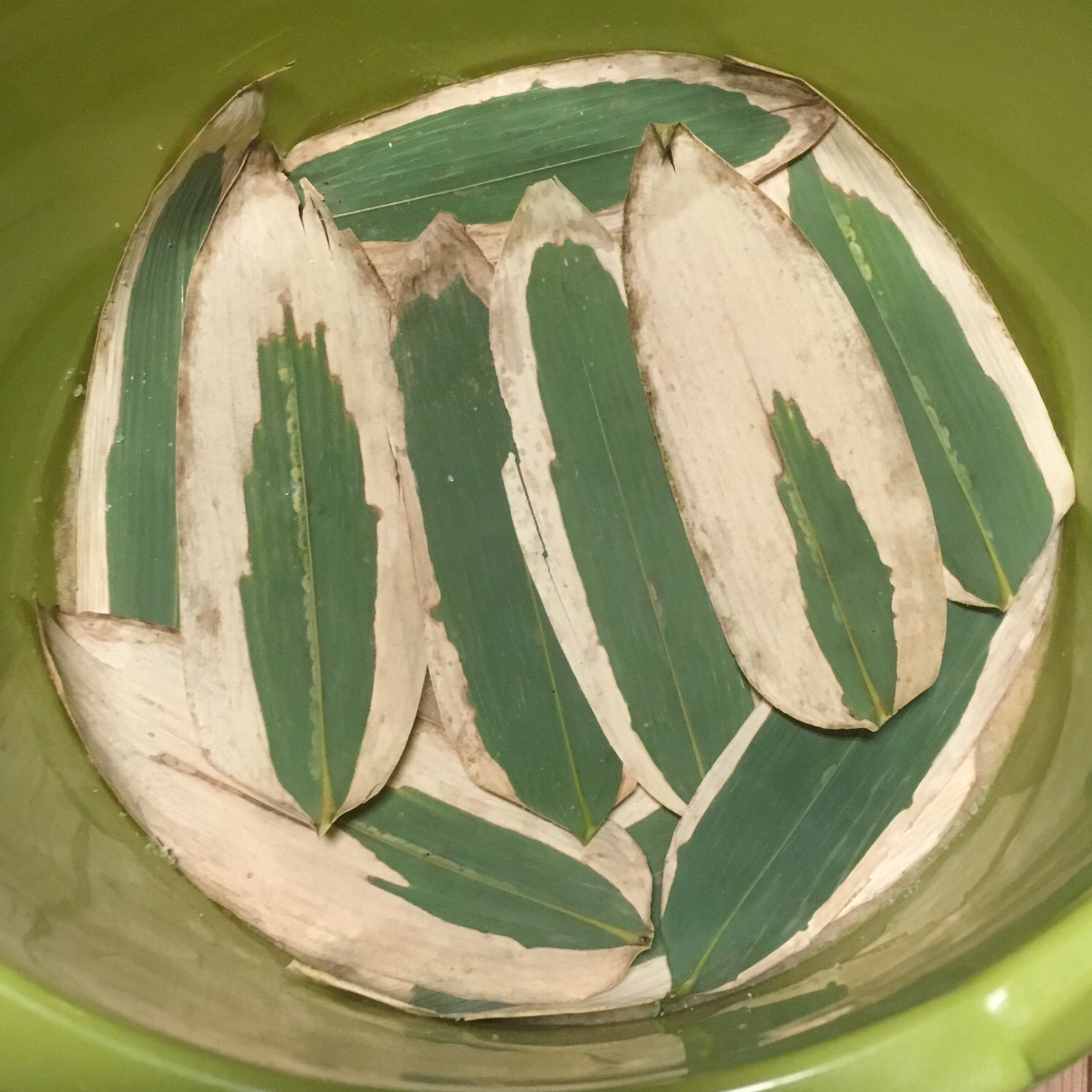
The first thing is to boil the soya beans until soft. Then to crush them until they are puréed. Mix by hand with salt and koji. The funny parts comes here: you want to remove the air from the mixture so the idea is to make miso balls and throw them in the final jar to remove the air. Finally flatten the surface, add a bit of salt on the top layer, line some fresh sasa bamboo leaves, add a hard lid and top with a heavy stone.

And now leave for one year to rest in a cool dark place… hopefully delicious miso will come out of the jar! I must admit I can’t wait to try it!

http://gentianeetantoine.com/igk/wp-content/uploads/2018/03/img_6177.mov

New start!

With a sister who has let me down without a word after 3 years of Tokyo Paris sisters, I have decided to come back to my very first website and to continue to share my culinary experiences with those interested in Japanese-French-Italian cooking, and in fresh, local and seasonal food. So basically nothing has changed but the name and address.

I didn’t have much time to vamp the website yet and work on the data but I will. I plan to try to have something simple, accessible and comprehensible. I realized that the glossary from TPS was not enough and I have new ideas to present the specific ingredients so that everyone can easily replace them with what is available locally or know which ingredients comes when. Indeed, why would you desperately search for a very specific ingredient from far far away when there are so many others ingredients available that were grown locally and totally make the trick? For example it is very simple to replace gobo (Japanese burdock) by tragopogon, and vice versa, same family different branches. The taste is of course a little different but it works very well and anyway, I’ve never seen tragopogon in Japan! It’s the same with citrus fruits. There is almost to none oranges grown in Japan that reach Tokyo, they all come from very far away countries. But instead there are decopon, hassaku, natsumikan and so many others that work as well. And in many cases they have traveled just 100km to reach Tokyo!

Let’s get started! And I will share my adventure of last weekend about miso making very very soon!!

Rucola lasagna and farewell TPS

You may have realized that for quite a while Tokyo Paris sisters was a lot of Tokyo and nothing from Paris. Well indeed… it seems that after a few years it is now time to move on and for the sisters to split. So after waiting for more than 6 months I have decided that it is now time to end this joint work. Of course, I will still be cooking and posting personally on IG and I am thinking about restarting my original food diary, but it will be only me. I will keep you updated about the new link and place where you will find me, with a revamped website and new format. 

Thank you for following us. I hope you’ll be following me and continue enjoy French-Japan-Italian fresh and healthy cooking with me!

goob bye 

The last recipe is really simple but very very delicious, light and fresh, perfect for a spring day, unlike today.

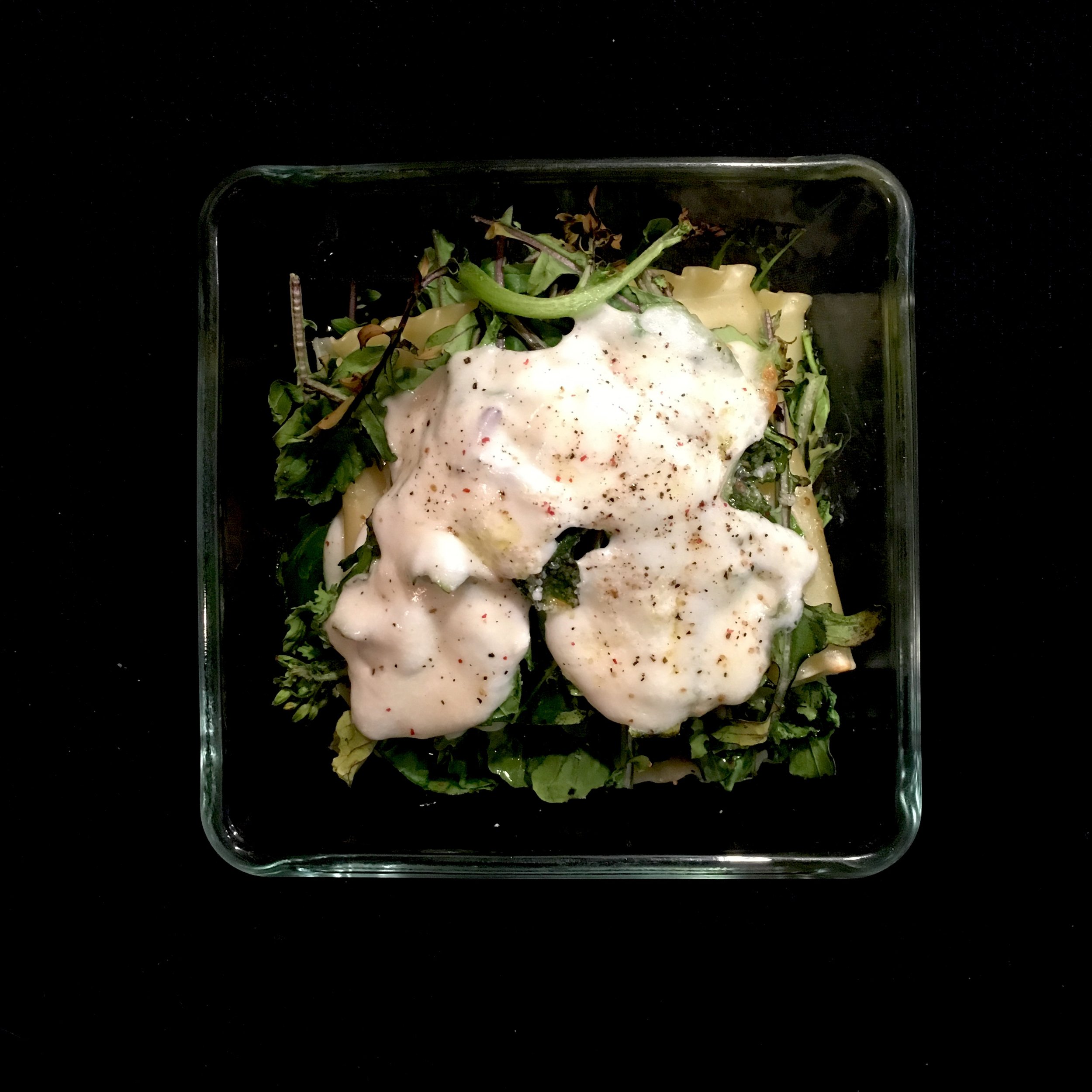
Rucola and mozzarella lasagna

Make some pasta, or use dry one that you need to boil first. Wash and chop some fresh rucola, slice a mozzarella. In an oven dish pour some olive oil, add a layer of pasta, a layer of rucola, a few slices of mozzarella, repeat 3 or 4 times, finish with olive oil, salt and pepper. Bake at 200deg for 15min. Enjoy! 

Miso spring quiche

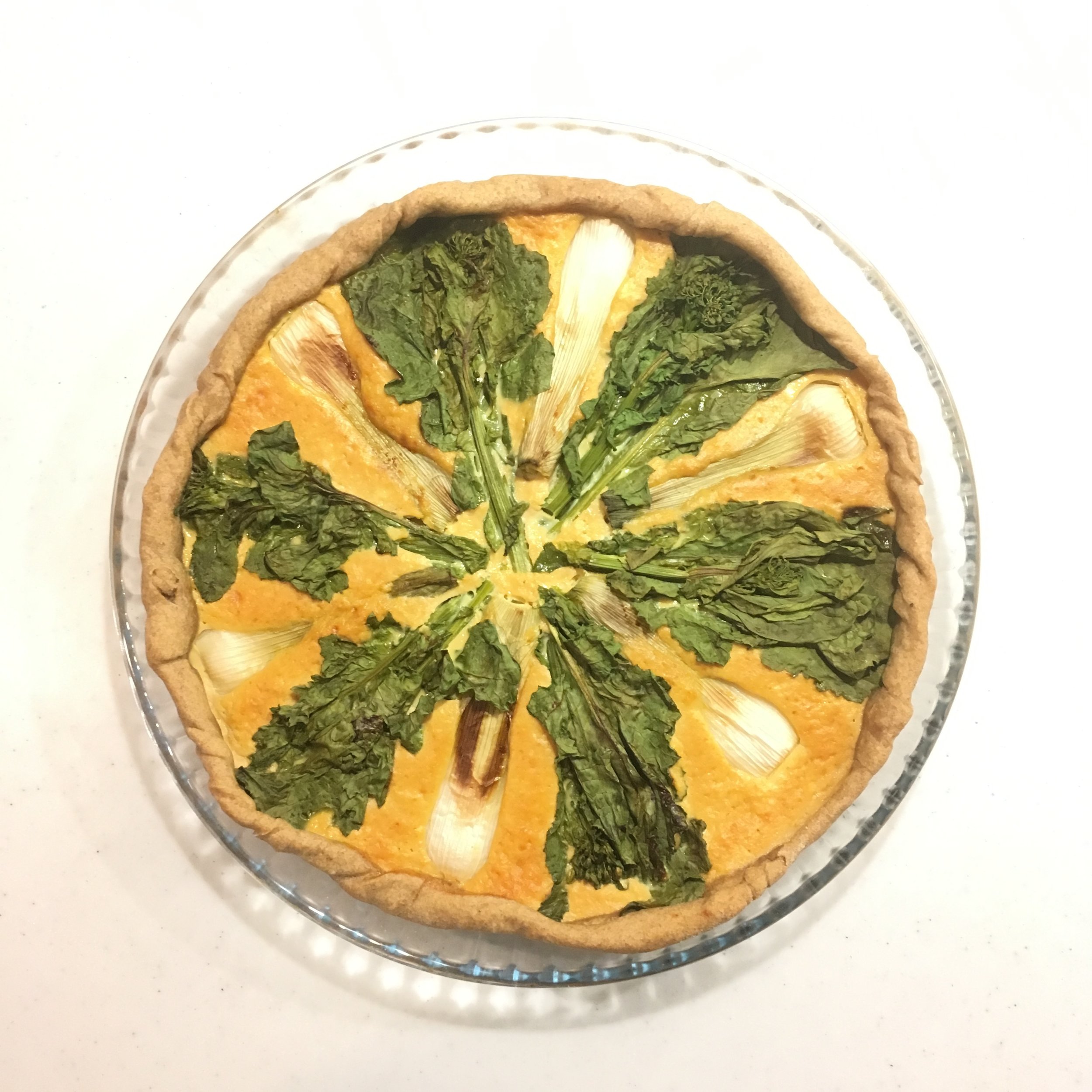
The last weekend had a real taste of spring, beautiful weather, warm air, flowers in the garden, pollen allergy e tutti quanti! And at the farmers market na no hana of course but also new potatoes and new onions with green, something in between leek and new onions somehow, and grown in Kujukuri, a few kilometers north of Isumi. To test this newly arrived vegetables, as soon as I saw them I decided to bake a quiche, with miso, tofu and na no hana. The recipe is quite aimple and straight forward. First prepare some dough for the pie crust. I used some whole wheat flour and olive oil. Roll and set in a pie dish. Then in a bowl beat 3 eggs, 3 table spoon of miso and add a piece of momendofu (hard tofu). Beat well, and pour in the pie crust. Wash the vegetables and add more or less elegantly in the mixture. Bake at 180deg for 40min. Et voilà!

French toast

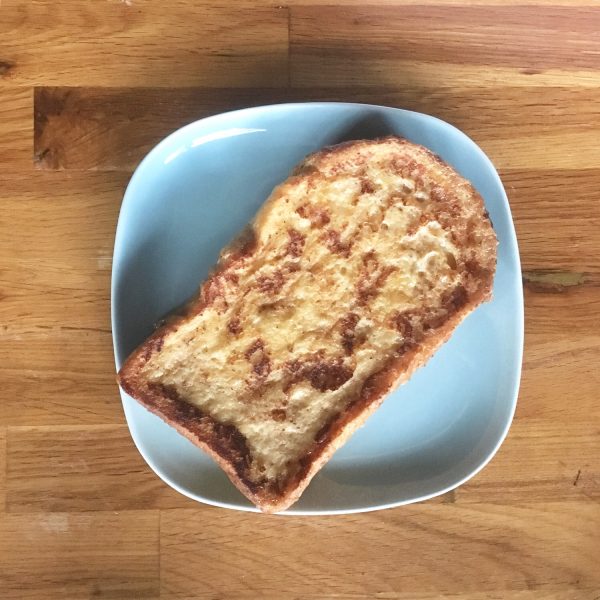
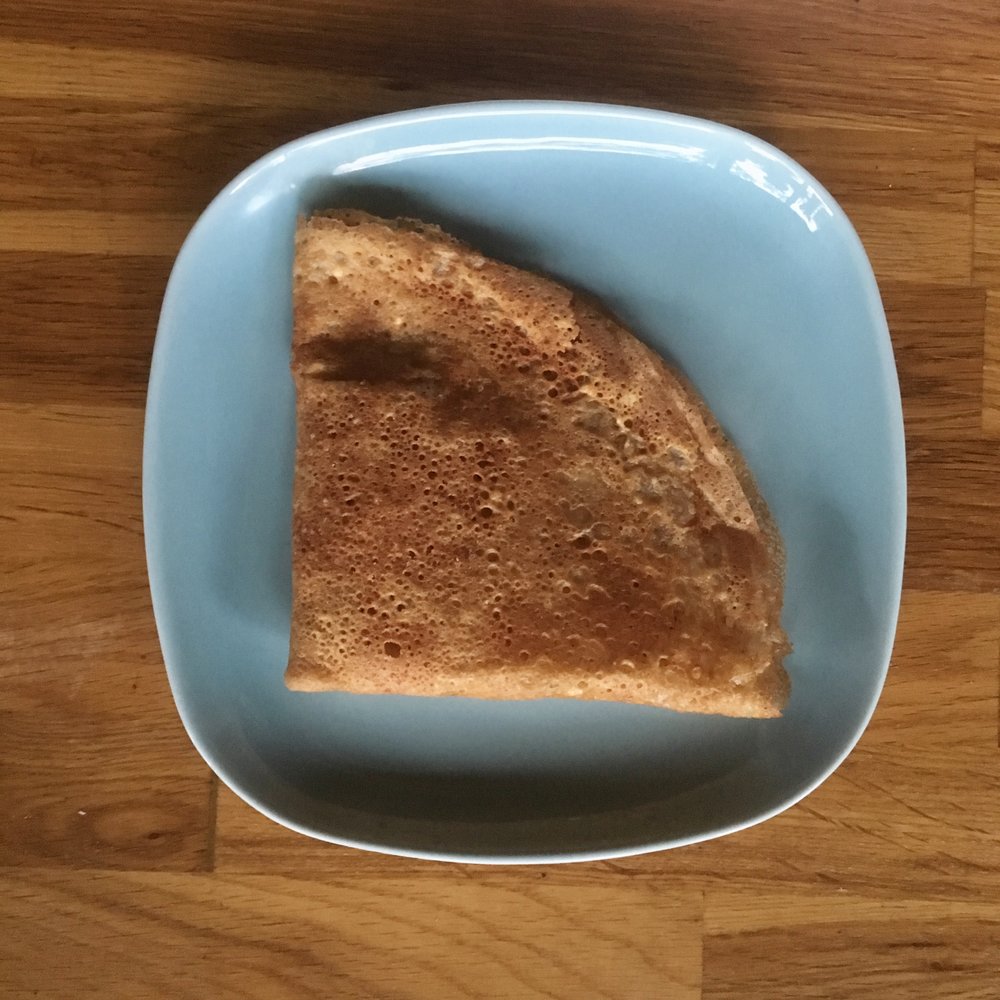
Could you imagine that! I have never eaten French toast!!! Not even once! And never made any either! So today I decided to try to make some with some bread leftover… Everyone knows how to make French toast, even me, I knew!!! It is ultimately easy and rapid: some milk (I used almond milk), an egg, a bit of brown sugar, spices (cinnamon and cardamom, my favorite). Bit the egg with the milk, the sugar and the spices. Soak the bread in it, the cook in butter greased frypan until golden… that’s it. And well I must admit that the taste of spices was good but really, French toast are not in my top list… I prefer to use leftover bread for croutons or give it to the birds… I probably won’t make any a second time… I think the idea of soaking old bread is actually quite not something I like, a main reason why I was never tempted by French toast before (neither English pudding). Now I can say I tried, and won’t again!!! But there’s always a good thing in tring recipes, it’s that it gives some new ideas or chances to test new combinations. And with the milk and egg batter left, I added a bit of flour, some more milk and obtained a spicy crepe mix. And I made a few crepes, served just with butter or sugar, and they were super delicious. The spices added a little teist that was simply perfect! That I will definitely do again!!!

Spring angelica

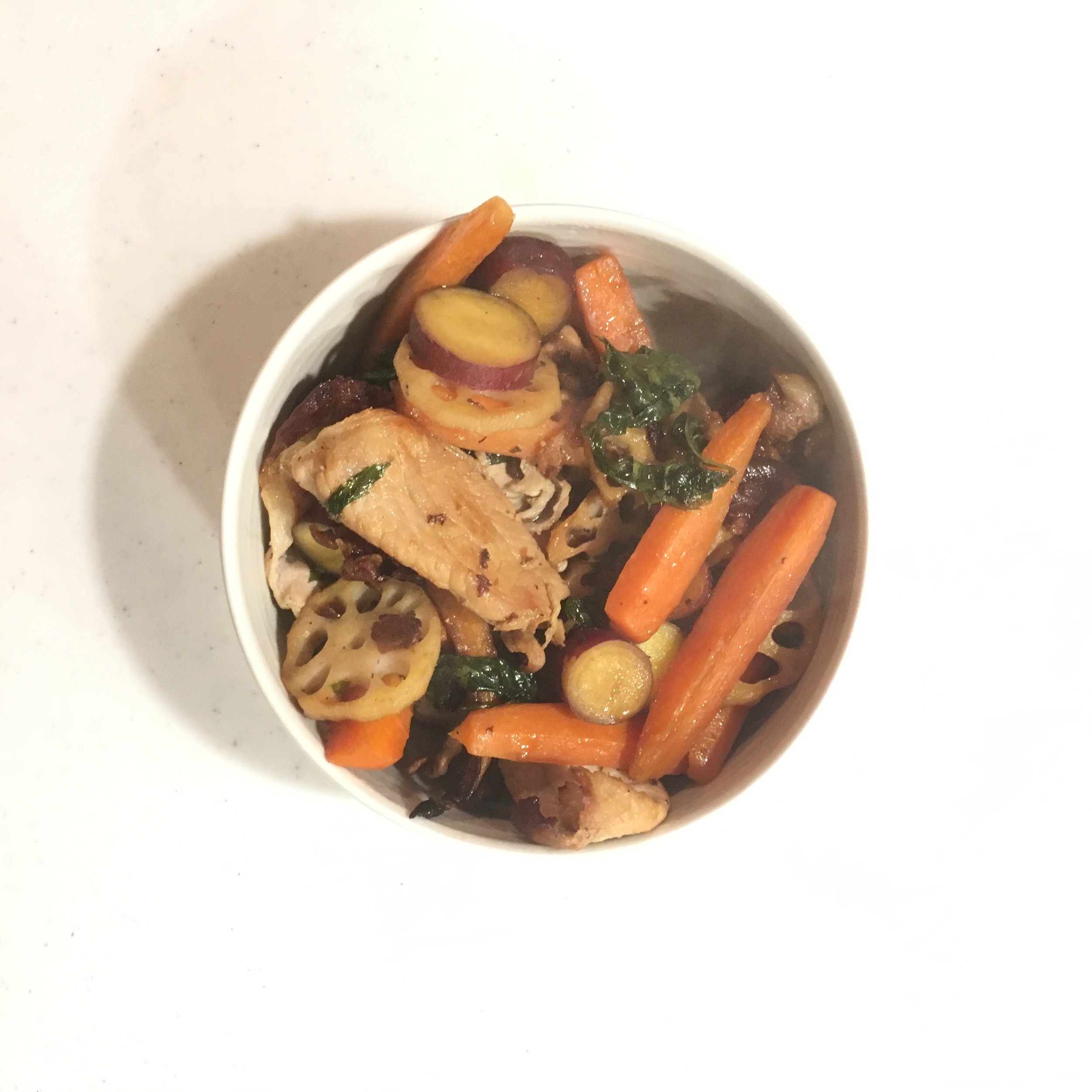
Oh! These green leaves I love so much and that are so popular in Hachijojima are back at the farmers market!!! Spring is coming and this is one of the great things with it: the massive return of the greens!!! Ashitaba (or angelica) is a great ingredient, easy to cook and that suits very well basic Japanese recipes. This time I prepared some vegetables sautéed with slices of pork and then added ashitaba at the end of the cooking. I also deglazed the whole in a bit of water and soya sauce. A great combination for a scrumptious dinner!

Have a great end of the week! 

Proudly powered by WordPress | Theme: Baskerville 2 by Anders Noren.

Up ↑

Verified by MonsterInsights