Celebrating 18 years in Japan

18 years ago today we arrived in Tokyo with not much of a plan, I would be working at the University of Tokyo for 2 years, and A. would see how the job market is for him. Not speaking a word of Japanese, but with a few good friends in Tokyo, Japanese and French.

18 years later we are still there… still discovering, still learning.

I took this opportunity to browse the website we created when we moved in 2004. A journal where we shared our life day after day more or less, with pictures and movies (you will see two soon at the end of this post, but not today because my phone doesn’t want to save them…). We never called it a blog because we never used any such platform, rather, A. developed for us a custom site I could easily use to upload posts, images and recipes, because even back then I was sharing recipes!!!

The very first one I shared may have been nikku jagga, if not shiitake and chicken takikomi gohan. The pictures were bad… really… not that they are much better now 😉 but I have made some progresses and digital cameras and screens resolution have improved a lot. Those pictures back then were supposed to be seen in tiny size, we compressed them a lot to have enough space on our server!!! Judge by yourself below, if you can ever guess what is in the bowl.
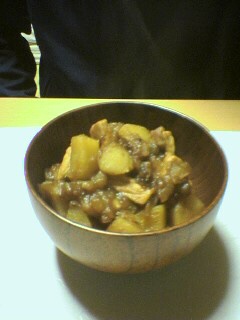
My very first nikku-jagga in 2004

I’m a forward looking person, so I will spare you a review of these 18 years. They are what they are, and I am happy like that. But sure things are that those bowls are still in use, and today, incidentally I ironed with the cordless iron I bought when we moved in, with the same ironing table you will see in the movie…

No recipe today but I may dig one from my old website…

P.S.: the top picture is a 2004 picture of Shinobazu ike, of the now gone Novotel. A beautiful pagoda-like construction, now replaced by an ugly insipid common tower mansion.
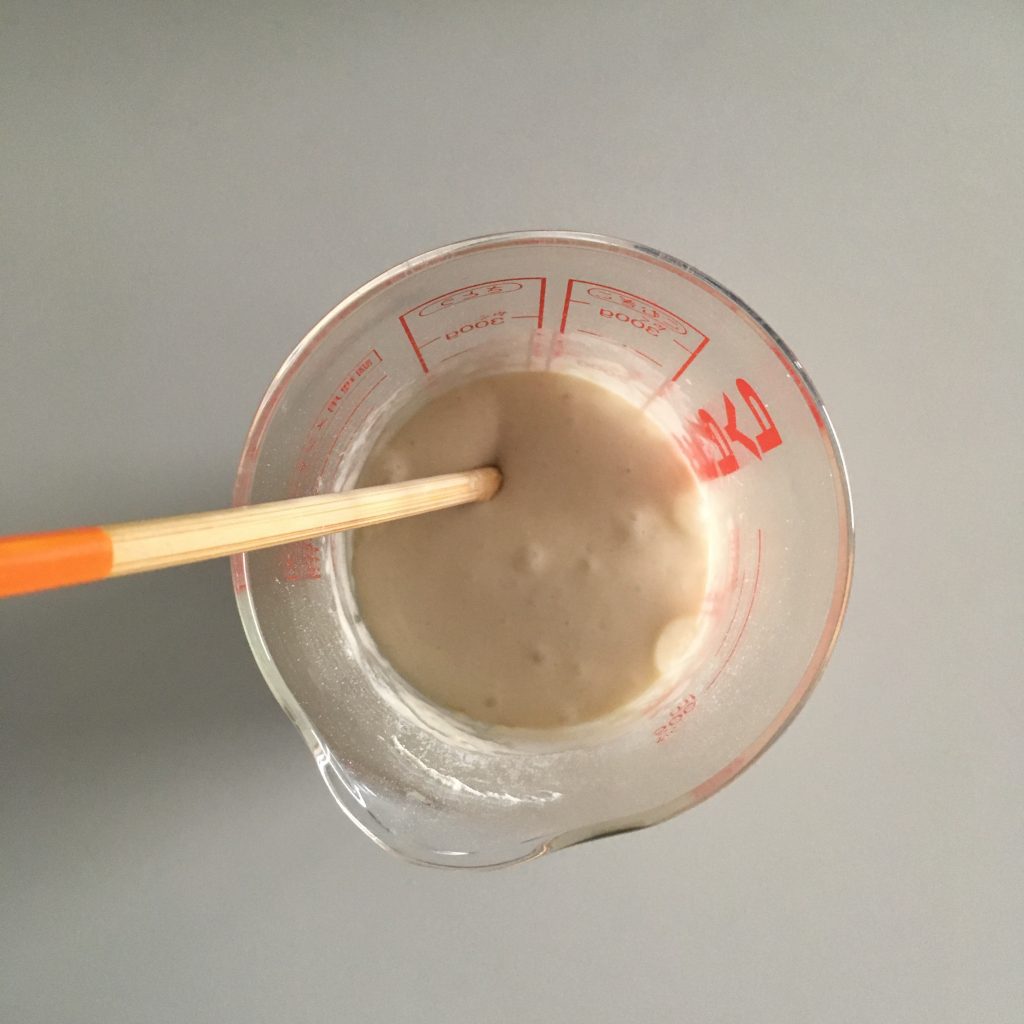
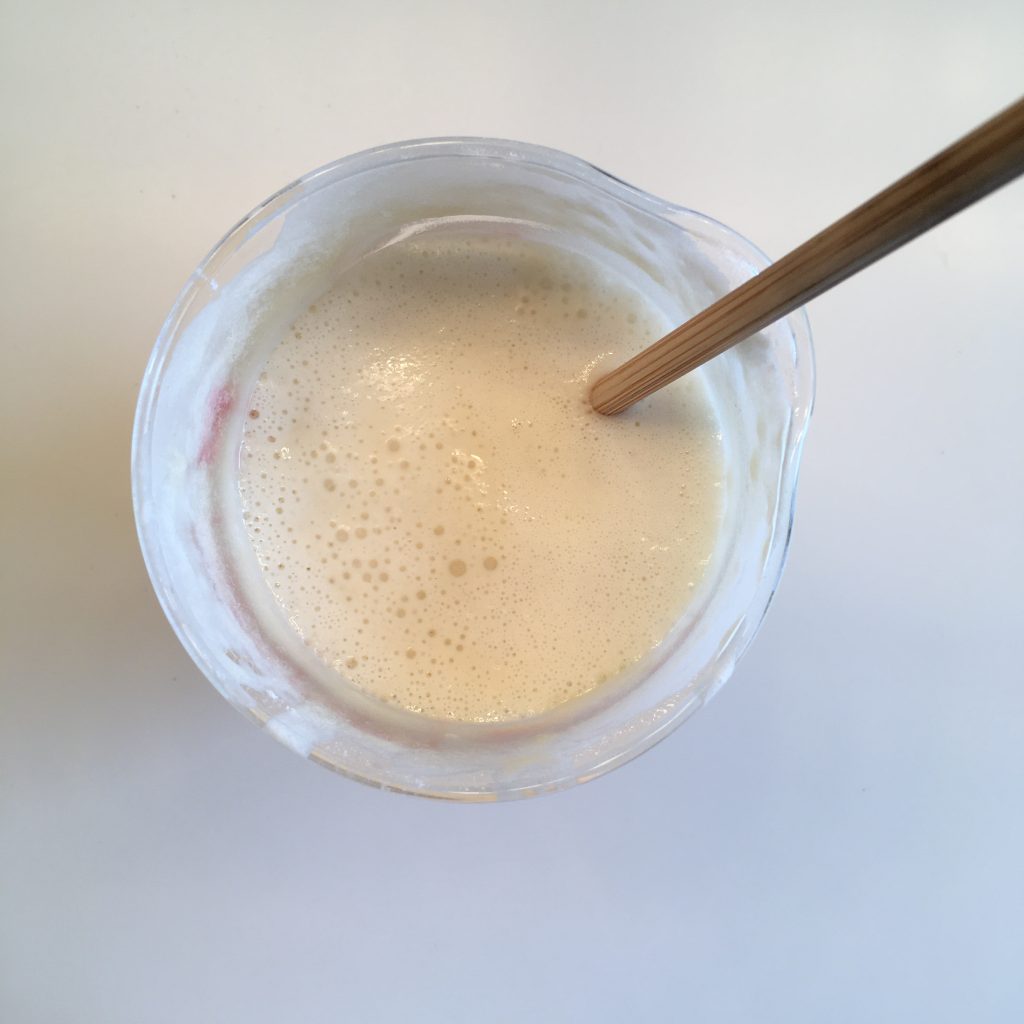
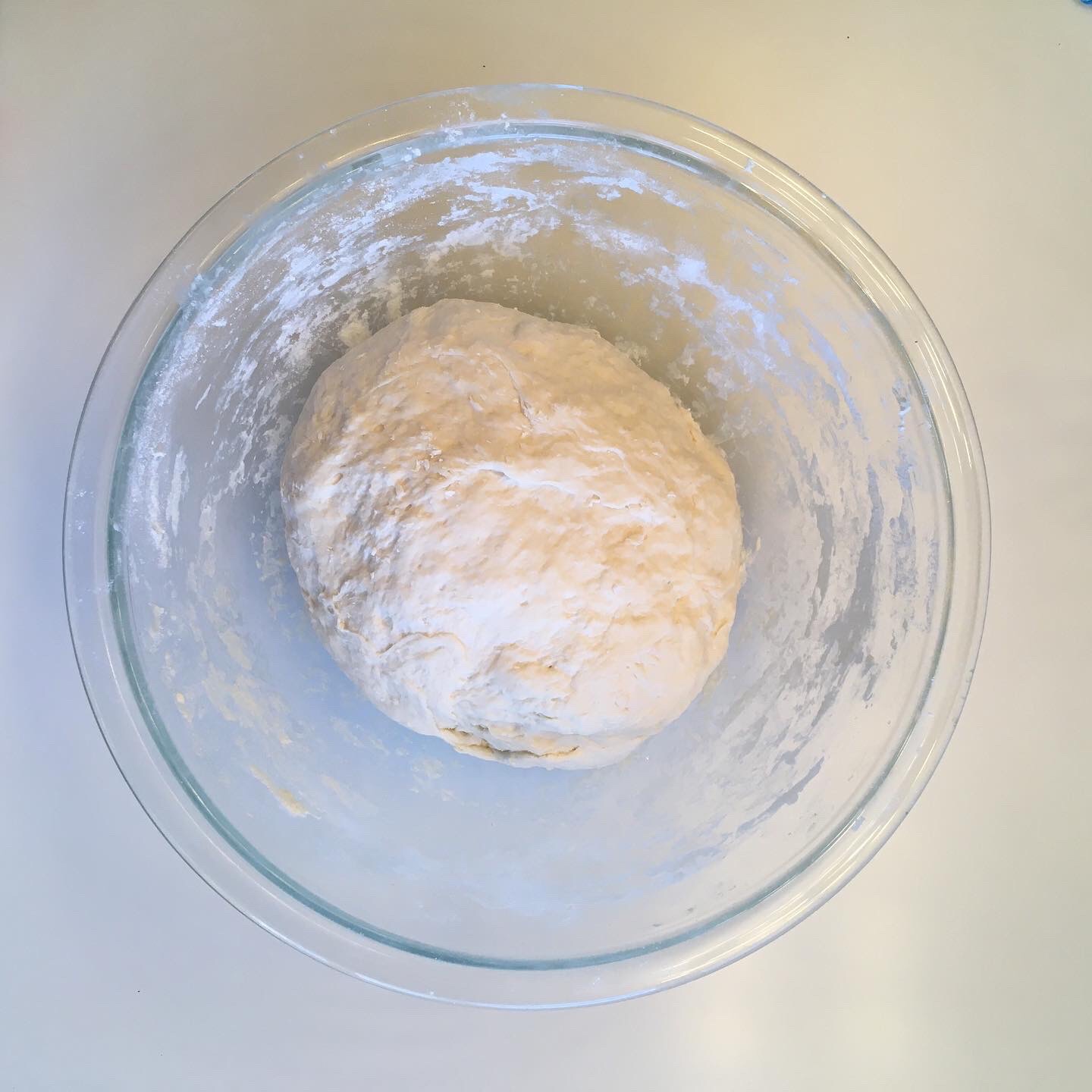
Starting afresh the sourdough adventure

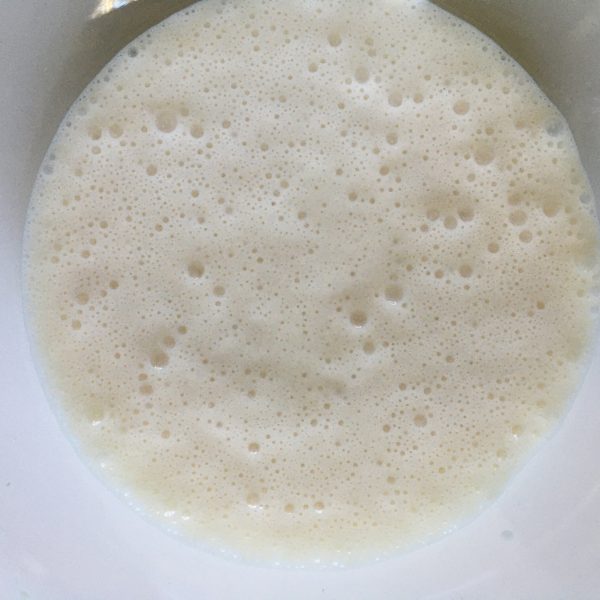
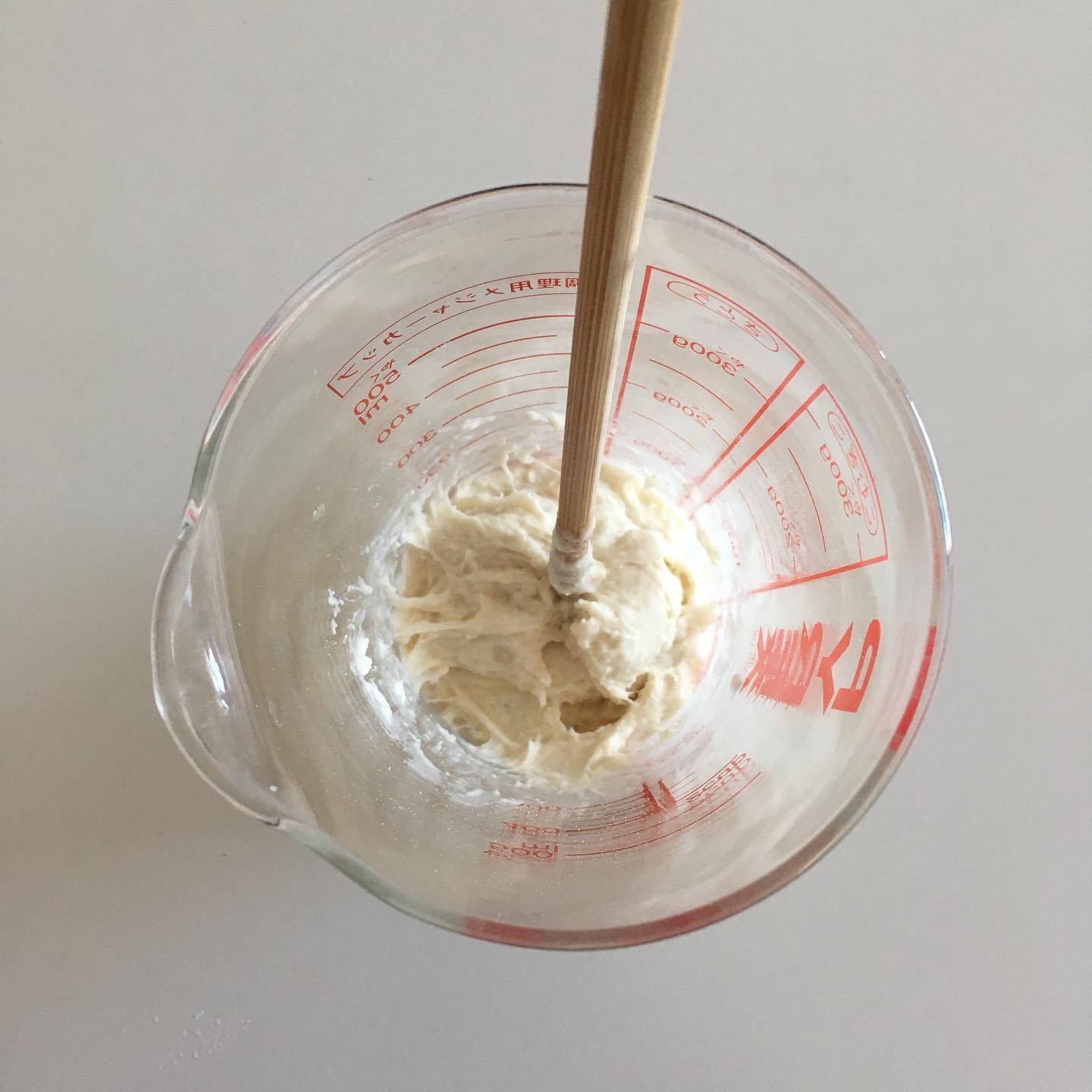
It has been two years since I made Lois, my sourdough, and even though we had our ups and downs, overall, Lois was a great fun to use and taught me a lot. It even survived quietly our absence during our trip to France. So what happened? Why did suddenly things got strange… a few weeks ago my bread started to not rise as much as it would. I naively thought that my rising time was not adequate… and then last week when I was about to feed Lois it was all strange, and I spotted mold on the side of the bottle. I did a rescue operation, which seemed to work. Baked a beautiful brioche, and hopeful that everything was back to normal. But then, Lois died. I didn’t even think that would happen. All a sudden it became liquid, stinky and covered in a white… it was over.

So I had no other choice but start a new one. So here I am back at it… starting again.

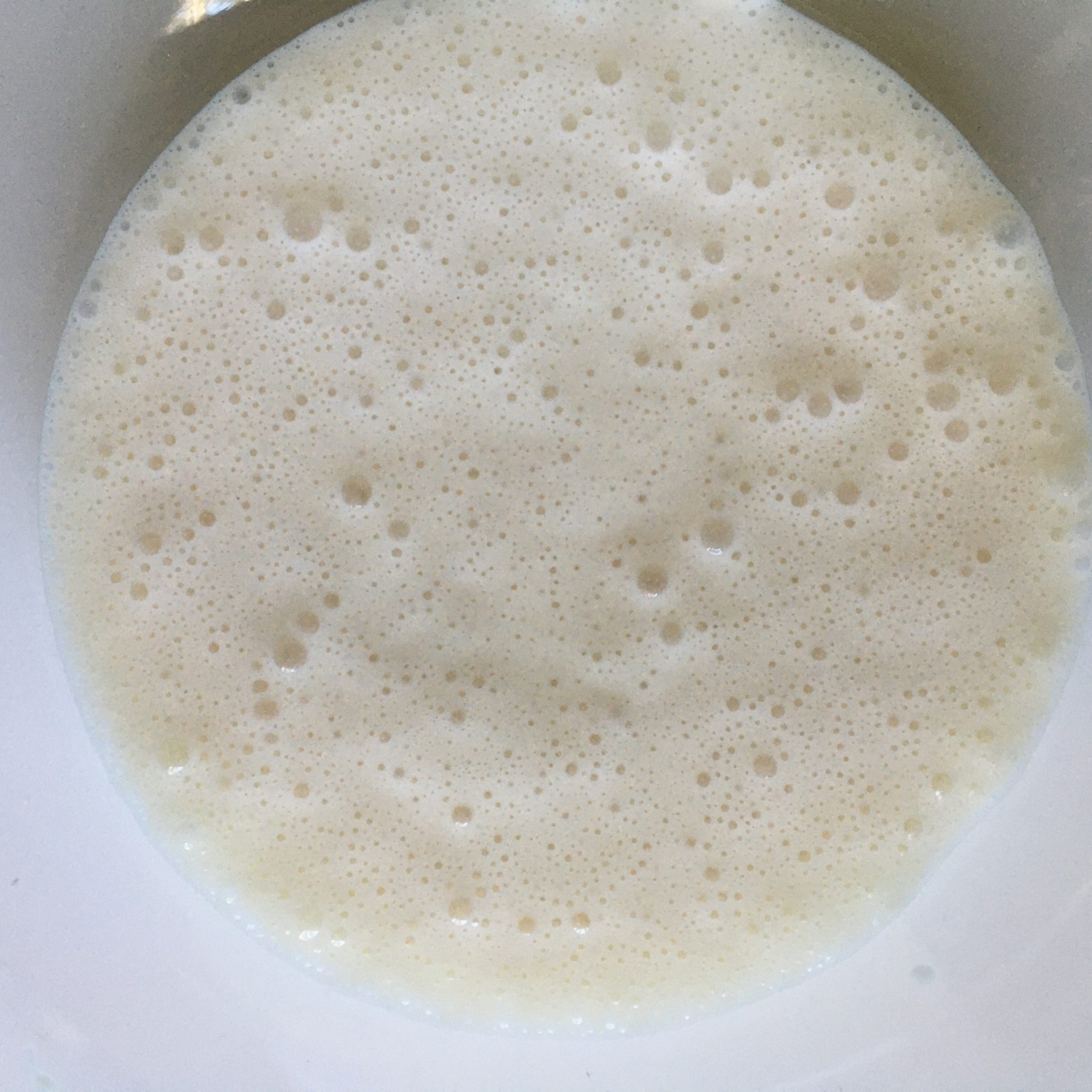
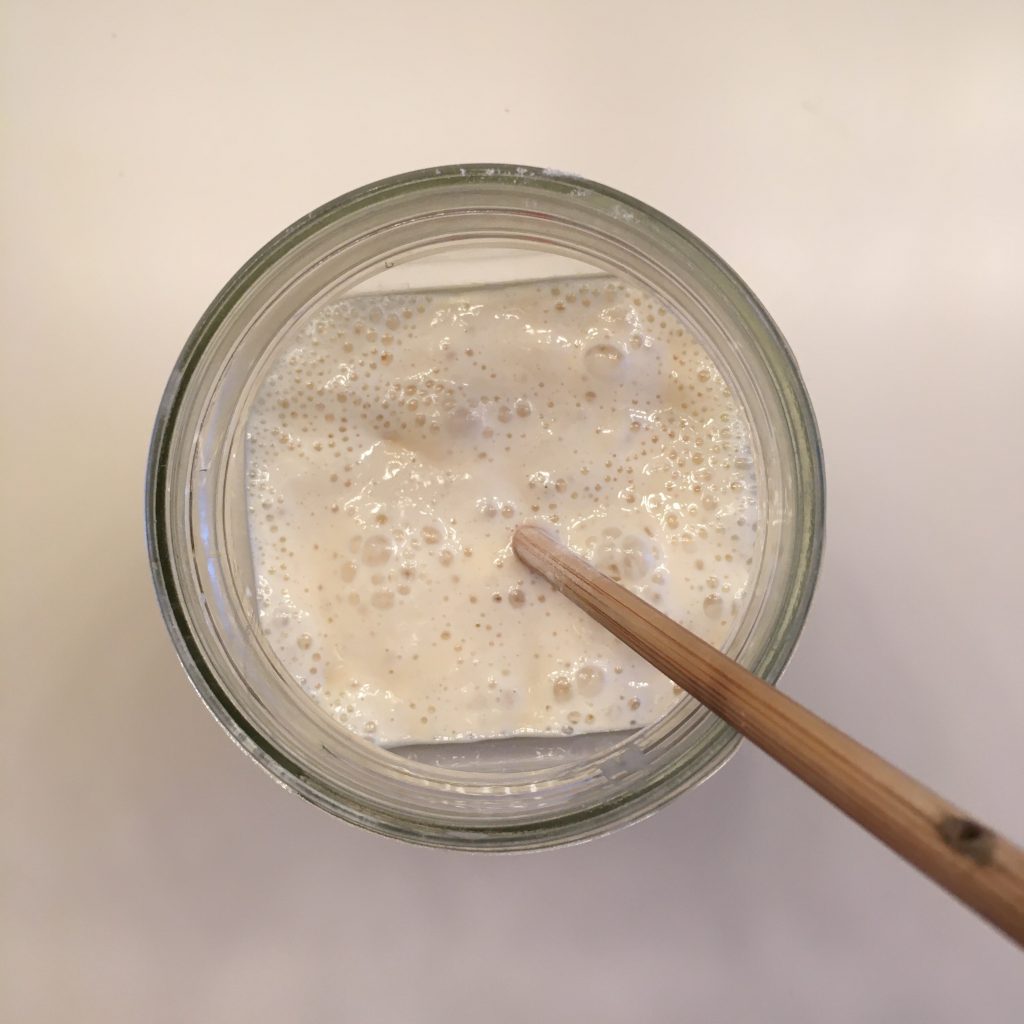
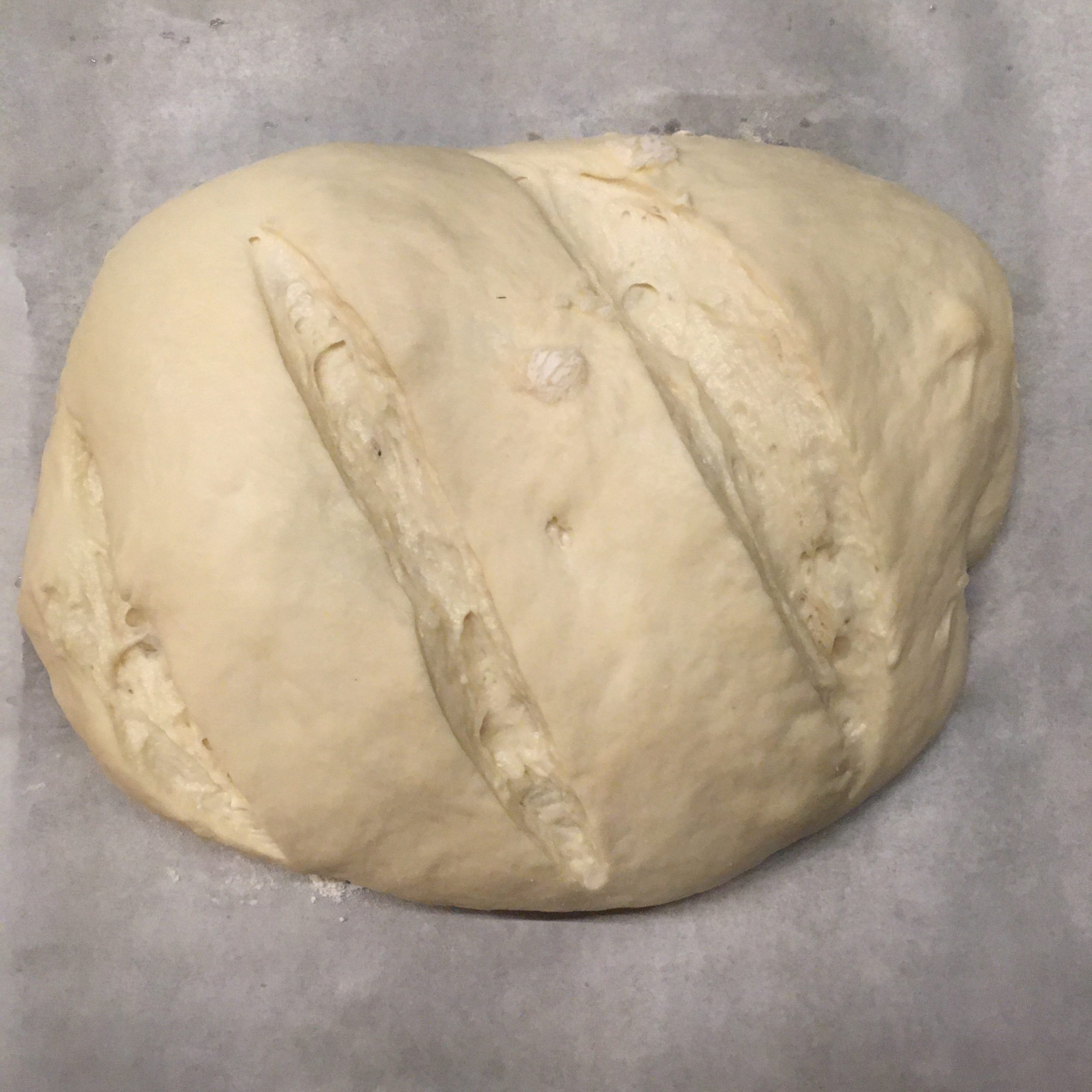
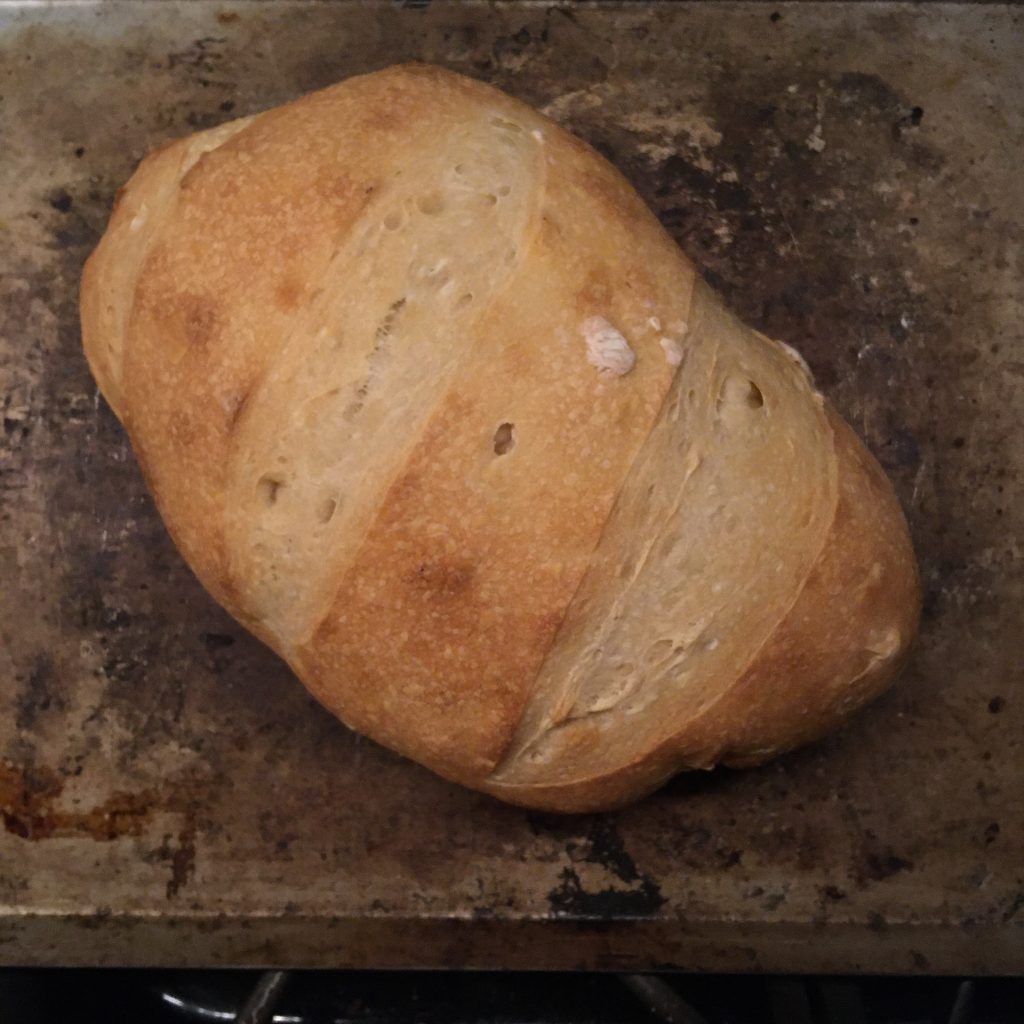
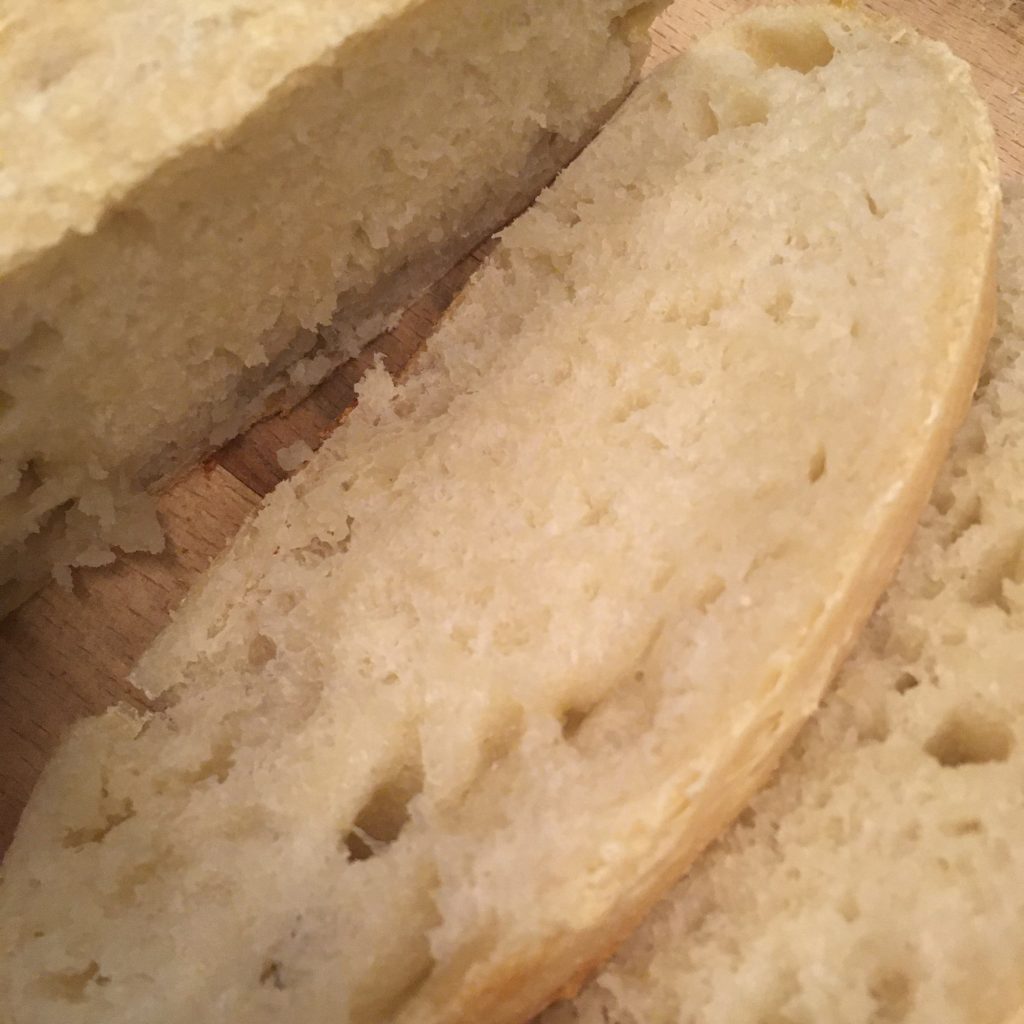
But maybe it’s the two years with Lois, the perfect weather, it’s been working like magic and Baden is born in no time, smelling divine. Very active compared to Lois, who has never been a super active kind, and which smell was so so. And after 3 days I made my first bread with it. Smooth and easy!

I hope Baden will be living for a long time and we will have many breads together!!!

Have you ever heard of propagule?

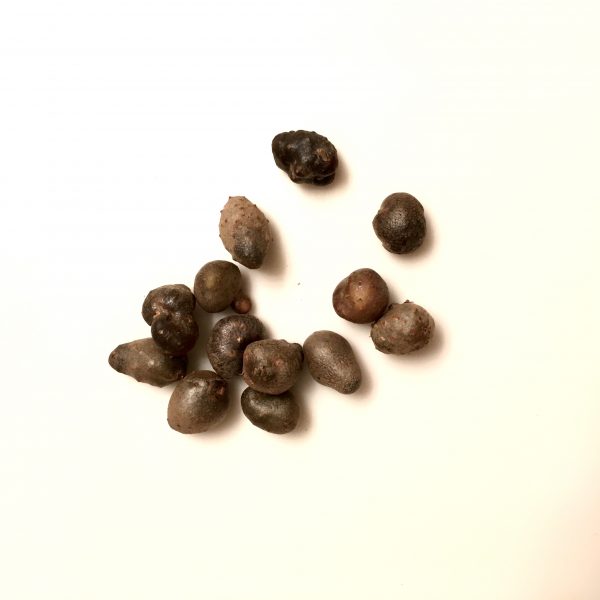
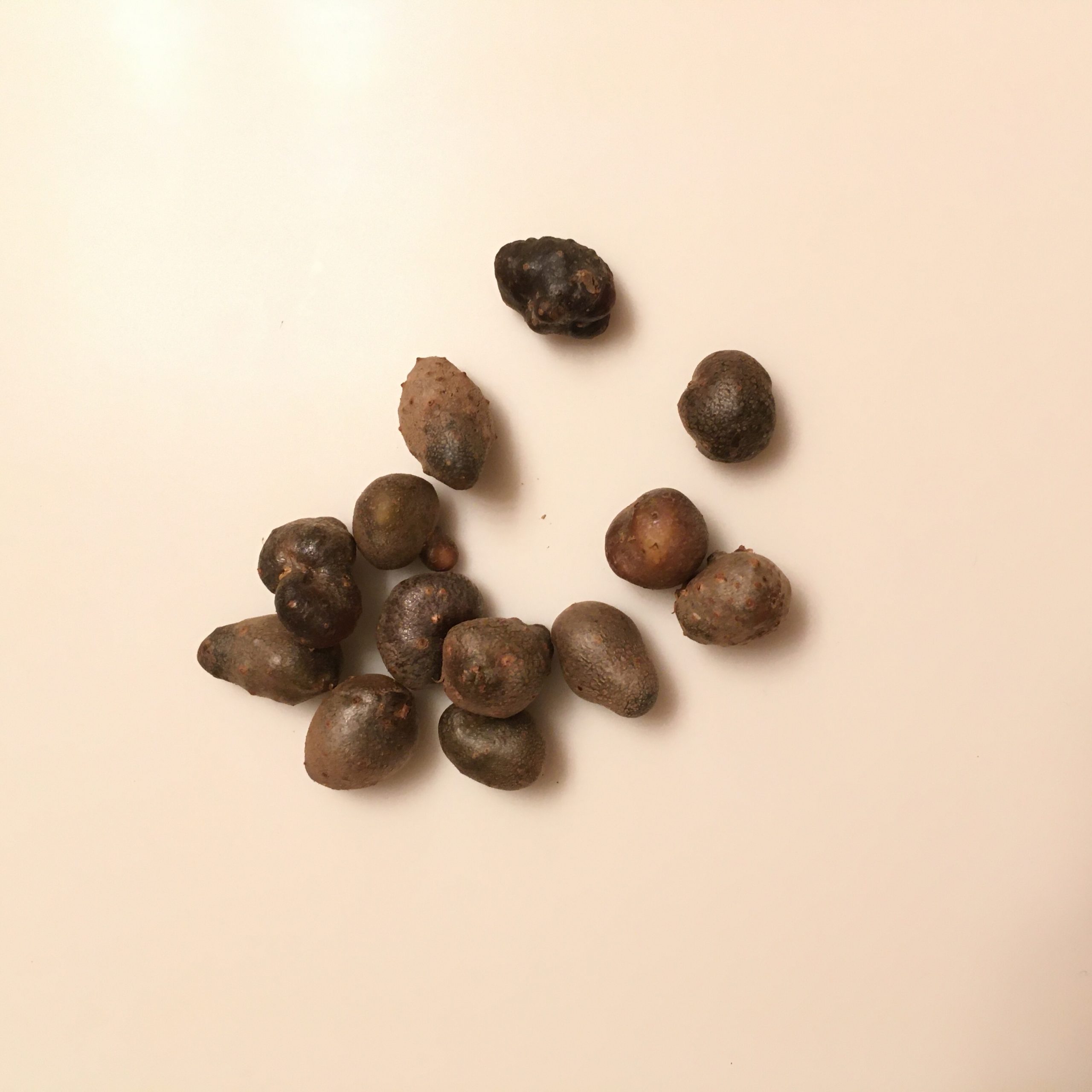
So…if you have read my previous post you may have read that in Kanazawa I bought some mysterious food (I don’t know if we can call it fruit or vegetable…): propagule-ムカゴ-mukago. It looks like a tiny potato with a darker skin. It’s the “fruit” of the Japanese mountain yam-山芋-yamaimo. It wasn’t the first time I saw some but never ventured in trying cooking them before and they are local in Kanazawa, so it made sense for me to try there.

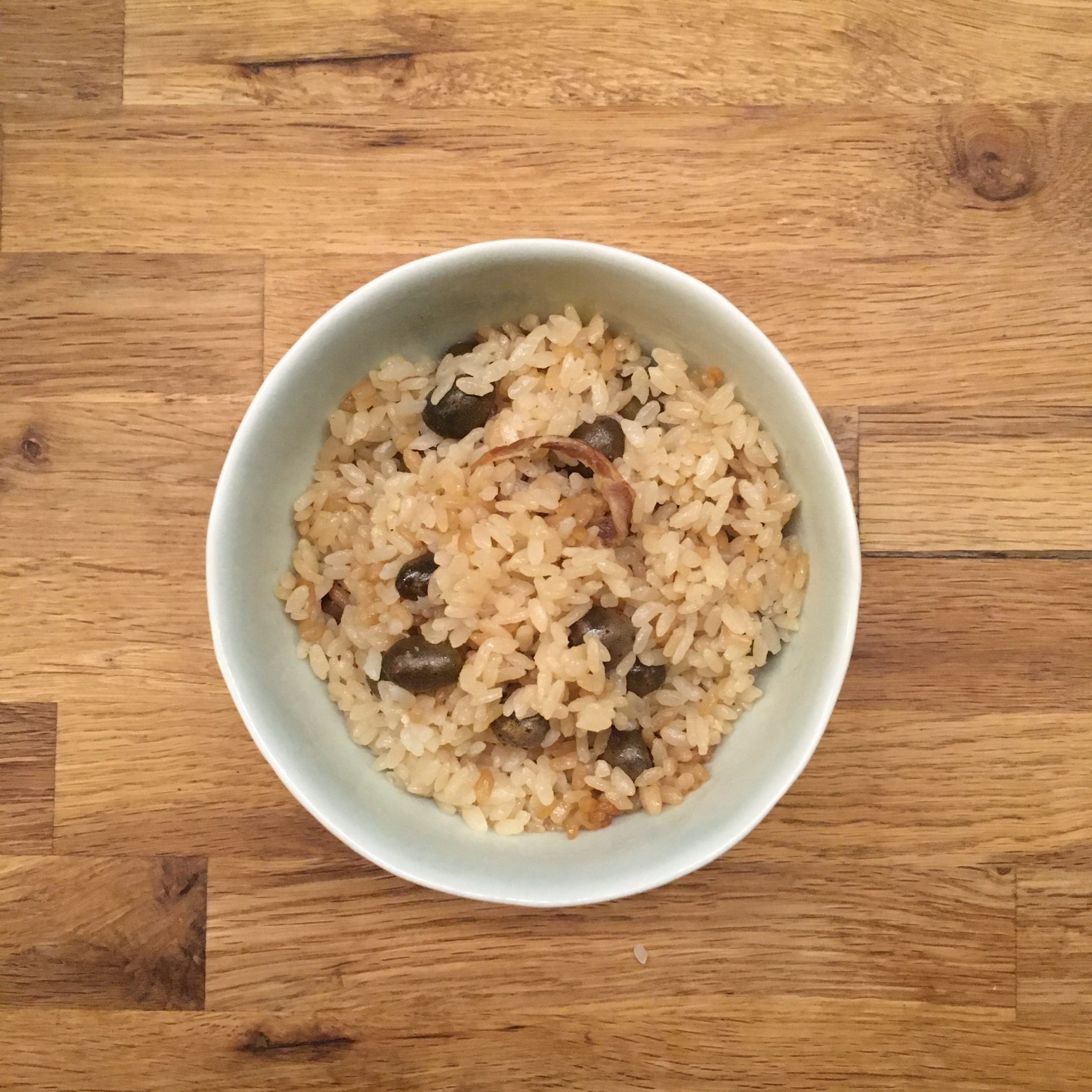
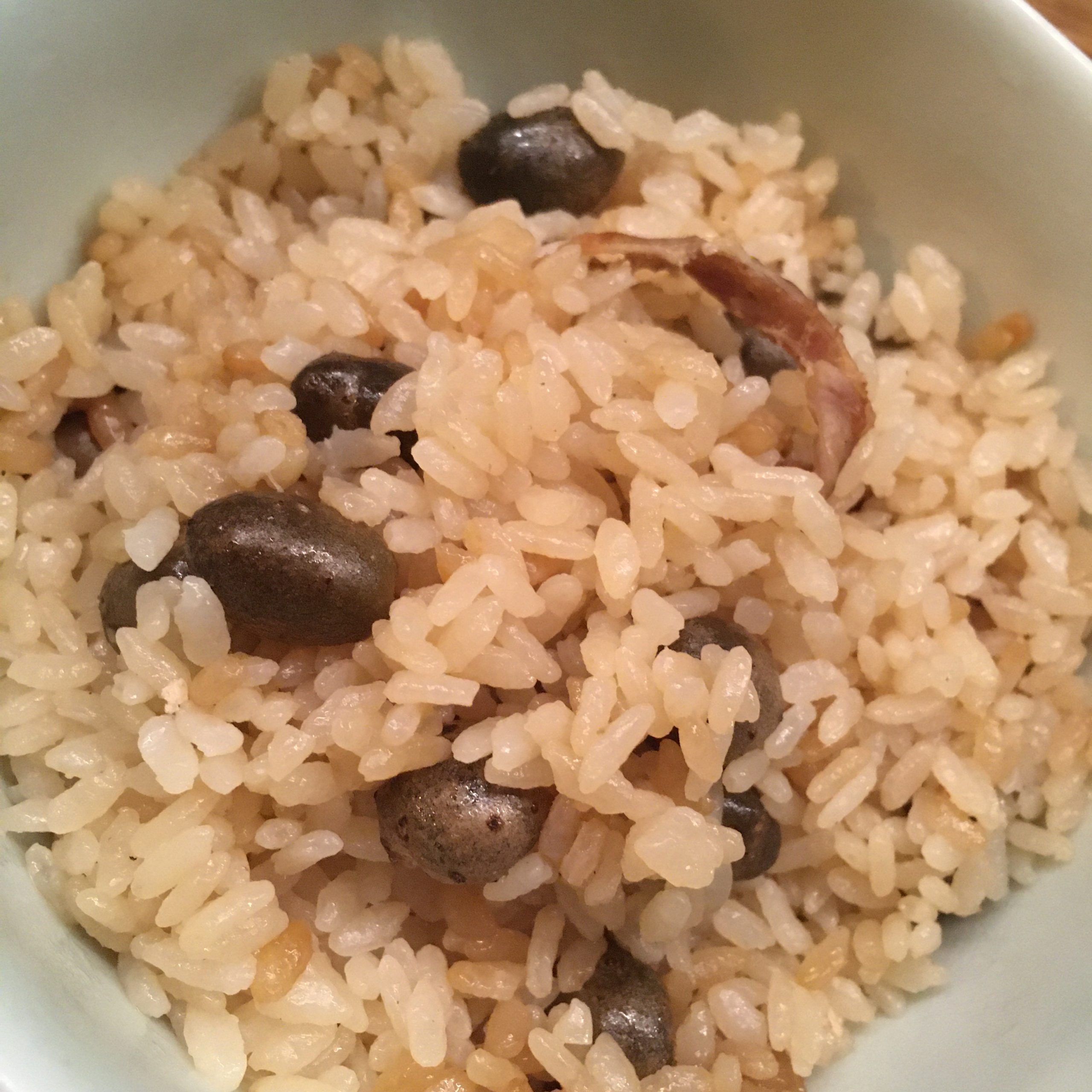
As many of the food in Japan, the first recipe that comes to mind is to cook with rice. Mukago are no exception. I was recommended to cook them with rice and a piece of bacon. That seemed simple enough to try right away. However, recently I have been having a hard time finding good local bacon, the pork is usually imported-輸入-yunyu, and that I don’t buy… so instead I decided to buy fresh pork belly, and cook it with salt and pepper, not exactly the same thing as bacon but close enough and at least it is easy to find local fresh pork.

Mukago rice was a huge hit with A., much more than I expected!! Actually mukago are amazingly delicious. They have a very nice complex texture, a very subtle flavor with violet and flowery notes, very sophisticated. I instantly loved them!

I need some thinking and testing to understand in what kind of preparation they could be good. I tried in vegetables stew, but found that their flavors was suffocated by the other vegetables. It could be that rice is their best friend!! I’ll more investigations… in the meantime here is the mukago rice recipe. Enjoy!

Mukago rice ムカゴご飯 (4 servings)

  • 300g (2合-gou)of Japanese rice (I exclusively use Koshihikari from Isumi or Onjuku, but any Japanese rice is ok)
  • 200g of bacon (slice or block)
  • 1cup of mukago

Rinse the mukago.

Wash the rice.

In a large and thick pan or in a rice cooker bowl put all the ingredients. Add 400ml of water and cook. If you use a rice cooker chose the takikomi-炊き込み option if you have one. If you cook in a pan, start at medium heat until the first boil. Then cover and cook at low heat for 30min (check eventually that it’s not too quick nor too slow, and adjust timing, but don’t stir…) then stop heating but let rest for 5more minutes before serving.

Et voila!

A short trip to Kanazawa

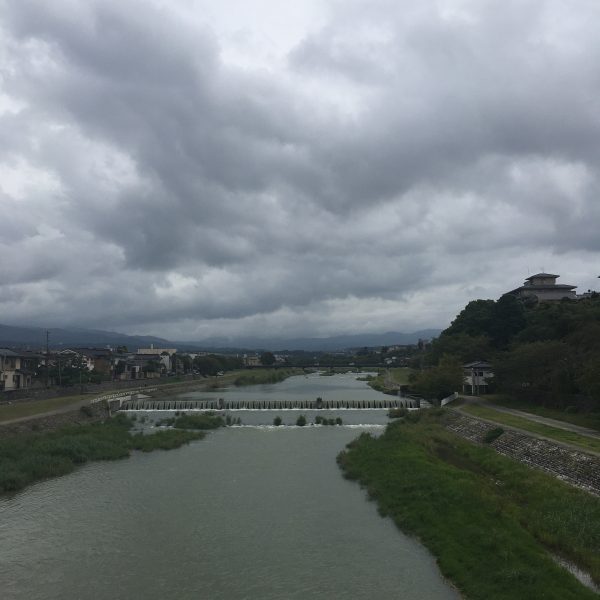
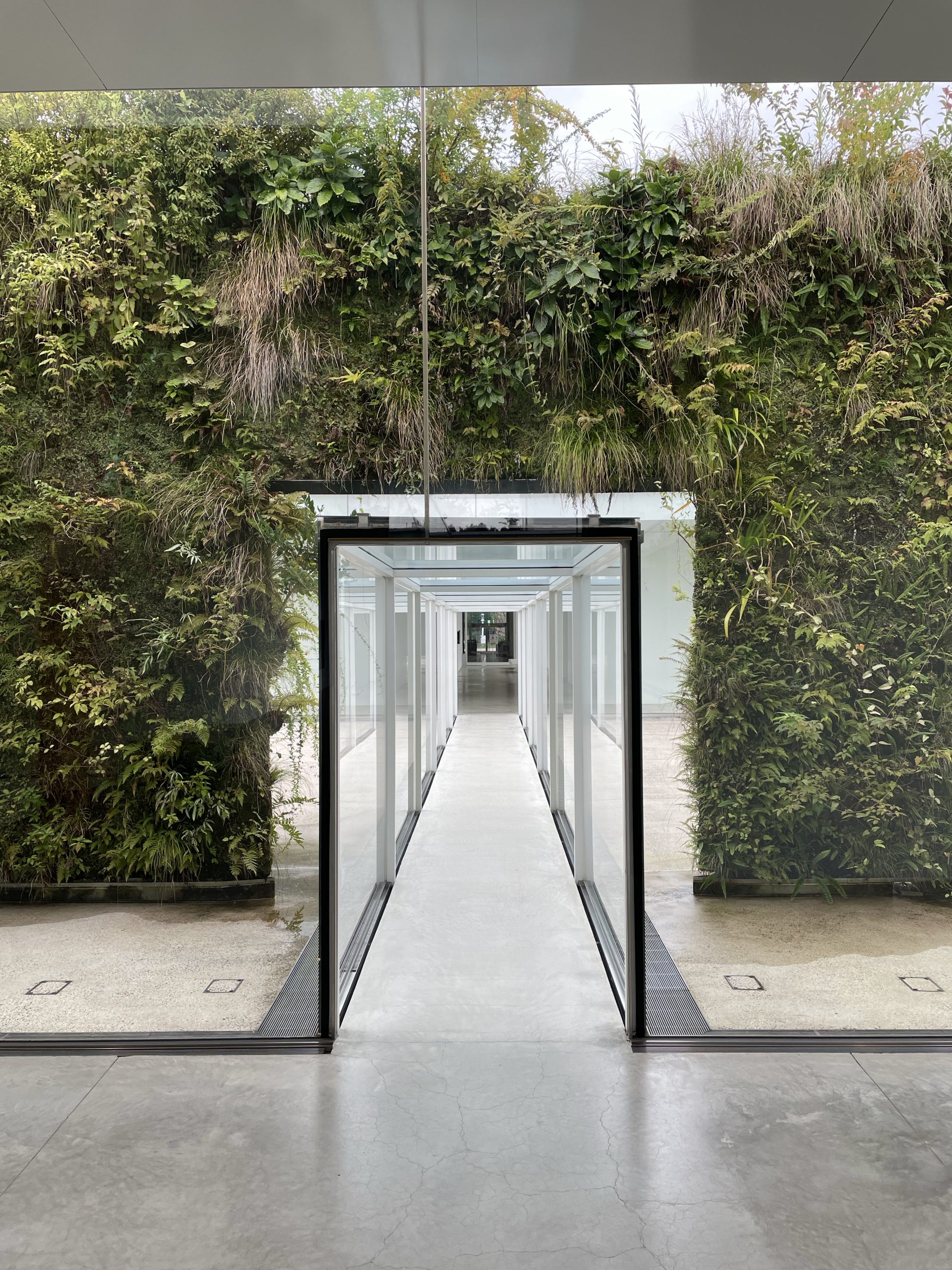
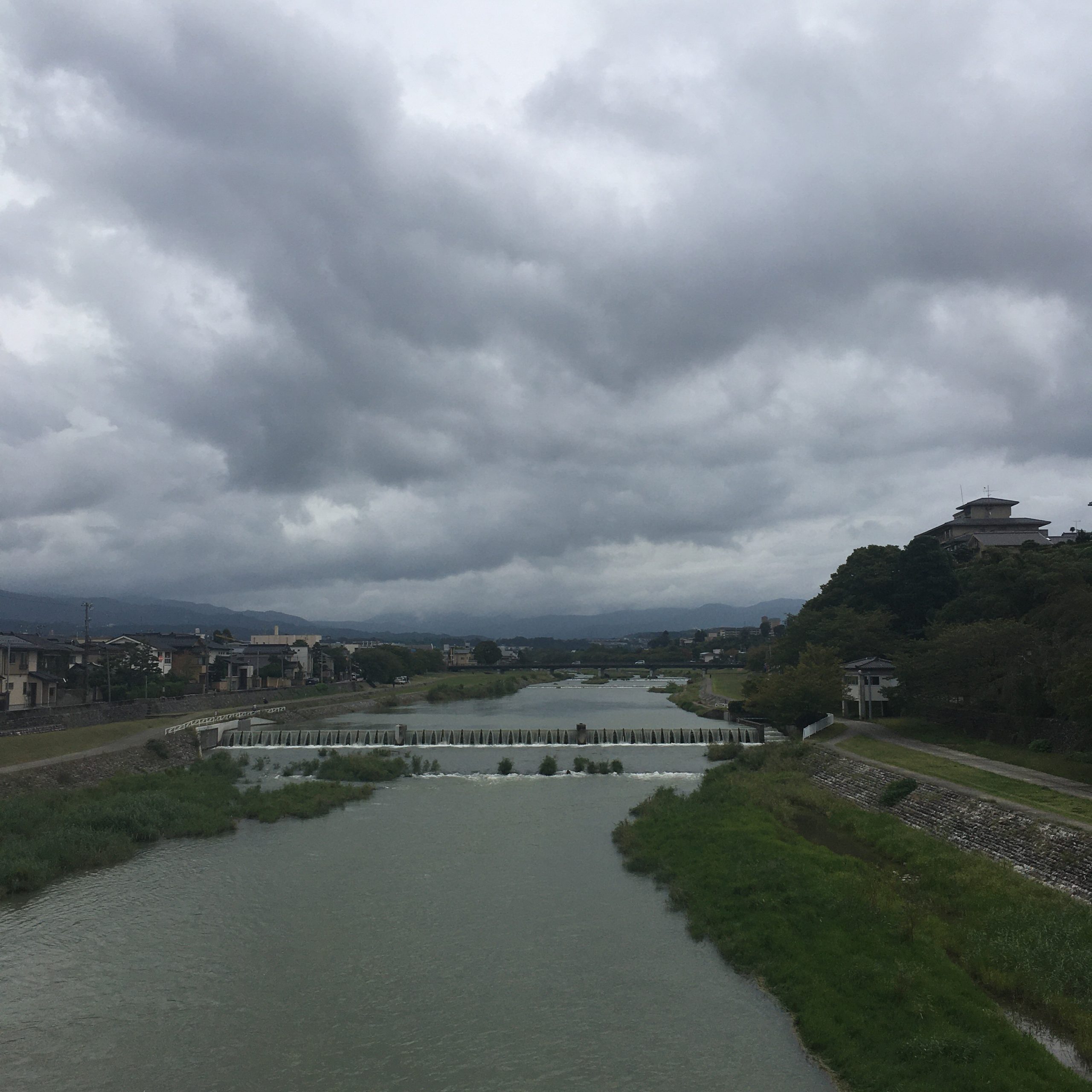
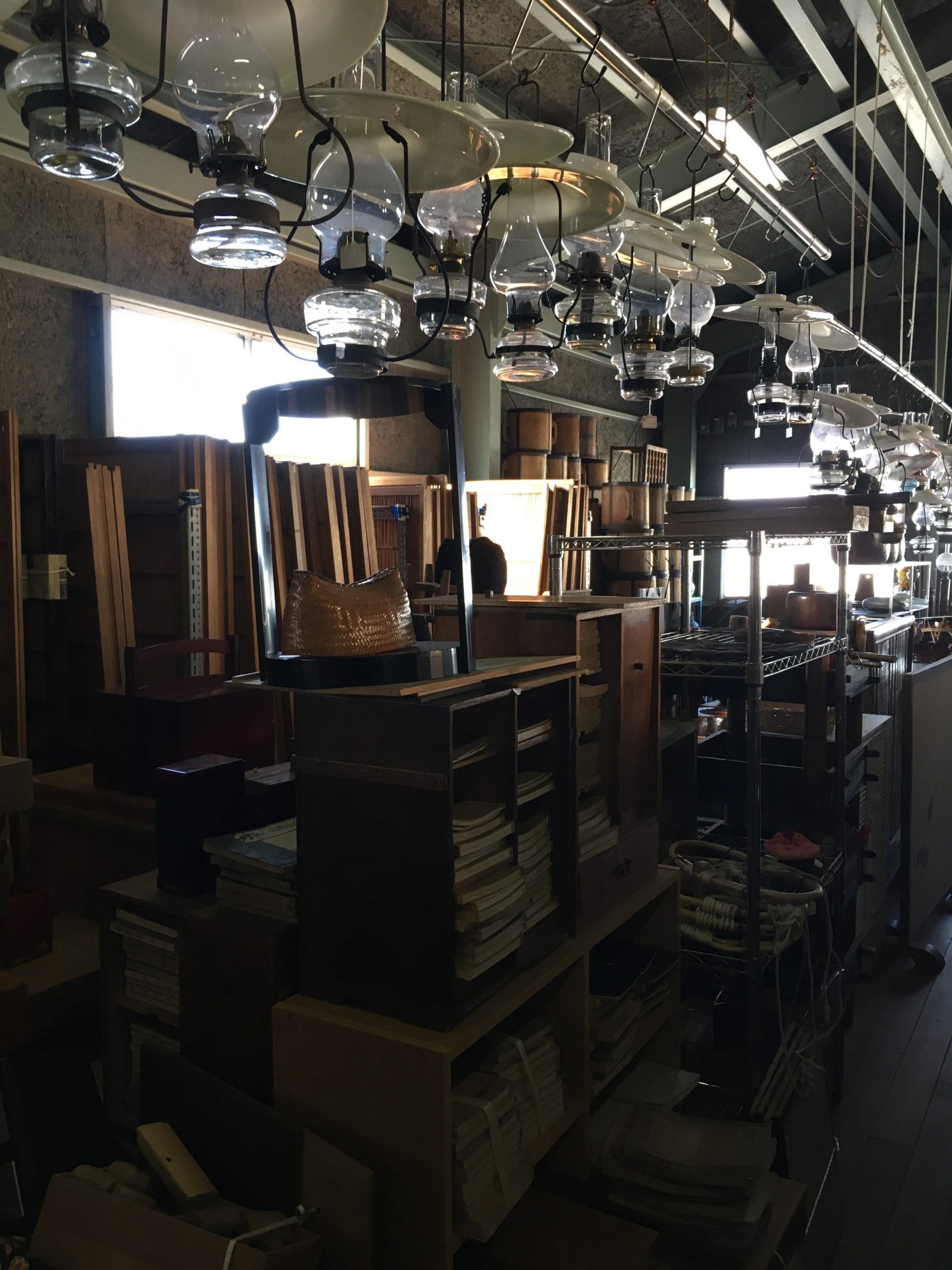
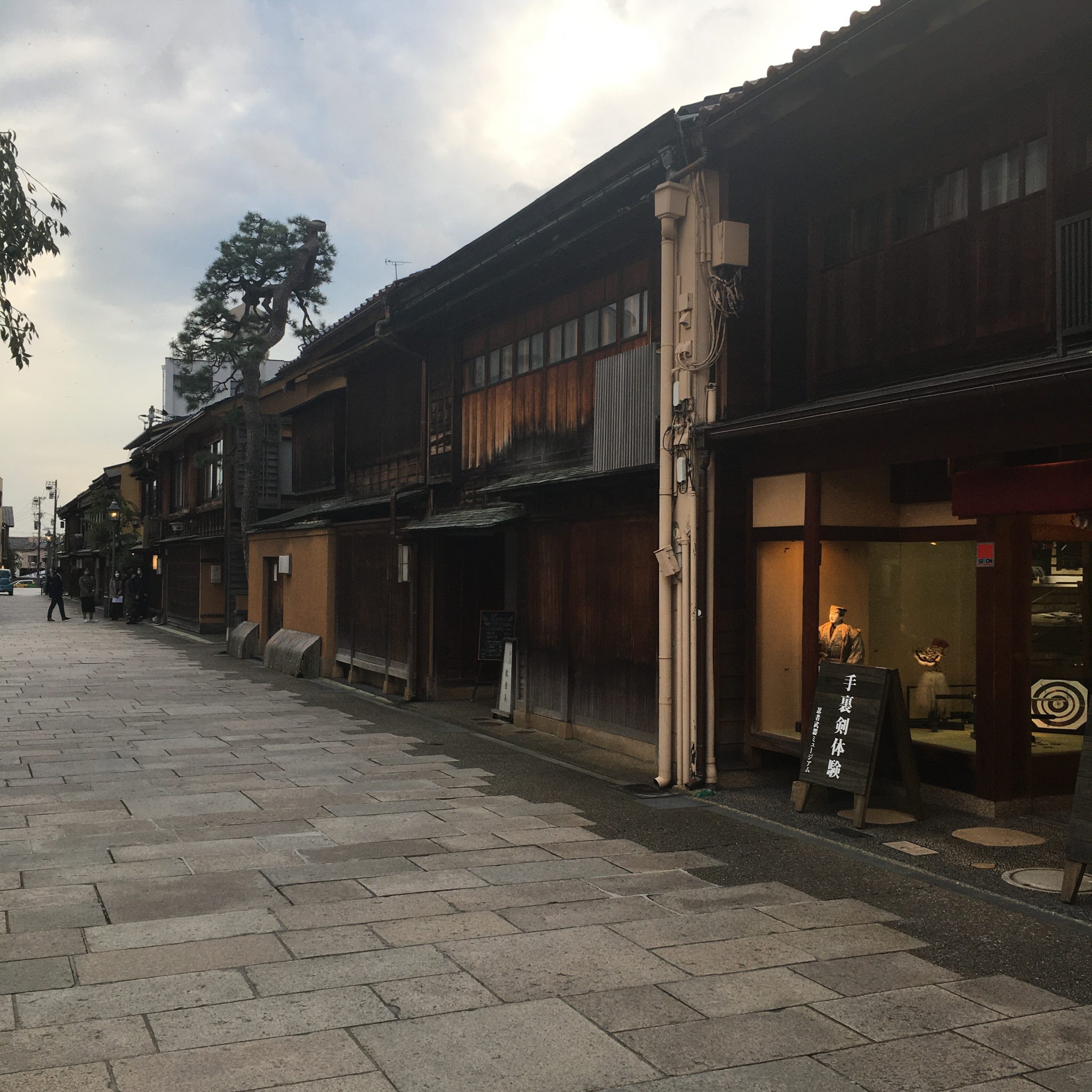
After the heat of the summer and before the crowds of international tourists flock the country again we decided to go for a short trip to Kanazawa. Our last visit was more than 10 years ago, before the Hokuriku shinkansen opened… we drove there and stopped to visit friends and Shirakawa-go at the time and stayed 3-4 days in Kanazawa. But I had a rather fresh memory of the city, the many places we visited already, the atmosphere of a rather rich and refined city. So this time we decided for a rather different program:

1. We rented a house not far from the main market to be able to enjoy all the local and fresh food Kanazawa and Noto offer.

2. We moved by bicycle around the city to expand the explorable territories and just enjoy riding in new surroundings, see further than the stuck in time places, where people actively live and work.

3. We put more focus on the contemporary scene visiting craft galleries and the beautiful 21st century museum for the Yves Klein exhibition chiefly (we skipped the permanent exhibits), since we already visited all the historical sights during our previous visit. And visited also the National craft gallery that moved from Tokyo to Kanazawa a few years ago.

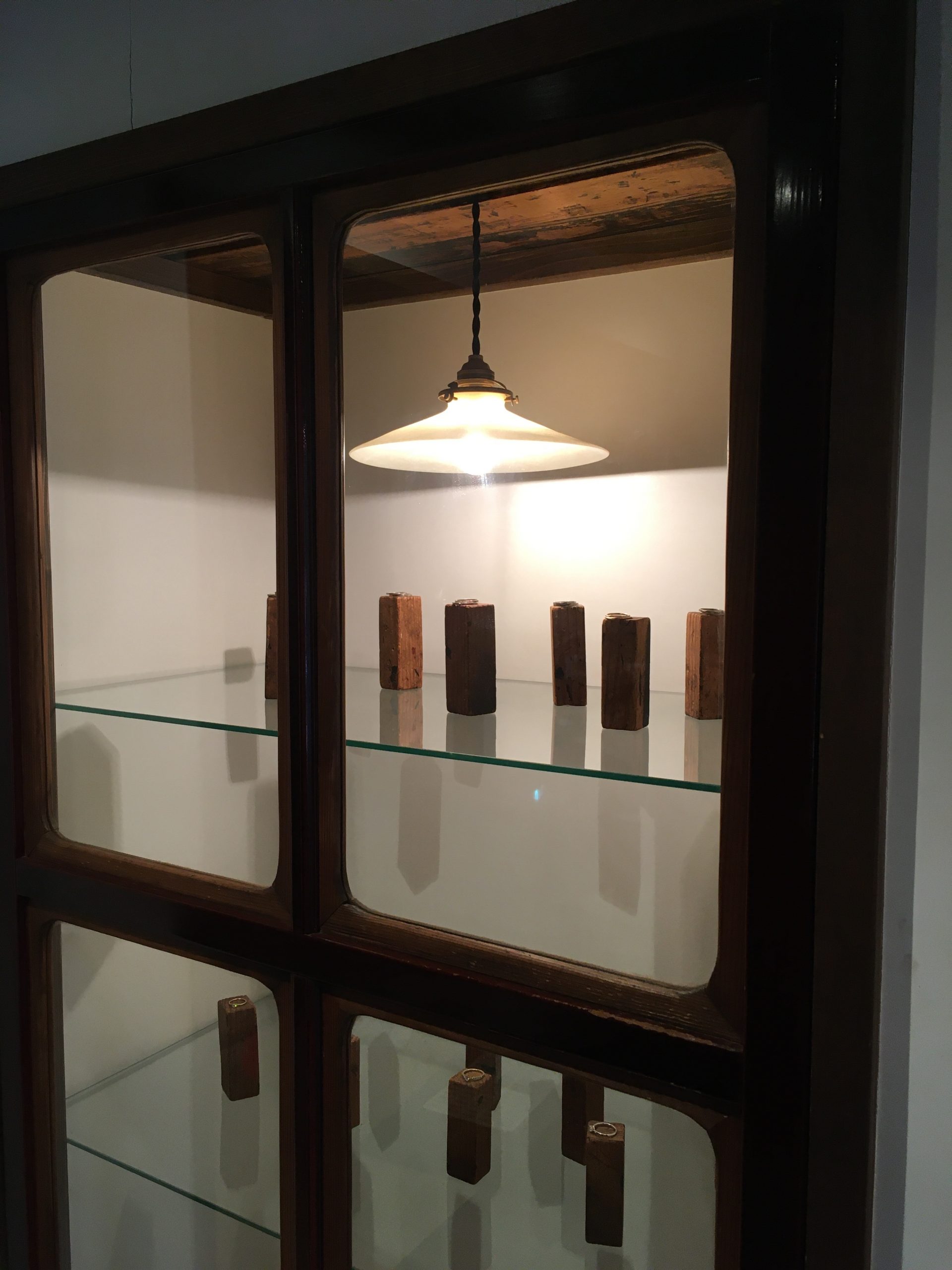
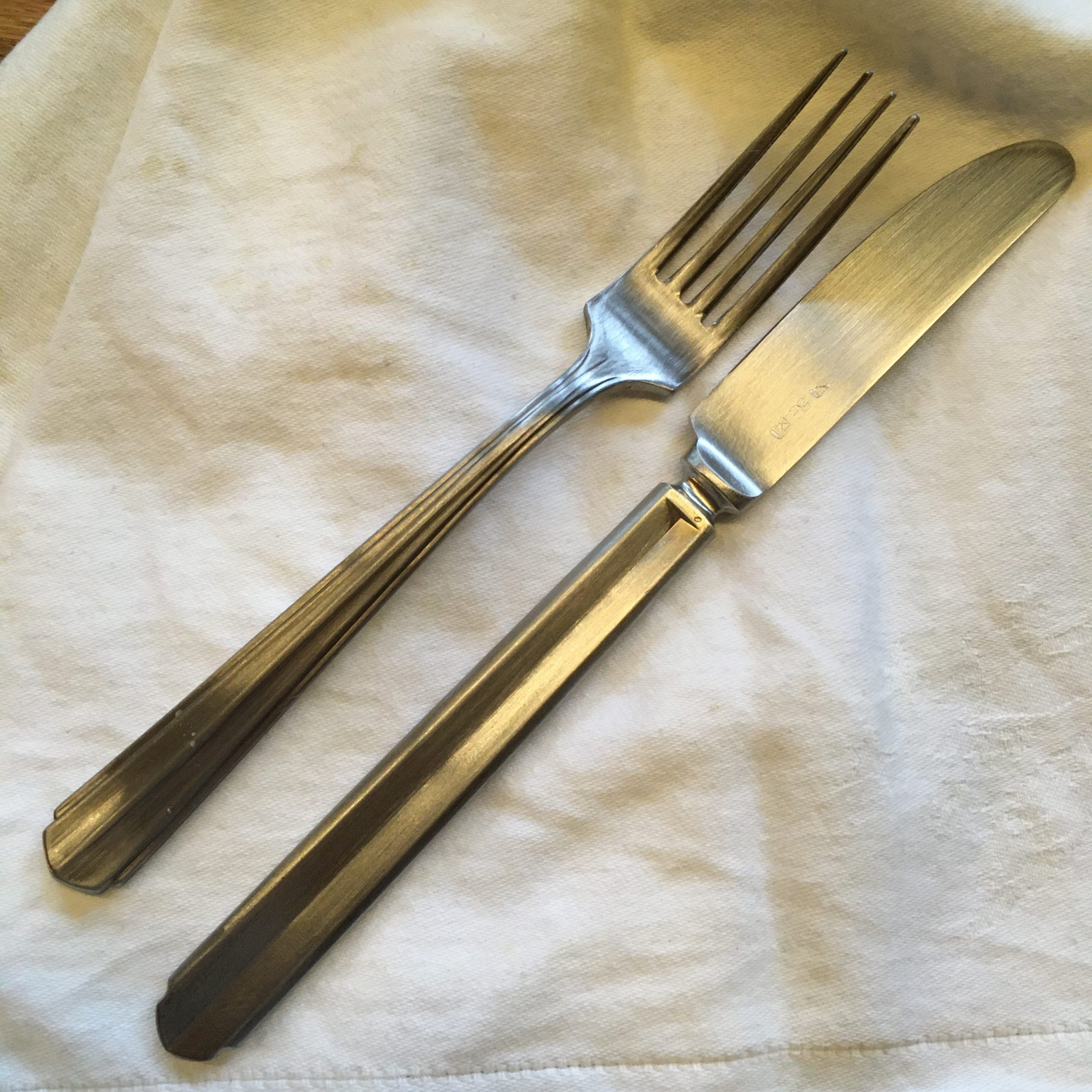
At gallery Kiku & Sayuu we incidentally found the same metal craftwork artists Yuichi Takemata, that we loved the first time we visited and where we had bought order-made spoons. This time we came back with sets of forks and knives. Also discovered Rei Camoy’s work, a great surprise and a new fancy.

Additionally we toured bakeries and cafes, and found the most exquisite bagels to-go and cookies for our breakfast at Hug mitten Works, up north of the city, a fairly uninteresting ride to a typical suburban area, but damn… the bagels were so good that it is my target ideal bagel next time I bake some.

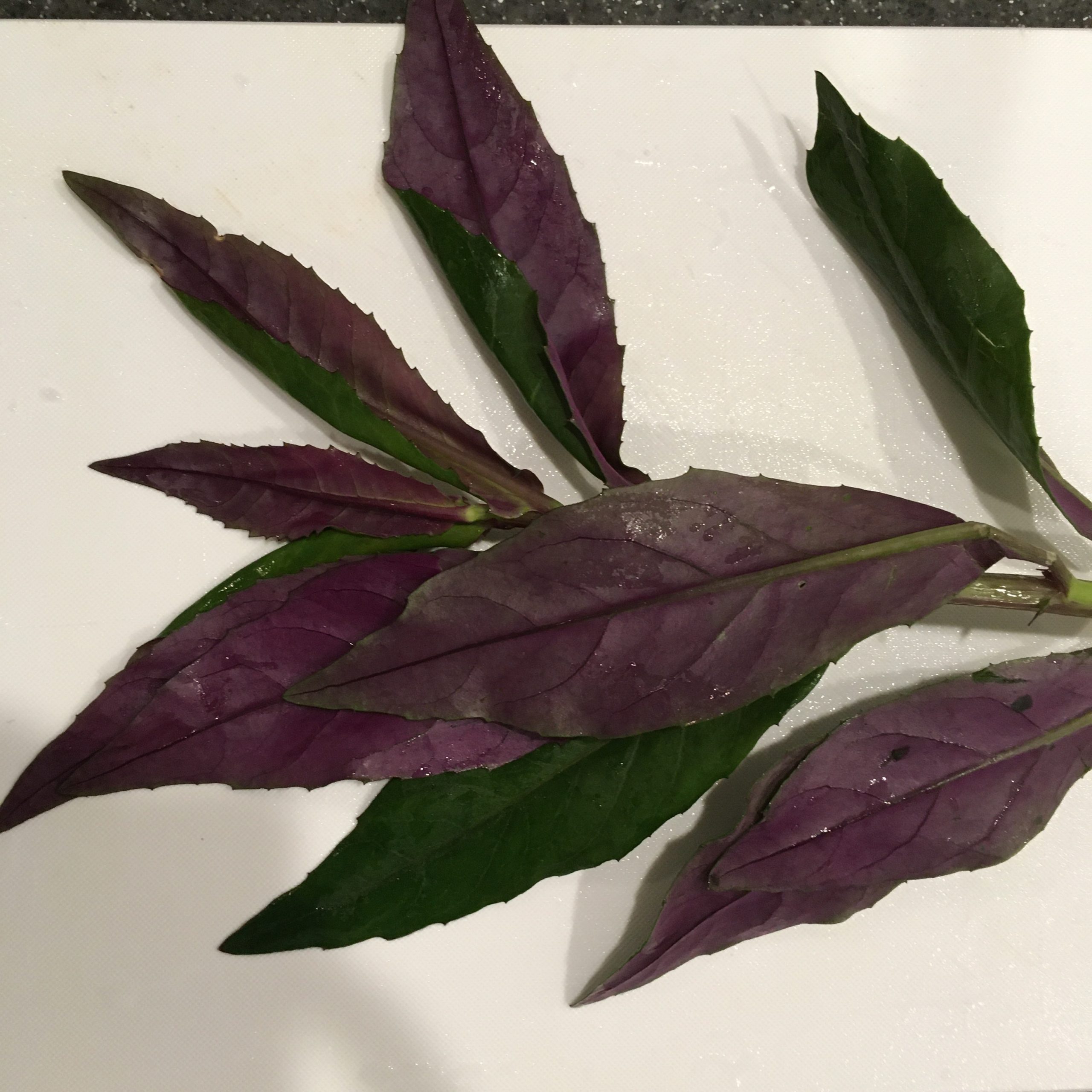
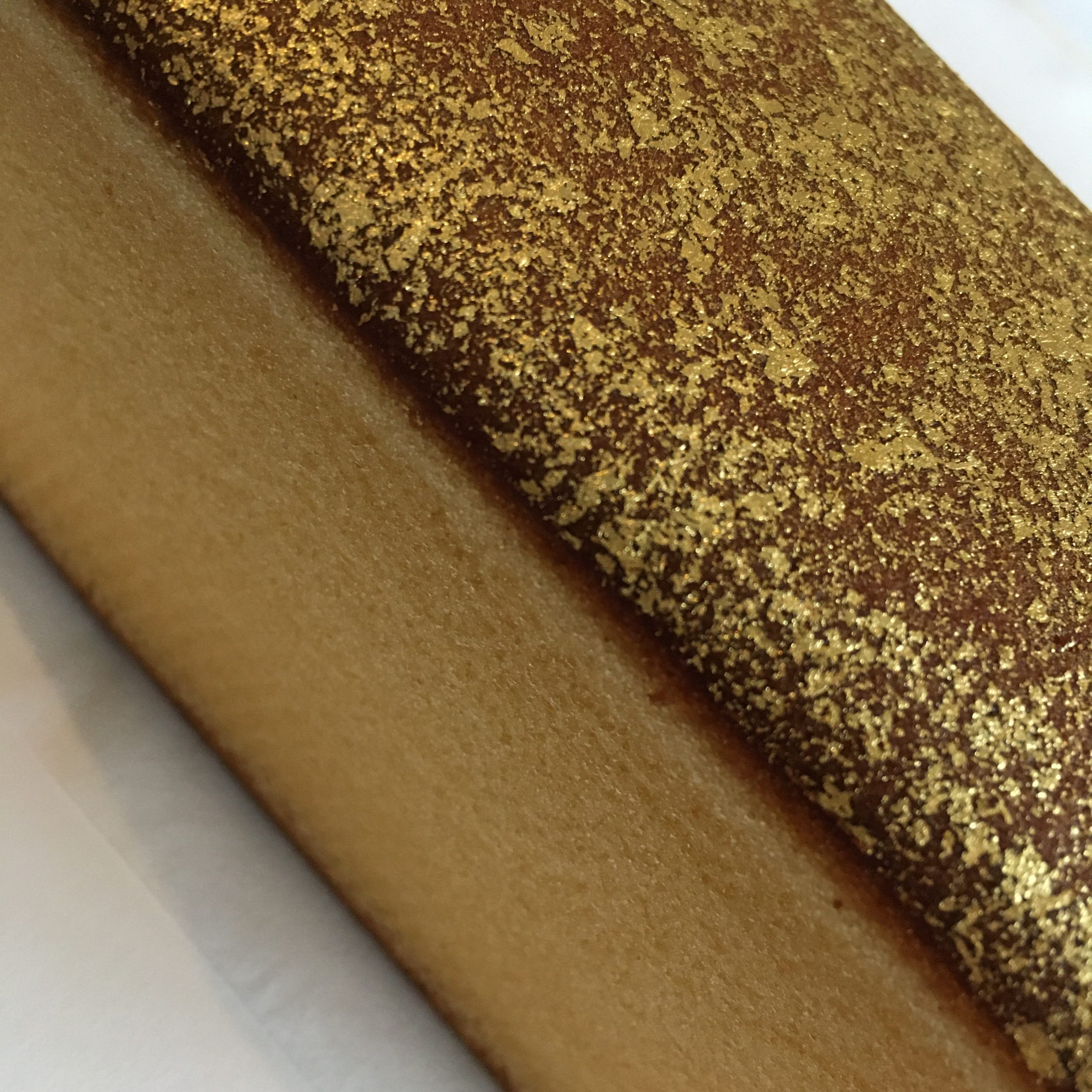
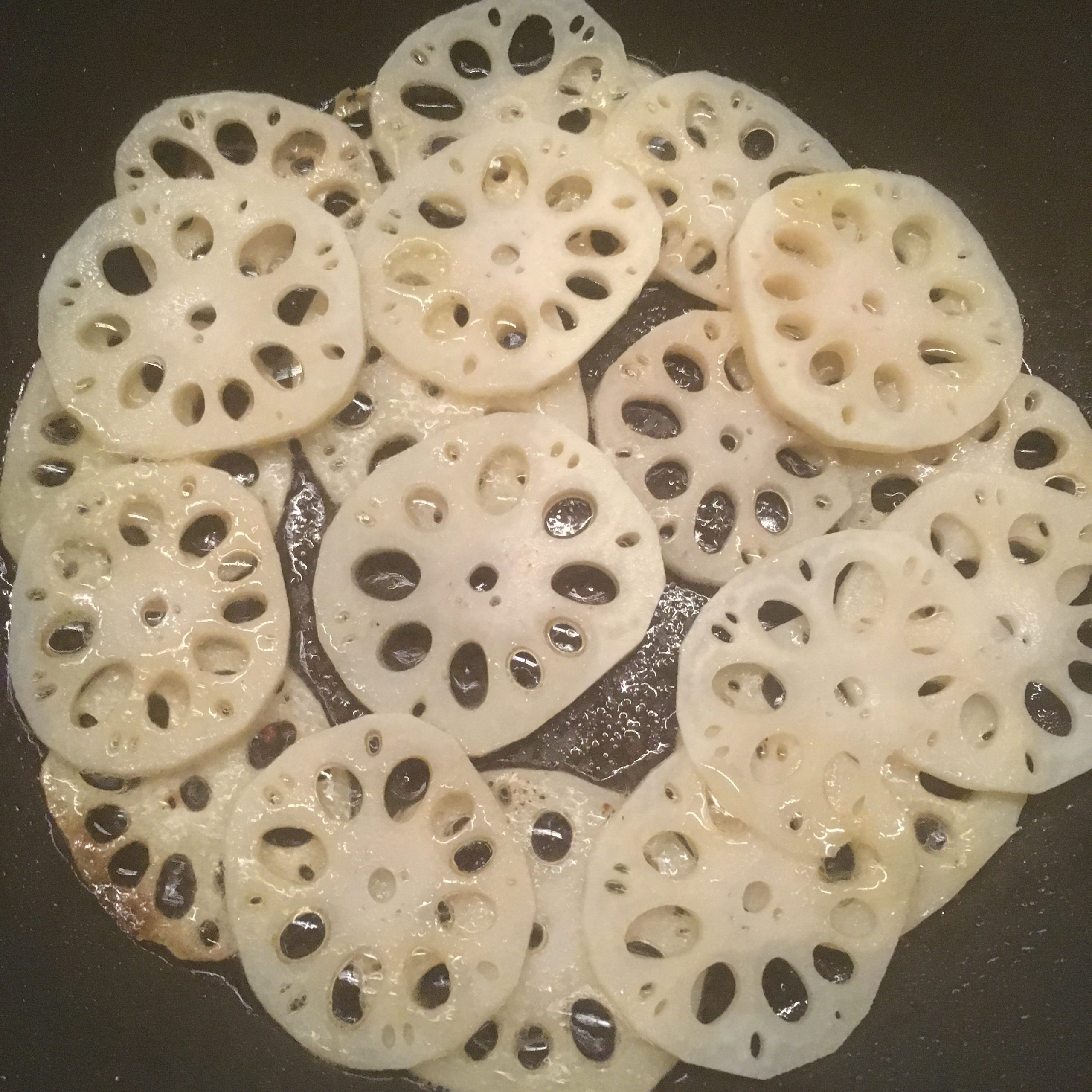
The market was a great fun, local green grocers too, with local products, fresh fish and vegetables. The region is famous for certain greens, such that gynura bicolor – 金時草 – kinjiso, lotus roots – 蓮根 – rencon, and propagule – ムカゴ – mukago (recipe coming soon). And of course, a few local Japanese sweets… we couldn’t resist to have gold leaf covered castella in the city famous for its gold leaf fabrication.

The Indian summer, the figs and three recipes

After a very tough week for me starting literally with a lower back pain that was so excruciating that A. had to drove me to the doc as I couldn’t even walk. Seating was a torture and lying was not better, I was happy I survived it and could finally walk, bend and move almost normally. But the doc said that my muscles needed a good week of rest so I followed the orders. No tennis, no bodyboarding and no gardening. I only allowed myself a 30min ocean swim on Saturday and Sunday. That left me with a loooooot of time… to cook of course!

And with the summer slowly going towards the Indian summer, there is a slow change on fruits and vegetables available. Plenty of fruits with grape, nashi, passion fruits and figs. Yes! Figs! I love figs and usually would cook them in sweet recipes as A. is not a huge fan of sweet and savory mixes.

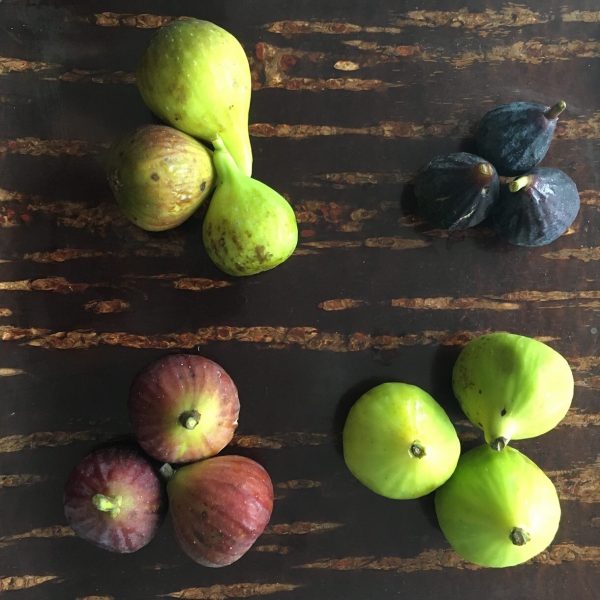
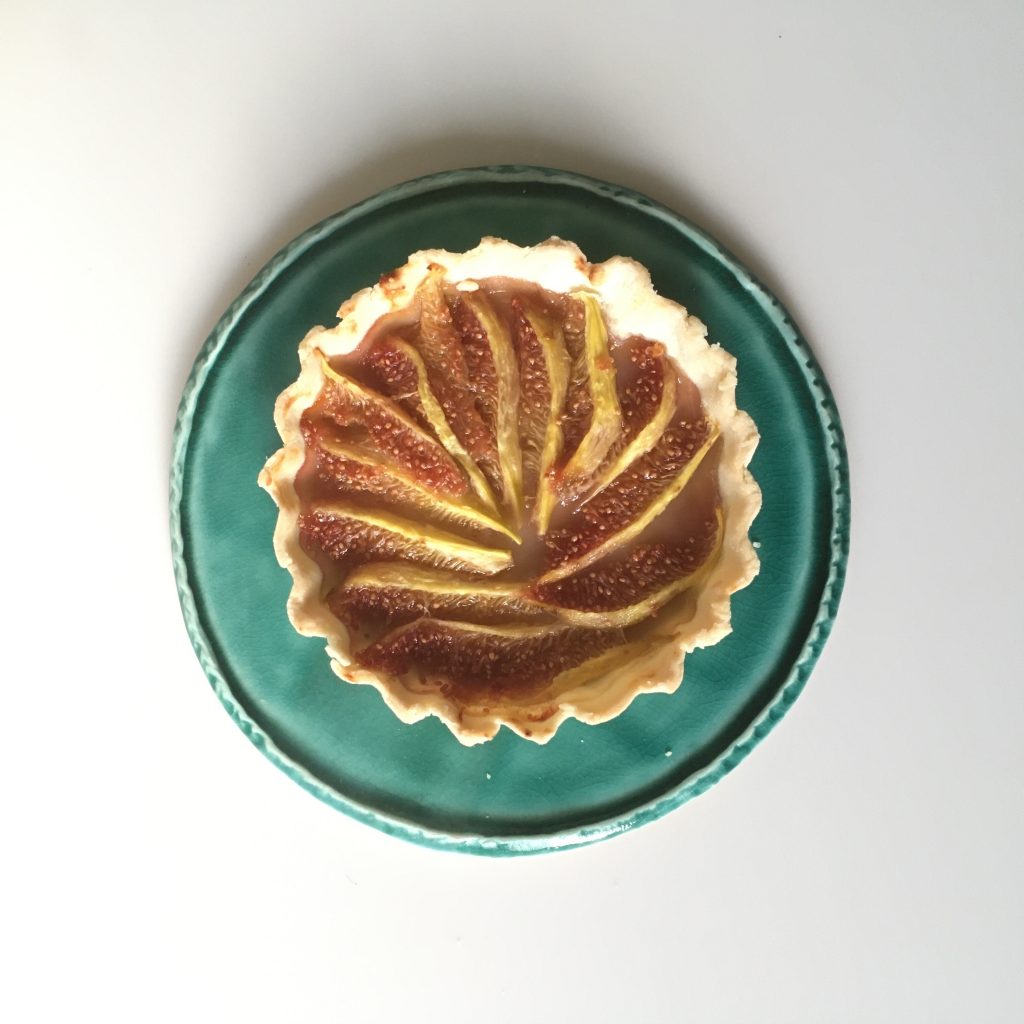
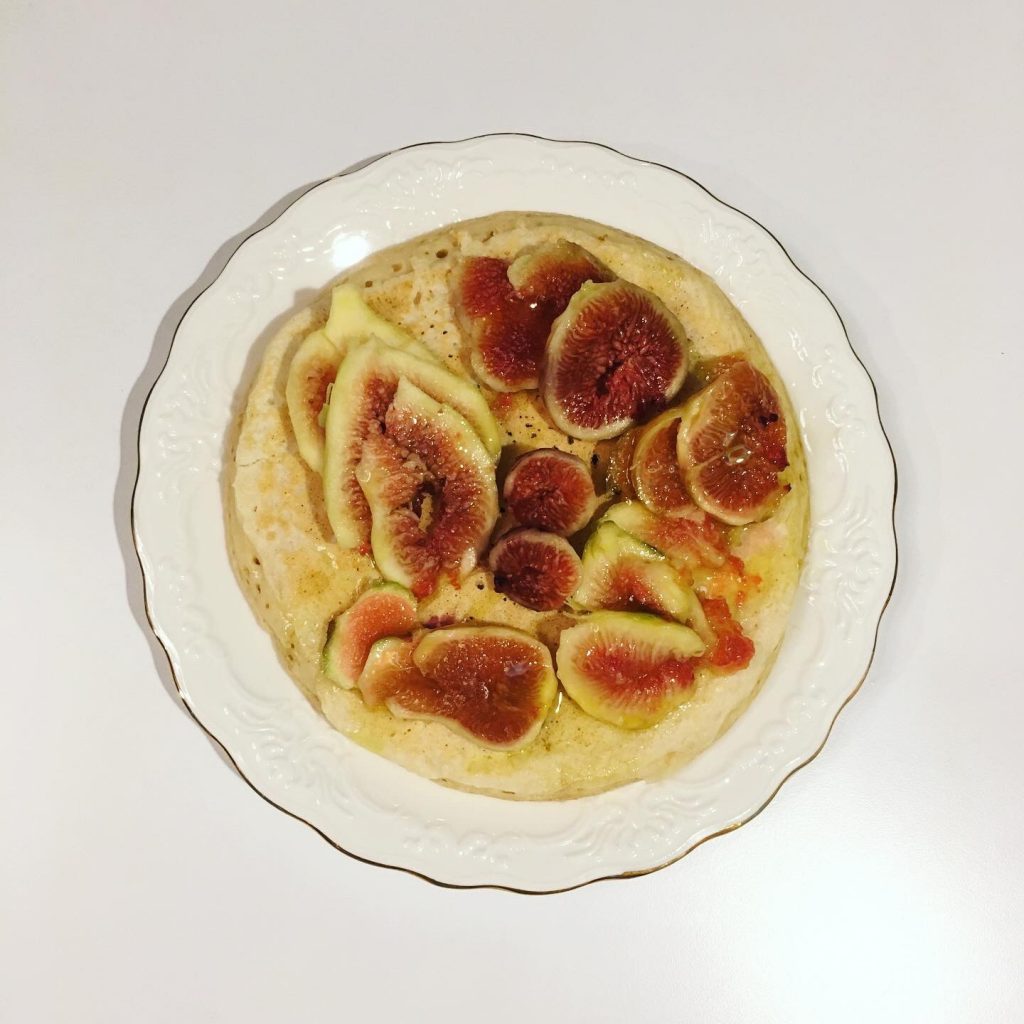
I baked honey fig tarts to start with. And because our friend Y. also had a lower back pain I made extra for them and replace half of the wheat flour in the dough by rice flour. And then the magic of IG worked its charms… A friend who grows figs in a large fig plantation at the foot of mount Fuji saw the picture of the tarts and sent me a big parcel full of figs of different varieties, all with distinct texture, color and flavor.

Having so many figs at once to eat I decided that I could do a few savory recipes too, though to be honest they were so good, I didn’t want to make complex things, and eating them just like that for breakfast was so perfect!

So I browse a bit the internet, but no recipe satisfied me. Most had goat cheese, a total no go for A. and anyway finding good goat cheese in Japan is still not easy…

So I came up with too recipes, the first is a total improvisation, the second is inspired by Israeli cuisine, from one of Yossam Ottolenghi’s book.

So three recipes today, all with figs. One sweet, one savory and one up to you!! Enjoy!!

Fig tartelettes (4~6 servings)

  • 6-8 large fresh figs
  • 100g of rice flour
  • 100g of wheat flour
  • 50g of butter or olive oil
  • 4tsp of honey
  • A bit of water

In a bowl mix the flours, the butter (or olive oil), add water little by little while kneading until obtaining a smooth dough.

Pre-heat your oven to 200deg. Roll the dough and put it in a pie dish (I used individual ones). Peel the figs and slice them, arrange them nicely, add the honey. Bake for about 20min, or until the crust is baked.

Chickpea pancakes with figs (2 servings)

  • 8-10 fresh figs
  • 100g of chickpea flour
  • 1tsp of baking powder
  • 1tbs of cottage cheese (optional)
  • Water or milk
  • Salt and pepper or honey (savory or sweet)
  • Olive oil

In a bowl mix the chickpea flour, the baking powder, the cottage cheese (if you use some), and the water and/or milk until obtaining a pancake dough (not too liquid, but not hard).

In a greased pan cook the pancakes. I used a 15cm pan to have one large and fluffy pancake per person.

While the pancakes are cooking, peel the figs and slice them. When the pancakes are ready top with the figs, a drizzle of olive oil salt and pepper, or honey. Ready!!

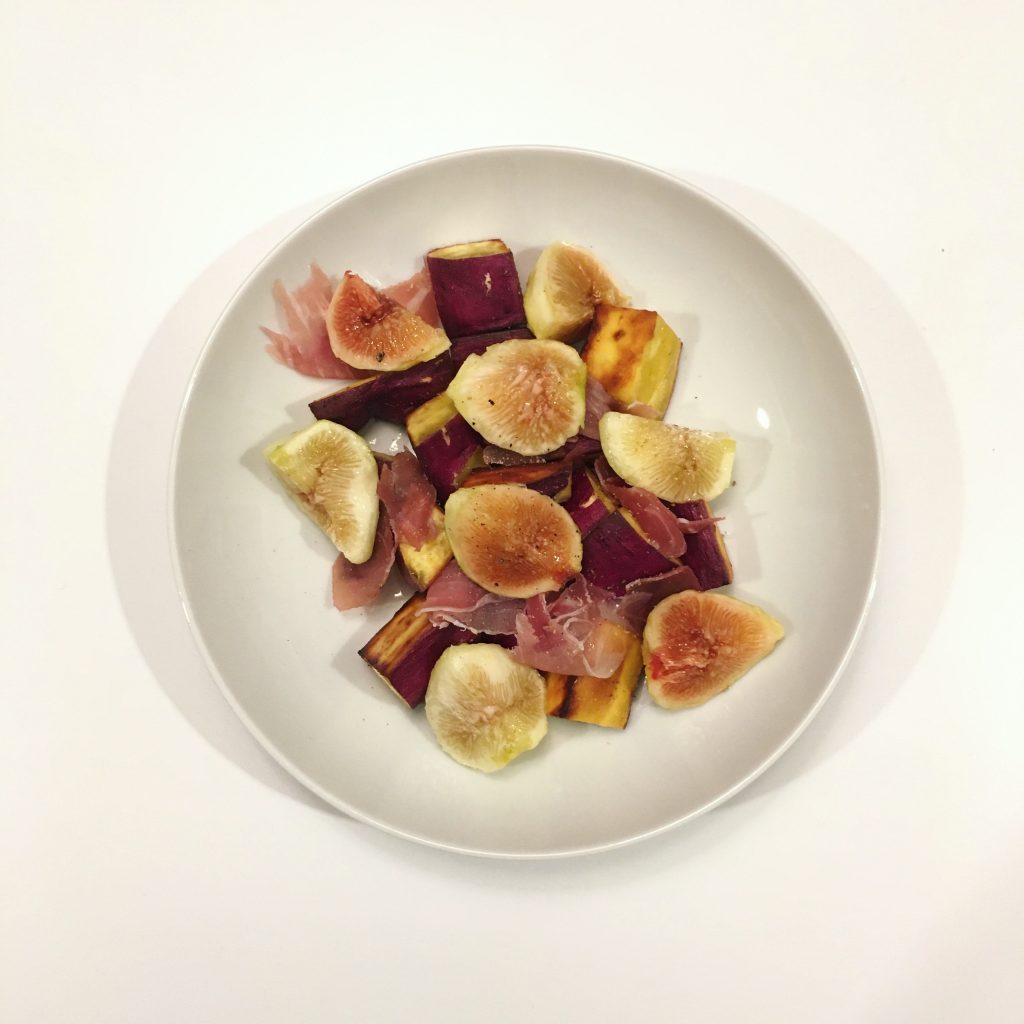
Sweet potatoes and figs (2 servings)

  • 1 sweet potato
  • 6-8 fresh figs
  • 1tsp of oil
  • 1/2tsp of vinegar
  • Salt and pepper
  • 3 slices of prosciutto (optional)

Wash the sweet potato and cut it in bite size. In s pan greased with the oil cook the sweet potato at medium heat until soft.

Peel the figs and cut in quarters. Serve the sweet potato in the plates, add the vinegar, salt and pepper, the figs and the prosciutto. That’s it!Really simple isn’t it?

My summer favorite: edamame paste and pasta

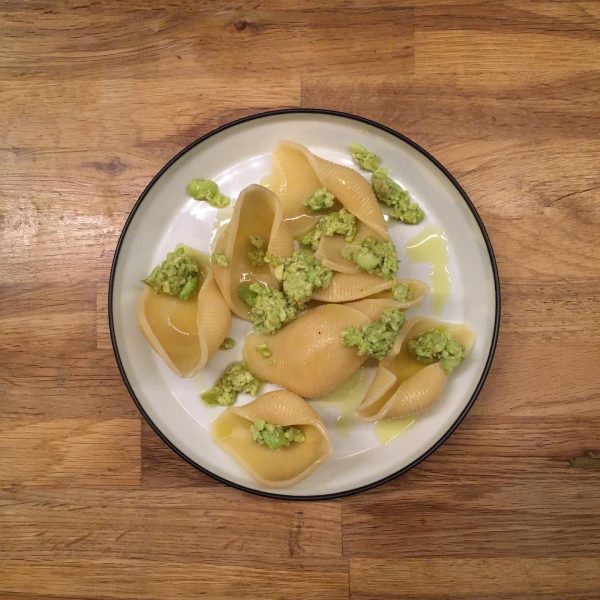
The summer is slowly reaching its end and the end of summer vegetables start to arrive such as butternut squash and kabocha, but before the summer ends for real, let’s enjoy a little more the summer vegetables: eggplants, cucumber, edamame and jute mallow…

Do you know the millasson cake? I did not…

Well there are so many things I don’t know about… that I am never surprised to discover a new name or a new recipe. As simple as it can be.

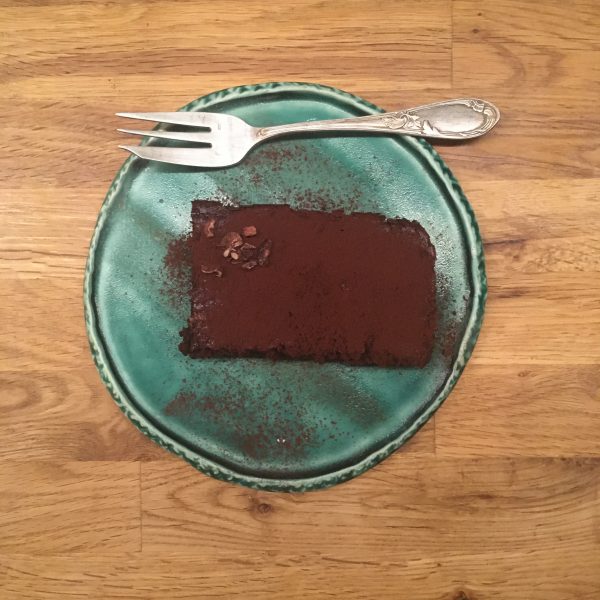
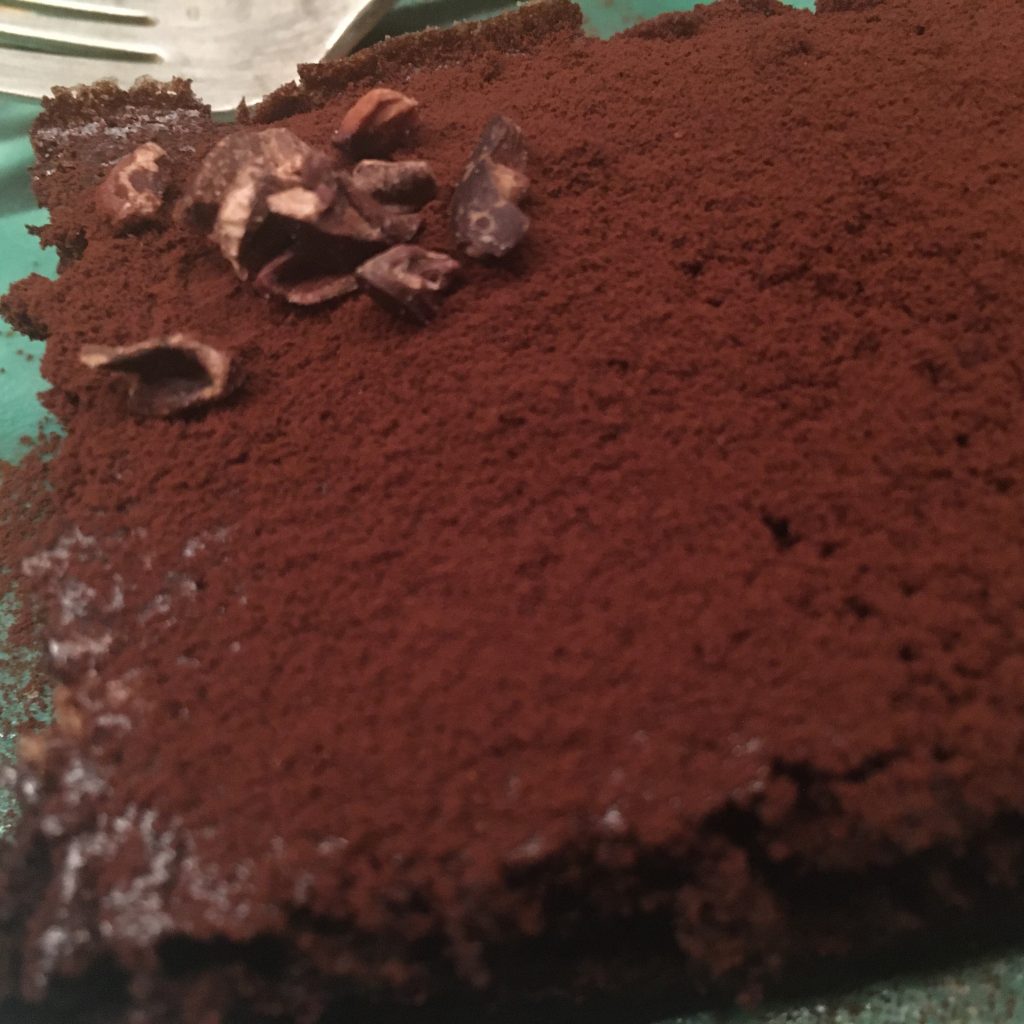
A. had a bottle of Balthus 2019 to drink (we could have kept it though… but why wait…) and after a short search, it seemed that chocolate would be a good pairing. Fine… but what chocolate patisserie could I prepare… so I browsed a little bit more searching for recipes that use cocoa powder, as it is the only thing I had. And I came across the “millasson”, a name I’ve never heard of before and a recipe I had never seen before. But its simplicity and the few ingredients needed immediately attracted me. It is basically something in between a flan and a clafoutis, but with egg whites beaten to get fluffiness (but honestly I wonder if that is really necessary).

So all you need is flour, sugar, cocoa powder, eggs and milk. And I can even guess that it could be baked in a pan if you don’t have an oven.

My millasson was good, rich in cocoa flavor, as I like, but I think I slightly overcook it, so I think I’ll try again this weekend, just be sure I have it right!!! 😋 and because it is really good!!!

I topped my millasson with cocoa powder and cocoa nibs.

Fougasse

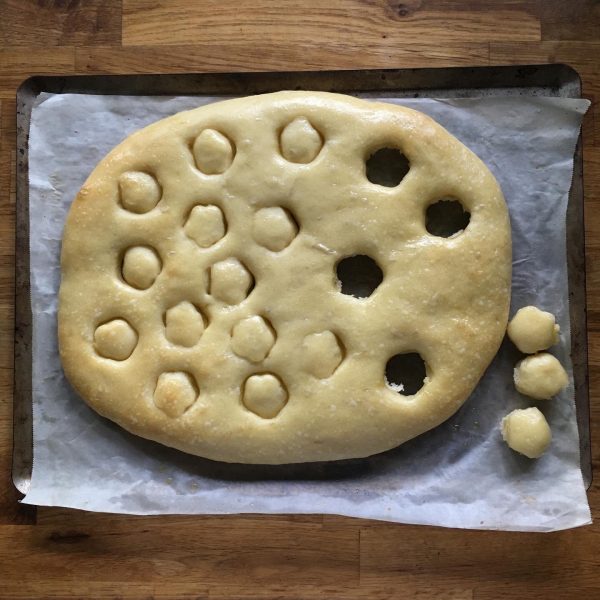
When I was a child, my mum would come to pick us at school for lunch, then we would walk to the car and somedays, on the way stop to buy some bread at Mr. Richard bread shop. And one bread in particular, fougasse. His signature fougasse unless most other bread shop was not the one with olives, or whatever else you can put in, it was the simplest plain fougasse, and instead of the classic shape it would little hearts cuts and you could pull the little hearts of bread. We lived to eat the little hearts on the way back to the car, and even more when the bread was still warm!!

While fougasse is eaten all year round, I like to have some ready in the summer. It makes the perfect meal with some fresh vegetables and a piece of grilled fish. And it is even more perfect when you have it ready when you get back home after a surfing session at sunset. I love to go surfing on Sunday evening after 17:30, when most day trippers are leaving and you get the ocean for just you, your friends and a couple of regulars. I love driving back home at dusk, seeing the sky becoming purple and the rice paddies turning yellow. And then I am hungry and the fougasse and a fresh cucumber from the garden are waiting to be eaten!

Fougasse

  • 250g of flour
  • 20g of olive oil plus some for the finish
  • 20-30g of sourdough starter
  • 8g of salt
  • 70g of water (may need adjustment depending on flour and sourdough)

Mix all the ingredients and knead lightly. If the dough is too dry add a bit of water, if too wet a bit of flour. The dough must be rather hard and have not much moisture.

Wait a few hours until it has grown.

Then flatten the ball with the hand and wait 15 minutes. After that, roll the dough with a cooking pin to obtain an oblong shape of about 2-3cm thick. With a shaped cutter of the shape you want, I chose plum because I didn’t have hearts like Mr. Richard’s fougasse, cut a few places with the design you fancy.

Bake at 230deg for 15min or until golden. When out of the oven spread a layer of olive oil with a brush.

Potatoes my friend? Yes, but vitelotte, please!

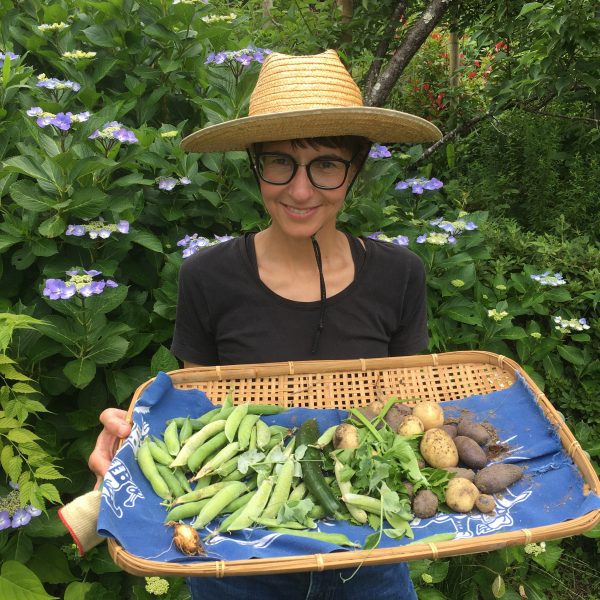
I have tried many things in the kitchen garden during the past 10 years. Eggplants, cucumbers, snap peas, tomatoes, cabbages etc… most of which were total failures, eaten by the kions, or the snails, or whoever was around. My most successful crop, by far, has been potatoes for a few years now. Except for this year, I tried green peas and that was a big hit… My specialty is actually purple potatoes: vitelottes. I like to grow them and harvest them and I love the color they bring to the plate. And those potatoes are absolutely impossible to find if you don’t grow them (at least for now), so this is why I keep growing some.

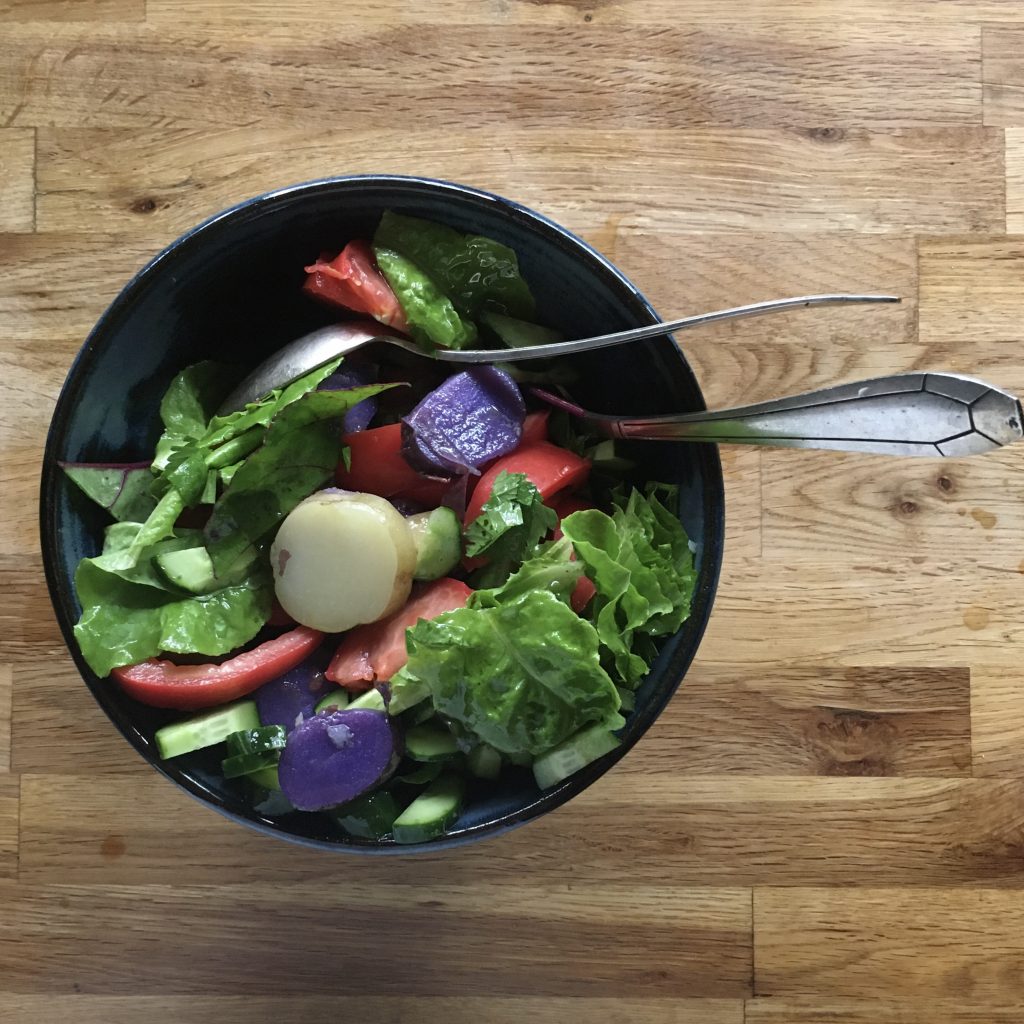
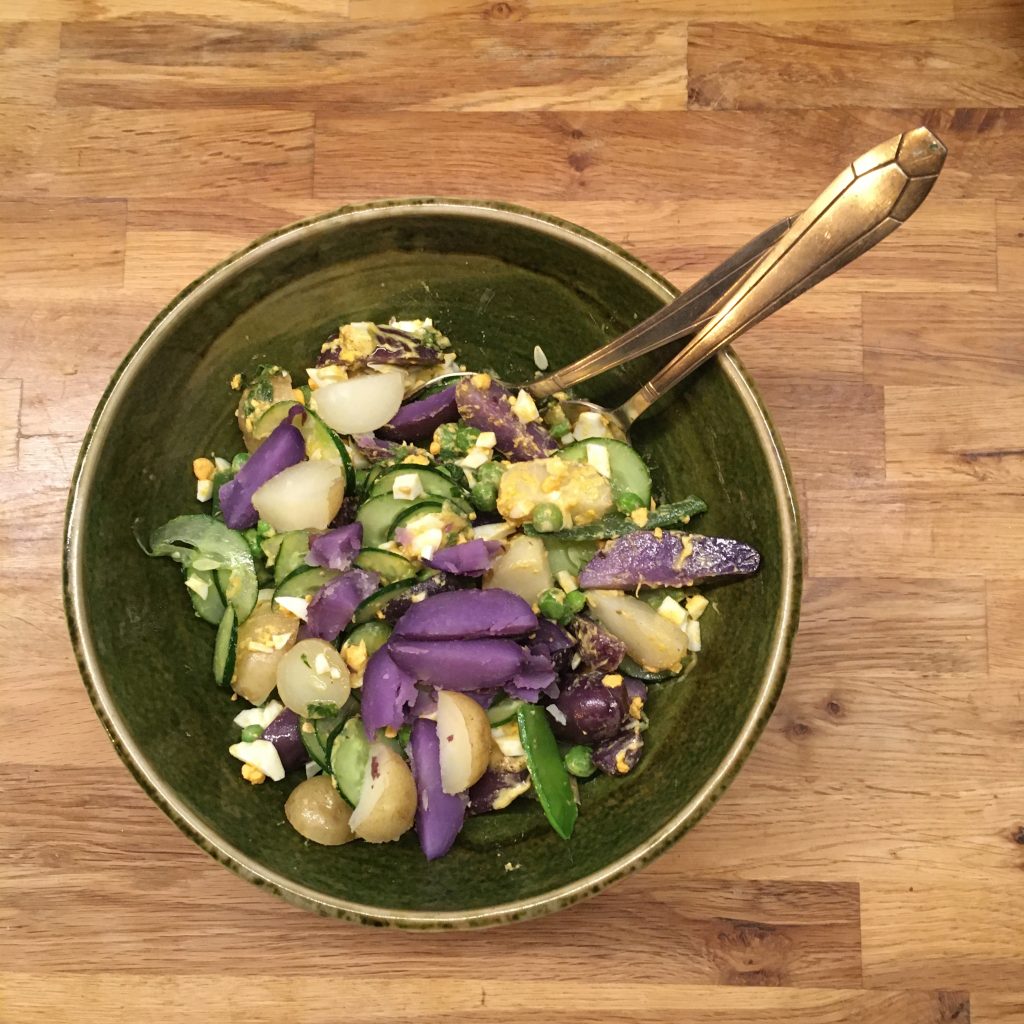
This year I grew them in the new kitchen garden. The soil is still under making so the harvest was not as good as I expected, even though I expanded the surface by two, but there were quite enough to make several meals and enjoy their bright color. The way I like to cook them best is simply washed and boiled, then sliced and eaten with other colorful ingredients. Perfect with eggs and cucumbers, dressed with plenty if mustard and olive oil for a classic potato salad, or simply fresh green leaves and tomatoes with olive oil for a fresh and lighter version.
I am quite proud to say that, except the tomatoes and the eggs, all the vegetables and herbs come from the garden. I cannot say that we’re successful with cucumbers but by far the best harvest we’ve ever had, and salad leaves, celery and herbs are doing rather well. The regular potatoes come also from our garden, from a few old potatoes that started growing in the fridge and I decided to plant. I don’t know how you love your potatoes but I’m sure it’s delicious!!!
Proudly powered by WordPress | Theme: Baskerville 2 by Anders Noren.

Up ↑

Verified by MonsterInsights