Your kitchen is mine!

Kitchen take-over in Waterloo.

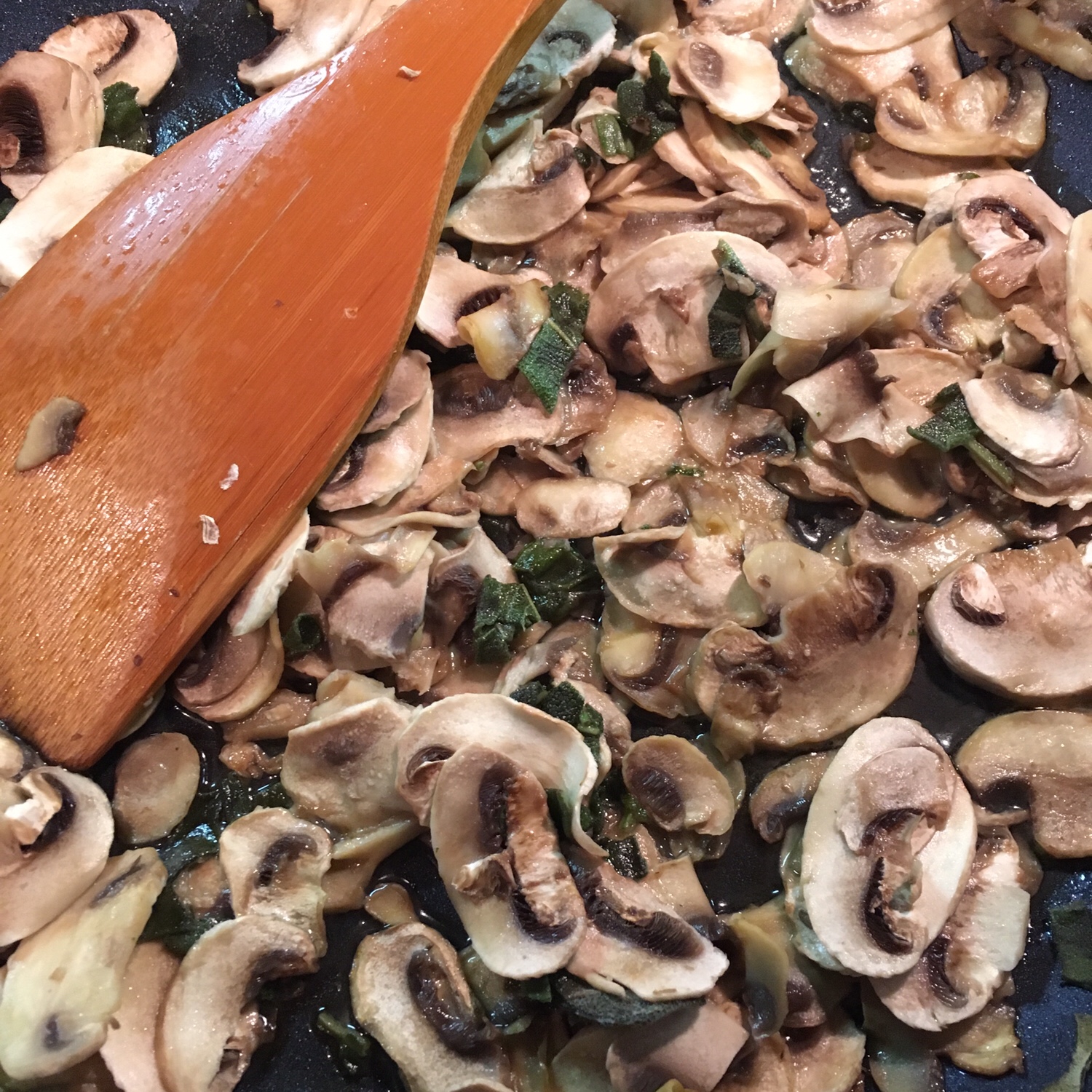
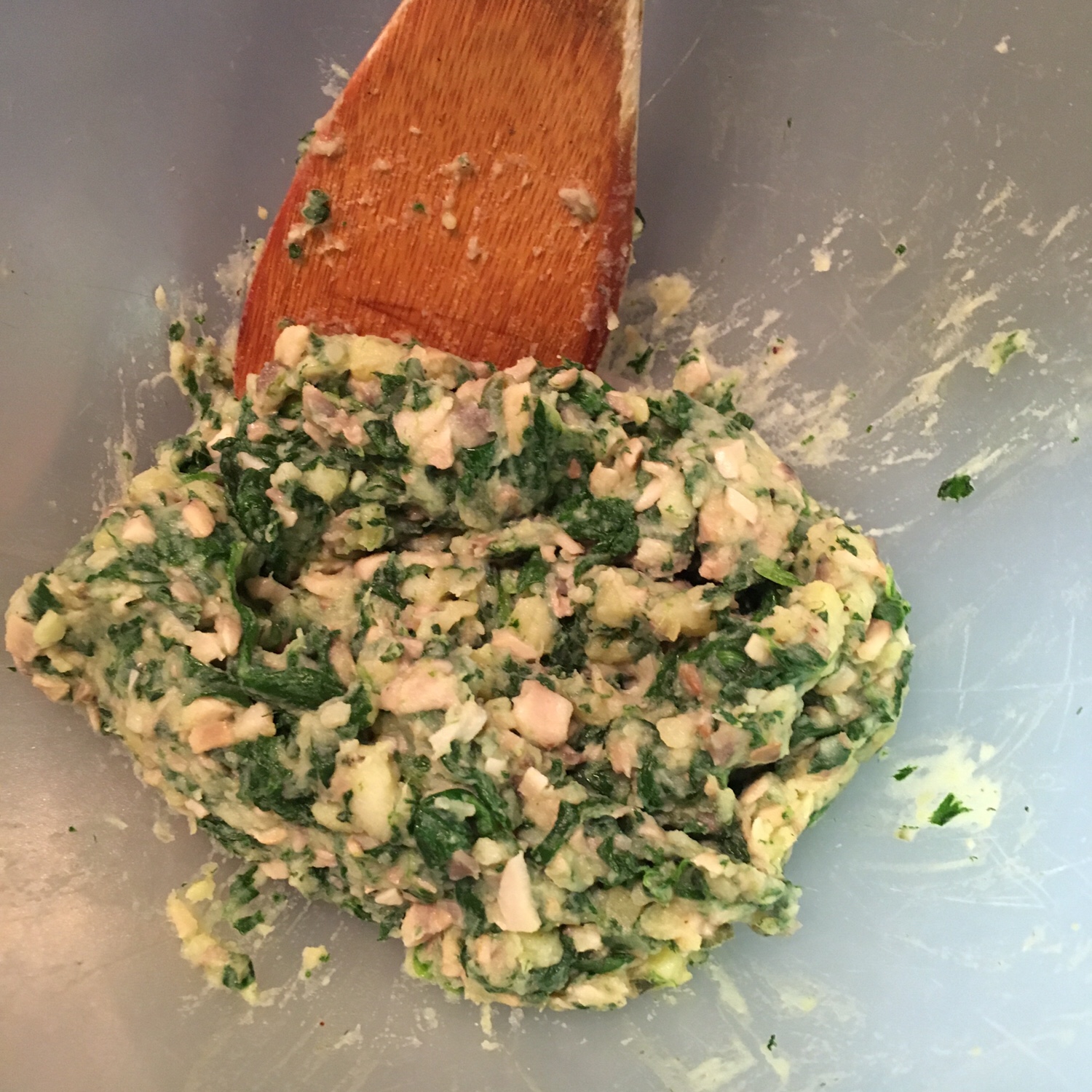
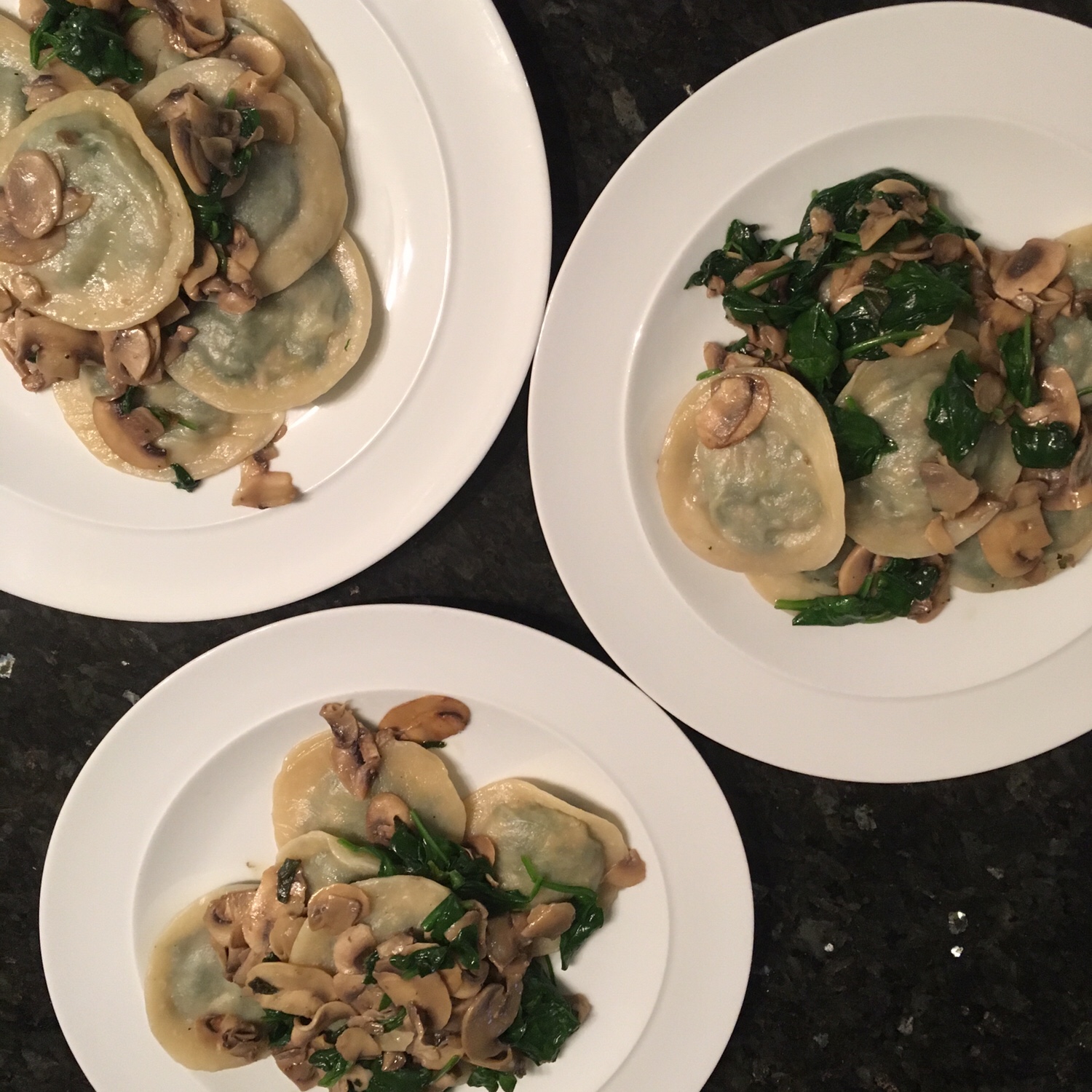
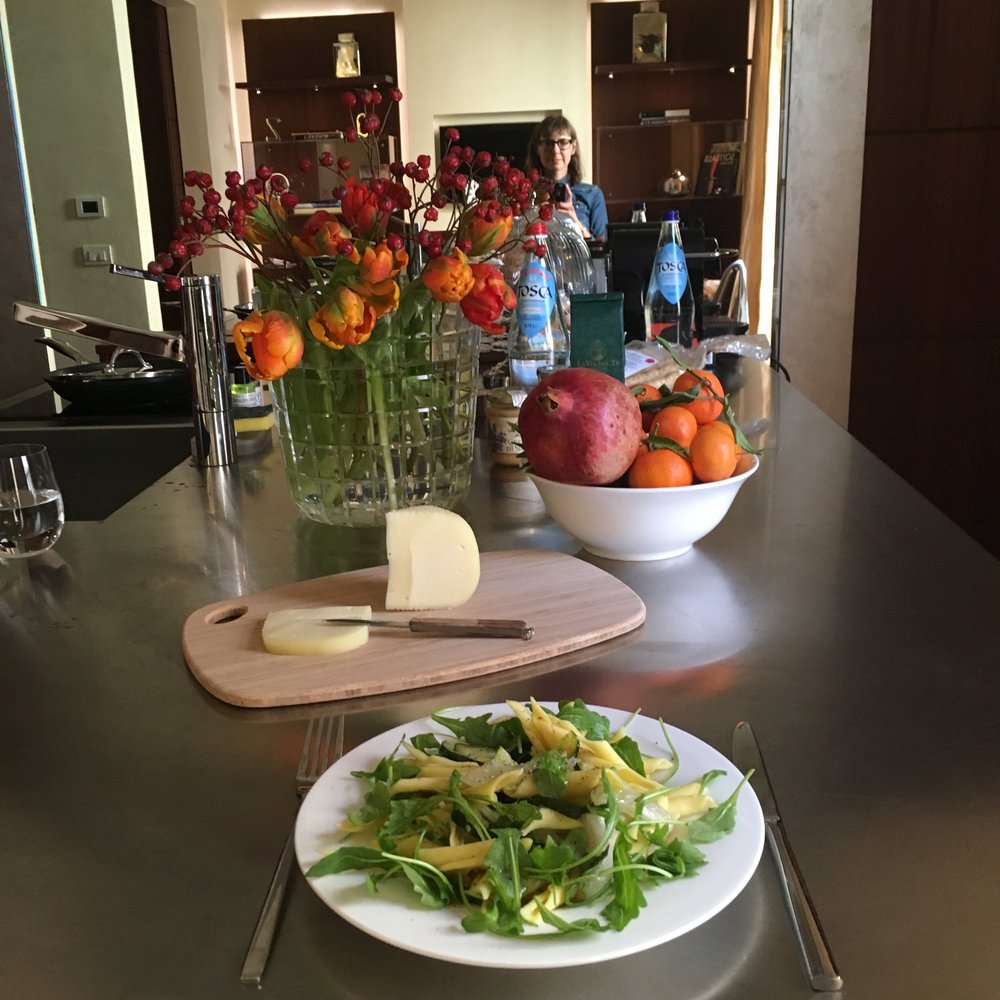
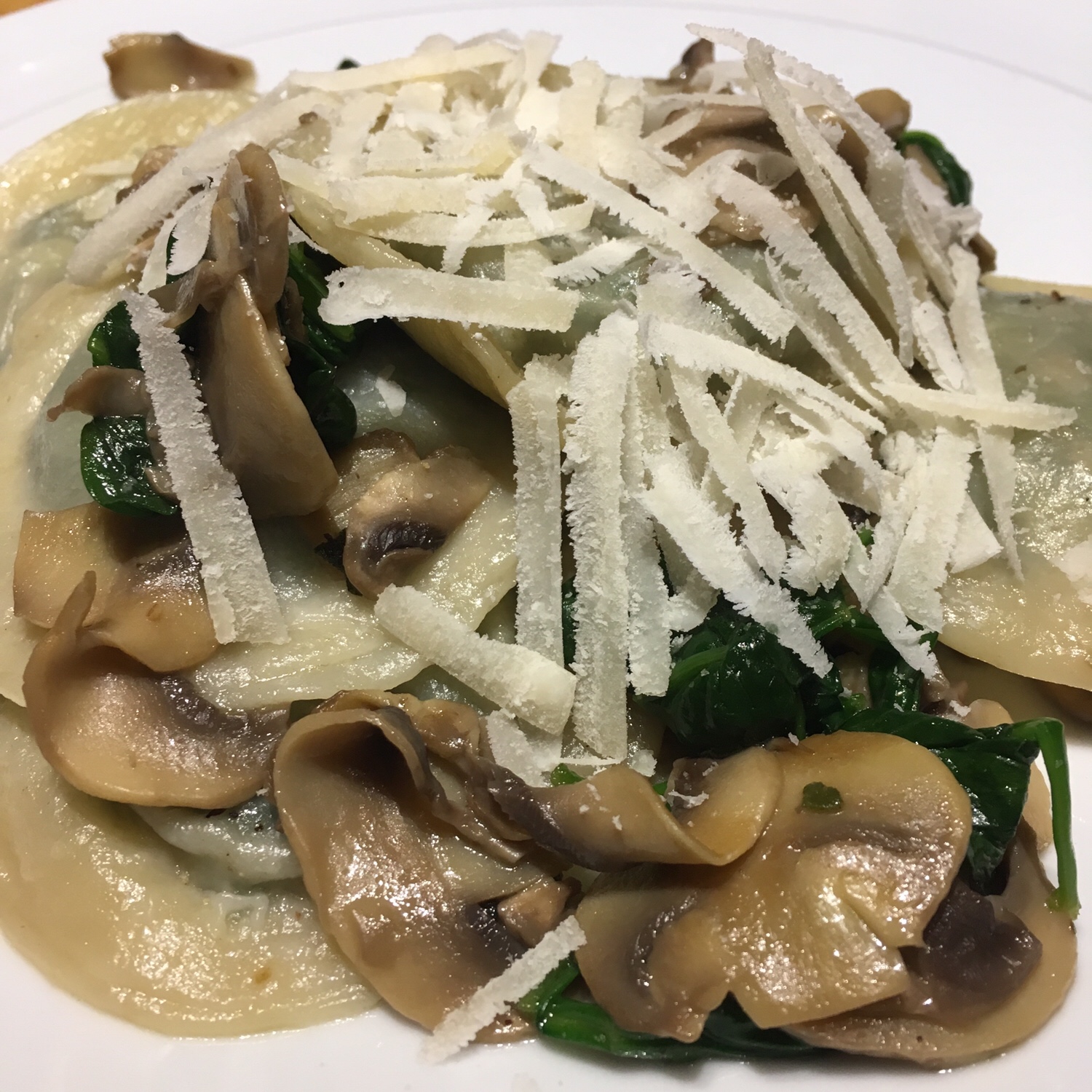
I’ve been in Canada for 10 days now and I really missed cooking, so when D. and C. offered me to take-over there kitchen I couldn’t resist and I had to say Yes!!!!! Please let me cook!!! So all set, on our way back from work D. and I stopped grocery shopping. Given the season (temperatures vary basically between -10 and 2) there is not a lot of local products available but we managed to find a few simple ingredients: spinach, mushrooms, potatoes, pears. The menu was all decided: I would cook vegan for D., some spinach and mushrooms ravioli. And for dessert she wanted spicy pears. So then I went to there place and while we were chatting I took their kitchen and prepared the promised menu. It was so nice and relaxing to be in a kitchen, to touch the food, the knives and to cook for dear friends. We after that sat for a nice dinner, my last one, tomorrow I’m flying back to Tokyo!

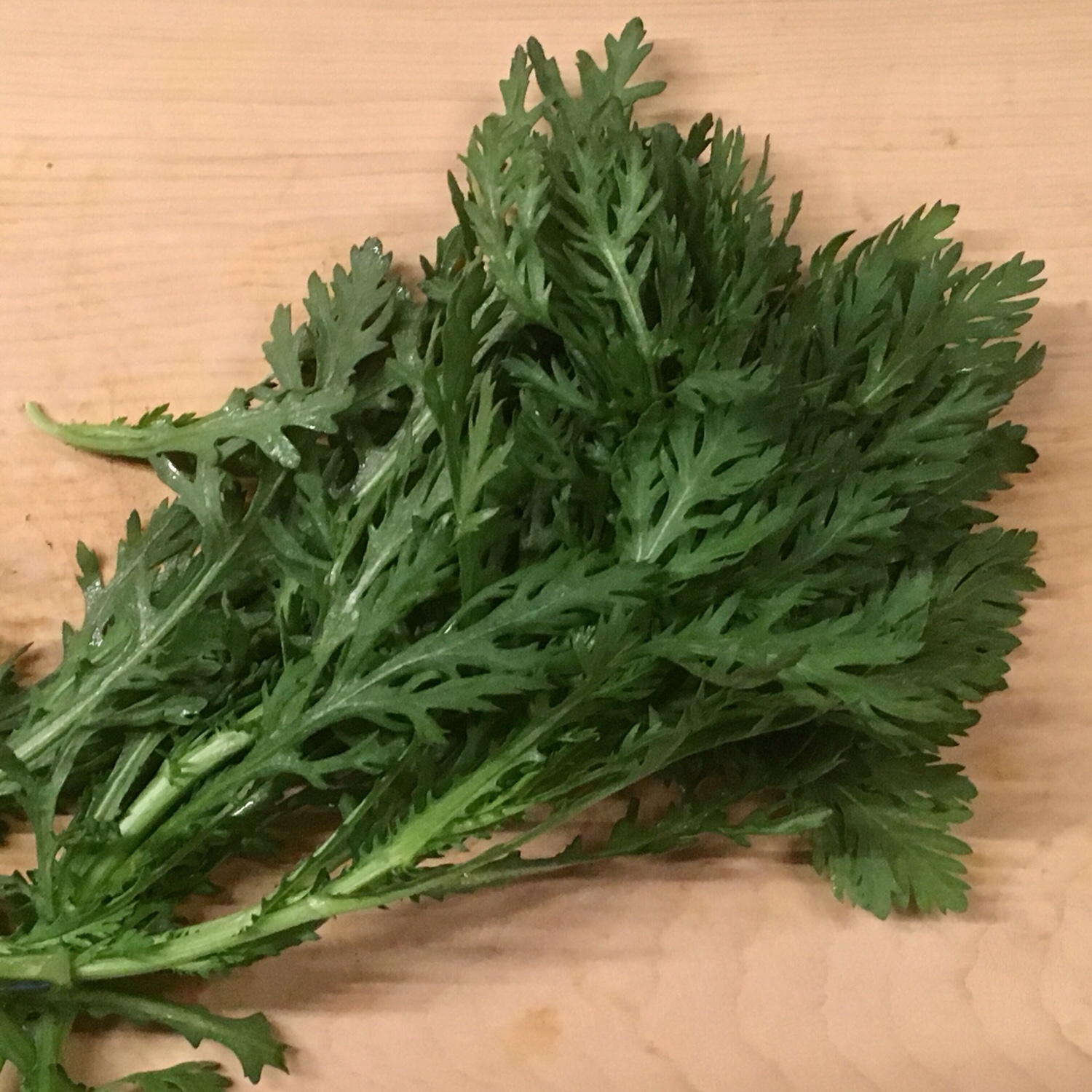
Haru kiku – 春菊

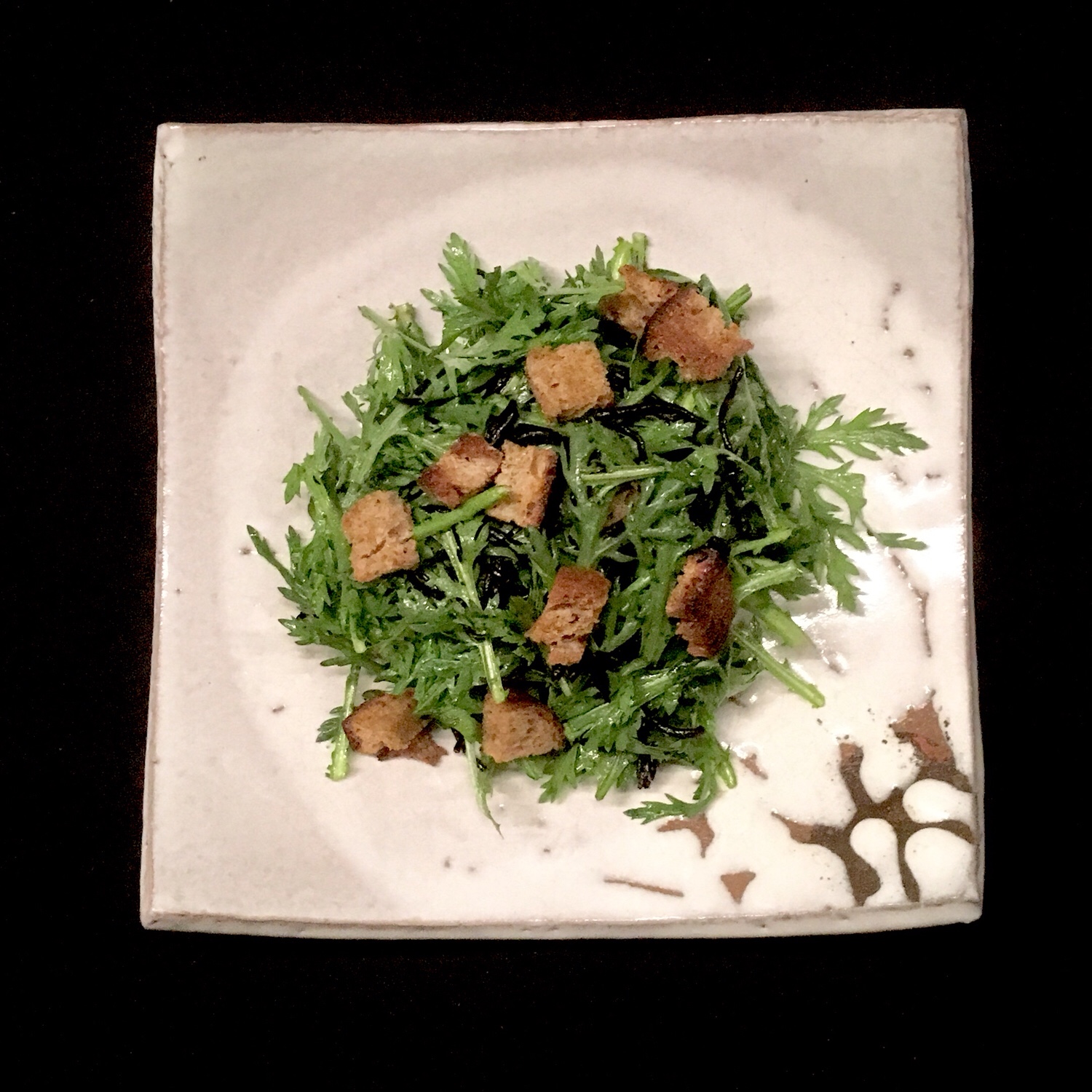
I’ve seen these beautiful green leaves for a while now but never cooked any before. Cooking is quite a big word for something that is perfect just washed and chopped like lettuce etc… In fact the trigger for trying was a recipe I found in browsing one of my macrobiotic cookbook and I totally loved the recipe at first, not because of the haru kiku but because of the hijiki. Some time ago I bought a little bag of dried hijiki made locally in Isumi. I made a few things with them but I find myself very limited, or I didn’t try enough, so this recipe was saving me. And it is just the season for haru kiku, so of course I found some right away at the local farmers market and I was more than happy to try them!

The original recipe is simply hijiki, haru kiku, olive oil and balsamic vinegar (a little weird for a macrobiotic recipe though…). My recipe goes like this:

Haru kiku and hijiki salad (for 2 as a side dish)

– a handful of haru kiku

– 20g of dried hijiki

– 2 slices of whole wheat or so bread

– 2 tbs of olive oil for frying the bread

– 1 tbs of olive oil for the dressing

– 1 tsp of white vinegar (I used rakkasu)

First rehydrate the hijiki in a bit of water. In the mean time dice the bread and fry it in the olive oil. Wash the haru kiku and cut the leaves from the stalk with the fingers, keep the leaves, trash the stalks. Then brake or cut the leaves in three. Drain the hijiki, add them to the haru kiku in a bowl, add the olive oil and vinegar and stir well, finally add the croutons and stir again. Enjoy as a side dish!

Pancakes best-of

10 years ago I was baking pancakes twice a year or so… I would often use pancake mix and was never fully happy by the taste and usually had to eat them completely soaked with maple syrup. That was until we travelled to Boston in 2009 and I found a great organic pancake mix at a fancy grocery store. I remember coming back to Tokyo, and waking up very early with the jetlag, the sun was already shining and I decided to take the time to treat us with pancakes made with this newly brought pancake mix before going to work. And it was a revelation, pancakes can actually be really delicious, and they don’t need to be soaked in maple syrup!!! Of course I could never find the pancake mix again, but I didn’t care. What was in the mix taught me that it was really easy to make pancakes from the scratch: any kind flour, baking powder, a bit of sugar or salt, milk (of any kind, or water) and an egg or not (actually now I prefer without, I found the pancakes more fluffy). Since then I have declined all possible ideas: changing the flour: plain, whole, soya, buckwheat, spelt… the milk: cow, almond, soya, coconut, water (when I have nothing in the fridge!), adding muesli, oatmeal, coconut, almond powder, spices, fresh fruits, grated lemon (picture)… making them for breakfast or dinner.., and they are always delicious, different and reslly easy to make. So I roughly cook pancakes once or teice a week when there is nothing else. But here is my ultimate top 3 for the moment:

1. Coconut pancakes: plain flour-coconut milk-grated coconut for a tropical breakfast, perfect with passion fruit jam;

2. Chai pancakes: plain or whole flour-cardamom-cinnamon-ginger for a cold winter morning, great with honey;

3. Muesli pancakes: whatever pancake base with muesli (nuts, cereals and dried fruits) added, anytime an extra energy is needed, I love these ones with butter.

But I must say that the lemon pancakes I cooked recently were amazing and could be in the top 3 together with muesli . Unfortunately I find it hard to get organic or non-chemical/wax lemons so it is not a recipe I can often prepare. Though last weekend I bought about 20lemons at a local organic market in Isumi, so I will use more lemon in the next weeks (after I’m back from Italy and France).

Lemon pancakes 

– 150g of flour

– 1tsp of baking powder, a pinch of salt

– 1tbs of brown sugar

– the zest of 1 lemon

– 200ml of soya milk

– a bit of water

– a bit of vanilla  

Mix all the ingredients to obtain a creamy dough not too liquid. 

Heat a large fry pan (anti-adhesive) pour 3 or 4 rounds of dough (depending on the size of the frypan and of the pancakes) cook at medium Heat until the top is almost dry, flip and cook on the other side. Repeat with the rest of the dough. Serve with honey or yuzu jam!


Plating

We say in French “les jours (les semaines, les annees…) se suivent mais ne se ressemblent pas”  (days (weeks, years…) follow each other but are never alike) and this is so very true these days for me! Not that I complain about it, but there is very little routine. One day it snows, the next is warm; one day I have intense discussions at work with many different experts, the next I spend in paperwork and administrative tasks; one day I spent writing and reading articles, the next listening to students presentations; one day I run errands and meetings in the city, the next I’m seated 12h in my office… and one day I’m in Tokyo, the next in Italy or in France… It’s a captivating work I do and I’m grateful for all it brings, even a short interview in a French peridocal! But honestly this is not making me better at plating, this is a constant observation. Regardless how my recipes are yummy-easy-healthy. The problem is that I seriously don’t know how to improve it. When I look at my IG feed I feel sorry but I use only my best shots… but when I look at my picture album, I see all these delicious tests I made that I will never dare sharing… For example this amazing plate I made with wild hijiki, grilled swordfish, tomato and caper sauce… deliciously half indeed but the pictures are so bad: lighting, plate, plating… all wrong… Or this broccoli and fukinoto bulgur dish (this one is borderline so I decided to share it… but honestly I hesitated a lot before showing it… but fukinoto are seasonal and the season is right now, and the mix with the broccoli was really great… so at some point I wanted to share it.. because there are so many ways to eat local and seasonal staples that change from the traditional ones. For example fukinoto is mainly eaten in tempura, in miso soup or pickled in miso… but in kind of risotto like this recipe it is also really great! You’ll find the recipe below. And if you have plating advices for daily life food, pleeeeaaaaase let me know!!

Bulgur risotto with fukinoto  (for 2 people)

– 100g of bulgur (I use fine one for it cooks slightly faster) 

– 8 fukinoto of medium size. If they are large 4 or 6 is enough

– a piece of broccoli

– water

– olive oil, salt and pepper  

In a pan grease with olive oil and heated pour the bulgur, start cooking at high heat while stirring for 2 min. Lower the heat, cover the bulgur with water and add about 50% more in volume than the bulgur. Wash the broccoli, the fukinoto. Cut them (if the fukinoto are small don’t cut them). When the water in the bulgur as decreased and is no longer visible add the broccoli and cover, 2min later add the fukinoto and cover for 3 more minutes. Add salt, pepper, olive oil and stir before serving.

Late night dinner

There are days (quite many recently) like that… when I start cooking past 23:00 for our dinner. We’re obviously starving after a long day at work, but nonetheless we want something fresh and tasty. I found that’s often when I get the most creative, in particular when the ingredients are limited as in winter (in summer tomato-eggplant-zucchini would just work fine…), I focus on herbs and flavors. Pasta would often be the base, while they boil I would of course prepare the topping. Last night I add a great inspiration and the result was sooooo great that I really want to share my recipe with you!

Celery pasta  (for 2 people)

– 125g of pasta (I used whole wheat penne)

– 3 branches of celery

– 1 or 2 mizuna bundles

– 3 branches of fresh dill

– olive oil, salt and pepper  

Boil water for the pasta and boil them while you prepare the vegetables. Wash and chop the celery, up to the leaves. Wash and chop the mizuna, same for the dill. In a heated pan add some olive oil, toss the celery, and stir  a bit. Then add the dill and finally the mizuna, salt and pepper. The vegetables don’t actually need to be cooked, so the time they spend in the pan shouldn’t exceed 7-8 minutes. They need to be just warm and rolled over in olive oil. Drain the pasta when cooked and serve. Top with the vegetables. Add a final olive oil touch, and ground pepper. Actually you can add some gratted Parmigiano, it is the perfect final touch!

How do you like your pasta?? I’ll be happy to try new ideas and recipes!

Half risotto

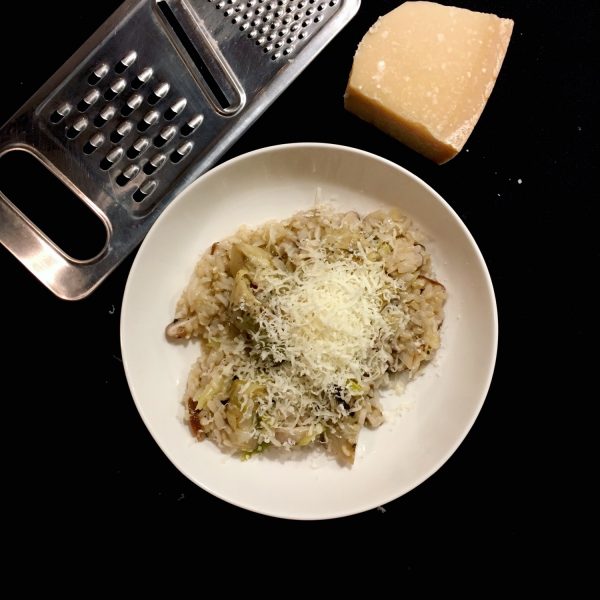
In Japan people born from one Japanese parent and one foreign parent are called “half” (ハーフ) by Japanese people. Using the same idea I use like to use this word for my cooking recipes. Some would use different words such as ethnic food, fusion food or any other that means nothing to me. But “half” really captures my way of cooking. Whether it is French-Japanese or Italian-Japanese, it’s cooking “half” to me. When I make a Japanese quiche, or foie-gras suigyoza… This time, it’s a risotto I prepared, that is perfectly half, in ingredients and inspiration. Half Japanese and half Italian. The rice: 1/2 brown Koshihikari 1/2 Carnaroli; the vegetables: 2 small leeks for the base, then fresh shiitake and some olive oil preserved Italian purple artichokes (you can use fresh one if you can find some… but really in Tokyo it’s not easy…). I topped my risotto with some freshly gratted Parmigiano but it’s optional, A. prefers his risotto straight!

Half risotto (for 2 servings) :

– 60g of Carnaroli rice (or any risotto rice of your choice)

– 60g of brown Japanese rice  (I use Koshihikari from Isumi, but it’s up to you to use the brown rice you like)

– 1 or 2 leeks depending on size

– 4-10 shiitake depending on size (I prefer smaller ones)

– 10 small purple artichokes  (I used olive oil preserved ones)

– olive oil, salt, pepper, Parmigiano…

First chop the leek and cook in a large pan at low heat in a bit of olive oil, stir regularly so that they don’t change color. Wash and cut the shiitake. Prepare the artichokes if fresh and cut in halves unless very small and tender, if in olive oil drain them. Add the rices in the pan and a bit of olive oil. Increase the heat and stir often. When the rice becomes translucent add about 600ml of water (I don’t use broth because the leeks and mushrooms are alrrady bringing enough flavor), salt, pepper, the mushrooms and the fresh artichokes (if in olive oil, wait until the end). Cook under cover at medium-low heat until the liquid has almost disappeared. Add now the artichokes if they were in olive oil. Stir and serve rapidly. Add gratted Parmigiano if you like!

Vegan pie

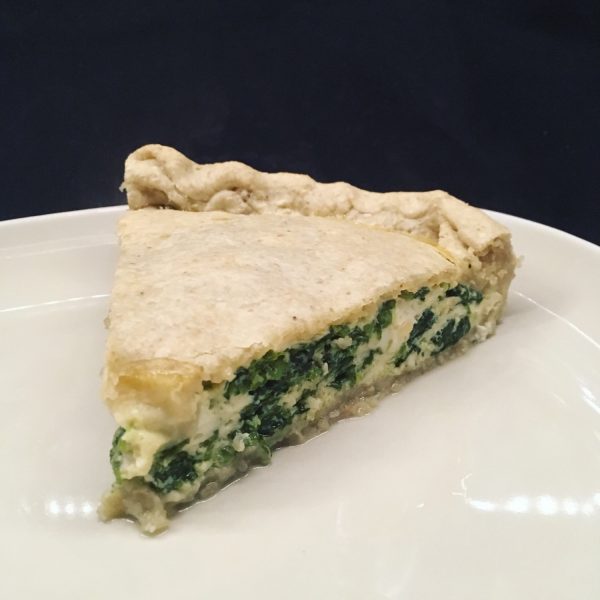
You know how much I love to make quiches and tarts, there are so many examples already posted, and there will be this year many more. But when like me you love making dough, kneading and having flour on your hands, better than quiches and tarts, there are pies, for which you need twice more pie crust and I won’t complain about that!!! Pies are also great when you don’t want to use an egg base, and simply use vegetables and some tofu or some miso etc… I also love them in winter because they seems to be much warming, keeping the vegetables in their heat and steam and preventing them fir getting dry. I plan to make more pies this year and to try new recipes, I have already ideas flowing in my head, so maybe something like a pie a week or will be a good rythm, let’s try what I can do!!!

This first pie is a pure vegan delight with an olive oil base pie crust, with half flour half oat bran, and a filling of spinach, radish tops blanched and silky tofu. Everything is said! Bake for 30-40min and enjoy!!!!

First bread of 2018

While in my parents’ place I baked many pompes a l’huile for Christmas, but I didn’t bake any bread. There are a few nice organic bread shops and bakeries around. But now that we are back to Isumi, it was mandatory to bake some bread. I started this year with a very simple bread: rye and whole wheat, with a handful of flaxseeds. And since the house is rather cold, I kept the bread all night in the room with us for it to rise, and only baked it much later. It has risen very slowly but the result was a very soft yet dense bread. With jam, honey, butter, or whatever, it’s delicious for breakfast. And it goes together with the book I am reading about Roland Feuillas, a guy who has been working for the last 12 years in making bread with traditional wheats grown traditionaly too. This reading has revived in me this idea that I should grow my own sourdough, but I still don’t know how to manage the trips between Isumi and Tokyo every weekends, and the longer one abroad  and to keep it alive properly… If you have some experience in raising sourdough I’ll be happy to learn from you!!!

Life in Florence

So, it’s been four days we’ve been in Florence, except for Sunday that we spent walking around the city as described here, it’s been a rather studious time. A. leaves early in the morning while it’s all dark and comes back late at night, and this gives me more than plenty of time to work, write and spend a little hour or two outside walking around the city in the cold and shopping for lunches and dinners.

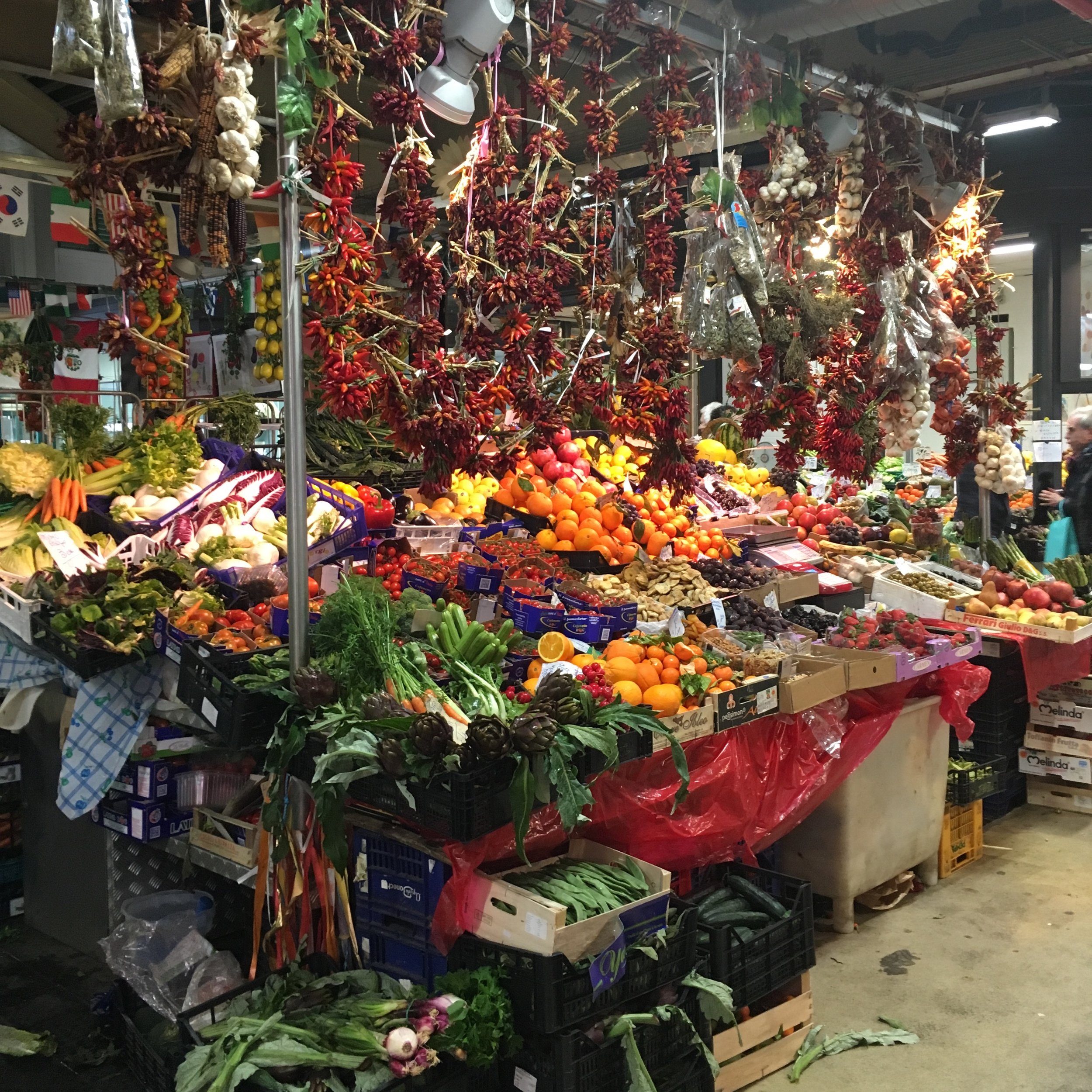
I’ve now explored both the San’Ambroggio market and the San Lorenzo market, got to see everything twice or thrice to decide what to buy choosing between all the delicious cheeses, fresh pasta and all the fruits and vegetables that are alien to Japan. I must say that I passed on fish, not being fully satisfied with the stands and on meat as there was too many options and I am not good with meat too much… but I guess that I will have to try some for A.. For the moment I’m sticking to speck and San Daniele and it’s been perfect. I also got my tea from La Via del Te as recommended by Giula from the beautiful Juls’ kitchen. And really I am more than happy with my little kitchen and the simple cooking I can do!

So far the things I have really been enjoying are the greens: I packed on lamb’s lettuce, rucola, zucchini, fennel and artichokes and I have been using them in many various preparation. My best being this delicious dish of pasta with olive oil roasted fennels and zucchini and topped with rucola. It is so simple and so fresh, and so easy to make, that here is my recipe:

Pasta with zucchini, fennel and rucola (for 2)

– 125g of pasta

– 1 zucchini

– 1/2 fennel

-1 handful of rucola

– olive oil, salt and pepper

– additionally some fresh parmigiano or some other cheese

Boil the water for the pasta and the pasta. In the mean time, wash and cut the fennel and the zucchini, and in an olive oil greased frypan cook them, but not overcook them! Add the drained pasta, salt, pepper, and olive oil, top with rucola and stir, serve immediately. Add cheese if you like!

And have a great Wednesday! 

Proudly powered by WordPress | Theme: Baskerville 2 by Anders Noren.

Up ↑

Verified by MonsterInsights