Art and nature in Niigata prefecture

 Artwork from ETAT 2015
Artwork from ETAT 2015

In the summer of 2006 while browsing the internet to find some nice contemporary art event and exhibition I found information about the Echigo-Tsumari art triennale (ETAT) and some special performances that would be held on the week end, so we jumped in a car and drove up there with no plan but our “triennale passport” and triennale catalog. We completely felt in love with the concept of the triennale, the with the beautiful mountains and rural area. We also met there some unique people: S. and K. that have become very good friends and that work in Tokyo and live up there most of the time n their beautiful house by the forest. Since 2006 we’ve made trips there more than a dozen times, we’ve been there at every season, went snowshoeing in deep snow, attended new year ceremony in the local shrine, went to pick wild vegetables and herbs in spring, young wild bamboo shoot in the beginning of summer, seen traditional bull fight, the red leaves in the mountains in autumn and we have never been disappointed. This area of Japan is truly beautiful with a strong personality.
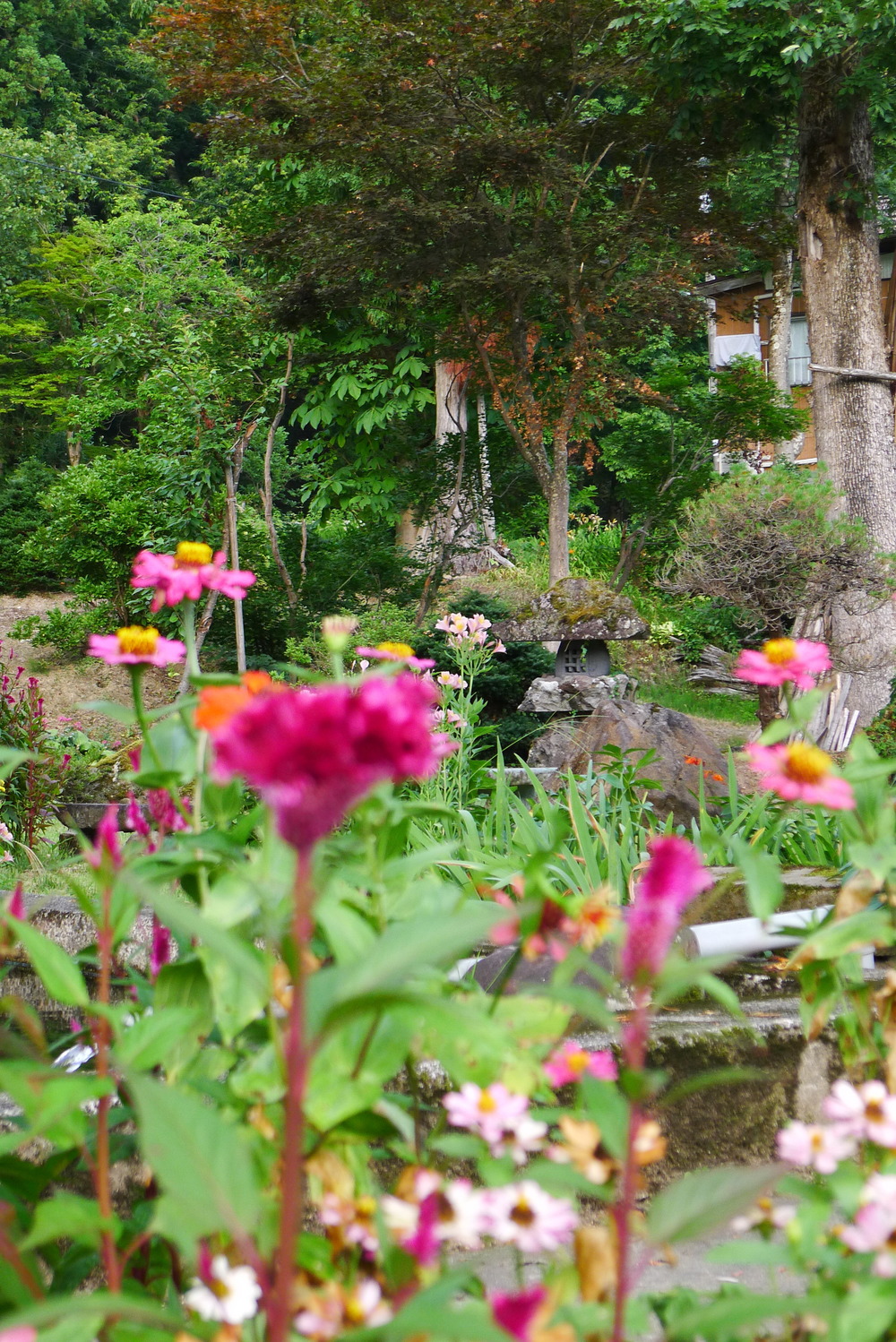
After some time when we couldn’t go because of too mush work on week ends and because of our new house in the country that needed some maintenance, we finally went again, and it was again the triennale. And again it was a perfect stay. Our friends always welcome us in their beautiful old house (that is not completely innocent in the choice of our own house in the country), they feed us with delicious local products and a lot of fresh vegetables from their potager garden, I usally cook with K., and then we drove all over the countryside small roads to visit the art space and see artworks. And we’ve came back to Tokyo with tones of delicious products. I have my shopping list ready anytime we go there: natural honey and pollen from Akiyamago, 2-5-8 to prepare my own salted pickles at home, Koshikari rice, buckwheat flour from Tsunan… Plus our friends always treat us royally with tons of gifts from their own garden which vary depending on the season. Though very short (we stayed only 2 days) the perfect summer break!
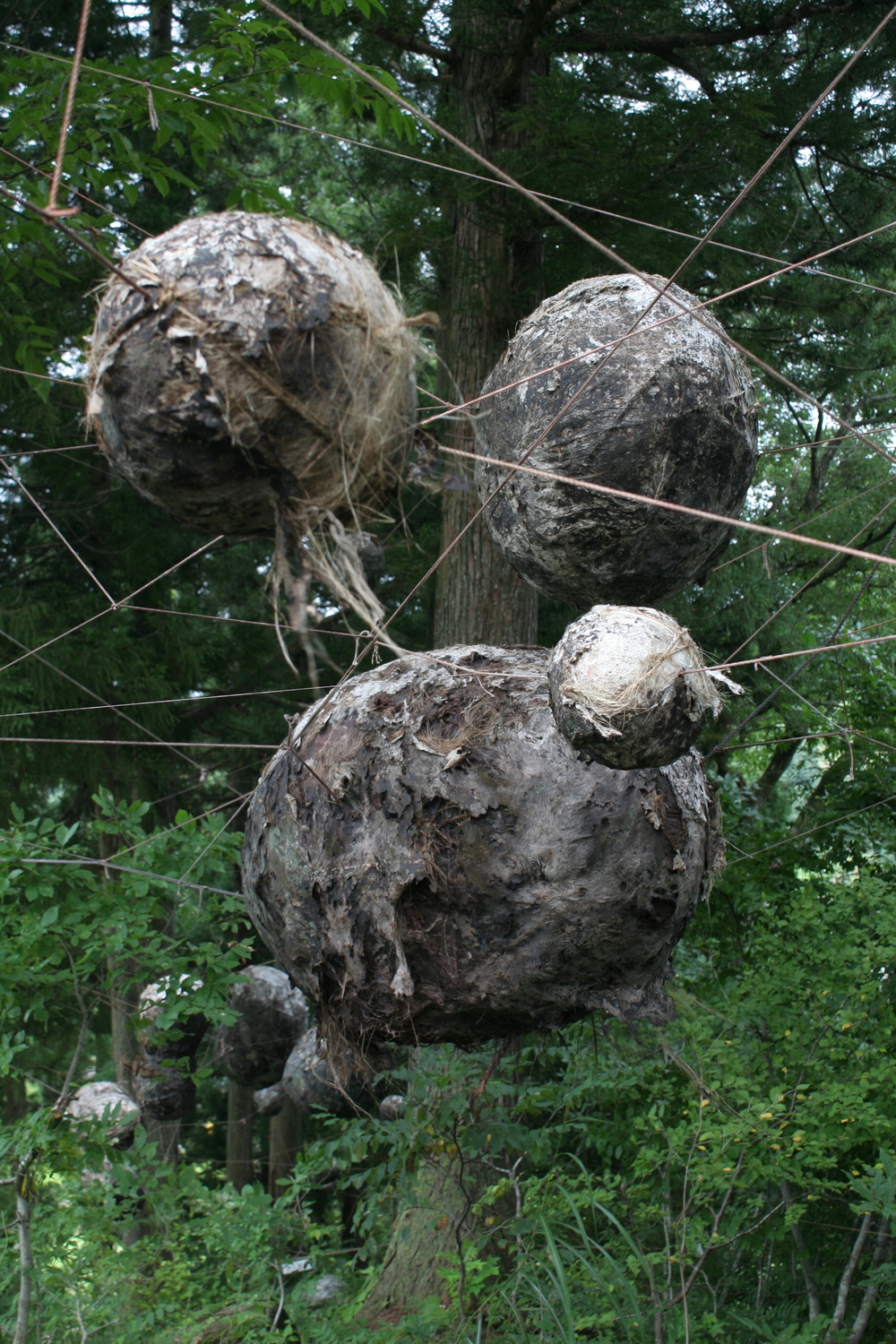
 Installation from ETAT 2009
Installation from ETAT 2009

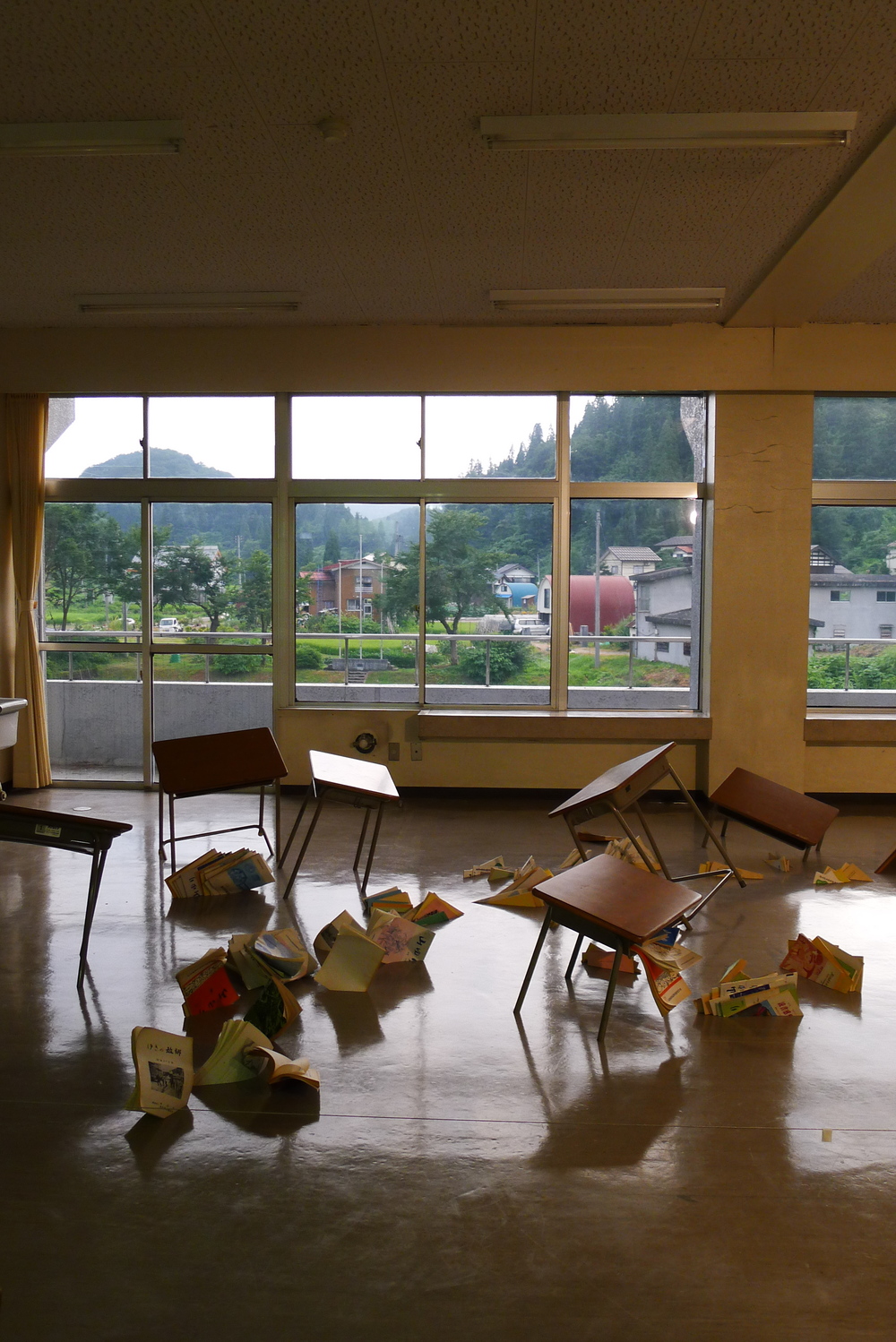
The concept of the triennale is quite simple, it is a contemporary art event that tries to boost this rural area that is depopulated and where there are many empty old houses, farms as well as unused schools because of the lack of kids. So a few houses and schools each time, and some outdoor spaces in the rice paddies, in the forest are also used for installation, exhibition, landscape art… Some of them also use traditional craft of the area, or local history. Since the very first edition in 2003 they’ve called for some famous artists such as Botansky, Turell, Kusama, Guo-Qiang… and mix with younger less known artists and art students. Of course the quality of the artwork is also very wide, but there is always very very nice discoveries. The art works span over an wide area, so driving is the most recommended, distances are not huge but roads are small and can be quite busy with beginners/paper drivers on week end so it takes time and it’s not a fun drive, week days are better for a more intense experience. There is also a number of performances: music, theater and experimental work almost every week worth checking.Since the triennale seems to be quite a success and drains a lot from of people from the city the event is slightly evolving and this time there were lot’s of temporary cafe in the main art spaces promoting local food (mainly for penniless urbanites so expect a lot of curry-rice). Local people are also selling local products, so it’s good to pack with an icebox in your trunk to bring back the country freshness to Tokyo!
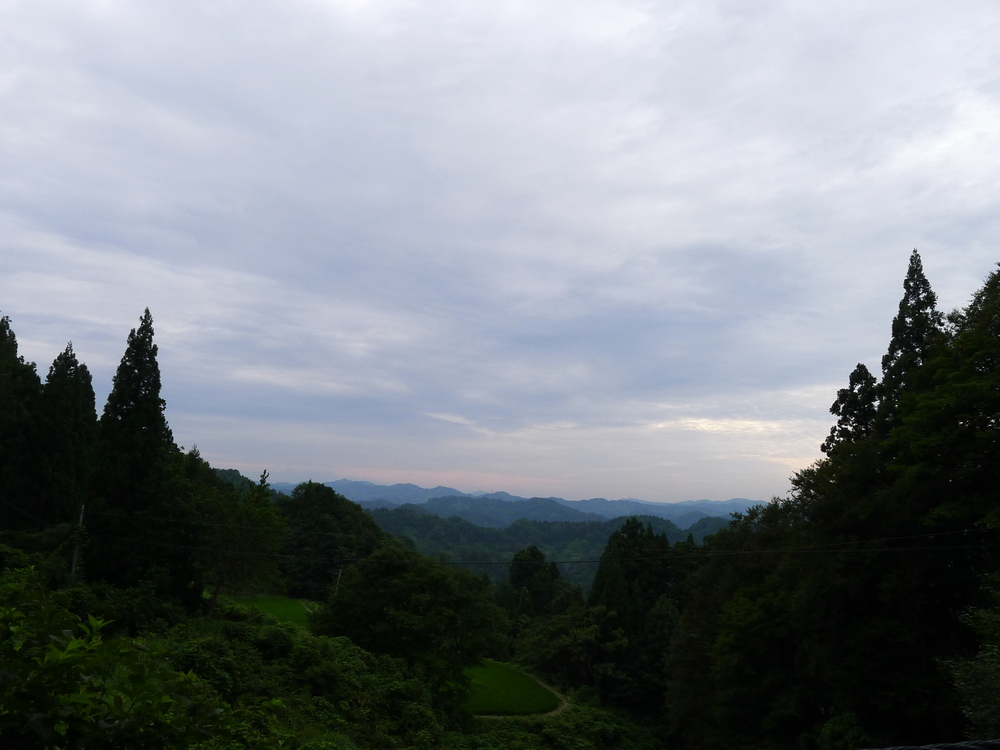
 Typical landscape in Niigata prefecture
Typical landscape in Niigata prefecture

Summer in Japan

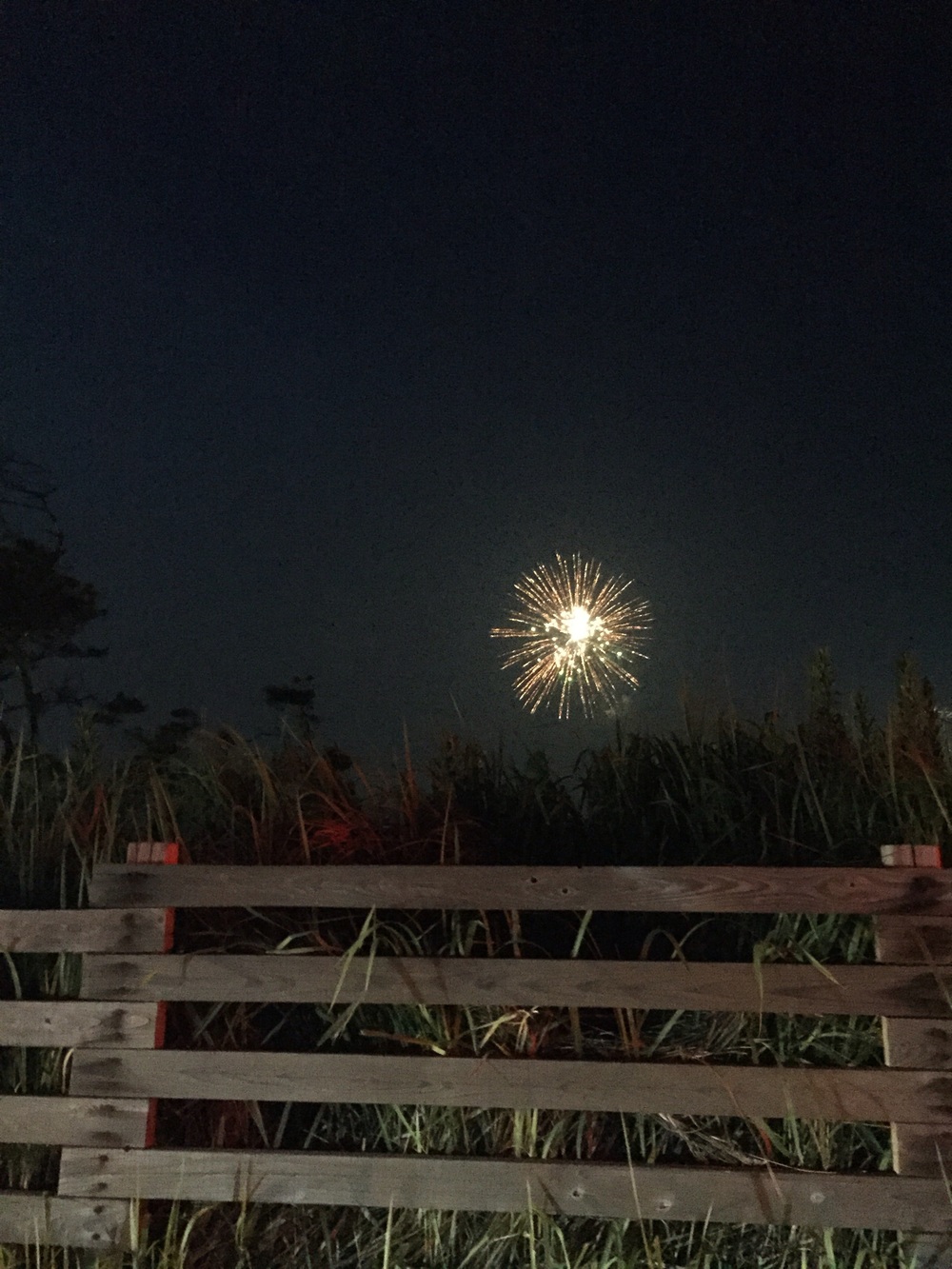
 Ichinomiya hanabi taikai
Ichinomiya hanabi taikai

Tokyo summer is hot and often humid but it’s an amazing season and it’s usually short (too short), with the peak of summer starting from the second half of July until usually the first typhoon of August. During the summer there are two things really important: summer festivals (夏祭り-natsu matsuri) and fireworks (花火大会-hanabi taikai). Recently we haven’t beeb to often to summer festivals, they’re often too early during weekdays (they usually start at dusk and last only one or two hours), too crowded on weekends.  For fireworks, well, it’s a bit the same actually. There are a lot of huge fireworks all around Japan, and we’ve seen plenty. In Tokyo: Arakawa hanabi, Sumidagawa hanabi, Edogawa hanabi, Tokyowan hanabi… are probably the most famous. We are lucky enough to live by the Sumida river and have an ideal view on Sumidagawa hanabi taikai so usually we would watch it from home. But this year we had the chance to watch also seaside hanabi taikai: the one from Ichinomiya, and the small one from our village Ohara. Big hanabi drain a real lot of crowd and require a real organization if you want to attend and see them properly, you need to secure a place to park your car/bike/bicycle, to secure a spot with a good view, and a return route. Taking the train is usually not an option, most stations around are either closed or just so crowded that it’s almost insane. How many times did we get caught in traffic, in crowd flows of drunken people, for me it spoils the whole event… Smaller hanabi taikai in the countryside are shorter, less impressive, more confidential but much easier for logistics and with a local family atmosphere that beat largely the the huge ones. Now, I definitely like that one better. The one in Ohara for example lasted only 30min, but we could easily access to the beach and find a nice and quiet spot to enjoy it. There are many all around Japan, I can only but recommend you to try!

And if you don’t have the chance to see a big one at least you can buy fireworks in any konbini and have your own little firework at home or on the beach) and that is a lot of fun!!! 

 Playing with fireworks in the garden
Playing with fireworks in the garden

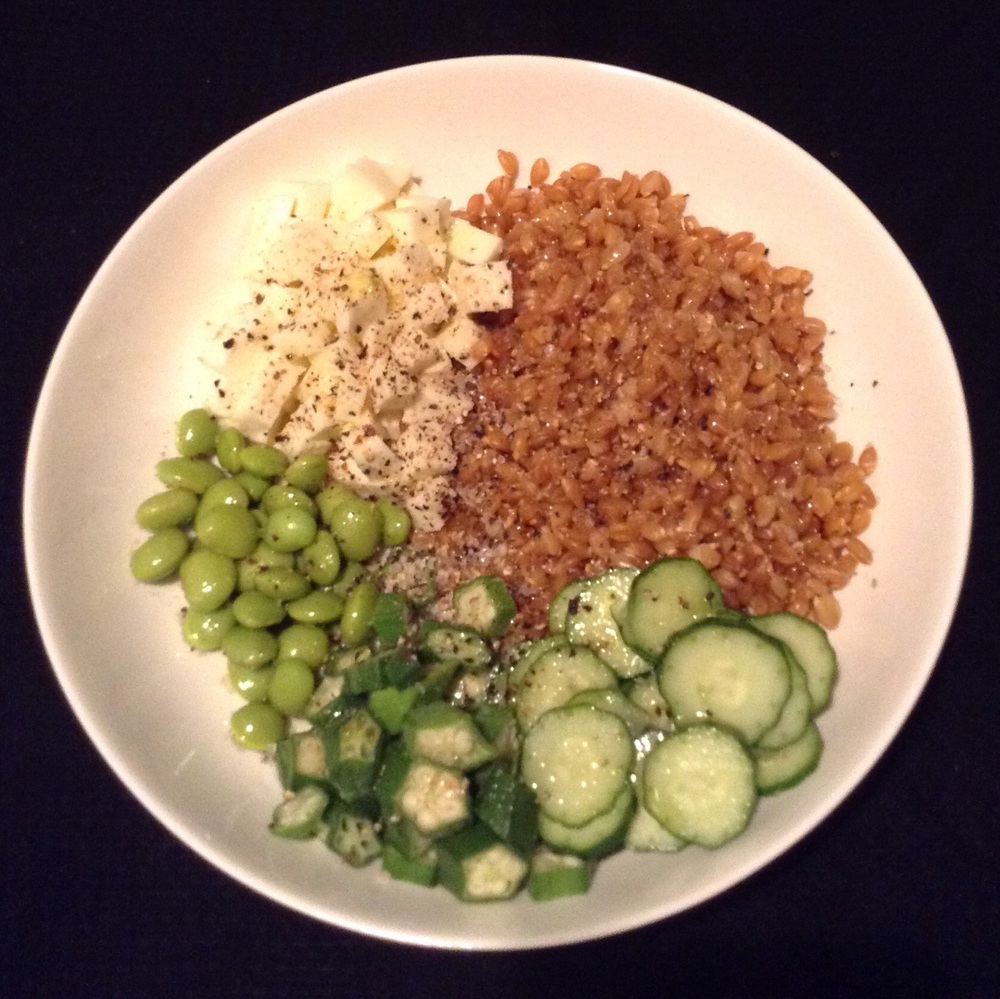
Spelt and mozarella salad

OK! I promise this might be the last post about summer salads!!! But this past days I’ve really tried a lot of new things and each was a great match. This spelt and mozarella salad is an other example. 

Simply boiled spelt, cucumber, ocra, boiled edamame and fresh mozarella diced, a lot of pepper, and always delicious olive oil.  

Okinawa fresh products

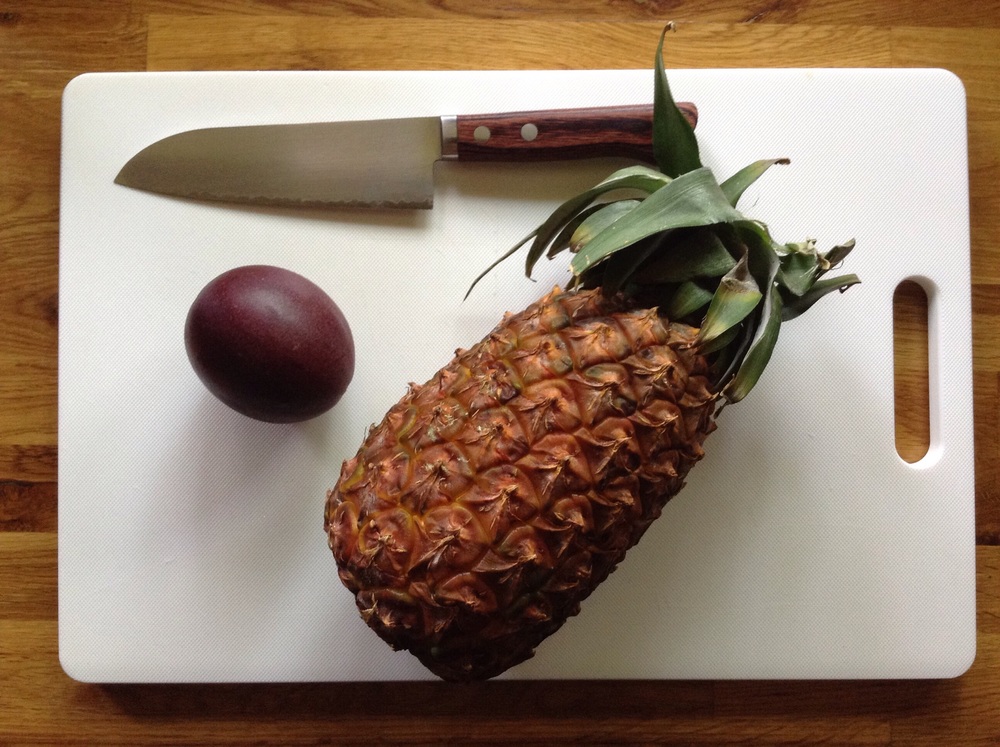
I discovered passion fruits while traveling to the Seychelles when I was 6. On Bird island I ate my first one and immediately loved the juicy, sour, sweet, crunchy little fruit.

Back in France I’ve eaten passion fruits but nothing to compare with the one that haven’t travel so long.

Japan islands span over such a long  North-South axis that Okinawa offers delicious tropical fruits and it’s only A a 2h-flight away from Tokyo. When we travelled to Ishigaki three years ago we fojnd several farms growing pineapple, passion fruits, mangoes, dragon fruits… That also offer to send to Tokyo anytime you want. It’s a very nice manner to have super fresh fruits from Okinawa in Tokyo. The other way is to go to Ginza Okinawa’s shop. (Each region of a Japan has a sort of antenna shop where you can by local products, most of them are located in Nihonbashi-Ginza area)

The shop sells Okinawaian products of all sort, and the visit was originally motivated by my husband needed some accessories and parts to repair his sanshin (Okinawa’s traditional music instrument). And so it was a good opportunity to get some delicious fruits and in particular perfect passion fruits!! There is nothing as such to start a day than a little salad with pineapple, passion fruits and blueberries!

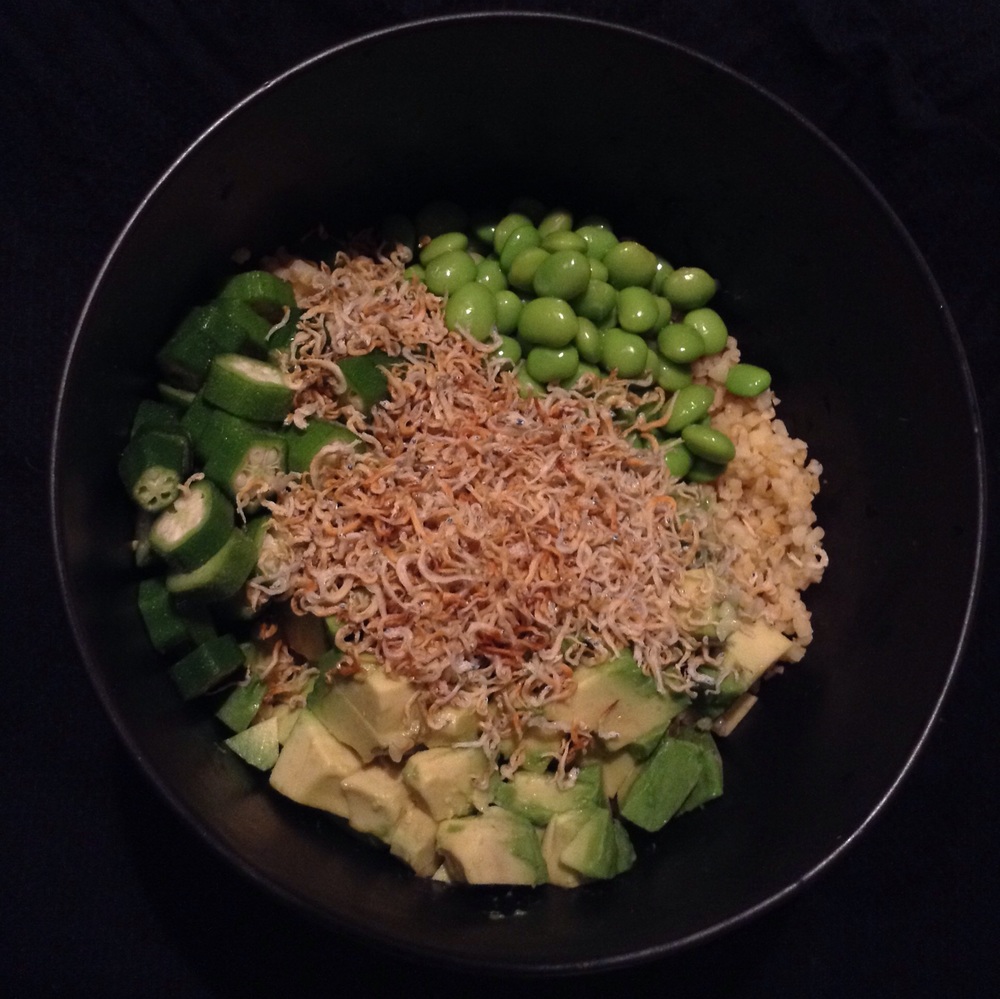
One more salad, or bulgur donburi

In my search of the perfect summer salad I’m making a lot of trials, never twice the same. Of course as I was writing in my earlier post all have in common a cereal or carb base: bulgur, rice, pasta, couscous… Tons of fresh vegetables: mainly tomatoes, ocra, cucumbers, a very light or non existing dressing. My salad today ressemble more a donburi for two, with Japanese style accomodation. I boiled some fresh edamame, added some sliced ocra and a perfectly rippen avocado, and a finish with grilled chirimen (very tiny half dried and a bit salty fishes). A perfect combination of softness and crispiness, of sweetness and saltiness. A really delicious mix and a great variation from regular rice donburi.

Nashi – 梨

This fruit is always considered as an awkward thing by foreigners in Japan because the nashi has the shape and size of an apple with the skin of a pear and the flesh of something like a pear but munch more crunchy and juicy, with a mild and fresh taste. So basically nothing to compare really neither to apple nor pear. Nashi is the utmost fruit of summer with watermelon. When eaten cool it is so fresh and juicy that it is the perfect snack for hot summer days. It is also a good match for busy breakfast because it is so easy to peel and prepare. Well, you’ve understood I simply love nashi! And I’m awfully lucky because Isumi is a great region for nashi, with a lot of nashi orchards and tons available at the farmers market and local farmers cooperative.

In the past I did some trials such as nashi tart, nashi compote… It was good, nashi supports well being cooked but the taste which is originally very mild due to the high quantity of water doesn’t reveal much in cooking as apple or pear do. So now my recommendation is to eat it just raw, accomodated with other summer fruits, or just alone. So perfectly simple and so delicious!

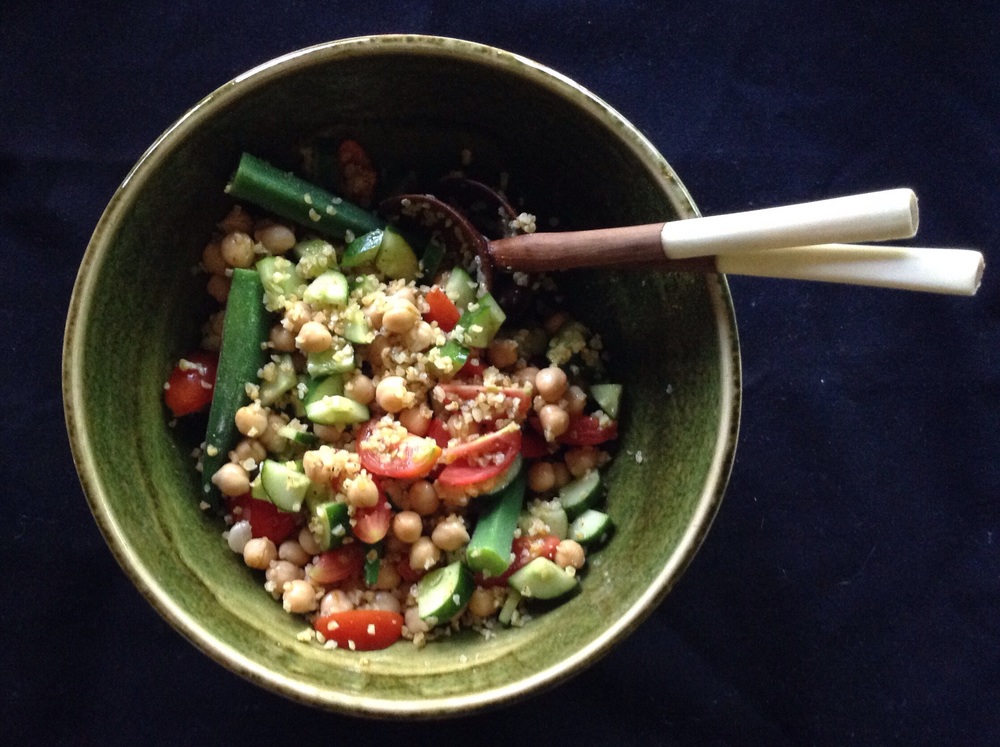
Salad, salad & salad

With the heat in Tokyo it’s hard to spend to much time in the kitchen in front of the stove or with the oven on. So recently I’ve just been preparing a lot of fresh vegetables salads with all sorts of accomodation. I usually bake some rice, bulgur, pasta, cheak peas for two meals to reduce the heat up of the kitchen, and then accomodate in a different manner each time. I will introduce a few this week.

Today is a simple chick peas and bulgur base with tomatoes, cucumbers and ocras, all with a bit of olive oil and a mix of north african spices. 

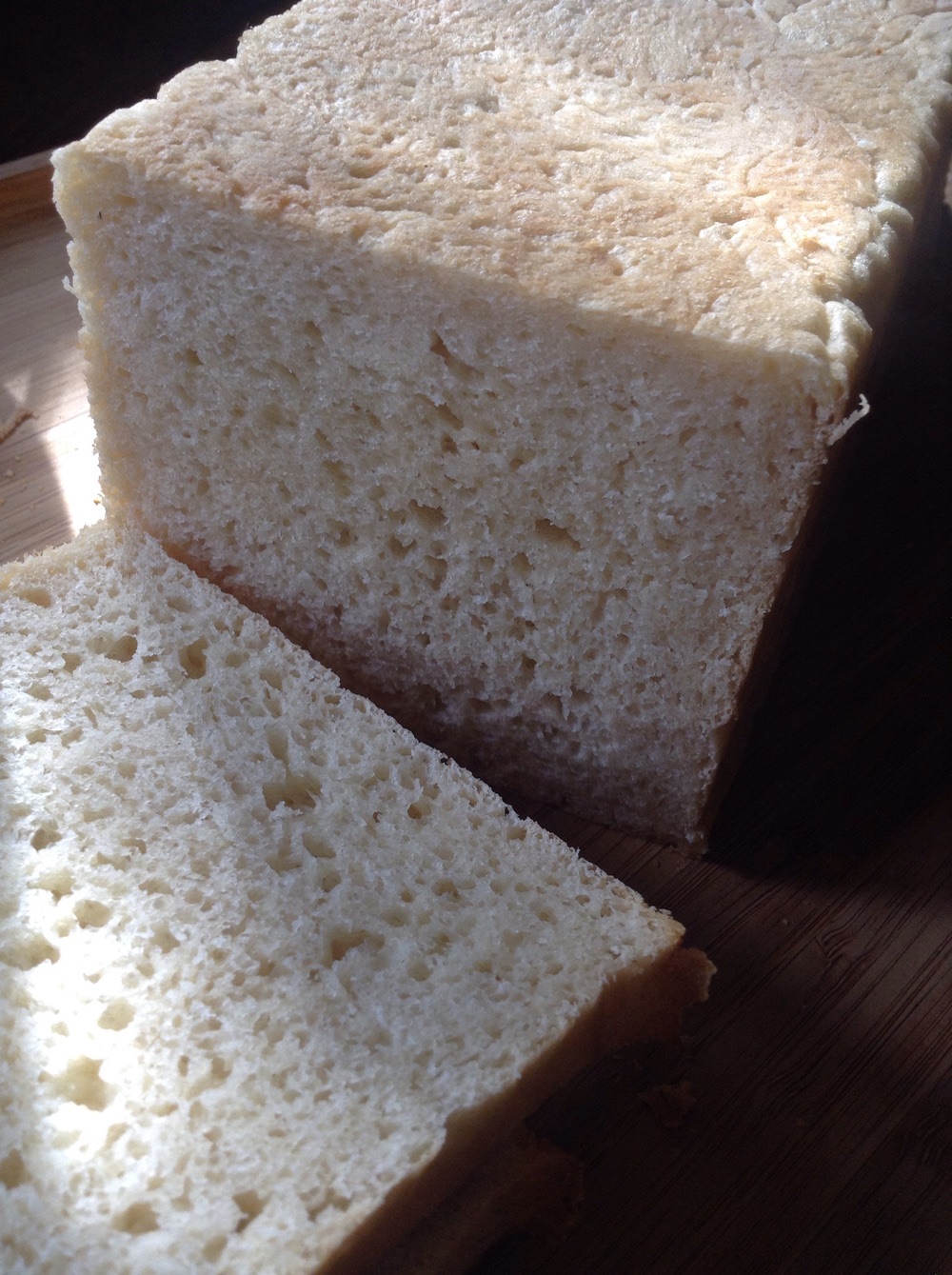
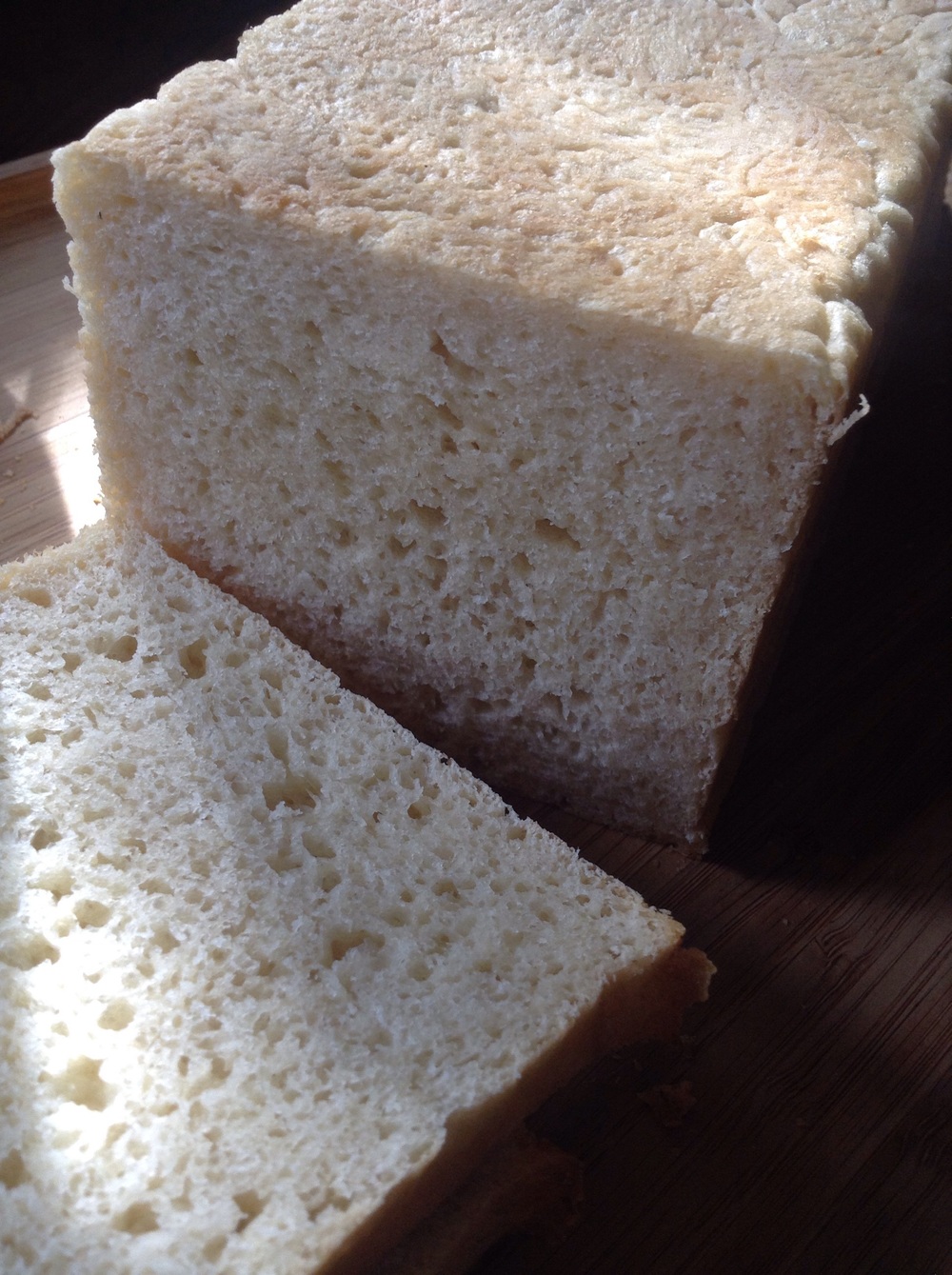
Pain de mie

Pain de mie is a classic and delicious bread, very easy to use in many different ways: toast for breakfast, sandwiches, snack… There are two ways to prepare it based on the same recipe depending on what you want: a fluffy golden bread or a perfectly square and uniformly baked bread. I was opting for the latter and wanted to use my covered pie dish. Yet this dish is really huge and I needed to prepare a large bread, and needed a large bowl to knead.

Finally all equipped I prepare my bread with the following ingredients and proportions:

500g of flour; 280g of water; 20g of sourdough; 20g of yeast; 13g of salt; 15g of powdered milk; 40g of sugar; 45g of butter. After mixing all the ingredients wait for 90min before putting the dough in the greased dish and close the lid. Wait an extra 60 to 90min before baking at 170deg for 30-35min. 

This made a large bread, slightly too big for my dish wich is about 12cmx12cmx30cm but the result was perfect to make our breakfast sandwiches to eat on the beach after our bodyboarding early morning sessions.

Simple summer lunch

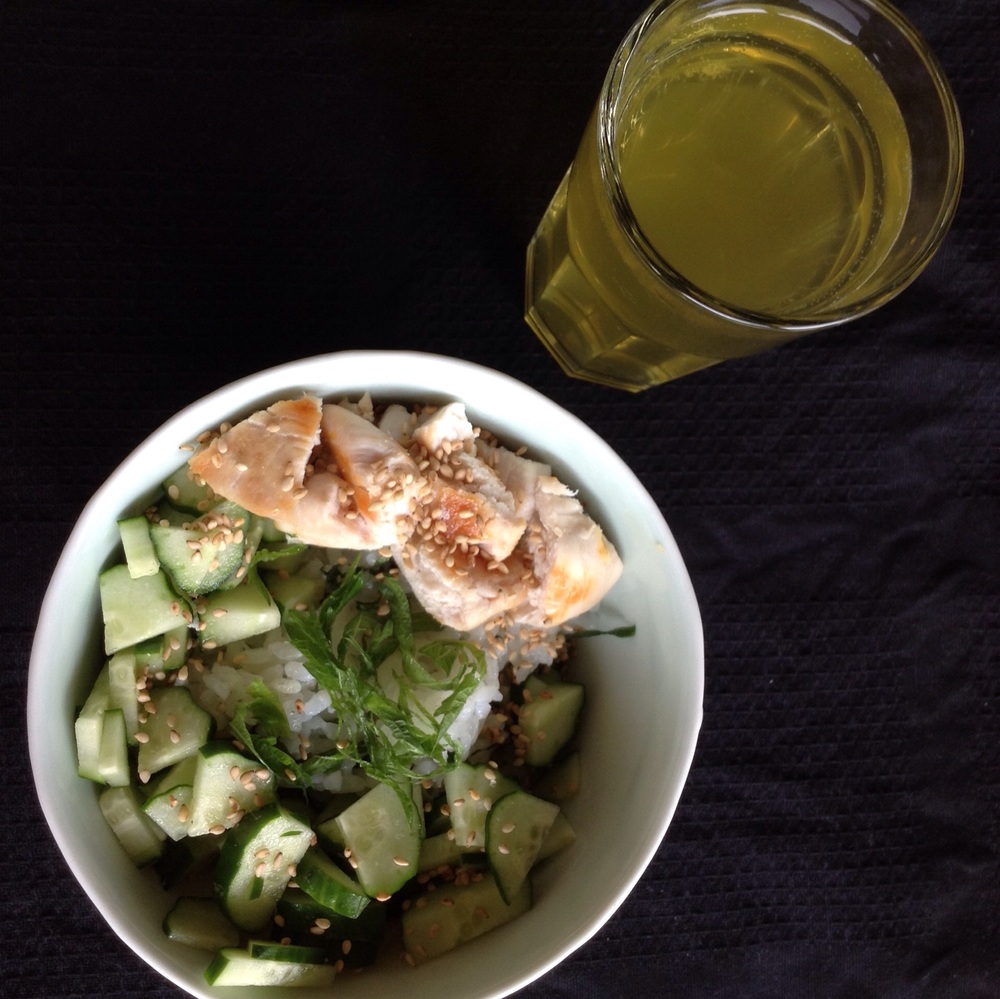
When the temperature exceeds 30deg day and night I only can eat very simple food. Japanese rice is really delicious when it’s hot, and it suits very well simple preparations, without any fat nor dressing. Donburi is always a good and simple way to prepare a rice based perfect meal. This time you can’t imagine something simpler: plain white Japanese rice, fresh cucumber, grilled chicken breast chopped, and a lot of shiso leaves finelly cut, a few sesame seeds for perfection. Served with a glass of cold green tea. How do you cook when it’s hot?

Proudly powered by WordPress | Theme: Baskerville 2 by Anders Noren.

Up ↑

Verified by MonsterInsights