Japanese flavors meet mum’s classic recipe

In the late spring and early summer, back then when we lived in France, my mother would often cook a potatoes salad with green beans or broad beans and new onion. Or she would prepare broad beans with tomatoes. Broad beans, or Morocco ingen モロッコインゲン, are very easy to find in Japan. In Isumi they seems to be growing quite easily, it’s on the farmers market stall from early June. (Oh! By the way, it seems that the name “ingen” comes from the name of a monk that imported green beans to Japan a few centuries ago!!)

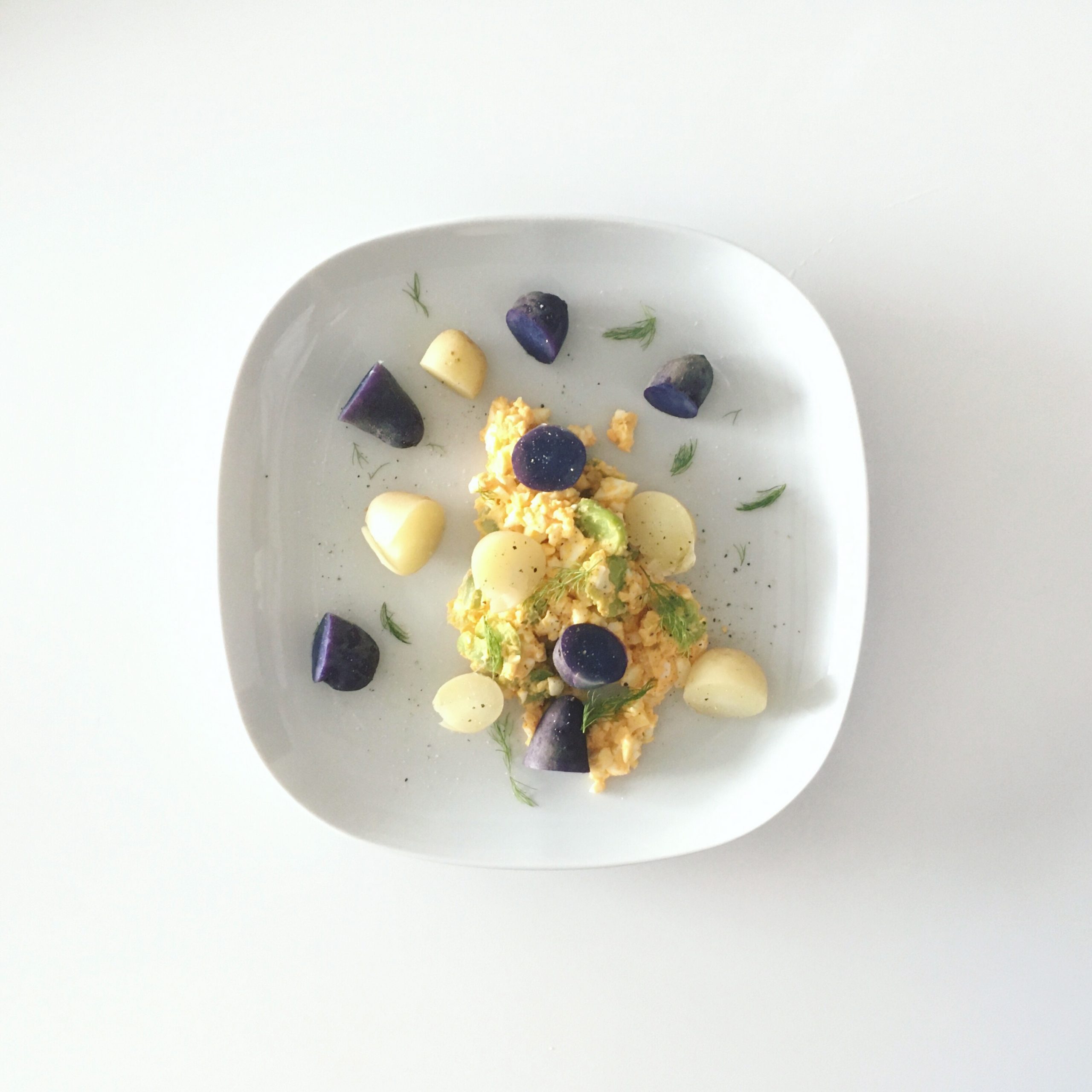
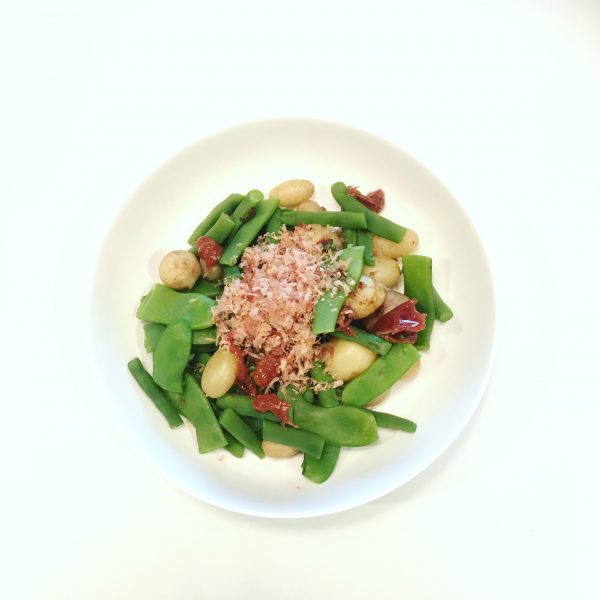
Like my mother, I like to prepare broad beans, and a potato salad is always handy because it can be prepared ahead of time and doesn’t need to be refrigerated. Perfect lunch for a busy day. Though I live the dressing my mother prepare for this salad – her classic recipe is here – I wanted to test the new katsuo flakes from Katsuura I bought recently and I am also trying to finish the last umeboshi from last uear to make space for the new ones that will be arriving in a few weeks. The dressing for my potatoes and broad beans salad was all set. The mixture of flavors, familiar yet newly combined made this recipe really super easy and delicious. So here it is.

Japanese flavors potatoes and broad beans salad (serves 2)

  • 150g of new potatoes
  • 200g of broad beans
  • 1 large umeboshi
  • A handful of katsuo flakes
  • 1tbs of soya sauce
  • 1tbs of olive oil

Boil the potatoes and broad beans. Do not over cook the broad beans. Drain. In a bowl add the vegetables, extract the flesh of the plum, scatter it on the vegetables. Add the olive oil, the soya sauce, top with the katsuobushi. Serve at room temperature or cold.
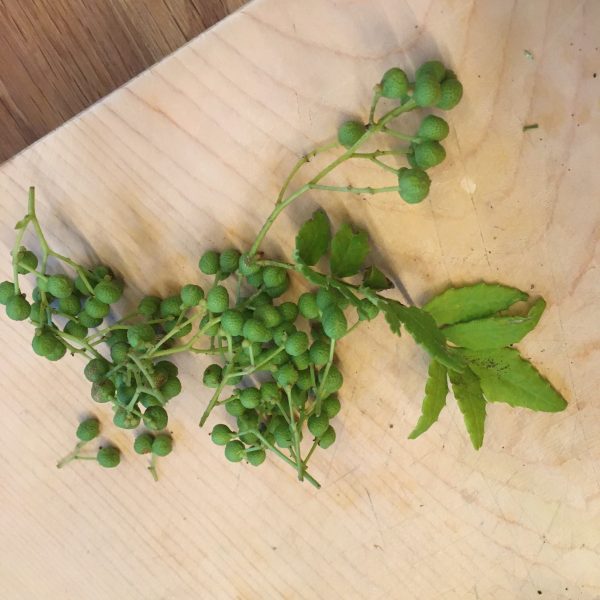
Sansho – 山椒

This shrub looks like nothing particular in the garden, yet it bears fragrant leaves and fruits. It is sansho -山椒 or Japanese pepper.

I planted the tree the very first spring we started our kitchen garden, and without failure it has produced the fragrant leaves we often eat during early spring with bamboo shoots, and later in June the little tiny fruits that are so recognizable in Japanese cuisine. The shrub grows steadily and the fruits are very fertile meaning you have sansho in the garden and don’t harvest the fruits, they will quickly sprout everywhere! So I devoutly harvest them for our own usage and to give away.

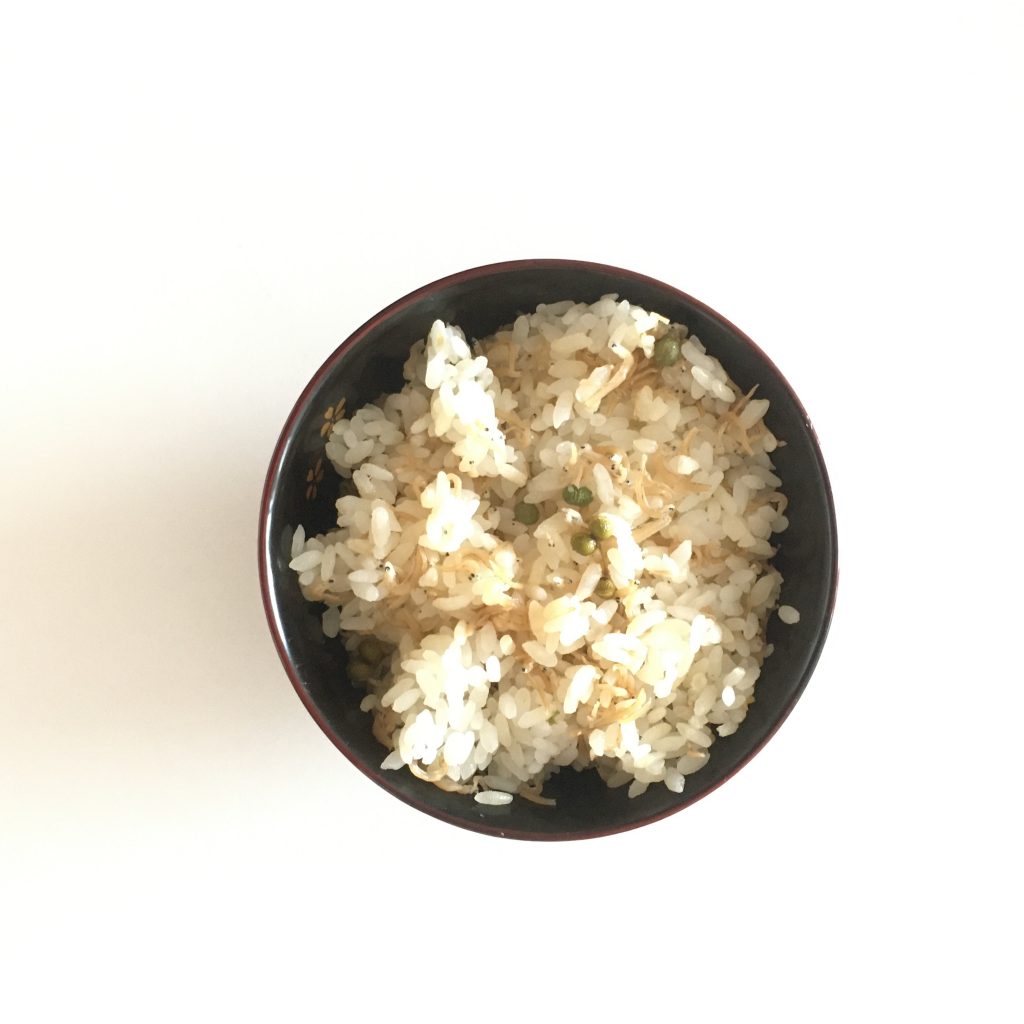
I particularly love one recipe of sansho that comes from shojin cuisine. It just blends the typical Japanese flavors or soya sauce, sake and konbu with sansho. It is very simple to prepare and can keep forever in the fridge. Which means you can harvest your sansho, prepare this recipe and eat sansho all year round until the next harvest. So here is the recipe. I love it with plain white Japanese rice and dry chirimen.

Sansho preserve

  • 1/2 cup of fresh sansho seeds
  • 1/4 cup of soya sauce
  • 1/4 cup of sake
  • 8 pieces of konbu of 1.5×1.5cm

Wash the sansho and remove the stems. Put all the ingredients in a small pan and cook at low heat under cover until the liquid is just enough to keep everything moist. Let cool down. Put in a clean jar and keep refrigerated. Use whenever you want. Isn’t that sinple!

Loquat – 枇杷

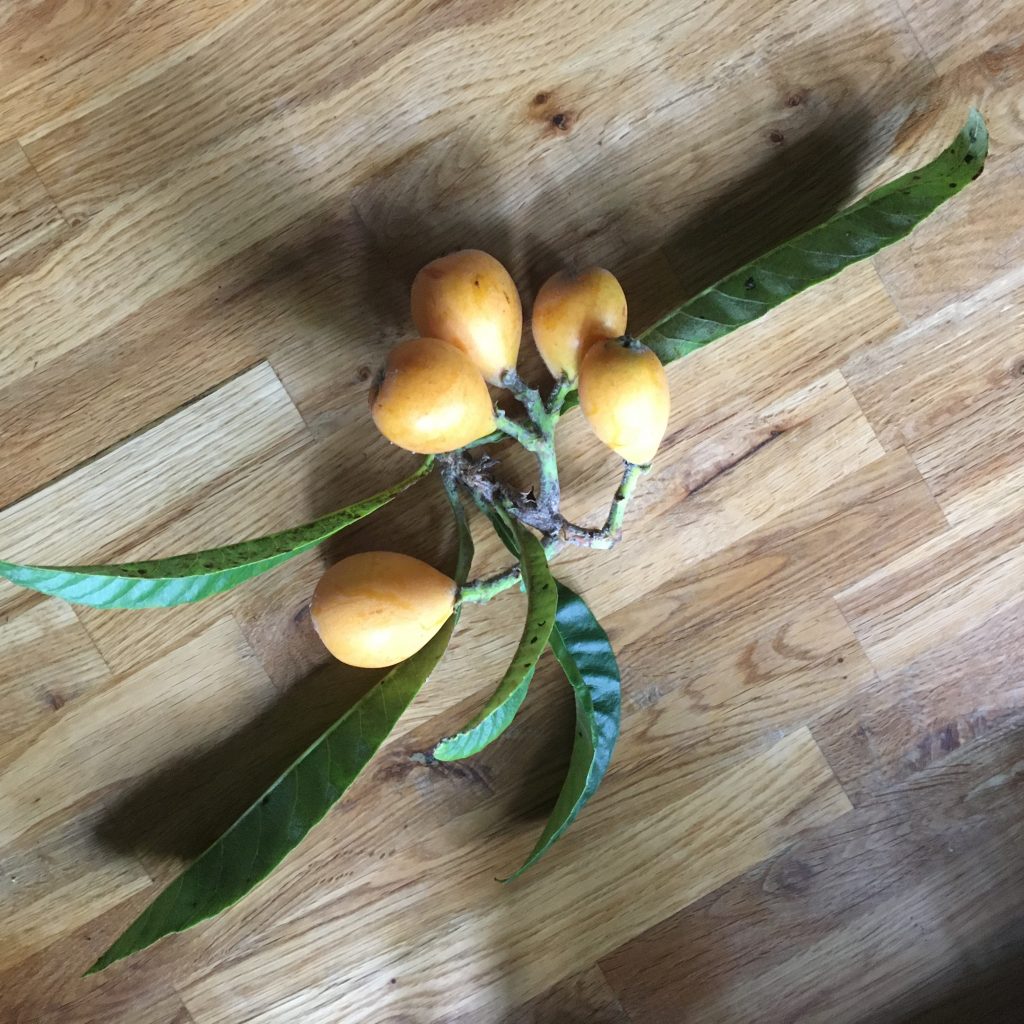
Among the many trees in our garden we have in the very back of it a loquat tree. Loquats-枇杷-biwa are quite common in Japan and have been there around for long enough such that a music instrument bears the same name but writes differently 琵琶.

The location of the tree in our garden was very unfortunate, it is near where we have a space designed to burn garden green trash, and it was in the shadows of the edge trees of our neighbors. While we have stopped burning garden trash and now compost them or dispose them, our neighbors also cut the edge trees last year, and our garden is now benefiting for a lot more sun light than it used to. This two factors combined, our loquat tree has produced numerous large sweet fruits this year, which compared from the tiny sour fruits it used to produce was a big surprise. I used to give the fruits to birds, now I decided to harvest quite a few.

Loquat are good eaten raw in fruit salad, with yogurt or fromage blanc. They are just a bit tedious to prepare. The peal comes of easily, so do the seeds, but there is this harder part between the flesh and the seeds that I don’t like and prefer to remove. So when it comes to preparing loquats, I like to prepare several at the same time. Having my hands all covered in juice… unfortunately they oxyde very quickly so you can’t prepare them to long ahead before eating. Not that it alters the taste, but the bright orange color turns quickly in a brownish, not very appealing.

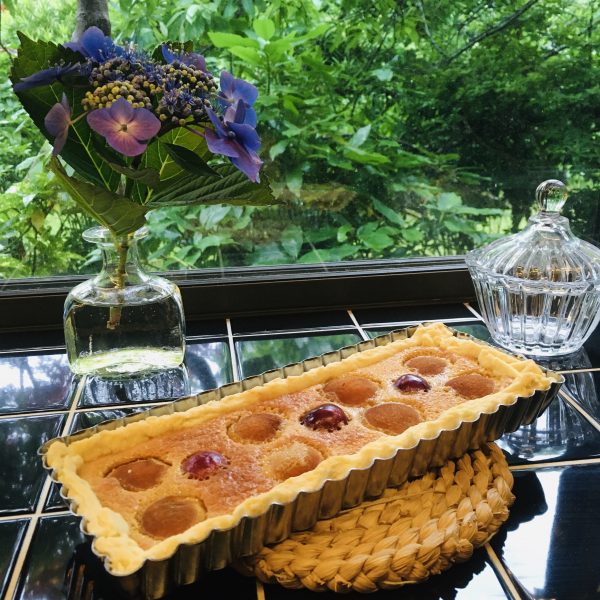
My all time favorite for eating biwa is definitely in a tart. Like you would do for apricots, with a sable pie crust and an almond powder and egg base. Not too sweet, as the fruit is very mild in taste, you don’t want to overwhelm it with sweetness. I used also no sugar in the pie crust. Just butter and flour, and a bit of water.

And since I had a few cherries left from the clafoutis I made, I added a few. Very good balance in flavor, juiciness, sweetness and sourness. After baking until golden, eat rapidly as the loquat oxydation continues even cooked…

Now is the season of loquat in most north hemisphere countries, so enjoy them as you can and have a good week!

The garden doesn’t wait…

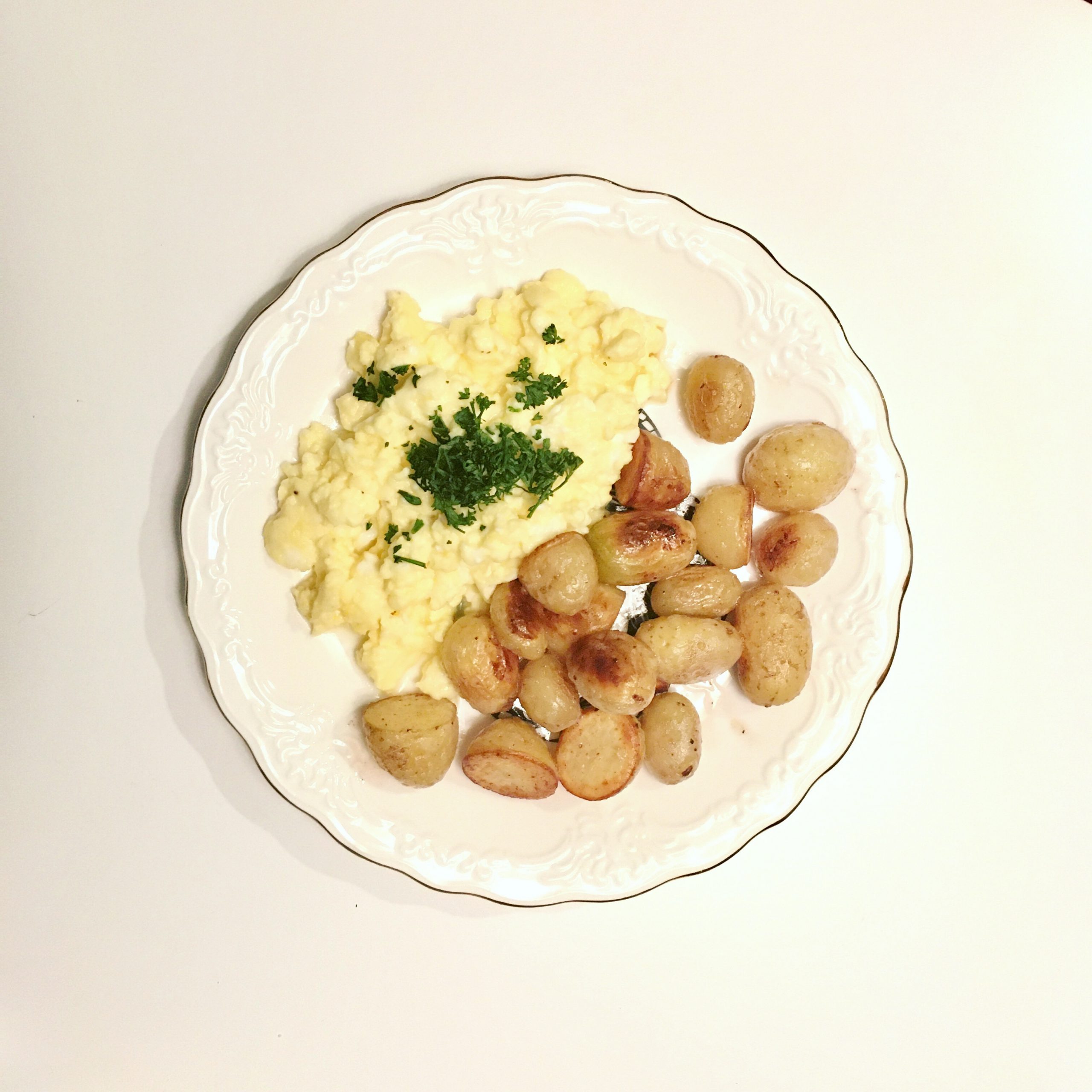
I know it, but sometimes nature reminds it violently to me… whether it’s a roof tile broken during a typhoon by a branch we neglected to cut, an overflow of the gutter because it was filled with fallen leaves… I learn my lessons. I also now monitor more closely the plants and trees, can predict and treat ahead of pests to avoid damages, so I’ve been busy… but when I discovered my potatoes were sick I was very disappointed. Last year they grew so easily… so last weekend I took action by making horsetail decoction to treat them and harvesting the most endangered ones. Which ended up beautifully in our plate with plenty of new potatoes to eat!!!

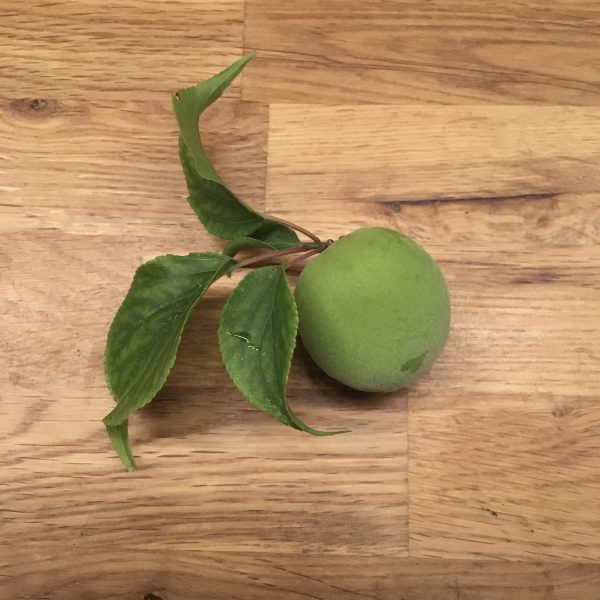
But today when I discovered that two large trees I like particularly have been attacked by pests I was devastated. Seeing them weakening and loosing all their leaves… I again took action immediately… but all nursing my plants and trees I had little time to harvest plums, so tonight, right before the sun went down, I decided to start. Only to realize that I will have to downsize my production of plum syrup, because in this last week the warm weather has turned the green plums into a pinkish orange, and they now will be more appropriate for umeboshi… the garden never waits for you. If you’re in time good for you, if you’re not, too bad… you need to move on, and wait another year…

Hopefully, I still harvested a few green plums to prepare some plum syrup ume shiroppu 梅シロップ. I have something with syrup usually in summer, but not only, I always have had. I have always loved them and I remember my dad bringing me a glass of grenadine syrup, very diluted, in the morning before going to high school… I’ve never been a morning person and for more than 20 years I never had breakfast except something to drink. The plum syrup is really nice because it can be drunken cold or hot, which makes it year round drink, very enjoyable in the winter after a body boarding session or on the tennis court. Indeed, because it is very simply made, not only it tasted great, it is also full of nutrients, highly diluted it makes a good recovery drink after effort. Add to that the salty plum juice umezu 梅酢 from making umeboshi and you have the perfect energy drink sweet and salty, 100% homemade and sweet and salty to your taste! For 500ml of recovery drink I use 2tbs of plum syrup and 1tbs of umezu then add water. When it’s really hot or effort really intense I use 2tbs of each.

One week…

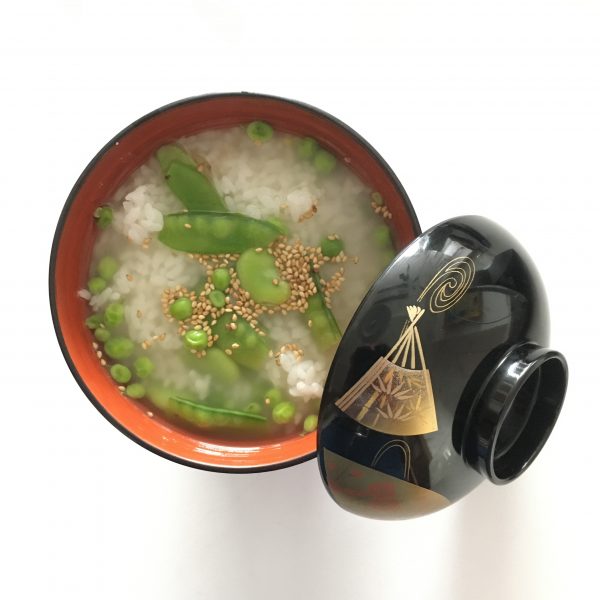
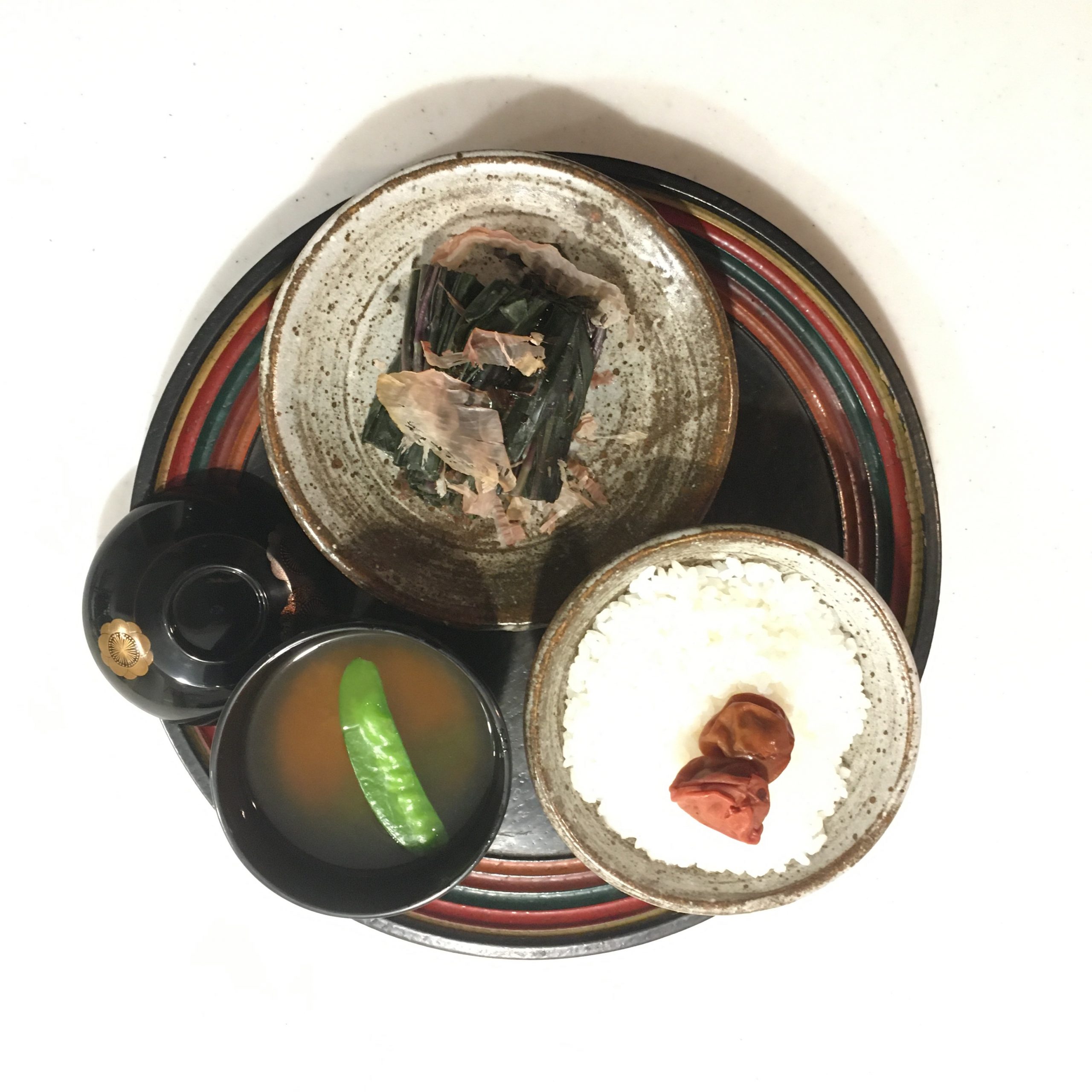
This week was just like another, but it felt looooong and painful, busy with work (I’ve started a new online robotics course that keeps me busy, among the many other things I work on)… It was also our first week of telework for the both of us together in our new apartment with schedules not necessarily matching very well to have lunch together or go for a walk together. And the first week of really warm weather, summer warm, and of air conditioning. I always have a hard time adjusting to it and I felt little appetite for a few days, rare enough, and even more rare no appetite at all for chocolate. Instead I craved simple food and simple ingredients and in these situations rice, more particularly ochazuke, has been one of my best answer. Since ochazuke with vegetables is seasonal, ochazuke in May is different than ochazuke in December and the recipes I have posted so far, even if the base dashi could be similar. For a spring ochazuke I used a plain dashi of katsuobushi, but ichiban dashi would work as well, and if your vegan or vegetarian you can opt for konbu dashi only or shiitake dashi, in which I cooked some green peas (there will be more green peas recipe coming soon!!!) and some snap peas. I added after serving a bit of sesame seeds.

This dish is perfect eaten not too warm, it provides energy while having greens and liquid with strictly no fat. And it is tasty without being overwhelming.

And in a flash the week was almost over, passing with me not sharing any new recipe as I have cooked a little less or rather very simple food… I promise to do better next week!!

Yama udo

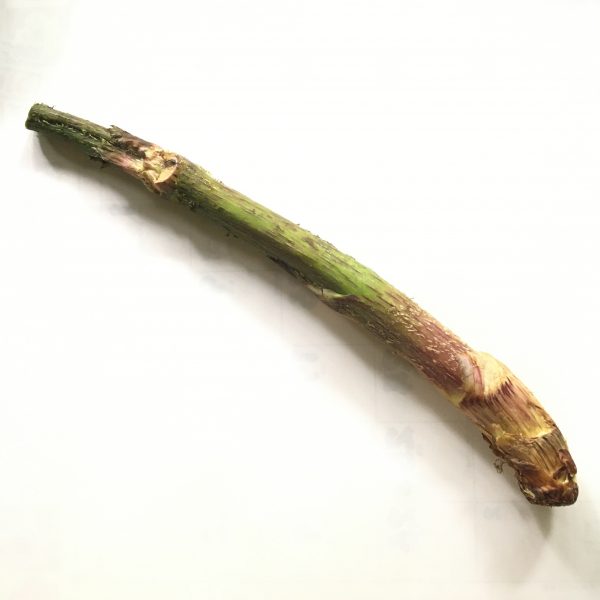
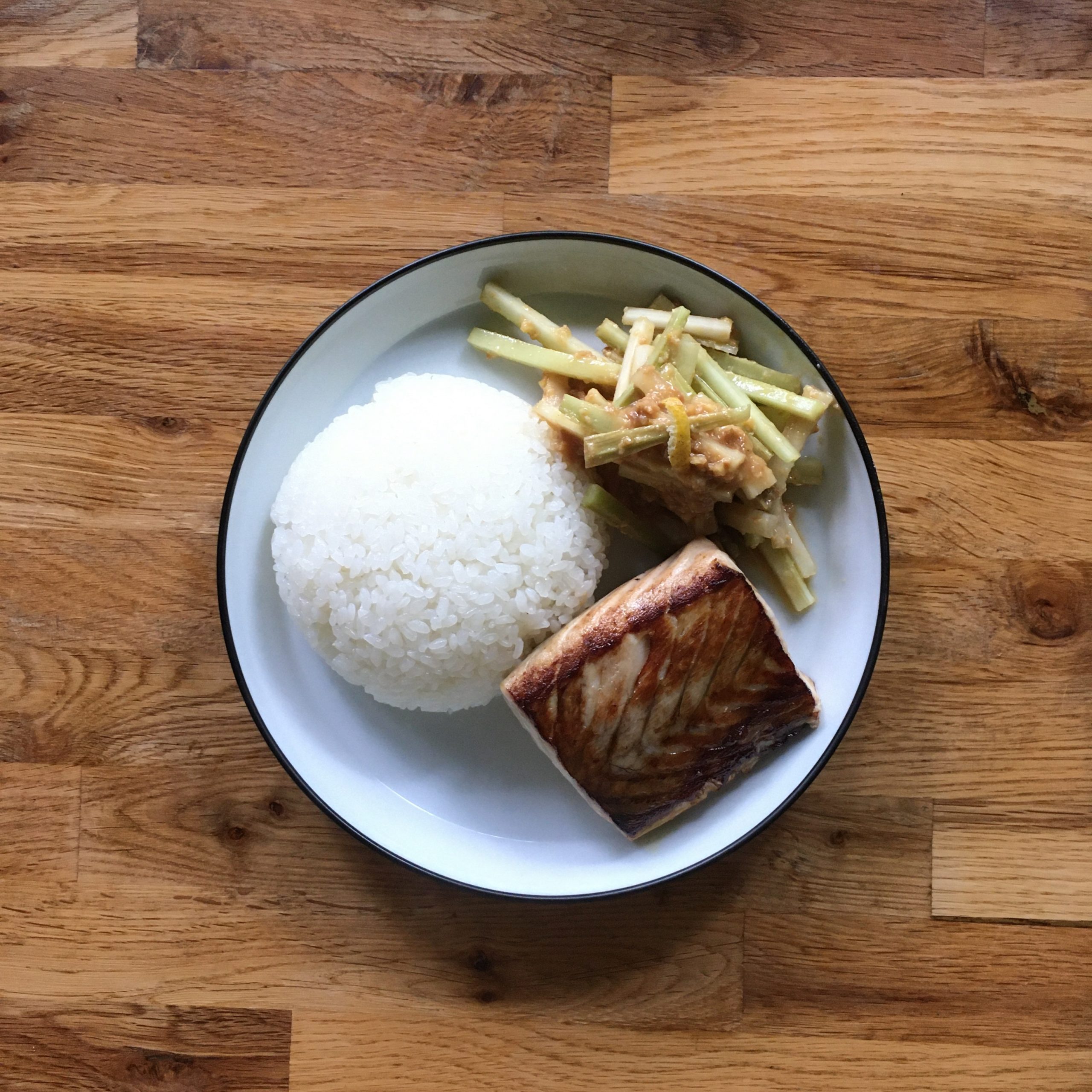
One of the wild spring green I like to cook is udo or rather yama udo ヤマウドウ. It is a kind of long stick that likes to grow on steep road sides and is very easy to prepare, with a distinctive taste but not strong such that of fukinoto. One preparation that is really easy is with miso in miso ae. Usually I would blanched it to soften it a bit and remove its bitterness or tartness, but I realized while doing a bit of reading, that vinegar water would work as well, which for the lemon-miso ae I wanted to make was more than perfect. Indeed, while I am waiting for my lemon tree to bear fruits (I lost all last year in early strong winds and heavy rains), I found some delicious lemons at the local market. Hence, recently there has been a lot of lemon in my recipe, the lemon cake, lemon pancakes, lemon pasta… The vinegar miso ae is taken to a new level of rich flavors with the addition of the lemon. It works the same way as yuzu miso. That said my recipe today is really super simple, and if you can’t go to pick yama udo yourself or find some, you can try with regular udo. Its taste is much milder but that works very nicely too. And if there is no udo where you live, try with wild asparagus or green asparagus, that will work fine as well.

Yama udo with lemon miso ae (2 servings as side)

  • 1 udo
  • 2tsp of miso (I used my homemade miso)
  • 3tsp of vinegar (I used rice vinegar)
  • 1tsp of sugar
  • a little bit of lemon zest
  • a little of lemon juice (about 1tsp)

Peel the udo and cut in 3cm long pieces. Then slice vertically with about 2-3mm thick, then make sticks. Set in a bowl with water and 2tbs of vinegar for 15min.

In the meantime, in a bowl, mix the miso, 1tbs of vinegar and the rest of the ingredients. Stir well.

Drain well the udo and add to the miso mix. Stir well and serve. That’s it, really simple isn’t it?

I served it with grilled sawara (Japanese Spanish mackerel) and plain white rice.

Bamboo shoot again!

We are moving in our new apartment tomorrow, but getting everything ready and working doesn’t mean not cooking, we have to eat 😉 Luckily we are only moving vertically so it’s quite easy to go and meet with the workers in between two online meetings, and anyway we decided not to do a lot of renovations first rather wait to see how we live in that new place. Our main idea was that since we spend most of our week days at work and most of our weekends in the countryside, our Tokyo apartment was oversized, so we wanted a downsizing. Few people want to move to a smaller place but we did. So we found a smaller version without a guest room we decided to move… well that was before Corona and simultaneous telework, so maybe not the most judicious timing… but one has to take opportunities when they come!

What does moving has to do with bamboo shoots??? Nothing… it’s spring, the soft pink of the sakura season is over and made way to the bright pink and fuchsia azaleas, and bamboos are growing growing growing. I even saw some in Kitanomaru park during one of my daily walks. But as I said before, the season is very short, so it’s better to enjoy them without delay.

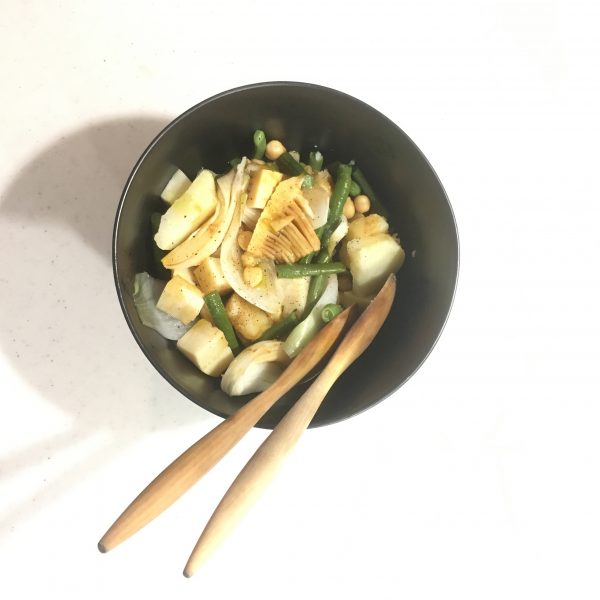
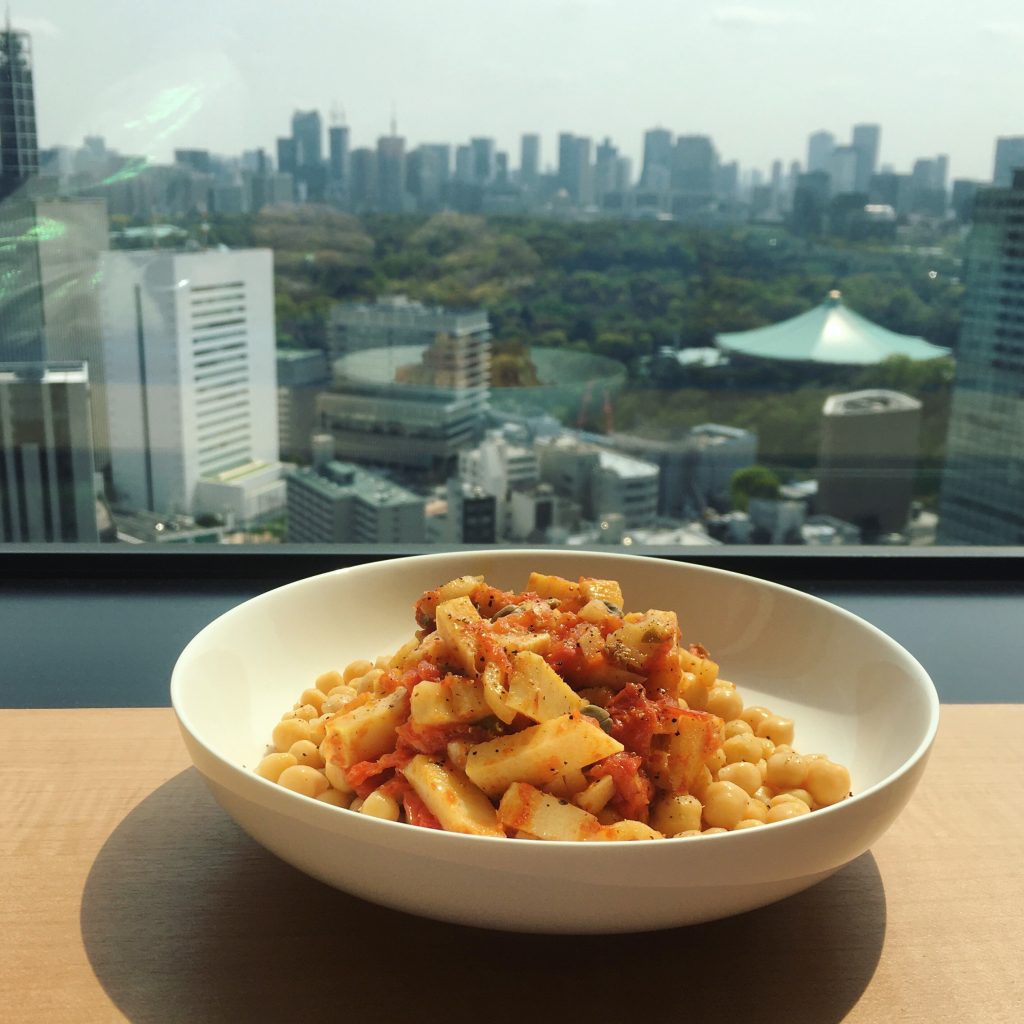
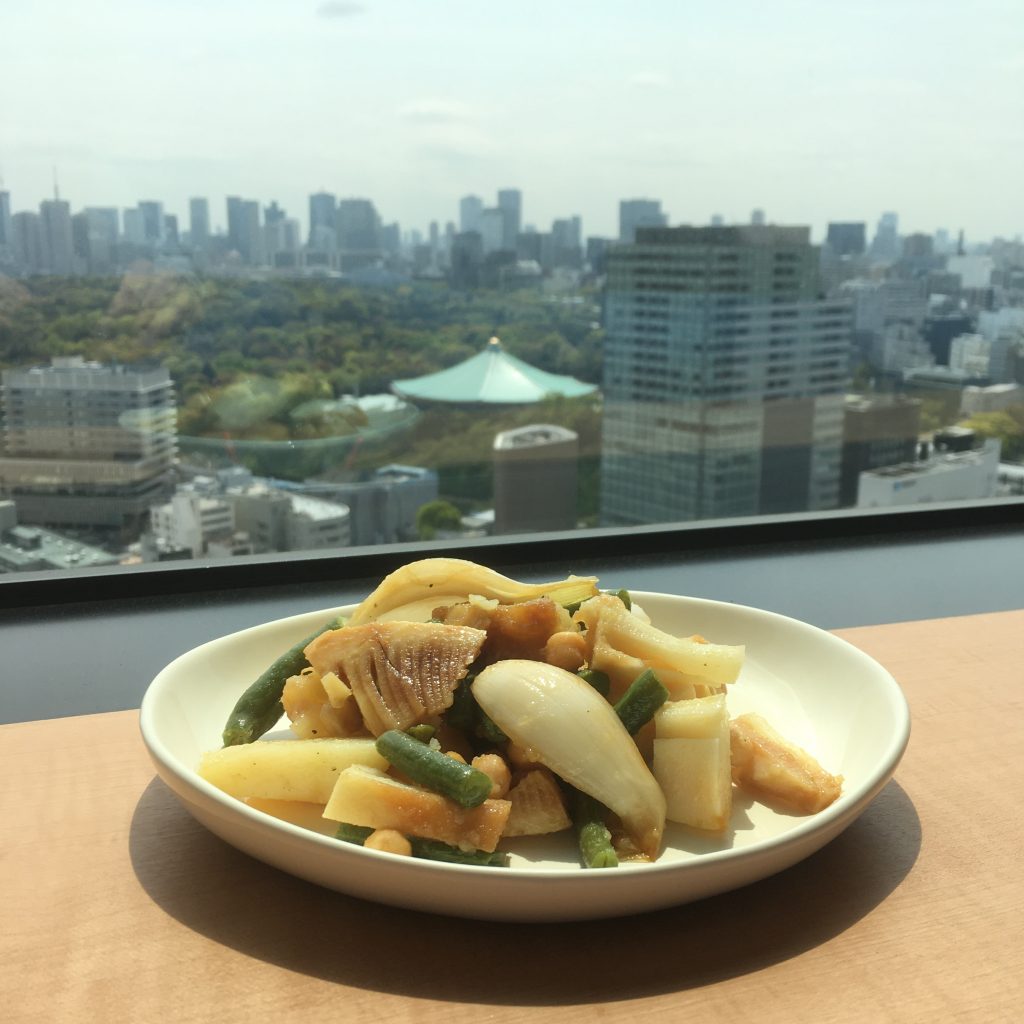
I presented in the past some bamboo shoot recipes but this week I came with a few more ideas and wanted to share them with you. Both recipe today are mixing Mediterranean and Japanese cuisine, and the key is a fragrant olive oil. The first one is a chickpeas and tomatoes ragu, the second is more of a leftover type of recipe. Indeed, because we’re moving I decided to empty the fridge and the pantry as much as I could. And because we’re moving also and our view won’t be as dramatic as the actual one I shoot a few more times my lunch plate with a view…

Chickpeas and bamboo shoots ragu

– 1/2 bamboo shoot

– 2 cups of boiled chickpeas

– 1 large ripe tomato

– a few capers

– fragrant olive oil

– salt and pepper

Prepare the bamboo shoot as usual by boiling it in rice water fir as long as it needs to be soft (a tooth pick should easily enter.

Boil the chickpeas.

Wash the tomato. In a large pan generously oiled with a good olive oil add the tomato roughly cut. Cook until you obtain a smooth tomato sauce. Add salt and pepper and the capers, the chickpeas, and the sliced bamboo shoots. Stir and add a bit if olive oil, serve and eat warm or cold. That’s it!!!

Leftover bamboo salad

– 1/4 of bamboo shoot boiled

– a handful of boiled chickpeas

– 2 large boiled potatoes

– 1/2 new onion blanched

– a handful of boiled green beans

– fragrant olive oil

– 1tbs of soya sauce

Cut the bamboo, the potatoes, the onion and the green beans, dress in a bowl. Add the chickpeas, the soya sauce, sone olive oil, stir gently and eat!!!

Isn’t that super easy???

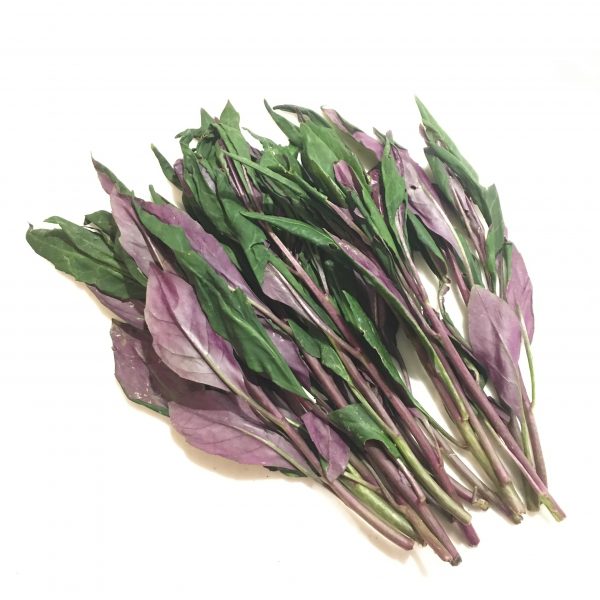
Gynura bicolor – 金時草

Riding our bicycles has given us a new perspective on the neighborhood. Circling a 15km radius from home we have discovered a few new things and stopped at new places that we may have driven through many times bit didn’t really stopped by. When you cycle it’s easy to take a small street or a narrow passageway, to stop, turn back and get a bit lost… every detour is a discovery, and a surprise.

The new beach walk & ride path between Ohara beach and Misakichoizumi park

Riding we discovered a nice swamp, a reclining Buddha in a tiny temple, a new ride along the beach, a busy surfing spot, an old house with a beautiful park enclosed by walls… we also stopped for shopping in a few places: cheeses and fromage blanc at fromagerie Haru, fish at Onjuku, and vegetables at local organic place. That’s where I found these beautiful purple and dark green leaves I didn’t know about. And as usual a locally grown green I don’t know must go in my basket! So here I am with this gynusa bicolor (which name I didn’t know until a few minutes ago). Of course I always ask the local people what they do with a vegetable I don’t know and try it that way first. She said with soya sauce and okaka… which I understood as blanched and then seasoned with soya sauce and katsuobushi. And so that’s what I tried. And that was really very very delicious. So I bought some again today and I will test it again ;)!!!

Have a good weekend!

Bamboo shoot

The short season of this delicious and subtle vegetable has started and it’s time to enjoy it now!!! Usually I would only cook it on the weekend because it requires a very long boiling, but thanks to telework this is something I can cook any day now! That’s the one good thing of working from home! Though with my new rythme since January I was already able to prepare recipes that require a longer cooking time, now I can take it to the next level: bread, Japanese brown rice, slow cooking, and bamboo shoots!!!

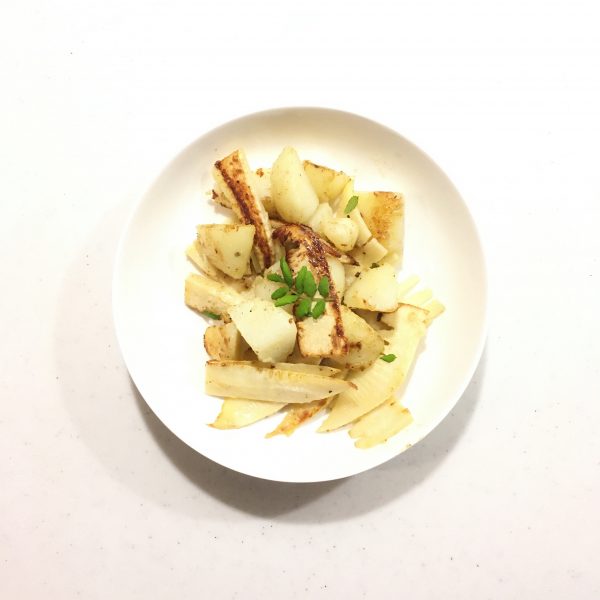
To celebrate that I came up with a new recipe: sautéed bamboo shoots and potatoes with olive oil and sansho. Sansho and bamboo shoot are a Japanese classic assortment, olive oil and potatoes more of a south-east French one. I mixed the two ideas. After boiling your bamboo shoot until tender, slice it. Boil a few potatoes, cut them and toss them in a pan with olive oil. Add the bamboo shoot slices and cook at high heat while stirring gently once in a while. Add a bit of salt, serve and top with fresh sansho leaves. Enjoy spring in your plate!!!
If you don’t have sansho you can use katsuobushi flakes… that’s also a great match to both potatoes and bamboo shoots!
Have a great day!

Proudly powered by WordPress | Theme: Baskerville 2 by Anders Noren.

Up ↑

Verified by MonsterInsights