Back to the basics

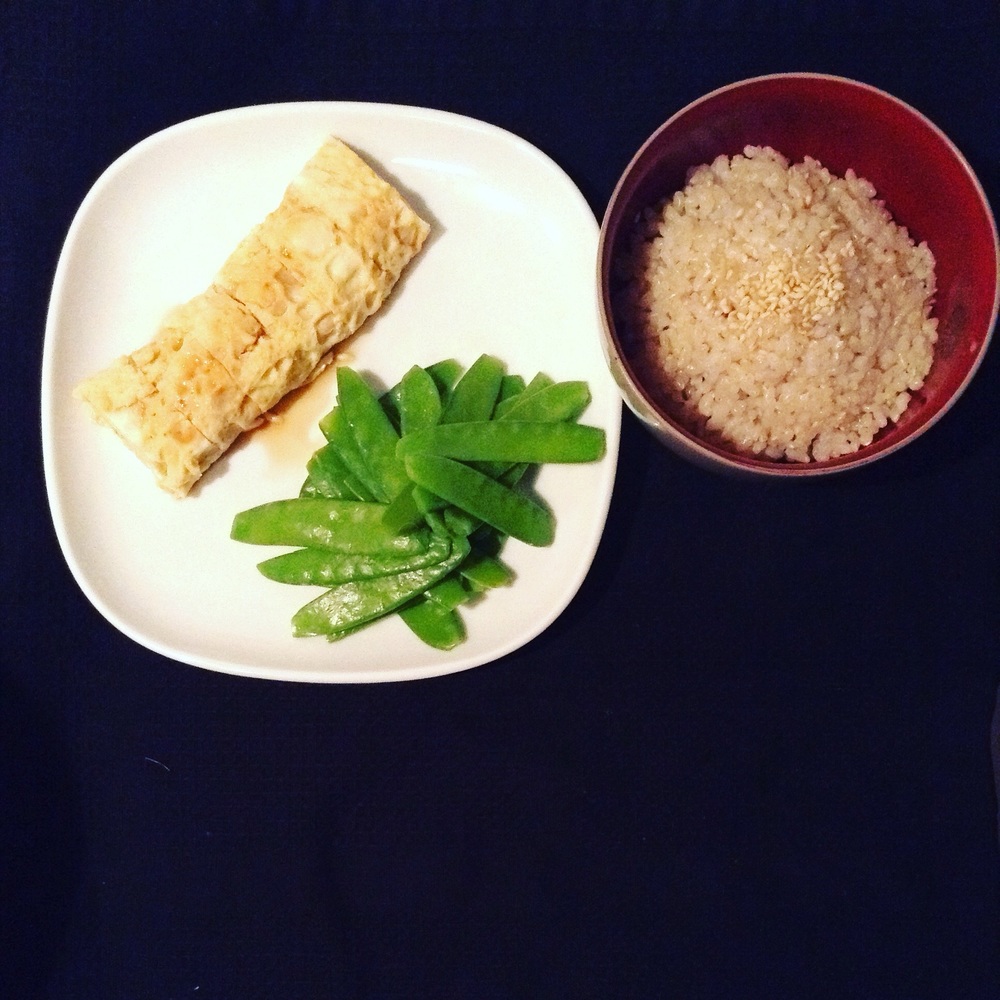
There is one thing I like but almost never cook because it takes to long to prepare for most of my evenings, and I don’t have the special gear required to make it look really good: it’s Japanese dashi-rolled omelette だし卵焼き(dashitamagoyaki). The preparation is really easy it’s just that to roll it correctly you need to cook one thin layer of eggs after the other and roll in between. So in the end this omelette takes 30min to cook and needs regular attention. But last night I was having a little more time than usual, A. being in a late meeting. You can find dashitamagoyaki in supermarket and most izakaya, and in bento but it’s too often sweet and the taste of the dashi that bring a delicate flavor is too often imperceptible because of the sweetness. My dashitamagoyaki only uses katsuobushi dashi and a little of soya sauce, I find that the dashi brings enough umami not to sweetnen additionally. So first thing is to prepare dashi with katsuobushi. Then in a bowl mix 1cup of dashi with 5 eggs, add a tbs ofsoya sauce, stir well. In a greased heated pan pour a thin layer of the egg mix, just like if you were making a crepe. Wait until the bottom is well cooked and almost golden. Then roll it tightly. Take it of the pan, grease a little and make an other “crepe”, add the one you just did before and roll the new one around the first one tightly. Repeat until all the egg mix has been used, or make 2 smaller ones. You can clearly guess that with a round pan the rolling is a pain, that’s why Japaneses have rectangular oan for that. Except that I don’t really have cooking goodies that have only one purpose so I keep using the round pan!!!
And an other one

Indeed, I am still crazy busy at work with this grant application, but hopefully it should be all done today. In the meantime we still need to sustain ourselves and the Japanese one-plate is on the menu again with an unexpected variation. Indeed, I prepared the green beans with miso and the pickled onions, but we have some fresh simmered small bamboo shoot on the plate now, that I didn’t prepare! 

There exist two types of bamboo shoots, the big one I’ve been cooking quite often because you can find them everywhere and the small one that are more let’s say “wild” and that one needs to pick in the forest. Picking bamboo shoot is a real fun sport, basically it’s hiking and them crawling in bamboo groves. We’ve had the chance to go bamboo shoots picking with our friends from Tsunan once and it was really awesome. Like wild mushrooms picking it takes some time to figure what to pick and to know the good spots. Unfortunately in Isumi we don’t know yet these spots and people keep them secret, like everywhere!! But one of the guy we met on the tennis court came to bring us some small bamboo shoot simmered with sesame oil. There is something here quite unique with Japanese, is that they love to offer us food they make and local products. I think it goes together with this tradition of food souvenir etc… I need to do some research about that! 

Anyway that’s how we ended with a perfect Japanese one-plate, with only fresh and delicious local products.

An other Japanese one-plate

Brown rice is really often on the menu and with the summer slowly coming in, together with the rainy season I crave for simple Japanese tastes: miso, pickled vegetables… And because I spent a lot of time working on a big grant proposal this weekend I needed to cook simple things that I could eventually reuse for another meal. That’s how I prepared a bowl of green beans with miso and some 1min pickled red new onion. These two accomodate vey well with Japanese rice, brown or white and other Japanese tastes (you’ll see that tomorrow for a 100% vegan version).  

For the onion it’s really simple I simple slice them thinely and cooked them in a little of water until soft and the water has disappeared. Then I added a table spoon of brown sugar and a table spoon of rakyosu (らっきょう酢) and if you don’t have any you can use rice vinegar or any vinegar without a strong taste. Then I cooked under cover 3min and keep to cool. 

For the green beans I simply blanched them and then add a large table spoon of miso snd stir well. Super easy to prepare and perfect eaten cold. 

Japanese one plate

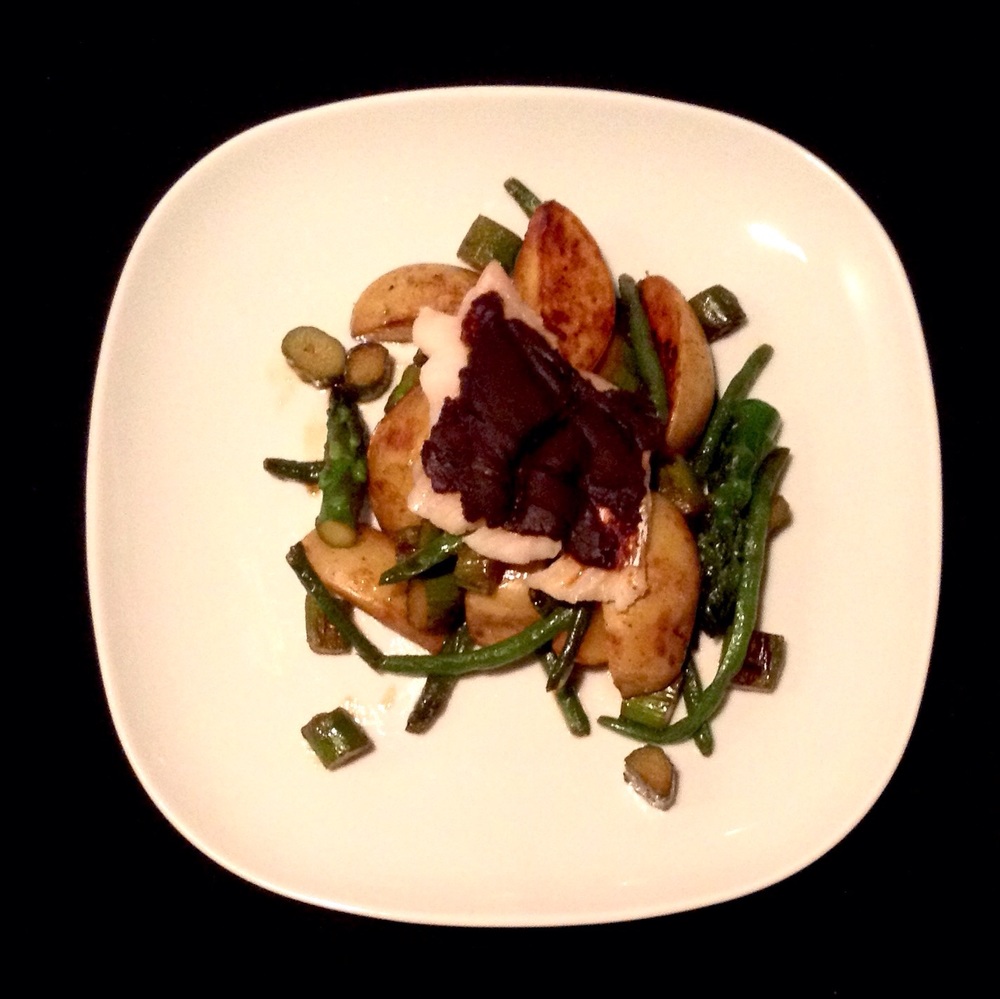
It looks
a lot like a French dish or an anywhere dish: seasonal vegetables slightly
sautéed and oven grilled cod. But I gave it a Japanese twist by glazing the
vegetables in soya sauce, a bit of sugar and mirin, and by covering the fresh
cod with a thin layer of red miso. It doesn’t take more time to prepare and it
definitely change from the olive oil sautéed. In particular the taste of red
miso is perfect with all the vegetables. How to cook Japanese without cooking
Japanese!!!

Sansho and konbu Shojin style

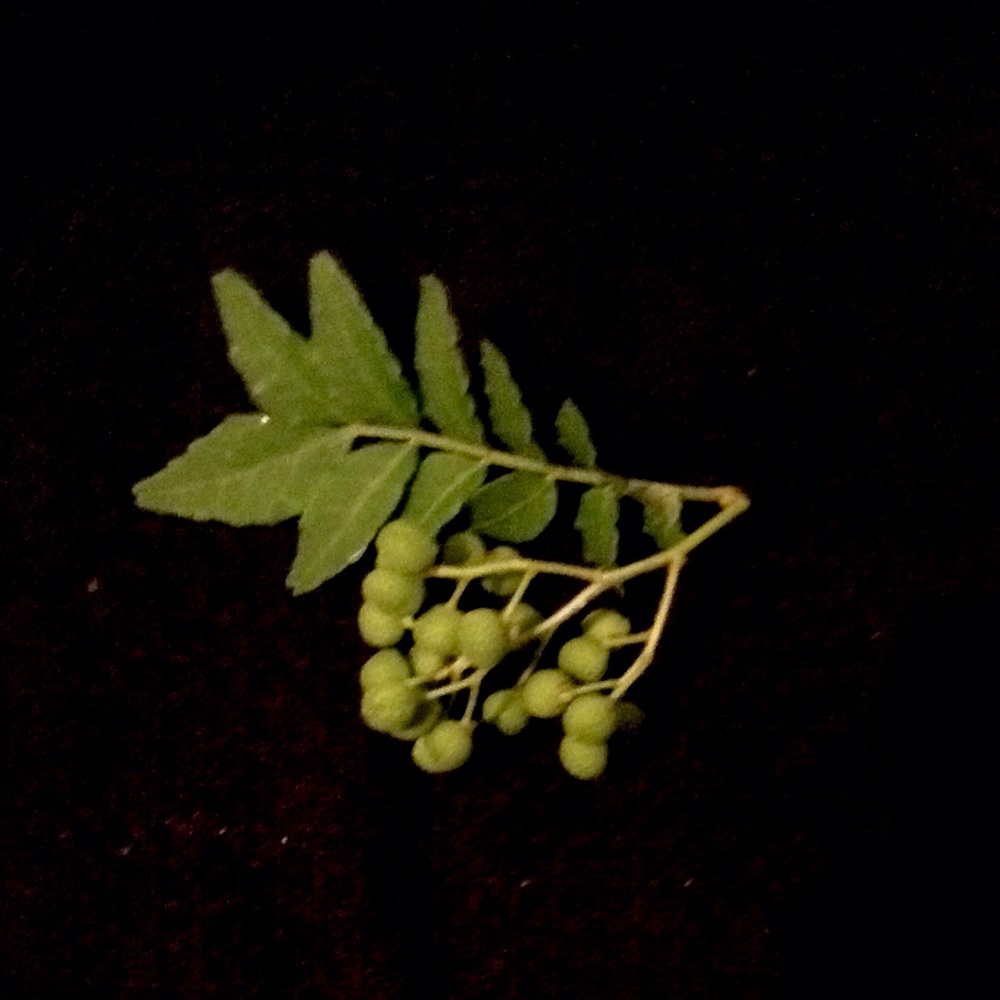
 Sansho, or Japanese pepper  
Sansho, or Japanese pepper  

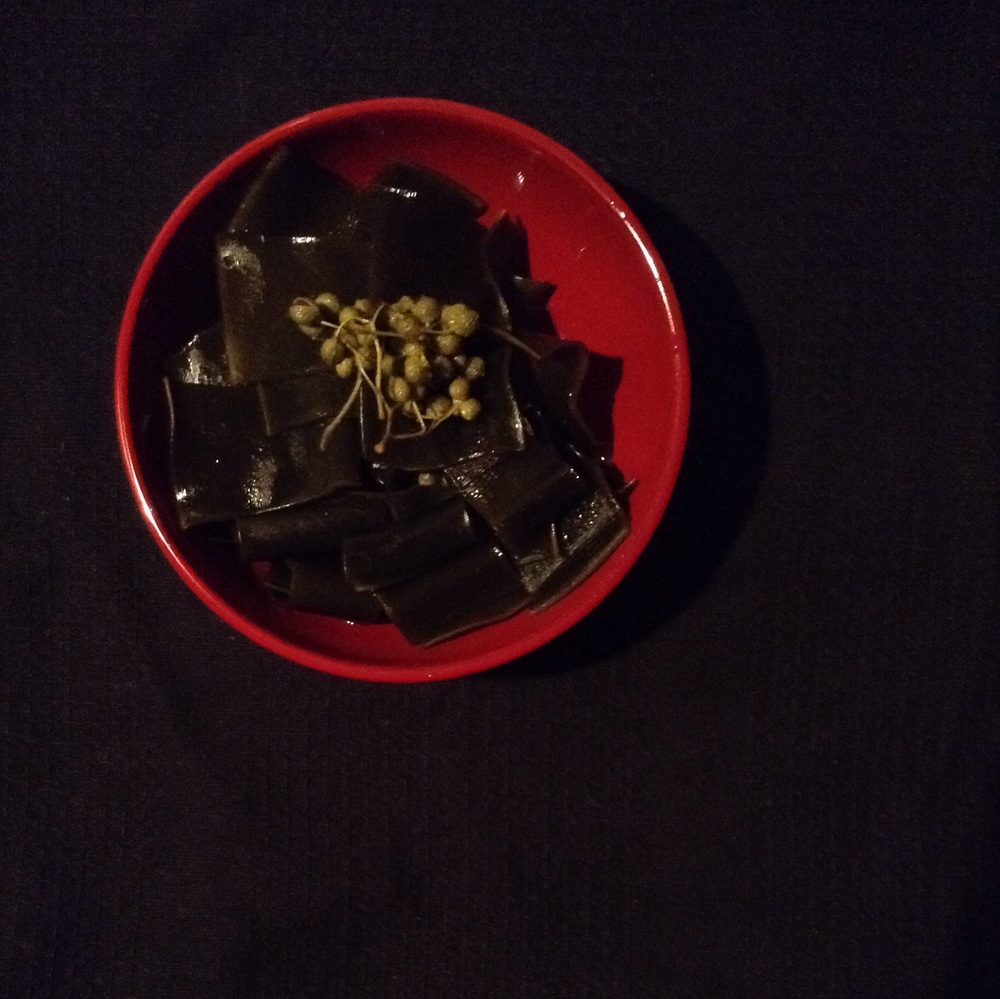
Here we are with the first recipe I tried in my Shojin cuisine cookbook. Because we had plenty of sansho in the garden I decided to try this super simple recipe, that was perfect to eat with plain white rice and some raw vegetables and miso.  Usually I use the leaves of sansho or kinome a lot but so far I never used the fruits. I buy them. But we had many fruits and I thought it was really time for me to use them since that was the all point of having a sansho shrub in our garden. And this recipe literally took 5 min to prepare and 15min to cook, which makes it perfect for a busy day at work.
All you need is dry konbu that you cut in little squares, fresh sansho (the seeds not the leaves) if possible but canned or packed one can do, soya sauce and sake. In a pan you put the konbu and sansho, add 1 tbs of sake and one of soya sauce, and one of water if you have fresh sansho (to remove the bitterness it’s better), then simmer under cover at low heat until most of the liquid has disappeared. It’s ready! You can serve hot or cold, perfect with rice or as a snack with a drink.. The taste is quite strong so it’s not a main dish, right!?

Shojin cuisine and cooking class

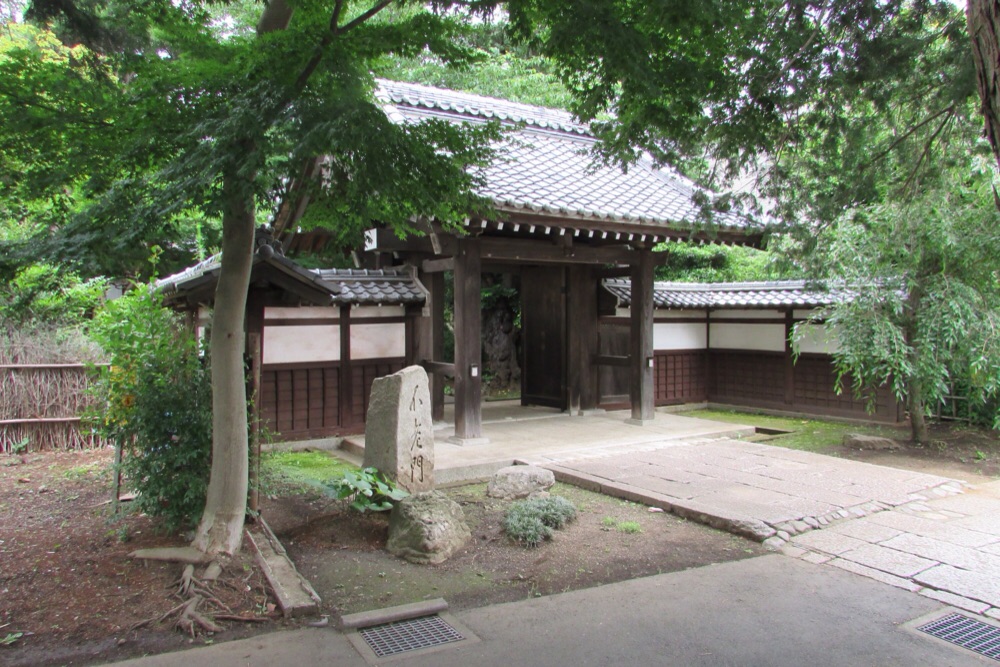
 Sanko-in in Koganei
Sanko-in in Koganei

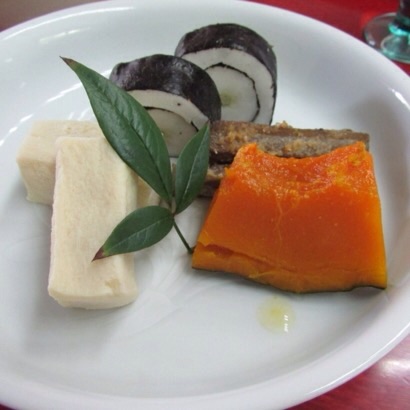
There aren’t too many places were you can eat vegan food in Tokyo, but recently the number of vegan cafe and vegan restaurants has dramatically increased and we’ve been trying quite a few. Yet to enjoy Shojin cuisine, there are still very few places. There is the most famous Daigo we went to last February, that provides the highest end of kaiseki shojin cuisine with a real unique experience. Then Itosho. Both being on the Michelin with respectively two and one star. Then there are a few temples providing a simpler experience, more rustic, but also interesting. Lucky enough there is one of these temples close to where I work: the Sanko-in and when I have visitors I like to take them there for lunch, for them to experience something different. At the Sanko-in you can eat some vegan buddhist cuisine in a budhist temple. Entering the temple and walking to the back building where the dining room is, is already setting the tone: quiet, simple and peaceful. The dining room is very simple, a little kitsch, but the chef and her assistant are really nice and welcoming (it’s run by two ladies). The cuisine uses seasonal ingredients of course and their famous matured tofu in miso, something close enough to a creamy cheese. The chef also prepares tea to accompany the lunch and it is a rare chance to enjoy macha and susuricha for my foreign visitors. A place I recommend if you don’t have the chance to go to Koya-san, or if you want to learn Shojin cuisine. I will enroll soon to her cooking class!

 Pictures courtesy of Sanko-in website
Pictures courtesy of Sanko-in website

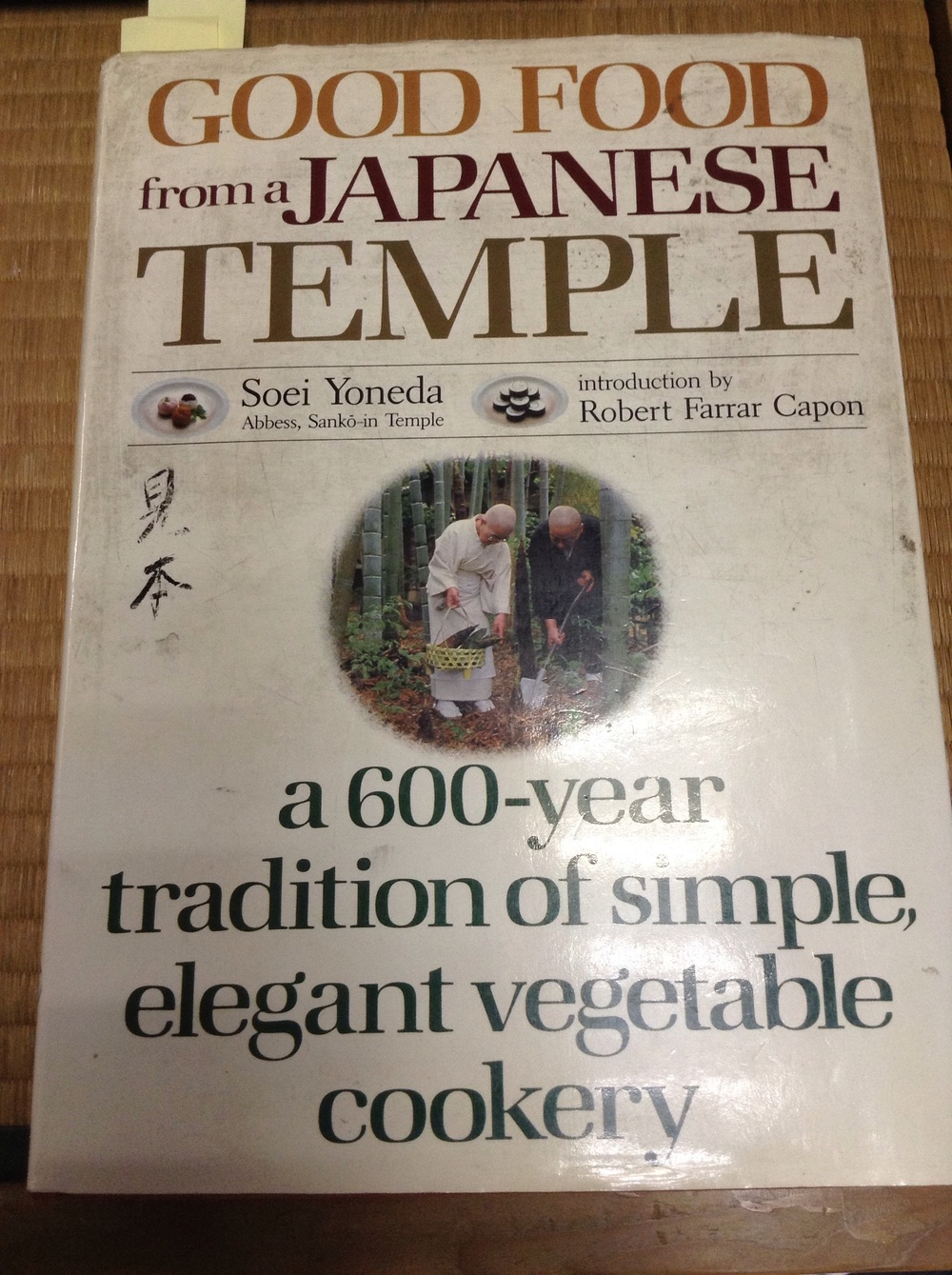
Ah! She also recommended me a book on Shojin cuisine that Soei Yoneda, the previous chef-abbess from the temple wrote. It is unfortunately not edited anymore but thanks to amazon I got my hands on one and should receive it soon!!!! Can’t wait!!! 

Brown rice 💛💛💛 玄米

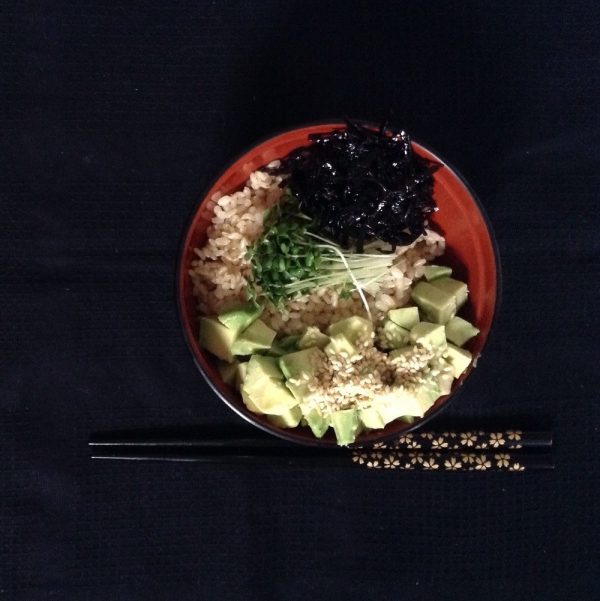
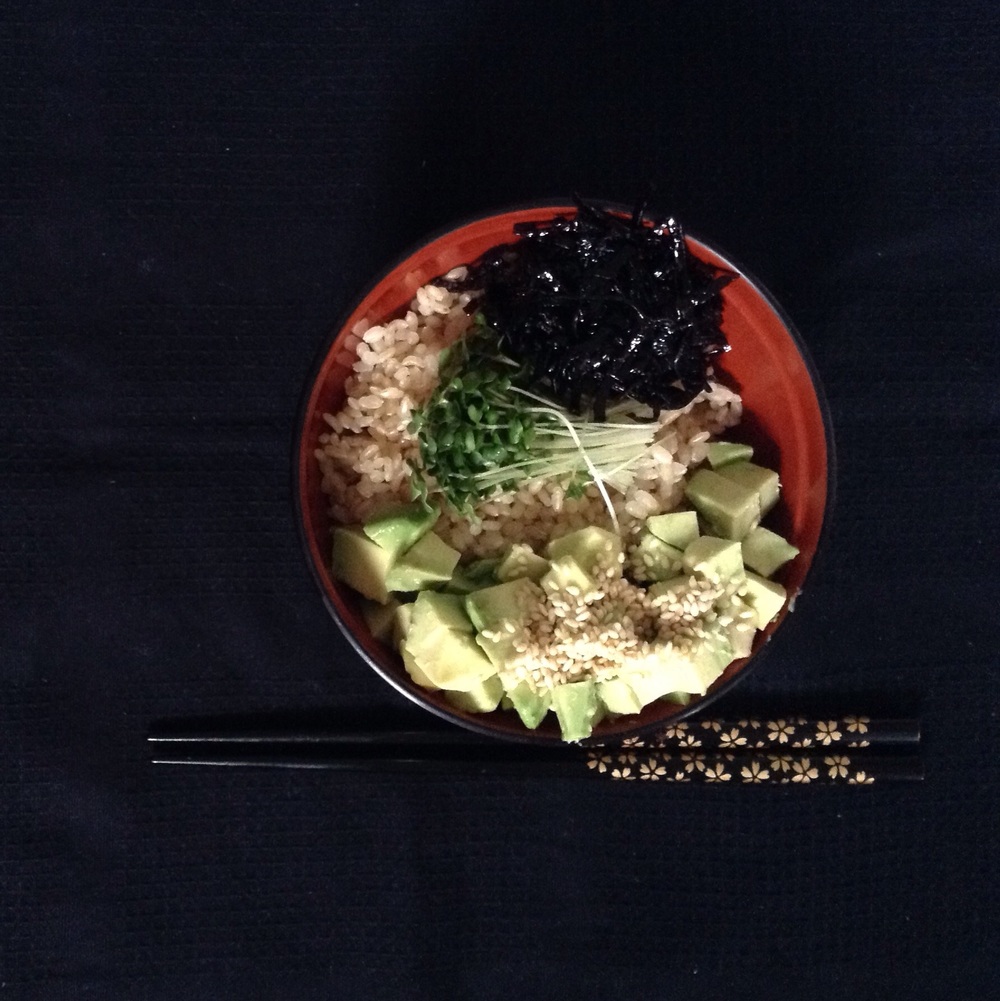
With a mother nutritionist, Prunellia and I have been raised in an environment where food was always important, both in gustative quality and in nutritional quality. I remember as a child playing a game called “manger juste” (eat right) where one has to built up well balanced menu with the food on the cards, depending on their nutritional value and quality. And brown rice was on the menu every week for sure. A kind of ritual every Monday’s lunch. Now brown rice is on my menu more often, in particular recently because I’ve managed to find delicious organic brown rice, and more recently, the lovely person who has adopted two of our orphan cats gave me a huge bag of brown rice from Kyushu. I find that brown rice goes very well with konbu and I love to prepare it simply in one bowl or one plate versions. Here just with 1/2 avocado, sprout, sesame seeds and konbu. A perfect lunch or dinner. One can add a bit of cucumber from crispy fresh texture.

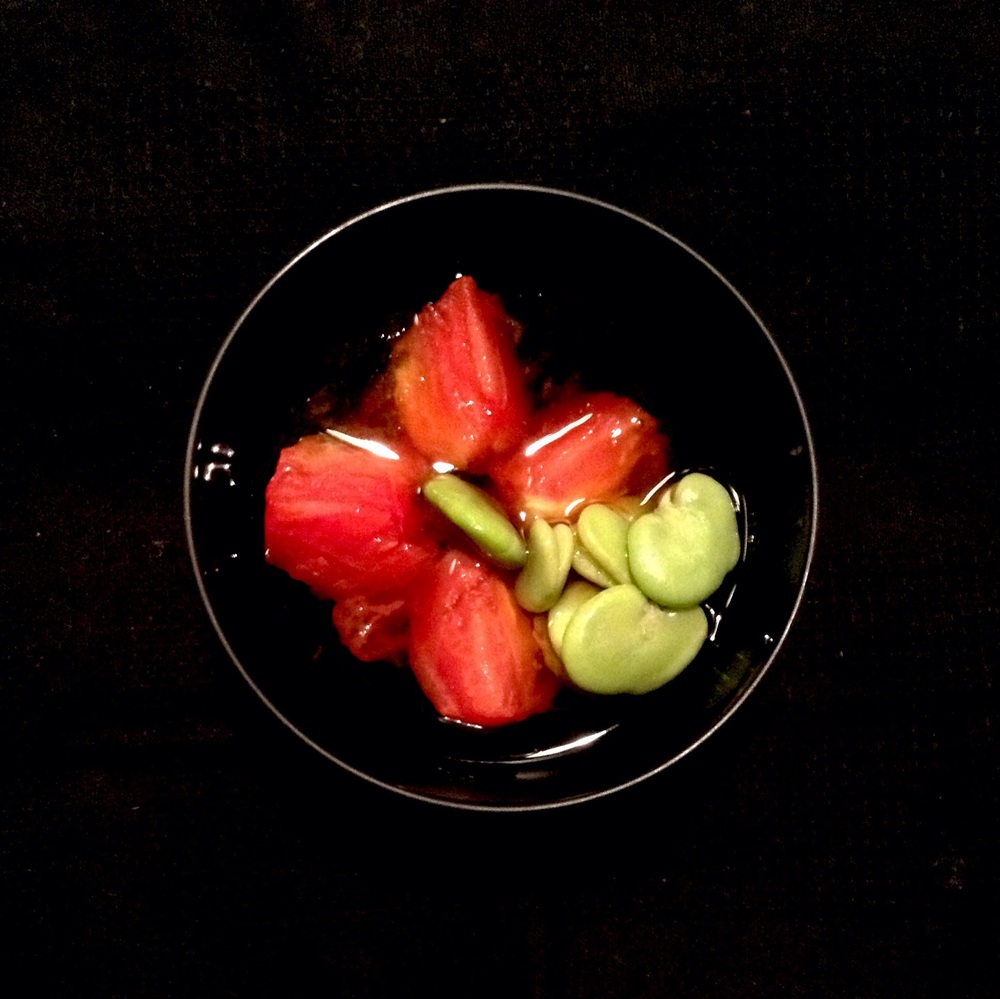
Tomato and broad beans in broth

In Isumi they grow tomatoes that are super delicious and can easily compete with Mediterranean tomatoes. They just start to be in season and they are perfect for any kind of preparations, raw, cooked, grilled because they are well ripen, sweet and juicy. 

One thing I love to do with this tomatoes is to peel them and serve them in a broth made with dashi and a bit of soya sauce, sugar and vinegar. And because it is still spring, I added a few blanched and peeled broad beans. Served with delicious brown rice.

Red miso – 赤味噌

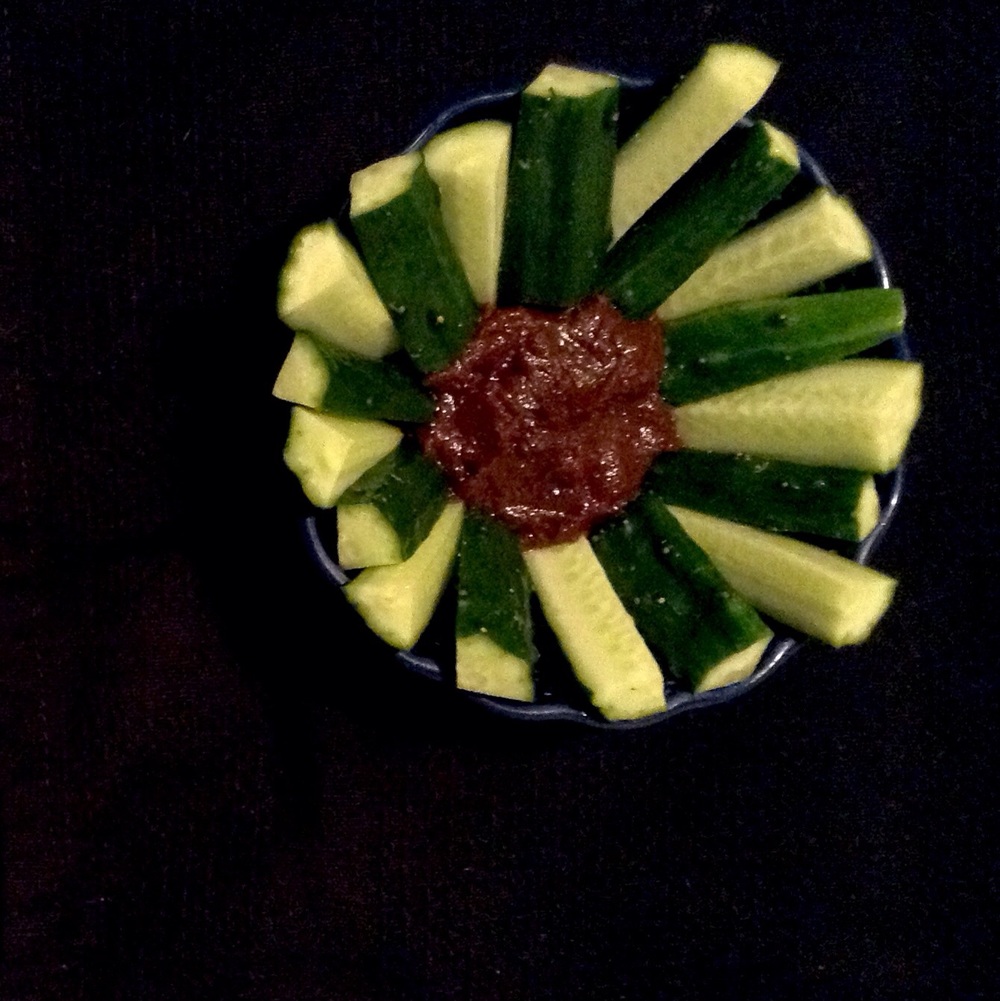
When the weather gets warmer the delicious little cucumbers are back and they are the perfect food to snack while waiting for dinner. I usually just wash them and cut them in sticks, but when I want a little extra I like to prepare a miso paste. There are different types of miso of course and all of them with different taste and features: granulous vs smooth, white vs red etc… Depending on what they are made from and how long they have fermented. At the cha kaiseki class I learned that white miso is used in winter and red in summer, because red miso has fermented longer, it is stronger in taste and saltier, which accomodates perfectly with summer veggies and fishes. So for my little snack paste I use 1 tbsp of red miso that I stir with 1tsp of vegetal (neutral) oil and 1 or 2tsp of water (depending on the consitency you expect: sticky or creamy). I stir until homogenous and serve with my little cucumber sticks. It actually is also delicious with carrots sticks and daikon sticks!

Proudly powered by WordPress | Theme: Baskerville 2 by Anders Noren.

Up ↑

Verified by MonsterInsights