Home sweet home

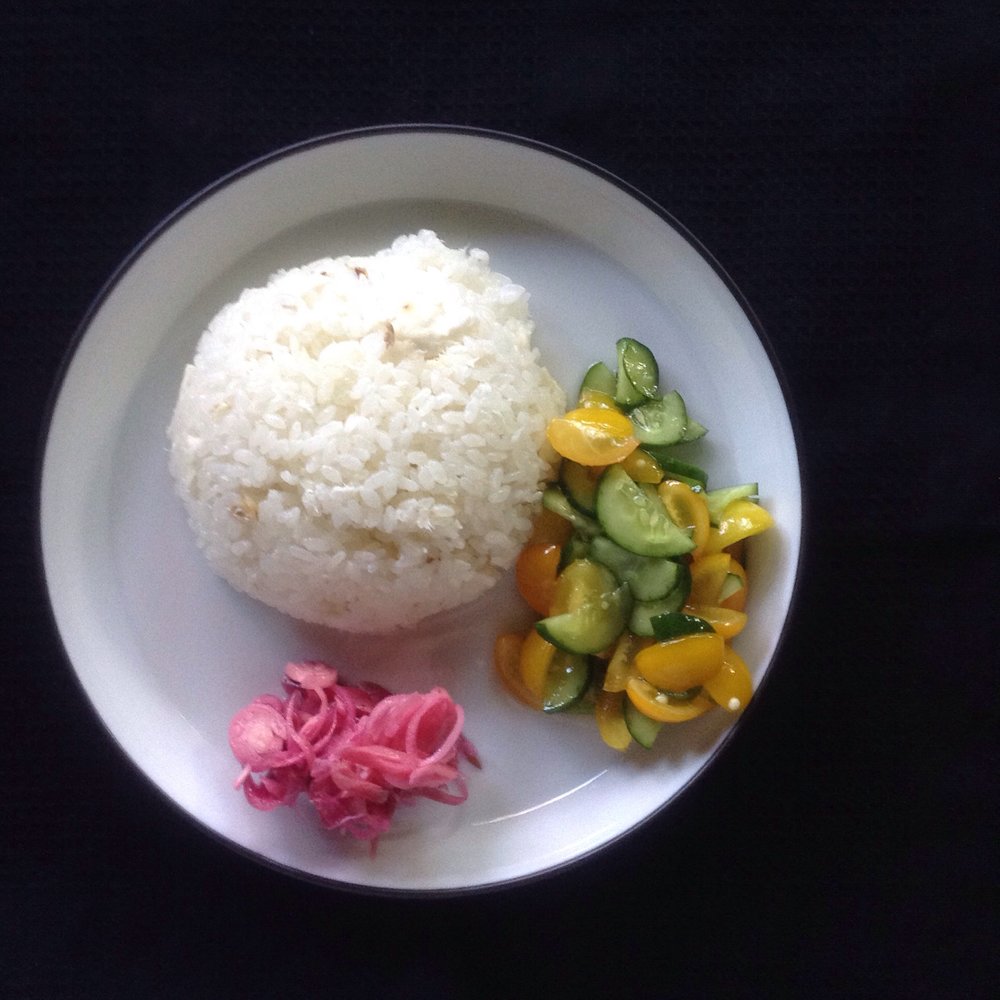
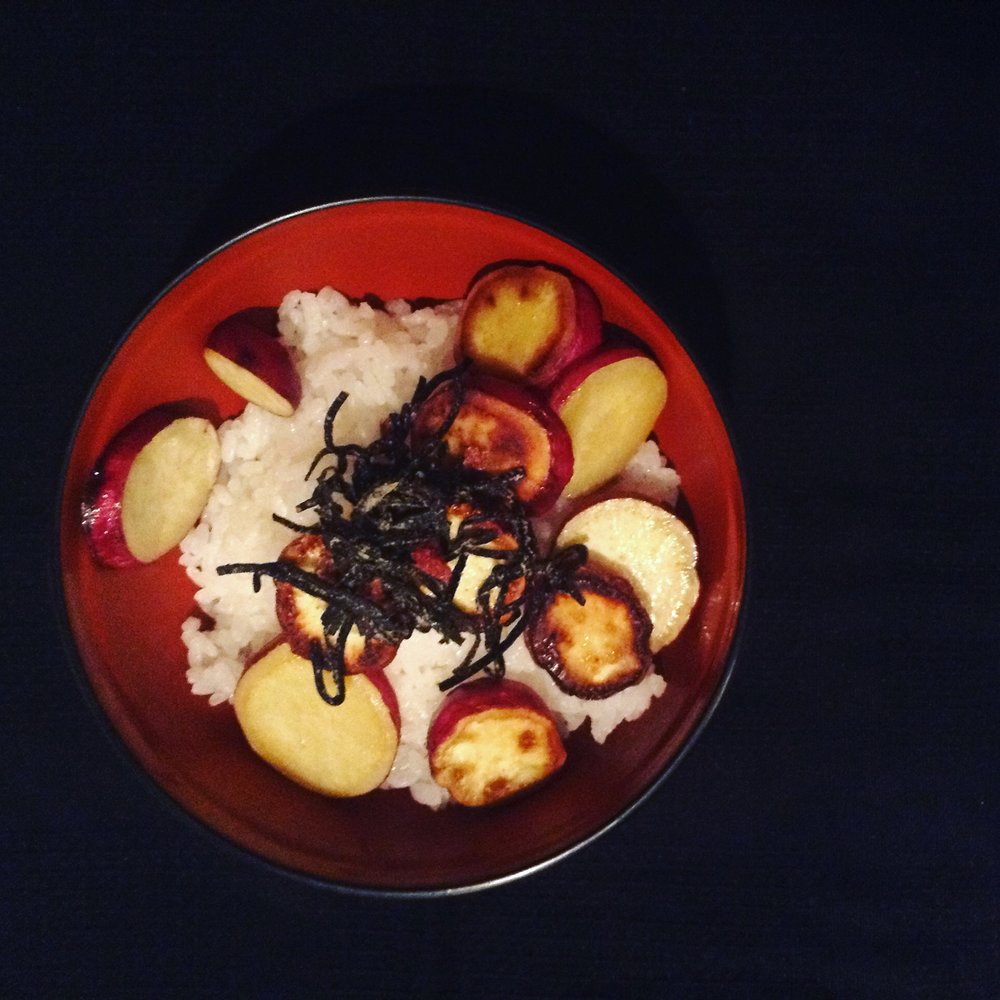
I’m so happy to be back home!!! This week in Germany has been really intense and productive for work, but being away from A., a kitchen and some oudoor activity for so long is really hard for me. As you can guess from my last post, the first thing I wanted to eat was some simple Japanese rice, and since I add some sweet potato remaining in my empty fridge I pan grilled it in a little of oil and added it to the rice (rather than cooking together. And topped with some salty konbu. Eaten together with a little cucumber (that was also remaining in the fridge) , I was the happiest girl!!!
The curse of intensive meetings

I work in a field where people loves to gather for a few days, sit and discuss all day what is the future of our field. Usually these meetings take place in close environment and from morning to night we are presence is mandatory. It gives very little opportunity for physical activity (choices are quite limited this time since I’m in a remote village in Germany) or only at the cost of sleep deprivation, and food options are also limited. Though they make efforts to have fresh local food, after 3 days there my body is now fighting for going back to normal. And by normal I mean sleeping more, being ourdoor more and eating homemade prepared food. 

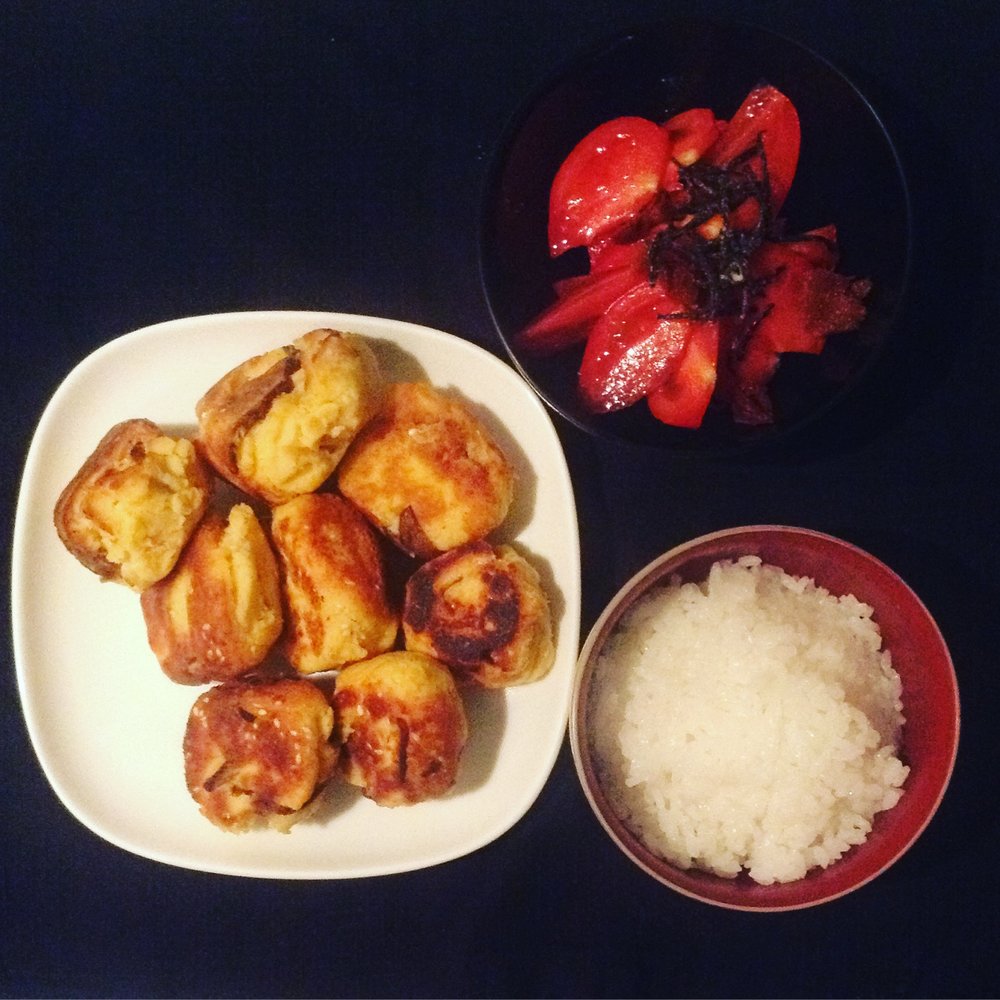
I anticipated that, so our very last dinner in Tokyo I cooked some simple Japanese food with all my favorite ingredients: plain rice, salty konbu with fresh tomatoes and uneboshi salad, and okara, shiitake and carrot croquettes. Now I am craving for something like this!!!! 

Pickled myoga

Recently I’m experimenting a few new recipes or a few new combinations. Since it’s the season of fresh myoga and we love pickled myoga, I decided to try to make some and found a very simple recipe. This recipe is probably impossible to prepare if you don’t live in Japan or if you don’t have access to some very basic yet not common products, since usually they are homemade. First of all you need 3 or 4 fresh myoga, then you need what I call red “umeboshi juice” but which is in fact called umezu 梅酢 and which is the juice obtained during the making of umeboshi, and the red one is when using red perilla (shiso) to flavor and color the plums. It’s a very pink sour and salty liquid with a delicate plum flavor.Once you’ve got this, then you can prepare pickled myoga. Slice thinly the myoga, put in a jar, add 3 large spoon of umezu. Close the lid, shake well and let sleep for at least 12h. You can keep it for about 4 weeks in the fridge, so you can make much more than just 3 or 4 myoga at a time! Serve as a condiment or a snack.

The simplest Japanese dinner!

Sometimes ingredients just come perfectly together at the farmers market and there is nothing else to do than prepare them in the simplest manner. The summer is soon to ginish but not quite yet and fresh little cucumbers are excellent, crispy, juicy and refreshing. The new rice has just been harvested in Isumi and perfectly cooked it’s crazily delicious, slightly softer and more white and transparent than normal rice. Myoga has started to grow here and there in the woods (our neighbor K. San went to pick some just in the hill back our house and you can find plenty at the farmers market) and the taste of fresh myoga just sliced in a simple miso soup is a little astringent. And to finish a piece of fresh wild snapper filet, simply grilled and topping the rice that goes perfectly with K. San’s fresh umeboshi. I’m starving writing this post and dying for an other meal like that!!!!

The perfect light lunch

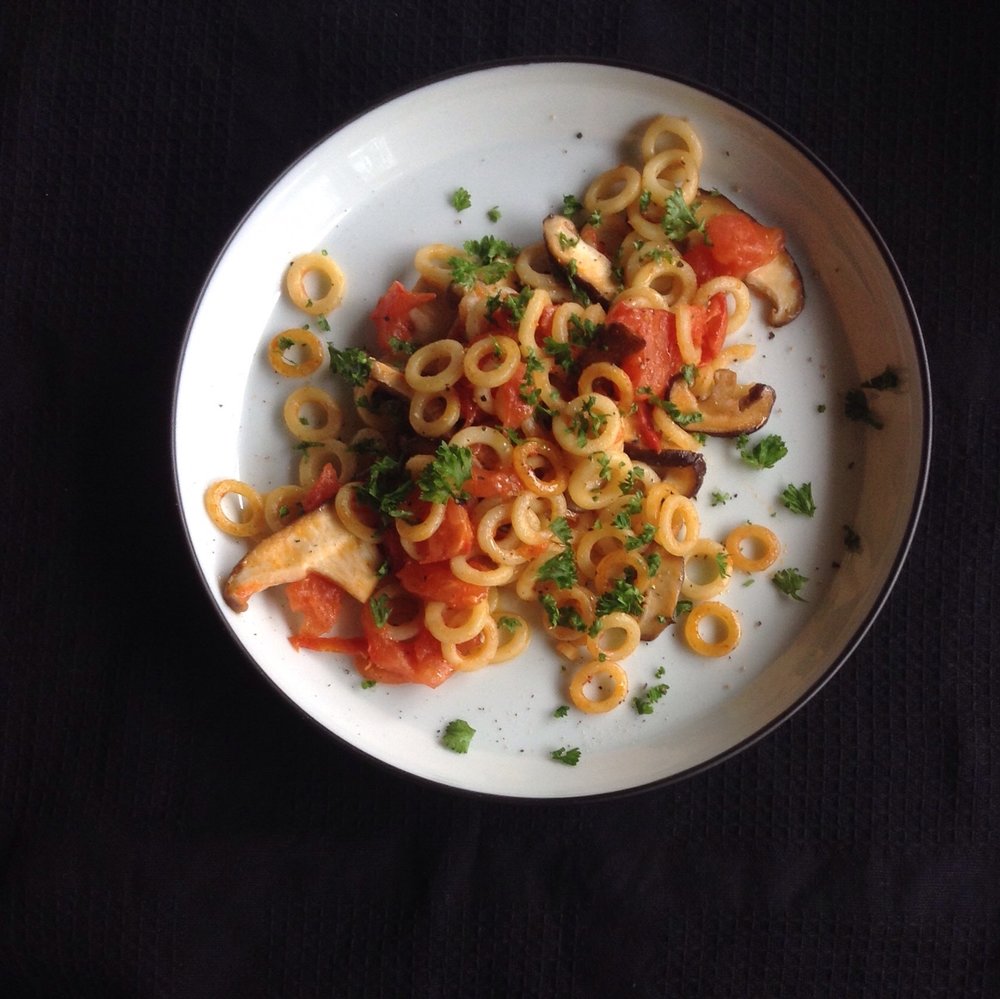
I love this ring pasta from Sicily: anelli siciliani that I bought in Sicily last time we traveled there. There are so many different pasta in Italy that it is amazing the different reciepe one can imagine with pasta. And it is also so simple to cook. It’s a pity that except from Italy is not that easy to find so much variety and in Japan most Italian restaurants that serve pasta would serve spaghetti, and most of the pasta that one can find in supermarkets in Japan are spaghetti indeed, penne, fusilli and some macaroni. Tagliatelle, lasagne and trofie in more high scale supermarket where they have European imported food. So yes, when I go to Italy i pack on regional dry pasta!!!.
This ring pasta are really perfect when eaten with vegetables and simplyaccommodated with olive oil. For this plate I have opted for fresh tomatoes, fresh shiitake and parsley from the garden. I boiled the pasta al-dente, in the mean time in a pan heated with olive oil I added 2 large ripe tomatoes diced and 5 large shiitake sliced thinly. I reduced until almost dry. I drained the pasta and add them to the sauce, then add a splash of olive oil, salt and pepper and served. Topped with freshly cut parsley. Bon apetite!

Quiche!

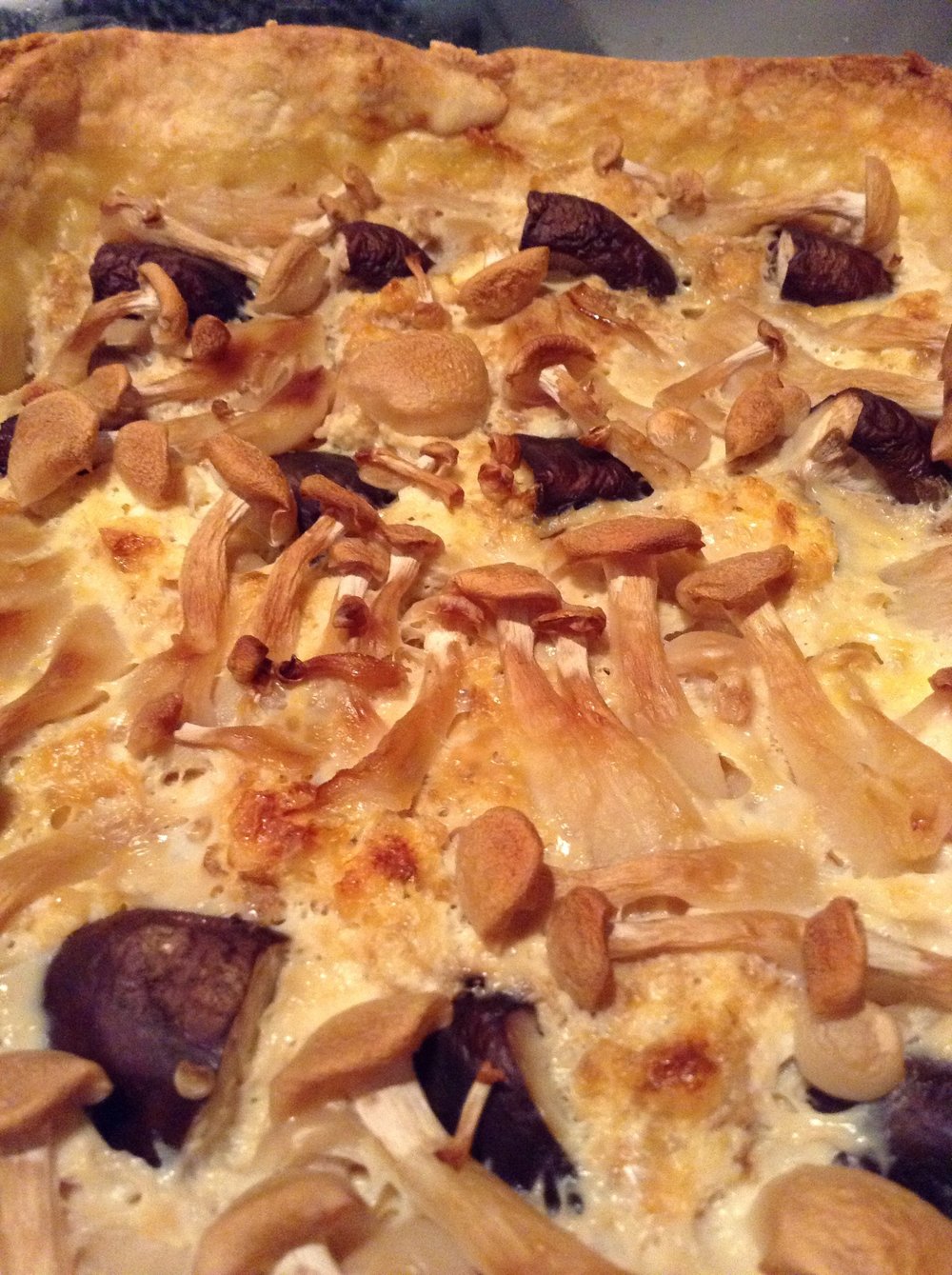
I think this recipe base is becoming my all-time favorite for the quiche: it’s simple and it mixes Japanese and French flavors perfectly. The quiche is a traditional dish in France, simple to prepare and accomodate with everyone taste. The twist comes from the ingredients I use in the egg base: bonito flakes (katsuobushi) and soya sauce. It gives a subtle flavor of dashi and Japan. For the dough you can use whatever flour you like or have around. I change all the time: white wheat, whole wheat, spelt, buckwheat, rice… A combination of the above mentioned is good too. I usually prepare a sable dough because I like it better, but brise dough works well too. Veggies are only seasonal fresh veggies and this time I pocked some end of summer mushrooms: shiitake (well you can fond them all year round!) and bunashimeji, a white smooth version of shimeji. That’s it!

Sweet potato and aburage rice

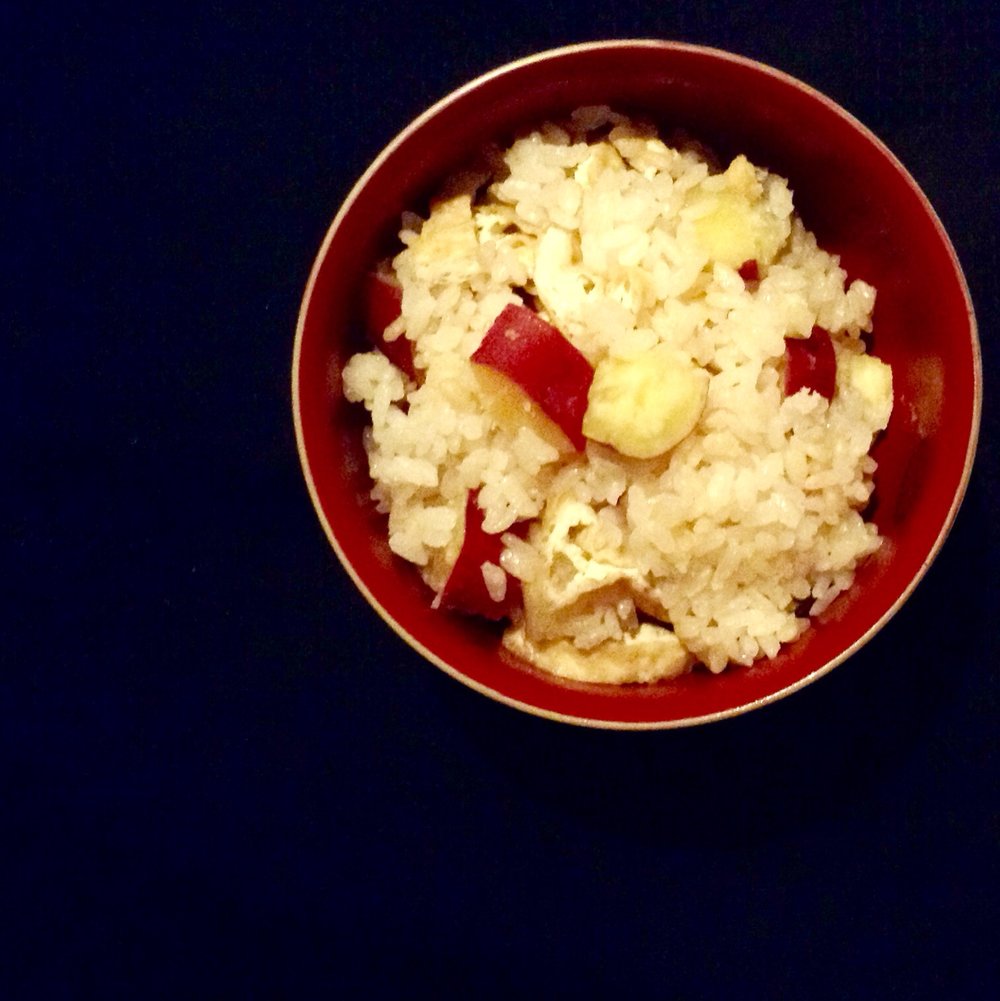
I know, this not a recipe for laye August usually but this year, it definitely is!!! And this recipe of 炊き込み御飯 (takikomi gohan) is so simple and delicious that it could be eaten anytime actually! Prepare 1cup of rice (wash and add cooking water) , cut one sweet potato in pieces, slice finely half a sheet of aburage (thin fried tofu), finish with a table spoon of soya sauce and cook. Serve while hot and enjoy the melting potato with the rice and the subtle taste and consistency of aburage! All vegan! Perfect with a clear soup with fresh vegetables such as okra.

Rehabilitation cooking

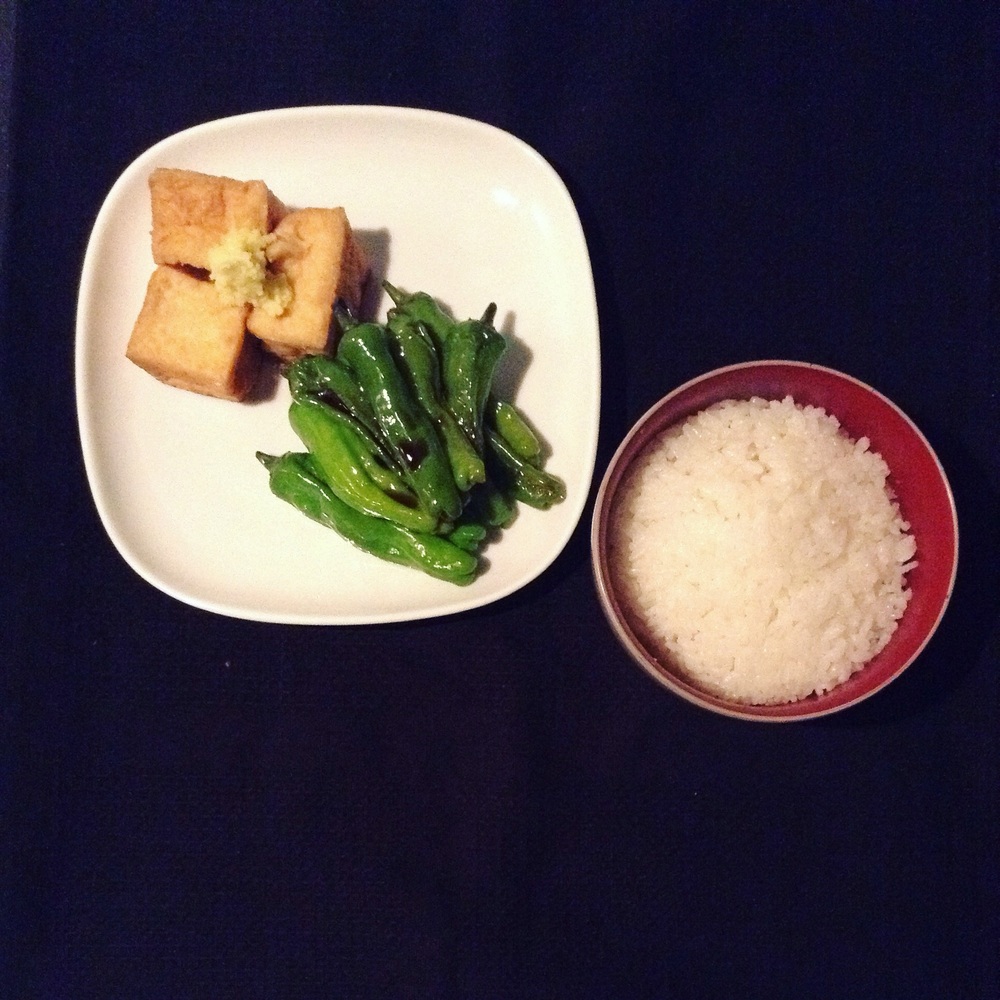
Since we came back from Canada I’ve this impression that I have forgotten how to cook and that I am in a transitional phase of rehabilitation. After such a long time not really cooking much and seeing so many ingredients that I can’t find easily in Japan and that gave me so msny ideas it’s tough for me. Though I’m very happy with the Japanese cooking I wish I had a little more time to prepare our dinner. I’ve came back exhausted and starved from work every evening because of the effects of the jetlag. Maybe also it’s the pressure of the approaching cooking contest… Yes, it’s tomorrow… I wonder if I will still be able to cook that quiche!!! So everything I have cooked this week was pure simplicity and it’s so simple I ask myself if that is actually cooking!!!!

 Tofu and ginger, shishito, rice
Tofu and ginger, shishito, rice

Typhoon night

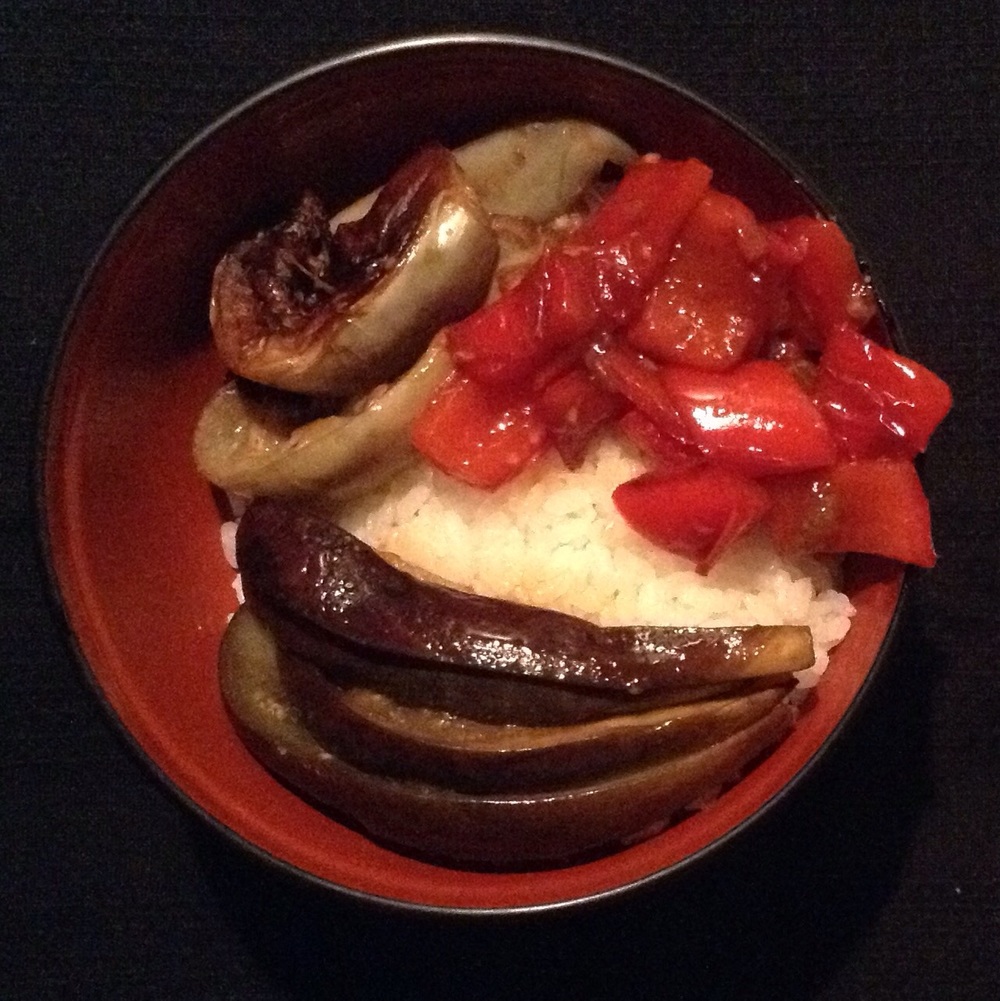
The season for typhoon has arrived. It marks the beginning of the end of summer when days are still hot and the light turns different. I have the impression that the “real” summer was really short mainly because we were away from Japan. Leaving Japan is always difficult because I love every single season and sub-season, but all are quite short. With the end of summer coming slowly summer vegetables will disappear at the farmers market and we will move on towards mushrooms, kabocha and other autumnal vegetables and fruits. So let’s enjoy the summer a little longer while the typhoon is raging outside with what I call a Japanese ratatouille made of capsicum and eggplants (white and purple) and deglazed in soya sauce, to top a simple bowl of rice. I wish you a happy Thursday!

Proudly powered by WordPress | Theme: Baskerville 2 by Anders Noren.

Up ↑

Verified by MonsterInsights