Simply simpler

No time to fix dinner? Don’t worry, I’ve just found a new preparation for sweet potatoes, and it’s so simple and delicious that it surprised myself. This is a sweet potato soup. But usually sweet potato soup means, that first you cook the potatoes, then blend them, add some cream or whatever and then eat. Last night I didn’t want a soupy soup, but rather something with a mix of textures. So here is what I did and turned superb! 

Sweet potato rough soup   2 servings

– 2 sweet potatoes

– black pepper

– parmegiano (optional) 

I washed 2 sweet potatoes and sliced them. Then in a pan I started to cook them, with just a bit of water to cover. I cooked them at high heat under cover without touching them once until all the water had disappeared and the potatoes started caramelizing in their own juice. Only then I stirred well and started to break them with a wooden spoon. Finally added water again to cover them, and bring to a boil. Add some black pepper, and served. Topped with parmigiano slices.
Simple food

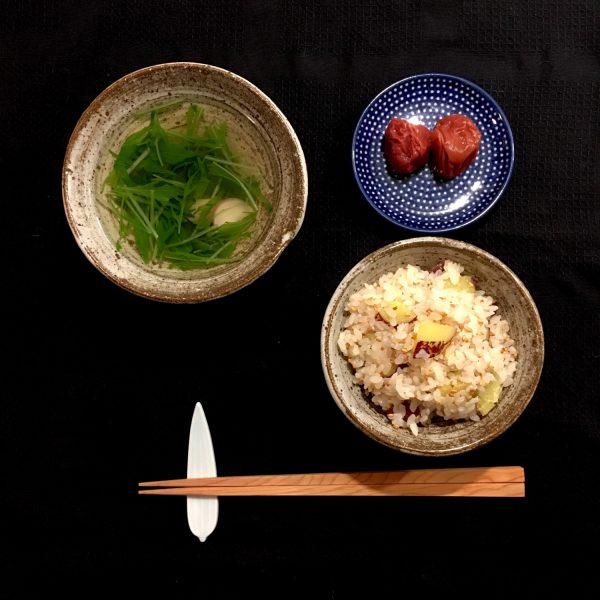
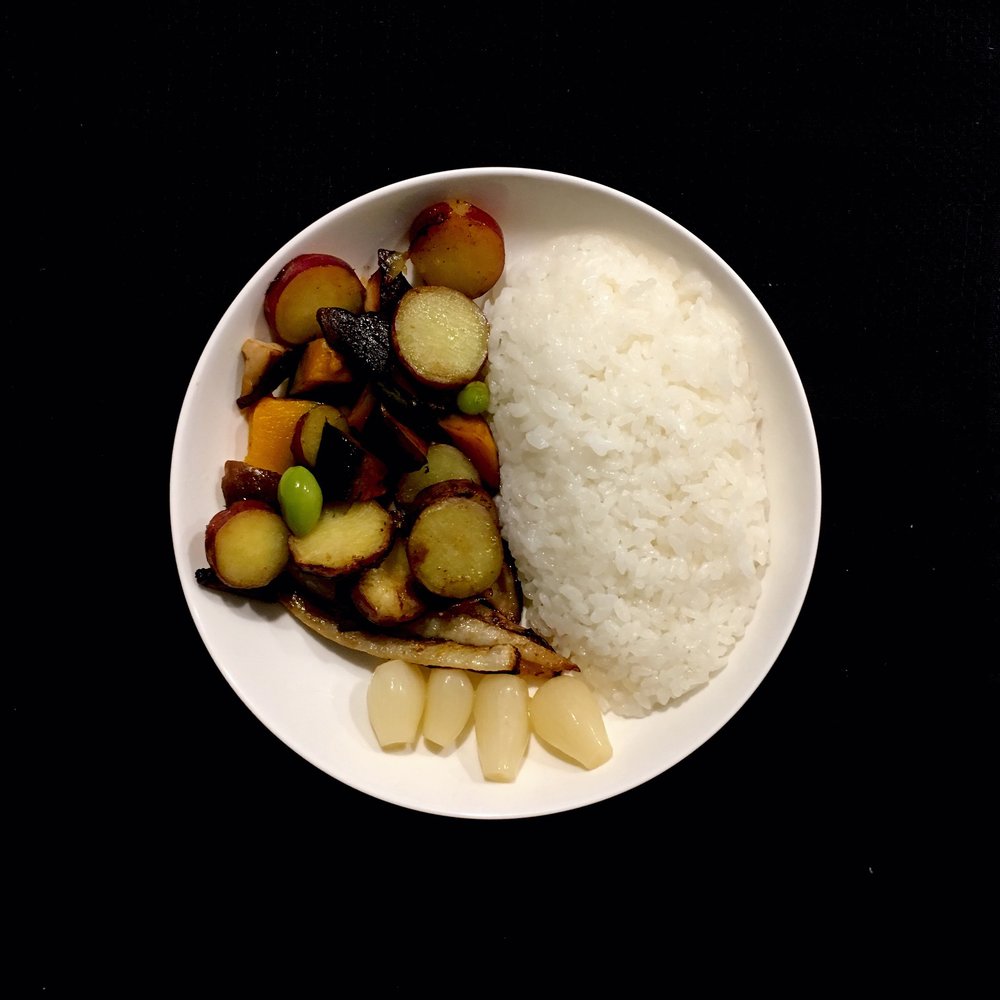
There is one thing that I always think about cooking when in a rush to prepare our meals and want to eat some Japanese food, it’s simple seasonal vegetables sautéed, deglazed in a bit of soya sauce, served with rice and pickles. It is so very simple and yet so delicious that it beats any other recipe. It requires no thinking, a very short preparation for the vegetables and then everything in a pan with a few drops of oil, under cover, just stir once in a while. Which frees the hands to do something else! Perfect when the week is super busy with many deadline at work, friends and family visiting, a weekend away in preparation and A. leaving for Europe for 10 very long days…

Autumn version of sautéed vegetables (one plate dish for 2 people)

– 1 Japanese sweet potato

– 3 shiitake

– 2 little turnips (long or round) 

– any other seasonal vegetables: a little piece of kabocha, a few green beans, gingko nuts, shishito, eringi…

– 2tbs of soya sauce

– some vinegared pickles: I love rakkyo (Chinese onions) which are served with curry.

– 1 cup of Japanese rice

Star cooking the rice. Wash and cut the vegetables. In a pan greased with a bit of oil add all the vegetables (except if some have very short cooking time like green beans) cook at high heat for two minutes and stir. Lower the heat and cover. Cook for 12min and stir once in a while. Add the soya sauce, and stir for one minute. Serve all together.

Persimmons harvest

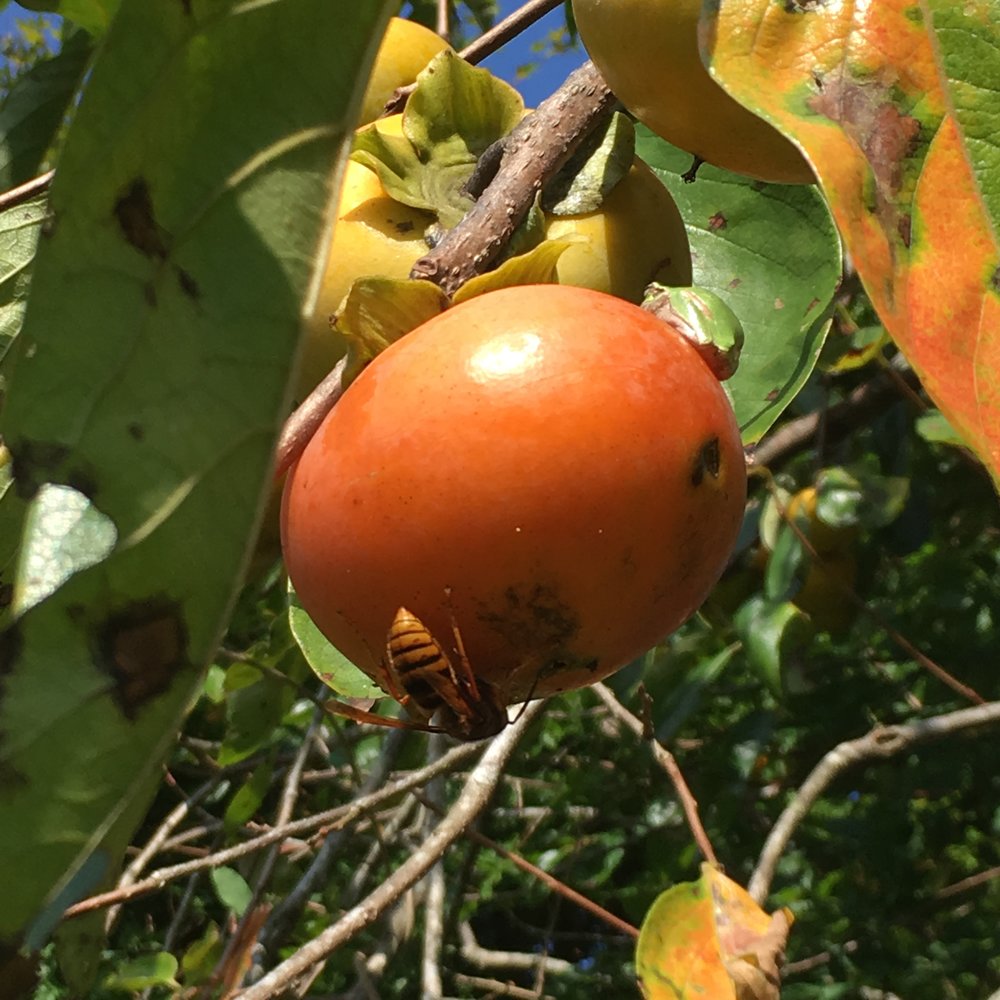
Together with the gingko nuts, the season for persimmons has also started, and our two trees in the garden are literally covered with fruits this year. Since this is way to much to eat them all, that pretty much everyone has a persimmon tree in their garden, contrarily to gingko nuts, they are difficult to give away. I tried jam but it was not a huge success, and I run out of ideas on how to preserve them. These are not really persimmons you would dry, like shibui kaki… So I harvest a few, give a few to friends who don’t have a garden, and usually offer the rest to the birds, bees and butterflies who seems to be loving their sweetness and juiciness. 

One of my favorite recipe with persimmons is in salad with cucumber, turnip, sesame and tofu. This time I had no turnip so it was just persimmon and cucumber. 

Persimmon, cucumber and tofu salad: 

– 1 persimmon still a bit hard

– 1 Japanese cucumber  

– 1 small block of drained hard tofu

– 1tbs of sesame seeds, or sesame powder

– a bit of salt

Peel and dice the persimmon, sluce the cucumber. Grind the sesame seeds, mix with the tofu and the salt. Add the persimmon and the cucumber. Stir well and it is ready to serve.

 persimmons on the tree, with giant bee and tiny frog!
persimmons on the tree, with giant bee and tiny frog!

Gingko nuts – 銀杏

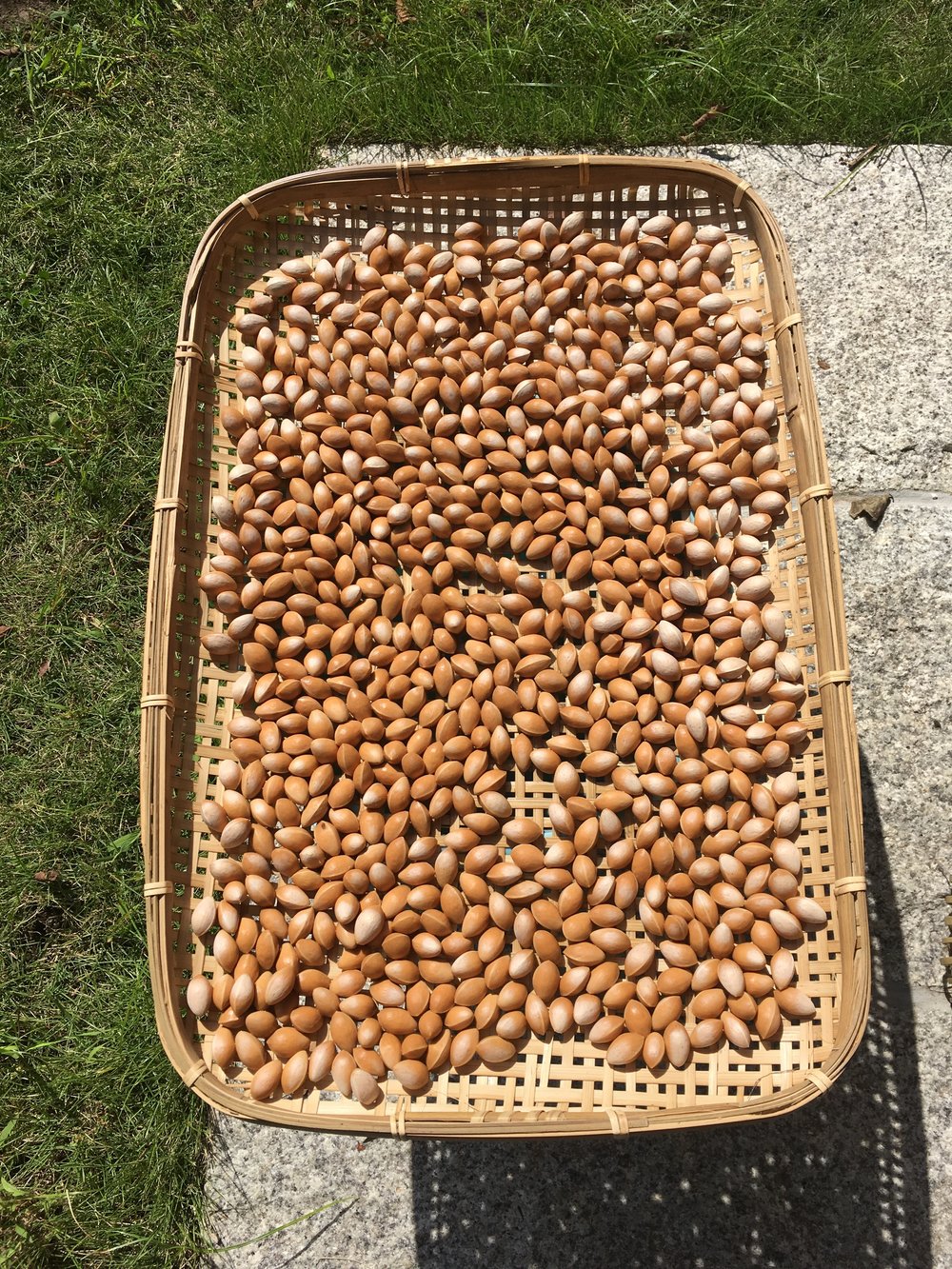
So, we have a gingko tree in our garden. The first few years it didn’t give fruits and we thought we won’t have the pleasure to eat fresh gingko nuts but also not the nuisance of the horrible smell. But then… it started to bear fruits and we started to harvest them, or sometimes it was more just to clean and limit the smell in the garden!!!! So the season has arrived again to collect fallen gingko nuts (about a bucket every day!), and to give away many (most) of them to our neighbors, but this year we also prepared some for ourselves with an enhanced technique! I remember having the nauseous smell in my nose for days after preparing them last time. So we came better equipped: masks with a drop of tea-tree essential oil. Then to remove the small bits of skins we used stones in a bucket and water and it was really easy. And dried them in the sun rather than the oven. Finally it was a bit long but not at all as terrible as I remember it was!!! Next is the cooking, but for that I know for sure we’ll have rice with gingko nuts, grilled gingko nuts, and probably vegetables stew!

 Gingko nuts drying in the sun
Gingko nuts drying in the sun
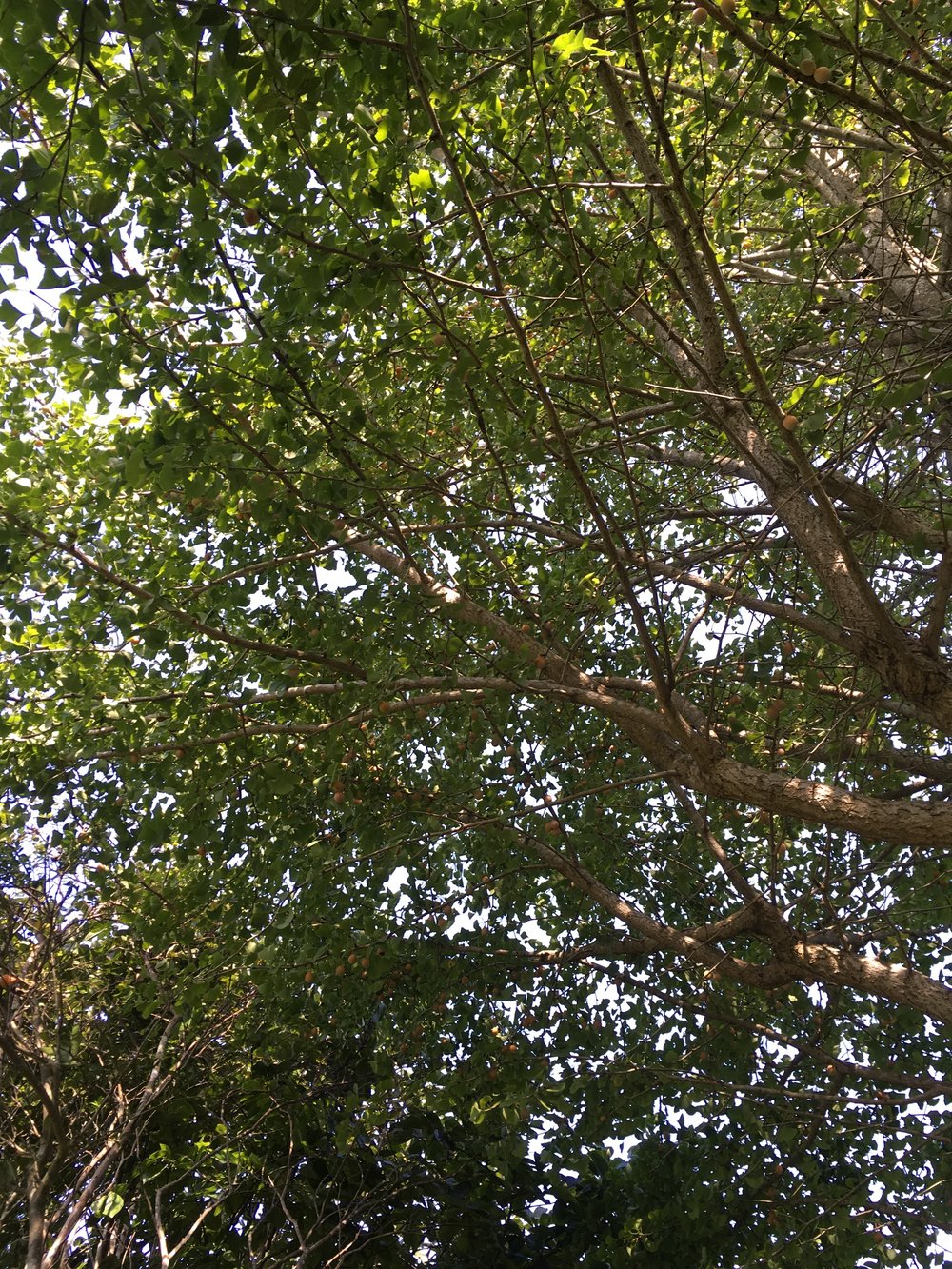
 The gingko tree in the garden, covered with fruits yet to harvest  
The gingko tree in the garden, covered with fruits yet to harvest  

Harvest it – eat it!

It was a while since I haven’t seen my little neighbor so I decided to pay her a visit, and as such we usually exchange products from our respective gardens. I had nothing to offer, so I promised her plenty of gingko nuts in a few weeks, since our tree is literally covered with nuts. And in exchange she took me to her garden to show me her giant taro plants (mine are so tiny…) and then she gave me a huge shiso plant covered with buds and flowers, and we picked together some shishito. We also checked the damages of the typhoon, actually not much luckily and of course we chatted for an hour!

Once back home it was past time to prepare lunch but I wanted to try a recipe she recommended me with the shiso flowers: tempura. Of course I am not equipped for deep frying, so real tempura was out of the question, but still, I tried something. I prepared a light batter with just flour and water, I washed the shishito, a few shiso leaves and many of the flowers and buds. In a wok I heated some rice oil. I dipped the greens into the batter and then fry them on one side, than dipped it again and fry it on the other side. And with the flowers, I simply threw them in a bit of batter and cooked it like a crepe. No way without deep frying that it would stay in one puece otherwise. I also cooked some white rice, crumbled a piece of grilled salmon that was left over, and some more shiso flower buds. And I served all together, after sprinkling a bit of salt, in a kind of ten-don. 

Chilly!

Autumn weather is finally coming to Tokyo, which means some beautiful weather mainly and also some rain when there is a typhoon. The temperature is also changing a lot and tonight is quite chilly and rainy, so a warm dinner was naturally my only option. This is the season for delicious Hokkaido autumn salmon 秋鮭, when the fishes come back to their original rivers. They sell it in quite large filet pieces, so I usually use it for two or three different recipes. This time I decided to prepare it in a kind of soup, very likely inspired by my nordic cooking book but with common Japanese ingredients.

Autumn salmon soup 

 – a piece of fresh autumn salmon

– 1/2 sweet potato  

– a large handful of mulukhiyah  – salt and pepper. 

First grill the salmon, in the pan in which you want to make the soup, on both sides. Then remove the skin and cut in pieces and pit back in the pan. Actually rather than cutting I simply used a spoon and broke the salmon. Cut the sweet potato in dice and in a pan. Add salt and pepper. Start cooking while stirring. Add 1/2L pf water. Cook under cover until the sweet potato is soft. Add the washed and cut mulukhiyah. Cook a few more minutes. Serve while hot.

Brown rice

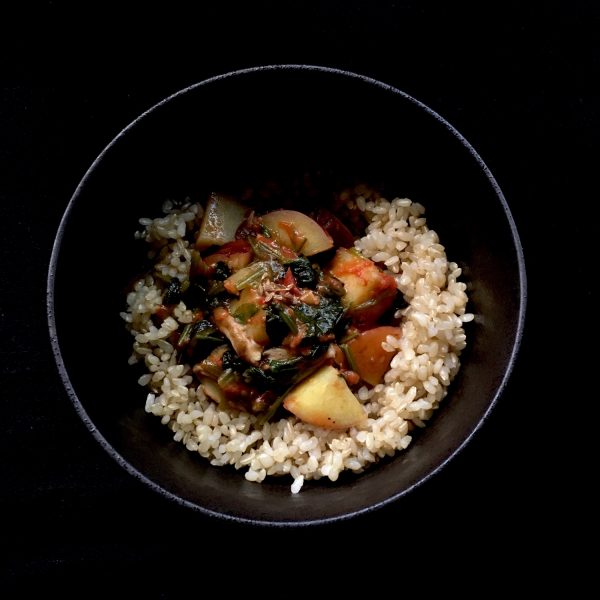
When we are in Isumi I like to go to Rice Terrace restaurant for a macrobiotic lunch outdoor, but I don’t like to go when it rains because the whole place is designed to enjoy being outside and there are usually too many families and it can become very noisy. Luckily we found an other macrobiotic cafe, opened not far away, by a young guy that use to work at Rice Terrace. His cafe is a small simple and usually quiet place and he makes a wonderful colorful soup curry that I love when it rains. What I love with Japanese macrobiotic cooking is the brown rice, the herbs and spices on top of the fresh seasonal ingredients (that I cook all the time). I try sometimes to cook macrobiotic at home: ie. replace the white rice or pasta… by brown rice, and add a few more spices and herbs. This time I made a leftover preparation with the vegetables that were left on the fridge: spinach, ripe tomato, sweet potato. I just added some anis seeds and cooked everything in a pan with a very little bit of oil. Added to the cooked brown rice, that’s it… my version of macrobiotic super simple meal!!!

Chestnut rice – 栗ご飯

We are lucky to have a chestnut tree in the garden, but for the past 5 years I never managed to harvest any chestnut because it was too late once they’ve fallen and bugs git them, they were falling to early with typhoons… This year I miraculously managed to harvest about half a dozen of beautiful ones. Nothing much, but enough to make a classic Japanese recipe: chestnut rice. It os a simple autumn delight and it is very easy to prepare. First boil the chestnut for about 30min to 45min. Then peel them completely. In a pan, or a rice cooker, wash the desired quantity of rice (I usually cook 1cup for 2), add 3 boiled and peeled chestnut per serving. You can keep them entire or break them in smaller pieces. Cook the rice as usual. Once cooked stir and add a bit of salt. That’s it!

Soba salad

I’ve been so busy at work running from one place to an other and with some tension when our robot was making its debut on stage, and with the moving that I barely cooked and even barely thought about writing a post to share with you a delicious recipe. .. for which I must apologize!

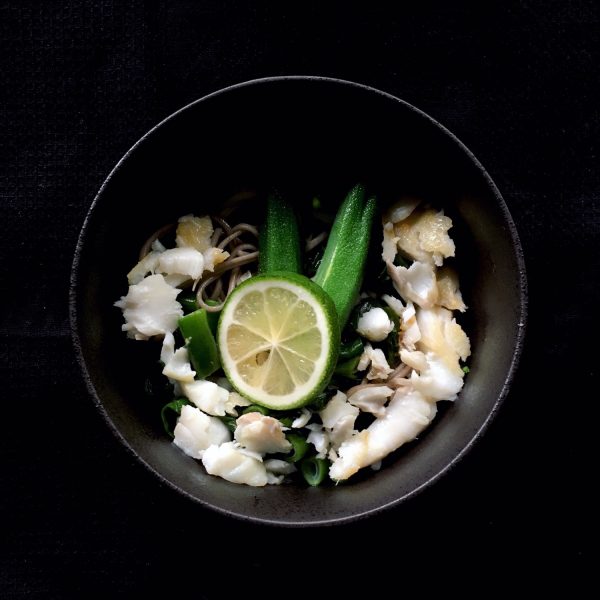
But as little as I cooked I still found some very nice combinations for a simple Japanese meal that can be prepared everywhere else than Japan since the ingredients are easy to find. What you need is a pack of dry soba noodles (I use only 100% buckwheat flour noodles, but it’s up to you), some green beans, a few fresh okras, some spinaches or mulukhiyah, a piece of fresh cod fish, soya sauce, 1 kabosu or 1 lime. That’s it! Blanche the spinach, the okra, the green beans and bath them in very cold water. Grill the cod in a slightly greased frypan. Boil the soba and bath them in cold water. Squeeze the kabosu or lime, add the same volume of soya sauce. In a bowl add the soba well drained, dry with a cooking cloth the vegetables, cut them and add to the soba. Top with the cod that should crumble. Finish with some dressing. Enjoy! 

Proudly powered by WordPress | Theme: Baskerville 2 by Anders Noren.

Up ↑

Verified by MonsterInsights