Canola flowers – 菜の花

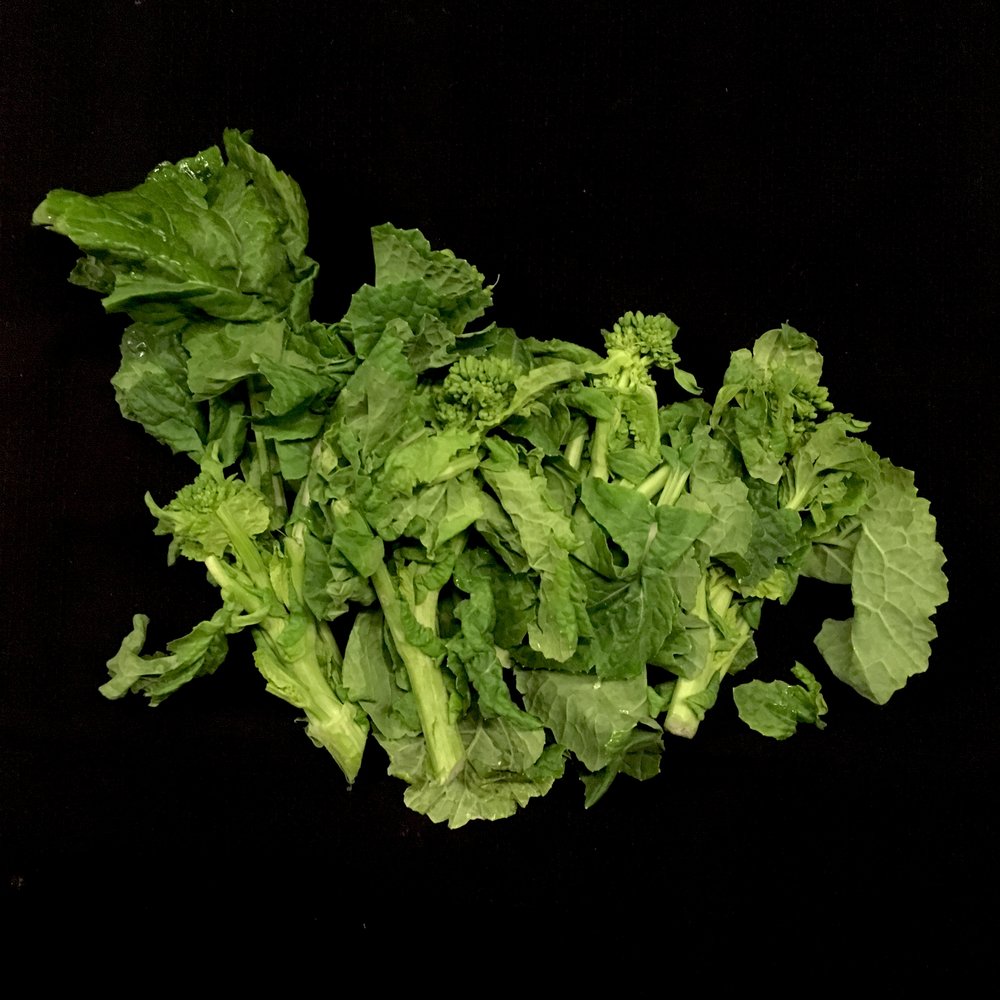
In a flash we went from cabbages and sweet potatoes to fukinoto and canola flowers. It’s almost spring already, and the vegetables at the farmers market let you know that! Of course it’s only the beginning, and it is nice and interesting to mix winter and early spring ingredients. Canola flowers are versatile and I am very found of them. They start at the same time plum trees start to bloom and they both are markers of our wedding anniversary. Indeed, we got married under beautiful plum trees in full bloom at Gojoten jinja on a cold and perfectly sunny day of February 2007. And for the celebration lunch Kikuya’s chef prepared among the many dishes some canola flowers that we discovered at that time.

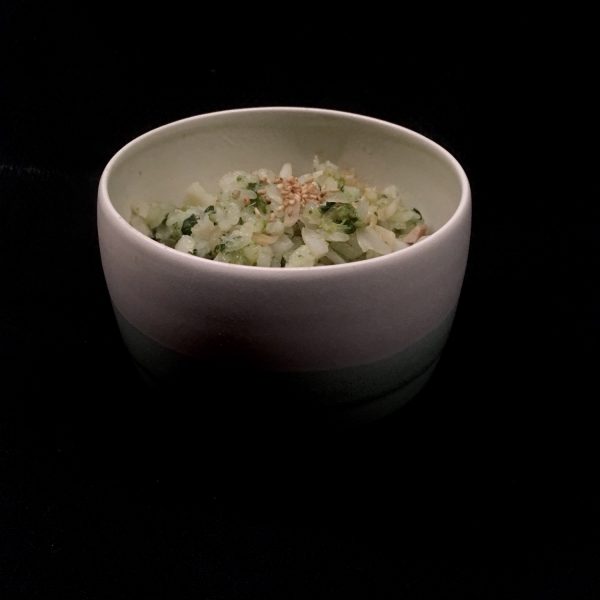
I cook canola flowers, or rather I like to call them the Japanese way: na no hana, quite often when the season comes. They are a good alternative to broccoli and more local. I have tried a lot of different combinations and developed many recipes with na no hana, and I still continue. This time with some beautiful cod fish from Hokkaido I prepared a kind of rice bowl. Simple, healthy, tasty and colorful. Try it please!

Na no hana and cod rice (for 2 people)

– 1 cup of Japanese rice (as always Koshihikari from chiba for me)

– 200g or a small bundle of na no hana

– 200g of fresh cod

– 2cups of katsuobushi dashi

– sesame oil, sesame seeds, salt

First start to cook the rice. While it cooks prepare the rest of the ingredients. In a fry pan start grilling the cod on the skin side at medium heat. In a pan prepare the dashi then add the washed na no hana. Boil them until soft. Drain once cooked and chop. Once the rice and the fish are cooked, in a fry pan add some sesame oil, the rice, the fish in crumbles without the skin, and the na no hana. Stir well and cook at high heat for 3-4 minutes. Add salt and sesame seeds and serve. Enjoy!
Whaou!

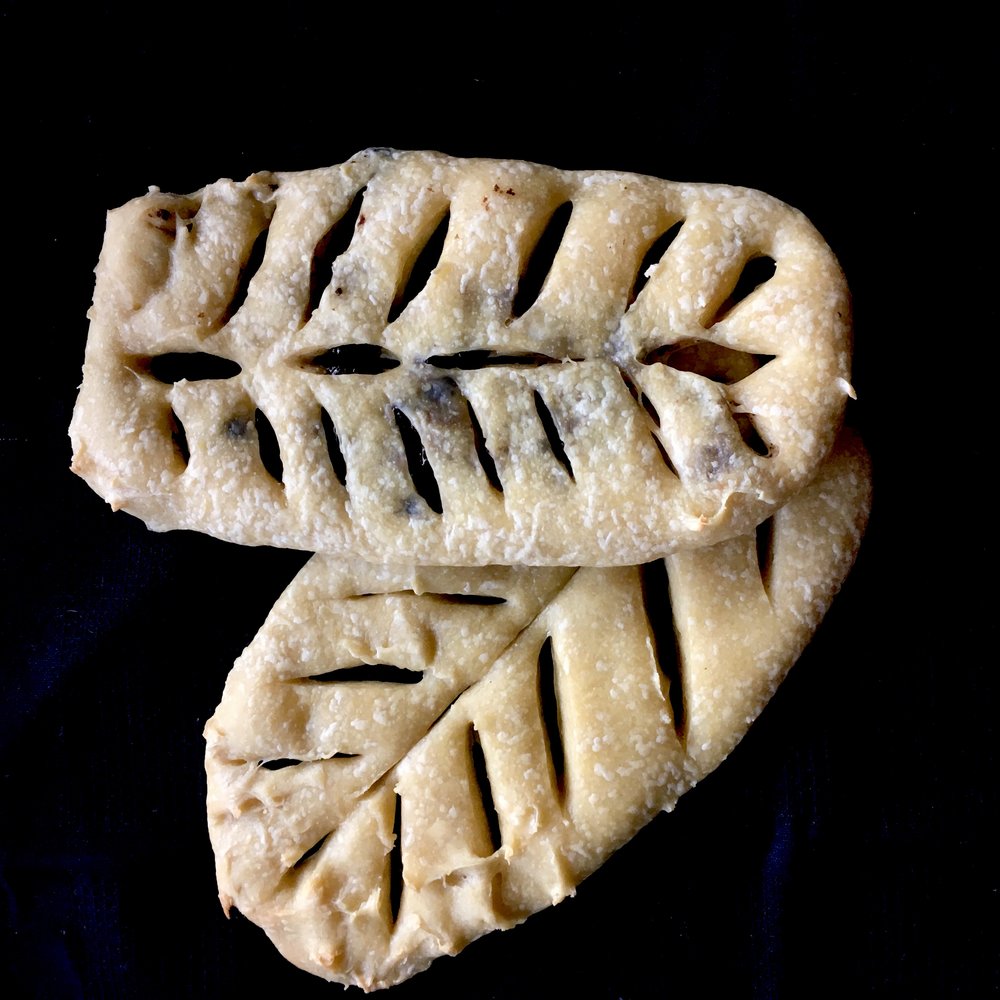
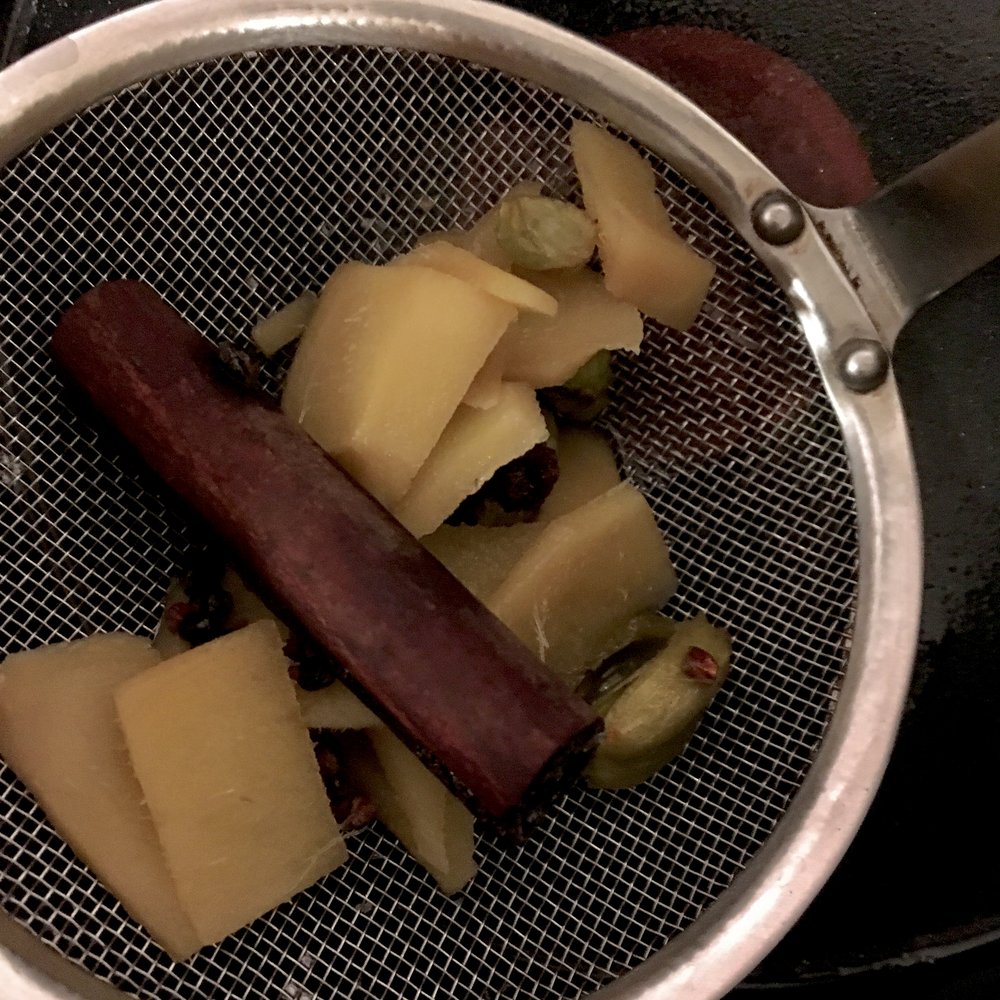
Quite a week, and it’s only Thursday!!!  So let’s get back to when I left you last Saturday… Sunday evening we had 4 guests (mix of French and Japanese) for dinner at home in Tokyo so I cooked some of my half new recipes: creamy cauliflower soup with curried croutons (recipe below), pork cutlet with roasted roots: lotus, taro, sweet potatoes, turnips, deglazed in soya sauce, and for dessert hasaku with spices syrup (ginger, cinnamon and cardamom) served with sesame and kinako biscuits. A. picked many Japanese and French wines to accompany my food. Oh… and I also made some plain and olive fougasse, with the olives from the garden in Aix that my mother prepared! But that was Sunday and it seems ages already!!!

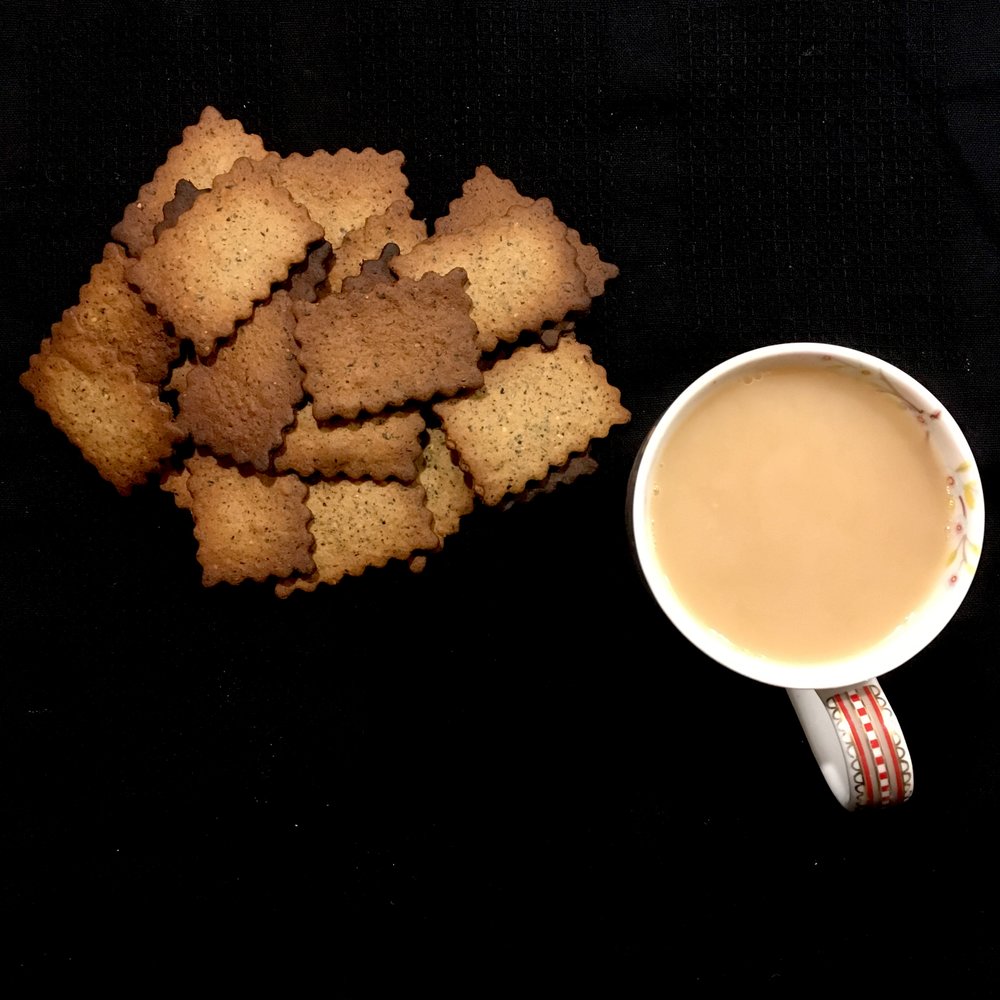
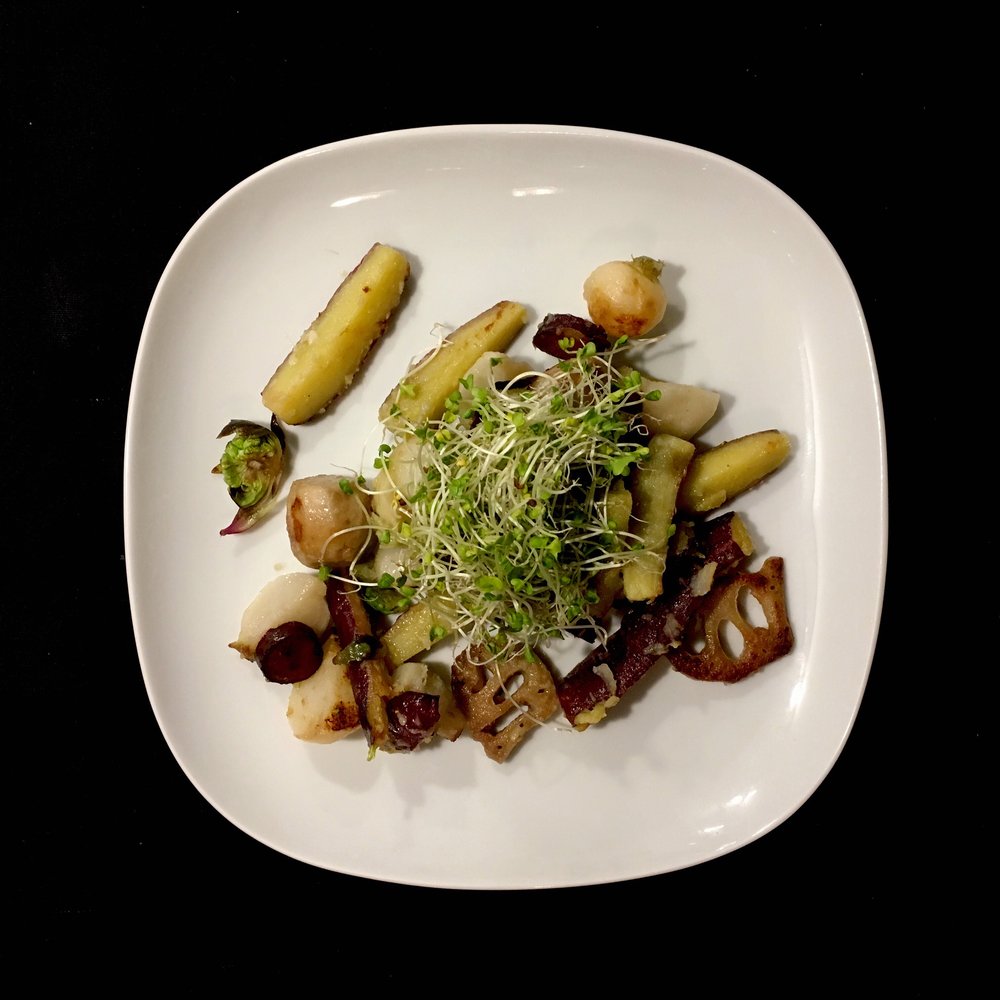
And then Monday it had snowed, quite a lot actually, so I came back home earlier than usual to avoid being stucked with train problems. And I was happy to work from home eating left over sesame-kinako cookies with a hot chaï late. And having nothing to prepare or so for dinner since I hade made too many roasted vegetables! I like to recycle leftovers and do new things with them. So I added fukinoto and topped with sprouts for a perfectly balanced dinner. It was a great flavor experience! Fukinoto bring so much!! They are also the taste of coming spring with plum blossoms! And then there was this workshop I co-organized at the French Embassy. Everything went great, I met amazing people, now I can think about what’s next (and there’s plenty) and go back to the work routine for a short while!!

How is your week doing? 

Cauliflower soup with curried croutons (6 servings as starter)

– 1 cauliflower

– 1 potato

– 150ml of cream

– 4 slices of bread (I used half rye bread I made) 

– 2tsp of curry

– oil for the frying the croutons

– salt, pepper  

In a large pan I boil the cauliflower washed and chopped and the potato, peeled and chopped too. When they are very soft I blend everything. Add water if it’s too thick. Then add the cream.

In a fry pan add oil and the curry, cut the bread in cubes and fry them while turning them regularly. When golden take them out and keep them on cooking paper. When serving heat the soup, add salt and pepper if you lile, serve and top with the croutons. I added a sprinkle of tumeric for adding a bit of color.

Crazy week(s)

I knew January would be a tough and busy month and it is exactly what it is. It is the season for student graduation thesis and I have a pile of them to read before the end of the month. It is also the moment to think about final exams for the course I teach. But also national exam weekend, with some duty, and on top of that, conferences deadline, experiments, lab visits… At this point of the year it is also often that the weather is unstable, and temperatures are on day as low as 0 deg, and the next day are 15 or more… it is hard to adjust… but it is for sure not yet the end of winter, February and March are usually colder than January in my opinion, or may be it’s just because I’m getting tired of the cold, seeing the plum trees and peach trees blooming…

For these kind of times, a comforting food is always welcome. Some simple flavors and colorful meals. Orange in the plate is great when served with white: perfect mixing carrots, lotus roots and salmon. And this time I don’t let myself get disappointed by the color change due to oxydation of the lotus root. Once peeled, washed and sliced I bathed it in a bit of vinegard. Actually it added a little flavor to the final dish that I really enjoyed and countered balance the sweetness of the carrots and the salmon. Here is my recipe.

Roasted vegetables and salmon (2 people) 

– 1 leek

– 1 piece of lotus root

– 1 carrot

– 2 sliced of salted salmon (unsalted is also ok) 

– 2 tbs of sesame oil

– 1 tbs of white vinegar

Peel, wash and slice the lotus root. Put the slices in a plate and add the vinegar. Turn them so that each side has been in contact with the vinegar. This is too keep the beautiful white color of the lotus root when cooking. Cut the leek in chuncks, same for the carrot (if organic just wash, don’t peel) . In a heated pan, add the sesame oil, the leek, cook 2min at medium heat while stirring once in a while. Add the carrot. Drain the lotus roots and add them. Remove the bones and cut also the samon in bite size. Add to the pan. Cook at low heat under cover for 5-8 min. It’s now ready! Serve with a bowl of rice snd enjoy!


Half risotto

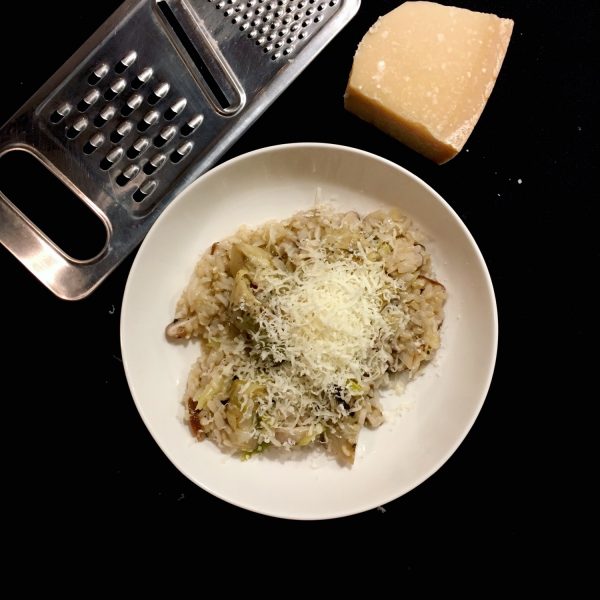
In Japan people born from one Japanese parent and one foreign parent are called “half” (ハーフ) by Japanese people. Using the same idea I use like to use this word for my cooking recipes. Some would use different words such as ethnic food, fusion food or any other that means nothing to me. But “half” really captures my way of cooking. Whether it is French-Japanese or Italian-Japanese, it’s cooking “half” to me. When I make a Japanese quiche, or foie-gras suigyoza… This time, it’s a risotto I prepared, that is perfectly half, in ingredients and inspiration. Half Japanese and half Italian. The rice: 1/2 brown Koshihikari 1/2 Carnaroli; the vegetables: 2 small leeks for the base, then fresh shiitake and some olive oil preserved Italian purple artichokes (you can use fresh one if you can find some… but really in Tokyo it’s not easy…). I topped my risotto with some freshly gratted Parmigiano but it’s optional, A. prefers his risotto straight!

Half risotto (for 2 servings) :

– 60g of Carnaroli rice (or any risotto rice of your choice)

– 60g of brown Japanese rice  (I use Koshihikari from Isumi, but it’s up to you to use the brown rice you like)

– 1 or 2 leeks depending on size

– 4-10 shiitake depending on size (I prefer smaller ones)

– 10 small purple artichokes  (I used olive oil preserved ones)

– olive oil, salt, pepper, Parmigiano…

First chop the leek and cook in a large pan at low heat in a bit of olive oil, stir regularly so that they don’t change color. Wash and cut the shiitake. Prepare the artichokes if fresh and cut in halves unless very small and tender, if in olive oil drain them. Add the rices in the pan and a bit of olive oil. Increase the heat and stir often. When the rice becomes translucent add about 600ml of water (I don’t use broth because the leeks and mushrooms are alrrady bringing enough flavor), salt, pepper, the mushrooms and the fresh artichokes (if in olive oil, wait until the end). Cook under cover at medium-low heat until the liquid has almost disappeared. Add now the artichokes if they were in olive oil. Stir and serve rapidly. Add gratted Parmigiano if you like!

Home-made tagliatelle

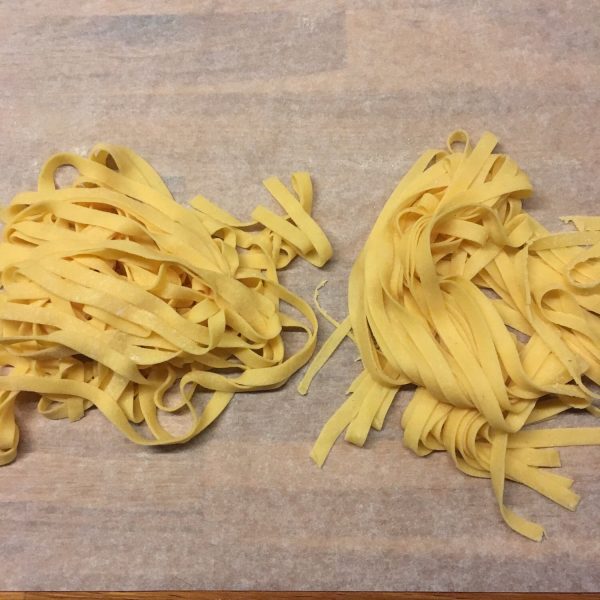
As planned there will be a lot of pasta in 2018, and it has already started! For Xmas I received a motor for my pasta machine!!! Not that I am a big fan of going mechanical, I prefer to knead manually, to chop manually, to ground coffee manually… but I must admit that with the pasta machine three hands rather than two were neededto hold the pasta in, hold the pasta out and manipulate the handle, so it was really tricky and to get things done by myself I was flouring generously the whole top and I was making a real mess actually! The motor makes things much cleaner, and the pasta is great: thin and not too floury. I’m starting to be really good at making pasta!

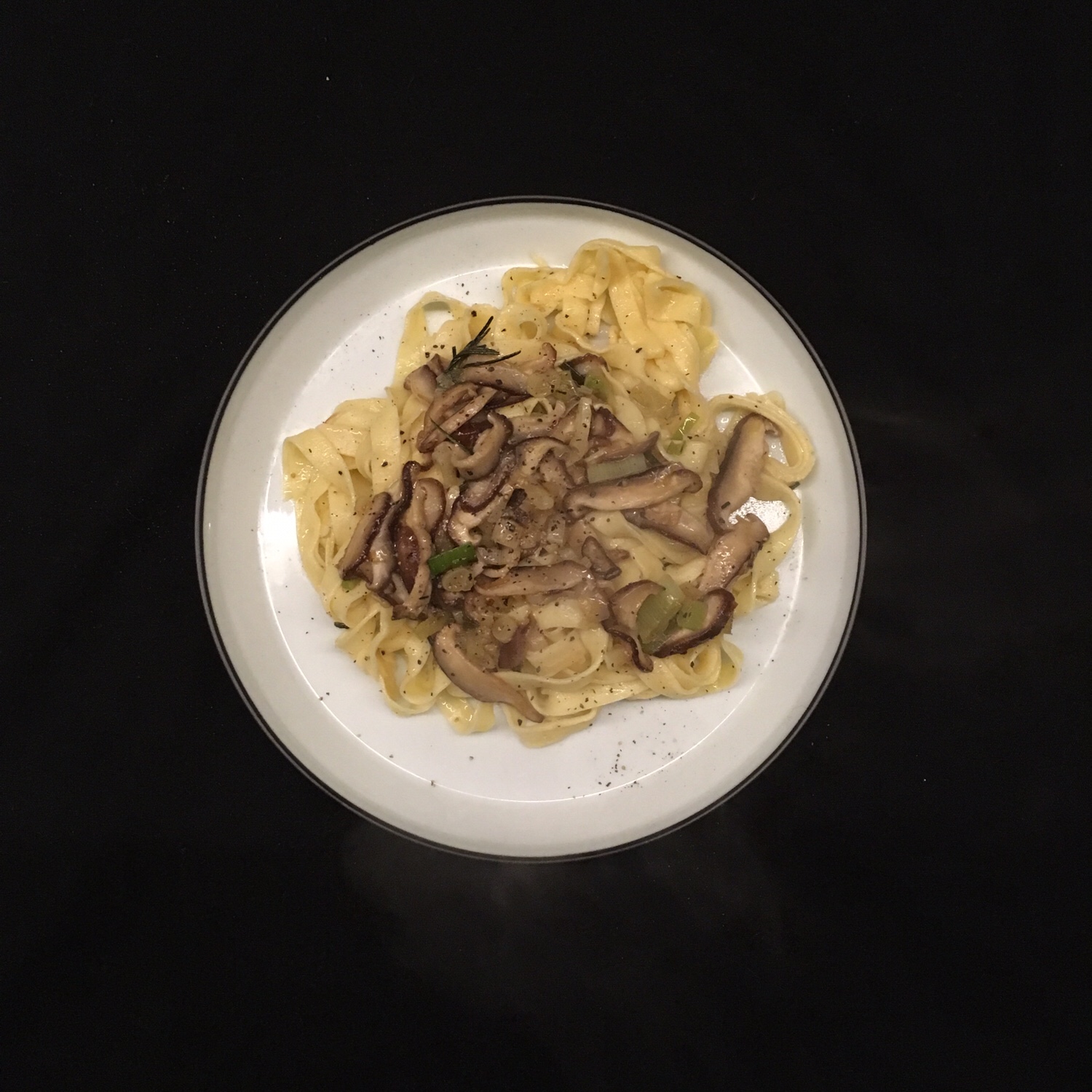
For a change I didn’t make ravioli though I was quite tempted to, instead I made tagliatelle, and simply prepared them with buttered leek and shiitake.  I used the same preparation steps that for the ravioli. I prepared the leek and shiitake in a large pan with a bit of butter and at low heat and used the boiling water to keep the mix moisten, and when the pasta were ready I just drained them and added them to the vegetables, added a little of olive oil and pepper and stirred well just before serving. So simple and delicious, invigorating before going back to work!!!

Friday already!

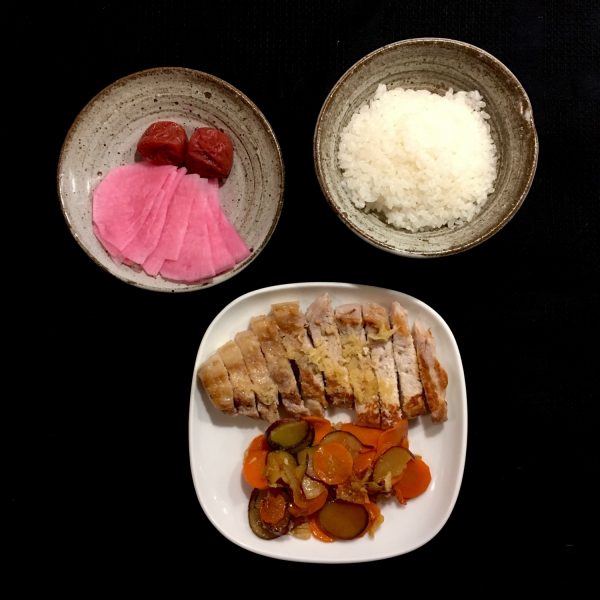
The week has been incredibly busy with many various things going on at work: the book I was mentioning, the organization of a workshop in January, classes, experiments… drinks with friends, party and MarioKarting with the lab, skipping lunch for tennis… and without even noticing it is the last night before the departure, it’s getting winter cold and days are at their shortest! So now I need to shop for some presents to bring to family and friends and pack everything!!! And I also need to cook!!! These days, as often before traveling, I have cooked a lot of very simple and light meals, with pasta, tortellini or risotto, but for the last night it can only be Japanese of course! So I’m thinking of rice, umeboshi, and some colorful vegetables (broccoli?) and may be some half dried salmon. Which reminded me of that excellent simple dinner I cooked last weekend with some roasted vegetables, pork cutlet from Isumi, plenty of pickles and rice. It was colorful with the fancy pink pickled daikon, the roasted carrots and the pure white of the rice. It was tasty with the sour salty umeboshi, the sweetness of the sweet potato and the carrots, and the caramelized pork… It was one perfect dinner for a cold evening!

Next time I’ll write I will be in Florence, hopefully with some Italian surprises! Have a beautiful weekend!

Mackerel – 鯖

In France we don’t eat a lot of mackerel, in particular in the south of France or at least in my family… we usually eat more Mediterranean fishes such as tuna, snapper, Peter’s fish, pilchard and sardine, anchovy… so mackerel was very rarely on the table. Here in Japan, of course there are a lot of fishes as the above mentioned but to eat grilled, mackerels, and they have so many different types, are some very easy to find and delicious fishes. Though I am always a bit reluctant to cook some because it smells a lot, I am always happy to eat some! I find it very versatile and simple to prepare with many different types of vegetables in either Japanese style or more western styles. This time I prepared it in 3 different options, two being very close to each other: 1. pan grilled on the skin; 2. in croquettes; 3. to stuff lotus roots. 2. and 3. are actually made with the same base. and both start with 1..
The first thing (top picture) I did was to grill the fish on the skin side until it is well done and the skin is crispy (though I don’t eat the skin). I served half of it for one dinner with blanched baby pak choi, yuzu and a bowl of rice with an umeboshi.
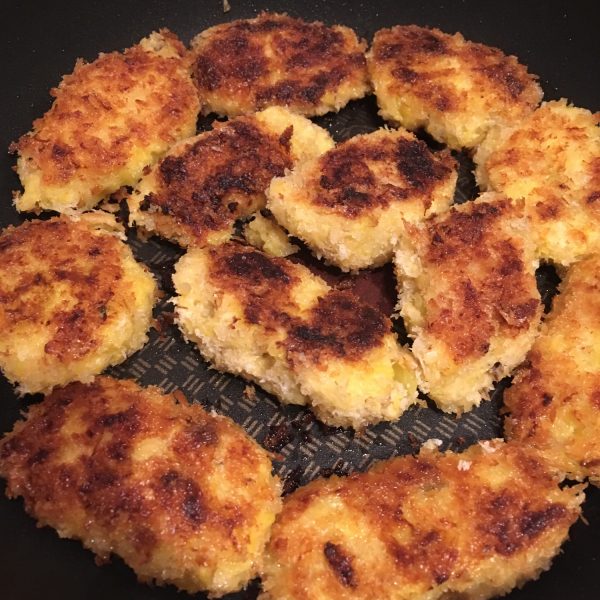
The second thing (bottom picture) I did with the second half was to remove the bones and skin and mix it with one egg and a piece of steamed butternut squash to obtain a thick paste. I then make small ball of the paste and rolled in panko and fried in a greased frypan both sides for the croquettes. Finally I also used the mix to stuff some lotus root that I then steamed. Unfortunately my lotus roots blacken a lot more than I expected due to oxidation, and the result wasn’t up to my expectations presentation-wise and  color-wise. Good to know that it is really important to add a little of vinegar when you wash and cook the lotus roots to keep their perfect white color. Taste-wise though both were really nice!

Muscovado scones

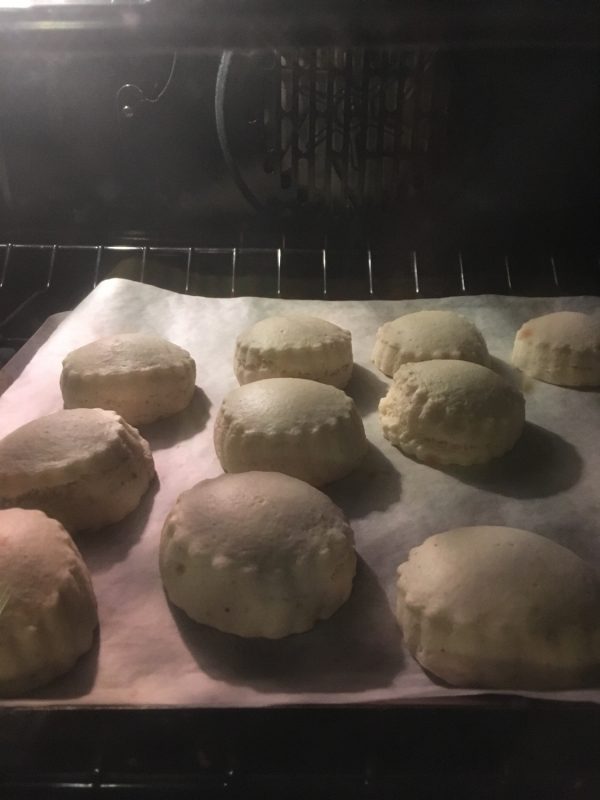
We are lucky to have a friend whose parents live in Okinawa and send regularly some delicious, organic products from there. One of the famous staple from okinawa is muscovado sugar (黒糖 こくとう kokuto) . Muscovado sugar is basically unrefined sugar cane, rich in minerals and with a distinctive dark color and a strong taste. Though it sweetens like other sugars, the taste is not neutral and then cannot be used everywhere. But for recipes like plain scones this is a perfect use, and it is nice to keep a few blocks so that it melts when baking. So for this recipe I simply replaced the milk in the scone recipe by a handful of mucovado sugar melted partially in a bit of hot water. Then I simply prepared the scones as usual and eat them with some butter or rose bud jam from Miyakojima too.

Spinach and miso

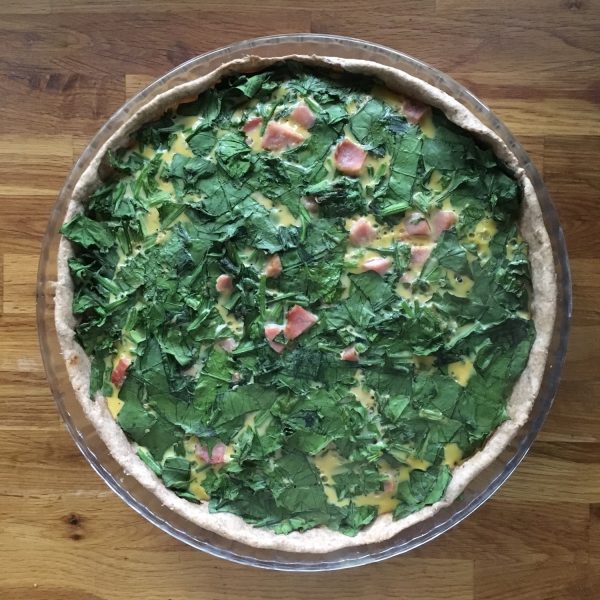
Last week I had a food shopping spree at Wakuwaku in Otaki, and I bought different types of miso. I love miso, in soup of course, but also as a dip, or in many recipes as an ingredient. This time I used it in two spinach recipes. White miso with spinach and chrysanthemum and regular granulous miso in the egg base of a spinach and ham quiche. It’s the season for chrysanthemums and I like to use them for tr bright yellow and the very distinctive taste they have. They are perfect in a chutney with onions, as an addition to roasted vegetables or here with spinach. So here are my two recipes, both very simple, but if like me you love miso and spinach, they should make you happy.

Spinach and miso quiche:

– a bundle of spinach,

– 3bs of miso (white or regular)

– 3 eggs

– a bit of ham diced (optional)

– flour, butter or olive oil, water for the pie crust

Prepare the pue crust as you like it. I used spelt and whole wheat flour. Roll it to the size of your pie dish. And set it. Wash and chop the spinach, in a bowl beat the eggs with the miso, add the spinach, and the ham, set in the pie crust. Bake at 180deg for 25min. Longer if your pie dish is deep. No need to add salt since the miso is already salty enough.

Spinach and white miso:

– 1 bundle of spinach

– 1 cup of dashi

– 2 flowers of chrysanthemum

– 1tbs of white miso

Wash the spinach a boil them in dashi. In the last minute add the petals of the chrysanthemum flowers. Drain them well, add the miso and stir with the hands. Serve and enjoy with a Japanese meal: rice, grilled fish…

Have a great Sunday!!

Proudly powered by WordPress | Theme: Baskerville 2 by Anders Noren.

Up ↑

Verified by MonsterInsights