Bosso

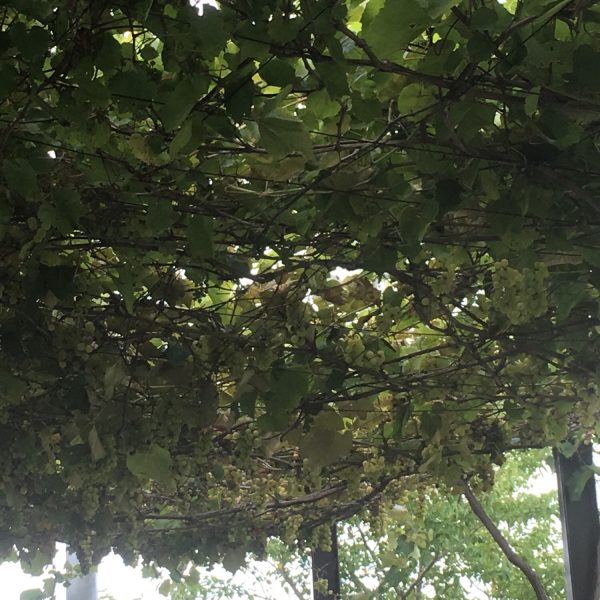
As planned I didn’t have much time to write in the past days, busy with work: final grading, entrance exams, proposals to submit and research to supervise as usual though. And at home it’s been busy too, with friends visiting and a feverish A. to take care of. But the noticeable thing of this week is the turn in the weather and since the 16th it is definitely not summer anymore. Days have noticeably shortened, there is a cool wind and we turned off the cooler. It is perfect now for open drives, walks around the rice fields to watch rice harvesting and have lunch outside in the shade. And one place I really like, just halfway to Isumi from Tokyo, is the pizzeria Bosso by the lake in Ichihara. It is a small restaurant with seats indoor that have view on the lake and outdoor, facing the lakeside museum, there is a terrace shaded by wine with plenty of grapes, where you can eat the takeaway pizza. Not only the place is really nice, the staff is super friendly and nice, and the food always surprises me. They use local fresh products for the pizze, both cheese and vegetables. The Noka pizza (農家ピザ) uses plenty of seasonal vegetables thus changes regularly and I really love it, it is always a surprise! This time, on the cheese base there was a massive amount of fresh myoga, okra and ginger as in the picture below.

So if you are in the Ichihara area this place is a must try!!!! The nearby museum, the Ichihara artmix events etc.. are also worth a visit. My favorite riding club is also in the area.
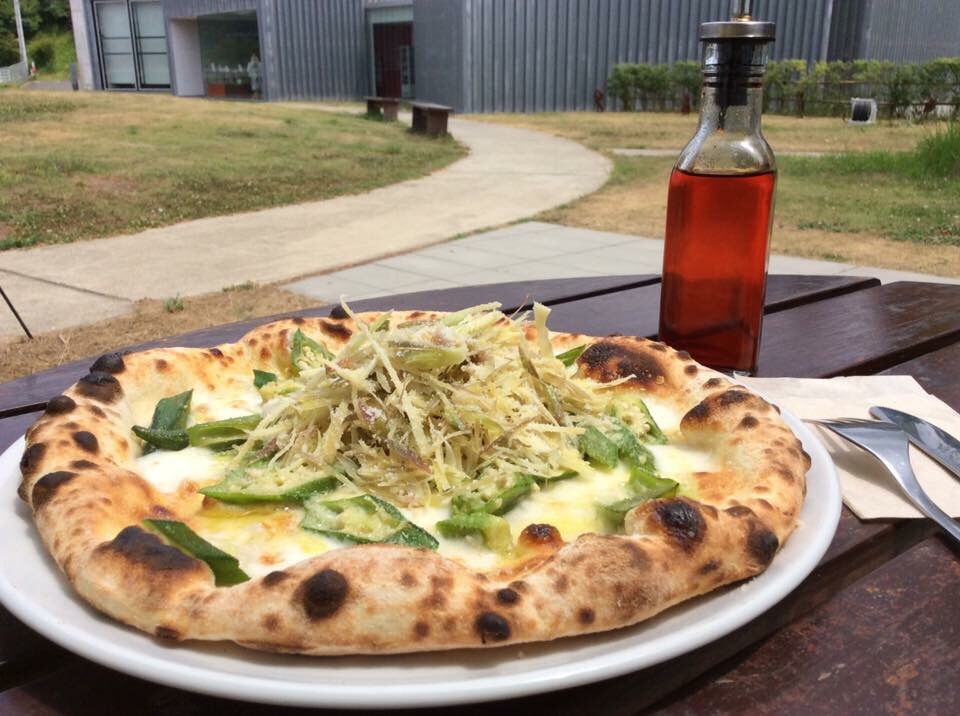
Picture from the pizzeria FB page

Bosso pizzeria:

Chiba-ken Ichihara-shi, Funyu75-1
Website

Ichihara lakeside museum

Away from the heat

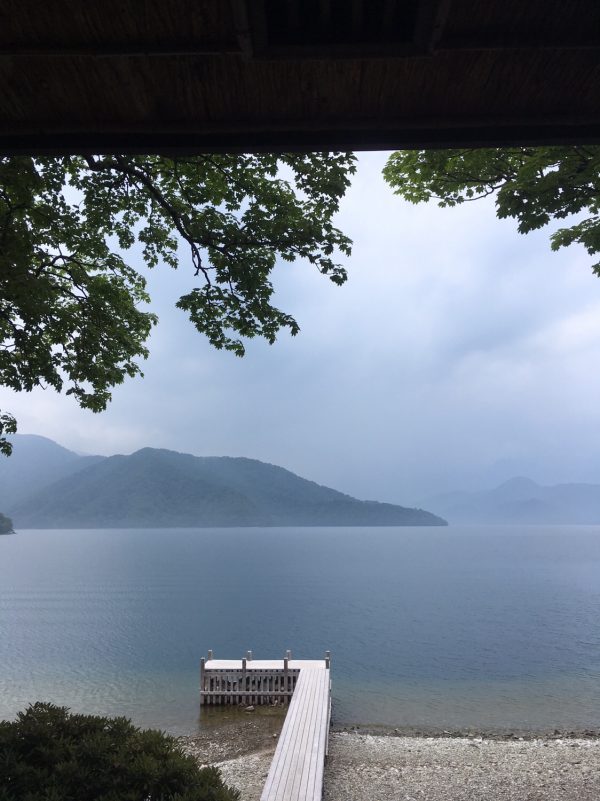
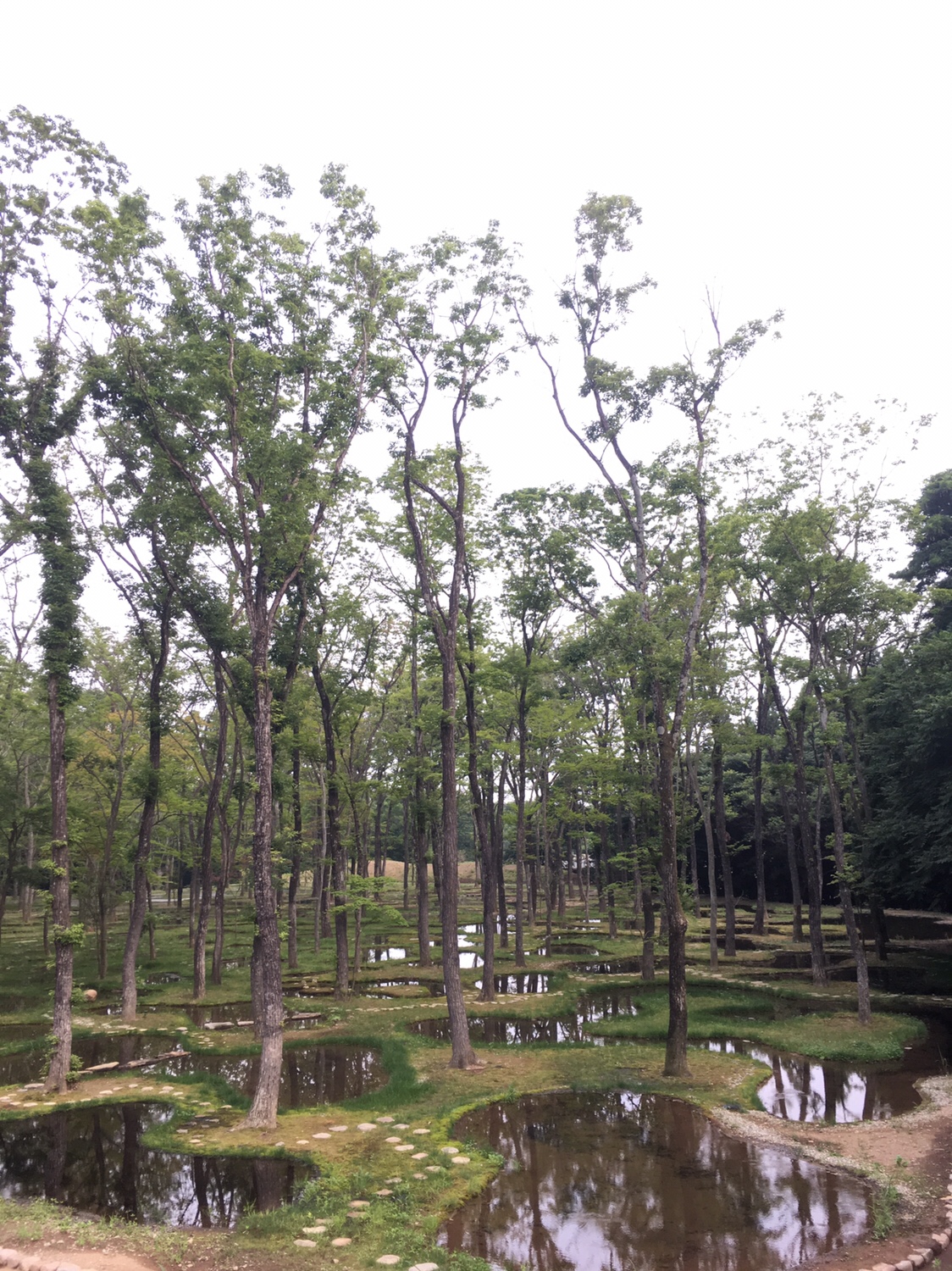
I am quite ok with the heat in the summer, I move slowly, plan things ahead to never have to run, carry water with me and dress lightly. And if I can swim it’s perfect. I guess my body is also used to it from growing in the South of France. But little Parisian A. is more affected. So we decided to drive north a bit in the Nasu area and the Oku Nikko area for a very short refreshing time. The last time we visited the area was in 2007 in the winter, so quite a change of scenery and a few things have changed since then. Noticeably the Nikki club has closed last summer so we couldn’t stay there again, instead they have transformed the staff quarters into a much cheaper hotel called Artbiotop, where one can experience some craft activities and see the beautiful installation of Ikegami: the water garden. Overall Nasu was almost as hot as Tokyo during the day but nights were a bit cooler. It only really gets cooler when hiking mount Nasu at 1700m and in Oku Nikko by the Chuzenji lake where we visited the British and the Italian residences that have opened to the public since we first came in 2004. And of course we had yuba, a traditional product of Nikko, soba and river fishes. And we discovered by chance a very nice place to eat, while everyone rushes to Chus, the very marketed place to be downtown, we went to Cu-eri, a nice little restaurant that cooks local products with plenty of herbs in a French inspired way.

http://gentianeetantoine.com/igk/wp-content/uploads/2018/07/img_7240.movhttp://gentianeetantoine.com/igk/wp-content/uploads/2018/07/img_7221.mov

Spring savory delights

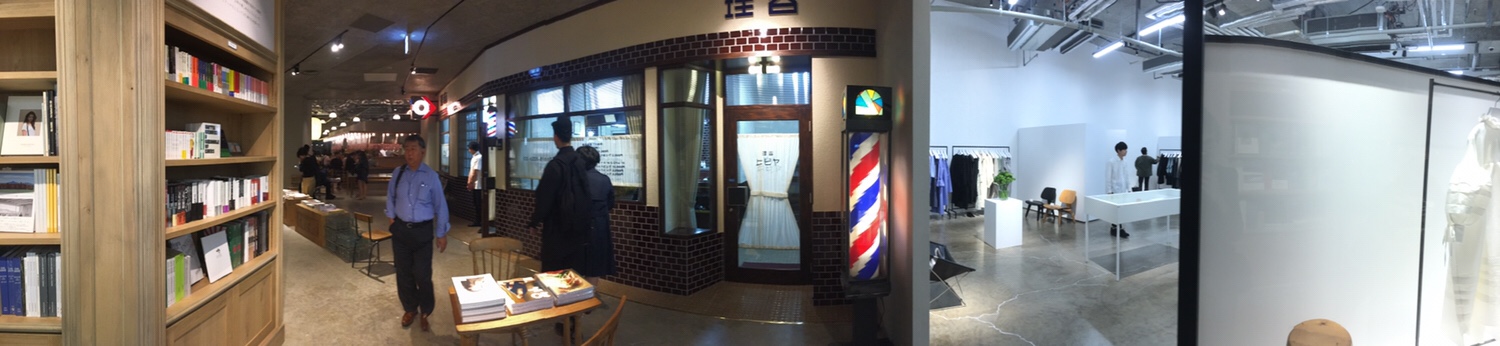
Nothing to do with the recipe I am presenting today, but the other night we went to check the newly opened Tokyo midtown Hibiya. A new building with many shops, a large Toho cinema and a terrace garden with a view on Hibiya park and the imperial palace. The place just opened so it was very crowded in apparence but the overall place was quiet and walking around was smooth and nice. Shops are for the most the same as elsewhere. Brand names, big and small, chains. Nothing really to impressive. The only thing that I found fun and interesting was the retro corner on the 3rd floor, with some craft, a barber, a book store and some sculptural clothes.

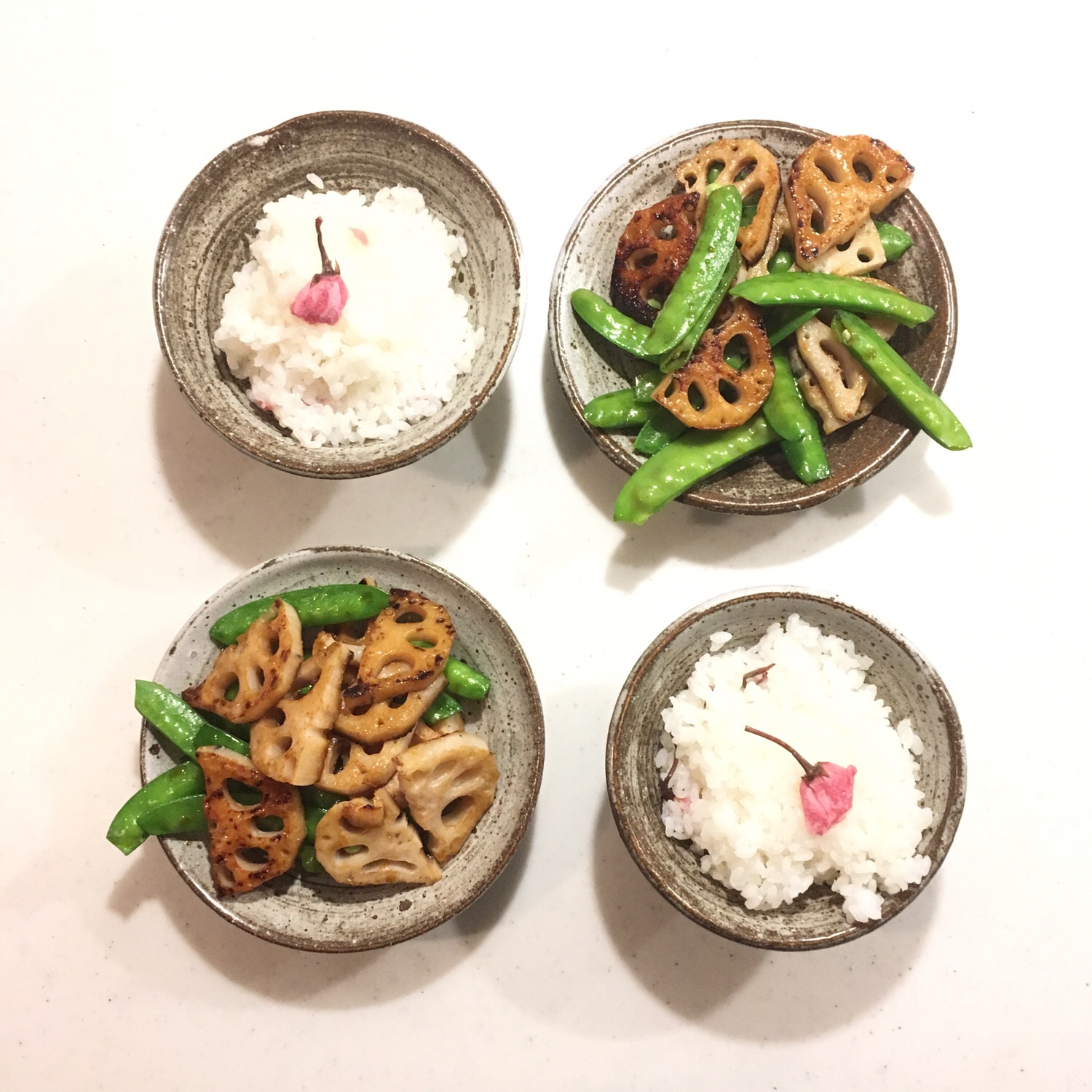
There is one trend tough that I find quite interesting. 15 years ago when we arrived in Tokyo there a few cinemas, mainly old, that little by little were closing down, until it was a real pain to find one. Recently many of the new shopping places downtown have a large dedicated cinema. Toho cinemas are really spreading and now it is really easy to find a screening in original version too. Yet movies release is still super delayed compared to other countries and we usually watch the “new” movies on the international itunes store before they are available in Japanese theaters!!! And what to eat with a good movie? Pasta or a good and simple Japanese vegan meal with rice and sautéed vegetables. To celebrate spring I really like snap peas, for the crunchy texture, the little tart and sweet taste, and the brillant green. And I also love the salted sakura flowers with rice in particular, but not only ( I made some sable last weekend and it was great!). And since I still have some lotus root (I bought a giant one!) I cooked the all thing to be served together. Sautéed in a little of oil for the lotus root, then add a little of water to steam the snap peas on top, finish with soys sauce. For the sakura, I wash the salt in water and add them to the cooked and hot rice. Serve all and eat happily while watching a movie!!

Japanese spring

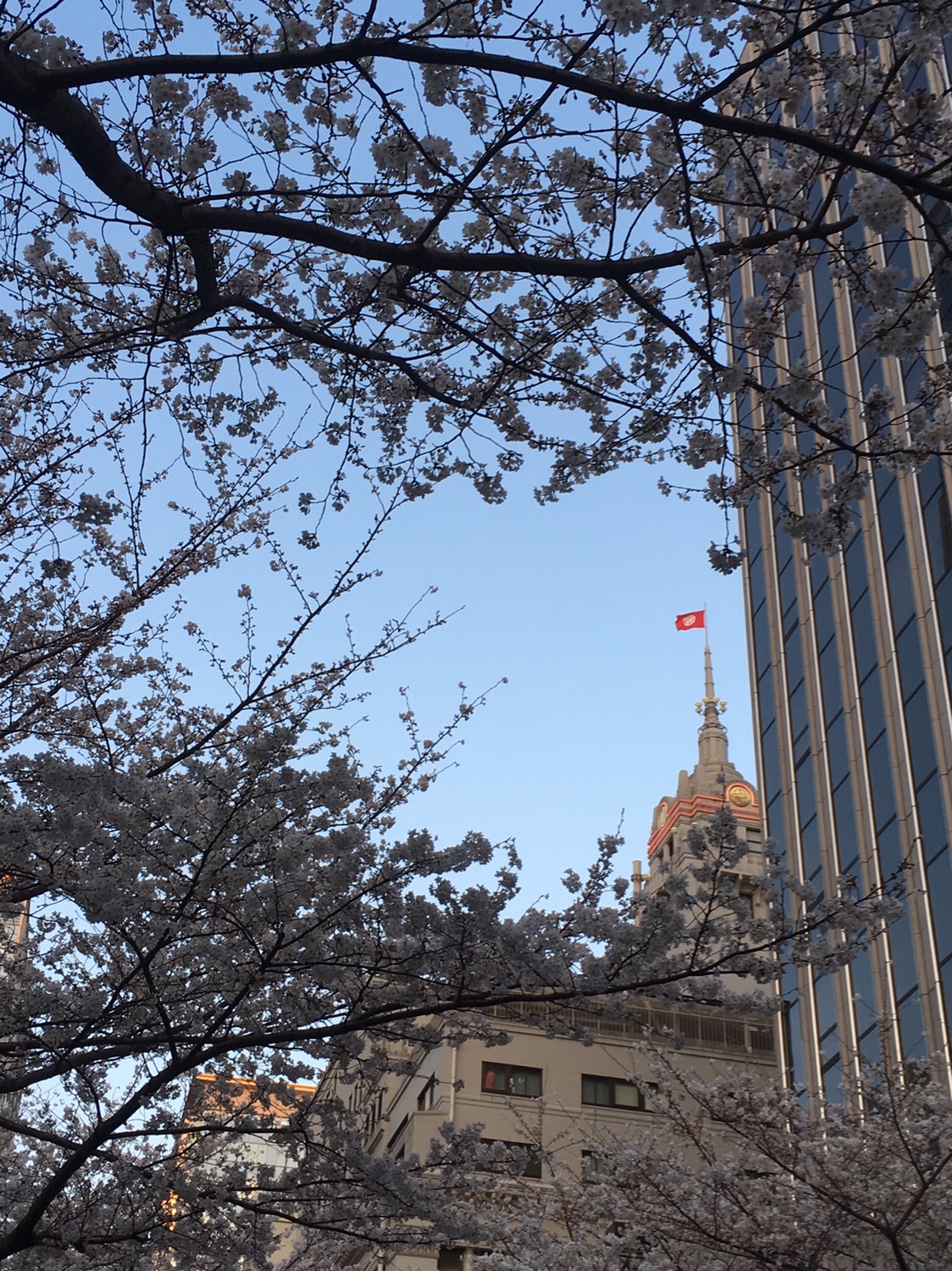
Here I am! Back to warm and blossoming Tokyo! What a difference from Canada! Not only it is warm and all the cherry trees are blossoming, people are out to enjoy the weather and the flowers, there is this very special euphoria in March in Japan. The season for graduation, for endings and soon new departures. And we are no exception to that. April is going to be busy, full of novelty and surprises.

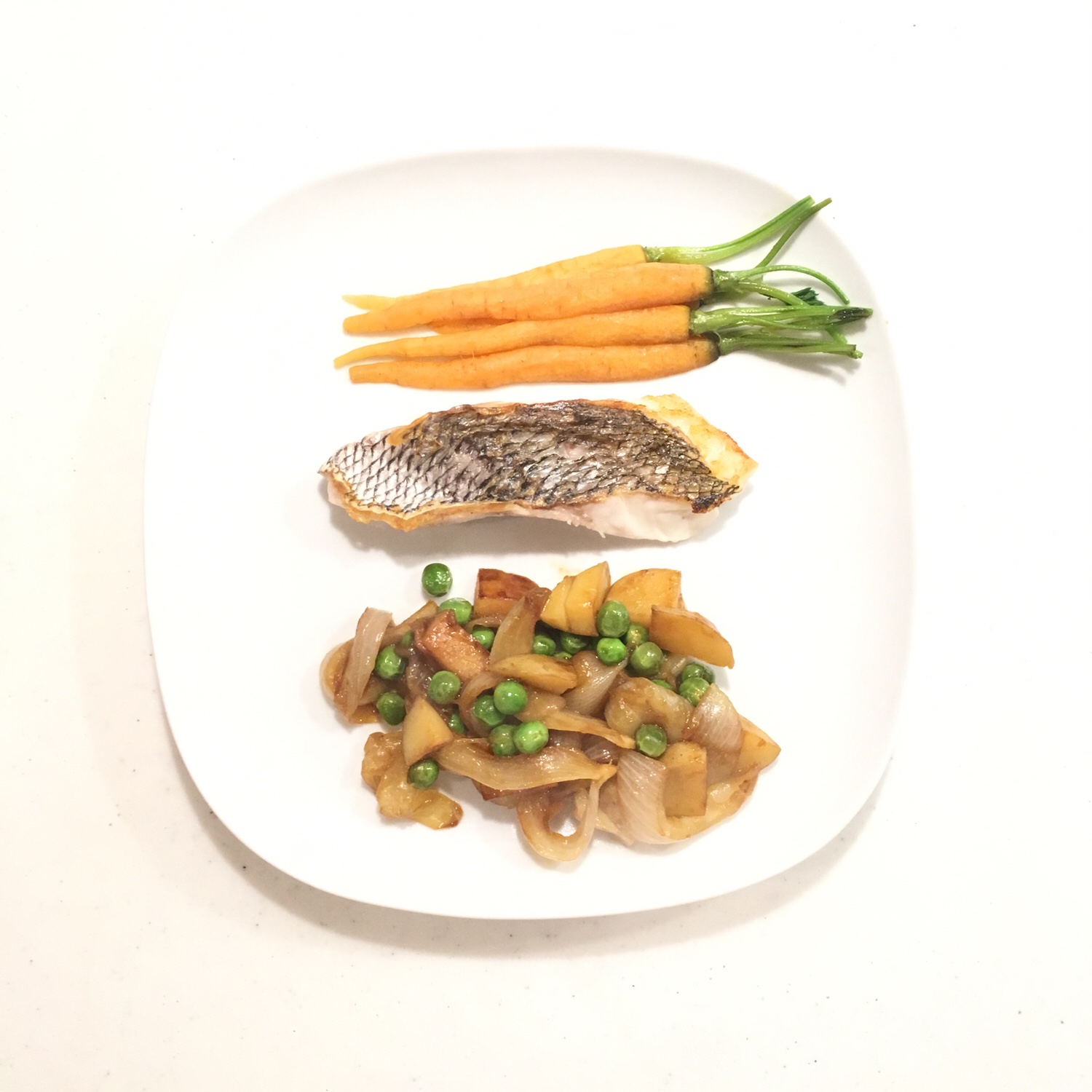
When I left Tokyo almost two weeks ago we were only having a few spring veggies: new potatoes mainly and a few greens from the south of Japan, by the time I’m back new carrots, onions, green peas, all the wild vegetables are displayed at the fresh food corner. Bamboos shoots also will be there soon! Since both A. and I are coming back from long separated trips and we are both suffering from jetlag from different time zones, the first things we did was to go grocery shopping to indulge ourselves with a nice dinner that will make us feel the season and prepare our mind and bodies to the Japanese time. It is quite rare I shop for food in Tokyo recently, but I have a few favorite places: Mitsukoshi Nihonbashi, Seijo ishi Tokyo Dome or Isetan Shinjuku. This time we stopped at Mitsukoshi and got some fresh new vegetables and a piece of fresh red sea-bream. It’s not always easy to find wild fish but at least I know each of these three places usually have some. And the dinner then was just simply decided with a classical preparation of sautéed vegetables slightly deglazed in soya sauce and pan grilled fish. And I am so happy to be back.

Kitte

When we first arrived in Japan there was a huge post office close to Tokyo station. Quite convenient at the time for tourists because post offices where the only places or so where you could withdraw cash from an ATM with a foreign credit card. But the building didn’t resist the whole tide of renewals in the Marunouchi area, the construction of the Shin Marunouchi building, the opening of brick town and the revamping of the station. Opened since 2013, Kitte (which means “post stamp” in Japanese) is the shopping mall in that very former post office in front of Tokyo Station (Marunouchi south). They basically kept the facade and some of the inside such as the old postmaster office. Otherwise it is a shopping mall like many others, with a flair for Japanese brands and local products. I’ve been visiting it a few times and I find it nice to stroll in because it is usually little crowded. There are two places I like there:

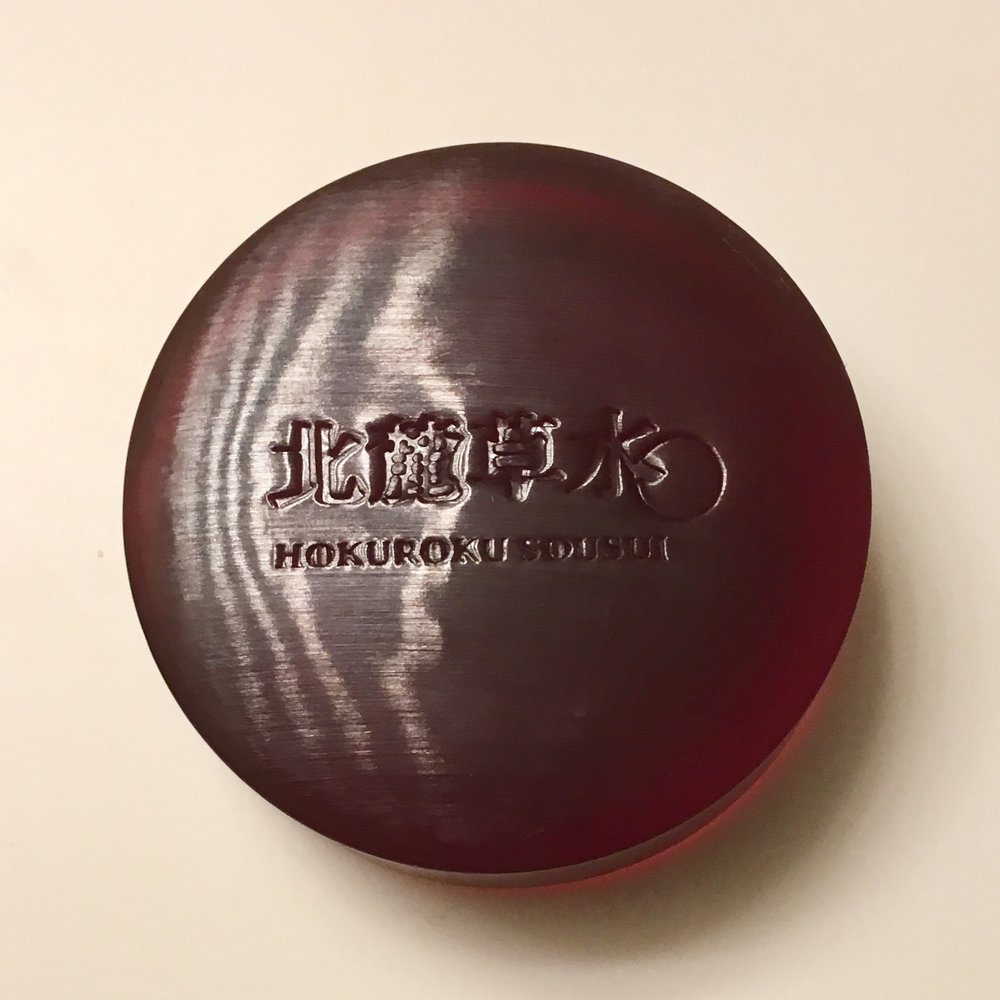
北麓草水 Hokuroku souui, a brand that sells mainly soaps and body soaps and a few cosmetics and skin cares made in Japan with simple ingredients. They have two main fragrances for their body soaps and most of their products, so it’s quite limited but it’s just enough because both smell super delicious: hinoki and yuzu. I find hinoki perfect for every situations, it is both stimulating and soothing at the same time. It smells our first trips to Japan, when we were bringing back charcoal soaps with hinoki fragrance as souvenir. It smells a long time ago!!!

 Intermediatheque is the other place worth seeing at Kitte. It is a giant “cabinet de curiosities”, a museum  (linked to the University of Tokyo museum) with free access that is worth the detour and spending 30 to 90min in or even more. There are many inspiring things on display of various biology, anthropology, physics, engineering… the organization is such that it gives the impression to wander in the attic of a museum with all these treasures kept secret. Yet a very sleek one!! The top pictures was taken there, but no spoilers, go and check out yourself!


Kurashiki – 倉敷

This year so far, we haven’t traveled much abroad, rather we traveled to many places in Japan that were on my bucket list: we went to the north part of Okinawa, to Hakuba in the summer, to Takayama, to the Kiso valley etc… one other place on the list was Kurashiki. So when our visitors from France asked where we could go together, I opted for that destination. October is a perfect time to travel in Japan, the weather is usually nice, warm but not as hot as in the summer, and there is a beautiful light.

 The canal and one of the Ohara houses
The canal and one of the Ohara houses

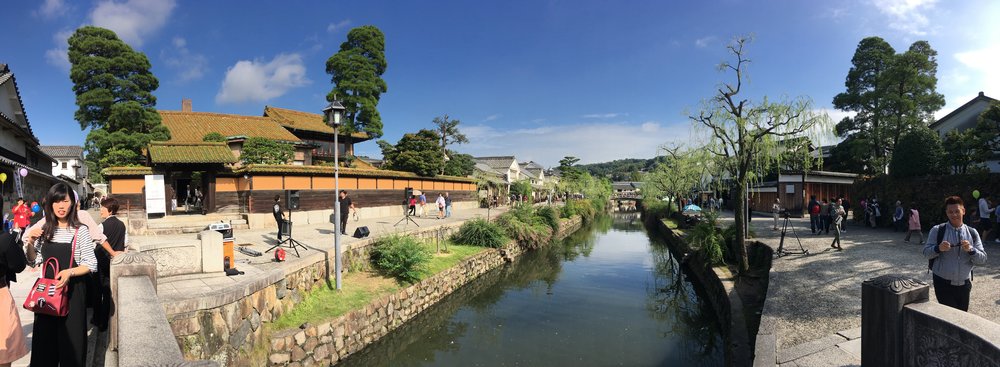
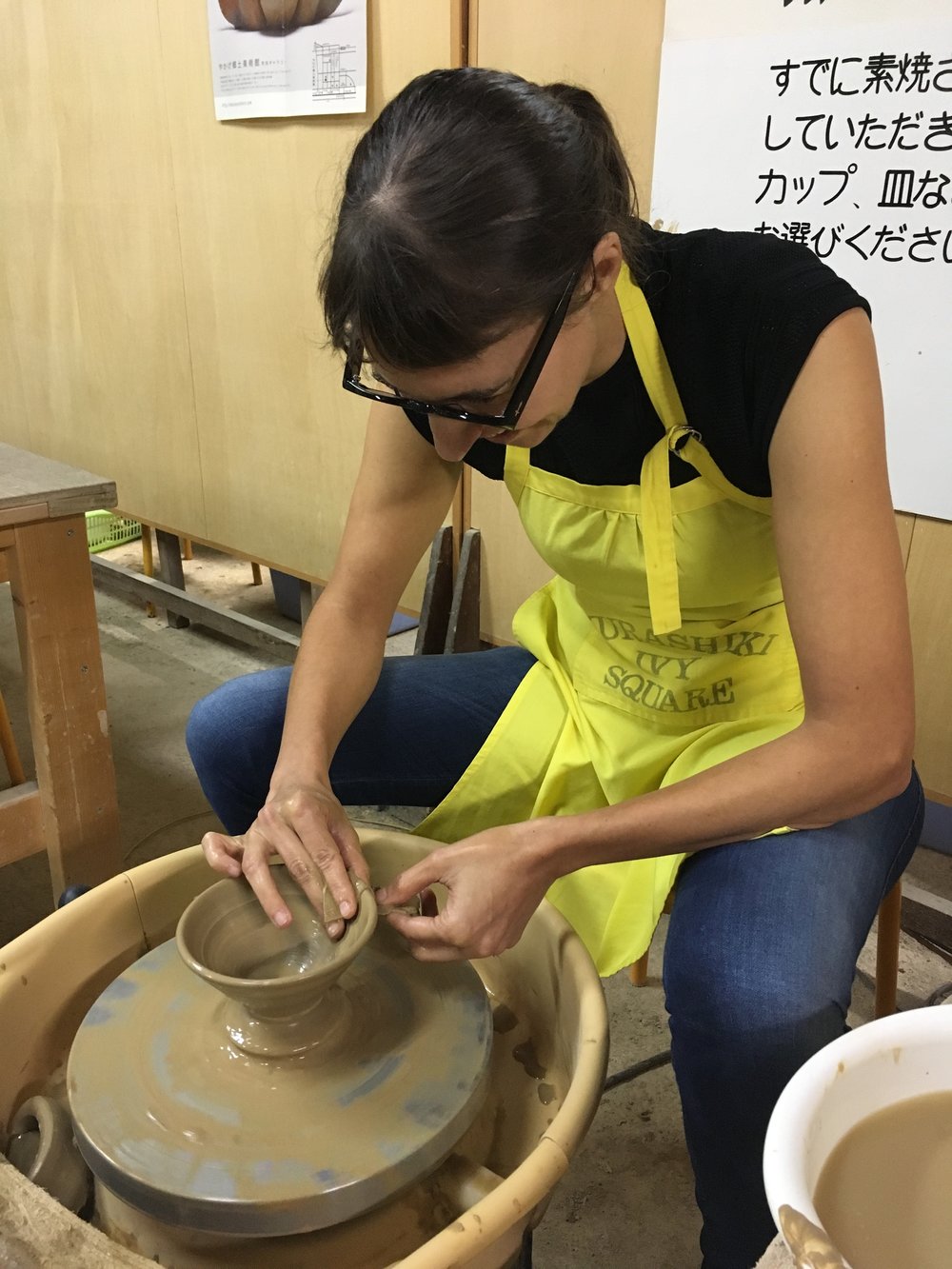
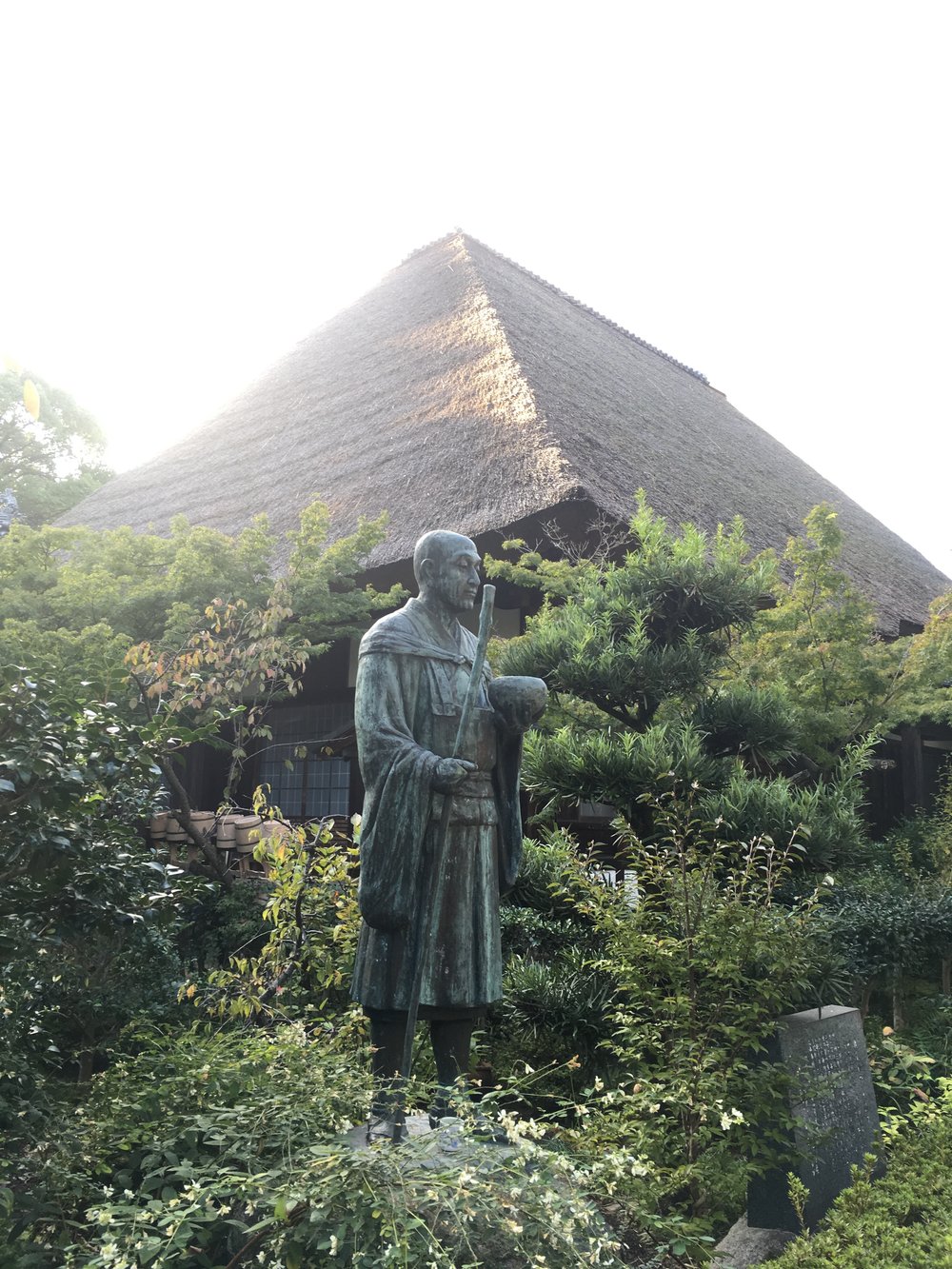
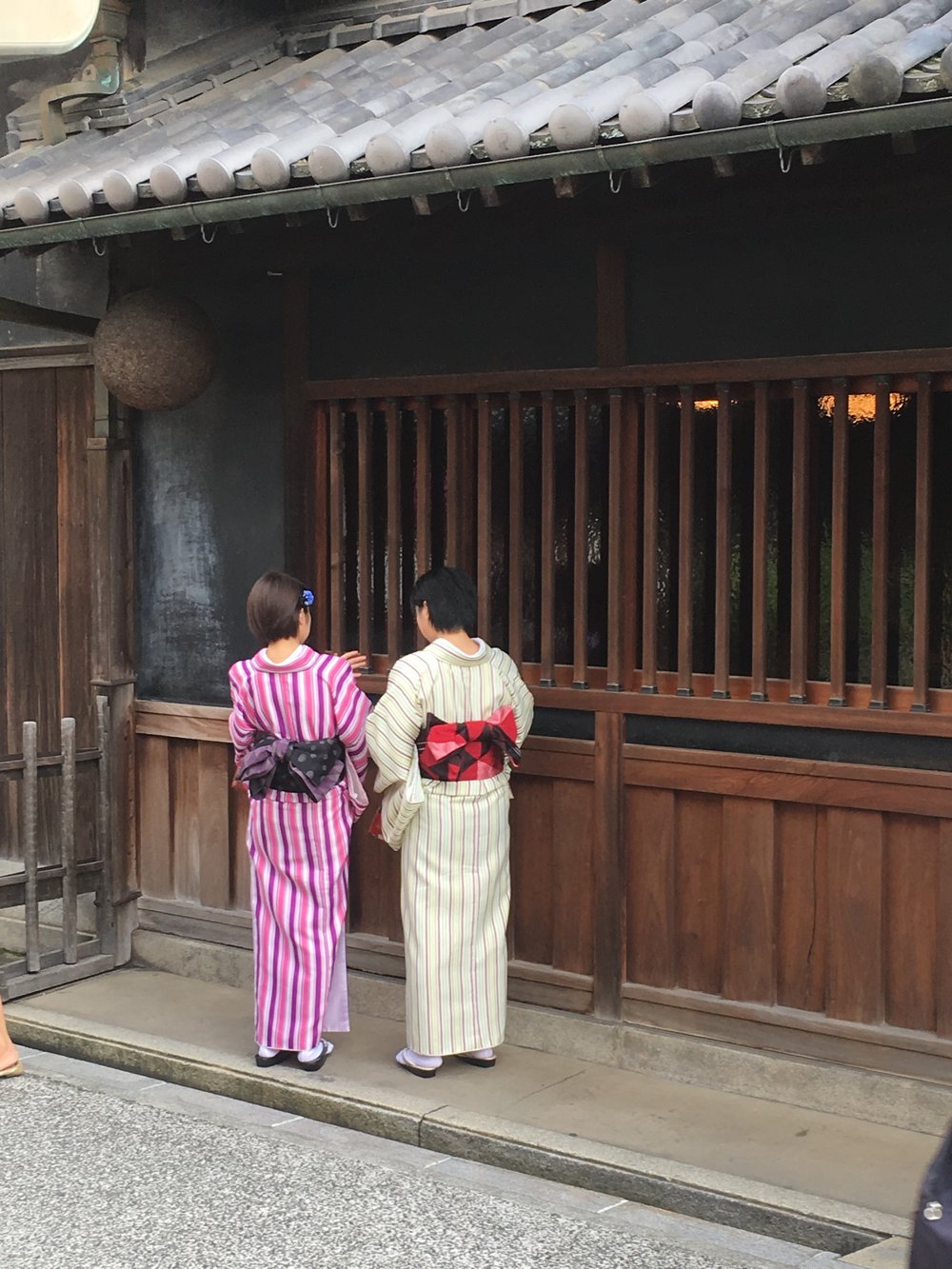
Because I didn’t have much time with moving and work, I didn’t really prepare our trip in detail, except for train tickets and hotel booking. I prepared it in the train on the way, and I think I did some pretty good job to entertain us 48h. The historical old town of Kurashiki, very well preserved with no electric poles like in Tsumago, with its canal, its weeping willows, and its tiled black and white cellars, is beautiful but actually it is very small. We hesitated visiting the Ohara museum, the first museum of western art in Japan, but then decided that there was better things to see than some Rodin sculptures or some Monet paintings. Instead we preferred the Ohashi house, the Ohara house, and the folk craft museum. Once we also had checked in the nicest cafes and the craft shops, and tried some craft workshop (A. and I finally made our first pottery on a potter’s wheel!!), we were surprised that there is actually more than that to visit… if you have a car… which is actually very easy to find! And much less crowded!!! In particular, the Tamashima area has a few interesting places to visit: Yunoki house, Entsuji temple and Tashima Haguro shrine. One thing also that was worth the drive, is the view from the top of the Washuzan at sunset. The view point is perfect to see the Seto Ohashi and the various small islands in the Seto Inland sea. 

 At work on the potter's wheel
At work on the potter’s wheel
 Entsuji
Entsuji
 Old town of Kurashiki  
Old town of Kurashiki  

Yamanashi!!

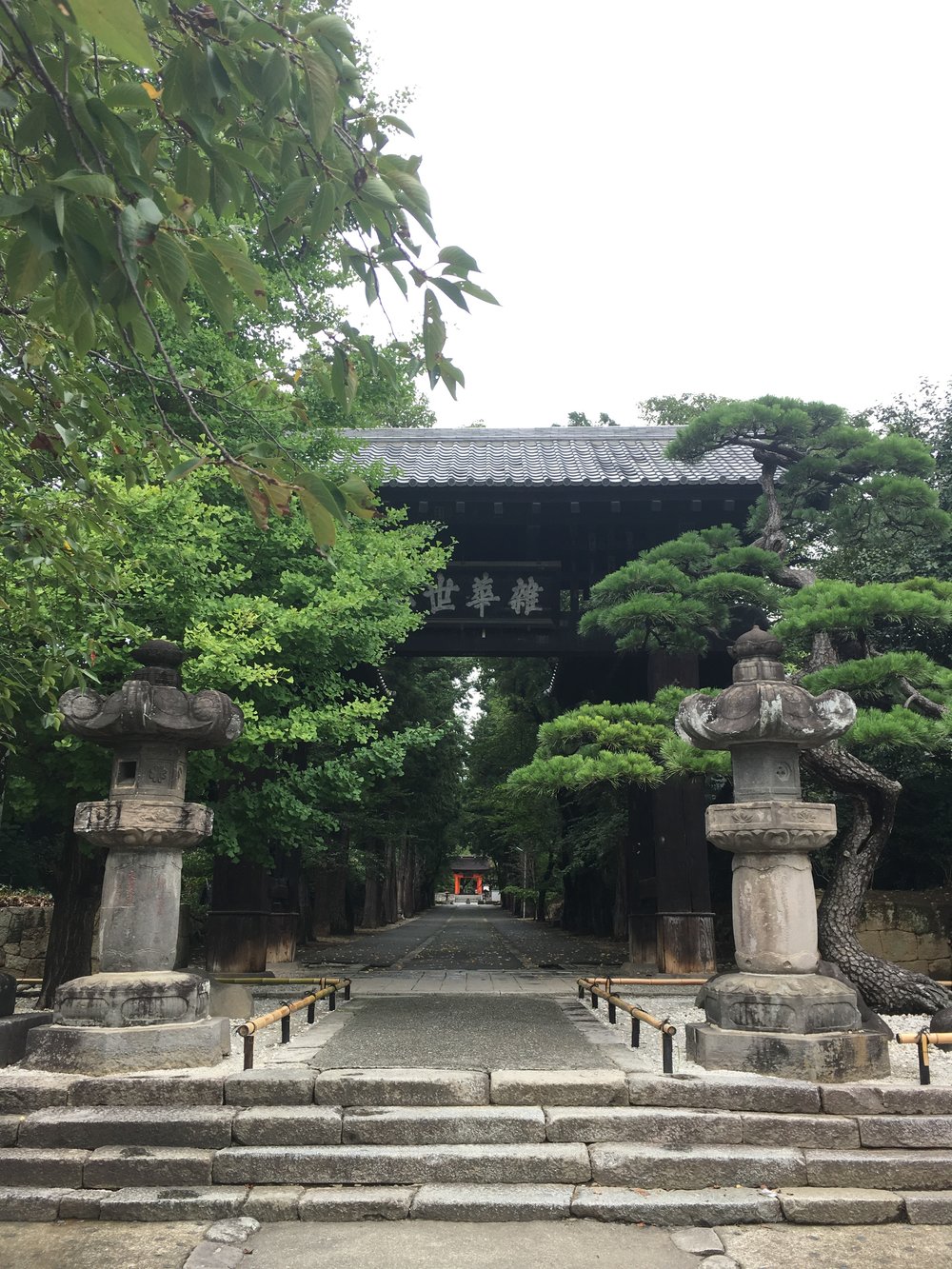
 entrance of Erinji
entrance of Erinji

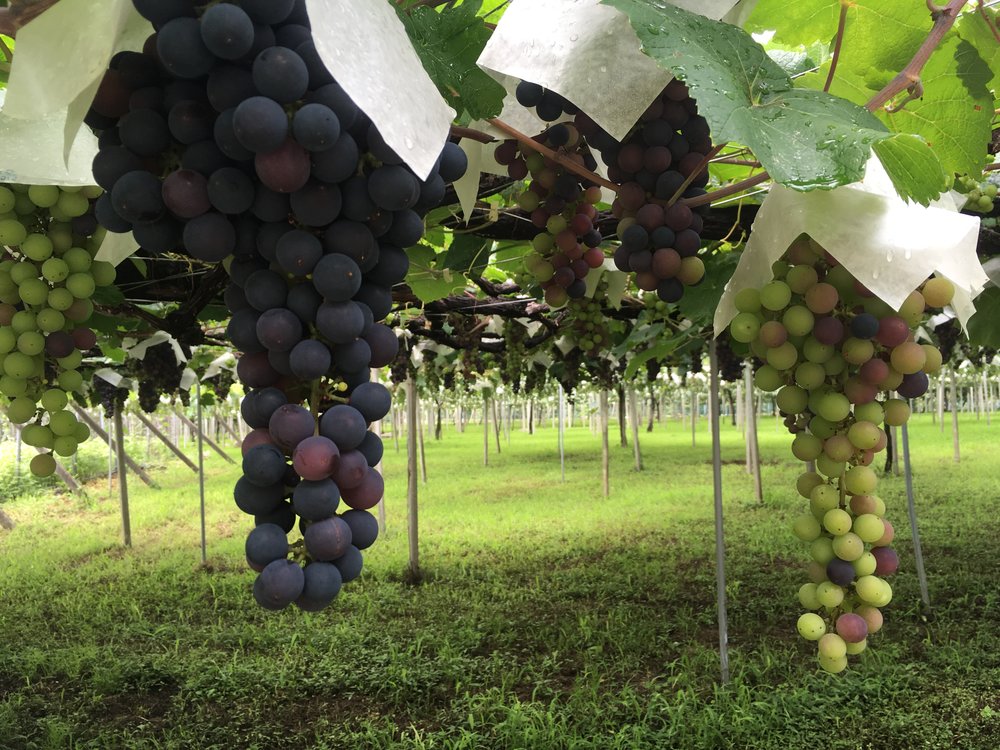
The last stop of our trip was in Yamanashi prefecture to visit wineries and fruits orchards. I had know idea what too expect and what we would actually see, and it was a great surprise! First the place we stayed at (Fuefukigawa onsen – 笛吹川温泉) was fantastic with a chef preparing delicious cha-kaiseki cuisine and adjusting easily with my very special food restrictions. We had plenty of local products at each dinner and breakfast there and it’s been a long time since I haven’t had proper cha-kaiseki. Probably since my last cha-kaiseki class too many years ago… so I was really happy! Then we went to visit on foot the surroundings and were enchanted by the mix of orchards and residential areas near Erinji, a remarkable temple with old beautiful pine trees. In the orchards one can find grapes of course, but also peaches, chestnuts, persimmons, apples… Most people may be chocked by the excess of care given to the fruits: each may have a little paper hat to protect it, and in may cases they are wrapped in a little paper bag. It results in fruits that are almost all perfect, protected from bugs, heavy rain, direct sun…

 protected grapes
protected grapes

Many places on the road sides sell fruits to eat directly on the spot or take away, it gives a very casual, not Japanese atmosphere that was very interesting!!!

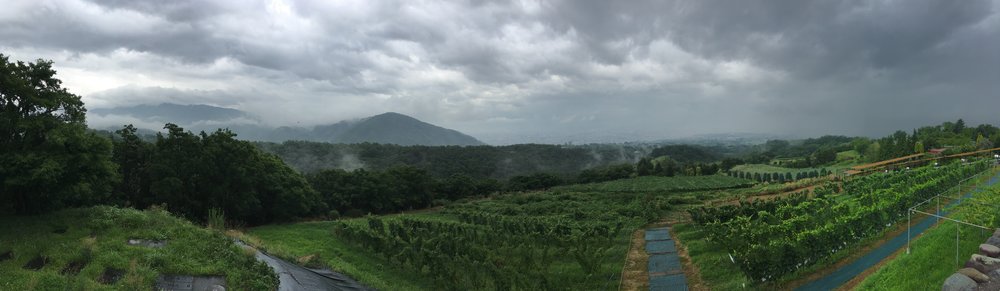
 panoramic view of the Suntory winery
panoramic view of the Suntory winery

Want to know more about what to see and where to stay? Leave a comment!!! 

Nakasendo, Magome juku – 中山道・馬籠宿

 Terraced rice fields along the hike to Magome
Terraced rice fields along the hike to Magome
 Magome juku
Magome juku
 Yakimochi
Yakimochi

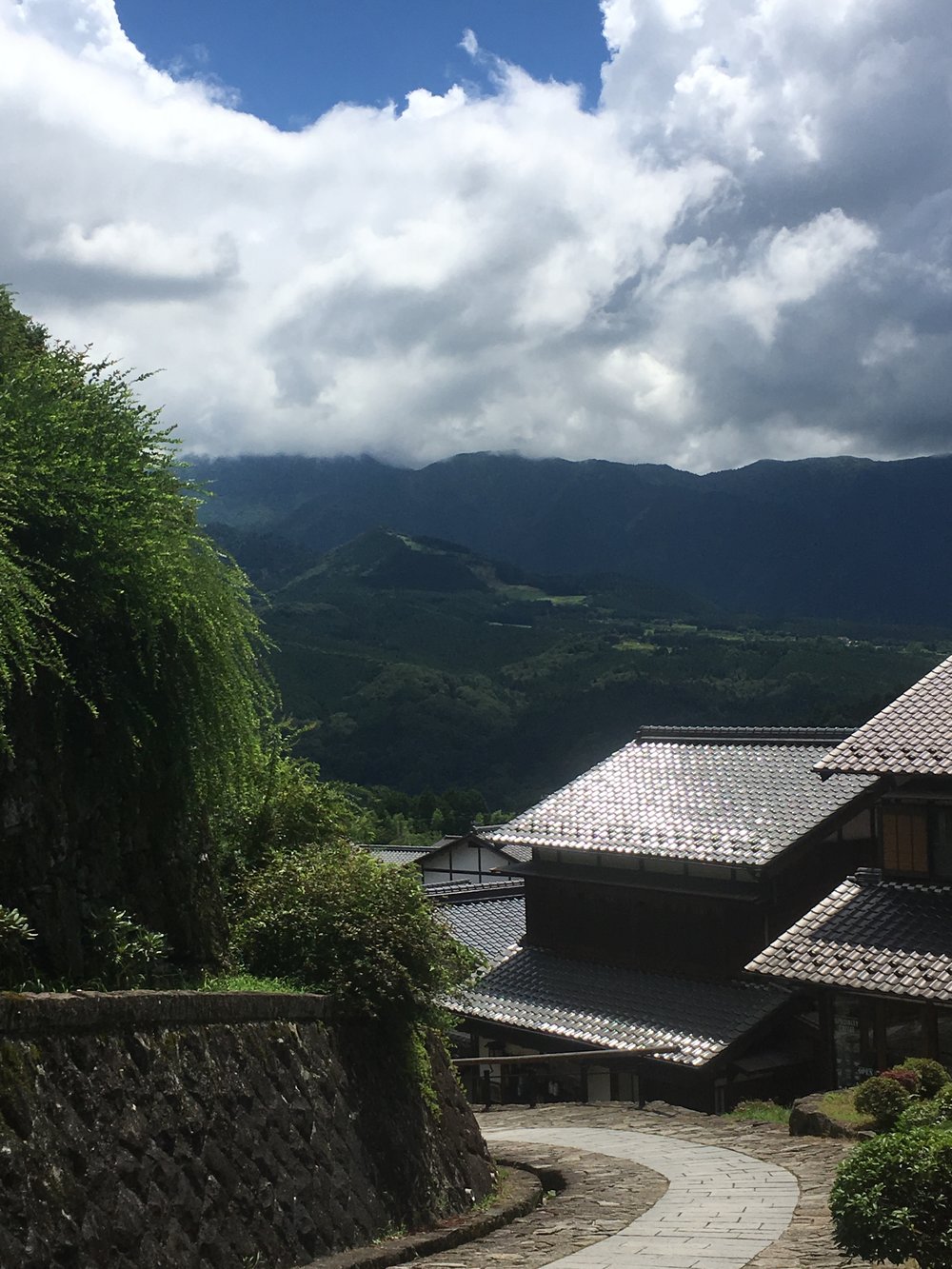
We are still on the road both by car and by foot with A. And after Tsunan, Hakuba, Azumino, Matsumoto, Kamikochi, Takayama, Gero, Ena we are now in the Kiso valley, or rather on the old road Nakasendo, in a very nice little inn where we are the only guests and very well taken care of. Our hike today, shortened by the heat has taken us to Magome juku, an old post town on the Nakasendo, one of the roads widely employed to travel between Kyoto and Tokyo in the past, a still very well preserved place with very picturesque views and old houses. Back at our inn: Shinchaya, our host had prepared a huge dinner as could be expected in every minshuku and ryokan. What is great with minshuku compared to ryokan is that it is more homemade-like food and easy to get recipes directly from the cook! For addresses and tips about traveling in the Kiso valley, please leave a comment!

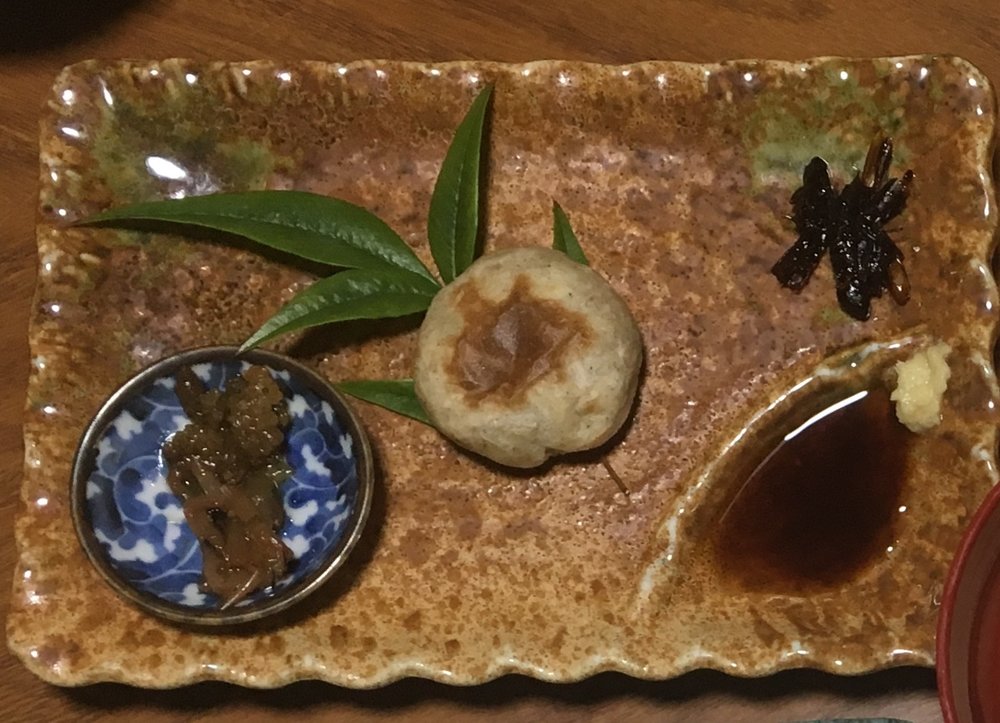
This time the nice surprise was what is called yakimochi – 焼き餅 but it is not made of rice! The recipe is quite simple and the results quite delicious!

 Yakimochi – 焼き餅 from Shinchaya

– a few taro – 里芋

– buckwheat flour

– salt

– soya sauce

– fresh ginger

Boil the taro, and peel them. Mash them with a fork, add some salt and the buckwheat flour to obtain a smooth mix. Make paddies with the mix and grill them (oven, pan…). Peel and grat the fresh ginger. Serve the grilled paddies with soya sauce and the ginger.

Wasabi – 山葵

 At work
At work

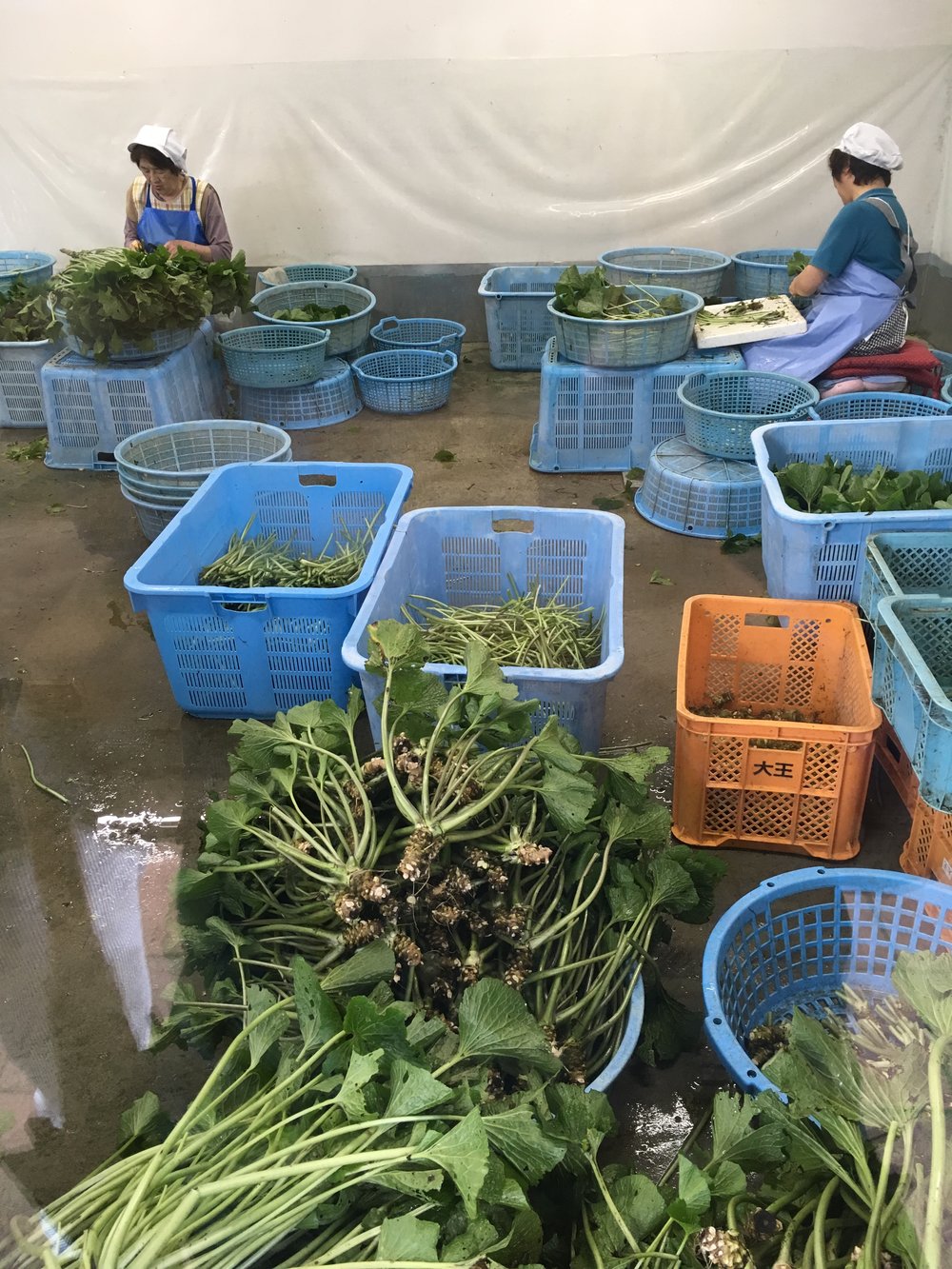
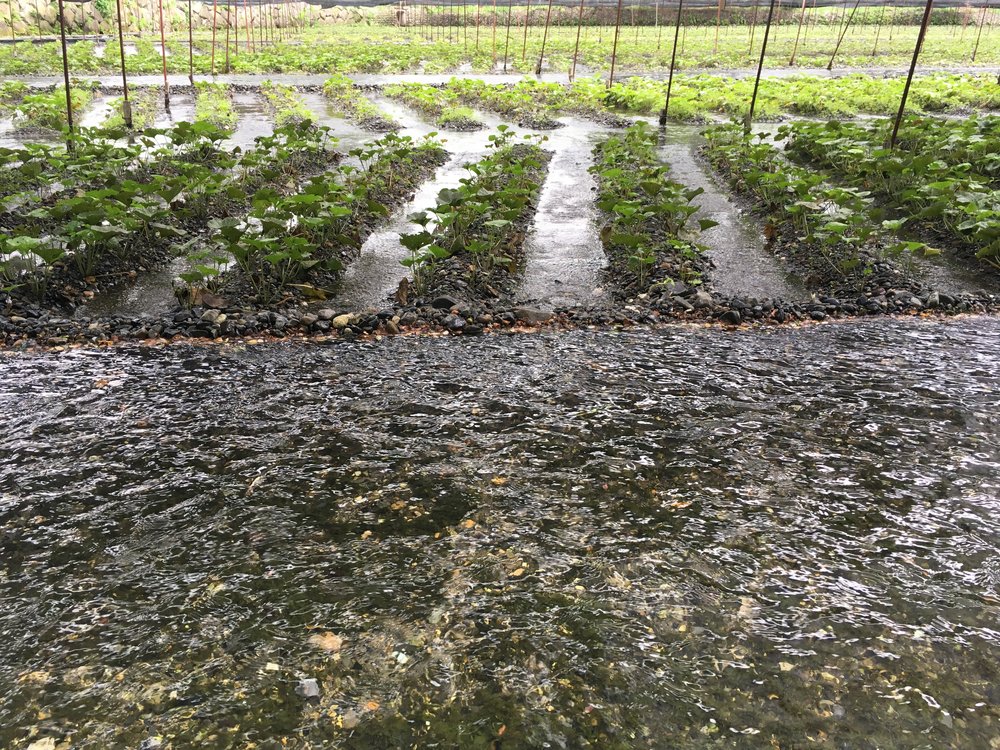
Wasabi is an important ingredient in Japanese cooking. It is of course used for sushi, but also with tofu, soba noodles… It is an autochthonous plant that grows naturally nearby clear streams. Historically it was first used as medicine in Nara period (700AD) before being popularized as food during the middle age: Muromachi period (1300~). And probably with the sushi boom in the early 1900’s wasabi has been more in demand and a few farms were created. That’s then that the now world biggest wasabi farm started. Daio farm started in 1910 but it took about four decades to become a decent wasabi farm and what it is now. One can easily imagine the landscape transformation such an installation has provoked and how intensive production to meet demand and keep price low affects the rural and natural areas. Yet Daio wasabi farm is an interesting place to visit and it is quite beautiful. The super pristine waters needed for the culture of wasabi, the little plants in the rock bed and the curvy lines of the field bordered by leafy willow trees are really quiet and peaceful. It is a very different landscape from those usually seen in Japanese. Picturesque like a Seine and Marne village cherished by the Japanese painters in the 1900’s or the japonism painters (top picture). Visiting Daio farm is a really nice stroll. It is also possible to see people at work to extract the stem from the plant (upper picture), visit the little history museum and try some wasabi food (we had ice cream). Since they also sell fresh wasabi at the farm I was looking for a cookbook or something to learn more about how to use wasabi, but none was available. An other time…

 Wasabi fields and pristine water  
Wasabi fields and pristine water  

Daio wasabi farm: free entrance, open all year round from 9:00〜17:20, count 1-2h stroll


Proudly powered by WordPress | Theme: Baskerville 2 by Anders Noren.

Up ↑

Verified by MonsterInsights