Deal!

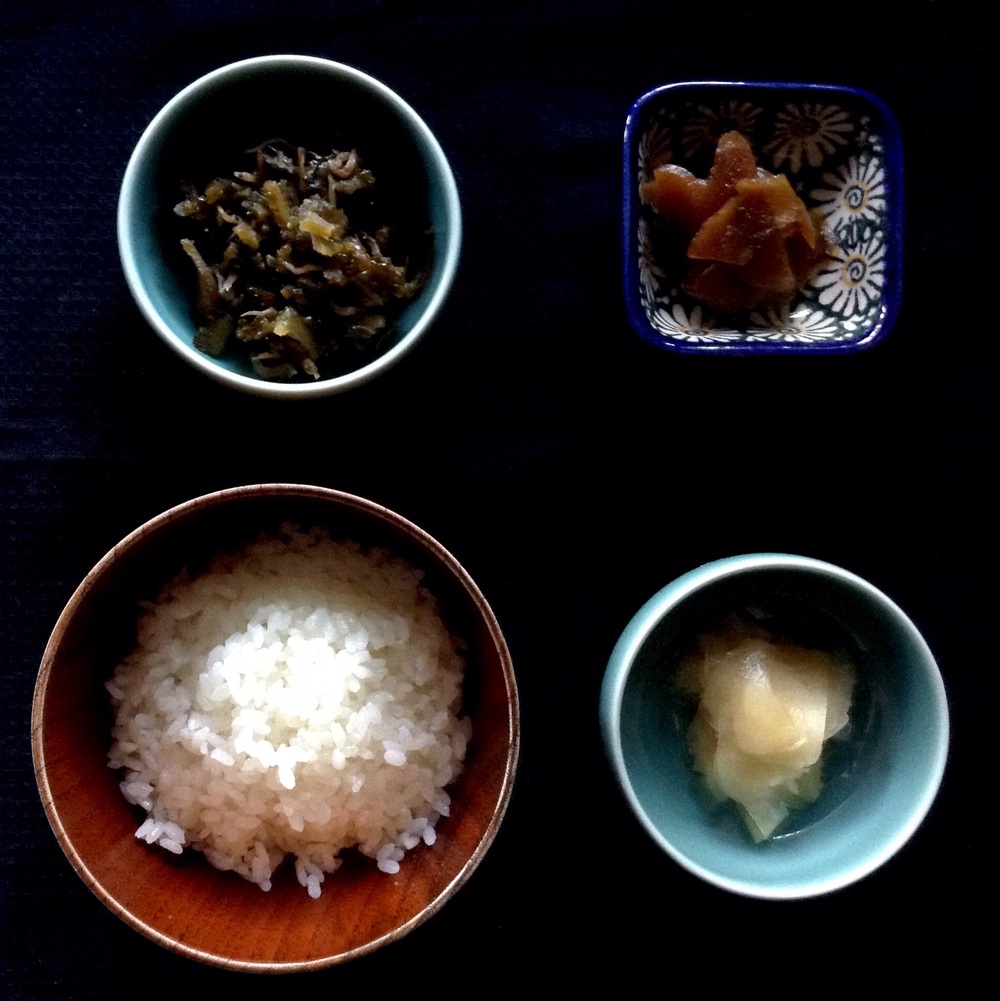
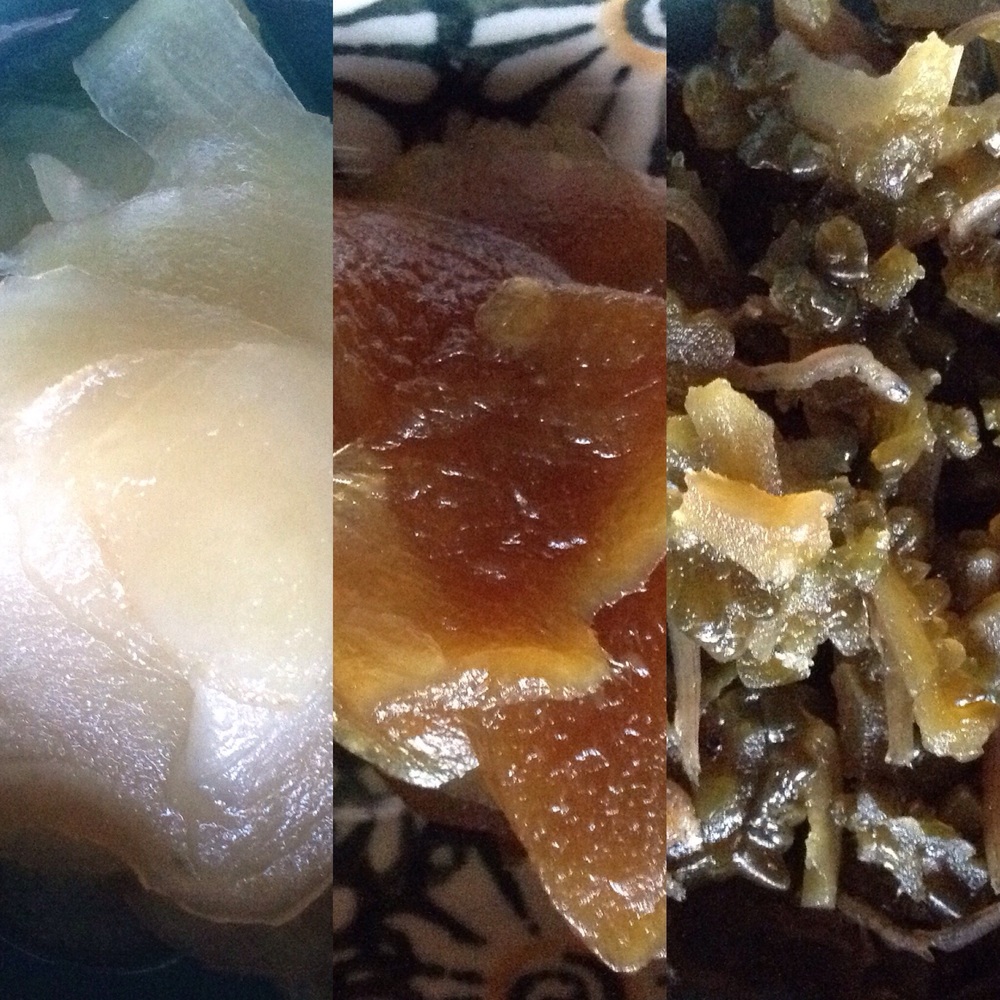
 From left to right: ginger in vinegar, candied ginger, gono
From left to right: ginger in vinegar, candied ginger, gono

You may remember that I gave away to my neighbors my gingko nuts because there were really too many.  So to thanks us our little 84 years old neighbor prepared us some nice Japanese traditional condiments and brang them to us timely just before lunch, so I just had to cook some rice. There were three different preparations: ginger in vinegar, candied ginger in soya sauce, and gobo simmered with mirin, sake, soya sauce, sugar and small fishes. All of them were really delicious and now I want so badly that she teaches me how to prepare these!!!!

 Perfect lunch! 
Perfect lunch! 

Mushroom spread

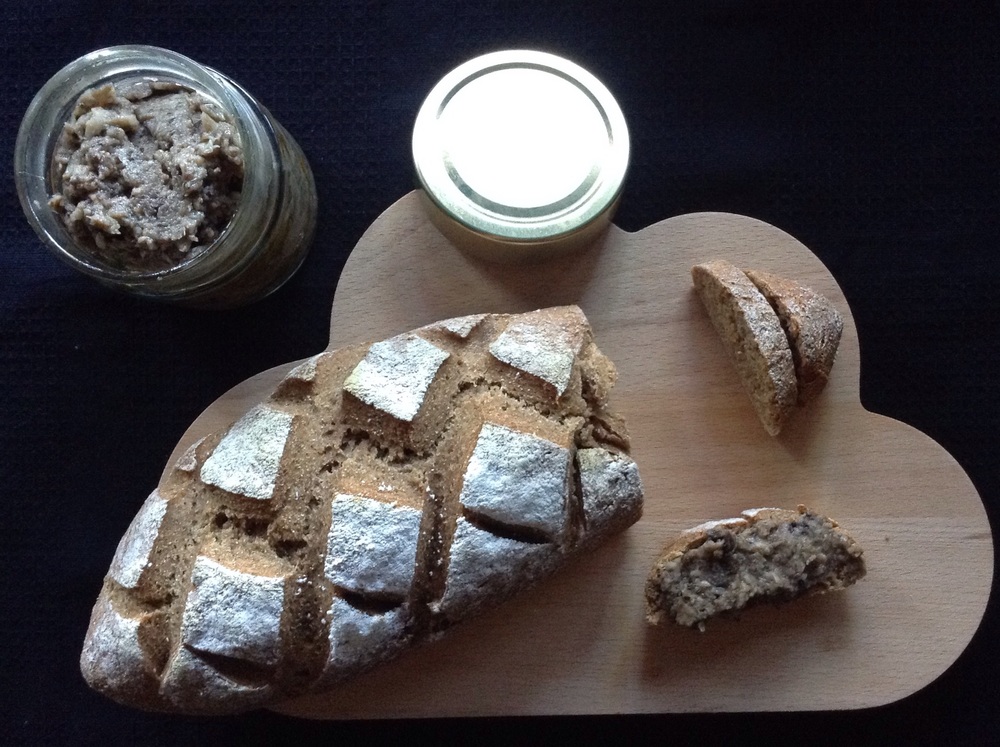
Once I’ve made a delicious bread, I like to eat with different things and I really love vegan spreads because it’s an easy way to prepare and keep veggies for a few days. I’ve had in mind making some mushroom spread for a long time now, but never did before. But the other day we went for lunch to a nice Japanese macrobiotic cafe and I bought a recipe book where there was a recipe for a spread. So largely inspired by this Japanese recipe, I changed it to suit better my bread. So it turns out being a mushrooms-olives-thyme spread. It’s simple and delicious.

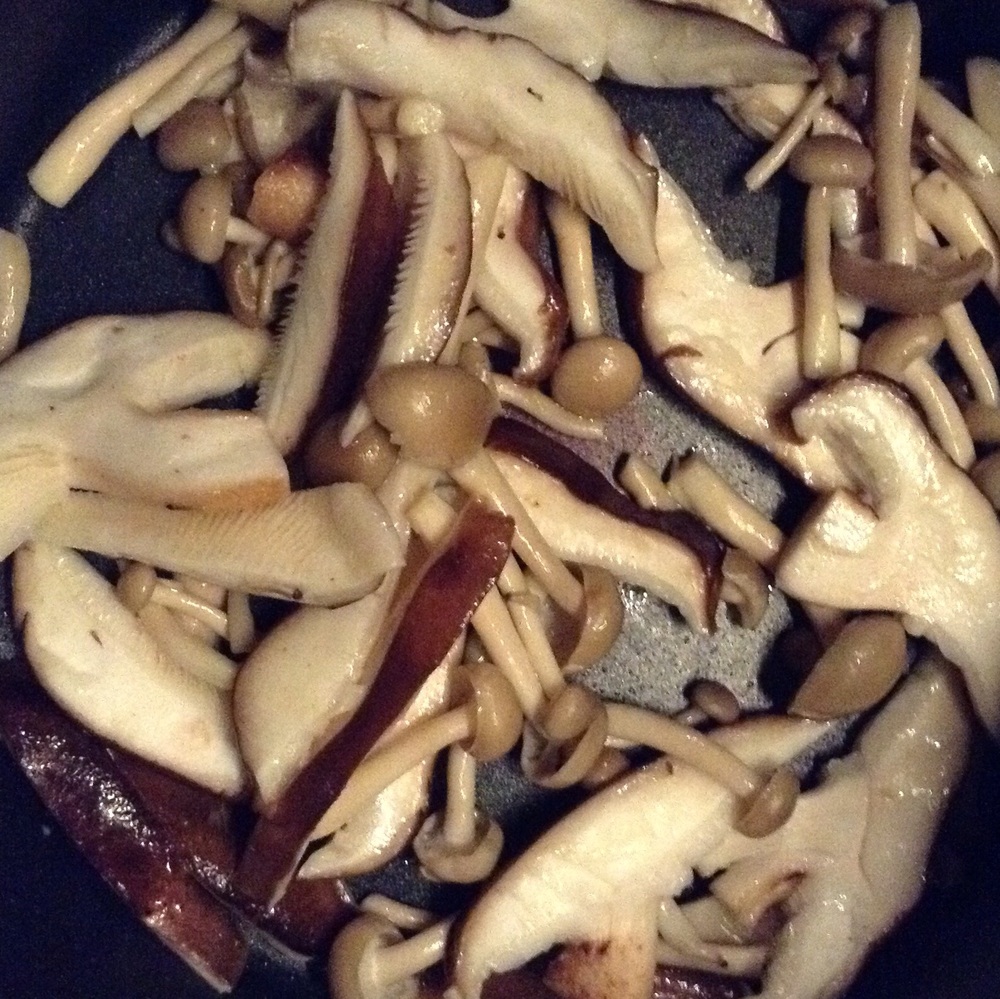
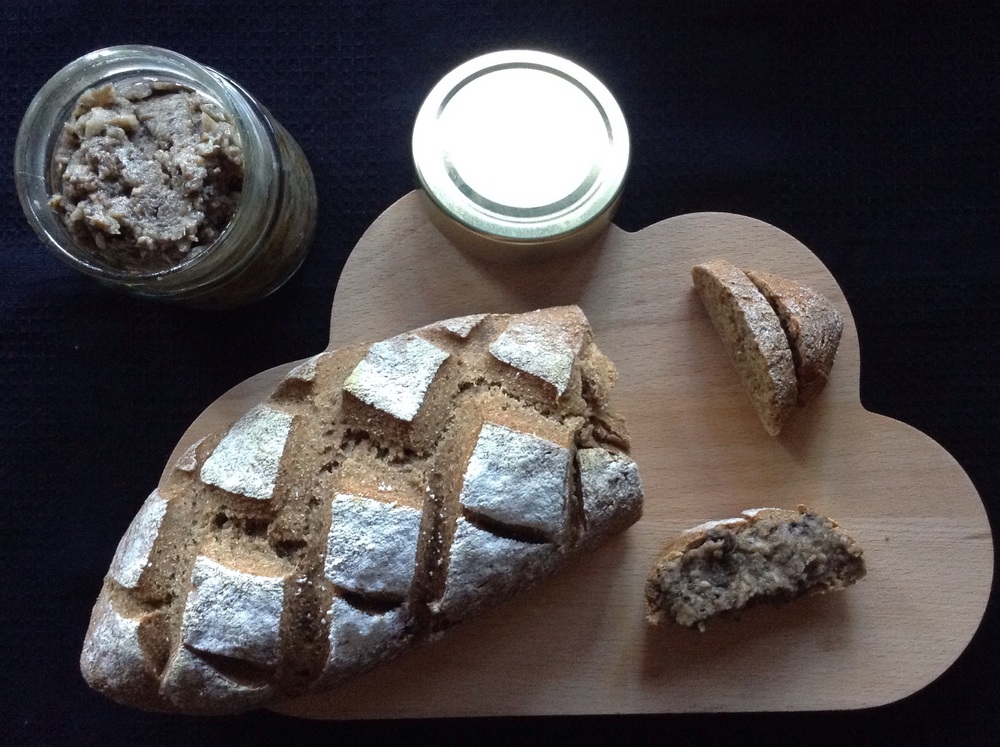
I roughly cut the 150g of mushrooms of all sorts: here fresh shiitake and shimeji, and cook them in a bit of oil. Then in a food processor I mixed the mushroom, pitted black olives (just a large table spoon), salt (adjust the amount depending on the olives), and thyme leaves (3branches, so probably the equivalent to one tea spoon). Add a little of olive oil if necessary, process to puree or chopped as you like. I put the paste in a bin for easy handling. Ready to serve and you can keep it a few days in the fridge. Perfect with my original bread for example!

My first original recipe for bread

It’s been some time now that I’m baking bread following thoroughly recipes from books, but this time I felt like I can change that and start thinking about my own mix and recipes without opening a book.  once you’ve learned the basic proportions and you know what kind of texture you need to achieve after kneading it’s not difficult at all.

So my first original recipe is a warming whole wheat and rye bread. I used 160g of rye flour, 90g of whole wheat flour, 180g of water, 12g of sourdough, 5g of salt, 3g of yeast, knead until smooth and soft. After the dough has taken enough volume I shaped it, leave again a few hours, and finally baked it at 235deg for 10min, then at 220deg for 20min.

Persimmon jam

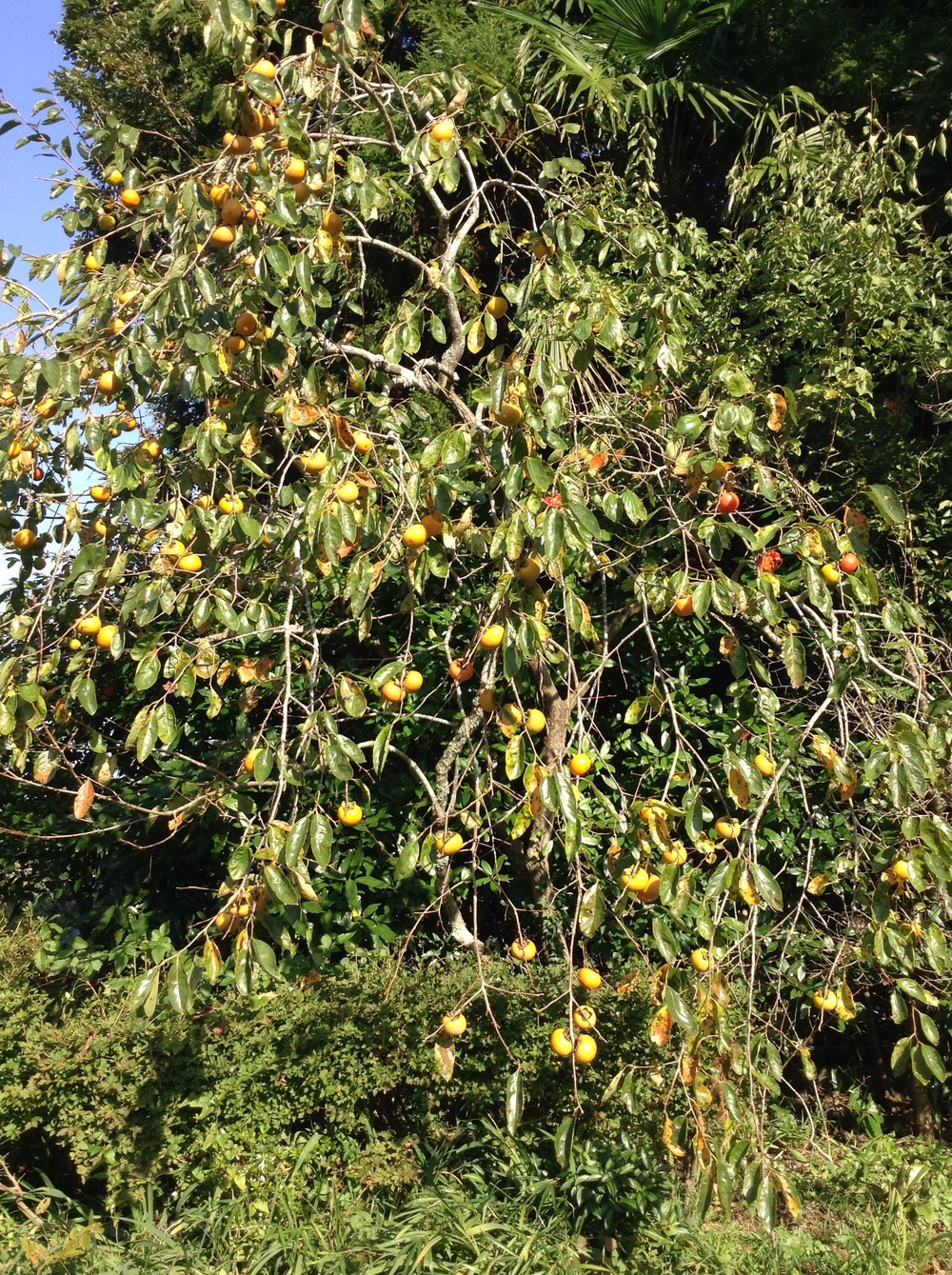
 One of our persimmon trees about 2 weeks ago
One of our persimmon trees about 2 weeks ago

In Japan, persimmons are quite popular and common. Everywhere in the country at that season you can see their trees with little or no foliage, just magnificent orange fruits against the blue sky. And this year there are so many fruits on each tree that it is really amazing! There exist a few varieties from the very sweet used in different recipes more often in salty versions, to the sour ones (shibui kaki – 渋いカキ) used dried: hoshi kaki (干しカキ). Since the season is just starting there’s going to be many opportunities to prepare persimmons.

In our garden we have three persimmon trees, two sweet and one quite old sour one. I don’t use the sour ones I leave them to the birds, because old ladies from area told me that Ohara is too warm to dry kaki properly without them rotten. But I use the sweet ones in several recipes. And this year because there are so many I’ve decided to make jam and jelly. I used only persimmon, brown caster sugar and a bit of agar agar. I peeled a dozen of persimmons, cut them in pieces, remove the seeds, add a bit of water, brown caster dugar and cooked at low heat for 1h. In the last few minutes I added a bit of agar agar because I had no natural pectin to really make it jelly like.

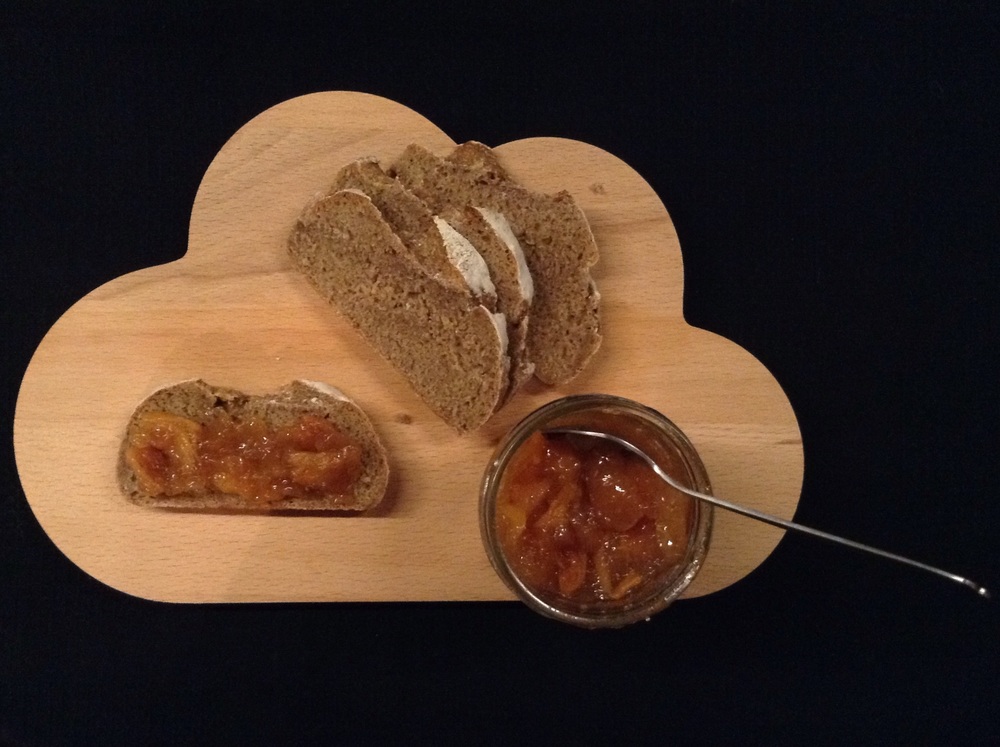
I then prepared the bins and and wait until cold to try on my original bread! I’m not very much used in making jam and preserves so I’m still learning, but the persimmon jam is nice, but as expected the taste is very subtle. I may have tried to add some flavor with vanilla beans may be. I made two variations: one pure jelly, and one with large chunks of fruit as on the picture. So if like me you have plenty of persimmons that could be a good manner to use them, if not I wouldn’t buy any to make jam with, unless you have a better recipe than mine, which I’ll be very happy to try because I’ve only harvested a 10th of our persimmons yet!

Unpredictability

Well, well, well, Friday evening after an other long day at work and a busy week, I was really happy to get back home, finish packing for the week-end and go and pick-up the car downstairs to leave.

It was without counting on a little unexpected event: damned new car with tones of high tech sensors and the ones measuring tire pressure… OK, so let’s put some air in the damn tire, drive a bit, decide that it’s not a good idea to drive to the country in the middle of a rainy night with a defective tire, park the car back and go back home with the luggage and just a bit upset: it’s rainy, and I can sleep one more night on my dream pillows!!!

Saturday morning we went to had our tire check: flat tire due to a vis!!! And while it got repaired we walked in a nearby open house village, you know these places where they have models home you can visit. Found a nice one and decided to visit, and got plenty of ideas and hints for the reform of our bathroom in Ohara, a thing that we’ve had in mind for a few years already!!! First nice discovery of the day!

With our repaired tire and ready to drive car we finally head to the country but we decide on our way to stop at Ichihara lakeside museum to try their pizzeria with view on the lake. They serve homemade pizze prepared with local products, and really enjoyed it: fresh, simple, delicious, and local! Perfect, second nice discovery of the day!

We then decided to have fun and drive the small roads of inner Chiba: Naka Bosso (中房総) and took the long way to Ohara. We discovered the beautiful Yoro valley, its old fashioned onsen and a very mountain like landscape and atmosphere, extremely different than the one of the Pacific coast, though it’s only 30km away!  A recommendation to enjoy soon the autumn colors and a good fun drive! Third discovery!

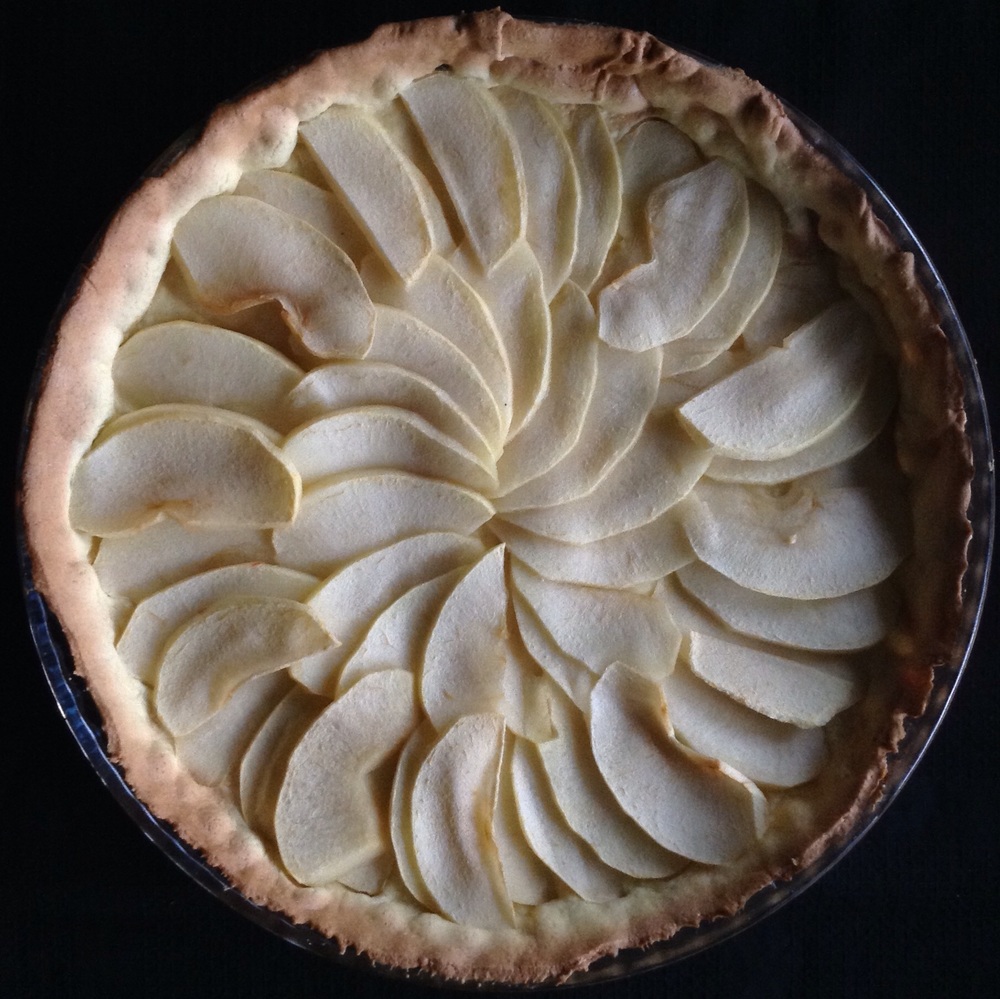
And we finally arrived home at tea-time, for which I quickly baked an apple tart with a thin sable dough and one apple thinly sliced on top, nothing else. This unpredictable flat tire just led us into a beautiful day!
Left over diner

We had friends at home for diner the other night, and I over spec the diner portions, so, rare enough, I had enough left overs for a second diner. But because I don’t like eating twice the same thing I arrange it in completely different maner.

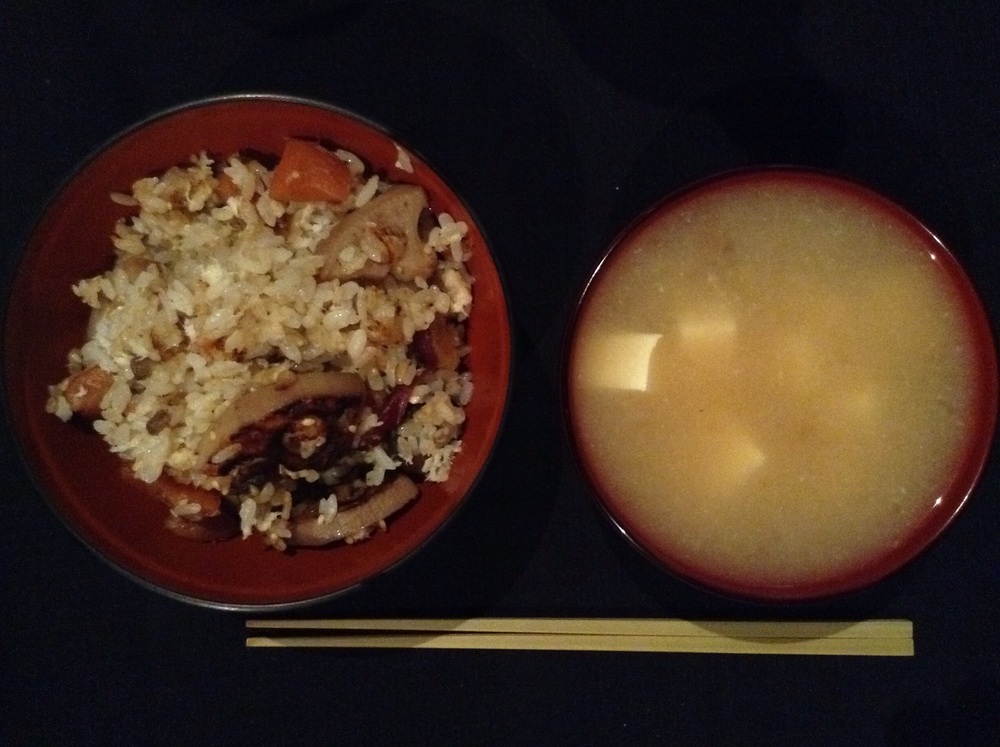
The original dinner consisted in plain white rice, Japanese autumn veggies (sweet potatoes, litus roots, carrots, eringi mushrooms, turnips…) in dashi and sake, salt-grilled sawara, and a mushrooms and tofu miso soup.

The new version was a cha-an (sauteed rice)  with sawara and sauteed veggies, with sesame. For that I fried the rice in a bit of oil, added a table spoon if sesame seeds, added the veggies, and stirred often. I removed the skin and bones of the fish and crumbled it in the rice, stirred again and served. A super delicious diner, ready in 5 min, just perfect after a long day at work!

Experimental tart

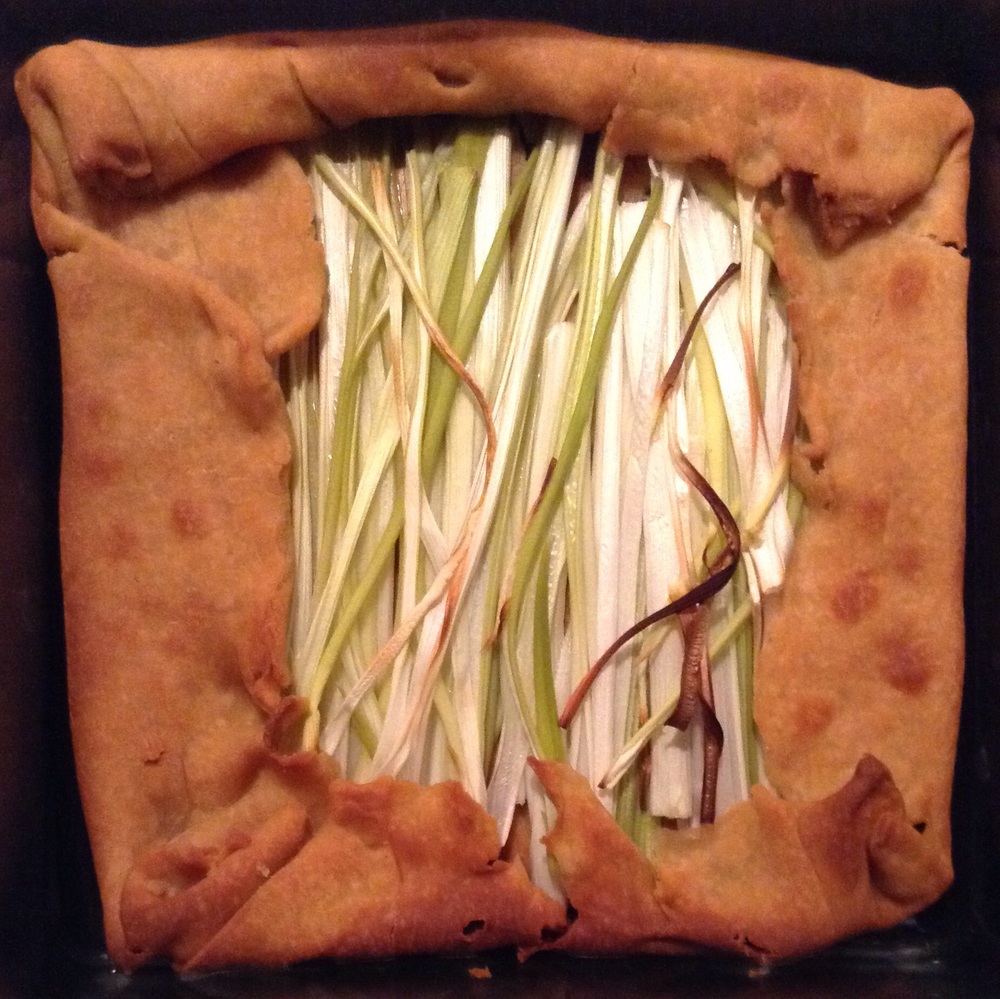
I was running out of flour and wanted to prepare a leek tart, so I made a little experiment for the dough and give a Japanese twist to my tart. I prepared the dough with rice flour (2/3) and soy flour (1/3), vegetal oil and soy sauce, and of course water. The mixture was incredibly soft and nice to work, so I made a rather thin dough. For the leek it’s Japanese thin ones, so I just halved them and set them in the dough. I baked for 30min at 180deg. 

The result? Taste-wise it was just somptuous, a mix of crispy, melty, juicy and dry. Amazing! Plating and eating wise: the sides of dough were really crispy, so hard to make a clean cut. The whole length leeks are difficult to cut, so not optimal. Need some work here, but couldn’t help sharing the recipe of that delicious dough, very likely perfect with shiitake and other Japanese vegetables.

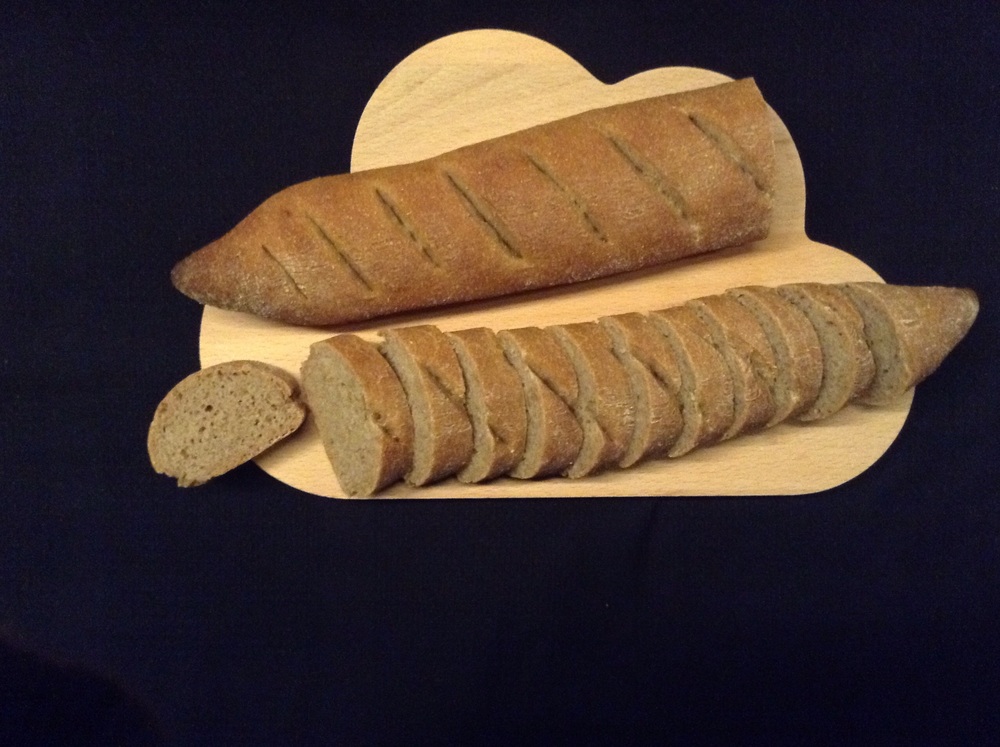
Rye baguette

It’s been some time I haven’t posted a simple bread recipe. Not that I haven’t made any, on the contrary! But I made a lot of my classical breads: whole grains… Now that it’s becoming chilly it’s going to be difficult to control accurately the proving time. For this rye baguette for example the recommended proving time was 1h, but the house is now about 18-19deg so I had it prove for 5h. The result was perfect.

The basic ingredients are: 175g of rye flour, 75g of flour, 13g of dry sordough, 180g of water, 5g of salt, 2g of yeast. The process is just as usual. I shaped my bread as a baguette, but any shape can do. For the baking, 30min at 225deg.

Gingko nuts rice

There are several ways to use gingko nuts in cuisine. The simplest is probably to grill them, for that you just beed to break the hard shell roughly, grilled them in a pan and serve with salt. It’s the easiest because no need to remove the hard shell, everyone does while eating. Perfect as a snack. But definitely not the most elegant way. So first if all renoving the shell without breaking the nuts is important. It’s not too difficult. Then there is a brownish skin that you don’t want to serve. To remove it it’s easy, boil a dew minutes the nuts then roll them in a metal net or drainer. The peel will go away with the friction. Now you have the perfect yellow nuts that you can use for any recipe. One of my favorite use issimply with white rice, to accompany a Japanese dinner. Jusr add the nuts in the rice after it is cooked. Count 3 to 7 nuts per person. Finish with a bit of salt when serving to enhance the taste of the nuts.

Proudly powered by WordPress | Theme: Baskerville 2 by Anders Noren.

Up ↑

Verified by MonsterInsights